15 Inventions Credited to the Wrong Person
Popular history tends to simplify invention into single-genius narratives, crediting one name while erasing the collaborators, predecessors, or independent inventors who did equally important work. The following inventions carry names that history has, to varying degrees, gotten wrong.
The Telephone and Alexander Graham Bell
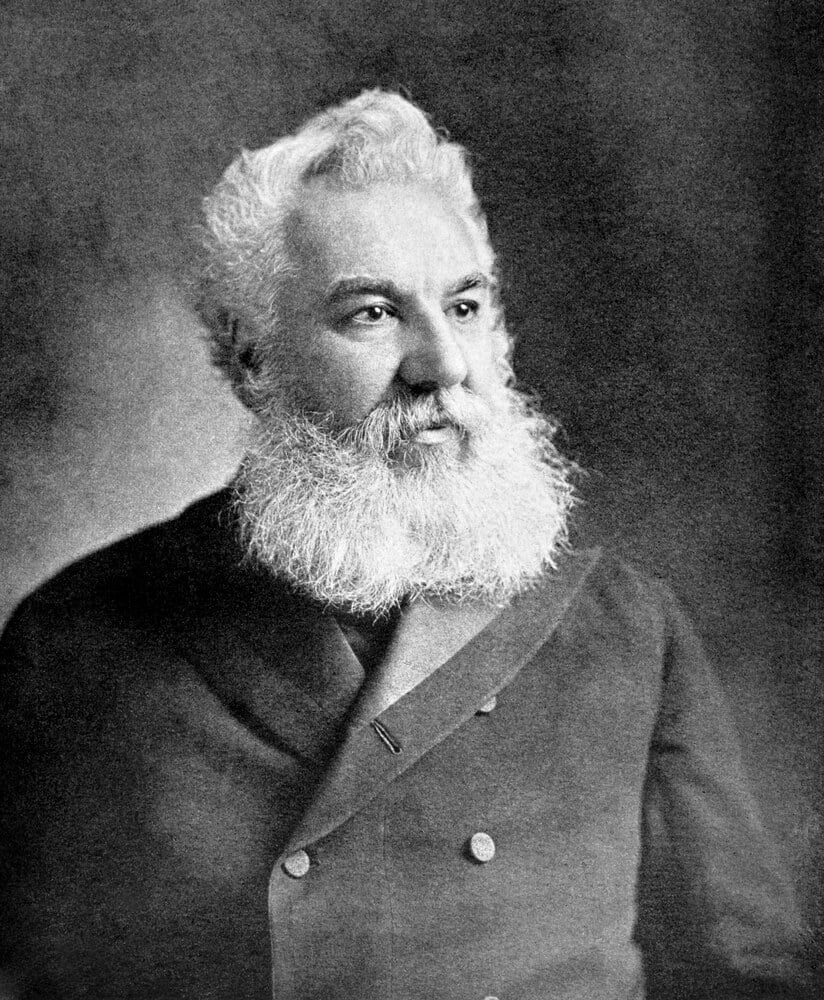
Bell filed his telephone patent on February 14, 1876, just hours before Elisha Gray filed a competing patent caveat for a similar device, and historians have long debated whether Bell’s design used technical details from Gray’s filing that were improperly shared by a patent office clerk. Italian inventor Antonio Meucci had also developed a working voice-transmission device years earlier but lacked the funds to maintain his patent, a fact the U.S. House of Representatives formally acknowledged in a 2002 resolution.
The Light Bulb and Thomas Edison
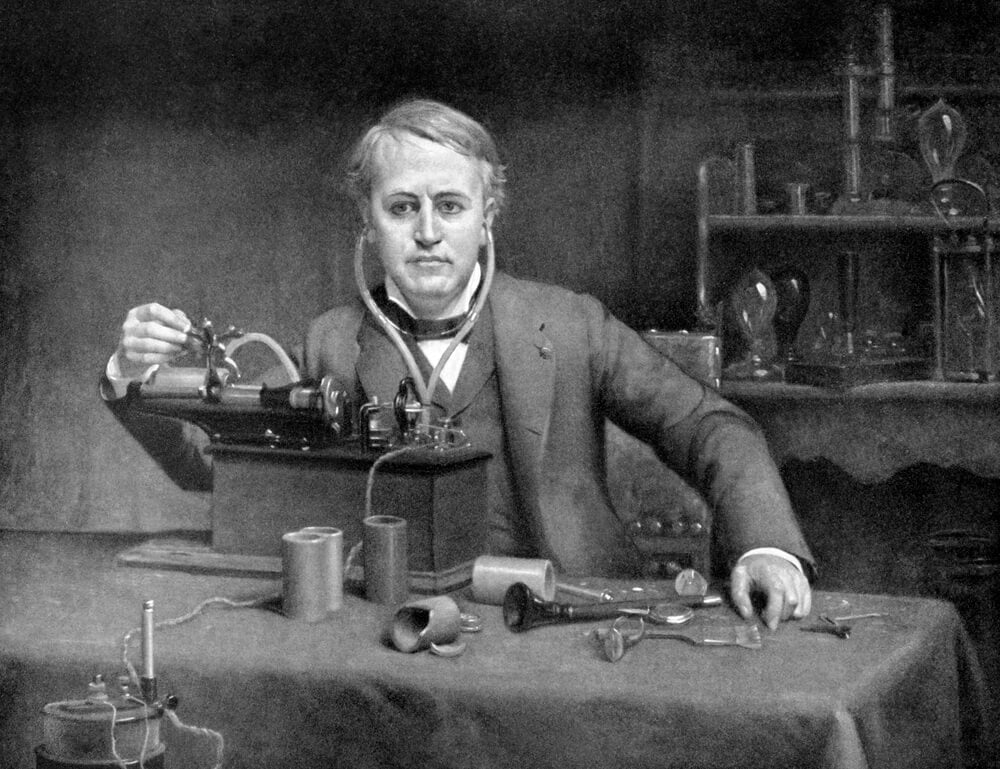
Edison’s 1879 patent is widely taught as the light bulb’s origin, but British physicist Joseph Swan had already demonstrated a working incandescent bulb in 1878 and held his own British patent, leading the two men to eventually merge their competing claims into the joint company Ediswan in 1883. Edison’s genuine contribution was less the concept itself and more the commercially viable filament and supporting electrical distribution system.
The Telegraph and Samuel Morse
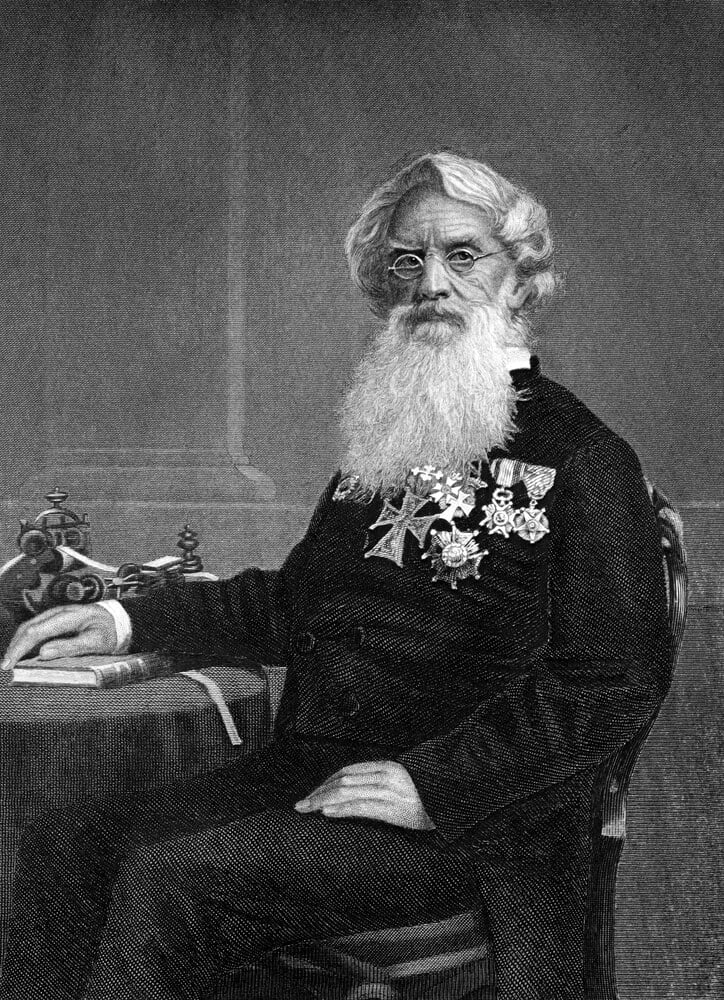
Morse is widely credited as the telegraph’s inventor, but the underlying electromagnetic telegraph technology had already been developed independently by British inventors William Cooke and Charles Wheatstone, who patented their version in 1837, several years before Morse’s system became commercially dominant in the United States. Morse’s most significant original contribution was arguably Morse code itself rather than the physical telegraph technology.
The Steam Engine and James Watt
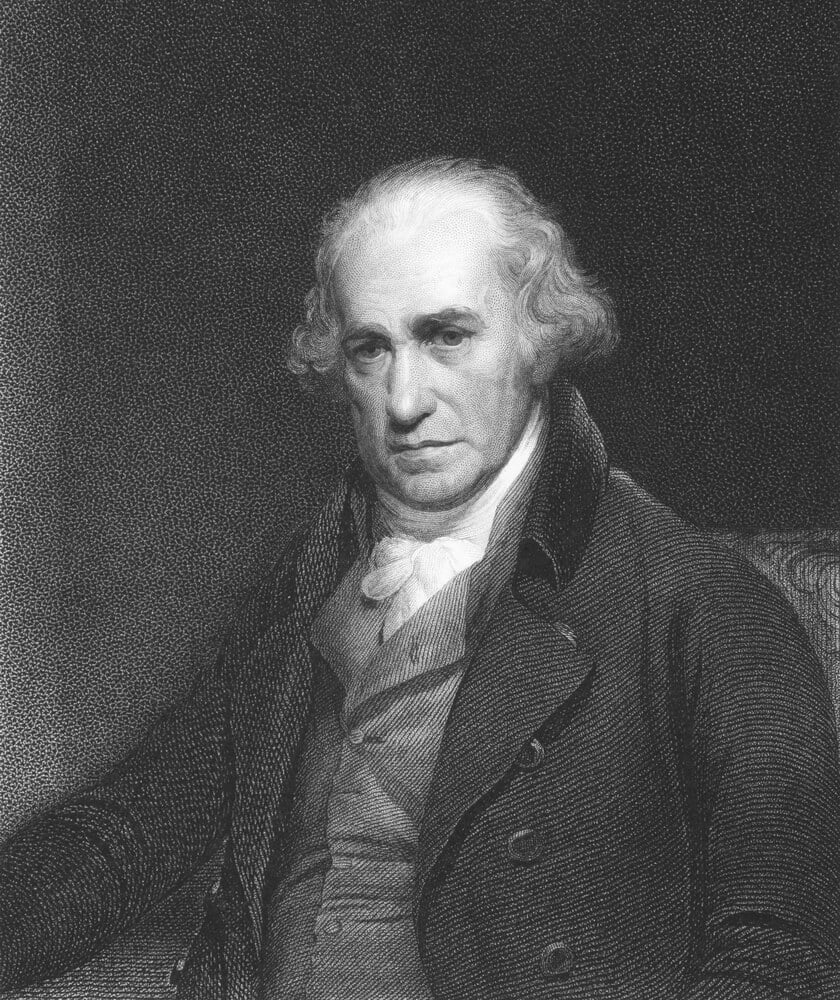
Watt is frequently credited as the steam engine’s inventor, but Thomas Newcomen had already built a functioning steam engine in 1712, decades before Watt’s birth, and Watt’s actual 1769 patent covered a specific improvement, a separate condenser, that dramatically increased efficiency rather than the engine concept itself. Watt’s business partnership with Matthew Boulton was what allowed the improved design to achieve widespread commercial adoption.
The Automobile and Henry Ford
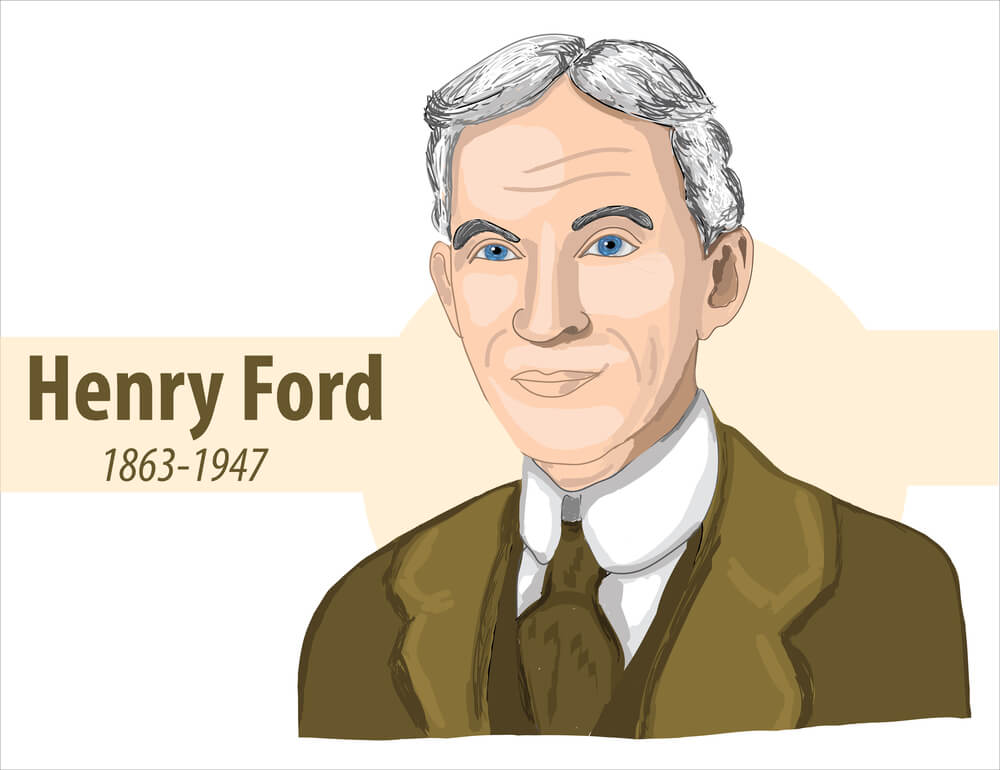
Ford did not invent the automobile; German engineer Karl Benz is credited with building the first practical automobile powered by an internal combustion engine, patented in January 1886, over a decade before Ford’s first vehicle. Ford’s actual innovation was the moving assembly line, introduced at his Highland Park plant in 1913, which made automobile ownership affordable to a mass market rather than the vehicle itself.
The Theory of Evolution and Charles Darwin
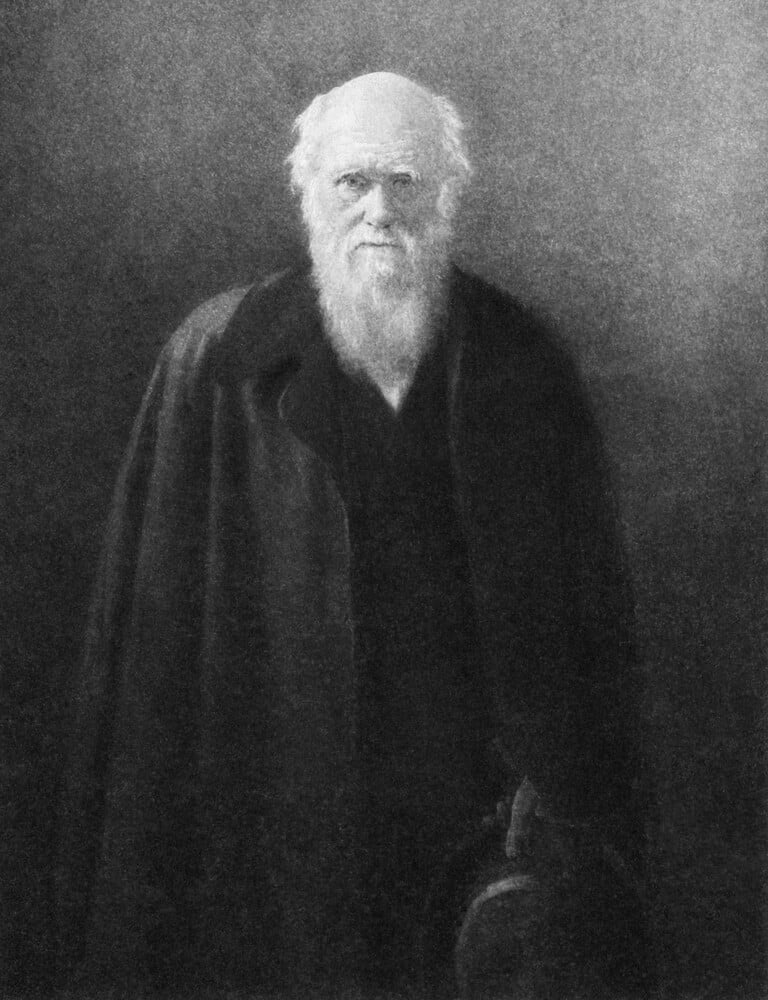
Darwin is correctly credited as evolution’s primary theorist, but naturalist Alfred Russel Wallace independently arrived at a strikingly similar theory of natural selection around the same time, prompting the two men’s findings to be jointly presented at the Linnean Society of London in July 1858 before Darwin published On the Origin of Species the following year. Wallace’s contribution has historically received far less public recognition despite the joint presentation.
The Polio Vaccine and Jonas Salk

Salk’s inactivated polio vaccine, announced in 1955, is widely celebrated, but Hilary Koprowski had developed and tested an earlier oral polio vaccine years before Salk’s announcement, and Albert Sabin’s separately developed oral vaccine, approved in 1961, eventually became the more widely used global vaccine due to easier administration. The public narrative crediting Salk alone obscures a considerably more collaborative and competitive scientific landscape.
The Airplane and the Wright Brothers
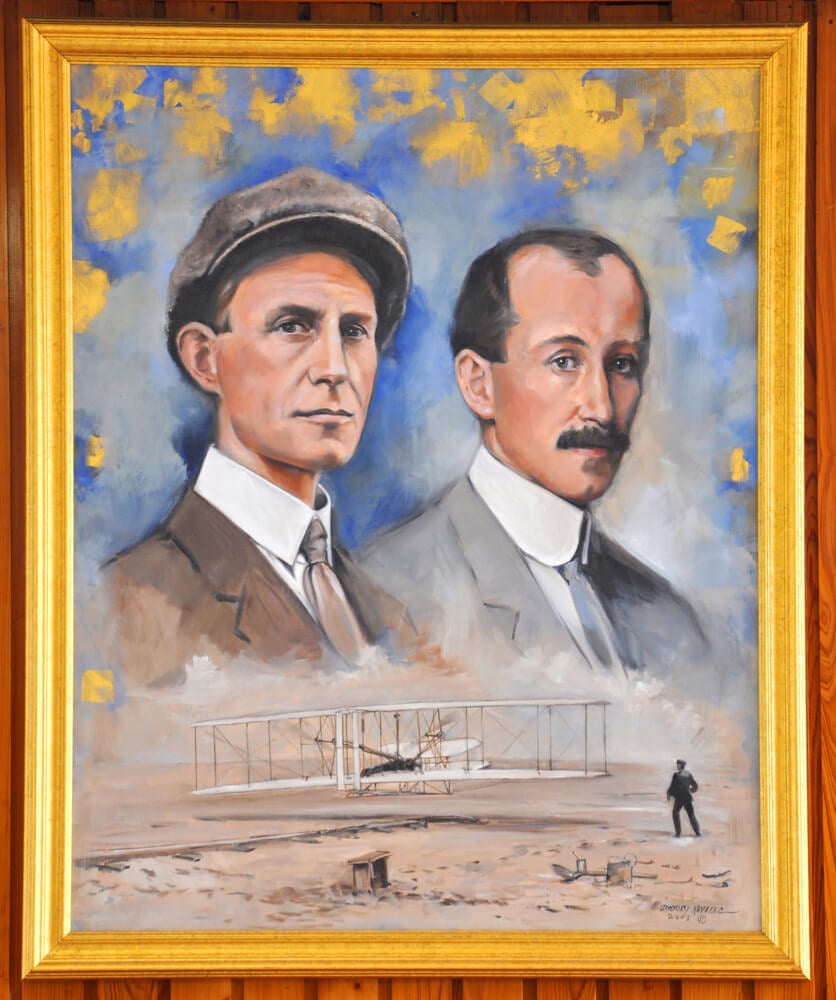
The Wright brothers achieved the first sustained, controlled, powered flight on December 17, 1903, but their claim to “first flight” specifically rests on rigorous documentation rather than being uncontested; New Zealand’s Richard Pearse and Connecticut-based inventor Gustave Whitehead both have contested earlier flight claims that lacked comparable verification. The Wrights’ meticulous record-keeping, not the absence of competitors, is what secured their historical primacy.
The Radio and Guglielmo Marconi
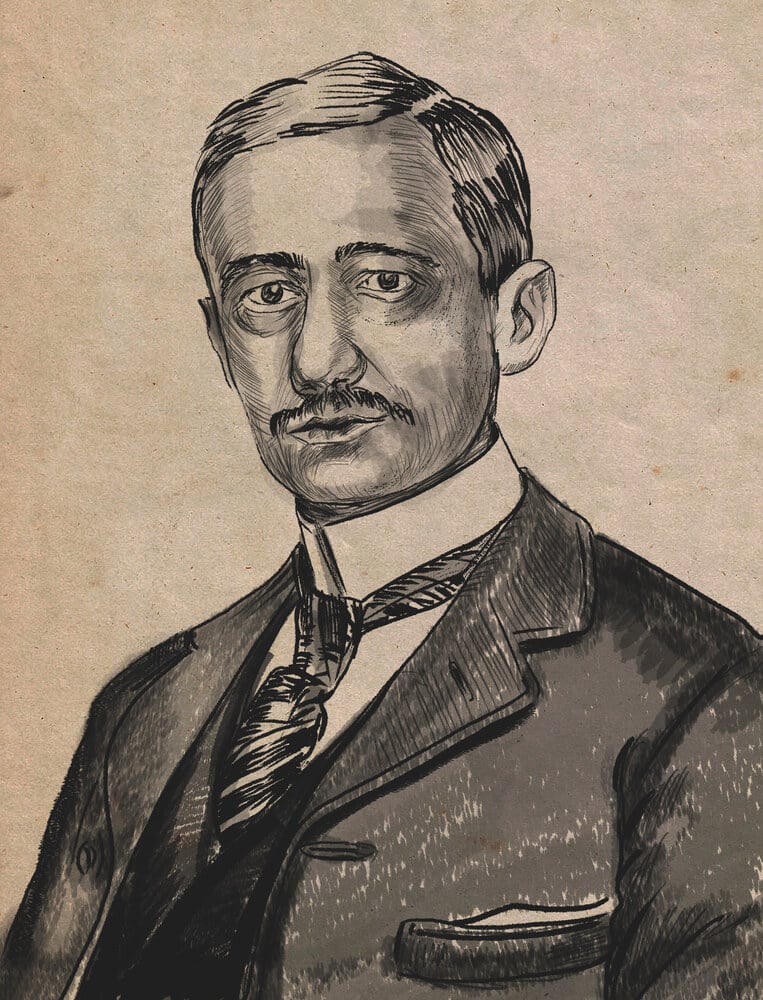
Marconi is popularly credited as radio’s inventor and won the Nobel Prize in Physics in 1909 for his contributions, but Serbian-American inventor Nikola Tesla had developed foundational radio transmission patents years earlier, and the U.S. Supreme Court formally invalidated several of Marconi’s key patents in 1943, ruling in favor of Tesla’s prior work. The ruling came only months after Tesla’s death and received comparatively little public attention at the time.
The Vaccination Concept and Edward Jenner
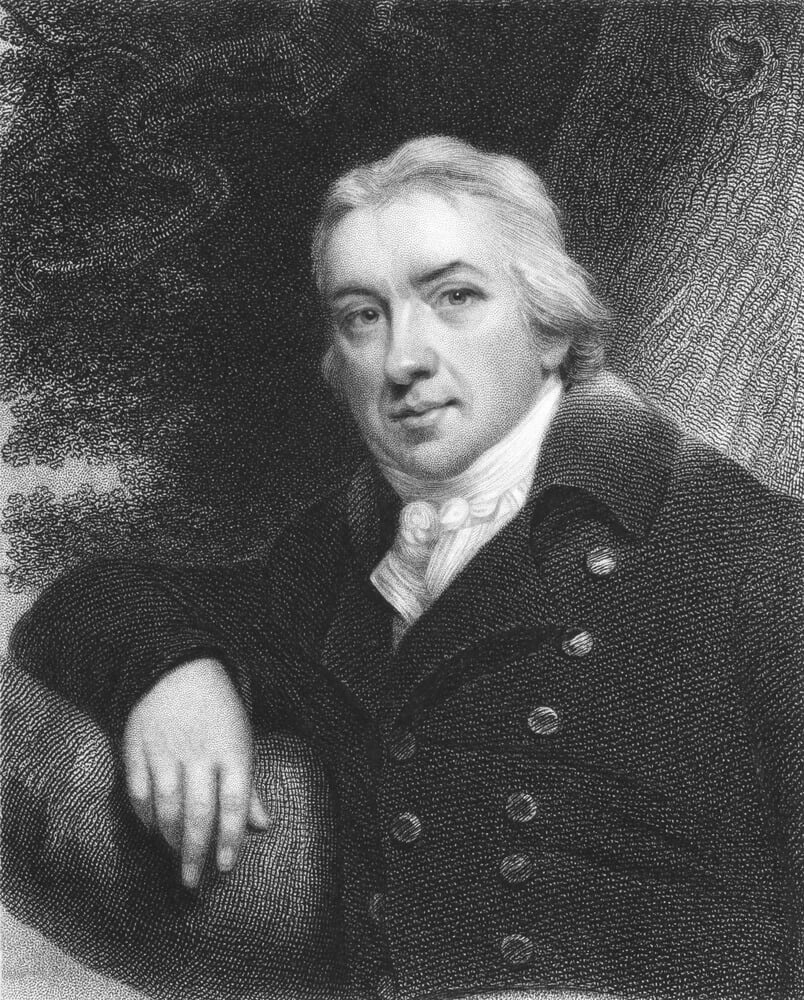
Jenner is credited with pioneering smallpox vaccination through his famous 1796 experiment using cowpox material, but the underlying practice of inoculation, using material from smallpox itself, had already been used in parts of Africa, the Ottoman Empire, and Asia for generations before Jenner’s work, brought to English attention partly through Lady Mary Wortley Montagu’s writings from Constantinople in the 1710s. Jenner’s genuine contribution was refining the practice into the safer cowpox-based method and rigorously documenting it for the scientific community.
The Sewing Machine and Isaac Singer
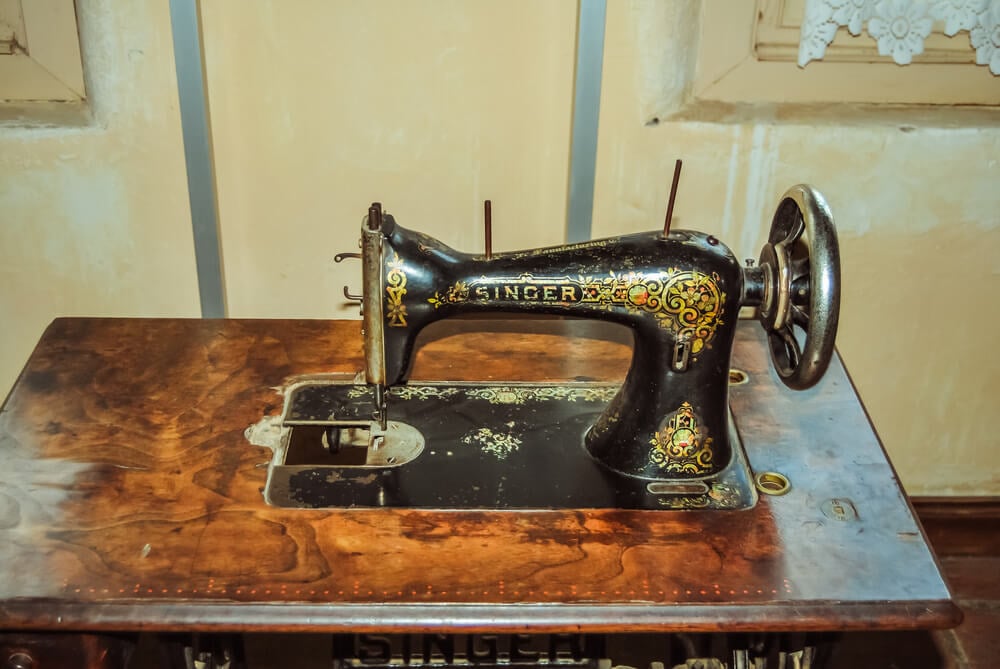
Singer is widely remembered as the sewing machine’s inventor, but Elias Howe had already patented a functioning lockstitch sewing machine in 1846, years before Singer’s commercially successful 1851 model, leading Howe to successfully sue Singer for patent infringement and collect royalties on every machine Singer subsequently sold. Singer’s real contribution was marketing and mechanical refinement rather than the foundational technology.
The Mechanical Reaper and Cyrus McCormick
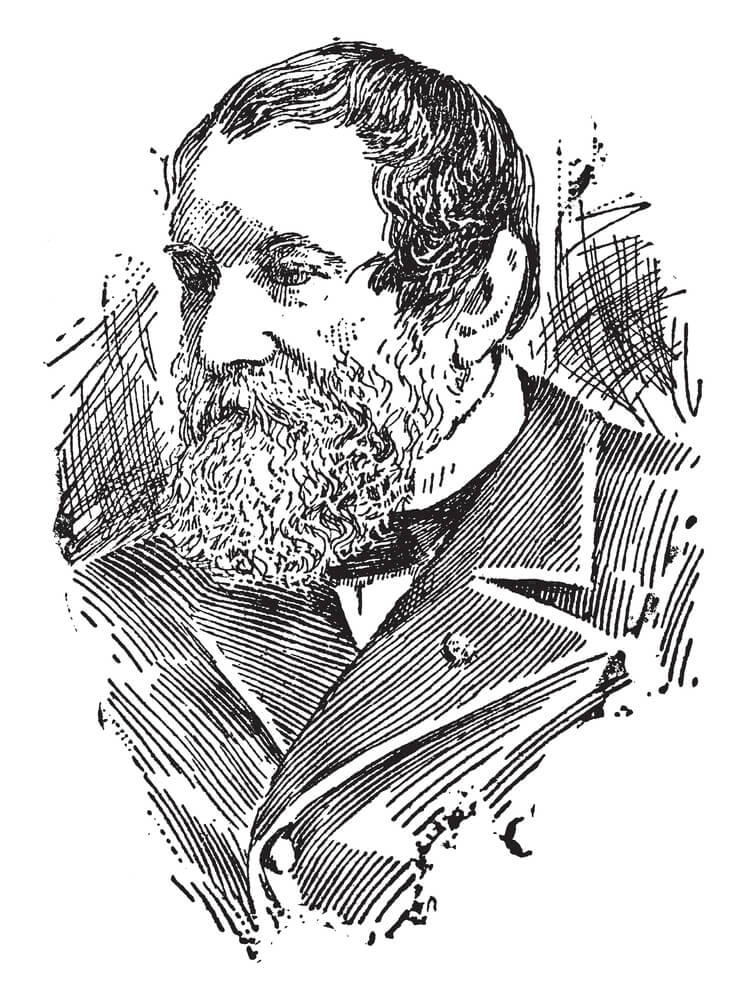
McCormick is credited with inventing the mechanical reaper in American textbooks, but Virginia inventor Obed Hussey patented a competing reaper design in 1833, roughly the same period as McCormick’s own claimed 1831 invention, and the two men engaged in a decades-long priority dispute that was never definitively resolved. McCormick’s superior marketing and manufacturing scale, rather than a clearly superior invention date, cemented his name as the one history remembered.
The Internet and Al Gore

Gore never claimed to have personally invented the internet, despite a widely circulated media distortion of a 1999 CNN interview comment about his congressional role, and the underlying technology was actually developed collaboratively over decades by numerous researchers, most notably Vint Cerf and Bob Kahn, who co-developed the TCP/IP protocol in the 1970s that underlies the modern internet. Gore’s actual, more limited role involved sponsoring legislation that helped fund the network’s expansion during his time in Congress.
The Phonograph and Thomas Edison
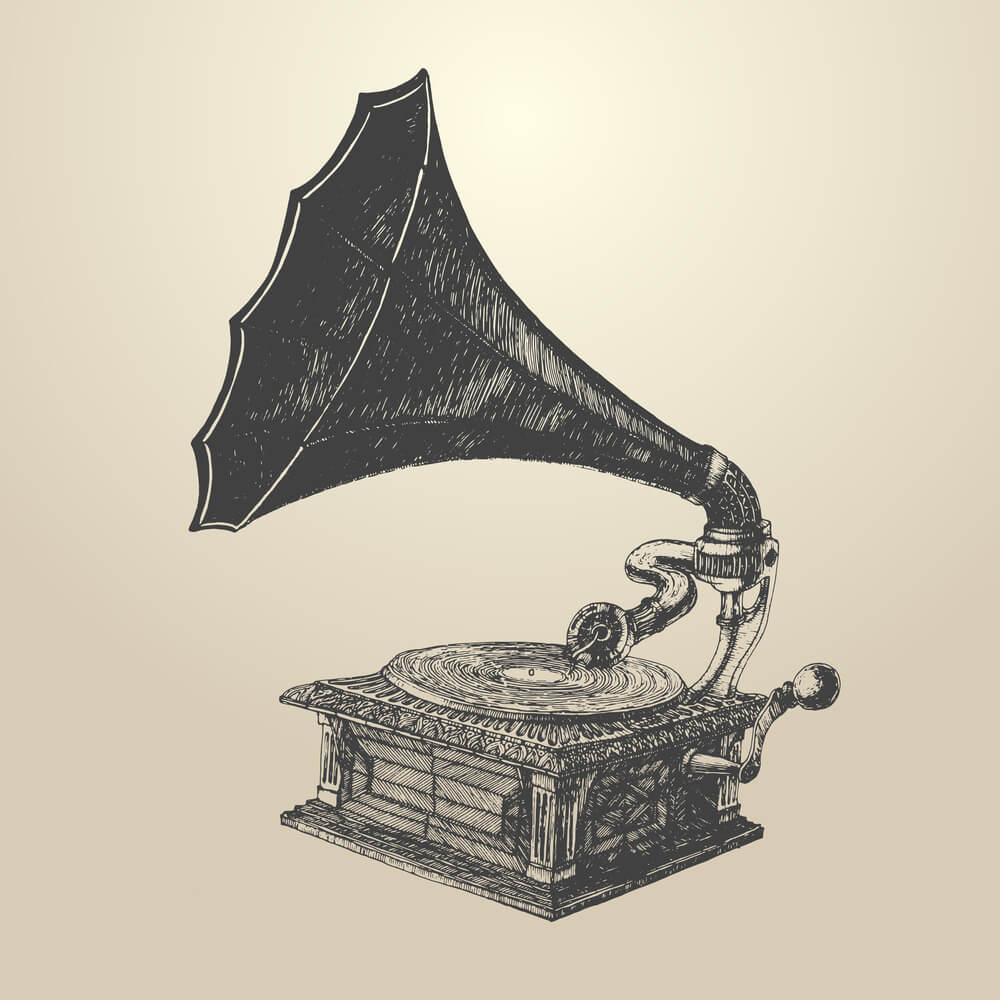
Edison is correctly credited with the initial 1877 phonograph invention, but the device he actually built was substantially improved shortly after by Alexander Graham Bell’s laboratory associates, Chichester Bell and Charles Tainter, whose wax cylinder recording method, patented in 1886, was significantly more practical than Edison’s original tinfoil design. Edison’s original device is more accurately remembered as the concept’s origin point rather than its commercially viable form.
The Microscope and Antonie van Leeuwenhoek

Leeuwenhoek is popularly credited as the microscope’s inventor due to his groundbreaking 17th-century observations of microorganisms, but compound microscopes had already been constructed by Dutch spectacle makers Hans and Zacharias Janssen decades earlier, around 1590. Leeuwenhoek’s genuine and historically significant contribution was his exceptional lens-grinding skill, which allowed magnification far beyond what earlier instruments could achieve.
The Myth of the Lone Genius

Nearly every invention on this list involves the same underlying pattern: a simplified, single-name story replacing a messier reality of parallel discovery, disputed patents, and incremental improvement by multiple people working independently or in direct competition. The lone genius narrative persists because it is a better story, not because it is a more accurate one.
What actually separates the names history remembers from the names it forgets is rarely the invention itself. It is usually business acumen, patent timing, or simply better access to capital and press attention, factors that have very little to do with who solved the technical problem first.
More from Go2Tutors!

- The Romanov Crown Jewels and Their Tragic Fate
- 13 Historical Mysteries That Science Still Can’t Solve
- Famous Hoaxes That Fooled the World for Years
- 15 Child Stars with Tragic Adult Lives
- 16 Famous Jewelry Pieces in History
Like Go2Tutors’s content? Follow us on MSN.