33 Kitchen Drawer Gadgets That Sat Unused for Decades
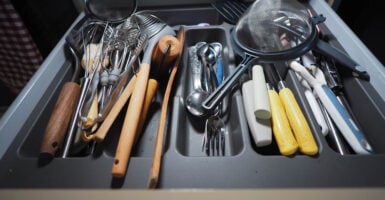
Every kitchen has one drawer that resists cleaning out. It jams a little when you open it, filled with single-purpose tools bought with real conviction and used maybe twice before being replaced by a regular knife.
None of these gadgets were badly made. They simply solved problems most cooks did not actually have often enough to justify a dedicated tool, and once they lost the drawer’s front rank to something more useful, they never worked their way back.
Avocado Slicer
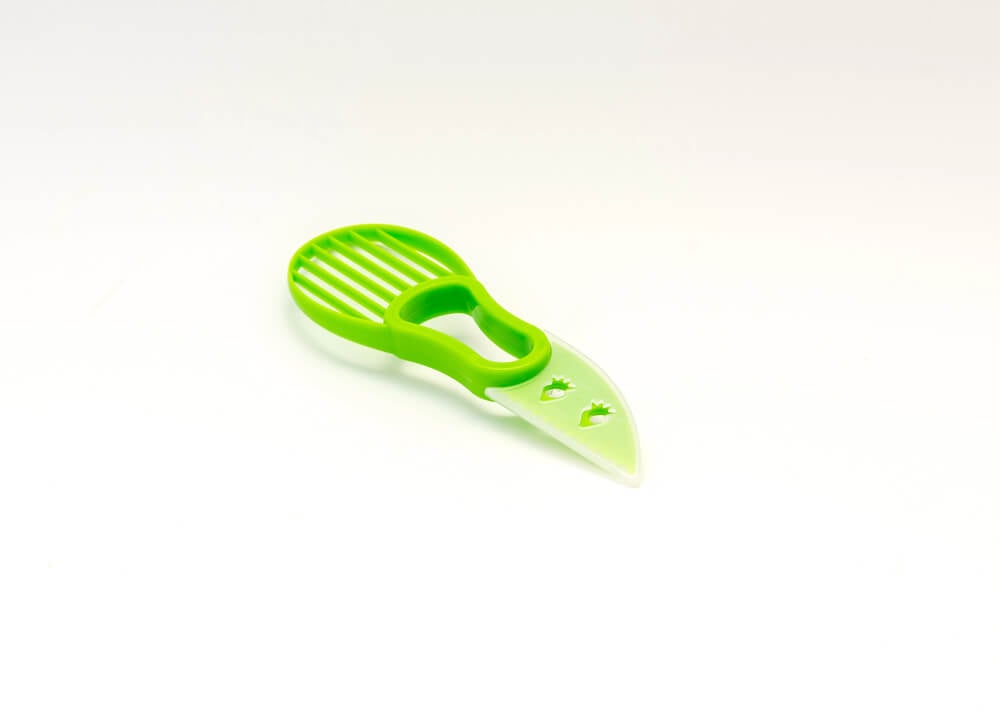
Marketed as a single tool that could pit, slice, and scoop an avocado in three coordinated motions, the avocado slicer promised efficiency that a butter knife delivered almost as fast without needing its own storage space. Most versions ended up handling exactly one avocado before a cook reverted to whatever knife was already in hand.
Egg Slicer
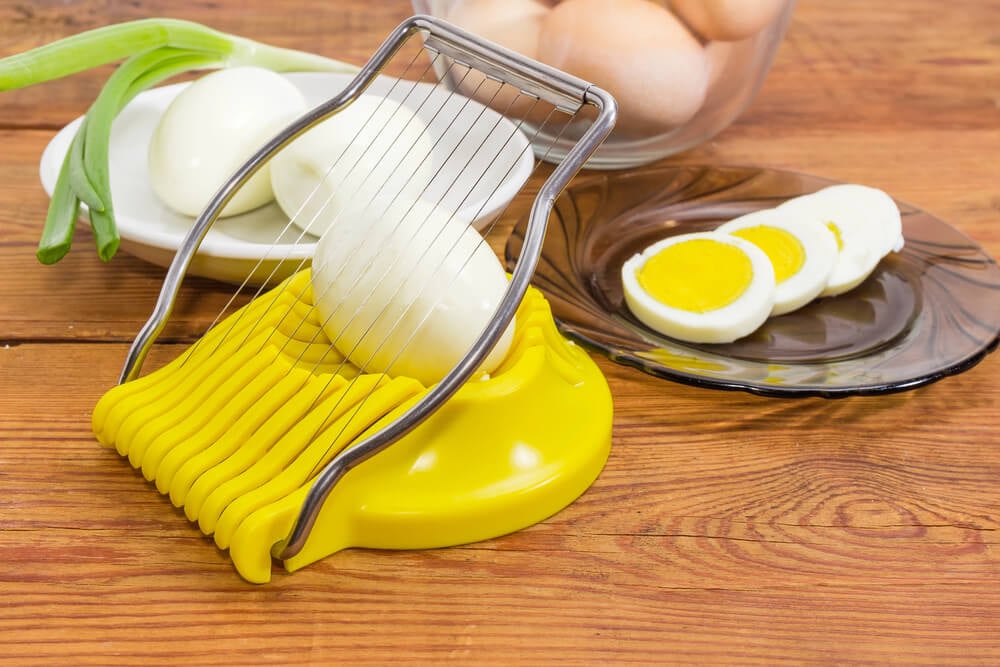
The wire-frame egg slicer produces perfectly even slices for deviled eggs and salads, a genuinely useful function that nonetheless comes up rarely enough that the tool spends most of the year buried under more frequently used items. Its hinge mechanism also tends to gum up with dried egg residue between uses, discouraging the next attempt.
Garlic Press
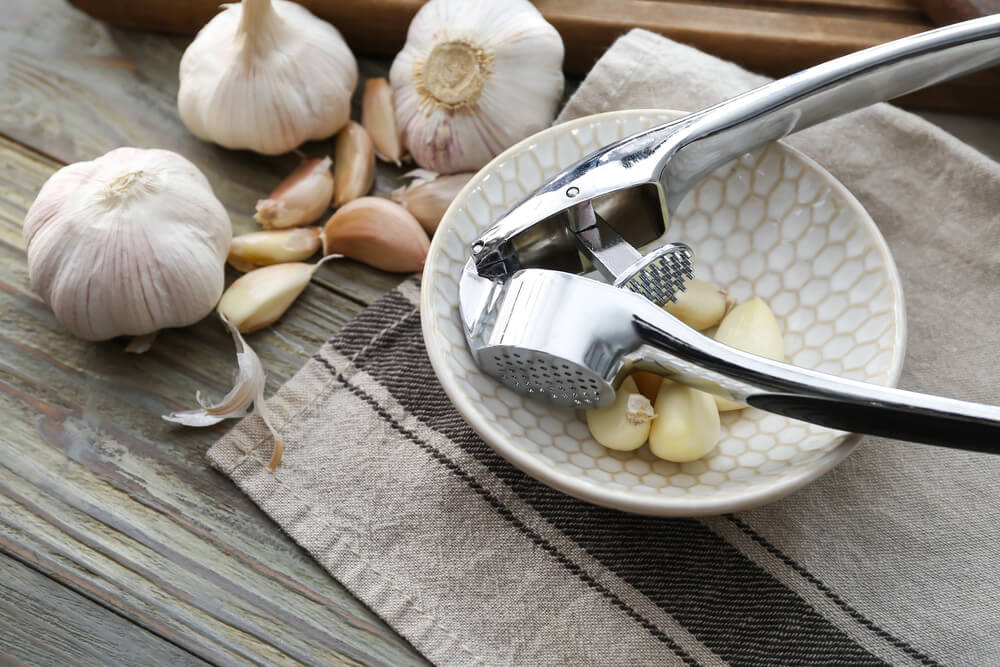
A garlic press mashes a clove into a fine pulp without the need for a knife, but the cleanup, digging minced garlic out of the small mesh openings, often takes longer than simply mincing the clove by hand would have. Many home cooks kept the press in the drawer as a backup while defaulting to a knife for everyday cooking.
Melon Scoop
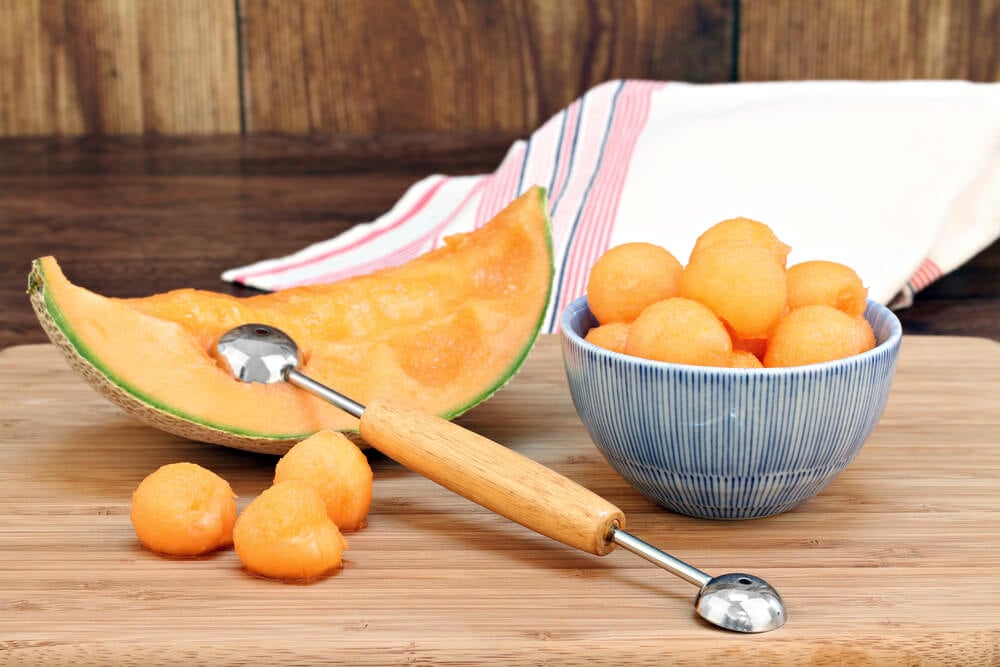
A melon scoop carves tidy round portions of melon for fruit salads and garnish plates, a decorative flourish that most everyday meals never called for. It tends to surface only around a handful of occasions each year, spending the rest of its life pressed against the back of the drawer.
Butter Curler
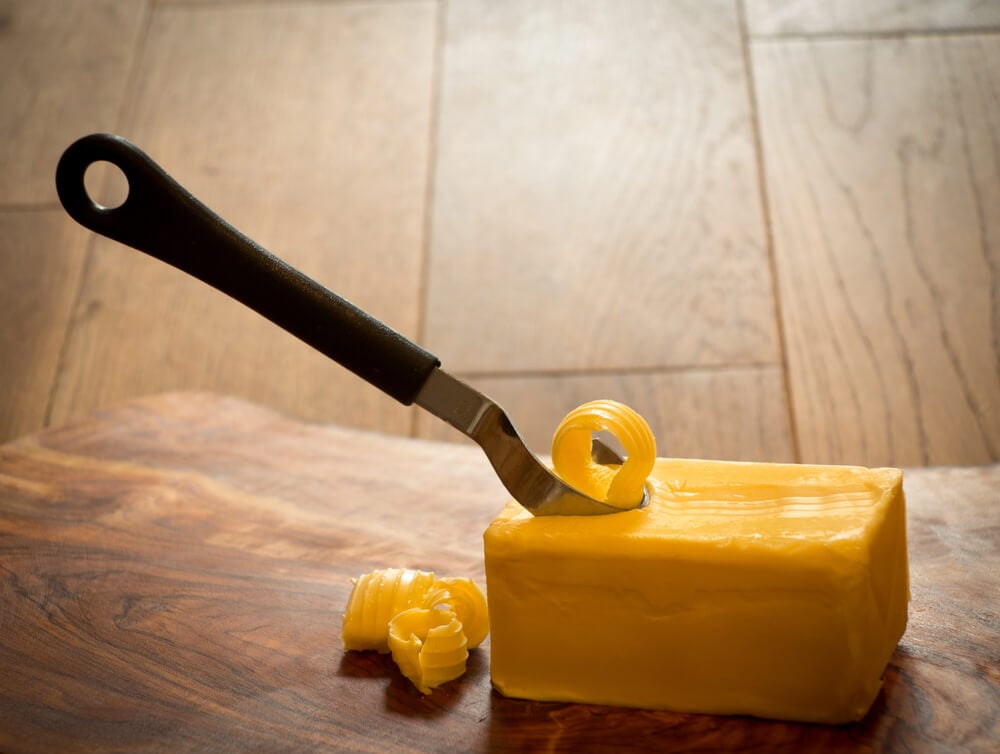
Designed to shave decorative curls off a stick of cold butter for formal table settings, the butter curler belongs to an era of home entertaining built around presentation details that fewer households maintain today. Its narrow use case made it one of the first specialty tools to fall out of regular rotation.
Cherry Pitter
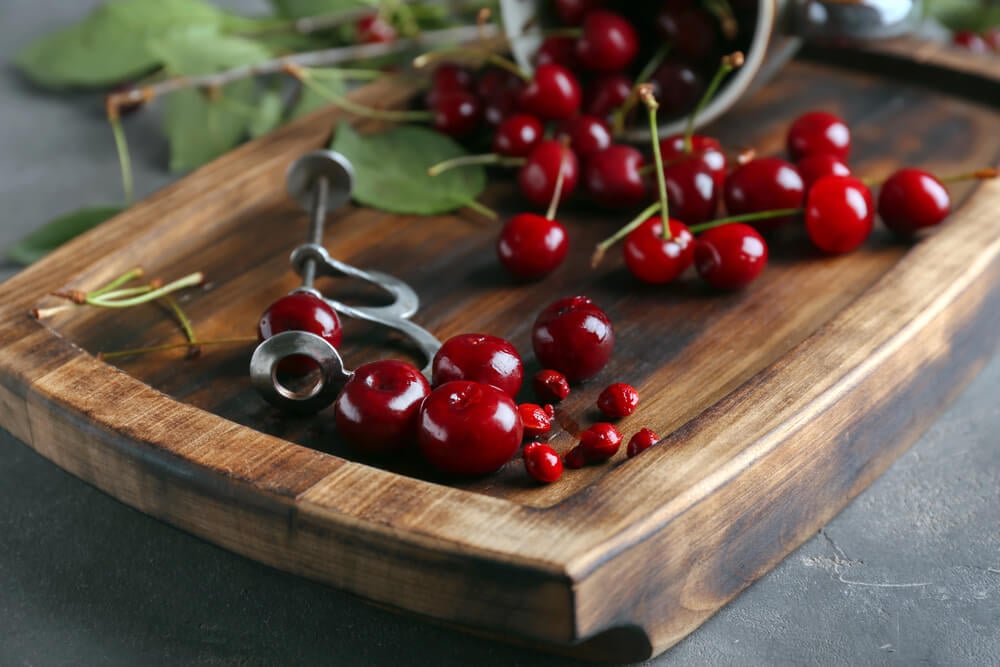
The cherry pitter removes pits with a single squeeze, a task genuinely tedious to do by hand at any real volume, yet most households buy cherries in small enough batches that the tool rarely gets pulled out. It tends to reappear only during a specific baking project before disappearing again for a year or more.
Strawberry Huller
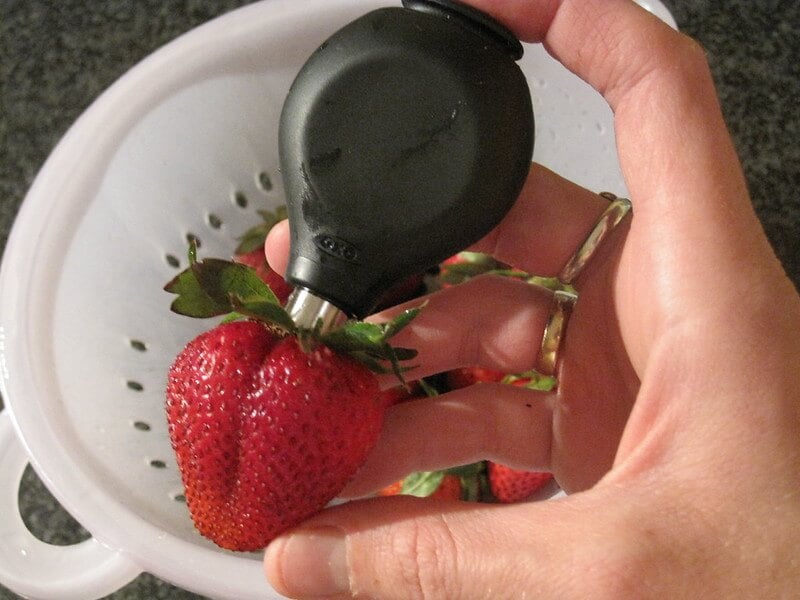
A small clamp-style tool built to pull the green cap and core from a strawberry in one motion, the huller solves a problem most cooks solve just as fast with the tip of a paring knife. Its narrow, specialized shape makes it easy to lose track of among bulkier drawer contents.
Corn Stripper
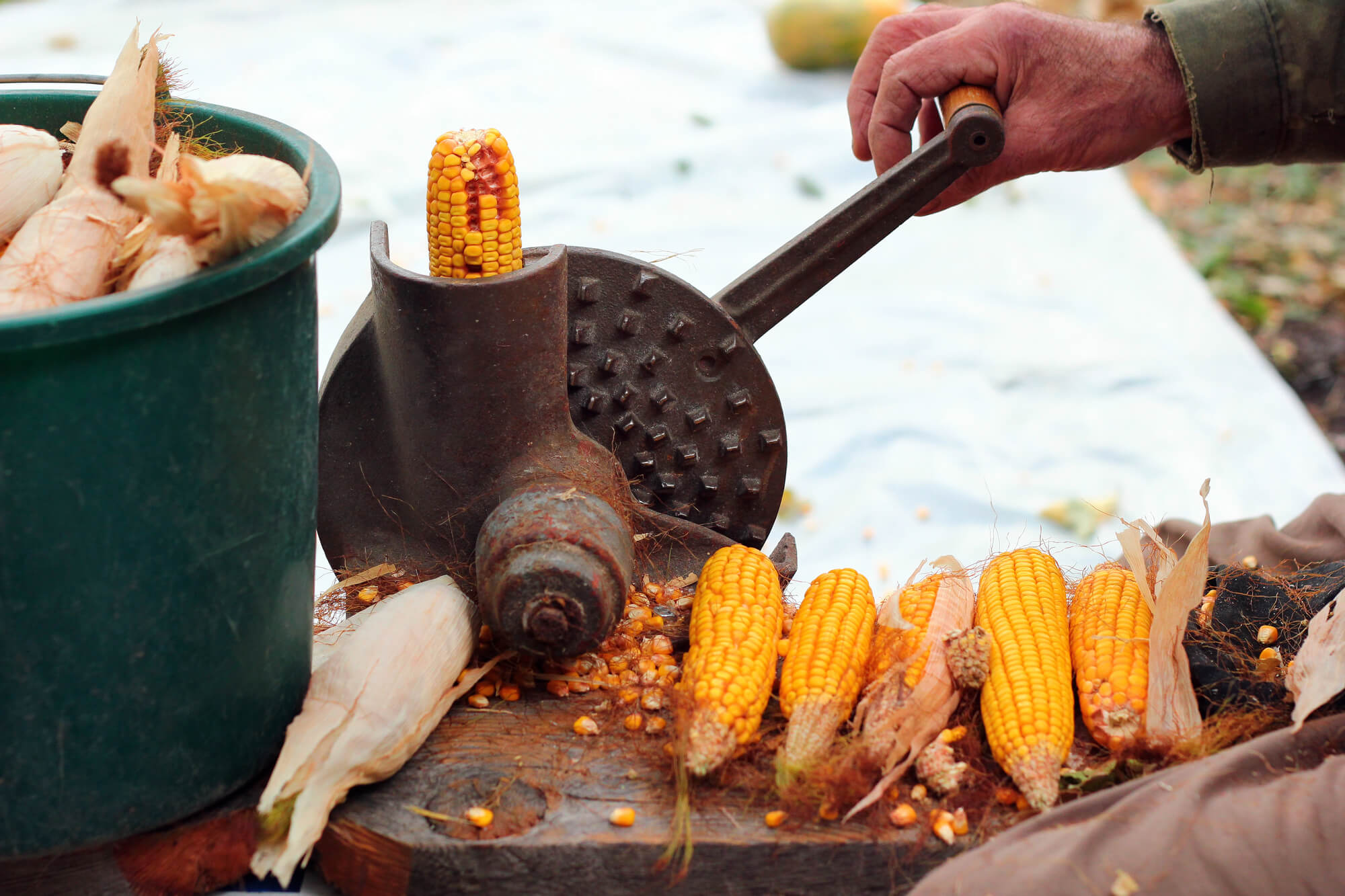
The corn stripper shears kernels cleanly off the cob in a single pass, a useful shortcut during peak summer corn season that becomes irrelevant for the other nine months of the year. Its seasonal usefulness is exactly why it tends to migrate toward the back of the drawer once the season ends.
Potato Ricer
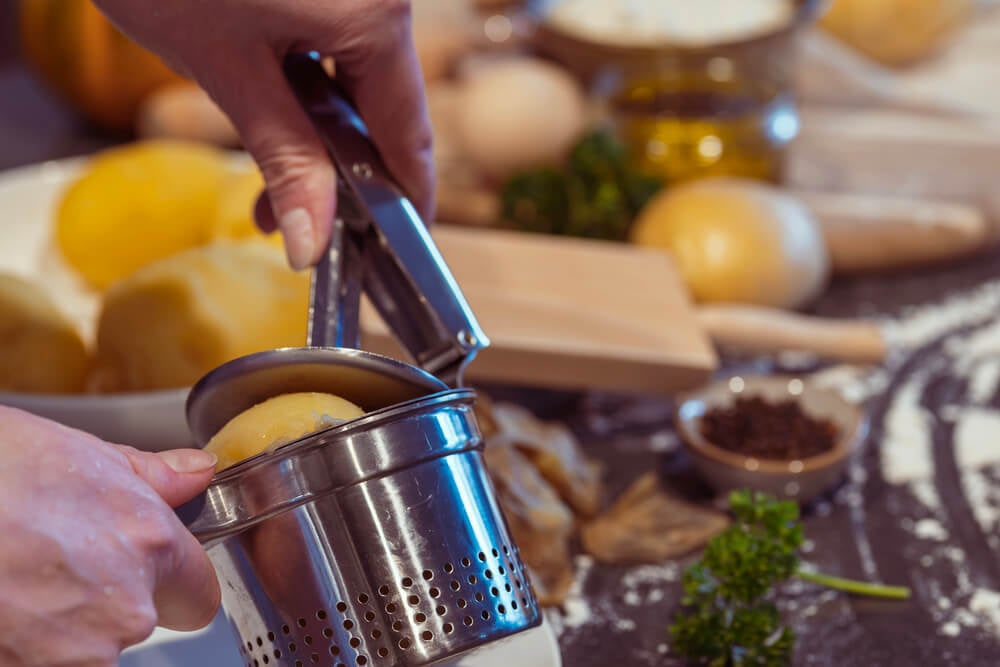
A potato ricer forces cooked potatoes through a fine grid to produce an exceptionally smooth mash, a genuine upgrade over a hand masher for cooks who care about texture. Its size and the extra cleanup involved make it a tool most households reach for only on major holidays rather than for a routine weeknight dinner.
Meat Tenderizer Mallet
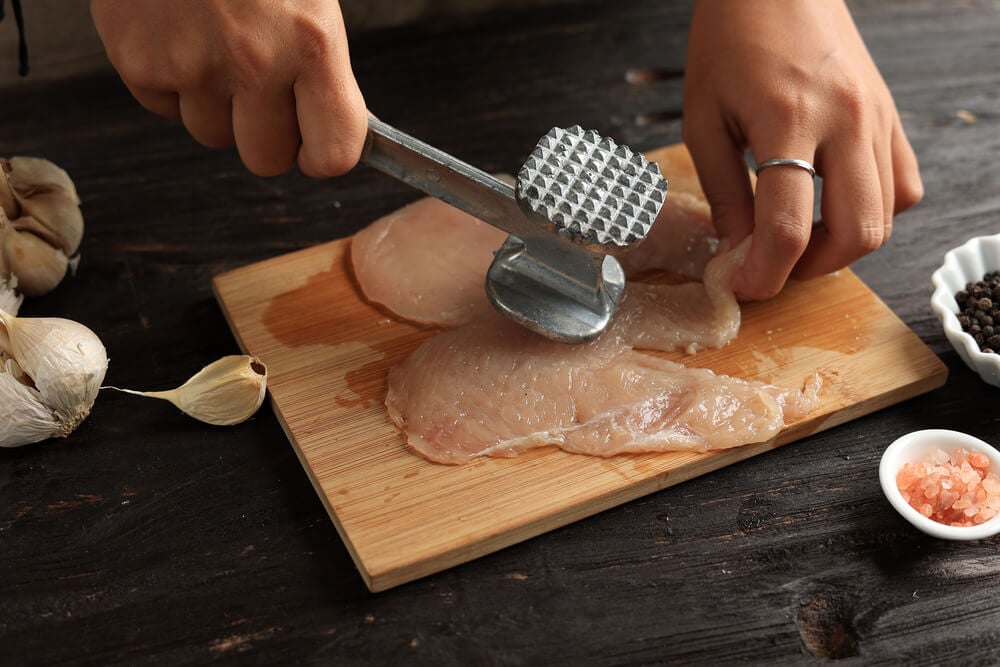
The heavy, textured mallet pounds cuts of meat thin and tender before cooking, a technique fewer home cooks rely on now that pre-cut, pre-tenderized meat is widely available at the store. Its bulk and awkward shape also make it one of the least drawer-friendly tools on this list.
Trigger-Release Ice Cream Scoop
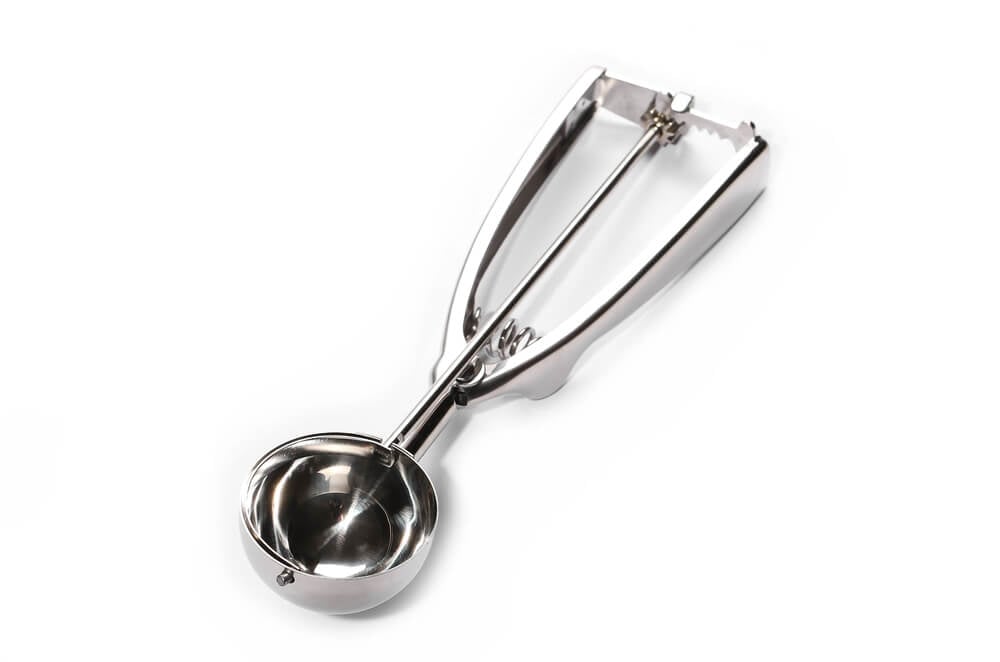
Built with a mechanical trigger that pushes a curved blade through the scoop to release stuck ice cream, this tool addresses a real annoyance but requires more hand strength and coordination than a simple warmed metal scoop. Many households ultimately preferred running an ordinary scoop under hot water instead.
Apple Corer
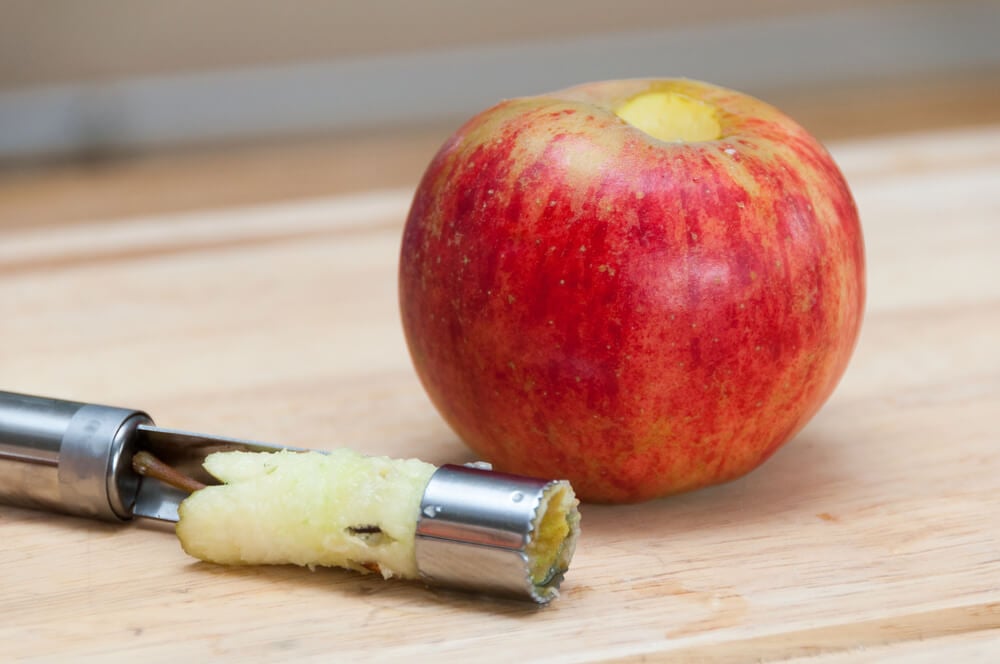
The apple corer punches a clean cylindrical core out of an apple in one motion, useful for baking apples in their entirety but largely unnecessary for a cook who is going to slice the apple anyway. Its single-purpose design makes it one of the more obviously specialized tools most drawers accumulate.
Banana Slicer
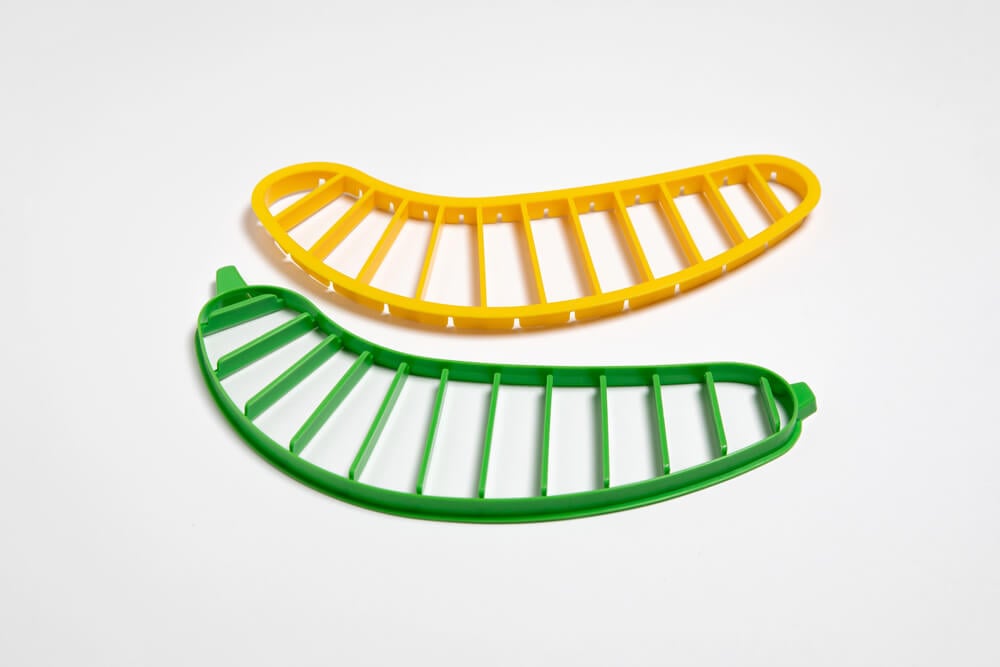
A plastic comb-shaped tool that slices an entire banana into even rounds with one press, the banana slicer became something of an internet punchline for solving a problem a butter knife already handles in seconds. Its novelty value often outlasted its practical use.
Egg Piercer
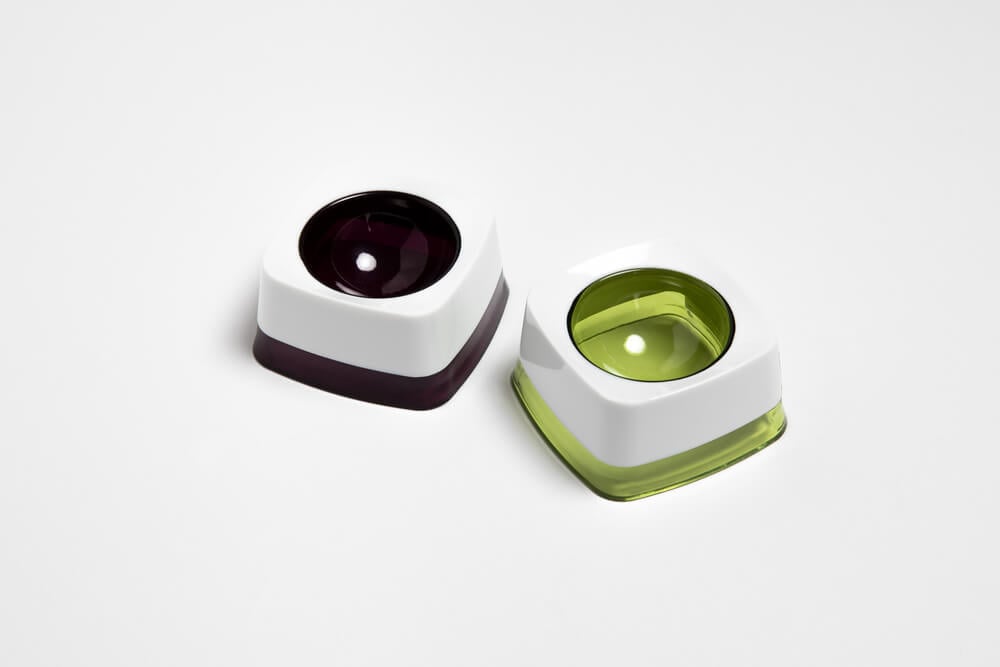
Designed to puncture a small opening in the wide end of an egg before boiling, supposedly preventing cracking, the egg piercer addresses a problem many cooks never noticed in the first place. It tends to be one of the first gadgets forgotten entirely once a household settles into a boiling routine that works without it.
Chip Clip Sets
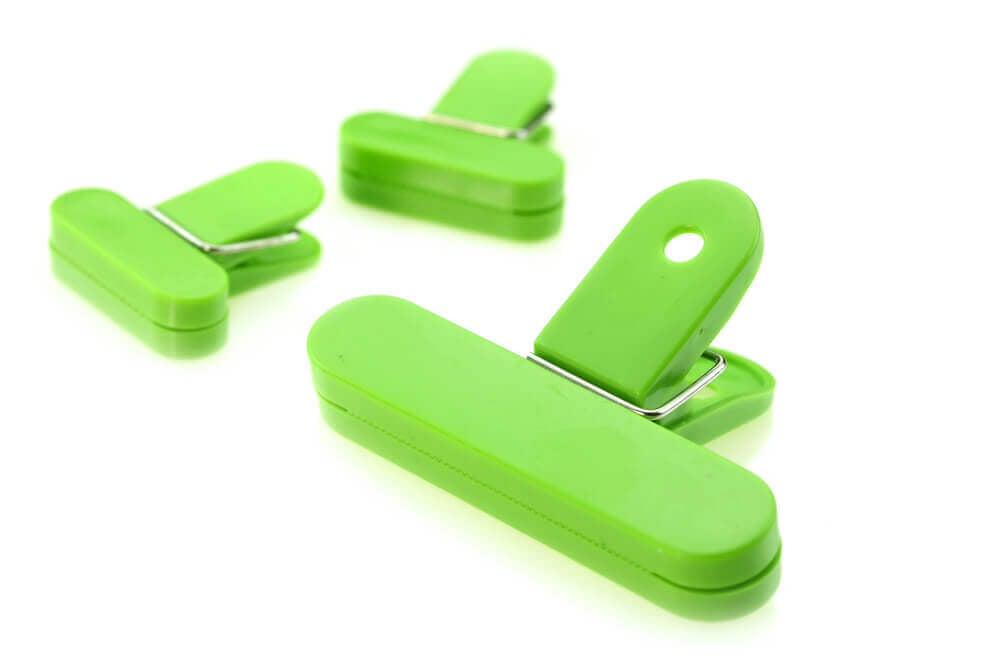
Novelty chip clips, often sold in decorative multi-packs, promised to keep snack bags sealed between uses, yet a simple fold-and-roll of the bag accomplishes nearly the same result for free. Most households end up with far more clips than open bags to use them on.
Garlic Twist Peeler
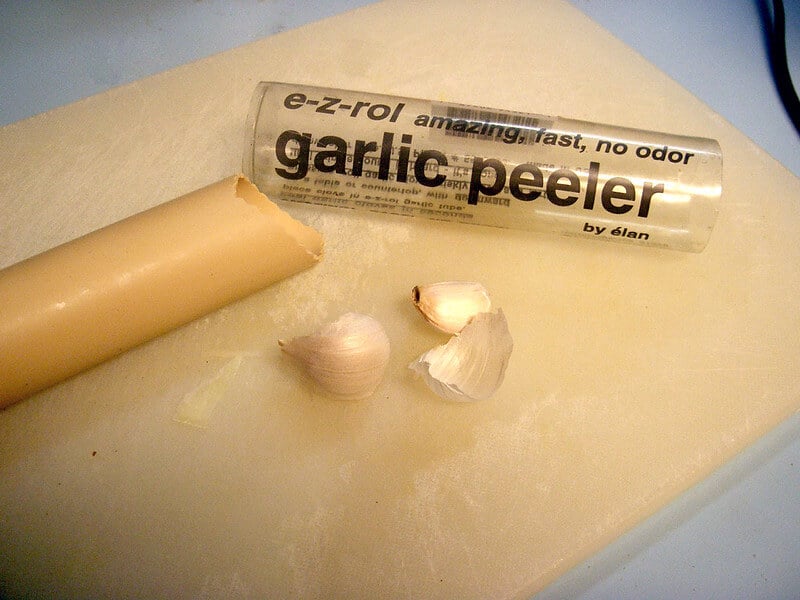
A rubber tube that loosens garlic skin when rolled under the palm, the twist peeler solves a genuinely minor annoyance for a task that takes only a few extra seconds to do by hand. It tends to get used enthusiastically for a week or two after purchase before being forgotten.
Rubber Jar-Opening Grip
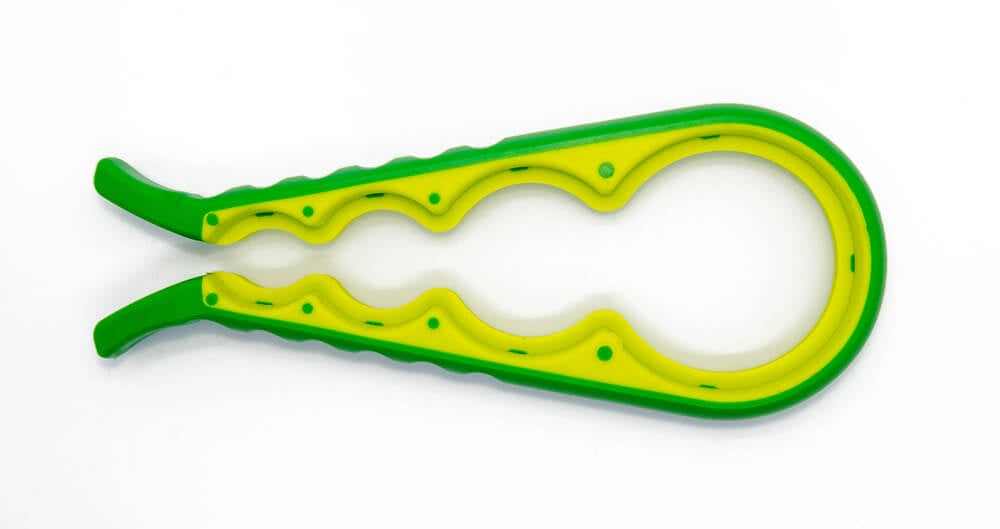
A textured rubber disc meant to improve grip strength on a stubborn jar lid, this tool works reasonably well but only for the specific subset of jars that resist opening in the first place. Most households only remember it exists mid-struggle with a lid, by which point they have often already resorted to running the lid under hot water instead.
Salad Spinner
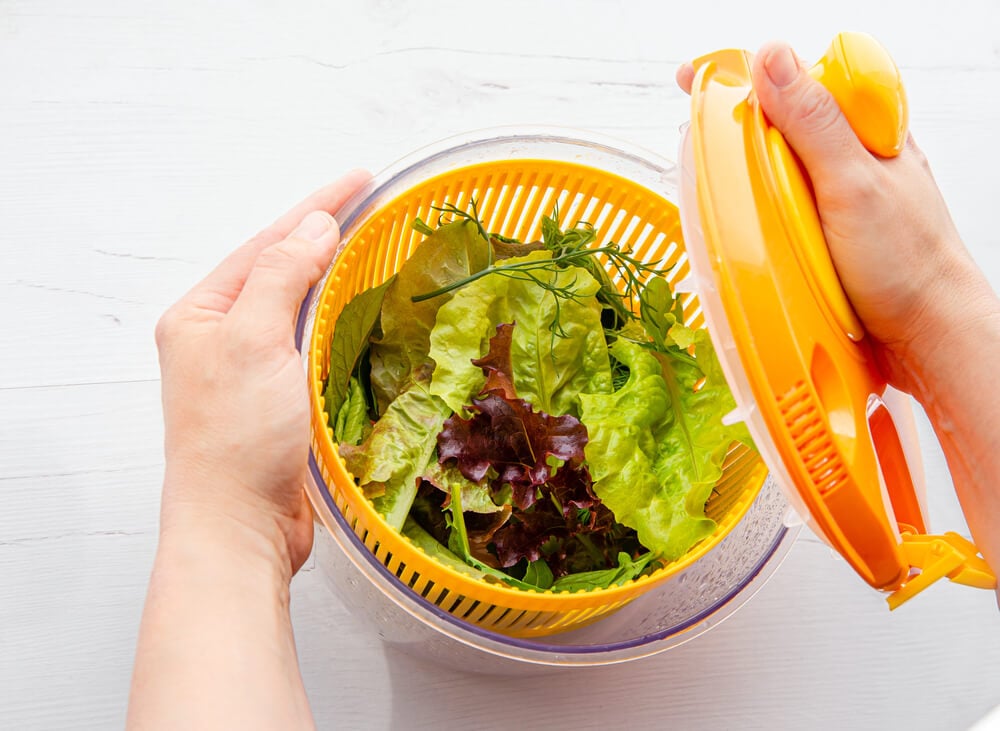
A salad spinner dries washed greens efficiently using a hand crank or pull cord, a genuinely useful function that nonetheless takes up more drawer or cabinet space than most households want to dedicate to a single task. Many end up drying greens with a kitchen towel instead simply to avoid digging the spinner out.
Mandoline Slicer
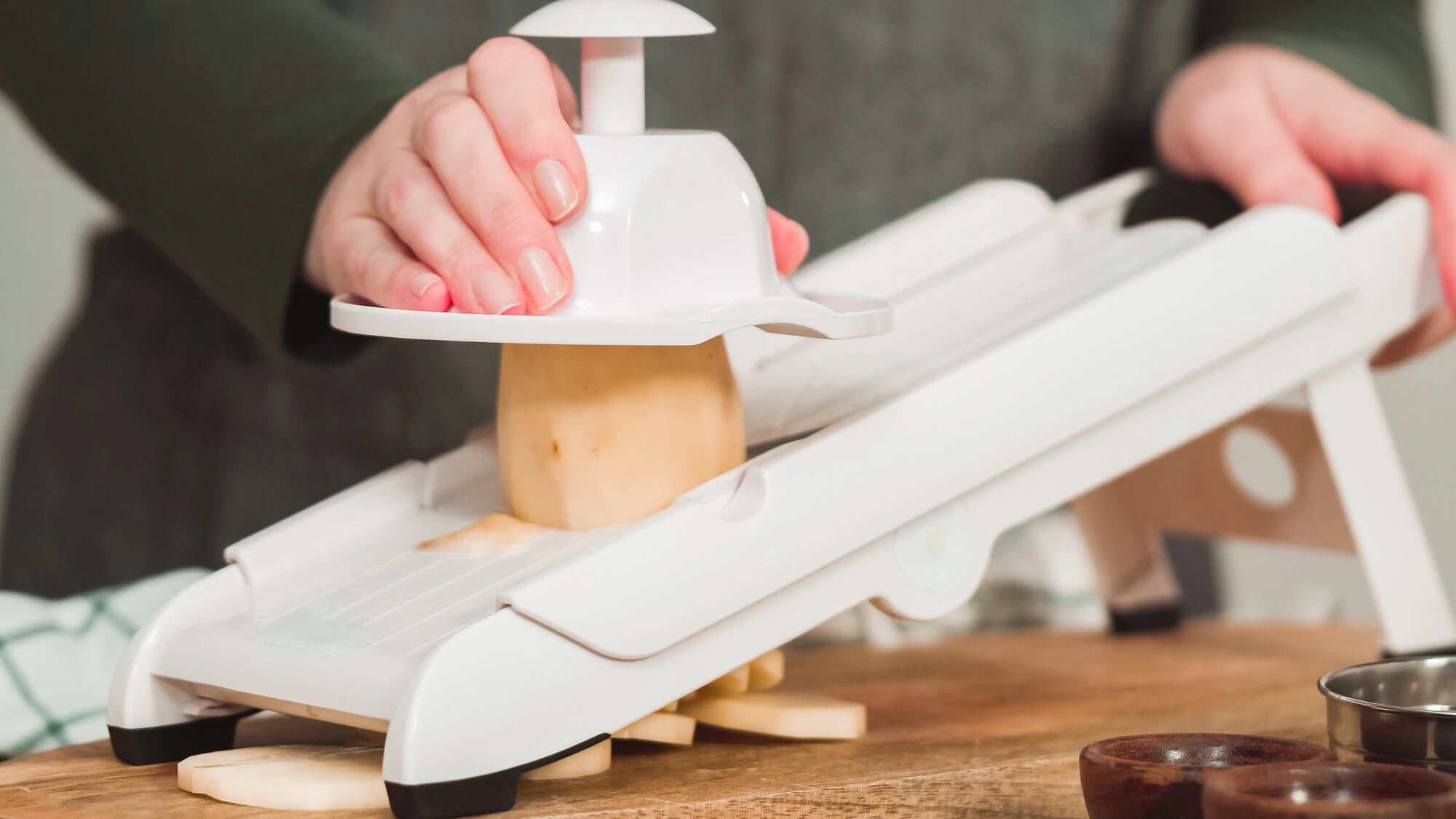
The mandoline produces impressively uniform slices for gratins and thin vegetable dishes, but its exposed blade intimidates enough home cooks that it frequently gets used once, causes a minor injury scare, and then retires to the back of a drawer indefinitely. Its precision is real, but so is the hesitation it tends to create.
Wire Cheese Slicer
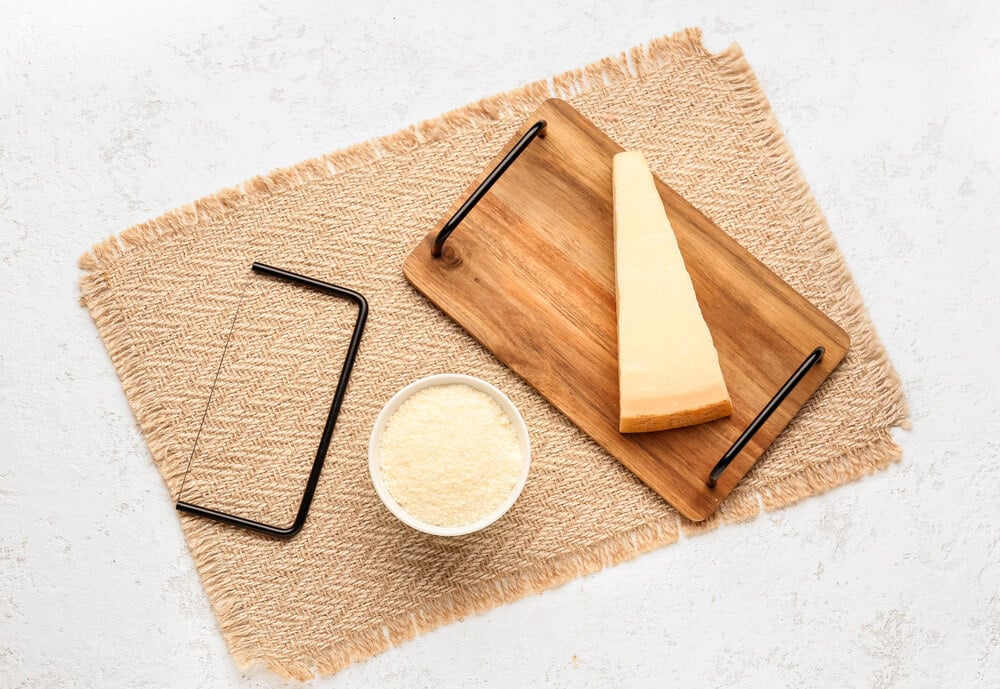
A taut wire stretched across a small frame slices cheese into even, thin pieces, a genuine improvement over knife-cut slices for cooks who care about consistency. Its narrow use case, mainly hard and semi-hard cheeses, keeps it from becoming a daily tool in most kitchens.
Herb Scissors
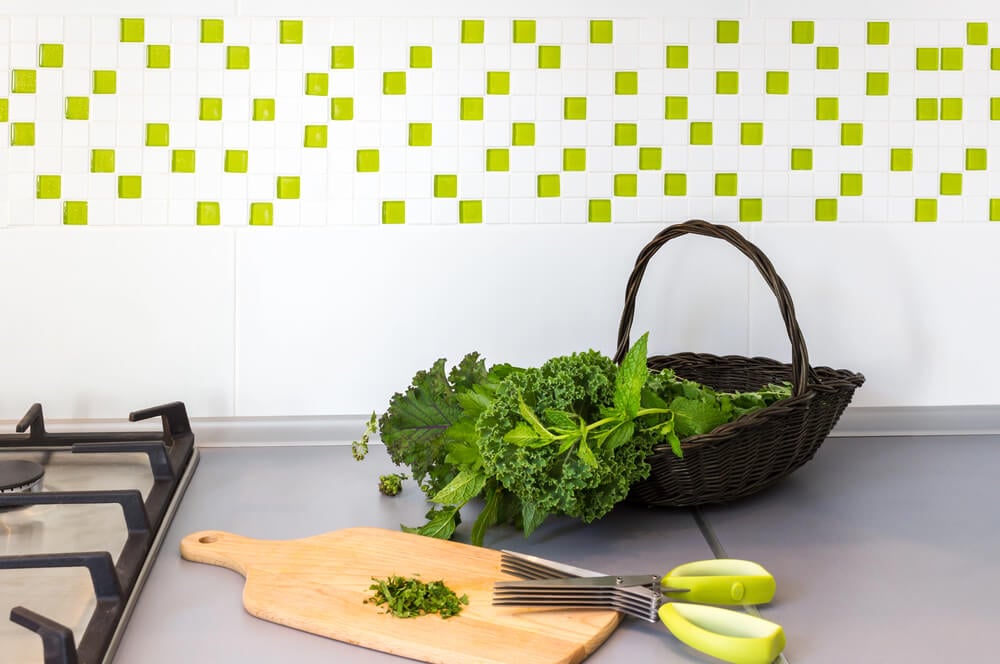
Multi-bladed scissors designed to mince fresh herbs in a few quick snips promise speed over a cutting board and knife, but the extra step of washing several small blades between uses often erases the time saved. Most cooks eventually default back to a chef’s knife for the same task.
Pastry Blender
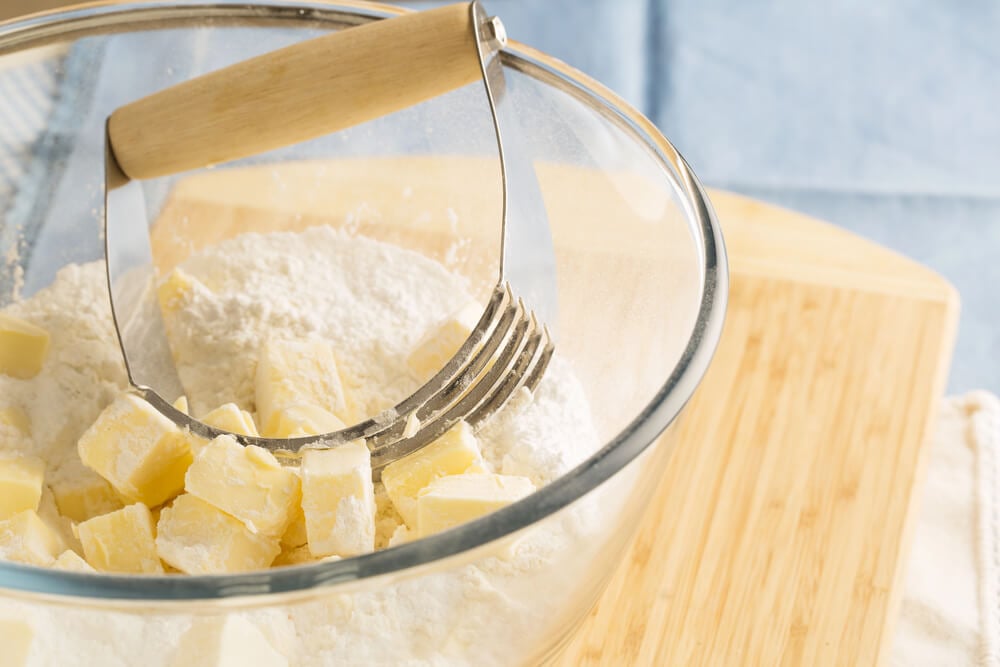
A curved-wire tool used to cut cold butter into flour for pie crusts and biscuits, the pastry blender does its one job well but only for cooks who bake from scratch regularly enough to justify keeping it accessible. Occasional bakers tend to rediscover it, slightly rusted, once or twice a year.
Biscuit Cutter Set
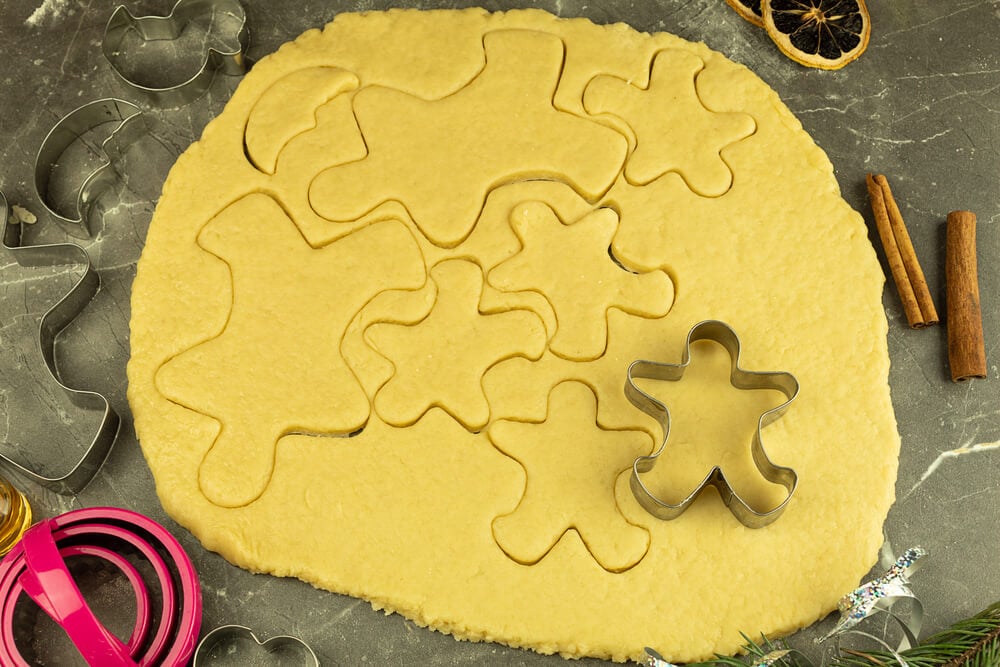
Nested metal rings in graduated sizes for cutting uniform biscuit and cookie shapes, these sets promise precision that most home bakers eventually abandon in favor of a drinking glass pressed into the dough, which does nearly the same job without a dedicated storage container.
Tomato Corer
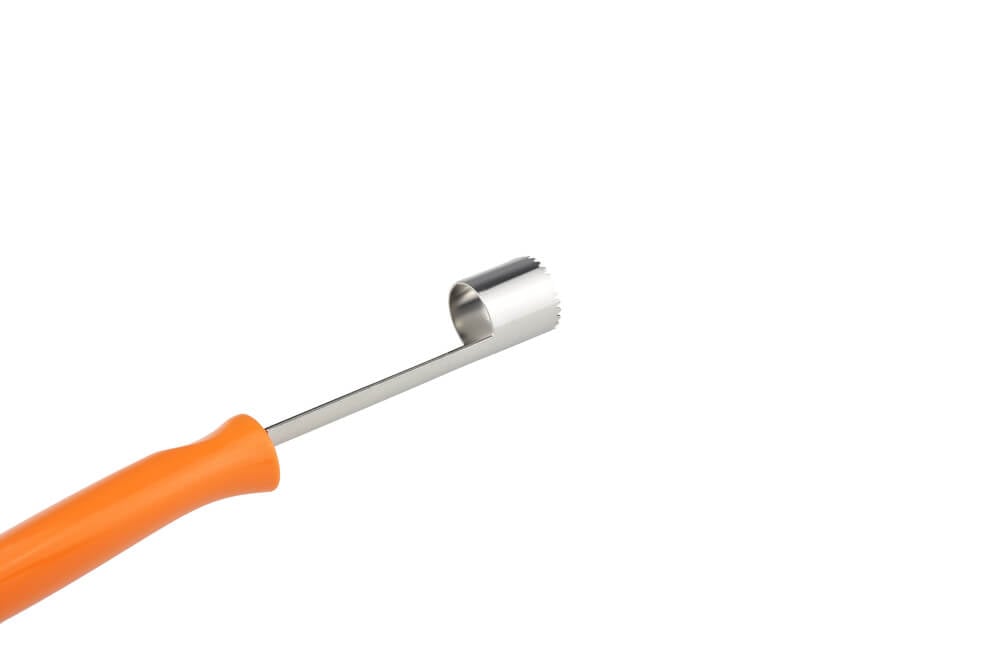
A small serrated tool designed to remove the stem core from a tomato in one twist, the corer solves a problem easily handled with the tip of a paring knife in about the same amount of time. Its narrow function keeps it from earning a permanent spot near the front of the drawer.
Pineapple Corer-Slicer
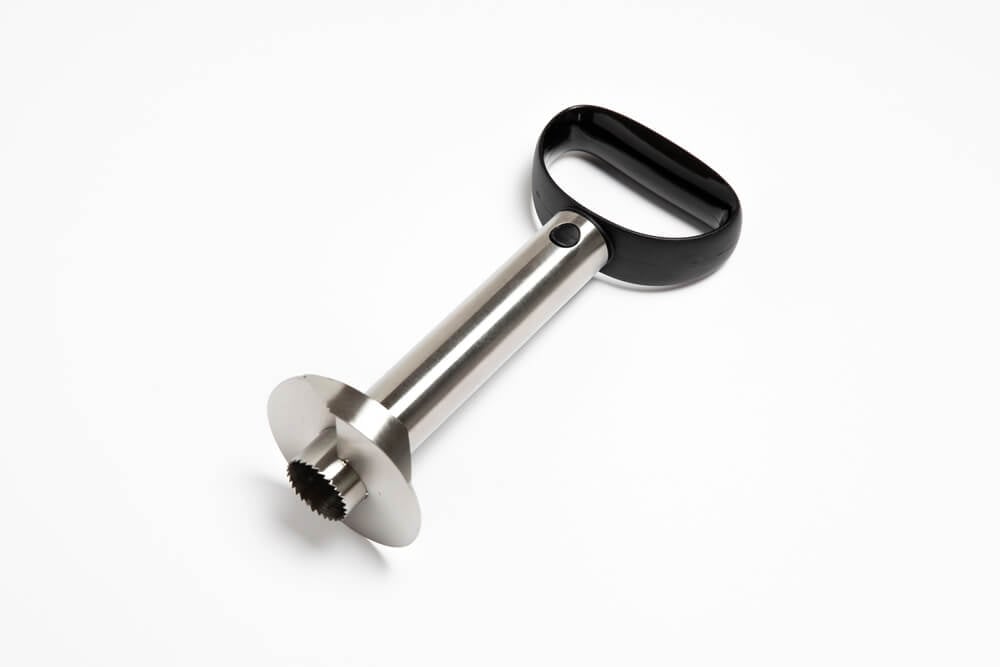
This corkscrew-shaped tool cores and spirals a pineapple into rings in a single motion, an impressive trick for a fruit most households buy only a few times a year. Its size and specialized shape make it one of the bulkier items competing for drawer space against tools used far more often.
Orange Peeler Tool
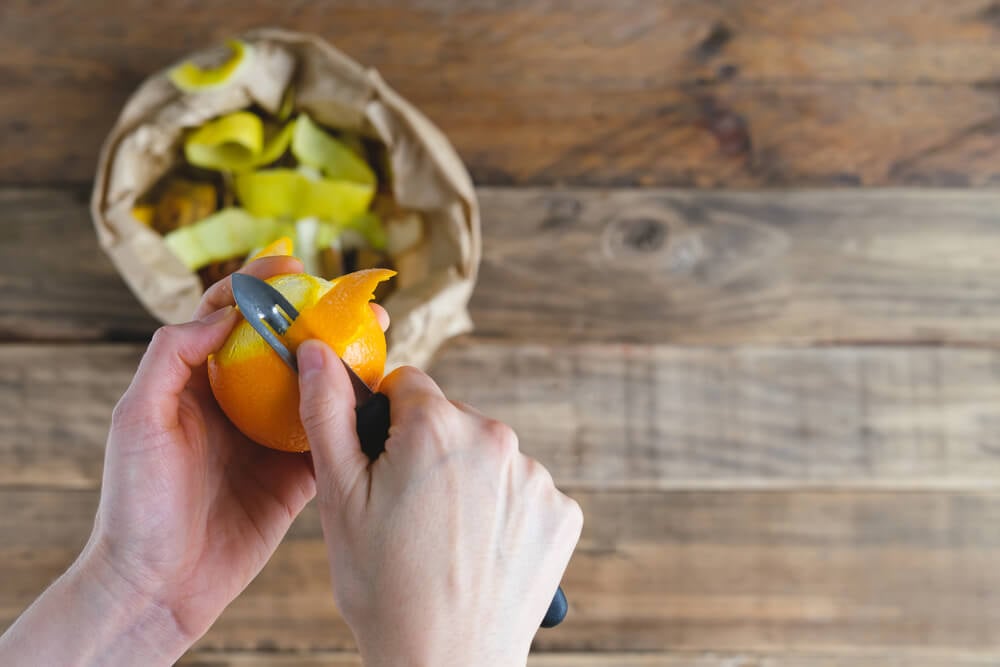
A small curved blade designed to score and lift orange peel without digging into the fruit, the peeler solves a task most people manage with their thumbnail just as easily. It tends to surface briefly during citrus season before disappearing again.
Lemon Zester
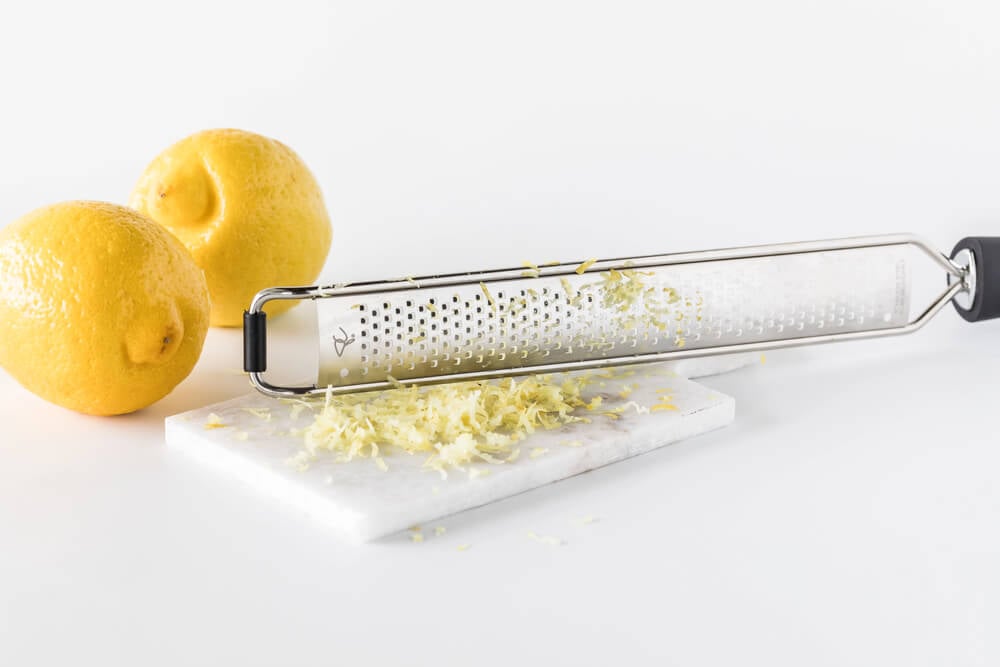
A zester strips fine curls of citrus peel for garnishes and baking, a genuinely useful function for cooks who bake or cook with citrus regularly. For everyone else, it tends to sit unused between the rare recipes that specifically call for zest rather than juice.
Turkey Baster
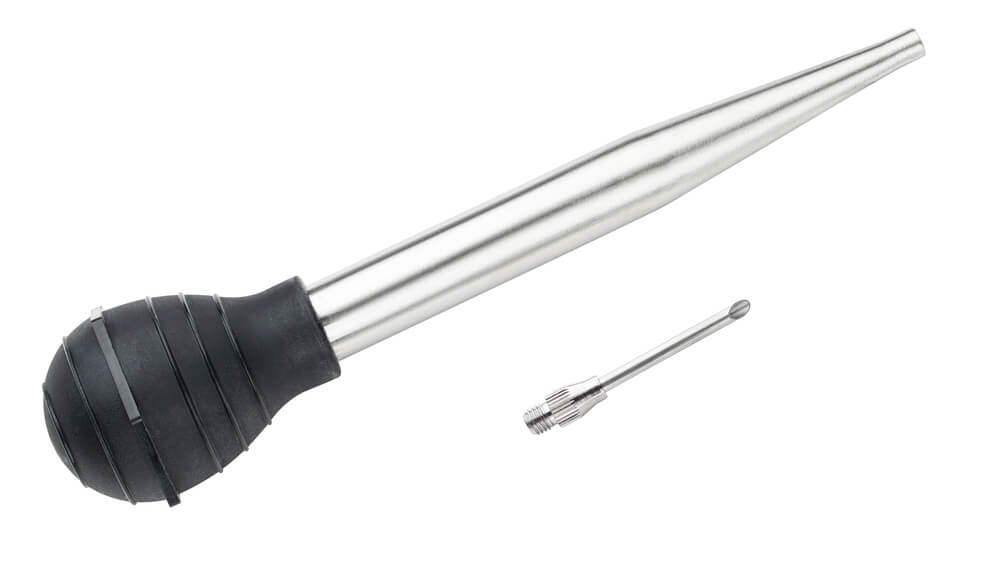
The turkey baster exists almost entirely for one holiday meal a year, drawing pan juices up to redistribute over a roasting bird. Its size and singular purpose make it one of the most obvious examples of a tool bought for an occasion rather than for daily cooking.
Gravy Fat Separator
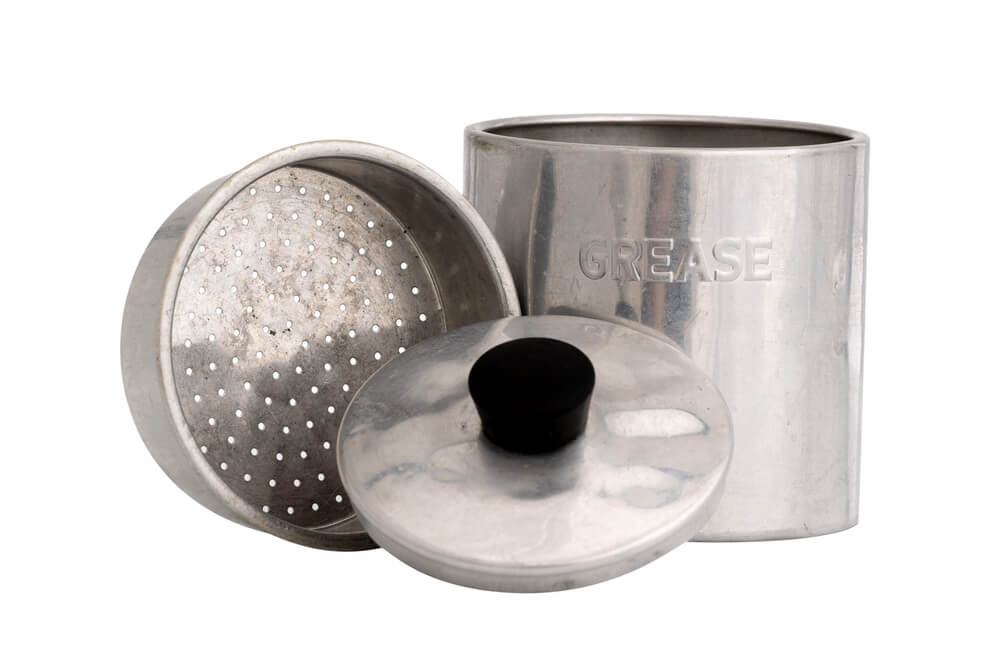
A specialized measuring cup with a spout positioned to pour off pan drippings while leaving fat behind, the separator solves a real problem for holiday gravy but has no obvious use the rest of the year. It tends to live in the same rarely opened cabinet as other once-a-year holiday tools.
Pastry Crimper
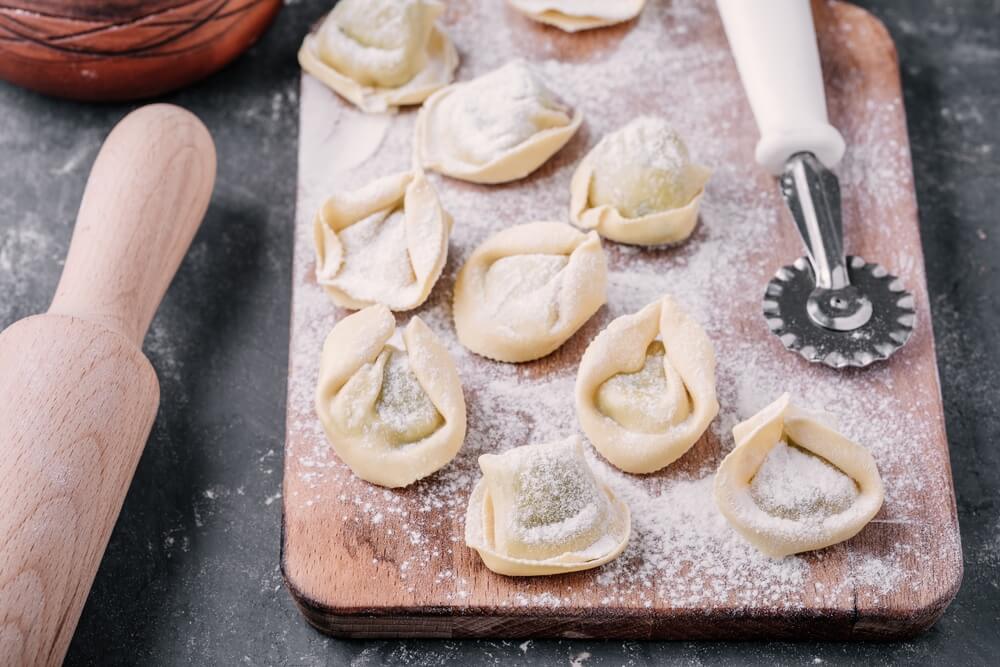
A small wheel tool used to seal and decorate the edges of pie crusts, the crimper produces a cleaner finish than pressing the edge with a fork, but only for bakers making pies often enough to notice the difference. Occasional bakers tend to forget it exists between projects.
Cookie Press
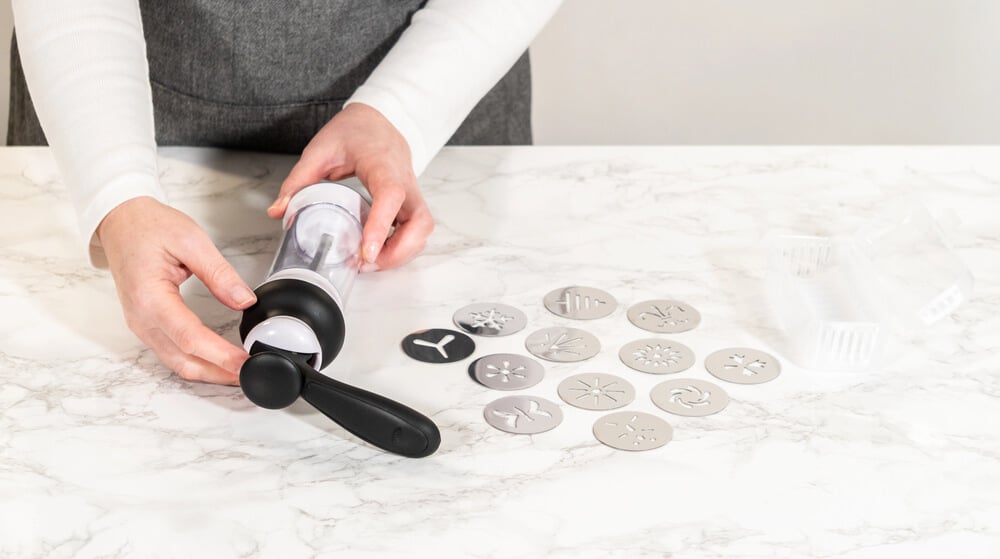
Loaded with dough and fitted with interchangeable disks, a cookie press extrudes uniformly shaped cookies for holiday baking, a genuinely satisfying tool for the specific window each year when spritz cookies are on the agenda. It spends the rest of the year disassembled in pieces, often missing at least one disk by the time it resurfaces.
Ravioli Stamp
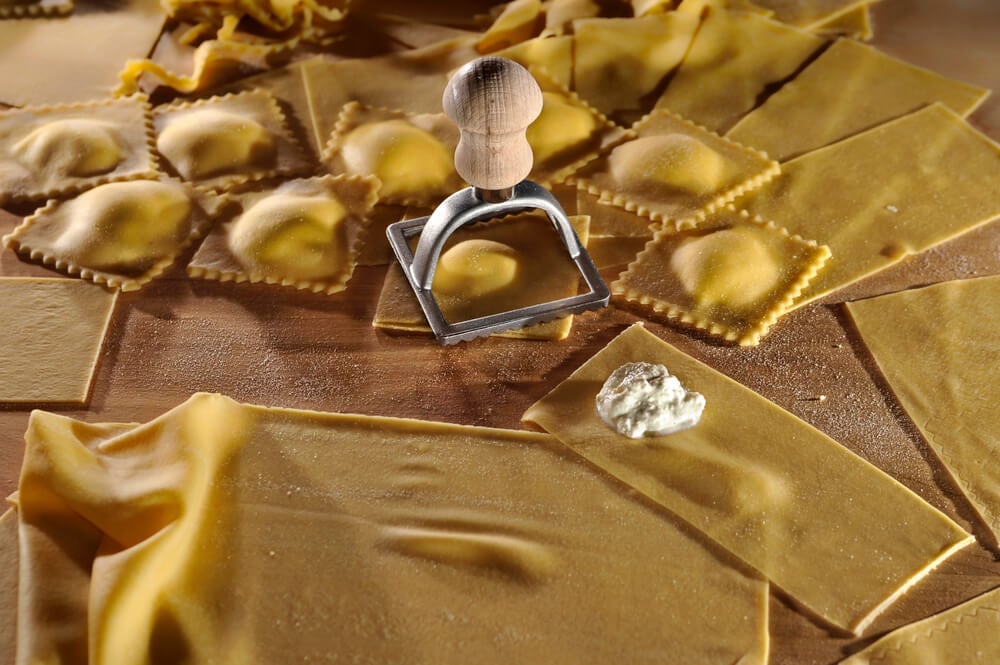
A wheeled or hand-press stamp used to cut and seal individual ravioli from sheets of pasta dough, this tool assumes a level of from-scratch pasta making that few households maintain regularly. It tends to get purchased after one inspired weekend of homemade pasta and rarely reused after that.
Butter Cutting Wire Dish
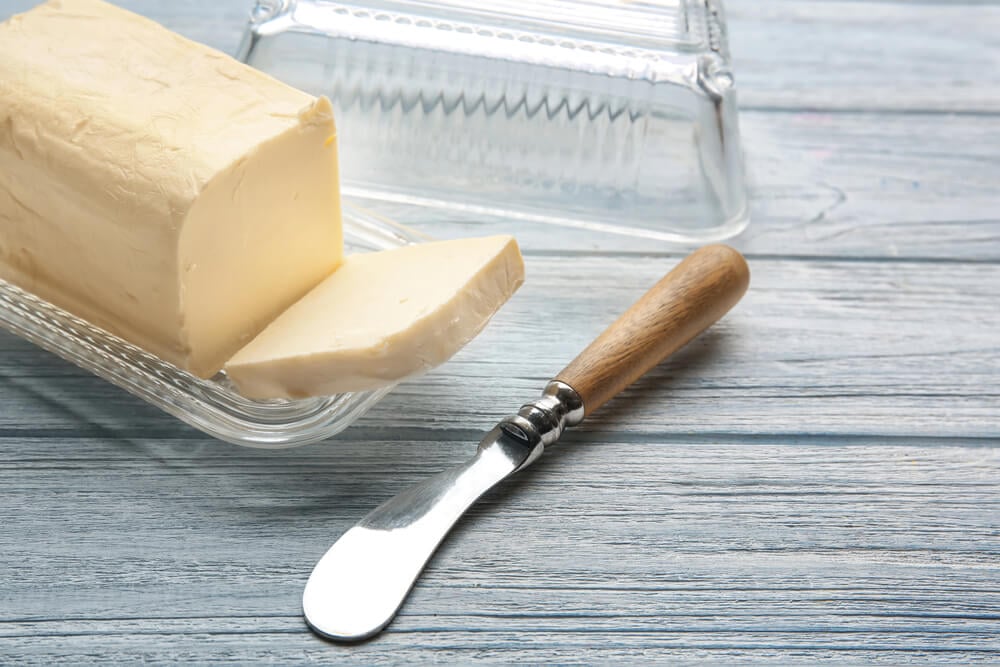
A butter dish fitted with a thin wire designed to slice even pats directly from the stick, this tool solves a problem a butter knife handles in about the same amount of time. Its novelty appeal at the time of purchase rarely translates into regular use once the initial curiosity wears off.
The Drawer as a Museum of Good Intentions
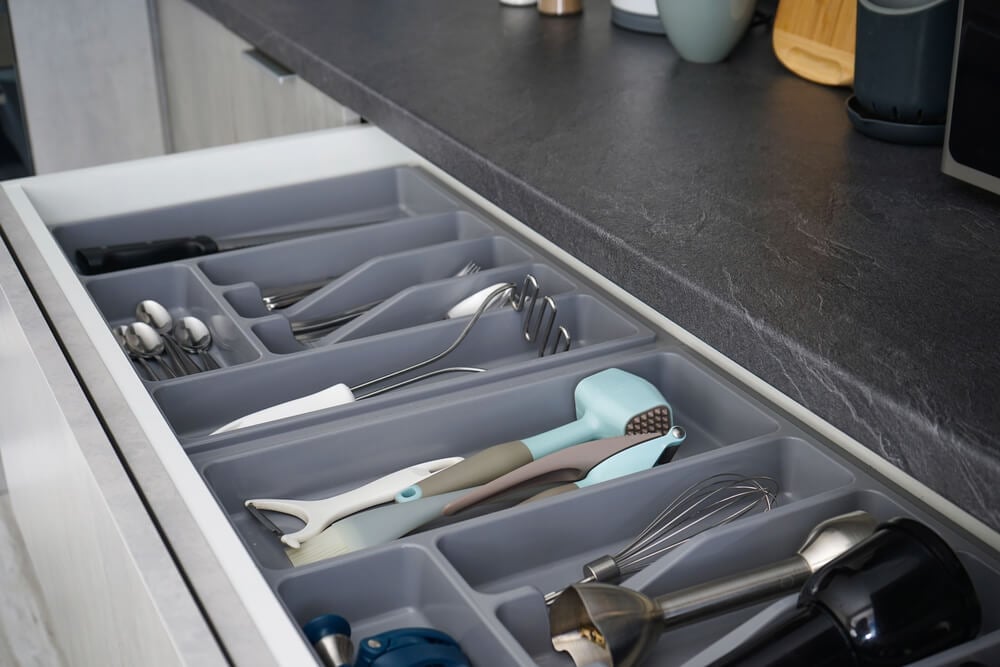
Every gadget in that drawer was bought to solve a real, specific problem, which is exactly why none of them feel wasteful in isolation. The trouble is volume: a kitchen only has so many recurring tasks, and most households own far more single-purpose tools than they have single purposes that come up often enough to matter.
That drawer, jammed and slightly stuck, is really a record of optimism, one tool at a time, each one bought on the promise that this particular task deserved its own dedicated solution. Most of them were right about the task and wrong about the frequency, which is the quiet difference between a gadget that earns a permanent spot on the counter and one that spends thirty years waiting for its next turn.
More from Go2Tutors!

- The Romanov Crown Jewels and Their Tragic Fate
- 13 Historical Mysteries That Science Still Can’t Solve
- Famous Hoaxes That Fooled the World for Years
- 15 Child Stars with Tragic Adult Lives
- 16 Famous Jewelry Pieces in History
Like Go2Tutors’s content? Follow us on MSN.