26 Cosmetic Ingredients Later Banned
For most of history, cosmetics were regulated by almost nothing beyond what a manufacturer chose to disclose. What counted as beauty science for one generation was quietly reclassified as a public health hazard by the next, often only after real harm had already been documented.
Lead-Based Face Powder
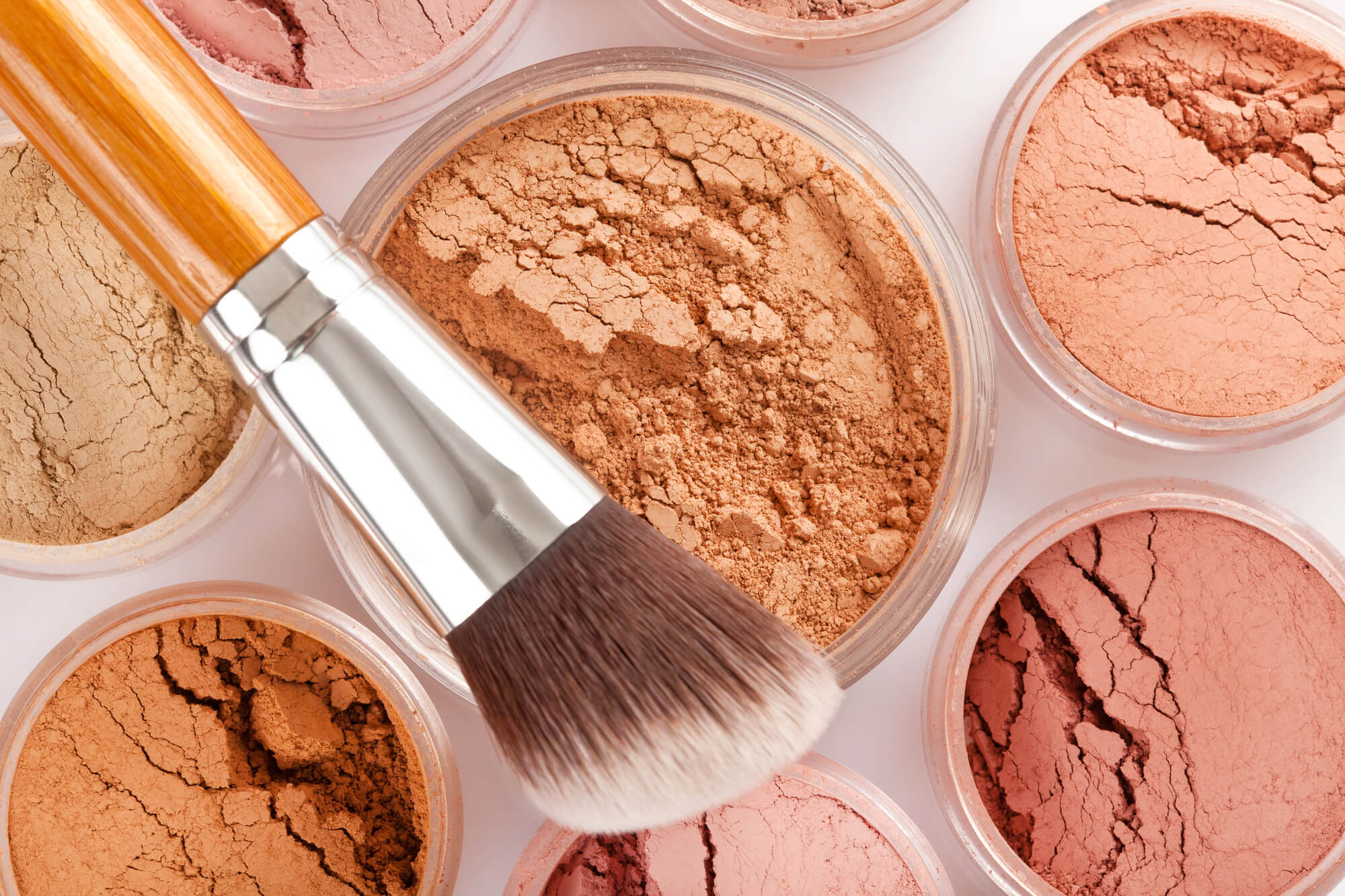
For centuries, pale complexions were achieved with powders and paints containing white lead, worn by figures from Elizabethan courtiers to eighteenth-century aristocrats. Chronic use caused skin damage, hair loss, and lead poisoning, symptoms that were sometimes mistaken for aging or illness rather than tied back to the cosmetic itself. Lead pigments were eventually phased out of cosmetics as toxicology understanding improved and regulatory limits tightened through the twentieth century.
Radium Face Creams
In the 1920s and 1930s, before the dangers of radioactivity were widely understood, a small number of cosmetic lines marketed creams and cosmetics containing radium as a rejuvenating, energizing ingredient. Products like France’s Tho-Radia line used the era’s fascination with radioactive science as a selling point. Once the health effects of radiation exposure became clear, radium-based beauty products disappeared from the market entirely.
Mercury Skin-Lightening Creams
Mercury compounds were used for generations in skin-lightening and complexion creams for their ability to inhibit melanin production, despite causing kidney damage and neurological harm with prolonged use. The FDA banned mercury in cosmetics sold in the United States, with narrow exceptions for specific eye-area products at strictly limited concentrations. Mercury-containing lightening creams still circulate on some gray markets internationally, prompting periodic public health warnings.
Arsenic Complexion Wafers
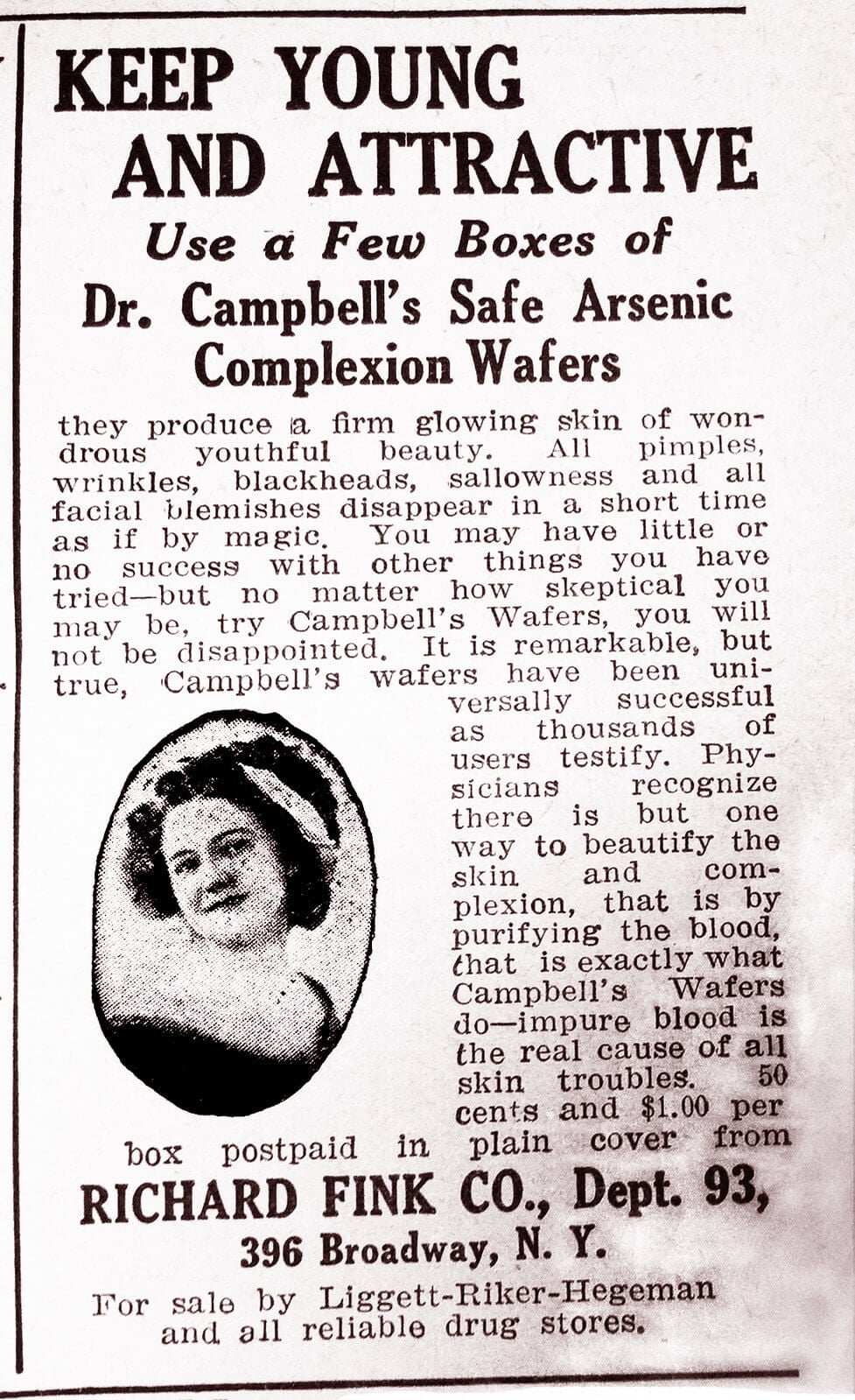
Victorian-era “complexion wafers” and tonics sometimes contained small doses of arsenic, marketed on the claim that it would produce a clear, pale complexion from the inside out. The practice reflected a broader nineteenth-century habit of treating arsenic as a tonic ingredient before its cumulative toxicity was fully appreciated. As poison-control knowledge advanced, arsenic-based beauty products were phased out well before modern cosmetic regulation existed.
Lash Lure Eyelash Dye
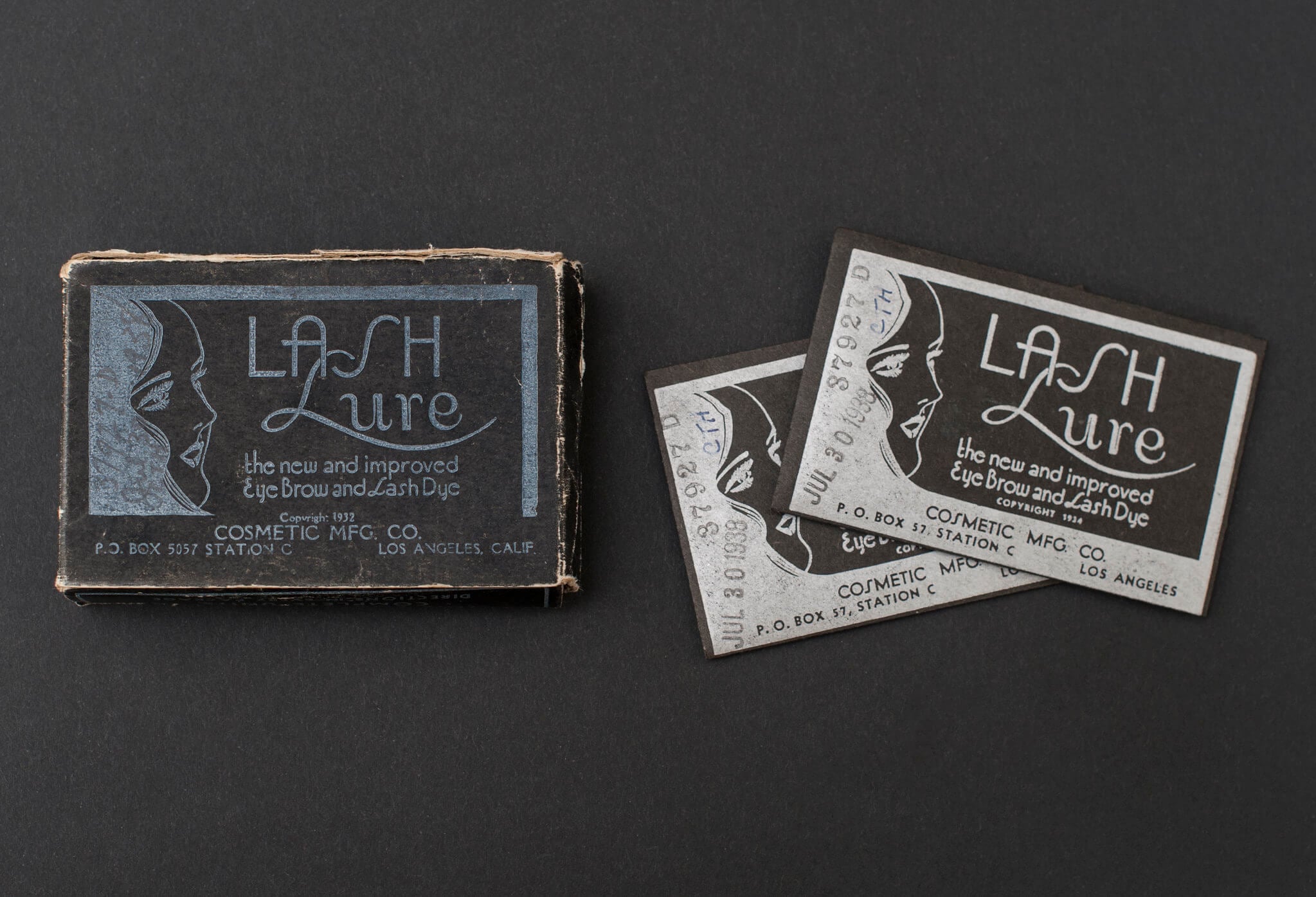
A permanent lash and brow dye called Lash Lure, sold in the 1930s, was linked to cases of severe eye injury and at least one death after the aniline dye it contained caused ulceration of the cornea. The scandal became one of the key cases cited in the push for the 1938 Food, Drug, and Cosmetic Act, which established stronger federal oversight of cosmetics in the United States. Aniline-based dyes remain restricted for use near the eyes under current regulations.
Chloroform
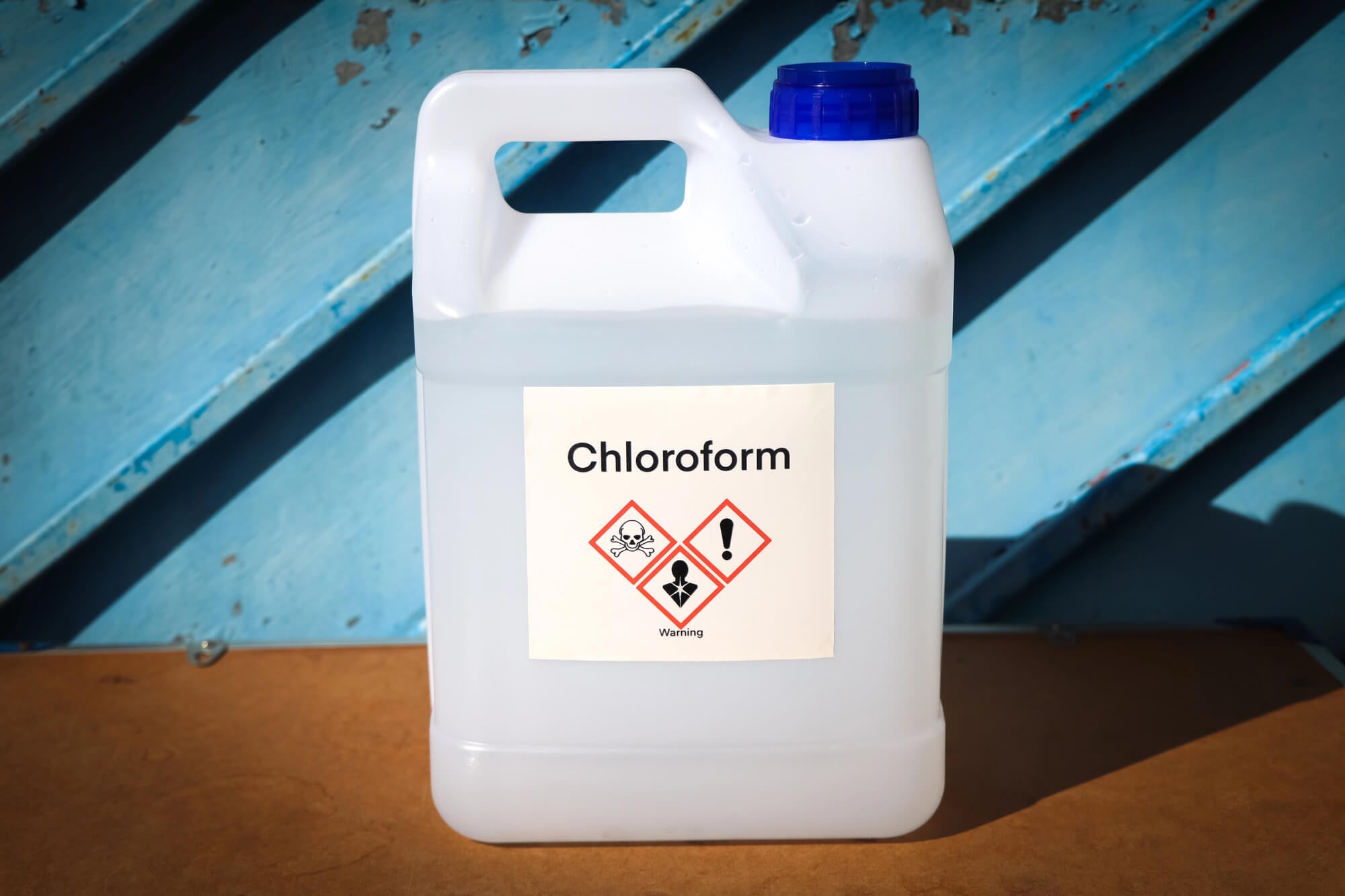
Once used as an ingredient in some cough remedies, toothpaste, and cosmetic products, chloroform was formally banned from cosmetic use by the FDA in 1976 after animal studies linked it to cancer. Its earlier use reflected a period when solvent and anesthetic chemicals were assumed safe simply because they were already familiar from medical settings. The ban was among the earlier examples of the FDA prohibiting a specific ingredient outright across the entire cosmetics category.
Vinyl Chloride Aerosol Propellant
Vinyl chloride was used as a propellant gas in aerosol cosmetic sprays until the FDA banned it in 1974 after establishing a clear link between the chemical and liver cancer in exposed workers. The ban predated broader vinyl chloride restrictions in other industries and is considered one of the earliest instances of cosmetic regulation responding directly to occupational health research. Alternative propellants quickly replaced it in aerosol formulations.
Zirconium in Aerosol Antiperspirants
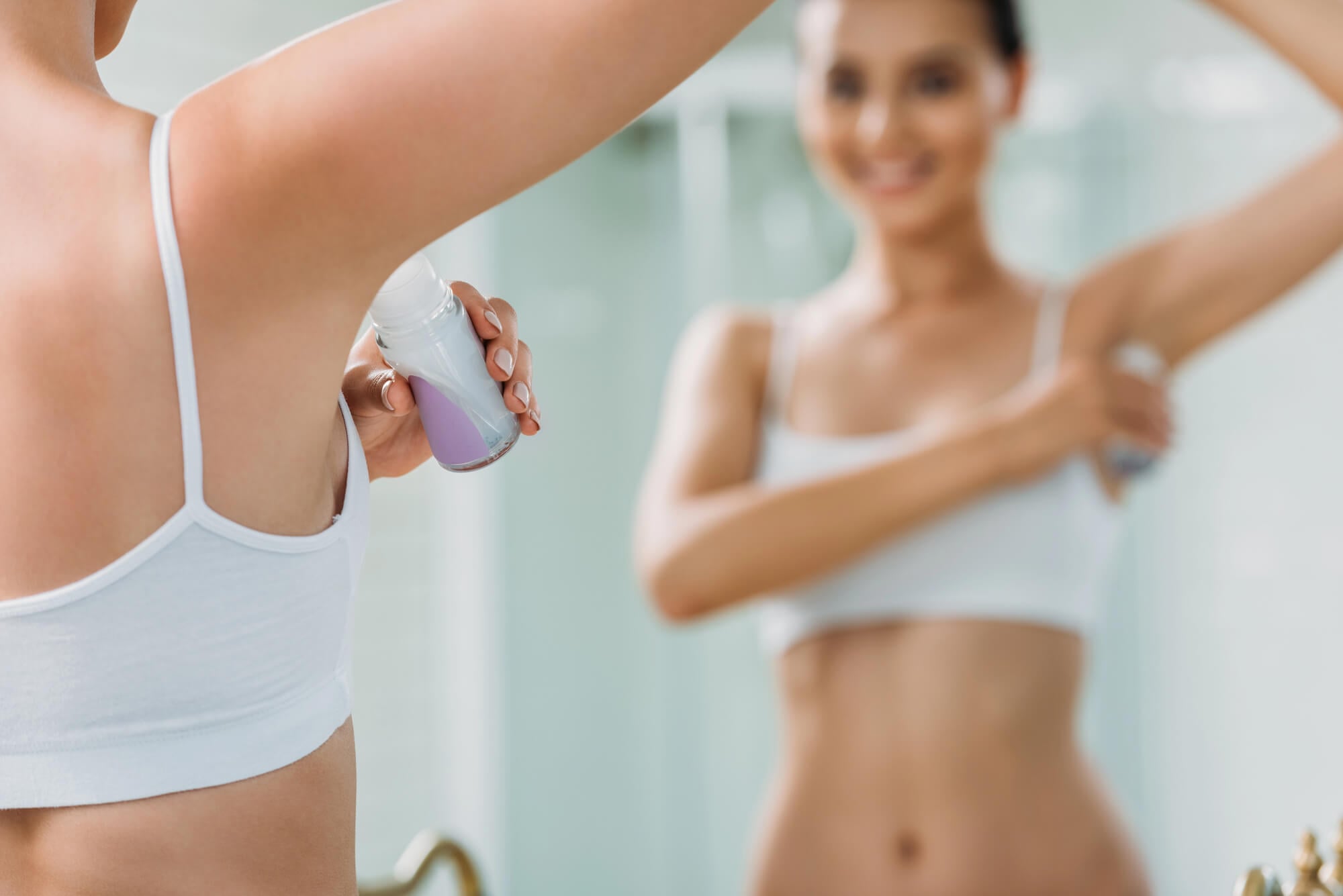
Zirconium compounds were used in aerosol antiperspirants until the FDA banned their use in aerosol form in 1977, after research linked inhaled zirconium particles to lung granulomas. Zirconium remained permitted in non-aerosol antiperspirant formulations, since the specific concern involved inhalation rather than skin contact. The ban is a frequently cited example of an ingredient being restricted by application method rather than banned outright.
Hexachlorophene

Hexachlorophene, an antibacterial compound once widely used in soaps, deodorants, and infant care products, was restricted by the FDA in 1972 after it was linked to neurological damage, particularly following an incident involving contaminated baby powder in France that caused infant deaths. The restriction limited hexachlorophene to prescription use rather than banning it entirely. Its fall from routine use marked a turning point in how regulators treated antibacterial ingredients in everyday personal care products.
Lead Acetate Hair Dye
Lead acetate was used for decades as the active color-changing ingredient in gradual “progressive” hair dyes marketed mainly to men. The FDA moved to revoke approval for lead acetate in cosmetics in 2018, citing updated safety data on lead exposure even at the low concentrations used in these products. Manufacturers reformulated remaining progressive dye products to remove the ingredient following the ruling.
CFC Propellants in Hairspray
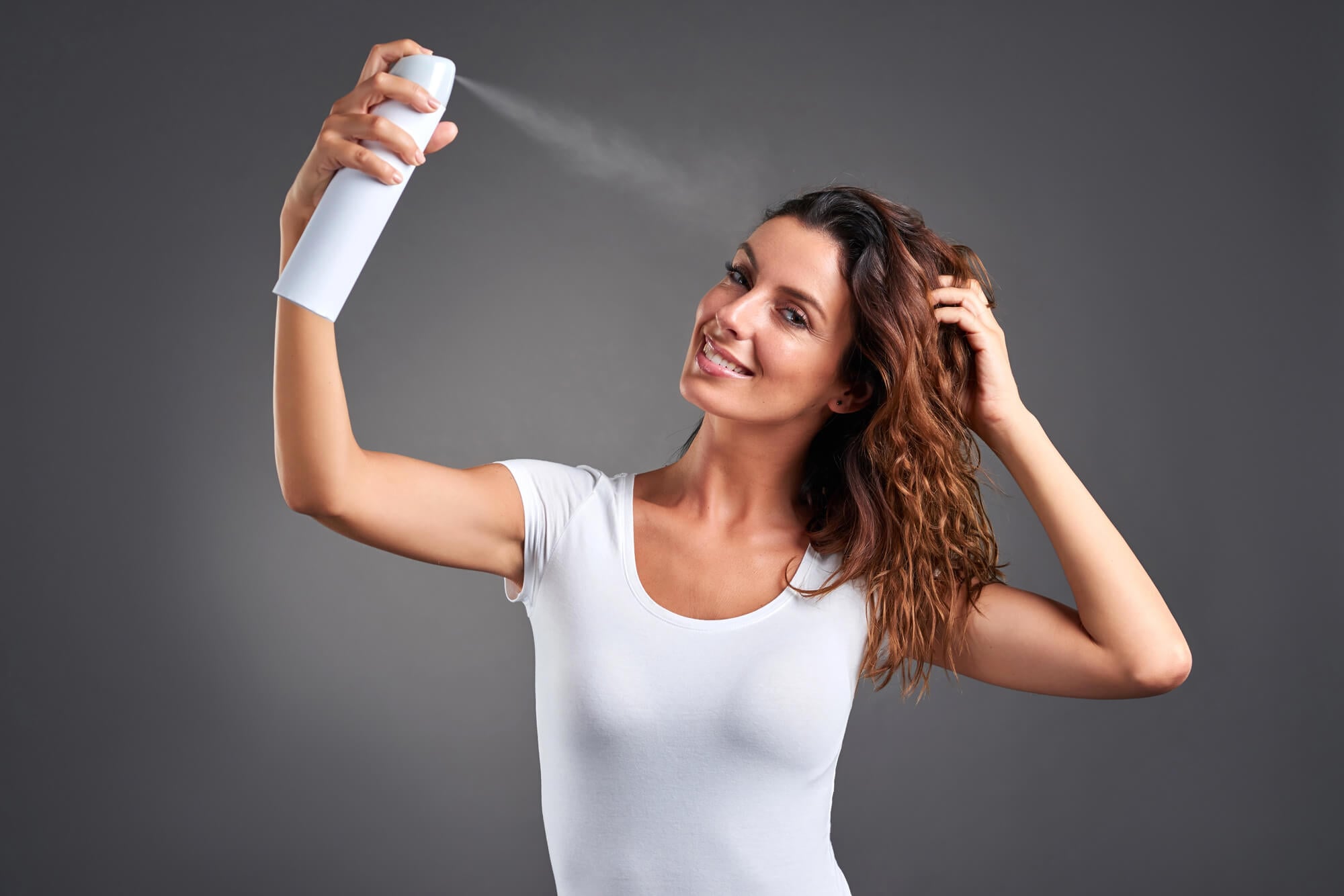
Chlorofluorocarbons were the standard propellant in aerosol hairsprays through the 1960s and 1970s until they were identified as a major contributor to ozone layer depletion. The United States banned CFCs in aerosol products, including hairspray, starting in 1978, well ahead of the international Montreal Protocol that phased them out globally. The shift forced a rapid industry-wide reformulation toward pump sprays and alternative propellant gases.
Asbestos-Contaminated Talc
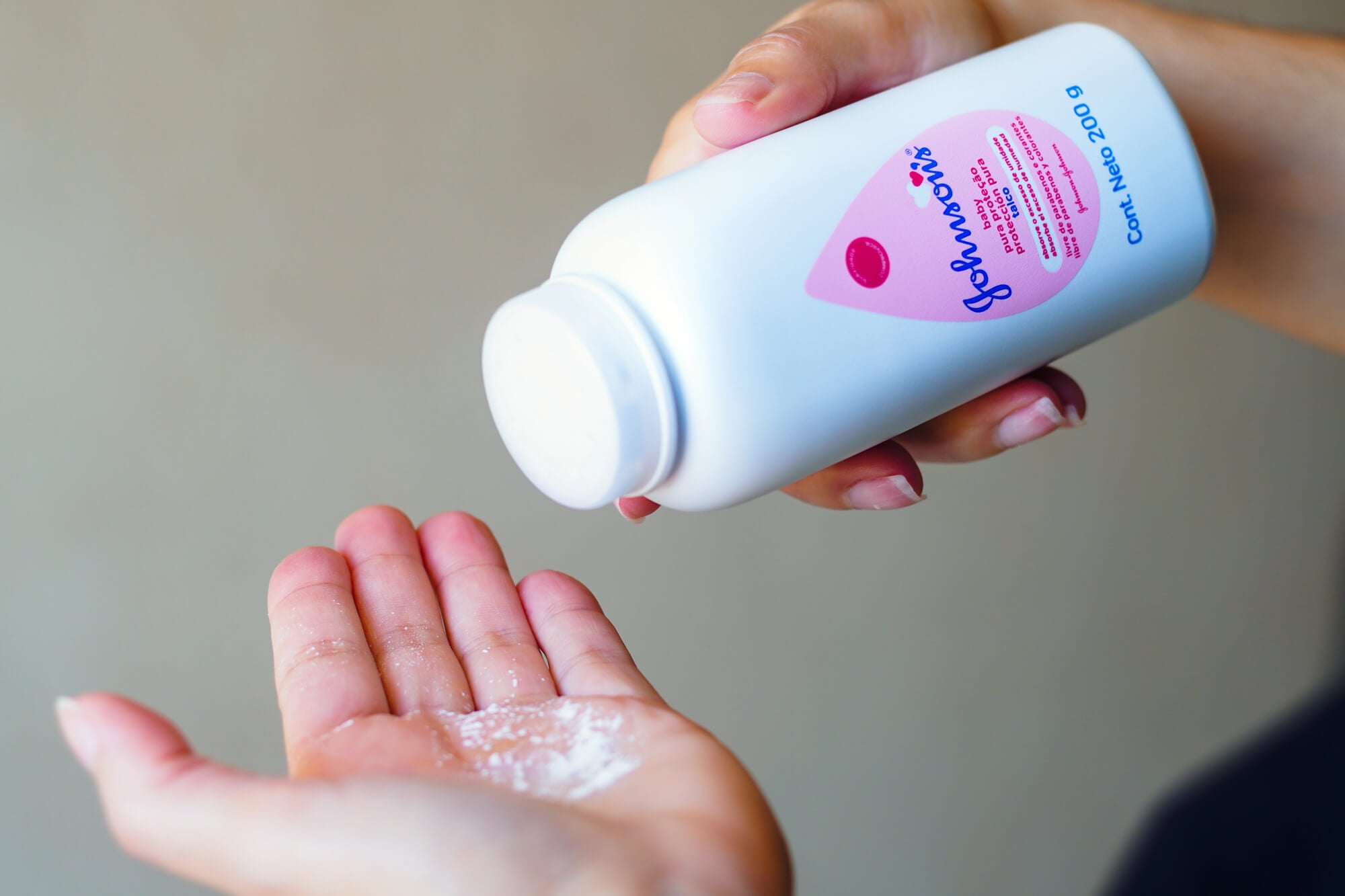
Talc, a mineral used in powders for its absorbency, can naturally occur alongside asbestos deposits depending on where it is mined, raising contamination concerns that have driven lawsuits and regulatory scrutiny for decades. Regulators in multiple countries have since tightened testing requirements for cosmetic-grade talc to screen out asbestos fibers. The issue remains an active area of litigation and regulatory debate rather than a single clean historical ban.
Belladonna Eye Drops
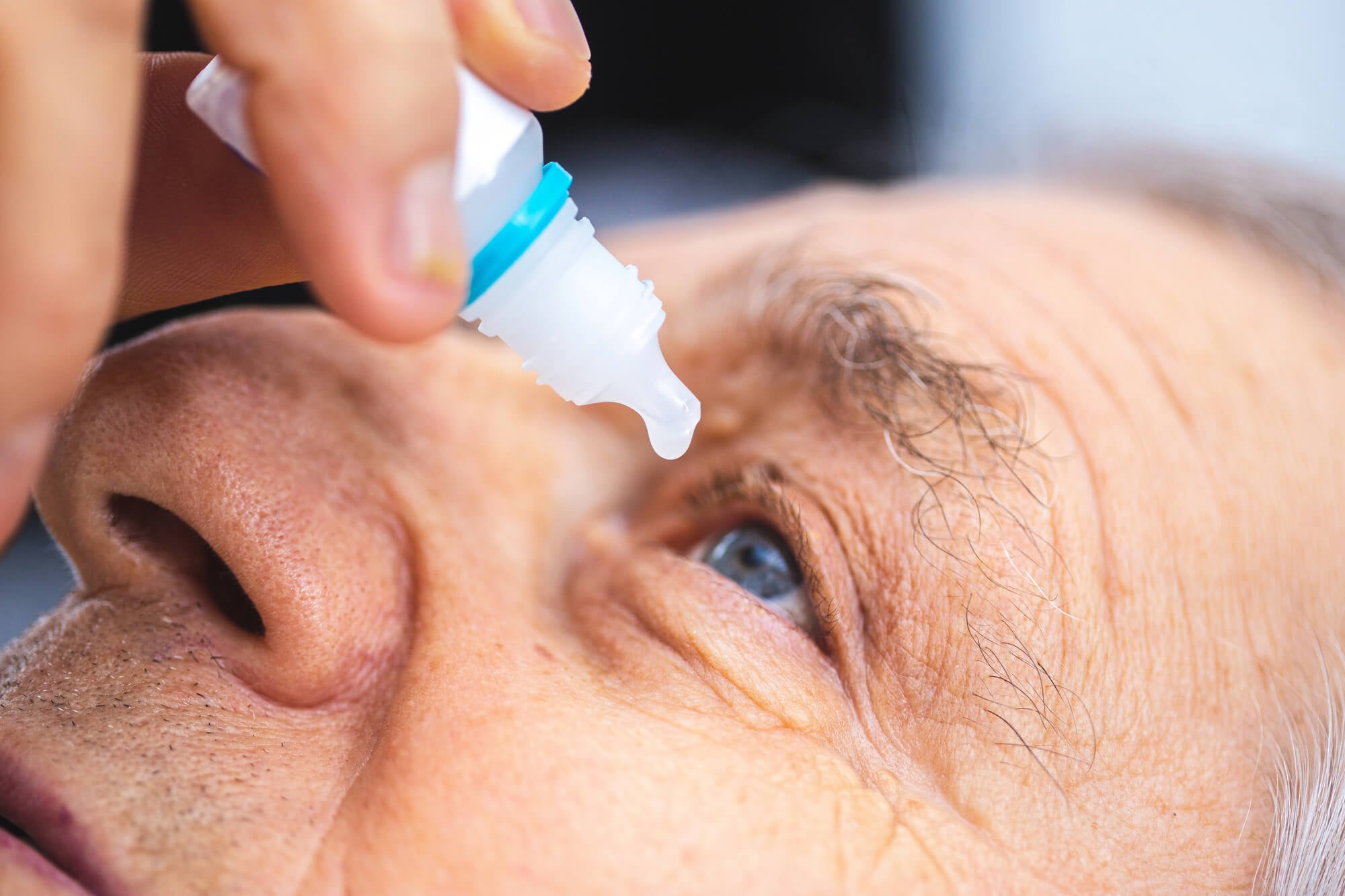
Extract from the belladonna plant was historically used in eye drops to dilate the pupils for a wide-eyed, fashionable look, a practice dating back centuries in parts of Europe. Repeated use caused blurred vision and, in higher doses, more serious toxicity from the plant’s active alkaloids. The cosmetic use of belladonna eye drops largely disappeared as the pharmacological risks became widely documented in medical literature.
Musk Ambrette
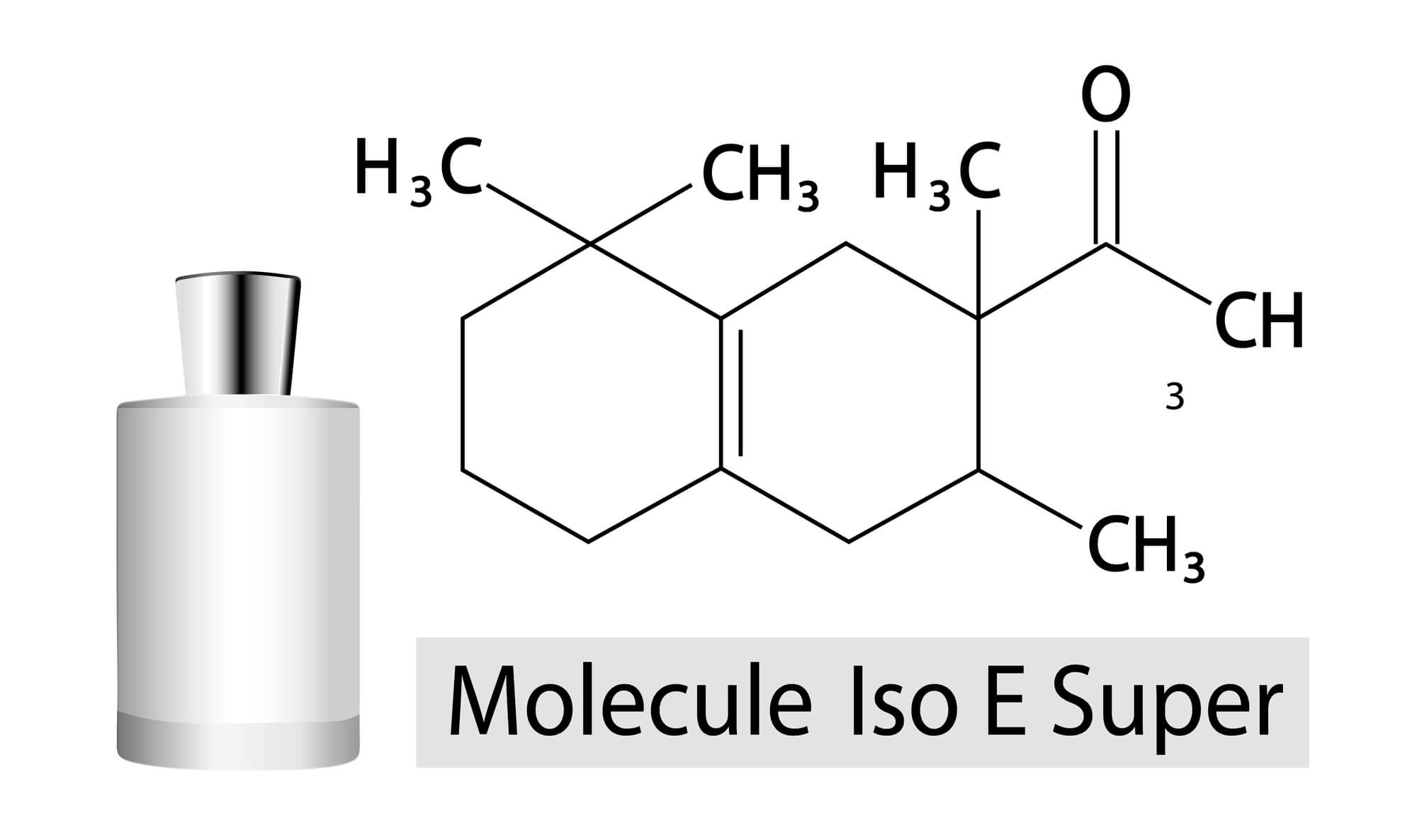
A synthetic musk fragrance ingredient once common in perfumes and aftershaves, musk ambrette was restricted after research found it caused photosensitization, making treated skin more reactive to sunlight, along with concerns about nerve toxicity. Fragrance industry trade bodies recommended discontinuing its use starting in the late 1980s, and it has since been phased out of most commercial formulations. It remains one of the better-documented cases of a fragrance ingredient being withdrawn industry-wide rather than through a single government ban.
Methylene Chloride
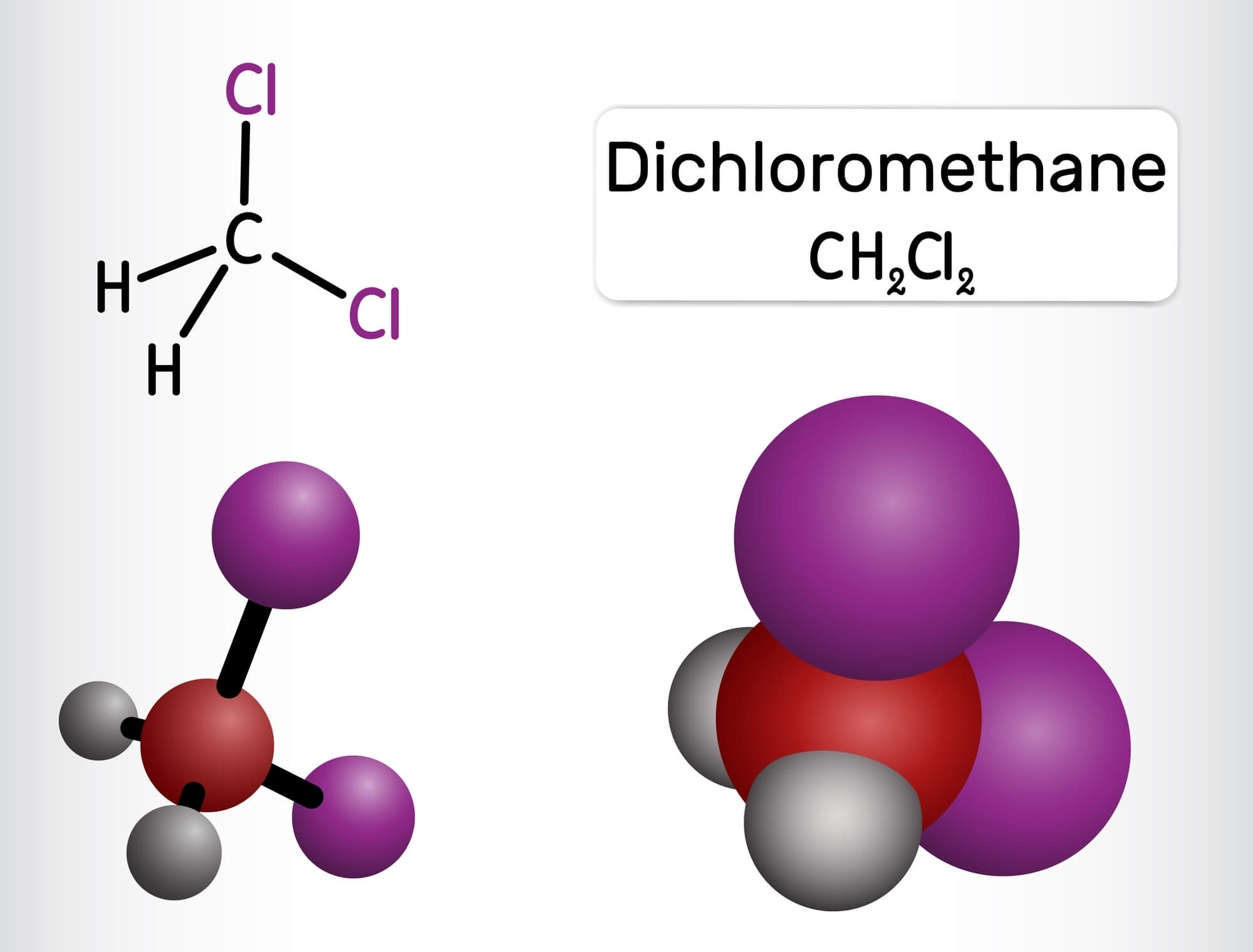
Methylene chloride, a solvent once used in some cosmetic sprays and other consumer products, was restricted by the FDA in cosmetics after being linked to cancer in animal studies. Its broader industrial and consumer uses have faced separate and more recent regulatory action as well. The cosmetic-specific restriction reflects the same solvent-safety concerns that led to bans on related chemicals like chloroform.
Thallium Acetate Depilatories

In the early twentieth century, thallium acetate was used as an active ingredient in hair-removal creams because of its ability to cause hair loss, a side effect regulators would later recognize as a marker of serious systemic toxicity. Poisoning cases tied to depilatory use, including permanent nerve damage in some patients, contributed to its removal from cosmetic products well before modern federal cosmetic law existed. The ingredient is remembered today primarily as a cautionary case in the history of unregulated beauty products.
Bithionol
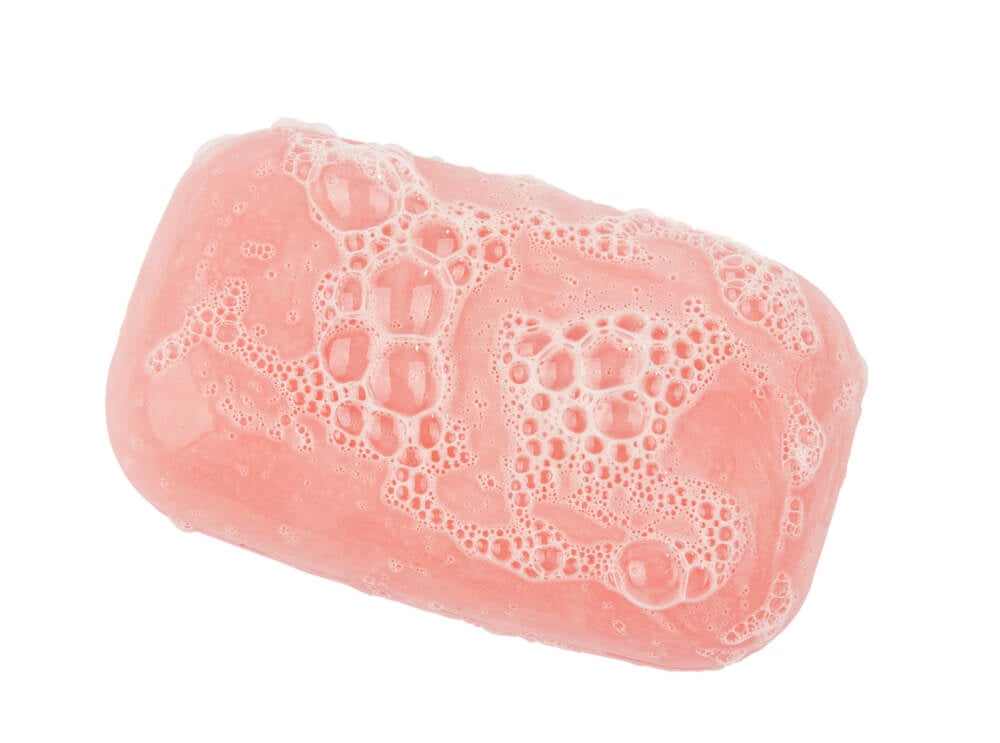
Bithionol, an antibacterial agent once used in soaps and cosmetics, was banned by the FDA from cosmetic use in 1968 after it was found to cause photosensitivity reactions in users exposed to sunlight. The ban came relatively early in the FDA’s modern cosmetic enforcement history and helped establish precedent for regulating antimicrobial ingredients based on photosensitization risk. Related halogenated antibacterial compounds faced similar scrutiny in the years that followed.
Halogenated Salicylanilides
A family of antibacterial compounds related to bithionol, halogenated salicylanilides were used in germicidal soaps before being banned from cosmetics for the same photosensitization concerns. Regulators grouped several related compounds together in the same ruling rather than addressing each individually. The action reflected a broader pattern in the late 1960s of removing an entire chemical class at once rather than waiting for issues with each compound to surface separately.
Plastic Microbeads
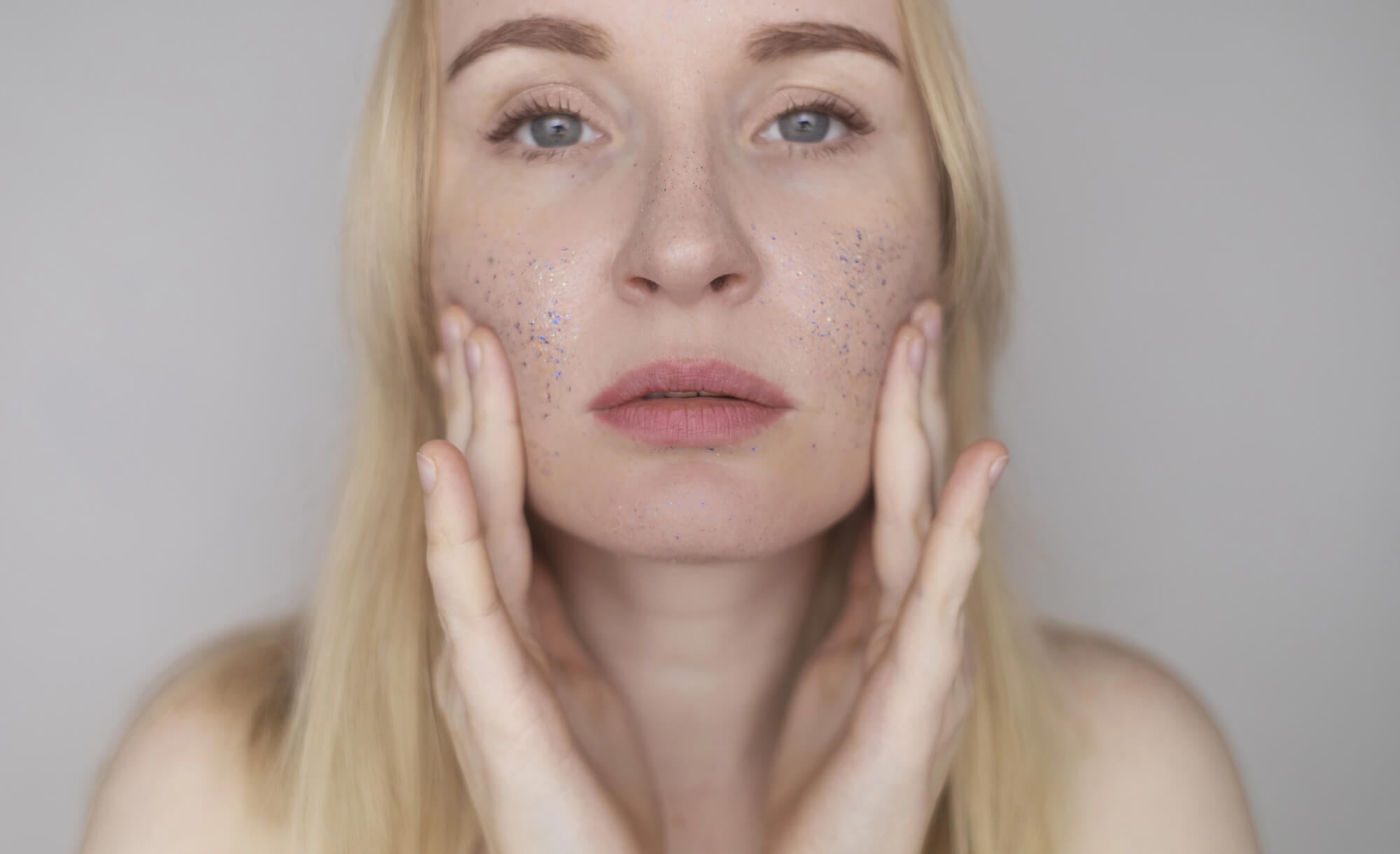
Tiny plastic microbeads used as an exfoliating ingredient in face and body scrubs were banned from rinse-off cosmetics in the United States under the Microbead-Free Waters Act, signed into law in 2015. The ban was driven primarily by environmental concerns, since the beads passed through wastewater treatment and accumulated in waterways rather than by direct harm to users. Manufacturers replaced microbeads with natural exfoliants like ground seed shells and sugar.
Formaldehyde Hair-Straightening Treatments
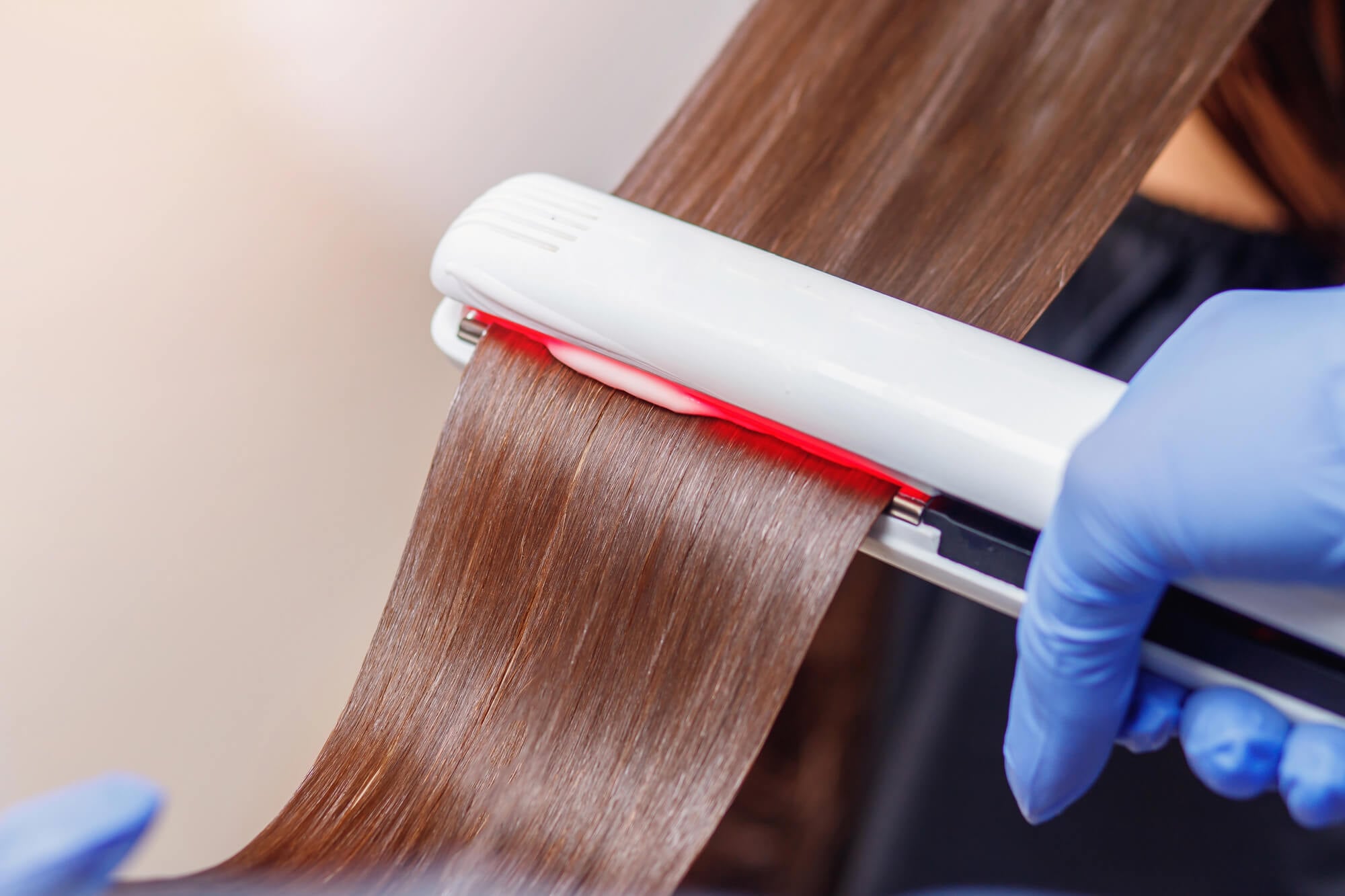
Keratin-based hair-straightening treatments that release formaldehyde gas during the heat-styling process drew regulatory scrutiny after salon workers and clients reported respiratory irritation and other symptoms. Some formulations marketed as “formaldehyde-free” were found by regulators to still release the chemical under heat, prompting stricter labeling and, in some jurisdictions, outright restrictions. The controversy pushed several major brands to reformulate around alternative bonding chemistries.
Hydroquinone Over Regulated Limits
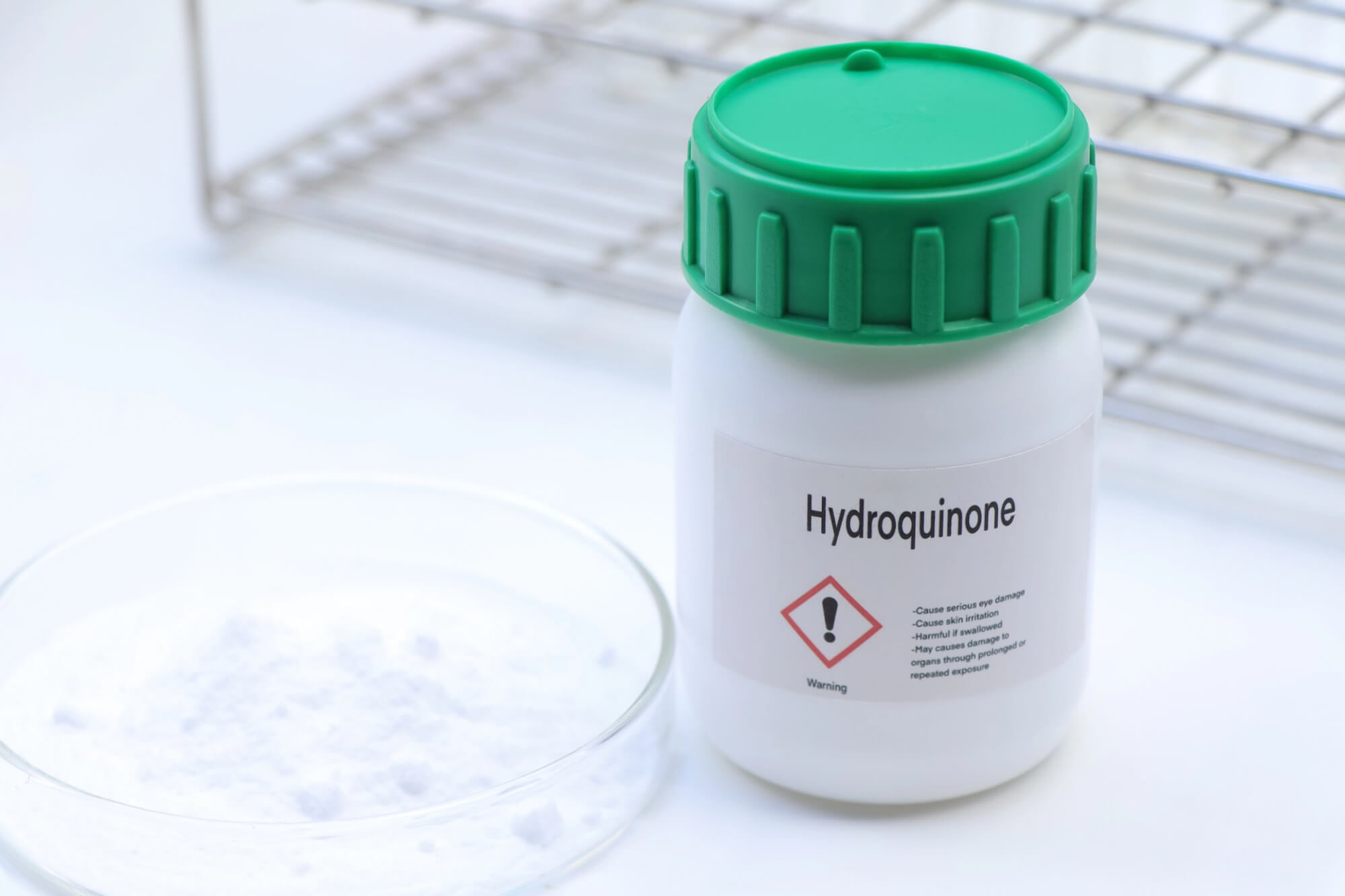
Hydroquinone, a skin-lightening agent, remains available in the United States at low over-the-counter concentrations but is restricted above certain thresholds and banned outright in cosmetics in the European Union due to concerns about a skin condition called ochronosis with long-term use. The differing rules between regions have made hydroquinone one of the more geographically inconsistent bans in cosmetic regulation. Consumers traveling internationally sometimes discover their usual product is not legally sold at the same strength elsewhere.
Triclosan in Antibacterial Washes
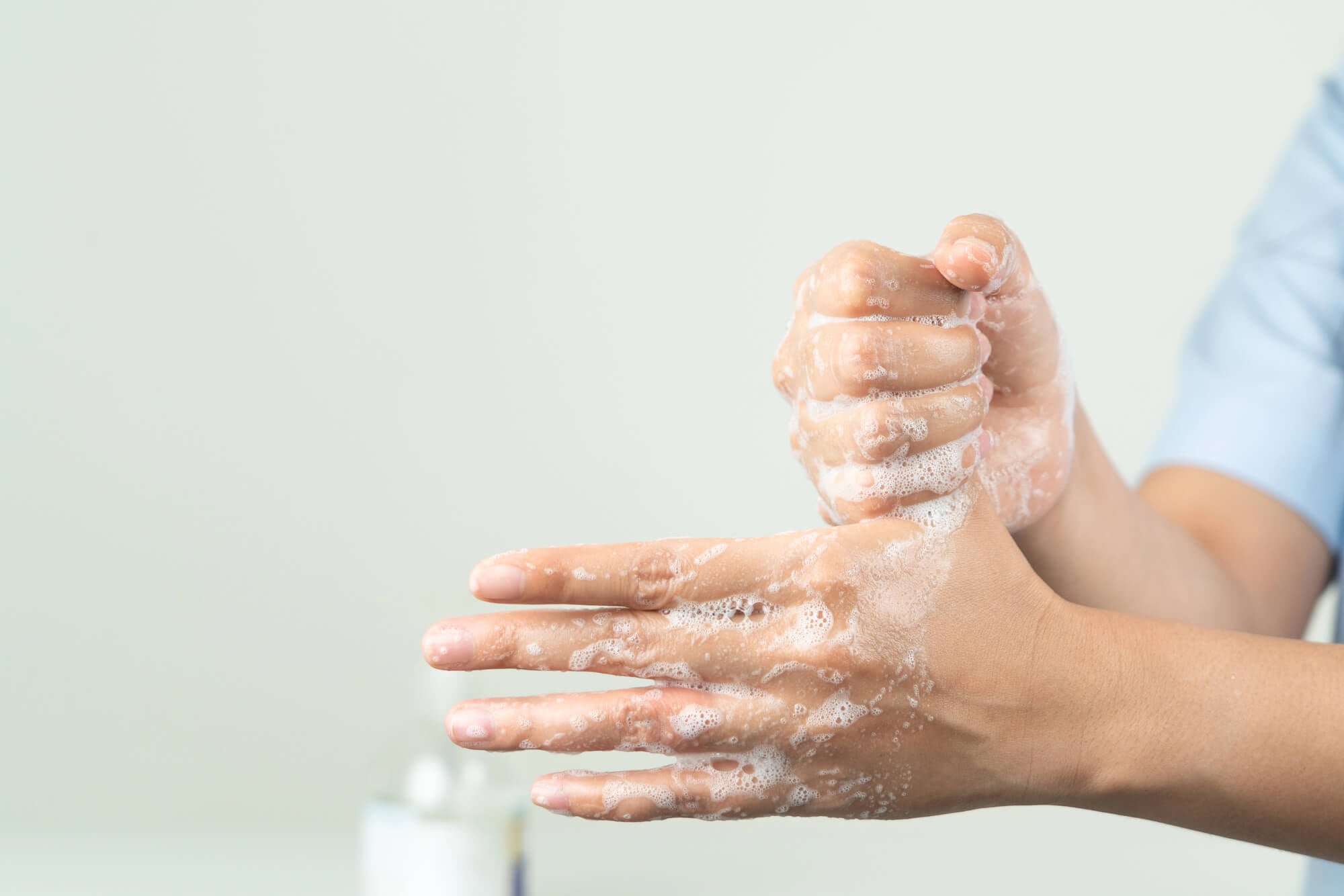
Triclosan, an antimicrobial agent once common in antibacterial soaps, body washes, and some cosmetics, was banned by the FDA from over-the-counter antibacterial wash products in 2016 after manufacturers failed to demonstrate the ingredient was more effective than plain soap and water, alongside concerns about hormone disruption. The ruling applied specifically to wash-off antibacterial products rather than all cosmetics containing the compound. Many brands had already begun reformulating in anticipation of the rule.
Chloroacetamide Preservative
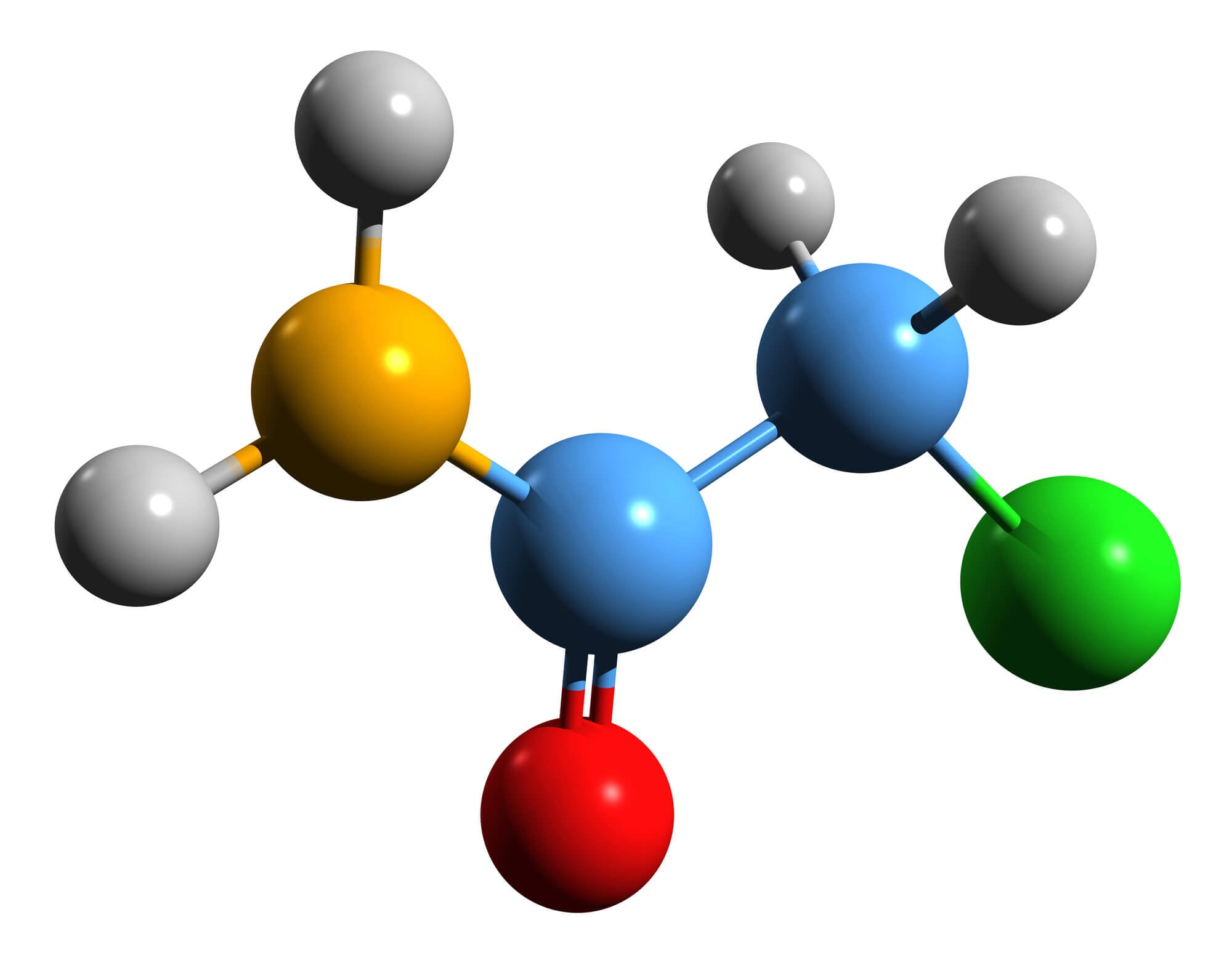
Chloroacetamide, once used as a preservative in some cosmetic formulations, was restricted in the European Union after being classified as a skin sensitizer capable of triggering allergic contact dermatitis. Regulatory limits on its concentration effectively pushed most manufacturers toward alternative preservative systems. It remains a reference case in discussions of how preservative chemistry in cosmetics has shifted over recent decades.
Certain Coal Tar Hair Dyes
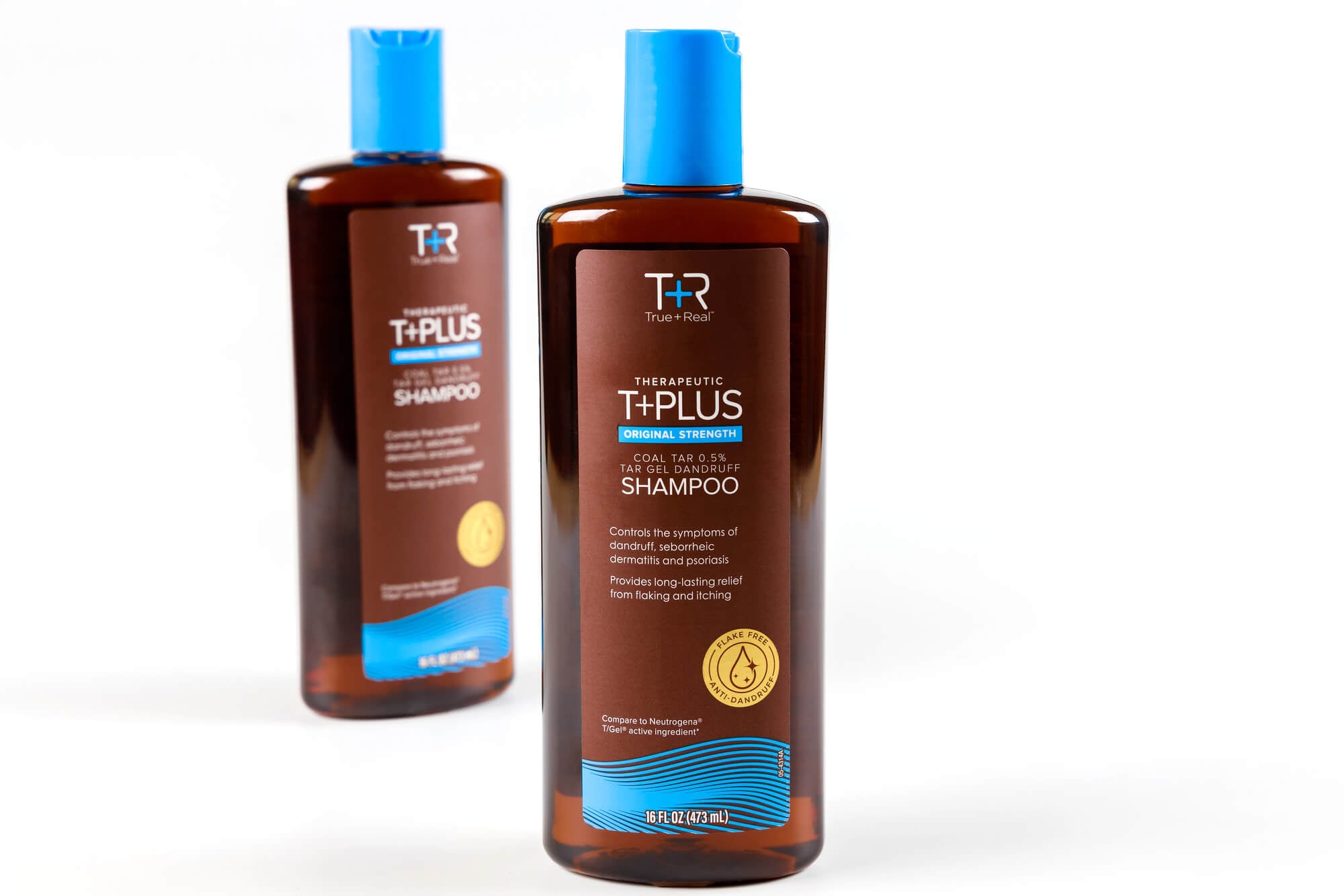
Some coal tar-derived dye colors once used in permanent and semi-permanent hair coloring were restricted after specific compounds within the coal tar dye family were linked to cancer in animal testing. Coal tar dyes as a broad category remain legal and regulated rather than banned outright, but individual colorants within that family have been removed one by one as safety data accumulated. The pattern illustrates how cosmetic bans often target specific compounds rather than entire ingredient categories.
Cinnamyl Anthranilate
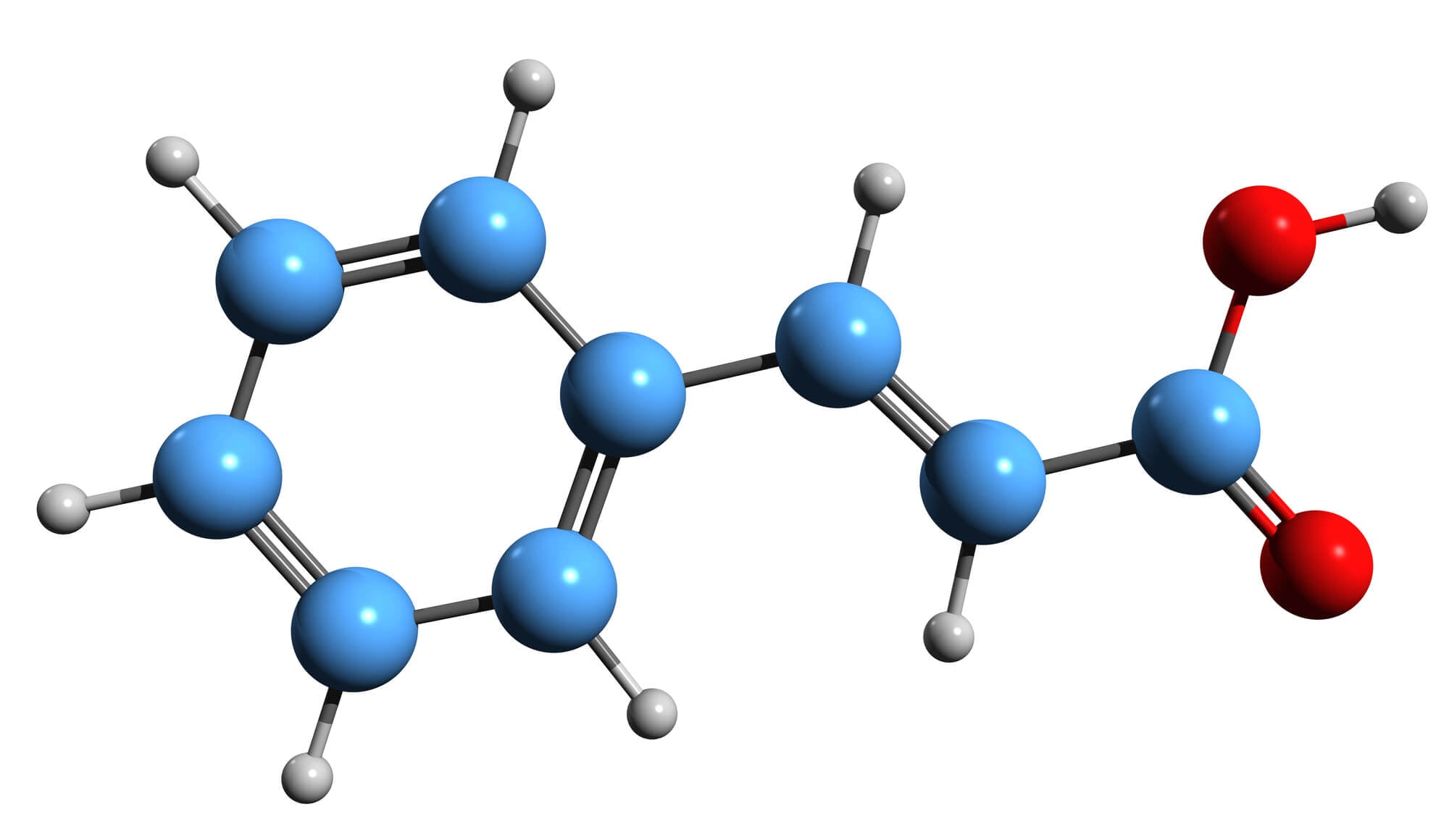
Cinnamyl anthranilate, a flavor and fragrance compound once used in some cosmetic and personal care formulations, was banned by the FDA in 1985 under a food-safety provision after it was found to cause tumors in laboratory animals. Although primarily known as a food-flavoring case, the ruling extended to its cosmetic uses as well. It remains a frequently cited example of the same ingredient facing parallel bans across different regulatory categories.
Prohibited Nitrosamine-Forming Preservatives
Certain preservative combinations, when mixed with specific amine-based ingredients, can form nitrosamines, compounds identified as probable carcinogens, inside a finished cosmetic product over time. Regulators in the European Union and elsewhere have restricted or banned specific ingredient pairings known to generate nitrosamines under normal storage conditions. The rule illustrates that some bans target not a single ingredient but a chemical reaction that occurs between otherwise permitted ones.
Safety Written in Retrospect

Almost none of these ingredients were banned because someone set out looking for a problem. They were banned because enough people got sick, enough case reports accumulated, or enough animal data came back troubling, and only then did regulation catch up to what was already sitting on drugstore shelves.
That lag between harm and regulation has narrowed considerably since the mid-twentieth century, but it has never closed completely, which is why several entries on this list were still legal within living memory. The history of cosmetic safety is less a story of foresight than of correction, one recall and one lawsuit at a time.
More from Go2Tutors!

- The Romanov Crown Jewels and Their Tragic Fate
- 13 Historical Mysteries That Science Still Can’t Solve
- Famous Hoaxes That Fooled the World for Years
- 15 Child Stars with Tragic Adult Lives
- 16 Famous Jewelry Pieces in History
Like Go2Tutors’s content? Follow us on MSN.