32 Classroom Supplies Students Used Daily Until They Disappeared
A school supply list used to double as a small time capsule, revealing exactly what technology and budget a given decade could afford. Some items lasted for generations before fading out; others vanished within a single school reform cycle, replaced by something plugged into a wall.
Almost none of these were retired with fanfare. A teacher simply stopped ordering them, a supply closet slowly emptied out, and a new list appeared the following August without them.
Mimeograph Machines
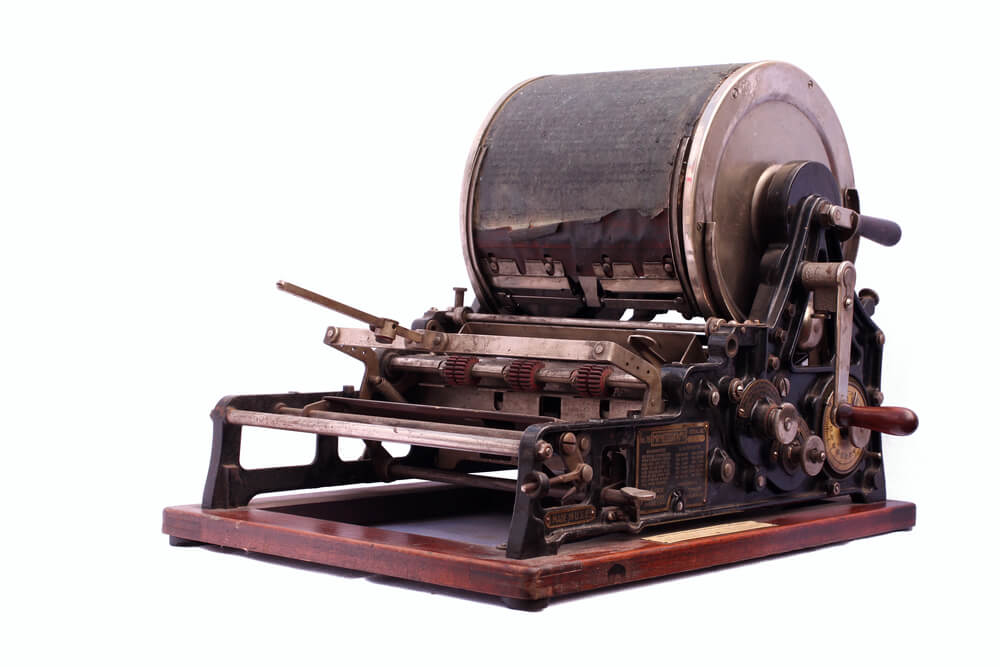
Mimeograph machines produced the purple-inked worksheets that defined classrooms from the 1950s through the early 1980s, running a stencil through a rotating drum soaked in solvent-based ink. Freshly copied pages carried a distinct chemical smell that many former students still recognize decades later.
Photocopiers gradually replaced the machines through the 1980s, ending the purple-ink era for good.
Chalkboards

Chalkboards anchored the front of nearly every classroom for well over a century, requiring daily erasing and a chalky dust that coated ledges and sleeves by the end of the day. Teachers developed entire routines around chalk rationing, since a broken stick meant fewer usable pieces for the week.
Whiteboards began replacing them broadly through the 1990s, and interactive digital boards finished the transition in the following decades.
Overhead Projectors
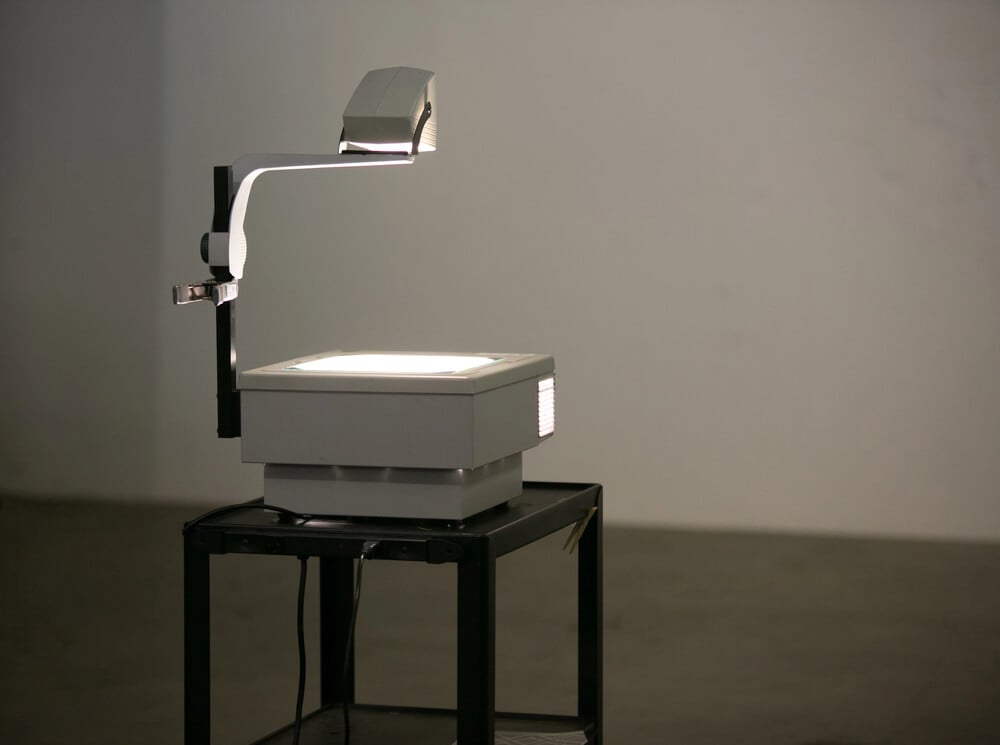
Overhead projectors let teachers write directly on clear plastic transparency sheets while a bright bulb projected the image onto a screen or wall, making them a staple of lecture-style instruction for decades. The machine’s fan noise and occasional bulb failure became a familiar classroom interruption.
Digital projectors and document cameras largely replaced them by the 2000s.
Filmstrip Projectors

Filmstrip projectors advanced individual frames of film accompanied by an audio recording, often synced with a beep that told a student when to manually advance to the next image. A single filmstrip could stretch a short lesson into a full class period.
Video and later digital media made the format obsolete by the 1990s.
Cursive Handwriting Workbooks
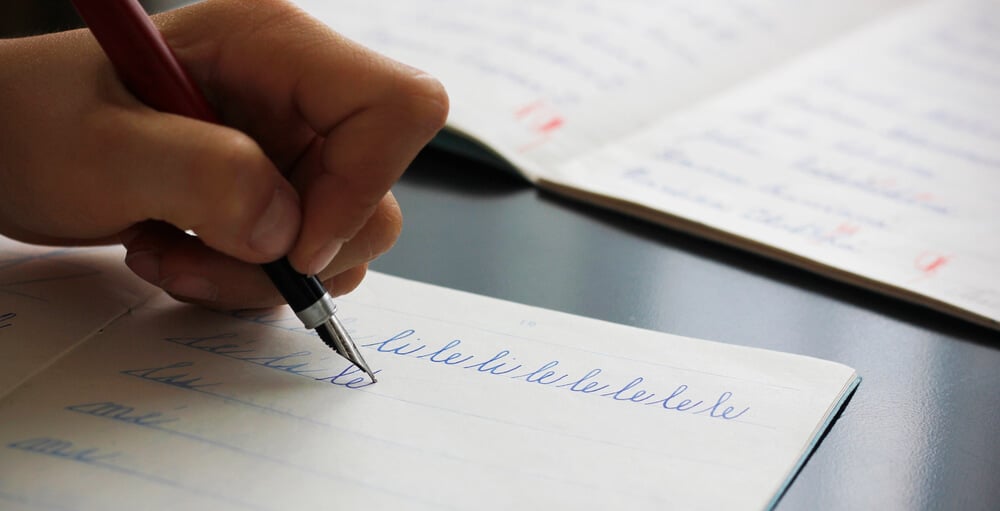
Cursive workbooks guided students through looping letter connections using dotted-line practice pages, a curriculum staple for generations of elementary students. Many state education standards dropped mandatory cursive instruction in the 2010s as keyboarding skills took priority.
Entire workbook lines built around cursive practice quietly disappeared from school supply catalogs as a result.
Slide Rules
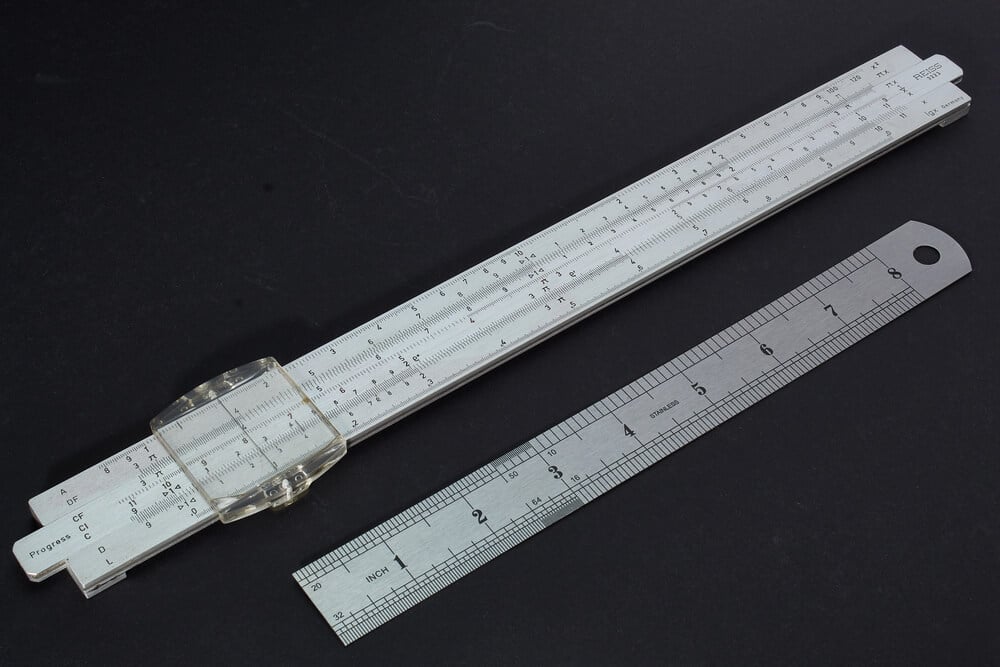
Slide rules let students perform multiplication, division, and logarithmic calculations using sliding logarithmic scales, a required tool in math and science classrooms through the 1960s and early 1970s. Learning to read the scales accurately took real practice, and a misaligned slide could throw off an entire homework set.
Inexpensive electronic calculators made them obsolete within a few years of becoming widely available.
Pencil Sharpener Wall Units
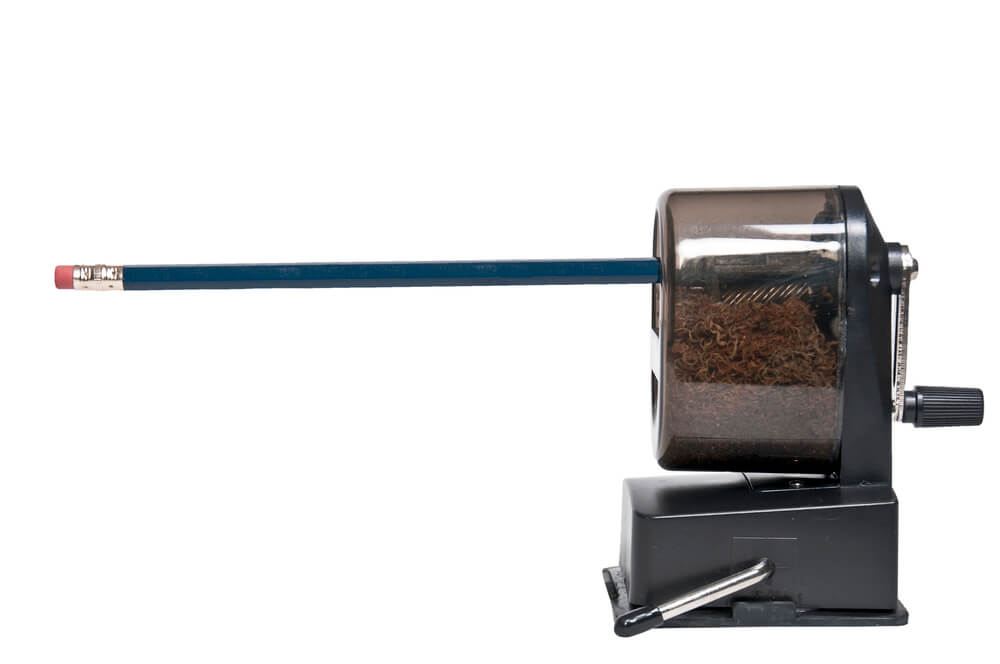
Wall-mounted pencil sharpeners, usually bolted near the classroom door, required a hand crank and produced a loud grinding sound that interrupted lessons dozens of times a day. Students often timed a sharpening trip to escape a boring stretch of class.
Battery-powered and electric sharpeners on individual desks gradually made the wall-mounted version unnecessary.
Book Covers Made From Paper Bags
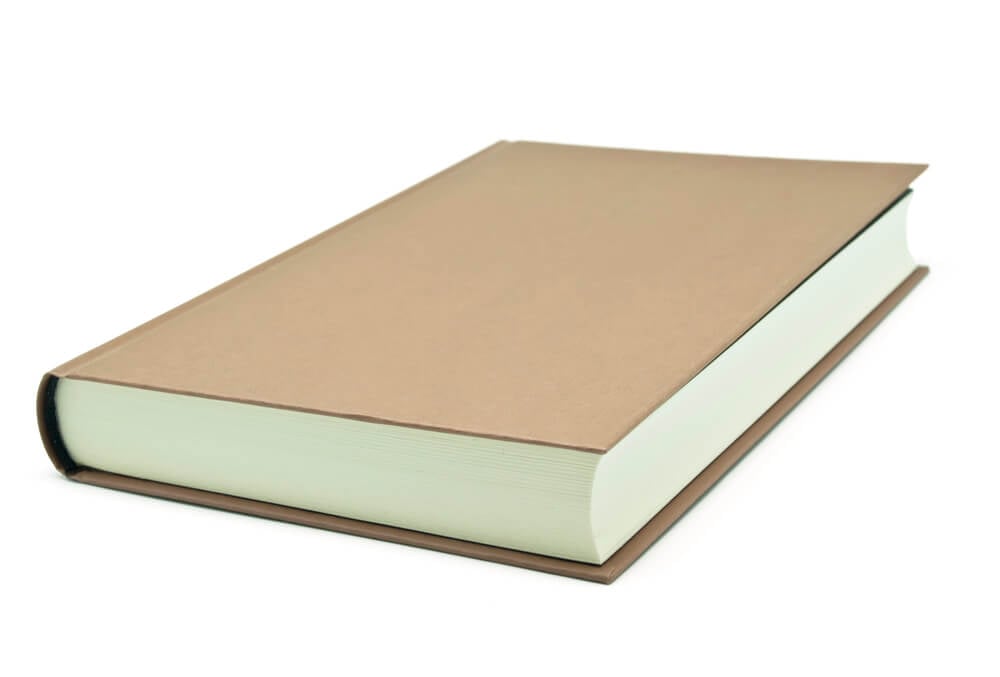
Students commonly wrapped textbooks in cut-open grocery bags at the start of each school year, folding and taping the paper into a custom-fit cover that doubled as a canvas for doodles. The practice protected school-owned textbooks that had to survive multiple years of student use.
As many schools shifted toward digital textbooks or looser paperback editions, the yearly cover ritual faded.
Carbon Paper
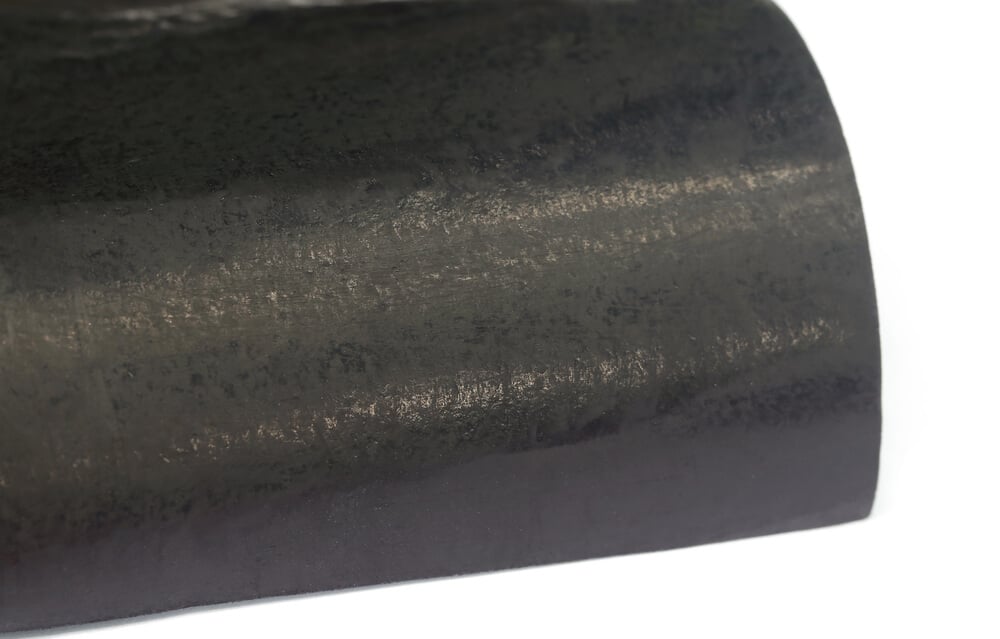
Carbon paper let students and teachers create instant duplicate copies of handwritten forms by pressing a pen through a thin, ink-coated sheet sandwiched between two pages. Attendance slips and hall passes commonly relied on it well into the 1980s.
Photocopiers and eventually digital forms eliminated the need for it entirely.
Filmstrip and Record Combo Kits
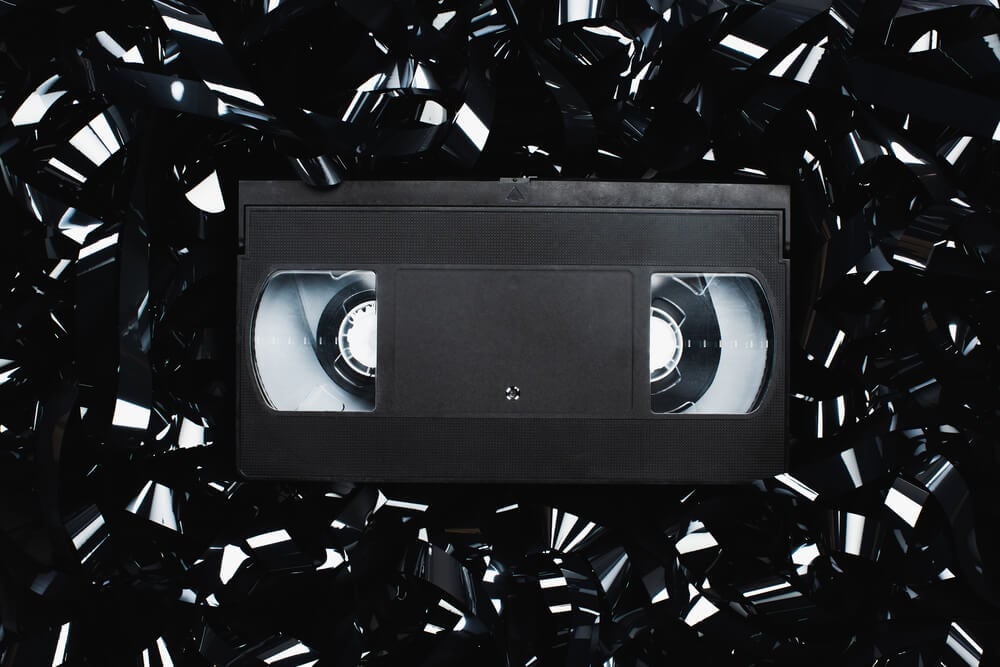
Some classrooms paired filmstrip viewers with vinyl records or cassette tapes, syncing narration to still images for early language and science lessons. The setup required careful coordination between two separate machines that could easily fall out of sync.
Self-contained video and later digital media replaced the entire two-machine system.
Pencil Cases With Combination Locks

A specific style of pencil case featuring a small built-in combination lock briefly became popular in the 1980s and 1990s, giving students a place to secure erasers, small toys, and folded notes. The novelty wore off once students realized how easily the small locks could be forced open.
Simpler zippered pouches eventually became the standard again as the trend faded.
Metal Lunch Boxes With Embossed Characters
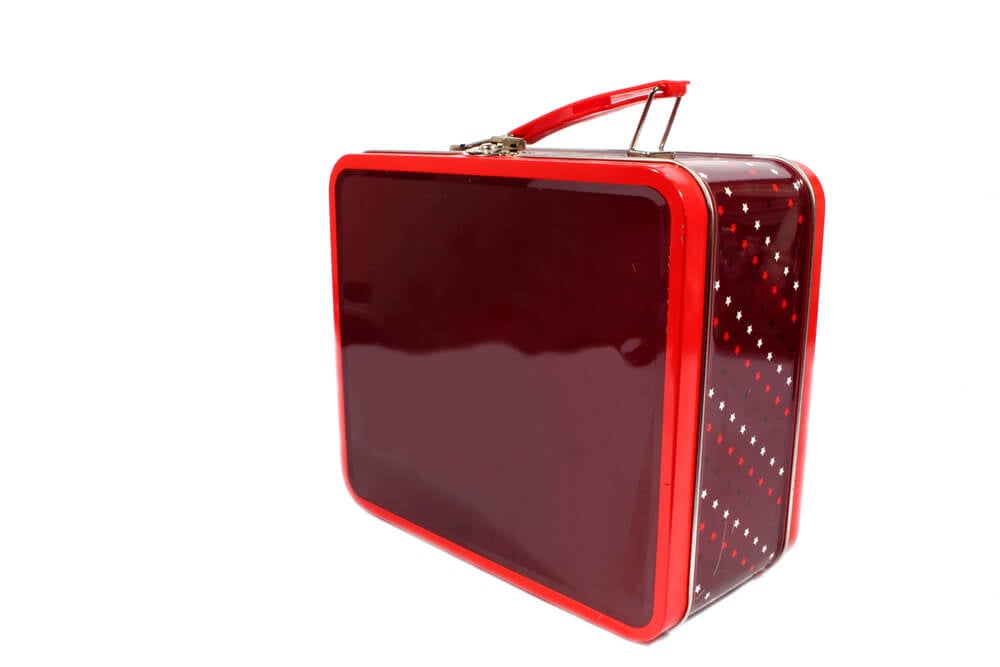
Metal lunch boxes featured embossed, painted scenes of television and movie characters, giving students a rotating way to express their favorite shows each school year. Manufacturers phased out metal construction by the mid-1980s over concerns that the boxes could be used as weapons in fights.
Plastic and insulated fabric lunch boxes replaced them going forward.
Peechee Folders
Peechee folders, recognizable by their illustrated cover art of students playing sports against a yellow background, were a near-universal school supply for decades. The two-pocket design with built-in paper fasteners made them useful for basic organization before binders became standard.
Changing publishing rights and shifting supply-list preferences gradually reduced their presence in stores.
Trapper Keeper Binders
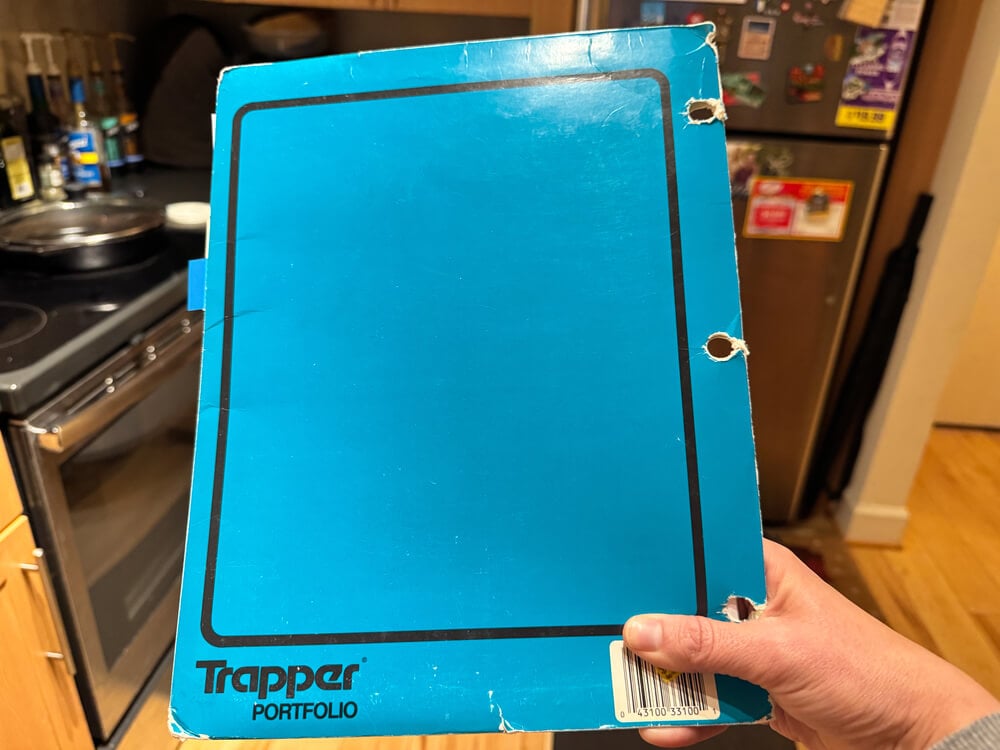
Trapper Keeper binders used a distinctive Velcro closure and interchangeable folder inserts, becoming a status symbol among students throughout the 1980s and into the 1990s. Some schools briefly banned them for being distractingly loud when opened and closed during class.
Simpler three-ring binders eventually became the default again as the trend faded.
Mechanical Pencil Lead Refill Tubes
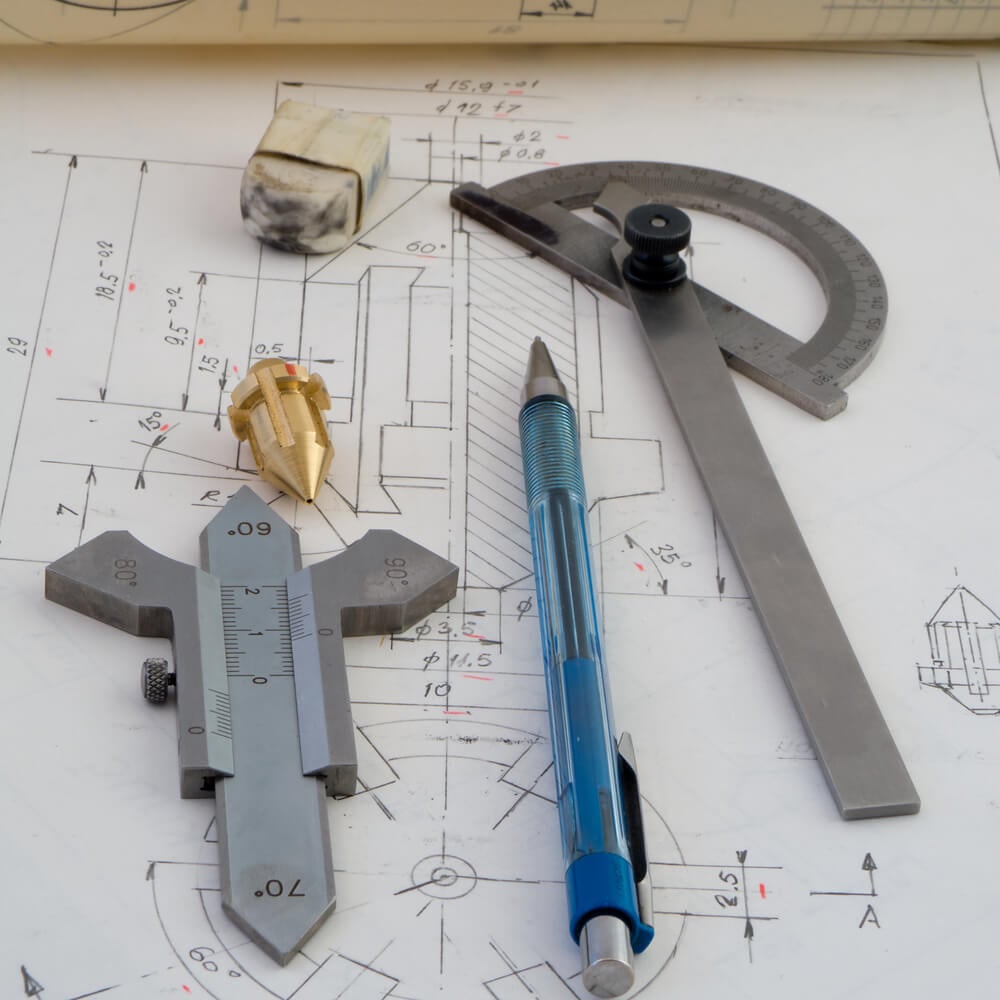
Small plastic tubes holding a dozen replacement pencil leads were a constant presence in pencil cases through the 1990s, since mechanical pencils required frequent refills to stay usable. Students often lost the tiny tubes faster than they used the lead inside them.
Cheaper disposable mechanical pencils eventually reduced the need to carry separate refill tubes at all.
Erasable Pens
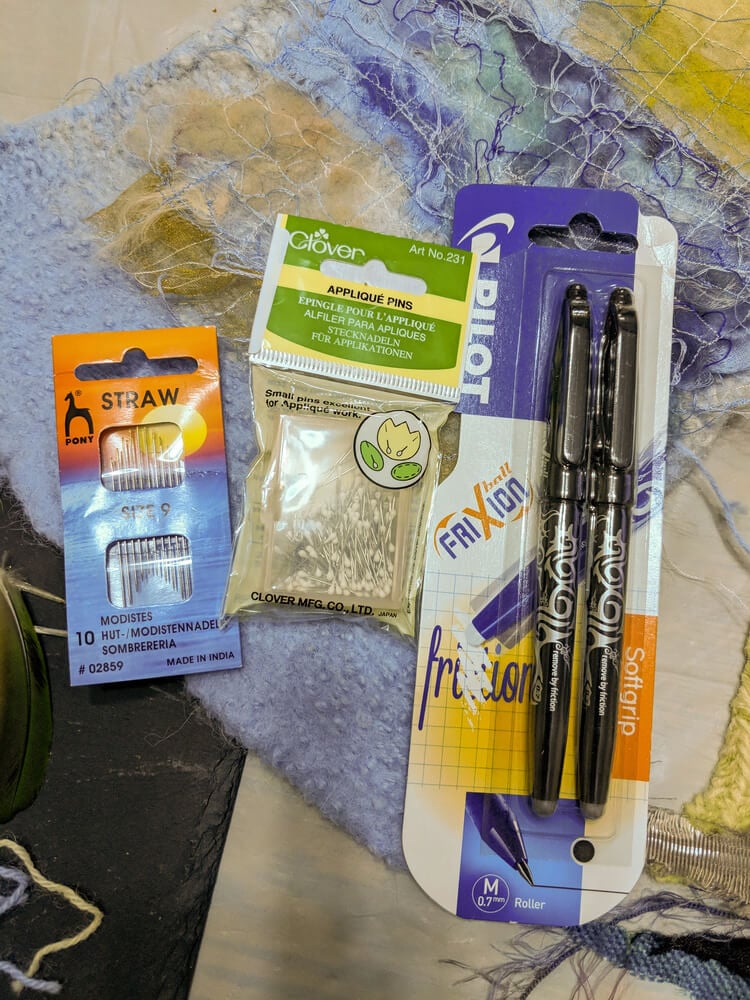
Erasable pens used a special ink formulated to lift cleanly with a built-in eraser tip, marketed heavily to students who wanted the permanence of pen with the flexibility of pencil. The ink often smudged badly and faded unevenly over time, undercutting the pitch.
Interest declined through the 1990s as students returned to standard ballpoint pens for daily work.
Scented Markers
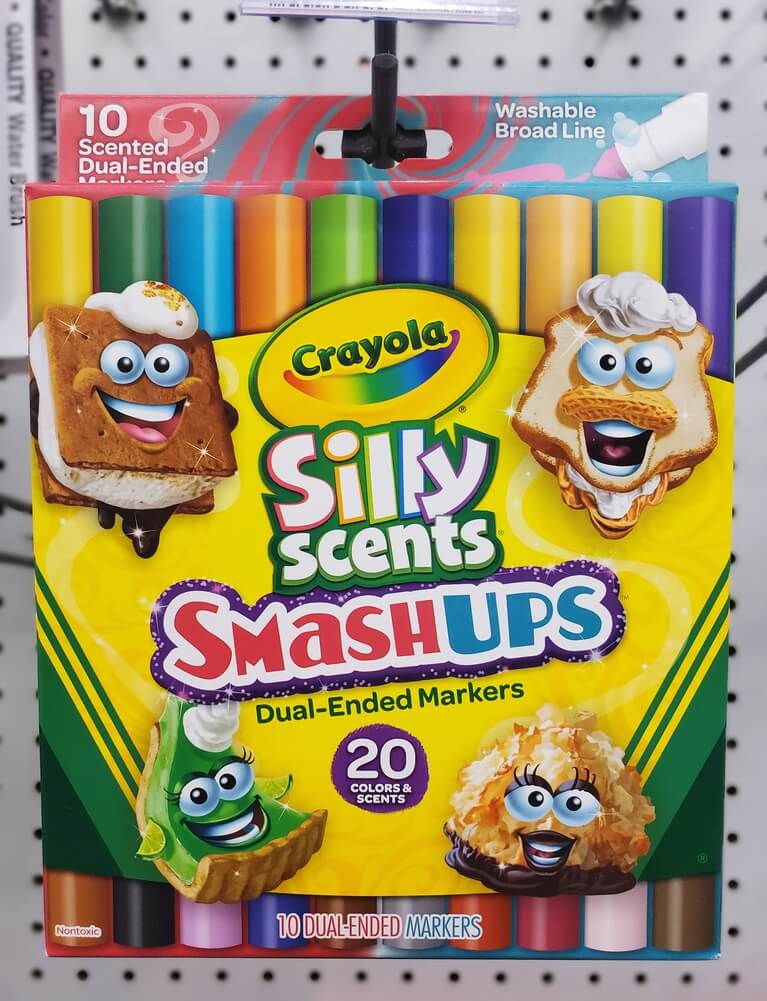
Scented markers paired specific colors with specific smells, such as grape for purple or watermelon for pink, turning coloring assignments into a small sensory game. Entire elementary classrooms would collectively react anytime a strawberry-scented marker made its way around the room.
They remain available today but occupy a far smaller share of supply lists than during their peak.
Pencil-Top Erasers Shaped Like Characters

Novelty erasers shaped like animals, characters, or food sat on the end of a pencil, doubling as both a functional eraser and a small trading item among students. Trading and collecting them became its own informal playground economy at many elementary schools.
They faded from mainstream supply lists as trend cycles moved toward other small collectibles.
Scholastic Book Order Forms
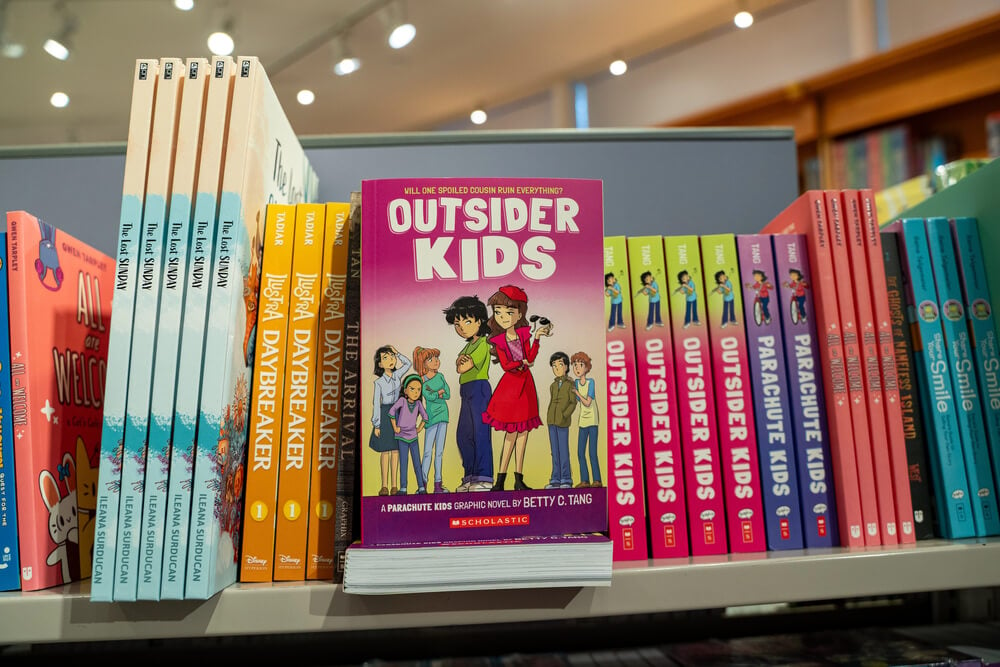
Scholastic distributed thin newsprint order forms through classrooms for decades, letting students circle books they wanted a teacher to order in bulk for a small commission in free classroom books. The anticipation of an order arriving in a cardboard box was a genuine monthly event for many students.
Digital ordering systems have largely replaced the paper forms in recent years.
Weekly Reader Magazines

Weekly Reader delivered a thin, age-appropriate current events magazine to classrooms across the country for most of the twentieth century, giving students an early introduction to news writing. Teachers built entire lesson plans around its short articles and discussion questions.
The publication ceased print production in 2012 as digital classroom resources took over its role.
Rubber Cement
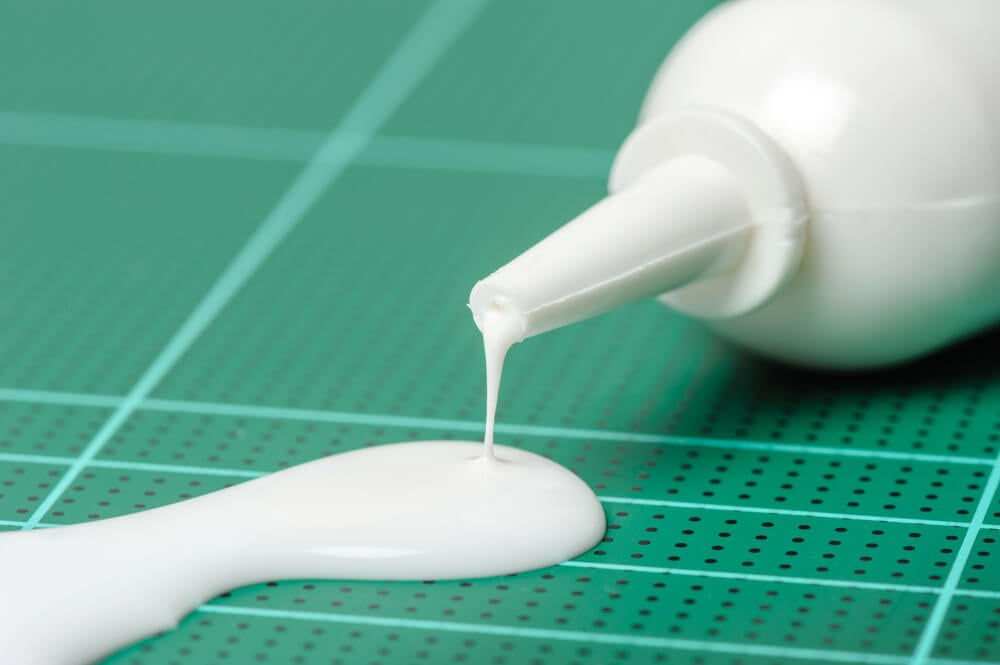
Rubber cement offered a repositionable adhesive option for craft projects and posters, favored for how cleanly it could be rubbed away if a piece needed adjusting. Its strong solvent smell became a hallmark of art class for generations of students.
Glue sticks eventually became the preferred classroom adhesive for most everyday assignments.
Mucilage Glue Bottles
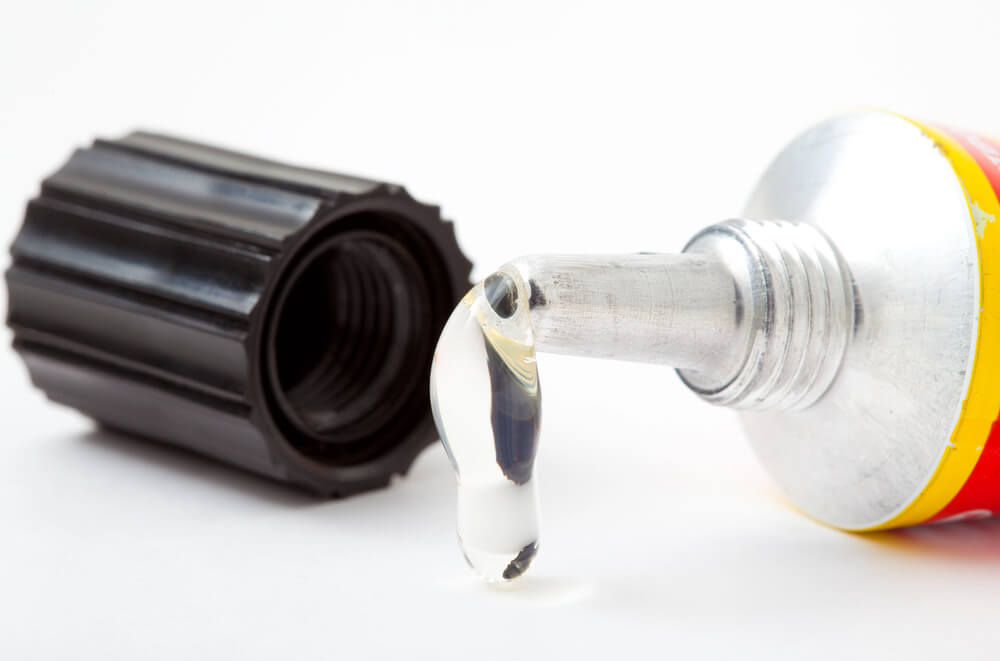
Mucilage glue came in small rubber-tipped bottles that required squeezing out a thin, sticky stream directly onto paper, a design that led to plenty of overly glued, wrinkled art projects. Its formula stayed largely unchanged for decades before falling out of favor.
School supply lists shifted toward glue sticks by the 1990s for their far less messy application.
Construction Paper Sample Books
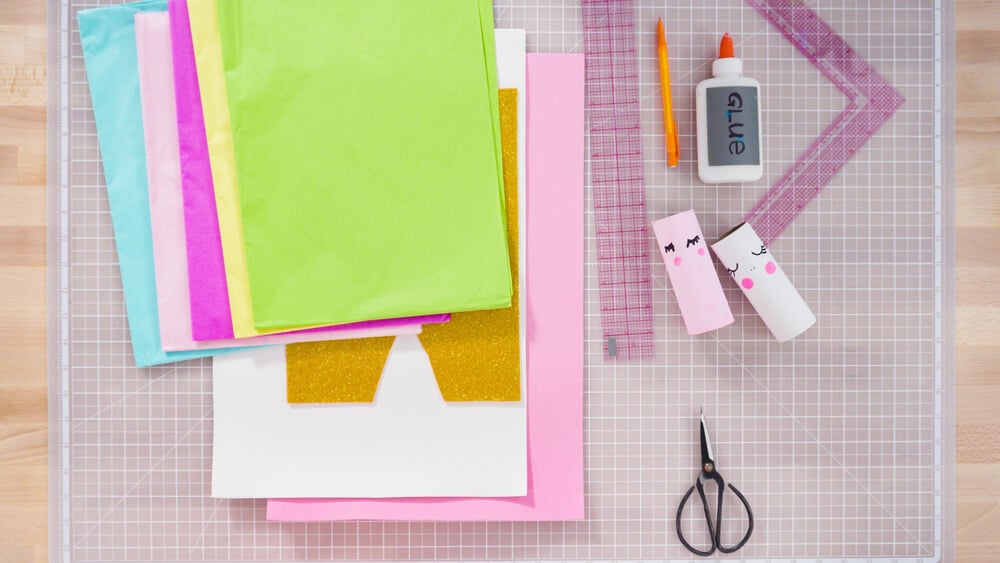
Some classrooms kept full sample books of construction paper organized by color, letting students select from dozens of shades for art projects rather than a limited standard pack. Budget cuts in many districts reduced art supply variety over time.
Standard multi-color packs became the norm as sample books quietly disappeared from supply closets.
Ditto Machine Duplicating Fluid
The alcohol-based duplicating fluid used in spirit duplicators, commonly called ditto machines, produced the same purple-tinted copies associated with mimeograph technology, though through a different chemical process. Schools stored the fluid carefully given its strong fumes and flammability.
Its use ended almost entirely once affordable photocopiers became standard equipment in school offices.
Pencil Grip Attachments

Small rubber or foam grips slid onto pencils to help students, especially younger ones, maintain proper finger placement while writing. They appeared on supply lists heavily through the 1990s as handwriting instruction remained a core curriculum focus.
As instructional time devoted to handwriting shrank, so did the presence of dedicated grip attachments on standard lists.
Filmstrip Note-Taking Worksheets
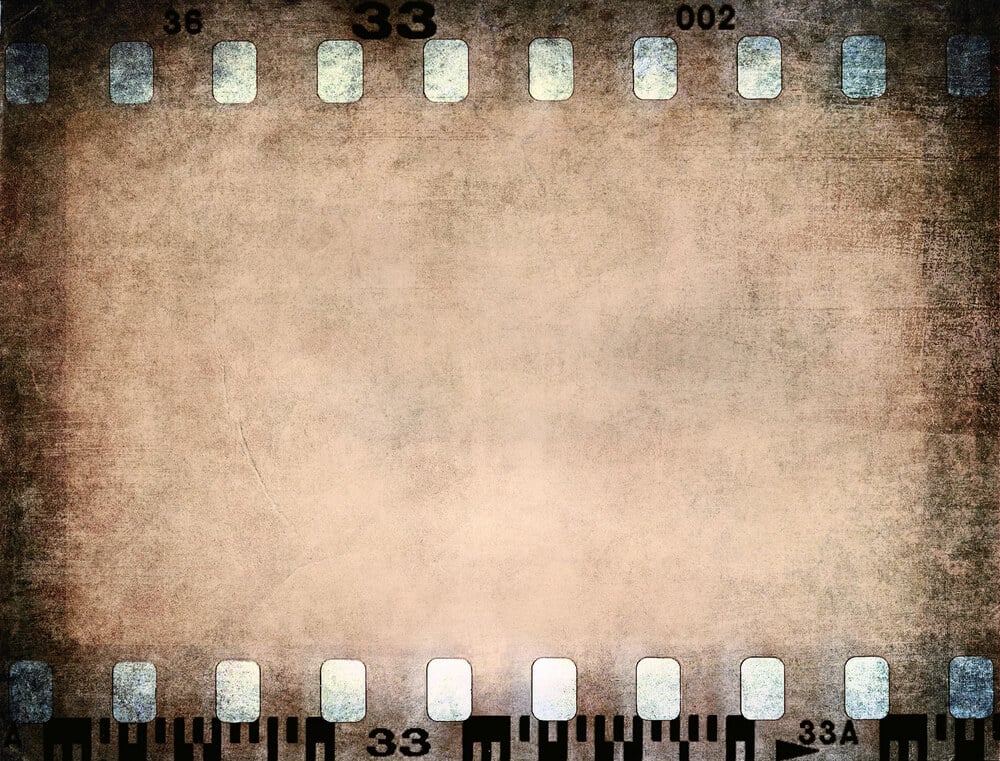
Teachers often paired filmstrip lessons with printed worksheets featuring blank frames for students to sketch or summarize what they had just watched. These worksheets existed only because the filmstrip format required a physical companion document to reinforce the material.
They disappeared alongside the filmstrip projectors themselves once video media took over.
Six-Color Ballpoint Pens
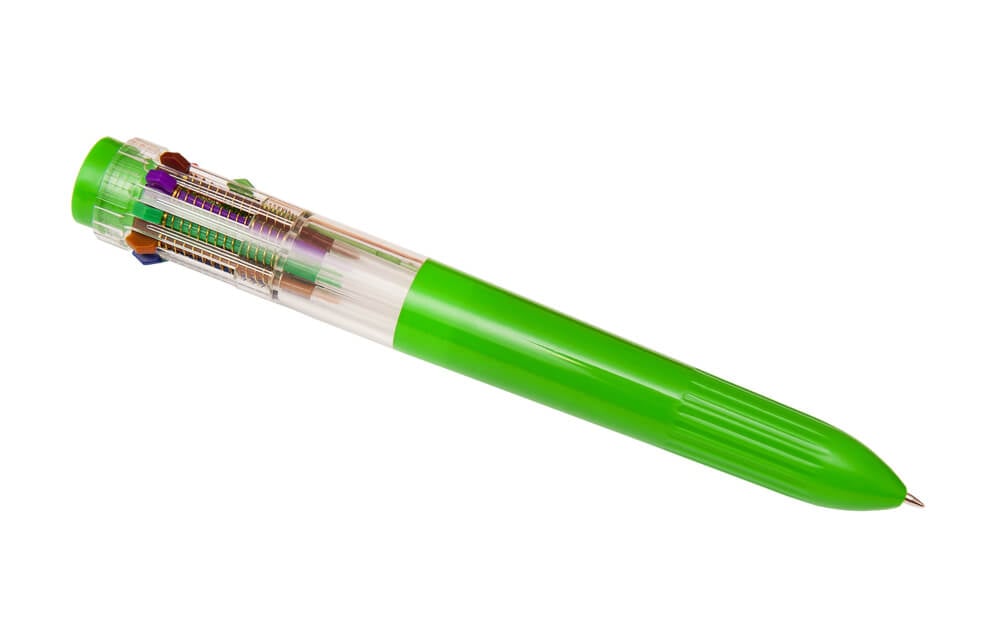
Retractable pens offering six ink colors in a single barrel, selected by pressing one of several colored buttons along the top, were a popular novelty item through the 1980s and 1990s. Students prized them for note-taking variety despite the pens being noticeably bulkier than standard models.
They remain available in specialty stores but rarely appear on standard classroom supply lists today.
Pencil Boxes Made of Metal or Wood
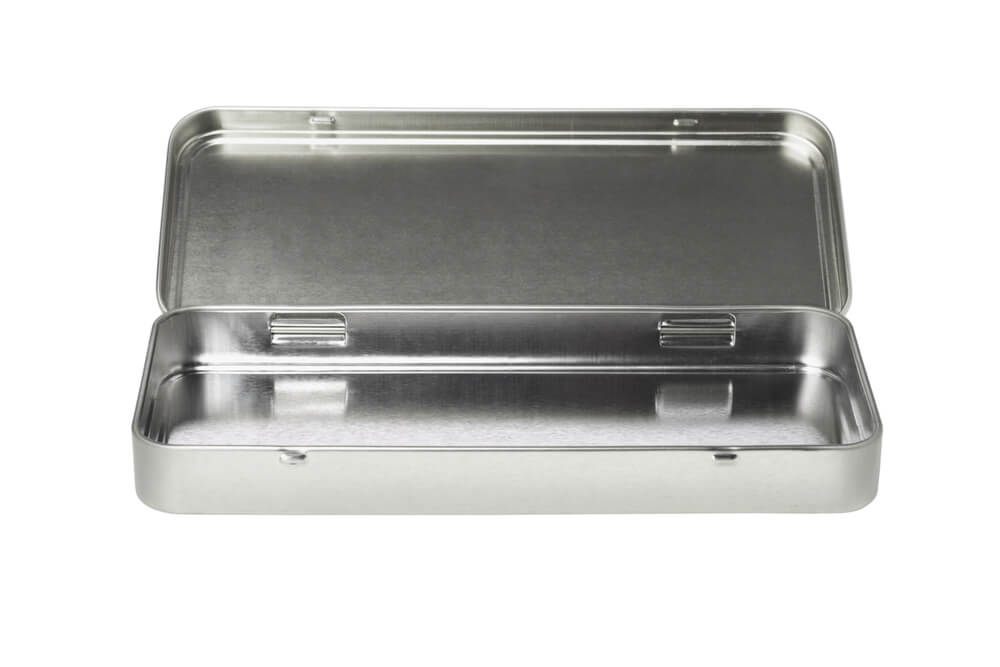
Rigid pencil boxes made of tin or wood, often featuring a sliding or hinged lid, were common before flexible pouches took over as the standard. Their rigid shape made them useful for protecting supplies but harder to fit into a crowded backpack.
Soft zippered pencil cases largely replaced them by the 1990s for the sake of flexibility and space.
Individual Chalkboards and Slates
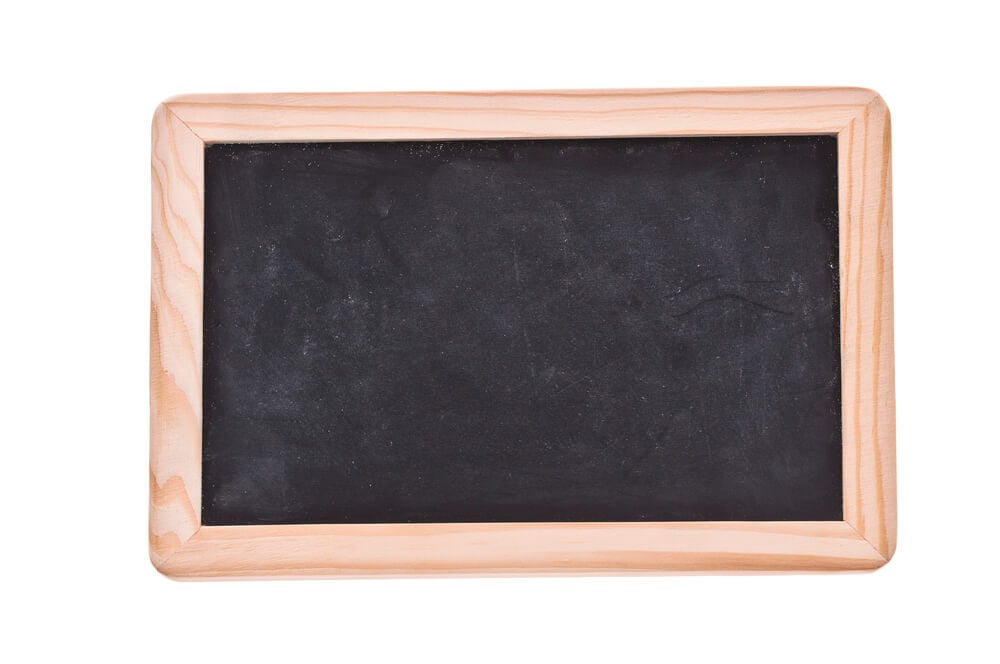
Small handheld chalkboards, sometimes called slates, let students practice writing and math problems at their own desks and hold up answers for a teacher to check at a glance. Squeaky chalk on the small slates became a familiar classroom sound for generations of early elementary students.
Dry-erase whiteboards eventually replaced the format for the same low-cost, reusable purpose.
Dial Combination Padlocks Sold in Supply Bundles
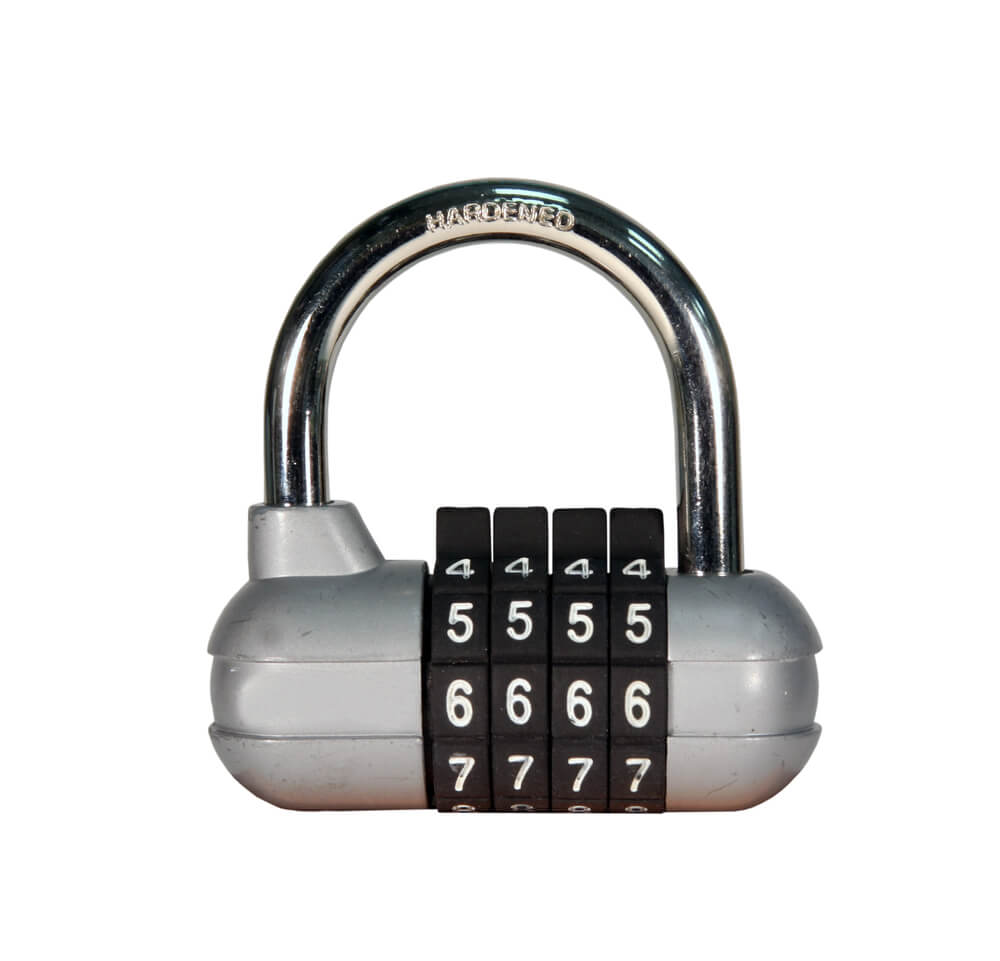
School supply stores commonly bundled a basic combination padlock alongside binders and folders each August, anticipating the need for a gym locker before students had even chosen an elective. Many students spent the first week of school memorizing three simple numbers under pressure.
As more schools moved away from shared locker systems, the padlock largely disappeared from standard supply bundles.
Perforated Loose-Leaf Notebook Paper With Colored Margin Lines
Standard loose-leaf paper once reliably featured a red vertical margin line alongside blue horizontal ruling, a design consistent across most manufacturers for decades. Teachers used the red line as a built-in boundary for margin requirements on written assignments.
Paper design has grown less standardized over time, with many modern notebooks dropping the colored margin line entirely.
Multiplication Table Placemats and Desk Strips
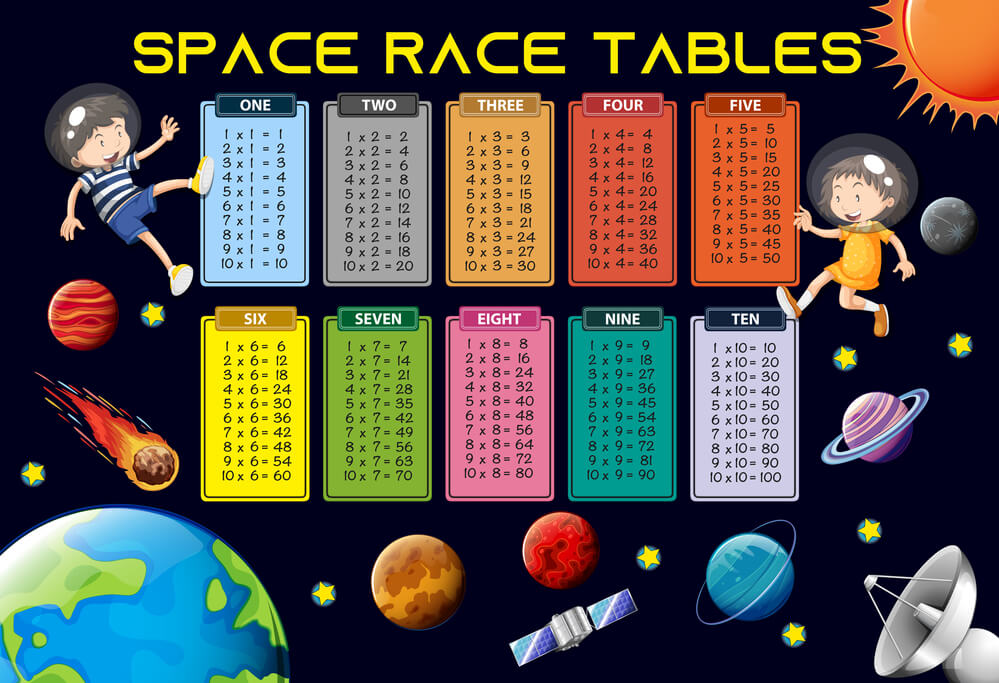
Laminated strips or placemats printed with full multiplication tables sat on many elementary desks as a constant, low-tech reference tool. Teachers relied on them heavily before pocket calculators became common personal items among younger students.
Their presence declined as classroom instruction shifted toward memorization strategies without a printed table as a constant visual aid.
Study Habits That Outlasted the Objects

None of these supplies vanished because a student decided they no longer worked. Budgets shifted, technology absorbed their function, and a supply list simply stopped listing them one August at a time, without any announcement to the students who had used them every single day.
What remains recognizable, even decades later, is the muscle memory built around them: the specific pressure needed on a mucilage bottle, the particular grinding rhythm of a wall-mounted sharpener. Objects disappear from a supply closet far faster than the habits they built ever disappear from the people who used them.
More from Go2Tutors!

- The Romanov Crown Jewels and Their Tragic Fate
- 13 Historical Mysteries That Science Still Can’t Solve
- Famous Hoaxes That Fooled the World for Years
- 15 Child Stars with Tragic Adult Lives
- 16 Famous Jewelry Pieces in History
Like Go2Tutors’s content? Follow us on MSN.