31 School Bus Rules Riders Still Remember
A school bus operated under a code that every rider absorbed within the first week, enforced partly by an adult driver up front and partly by an unspoken hierarchy among the students themselves. Some rules were posted directly above the driver’s seat.
Others existed nowhere in writing at all, understood only through experience or a sibling’s warning. Decades later, these rules remain oddly vivid, the kind of specific childhood memory that resurfaces instantly at the sight of a yellow bus.
No Standing While the Bus Is Moving
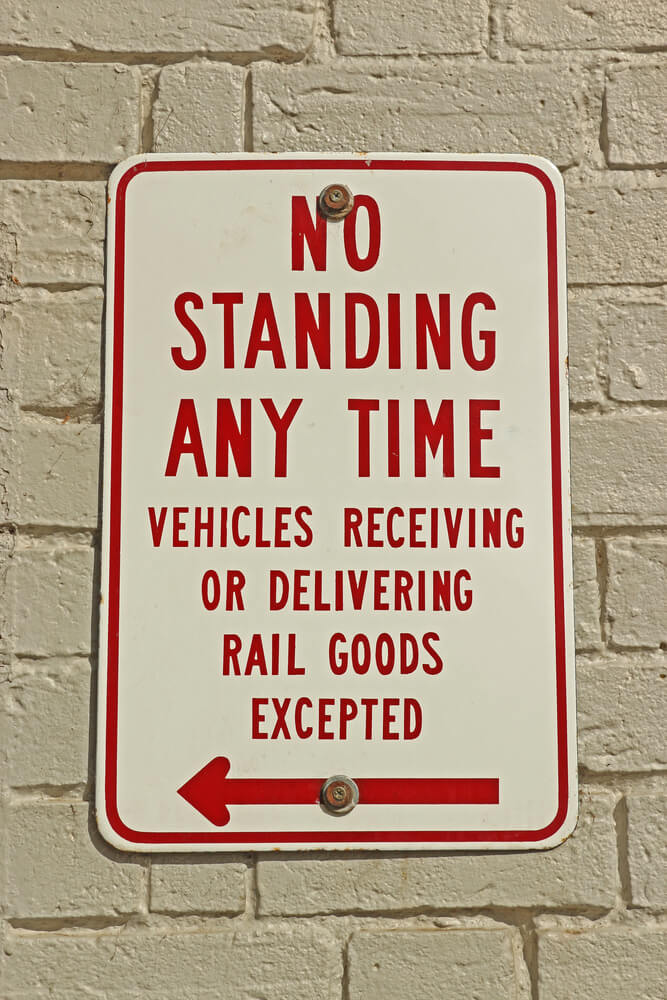
Every rider was required to remain seated with the bus in motion, a rule enforced strictly because a sudden stop could throw a standing passenger forward into a seat back or the aisle. Drivers frequently refused to move the bus at all until every visible passenger had sat down, sometimes holding an entire route hostage for a few extra seconds until compliance was universal.
The rule applied even for the shortest trips, including the final stretch pulling into the school parking lot.
Assigned Seating Charts
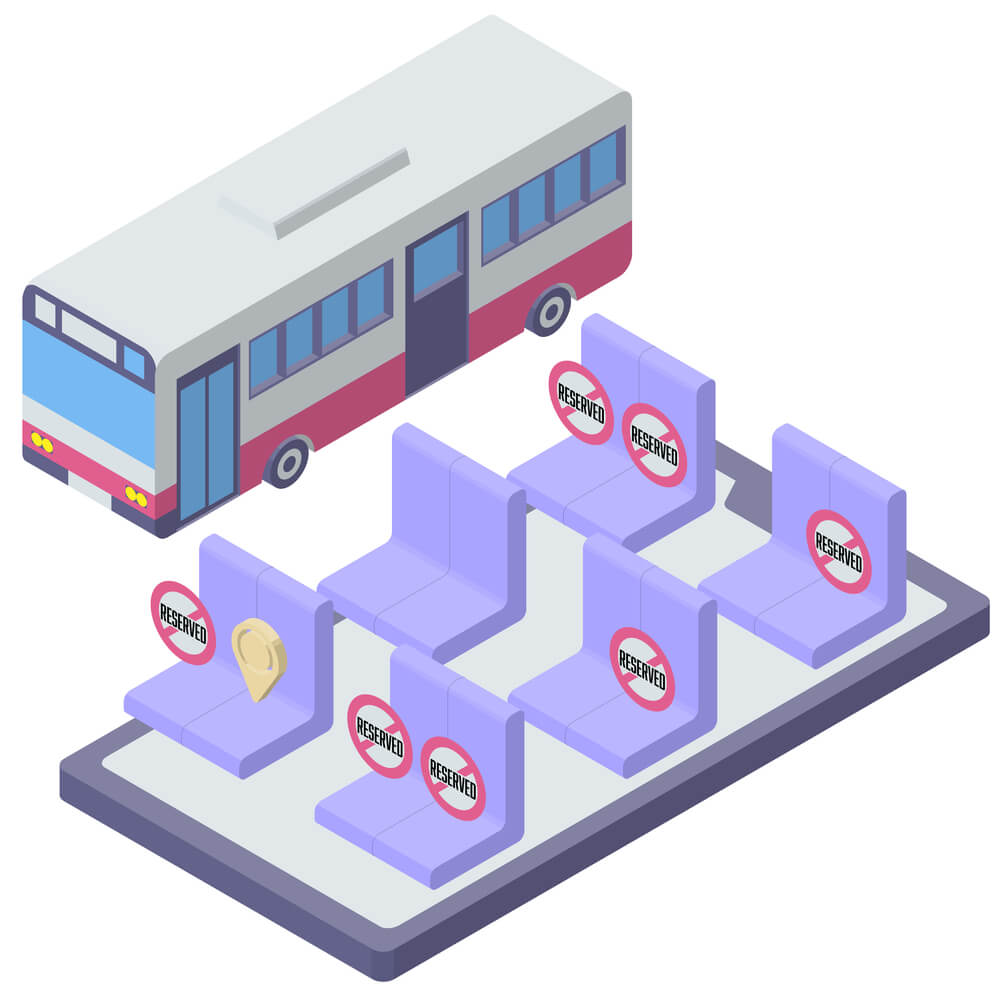
Many bus drivers maintained a formal seating chart, assigning each rider a specific seat for the entire school year based on factors like grade, stop order, or simply which students needed to be separated from each other. Losing an assigned seat to a seniority-based hierarchy, where older students claimed the back rows, was a near-universal experience for younger riders.
A driver referring to a student by seat number rather than name was common enough on larger routes with dozens of daily riders.
The Back of the Bus Hierarchy
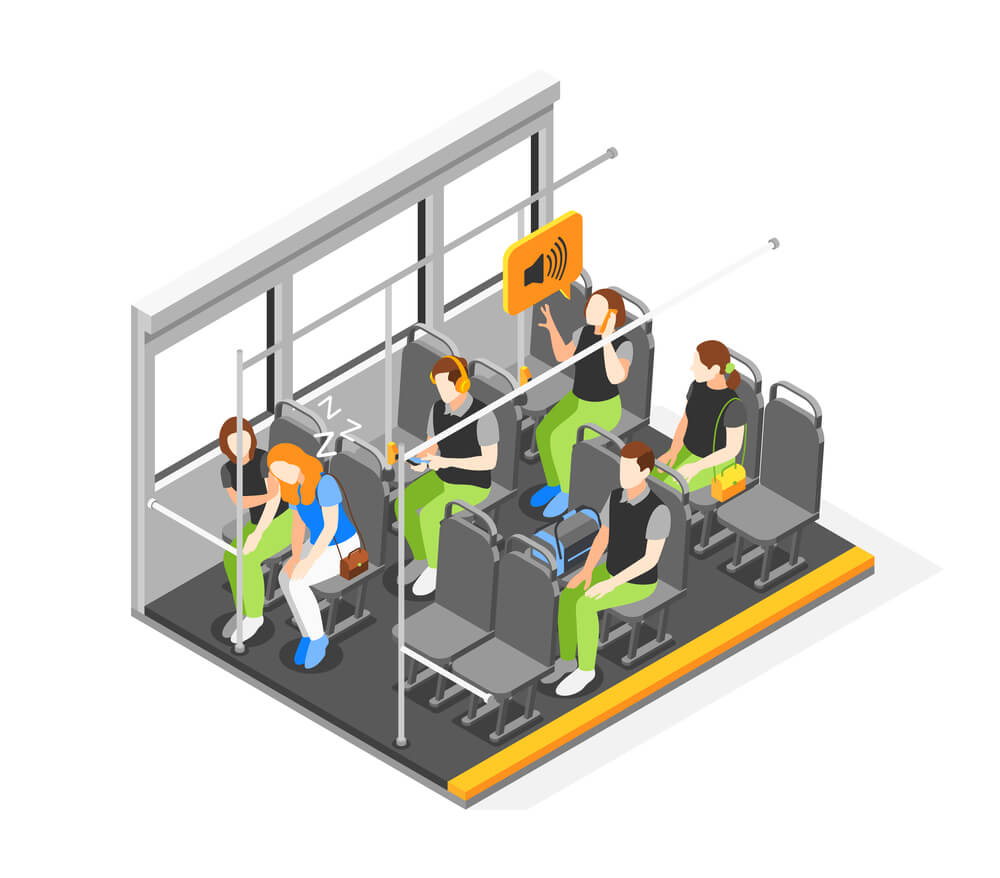
An unwritten but universally understood social order placed older, typically higher-grade students in the back rows, while younger riders were expected to sit toward the front closer to the driver. Moving up in this hierarchy over successive school years was treated as a small but genuine rite of passage.
Younger siblings riding with older ones sometimes received unofficial protection from this hierarchy, allowed to sit further back than their grade alone would have permitted.
No Eating or Drinking on the Bus
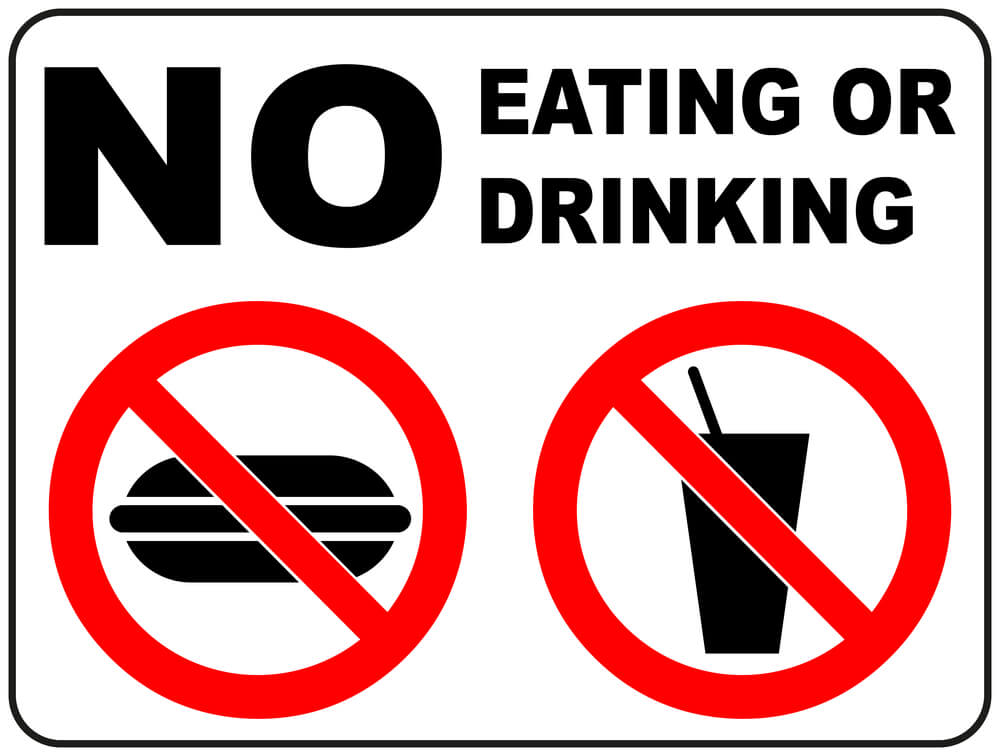
Food and drinks were generally prohibited during the ride, a rule aimed at preventing spills and litter that would be difficult to clean given the bus’s tight turnaround schedule between routes. Riders who violated the rule risked a spilled drink sliding across the floor during a turn, creating a mess that affected every seat behind it.
The rule was enforced with varying strictness depending on the individual driver, with some allowing a sealed water bottle while others banned anything at all.
Keep Hands and Arms Inside the Bus
A rule posted prominently, often directly on the inside of each window frame, prohibited riders from extending arms, hands, or heads outside an open window while the bus was moving. The rule existed specifically because of the real risk posed by passing objects, tree branches, or other vehicles at close range.
Drivers treated violations of this particular rule with unusual seriousness compared to most other minor infractions.
No Loud Noise Near Railroad Crossings
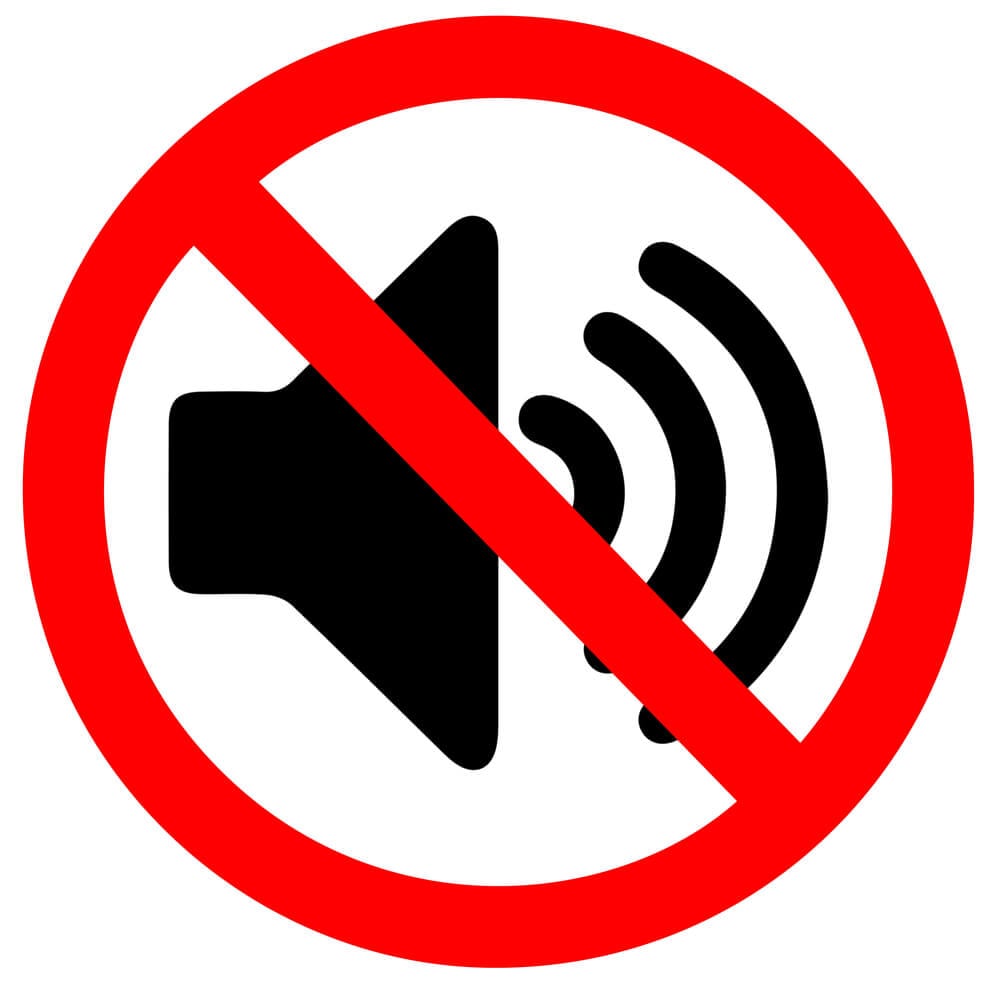
At railroad crossings, drivers were required to come to a complete stop and open the door to listen and look in both directions before proceeding, and riders were typically expected to remain completely silent during this specific brief pause. The silence rule existed to ensure the driver could actually hear an approaching train if visibility was limited.
Riders who had grown up on the same route learned to anticipate this silence automatically, quieting down without being told as the bus approached a familiar crossing.
Bus Stop Arrival Time Discipline
Riders were expected to be waiting at their designated stop before the bus arrived, since drivers operating on a tight multi-stop schedule generally could not afford to wait for a late student without disrupting the entire route’s timing. Missing the bus meant either a scramble to arrange alternate transportation or, in some cases, walking a considerable distance to catch up at a later stop on the route.
Some drivers developed informal leniency for specific riders who were reliably close but occasionally a minute late, while others enforced the schedule strictly regardless of circumstance.
The Danger Zone Around the Bus
Students were taught to stay a specific safe distance away from the bus itself, particularly near the front where a driver’s visibility was limited, an area commonly referred to directly as the danger zone in school safety training. Crossing in front of the bus after exiting required walking far enough forward to be clearly visible to the driver before crossing, rather than cutting close across the front bumper.
This particular rule was drilled repeatedly through school assemblies and safety videos shown at the start of nearly every school year.
No Fighting or Physical Roughhousing
Physical altercations of any kind were grounds for immediate and serious consequences, often including suspension from riding the bus entirely for a set period, since a fight in a confined, moving vehicle posed genuine safety risks beyond the conflict itself. Drivers were generally authorized to pull the bus over completely and stop the route until any physical conflict was resolved.
A rider suspended from bus privileges faced the genuine practical problem of finding alternate transportation to school for the duration of the suspension.
Silence or Quiet During Certain Stretches
Some drivers enforced designated quiet periods, particularly near schools, hospitals, or other sensitive areas along a route, requiring riders to lower their voices or stop talking entirely for a specific stretch. The rule was inconsistently applied across different drivers and routes, making it one of the more variable expectations riders had to learn anew with each new driver assignment.
Persistent noise violations during these stretches were a common source of minor disciplinary write-ups.
No Throwing Objects

Throwing any object inside the bus, whether a paper airplane, a pencil, or food, was strictly prohibited, both because it could strike another rider and because it created a distraction for the driver watching the road ahead through the rearview mirror. Drivers frequently issued warnings by making eye contact through the large rearview mirror mounted above the windshield, a specific and universally recognized method of silent correction.
Repeated violations typically escalated to a formal written referral sent home for a parent’s signature.
The Emergency Exit Rule
Riders were taught during periodic bus evacuation drills exactly how to use the emergency exit at the rear of the bus, including the specific mechanism for releasing the door in the event the front exit became inaccessible. These drills happened at least once per school year, pulling an entire bus load of students through a simulated evacuation regardless of weather conditions outside.
Riders seated nearest the emergency exit were often given brief, specific instructions about their particular responsibility in an actual emergency.
No Profanity or Inappropriate Language

Language standards on the bus were generally treated as an extension of classroom rules, with profanity or inappropriate language grounds for a warning or a written referral depending on severity and the specific driver’s tolerance. Older students riding in the back rows were more likely to test this particular boundary than younger riders toward the front.
Drivers relied heavily on overhearing conversations through the general ambient noise of the bus, meaning enforcement was necessarily inconsistent.
Stay in Your Seat Until the Bus Fully Stops
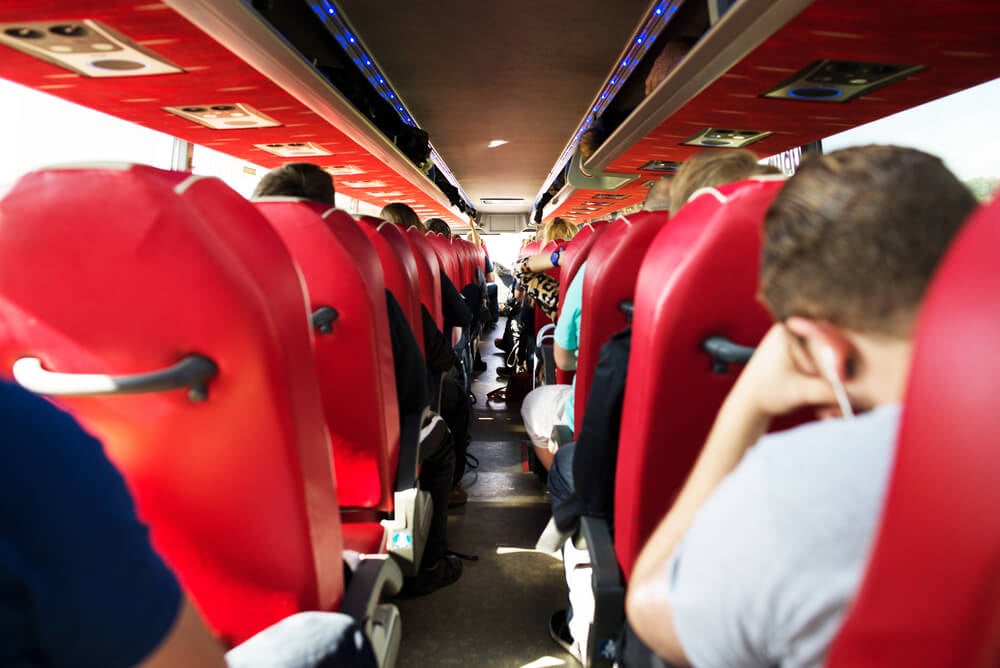
Even after arriving at a stop, riders were required to remain seated until the bus came to a complete and final stop, with the door fully open, before standing to exit. Standing prematurely while the bus was still decelerating risked a fall if the driver needed to brake suddenly for any reason.
This rule was frequently paired with a driver’s verbal cue, a specific phrase or simply opening the door, that signaled it was finally acceptable to stand.
No Opening Windows Without Permission

While some buses allowed windows to be opened for airflow, particularly on warmer days without air conditioning, riders often needed at least informal permission or awareness of driver preference before doing so, since an improperly closed window could create a persistent rattling distraction. Older buses in particular had window mechanisms that required real effort and specific technique to open and close properly.
A stuck window, unable to close during a sudden rainstorm, was a specific and memorable minor crisis on many routes.
Bus Number and Route Memorization
Riders, particularly younger ones, were expected to know their specific bus number and route, since large schools with dozens of buses required this basic self-identification to ensure students boarded the correct vehicle at dismissal. Color-coded tags or numbered signs were sometimes issued to younger students specifically to help them identify the correct bus among a long line of visually similar vehicles.
A student who boarded the wrong bus by mistake created a genuine logistical problem that often required a phone call between schools to resolve.
The Driver’s Rearview Mirror Watch
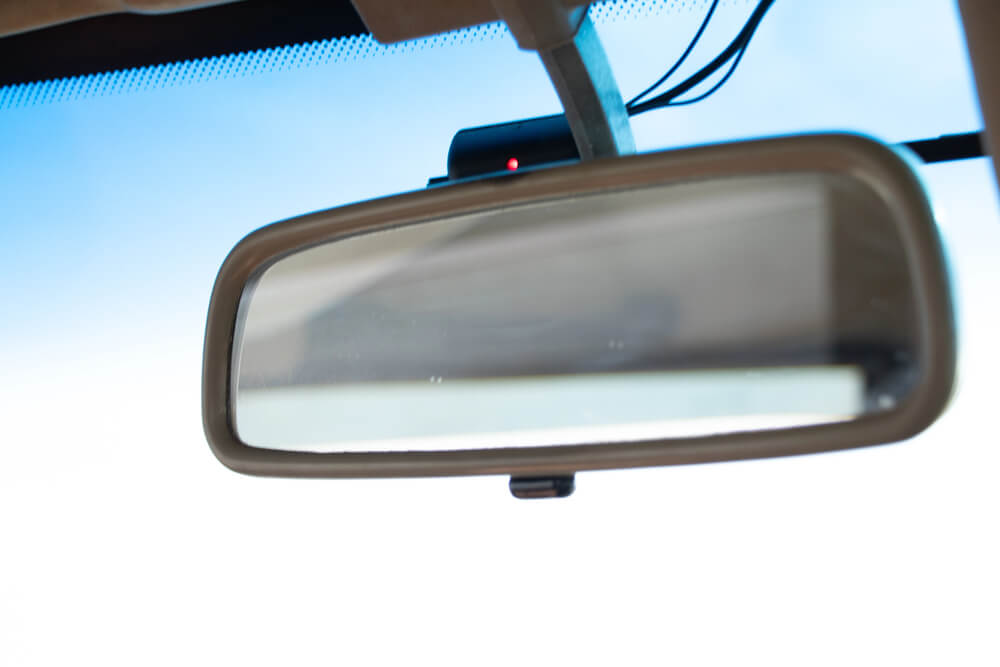
Most riders quickly learned that the large convex mirror mounted above the driver’s seat gave the driver a nearly complete view of the entire bus interior, making it functionally impossible to misbehave without at least some risk of being seen. Riders developed an informal awareness of exactly which seats fell into the mirror’s blind spots, information that was passed down through informal peer knowledge rather than any official source.
A driver silently pointing at the mirror was often sufficient to end minor misbehavior without a word being exchanged.
No Getting Off at an Unauthorized Stop
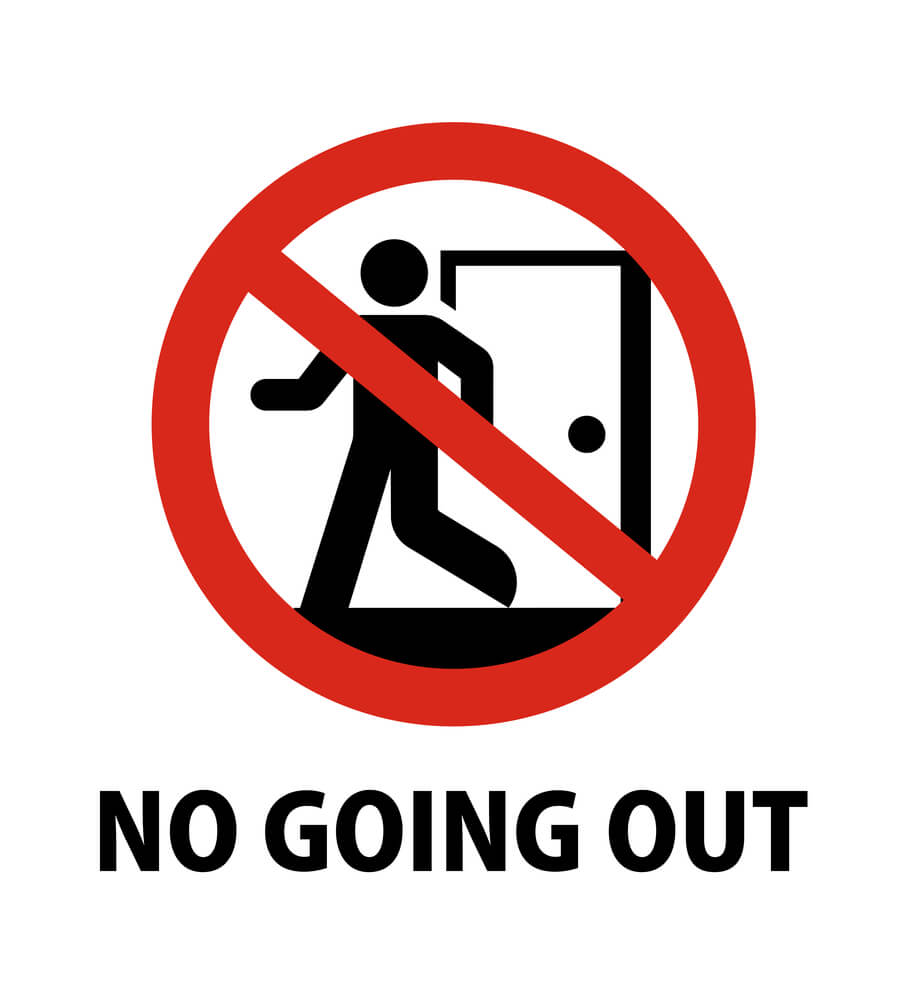
Riders were generally required to exit only at their officially assigned stop, with a written note from a parent typically required in advance for any exception, such as getting off at a friend’s stop for an after-school visit. Drivers who allowed unauthorized stops without proper documentation risked real consequences from school transportation administrators if a parent later called concerned about their child’s whereabouts after the bus ride.
This rule, more than most others, tied directly into a driver’s basic legal responsibility for knowing exactly where each student was dropped off.
Backpacks and Bags Stored Properly

Riders were generally required to keep backpacks and bags either on their lap or fully under the seat rather than in the aisle, where they created a tripping hazard for other students moving toward an exit. Overstuffed backpacks left partially in the aisle were a common source of minor driver reprimands, particularly on crowded routes where the aisle needed to stay clear for boarding and exiting at multiple stops.
Musical instrument cases, often too large to fit comfortably anywhere, required their own set of informally negotiated accommodations from route to route.
No Fighting Over Seats
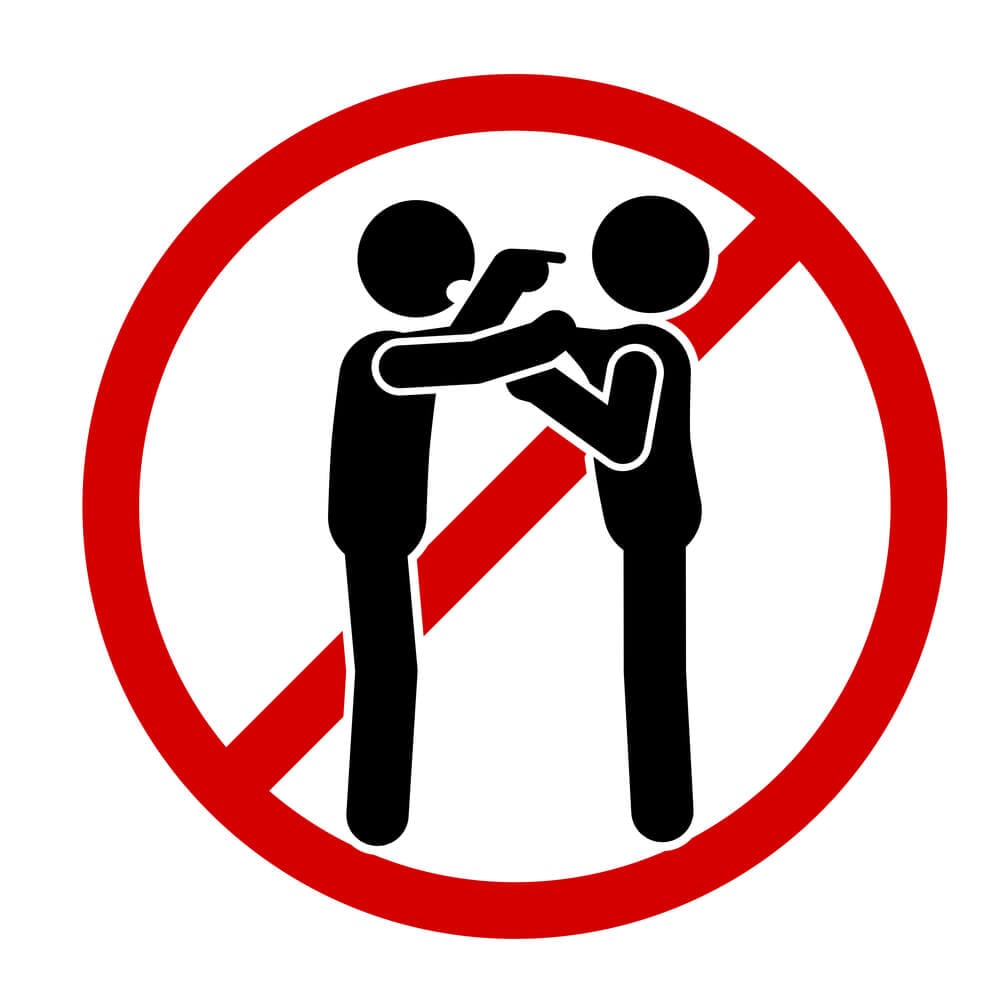
Disputes over specific seats, particularly desirable ones near friends or away from a specific disliked classmate, were a near-constant undercurrent of daily bus life, generally expected to be resolved quickly and quietly without driver intervention unless a dispute escalated. Drivers who noticed persistent seat conflicts sometimes resolved the issue permanently by assigning specific seats to the students involved.
A rider’s specific, unofficially claimed seat carried a surprising amount of informal social weight within a route’s daily routine.
The First Week Seating Scramble

The opening days of each school year involved a genuine, unofficial scramble as returning riders reclaimed preferred seats from the previous year while new riders, unfamiliar with the informal hierarchy, often ended up displaced from a seat they had unknowingly claimed. Drivers frequently intervened during this specific early period to establish an official seating chart before informal claims hardened into genuine disputes.
By the second or third week of school, the seating arrangement was generally settled and remained largely stable for the rest of the year.
No Standing at the Front Steps
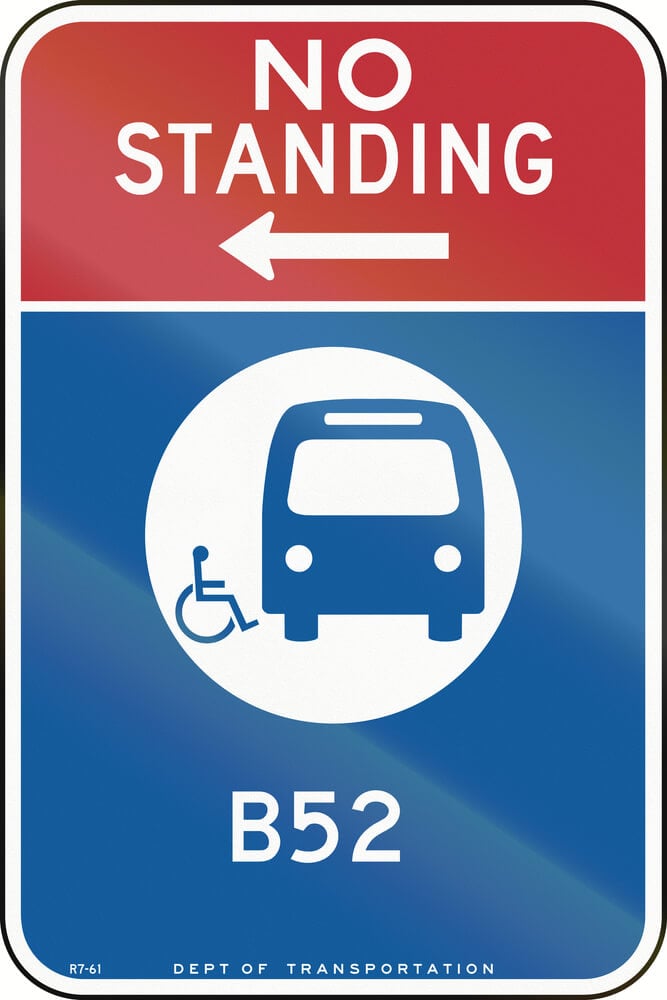
Riders were prohibited from standing on the steps near the door while the bus was in motion, a rule enforced partly because the steps offered no proper handhold or seat and partly because the folding door itself posed a specific pinch hazard. Younger riders in particular were reminded of this rule repeatedly until it became second nature.
Drivers frequently refused to open the door at all until every rider near the front had cleared away from the steps.
Bus Monitor Assistance on Some Routes

Certain routes, particularly those serving younger elementary students, employed a dedicated bus monitor or aide separate from the driver, specifically responsible for managing behavior and helping smaller children with seatbelts or exits while the driver focused entirely on the road. The monitor typically sat near the middle or front of the bus, positioned to see and reach the largest number of riders quickly.
Routes without a dedicated monitor placed the full burden of both driving and behavior management on a single driver, a noticeably more demanding arrangement.
The Assigned Bus Card or Pass
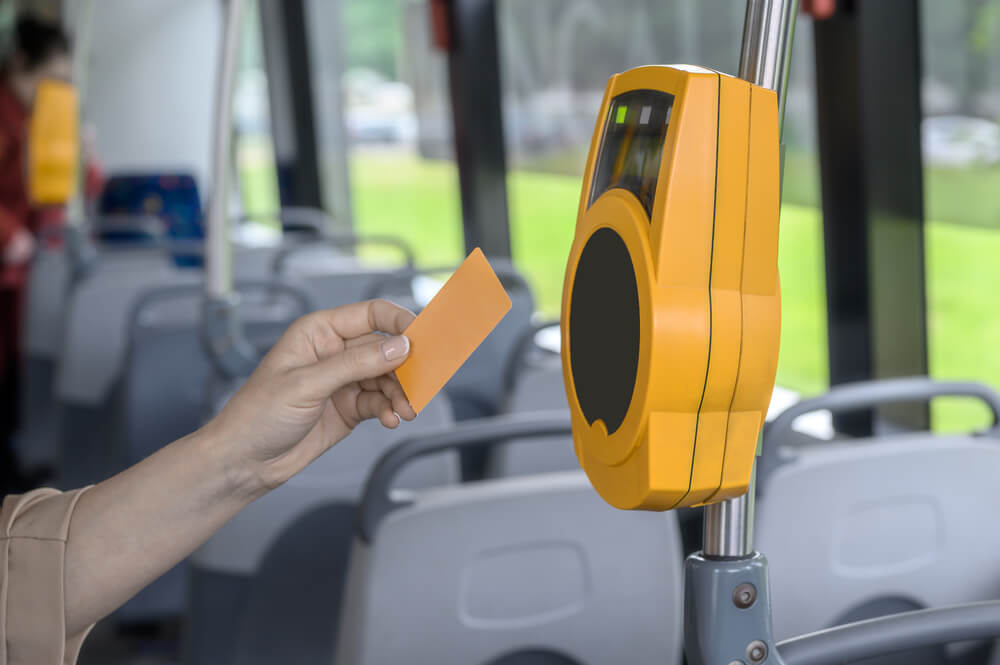
Some districts issued a physical card or pass that riders needed to show or scan when boarding, particularly on routes serving multiple schools, ensuring each student boarded a vehicle actually authorized to carry them. Losing this card created a genuine daily inconvenience, often requiring the driver to manually verify a rider’s identity against a printed roster before allowing them to board.
The system existed specifically to prevent unauthorized boarding on a route serving an unfamiliar face.
Waiting for the Driver’s Signal to Cross
After exiting the bus, riders needing to cross the street were taught to wait specifically for a signal from the driver, typically a flash of the bus’s overhead lights or a direct hand gesture, confirming it was safe to cross in front of the vehicle. Crossing without this explicit signal was treated as a serious safety violation regardless of how clear the road appeared to the rider.
The rule depended entirely on trust that the driver, with a wider vantage point, could see approaching traffic that a rider at ground level might miss.
No Sticking Objects Out the Window
Beyond the general rule against limbs extending from windows, riders were also prohibited from extending any object, including papers, pencils, or sports equipment, outside an open window while the bus moved. The rule existed for similar safety reasons as the limb restriction, given the risk posed by passing objects at close range along the roadside.
Drivers who spotted a violation through the rearview mirror typically issued an immediate and firm verbal correction.
The Permission Slip for a Different Bus
Riding a bus other than one’s officially assigned route, even briefly for a playdate or after-school activity, generally required a signed permission slip submitted to the school office in advance, with the receiving bus driver expected to confirm the paperwork before allowing the student aboard. Forgetting this paperwork on the day of an planned visit was a common and frustrating logistical snag for both students and parents.
The rule reflected the same basic accountability requirement that governed unauthorized stops more generally.
Silence During Severe Weather Routes
On days with genuinely hazardous road conditions, some drivers enforced an especially strict quiet rule for the entire route, asking riders to minimize noise and distraction so the driver could focus completely on navigating difficult conditions. Riders who had experienced a particularly harrowing weather-related bus ride tended to comply with this rule far more readily than under normal circumstances.
Parents were sometimes notified in advance on days when weather made routes especially unpredictable, adding to the collective tension riders sensed on the bus itself.
No Standing to Wave at Passing Cars or Buses

Riders were generally discouraged, and on many buses explicitly prohibited, from standing up or leaning into the aisle specifically to wave or shout at another bus or passing vehicle, both because it violated the basic seated rule and because it created a distraction. The specific temptation to interact with a sibling or friend visible on a passing bus made this a persistently tested rule among younger riders especially.
Drivers generally treated this violation with the same seriousness as any other instance of unauthorized standing.
Report Any Bullying Immediately
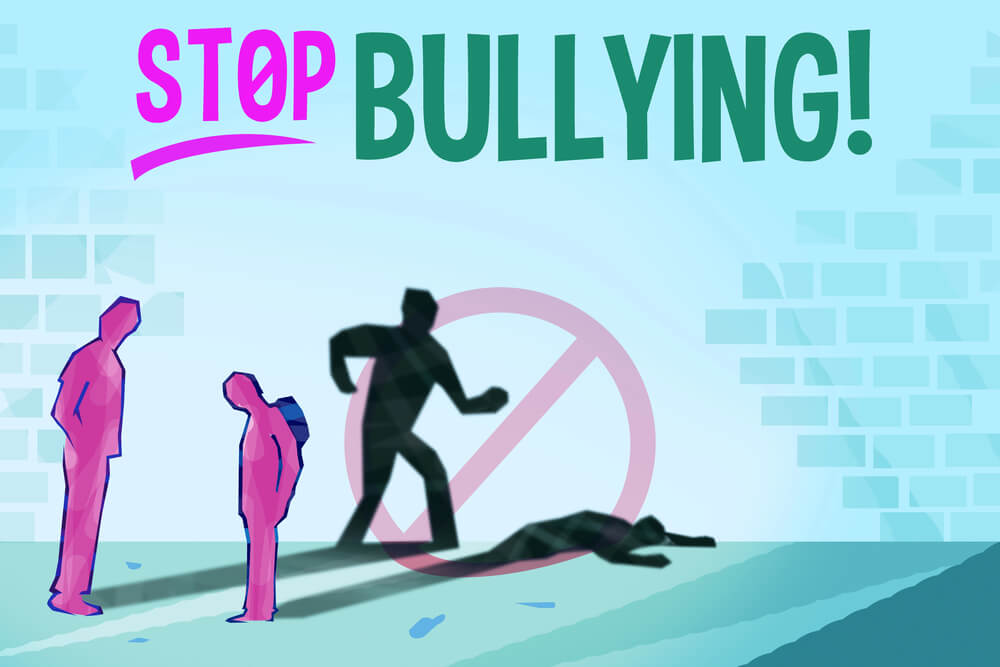
Riders were generally instructed, through both school policy and a driver’s individual expectations, to report bullying or harassment happening on the bus rather than handling it independently, given the driver’s divided attention between the road and the vehicle’s interior. In practice, enforcement depended heavily on a driver’s ability to actually notice a problem through the rearview mirror while also watching traffic.
Persistent bullying that went unaddressed on a specific route was one of the more serious and legitimate concerns parents raised with school transportation administrators over the years.
The Unwritten Rule of Sharing a Seat
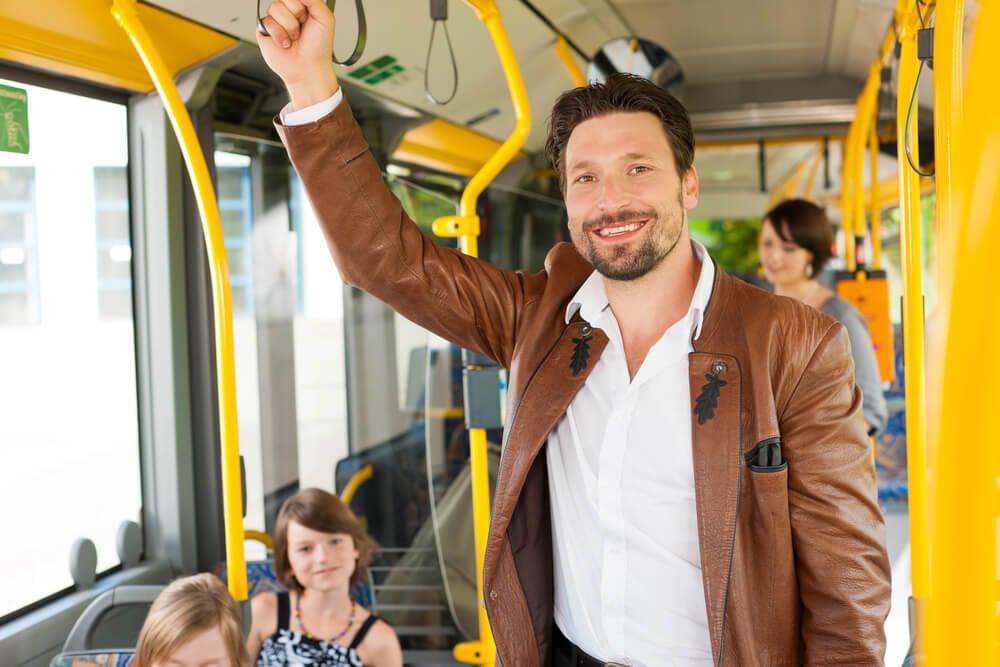
Even without an official policy, an informal expectation existed on crowded routes that a rider occupying a two-person seat alone was expected to slide over and share when the bus reached capacity, particularly during the fuller afternoon or morning rush stops. Refusing to share on an overcrowded route was a minor but real social violation, sometimes prompting a direct correction from the driver if space genuinely ran short.
This particular expectation existed nowhere in any official rulebook, yet nearly every regular rider understood and generally followed it without being told.
The Rules Nobody Wrote Down

Some of these rules were printed on laminated signs above the driver’s seat, repeated at the start of every school year through a mandatory safety assembly. Others were never written anywhere at all, absorbed instead through observation, a sibling’s warning, or the specific consequence of learning the hard way.
What both kinds of rules shared was a driver’s basic, constant negotiation between order and chaos, managing dozens of children in a moving vehicle with only a mirror and a raised voice as primary tools. Decades later, the specific texture of that system, the mirror, the danger zone, the unofficial seniority of the back row, remains recognizable to nearly anyone who ever rode one.
More from Go2Tutors!

- The Romanov Crown Jewels and Their Tragic Fate
- 13 Historical Mysteries That Science Still Can’t Solve
- Famous Hoaxes That Fooled the World for Years
- 15 Child Stars with Tragic Adult Lives
- 16 Famous Jewelry Pieces in History
Like Go2Tutors’s content? Follow us on MSN.