29 Photos Taken Moments Before Disaster Struck
Most photographs are taken for ordinary reasons, a souvenir, a news assignment, a family snapshot. A few end up carrying a weight no one could have imagined when the shutter clicked.
The images below were made minutes, hours or days before tragedy, and their power comes from how normal so many of them look.
Franklin’s Officers Before the Arctic
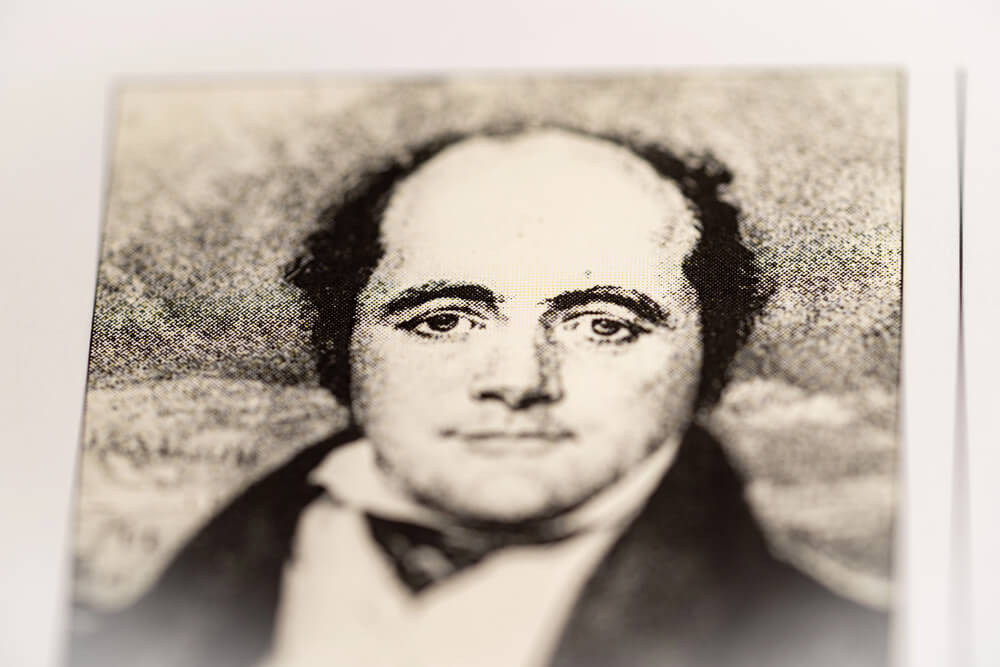
Shortly before Sir John Franklin’s expedition sailed from England in May 1845 in search of the Northwest Passage, the photographic studio of Richard Beard made daguerreotype portraits of Franklin and several of his officers. The men posed in dress uniforms, confident and well equipped.
The expedition’s two ships, HMS Erebus and HMS Terror, became trapped in Arctic ice, and all 129 men died. The portraits are among the earliest photographs connected to any expedition.
The wrecks were finally located in 2014 and 2016, and researchers have since used DNA to identify some remains, putting names back to faces.
The Sultana at Helena, Arkansas
A photographer in Helena, Arkansas, captured the steamboat Sultana tied up at the riverbank on April 26, 1865, its decks packed with Union soldiers recently released from Confederate prison camps. The boat was built to carry a few hundred passengers but held well over 2,000 people.
Early the next morning, north of Memphis, its boilers exploded and the boat burned and sank. More than 1,100 people died, making it the deadliest maritime disaster in American history.
The photograph shows men crowded shoulder to shoulder, many of them heading home after surviving the war.
President McKinley at the Temple of Music
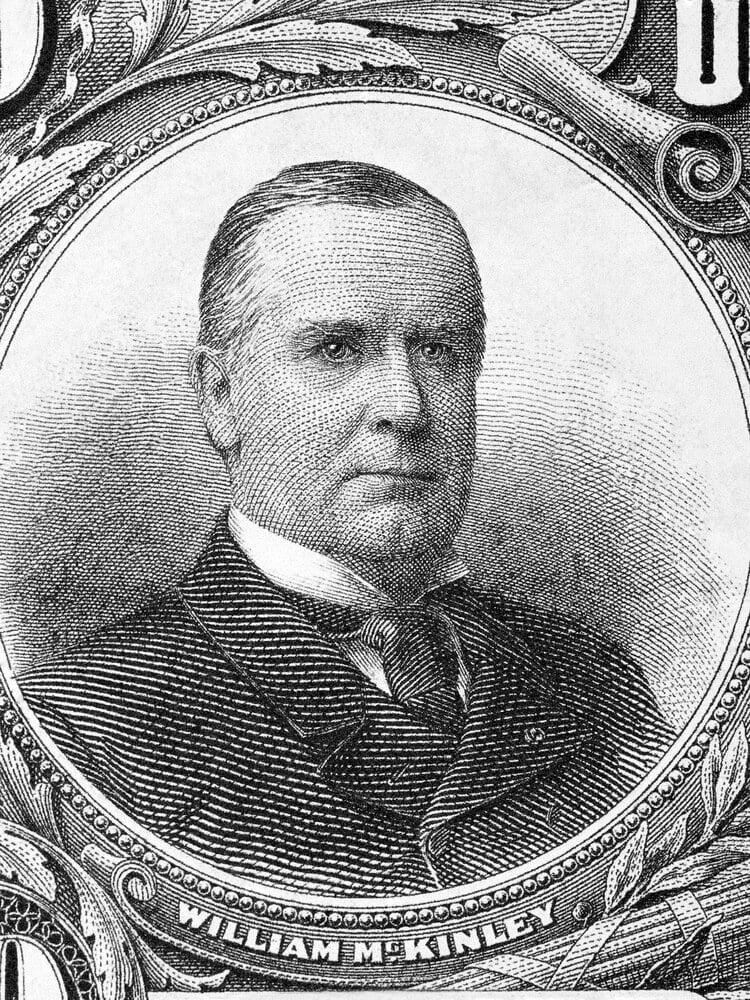
President William McKinley was photographed arriving at the Temple of Music at the Pan-American Exposition in Buffalo, New York, on September 6, 1901, where he planned to greet the public. Minutes later, in the receiving line, an anarchist named Leon Czolgosz shot him twice with a revolver hidden under a handkerchief.
McKinley died eight days later, and Theodore Roosevelt became president. The images of his arrival show crowds, bunting and an ordinary public appearance.
The assassination, the third of a sitting president in 36 years, led to full-time Secret Service protection for presidents.
Scott’s Party at the South Pole
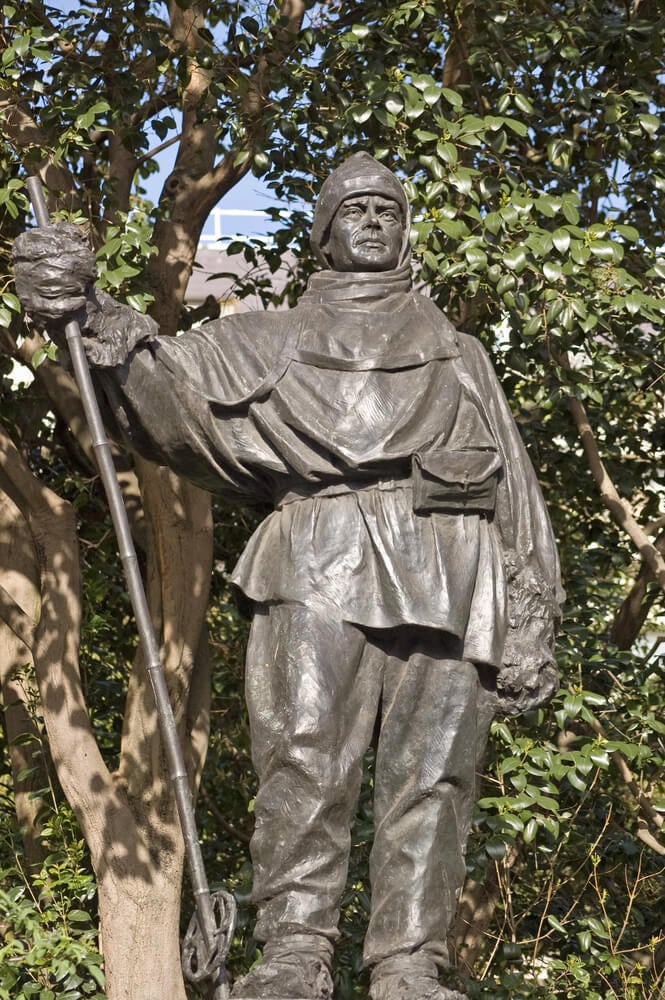
Robert Falcon Scott and his four companions posed for a photograph at the South Pole on January 18, 1912, after discovering that Roald Amundsen’s Norwegian team had beaten them there by about five weeks. Henry Bowers took the picture using a string to trip the shutter.
The faces show exhaustion and disappointment. All five men died on the march back, the last three in a tent about 11 miles from a supply depot.
The film survived and was later developed, leaving one of the most haunting group portraits in the history of exploration.
Father Browne’s Titanic Photographs
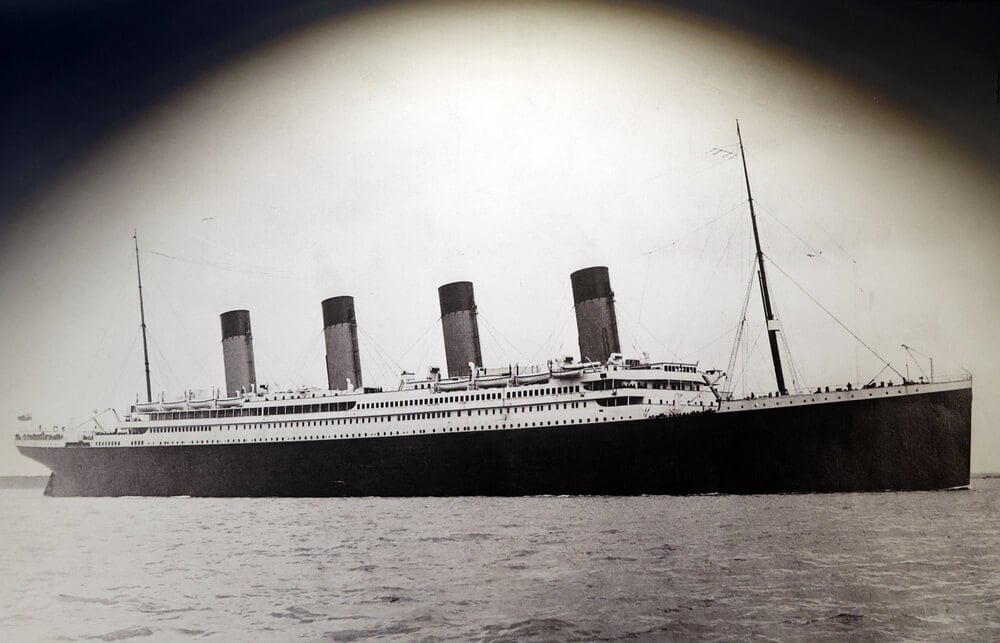
Francis Browne, a young Jesuit, received a ticket for the first leg of Titanic’s maiden voyage, from Southampton to Queenstown in Ireland, as a gift from his uncle. Aboard, he photographed the gymnasium, the dining saloon, passengers on deck and the wireless room.
A wealthy couple offered to pay for him to continue to New York, but his superior ordered him to disembark. He left the ship on April 11, 1912, carrying among the last photographs of Titanic and many of its passengers.
Three days later the ship struck an iceberg, and more than 1,500 people died.
Archduke Franz Ferdinand Leaves City Hall
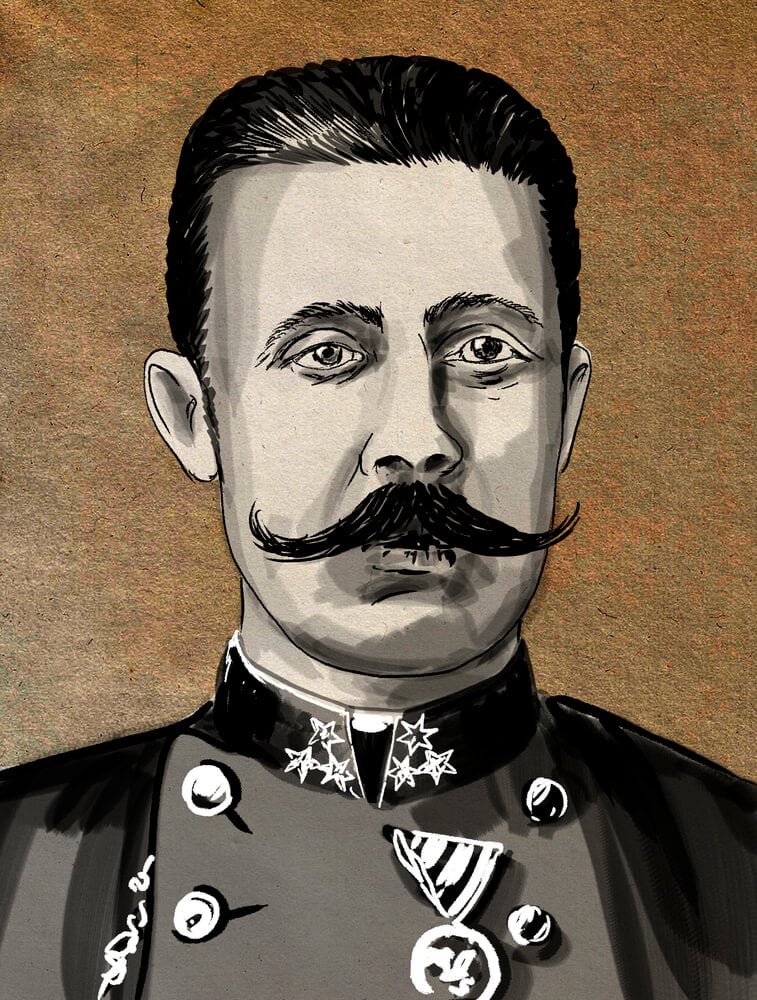
Earlier that morning in Sarajevo, on June 28, 1914, a conspirator had thrown a bomb at Archduke Franz Ferdinand’s motorcade, injuring others but missing the archduke and his wife Sophie. After a reception at the city hall, photographers captured the couple leaving the building and walking to their car.
Minutes later, their driver took a wrong turn and stopped near Gavrilo Princip, who shot both of them. Their deaths set off the chain of events that led to the First World War.
The photographs show a formal, almost routine departure.
Lusitania Departs New York
Photographers captured the British liner Lusitania pulling away from Pier 54 in New York on May 1, 1915, bound for Liverpool. German authorities had placed newspaper notices warning travelers that ships in the war zone around Britain could be attacked, yet nearly 2,000 people sailed.
Six days later, a German submarine torpedoed the ship off the southern coast of Ireland, and it sank in about 18 minutes. Nearly 1,200 people died, including 128 Americans.
The departure photographs show crowds waving from the pier, and the sinking turned American opinion sharply against Germany.
Mallory and Irvine Leave the North Col
Expedition member Noel Odell photographed George Mallory and Andrew Irvine at Camp IV on Everest’s North Col on the morning of June 6, 1924, as they prepared to leave for their summit attempt. Irvine stands with his hands in his pockets while Mallory adjusts his oxygen equipment.
It is the last known photograph of the two men. Odell glimpsed them high on the mountain two days later before cloud closed in.
Mallory’s body was found in 1999, and remains identified as Irvine’s were reported in 2024, but whether either man reached the summit remains unknown.
Aboard the Sinking Vestris
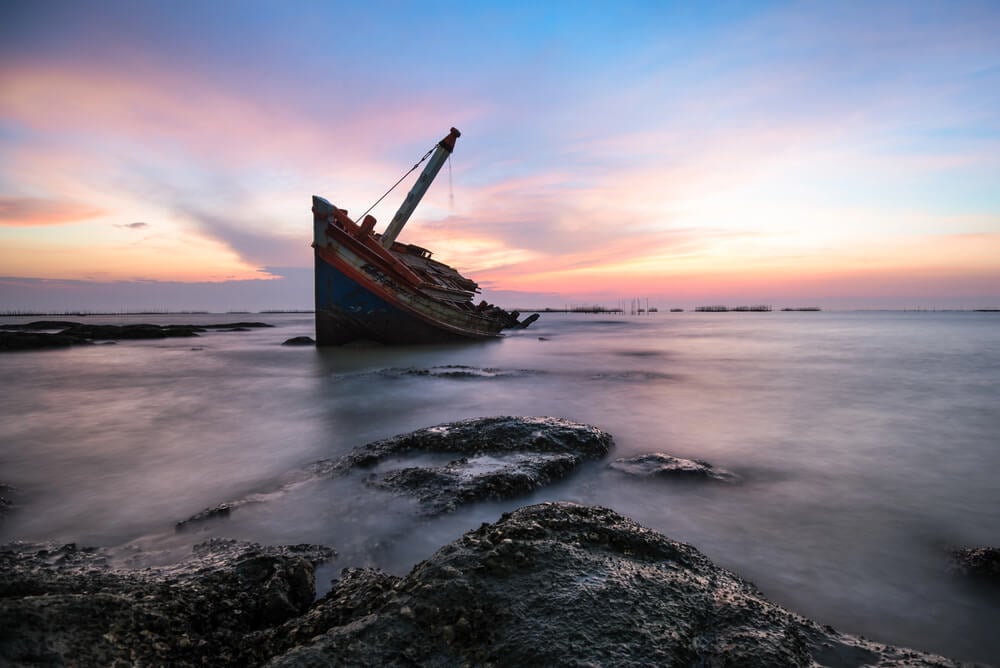
During a storm in November 1928, the British liner Vestris developed a severe list off the Virginia coast. A crew member named Fred Hanson photographed the steeply tilted deck as passengers in life jackets prepared to abandon ship, before he escaped himself.
The images, published in newspapers soon after, show people clinging to rails on a deck slanted at a sharp angle. More than 100 people died, including all of the children on board.
The photographs became some of the most famous images ever taken aboard a ship as it was going down.
R101 Leaves Cardington
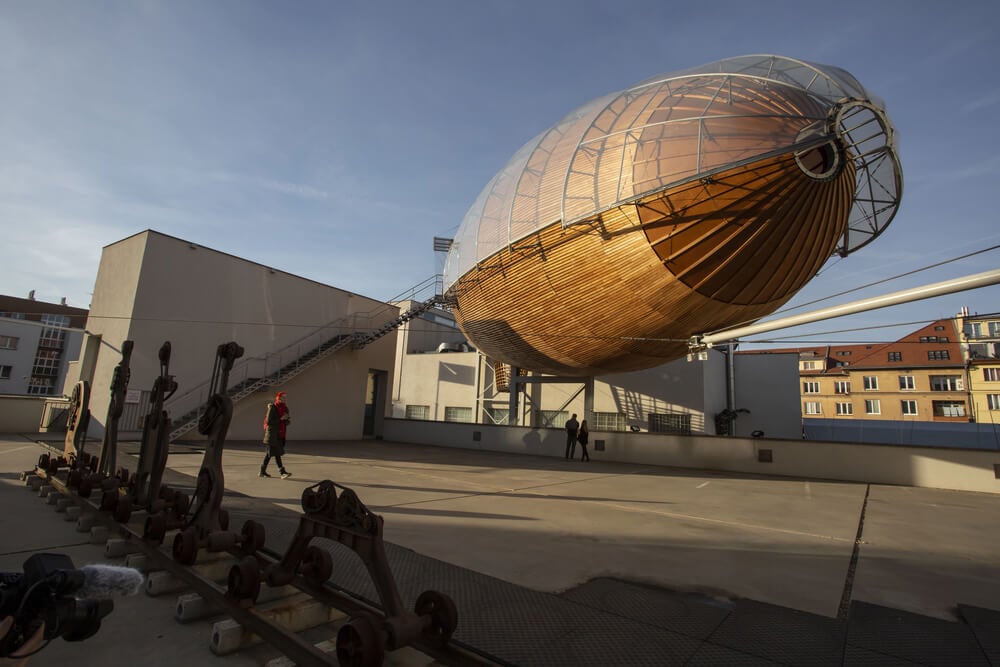
Britain’s giant airship R101 left its mooring mast at Cardington in Bedfordshire on the evening of October 4, 1930, bound for India on a showcase voyage. Photographs of its departure show the enormous silver hull against the darkening sky.
Passengers included the Secretary of State for Air, Lord Thomson. Early on October 5, the airship crashed and burned on a hillside near Beauvais, France.
Forty-eight of the 54 people aboard died, and Britain abandoned its program of rigid passenger airships soon after. The wreck ended an era of national pride in giant airships almost overnight.
Black Sunday Dust Storm
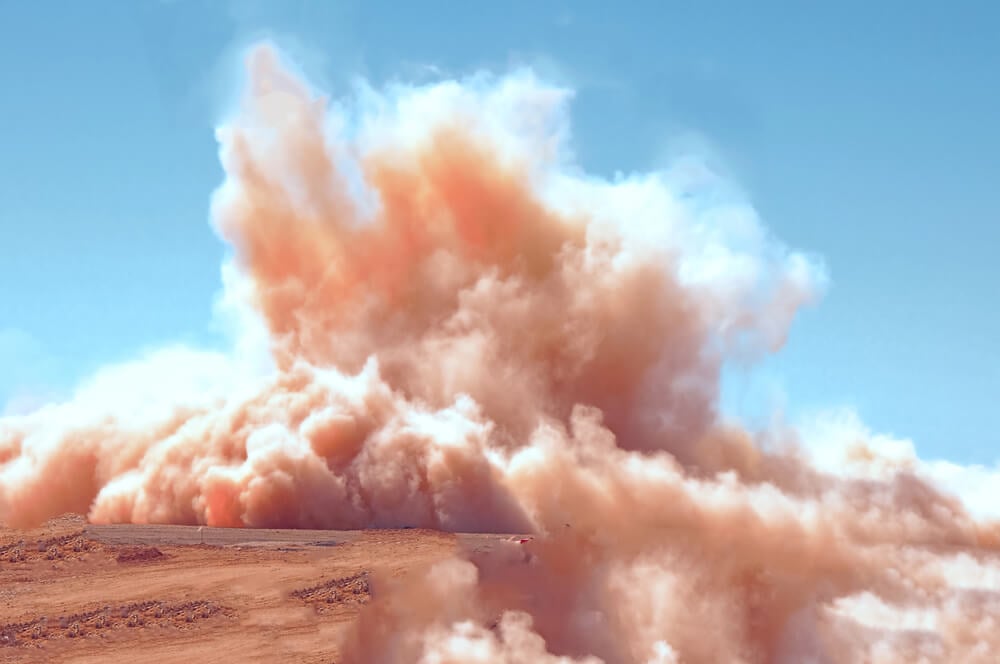
A massive wall of dust rolled across the southern Plains on April 14, 1935, and photographers in Kansas, Oklahoma and Texas captured the cloud approaching towns that would soon be plunged into darkness. In some images, the dust looks like a mountain range moving across the prairie.
The storm carried away enormous amounts of topsoil and turned day into night. Associated Press reporter Robert Geiger used the term dust bowl in a story the next day, and the phrase stuck.
Later that month, Congress created the Soil Conservation Service.
Hindenburg Approaching Lakehurst
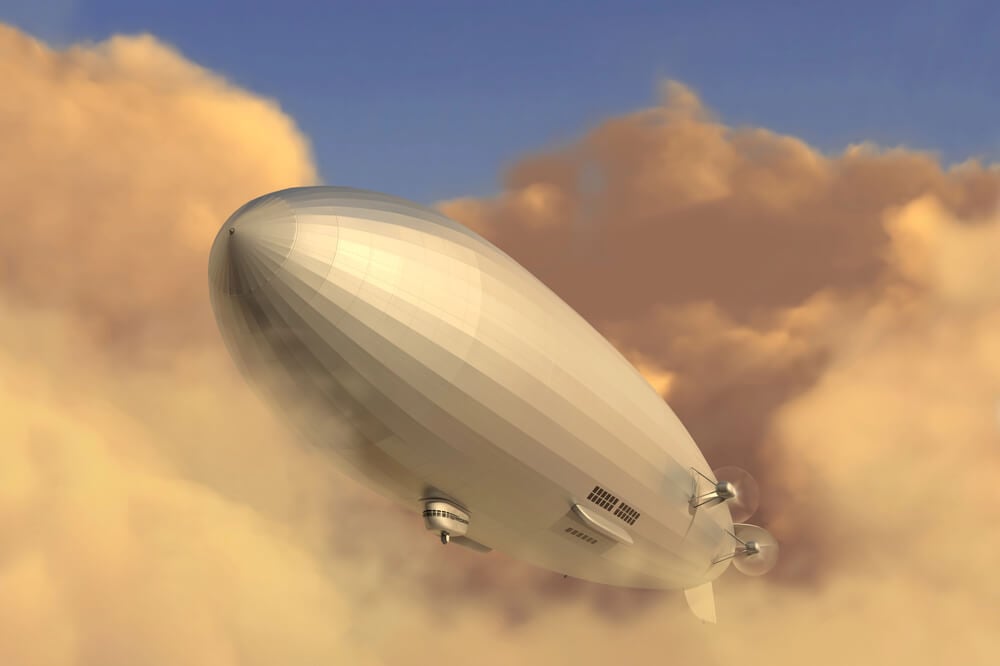
Newsreel crews and press photographers gathered at Naval Air Station Lakehurst in New Jersey on May 6, 1937, to cover what was expected to be a routine arrival of the German airship Hindenburg. Some photographed the ship as it approached the mooring mast after a delay caused by thunderstorms.
Moments later it caught fire and was consumed in roughly half a minute. Thirty-six people died.
Because so many cameras were already rolling, the disaster became one of the most thoroughly documented of its era, and the images effectively ended passenger airship travel.
Amelia Earhart at Lae
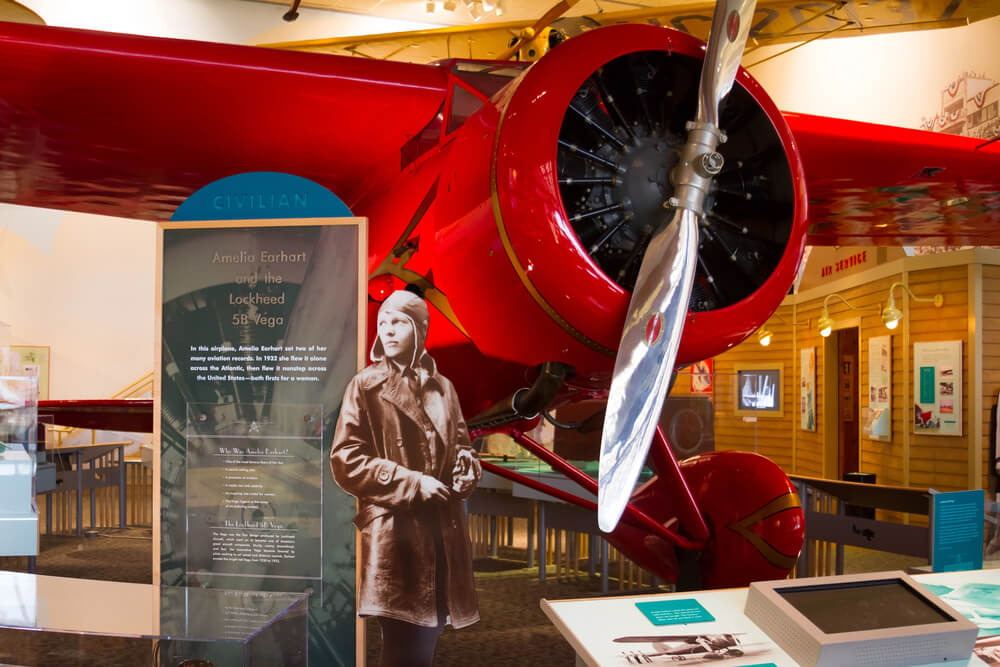
Amelia Earhart and navigator Fred Noonan took off from Lae, New Guinea, on July 2, 1937, in their Lockheed Electra on the longest and most dangerous leg of their attempted flight around the world. They had already covered about 22,000 miles.
Photographs and film from Lae show the heavily loaded plane departing. The pair were headed for tiny Howland Island, more than 2,500 miles away.
They never arrived, and despite an enormous search, no confirmed trace of them has been found. The Lae images are among the last ever taken of Earhart and Noonan.
Galloping Gertie in Motion
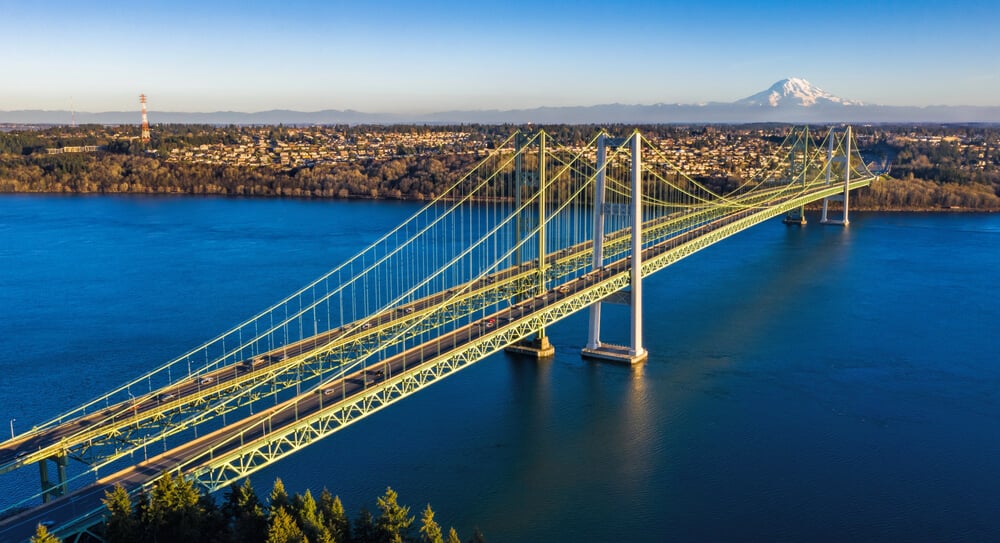
The original Tacoma Narrows Bridge in Washington opened in July 1940 and quickly earned the nickname Galloping Gertie because its deck rippled in the wind. On November 7, 1940, steady winds set off a violent twisting motion.
Barney Elliott, owner of a local camera shop, and others filmed and photographed the bridge as it twisted for about an hour before the main span fell into Puget Sound. No people died, but a dog named Tubby, left in a car on the bridge, was lost.
The footage became essential viewing for engineering students studying aerodynamics.
James Dean on the Road to Salinas
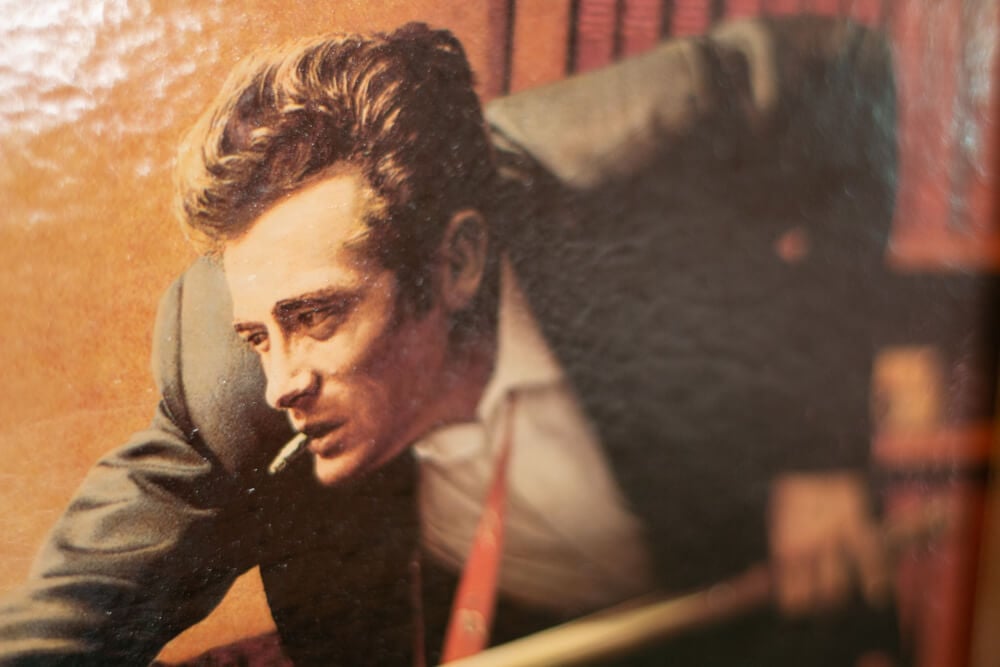
James Dean set out from Los Angeles on September 30, 1955, in his new Porsche 550 Spyder, heading for a weekend road race in Salinas. Photographer Sanford Roth, riding behind in a station wagon to shoot a feature for Collier’s magazine, photographed Dean and his mechanic Rolf Wutherich before they left, and other snapshots from that afternoon show Dean at the wheel.
Late that afternoon, near Cholame, Dean’s car collided with another car turning across the highway. Dean was killed at 24.
Two of his three major films had not yet been released.
Fargo’s Tornado Snapshots
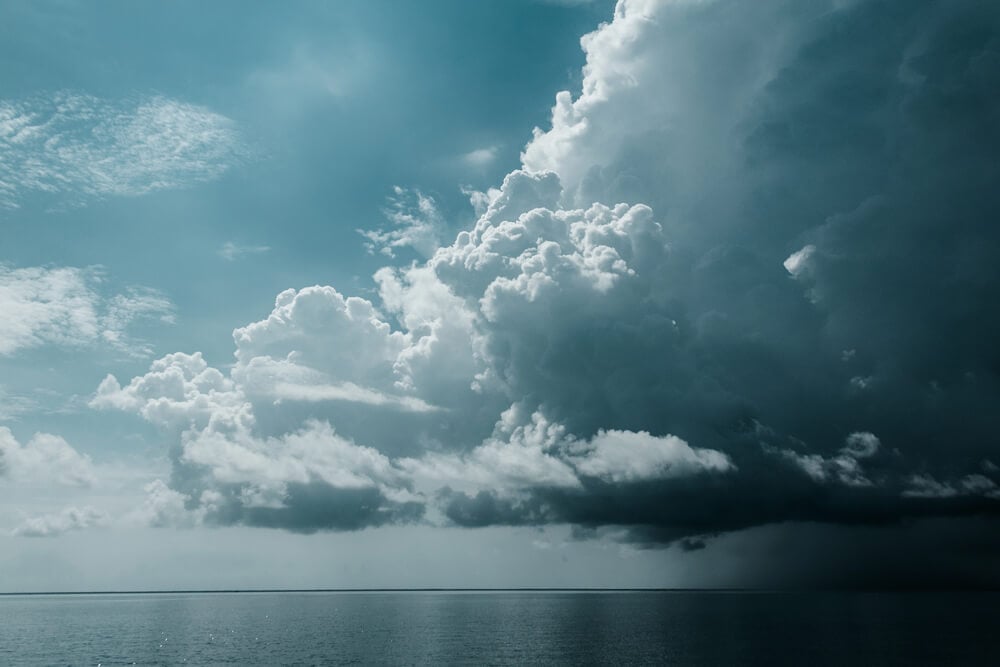
Residents of Fargo, North Dakota, photographed a dark storm cloud forming over the city on the evening of June 20, 1957, and some of their pictures captured the funnel before it tore through neighborhoods. The tornado killed 10 people and destroyed hundreds of homes.
Meteorologist Ted Fujita, later famous for the Fujita tornado intensity scale, gathered dozens of photographs from residents and used them to reconstruct the storm minute by minute. His study introduced terms such as wall cloud, now standard vocabulary for storm spotters.
Amateur snapshots ended up reshaping the science of tornadoes.
Munich and the Busby Babes
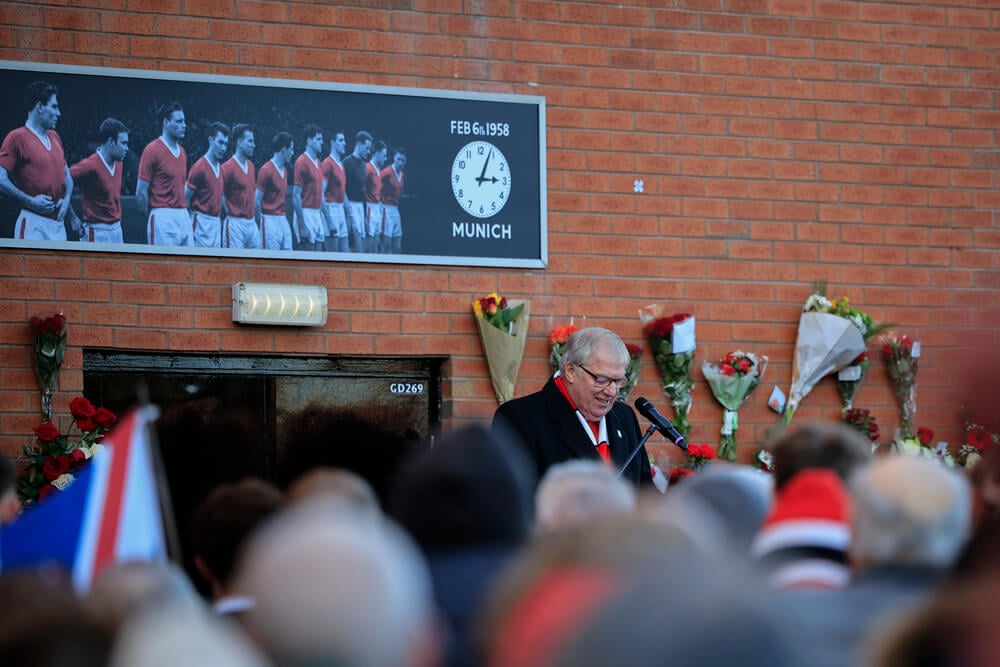
Manchester United’s young team, nicknamed the Busby Babes, played in Belgrade in early February 1958 and qualified for the European Cup semifinals. Photographs from the trip show the players relaxed and smiling before their flight home.
On February 6, their plane stopped to refuel in Munich and crashed on its third attempt to take off from a slush-covered runway. Twenty-three people died, including eight players and several journalists.
Manager Matt Busby survived serious injuries, and the club rebuilt to win the European Cup ten years later, in 1968.
Dallas Motorcade Snapshots
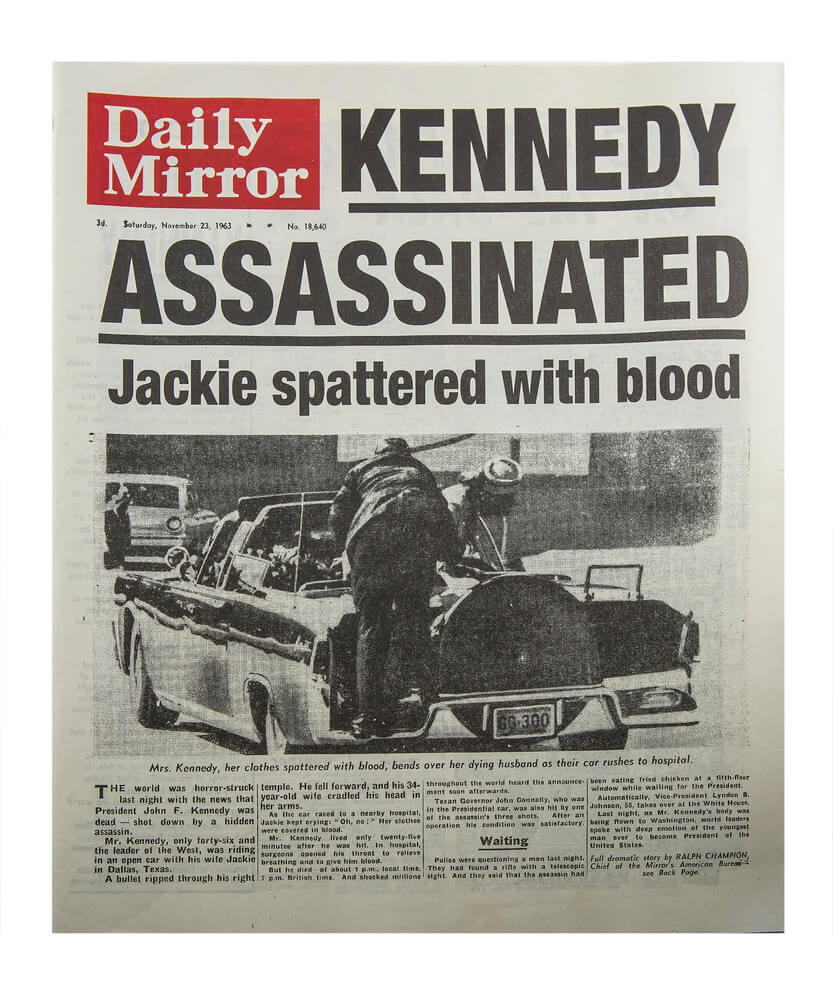
Crowds lined Main Street in Dallas on November 22, 1963, and dozens of spectators photographed President John F. Kennedy and Jacqueline Kennedy riding in an open limousine, smiling and waving in the sunshine. Minutes later, as the motorcade passed through Dealey Plaza, Kennedy was shot and killed.
Amateur images from that day, including Abraham Zapruder’s home movie and Mary Moorman’s Polaroid, became central evidence in later investigations. The ordinary snapshots of the motorcade, taken by people who had simply come to see the president, now carry a weight none of the photographers could have anticipated.
Teton Dam Breach
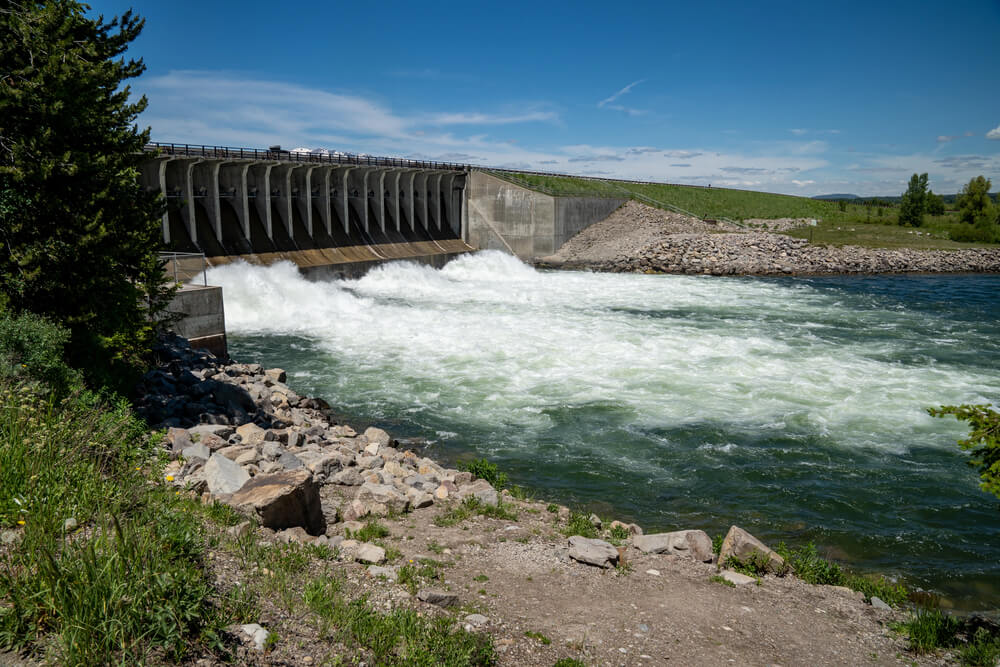
The newly completed Teton Dam in eastern Idaho began leaking as its reservoir filled for the first time, and on June 5, 1976, workers and onlookers photographed what followed. Their pictures show muddy water seeping from the downstream face, then a growing whirlpool, then a breach that widened as bulldozers tried to plug it.
Shortly before noon, the dam collapsed, sending a wall of water through Rexburg, Sugar City and other communities. Eleven people died, and damage ran into the hundreds of millions of dollars.
The photo sequences became a textbook case for dam engineers.
Air New Zealand Flight 901
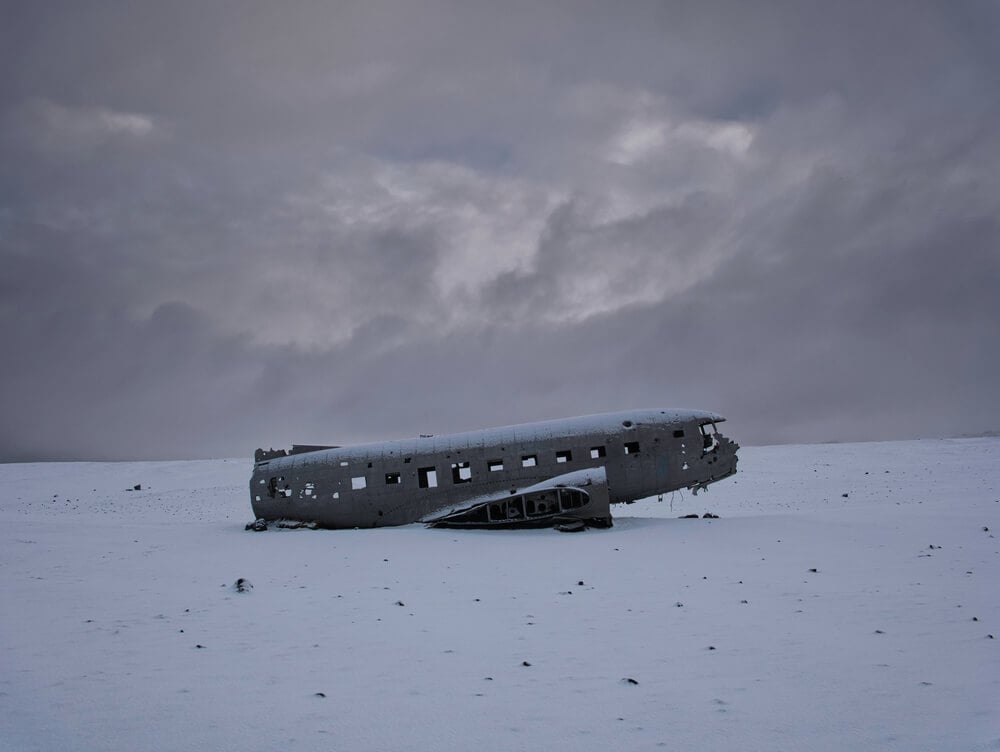
An Air New Zealand DC-10 on a sightseeing flight over Antarctica flew into the slopes of Mount Erebus on November 28, 1979, killing all 257 people aboard. Passengers had been taking photographs out the windows, and investigators recovered and developed film from cameras at the crash site.
The images, taken in the final minutes, helped show what visibility and terrain looked like from the aircraft. They became important evidence in the inquiry, which found that a change to the flight path data had sent the plane toward the mountain without the crew’s knowledge.
Mount St. Helens Erupts
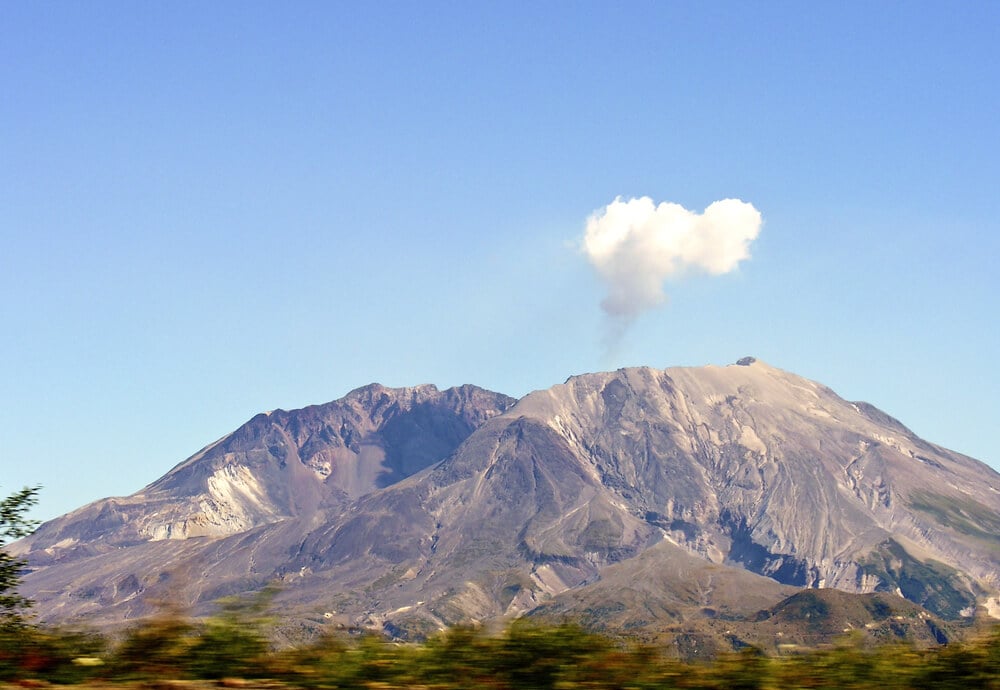
Photographer Gary Rosenquist was camping near Bear Meadow, about 11 miles from Mount St. Helens in Washington, on the morning of May 18, 1980. When an earthquake triggered the collapse of the volcano’s north face at 8:32 in the morning, he captured a rapid sequence of images showing the landslide and the lateral blast emerging.
His photographs became crucial to scientists reconstructing the eruption. The blast killed 57 people, including volcanologist David Johnston and photographer Robert Landsburg, whose film, protected beneath his body, was later recovered and developed.
Challenger Lifts Off
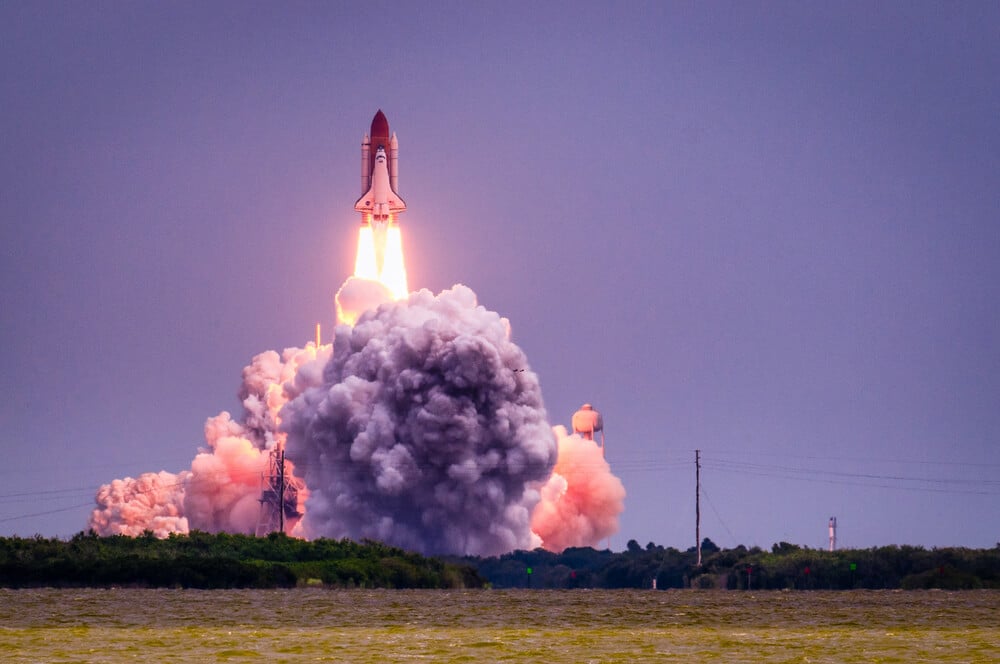
Space shuttle Challenger lifted off from Kennedy Space Center in Florida on January 28, 1986, carrying seven astronauts, including Christa McAuliffe, a New Hampshire teacher selected to be the first teacher in space. Photographers captured the crew walking out to the launch pad that morning, as well as the clean liftoff on a frigid day.
Spectators, including McAuliffe’s family and students, watched from the stands. About 73 seconds after launch, a failed seal in a solid rocket booster caused the vehicle to break apart.
All seven crew members died, and shuttle flights were suspended for nearly three years.
Concorde Leaves Charles de Gaulle
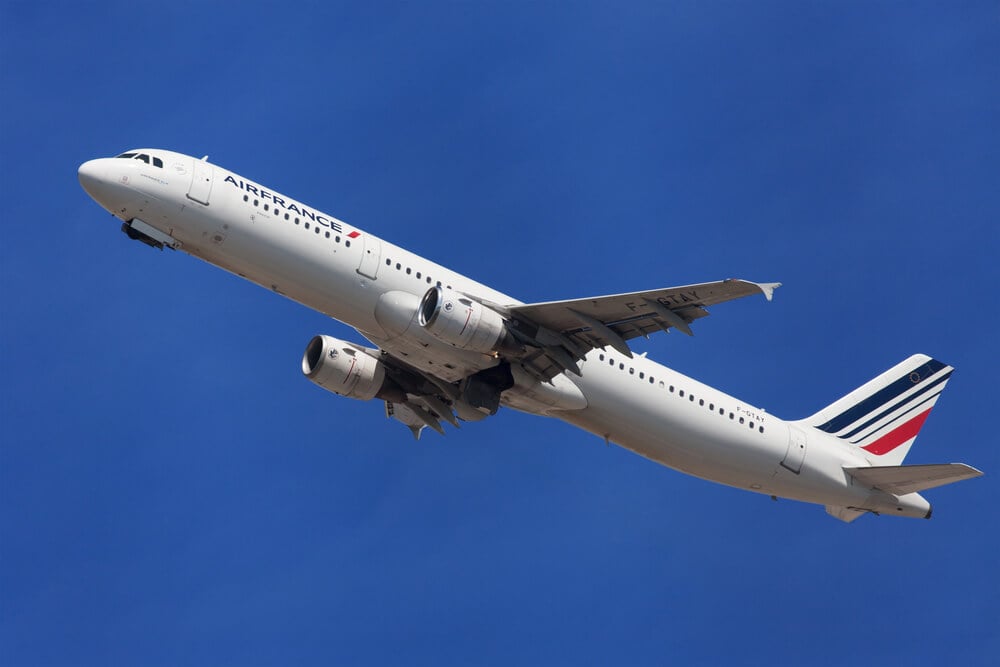
Amateur photographer Toshihiko Sato captured Air France Flight 4590 taking off from Paris Charles de Gaulle Airport on July 25, 2000, with flames trailing from beneath its left wing. Investigators later found that the Concorde had run over a strip of metal dropped by another aircraft, bursting a tire and rupturing a fuel tank.
The supersonic jet crashed into a hotel in Gonesse about two minutes later, killing all 109 people aboard and four on the ground. Sato’s image became the defining photograph of the accident.
Concorde flights ended for good in 2003.
Columbia’s Final Video
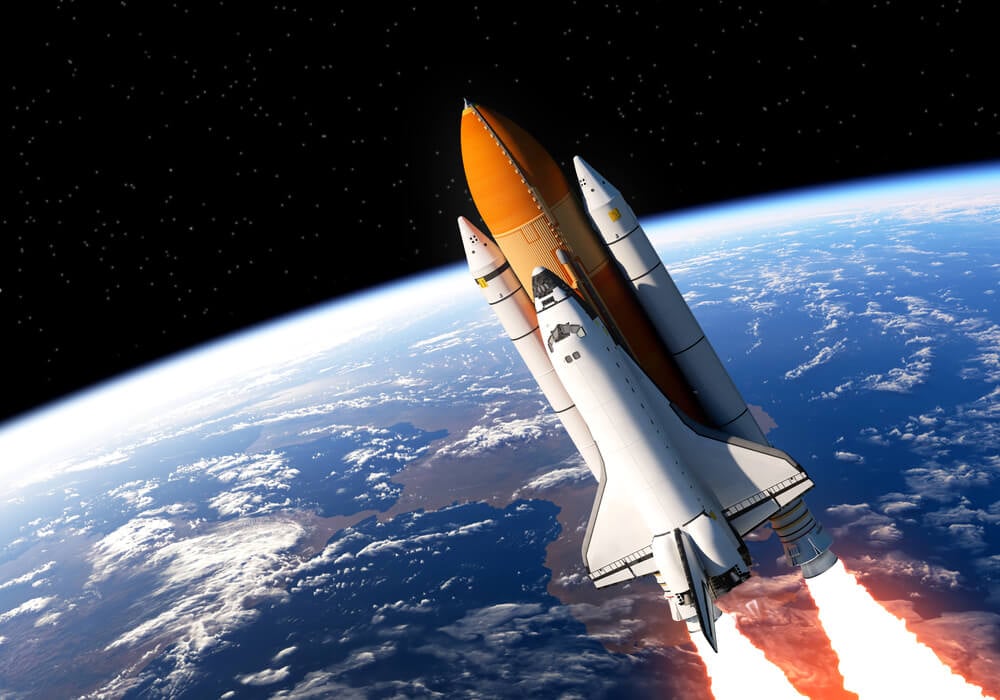
The crew of space shuttle Columbia recorded video in the cockpit on February 1, 2003, as the orbiter began reentry over the Pacific Ocean. The footage shows astronauts preparing for landing, joking and filming the glowing plasma outside the windows.
The tape ends minutes before the shuttle broke apart over Texas. Searchers later recovered the tape among the debris, and NASA released it to the public.
Investigators determined that foam insulation had struck the left wing during launch 16 days earlier, damaging the heat shield. All seven astronauts died.
Tsunami Photos From the Indian Ocean
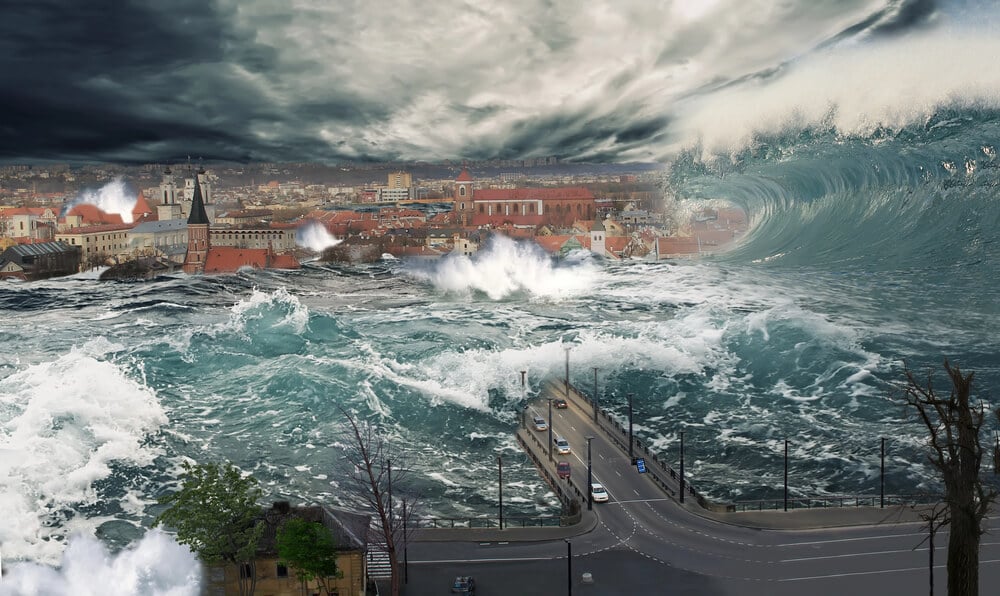
Tourists on beaches in Thailand, Sri Lanka and elsewhere photographed something strange on December 26, 2004, the sea pulling far back from the shore and exposing reefs and stranded fish. Some walked out to look.
Soon after, the Indian Ocean tsunami, triggered by a magnitude 9.1 earthquake off Sumatra, came ashore, and photographs from hotel balconies show the first waves rolling in. About 230,000 people died across more than a dozen countries.
At Mai Khao Beach in Phuket, 10-year-old Tilly Smith recognized the receding water from a geography lesson and warned her family, helping clear the beach.
Benazir Bhutto in Rawalpindi
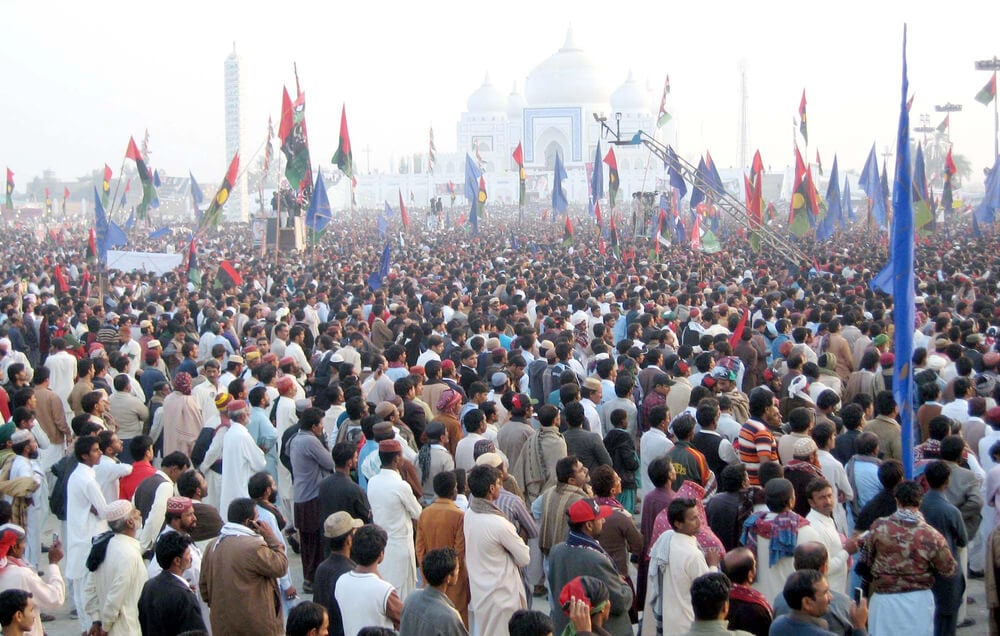
Former Pakistani prime minister Benazir Bhutto addressed a campaign rally in Rawalpindi on December 27, 2007, ahead of national elections. As she left in an armored vehicle, she stood up through the roof hatch to wave to supporters, and Getty Images photographer John Moore captured her in the moments before a gunman opened fire and a bomb exploded beside the vehicle.
Bhutto, the first woman elected to lead a Muslim-majority country, died that day. Moore’s sequence became among the most widely published images of the attack and of the chaos that followed.
Waves Over the Miyako Seawall
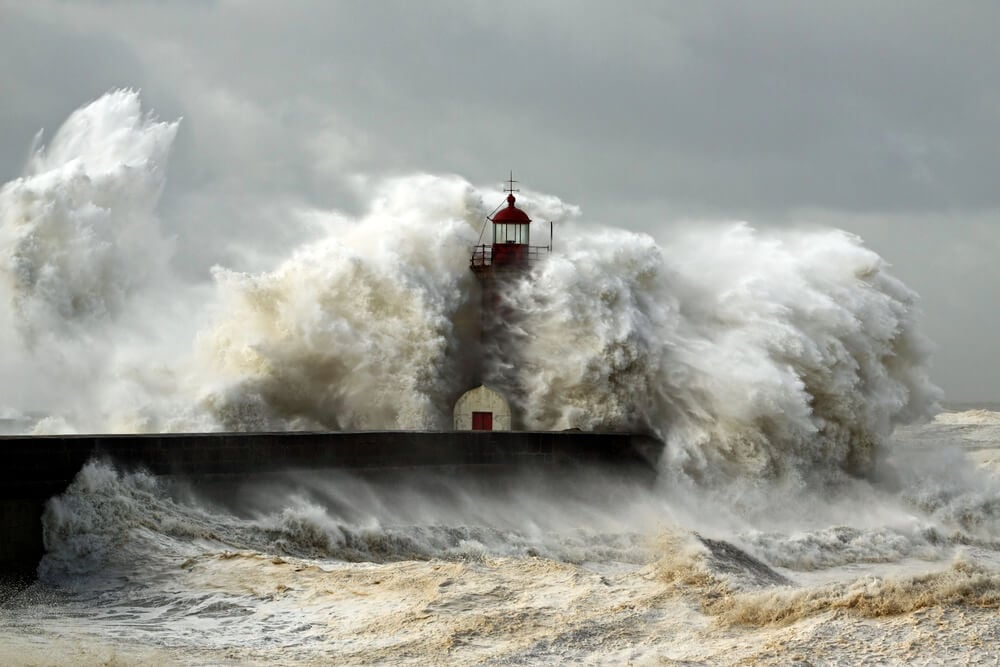
After a magnitude 9.0 earthquake struck off northeastern Japan on March 11, 2011, city employees and residents in Miyako, Iwate Prefecture, photographed and filmed the tsunami as it rose over the town’s seawall. Their images show black water pouring over the barrier and carrying cars and buildings into the streets.
The Tohoku tsunami left about 18,000 people dead or missing and triggered the Fukushima Daiichi nuclear accident. Images from Miyako and other towns later helped engineers study how the waves overwhelmed defenses designed for smaller events.
Hikers on Mount Ontake
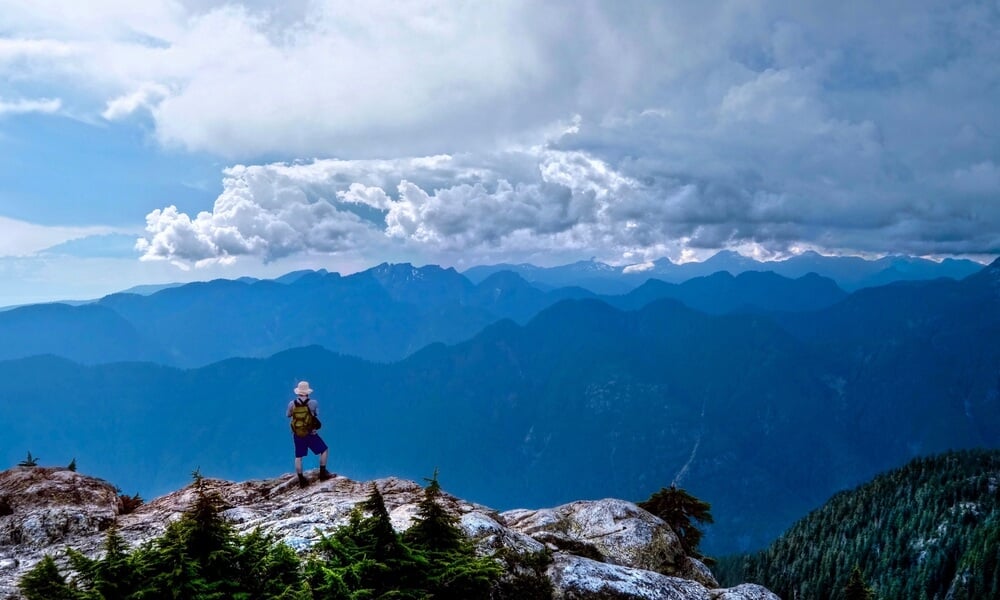
Hundreds of hikers were on Mount Ontake in central Japan on September 27, 2014, a clear autumn Saturday, many of them eating lunch near the summit. Shortly before noon, the volcano erupted without significant warning.
Some hikers photographed the gray ash cloud rising and then billowing toward them, and those images circulated widely afterward. The eruption killed 63 people, counting the missing, making it Japan’s deadliest volcanic eruption in nearly 90 years.
The disaster led Japan to strengthen its volcano monitoring and warning systems, including better shelters near popular summits.
Tourists on Whakaari
Tourists visited Whakaari, also called White Island, an active volcano off New Zealand’s North Island, on December 9, 2019, and photographed the steaming crater during guided walks. Visitor Michael Schade, who had just left the island by boat, filmed the eruption that followed minutes later, and his footage circulated around the world.
Twenty-two people died, and many survivors suffered severe burns. WorkSafe New Zealand prosecuted several parties after the disaster.
Tours to the island have not resumed, and the images from that morning remain difficult to look at.
Ordinary Light Before the Dark
What unites these images is how unremarkable many of them seemed at the moment they were taken. A departure, a rally, a scenic flight and a clear afternoon on a mountain were all ordinary subjects.
Only hindsight turned them into something else. Several of these photographs also changed what happened next.
Snapshots helped meteorologists understand tornadoes, guided dam engineers, settled questions in official inquiries and kept the faces of the lost from becoming abstractions. Their lasting value lies less in the drama than in the record they left behind.
More from Go2Tutors!

- The Romanov Crown Jewels and Their Tragic Fate
- 13 Historical Mysteries That Science Still Can’t Solve
- Famous Hoaxes That Fooled the World for Years
- 15 Child Stars with Tragic Adult Lives
- 16 Famous Jewelry Pieces in History
Like Go2Tutors’s content? Follow us on MSN.