26 TV Moments That Drew Record Audiences
Before streaming split viewers into a thousand different simultaneous choices, television had a genuine ability to gather nearly the entire country in front of a screen at the same moment. These broadcasts were not just popular; they were events, the kind that emptied streets and clogged phone lines the instant they ended.
Some were series finales built up over years. Others were single unscripted moments nobody saw coming. All of them left a rating so large it became a permanent reference point in television history.
The MAS*H Series Finale
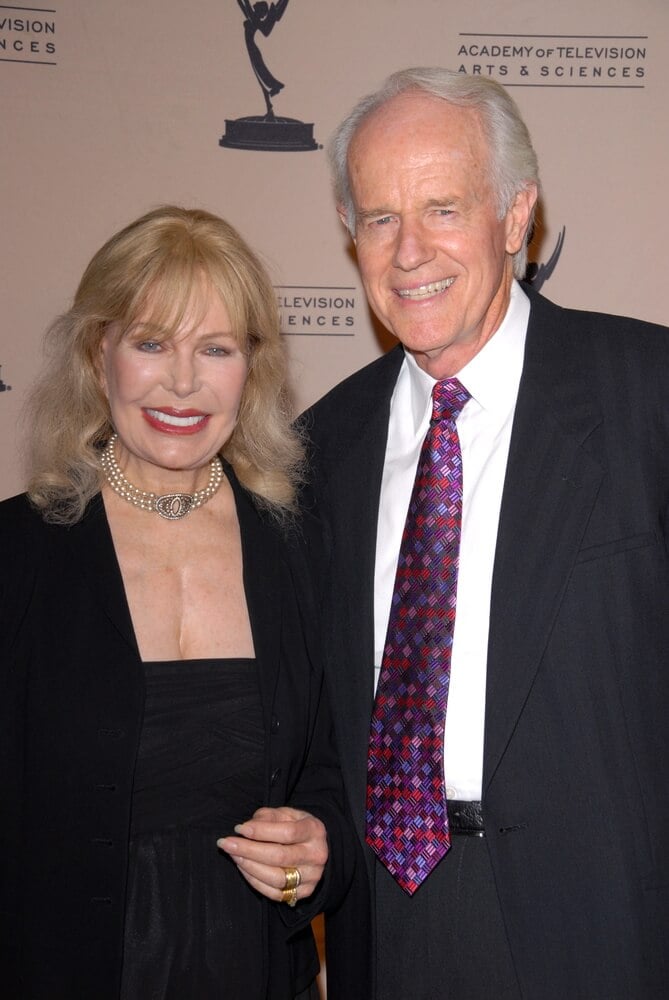
“Goodbye, Farewell and Amen” aired on CBS on February 28, 1983, drawing a Nielsen average of 105.9 million viewers, a number that still stands as the most-watched scripted television broadcast in American history. The two-and-a-half-hour finale earned a 60.2 household rating and a 77 share, meaning more than three-quarters of all televisions in use that night were tuned to the same channel.
The Cheers Finale
NBC’s “One for the Road,” which closed out the Boston bar comedy after 11 seasons in 1993, drew roughly 80.4 million viewers for its two-part conclusion. The finale brought back Shelley Long’s Diane Chambers character for the first time in years, a reunion the network had kept largely under wraps ahead of the broadcast.
The Seinfeld Finale
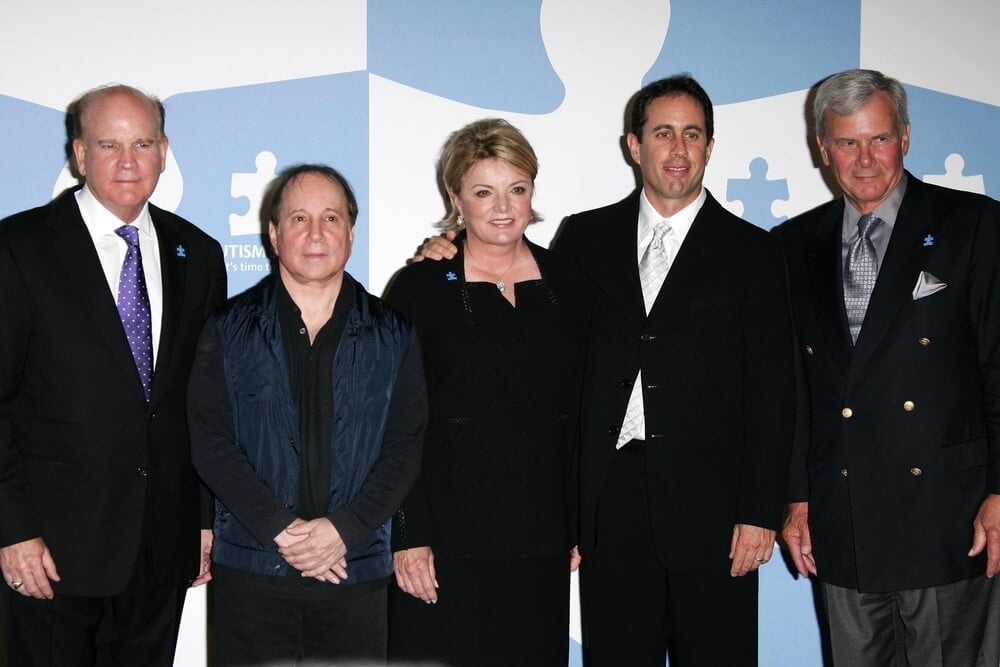
NBC’s series finale in 1998 drew an estimated 76.3 million viewers, capping off a nine-season run with an episode that put the show’s central characters on trial for their years of self-absorbed behavior. The broadcast remains one of the most-watched comedy finales in American television history.
The Fugitive Finale
ABC’s 1967 conclusion to “The Fugitive,” in which Dr. Richard Kimble finally confronts the one-armed man, drew an estimated 78 million viewers and was, at the time, the most-watched episode of any television series ever broadcast. It held that overall record for years before later dramas and miniseries surpassed it.
The Dallas “Who Shot J.R.” Episode
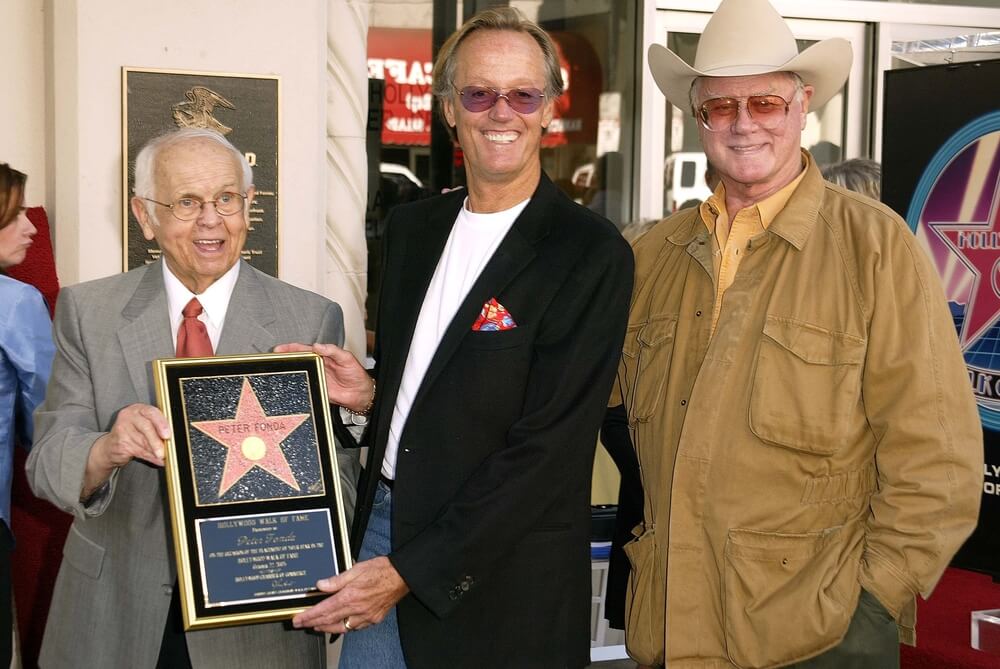
The November 1980 episode of “Dallas” that finally revealed who had shot the character J.R. Ewing drew an estimated 90 million viewers, making it one of the most-watched entertainment broadcasts of the decade. The mystery had been deliberately dragged out for months, generating a level of public speculation rarely seen for a prime-time drama.
The Roots Finale
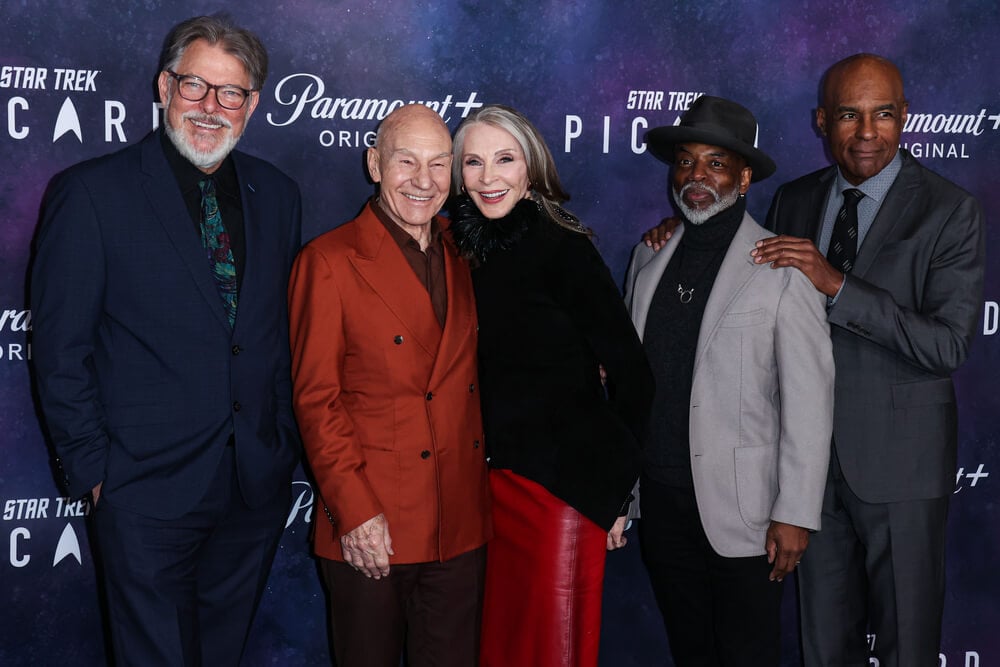
The concluding episode of the 1977 miniseries “Roots,” based on Alex Haley’s family history, drew an estimated 100 million viewers over its eight-night run on ABC. The broadcast is frequently cited as a turning point in how American television approached serialized historical drama.
The Friends Finale
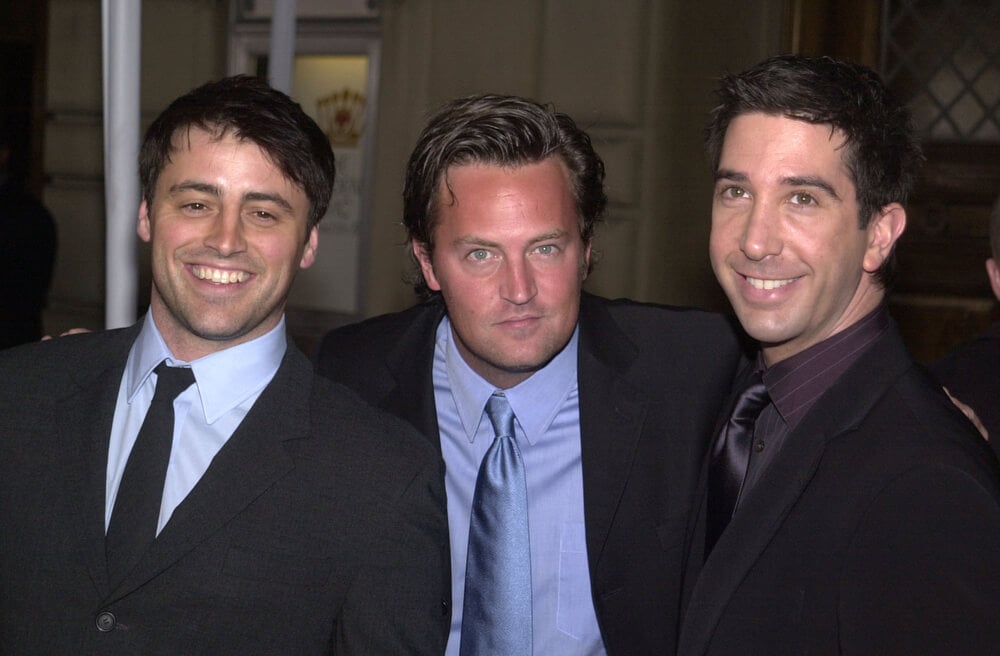
NBC’s 2004 series finale drew approximately 52.5 million viewers, making it the most-watched entertainment broadcast of that decade at the time it aired. The episode’s structure, resolving both the Ross-and-Rachel storyline and Monica and Chandler’s departure from the apartment, was kept under tight secrecy ahead of broadcast.
The Home Improvement Finale
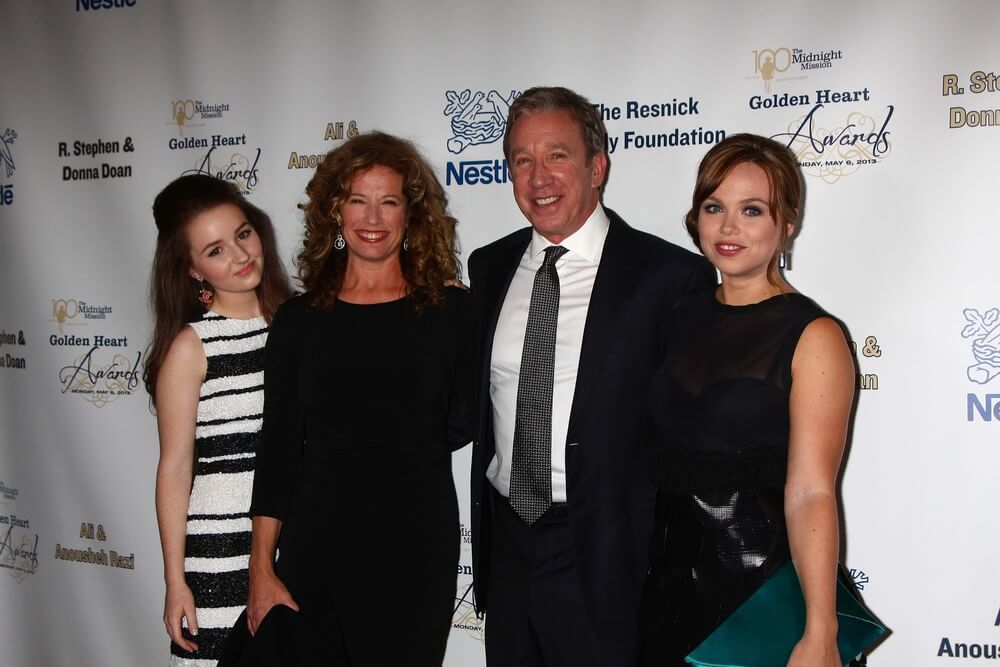
ABC’s 1999 conclusion to the Tim Allen sitcom drew an estimated 35.5 million viewers, edging out several other major sitcom finales airing around the same period. The episode wrapped up the “Tool Time” show-within-a-show format that had defined the series for eight seasons.
Super Bowl XLIV
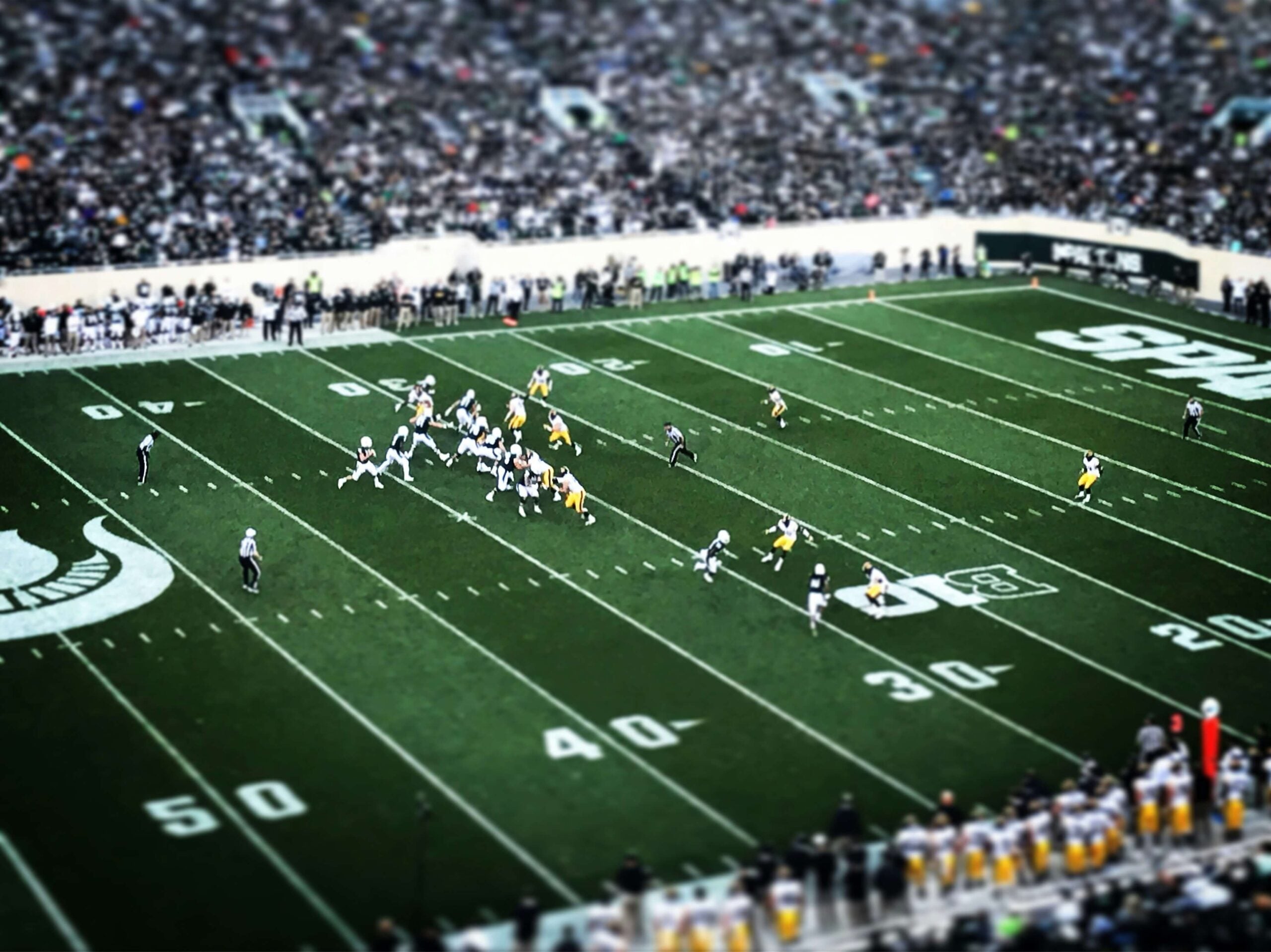
The February 2010 broadcast of Super Bowl XLIV became the first program to surpass the MAS*H finale’s total viewership record, drawing an estimated 106.5 million viewers. It marked a shift in which live sports, rather than scripted programming, began to dominate the list of most-watched broadcasts.
Super Bowl XLIX
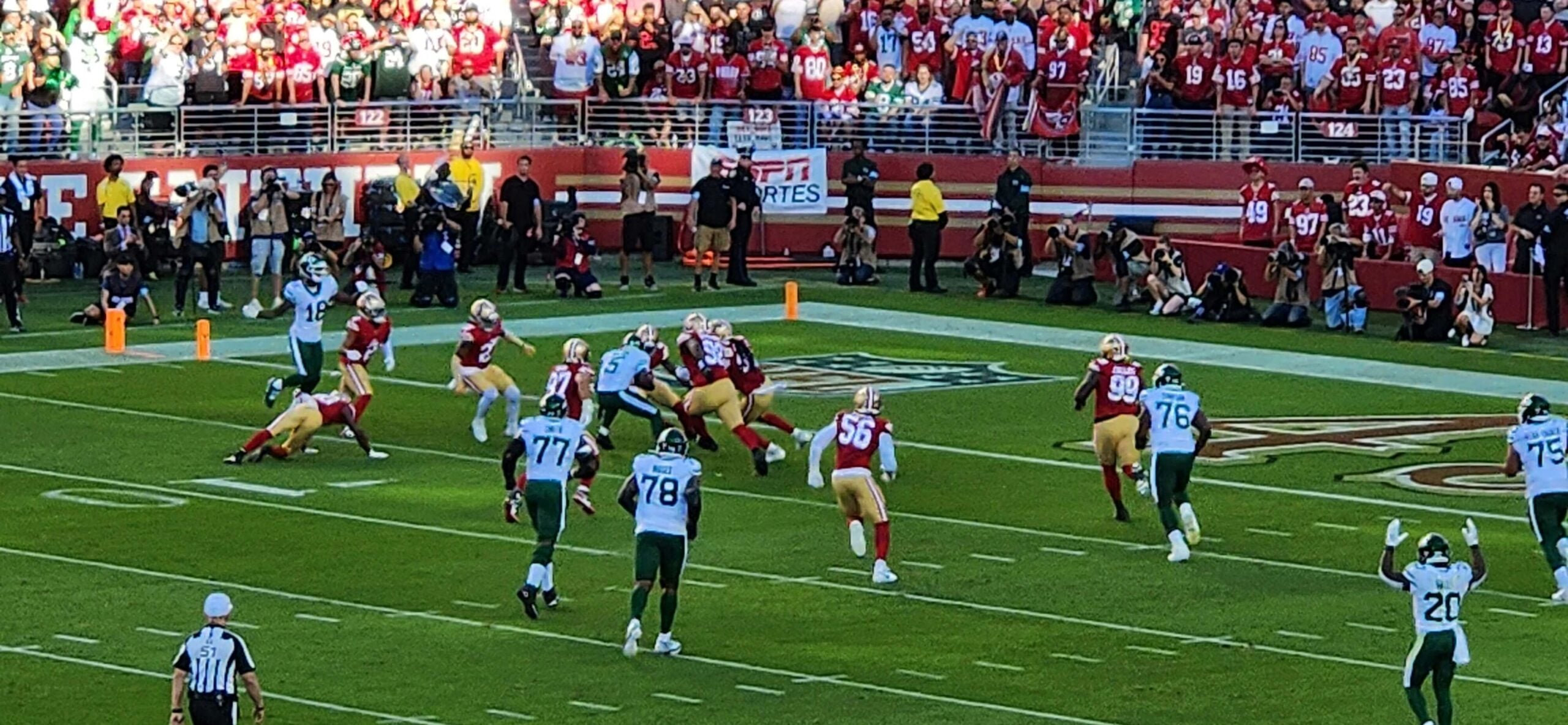
The February 2015 Super Bowl broadcast drew more than 114 million viewers, at the time becoming the most-watched television program in American history despite a comparatively modest household rating relative to the MAS*H finale decades earlier. The gap reflects how much the overall television audience had grown even as the share watching any single program had shrunk.
The Apollo 11 Moon Landing
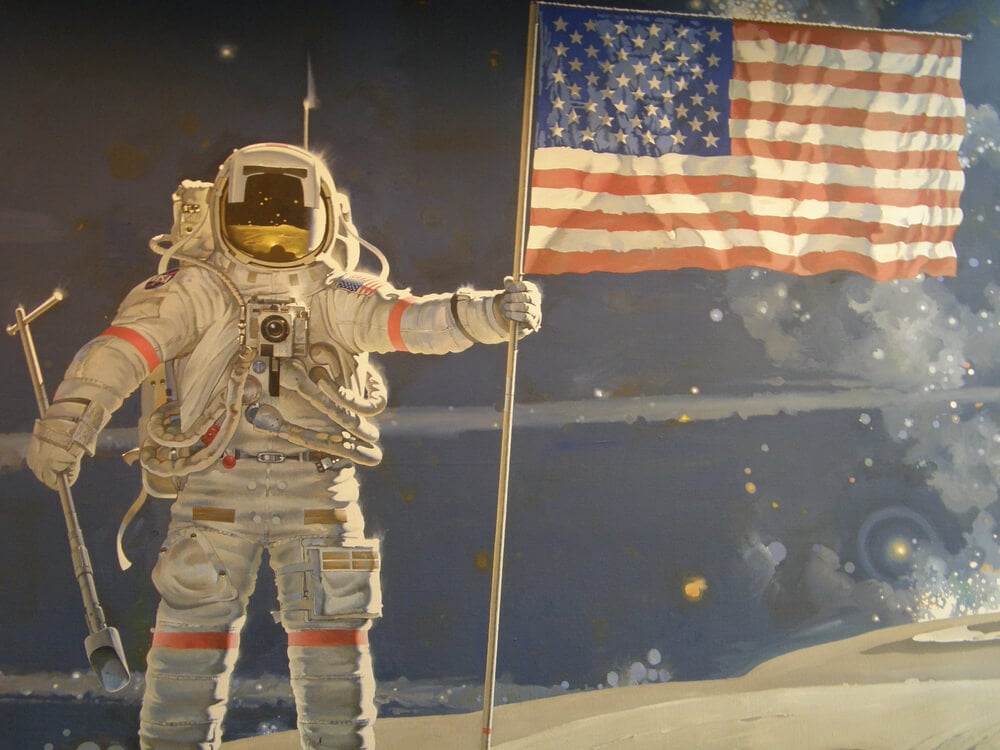
The July 1969 broadcast of the first crewed moon landing is estimated to have drawn more than 500 million viewers worldwide, making it among the most-watched live events in television history to that point. Restrictions on international satellite broadcasting at the time make an exact global figure difficult to verify, though the domestic American audience alone was in the tens of millions.
The O.J. Simpson Bronco Chase

The June 1994 low-speed police pursuit, broadcast live and interrupting NBA Finals coverage on multiple networks, is estimated to have been watched by around 95 million people across the various channels carrying it. The event is frequently cited as an early example of a real-time news story overtaking scheduled entertainment programming in total audience.
The Live Aid Broadcast

The July 1985 Live Aid concert, broadcast simultaneously from stadiums in London and Philadelphia, reached an estimated global television audience of close to two billion people across more than 150 countries. It remains one of the most frequently cited examples of coordinated international live broadcasting from the pre-streaming era.
The Beijing Olympics Opening Ceremony
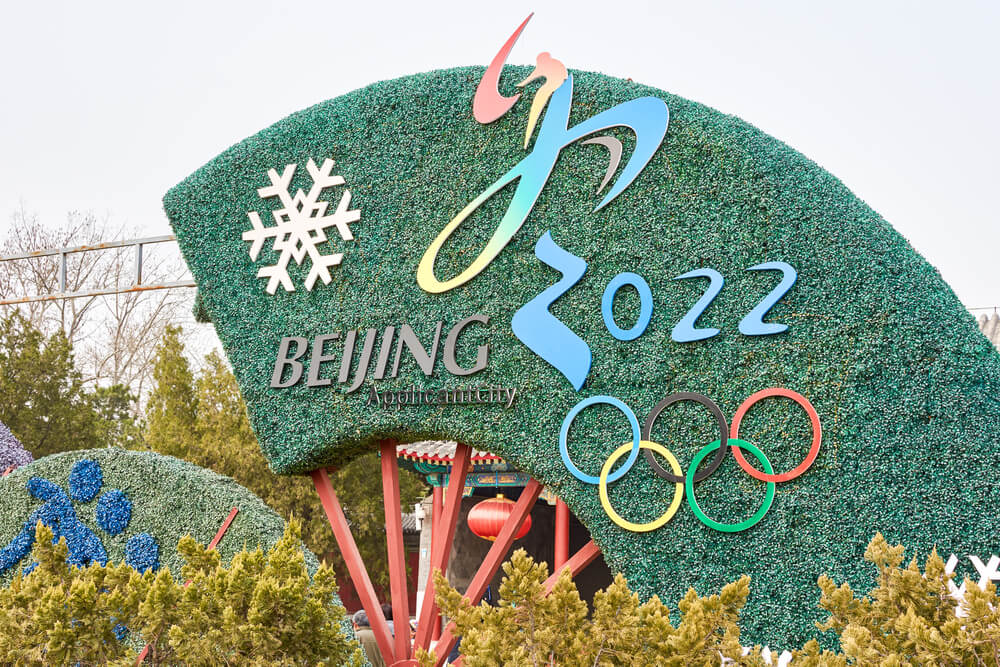
The August 2008 opening ceremony in Beijing drew an estimated audience of over a billion viewers within China alone, according to figures reported at the time, making it one of the largest single broadcast audiences ever recorded within one country. The ceremony’s cost and scale were widely reported as unprecedented for an Olympic opening.
The Thriller Music Video Premiere
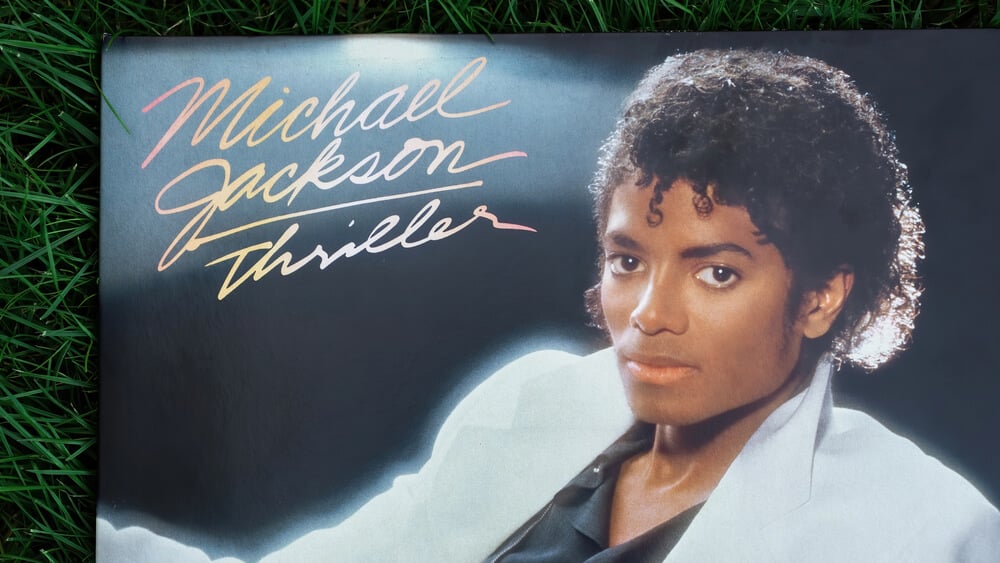
The 1983 premiere of Michael Jackson’s “Thriller” short film on MTV was reported to have significantly boosted the channel’s viewership on the night it aired, though exact simultaneous-audience figures from that era are less precisely documented than later Nielsen-tracked broadcasts. The video’s later home-video release became one of the best-selling of all time.
The Charles And Diana Royal Wedding
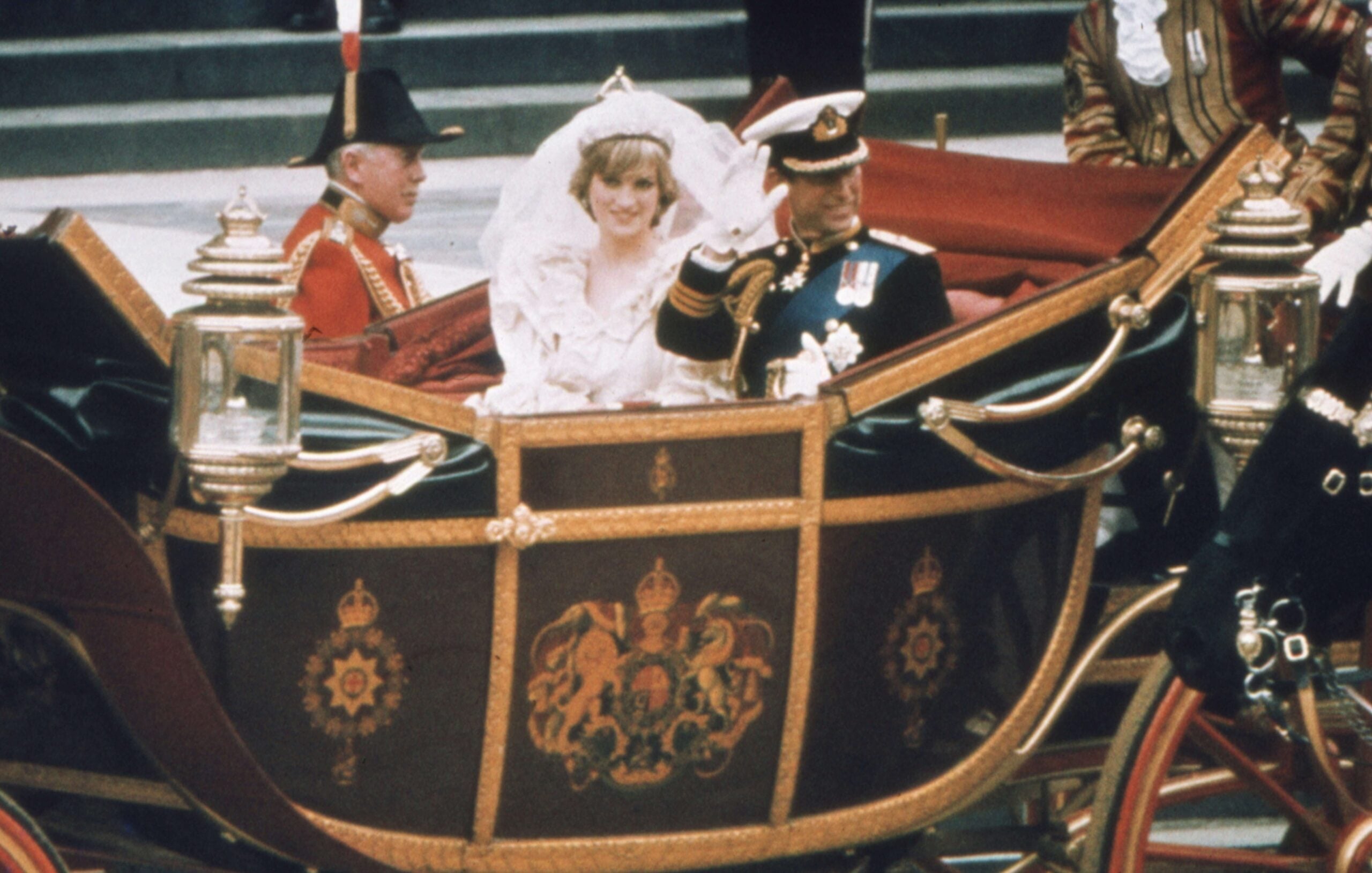
The July 1981 wedding of Prince Charles and Lady Diana Spencer drew a global television audience estimated at around 750 million people, according to contemporary reporting, making it one of the most-watched live events of the 20th century. The ceremony aired live across dozens of countries despite significant time zone differences for many viewers.
The Elvis Presley Comeback Special
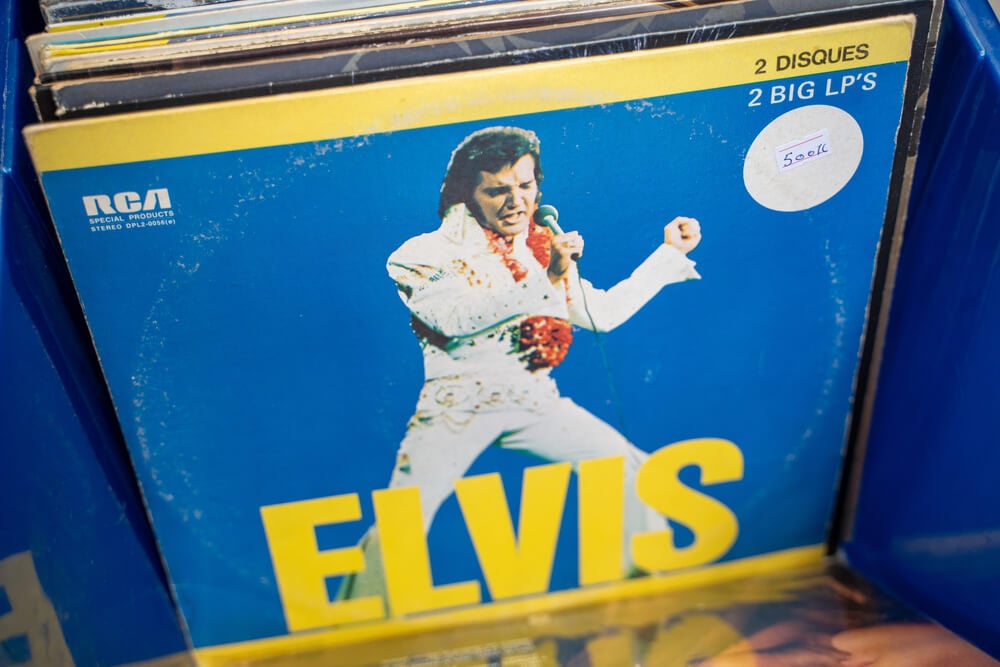
The December 1968 NBC special marking Elvis Presley’s return to live performance after years away from touring drew a large enough audience to reportedly top the ratings for its broadcast week, revitalizing his career at a moment when his popularity had been considered to be fading. The special is now widely credited as one of the most successful career-relaunch broadcasts in music history.
The Beatles On The Ed Sullivan Show
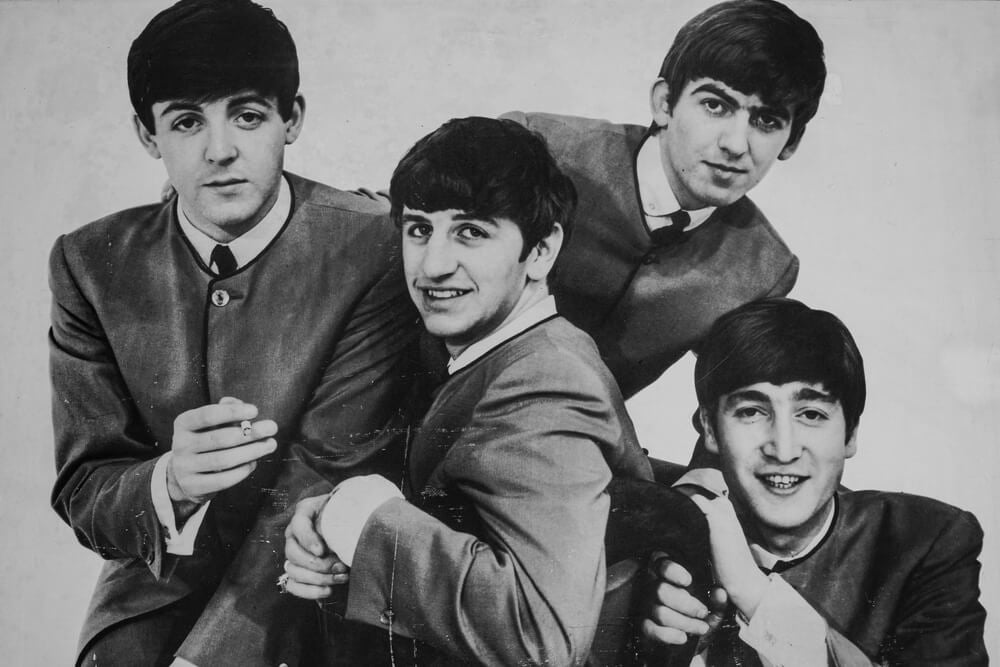
The February 1964 American television debut of the Beatles on “The Ed Sullivan Show” drew an estimated 73 million viewers, a record for its time and a figure frequently cited as evidence of the scale of Beatlemania in the United States. Contemporary reports noted a measurable drop in reported crime that evening, widely attributed to how many people were at home watching.
The Berlin Wall Falling

Coverage of the November 1989 fall of the Berlin Wall drew enormous live audiences across multiple countries as networks interrupted regular programming to carry the unfolding events. Exact global viewership figures from the fragmented broadcast landscape of the era are difficult to pin down precisely, but the event is consistently ranked among the most-watched news broadcasts of the century.
The Princess Diana Funeral

The September 1997 funeral broadcast for Diana, Princess of Wales, drew a global television audience estimated at more than two billion people, according to figures widely reported at the time, making it among the most-watched events in television history. The funeral procession alone was carried live by broadcasters across dozens of countries.
The Breaking Bad Finale
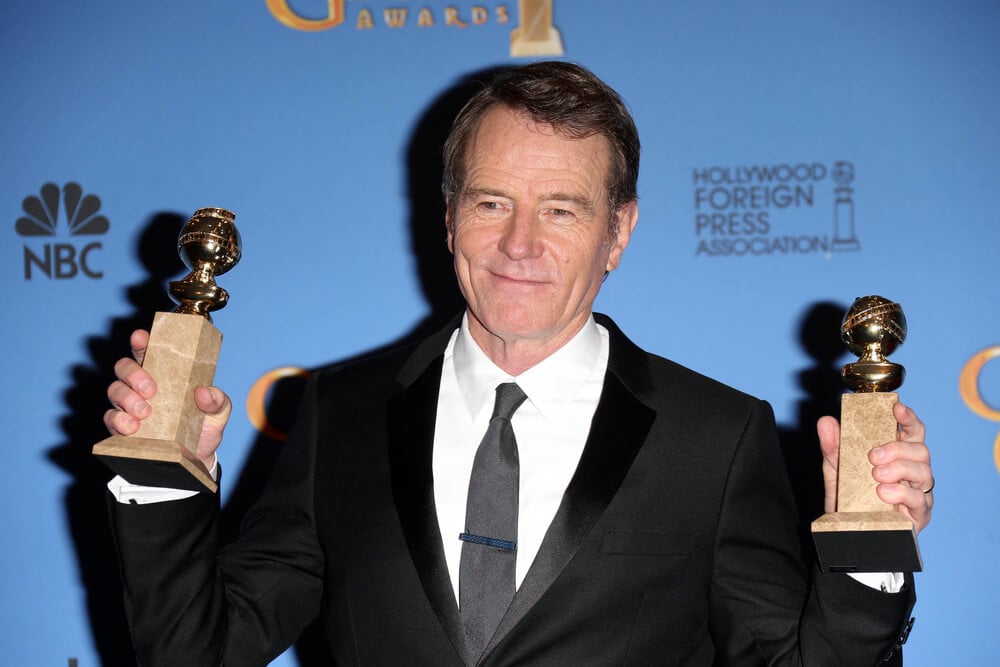
AMC’s 2013 series finale for “Breaking Bad” drew a then-record 10.3 million viewers for the network, a relatively modest figure by broadcast-era standards but a significant milestone for a basic-cable drama. The number reflected how audience fragmentation had reshaped what counted as a “record” broadcast by the 2010s.
The Game Of Thrones Finale
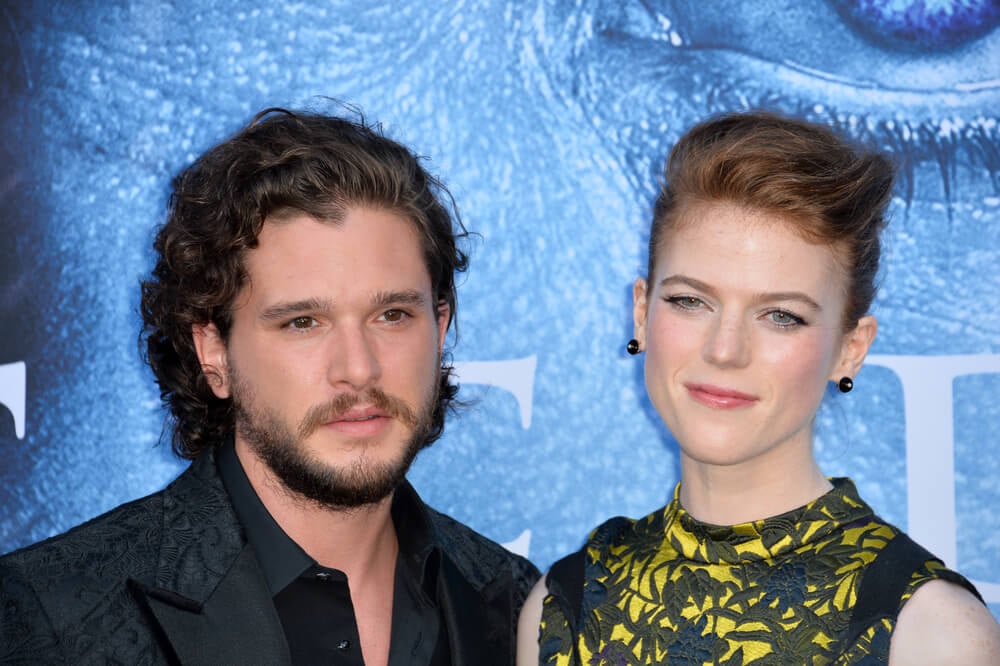
HBO’s 2019 series finale for “Game of Thrones” drew 13.6 million same-night viewers in the United States, with the figure climbing past 19 million once same-day streaming and delayed viewing were factored in. It stands as one of the largest audiences ever recorded for a subscription cable drama.
The Grease Sing-Along Live Broadcasts

Fox’s “Grease: Live” broadcast in January 2016 drew an estimated 12 million viewers for its live musical performance, contributing to a wave of similarly staged live musical broadcasts across networks in the mid-2010s. The format was credited with temporarily reviving appointment-viewing habits among younger audiences.
The Miracle On Ice

The February 1980 Olympic hockey upset of the Soviet Union by the United States men’s team was broadcast on tape delay by ABC, yet still drew one of the largest sports audiences of the year once it aired that evening. The delayed broadcast did not prevent it from becoming one of the most replayed sports moments in American television history.
The World Cup Final Of 2014
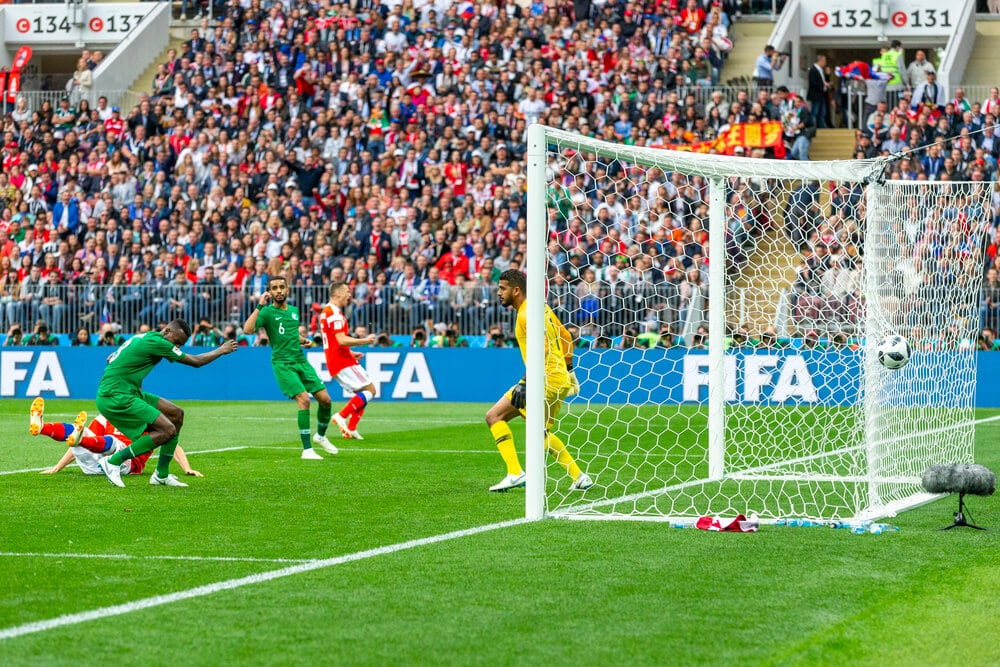
The July 2014 World Cup final between Germany and Argentina drew a global television audience estimated in the hundreds of millions, with figures from FIFA at the time citing over a billion cumulative viewers across the tournament. Individual match figures for the final itself were among the highest recorded for the event that decade.
The Michael Jordan Farewell Game
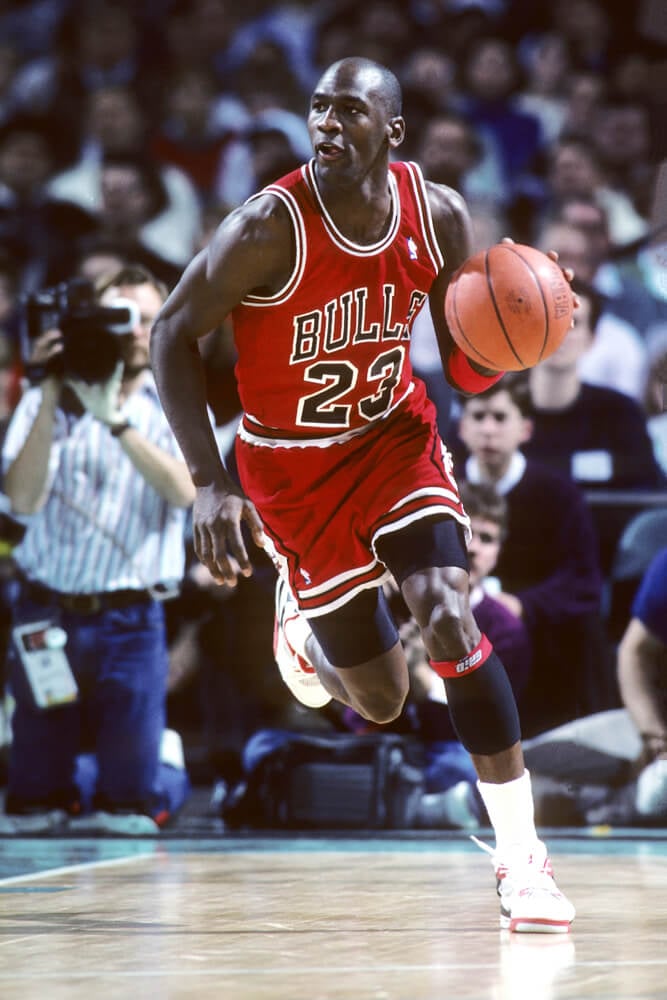
Chicago’s June 1998 NBA Finals Game 6, in which Michael Jordan hit the championship-winning shot in what many assumed would be his final game with the Bulls, drew a U.S. television rating of 18.7, the highest ever recorded for an NBA broadcast. The number has never been approached since, as league viewership has fragmented across a far more crowded sports and entertainment landscape.
The Numbers Nobody Beats
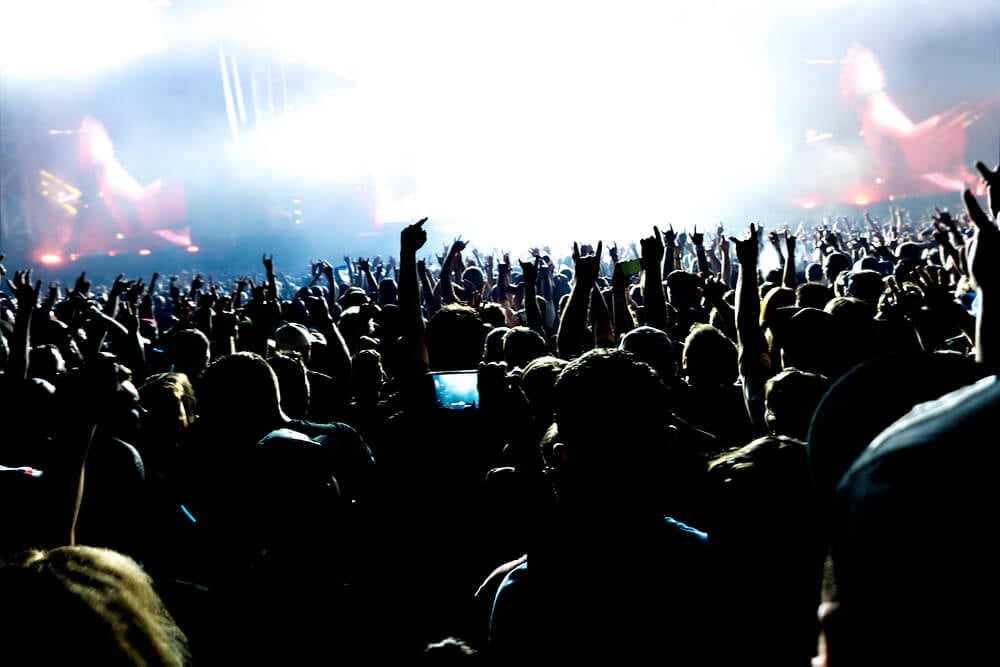
Total audience figures like these are almost impossible to replicate today, not because television got worse, but because the audience itself got scattered across so many more places to watch. A three-network world made it structurally possible for one broadcast to reach nearly everyone at once, a condition that simply no longer exists.
That is part of why these moments still get cited decades later. They were not just popular; they were, for one night, close to universal.
More from Go2Tutors!

- The Romanov Crown Jewels and Their Tragic Fate
- 13 Historical Mysteries That Science Still Can’t Solve
- Famous Hoaxes That Fooled the World for Years
- 15 Child Stars with Tragic Adult Lives
- 16 Famous Jewelry Pieces in History
Like Go2Tutors’s content? Follow us on MSN.