27 Everyday Objects Designed for a Completely Different Purpose
Plenty of familiar products started life aimed at a completely different customer, or a completely different problem, before someone noticed a better use hiding in plain sight. The repurposing usually happened not because the original idea failed outright, but because the accidental use worked so much better that it quietly took over.
The objects below all began as something else entirely. What they became is, in nearly every case, far more widely used than what they were originally built to do.
Bubble Wrap
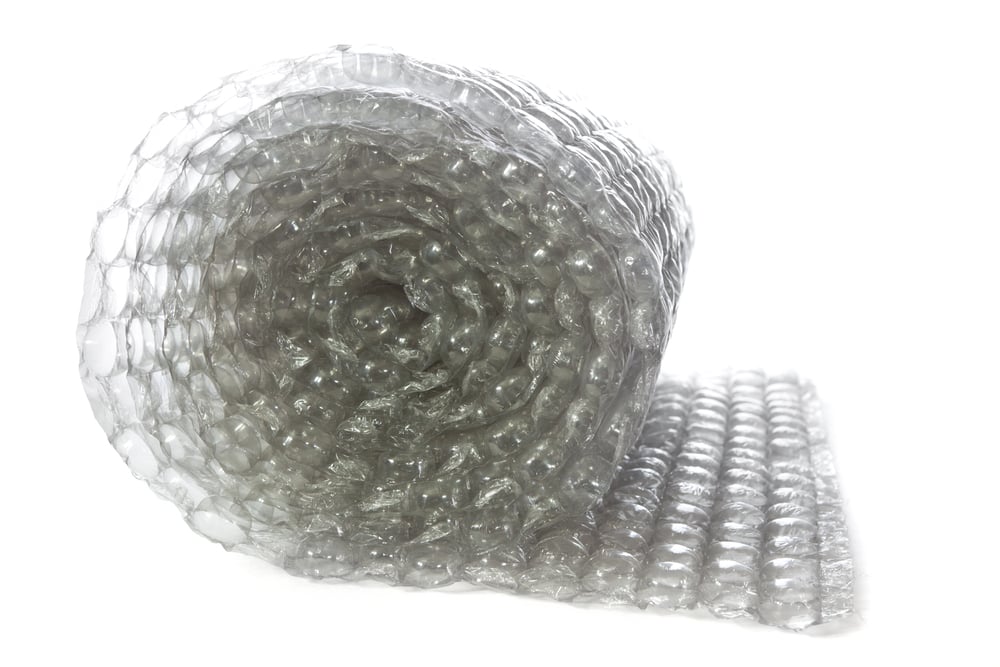
Engineers Alfred Fielding and Marc Chavannes set out in 1957 to manufacture a textured plastic wallpaper by sealing two shower curtains together with trapped air bubbles between them. It failed as a home decor product but succeeded spectacularly once IBM adopted it to protect computers during shipping.
Play-Doh
This soft, moldable compound was originally sold by Kutol Products as a wallpaper cleaner, meant to lift coal soot off walls in the early twentieth century. Demand collapsed once homes switched to electric and gas heating, and a schoolteacher’s discovery that children loved molding the leftover product led the company to relaunch it as a toy in 1955.
Listerine
This antiseptic solution was originally developed in the 1880s for use during surgery, then later marketed as a floor cleaner and even a treatment for gonorrhea. It only became a mainstream mouthwash decades later, after an aggressive advertising campaign convinced the public that bad breath, rebranded as halitosis, was a medical condition worth treating.
Kleenex Tissues

Kimberly-Clark developed a material called Cellucotton during World War I as a substitute for cotton in surgical dressings and gas mask filters. After the war, the company repurposed the material into two separate consumer products, disposable facial tissue and, using the same base material, an early sanitary product, neither of which had anything to do with its original battlefield use.
Frisbee
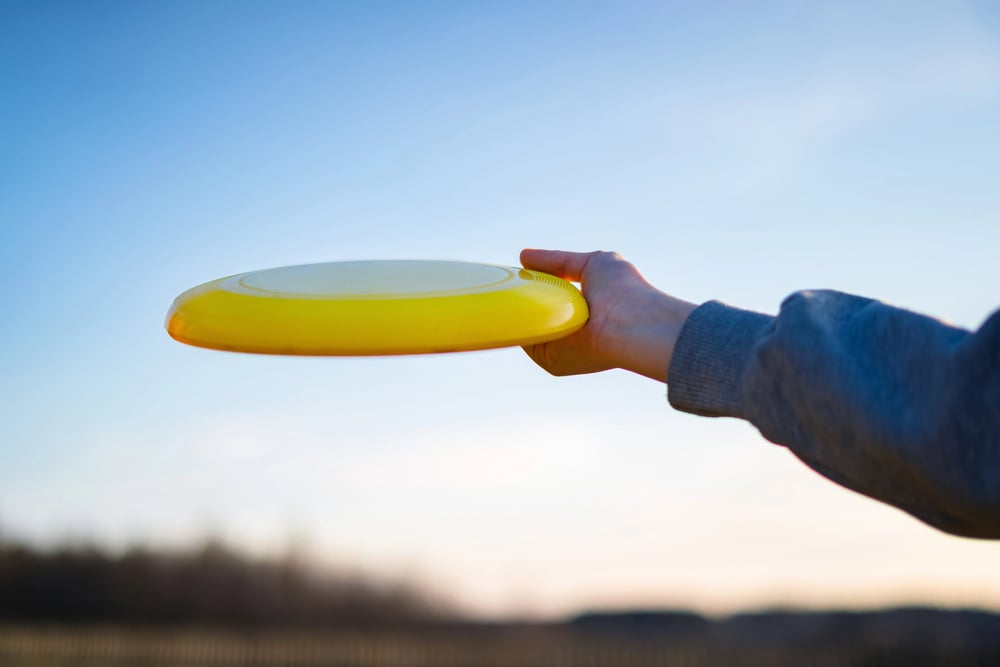
College students in the 1930s began tossing empty pie tins from the Frisbie Pie Company around New England campuses purely for fun. A toy company later licensed the concept and developed a plastic disc based on the pie tin’s shape, misspelling the company’s name along the way.
WD-40
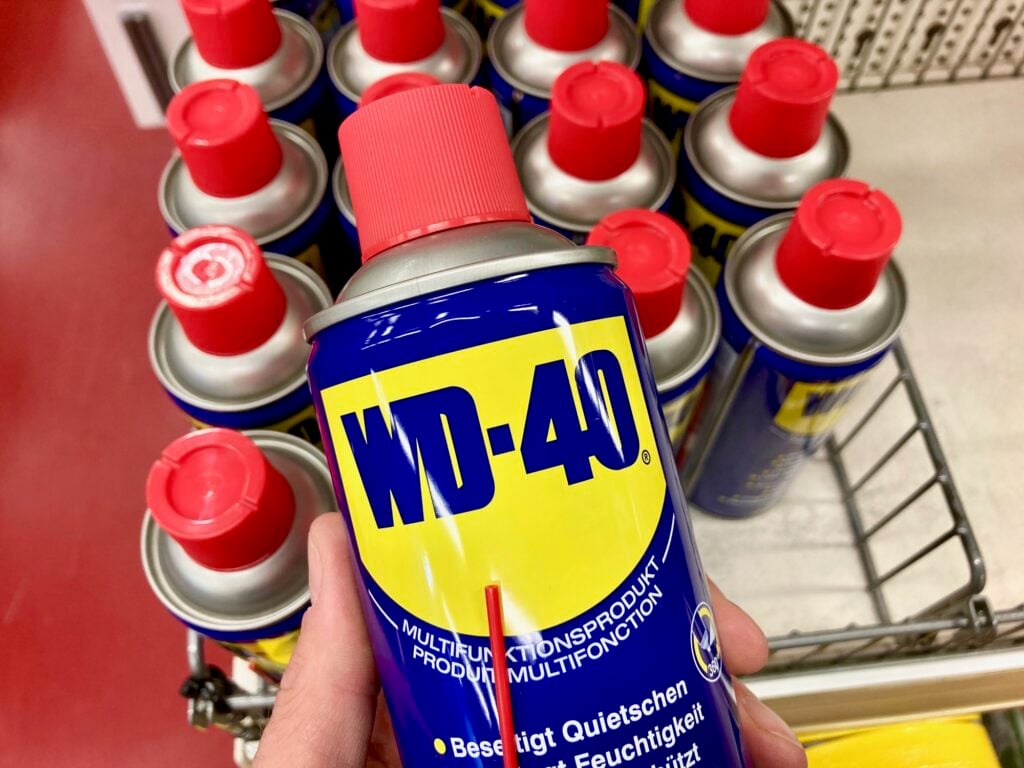
This lubricant was developed in 1953 by an aerospace company to prevent corrosion on the skin of Atlas missiles, and its name refers to the fact it was the fortieth water-displacement formula the team attempted. Employees began sneaking cans home for household use, and the company eventually released it to consumers, who now use it for everything from squeaky hinges to loosening rusted bolts.
Rogaine

The active ingredient in this hair regrowth treatment, minoxidil, was originally developed and prescribed as an oral medication for high blood pressure. Doctors noticed patients were growing unexpected hair as a side effect, which led the manufacturer to develop a topical version specifically marketed for hair loss.
Sildenafil

This compound was originally developed and tested as a treatment for chest pain associated with heart disease. Clinical trial participants reported an unexpected side effect that had nothing to do with their hearts, and the manufacturer redirected the drug’s development entirely, eventually marketing it under the brand name Viagra.
Chewing Gum
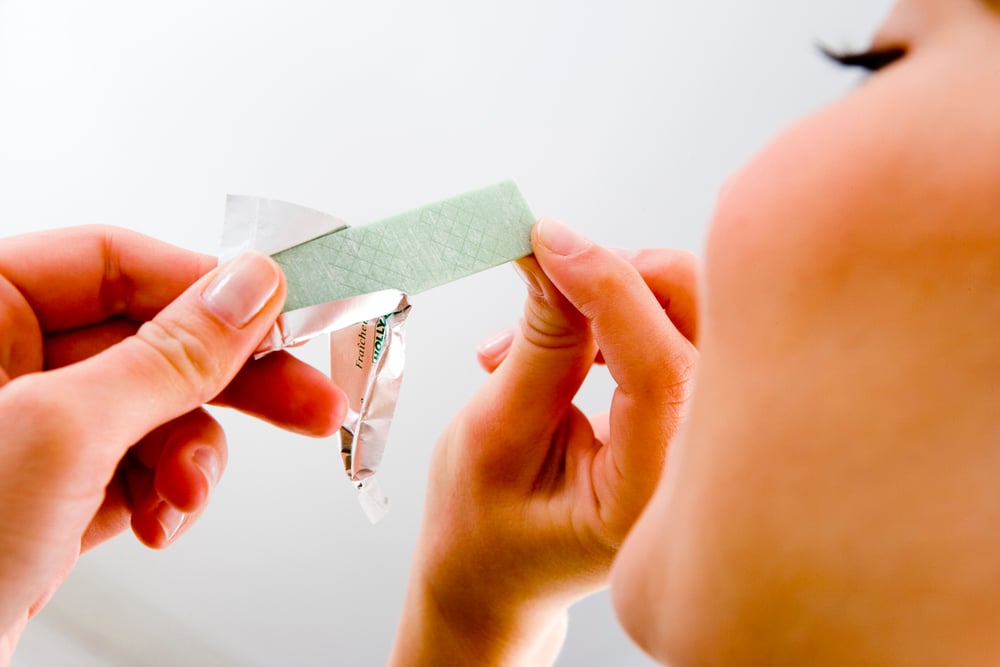
Inventor Thomas Adams acquired a large supply of chicle, a natural gum harvested from sapodilla trees, in the 1860s while trying to develop a cheaper substitute for rubber in products like tires. When that effort failed, he flavored a batch and sold it as chewing gum instead, launching an entirely new industry.
Corn Flakes

Dr. John Harvey Kellogg developed this bland, plain cereal in the 1890s as part of a strict dietary regimen for patients at his sanitarium, intended to promote general health through simple, unstimulating food. The product only became a mainstream breakfast staple once his brother, Will Keith Kellogg, added sugar and marketed it directly to the general public.
Coca-Cola
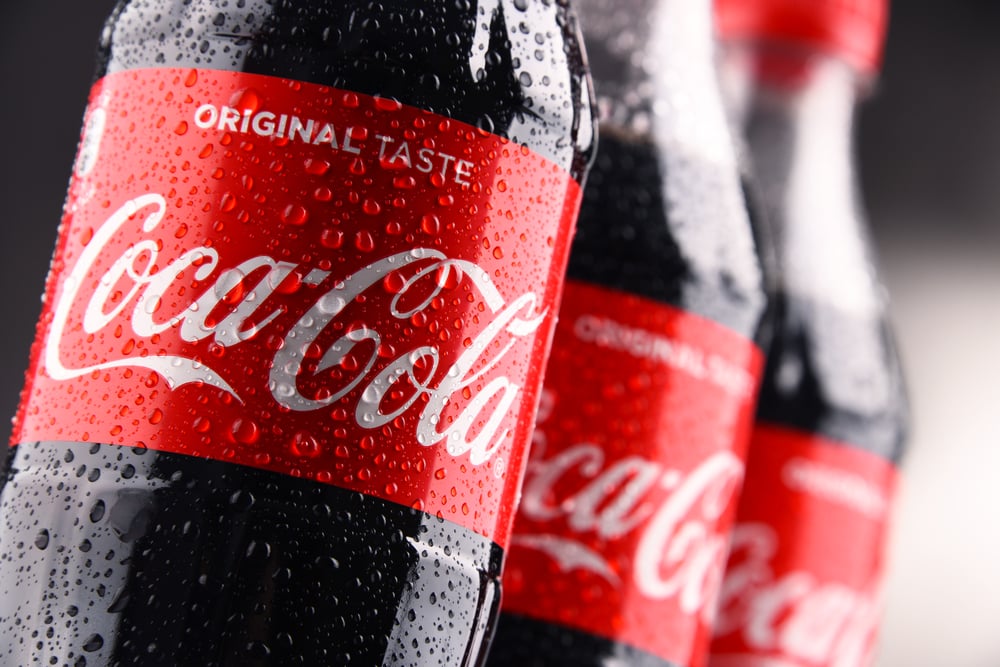
Pharmacist John Pemberton originally formulated this beverage in 1886 as a patent medicine, marketed as a tonic that could cure headaches and fatigue. It was only after the drink proved more popular as a refreshing beverage than as medicine that the company shifted its entire marketing approach toward taste and enjoyment.
Jacuzzi

The Jacuzzi brothers originally designed their pump technology in the 1950s as a hydrotherapy device to help treat arthritis and other medical conditions, based on a pump one brother had built for a family member with rheumatoid arthritis. The company only pivoted toward recreational hot tubs once it recognized a much larger consumer market for relaxation rather than therapy.
Graham Crackers

Presbyterian minister Sylvester Graham developed this cracker in the 1830s as part of a bland, meat-free diet intended to suppress what he considered unhealthy cravings and promote moral discipline. The cracker long outlived Graham’s dietary movement and became a mainstream snack food, eventually forming the basis of desserts like s’mores that would have horrified its inventor.
Silly String

This aerosol product was originally developed by inventors in the 1960s who were attempting to create a spray-on cast that doctors could quickly apply to broken limbs. The spray formula never worked as intended for medical use, but the company recognized its novelty appeal and marketed it as a party toy instead.
Super Soaker

Engineer Lonnie Johnson was working on a heat pump system that used water instead of Freon as a refrigerant in 1982 when he built a nozzle that shot a powerful stream of water across his bathroom. Recognizing the potential for an unrelated product entirely, he redesigned the mechanism into what became one of the best-selling toys in American history.
Kevlar
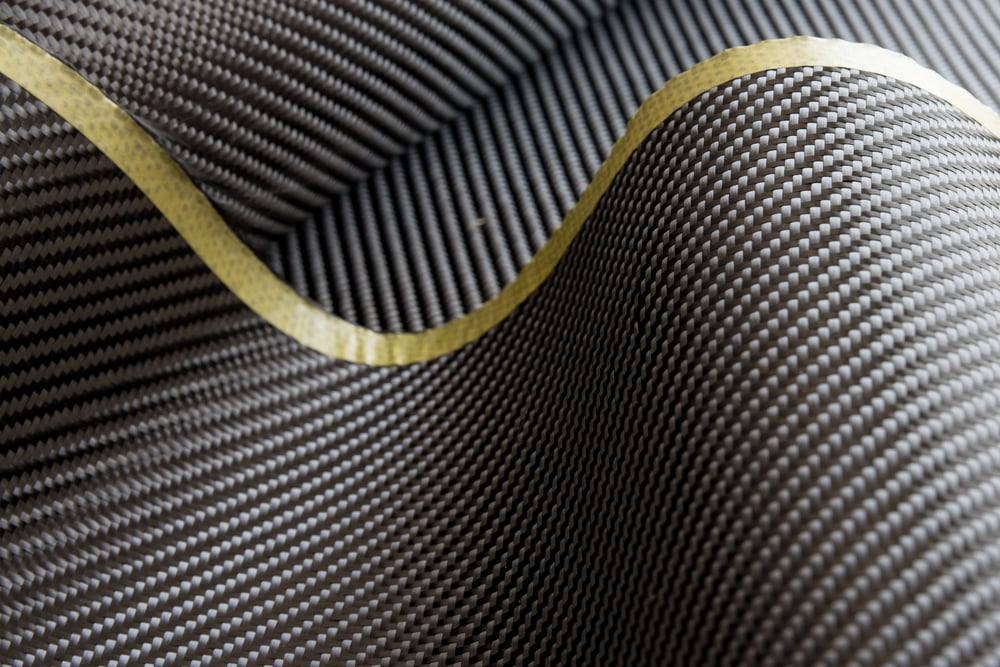
DuPont chemist Stephanie Kwolek developed this synthetic fiber in 1965 while searching for a lightweight material to reinforce automobile tires as a substitute for steel. Its exceptional strength-to-weight ratio instead led to its adoption in an entirely different field, becoming the primary material used in bulletproof vests and other protective equipment.
Scotch Tape

3M engineer Richard Drew developed this adhesive tape in 1930 specifically to help automobile painters create clean, sharp lines when applying two-tone paint jobs in body shops. Consumers quickly began using it for household repairs and general purposes far removed from the auto industry, prompting 3M to market it as a general household product.
Crayola Crayons
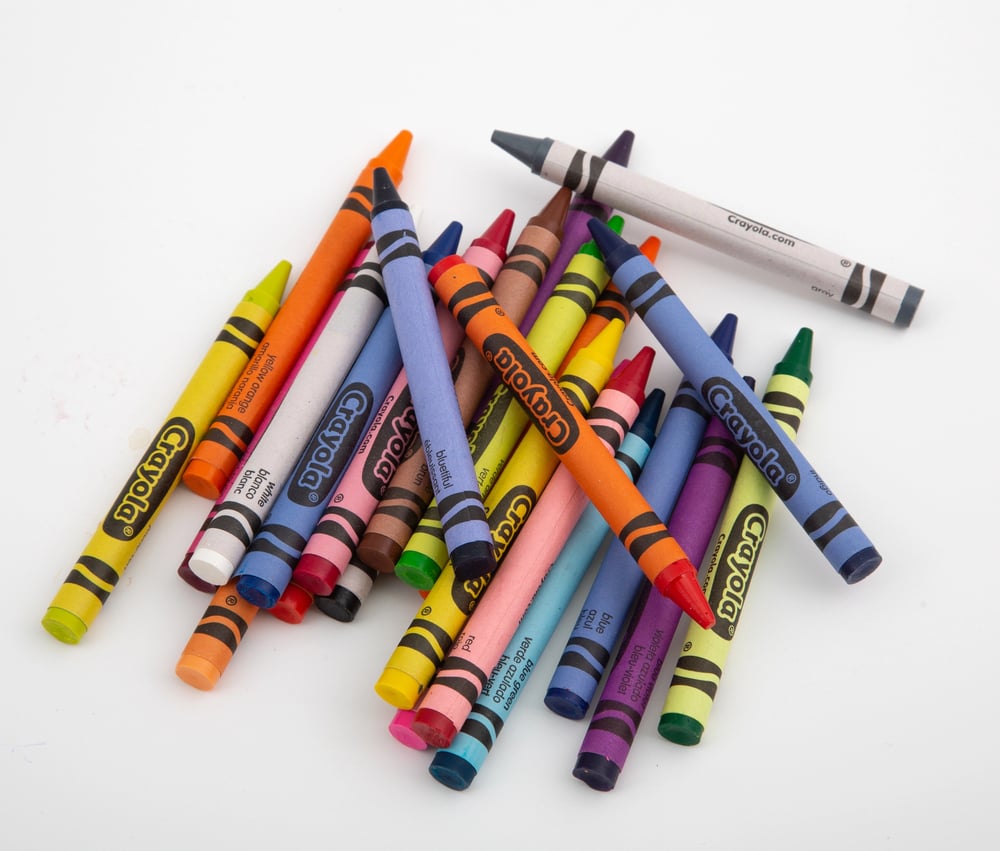
Binney and Smith, the company that later created Crayola, originally manufactured industrial marking crayons used to label crates, barrels, and livestock. The company only began producing smaller, safer, brightly colored crayons intended for children in 1903, after recognizing schools needed an affordable art supply.
Cellophane

Swiss chemist Jacques Brandenberger developed this transparent material in the early 1900s hoping to create a stain-resistant, waterproof coating for tablecloths. The coating proved too stiff and impractical for fabric, but the transparent film itself turned out to be an excellent wrapping material, and it was repurposed for food and product packaging instead.
Bakelite
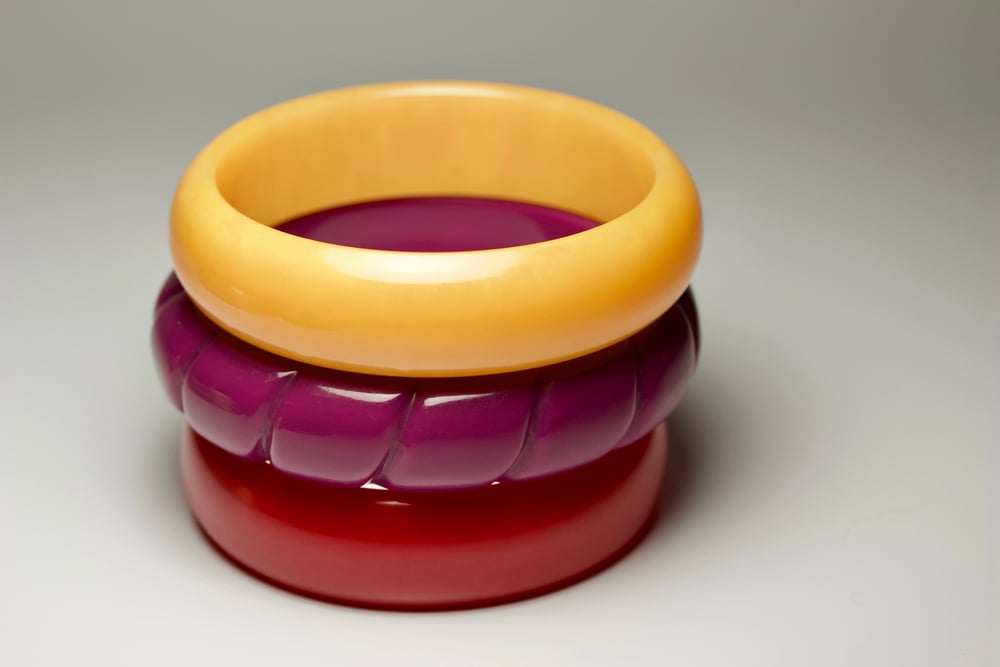
Chemist Leo Baekeland developed this early plastic in 1907 while searching for a synthetic substitute for shellac, a material used primarily as an electrical insulator. Its durability and moldability led manufacturers to use it far beyond electrical applications, in everything from jewelry and telephones to kitchenware.
Stethoscope

French physician René Laennec invented this device in 1816 not to improve on direct listening but to avoid the awkwardness of placing his ear directly against a female patient’s chest, initially rolling a sheet of paper into a tube. That improvised solution for preserving a bit of professional distance became the basis for the standard medical instrument used worldwide today.
Silly Putty
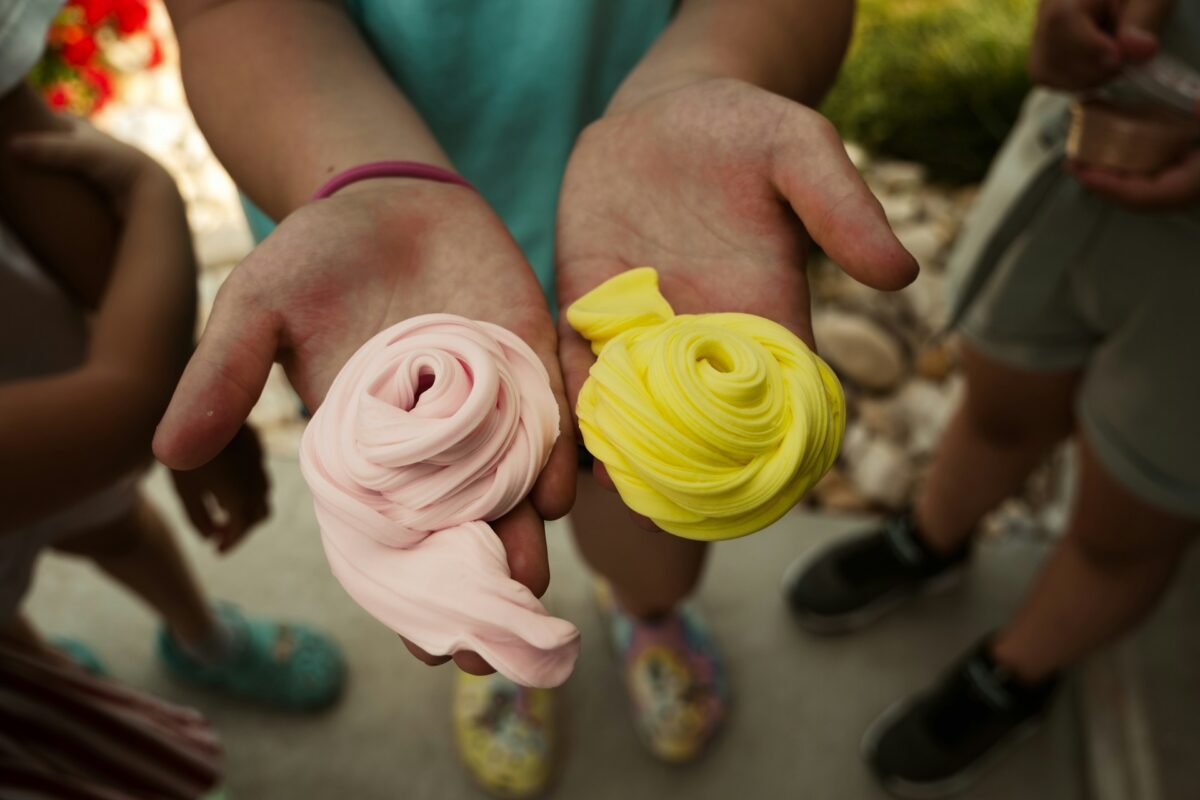
Engineer James Wright developed this bouncy, stretchy compound in 1943 while trying to create a synthetic rubber substitute for the US military during World War II, since natural rubber supplies were restricted by the war. The material had no viable industrial application, but its unusual properties made it a hit once it was repackaged and sold as a children’s toy.
Sparkling Wine

For much of European winemaking history, the bubbles that occasionally appeared in bottled wine were considered a serious defect, caused by unwanted secondary fermentation that could burst bottles in storage cellars. What winemakers spent generations trying to eliminate eventually became the entire intentional point of an enormously popular category of wine.
Vaseline
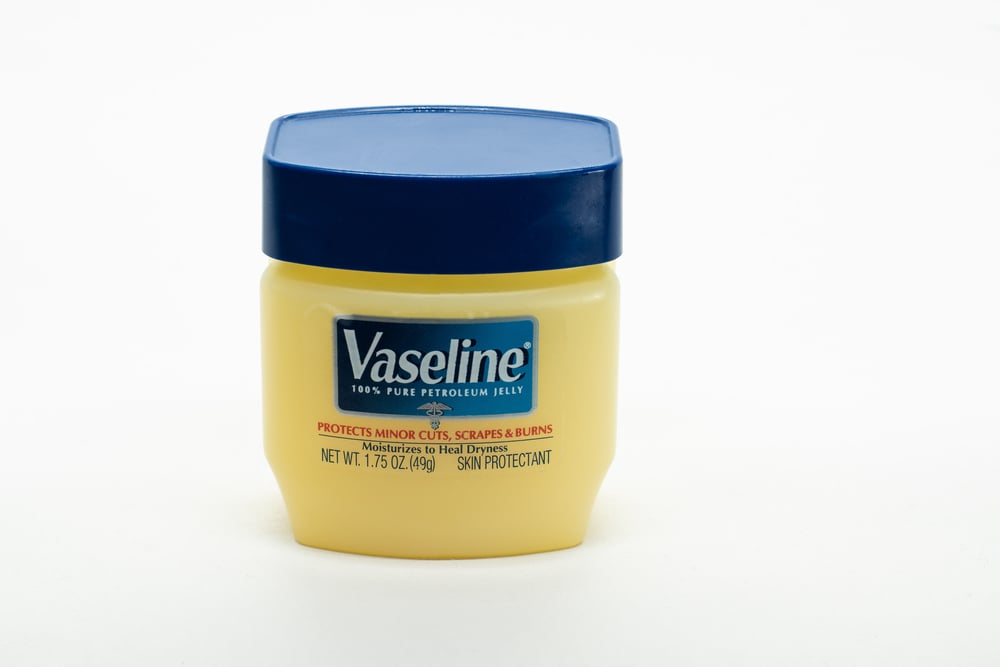
Chemist Robert Chesebrough first encountered the waxy substance behind this product on Pennsylvania oil rigs in the 1850s, where workers used the residue that built up on drilling equipment to treat minor cuts and burns on the job. He refined the industrial byproduct into a standalone consumer skincare product, launching it commercially in 1859.
Slinky

Naval engineer Richard James was developing torsion springs in 1943 meant to stabilize sensitive equipment aboard ships during rough seas. After one prototype spring slipped off a shelf and walked itself down to a lower surface, he spent the next two years reworking the design into a children’s toy instead.
Saccharin
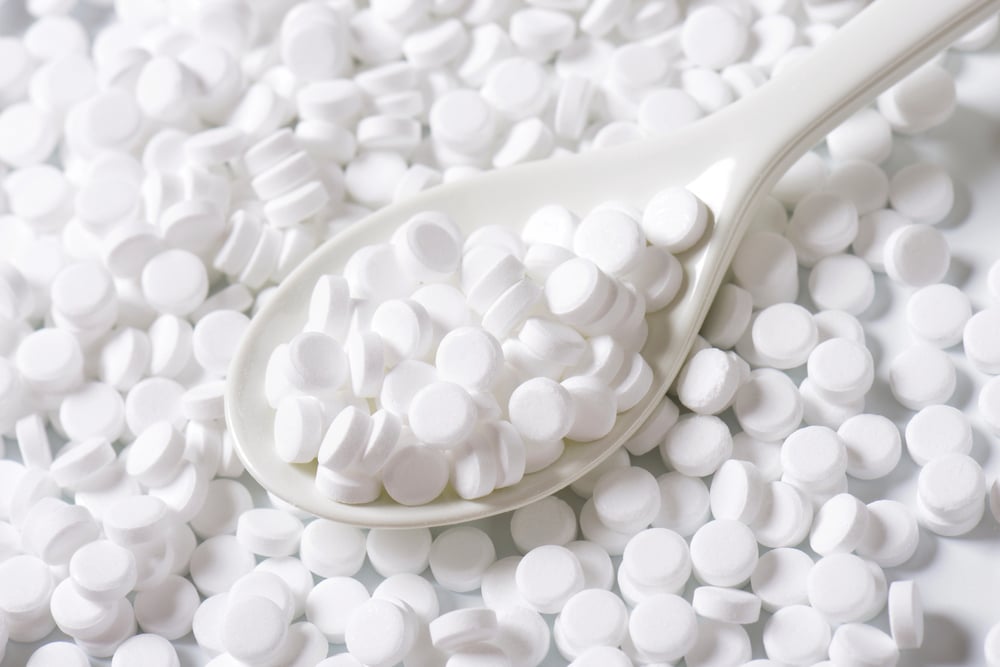
Chemist Constantin Fahlberg was researching industrial coal tar derivatives at Johns Hopkins University in 1879, work with no connection to food or sweeteners at all. After noticing an intensely sweet residue on his hands one evening, he traced it back to a compound from his research and helped launch it as the first widely available artificial sweetener.
Stainless Steel

Metallurgist Harry Brearley developed this alloy in 1913 while researching materials that could better resist the erosive heat and friction inside gun barrels for military use. Its unexpected resistance to rust made it far more valuable in an entirely different market, and it quickly became a staple of kitchenware, cutlery, and construction.
The Second Life of a Good Idea

None of these products failed, exactly. They simply succeeded at something their inventors were not trying to build, which is a much less predictable kind of success and one that is far harder to plan for in advance.
What ties these examples together is a willingness, on someone’s part, to notice when an accidental use was working better than the intended one. That noticing, more than the original design work, is usually what actually made these objects part of daily life.
More from Go2Tutors!

- The Romanov Crown Jewels and Their Tragic Fate
- 13 Historical Mysteries That Science Still Can’t Solve
- Famous Hoaxes That Fooled the World for Years
- 15 Child Stars with Tragic Adult Lives
- 16 Famous Jewelry Pieces in History
Like Go2Tutors’s content? Follow us on MSN.



