15 Facts About Memory Formation
Your brain is constantly working behind the scenes, turning everyday experiences into lasting memories. From the moment you wake up until you fall asleep, millions of neural connections are forming, strengthening, and sometimes fading away.
The process of memory formation is far more complex and fascinating than most people realize.Think about it – you can remember your first day of school, the taste of your grandmother’s cookies, or how to ride a bike, even years later. These memories didn’t just magically appear in your head.
They’re the result of intricate biological processes involving multiple brain regions, chemical signals, and structural changes that scientists are still working to fully understand.
Here is a list of 15 remarkable facts about how your brain creates and stores memories.
Your hippocampus acts like a memory filing system

The hippocampus, located in the brain’s temporal lobe, is where episodic memories are formed and indexed for later access. Think of it as your brain’s librarian, carefully cataloging new information before deciding where to store it permanently.
Without a functioning hippocampus, you’d only be able to form episodic memories lasting a matter of minutes, though some procedural memories (like motor skills) can still form through other brain regions. This small, seahorse-shaped structure is essentially the gateway between short-term experiences and long-term storage.
Memories form in multiple brain locations simultaneously
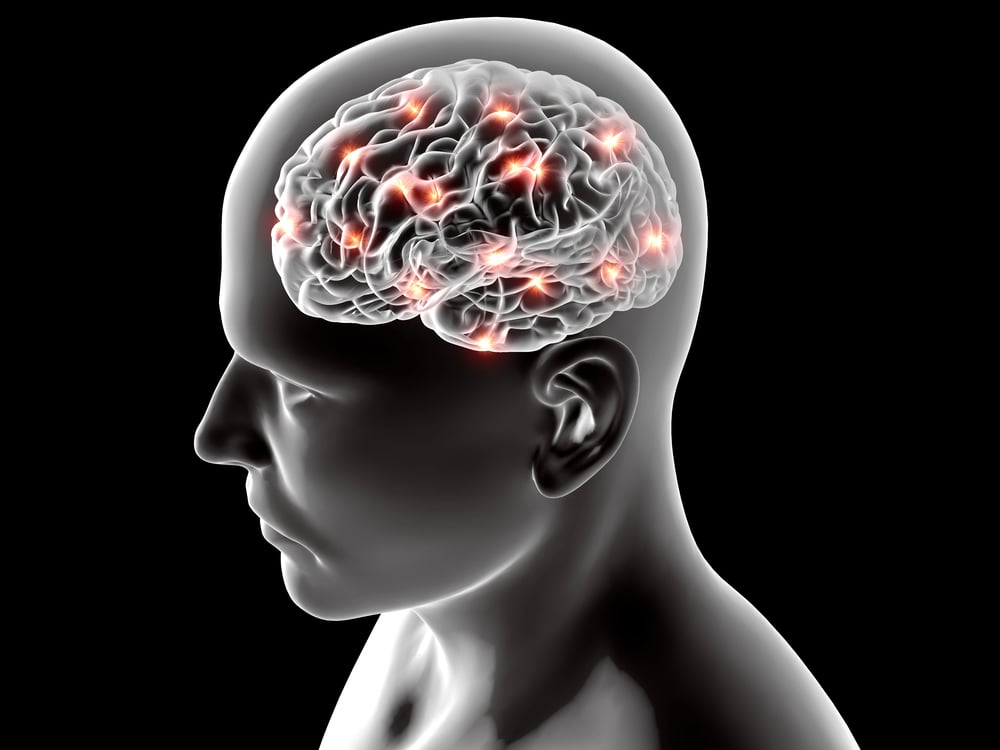
Recent MIT research completely overturned the traditional view of memory formation. Scientists discovered that memories are formed simultaneously in the hippocampus and long-term storage location of the brain’s cortex, with long-term memories remaining ‘silent’ for two weeks before maturing.
This means your brain is essentially creating backup copies of important information right from the start. It’s like your computer automatically saving files to both your hard drive and the cloud at the same time
Your brain literally rewires itself when you learn
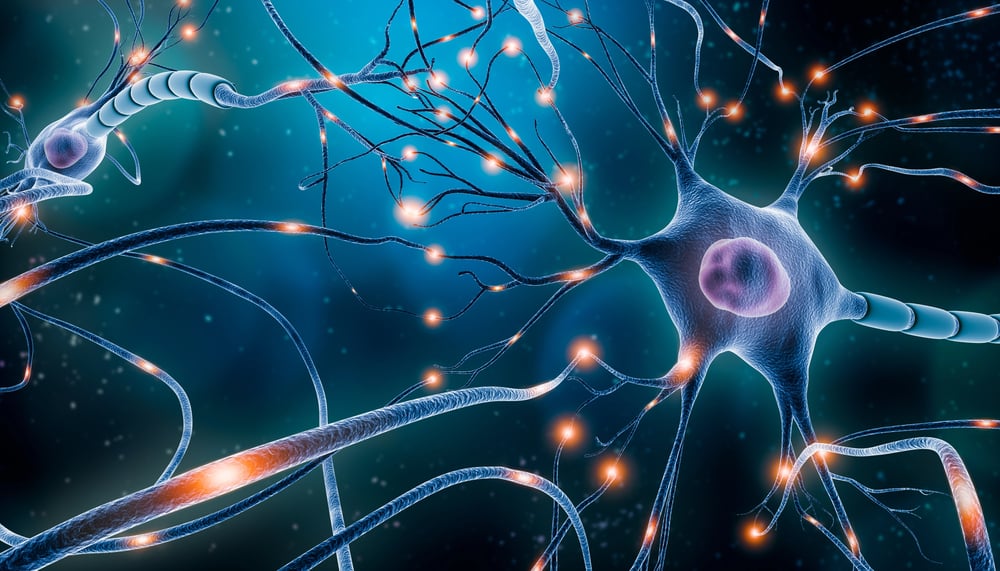
Memory is the reactivation of a specific group of neurons, formed from persistent changes in the strength of connections between neurons. Every time you learn something new, your brain physically changes its structure.
During learning there occurs a structural change at the synapse which includes a change in the power of old synapses and changes in the quantity of synaptic connections in particular pathways. It’s like renovating a house – some rooms get bigger, new hallways are built, and unused spaces might get closed off.
Strong emotions create stronger memories
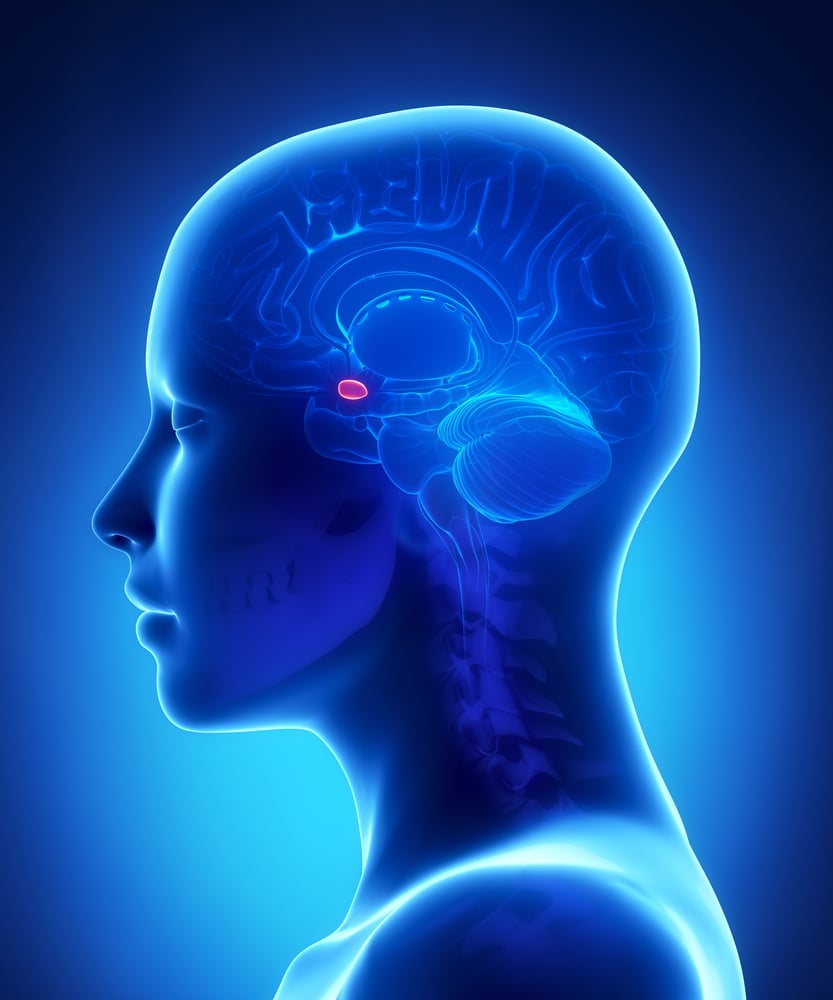
The amygdala doesn’t just modify the strength and emotional content of memories; it also plays a key role in forming new memories specifically related to fear. When you experience something emotionally significant, your amygdala essentially tells your brain ‘this is important – remember this!’
That’s why you can probably recall exactly where you were during major life events, but might forget what you had for lunch last Tuesday.
Sleep is crucial for memory consolidation

During sleep, the hippocampus and neocortex take part in a carefully choreographed dialogue in which the hippocampus replays recent events: the same hippocampal neurons active during an experience become activated again during slow-wave sleep, over and over in a time-compressed manner. While you’re sleeping, your brain is essentially doing homework, reviewing the day’s lessons and deciding what’s worth keeping.
Think of it as your brain’s overnight filing system, organizing and strengthening important memories while you rest.
Long-term potentiation strengthens neural pathways

Long-term potentiation (LTP) is a persistent strengthening of synapses based on recent patterns of activity. This process can last from minutes to months, making it the brain’s primary mechanism for creating lasting memories.
As memories are thought to be encoded by modification of synaptic strength, LTP is widely considered one of the major cellular mechanisms that underlies learning and memory. It’s essentially your brain’s way of making well-traveled neural pathways into superhighways.
Protein synthesis is essential for long-term memories
Consolidation of short-term memories however requires a functional change after which gene transcription and protein synthesis should occur. Without new proteins being made, your memories become significantly weaker and less stable over time.
These proteins act like construction materials, helping to build and maintain the structural changes that represent your memories. It’s similar to how a building needs fresh materials to stay strong over time.
Different types of memories use different brain regions

There are two areas of the brain involved in implicit memory: the basal ganglia and the cerebellum. Meanwhile, explicit memories rely heavily on the hippocampus and neocortex.
The basal ganglia are particularly involved in co-ordinating sequences of motor activity, as would be needed when playing a musical instrument, dancing or playing basketball. Your brain essentially has specialized departments for different kinds of information, like having separate filing cabinets for photos, documents, and videos.
Memory formation involves multiple processing stages

The steps involved in memory formation include encoding, storage, and recall (retrieval) in that order. First, your brain converts sensory information into a format it can work with (encoding).
Then it stores this information in neural networks (storage). Finally, it retrieves the information when needed (recall). The brain has three types of memory processes: sensory register, short-term memory, and long-term memory. Think of it like taking a photo, saving it to your phone, and then finding it in your gallery later.
Stress hormones can enhance memory formation

Recent studies have investigated the mechanisms activated downstream of glucocorticoid receptors (GRs) and implicated in long-term memory formation. Moderate stress actually helps your brain form stronger memories by activating specific molecular pathways.
After learning GRs regulate several intracellular signaling pathways known to be required for memory consolidation. It’s like how a little pressure can help you perform better on a test – your brain recognizes the importance of the situation and pays extra attention.
New neurons can improve memory capacity

In some parts of the adult brain, such as the important memory structure known as the hippocampus, brand new neurons can be created in a process called neurogenesis. Exercise has been shown to boost this process, though the extent of adult neurogenesis in humans remains an active area of research.
In humans, exercise has been shown to increase the volume of the hippocampus – suggesting new neurons are being created – and at the same time improve performance in memory tasks. It’s like adding more storage space to your computer – more neurons mean more capacity for forming and storing memories.
Memory consolidation takes weeks to years

If the hippocampus is inactivated or lesioned during this phase, the memories are lost. This process lasts for weeks in animals and up to years in humans and it is known as system consolidation.
Your memories don’t become permanent overnight – they need time to fully solidify. During this period, memories remain somewhat fragile and can be disrupted. It’s like wet cement that needs time to cure before it becomes truly solid.
Active synapses get stronger while unused ones weaken

Active connections tend to get stronger, whereas those that aren’t used get weaker and can eventually disappear entirely. Your brain follows a ‘use it or lose it’ principle when it comes to neural connections.
Synaptic associations that are less used become weaker over a period and ultimately perish. This is why practicing a skill regularly helps you remember it better, while information you never review tends to fade away.
Memory formation requires specific protein interactions

Two proteins involved are calcium calmodulin-dependent protein kinase II (CaMKII) and protein phosphatase 1 (PP1). These proteins work together in a delicate balance to form memories.
This opposite relationship involving CaMKII and PP1 characterizes a push-pull system that actually has an important part in memory formation. Think of them as the gas and brake pedals of memory formation – one promotes memory creation while the other prevents the system from getting overwhelmed.
Fear memories form faster than other types

Fearful memories are able to be formed after only a few repetitions. Your brain prioritizes potentially dangerous information, creating strong memories with minimal exposure, though these fear responses can also be reduced through extinction processes over time.
When mice are exposed to traumatic events, the level of neuronal receptors for glutamate increases at synapses in the amygdala, the fear center of the brain, and encodes the fear associated with the memory. It’s your brain’s way of making sure you remember important safety information, while still allowing for learning when threats are no longer present.
The Science Behind Your Personal Time Machine

The more scientists learn about memory formation, the more remarkable this process becomes. Your brain isn’t just passively recording information like a video camera – it’s actively constructing, organizing, and maintaining a complex library of experiences, skills, and knowledge.
From the molecular interactions happening at individual synapses to the large-scale coordination between different brain regions, memory formation represents one of biology’s most sophisticated achievements. Understanding these mechanisms not only satisfies our curiosity about how we work but also opens doors to treating memory-related disorders and potentially enhancing our natural learning abilities.
More from Go2Tutors!

- The Romanov Crown Jewels and Their Tragic Fate
- 13 Historical Mysteries That Science Still Can’t Solve
- Famous Hoaxes That Fooled the World for Years
- 15 Child Stars with Tragic Adult Lives
- 16 Famous Jewelry Pieces in History
Like Go2Tutors’s content? Follow us on MSN.