26 Old Tools in Garages Buyers Chase Down Fast
Long before power tools were affordable enough to sit in every garage, quality hand tools were built to be repaired and passed down rather than replaced. Many of those tools outlived the people who bought them, ending up forgotten on pegboards and in coffee cans decades later.
Tool collectors and working craftspeople tend to value the same qualities: solid materials, clear maker’s marks, and a mechanism that still functions the way it was designed to, regardless of how many decades have passed since it was made.
Stanley No. 45 Combination Plane
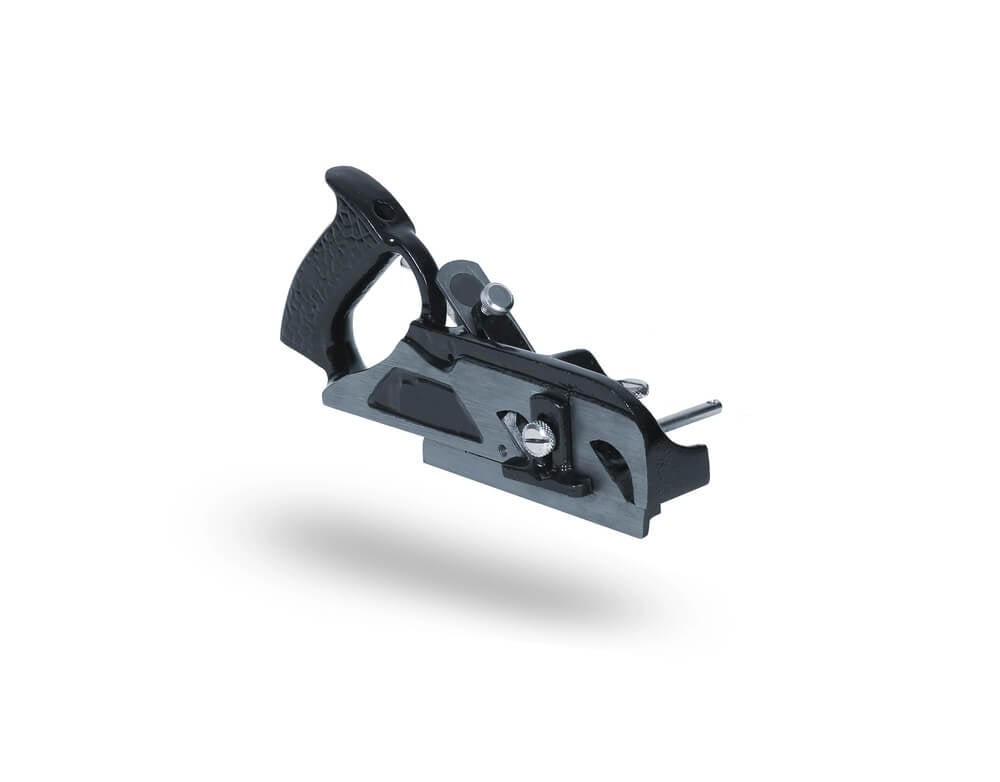
Produced starting in the late nineteenth century, this adjustable plane could be configured with interchangeable cutters to create dozens of different molding profiles, effectively replacing an entire shelf of specialized planes. Its complexity made it a genuine investment for the woodworkers who originally bought it.
Complete sets with all original cutters and the fitted wooden case are considered a significant find among plane collectors.
Stanley Bailey Hand Planes
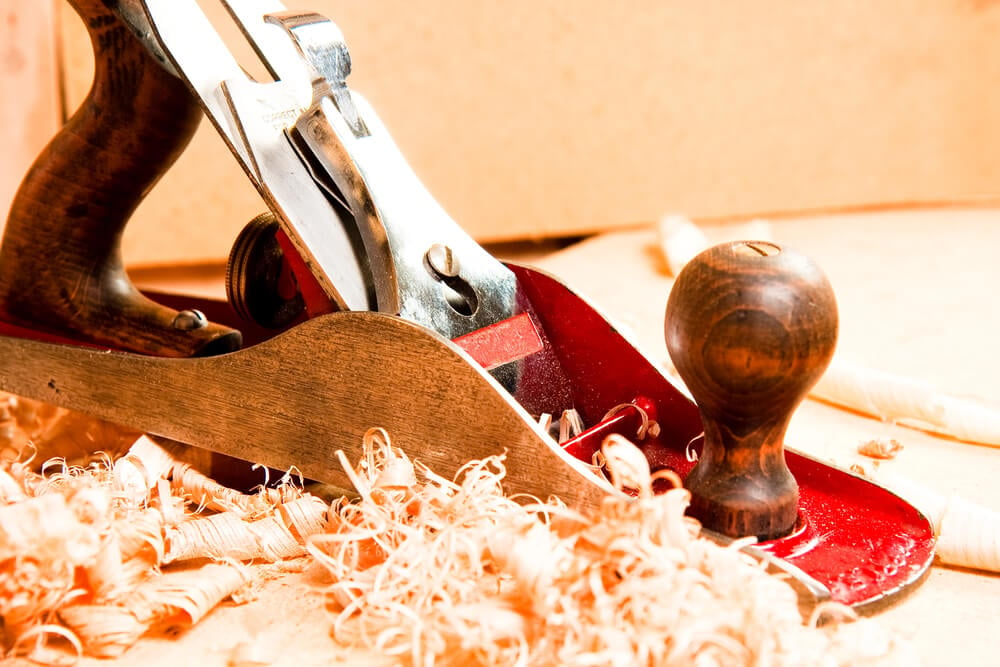
Stanley’s Bailey line of bench planes, produced from the late nineteenth century onward, set the standard design that most modern hand planes still follow today. Certain early production types, identifiable by specific casting and lever cap details, are particularly prized by collectors who track the line’s manufacturing history closely.
Working examples with a flat sole and sharp iron remain genuinely useful to woodworkers, not just collectible.
Disston Hand Saws
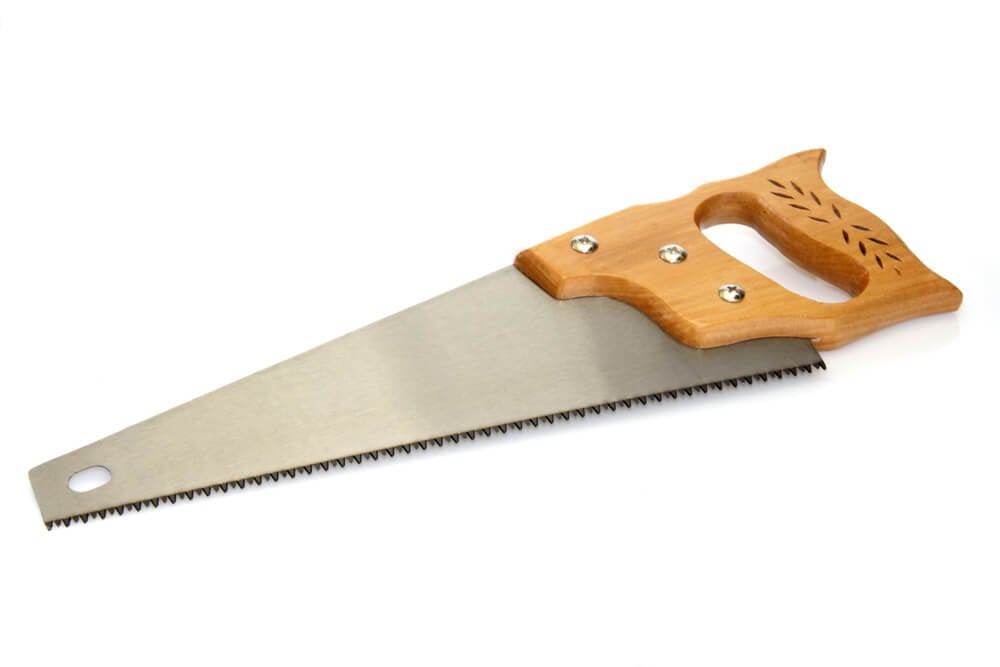
D-8 and other Disston-branded hand saws, produced by a Philadelphia manufacturer active from the nineteenth century well into the twentieth, are considered among the finest vintage hand saws available. Their etched medallions on the handle help collectors date specific production periods.
Saws with straight, rust-free blades and intact wooden handles remain both collectible and genuinely usable.
Millers Falls Eggbeater Drills
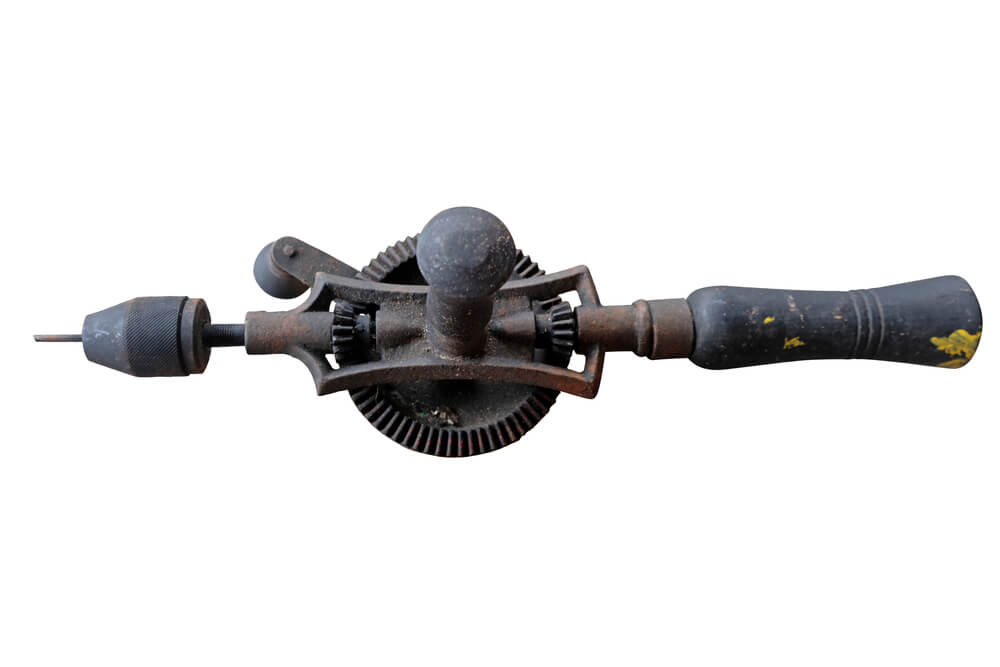
Named for their crank-and-gear mechanism resembling a kitchen eggbeater, these hand drills were the standard tool for drilling small openings before cordless drills existed. Millers Falls’ models are particularly well regarded for their smooth gearing and durable construction.
Working examples with intact chucks and gearing remain popular among both collectors and hand-tool woodworkers.
Stanley Yankee Push Drill
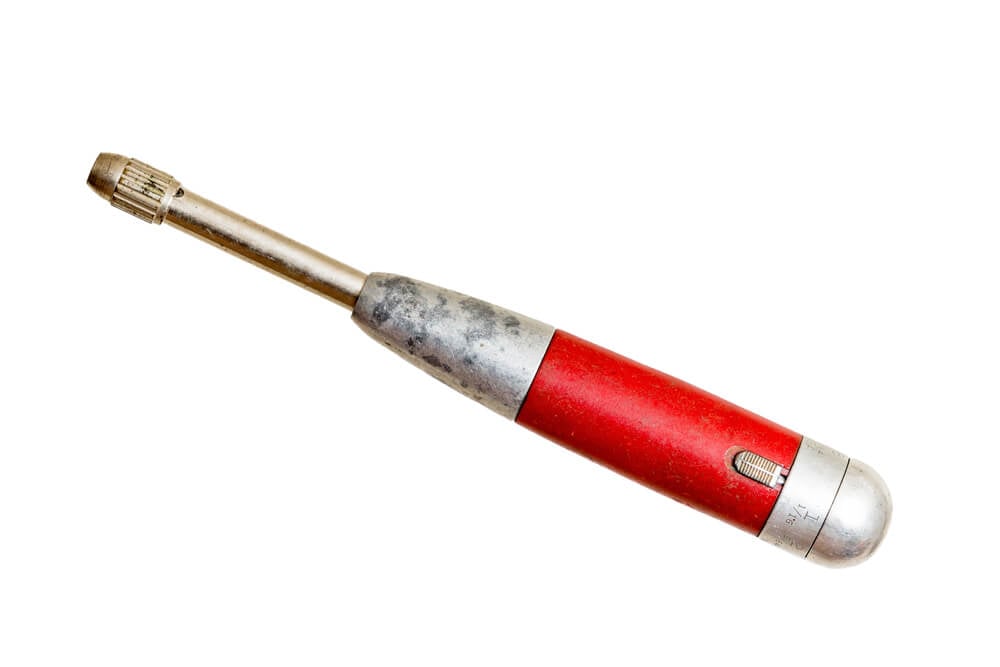
This spring-loaded drill drove bits into wood with a simple pumping motion rather than a rotating crank, making it a favorite for quick, one-handed drilling tasks. Its distinctive mechanism has made it a recognizable icon among vintage tool collectors.
Complete sets with the original bit storage compartment in the handle draw stronger interest than the drill alone.
Brace and Bit Sets
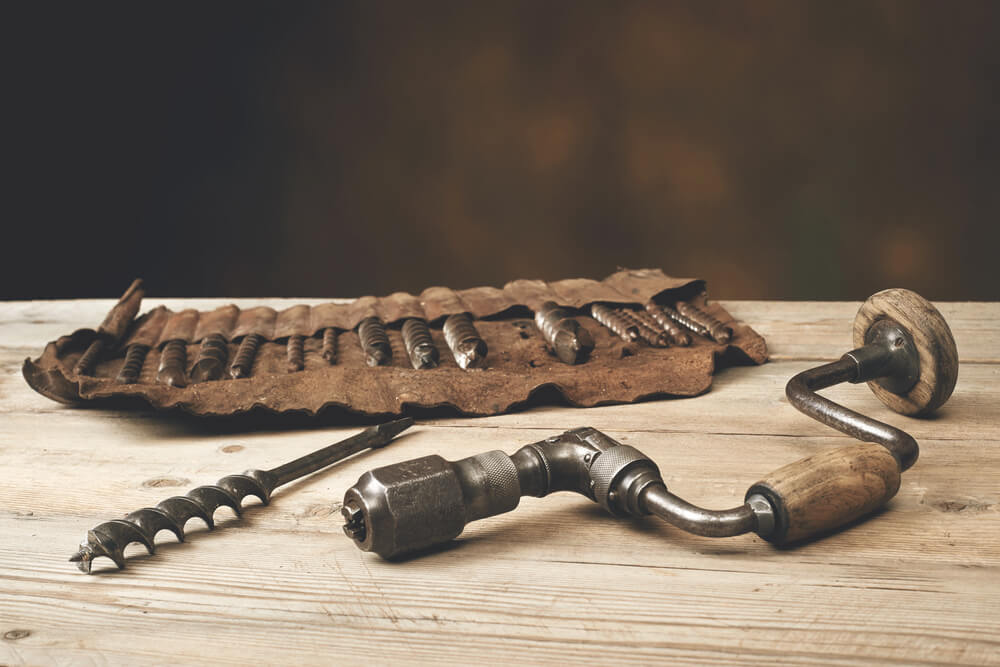
Hand braces, used with a swinging motion to drive large auger bits through wood, were a staple of carpentry and joinery work before powered drills became standard. Certain manufacturers’ braces, particularly those with ratcheting mechanisms, are especially sought after by collectors.
Complete sets with a range of matching auger bits are considered more valuable than the brace alone.
Keen Kutter Tools
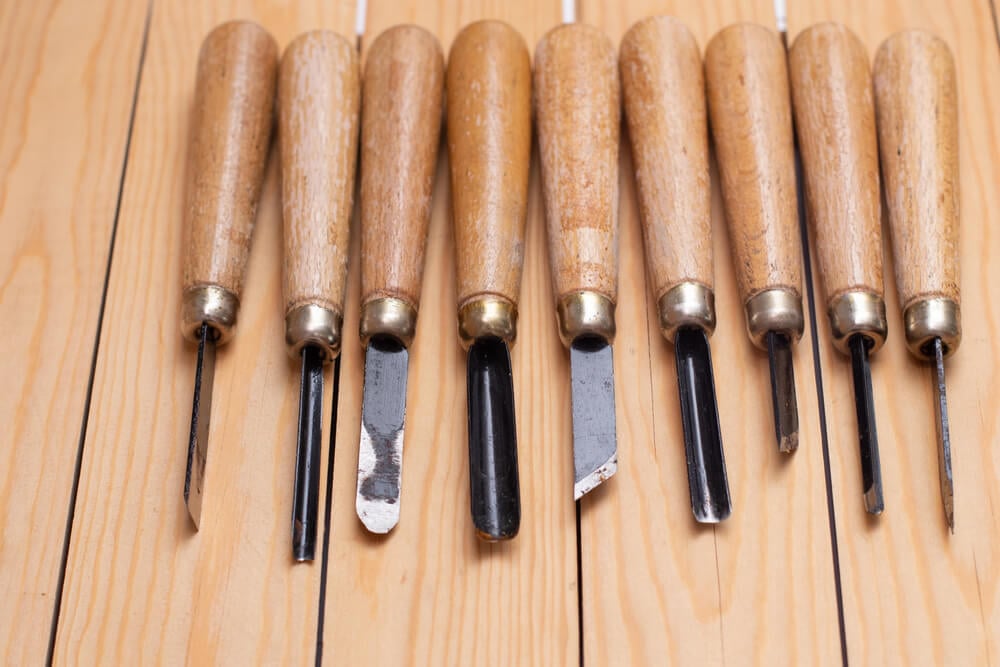
Produced under a brand associated with a major American hardware distributor active through much of the twentieth century, Keen Kutter tools spanned everything from axes to hand planes to knives. The brand’s distinctive marking has made items bearing it a specific collecting category of their own.
Condition of the original markings significantly affects what collectors are willing to pay.
Blacksmith Anvils
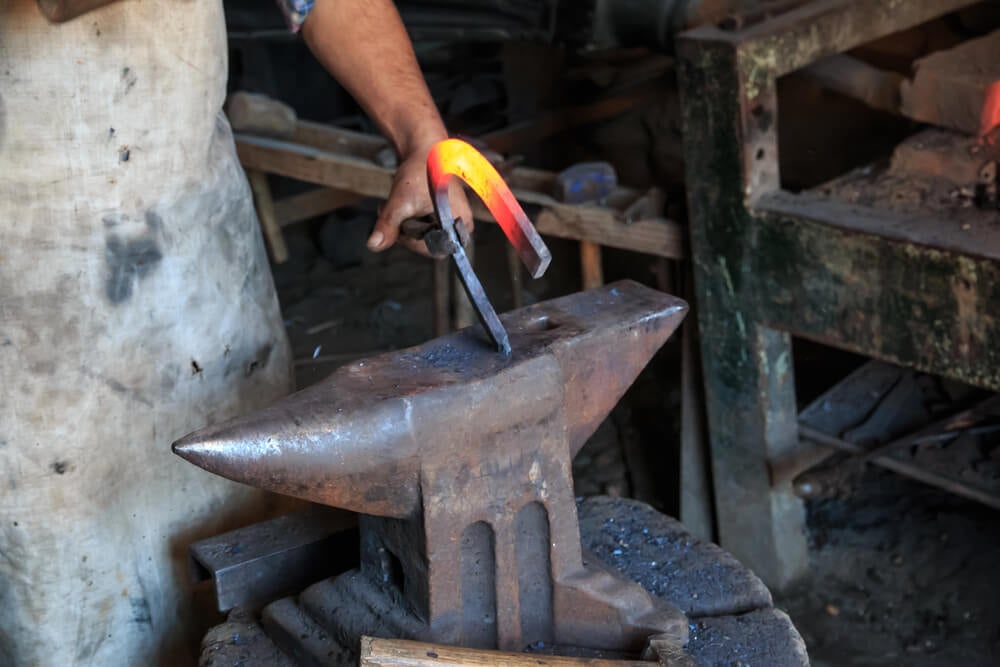
Cast or forged steel anvils, some dating back well over a century, were essential to any working blacksmith shop and were built to last for generations of heavy use. Weight, maker’s marks, and the condition of the working face all factor into how collectors and working smiths value a given anvil.
A genuinely usable anvil, free of major cracks, remains valuable to practicing blacksmiths as much as to collectors.
Wood-Bodied Hand Planes
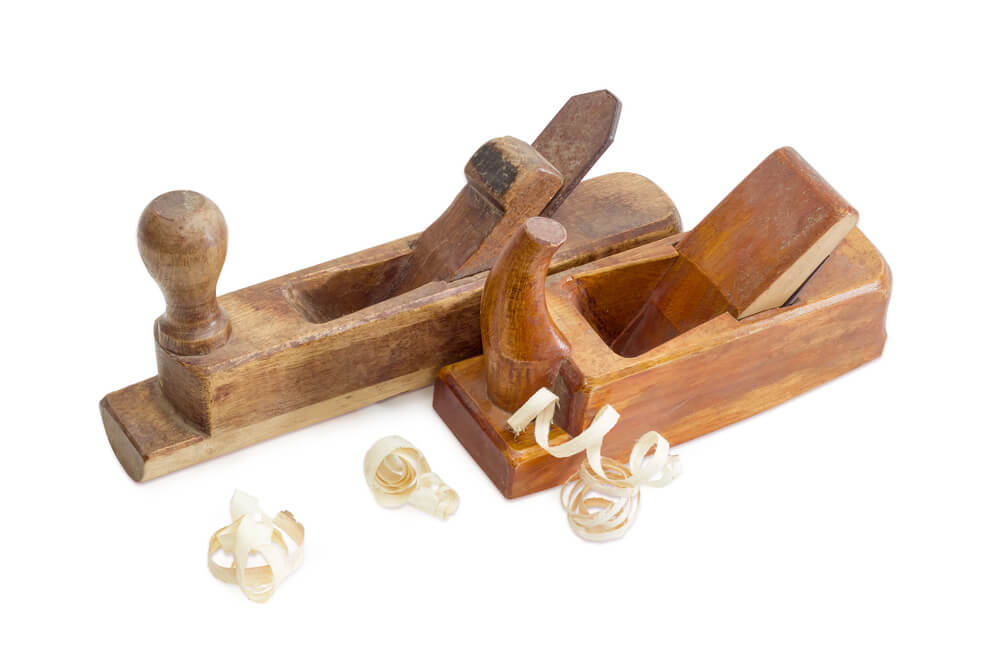
Predating the metal-bodied planes that Stanley popularized, wooden-bodied planes were shaped from dense hardwood and fitted with a steel cutting iron. Certain regional makers from the eighteenth and nineteenth centuries are specifically sought after by tool historians.
Surviving examples with the maker’s stamp still legible on the toe or heel of the plane draw the strongest interest.
Craftsman Socket Sets
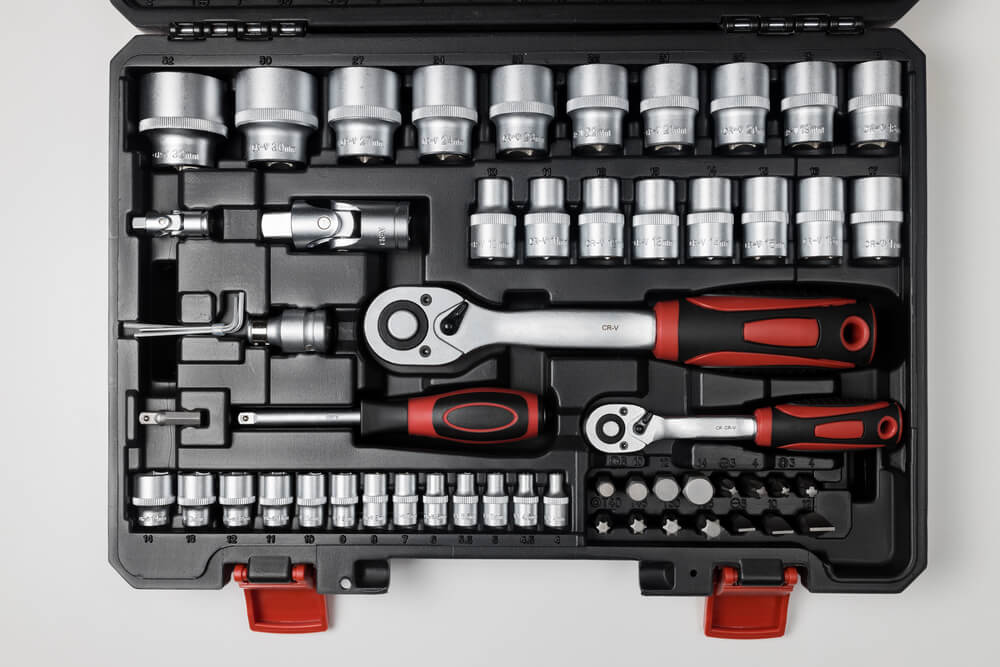
Sears’ Craftsman brand built a reputation for durable hand tools backed by a notably generous warranty policy for much of the twentieth century. Vintage sets, particularly those in their original metal cases with a full complement of sockets, have developed a dedicated collector following distinct from the brand’s later production.
Completeness of the set matters more than age alone to most buyers.
Ford Script Wrenches
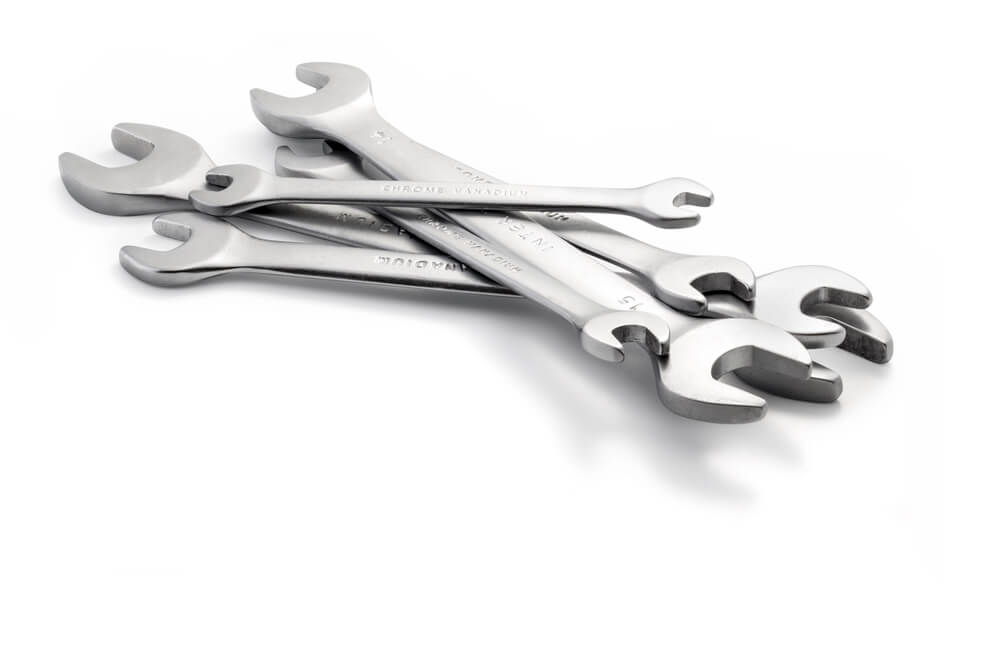
Wrenches marked with Ford’s early cursive script logo, originally supplied with vehicles or sold through dealership parts counters, have become a specific niche within automotive tool collecting. Their direct association with early Ford vehicles gives them appeal beyond typical vintage tool interest.
Condition of the stamped lettering is the primary factor collectors examine closely.
Brass-Bound Wood Levels

Wooden spirit levels reinforced with brass edging and end caps were the standard for carpentry work before aluminum and composite levels became widespread. Certain manufacturers produced levels with decorative brass inlay that has made specific models genuinely sought after beyond their basic function.
Intact glass vials and undamaged brass fittings are the key indicators of a valuable example.
Draw Knives
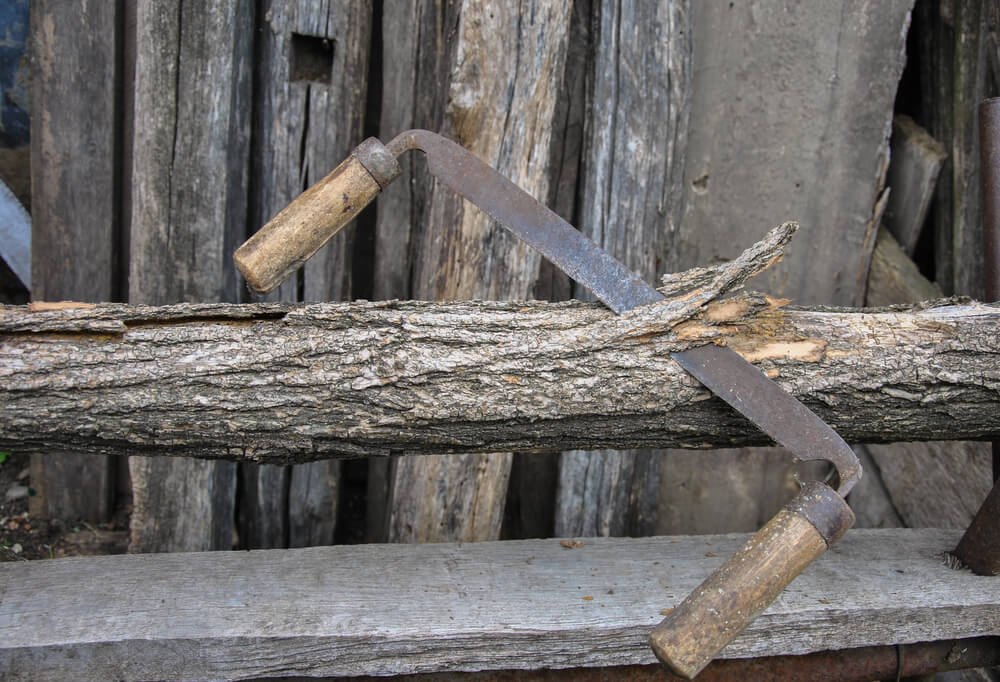
Used by pulling the blade toward the body to shave down wood, draw knives were essential for shaping tool handles, wagon parts, and furniture components before powered shaping tools existed. Handmade examples from identifiable regional blacksmiths carry more historical interest than mass-produced versions.
A sharp, straight blade with intact handles remains genuinely useful to woodworkers today.
Adzes
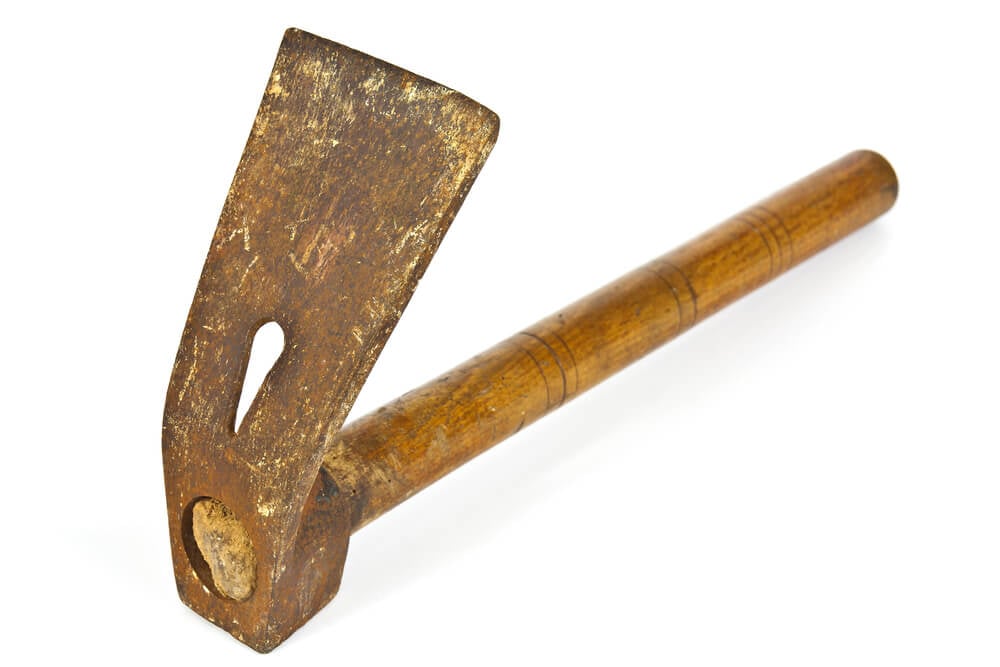
A cutting tool with the blade set perpendicular to the handle, the adze was used for rough shaping of timber, particularly in log building and boat construction. Certain regional styles, particularly those associated with specific historical trades, draw specialized collector interest.
Well-preserved handles and an unpitted blade are the main factors that determine value.
Froe Splitting Tools
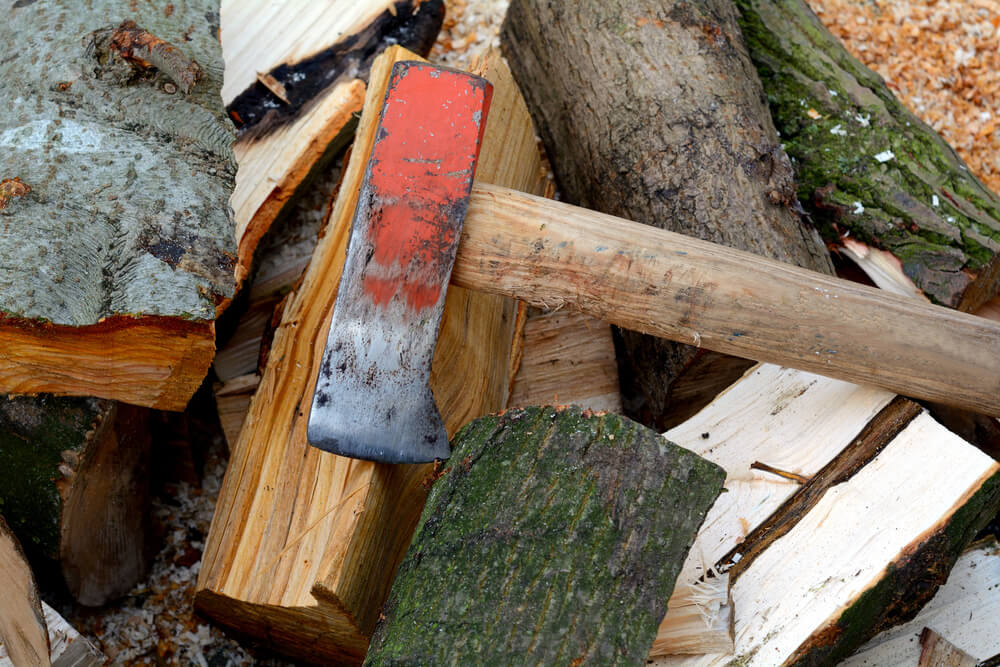
Used with a mallet to split shingles and other thin wood sections along the grain, the froe was an essential tool for anyone producing wood shingles or barrel staves by hand. Its simple, distinctive L-shaped design has made it recognizable even to non-collectors.
Working examples with a solid handle and unbent blade remain popular among traditional woodworking practitioners.
Columbian Vises
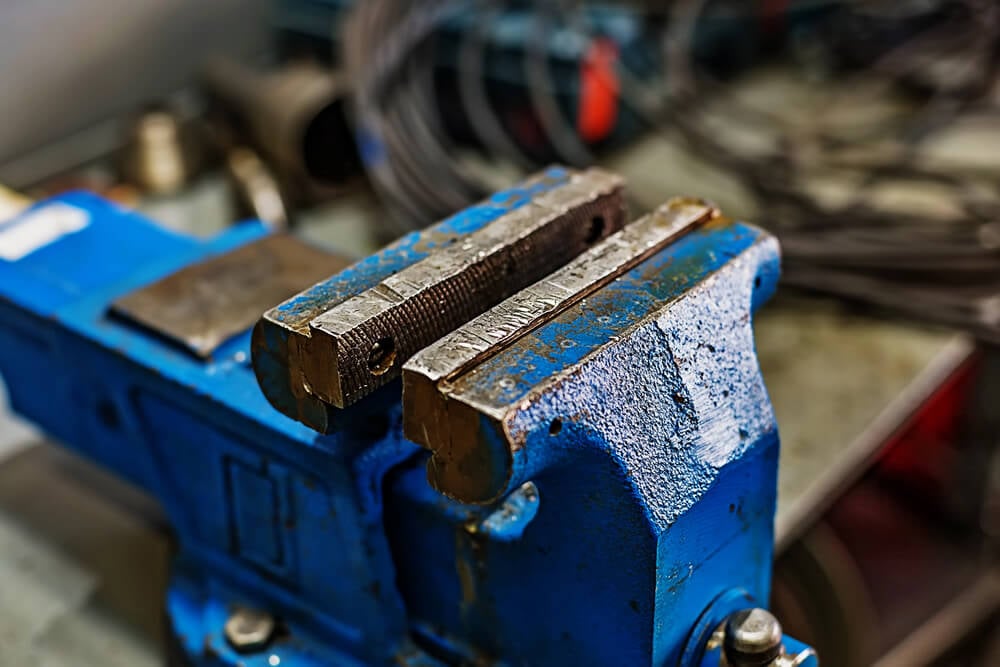
Columbian, a manufacturer of cast iron bench vises active through much of the twentieth century, produced vises known for their durability and smooth-operating screw mechanism. Larger jaw sizes and specific mounting styles tend to draw stronger interest from collectors and working shops alike.
A smoothly turning screw and undamaged jaws are the primary factors buyers check before purchasing.
Hand-Cranked Ice Augers

Used to cut openings through ice for winter fishing before gas-powered augers became common, hand-cranked augers required real physical effort but were reliable in cold conditions where engines could fail to start. Certain manufacturers’ blade designs are specifically sought after by ice fishing enthusiasts who still prefer manual tools.
Sharp, rust-free blades are essential to a functioning example.
Early Chainsaws
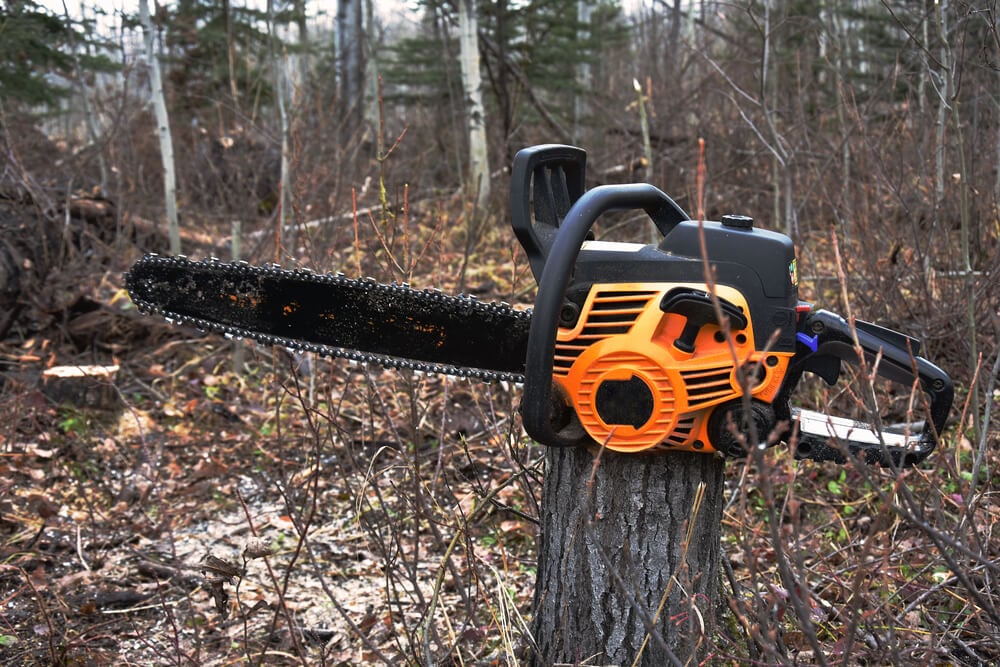
Gas-powered chainsaws from the mid-twentieth century, particularly early models from established manufacturers, represent a significant transitional technology between hand saws and modern lightweight equipment. Their substantial weight and mechanical complexity make well-preserved, running examples a genuine engineering curiosity for collectors.
Museums and private collectors alike specifically seek out documented early production models.
Posthole Diggers

Manual clamshell-style posthole diggers, worked by repeatedly driving two hinged blades into the ground and pulling them apart to remove soil, remain a straightforward and genuinely functional tool decades after their design was finalized. Older examples with hickory handles rather than modern fiberglass are specifically sought after by some collectors for their traditional construction.
A tight-fitting hinge and unworn digging edges are the main indicators of quality.
Scythes

Used for cutting grass, grain, and brush by hand before powered mowing equipment became widespread, scythes required real skill to use effectively and were maintained with a whetstone kept in a holder on the handle. Certain blade shapes were specifically designed for particular crops or terrain.
Collectors and traditional land management practitioners both maintain steady interest in well-preserved examples.
Eagle Oil Cans

Long-spouted oil cans, used to precisely lubricate machinery joints and moving parts, were a fixture of any well-equipped workshop before pre-packaged lubricant sprays became standard. Certain manufacturers’ cans, particularly those with decorative embossing or graphics, have developed a specific collector following separate from general tool collecting.
Condition of the original paint or lithography significantly affects value.
Metal Toolboxes
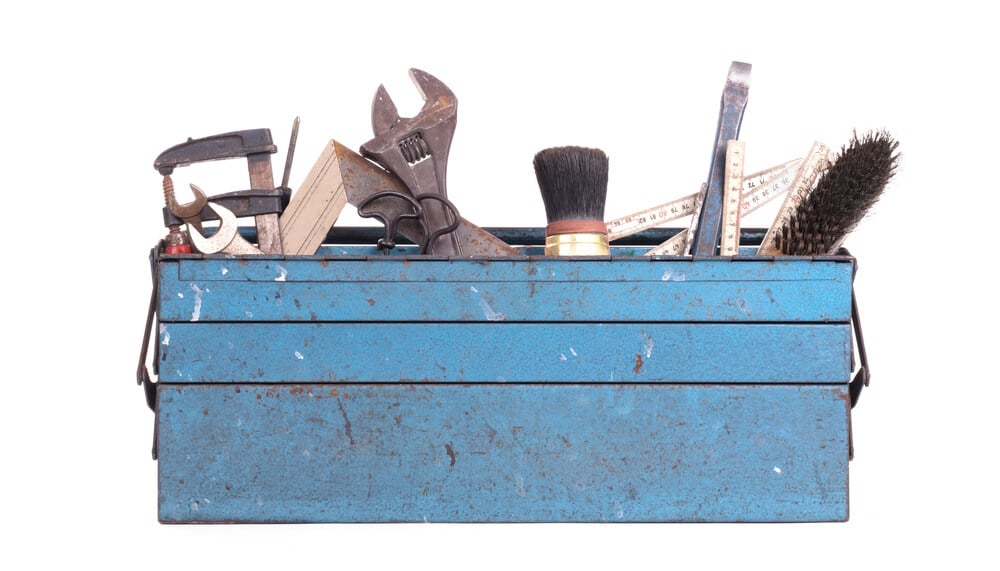
Riveted steel toolboxes from the early to mid-twentieth century, often bearing a manufacturer’s or original owner’s painted name, are collected both for their practical storage use and their historical design. Boxes with intact trays and original hardware draw more interest than damaged examples.
Certain manufacturers’ boxes have developed a specific following among collectors of workshop history.
Carpenter’s Chalk Lines
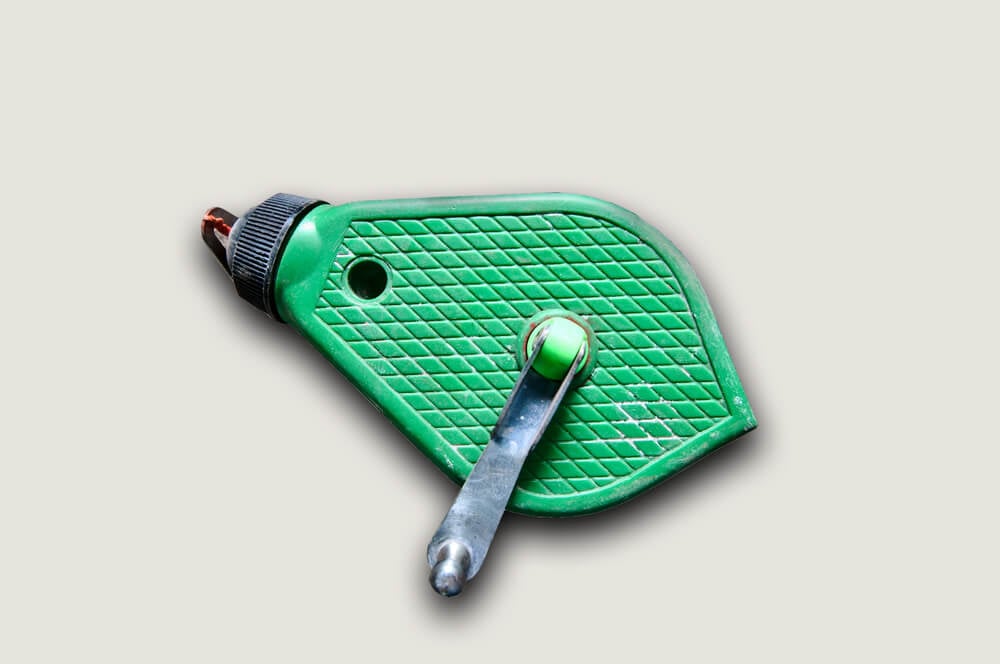
A simple reel of string coated in chalk, snapped against a surface to mark a straight line, was an essential layout tool for carpenters long before laser levels existed. Older metal-cased reels, particularly those with decorative casting, are specifically sought after by tool collectors.
It remains one of the few tools on this list still in widespread practical use today.
Stanley No. 4 Smoothing Plane
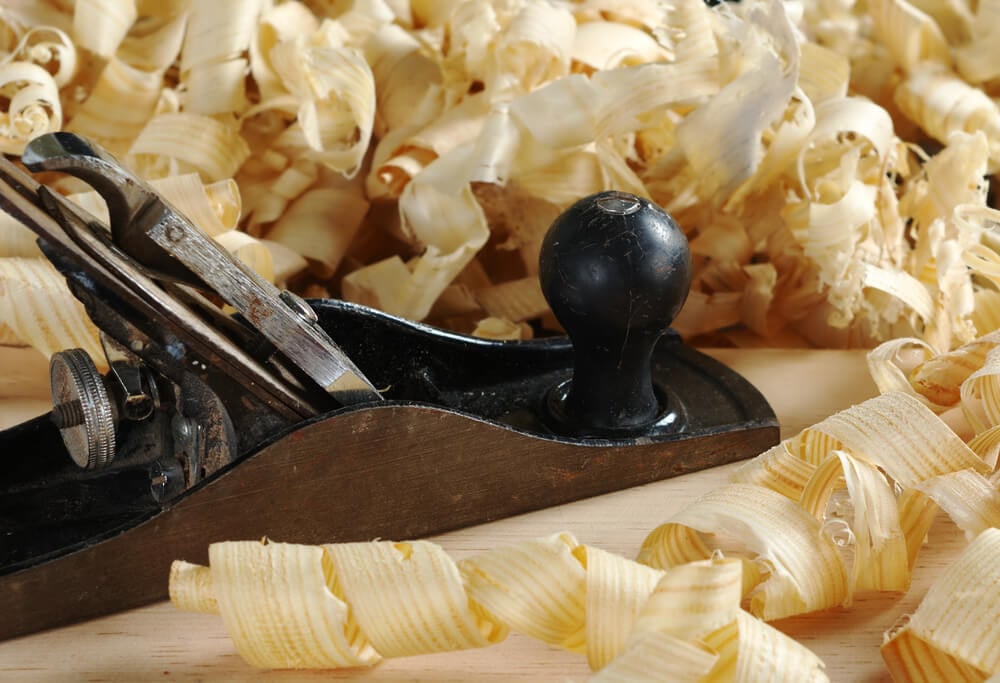
A standard bench plane used for final smoothing passes on wood surfaces, the No. 4 remains one of the most widely produced and recognized planes in Stanley’s catalog history. Specific early production types are particularly valued by collectors who track detailed manufacturing changes over the decades.
A flat sole and sharp, properly set iron keep this plane genuinely functional for woodworkers today.
Wooden-Handled Carpenter’s Hammers
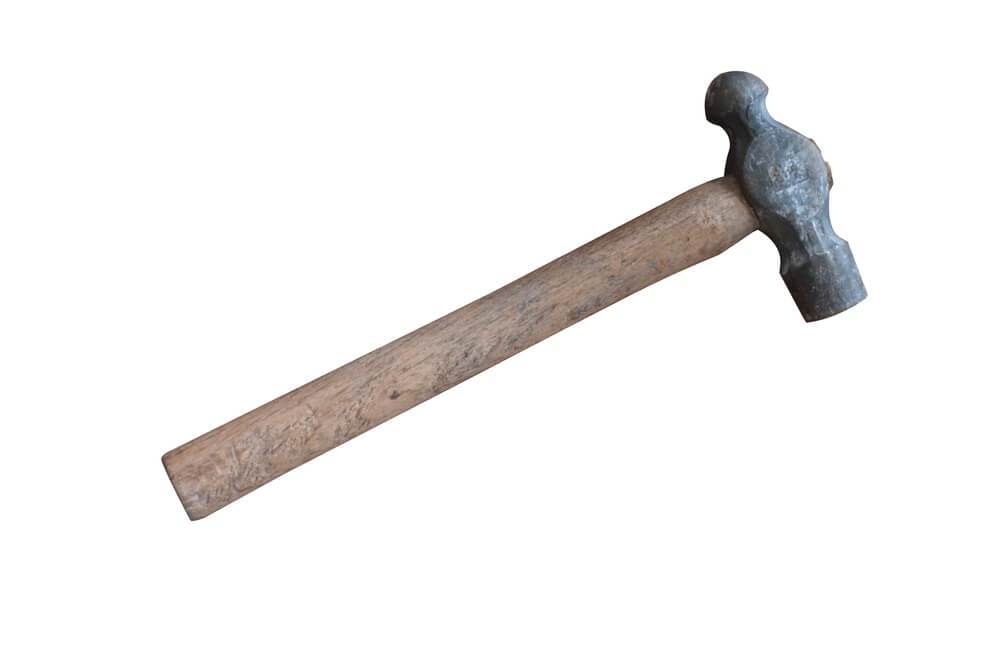
Hammers with hickory handles and forged steel heads, often stamped with a manufacturer’s name, represent a design that remained essentially unchanged for well over a century before fiberglass and steel handles became common. Certain regional blacksmith-made examples carry more historical interest than mass-produced versions.
A tight head-to-handle fit is the primary indicator that a hammer remains safe and usable.
Antique Wrench Sets
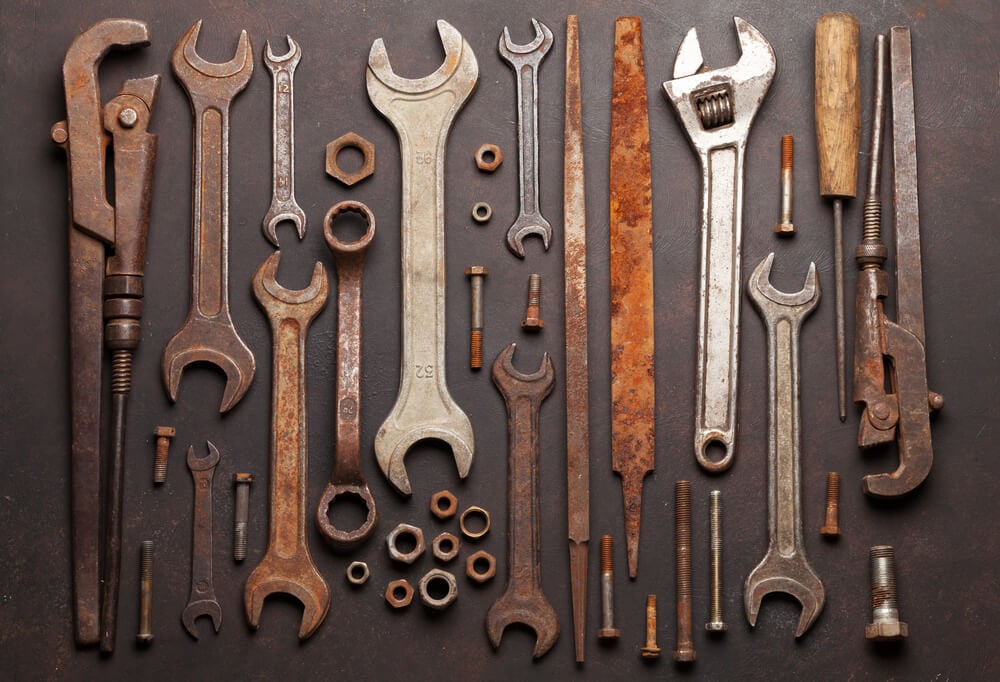
Adjustable and fixed wrenches from the early twentieth century, particularly those bearing early automotive or machinery manufacturer branding, have become a specific niche within broader tool collecting. Complete sets in a fitted roll or case draw considerably more interest than loose, mismatched wrenches.
Clear, legible stampings are essential to identifying and valuing a specific set.
What Rust Doesn’t Erase
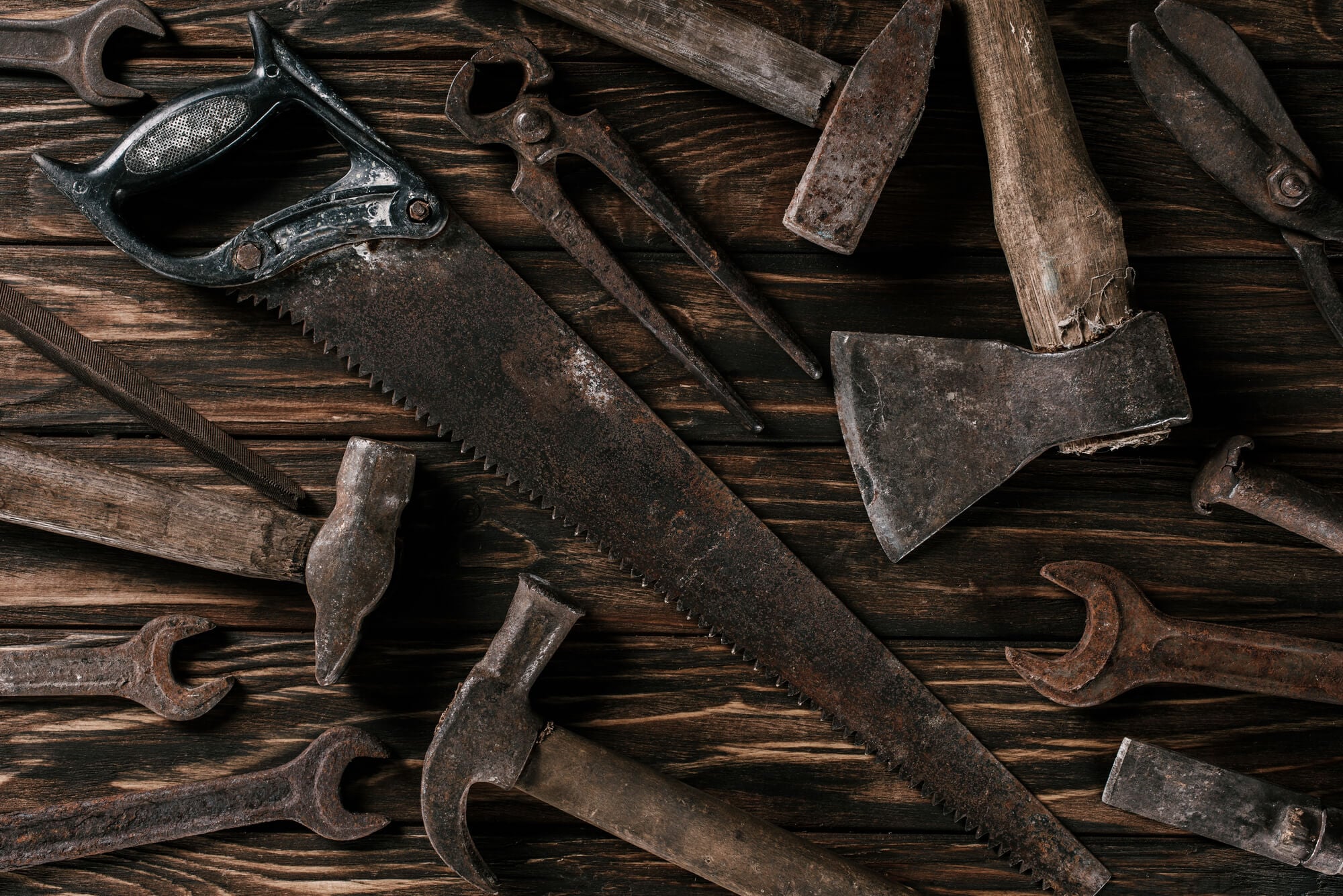
A rusted tool in a garage often looks worthless at a glance, but underneath the surface corrosion is frequently a piece of steel that was forged to outlast its owner. The value collectors and craftspeople see isn’t sentimental so much as practical: these tools were built at a standard that’s genuinely difficult to find in comparable modern equipment.
Anyone sorting through an old toolbox is essentially deciding between two outcomes for each piece: scrap it as clutter, or recognize it as a functioning object that generations of hands already trusted to do real work.
More from Go2Tutors!

- The Romanov Crown Jewels and Their Tragic Fate
- 13 Historical Mysteries That Science Still Can’t Solve
- Famous Hoaxes That Fooled the World for Years
- 15 Child Stars with Tragic Adult Lives
- 16 Famous Jewelry Pieces in History
Like Go2Tutors’s content? Follow us on MSN.