30 Shipwreck Discoveries That Raised New Questions
Most shipwrecks stay lost. The ocean floor is vast, cold, and dark, and the few vessels that get found again rarely give up their secrets easily. Instead, they tend to complicate the story historians thought they already knew.
The wrecks below were not just found. Each one forced scholars, engineers, or governments to revise something they had assumed was settled, from the mechanics of ancient technology to the true cause of a disaster.
Titanic
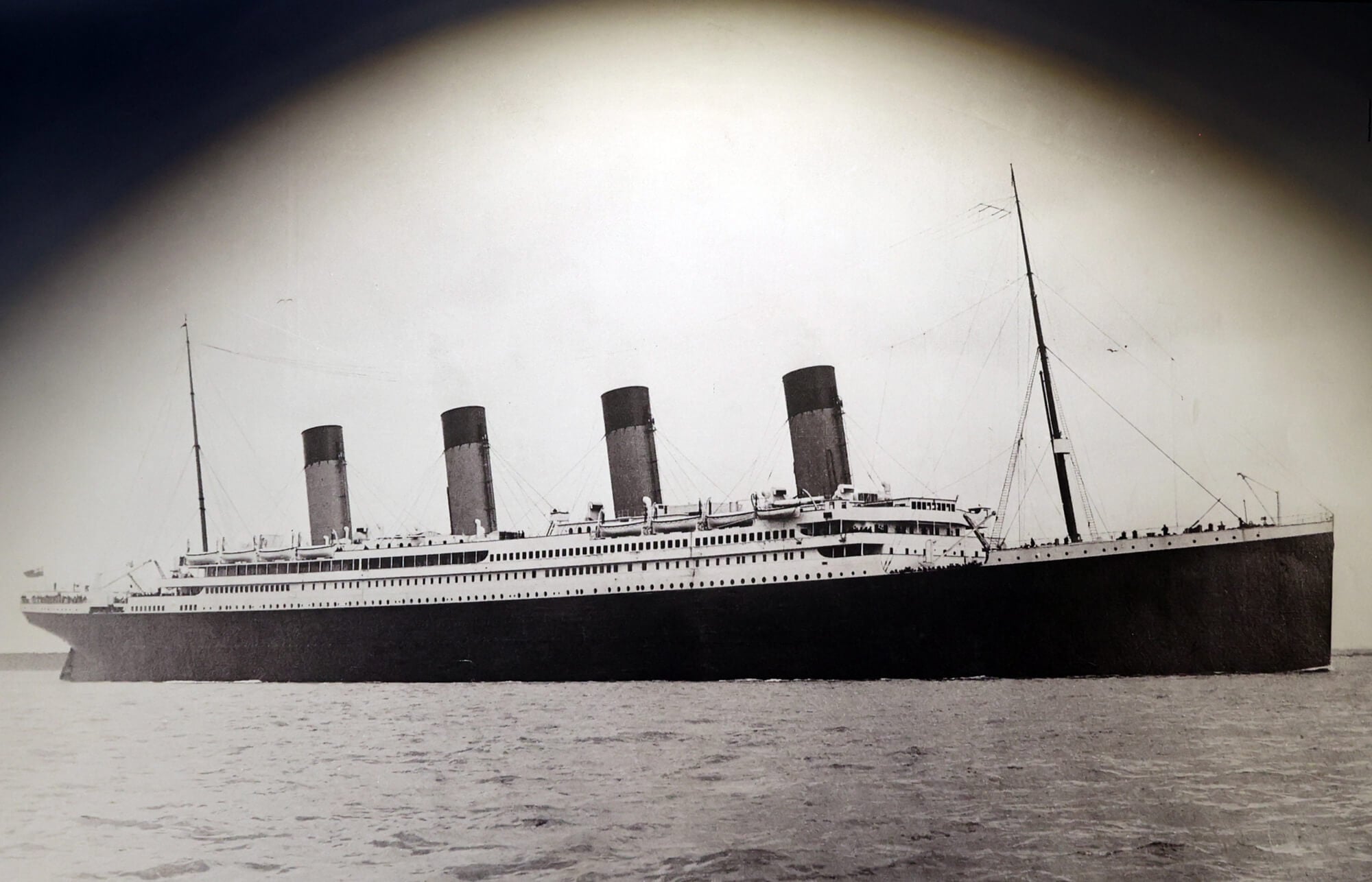
Robert Ballard and Jean-Louis Michel located the wreck of the Titanic on September 1, 1985, roughly 370 miles off the coast of Newfoundland, using a submersible sled equipped with cameras. The debris field showed the ship had broken into two main sections that settled nearly 2,000 feet apart, contradicting decades of survivor testimony that the hull had sunk intact. That single detail forced a rewrite of how the ship’s structural failure was understood.
Mary Rose
Henry VIII’s flagship sank in the Solent in 1545 during a battle with a French invasion fleet and was rediscovered by amateur archaeologist Alexander McKee’s team in 1971. When the hull was raised in 1982, the anaerobic mud that had entombed it had also preserved thousands of everyday objects, including longbows, that reshaped understanding of Tudor military archery.
Vasa
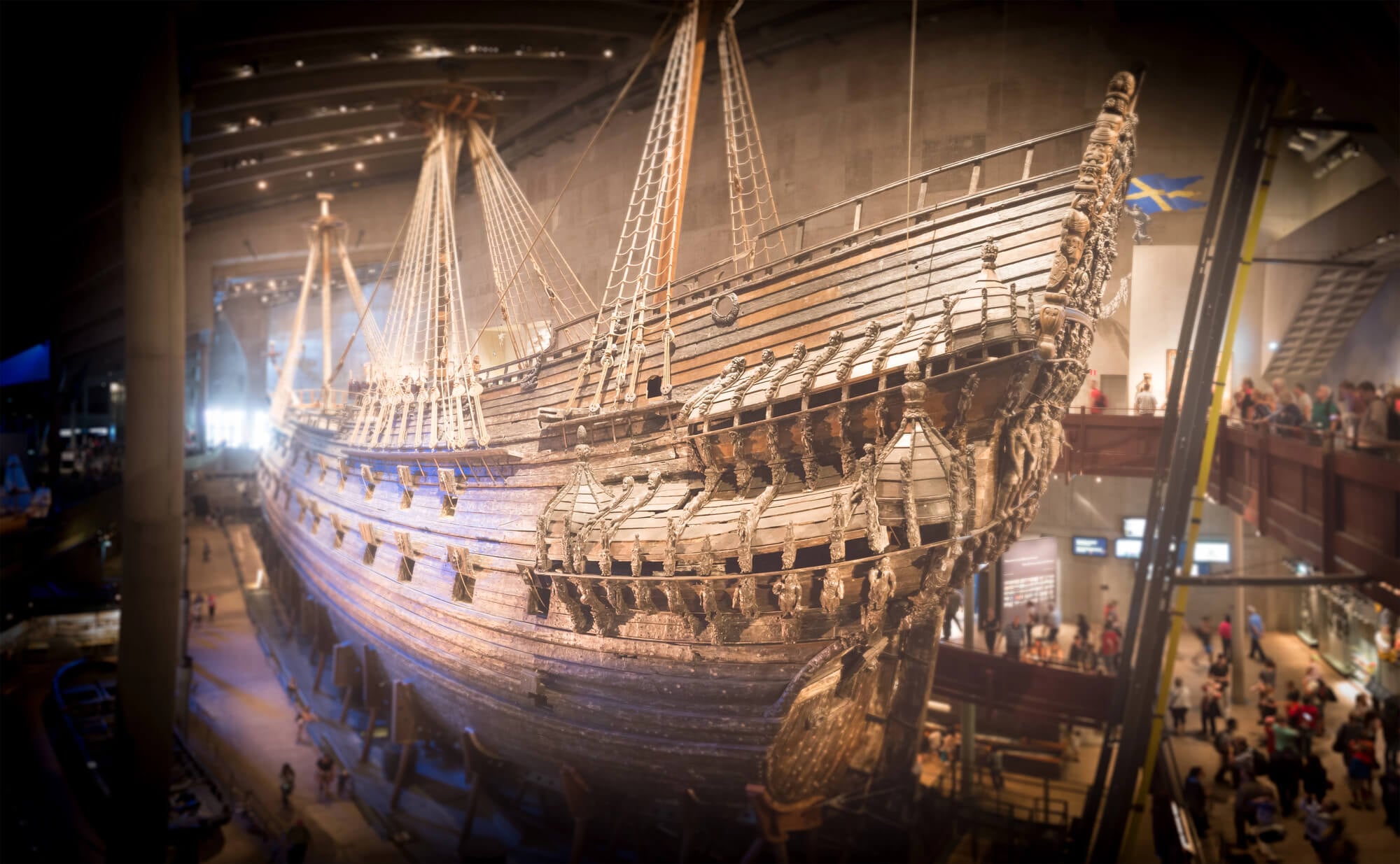
The Swedish warship Vasa capsized and sank on its maiden voyage in Stockholm harbor in 1628, less than a mile into the trip. Marine engineer Anders Franzén located it in 1956, and its 1961 recovery revealed a ship so top-heavy that naval historians still cite it as a case study in how court politics can override basic engineering judgment.
Antikythera Wreck
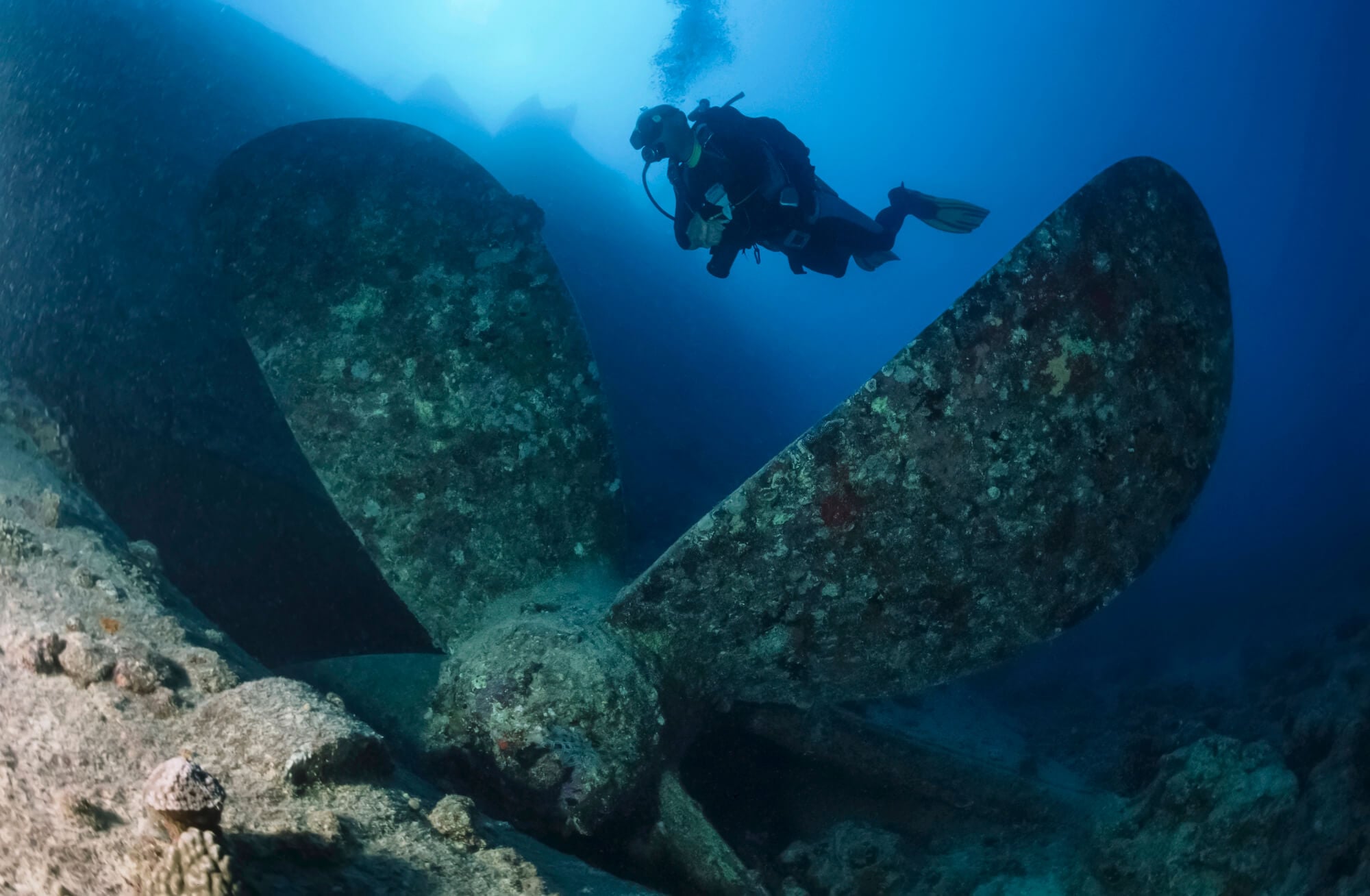
Sponge divers discovered this Roman-era shipwreck off the Greek island of Antikythera in 1900. Among the cargo was a corroded lump of bronze that turned out to be the Antikythera mechanism, a geared astronomical calculator so sophisticated that nothing of comparable complexity appears in the historical record for over a thousand years afterward.
Endurance

Ernest Shackleton’s ship sank in the Weddell Sea in 1915 after being crushed by pack ice. The Falklands Maritime Heritage Trust located it in March 2022 at a depth of nearly 10,000 feet, remarkably well preserved by the cold, and the find reopened debate over exactly how quickly the ice closed around the hull during the original expedition.
San José
This Spanish galleon sank in 1708 during a battle with the British Navy off Cartagena, Colombia, reportedly carrying a fortune in gold and silver. Colombian Navy researchers located the wreck in 2015 using underwater drones, triggering an ongoing legal dispute between Colombia, Spain, and Indigenous Bolivian claimants over who actually owns the cargo.
Bismarck
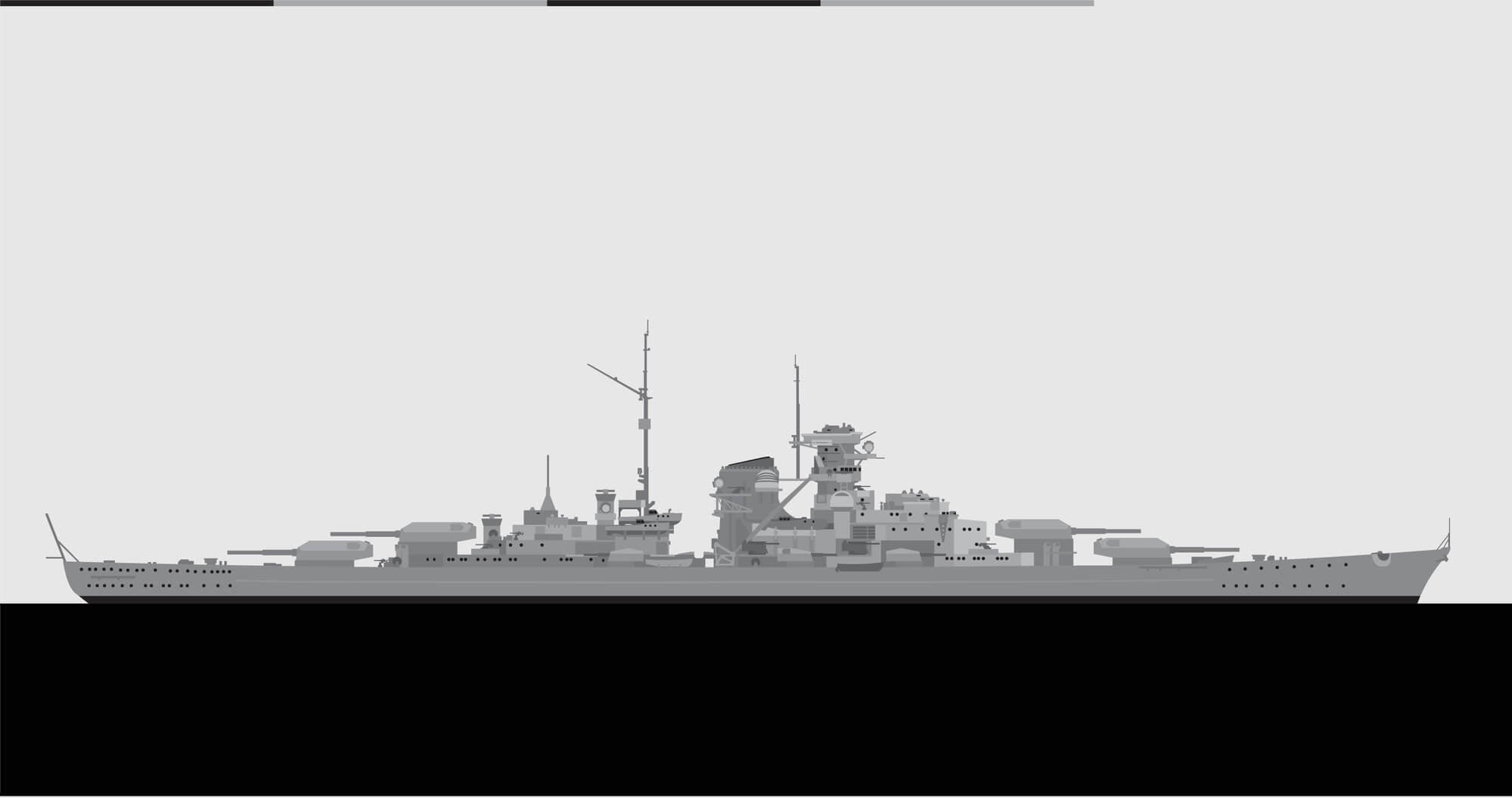
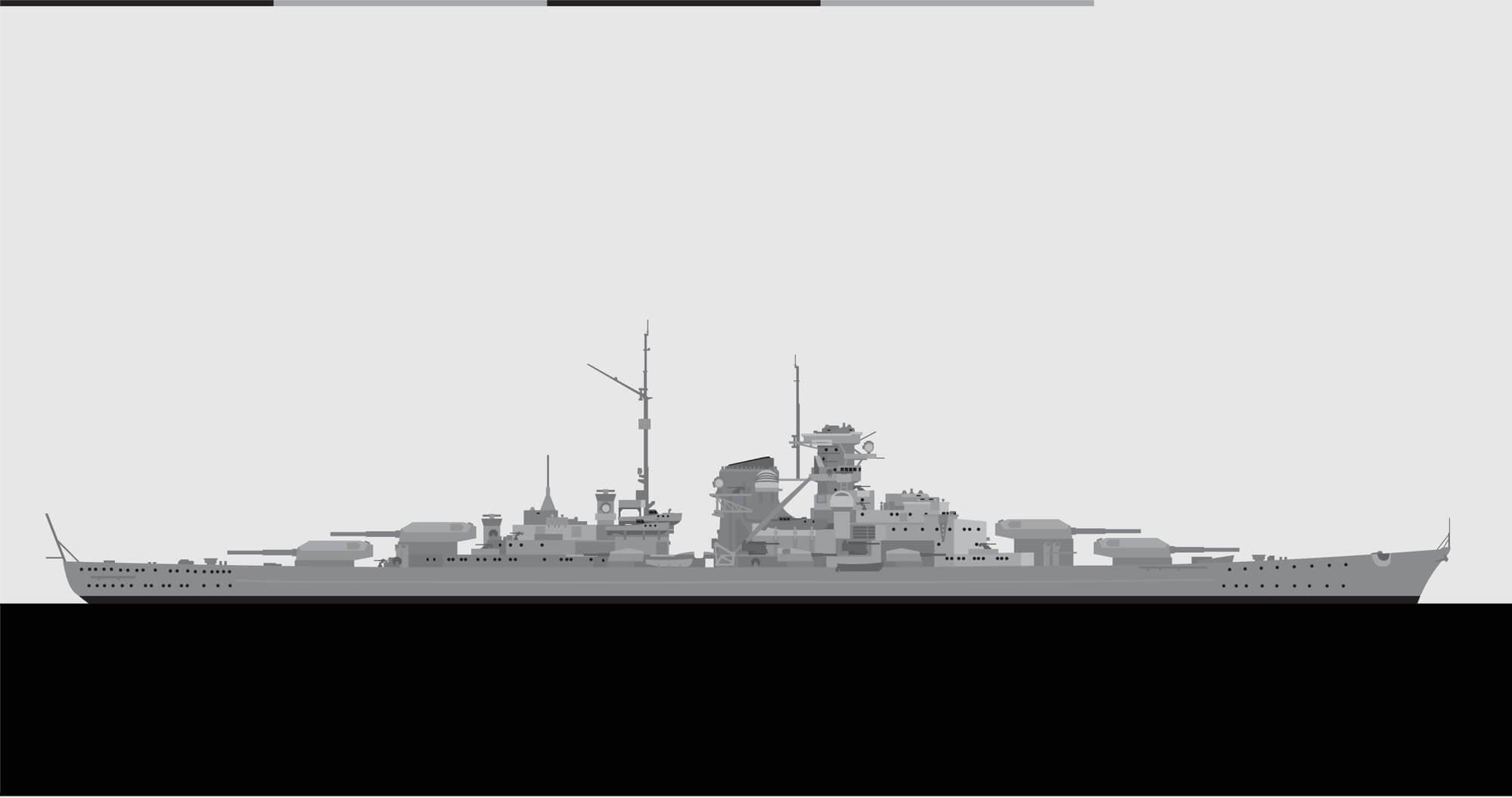
The German battleship sank in the North Atlantic in May 1941 after a fierce pursuit by the British fleet. Robert Ballard found the wreck in June 1989, and its condition helped settle a long argument over whether British shells or the German crew’s own scuttling charges caused the ship to go down.
USS Indianapolis
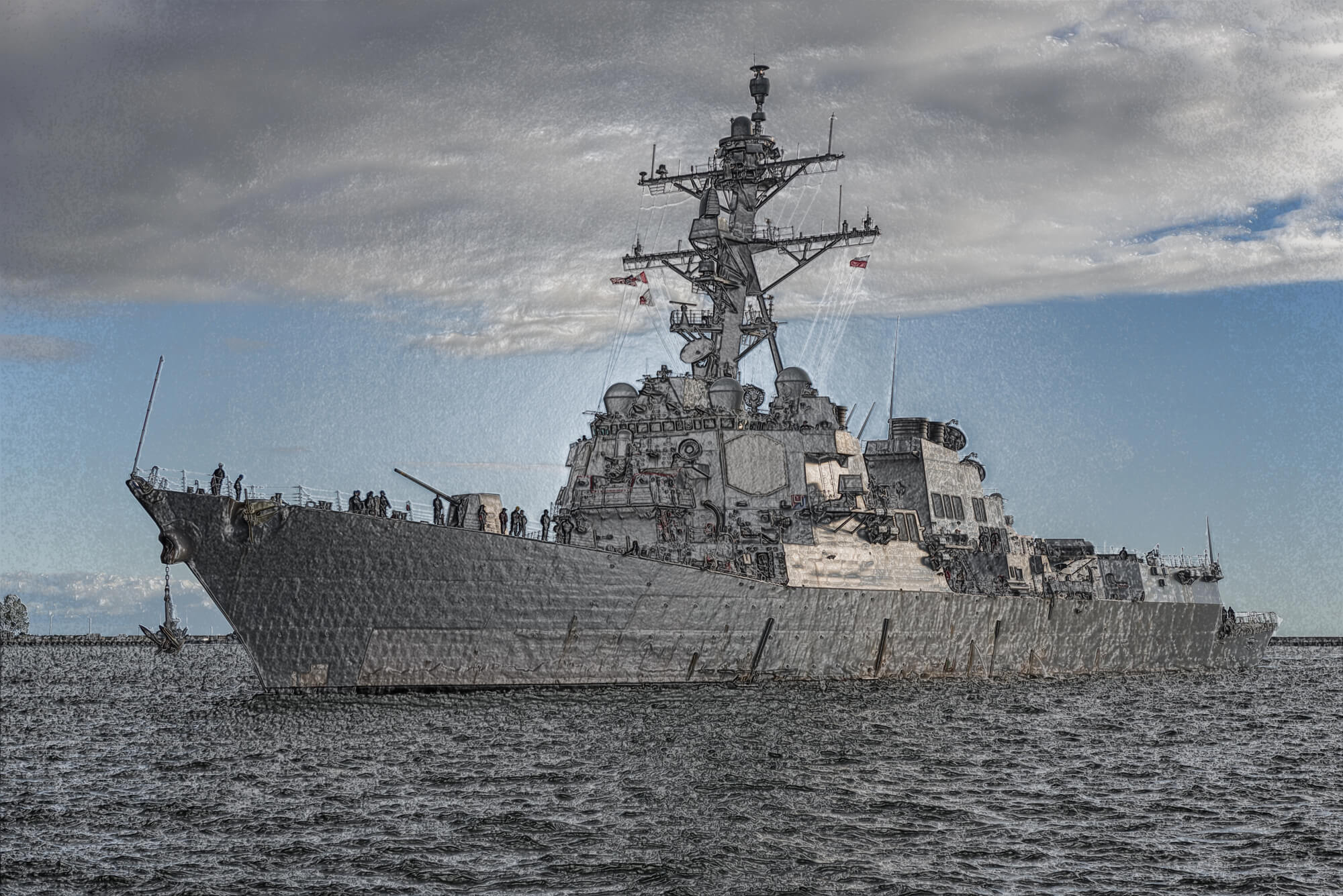
The cruiser was torpedoed by a Japanese submarine in July 1945 shortly after delivering components for the atomic bomb, and roughly 300 of her nearly 1,200 crew went down with the ship. A research team funded by Paul Allen found the wreck in August 2017 in the Philippine Sea, finally giving historians a fixed location to correct decades of conflicting survivor accounts of the sinking sequence.
HMS Erebus
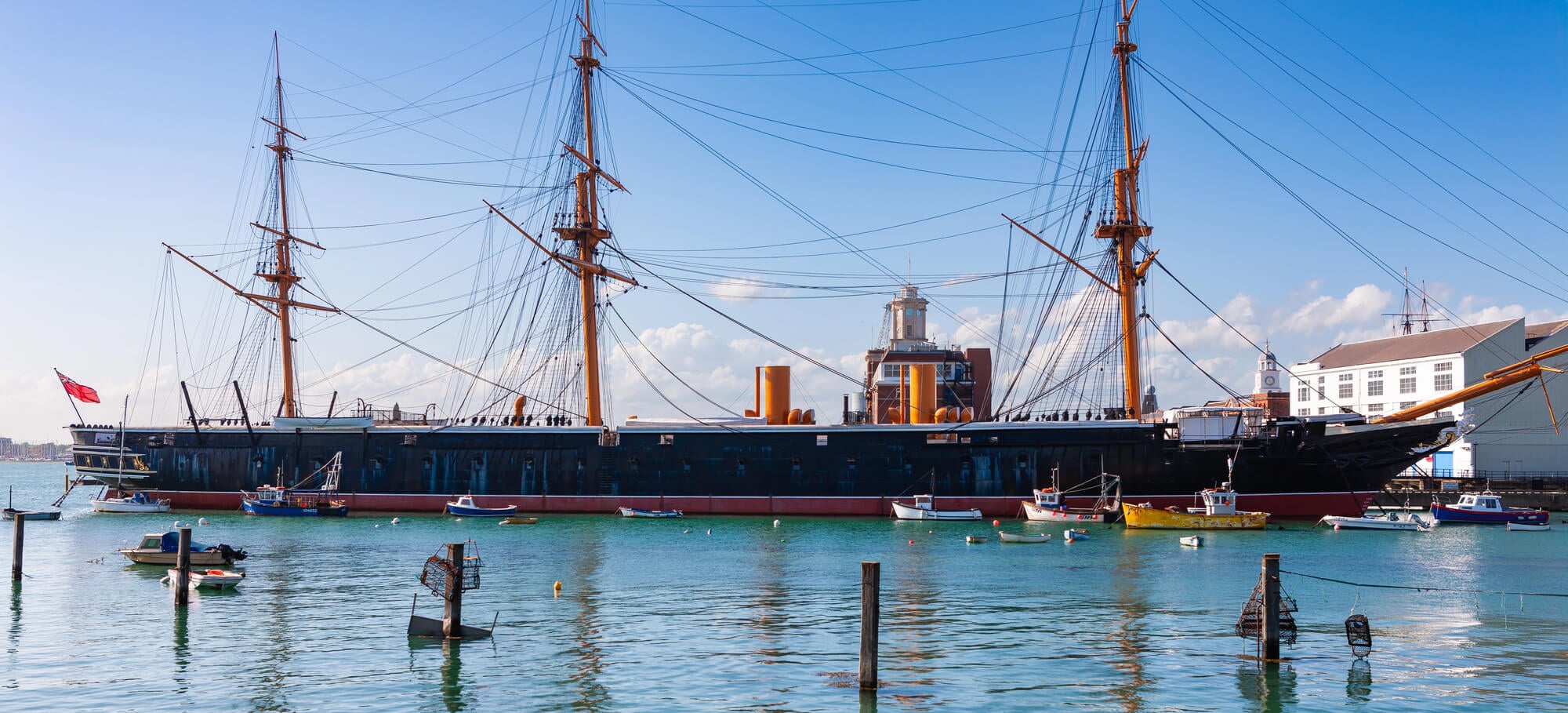
One of two ships from Sir John Franklin’s doomed 1845 Arctic expedition, Erebus was found by Parks Canada in September 2014 in Nunavut’s Wilmot and Crampton Bay. Its location, far south of where searchers had focused for over a century, lent new credibility to Inuit oral testimony that explorers had long dismissed.
HMS Terror
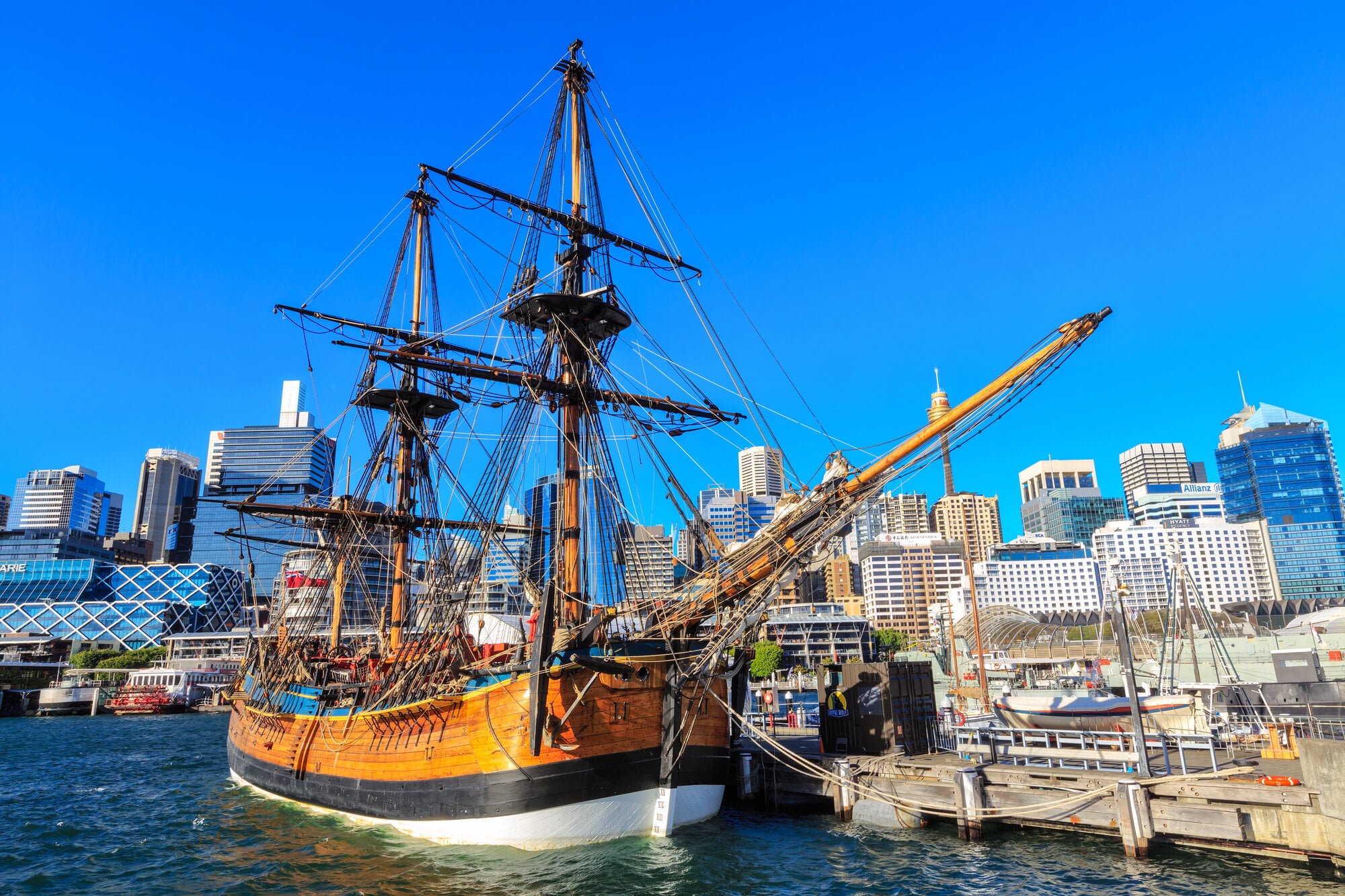
Franklin’s second ship was found two years after Erebus, in September 2016, roughly 50 miles away in Terror Bay. The ship’s excellent condition suggested it may have been deliberately and carefully anchored rather than simply drifting and sinking, raising new questions about what happened to the crew in the expedition’s final months.
Whydah Gally
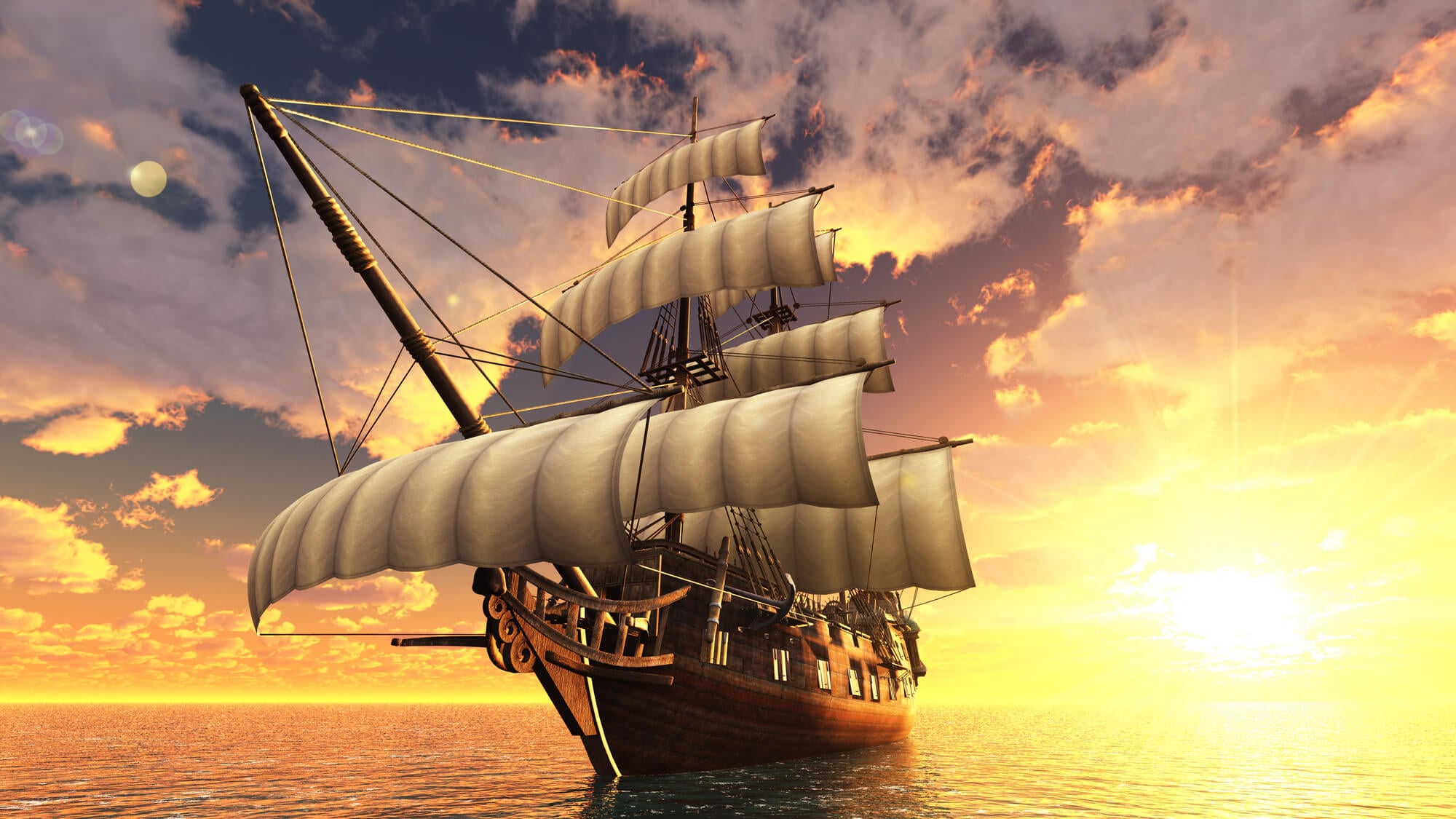
Salvager Barry Clifford located this pirate ship off Cape Cod in 1984, sunk in a storm in 1717. It remains the only fully authenticated pirate shipwreck ever recovered, and its cargo, taken from more than 50 captured vessels, gave historians their first hard evidence of how pirate crews actually divided plunder.
Belitung Shipwreck
Fishermen discovered this ninth-century Arab dhow off Indonesia’s Belitung Island in 1998, loaded with nearly 60,000 pieces of Tang dynasty ceramics. The find proved a direct maritime trade route existed between the Middle East and China centuries earlier than most historians had assumed.
Uluburun Shipwreck
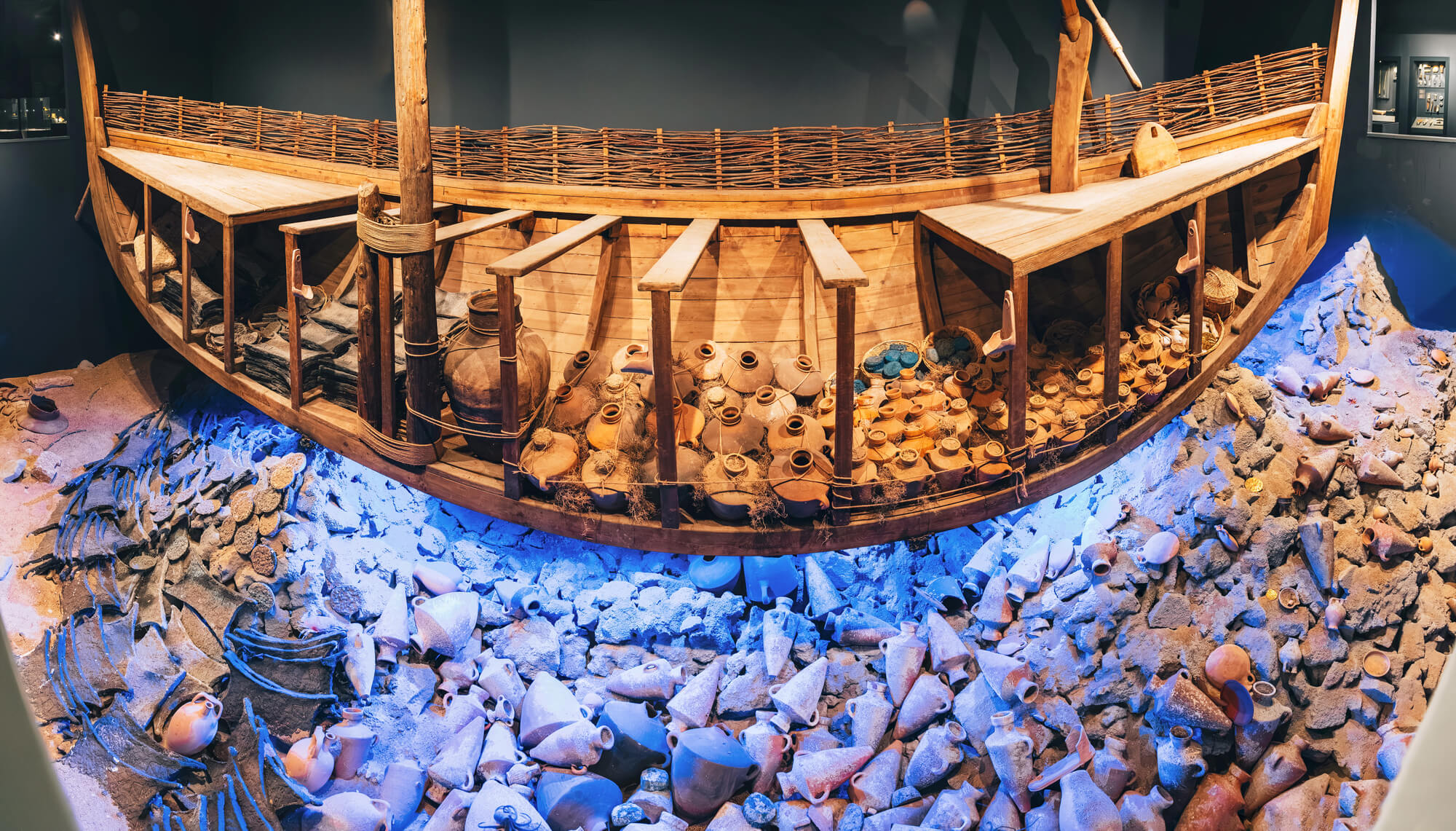
A Turkish sponge diver spotted this Late Bronze Age wreck off the coast near Kaş in 1982. Dated to around 1300 BCE, its cargo of copper, tin, glass, and goods from at least seven different cultures overturned the idea that Bronze Age Mediterranean societies traded only with their immediate neighbors.
Nuestra Señora de Atocha
Treasure hunter Mel Fisher located this Spanish galleon in 1985 after a 16-year search, sunk in a 1622 hurricane off the Florida Keys. The scale of gold and emeralds recovered forced a reassessment of how much wealth Spain was actually losing to hurricanes during its colonial shipping era.
Clotilda
The last known ship to smuggle enslaved people into the United States was found in the waters near Mobile, Alabama, in 2019, more than 50 years after the transatlantic slave trade had been banned. Its confirmation gave descendants of the Africatown community, founded by survivors of the voyage, physical proof of a story long dismissed by local historians as folklore.
São José Paquete de Africa
This Portuguese slave ship sank off Cape Town in 1794 while carrying more than 400 enslaved Mozambicans. Located in 2015, it became the first shipwreck ever excavated that was confirmed to have been carrying enslaved people at the time it went down, prompting museums to rethink how such sites should be memorialized.
Gribshunden
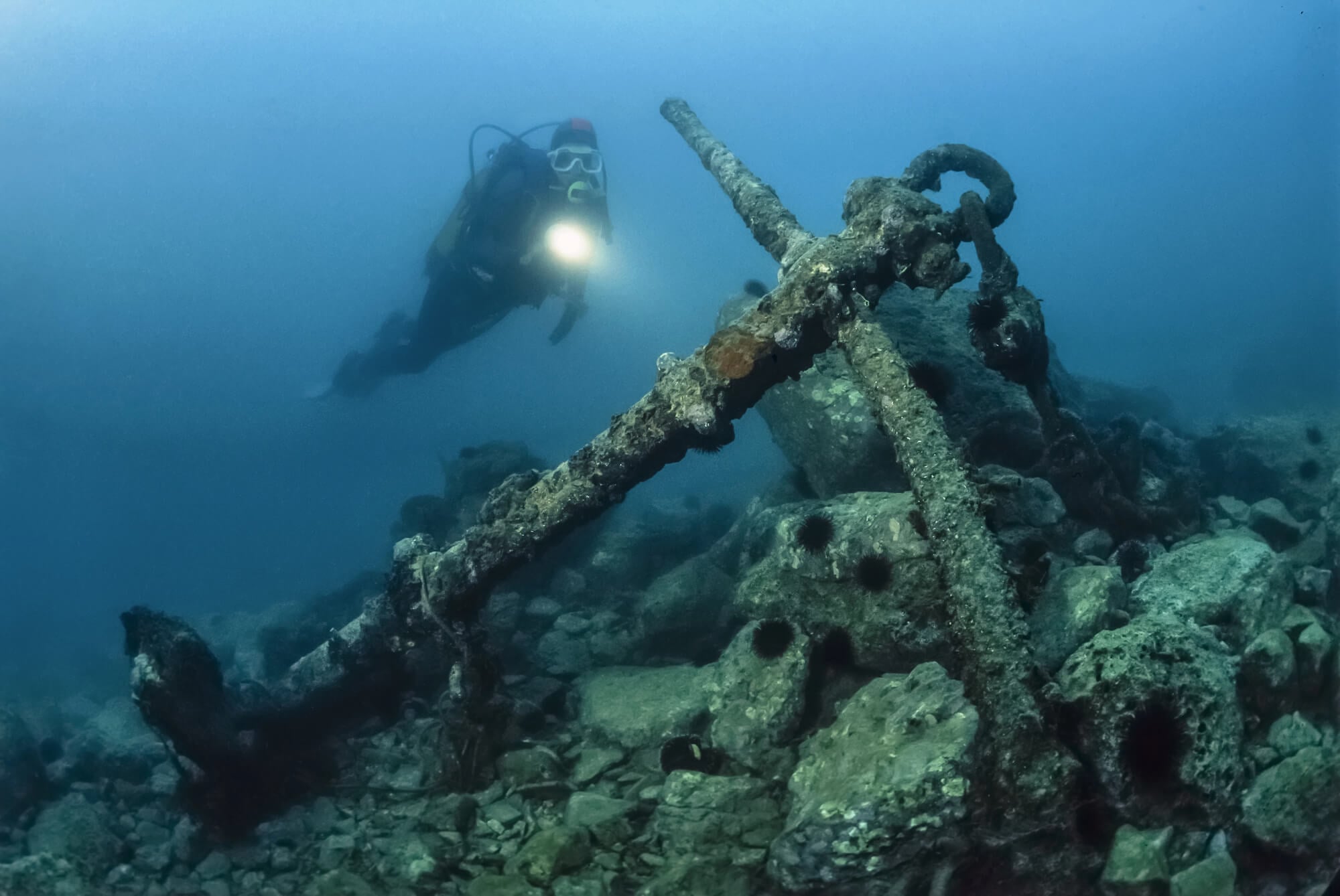
The flagship of Danish King Hans burned and sank in the Baltic Sea in 1495. Though divers had known its general location for years, detailed excavations beginning around 2019 uncovered an intact cannon and provisions that pushed back the known timeline for certain naval weapons technology in Scandinavia.
La Belle
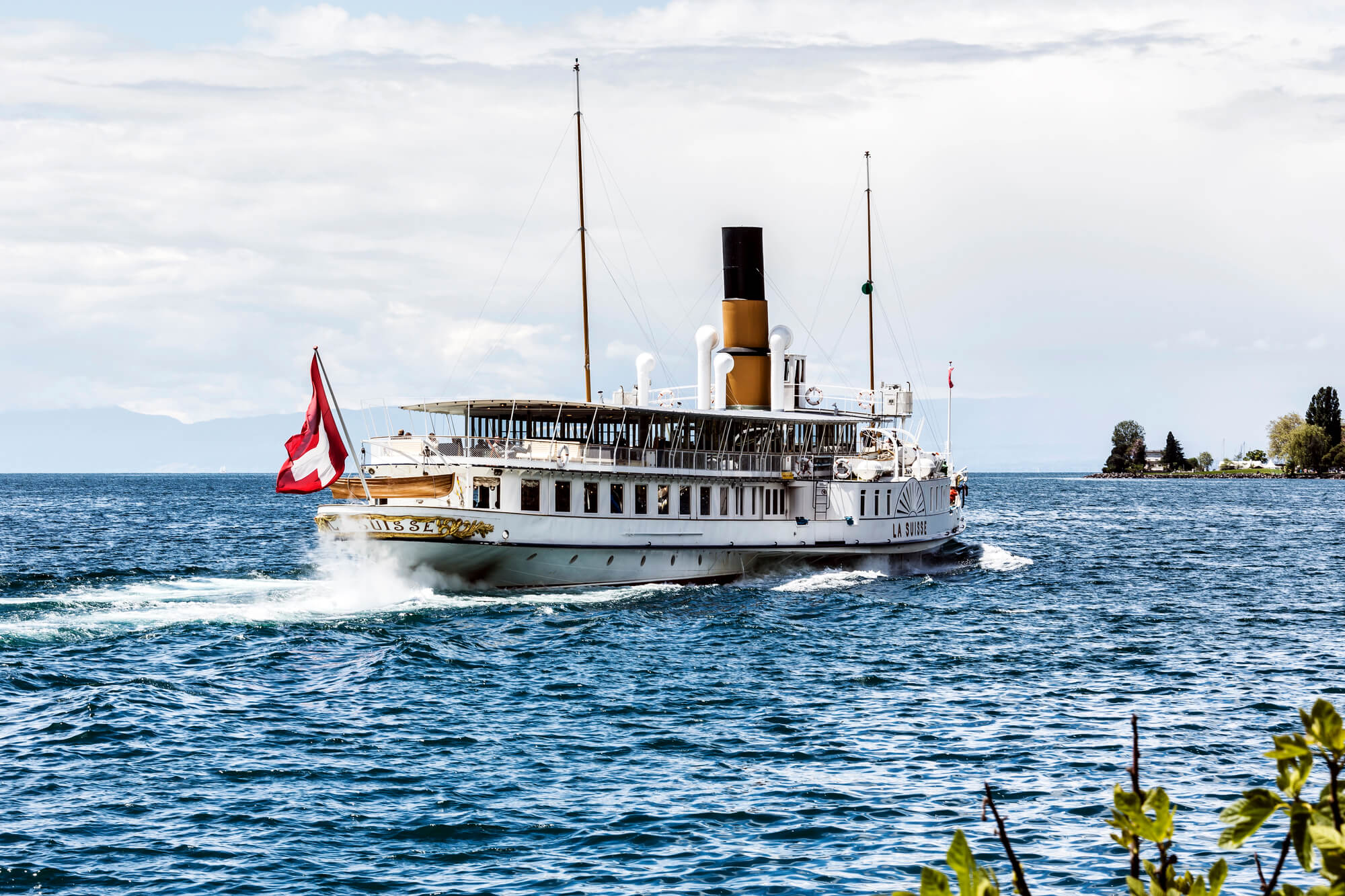
Explorer René-Robert Cavelier de La Salle’s ship ran aground in Matagorda Bay, Texas, in 1686. The Texas Historical Commission located it in 1995, and the remarkably intact hull, along with thousands of artifacts, forced historians to reconsider how poorly equipped La Salle’s colonization attempt actually was.
Mars
This Swedish warship sank in the Baltic Sea in 1564 during a battle with a combined Danish and German fleet. A dive team found it in 2011, and the scattered pattern of wreckage suggested the ship suffered a catastrophic magazine explosion, a detail that contradicted earlier accounts blaming a slower structural failure.
Kyrenia Ship
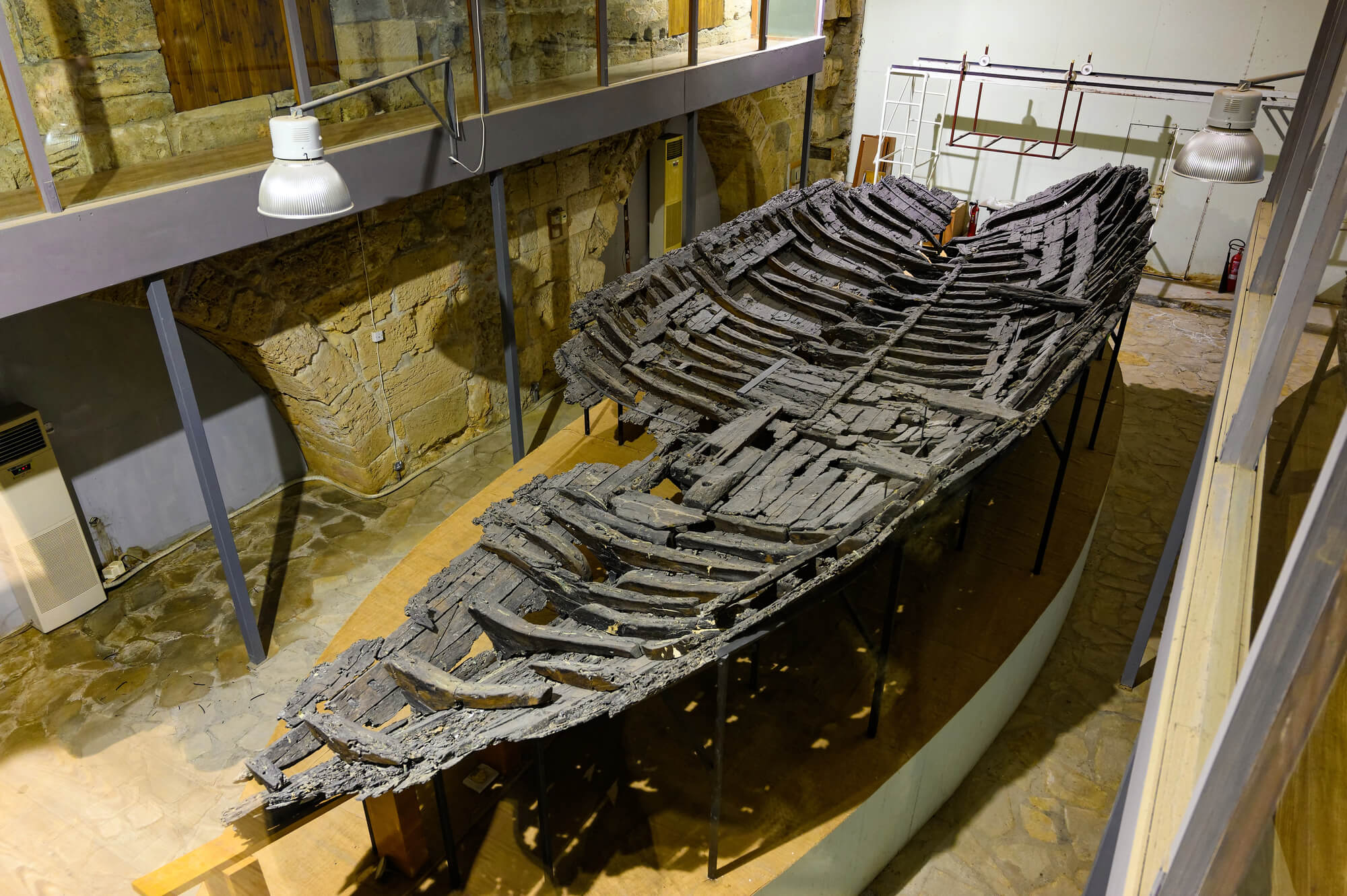
A Cypriot sponge diver discovered this Greek merchant vessel off Kyrenia in 1965, dated to roughly 300 BCE. Its cargo of almonds, wine, and millstones gave archaeologists their clearest picture yet of ordinary Mediterranean trade during the Hellenistic period, rather than the military or luxury goods most earlier wrecks had revealed.
Nuestra Señora de las Mercedes
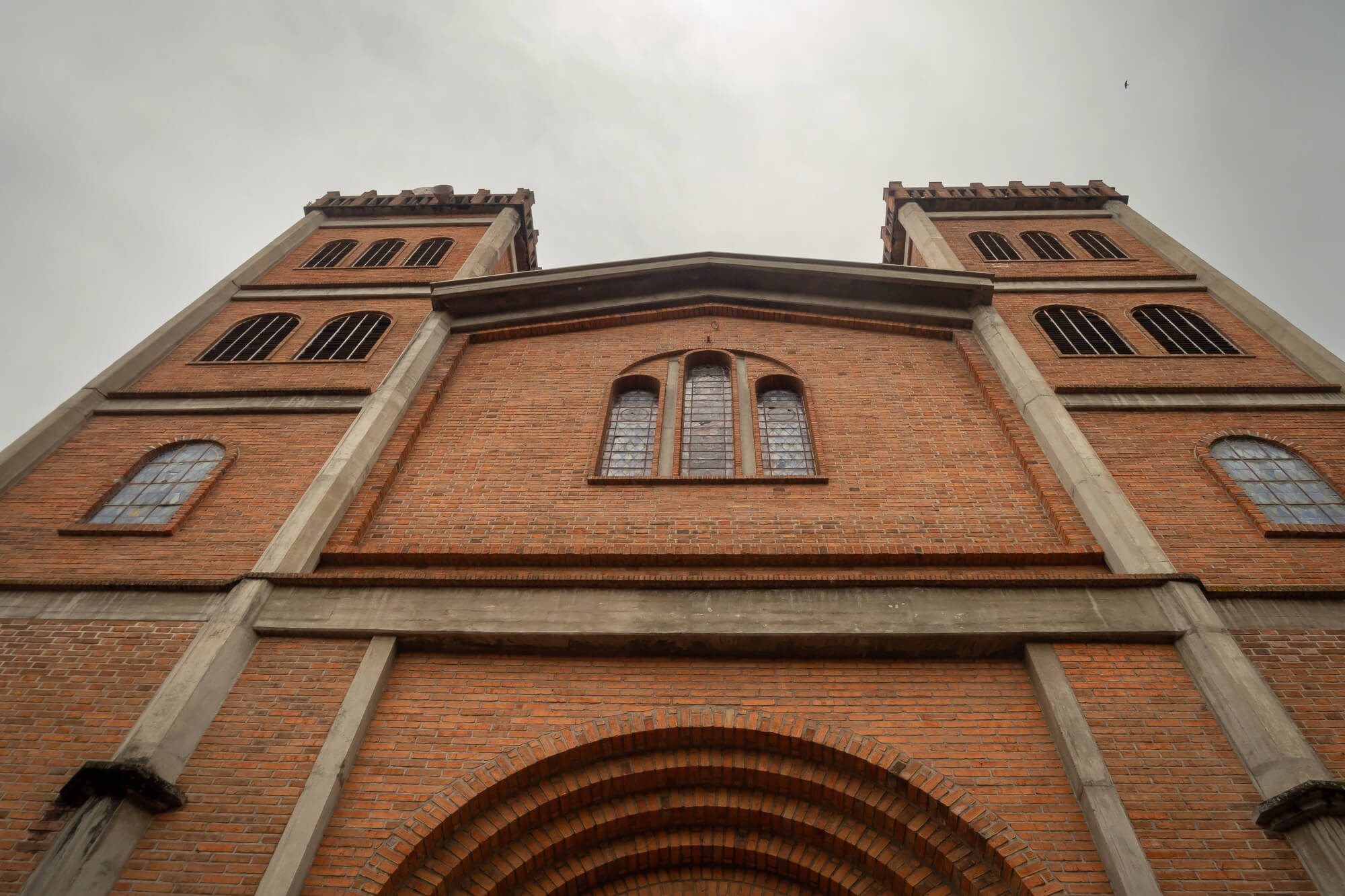
Odyssey Marine Exploration recovered roughly 17 tons of coins from this Spanish frigate, sunk by the British in 1804, during what it called the Black Swan Project in 2007. A US court later ruled the treasure had to be returned to Spain, a decision that reshaped international law around who owns shipwrecked government property.
HMHS Britannic
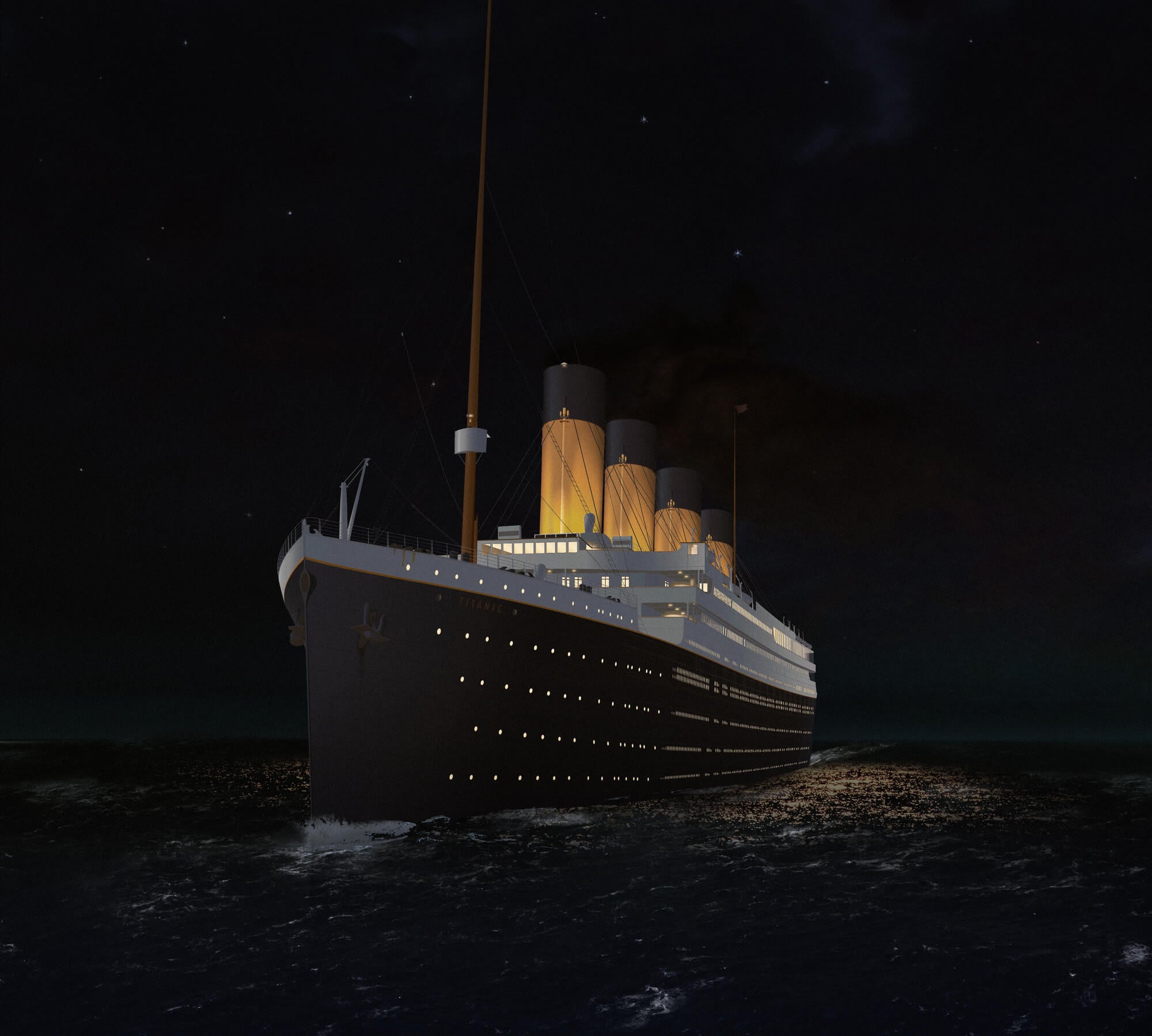
The Titanic’s sister ship struck a mine in the Aegean Sea in 1916 while serving as a hospital ship during World War I. Jacques Cousteau located the wreck in 1975, and its position confirmed the ship sank in under an hour, far faster than the Titanic, a difference engineers now attribute to design changes made after the earlier disaster actually making things worse in this case.
Batavia
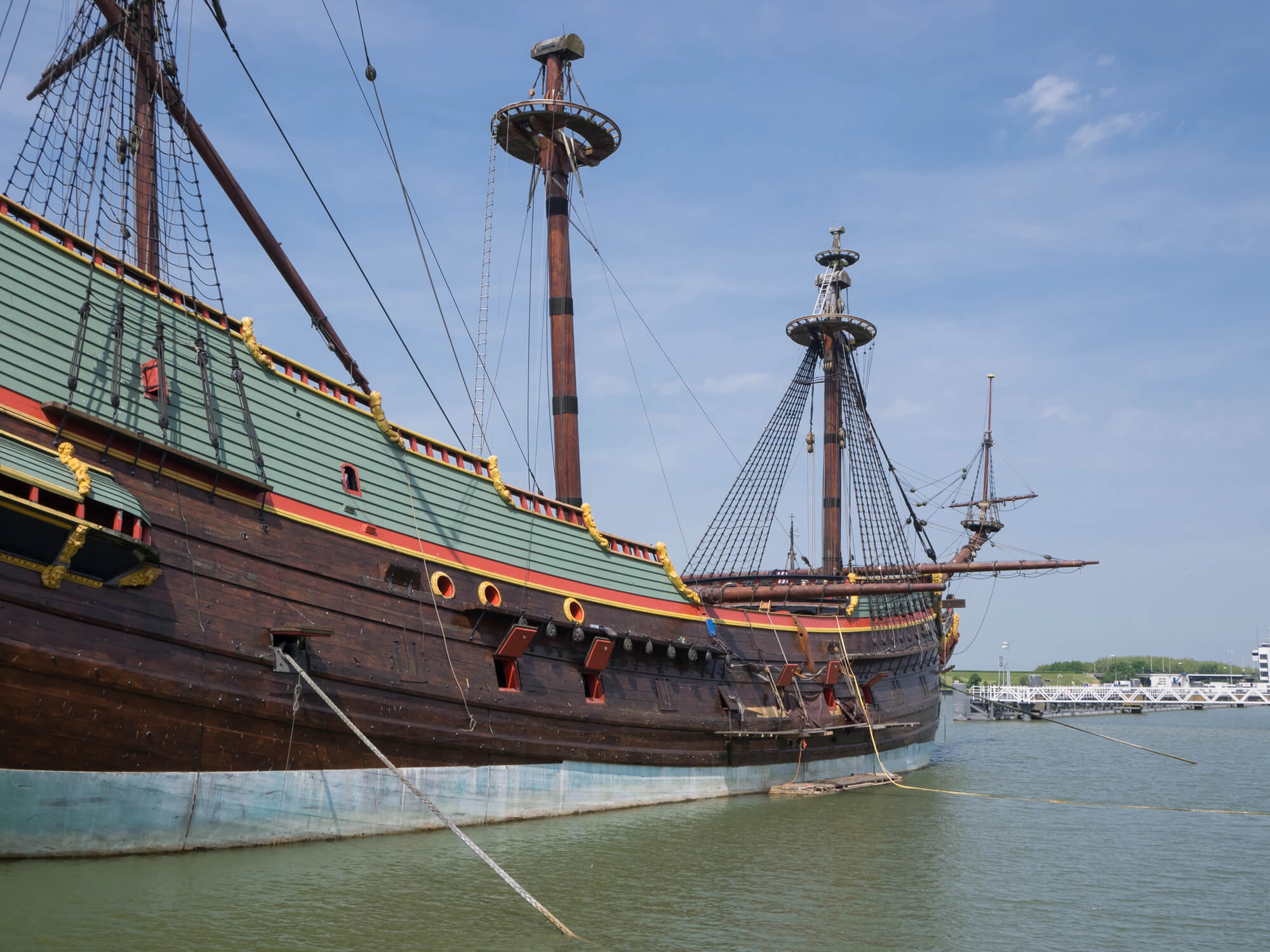
This Dutch East India Company ship wrecked on a reef off Western Australia in 1629, and the survivors’ camp descended into a massacre led by a mutinous merchant. Divers found the wreck in 1963, and subsequent excavation of the survivor camp turned it into one of the most thoroughly documented crime scenes in maritime archaeology.
SS Central America
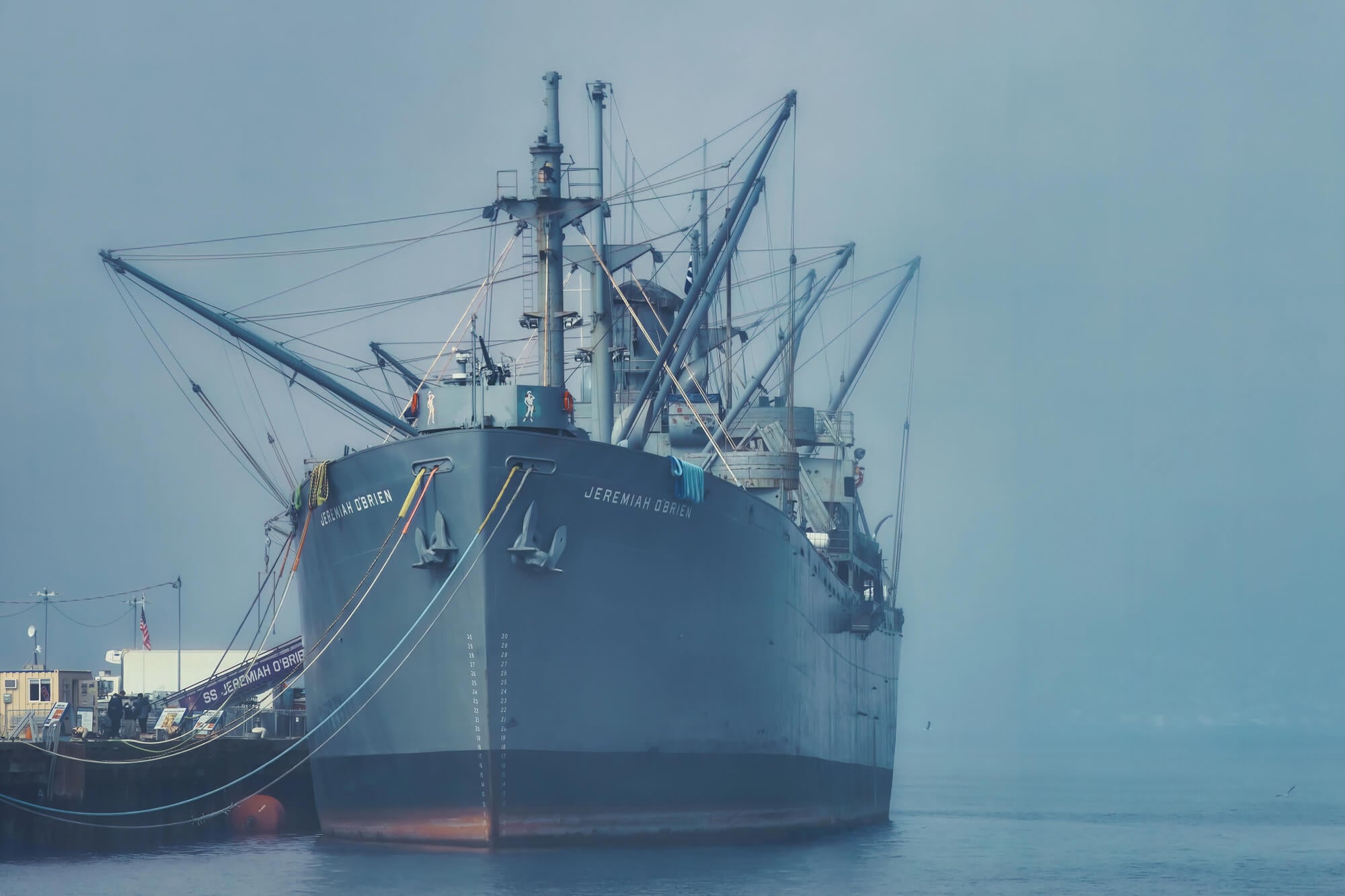
Known as the Ship of Gold, this steamship sank in a hurricane off the Carolinas in 1857 carrying gold from the California mines, a loss significant enough to help trigger a national banking panic. Tommy Thompson located the wreck in 1988, though the recovery later became mired in decades of lawsuits over ownership of the treasure.
USS Johnston
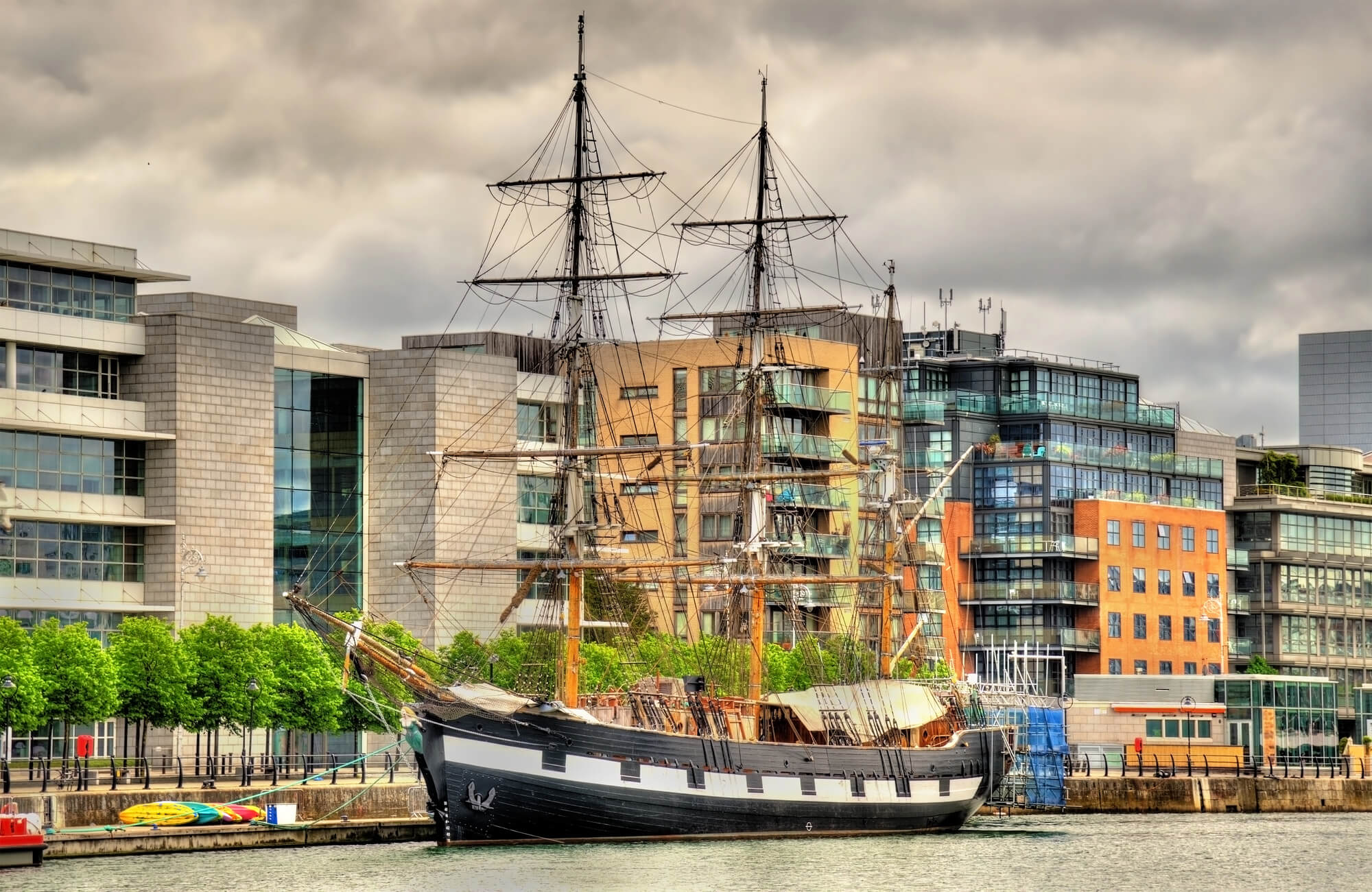
This American destroyer sank during the Battle off Samar in 1944 after charging a much larger Japanese fleet. A 2021 expedition led by Victor Vescovo located the wreck in the Philippine Sea Trench at a depth of nearly 21,000 feet, confirming it as the deepest shipwreck ever surveyed and giving historians new detail on how the ship’s crew fought on even after it was mortally damaged.
HMS Gloucester
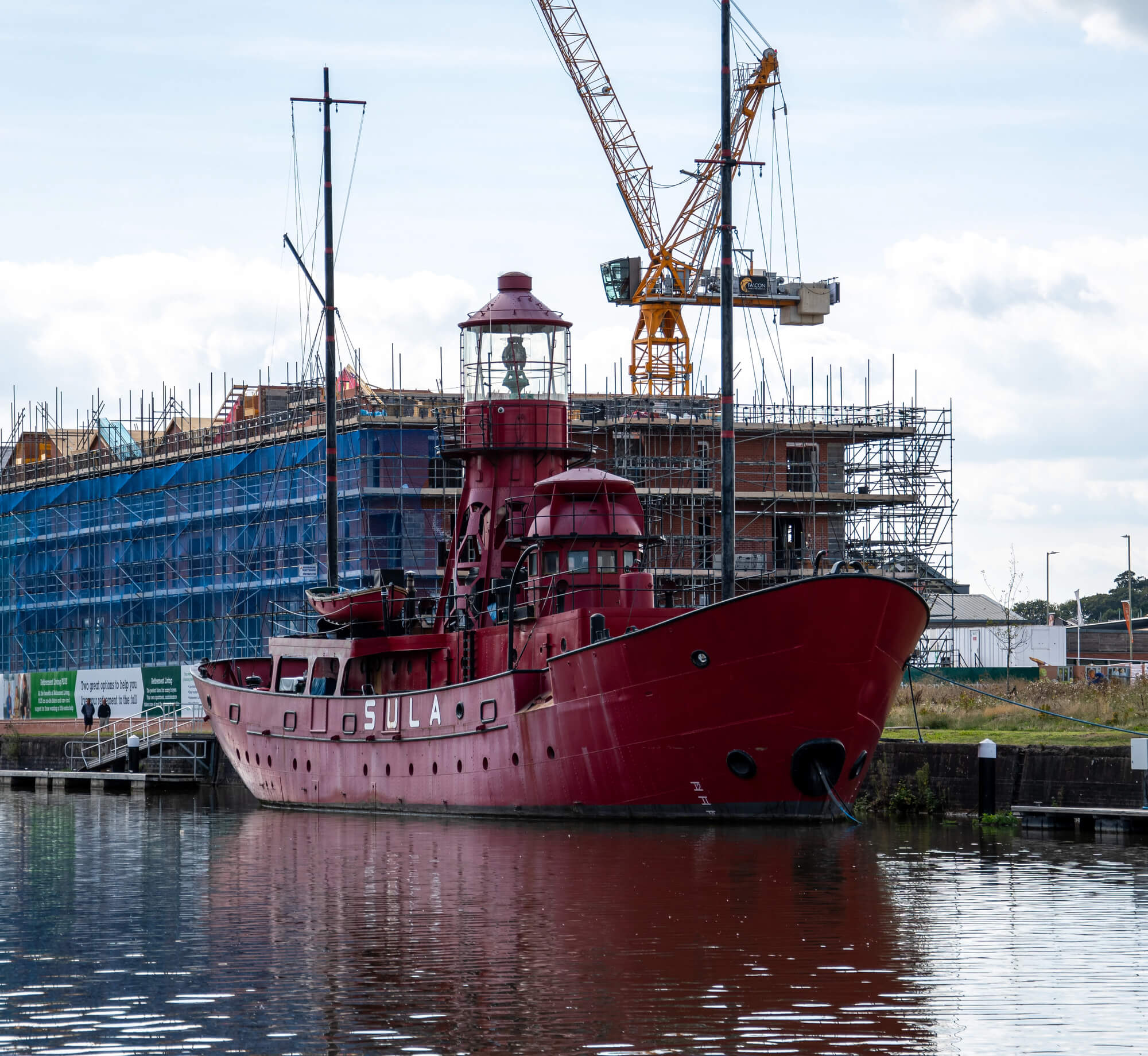
This Royal Navy warship ran aground and sank off Great Yarmouth, England, in 1682 while carrying the future King James II, who narrowly survived. Diving brothers Julian and Lincoln Barnwell found the wreck in 2007 but kept it secret for security reasons until its public announcement in 2022, and the find has been called the most significant British maritime discovery since the Mary Rose.
RMS Lusitania
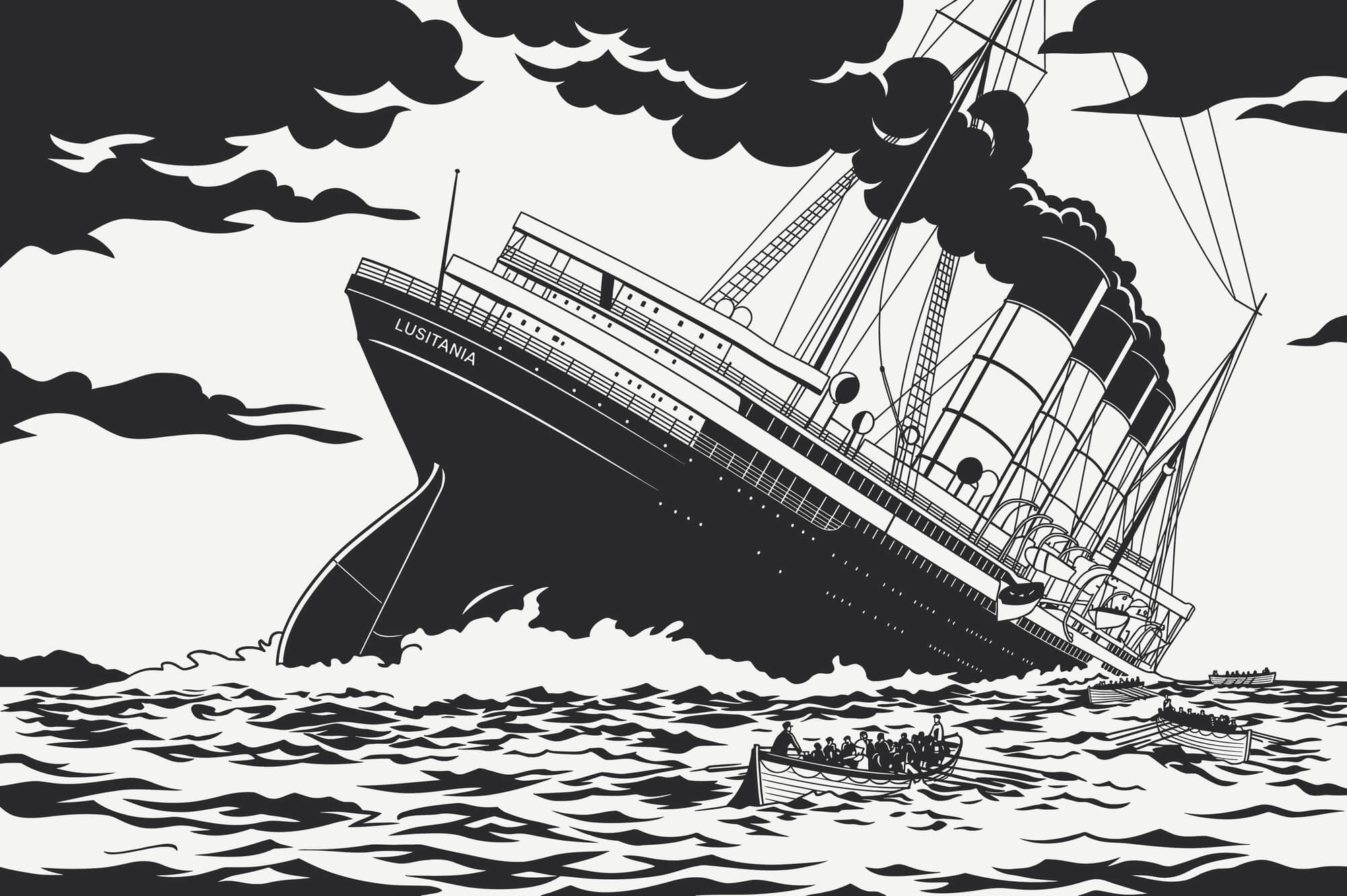
A German U-boat torpedoed this ocean liner off the coast of Ireland in 1915, killing nearly 1,200 people and helping draw the United States toward entering World War I. Dive expeditions to the wreck have reignited a long-running dispute over whether the ship was secretly carrying munitions, a claim the British government denied for decades.
SS Gairsoppa
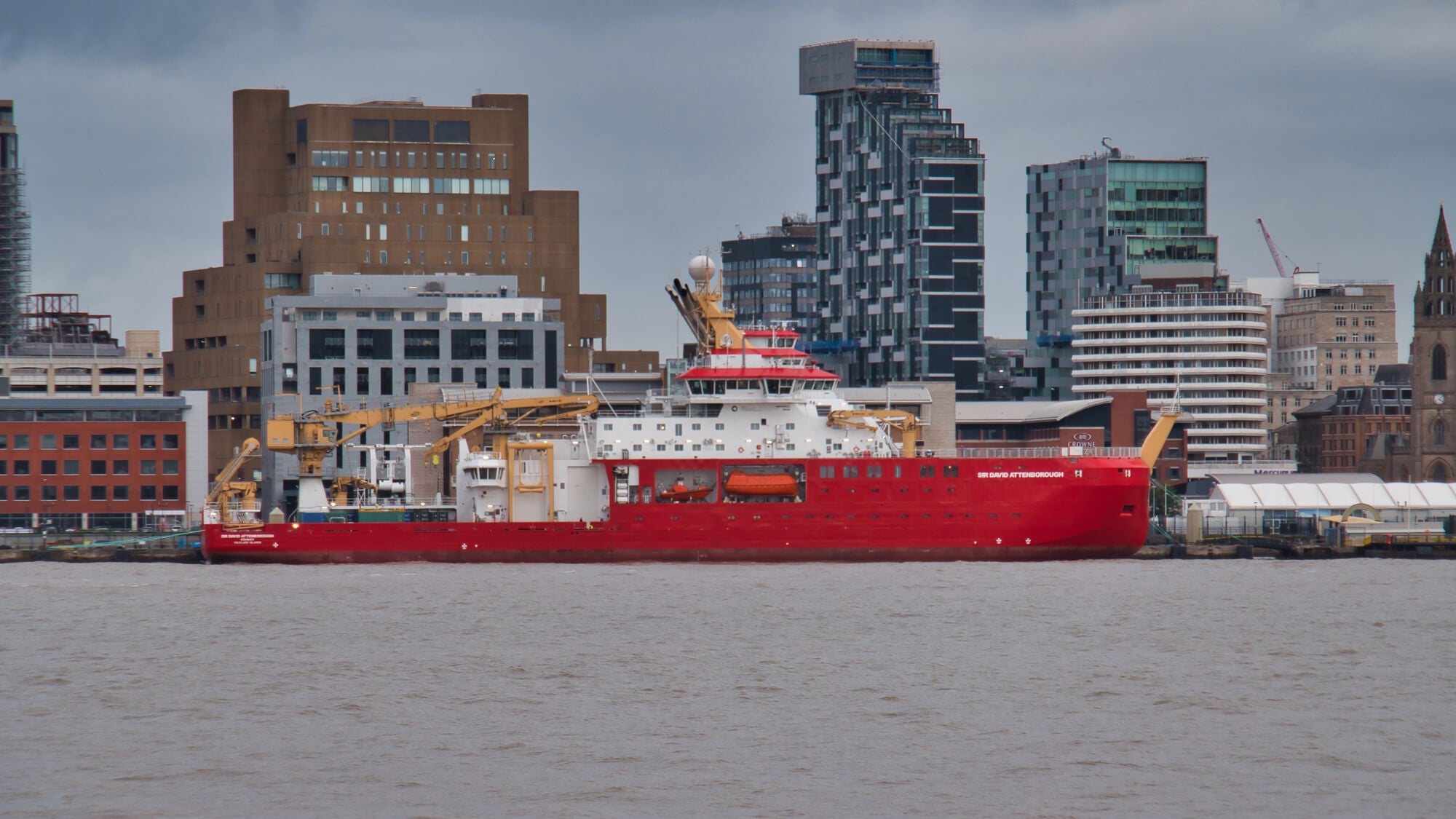
A German U-boat sank this British cargo ship in 1941 while it was traveling from India to Britain. Odyssey Marine Exploration located it in 2011 and recovered over 100 tons of silver bullion, at the time the largest and deepest precious metal recovery from a shipwreck ever conducted.
Girona
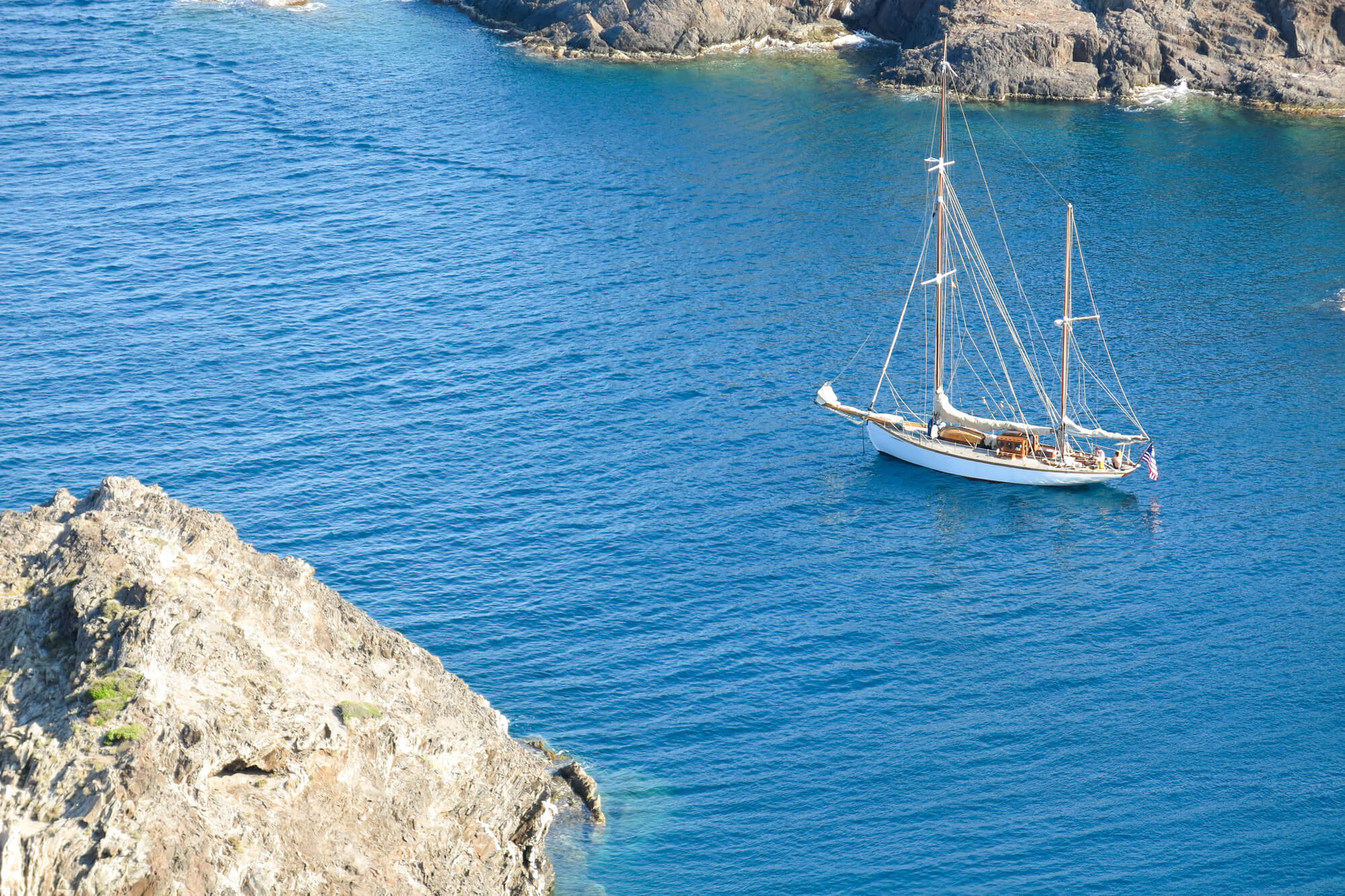
This Spanish Armada galleass wrecked off the coast of County Antrim, Ireland, in 1588 while attempting to flee back to Spain after the Armada’s defeat. Belgian diver Robert Stenuit located it in 1967, and the jewelry and coins recovered gave historians a far clearer picture of how wealthy the Armada’s officer class actually was.
Esmeralda
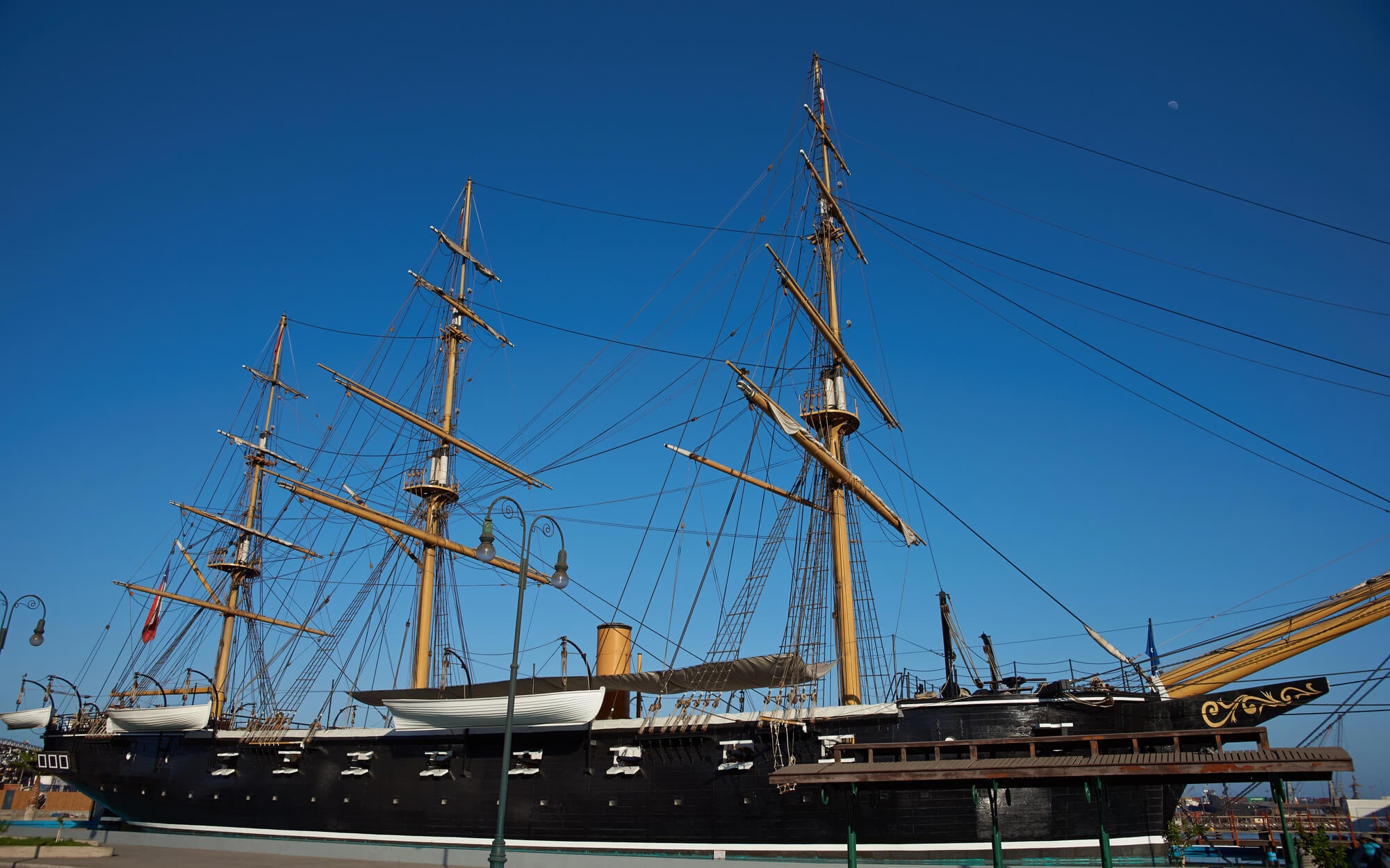
Part of Vasco da Gama’s fleet, this Portuguese ship sank in a storm off the coast of Oman in 1503. Marine archaeologist David Mearns and his team confirmed the wreck in 2016, making it the oldest known European shipwreck ever found in the Indian Ocean and a rare physical link to the earliest years of Portugal’s maritime empire.
Salt Water, Long Memory
Every wreck on this list was found by accident, obsession, or both, and none of them settled the argument its discoverers expected. The ocean does not preserve history so much as it interrupts it mid-sentence, leaving researchers to reconstruct the rest from timbers, cargo, and the occasional stroke of luck.
What makes these finds valuable is not that they closed old questions but that they opened new ones. A shipwreck is a fixed point in time, untouched by later retellings, and that is precisely why it keeps embarrassing the stories built up around it.
More from Go2Tutors!

- The Romanov Crown Jewels and Their Tragic Fate
- 13 Historical Mysteries That Science Still Can’t Solve
- Famous Hoaxes That Fooled the World for Years
- 15 Child Stars with Tragic Adult Lives
- 16 Famous Jewelry Pieces in History
Like Go2Tutors’s content? Follow us on MSN.