Ocean Currents That Control Global Climate
The ocean moves like a giant conveyor belt around our planet, carrying warm water toward the poles and cold water toward the equator. These massive streams of water don’t just affect what happens in the ocean—they’re actually the puppet masters behind much of our weather and climate patterns. Without these currents, places like London would be frozen solid, and the Amazon rainforest might be a desert.
Think of ocean currents as Earth’s heating and cooling system, constantly redistributing energy from the sun. Here’s a list of 18 ocean currents that play crucial roles in shaping our planet’s climate.
Gulf Stream

The Gulf Stream acts like a massive river of warm water flowing through the Atlantic Ocean, stretching about 5,000 miles from the Gulf of Mexico to the North Atlantic. This current moves roughly 30 times more water than all the world’s rivers combined, carrying tropical heat northward at speeds of up to 5.6 miles per hour.
Without the Gulf Stream, Western Europe would be about 9 degrees Fahrenheit colder, turning places like Ireland and the UK into something resembling northern Canada.
Kuroshio Current

Japan owes much of its mild climate to the Kuroshio Current, which flows like a warm blanket along the country’s eastern coast. This powerful current carries heat from the tropical Pacific northward, bringing warm, moist air that supports Japan’s agriculture and keeps coastal cities comfortable.
The Kuroshio can reach depths of 3,300 feet and moves at speeds comparable to a fast-flowing river, making it one of the strongest currents in the world.
California Current

The California Current flows southward along the West Coast of the United States, bringing cool water from the North Pacific down toward Mexico. This current creates the famous California fog by cooling warm, moist air as it moves inland, and it’s responsible for keeping coastal cities like San Francisco surprisingly cool even in summer.
The current also drives upwelling that brings nutrient-rich deep water to the surface, supporting some of the world’s most productive fisheries.
Like Go2Tutors’s content? Follow us on MSN.
Canary Current
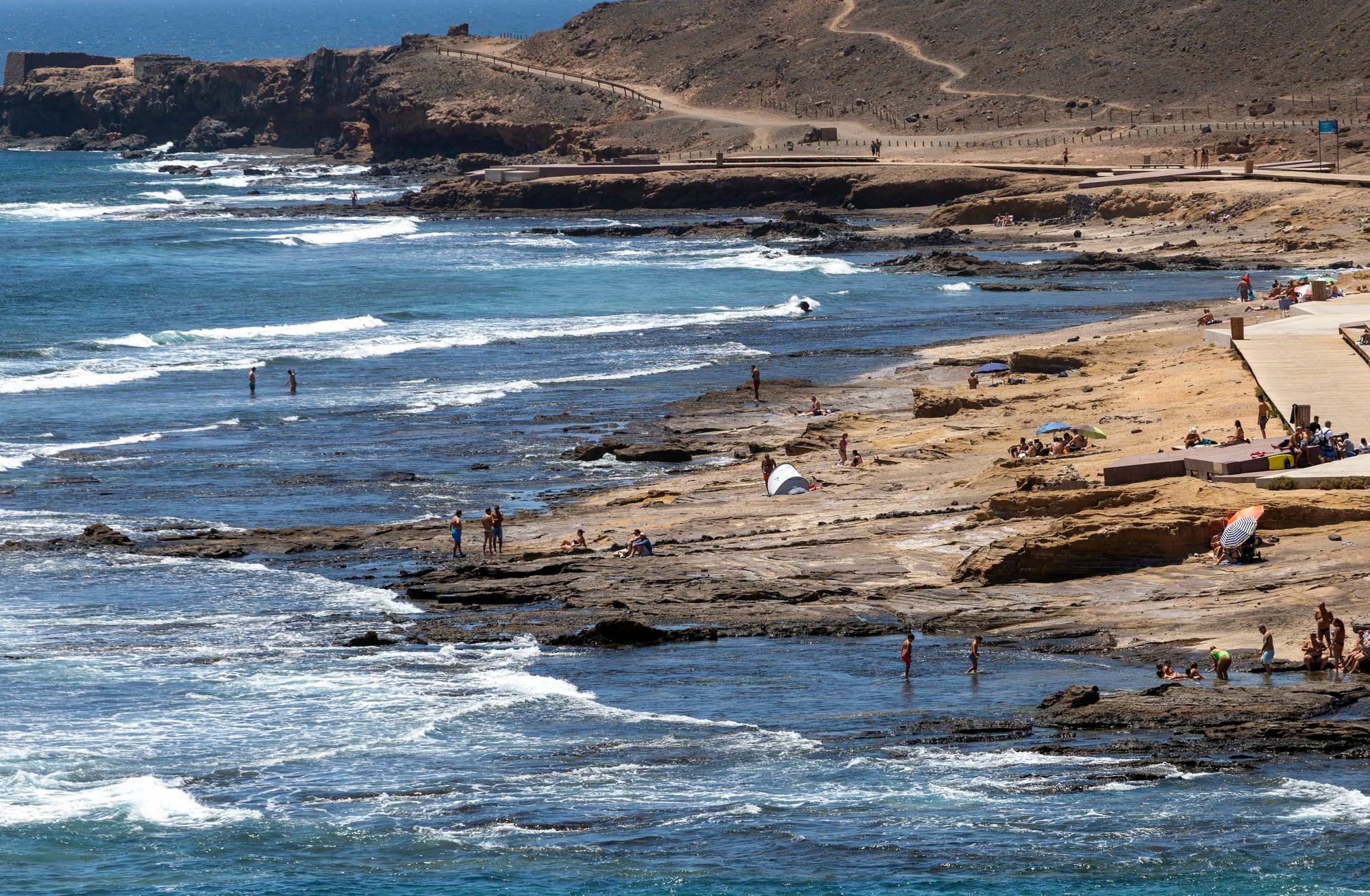
Off the coast of Northwest Africa, the Canary Current flows southward, carrying cooler water from the North Atlantic toward the equator. This current helps create the arid conditions found in the Sahara Desert by preventing warm, moist air from reaching the coast.
The current also supports upwelling that makes the waters off Morocco and Western Sahara incredibly rich in marine life, though it keeps the nearby land dry as bone.
Peru Current

Also known as the Humboldt Current, this cold-water system flows northward along the western coast of South America, creating some of the world’s most productive fishing grounds. The Peru Current brings nutrient-rich water to the surface through upwelling, supporting massive populations of anchovies and other fish that feed millions of seabirds.
This current also helps keep the Atacama Desert in Chile bone dry by cooling the air and preventing precipitation.
Benguela Current

The Benguela Current flows northward along Africa’s southwestern coast, bringing cold water from the Southern Ocean toward the equator. This current creates coastal upwelling that supports incredibly rich marine ecosystems, including large populations of sardines, anchovies, and seabirds.
The cold water also helps maintain the arid conditions of the Namib Desert, one of the world’s oldest deserts.
Like Go2Tutors’s content? Follow us on MSN.
Agulhas Current

Racing down the eastern coast of Africa, the Agulhas Current is one of the fastest and strongest currents in the world, moving warm water southward at speeds that can exceed 5 miles per hour. When this current meets the colder waters of the Southern Ocean, it creates a turbulent mixing zone that affects weather patterns across the southern Indian Ocean.
The current’s warm waters help moderate temperatures along South Africa’s east coast, supporting subtropical vegetation.
East Australian Current

Made famous by the movie ‘Finding Nemo,’ the East Australian Current flows southward along Australia’s eastern coastline, carrying warm tropical water toward cooler regions. This current helps keep Sydney and other coastal cities warmer than they would otherwise be, and it transports tropical marine species far south of their normal ranges.
The current can reach speeds of over 4 miles per hour and extends to depths of more than 6,500 feet.
Brazil Current

The Brazil Current flows southward along the South American coast, carrying warm water from the tropical Atlantic toward cooler southern regions. This current helps maintain the warm, humid conditions that support Brazil’s coastal rainforests and keeps cities like Rio de Janeiro warm year-round.
The current eventually meets the cold Falkland Current, creating a mixing zone that affects weather patterns across the South Atlantic.
Like Go2Tutors’s content? Follow us on MSN.
Antarctic Circumpolar Current

The Antarctic Circumpolar Current is the only current that flows completely around the globe, connecting the Atlantic, Pacific, and Indian Oceans in a massive loop around Antarctica. This enormous current moves more water than any other current system, carrying about 140 times the flow of all the world’s rivers combined.
It acts like a giant mixer, distributing heat and nutrients between the world’s major ocean basins and helping drive global ocean circulation.
North Atlantic Drift

The North Atlantic Drift is essentially the European extension of the Gulf Stream, carrying warm water across the Atlantic toward Western Europe. This current is why places like Norway can have ice-free ports even though they’re at the same latitude as Alaska’s frozen coastline.
The current brings not just warmth but also moisture, supporting the lush green landscapes of Ireland and the UK that would otherwise be tundra.
Labrador Current

Flowing southward along the eastern coast of Canada, the Labrador Current brings frigid Arctic water down from the Davis Strait and Baffin Bay. This current carries icebergs from Greenland into the North Atlantic shipping lanes, including the one that sank the Titanic in 1912.
The cold water helps keep Canada’s Maritime provinces cooler than they would otherwise be and creates the nutrient-rich conditions that support the Grand Banks fisheries.
Like Go2Tutors’s content? Follow us on MSN.
Oyashio Current

The Oyashio Current flows southward along the eastern coasts of Russia and Japan, bringing cold, nutrient-rich water from the Arctic regions. When this frigid current meets the warm Kuroshio Current off Japan, it creates one of the world’s most productive fishing areas, supporting large populations of salmon, crab, and other cold-water species.
The mixing of these two currents also influences weather patterns across the North Pacific.
Alaska Current

The Alaska Current carries relatively warm water northward along the Gulf of Alaska, helping to moderate temperatures along Alaska’s southern coast. This current is fed by the North Pacific Current and brings enough warmth to keep many Alaskan ports ice-free year-round.
The current also transports nutrients that support rich marine ecosystems, including the salmon runs that are crucial to both wildlife and local economies.
Falkland Current

The Falkland Current flows northward along the eastern coast of South America, bringing cold water from the Southern Ocean toward the equator. This current helps create the cool, temperate conditions found in Patagonia and affects weather patterns across the southwestern Atlantic.
When the Falkland Current meets the warm Brazil Current, it creates a complex mixing zone that influences storm formation and precipitation patterns.
Like Go2Tutors’s content? Follow us on MSN.
West Wind Drift

Also known as the Antarctic Circumpolar Current’s surface layer, the West Wind Drift is driven by the powerful westerly winds that circle Antarctica. This current system helps distribute cold water from the Southern Ocean to the other major ocean basins, playing a crucial role in global ocean circulation.
The current also helps isolate Antarctica from warmer waters, maintaining the continent’s ice sheets and affecting global sea levels.
Equatorial Countercurrent

Flowing eastward along the equator in both the Pacific and Atlantic Oceans, the Equatorial Countercurrent moves against the trade winds and the westward-flowing equatorial currents. This current helps redistribute warm water across the tropical oceans and plays a key role in phenomena like El Niño and La Niña.
The countercurrent also affects tropical weather patterns and can influence the formation and intensity of hurricanes and typhoons.
Leeuwin Current

The Leeuwin Current flows southward along Australia’s western coast, bringing warm tropical water toward cooler southern regions. Unlike most eastern boundary currents, which are cold, the Leeuwin Current is warm and helps create the unique marine ecosystems found along Western Australia’s coast.
This current supports coral reefs at unusually high latitudes and influences the region’s weather patterns, bringing moisture that supports coastal vegetation.
Like Go2Tutors’s content? Follow us on MSN.
The Ocean’s Endless Dance

These 18 currents work together like instruments in a global orchestra, each playing its part in the complex symphony of Earth’s climate system. From the Gulf Stream’s role in keeping Europe habitable to the Peru Current’s creation of one of the world’s driest deserts, these massive flows of water have shaped human civilization in ways we’re only beginning to understand.
As our climate continues to change, scientists are watching these currents closely, knowing that shifts in their patterns could reshape weather and ecosystems around the world for generations to come.
More from Go2Tutors!

- 18 Unexpectedly Valuable Collectibles You Might Have Lying Around
- 20 Little-Known Historical Battles That Had Huge Consequences
- 20 Historical Artifacts That Scientists Can’t Explain
- 15 Inventions That Were Immediately Banned After Being Created
- 20 Actors Who Were Almost Cast in Iconic Roles
Like Go2Tutors’s content? Follow us on MSN.



