26 Monuments Renamed More Than Once
A name is supposed to be the one stable thing about a landmark, the label that outlasts politics, sponsorship deals, and shifting public opinion. These 26 monuments and landmarks prove otherwise, having cycled through two, three, or more official names as governments, corporations, and committees each took a turn deciding what to call them.
Hagia Sophia
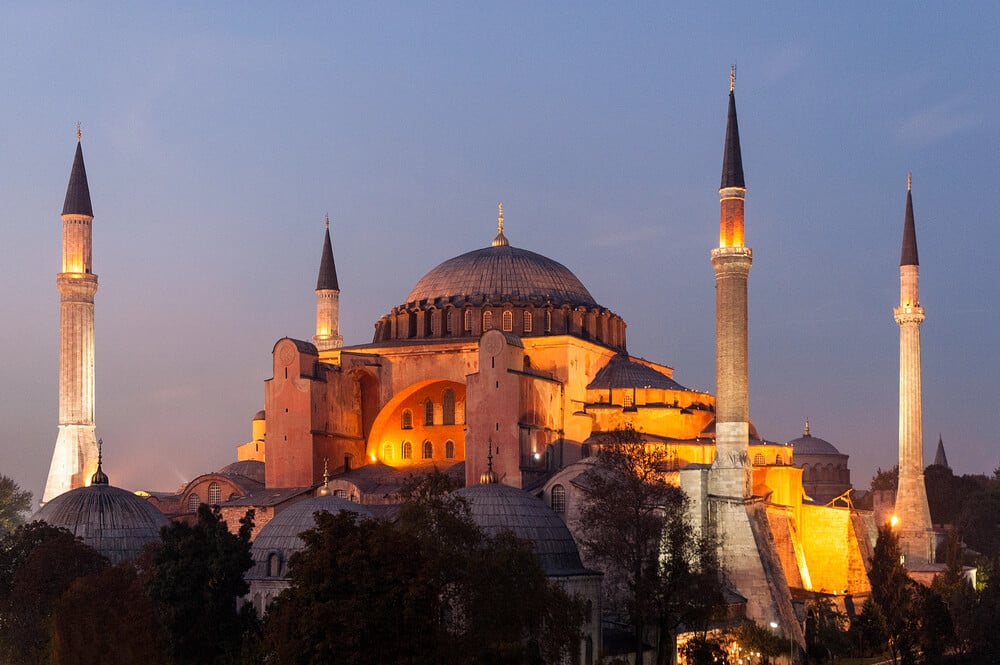
Built in Constantinople in the sixth century as a Christian cathedral, Hagia Sophia was converted into a mosque following the Ottoman conquest in 1453, then transformed into a secular museum in 1934 under the Turkish republic’s new government. In 2020, a Turkish court ruling reversed the museum designation and returned the building to active use as a mosque. Its underlying name has stayed largely consistent, but its formal designation and function have shifted back and forth across nearly six centuries.
Denali
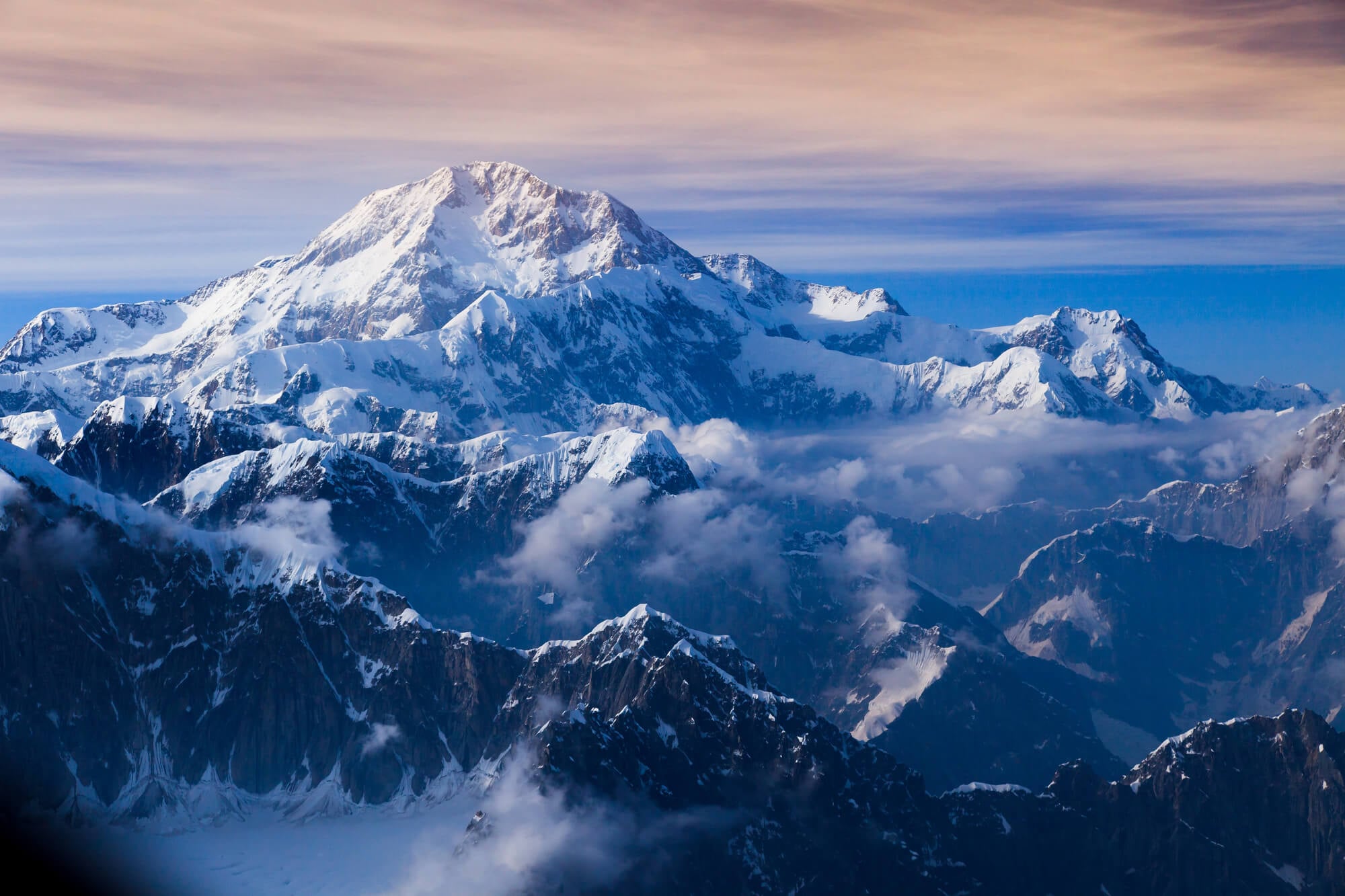
North America’s tallest peak was long known by its Koyukon Athabaskan name, Denali, before the United States government officially designated it Mount McKinley in 1917, honoring a president who had no direct connection to Alaska. The federal government formally reverted the mountain’s name back to Denali in 2015, following decades of advocacy from Alaska Native communities and the state government. The mountain has therefore carried its original name, an imposed alternative, and then its original name again within the span of about a century.
Uluru
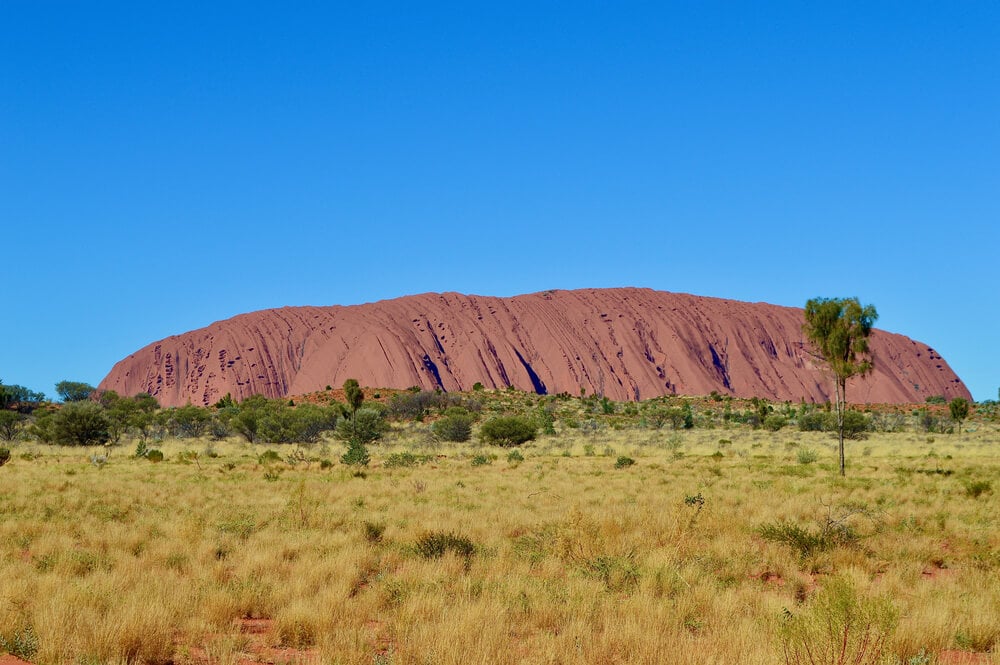
The massive sandstone monolith in central Australia, sacred to the local Anangu people, was named Ayers Rock by a British surveyor in 1873, after a South Australian premier who had never visited the site. Australian authorities officially adopted a dual name, Ayers Rock/Uluru, in 1993, before reversing the word order to Uluru/Ayers Rock in 2002 to give priority to the traditional name. Many visitors and official materials today simply refer to it as Uluru alone.
Cape Canaveral
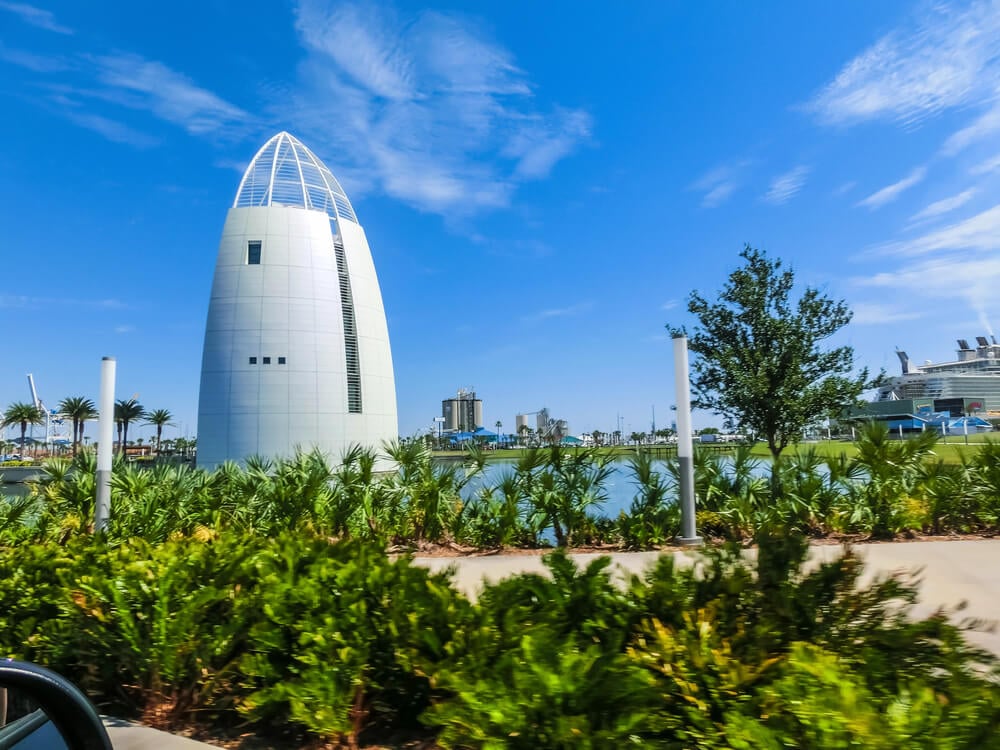
The Florida launch site, long known as Cape Canaveral, was renamed Cape Kennedy in 1963 following President John F. Kennedy’s assassination, at the request of his widow and with the approval of the Florida governor. Local residents and officials pushed back against the change for years, and the state legislature formally restored the name Cape Canaveral in 1973. The nearby space center itself retained the Kennedy name throughout, creating a lasting distinction between the cape and the facility built on it.
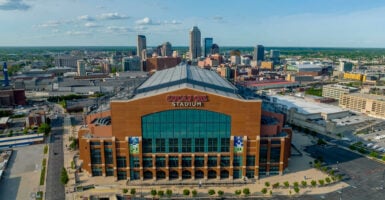
Hard Rock Stadium
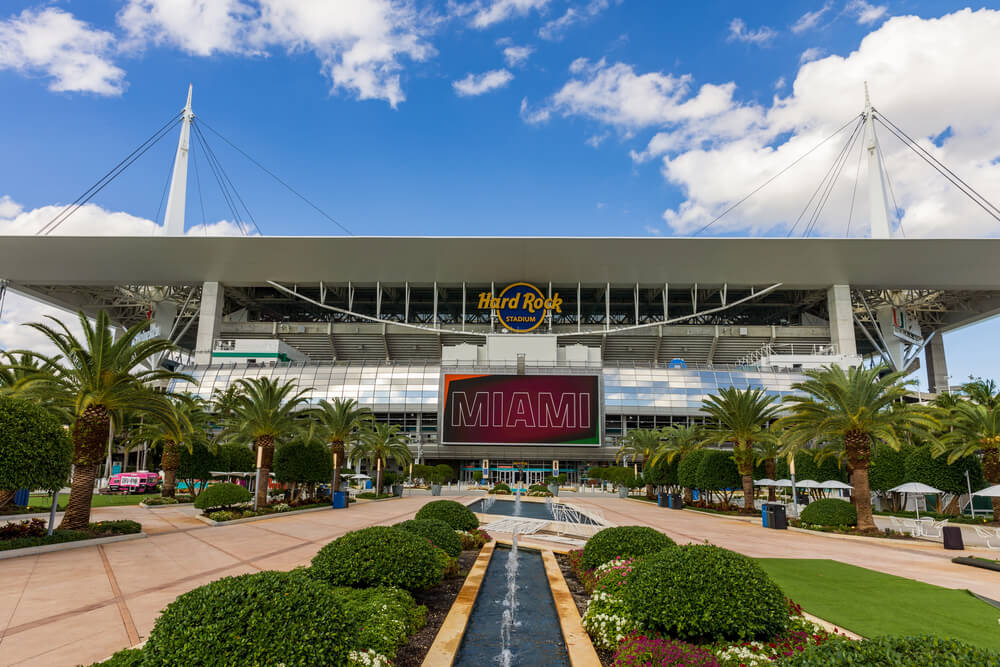
Miami’s professional football stadium has carried at least six different names since opening in 1989, beginning as Joe Robbie Stadium before cycling through Pro Player Stadium, Dolphins Stadium, Land Shark Stadium, Sun Life Stadium, and Hard Rock Stadium as successive naming-rights sponsors came and went. Each renaming required updating signage, broadcast graphics, and local wayfinding across the surrounding area. The stadium’s actual structure has remained largely the same building through all six identities.
The IZOD Center
A multipurpose arena in East Rutherford, New Jersey, opened as Brendan Byrne Arena in 1981, honoring the state’s sitting governor, before being renamed Continental Airlines Arena in 1996 under a corporate sponsorship deal. It became the IZOD Center in 2007 under a new naming agreement, before finally reverting to the Brendan Byrne Arena name shortly before its closure in the 2010s. The venue closed for good having carried its original name at both the beginning and the end of its operating life.
Guaranteed Rate Field
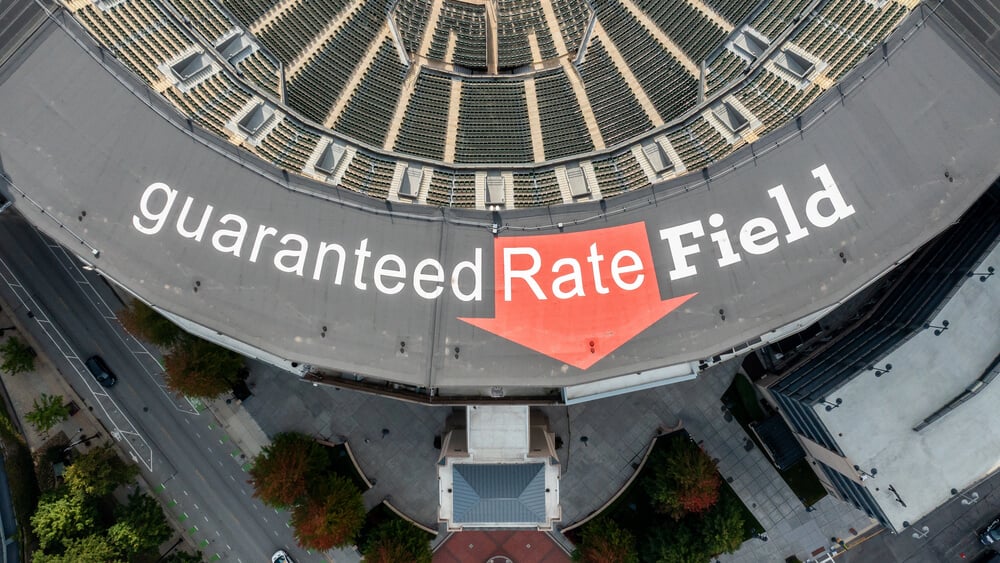
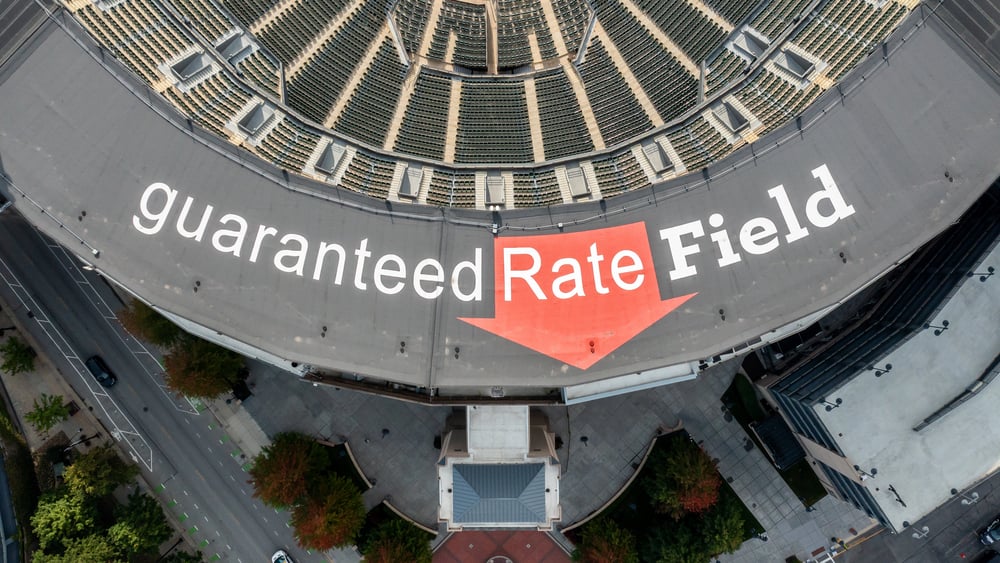
Chicago’s South Side ballpark opened in 1991 simply as new Comiskey Park, named after the historic stadium it replaced, before being renamed U.S. Cellular Field in 2003 under a corporate sponsorship agreement. It became Guaranteed Rate Field in 2016 following a new naming deal. Longtime fans in Chicago have continued referring to the stadium informally by earlier names regardless of its current official title.
FedExField
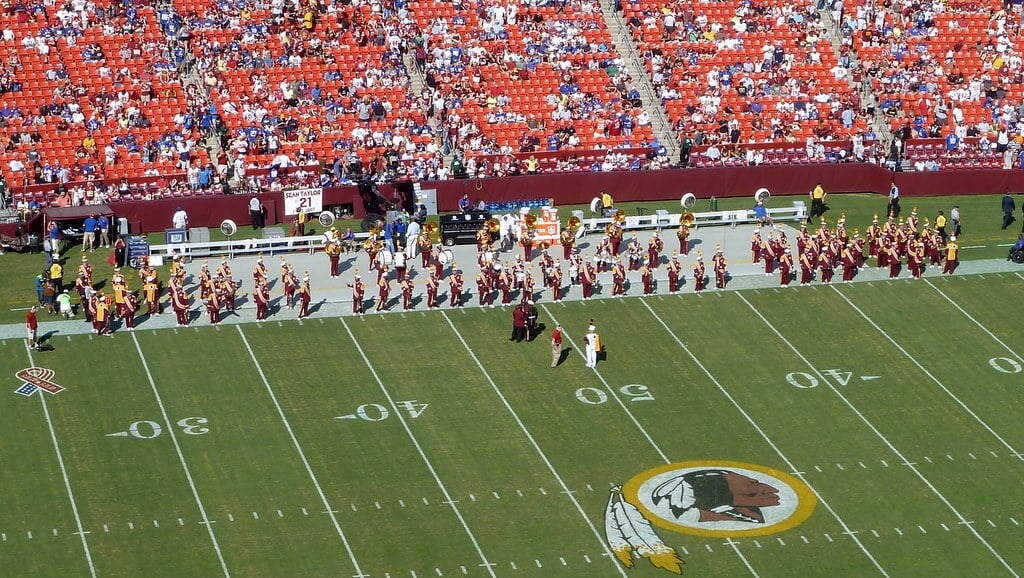
The home stadium of Washington’s NFL franchise opened in 1997 as Jack Kent Cooke Stadium, named for the team’s longtime owner, before being renamed FedExField in 1999 following a new ownership group’s sponsorship agreement. The stadium briefly carried the name Redskins Stadium in official contexts during a transitional period before the FedEx deal was finalized. It has retained the FedExField name for over two decades since.
The Superdome
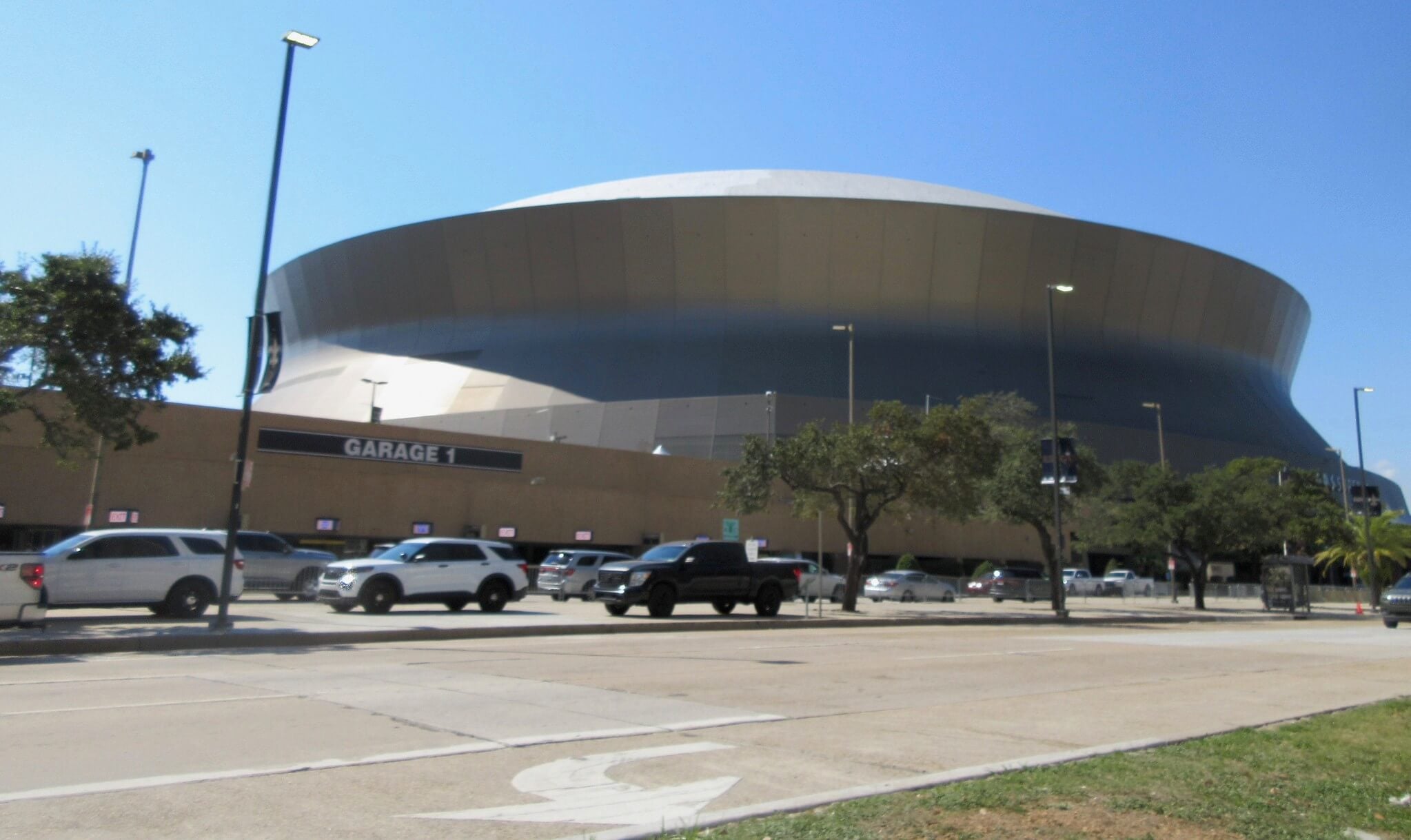
New Orleans’s domed stadium opened in 1975 as the Louisiana Superdome, a name it carried for over three decades before becoming the Mercedes-Benz Superdome under a naming-rights deal in 2011. It was renamed the Caesars Superdome in 2021 following a new sponsorship agreement. The stadium remains widely known simply as “the Superdome” in casual conversation regardless of whichever corporate name currently applies.
Empower Field at Mile High
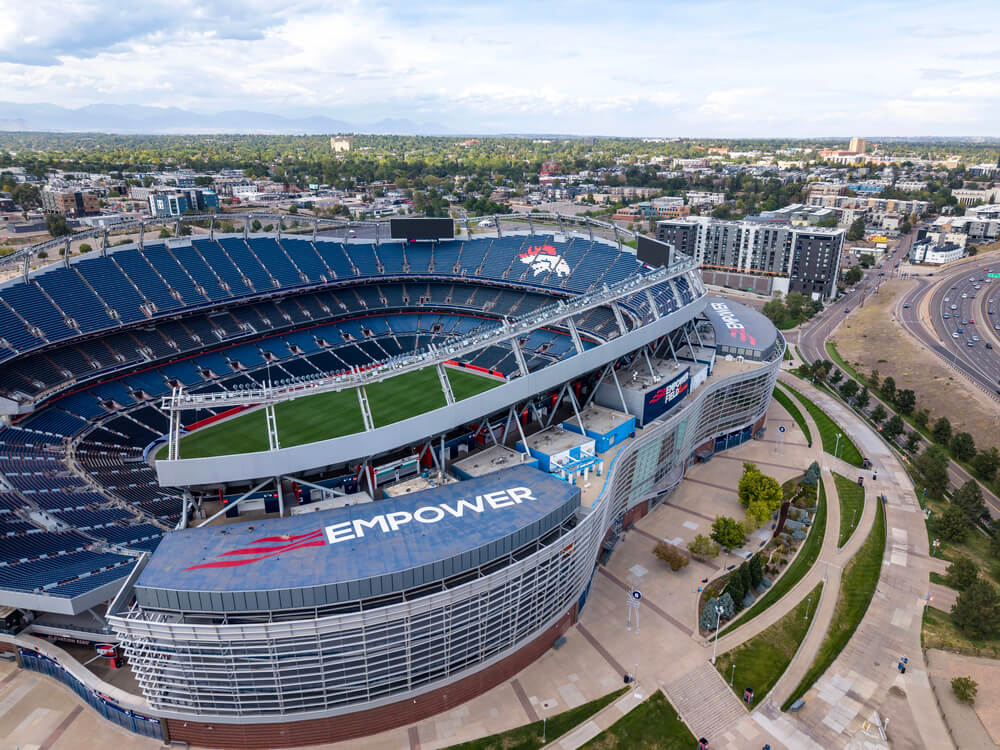
Denver’s stadium opened in 2001 as Invesco Field at Mile High, replacing the original Mile High Stadium, before becoming Sports Authority Field at Mile High in 2011 under a new sponsorship agreement. Following Sports Authority’s 2016 bankruptcy, the stadium was renamed Broncos Stadium at Mile High on an interim basis, before finally becoming Empower Field at Mile High in 2019. The words “at Mile High” have remained a constant thread through every version of the name.
Footprint Center
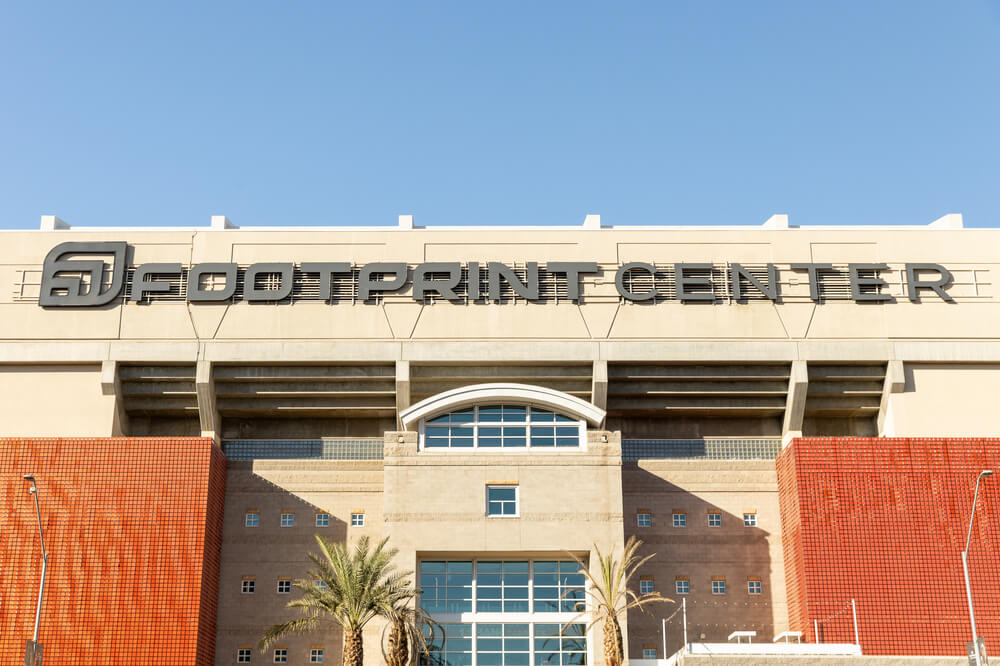
Phoenix’s downtown arena opened in 1992 as America West Arena, named for the regional airline, before becoming US Airways Center in 2006 after America West merged with US Airways. It was renamed Talking Stick Resort Arena in 2015 and then Footprint Center in 2021 under successive new sponsorship deals. The arena’s four different names in under three decades track closely with the shifting fortunes of its various corporate sponsors.
Bridgestone Arena
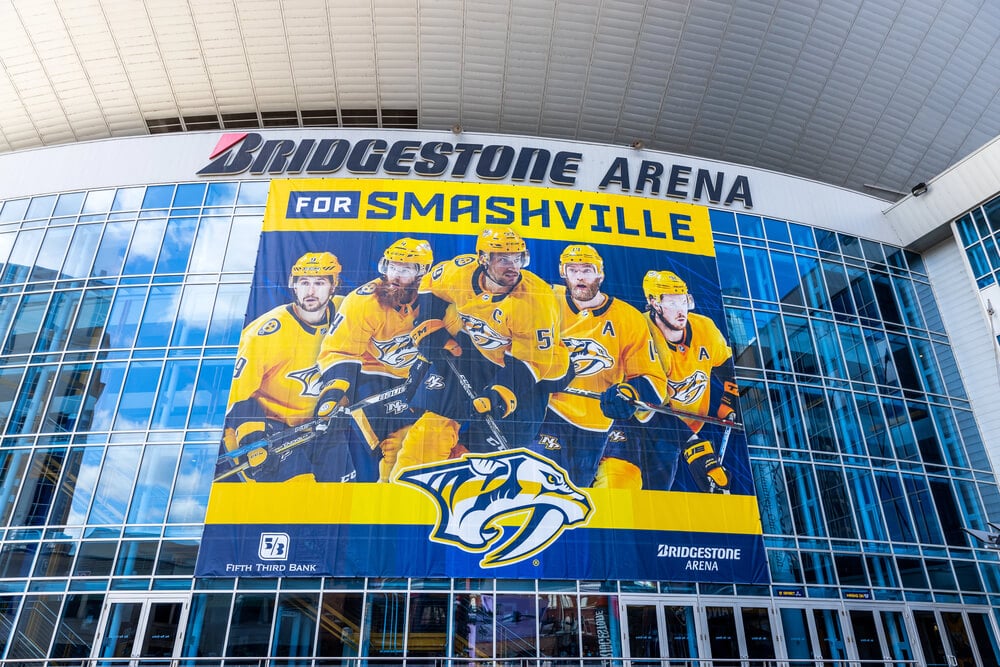
Nashville’s downtown arena opened in 1996 as the Nashville Arena before being renamed in 1999 under a local hospitality company’s sponsorship. It became the Sommet Center in 2007, then Bridgestone Arena in 2010 following a new naming agreement with the tire manufacturer. The venue has retained the Bridgestone name for well over a decade, longer than any of its previous designations.
Enterprise Center
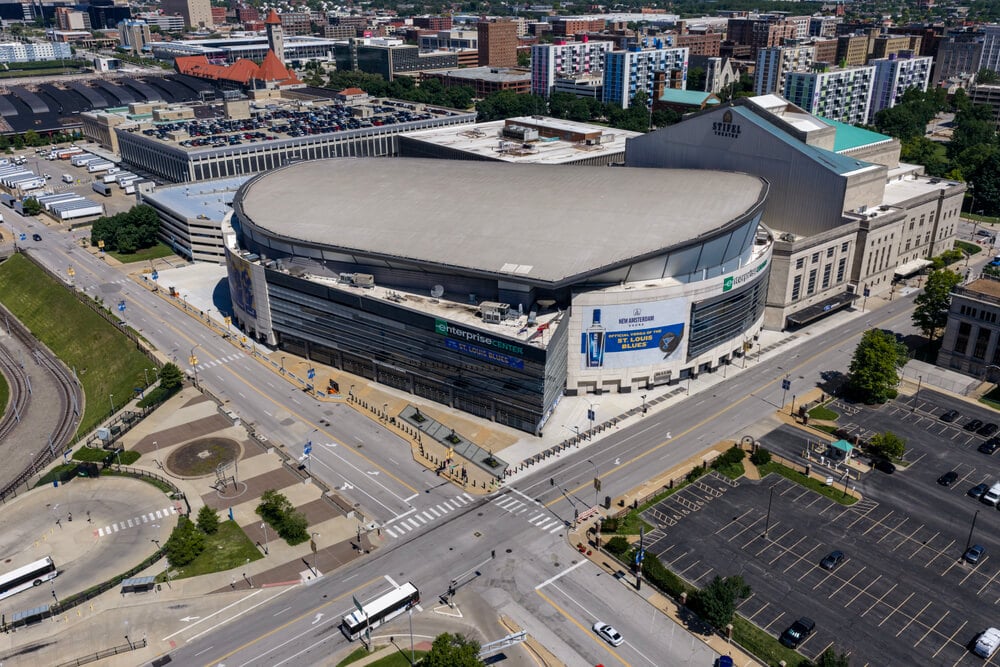
St. Louis’s downtown arena opened in 1994 as the Kiel Center, honoring an earlier St. Louis auditorium of the same name, before being renamed the Savvis Center in 2000 under a technology company’s sponsorship deal. It became the Scottrade Center in 2006 and then the Enterprise Center in 2018 following the brokerage firm’s acquisition of the naming rights. Each renaming has required the local hockey franchise to update branding across its arena signage and merchandise.
KeyBank Center
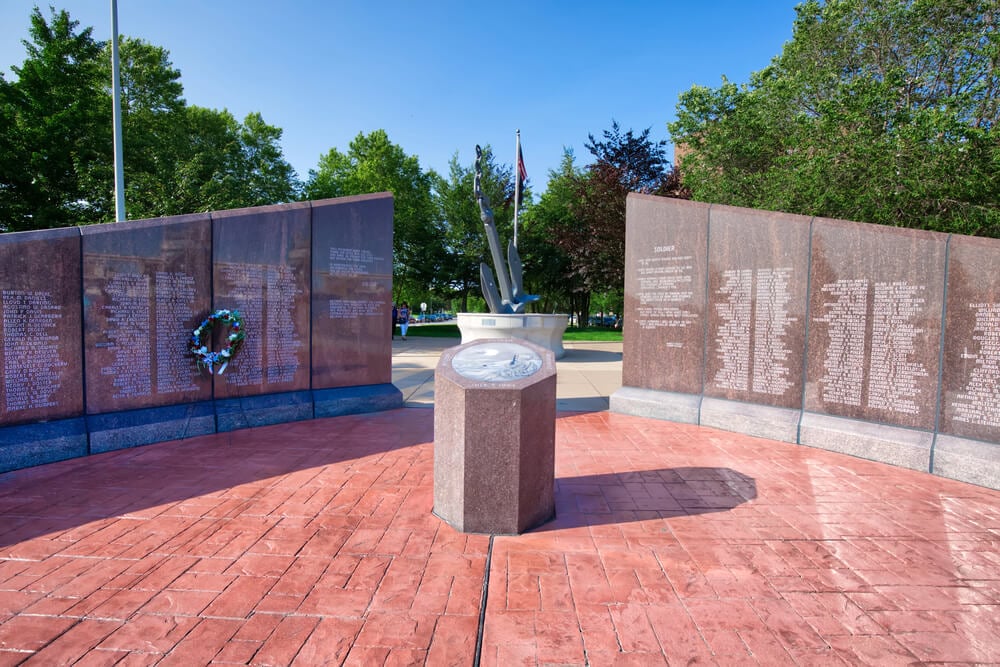
Buffalo’s downtown arena opened in 1996 as the Marine Midland Arena, named for a regional bank, before becoming the HSBC Arena in 1999 after HSBC acquired Marine Midland. It was renamed First Niagara Center in 2011 and then KeyBank Center in 2016 following a merger and subsequent sponsorship deal. The arena’s four names over roughly two decades closely mirror a series of banking industry mergers rather than any change to the building itself.
Sacramento’s Downtown Arena
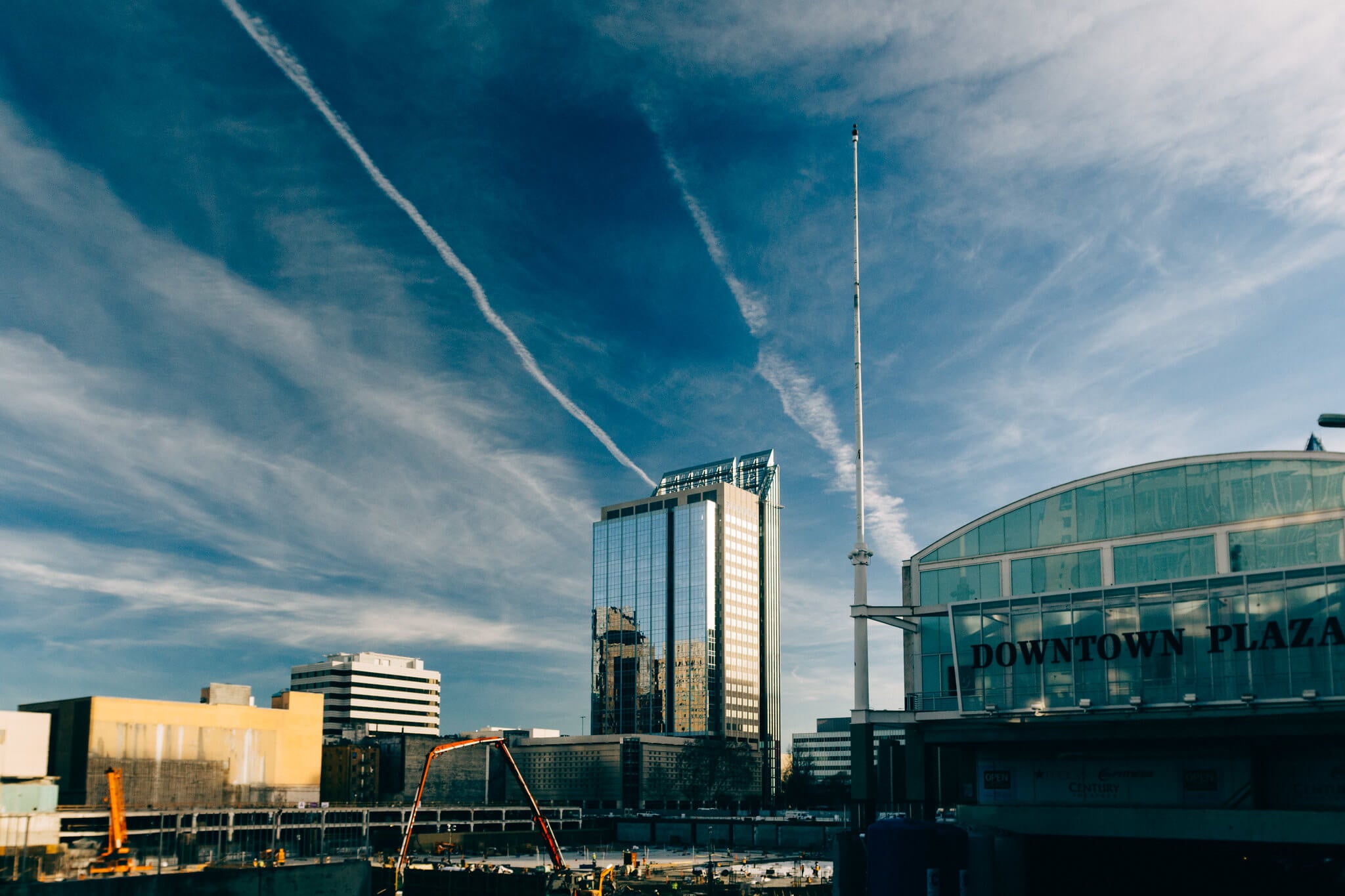
Sacramento’s former professional basketball arena opened in 1988 as ARCO Arena, named for the oil company, before undergoing a series of renamings including Power Balance Pavilion in 2011 and Sleep Train Arena in 2013 under successive sponsorship agreements. The team’s move to a new downtown facility, the Golden 1 Center, in 2016 finally ended the older arena’s decades-long string of corporate name changes by taking it out of major league use altogether. Locals still occasionally refer to the original site by its earliest ARCO name.
SDCCU Stadium
San Diego’s multipurpose stadium opened in 1967 as San Diego Stadium before being renamed Jack Murphy Stadium in 1981 to honor a local sportswriter who had championed its construction. It became Qualcomm Stadium in 1997 under a corporate naming deal, and then SDCCU Stadium in 2017 following a new sponsorship agreement with a local credit union. The stadium was demolished in 2021 after carrying four different official names across its roughly 54-year existence.
Rexall Place
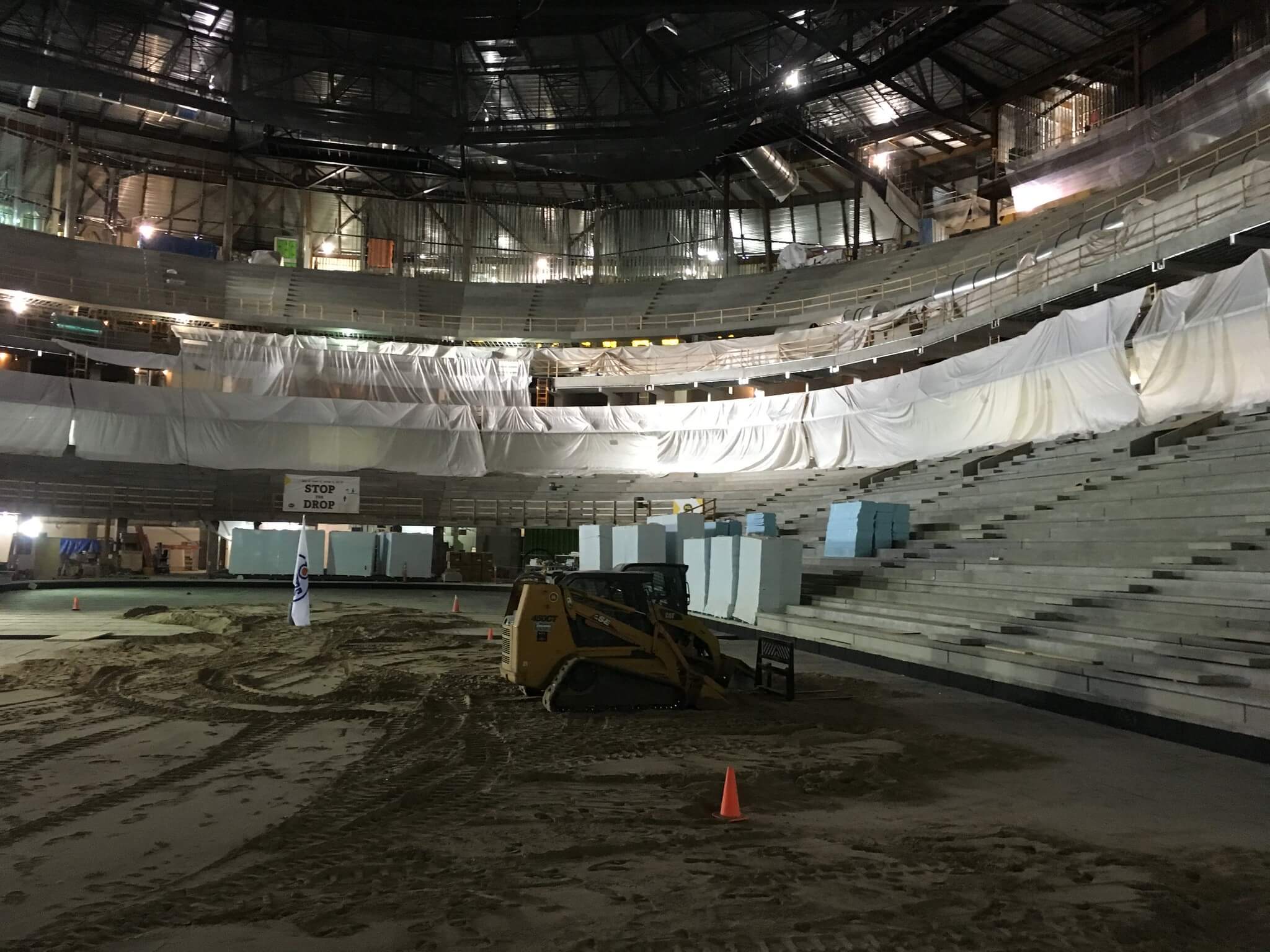
Edmonton’s longtime hockey arena opened in 1974 as the Northlands Coliseum, named for the exhibition grounds where it was built, before becoming the Edmonton Coliseum and later the Skyreach Centre in 1998 under a corporate sponsorship deal. It was renamed Rexall Place in 2003 following a new naming agreement with the pharmacy retailer. The arena operated under at least four distinct names before the city’s hockey team moved to a new downtown facility in 2016.
Canadian Tire Centre
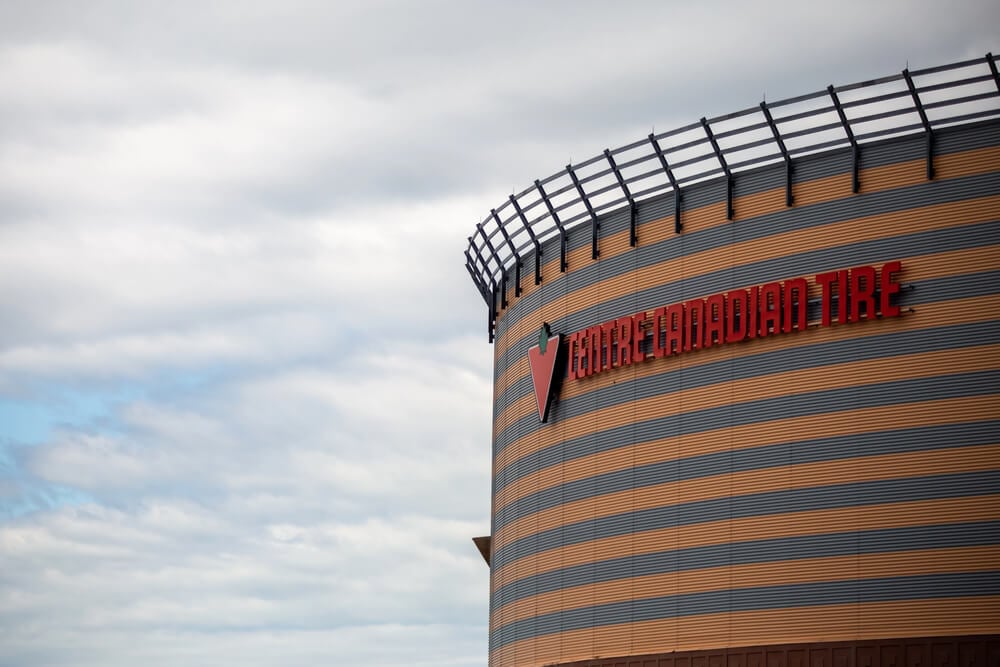
Ottawa’s arena opened in 1996 as the Palladium before being renamed the Corel Centre in 1997 under a software company’s sponsorship deal. It became Scotiabank Place in 2006 and then Canadian Tire Centre in 2013 following successive naming-rights agreements. The four names in under two decades reflect how frequently major sponsorship deals for hockey arenas have turned over in the Canadian market specifically.
Amalie Arena
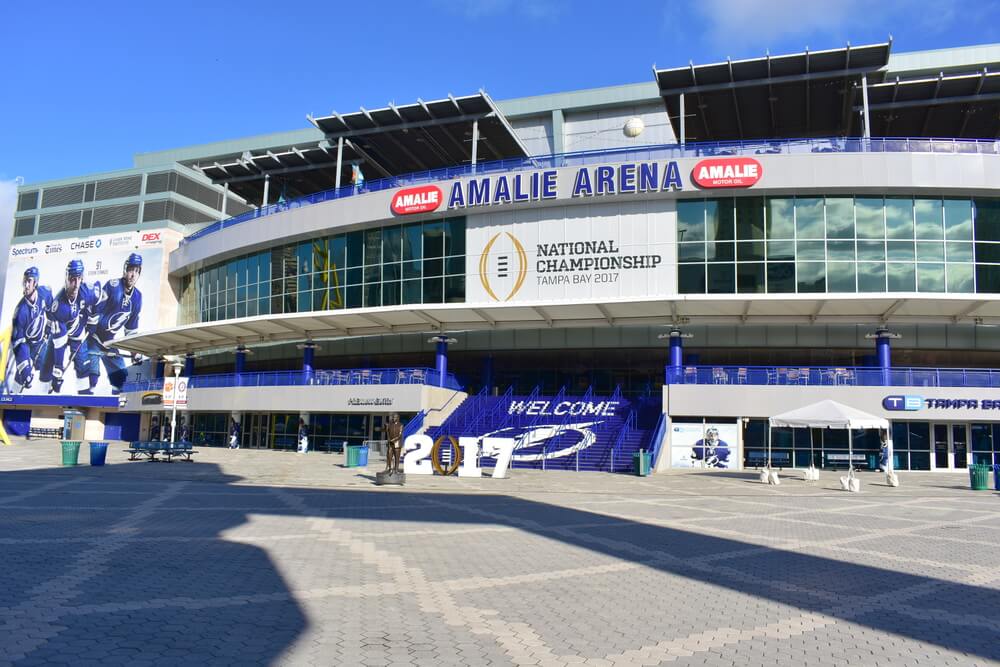
Tampa’s downtown arena opened in 1996 as the Ice Palace before becoming the St. Pete Times Forum in 2002 under a newspaper sponsorship deal. It was renamed the Tampa Bay Times Forum in 2011 following the newspaper’s own rebranding, and then Amalie Arena in 2014 under a motor oil company’s sponsorship. The venue’s name changes have tracked closely with shifts in the local media and sponsorship landscape over nearly three decades.
The Hoover Dam
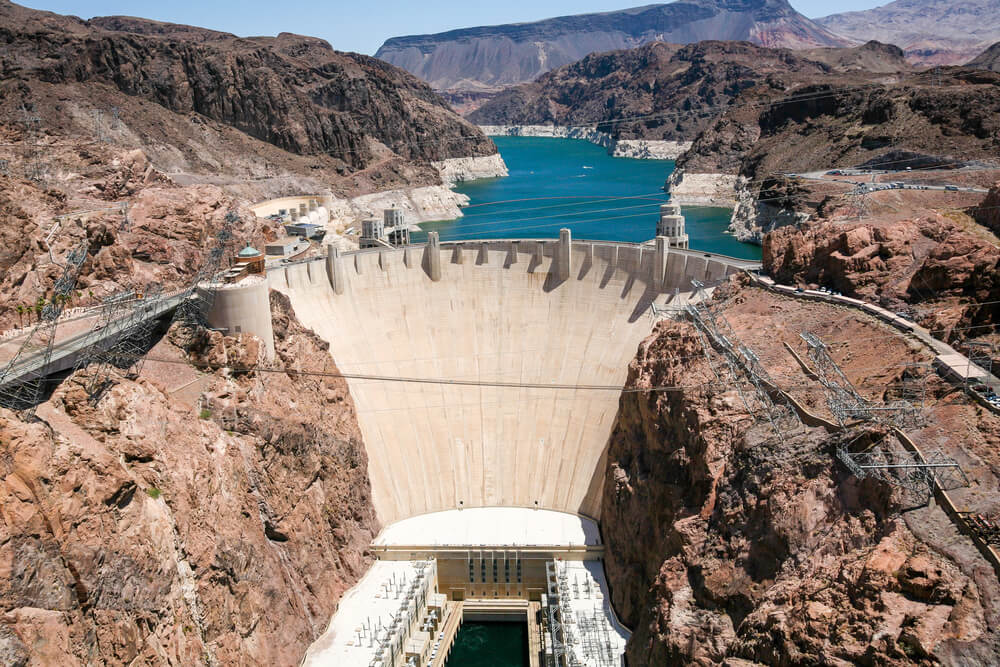
The massive dam on the Colorado River was informally called Hoover Dam at its 1930 dedication, honoring the sitting president, but the federal government officially designated it Boulder Dam in 1933 amid political controversy surrounding Herbert Hoover’s legacy following his election defeat. Congress formally restored the Hoover Dam name in 1947, settling a naming dispute that had lasted well over a decade. The intervening Boulder Dam name still appears on some older maps, currency, and government documents from the period.
Wrigley Field
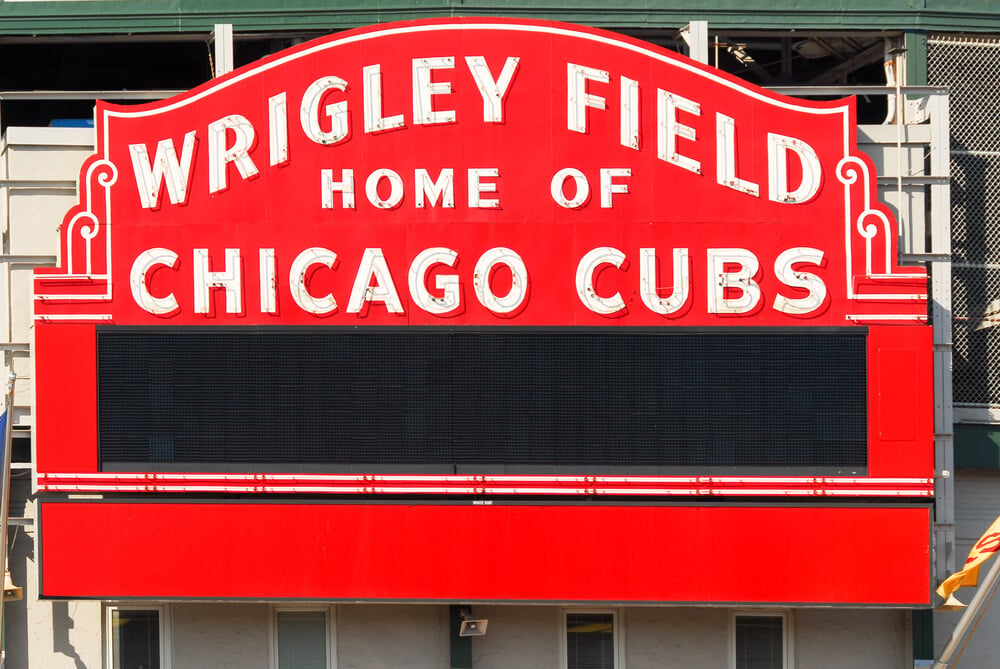
Chicago’s historic ballpark opened in 1914 as Weeghman Park, named for the team owner who built it, before being renamed Cubs Park in 1920 after a change in ownership. It became Wrigley Field in 1926, honoring the chewing gum magnate who had taken control of the team, a name it has retained for nearly a century since. The stadium’s early history of three different names in just over a decade contrasts sharply with the remarkable stability of the Wrigley name that followed.
TD Garden
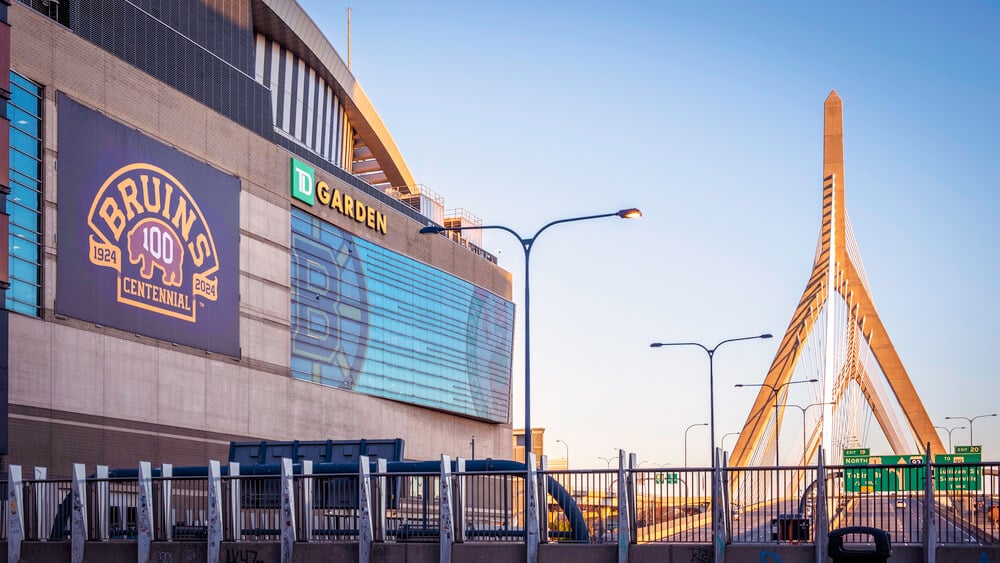
Boston’s downtown arena opened in 1995 as the Boston Garden’s replacement, briefly known simply as the New Boston Garden before quickly being renamed the FleetCenter under a banking sponsorship deal. It became TD Banknorth Garden in 2005 following a bank merger, before being shortened to TD Garden in 2009. The successive renamings closely tracked a series of bank acquisitions in the New England region during the 2000s.
Kaseya Center
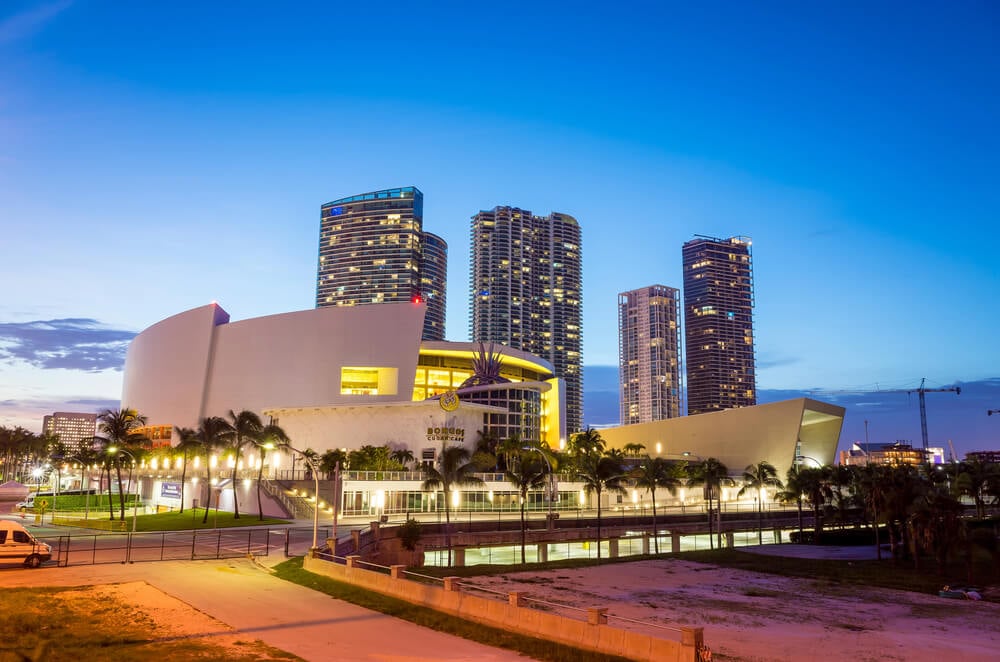
Miami’s downtown arena opened in 1988 as the Miami Arena before the basketball team’s move to a new facility in 1999, which opened as American Airlines Arena. That newer arena was renamed FTX Arena in 2021 under a cryptocurrency exchange’s sponsorship deal, only for the name to be hastily dropped in 2022 following FTX’s high-profile collapse and fraud allegations against its founder. The arena became the Kaseya Center in 2023 under a new sponsorship agreement, closing out one of the more turbulent naming histories among major American sports venues.
Mount Everest
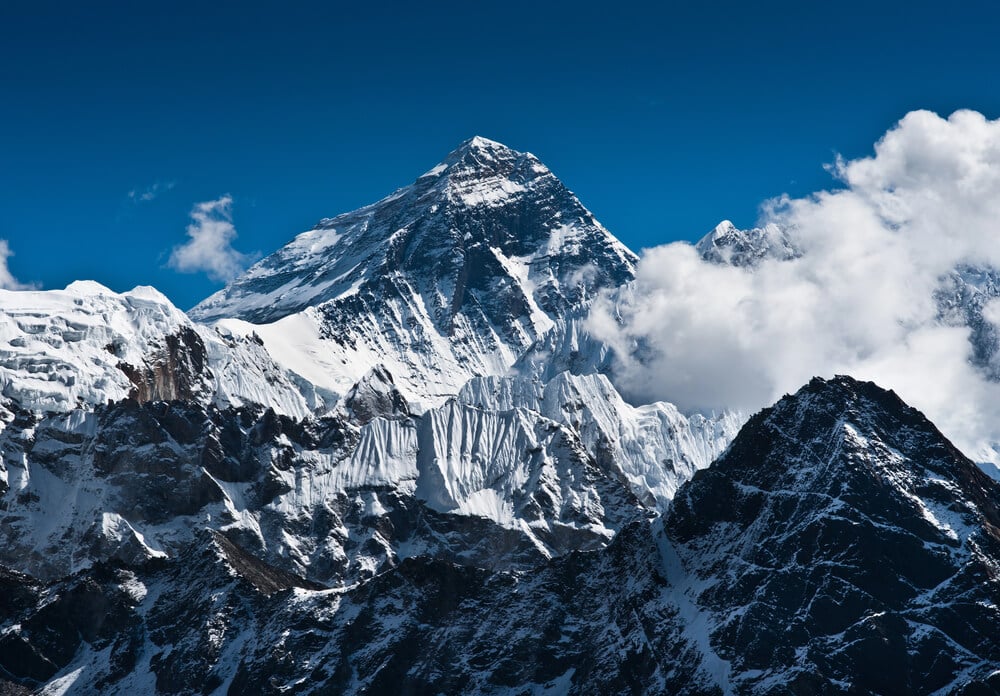
The world’s tallest peak was designated Peak XV by British surveyors in the mid-19th century before being renamed Mount Everest in 1865, honoring a former surveyor general of India who had never personally seen the mountain. The peak has long carried separate traditional names as well, including Sagarmatha in Nepali and Chomolungma in Tibetan, both of which predate the British survey designation. All three names remain in active use today depending on the language and context.
Spectrum Center
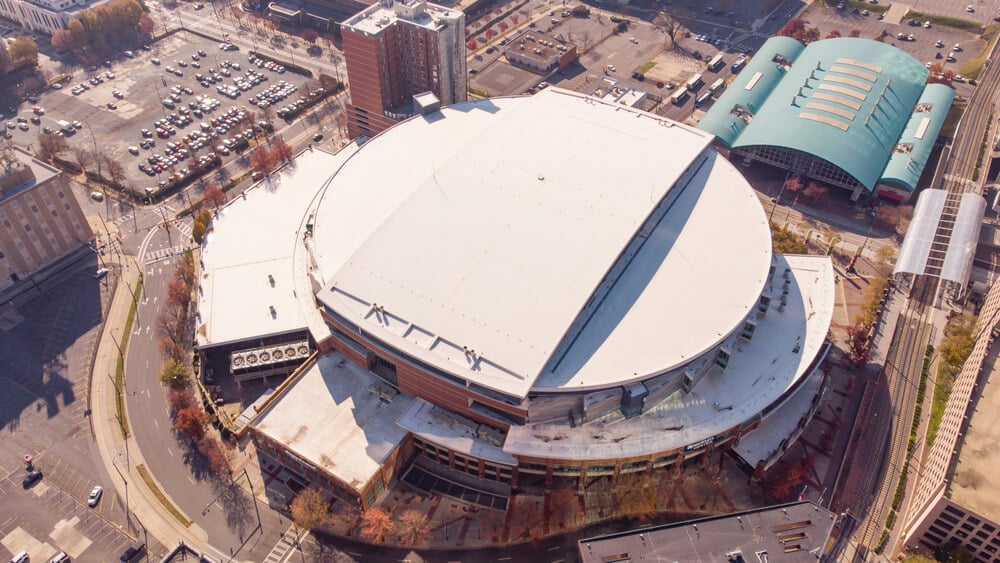
Charlotte’s downtown arena opened in 2005 as the Charlotte Bobcats Arena, named for the city’s expansion basketball franchise, before being renamed Time Warner Cable Arena in 2008 under a telecommunications company’s sponsorship. It became the Spectrum Center in 2016 following Charter Communications’s acquisition of Time Warner Cable and subsequent rebranding under the Spectrum name. The arena’s name changes have closely tracked corporate consolidation within the American cable industry.
Rocket Mortgage FieldHouse
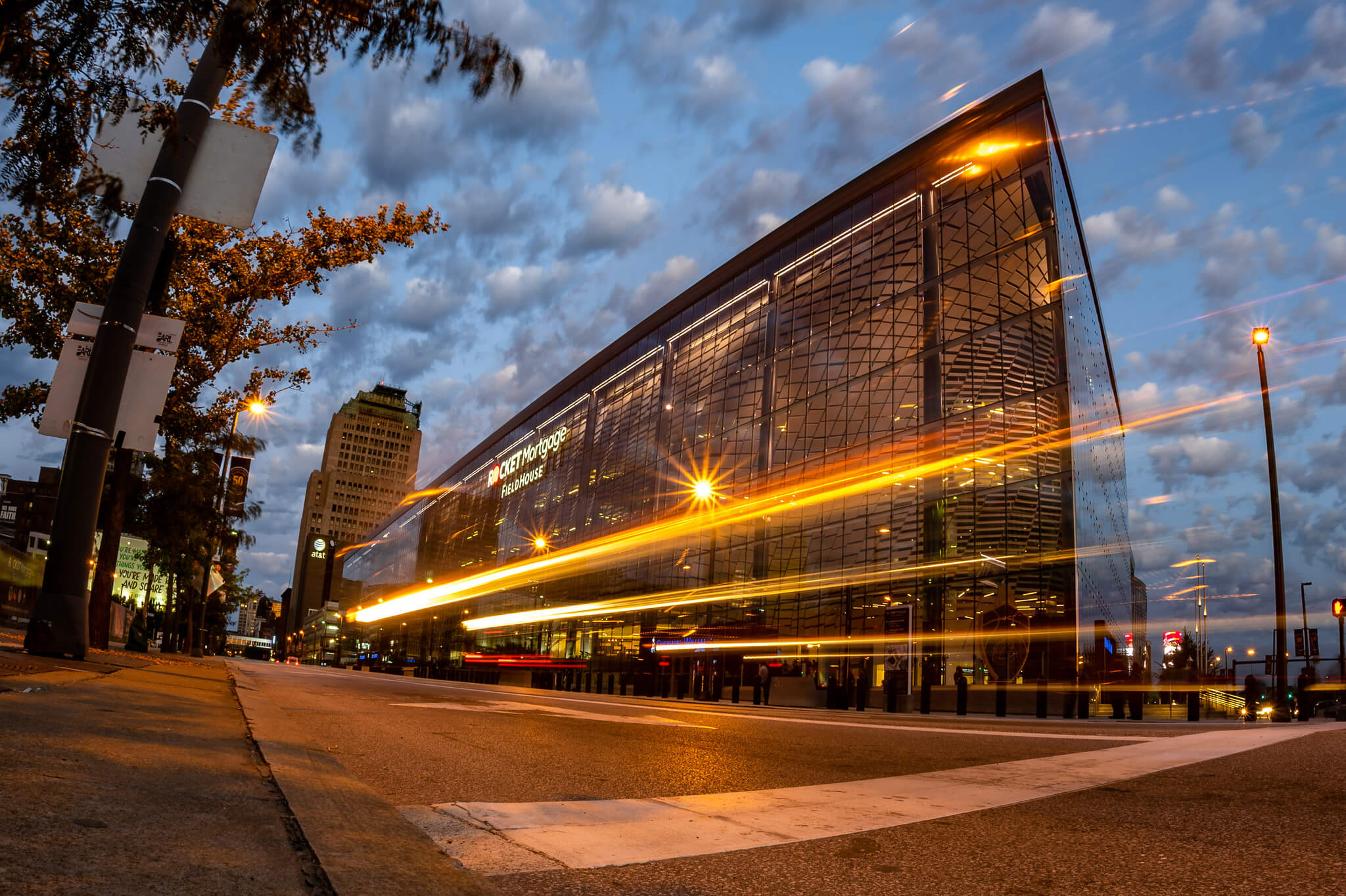
Cleveland’s downtown arena opened in 1994 as the Gund Arena, named for the team’s owning family, before being renamed Quicken Loans Arena in 2005 under a mortgage company’s sponsorship deal, a name locals quickly shortened to simply “the Q.” It became Rocket Mortgage FieldHouse in 2019 after its sponsor rebranded its lending business under a new name. The arena has now carried three distinct official identities across roughly three decades of operation.
The Name on the Building
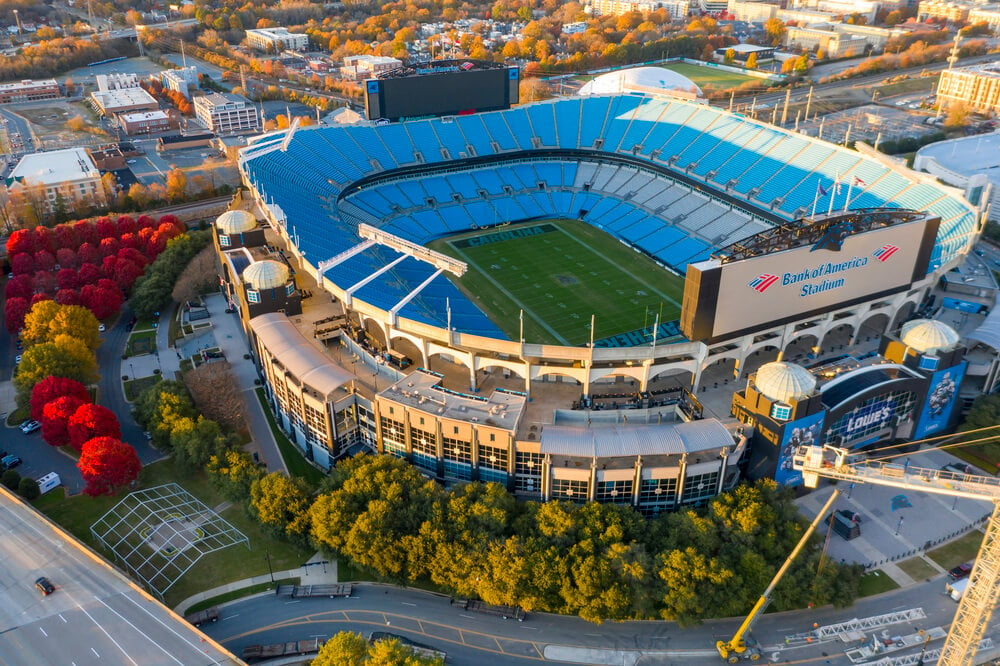
Most of these renamings share a common driver: money changing hands rather than history changing course. A sponsorship deal expires, a bank gets acquired, a company collapses in scandal, and the sign above the entrance gets swapped out while the building underneath stays exactly the same. The handful of politically or culturally motivated renamings on this list, from Denali to Uluru to Hoover Dam, stand out precisely because they represent something more deliberate than a marketing contract running its course.
Either way, the pattern reveals something about what a name is actually for. A monument’s physical presence rarely changes when its name does; only the label shifts, along with whoever currently has the rights to put their name on it. The building keeps standing regardless of what the sign says this decade.
More from Go2Tutors!

- The Romanov Crown Jewels and Their Tragic Fate
- 13 Historical Mysteries That Science Still Can’t Solve
- Famous Hoaxes That Fooled the World for Years
- 15 Child Stars with Tragic Adult Lives
- 16 Famous Jewelry Pieces in History
Like Go2Tutors’s content? Follow us on MSN.