31 Cereal Boxes From the ’80s Nobody Can Find Today
The cereal aisle in the 1980s was less about breakfast nutrition and more about licensing deals, movie tie-ins, and whatever cartoon or video game happened to be popular that particular year. Most of these boxes were never designed to last, which is exactly why so few of them made it past the decade.
Pac-Man Cereal
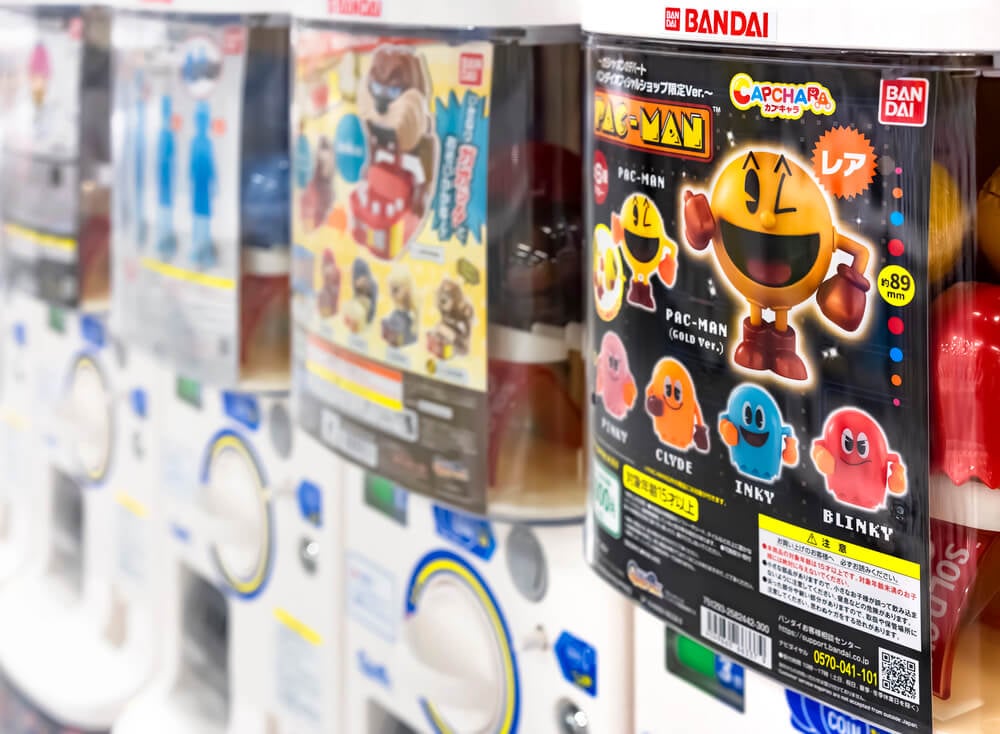
General Mills introduced Pac-Man Cereal in 1983, three years after the arcade game’s release, featuring yellow corn puffs alongside marshmallow pieces shaped like Blinky, Pinky, Inky, and Clyde. The cereal rode the arcade craze for several years before newer games began pulling attention away from Pac-Man specifically.
It disappeared from shelves by around 1988 as the licensing tie-in lost its cultural relevance.
OJ’s
OJ’s launched in 1985 with a cowboy mascot named OJ Joe and an orange-flavored profile meant to evoke a glass of orange juice mixed directly into the cereal itself. The combination of citrus flavoring and milk struck many customers as an unpleasant pairing rather than a novelty.
General Mills discontinued the cereal within about a year of its debut.
C-3PO’s

Kellogg’s released C-3PO’s in 1984, a year after Return of the Jedi hit theaters, featuring golden figure-eight shaped pieces marketed with a “twin rings” tagline and television ads featuring actor Anthony Daniels reprising his droid role. The cereal never quite matched the sales of other movie tie-ins from the same era.
It was pulled from shelves within a couple of years, and details of the exact discontinuation date remain murky even among dedicated cereal historians.
Mr. T Cereal

Quaker Oats launched Mr. T Cereal in 1984 to capitalize on the actor’s fame from both The A-Team and Rocky III, offering crunchy T-shaped pieces with a flavor profile similar to Cap’n Crunch. The cereal used Mr. T’s catchphrase-heavy persona directly in its marketing and packaging.
It remained on shelves into the early 1990s before fading out as its television namesake’s popularity cooled.
Nerds Cereal

Ralston introduced Nerds Cereal in 1985, translating the popular dual-flavor candy into a cereal format packaged in a matching two-chambered box offering combinations like orange and cherry. The intensely sweet flavor profile that worked for a small candy did not translate as well to a full cereal bowl.
It was discontinued by around 1988, only a few years after its debut.
Donkey Kong Cereal
Ralston released Donkey Kong Cereal in the fall of 1982, riding the massive popularity of the arcade game with barrel-shaped pieces referencing the obstacles Mario dodges throughout the game. Marketing leaned heavily on tie-in phrases promising a taste that would “drive you ape.”
The cereal’s shelf life mirrored the natural cooling of arcade game crazes through the mid-1980s.
Smurf-Berry Crunch
Post introduced Smurf-Berry Crunch in 1983 at the height of the Smurfs’ popularity on Saturday morning television, offering blue and red sweetened pieces packaged with the cartoon characters prominently featured on the box. The cereal was later renamed Smurf Magic Berries in an apparent rebrand attempt.
As the Smurfs cartoon’s ratings declined later in the decade, the cereal disappeared along with much of the character’s broader merchandise line.
Ghostbusters Cereal

Ralston released a Ghostbusters-branded cereal in the mid-1980s to coincide with the film franchise’s popularity and its accompanying animated series, featuring glow-in-the-dark marshmallow pieces shaped like ghosts. The novelty of the packaging was a significant part of its initial appeal to children.
It faded from shelves as the franchise’s cultural peak passed later in the decade.
Waffelos
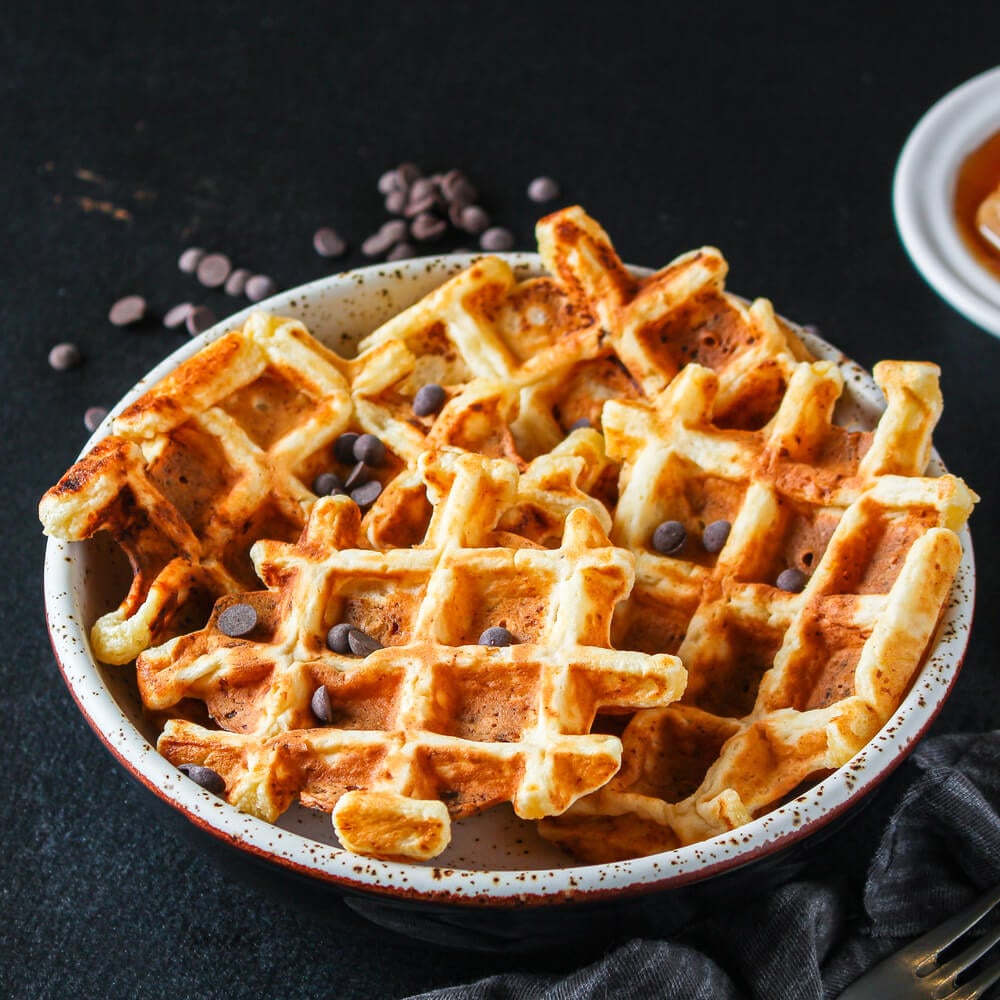
Ralston’s Waffelos featured tiny waffle-shaped pieces meant to evoke the flavor of syrup-topped waffles, complete with a cowboy mascot and both maple and blueberry flavor varieties. The concept was distinctive enough to develop a dedicated fan following among children who remember it fondly.
It nonetheless failed to sustain long-term sales and was discontinued before the decade ended.
Rocky Road Cereal
General Mills introduced a Rocky Road-flavored cereal in 1986, attempting to translate the popular ice cream flavor’s combination of chocolate, nuts, and marshmallow into a breakfast format. The novelty concept drew initial curiosity but did not build the repeat customer base needed for a long shelf life.
It was discontinued not long after its introduction.
Circus Fun
General Mills released Circus Fun in the late 1980s, featuring brightly colored pieces shaped like circus-themed items including tents, balloons, and clowns aimed squarely at younger children. The cereal’s short run reflected a broader pattern of novelty-shaped cereals from the period that struggled to establish a lasting identity beyond their initial visual appeal.
It was pulled from shelves within roughly a year of its release.
Cinnamon Mini Buns
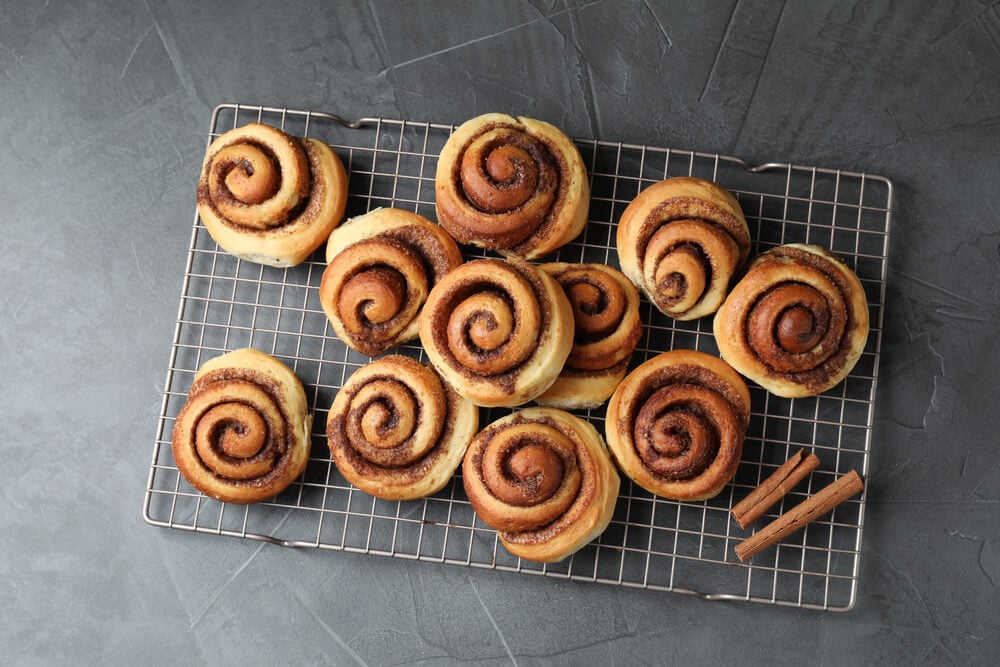
Ralston introduced Cinnamon Mini Buns in 1988, shaping the cereal pieces to resemble miniature cinnamon rolls complete with a sweet glaze coating. The concept anticipated the later popularity of breakfast pastry-flavored cereals that would become more common in following decades.
It nonetheless struggled to find a lasting audience and was discontinued relatively quickly.
Teenage Mutant Ninja Turtles Cereal

Ralston released a Teenage Mutant Ninja Turtles cereal in 1989 featuring marshmallow pieces shaped like pizza slices alongside the turtles’ signature weapons, timed to the franchise’s peak popularity from its animated series and toy line. The cereal came packaged with tie-in plastic bowls that added to its appeal among young collectors.
As the franchise’s initial wave of popularity cooled in the following years, the cereal was discontinued along with much of its associated merchandise.
Barbie Cereal
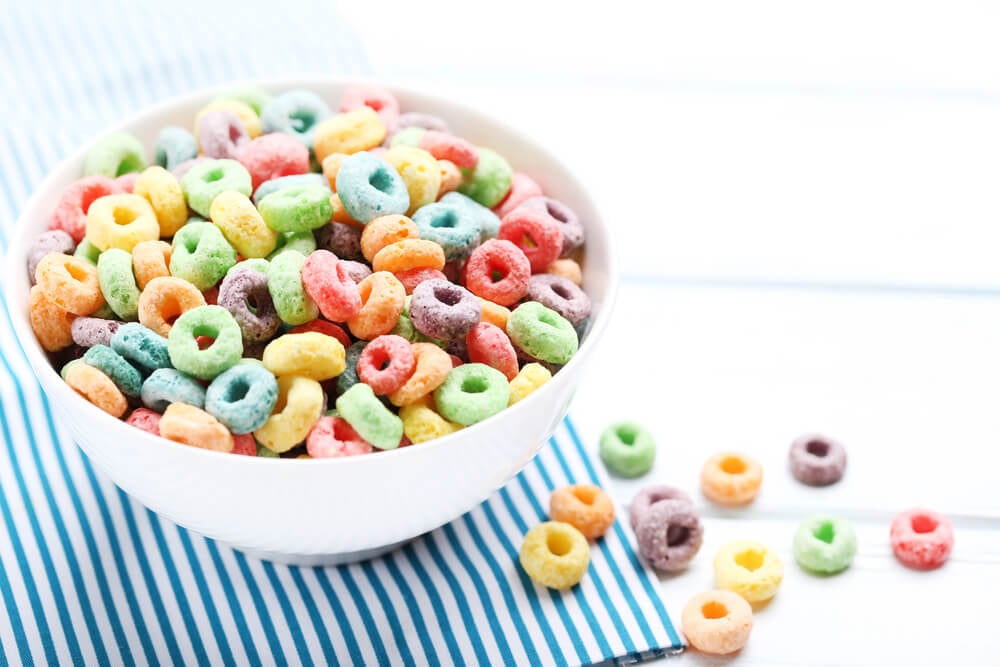
Ralston produced a Barbie-branded cereal in the late 1980s, offering pink, fruit-flavored pieces marketed directly to young fans of the doll line. Reviewers at the time noted its distinctly sweet, artificial flavor profile more reminiscent of candy than traditional breakfast cereal.
The product had a brief run before being discontinued as tie-in cereal novelty faded.
Banana Frosted Flakes
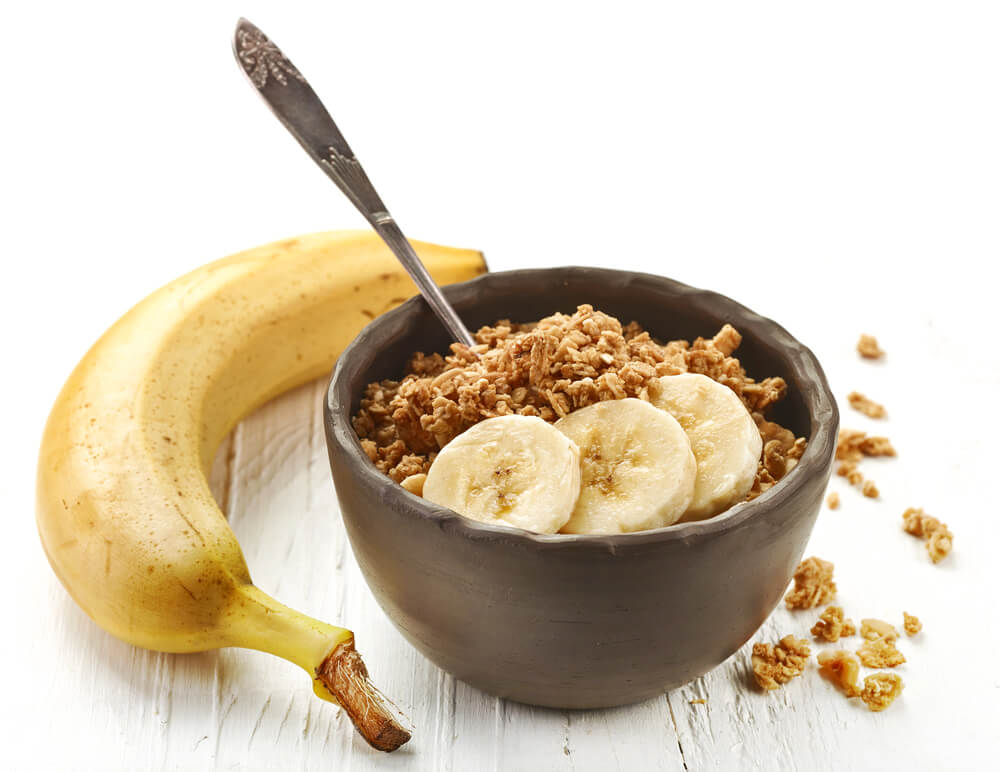
Kellogg’s produced a banana-flavored variation of Frosted Flakes in the early 1980s, adding actual dried banana pieces to the standard frosted corn flake base. The variation appealed to a specific audience but never approached the sales volume of the standard Frosted Flakes it was based on.
It was discontinued after a relatively short run on shelves.
Batman Cereal

Ralston released a Batman-branded cereal in 1989 to coincide with the blockbuster Tim Burton film, featuring dark, bat-shaped pieces that leaned into the movie’s gothic visual style rather than the brighter tone of earlier superhero tie-ins. The cereal’s run was brief, following the same trajectory as many single-film movie tie-in products from the era.
It disappeared from shelves not long after the film’s theatrical run ended.
Fruity Yummy Mummy

General Mills added Fruity Yummy Mummy to its lineup of monster-themed cereals in 1988, joining longer-running characters like Count Chocula and Franken Berry with a fruit-flavored, mummy-themed addition. The cereal ran for a shorter period than its more established monster cereal siblings.
It was discontinued in the early 1990s while several of the original monster cereals continued in limited seasonal release for years afterward.
Nintendo Cereal System
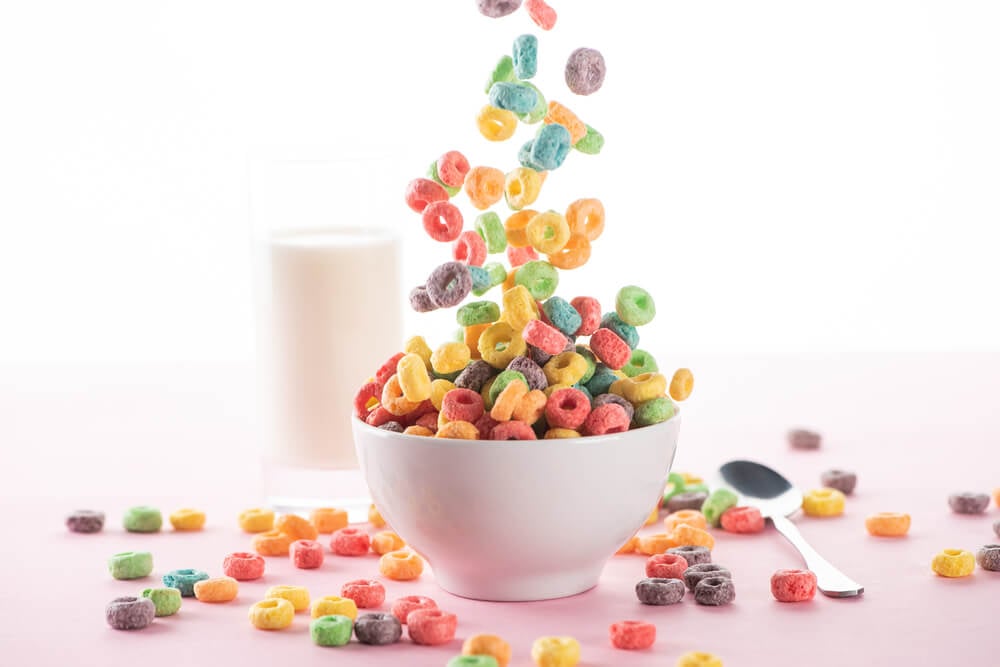
Ralston released the Nintendo Cereal System in 1988, an unusual dual-cereal box divided into two separate bags representing Super Mario Bros. and The Legend of Zelda, each with its own distinct flavor and shape. The combined-box format was considered novel enough at the time to draw significant attention from collectors even decades later.
It was discontinued after a relatively short run despite the strength of the video game franchises behind it.
Pound Puppies Cereal
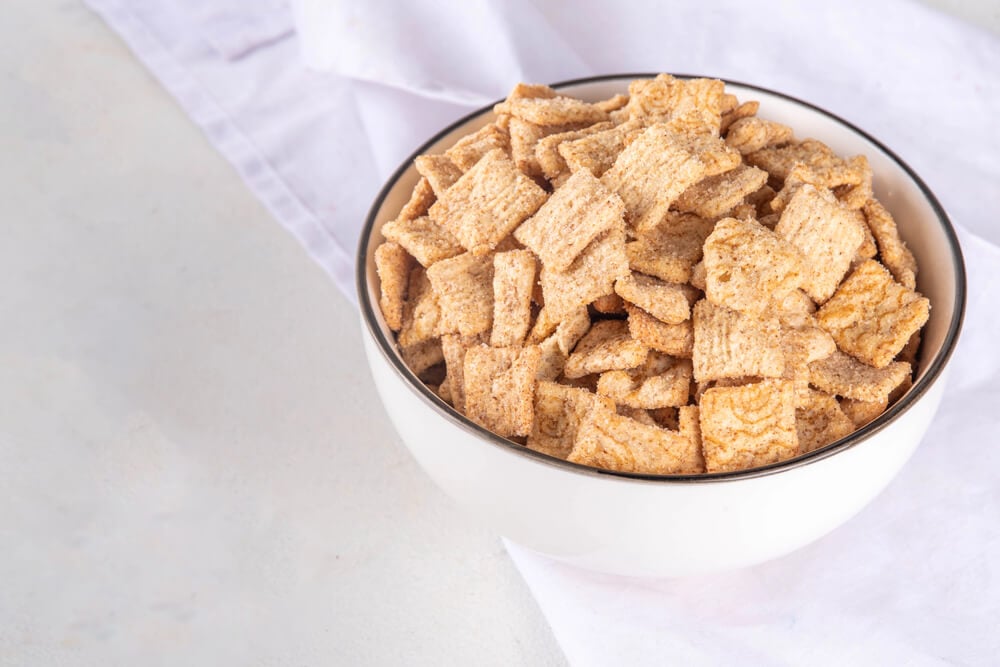
Ralston produced a Pound Puppies cereal in 1988, timed to the popularity of the stuffed animal toy line and its accompanying animated series, featuring dog bone and puppy-shaped pieces. The product followed the same tie-in formula used across dozens of toy-based cereals throughout the decade.
It disappeared from shelves within a year or two as the toy line’s broader popularity declined.
Cabbage Patch Kids Cereal

Ralston released a Cabbage Patch Kids cereal in 1985, though the doll’s absolute peak popularity had peaked the previous year during the Christmas 1983-1984 craze when parents camped outside toy stores. The cereal nonetheless rode residual demand from fans of the doll line.
The cereal’s shapes and packaging leaned heavily on the dolls’ distinctive round-faced design. It was discontinued as the doll craze’s most intense phase passed by the later part of the decade.
Dinersaurs Cereal

Ralston introduced Dinersaurs in 1988, featuring dinosaur-shaped pieces that tapped into a resurgence of dinosaur-themed children’s media and toys during the period. The cereal’s shapes were a significant part of its marketing appeal to young children drawn to the novelty format.
It had a short shelf run before being discontinued in favor of newer licensed tie-ins.
Cracker Jack Cereal
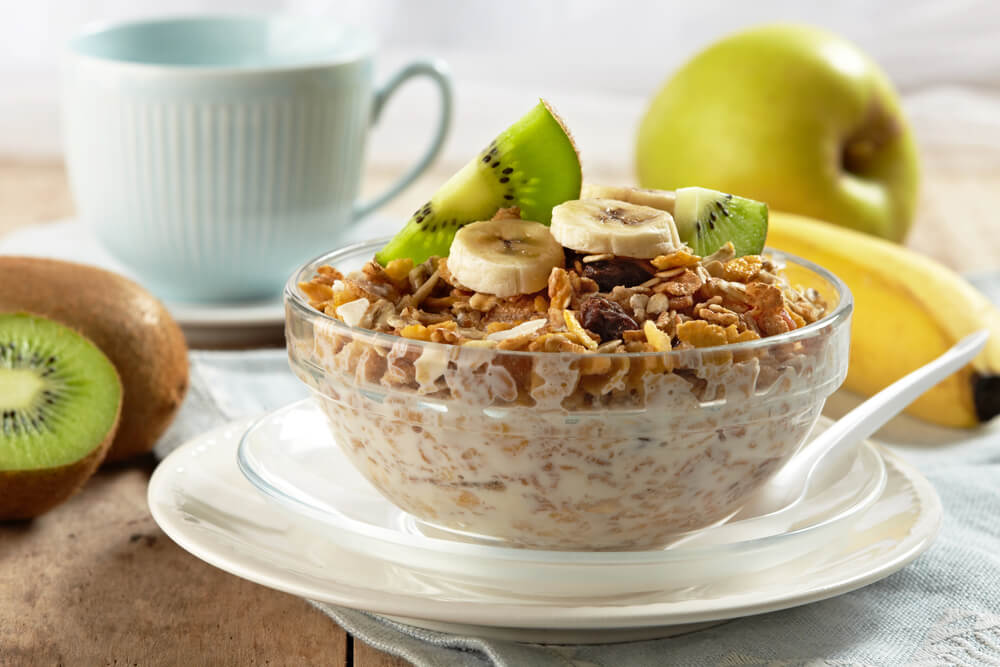
Borden released a Cracker Jack-branded cereal in 1985, extending the century-old snack brand’s association with caramel-coated popcorn and peanuts into a breakfast format. The cereal attempted to translate a beloved snack flavor into a new category rather than relying on a licensed character or television tie-in.
It did not sustain long-term sales and was discontinued a few years after its introduction.
Ice Cream Cones Cereal
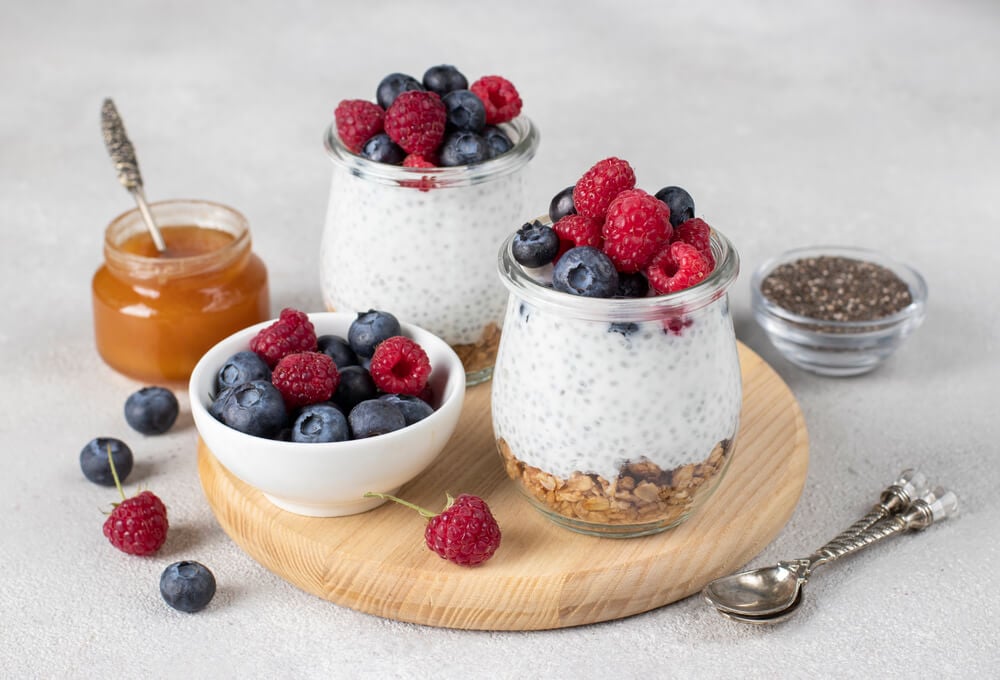
General Mills released Ice Cream Cones cereal in 1987, shaping the pieces to resemble miniature waffle cones with a sweetened coating meant to evoke actual ice cream. The concept anticipated later dessert-themed cereal trends that would become more common in subsequent decades.
It was discontinued relatively quickly despite the novelty of its shape and concept.
Fruit Brute

General Mills’ Fruit Brute, a fruit-flavored werewolf-themed addition to the company’s monster cereal lineup, had a complicated run through the early 1980s, briefly returning to shelves before being discontinued again in 1983 in favor of other monster cereal characters. Unlike Count Chocula and Franken Berry, which persisted with occasional seasonal releases for decades, Fruit Brute largely disappeared from regular production.
It remains one of the most sought-after cereals among collectors specifically because of how briefly it was available.
Muppet Babies Cereal

Ralston released a Muppet Babies cereal in 1989, timed to the animated series’ popularity, featuring colorful pieces referencing the show’s cast of infant versions of the Muppet characters. The tie-in followed the same general formula used across the decade’s many television-based cereal products.
It was discontinued within a relatively short window as the show’s initial popularity cooled in the following years.
Rainbow Brite Cereal
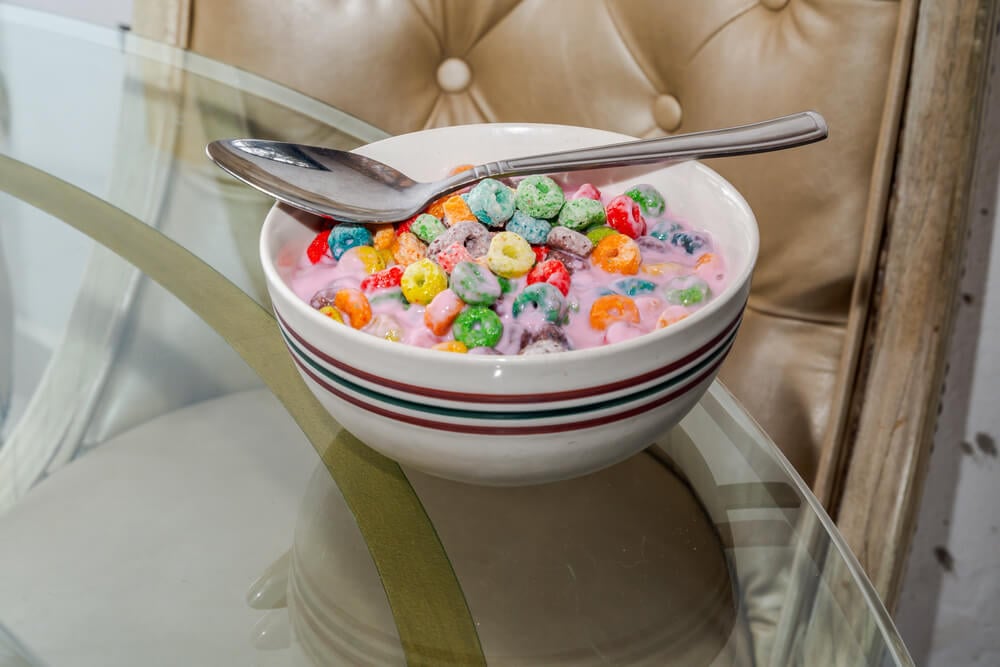
Ralston produced a Rainbow Brite cereal in 1985, tied to the animated character and toy line’s popularity among young children during the period, featuring brightly colored pieces referencing the character’s rainbow motif. The cereal followed the era’s dominant strategy of pairing breakfast products directly with a currently popular toy franchise.
It disappeared from shelves as the character’s broader popularity declined toward the end of the decade.
Body Buddies

General Mills’ Body Buddies, a lightly sweetened ring-shaped cereal marketed around fitness and nutrition messaging aimed at health-conscious parents, had largely faded from regular production by the early 1980s after a run beginning in the previous decade. Its marketing leaned on vitamin fortification rather than any character tie-in, a distinct approach compared to most of the era’s other disappearing cereals.
It stands out on this list as one of the few entries discontinued for nutritional marketing reasons rather than fading licensed popularity.
E.T. Cereal
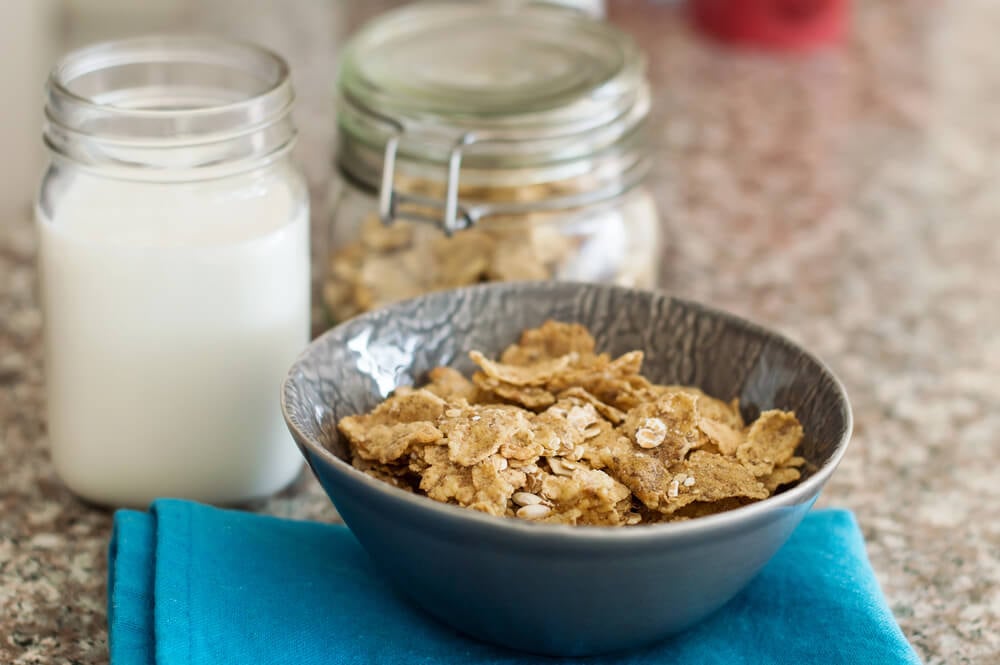
General Mills released a cereal tied to the blockbuster film E.T. the Extra-Terrestrial not long after its 1982 theatrical release, joining the wave of merchandise built around the film’s massive box office success. The cereal followed the same short-lived pattern as most single-film tie-in products of the decade.
It was discontinued within a year or two as the initial wave of E.T. merchandise cooled.
Quisp

Quaker’s Quisp, featuring an alien mascot and a distinctive light, crunchy corn puff texture, actually predates the 1980s but became a defining case study in the decade for how a beloved cereal could vanish and reappear unpredictably, disappearing from regular grocery distribution for extended stretches throughout the 1980s and beyond. Its intermittent availability, driven by shifting company decisions rather than any single discontinuation, built one of the most devoted cult followings of any cereal on this list.
It remains available today only through limited online and specialty retail channels rather than standard grocery shelves.
Halfsies
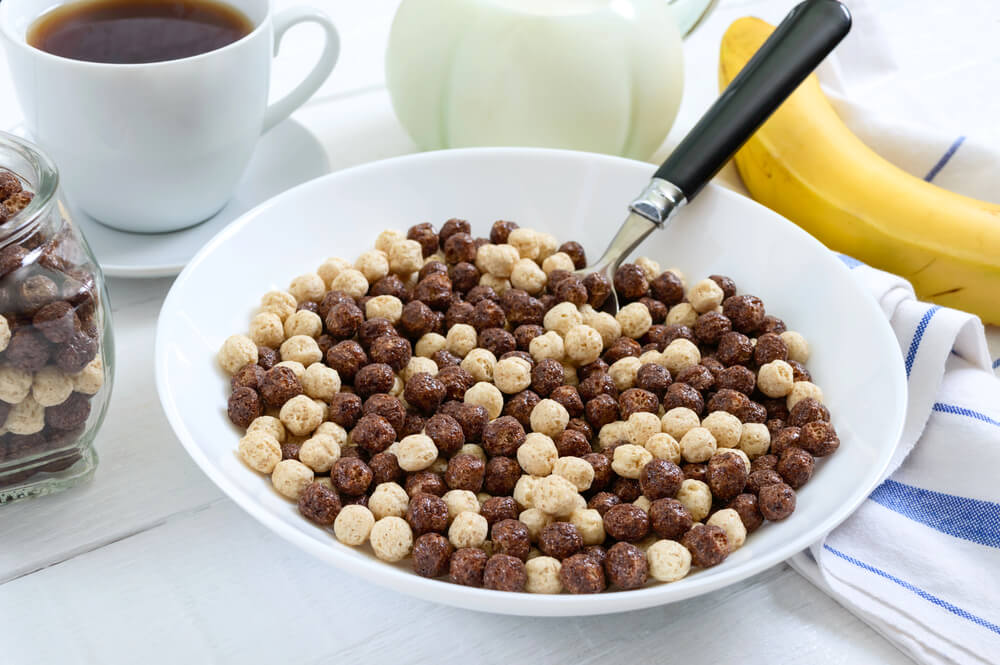
General Mills introduced Halfsies in the early 1980s as a lower-sugar cereal marketed directly at health-conscious parents, positioned as roughly half the sugar content of typical children’s cereals of the era. The health-focused pitch struggled to compete with the more heavily marketed, character-driven cereals dominating the same shelves.
It was discontinued after a relatively brief run as the broader children’s cereal market continued to favor sweetness and licensing over nutritional messaging.
Fruity Marshmallow Krispies
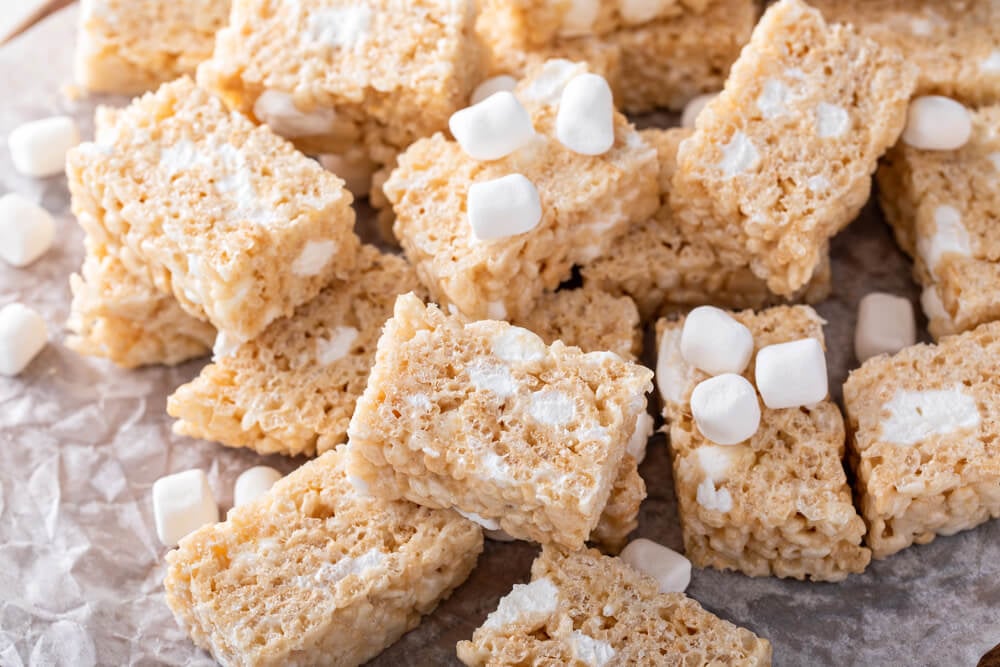
Kellogg’s produced Fruity Marshmallow Krispies through much of the 1980s, adding colorful marshmallow bits to the classic Rice Krispies base in a direct answer to competitors’ marshmallow cereals. The product occupied a middle ground between traditional Rice Krispies and the more elaborate character-driven cereals of the period.
It was eventually phased out of regular national distribution, and finding an original box today is largely limited to cereal collector communities and online auction listings.
The Shelf Life of a Trend

Almost every cereal on this list existed because a toy, a movie, or a cartoon happened to be popular in a specific narrow window, and the cereal company moved fast enough to capture some of that attention before it faded. That speed is exactly why so few of these products lasted: they were built to ride a trend, not to survive one.
The cereal aisle today still runs on licensing and nostalgia, but modern retail data and faster sales tracking mean companies pull an underperforming product much sooner than they did in the 1980s. What’s changed isn’t the appetite for a gimmick cereal; it’s how quickly a company now notices when the gimmick has stopped working.
More from Go2Tutors!

- The Romanov Crown Jewels and Their Tragic Fate
- 13 Historical Mysteries That Science Still Can’t Solve
- Famous Hoaxes That Fooled the World for Years
- 15 Child Stars with Tragic Adult Lives
- 16 Famous Jewelry Pieces in History
Like Go2Tutors’s content? Follow us on MSN.