26 Vintage Lunch Boxes Collectors Chase Down
Metal lunch boxes were once a cafeteria status symbol before they became one of the most active corners of pop culture collecting, with certain boxes now worth more than most people’s monthly grocery bills. Condition determines nearly everything in this market: a box with heavy rust, dents, or a missing thermos can be worth a fraction of a clean, complete example.
These are the lunch boxes that keep collectors searching flea markets and estate sales.
Hopalong Cassidy
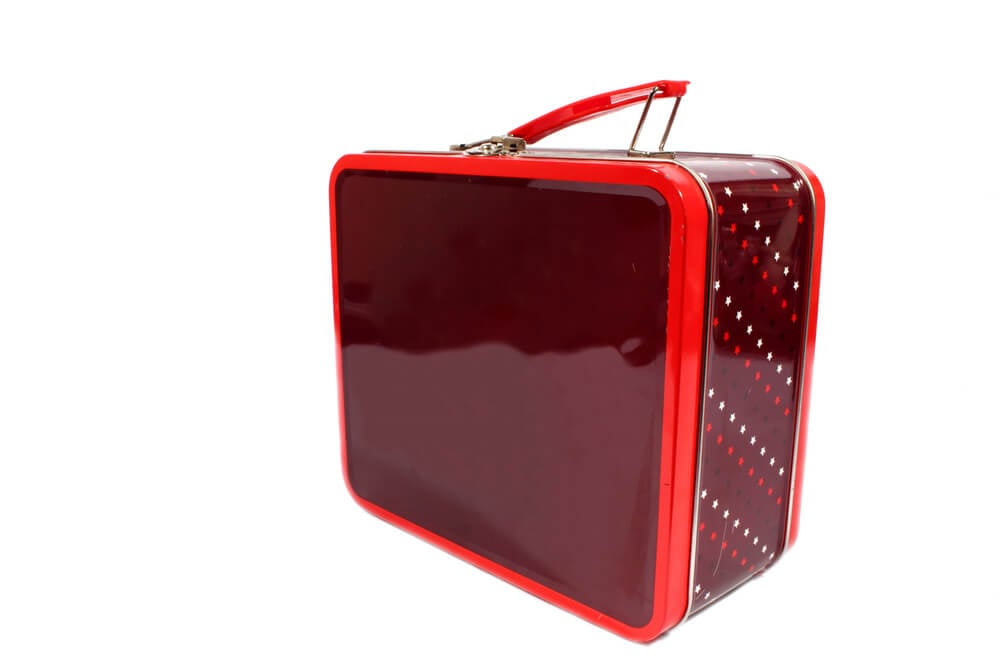
Released by Aladdin Industries in 1950, the Hopalong Cassidy lunch box is widely credited as the first mass-produced character lunch box, launching the entire licensed lunch box industry almost overnight. Its success convinced toy and houseware companies that children’s television and film characters could sell everyday objects, not just toys.
Surviving examples in strong original condition, with the lithographed steel finish intact and free of major rust, command the highest prices among early character boxes.
Superman
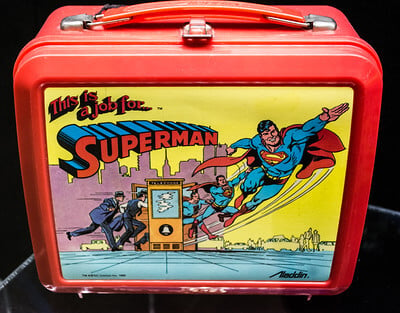
Adco Liberty produced an early Superman lunch box in the 1950s featuring bold, comic-inspired artwork that has made it one of the most sought-after boxes from the pre-Beatles era of character licensing. Because Adco Liberty’s production run was shorter and less widespread than Aladdin’s later dominance, surviving examples are scarcer than many later character boxes.
Paint loss and rust are common on surviving units, so buyers pay a steep premium for boxes that retain their original color saturation.
Davy Crockett
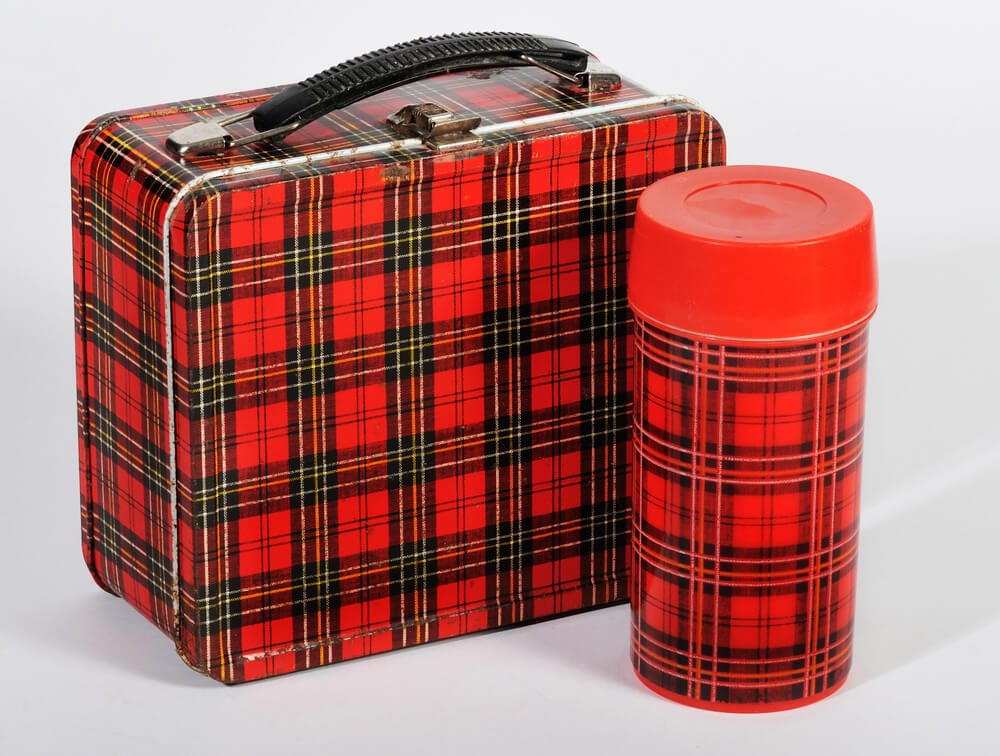
The Davy Crockett craze of the mid-1950s, fueled by the Disney television serial, produced a wave of licensed merchandise including a widely distributed metal lunch box featuring frontier artwork. Its popularity mirrored the coonskin cap fad of the same period, and surviving examples are a reminder of just how completely the character dominated mid-1950s children’s culture.
Boxes with the matching thermos, which frequently cracked or went missing over decades of daily use, sell for considerably more than the box alone.
Zorro
Aladdin Industries released a Zorro-themed lunch box in the late 1950s tied to the Disney television series, featuring the character’s signature mask and sword in dynamic action artwork. It arrived during the peak years of Western and adventure-themed children’s programming, competing directly with other frontier and outlaw-themed boxes on store shelves.
Because so many boxes from this era saw years of daily school use before parents began saving them, unscratched examples are considerably harder to find than the number originally produced would suggest.
The Beatles
Aladdin released a Beatles-branded lunch box in the mid-1960s at the height of Beatlemania, featuring the band members’ likenesses in bright, mod-inspired artwork. Licensed band merchandise for children was still a relatively new concept at the time, and demand for the box reportedly outpaced other character lunch boxes released the same year.
Because it overlaps both music and lunch box collecting communities, it tends to draw bidding interest from two separate types of buyers, pushing prices for clean examples well above many contemporary character boxes.
The Jetsons
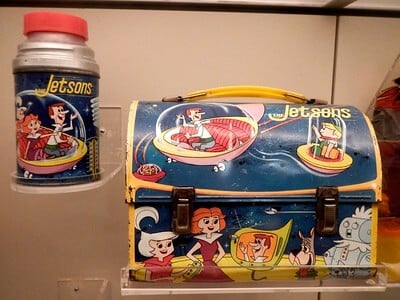
Aladdin’s early 1960s Jetsons lunch box captured the show’s optimistic, space-age visual style with brightly colored artwork of the entire Jetson family and their flying car. Because the original animated series had a relatively short initial run, the lunch box’s production window was narrower than boxes tied to longer-running shows.
Its futuristic imagery has made it a favorite among collectors focused specifically on mid-century atomic age and space design.
Batman
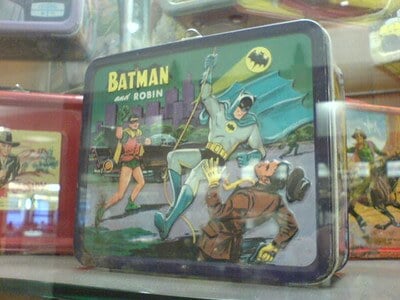
Aladdin released a Batman lunch box in the mid-1960s to coincide with the campy, high-rating live-action television series, featuring bold comic panel-style artwork on both the box and the matching thermos. The show’s massive but relatively brief cultural peak means demand for the box has remained consistently strong among both lunch box collectors and Batman memorabilia collectors specifically.
Thermoses from this release are notably fragile, and complete sets with an unbroken glass liner inside the thermos bring a significant price premium.
The Munsters
Thermos-brand production tied to the mid-1960s sitcom “The Munsters” produced a lunch box featuring the family’s exaggerated, monster-movie-inspired artwork, a style distinct from the more traditional Western and adventure themes dominating boxes just a few years earlier. Its horror-comedy visual style has made it a crossover item for both lunch box collectors and classic monster memorabilia collectors.
Surviving examples with vibrant, unfaded color on the lithography are notably scarcer than the character’s continued cultural popularity might suggest.
Star Trek
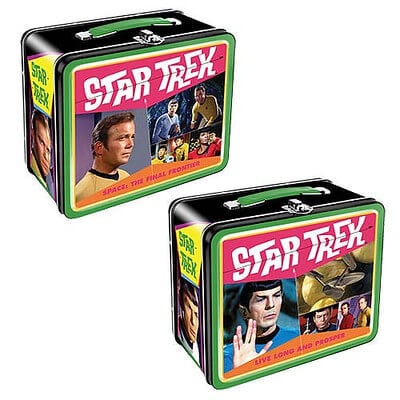
Aladdin released a Star Trek lunch box in the late 1960s during the original series’ initial broadcast run, featuring artwork of the Enterprise crew that has become one of the more recognizable images in lunch box collecting. Because the original series had modest ratings during its first run before finding a much larger audience in syndication, initial production numbers were smaller than for shows that were hits from the start.
That relative scarcity, combined with decades of growing Star Trek fandom, has pushed well-preserved examples into the higher tiers of lunch box values.
Rat Patrol
Aladdin’s late 1960s lunch box for the World War II adventure series “The Rat Patrol” featured action-packed desert combat artwork built around the show’s jeep-based storylines. The show itself had a relatively short broadcast run, limiting how long the associated lunch box remained in active production.
Military-and-adventure-themed boxes from this specific era are a niche but consistently active category within the broader collecting community.
Get Smart
A Thermos-produced lunch box tied to the spy-spoof sitcom “Get Smart” brought the show’s exaggerated secret-agent gadgetry to school cafeterias in the late 1960s. Spy-themed merchandise was a broader cultural trend during the decade, riding the popularity of the James Bond films, and the lunch box capitalized on that same wave of interest.
Surviving examples in strong condition are less common than boxes tied to longer-running or higher-rated shows of the same period.
G.I. Joe
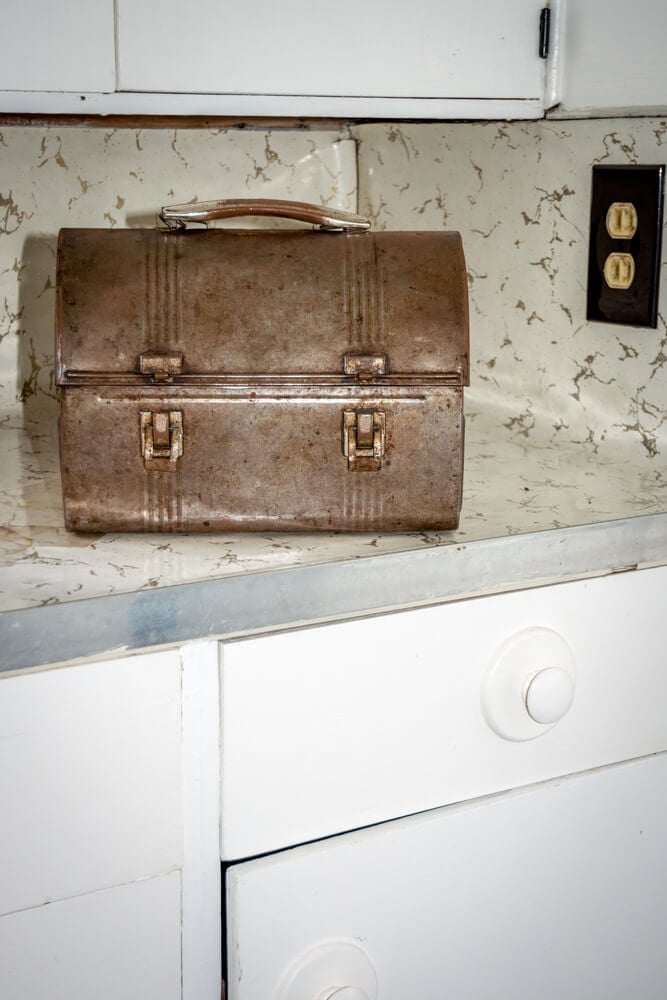
Aladdin’s G.I. Joe lunch box from the late 1960s featured military action artwork tied to the popular action figure line, part of a broader wave of boy-marketed adventure and combat toys and merchandise. Because G.I. Joe merchandise spanned toys, comics, and household items simultaneously, the lunch box draws interest from collectors well beyond the traditional lunch box hobby.
Rust along the box’s metal seams is a common condition issue that significantly affects resale value.
Peanuts
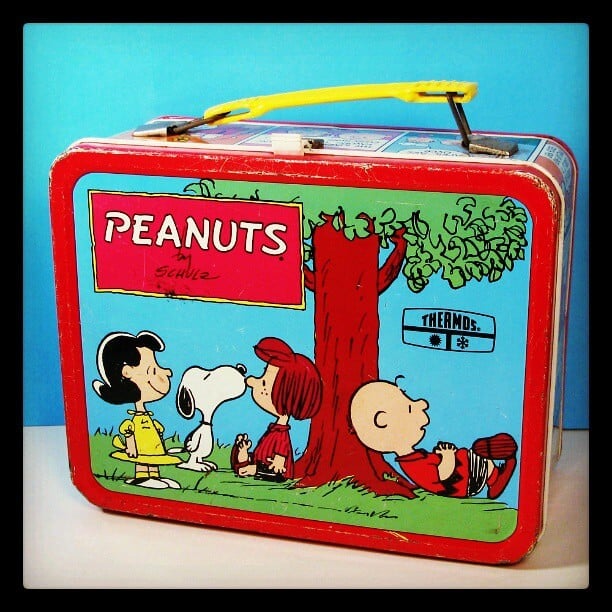
Thermos produced multiple Peanuts-themed lunch boxes across the 1950s and 1960s featuring Charlie Brown, Snoopy, and the rest of Charles Schulz’s cast in various seasonal and everyday scenes. Because the franchise remained in continuous production for decades, several distinct box designs exist from different years, giving Peanuts collectors an unusually deep well of variations to pursue.
Earlier designs from the strip’s first wave of licensed merchandise tend to command higher prices than later reissues due to their smaller original production runs.
Land of the Lost
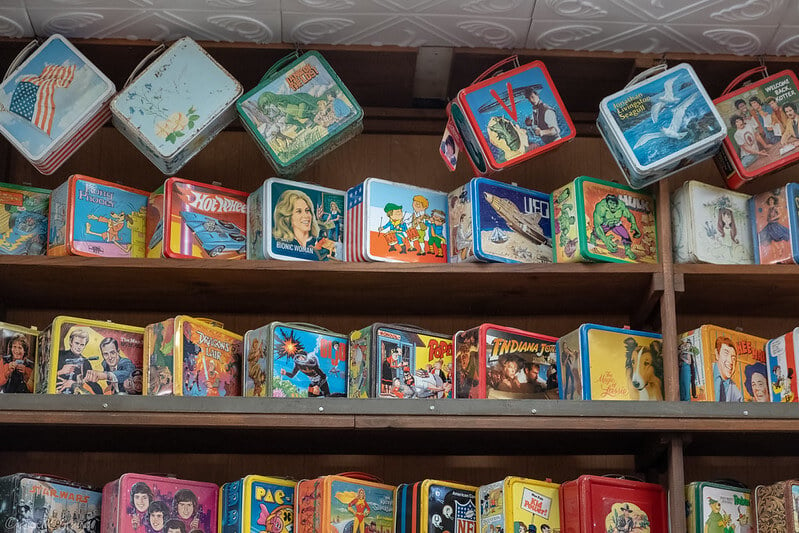
Aladdin’s mid-1970s lunch box for the Saturday morning series “Land of the Lost” featured dinosaur and prehistoric jungle artwork tied to the show’s low-budget but memorable special effects. Its combination of dinosaur imagery and 1970s Saturday morning nostalgia has made it popular among collectors who focus specifically on that decade’s children’s programming.
Because plastic lunch boxes began replacing metal ones industry-wide not long after its release, it is among the later metal boxes from Aladdin’s classic production era.
Six Million Dollar Man
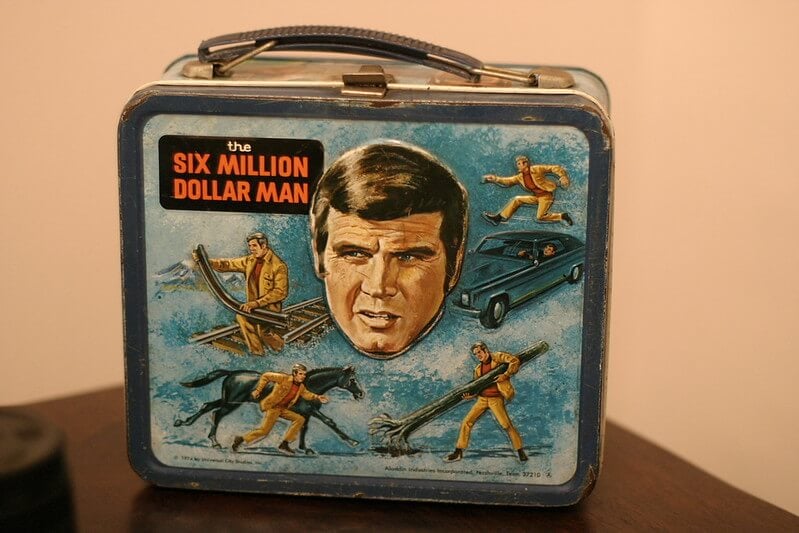
Aladdin released a lunch box for “The Six Million Dollar Man” in the mid-1970s featuring dynamic action artwork built around the show’s bionic-powered stunts. The series was one of the more heavily merchandised properties of its decade, spanning action figures, board games, and lunch boxes alike.
Complete sets including the matching thermos, which often depicted a different action scene than the box itself, are notably harder to find than the box alone.
Emergency!
Aladdin’s lunch box for the paramedic drama “Emergency!” brought fire and rescue vehicle artwork to lunchrooms in the early 1970s, tapping into the show’s popularity with kids interested in emergency services careers. Its relatively niche subject matter compared to superhero or Western themes has kept demand steady but specialized rather than broadly mainstream.
Collectors focused specifically on vehicle and first-responder memorabilia frequently overlap with lunch box collectors on this particular item.
Planet of the Apes
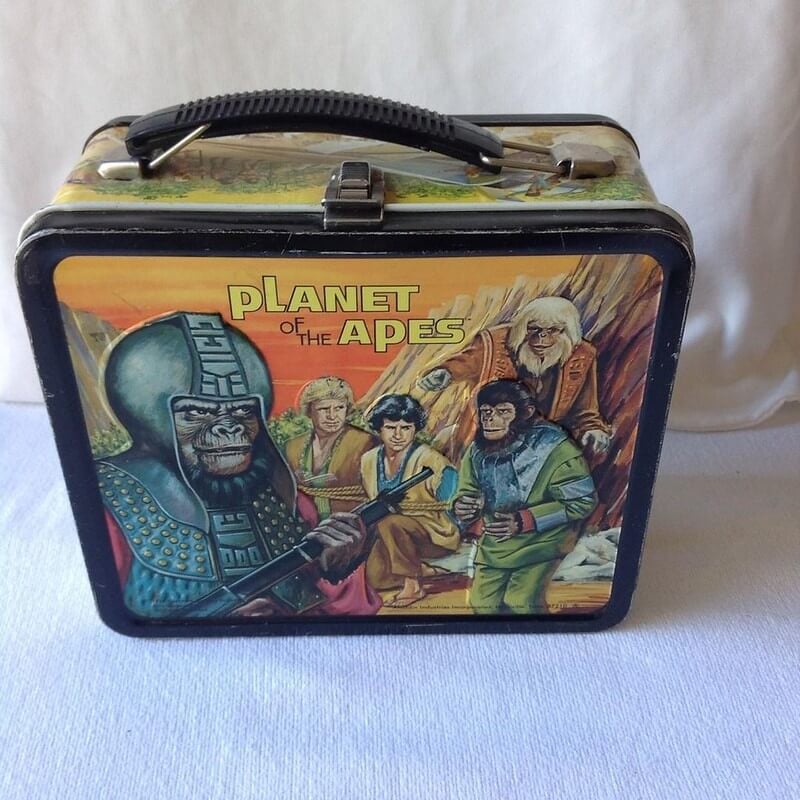
Aladdin produced a Planet of the Apes lunch box in the mid-1970s tied to the animated and live-action television spin-offs of the film franchise, featuring the franchise’s distinctive ape-society imagery. Its striking, unusual artwork sets it apart visually from more conventional superhero and Western-themed boxes of the same period.
Because the franchise’s television properties had shorter runs than the original films, surviving examples are less common than the franchise’s overall cultural footprint might suggest.
Josie and the Pussycats
Thermos released a lunch box for the animated series “Josie and the Pussycats” in the early 1970s, featuring the band’s bright, mod-inspired character designs. As one of the relatively few female-led properties to receive a dedicated lunch box during the era, it draws specific interest from collectors focused on girls’ merchandise from the period.
Faded color on the box’s exterior lithography, a common issue from sun exposure during years of daily school use, significantly reduces its resale value.
Star Wars
King-Seeley Thermos released a Star Wars lunch box in 1977 to coincide with the film’s original theatrical run, and the box became one of the best-selling licensed lunch boxes in the industry’s history. Because the franchise’s popularity only grew with subsequent sequels, several distinct box designs followed the first release across the following years.
Even with strong original production numbers, boxes retaining a bright, unfaded finish and an intact thermos are considered a meaningful step above more common surviving examples.
Welcome Back, Kotter
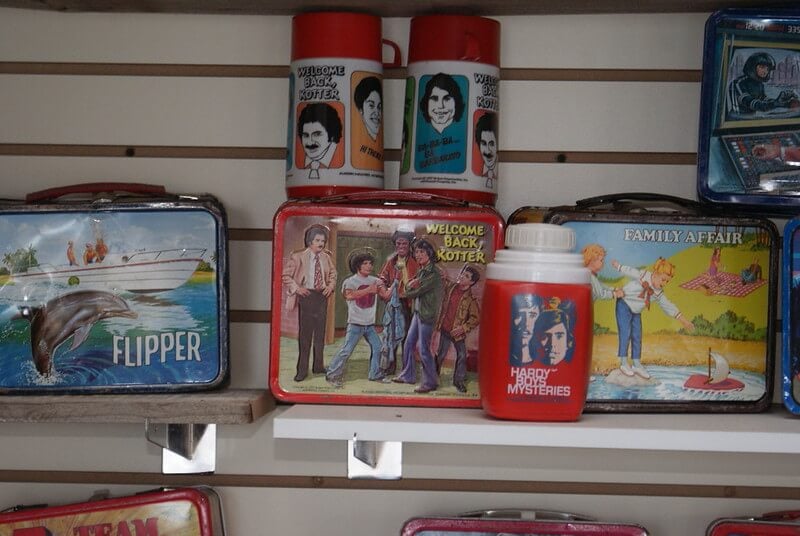
Thermos produced a lunch box for the sitcom “Welcome Back, Kotter” in the late 1970s, featuring the show’s ensemble cast of students and their teacher in colorful character artwork. The show’s relatively brief cultural peak compared to other 1970s sitcoms has made surviving examples somewhat less common on the current secondary market.
It remains a recognizable entry for collectors focused specifically on 1970s network television merchandise.
Adam-12
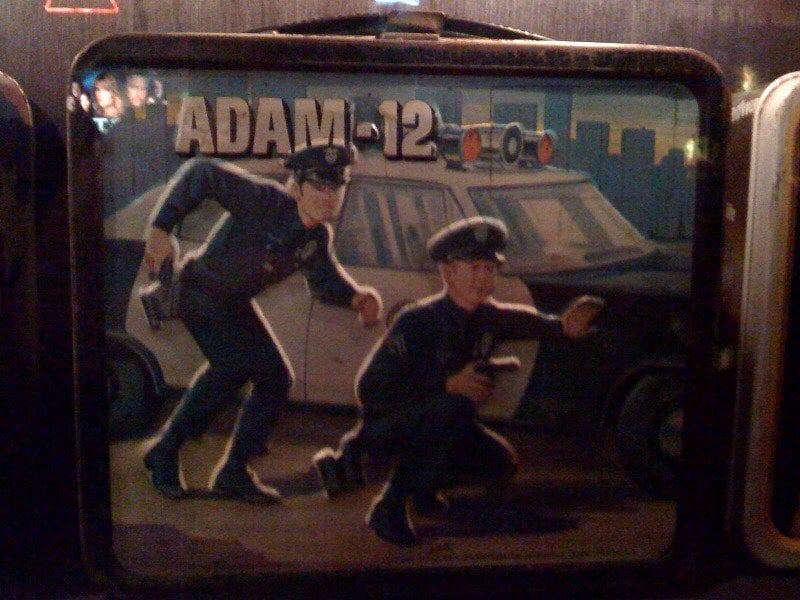
Thermos’s early 1970s lunch box for the police drama “Adam-12” featured patrol car and law enforcement artwork tied to the show’s realistic depiction of police work. Its subject matter fits within a broader wave of police and detective-themed merchandise that ran alongside the era’s superhero and Western options.
Condition issues around the metal clasp and handle, both of which saw heavy daily wear, are common on surviving examples.
Grizzly Adams
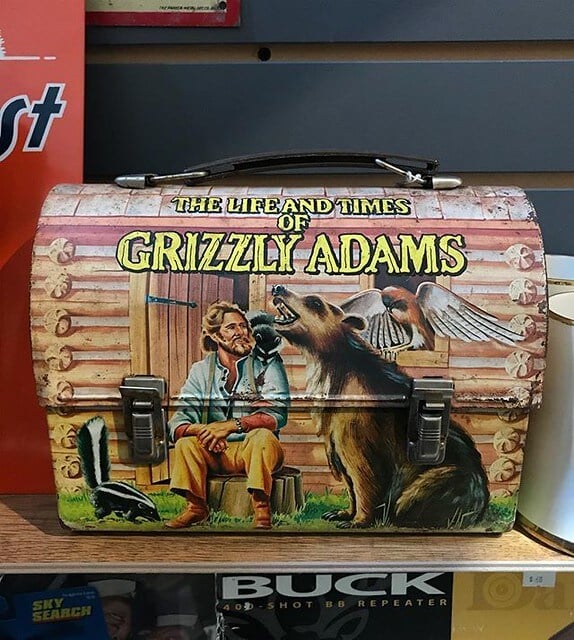
Aladdin released a lunch box tied to “The Life and Times of Grizzly Adams” in the late 1970s, featuring wilderness and wildlife artwork built around the show’s mountain-man setting. Its nature-and-frontier theme stood apart from the era’s dominant superhero and science-fiction offerings, giving it a distinct visual identity among boxes from the same years.
Collectors focused on outdoor and wildlife-themed memorabilia frequently seek it out alongside dedicated lunch box collectors.
Underdog
A lunch box for the animated superhero parody “Underdog” brought the character’s exaggerated action poses to school cafeterias in the mid-1970s. Its cartoonish, self-aware take on the superhero genre distinguished it visually from more straightforward hero-themed boxes of the same period.
Surviving examples with crisp, unfaded artwork are considered notably harder to find than more mainstream superhero boxes from the same decade.
Bionic Woman
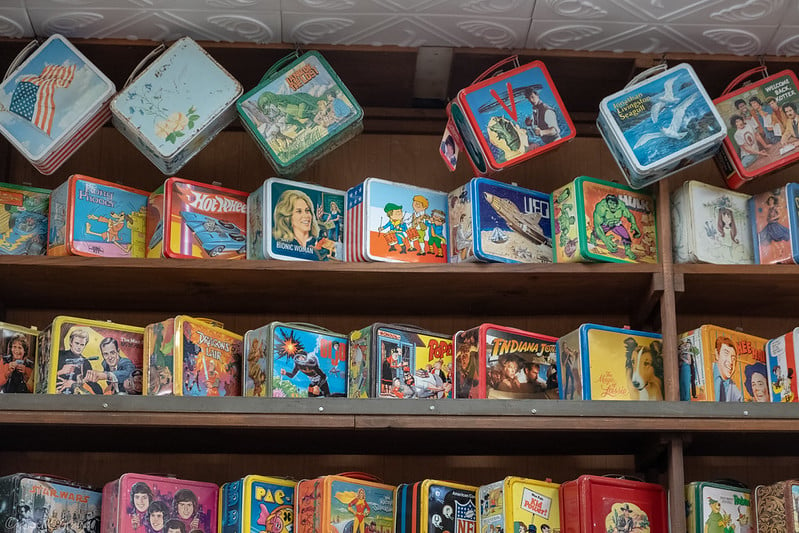
Thermos released a companion lunch box for “The Bionic Woman” in the late 1970s, capitalizing on the spinoff series’ popularity alongside “The Six Million Dollar Man.” As one of the era’s prominent female action-hero properties, it draws specific interest from collectors focused on 1970s female-led television merchandise.
Complete boxes with an intact matching thermos are considerably scarcer than the box alone, since thermoses of this era were especially prone to breaking.
Dukes of Hazzard
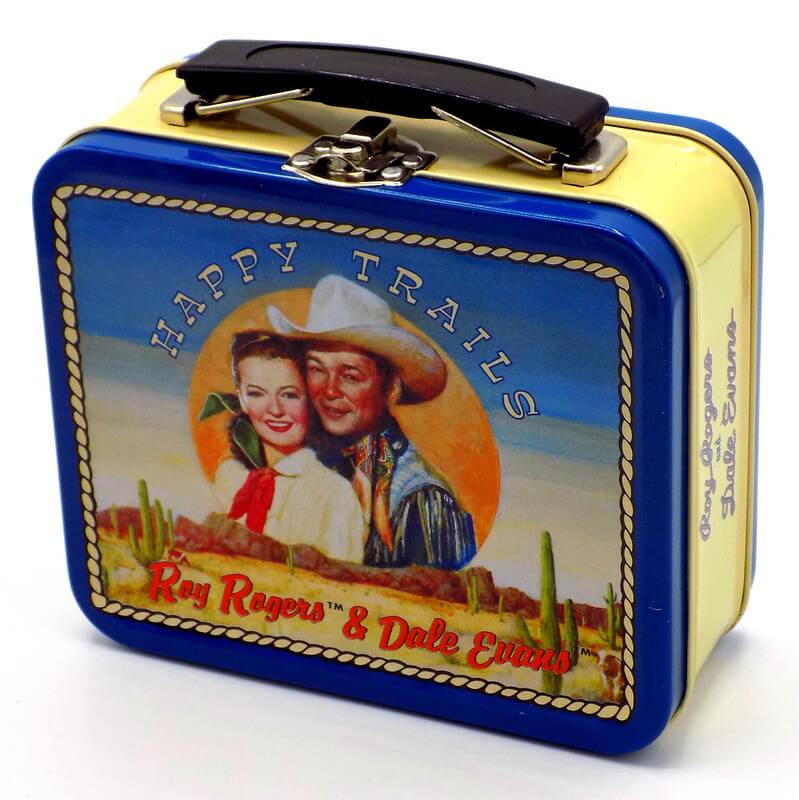
Aladdin’s early 1980s lunch box for “The Dukes of Hazzard” featured the show’s signature car and rural action scenes, arriving during the series’ peak popularity as one of the most-watched shows on network television. Because the show ran for several years, multiple slightly different box designs exist across its production run.
Its strong nostalgic pull among viewers who grew up watching the series has kept demand steady even as the broader metal lunch box market has cooled for less iconic titles.
E.T. the Extra-Terrestrial
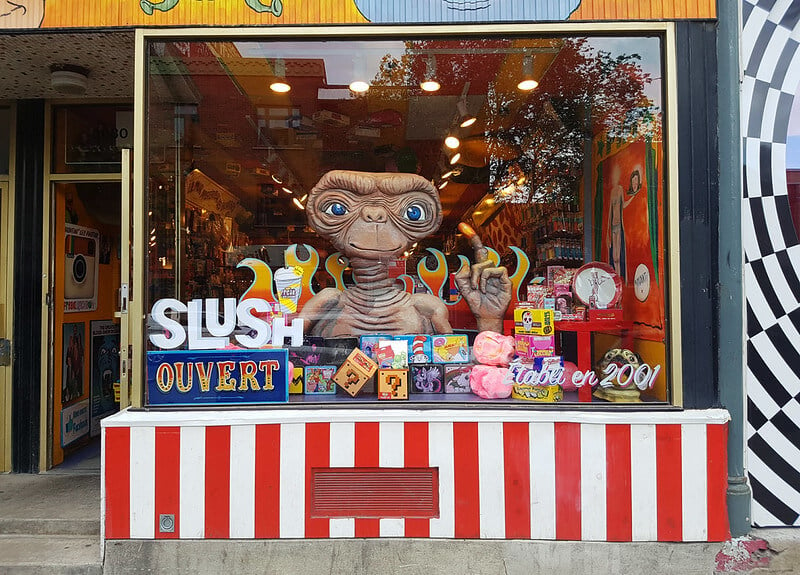
Aladdin released a lunch box tied to “E.T. the Extra-Terrestrial” in 1982, capitalizing on the film’s massive box office success and widespread merchandising campaign. It arrived near the tail end of the classic metal lunch box era, just before plastic largely replaced metal across the industry.
Because production coincided with such a culturally significant film, well-preserved examples remain in consistent demand among both lunch box and film memorabilia collectors.
The Long Tail of Lunchroom Nostalgia
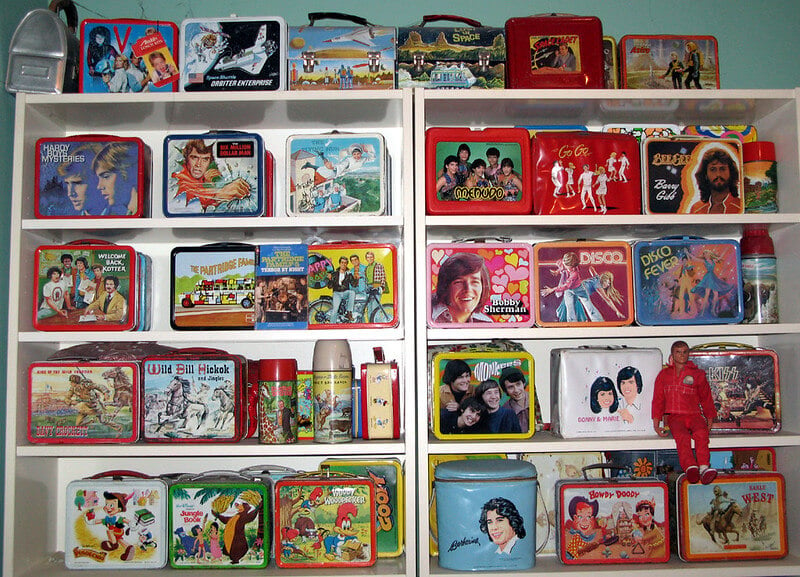
None of these boxes were built to last generations; they were built to survive a school year of being dropped, dented, and stacked in overcrowded cubbies. Their unlikely second life as collectibles depends entirely on the small number of examples that escaped that daily punishment with their artwork and hardware intact, which is exactly why condition dictates value more than rarity alone in this hobby.
What collectors are really chasing is not the lunch box itself but the specific version of childhood television and film culture stamped onto its surface, a snapshot that never got a second printing once the show or film left the air. A dented box tells a story about use. A pristine one tells a story about luck.
More from Go2Tutors!

- The Romanov Crown Jewels and Their Tragic Fate
- 13 Historical Mysteries That Science Still Can’t Solve
- Famous Hoaxes That Fooled the World for Years
- 15 Child Stars with Tragic Adult Lives
- 16 Famous Jewelry Pieces in History
Like Go2Tutors’s content? Follow us on MSN.