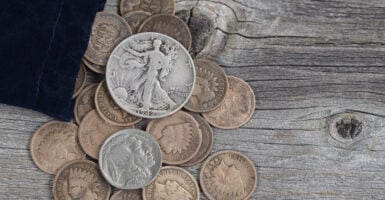
26 Coins in Change Jars Worth Pulling Aside
Most of what collects in a change jar is exactly what it looks like: ordinary currency worth its face value and nothing more. But mixed into decades of accumulated pocket change are specific dates, mint marks, and manufacturing errors that numismatists actively pay well above face value for, and most of them are common enough that finding one isn’t as far-fetched as it sounds.
1943 Copper Penny
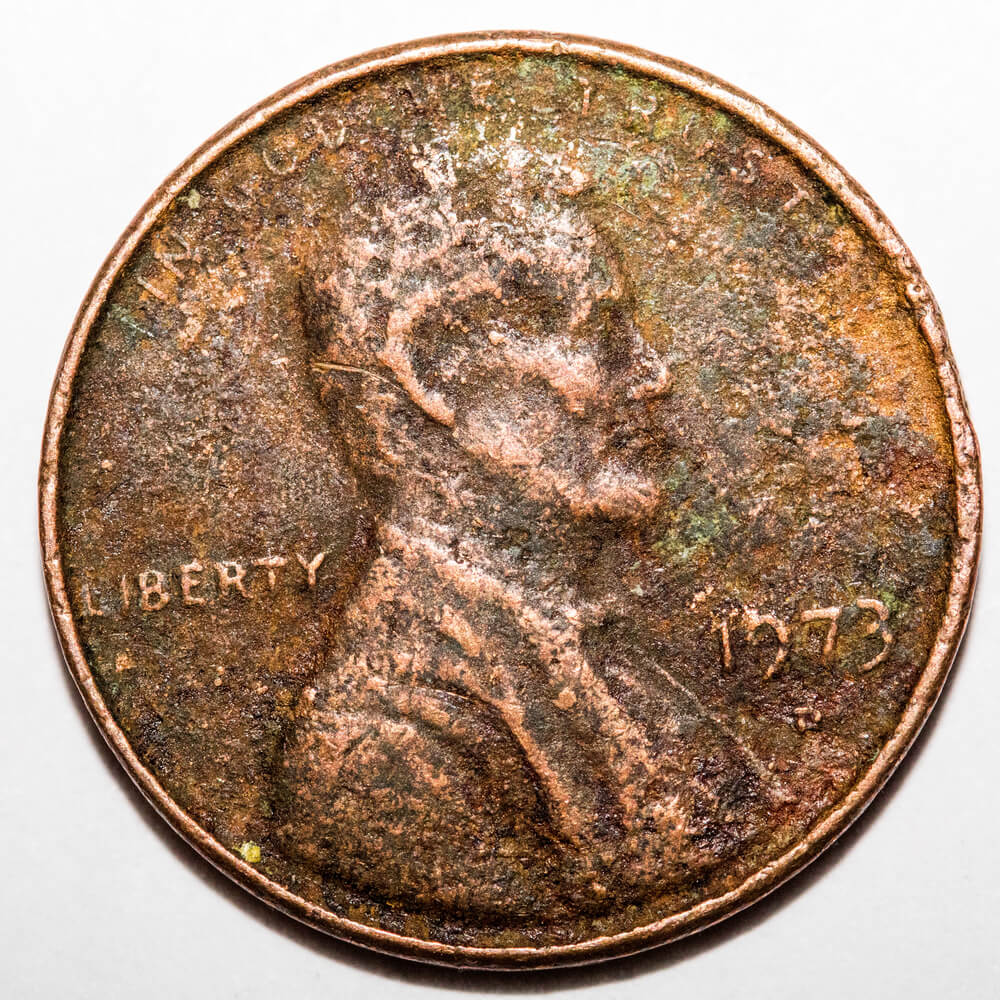
During World War II, the U.S. Mint switched penny production to zinc-coated steel to conserve copper for the war effort, but a small number of copper blanks left over from the previous year were accidentally struck with 1943 dates. Genuine examples are exceptionally rare and have sold at auction for well into six figures, though the coin is also one of the most commonly counterfeited error coins in existence.
A simple magnet test helps rule out the far more common steel version, since genuine copper examples won’t stick to a magnet.
1955 Doubled Die Penny
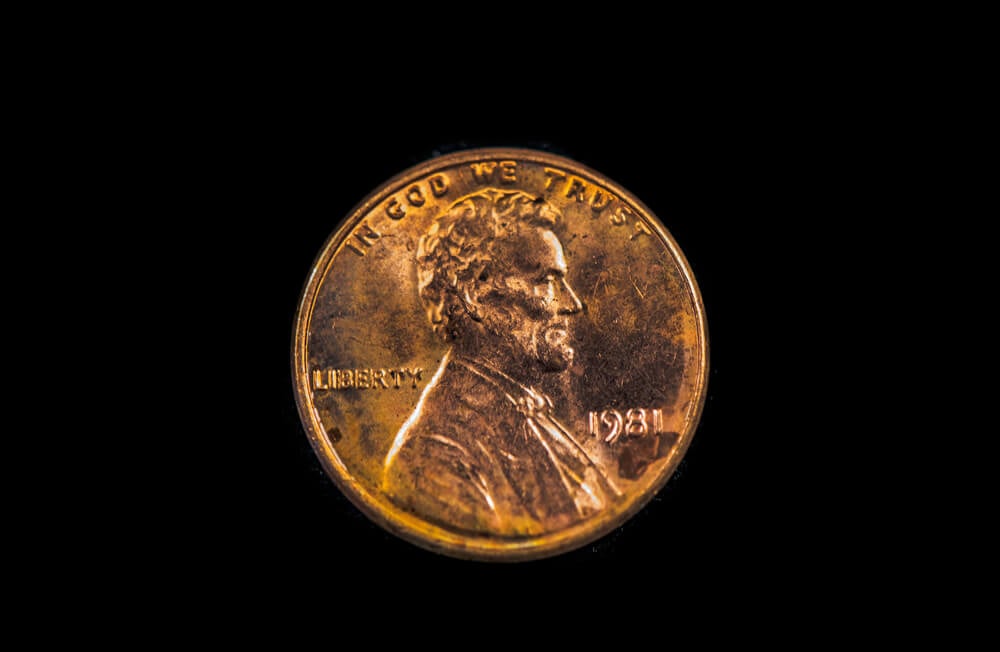
A minting error at the Philadelphia mint in 1955 caused the date and lettering on the coin’s face to appear visibly doubled, a flaw noticeable without any magnification to a careful eye. Genuine examples in circulated condition still command hundreds of dollars, with well-preserved pieces reaching considerably higher.
The doubling is dramatic enough that it separates real examples from ordinary wear-related distortion fairly easily once someone knows what to look for.
1969-S Doubled Die Penny
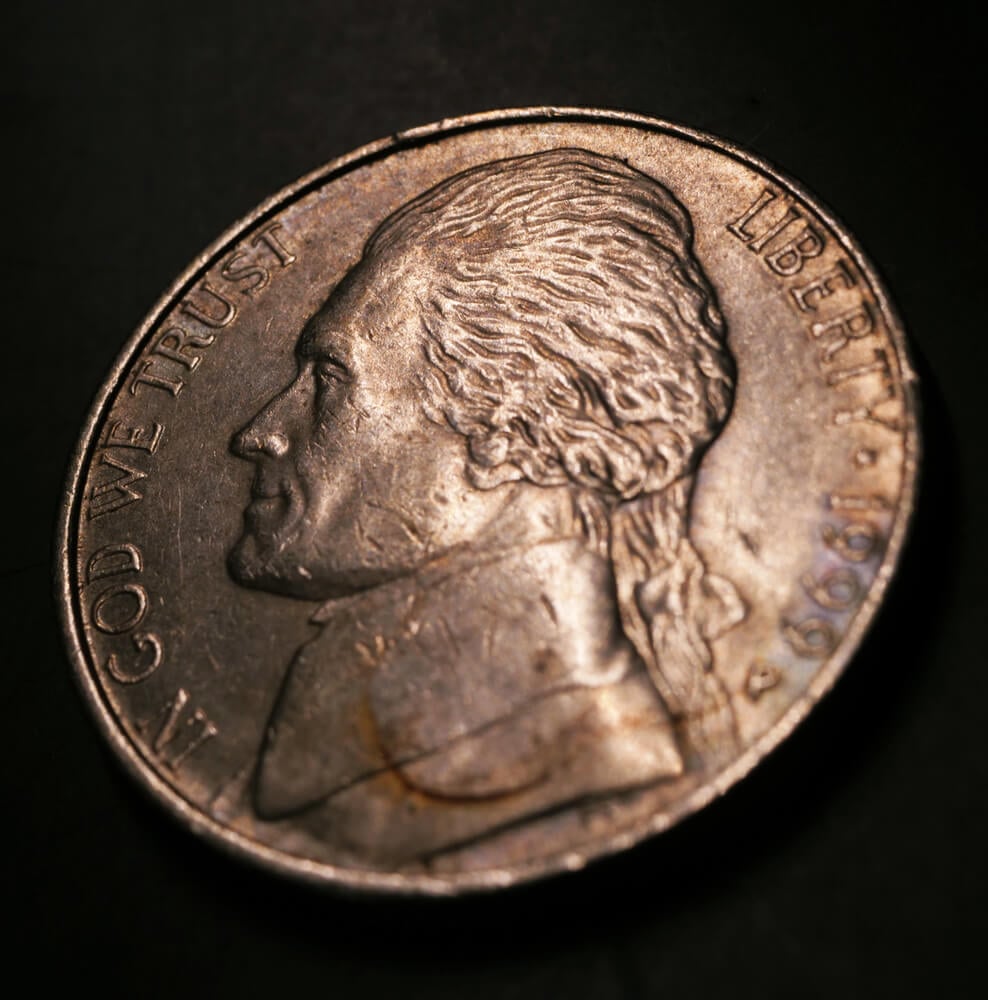
This San Francisco mint error, produced only in proof and business-strike coins from that specific year, shows similar doubling to the more famous 1955 version but in a much scarcer overall population. Authenticated examples have sold for tens of thousands of dollars given how few are known to exist.
The coin’s rarity means most claimed examples turn out to be a more common type of machine doubling rather than the genuine minting error.
1922 No-D Penny
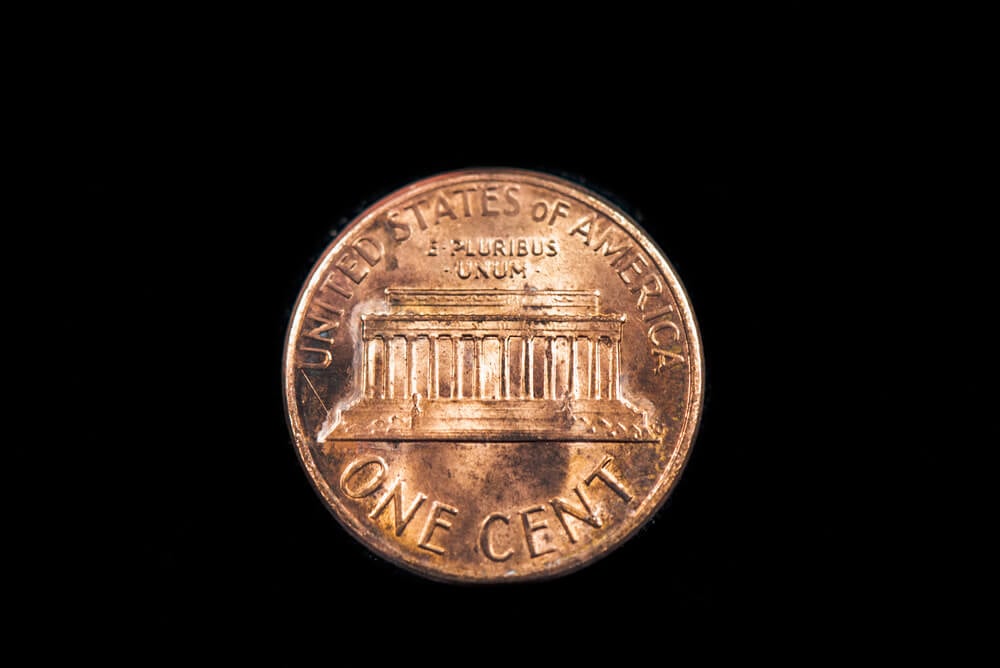
Due to a die failure at the Denver mint in 1922, some pennies from that year were struck without the mint mark that should have appeared on the coin, since Philadelphia produced no pennies at all that year. A genuine No-D example, distinguished from a simple weak strike by specific die characteristics, can be worth a substantial sum in decent condition.
This coin is frequently misidentified, since a worn mint mark can look absent to an untrained eye without actually being an error.
1937-D Three-Legged Buffalo Nickel
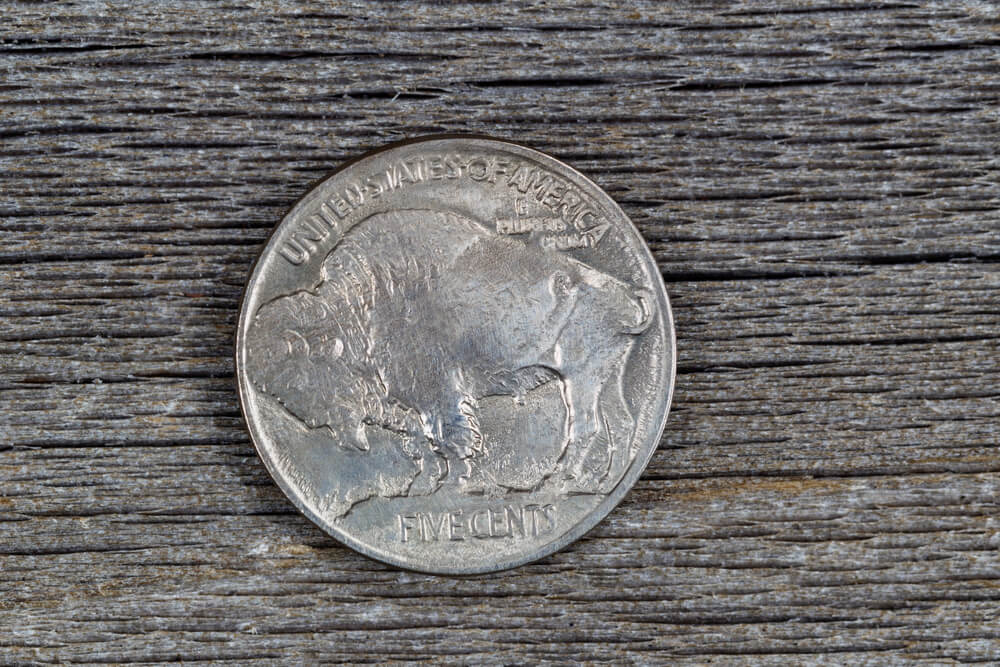
An overpolishing error at the Denver mint accidentally removed one leg from the buffalo depicted on the coin’s reverse, creating one of the most recognizable error coins among American collectors. Genuine examples sell for hundreds to thousands of dollars depending on condition, with well-preserved pieces at the higher end of that range.
The error is easy to verify visually, since the missing leg is unmistakable once a person knows which coin to check.
1913 Liberty Head Nickel
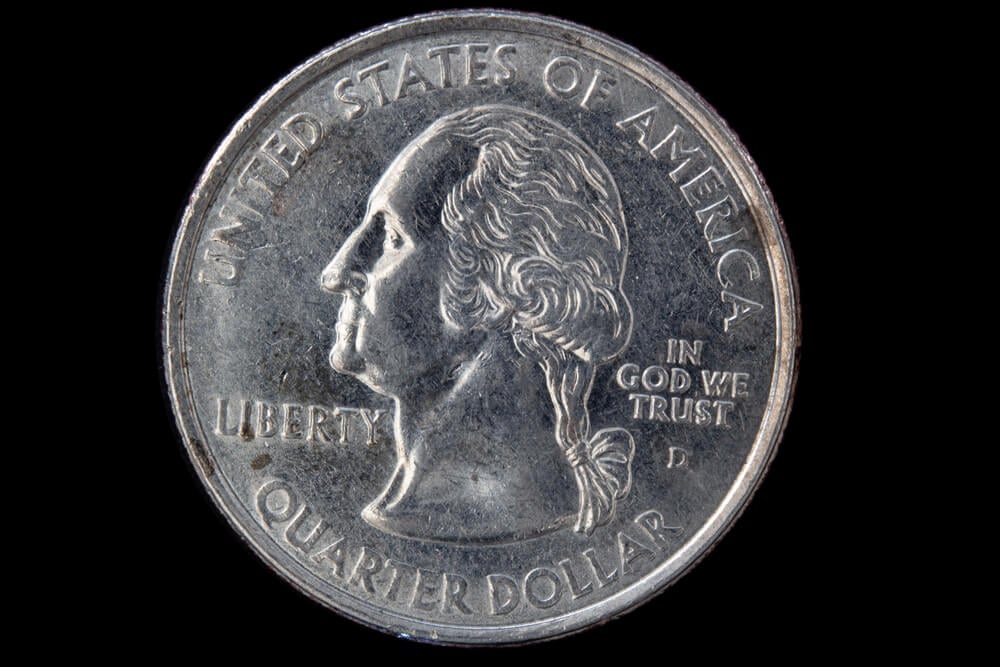
The U.S. Mint officially switched nickel designs before 1913 began, making the small number of Liberty Head nickels dated that year highly unusual, with only five known examples believed to exist. These coins were reportedly struck without official authorization, and their exact origin remains debated among numismatists.
Given the extremely small known population, a genuine, verified example would represent one of the single most significant coin finds possible in American numismatics.
1970-S Small Date Lincoln Penny
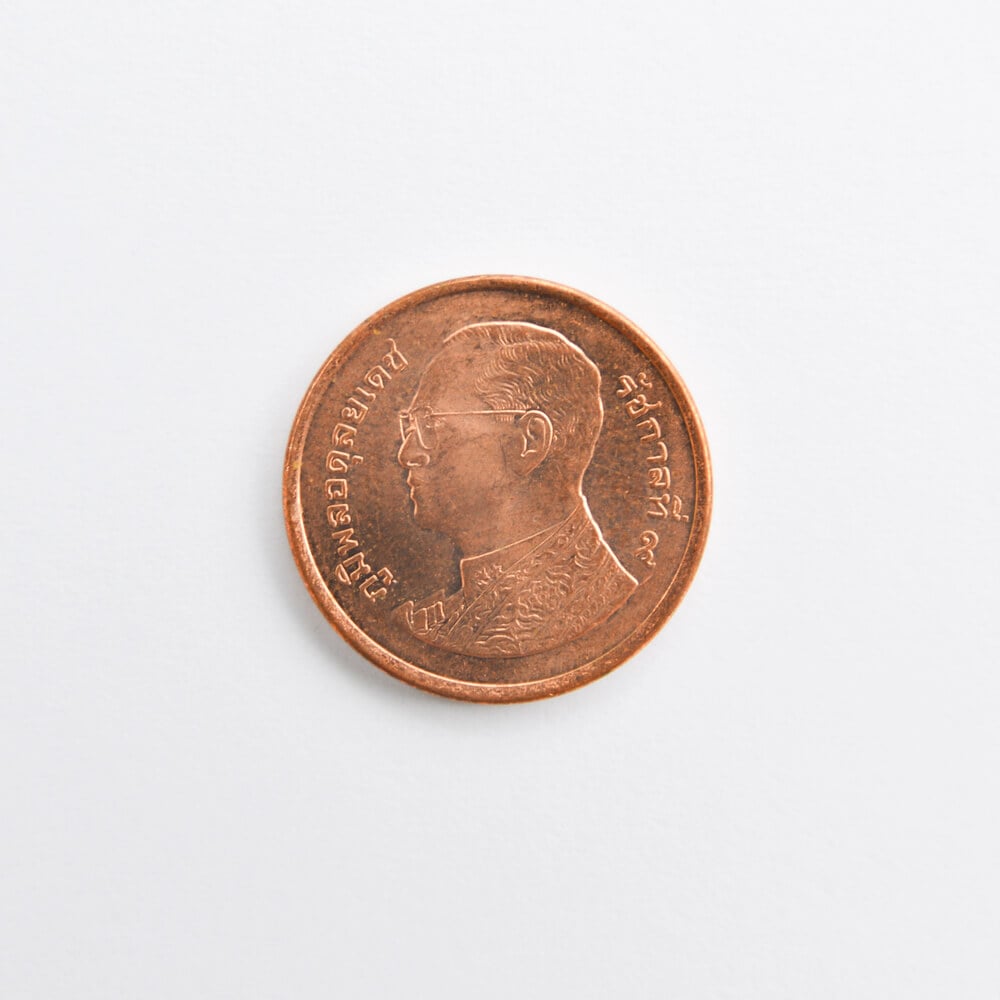
A minor design variation in the date’s font size on some 1970-S pennies created a scarcer variant than the standard large-date version produced the same year. The small date variant commands a meaningful premium over its common counterpart, though the difference requires careful side-by-side comparison of the numeral shapes to identify correctly.
Most 1970-S pennies in circulation are the common large-date type, making the small date a genuine needle-in-a-haystack find.
1972 Doubled Die Penny
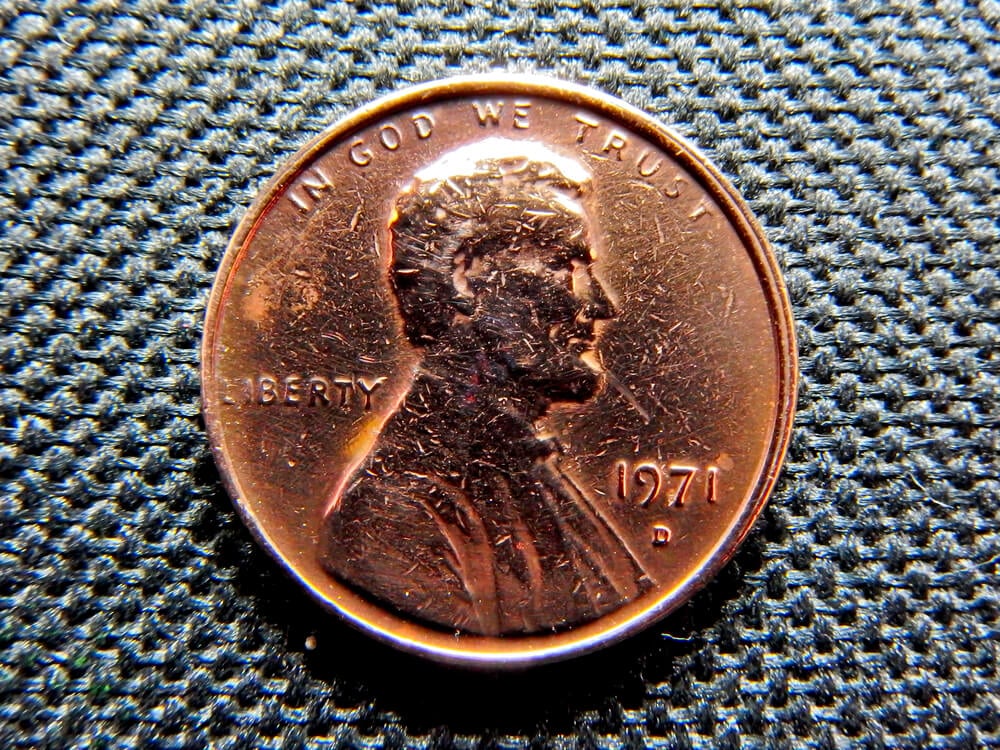
Similar to the more famous 1955 error, a 1972 doubling error at the Philadelphia mint produced pennies with visibly doubled lettering on the coin’s face. Circulated examples still fetch a solid premium over face value, with uncirculated pieces reaching considerably more.
The error is one of the more commonly found doubled-die varieties still turning up in circulation given how recently, relatively speaking, it was produced.
1982 No Mint Mark Dime
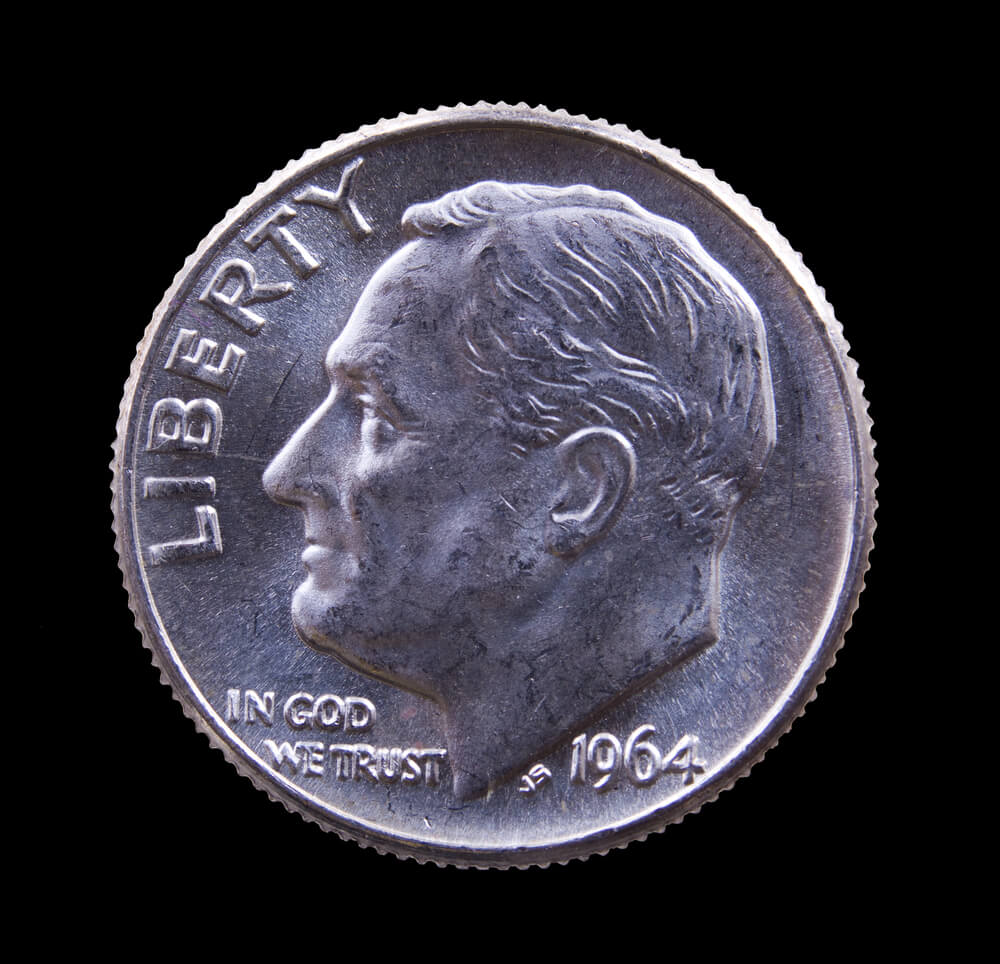
A production error at the Philadelphia mint in 1982 resulted in some dimes being struck without any mint mark at all, an unusual mistake since Philadelphia dimes had carried a mint mark since 1980. Genuine examples in uncirculated condition can be worth a meaningful sum, though circulated examples carry a much smaller premium.
Verifying this error requires checking the coin under magnification for a mint mark that should be present but simply isn’t.
2004-D Wisconsin Extra Leaf Quarter
+
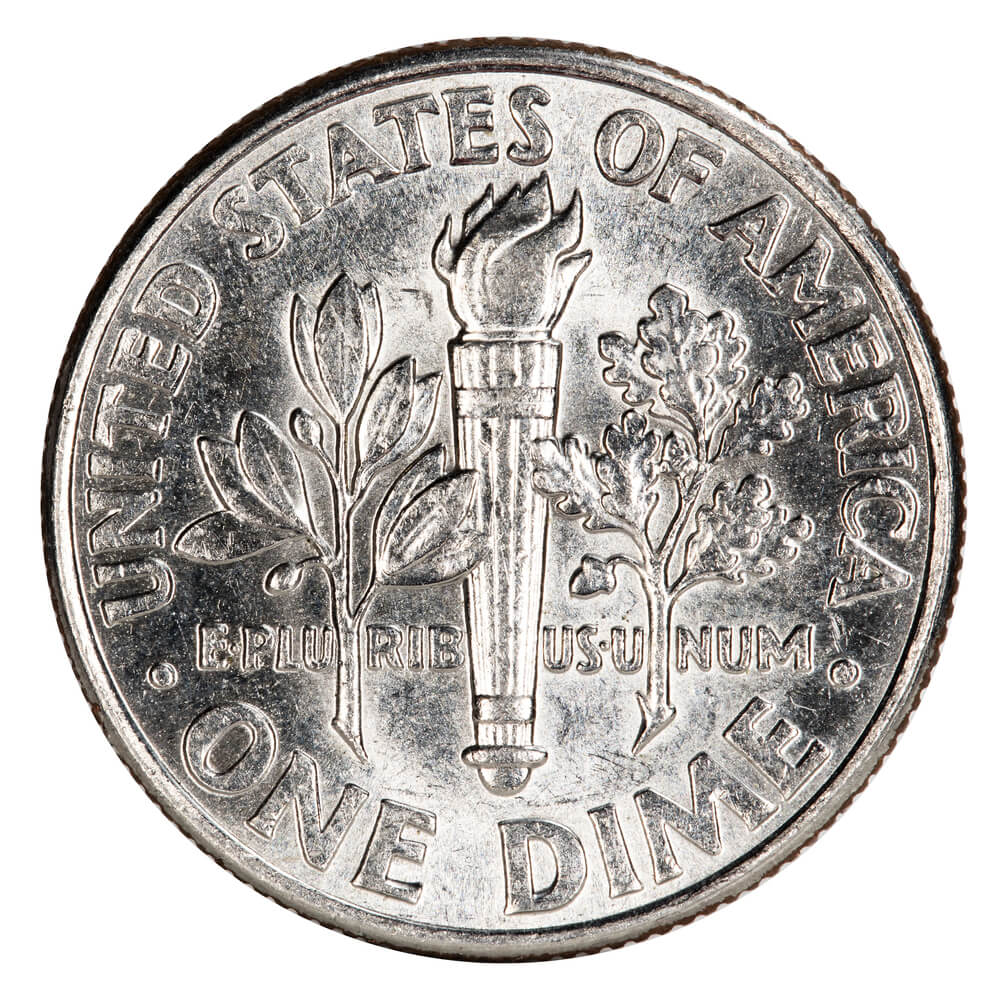
Two distinct die varieties from the Wisconsin state quarter series show an extra leaf on the corn stalk depicted on the reverse, one pointing up and one pointing down, both resulting from separate errors at the Denver mint. These quarters achieved significant media attention when first discovered and remain popular with collectors well beyond the coin’s actual rarity.
A genuine example can be worth well over a hundred dollars depending on which specific variety and condition it presents.
1999 Wide AM Reverse Penny
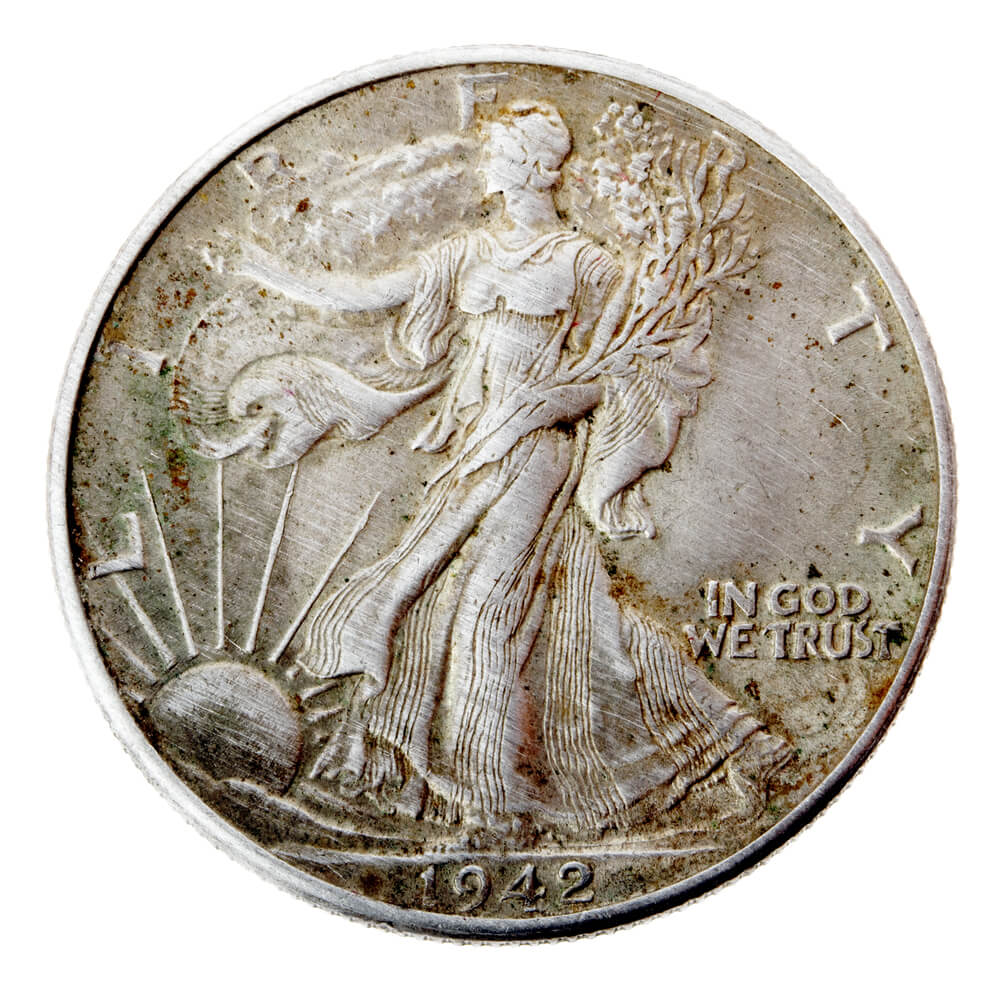
A subtle design variation on some 1999 pennies placed extra spacing between the letters A and M in “AMERICA” on the coin’s reverse, a detail meant for proof coins that mistakenly appeared on some business-strike coins instead. This error is easy to overlook without direct comparison to a standard example, since the spacing difference is genuinely small.
Verified examples in strong condition can command a solid premium over an ordinary penny from the same year.
1995 Doubled Die Penny
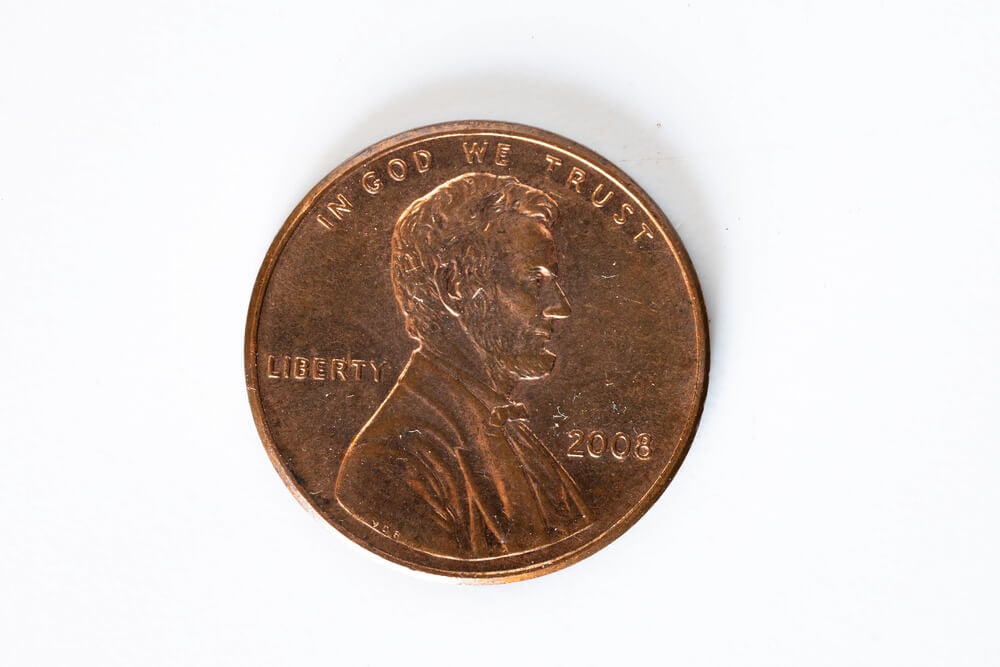
A doubling error affecting the lettering in “LIBERTY” and the motto on some 1995 pennies created a recognizable variety that collectors still actively search for in circulation decades later. The error is less dramatic than the 1955 version but still visible without magnification to a careful eye.
Circulated examples in decent condition can be worth a meaningful multiple of face value.
1917 Doubled Die Penny
An early doubling error affecting the date on some 1917 pennies is one of the oldest known doubled-die varieties in American coinage, predating the more famous mid-century examples by decades. Given the coin’s age, surviving examples in strong condition are considerably scarcer than more recent error coins on this list.
Authentication matters significantly here given the coin’s age and the number of decades collectors have had to study and occasionally misattribute similar-looking wear patterns.
Silver Roosevelt Dimes (Pre-1965)
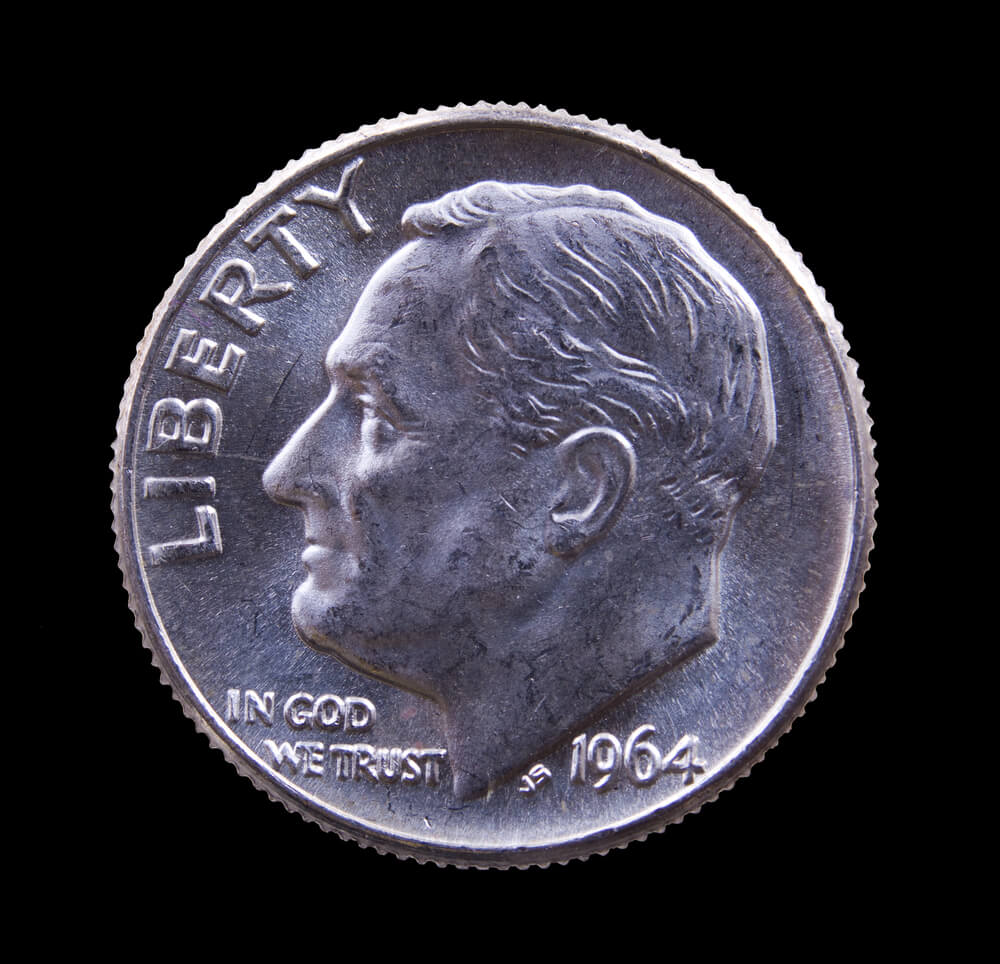
Every U.S. dime minted before 1965 contains ninety percent silver, a composition the mint abandoned that year in favor of a copper-nickel blend as silver prices rose. These coins still circulate occasionally, and their value tracks the current price of silver rather than any specific rarity, meaning a handful of old dimes can be worth several times their face value even in worn condition.
Checking a dime’s date is the simplest possible first step toward finding real value in an ordinary change jar.
Silver Washington Quarters (Pre-1965)
Like their dime counterparts, quarters minted before 1965 contain ninety percent silver, and their value likewise tracks current metal prices rather than rarity alone. A jar full of older change occasionally turns up several of these mixed in among modern quarters, since the date is the only thing separating a silver coin from a common one.
Even heavily worn examples retain their full silver content, since the metal value doesn’t depend on how sharp the design details remain.
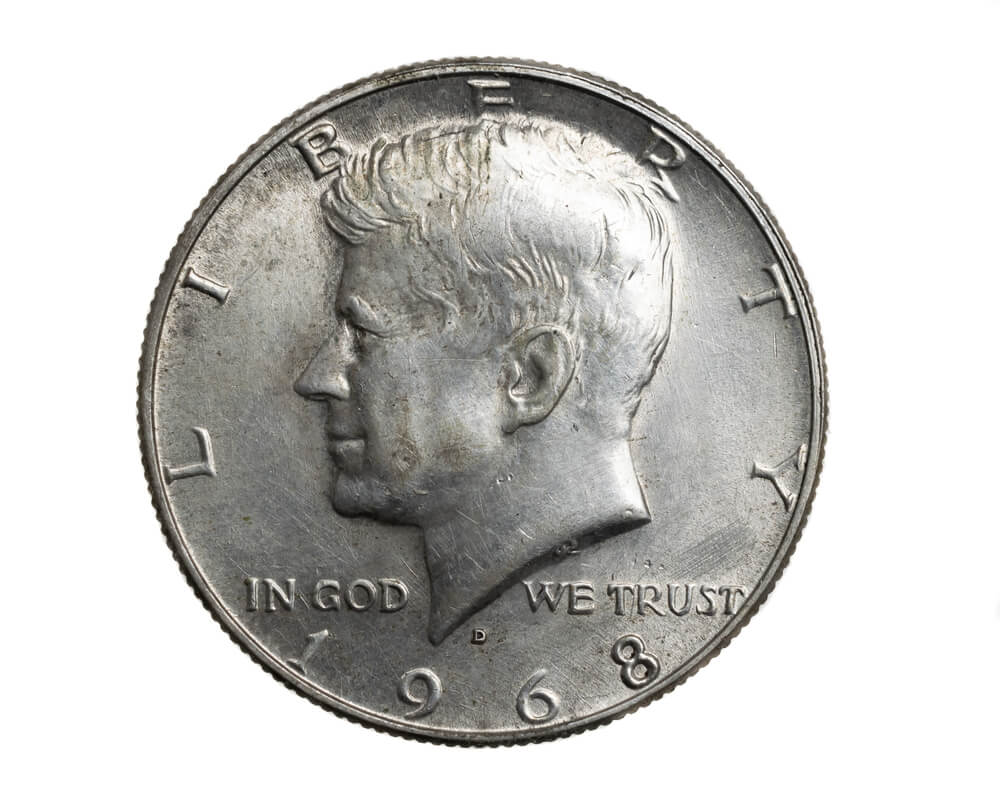
1964 Kennedy Half Dollar
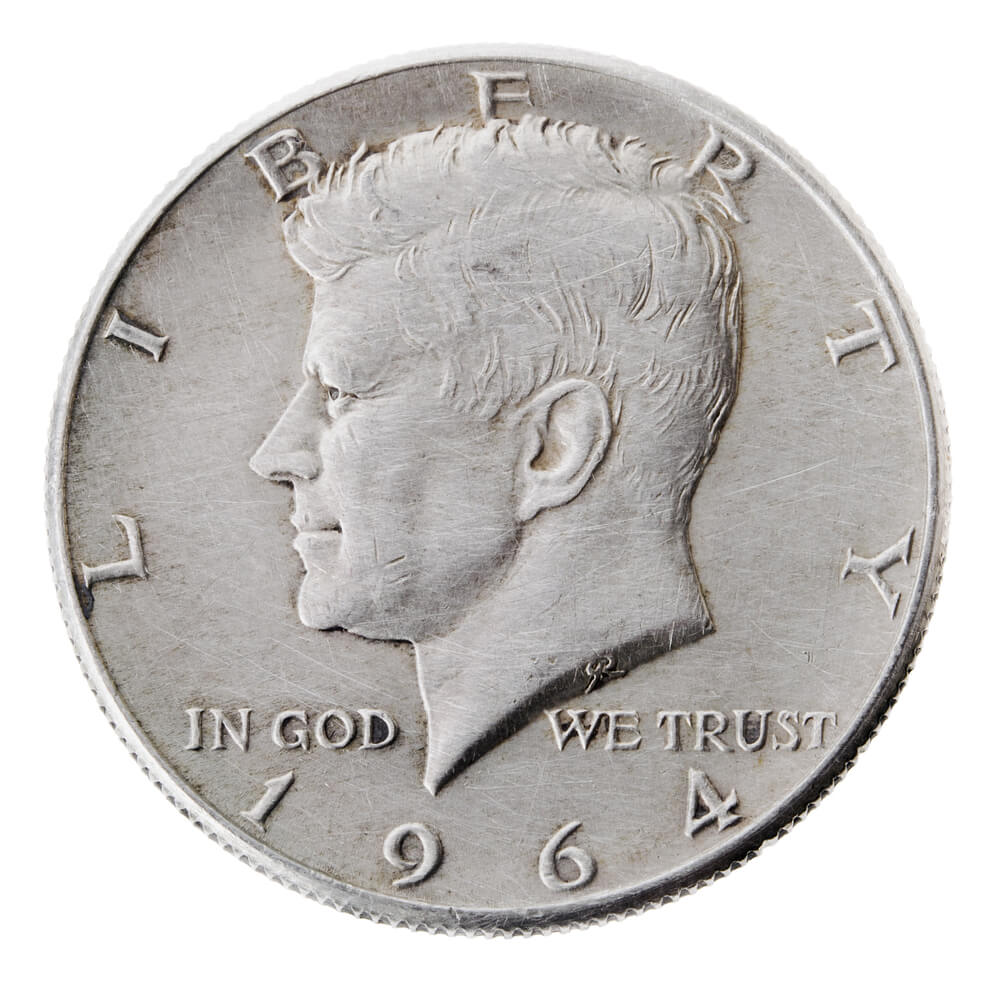
The first year of Kennedy half dollar production used a ninety percent silver composition, produced in large numbers as a memorial to the recently assassinated president and widely saved by the public rather than spent. Despite the large mintage, genuine circulating examples of this specific date carry both silver content value and a modest collector premium beyond that.
Later Kennedy halves reduced silver content before eliminating it entirely, making the date the key detail to check.
1955 Bugs Bunny Franklin Half Dollar
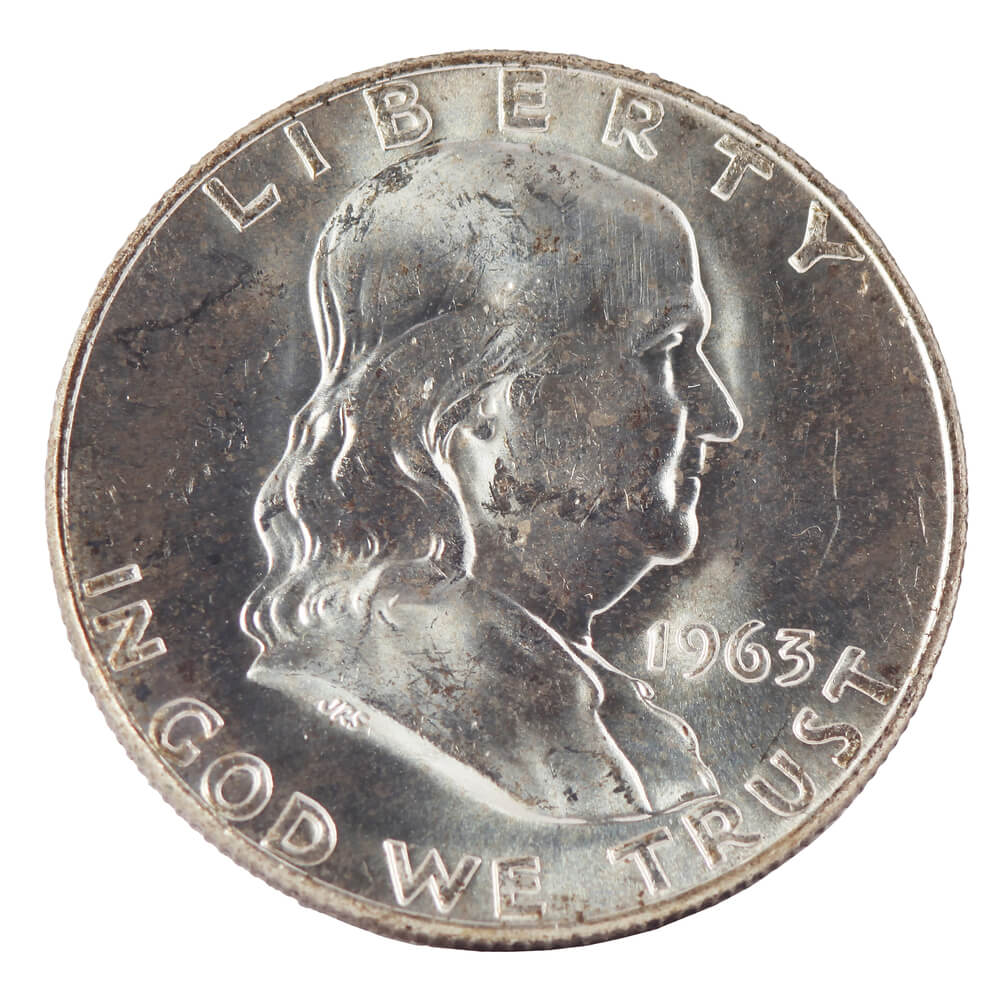
A die clash error on some 1955 Franklin half dollars created lines across Benjamin Franklin’s mouth that resemble buck teeth, earning the coin its widely used nickname among collectors. The error is purely cosmetic but has made the coin considerably more popular than a standard Franklin half from the same year.
Genuine examples in decent condition carry a noticeable premium tied directly to the novelty of the error itself.
1943-S Doubled Die Nickel
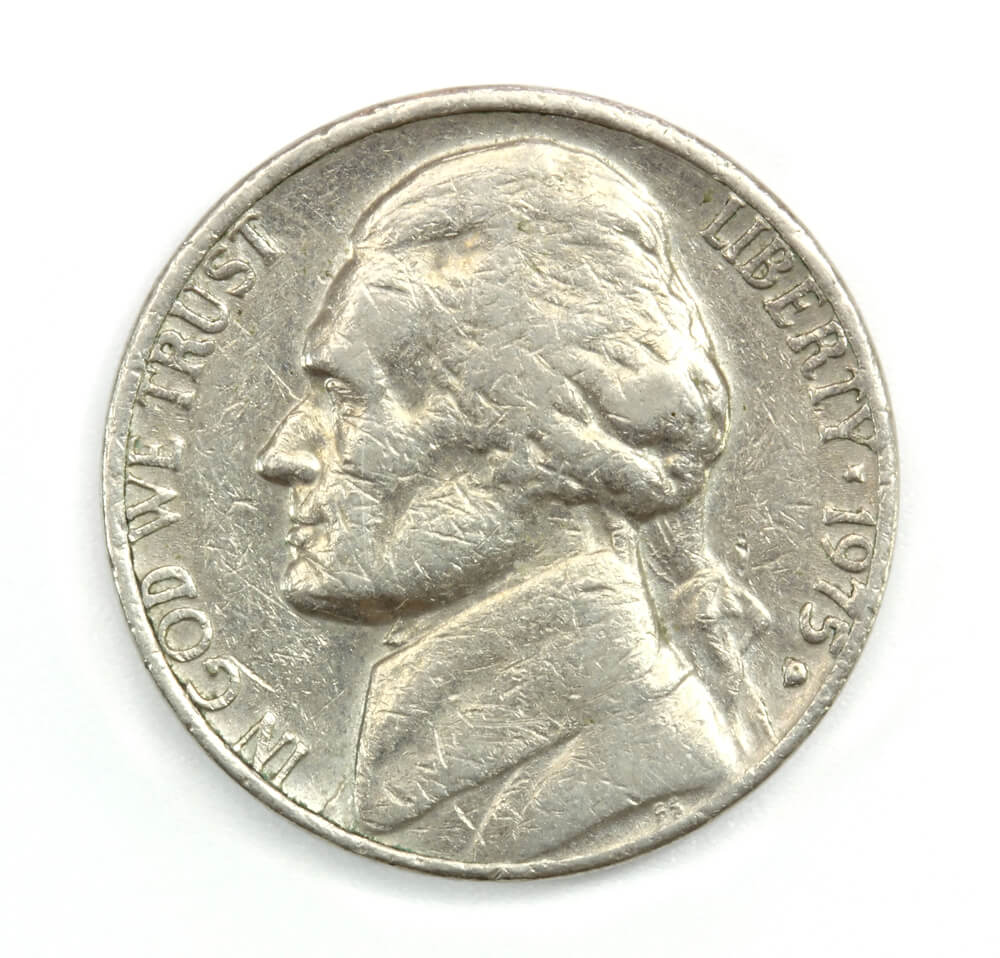
A wartime nickel composition change to conserve metal coincided with a doubling error at the San Francisco mint in 1943, creating a scarce combination of a wartime silver alloy nickel with a genuine doubled-die variety. These wartime nickels are already identifiable by a large mint mark placed above the building depicted on the reverse, a design change unique to that period.
A verified doubled-die example from this specific year and mint carries value well beyond the coin’s wartime silver content alone.
2005 Speared Bison Nickel
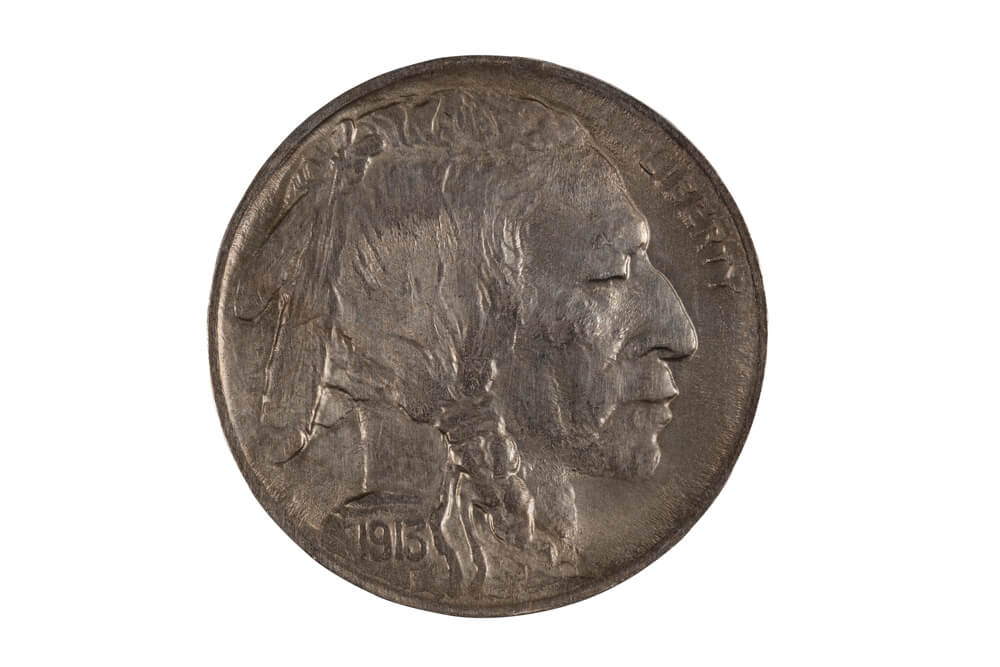
An extensive die gouge on some 2005 Westward Journey nickels created a line that appears to run through the bison depicted on the reverse, resembling a spear or gash across the animal’s body. The error is purely a die flaw rather than an official design element, but its dramatic visual appearance has made it a popular target for collectors searching circulated rolls.
Genuine examples in decent condition can be worth a solid multiple of face value.
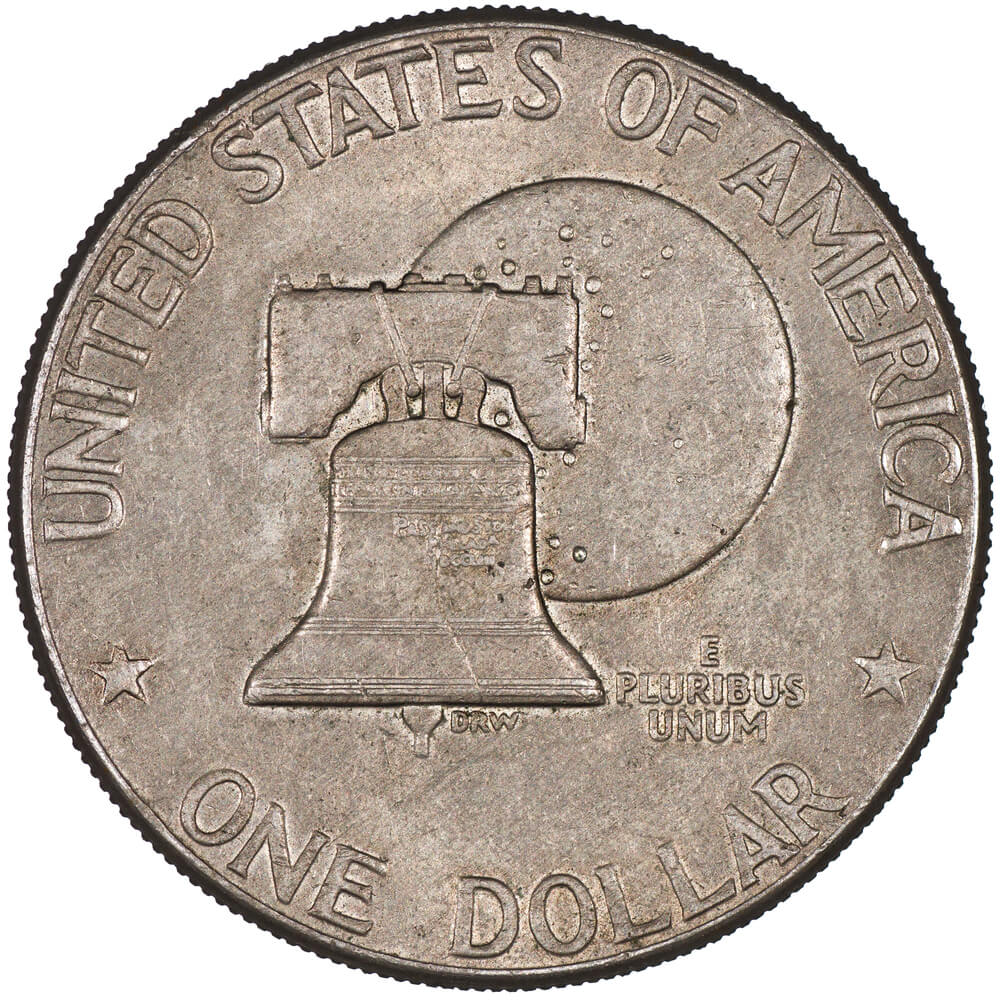
1972 Type 2 Eisenhower Dollar
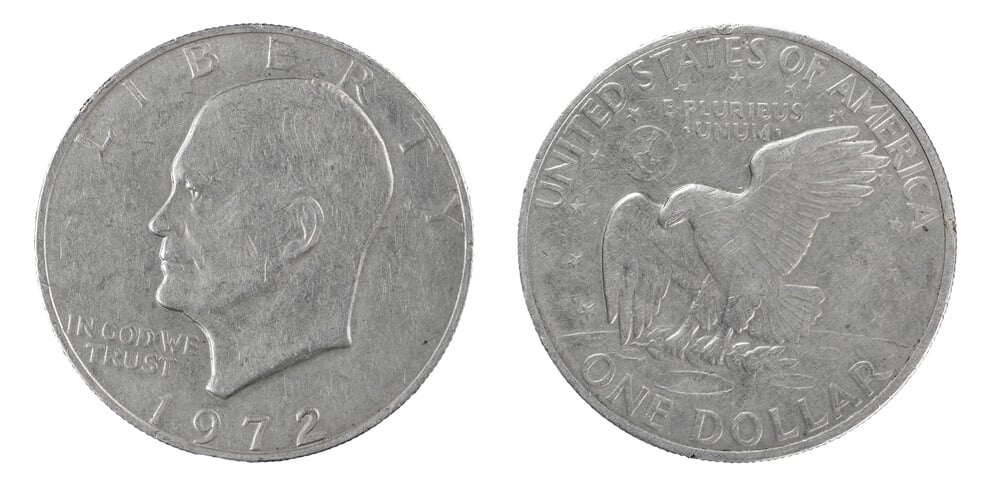
A specific die variety among 1972 Eisenhower dollars features an unusually detailed depiction of Earth on the reverse, a design that differs noticeably from the more common flatter rendering used on most coins from that year. This particular variety is scarcer than the standard version and commands a real premium among large-dollar-coin collectors specifically.
Comparing the level of geographic detail on the reverse is the most reliable way to distinguish the varieties from each other.
1979 Susan B. Anthony Dollar Wide Rim Variety
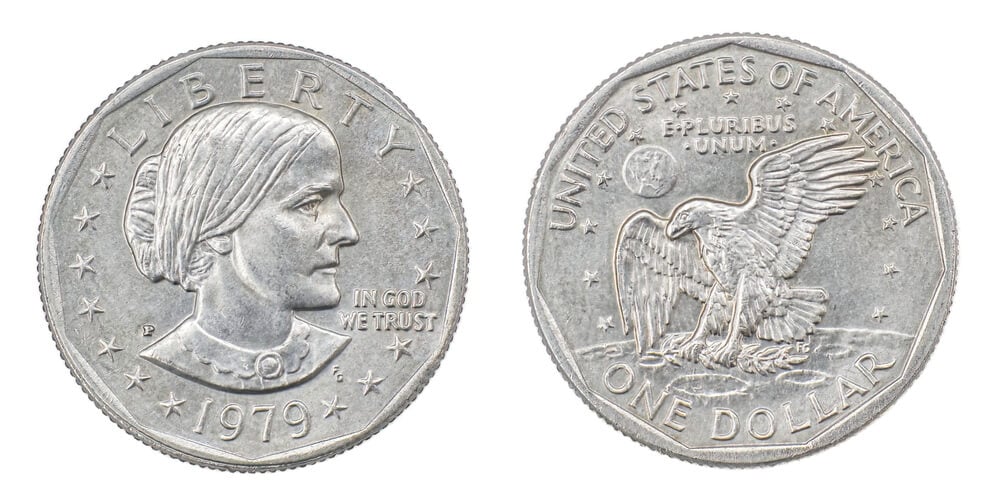
A minor die variation on some 1979 Anthony dollars placed the rim noticeably wider around the date than the standard version produced the same year. This variety commands a modest but real premium over an ordinary example from the same date, particularly in uncirculated condition.
The coin itself was widely unpopular at release due to its similarity in size to a quarter, a detail that ironically kept many surviving examples in better condition since they weren’t circulated as heavily as intended.
2000 Sacagawea Dollar Wounded Eagle Variety
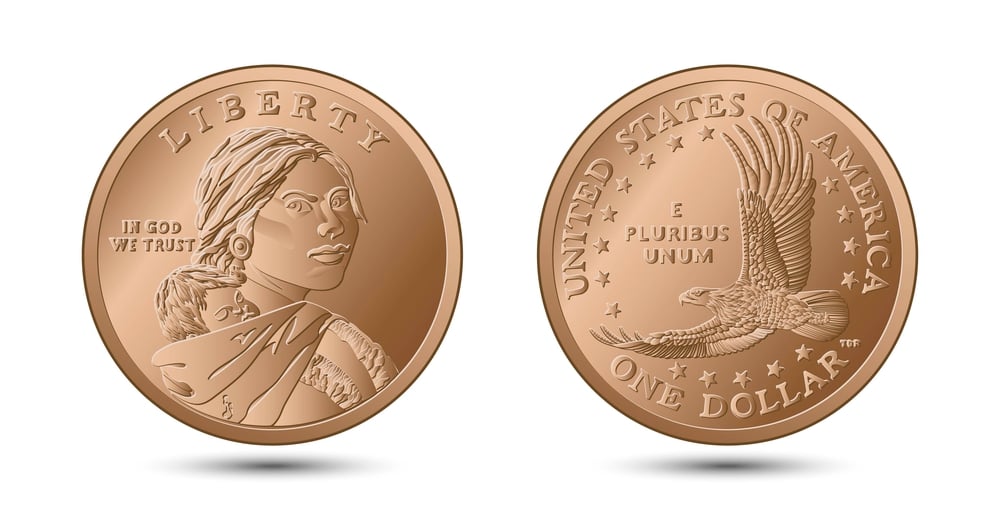
A die gouge error on some year 2000 Sacagawea dollars created a mark resembling an injury on the eagle depicted on the reverse, a purely cosmetic flaw that nonetheless drew significant collector interest once identified. Genuine examples in strong condition command a noticeable premium over an ordinary coin from the same year.
The error’s dramatic visual nature, similar to the earlier bison nickel variety, has made it one of the more actively searched-for modern error coins.
1982-D Small Date Copper Penny
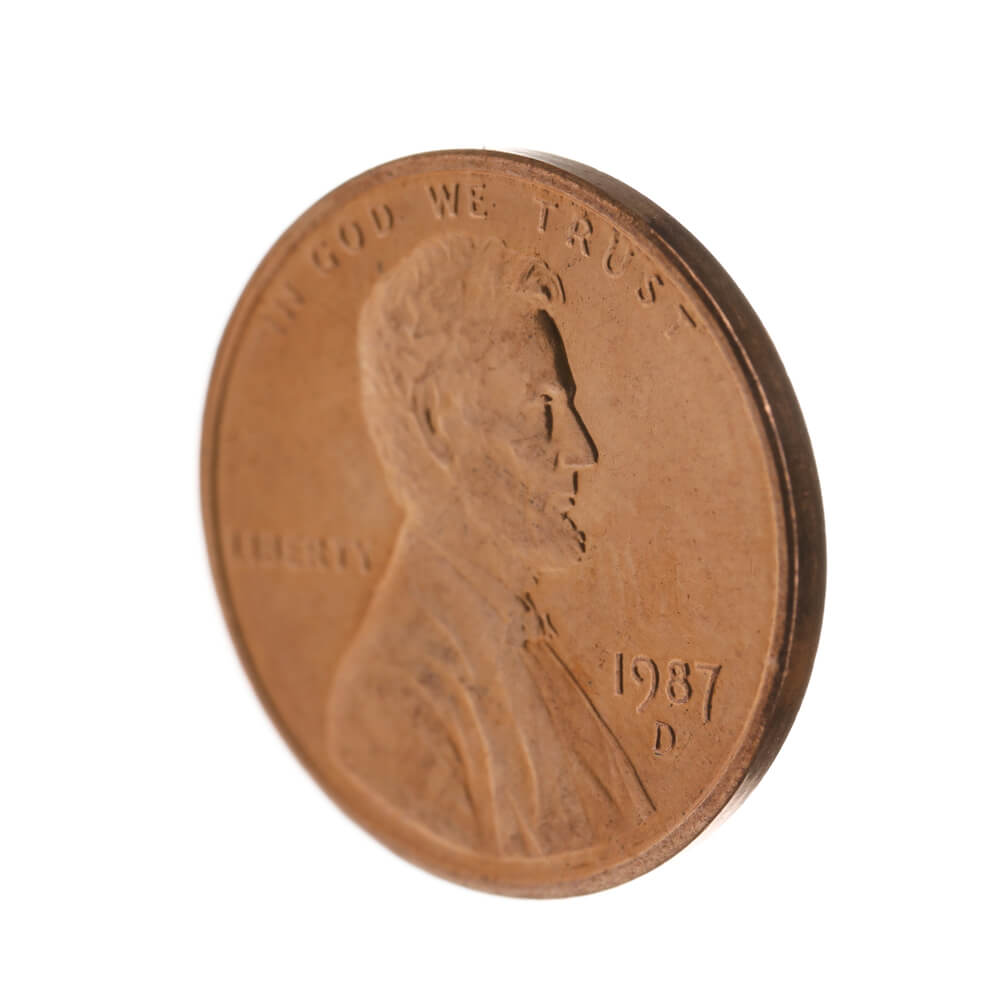
A transitional year in penny composition, as the mint shifted from copper to a cheaper zinc core with a copper coating, created a brief window where both metal compositions and multiple date-size varieties overlapped. A copper penny with the small date variety from the Denver mint that year is genuinely scarce among the many possible combinations produced during the transition.
Weighing the coin on a precise scale is the most reliable way to distinguish the heavier copper version from its lighter zinc counterpart.
1960 Small Date Penny
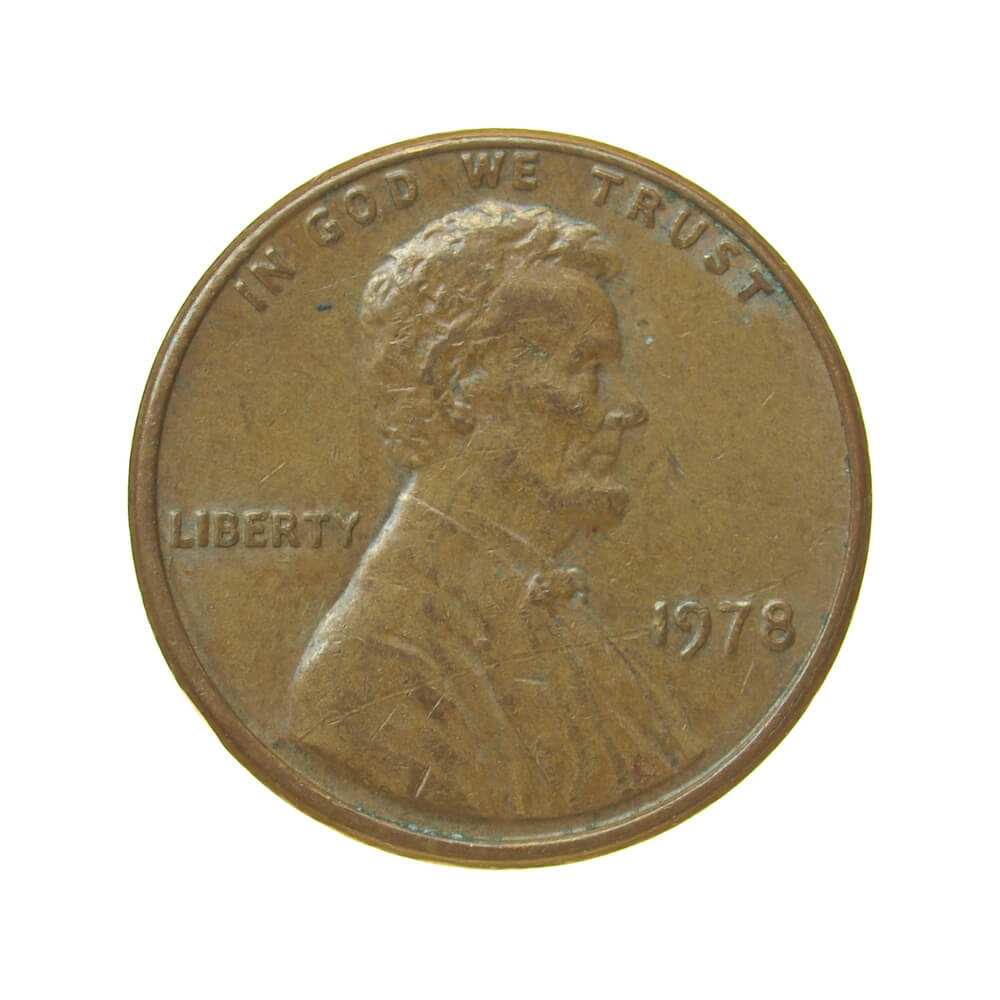
A date-size variation on some 1960 pennies from the Philadelphia mint created a scarcer small-date version alongside the far more common large-date type produced the same year. The difference is subtle enough that side-by-side comparison with a known example is the most reliable identification method.
Genuine small-date examples in strong condition carry a meaningful premium over an ordinary 1960 penny.
1917 Doubled Die Buffalo Nickel
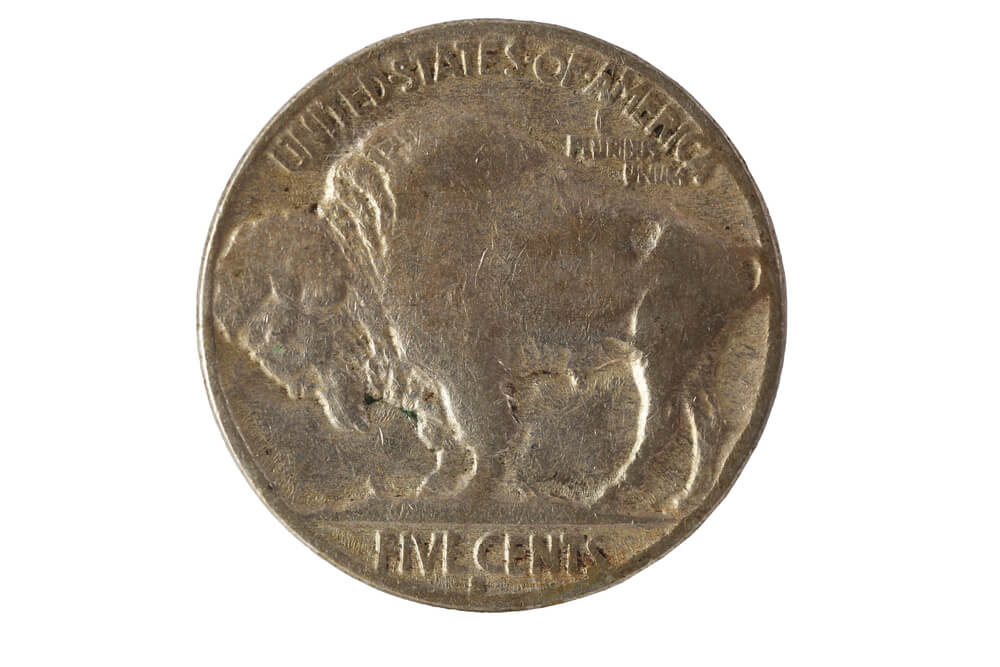
Beyond the well-known 1937 three-legged variety, an earlier doubling error affecting the date on some 1917 buffalo nickels created a distinct, less commonly recognized error variety from the design’s early years. Given the coin’s age, strong-condition survivors are considerably scarcer than more recently produced error coins.
This variety requires more careful authentication than some others on this list, given how much a century of circulation can obscure fine doubling detail.
1965 Silver Transitional Error Coins
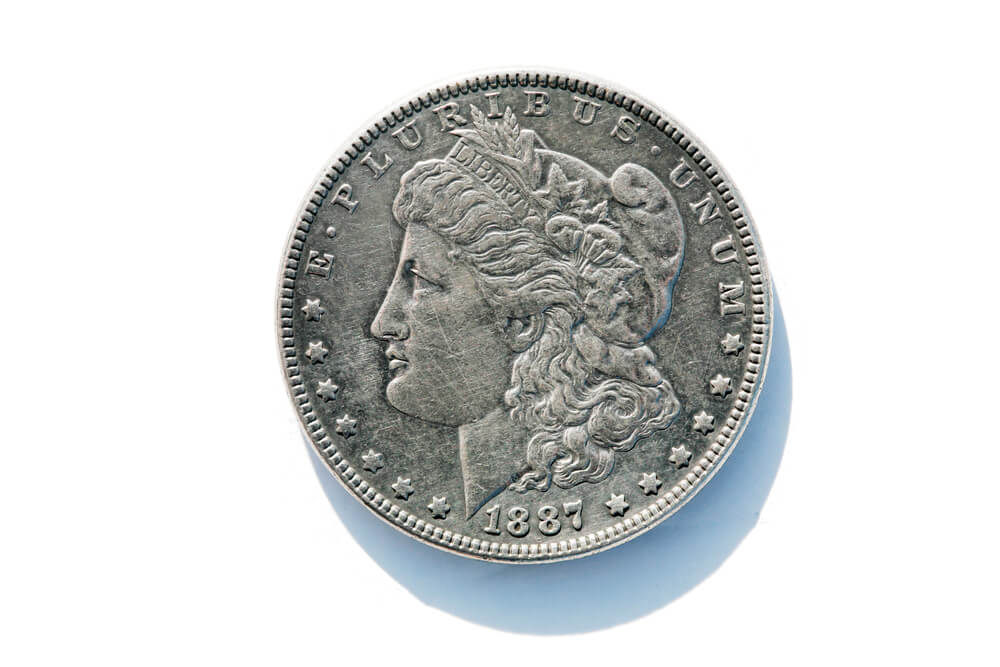
During the transition away from silver coinage in 1965, a small number of coins were accidentally struck on leftover silver planchets from the previous year’s production, creating scarce transitional errors across several denominations. These transitional errors are considerably rarer than the standard pre-1965 silver coins, since they represent an outright mistake rather than an intentional composition.
Verified examples require careful weighing and testing, since a coin struck on the wrong planchet can otherwise look identical to a standard example.
Making a Habit of Checking
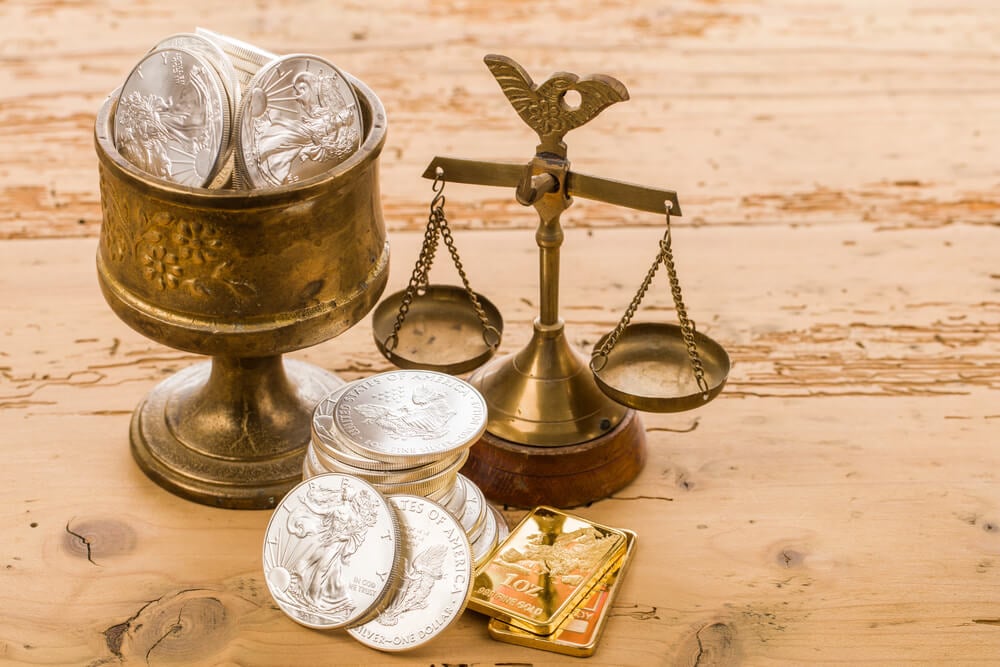
None of these coins require a metal detector or a trip to an estate sale, just a willingness to actually look at the dates and details on coins that would otherwise get rolled and deposited without a second glance. A jar that’s been accumulating change for a decade or more has had plenty of opportunities to catch something worth pulling aside, whether that’s an old silver dime or a genuine minting error hiding in plain sight.
The habit is really the entire point. Most people who find something valuable this way weren’t looking for one specific coin; they were simply in the practice of checking, and eventually the odds caught up with them.
A change jar is one of the few places left where actual attention still pays a dividend.
More from Go2Tutors!

- The Romanov Crown Jewels and Their Tragic Fate
- 13 Historical Mysteries That Science Still Can’t Solve
- Famous Hoaxes That Fooled the World for Years
- 15 Child Stars with Tragic Adult Lives
- 16 Famous Jewelry Pieces in History
Like Go2Tutors’s content? Follow us on MSN.