17 Historic Roads Still in Use Thousands of Years Later
Most infrastructure gets torn up and rebuilt within a lifetime. Roads are the exception — a route that worked for a Roman legion, a medieval trader, or a Bronze Age herder often still works for a modern car, simply because the terrain that dictated the original path has not changed. Rivers still need crossing in the same places, mountain passes still sit where they always sat.
The result is a strange kind of continuity hiding under modern asphalt: highways and footpaths that, in some form, have carried traffic for thousands of years without ever fully going out of use.
Via Appia
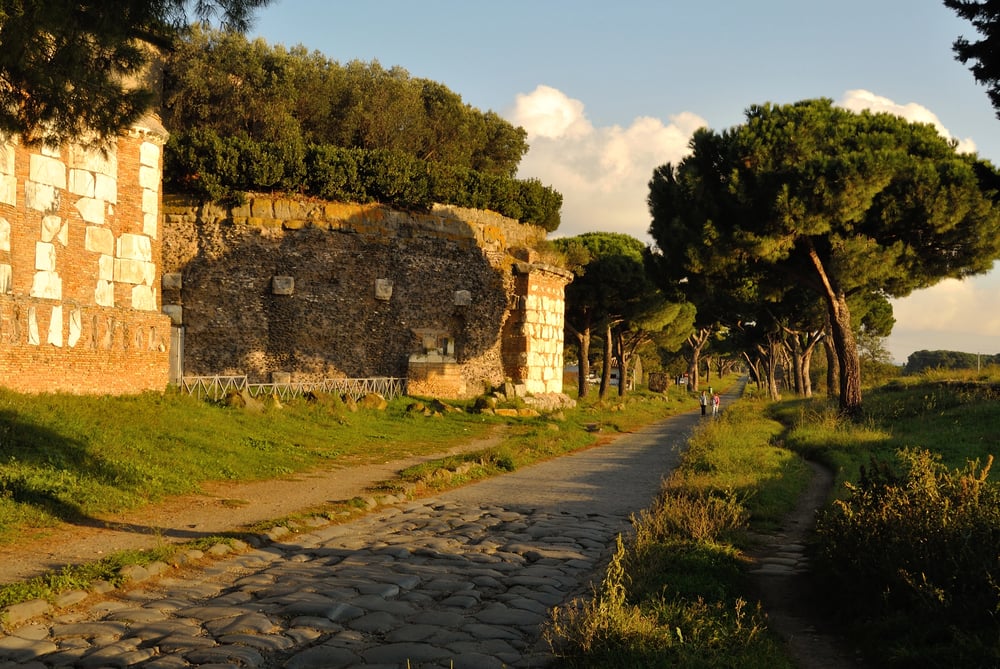
Begun in 312 BCE to connect Rome with Capua and later extended to the port of Brindisi, the Appian Way was Rome’s first major long-distance road and remains partially walkable and drivable today, with sections of the original basalt paving still visible near Rome. Stretches of the modern Via Appia Nuova and Via Appia Antica trace essentially the same corridor the Romans engineered more than two thousand years ago.
Grand Trunk Road
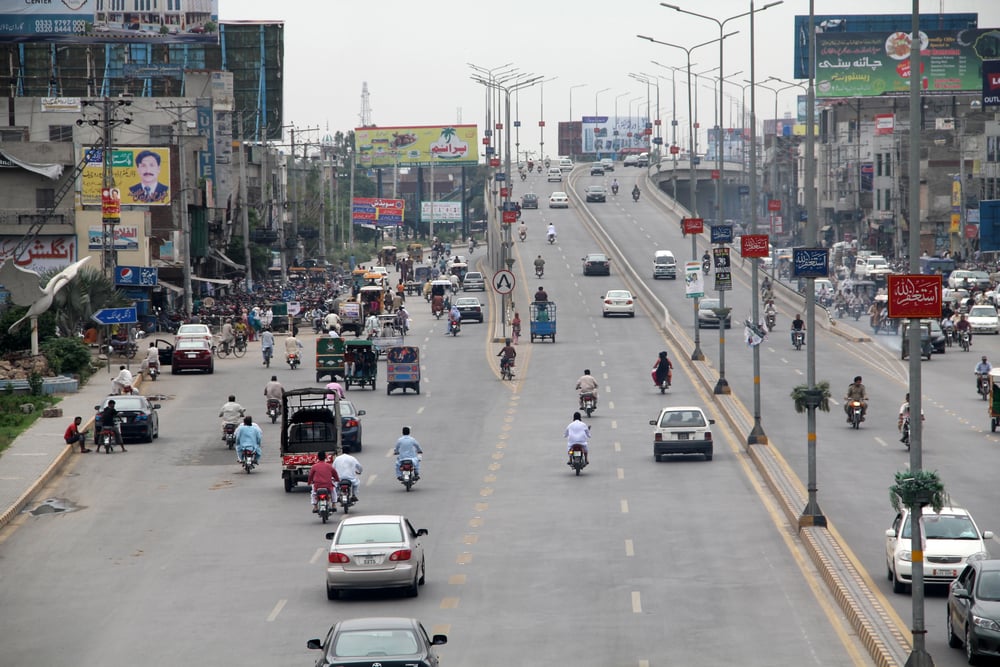
Linking the Indian subcontinent from Bangladesh through India and Pakistan to Afghanistan, the Grand Trunk Road follows a route used since at least the Mauryan Empire in the 3rd century BCE and was formalized under Sher Shah Suri in the 16th century. Portions of it now form National Highway 19 in India and other major arteries, still carrying enormous volumes of freight and passenger traffic.
The Ridgeway
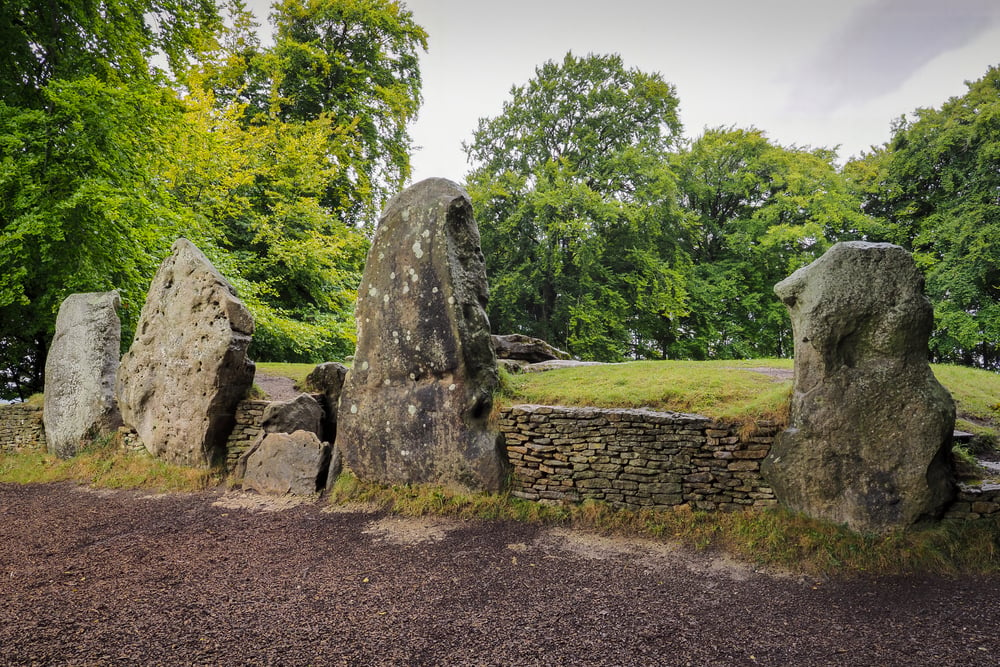
Running along the chalk hills of southern England, the Ridgeway is often described as Britain’s oldest road, with archaeological evidence of use stretching back roughly 5,000 years to the Neolithic period. Today it survives as a National Trail popular with hikers, following largely the same high, dry ground that made it passable long before anyone built a drainage system.
Fosse Way
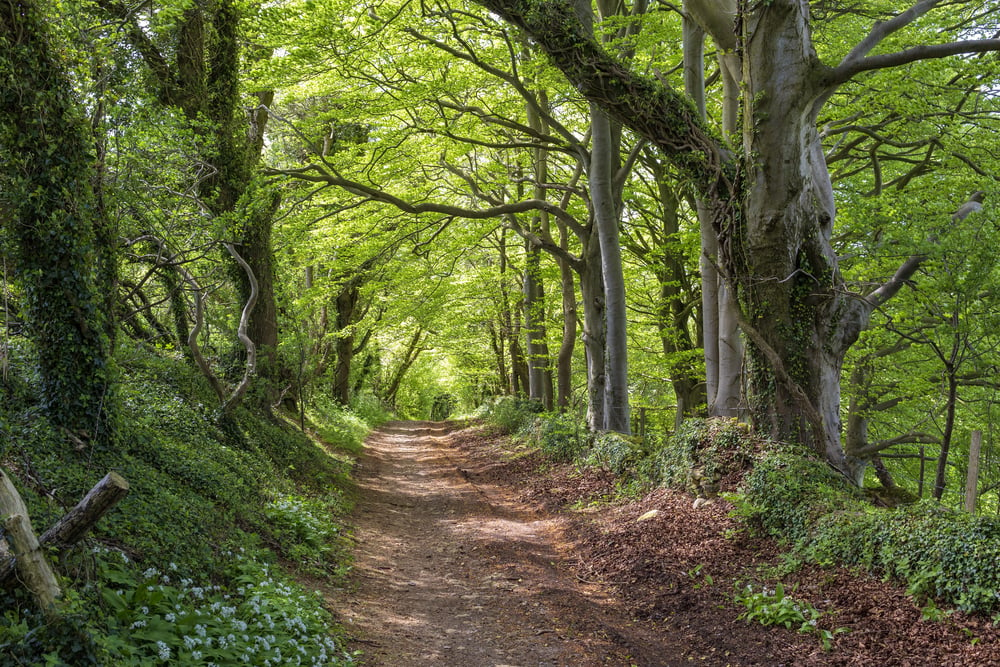
Built by the Romans in the 1st century CE to connect Exeter and Lincoln, the Fosse Way still exists today as sections of modern British roads, including parts of the A46 and various minor roads that follow its famously straight alignment. Its name, derived from the Latin word for ditch, refers to the drainage trench that originally ran alongside it.
Via Egnatia
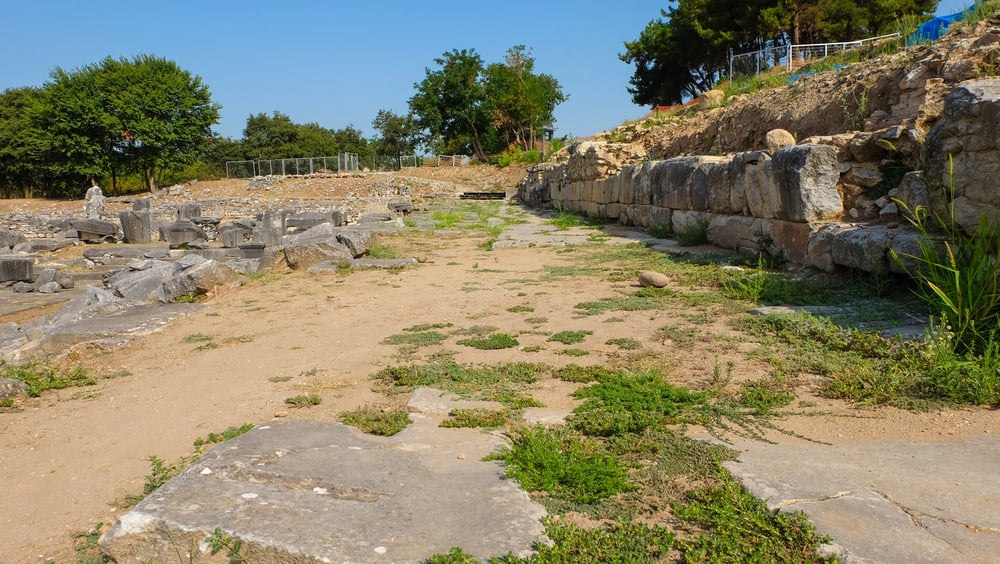
Constructed by the Romans in the 2nd century BCE to link the Adriatic coast with Byzantium, the Via Egnatia crossed the Balkans through modern Albania, North Macedonia, Greece, and Turkey. Long stretches of its route are still followed by modern highways, including parts of the Egnatia Odos motorway in Greece, which takes its name directly from the ancient road.
King’s Highway
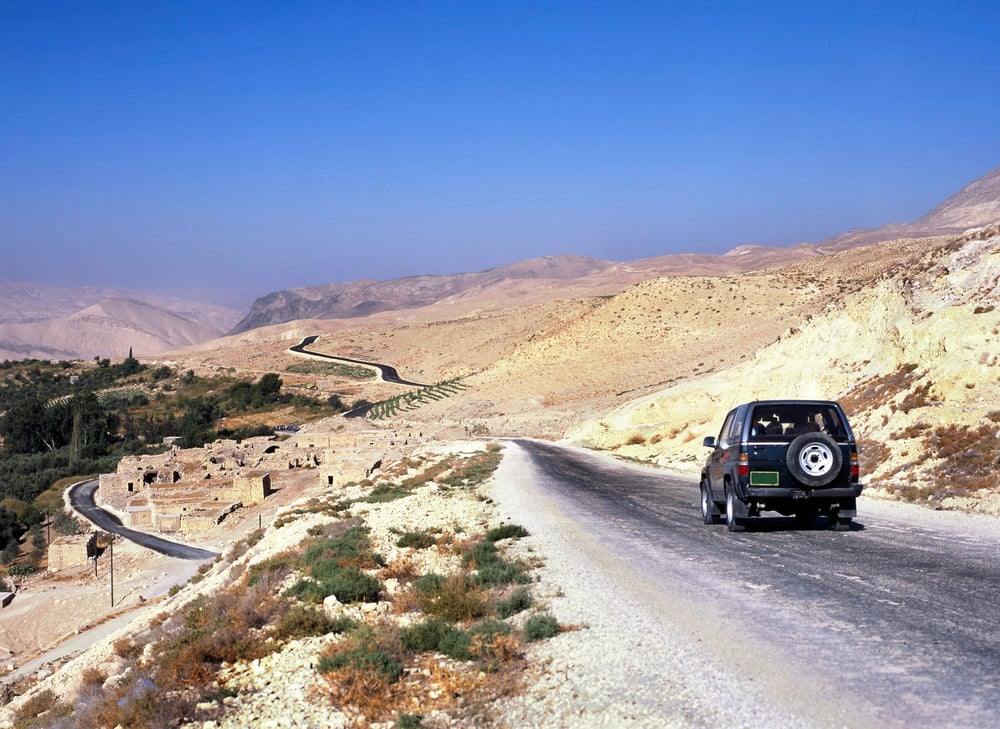
Referenced in the biblical Book of Numbers as a route through the region east of the Jordan River, the King’s Highway carried trade and pilgrim traffic for millennia. Modern Highway 35 in Jordan follows substantially the same corridor, connecting historic sites including Petra and Karak along a path travelers have used since at least the Iron Age.
Via Domitia
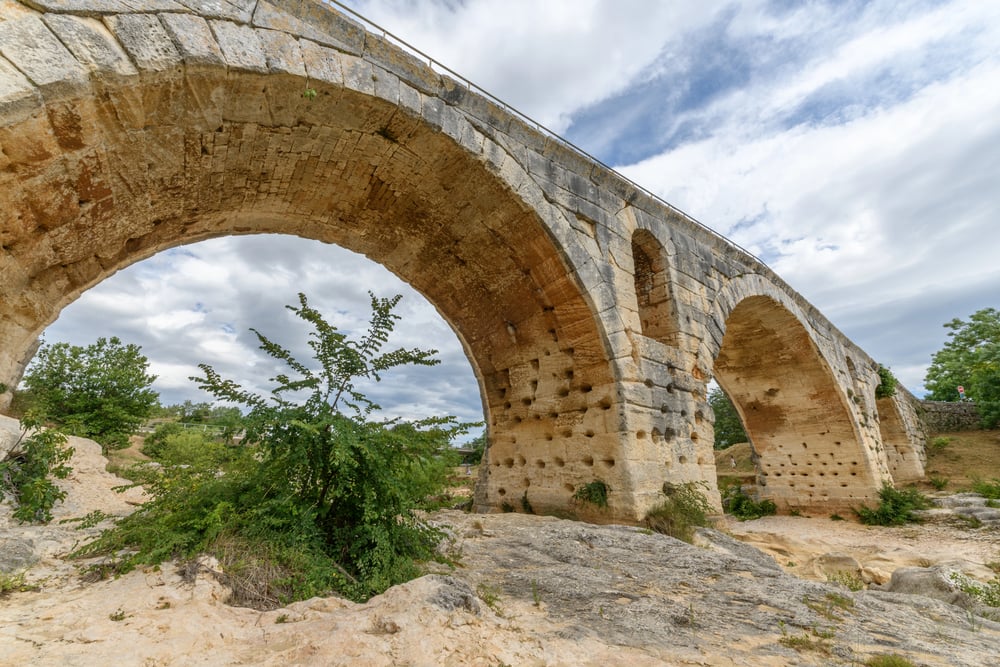
The first Roman road built through Gaul, constructed around 118 BCE to connect Italy with Roman Spain, the Via Domitia crossed what is now southern France. Sections of its route remain traceable in modern roads through Languedoc and Provence, and archaeologists have identified stretches of original paving still visible near towns like Ambrussum.
Via Flaminia
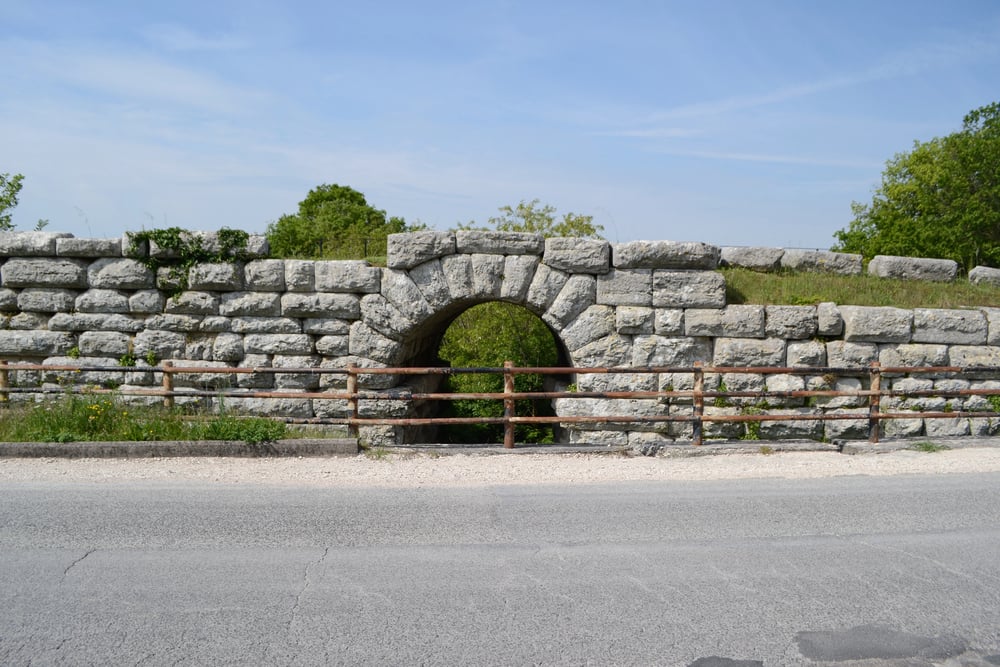
Built in 220 BCE to connect Rome with the Adriatic coast at Rimini, the Via Flaminia remains one of Italy’s key transport corridors, with the modern SS3 highway following much of its original route through Umbria and the Apennines. Roman milestones and bridge remnants are still visible alongside stretches of the modern road.
Great North Road
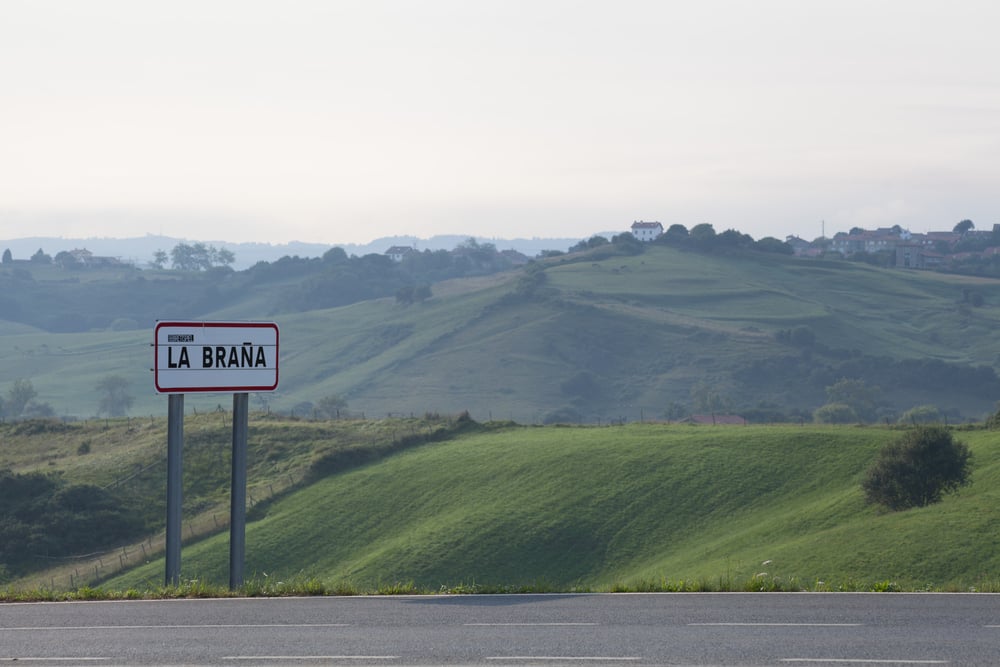
Connecting London to Edinburgh, the Great North Road follows a corridor used since Roman times, incorporating parts of the Roman Ermine Street, and became England’s principal coaching route by the medieval period. Today the A1 motorway follows substantially the same path, making it one of Britain’s longest continuously used transport corridors.
Tea Horse Road
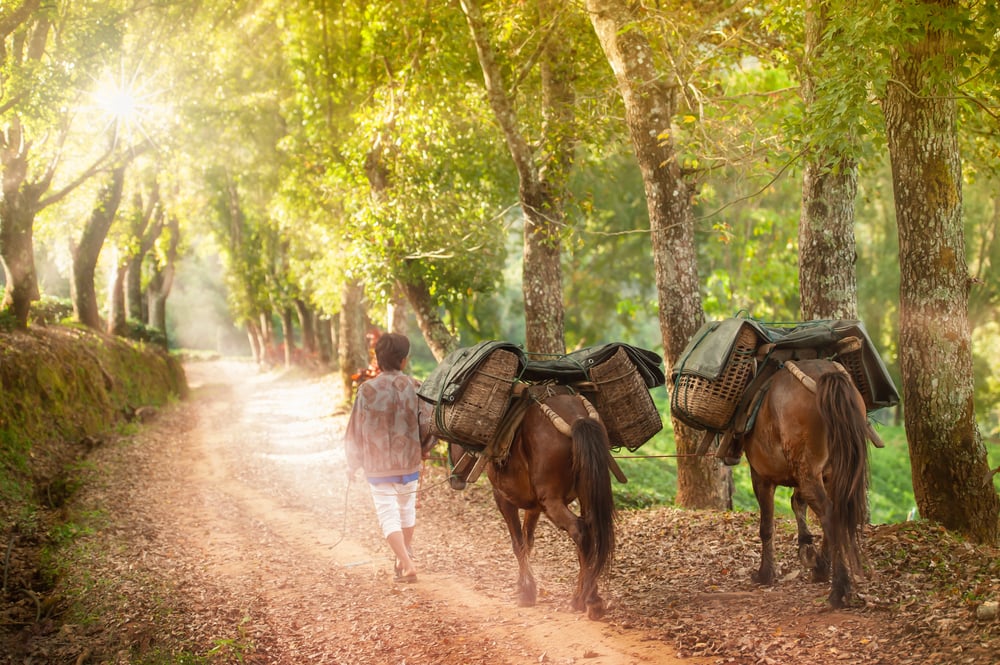
A network of caravan routes connecting Yunnan and Sichuan in China with Tibet, the Tea Horse Road, or Chamagudao, carried tea and horses along mountain paths for over a thousand years starting in the Tang dynasty. Portions of the route are now paved as modern highways, while other sections survive as trekking trails still used by local communities.
Old North Trail
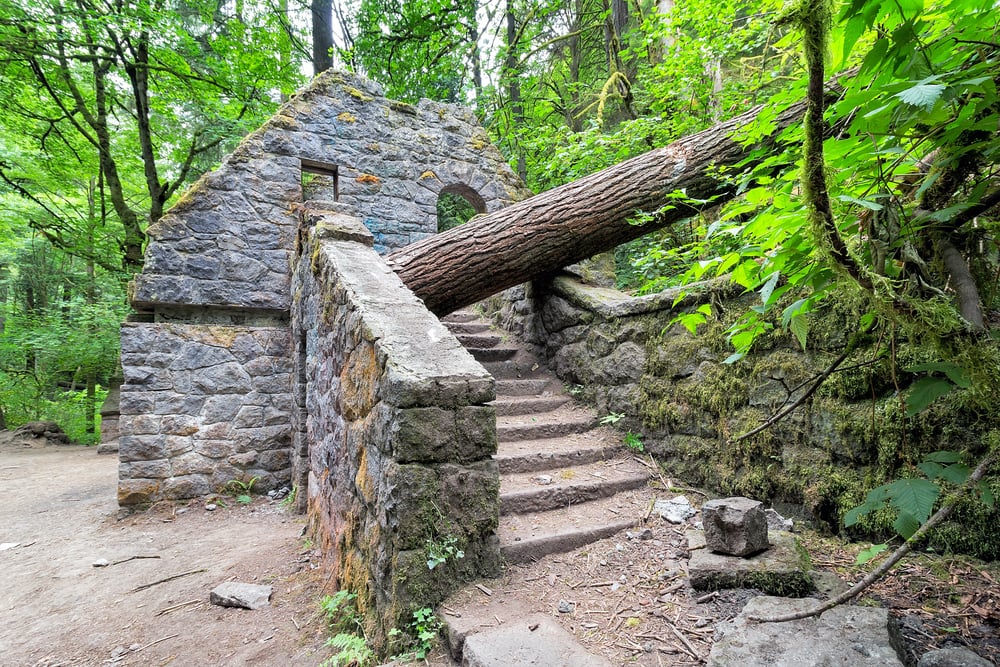
Running along the eastern edge of the Rocky Mountains from present-day Canada into Mexico, the Old North Trail was used by Indigenous peoples for trade and travel for thousands of years before European contact. Segments of the route were later adopted by settler wagon trails and, eventually, by modern highways following the same natural corridor along the foothills.
Kali Gandaki Trade Route
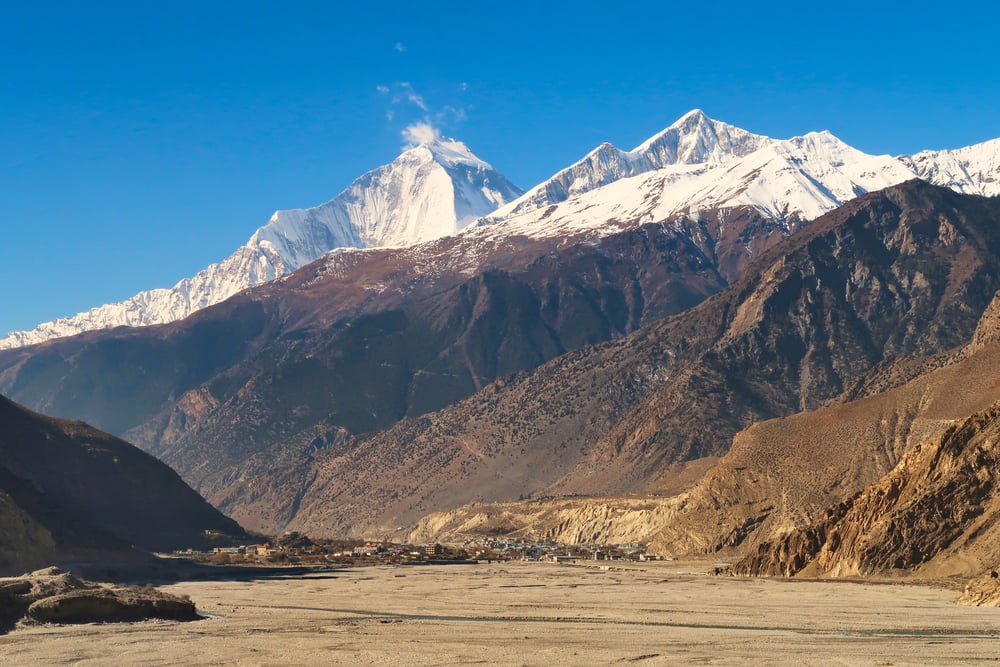
Cutting through one of the world’s deepest gorges between Nepal and Tibet, the Kali Gandaki route has carried salt, grain, and other trade goods across the Himalayas for well over a thousand years. It remains in active use today as both a trekking route and a functioning trade corridor for local communities on both sides of the border.
Amber Road
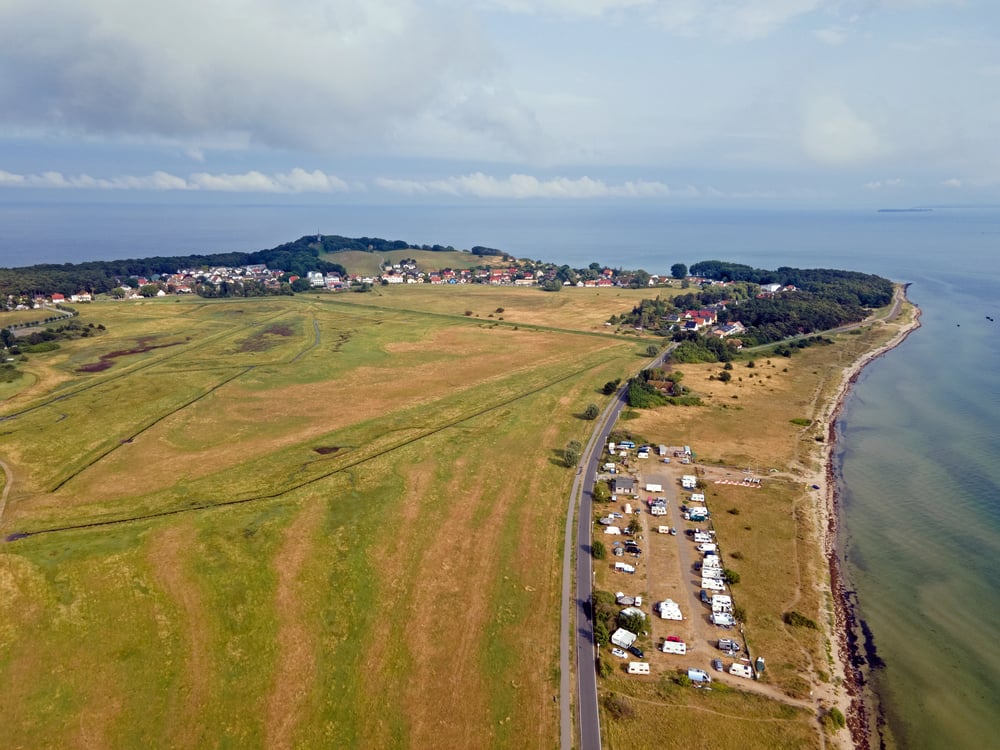
Linking the Baltic coast with the Mediterranean, the Amber Road carried Baltic amber south to Roman markets starting in antiquity, following a corridor through Central Europe roughly along the modern route between Gdańsk and Vienna. Contemporary highways and rail lines through Poland, the Czech Republic, and Austria closely track this ancient trading path.
Incense Route
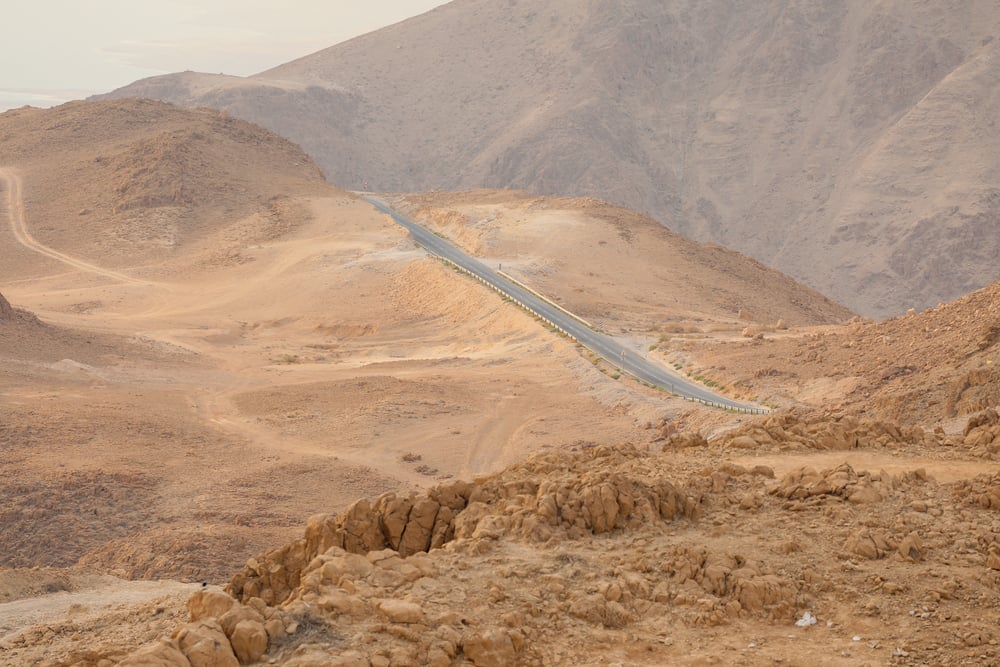
Connecting the frankincense- and myrrh-producing regions of southern Arabia with Mediterranean ports, the Incense Route ran through Petra and on to Gaza, carrying goods across the desert for roughly seven centuries before the Roman era and beyond. Sections of the route remain traceable as desert tracks in Jordan and Israel, still walked by hikers following the ancient waypoints.
Camino de Santiago
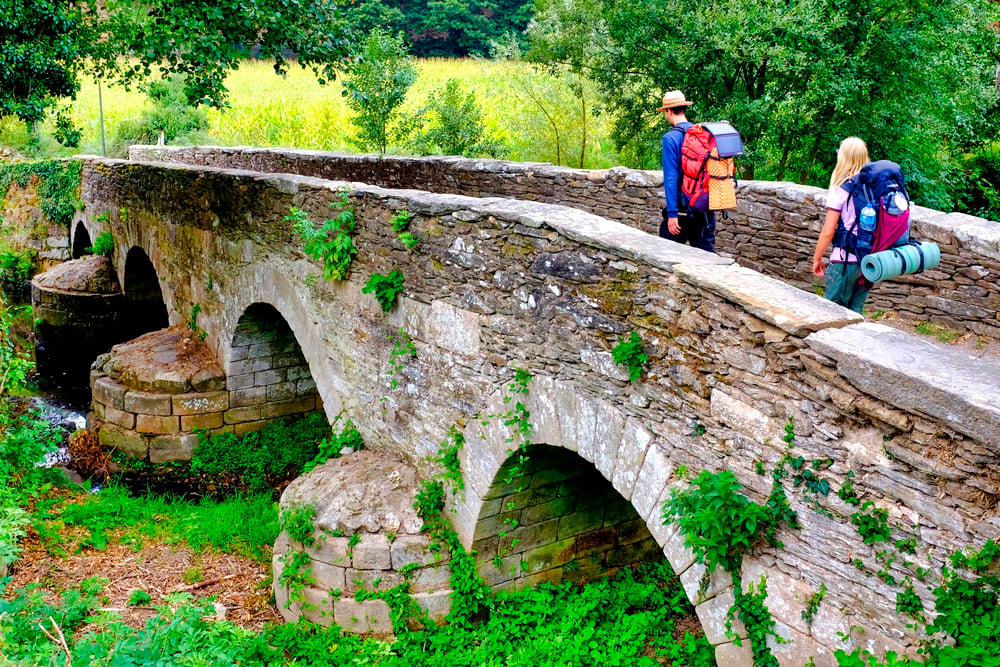
The network of pilgrimage routes converging on Santiago de Compostela in Spain incorporates stretches of Roman roads built centuries before the pilgrimage tradition began in the 9th century. Some sections follow the Roman Via Traiana or Via de la Plata, meaning today’s pilgrims sometimes walk on the same alignment used by Roman travelers nearly two thousand years earlier.
Persian Royal Road
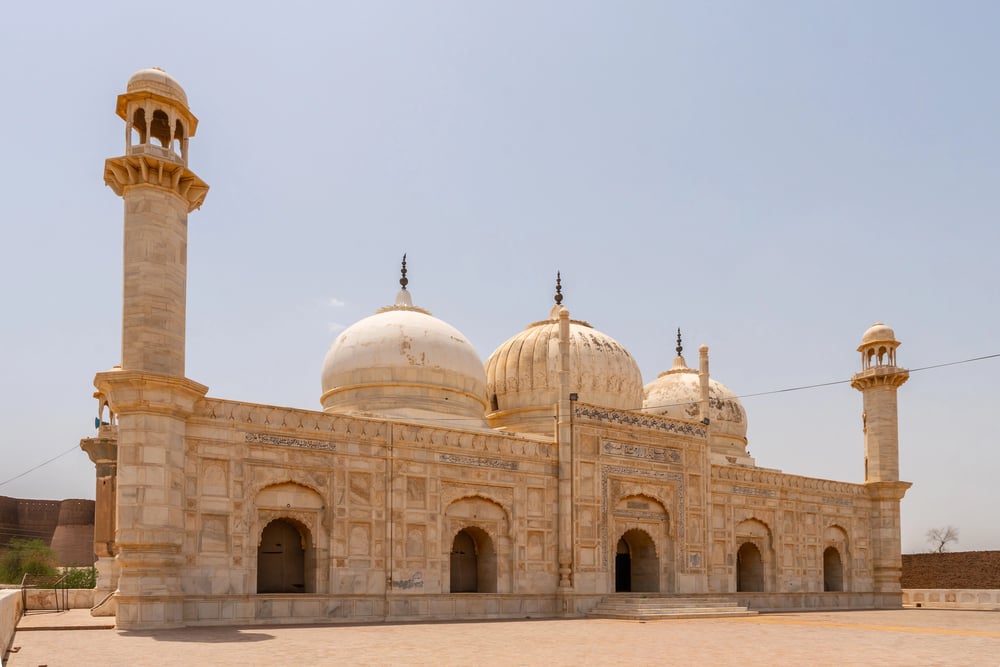
Built under Darius I in the 5th century BCE to connect Sardis in modern Turkey with Susa in modern Iran, the Persian Royal Road enabled a relay postal system famous for its speed. Sections of its route through Anatolia are still followed by modern Turkish highways, particularly stretches near the ancient crossing points of the Halys River.
Karakoram Highway Corridor
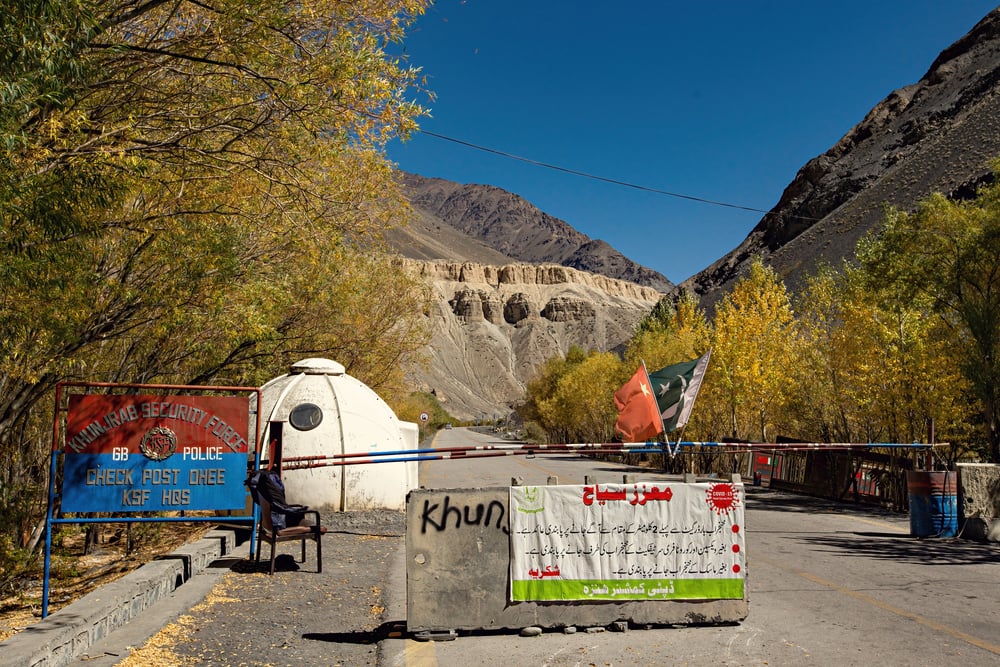
Following the ancient Silk Road passing through the Karakoram mountain range, the modern Karakoram Highway between Pakistan and China traces a route used by traders and travelers for over two thousand years. The corridor crosses the Khunjerab Pass at over 4,700 meters, one of the highest paved international border crossings in the world, on essentially the same alignment ancient caravans used to cross the range.
Paths That Refuse to Disappear
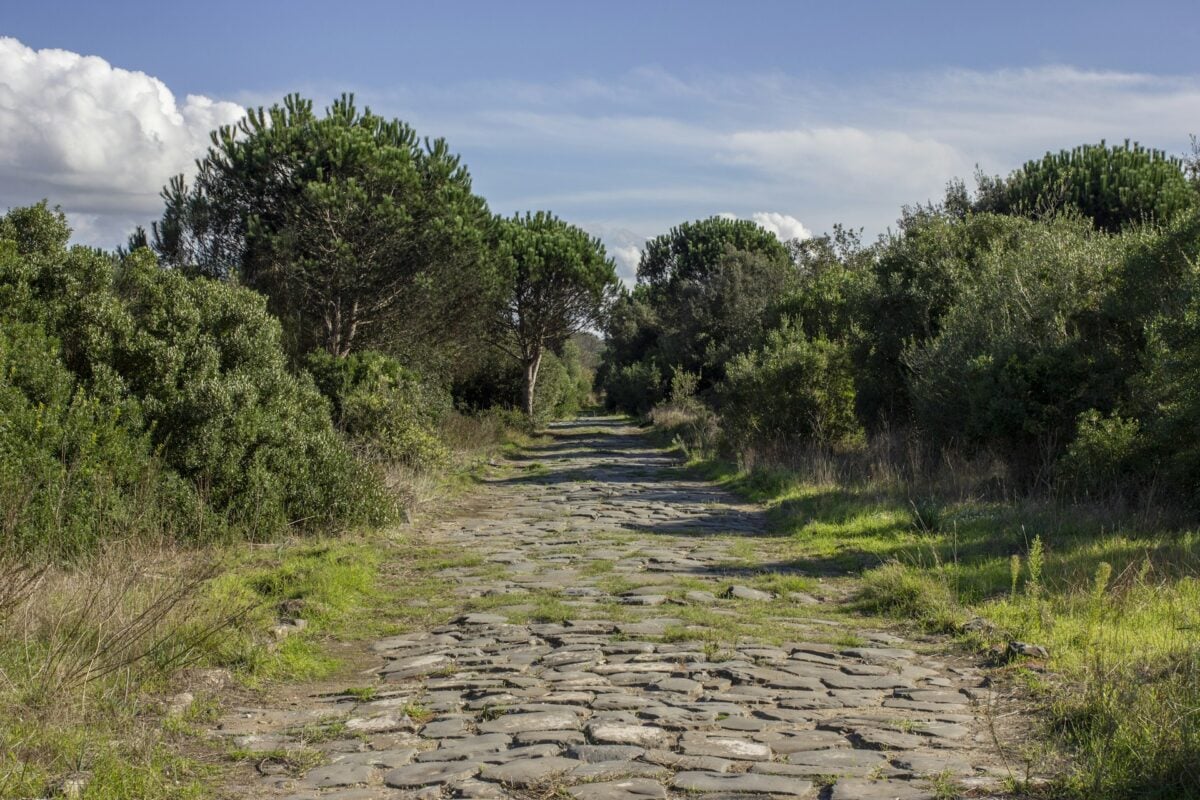
There is something almost stubborn about these routes. Empires that built them collapsed, the languages spoken along them changed entirely, the vehicles using them evolved from foot traffic to pack animals to internal combustion engines, and still the roads themselves persisted, because the underlying logic of geography never stopped applying. A mountain pass is still the easiest way through a mountain range no matter which century a traveler happens to be crossing it in.
What these roads ultimately preserve is not stone or pavement, most of which has been replaced many times over, but a decision made by some long-forgotten engineer or trader about where the land allowed travel to be easiest. Modern surveyors, working with satellite data and heavy machinery, keep arriving at the same conclusions their ancient predecessors reached on foot.
More from Go2Tutors!

- The Romanov Crown Jewels and Their Tragic Fate
- 13 Historical Mysteries That Science Still Can’t Solve
- Famous Hoaxes That Fooled the World for Years
- 15 Child Stars with Tragic Adult Lives
- 16 Famous Jewelry Pieces in History
Like Go2Tutors’s content? Follow us on MSN.