26 Scientific Discoveries Ignored for Decades
Being right first is not the same as being believed first. Scientific history is full of researchers who published the correct answer, watched their peers dismiss it, and did not live to see it accepted.
The gap between discovery and recognition, in some of these cases, stretched well past a working lifetime.
Continental Drift
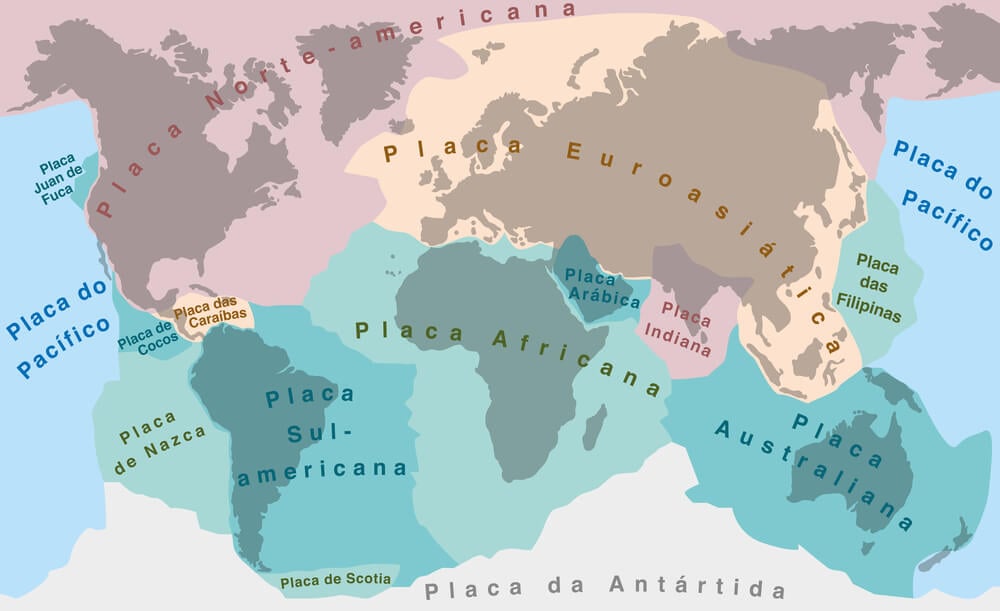
Alfred Wegener proposed in 1912 that the continents had once been joined together and slowly drifted apart, pointing to matching coastlines, fossils, and rock layers across oceans as evidence. Geologists dismissed the idea for decades because Wegener, a meteorologist by training, could not explain what force was moving entire continents.
The mechanism was finally confirmed in the 1960s through seafloor spreading data, and plate tectonics is now the foundation of modern geology.
Handwashing Prevents Childbed Fever

Hungarian physician Ignaz Semmelweis discovered in 1847 that maternity ward deaths from childbed fever dropped dramatically when doctors washed their hands with a chlorine solution between performing autopsies and delivering babies. The medical establishment rejected his findings, partly because germ theory did not yet exist to explain why it worked.
Semmelweis was forced out of his position and his practice was not widely adopted until decades later, after Louis Pasteur’s germ theory gave doctors a scientific reason to believe him.
The Laws of Heredity
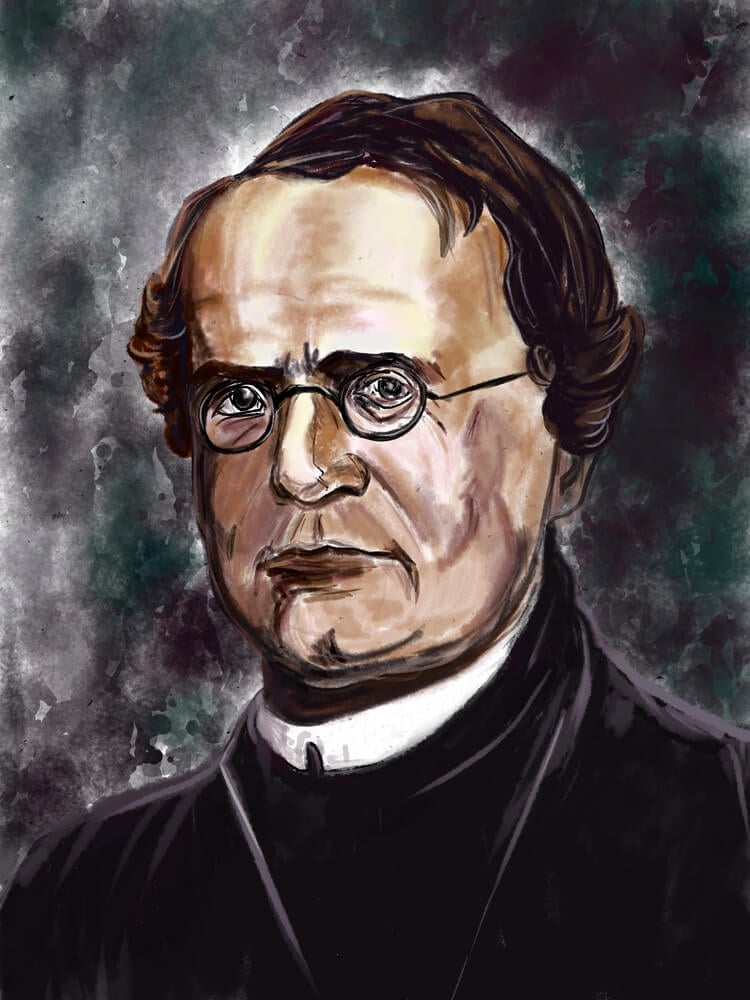
Gregor Mendel’s experiments breeding pea plants in an Austrian monastery garden established the basic mathematical rules of inheritance in 1866, work that would later underpin the entire field of genetics. His paper was published in an obscure regional journal and largely ignored by the scientific community of his day.
It was rediscovered independently by three different botanists around 1900, sixteen years after Mendel’s death, at which point his name was finally attached to the laws he had already worked out.
Jumping Genes

Barbara McClintock discovered in the 1940s that genetic elements within corn plants could move from one location on a chromosome to another, a mechanism she called transposition. Her findings were considered so implausible that she largely stopped publishing on the topic for years, and the broader genetics community treated the work as a curiosity at best.
Transposons were eventually recognized as fundamental to genome function across nearly all organisms, and McClintock received the Nobel Prize in 1983, more than three decades after her original discovery.
Bacteria Cause Stomach Ulcers
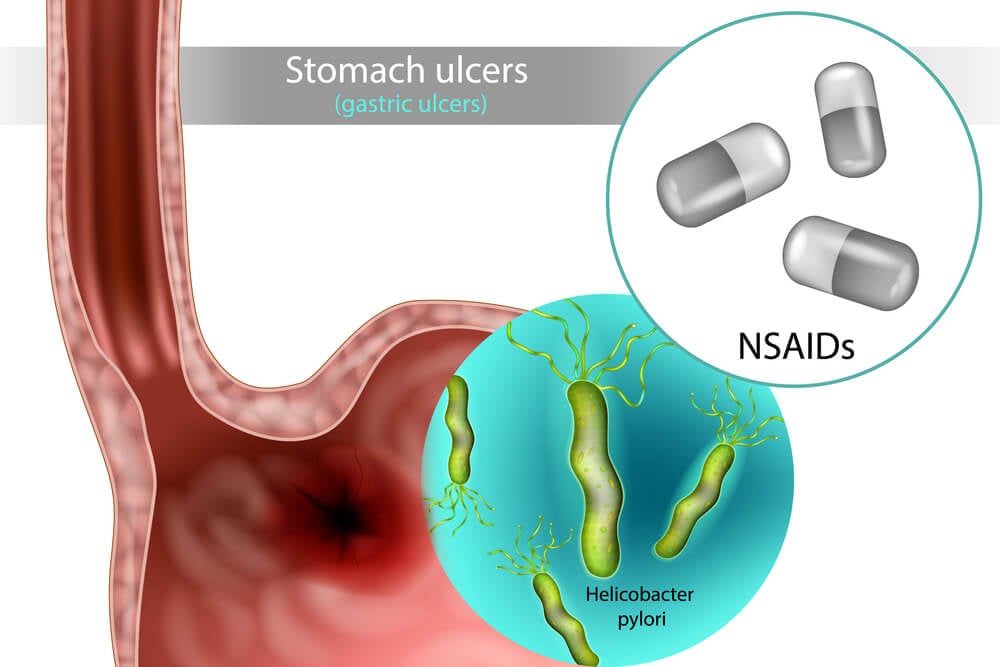
Australian researchers Barry Marshall and Robin Warren proposed in the early 1980s that most peptic ulcers were caused by a bacterial infection rather than stress or diet, challenging one of the most entrenched assumptions in gastroenterology. The medical community was so resistant that Marshall eventually drank a sample of the bacteria himself to prove it caused inflammation.
The pair received the Nobel Prize in 2005, and antibiotic treatment for ulcers is now standard practice worldwide.
Milankovitch Cycles

Serbian engineer Milutin Milankovitch calculated in the 1920s that periodic shifts in Earth’s orbit and axial tilt could explain the timing of ice ages, a theory requiring astronomical precision that most geologists of his era had no way to verify. His work was largely set aside for lack of supporting evidence.
Deep-sea sediment cores analyzed in the 1970s finally confirmed the correlation, and Milankovitch cycles are now a standard tool in climate science.
Chemiosmotic Theory
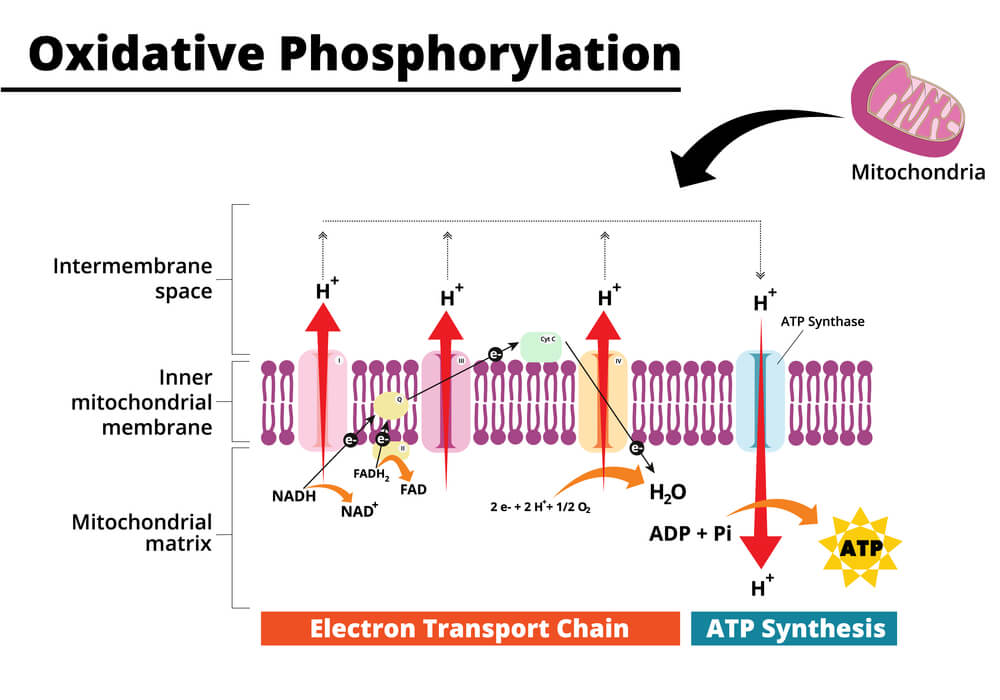
British biochemist Peter Mitchell proposed in 1961 that cells generate energy by pumping protons across a membrane to create an electrochemical gradient, a mechanism that contradicted the prevailing chemical models of cellular respiration. Much of the scientific establishment considered the idea implausible for over a decade, and Mitchell conducted key experiments from a private laboratory after leaving mainstream academic research amid the skepticism.
He won the Nobel Prize in 1978, and chemiosmosis is now taught as basic biochemistry.
Prions
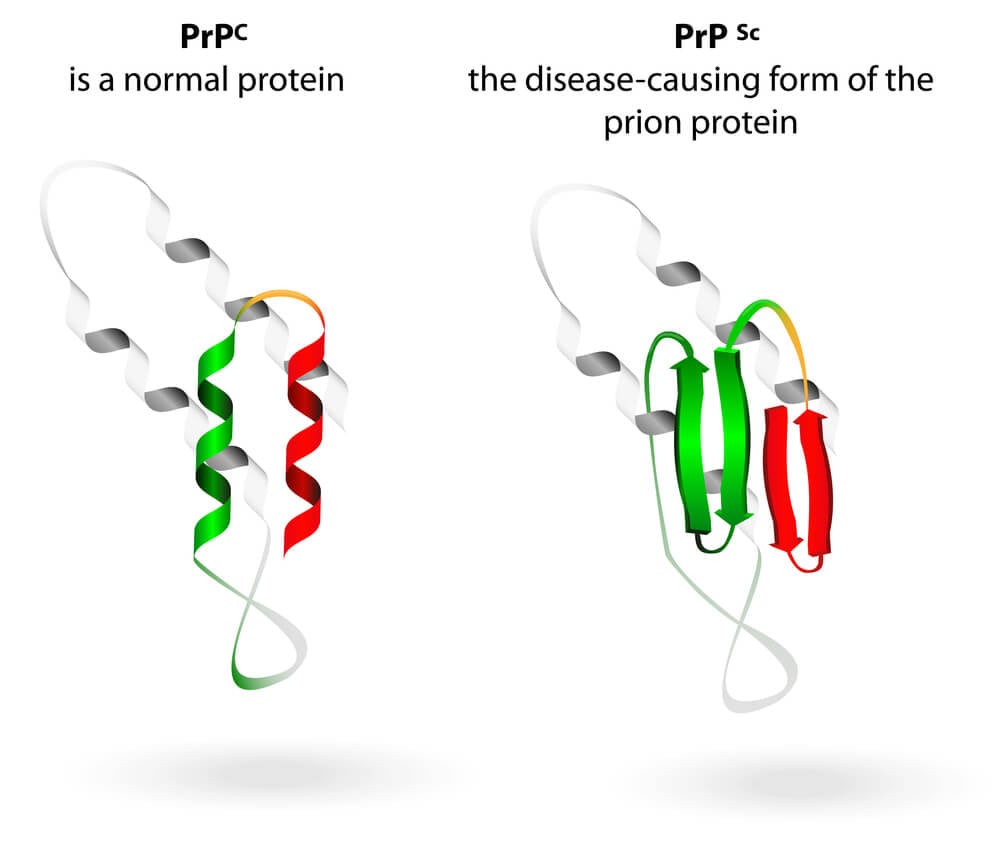
Neurologist Stanley Prusiner proposed in 1982 that a class of diseases including mad cow disease could be caused by misfolded proteins alone, without any genetic material, a claim that violated the basic assumption that infectious agents needed DNA or RNA to replicate. He was widely mocked within the field, and some colleagues considered the theory close to scientific heresy.
Prusiner won the Nobel Prize in 1997 once prions were confirmed, and the concept has since reshaped understanding of several neurodegenerative diseases.
The Missoula Floods

Geologist J Harlen Bretz argued in the 1920s that the strange scarred landscape of eastern Washington state, known as the Channeled Scablands, had been carved rapidly by a catastrophic glacial flood rather than gradual erosion over millions of years. The geological community rejected the idea outright because it echoed biblical flood narratives that mainstream science had spent decades distancing itself from.
Bretz was formally vindicated in 1965 when the Geological Society of America accepted his theory, four decades after he first proposed it.
A Precursor to Natural Selection
Scottish orchardist Patrick Matthew published a description of natural selection as a mechanism for species change in 1831, nearly three decades before Charles Darwin’s On the Origin of Species, tucked into an appendix of a book about naval timber. Almost no naturalists of the time read it.
Matthew wrote to scientific journals after Darwin’s book appeared to claim priority, and while Darwin acknowledged the earlier publication, Matthew’s version had already sunk into obscurity.
The First Computer Algorithm
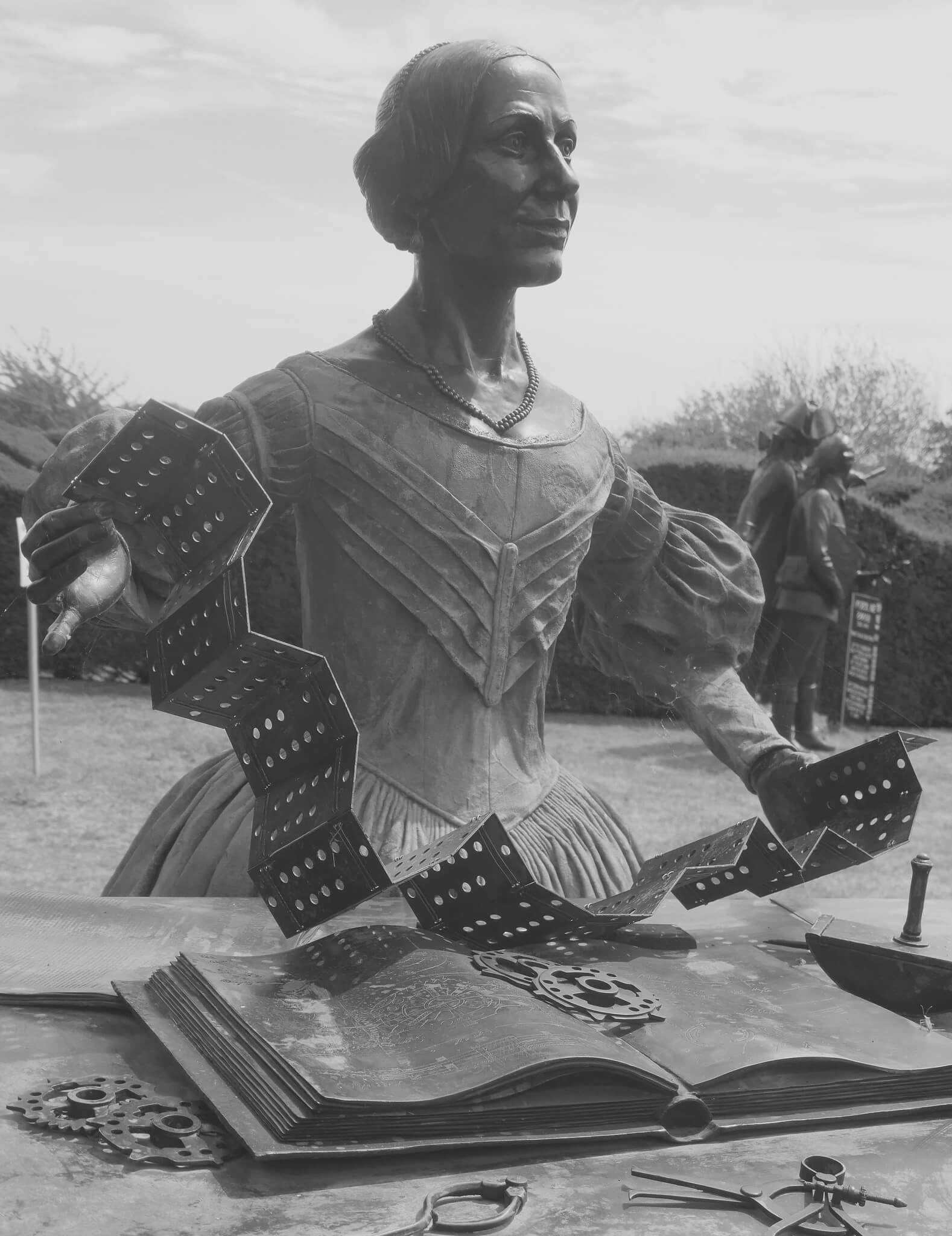
Ada Lovelace wrote what is now recognized as the first published algorithm intended to be processed by a machine in 1843, as an extended note on Charles Babbage’s proposed Analytical Engine. The machine was never built in her lifetime, and her work was largely forgotten for roughly a century.
Computer scientists rediscovered her notes in the 1950s, and she is now widely credited as a foundational figure in computer science.
Mapping the Ocean Floor
Geologist Marie Tharp produced the first detailed map of the Atlantic Ocean floor in the 1950s, revealing a continuous rift valley running down the center of the mid-ocean ridge that provided crucial evidence for continental drift. Her research partner initially dismissed her interpretation of the data as implausible.
The rift valley was later confirmed through direct observation, and Tharp’s cartography is now considered one of the most important contributions to the eventual acceptance of plate tectonics.
Rocket Propulsion in a Vacuum

Physicist Robert Goddard published a paper in 1920 explaining that rockets could function in the vacuum of space, since they rely on reaction force rather than air resistance to propel themselves. The New York Times published an editorial mocking the idea, incorrectly claiming Goddard did not understand basic physics.
The newspaper issued a formal correction in 1969, the same week Apollo 11 launched, 49 years after the original article ran.
Endosymbiotic Theory
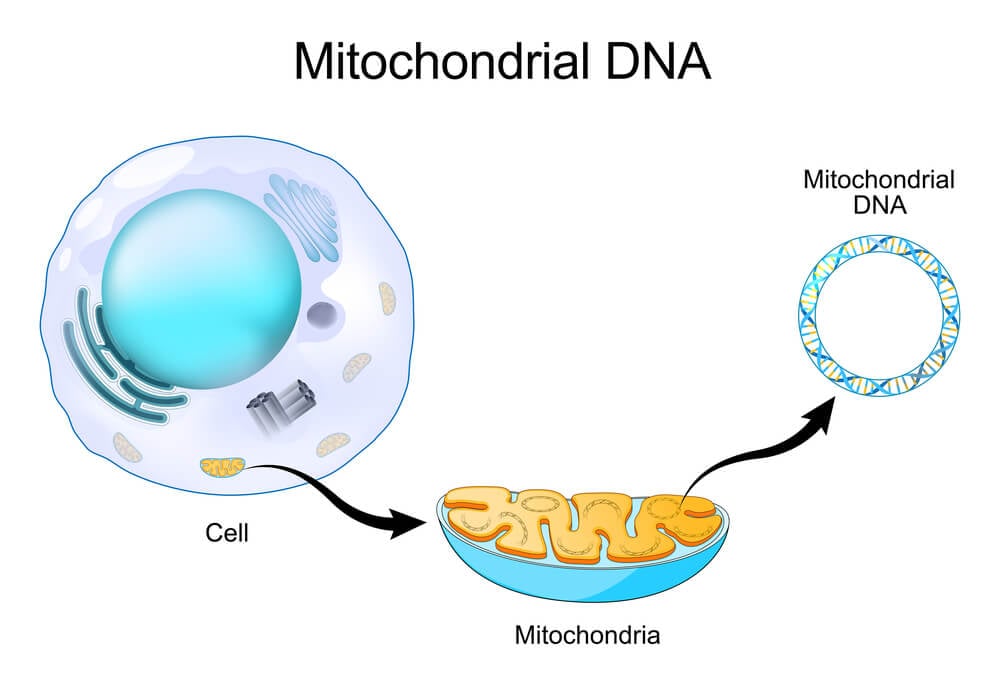
Biologist Lynn Margulis proposed in 1967 that mitochondria and chloroplasts, the energy-producing structures within complex cells, originated as separate bacteria that were absorbed by larger cells in a symbiotic relationship rather than evolving internally. Her paper was rejected by more than a dozen scientific journals before being published.
The theory is now considered a cornerstone of evolutionary biology, supported by genetic evidence showing that mitochondria retain their own distinct DNA.
Dark Matter

Swiss astronomer Fritz Zwicky calculated in 1933 that galaxy clusters were moving too fast to be held together by the visible matter alone, proposing the existence of unseen mass he called dark matter. The astronomy community largely dismissed the idea for four decades, partly because of Zwicky’s reputation for abrasive and unconventional claims.
Astronomer Vera Rubin’s galaxy rotation studies in the 1970s finally provided the evidence needed for dark matter to become a mainstream field of research.
The Composition of Stars
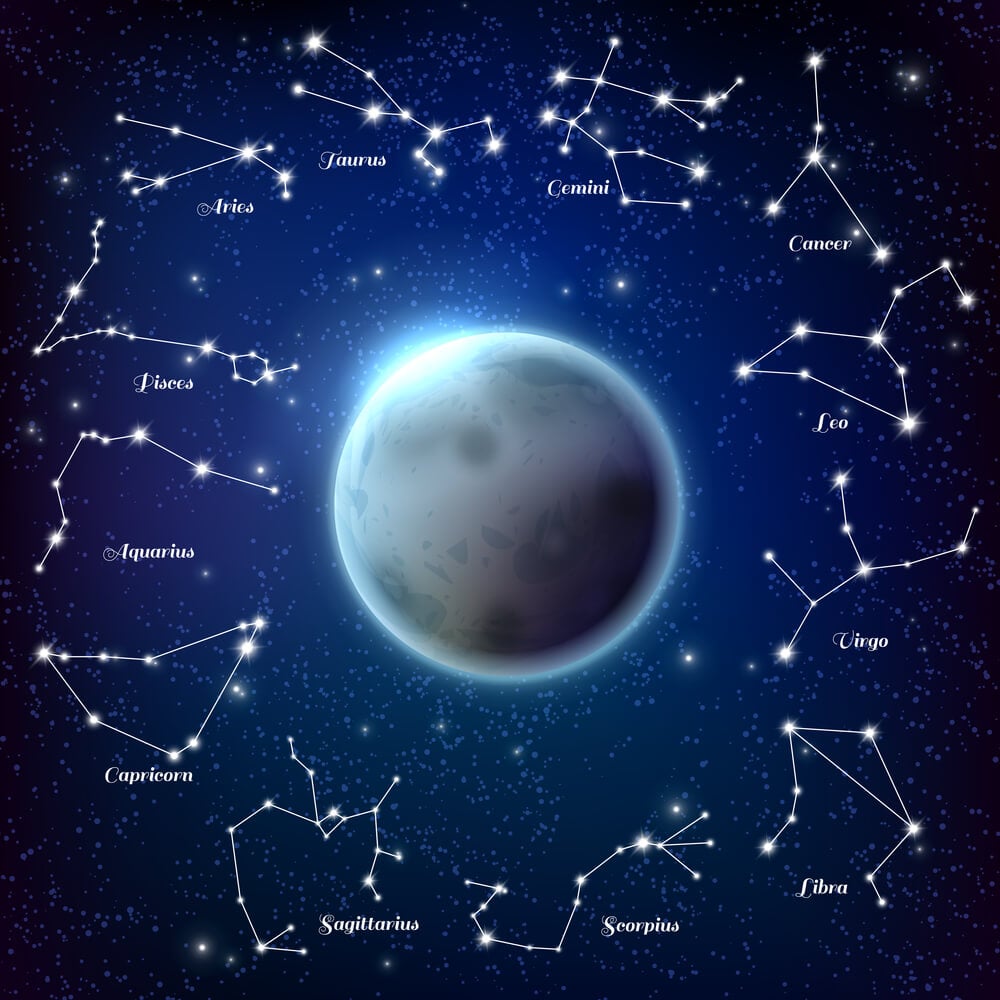
Astronomer Cecilia Payne-Gaposchkin demonstrated in her 1925 doctoral thesis that stars were composed overwhelmingly of hydrogen and helium, contradicting the prevailing assumption that they shared roughly the same composition as Earth. Her thesis advisor pressured her to describe the finding as merely spurious before publication.
Follow-up research within a few years confirmed she had been correct, and her original conclusion is now considered one of the foundational results of modern astrophysics.
The Chandrasekhar Limit

Astrophysicist Subrahmanyan Chandrasekhar calculated in 1930, while still in his twenties, that stars above a certain mass could not stabilize as white dwarfs and would instead collapse further, a finding with implications for what are now understood as neutron stars and other extreme collapsed objects. Prominent astronomer Arthur Eddington publicly ridiculed the calculation at a scientific meeting, effectively ending serious discussion of it for years.
Chandrasekhar received the Nobel Prize in 1983, 53 years after the original calculation.
Collapsed Stars That Trap Light
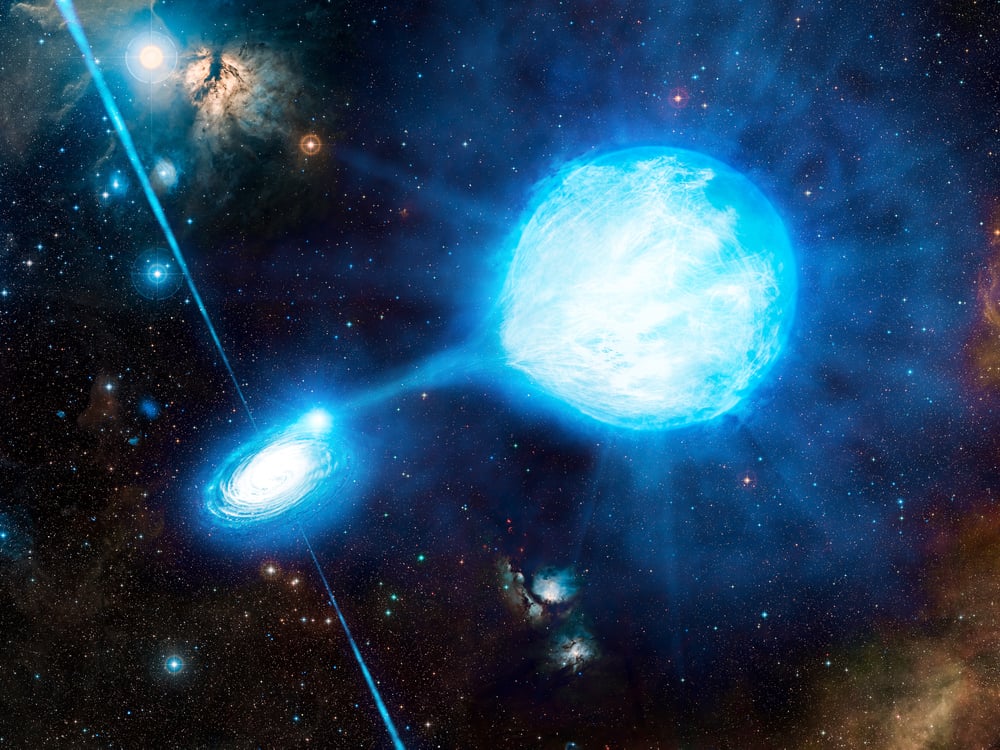
Physicists J. Robert Oppenheimer and Hartland Snyder published calculations in 1939 showing that a sufficiently massive collapsing star would form an object so dense that nothing, including light, could escape its gravity. The paper attracted little attention, overshadowed by the outbreak of World War II and general skepticism toward such an extreme prediction.
The modern term for these collapsed objects was not popularized until the late 1960s, and direct observational evidence did not arrive until decades after that.
mRNA as a Vaccine Platform

Biochemist Katalin Karikó spent much of the 1990s and 2000s pursuing messenger RNA as a therapeutic tool, despite repeated grant rejections and a demotion at the University of Pennsylvania when funding dried up. Colleagues considered the approach impractical because unmodified mRNA triggered dangerous immune reactions in early tests.
Her breakthrough method for modifying mRNA to avoid that response became the basis for the Pfizer and Moderna COVID-19 vaccines, and she shared the Nobel Prize in 2023.
Waterborne Cholera Transmission
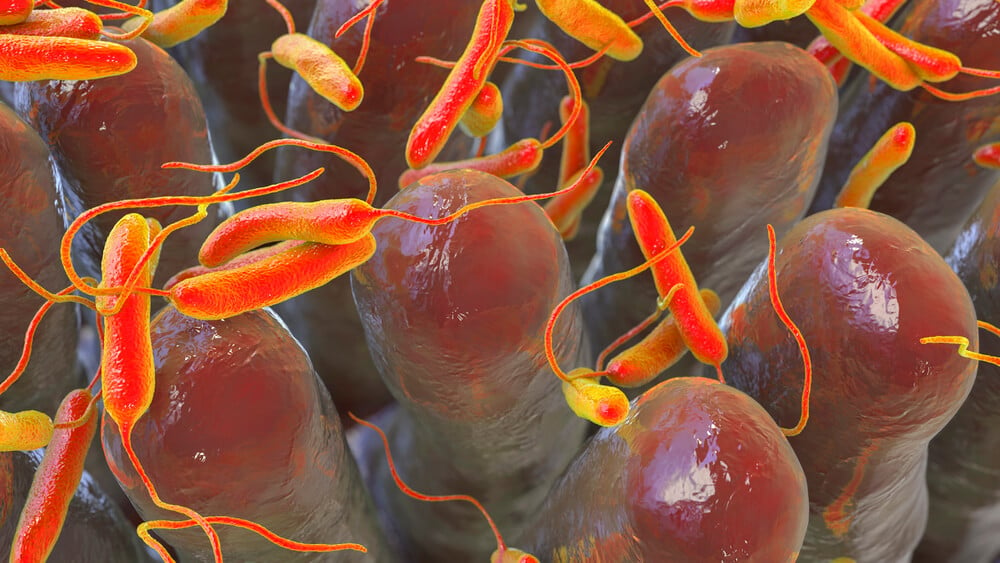
Physician John Snow traced a severe 1854 cholera outbreak in London to a single contaminated water pump, arguing that the disease spread through water rather than through foul air, the dominant theory at the time. City officials removed the pump handle at his request but largely dismissed his broader waterborne theory for years afterward.
Germ theory eventually confirmed Snow’s reasoning, and his map of the outbreak is now considered a founding document of modern epidemiology.
The Perceptron and Neural Networks
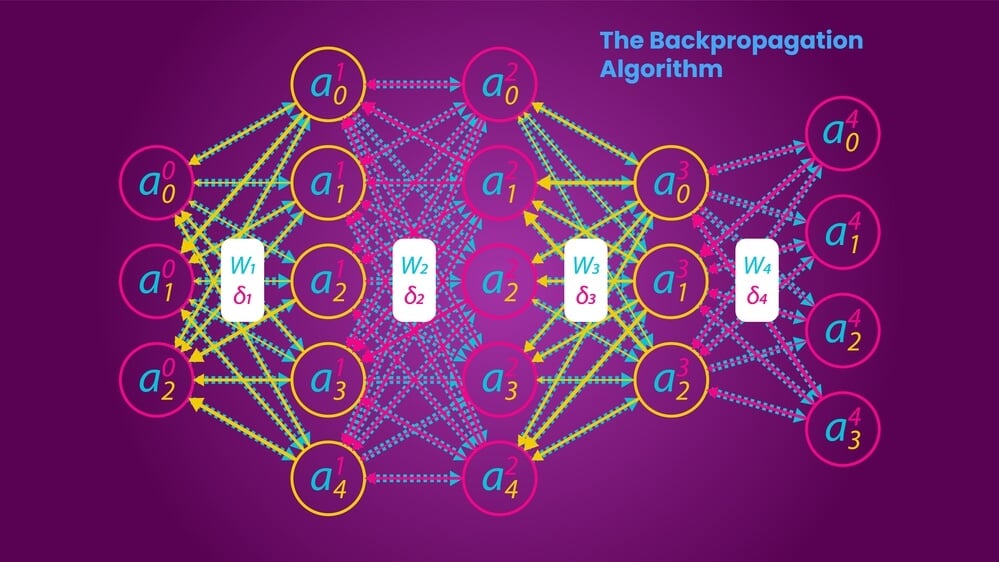
Psychologist Frank Rosenblatt built an early artificial neural network called the perceptron in 1958 and suggested machines could eventually learn from data in ways resembling the brain. A influential 1969 book by Marvin Minsky and Seymour Papert highlighted the model’s mathematical limitations, and funding for neural network research largely dried up for nearly two decades as a result.
The approach was revived in the 1980s and eventually became the foundation of the deep learning systems now used throughout modern computing.
Quasicrystals

Materials scientist Dan Shechtman discovered a crystal structure in 1982 with a symmetrical pattern that was believed to be mathematically impossible under the established rules of crystallography. Nobel laureate Linus Pauling publicly mocked the finding, reportedly telling colleagues there was no such thing as a quasicrystal, only a poor scientist.
Shechtman was eventually vindicated and won the Nobel Prize in Chemistry in 2011, nearly three decades after his initial discovery cost him his research group.
Vitamin C and Scurvy

Scottish naval physician James Lind conducted one of the first controlled clinical trials in 1747, demonstrating that citrus fruit cured scurvy among sailors far more effectively than other proposed remedies. The British Navy did not officially require citrus rations for sailors until 1795, nearly fifty years later, and even then adoption across other nations’ fleets lagged further.
Vitamin C itself was not chemically identified until the 1930s, nearly two centuries after Lind’s original trial.
Penicillin’s Medical Potential
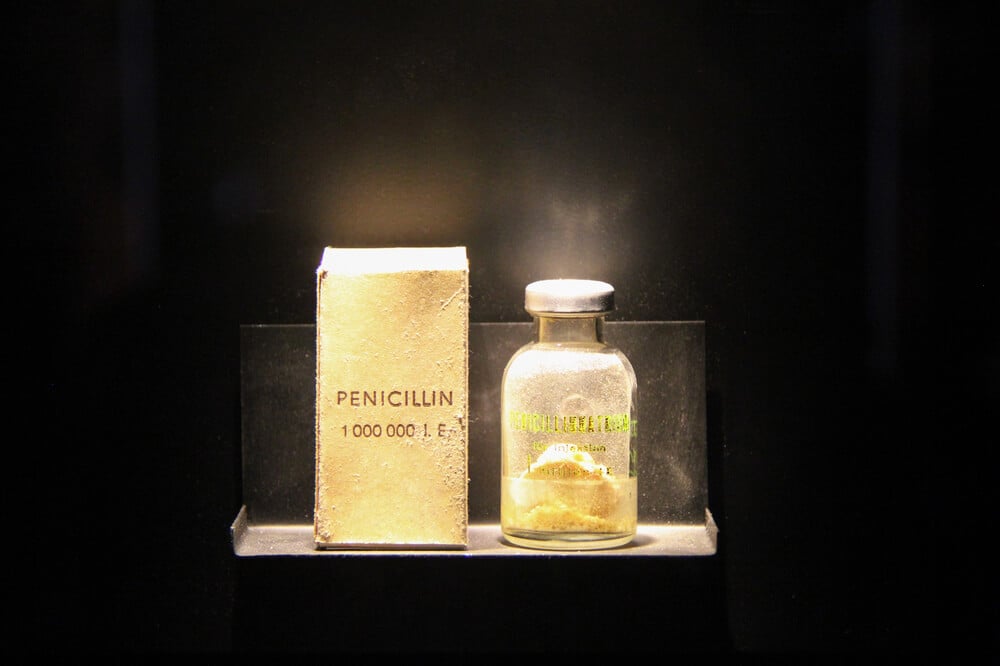
Alexander Fleming noticed in 1928 that a mold contaminating his bacterial culture plates was killing surrounding bacteria, and he published his observation the following year. The finding drew little interest, and Fleming himself struggled to purify the compound into something usable and largely moved on to other work.
Howard Florey and Ernst Chain revived the research a decade later, developing penicillin into a mass-produced antibiotic just in time for World War II.
The Wave Theory of Light
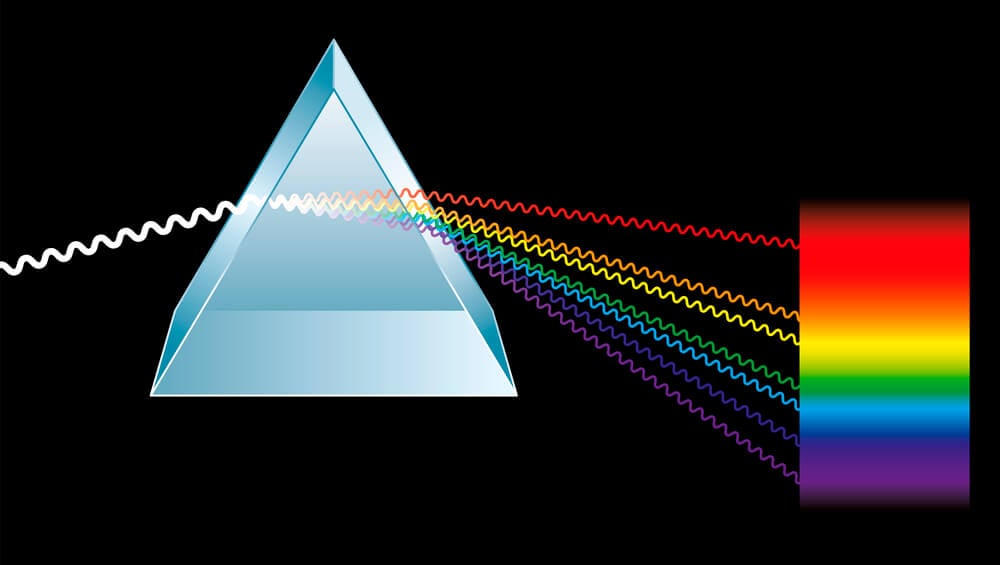
Physicist Thomas Young presented experimental evidence in 1803 that light behaves as a wave, producing interference patterns that could not be explained by Isaac Newton’s long-dominant theory that light was made of particles. Because of Newton’s towering reputation, the scientific establishment largely rejected Young’s findings for nearly two decades.
French physicist Augustin-Jean Fresnel’s more rigorous mathematical treatment of wave theory in the 1820s finally shifted scientific consensus toward the model still used today.
Antiseptic Surgery

Surgeon Joseph Lister introduced carbolic acid antiseptic techniques in 1867 after concluding that invisible microorganisms, not “bad air,” caused surgical infections, and that sterilizing instruments and wounds could sharply reduce deaths. Many British surgeons initially ridiculed the practice as an unnecessary and messy inconvenience.
Adoption spread faster in Germany and other parts of Europe first, and it took roughly two decades before antiseptic technique became standard in British operating theaters.
The Cost of Being Early

The pattern across these cases is strikingly consistent: the discovery itself was rarely the hard part. The obstacle was almost always a scientific community that had already settled on an answer and had no immediate incentive to reconsider it, especially when the correct answer required admitting a widely used method or long-held assumption was wrong.
None of this makes the skeptics villains; peer review exists precisely because most bold claims turn out to be wrong. But it does mean that being correct and being believed are two separate achievements, and history keeps producing researchers who only got credit for the first one after they were no longer around to enjoy the second.
More from Go2Tutors!

- The Romanov Crown Jewels and Their Tragic Fate
- 13 Historical Mysteries That Science Still Can’t Solve
- Famous Hoaxes That Fooled the World for Years
- 15 Child Stars with Tragic Adult Lives
- 16 Famous Jewelry Pieces in History
Like Go2Tutors’s content? Follow us on MSN.