Most Inspiring Comeback Stories In Sports
What lingers isn’t the win, but how badly they once lost – and kept going anyway. In sports, unlike most places, setbacks show clearly on a scoreboard under bright lights.
Their path back wasn’t just presence; it was dominance, slow and sure. People remember not because it felt inspiring, but because it looked impossible until it happened.
Each moment filmed, replayed, examined – proof built one stubborn act at a time. Victory mattered less than the refusal to vanish when everyone assumed they had.
The arena does not care about feelings; it only reflects effort with results. They stood again simply by refusing to stay measured by their lowest point.
Not fast. Not clean.
But real enough for others to see themselves in the struggle. History recalls them not for falling, but for moving forward while being watched.
Truth stands strong when left on its own. Fifteen times athletes rose, proving games hold more than scores.
Moments like these show what gets remembered long after lights go out.
Tiger Woods

One look at Tiger Woods’ name atop the scores used to freeze rivals mid-swing. Years passed filled with private struggles, spinal operations, then a wrecked car in 2017 – doctors nearly cut off his lower right leg.
By then, most assumed his story had ended. Yet there he stood in 2019, holding the green jacket again, crowds roaring not just for victory but for stubborn comebacks against steep odds.
Muhammad Ali
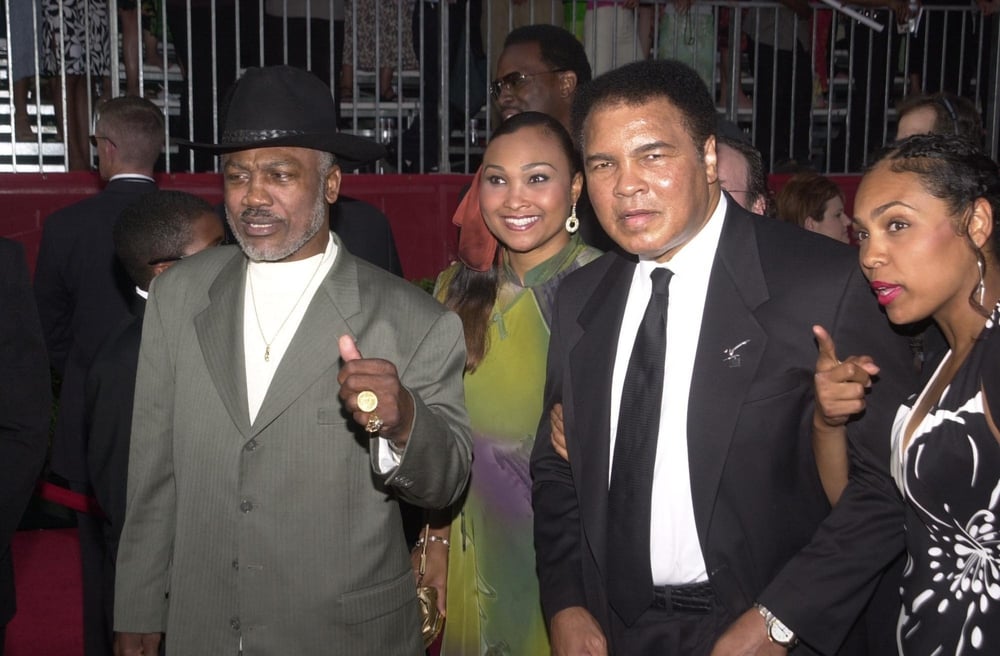
Even though Ali missed prime seasons after being barred from boxing in 1967 due to rejecting the draft, he stepped back into the ring by 1970 – not as fast, yet still quicker in thought than nearly every fighter around. Because he stood tall against George Foreman in the 1974 ‘Rumble in the Jungle,’ people saw how willpower drags physical limits beyond their edge.
Though time had passed, his clash with Foreman became a moment dissected endlessly across stadiums and classrooms alike. Since then, few matches have drawn such lasting attention within athletic lore.
Lance Armstrong Athletic Achievements

Long before the truth unraveled, doctors thought Lance Armstrong wouldn’t survive. A diagnosis in 1996 brought grim news – cancer deep inside his brain, his lungs.
Yet somehow he walked out of treatment still breathing, still standing. Victory on a bike seemed impossible then.
By 1999 though, something shifted – he didn’t only ride again; he conquered every mountain thrown at him. Seven Tours fell under his wheels, one after another.
Later lies tainted everything, sure. Still, the sheer effort it took just to move, to breathe, to push pedals after all that sickness – that part never lost its weight.
Serena Williams
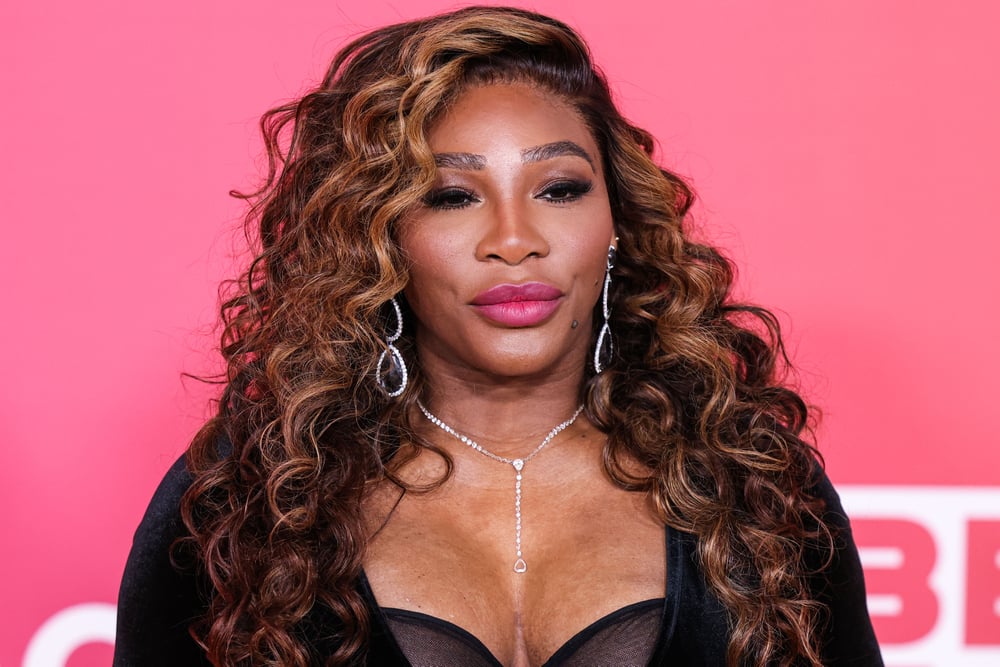
Back from having her baby in 2017, Serena Williams faced a life-threatening clot in her lung. Though doctors rushed her into surgery, she fought through months of healing just to step onto the court again.
Then came four straight trips to major finals within two seasons. Because of how old she was and what her body had been through, people started talking about her differently.
Not simply as a player who bounced back, but someone rewriting what staying on top could look like.
Michael Jordan’s Return

Many players hope to hit the highest level one time. Walking away in 1993, Jordan left basketball while still dominant, then tried his hand at minor league baseball.
By the time he rejoined the Chicago Bulls in 1995, hints of sharpness were missing at first. Yet that rough edge faded fast.
Just months later, three straight titles followed, along with a year where scoring never dipped below thirty each night. His return didn’t only fix what came before – it stretched his story beyond past limits.
Niki Lauda
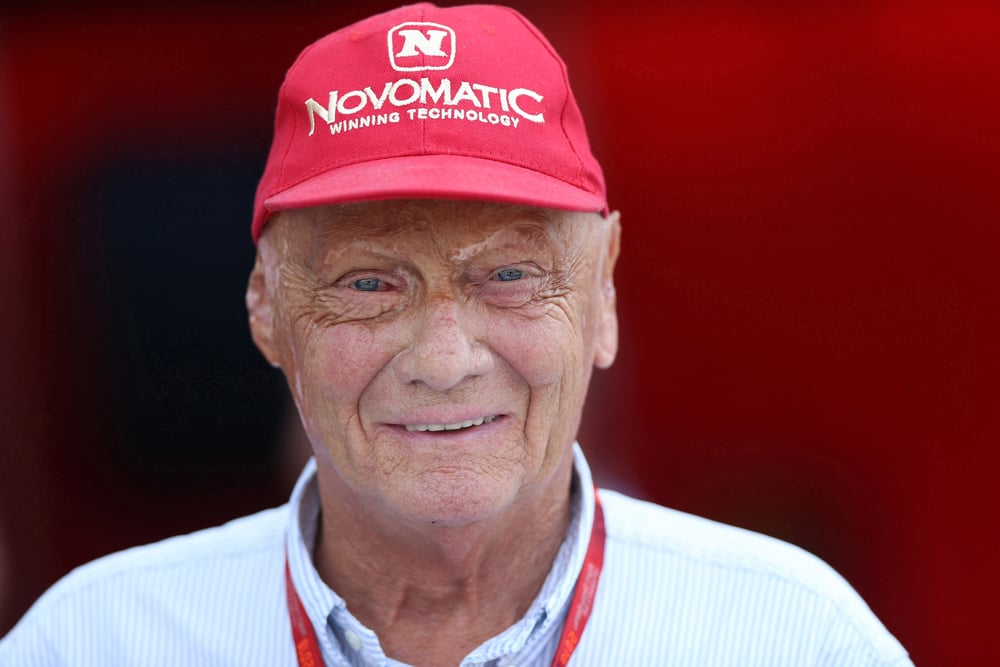
Back in 1976, flames swallowed Niki Lauda whole when his car exploded mid-race at Germany’s Nürburgring track; smoke filled his lungs while bits of fire clung to his skin. Priests spoke prayers near his bed – doctors didn’t expect him to wake up.
Yet somehow, less than six weeks later, there he was back behind the wheel, face swollen, ears melted, wincing through every turn. Winning mattered too much to surrender it quietly.
The crown slipped off by a single point that fall. Still, come ’77, he wore it again.
Then again in ’84. Nobody forgets what unfolded across those months – the rawest battle ever seen on asphalt.
Bethany Hamilton

Bethany Hamilton, just thirteen, caught waves in Hawaii until a shark bit off her left arm during 2003. Back on the board – less than four weeks later.
That quick. Competing soon after, she claimed championships across the country, rising into surfing’s spotlight.
Not a tale of conquering fright – it’s choosing to keep moving, even when life tries to stop you.
Ben Hogan

Ben Hogan was one of golf’s best players in the 1940s when a head-on collision with a bus in 1949 left him with a broken pelvis, collar bone, leg, and ankle. Doctors told him he might never walk again, let alone swing a golf club.
Less than two years later, he won the U.S. Open, barely able to complete a 36-course in a single day because his legs were in so much pain. He went on to win three more major titles after that.
Hogan’s story is still cited by golfers as the standard for mental toughness.
Monica Seles
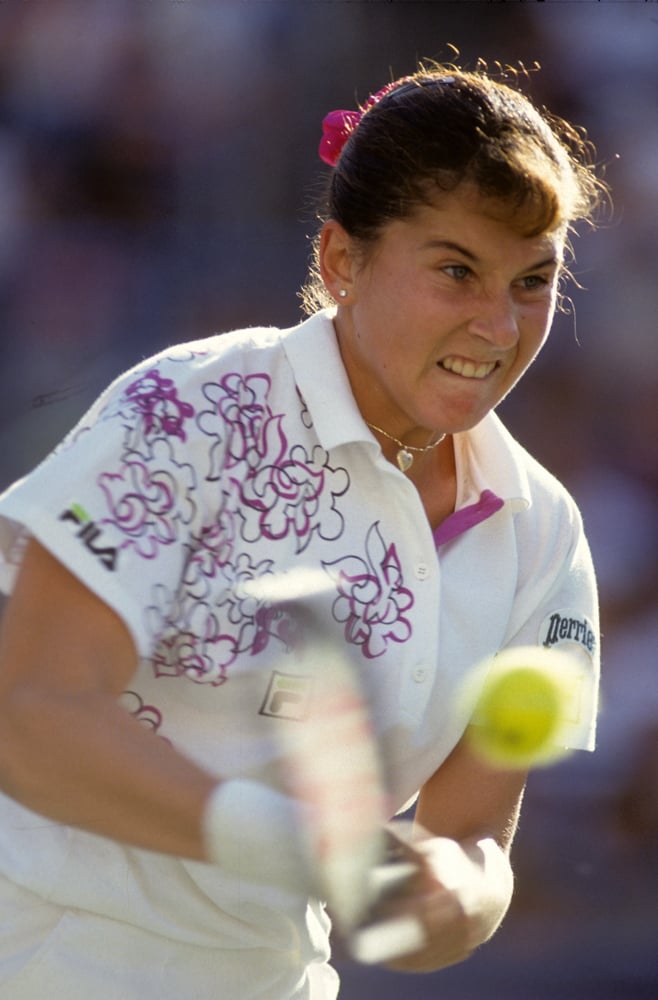
Monica Seles was the number-one ranked women’s tennis player in the world when a deranged fan ran onto the court during a match in Hamburg in 1993 and stabbed her in the back. She was 19.
The physical wound healed faster than the psychological one, and she stayed away from the sport for two years. When she returned in 1995, she reached the U.S. Open final in her first Grand Slam back and won the Australian Open the following year.
Her return to that level after what she endured remains one of the most emotionally significant stories in tennis.
Derek Redmond

At the 1992 Barcelona Olympics, Derek Redmond was running the 400-meter semifinal when his hamstring tore mid-race. He fell to the track in visible agony.
Rather than accept help from officials, he stood up and hobbled forward. His father broke through security, wrapped an arm around him, and helped him finish the race as the crowd gave a standing ovation.
He did not win a medal. But the image of a broken athlete refusing to quit has become one of the most replayed moments in Olympic history.
Jim Abbott

Jim Abbott was born without a right hand, and he became a starting pitcher in Major League Baseball. That alone would make this list.
But in 1993, pitching for the New York Yankees, he threw a no-hitter against the Cleveland Indians, one of the rarest achievements in baseball. Abbott never treated his disability as the headline; he treated baseball as the job and showed up to do it better than almost everyone else.
Wilma Rudolph

Wilma Rudolph survived polio as a child and wore a leg brace until she was 12 years old. Doctors told her she would never walk normally.
At the 1960 Rome Olympics, she became the fastest woman in the world, winning three gold medals in track and field. She did not just walk without a brace; she outran every other woman on the planet.
Rudolph’s story connects directly to what persistence looks like when it starts in childhood and finishes on a world stage.
Peyton Manning

After the Indianapolis Colts released him in 2012, most people assumed Peyton Manning’s career was winding down. He had undergone four neck surgeries that left his right arm so weak he could barely throw a spiral.
The Denver Broncos signed him anyway, and he spent the next four seasons remolding his game to match his body’s new limits. He won the Super Bowl after the 2015 season, his second championship and arguably the smarter, tougher version of the first.
Caitlin Clark’s College Moment

In a different kind of comeback, Iowa’s Caitlin Clark helped revive national interest in women’s college basketball through sheer force of will and scoring ability. After a loss in the 2023 NCAA championship game, she came back the following year leading Iowa even deeper into the tournament and breaking the all-time NCAA scoring record for any player, men or women.
She turned a painful near-miss into a record-setting run that brought millions of new fans to the sport.
Kerri Strug

At the 1996 Atlanta Olympics, U.S. gymnast Kerri Strug injured her ankle badly on her first vault attempt and needed a second attempt to secure the team gold medal. She ran down the runway on a damaged ankle, nailed the vault, and then collapsed.
The team won gold. Strug’s vault lasted about two seconds but created one of the most talked-about moments in Olympic gymnastics.
The willingness to push through pain for the team, not personal glory, is what made it unforgettable.
What These Stories Say About Sports

Comebacks in sports carry weight because they happen in public, in real time, with real consequences. These athletes did not recover in private and then appear polished on the other side; they struggled visibly, failed openly, and kept going anyway.
Tiger’s knee brace, Monica’s tears on return day, Redmond limping with his father’s arm around him, these are not just sports moments. They are reminders that the distance between breaking and bouncing back is almost always just a decision made in a very hard moment.
More from Go2Tutors!

- The Romanov Crown Jewels and Their Tragic Fate
- 13 Historical Mysteries That Science Still Can’t Solve
- Famous Hoaxes That Fooled the World for Years
- 15 Child Stars with Tragic Adult Lives
- 16 Famous Jewelry Pieces in History
Like Go2Tutors’s content? Follow us on MSN.



