29 School Supplies Kids Once Carried That Vanished From Backpacks
A school backpack is a pretty accurate snapshot of whatever technology and curriculum priorities happened to be current at the time. Flip through old class photos and supply lists from just a few decades ago, and a surprising share of what counted as essential equipment has simply disappeared, replaced by a phone, a laptop, or nothing at all.
Trapper Keepers
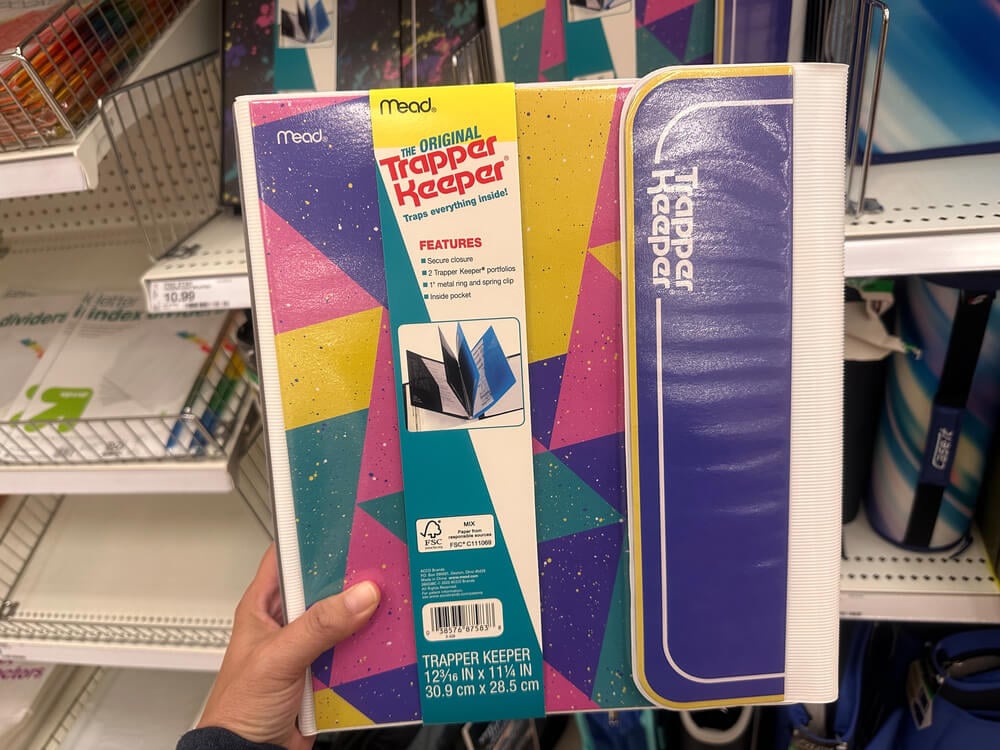
The Trapper Keeper, a thick binder with a folding snap closure and individual folders that could be swapped in and out, was one of the defining school supplies of the 1980s and 1990s, marketed heavily around colorful designs that became a status symbol among students. Its bulky size and Velcro or snap closures made it impractical compared to the slimmer, cheaper binder styles that followed.
Standard three-ring binders and folders eventually replaced it almost entirely once school supply budgets tightened and locker space became a bigger constraint.
Pencil Boxes
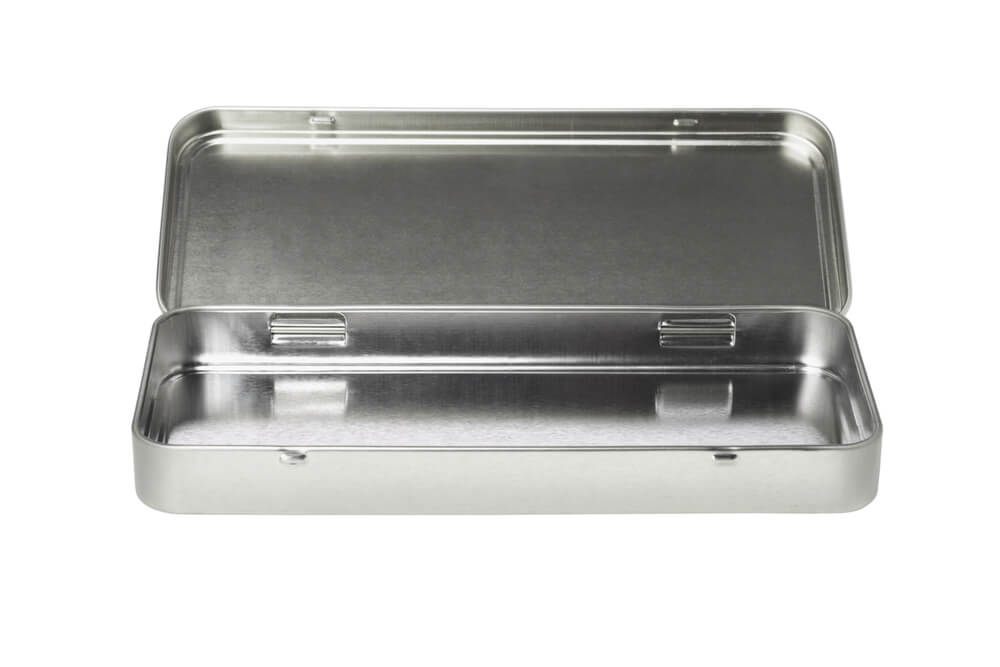
Hard plastic pencil boxes, often decorated with cartoon characters or made in bright translucent colors, were a near-universal elementary school item for decades, holding pencils, erasers, and small supplies in a rigid case that could be stacked in a desk. Soft zippered pencil pouches gradually took over because they could be tucked flat inside a binder rather than taking up separate space in a backpack.
Most elementary supply lists today specify a pouch rather than a rigid box.
Cursive Handwriting Workbooks
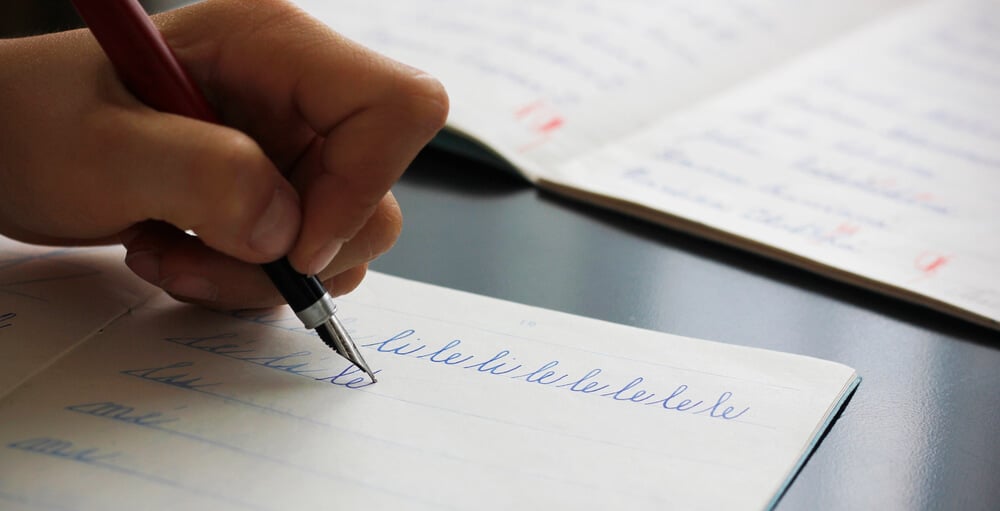
Cursive practice workbooks, filled with dotted-line letter tracing exercises, were a standard part of early elementary curriculum for generations of American students. Many states removed cursive instruction from required curriculum standards after the introduction of Common Core standards in 2010, which emphasized keyboarding skills instead.
Cursive has since been reintroduced in some states through new legislation, though the dedicated workbook format has largely been replaced by digital or supplemental printed materials.
Slide Rules
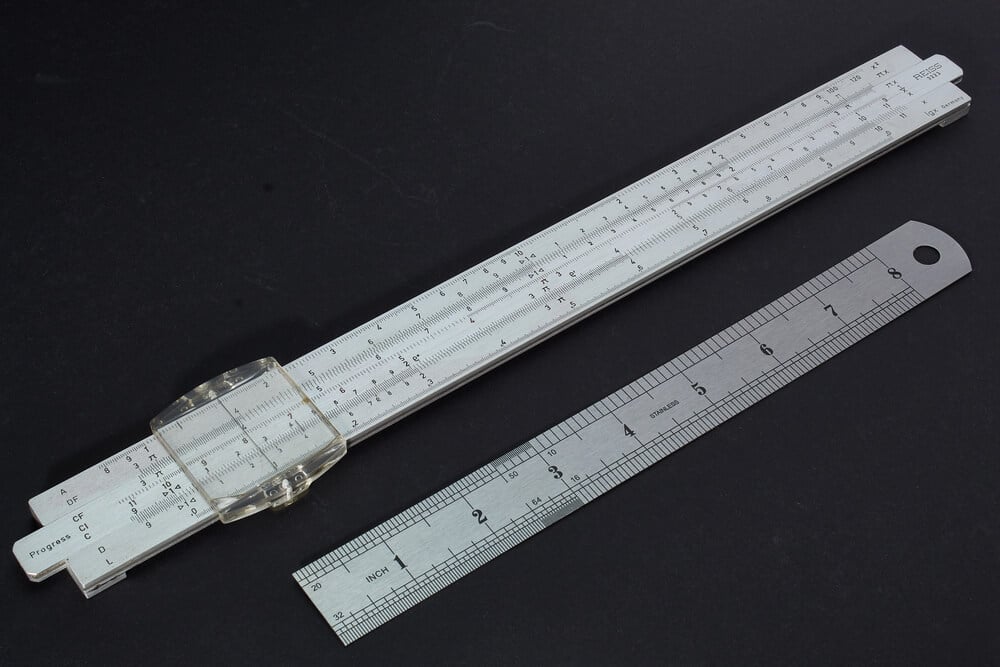
Slide rules were standard equipment for high school and college science and math students for generations, used to perform multiplication, division, and logarithmic calculations before electronic calculators existed. Engineering students in particular were expected to carry one as a basic tool of the trade.
Inexpensive electronic calculators became widely available by the mid-1970s and eliminated the slide rule from student supply lists within a single decade.
Graphing Calculators as a Separate Purchase
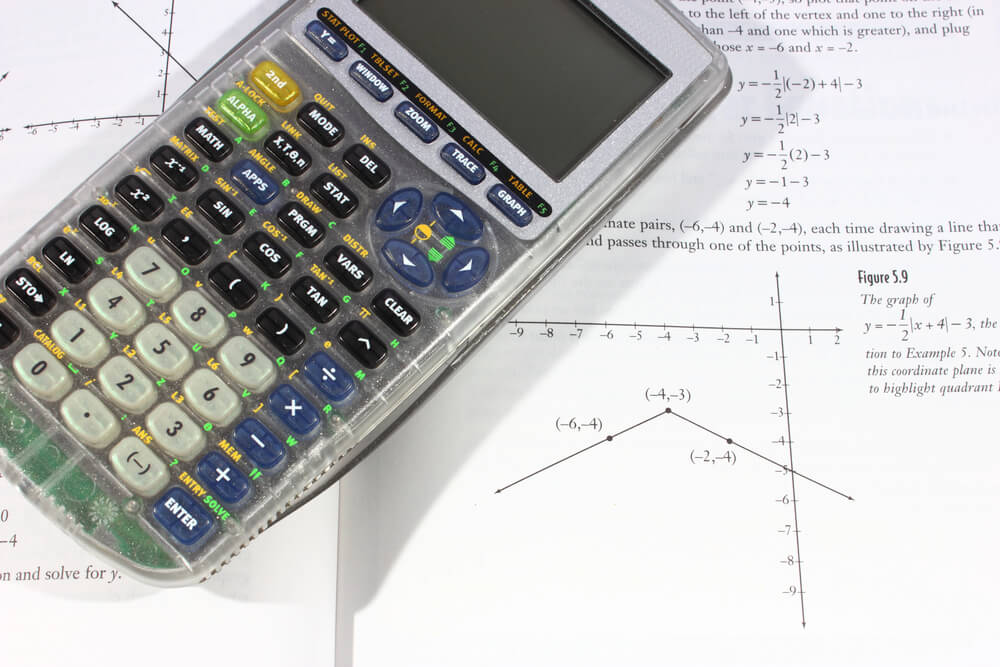
For decades, a dedicated graphing calculator, often costing well over $100, was a required purchase for algebra and calculus students, typically a Texas Instruments model that stayed in a family for multiple children across several school years. Rising smartphone and tablet use, along with free graphing calculator apps and classroom-approved software, has made the standalone device optional in many districts that now allow app-based alternatives on school-issued devices.
Book Covers Made From Paper Grocery Bags
Students for generations covered their textbooks with cut and folded paper grocery bags, both to protect the covers and, informally, to personalize them with drawings. Textbook rental programs, shrink-wrapped commercial book covers, and the shift toward digital textbooks have made the practice largely unnecessary.
Most students today never handle a textbook that requires this kind of homemade protection at all.
Liquid Correction Fluid

Liquid correction fluid, sold under brand names including Wite-Out and Liquid Paper, was a staple school supply for correcting handwritten and typed mistakes for decades, often carried in a small bottle with its own brush applicator. Word processing software made correction fluid essentially unnecessary for typed work, and even handwritten assignments moved increasingly toward digital submission.
Correction fluid still exists as a product but rarely appears on modern school supply lists.
Rulers With Inking Grooves for Technical Drawing
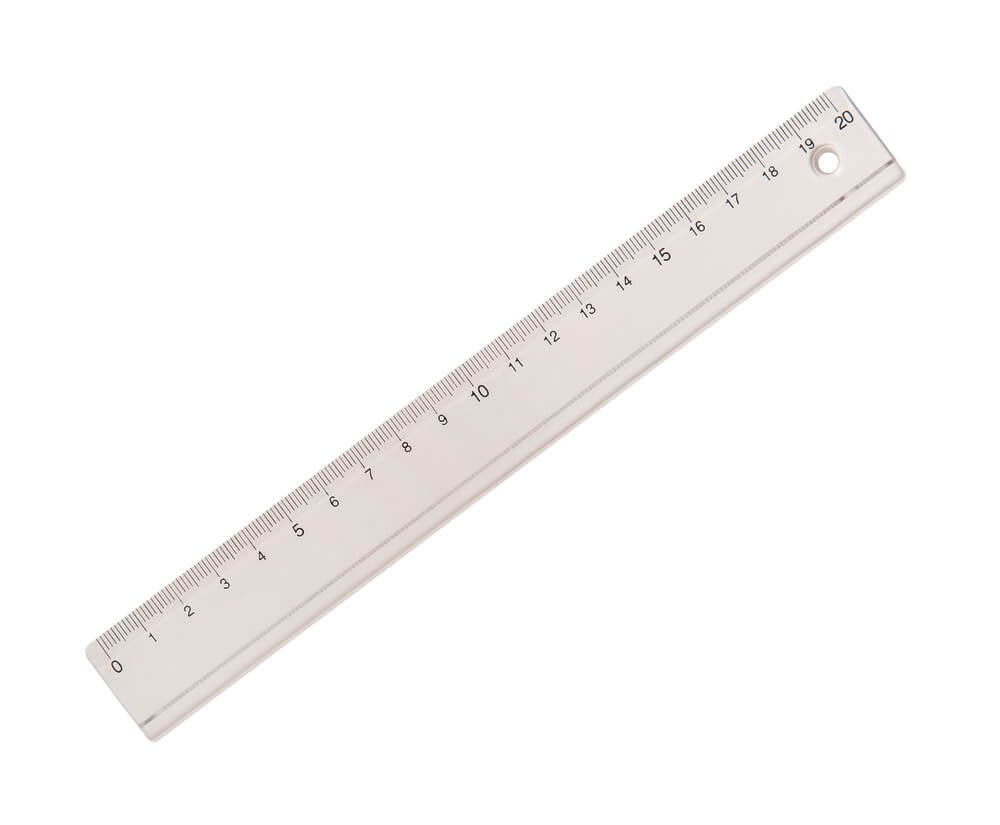
Mechanical drafting rulers designed with inking grooves, used in technical drawing and drafting classes to guide a pen without smudging, were once standard equipment in industrial arts and drafting courses. Computer-aided design software effectively replaced hand drafting in most high school and vocational programs by the early 2000s.
Physical drafting tools are now largely confined to specialized art and architecture programs rather than general student supply lists.
Overhead Projector Transparency Sheets
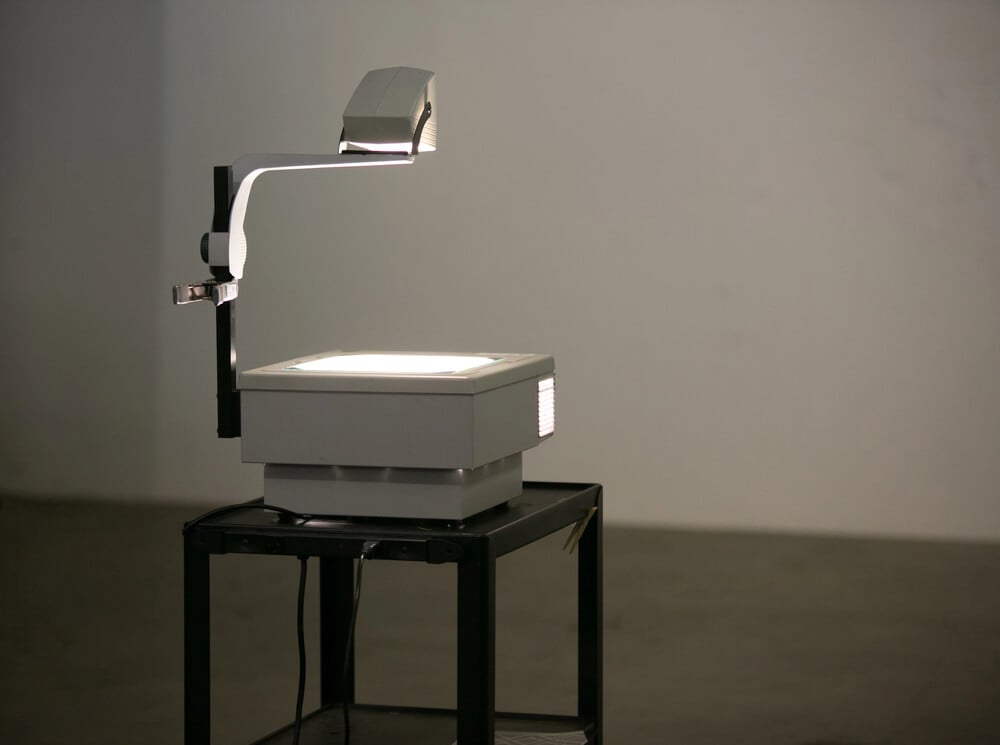
While technically a teacher’s supply rather than a student’s, transparency sheets and the accompanying grease pencils were common enough in classrooms that students frequently used them for group projects and presentations for decades. Digital projectors and interactive whiteboards replaced overhead projectors in most schools by the 2010s.
An entire generation of students has now gone through school without ever using a transparency sheet.
Compass and Protractor Sets
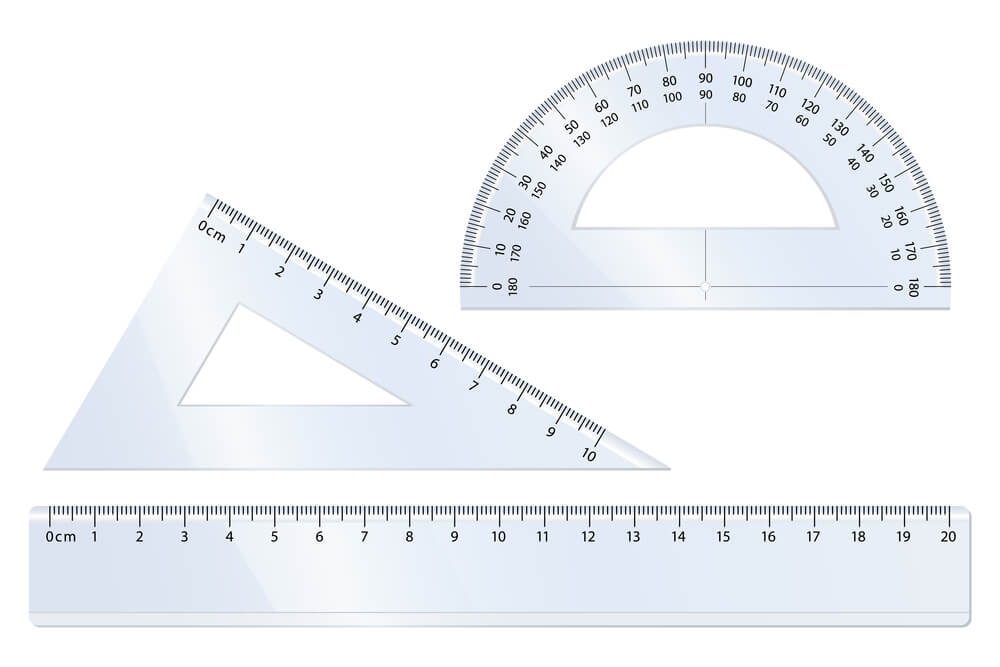
Metal geometry compasses and protractors, typically sold together in a small tin case, were a required purchase for middle and high school geometry classes for generations, used to draw precise circles and measure angles by hand. Many schools have shifted toward geometry software and digital drawing tools that perform the same functions without a physical instrument.
Physical compass and protractor sets, once a required line item on supply lists, have become optional or absent in a growing number of districts.
Pee Chee Folders
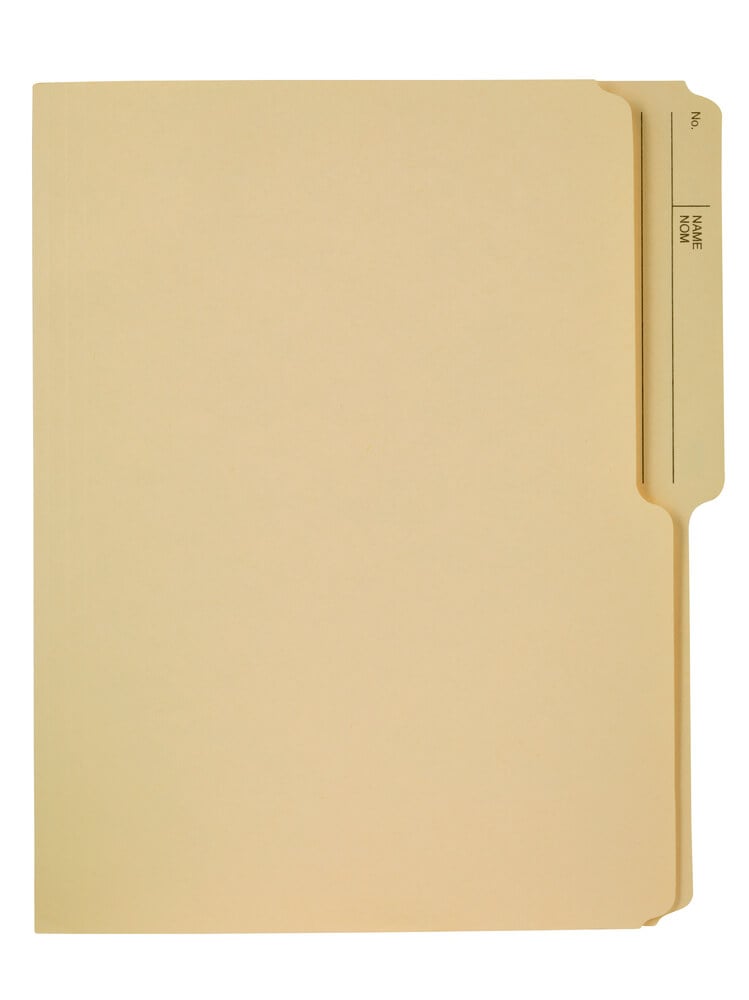
The Pee Chee folder, recognizable by its yellow-orange cover illustrated with vintage athletic scenes, was a fixture of American middle and high school supply lists for much of the twentieth century, prized for its heavier stock and built-in pockets. Cheaper plain manila and plastic folders gradually took over the market as school supply budgets tightened.
The original illustrated design became enough of a nostalgia item that it has occasionally been revived as a novelty product rather than a standard school purchase.
Chalk and Chalk Erasers

Individual chalkboard erasers and small chalk sticks were common supplies for students in schools that used personal slate chalkboards for practice work, particularly in early elementary grades through the mid-twentieth century. Whiteboards and markers gradually replaced chalkboards in most classrooms by the 1990s and 2000s.
Chalk dust, once an unavoidable part of the classroom sensory environment, is now largely absent from modern schools.
Pencil Sharpener Attached to a Desk
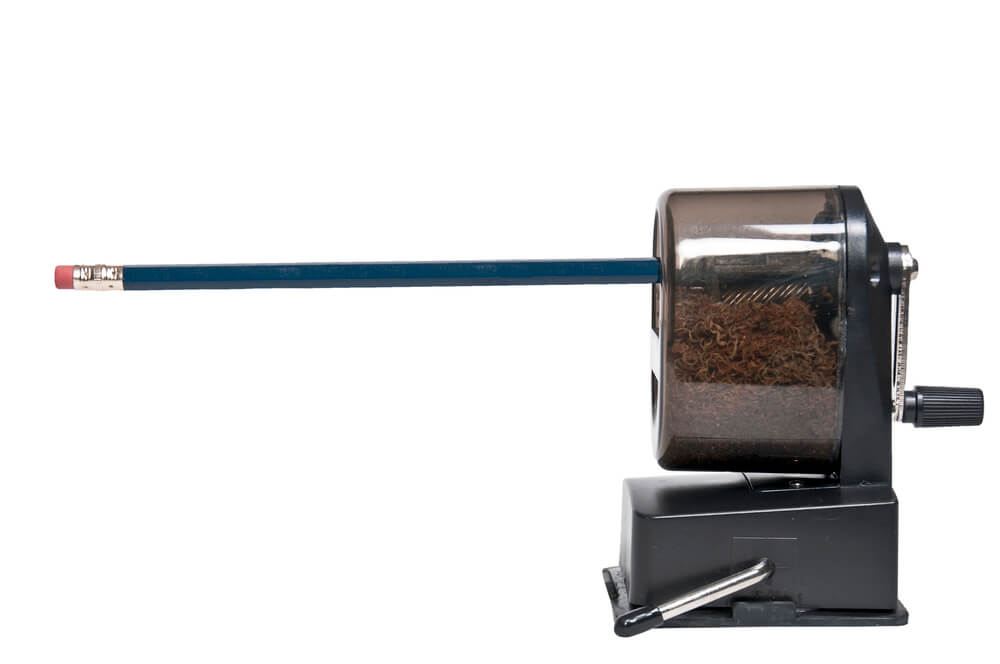
Bulky manual pencil sharpeners bolted to a classroom wall or a student’s desk were once a standard fixture, requiring a hand crank to sharpen a single pencil at a time. Battery-powered and electric sharpeners eventually replaced the manual crank model in most classrooms, and mechanical pencils that never need sharpening at all have reduced the need for the tool altogether.
The percussive sound of a hand-crank sharpener is now unfamiliar to many younger students.
Carbon Paper
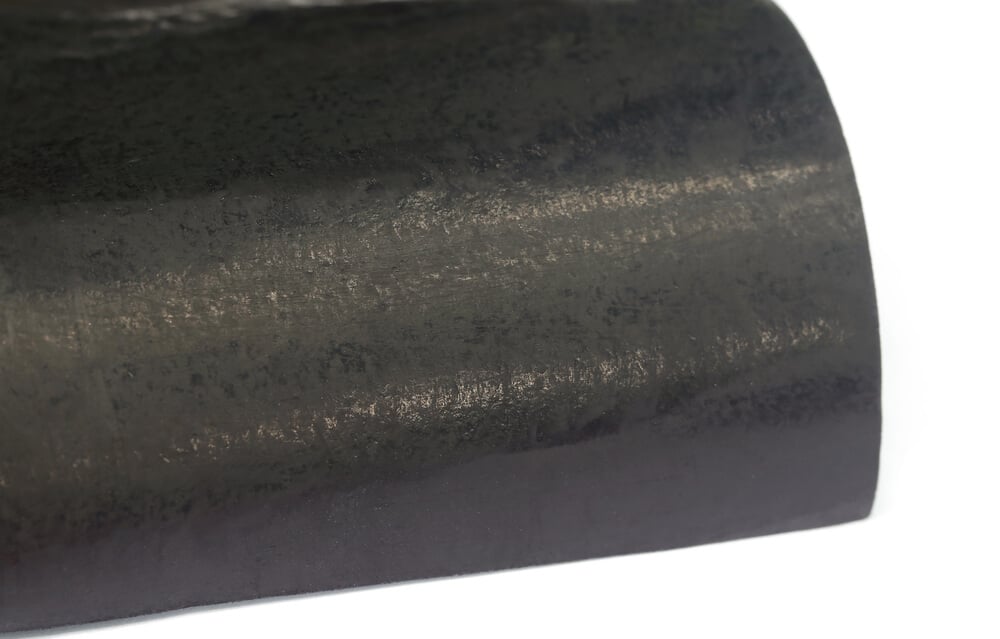
Carbon paper, a thin sheet coated with ink-transferring material used to make duplicate copies of handwritten or typed work, was commonly kept in student supply kits for group assignments and administrative forms through much of the twentieth century. Photocopiers and later digital scanning made carbon paper unnecessary for creating duplicates.
Few students today have ever needed to use it for any school assignment.
Assignment Notebooks and Paper Planners
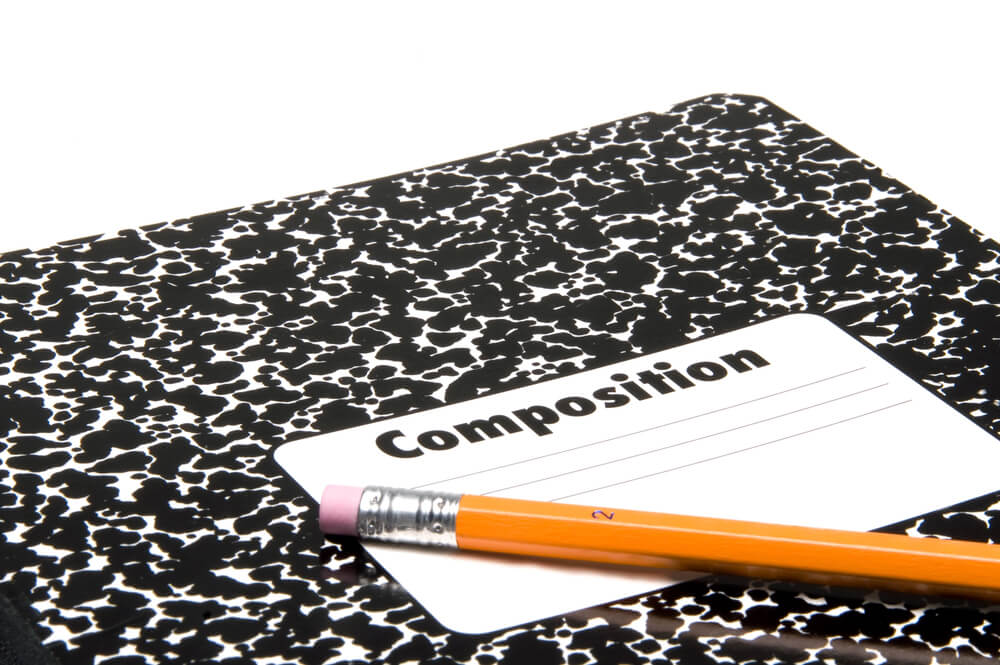
Dedicated paper assignment notebooks, often provided by the school itself with a specific format for recording homework by subject and due date, were standard equipment for organizing a student’s workload for decades. School-issued laptops, learning management systems, and smartphone calendar apps have taken over much of this function in many districts.
Paper planners still exist but increasingly compete with, rather than replace, digital assignment tracking.
Dictionaries and Thesauruses as Required Purchases

A physical dictionary and thesaurus were standard required purchases for elementary and middle school students for generations, often a specific approved edition listed on the school supply sheet. Free online dictionary and thesaurus tools, along with built-in spelling and grammar checking software, have made physical reference books largely unnecessary for daily schoolwork.
Many classrooms still keep a few physical copies available, but they are no longer typically a required individual student purchase.
Pencil Cases With Combination Locks
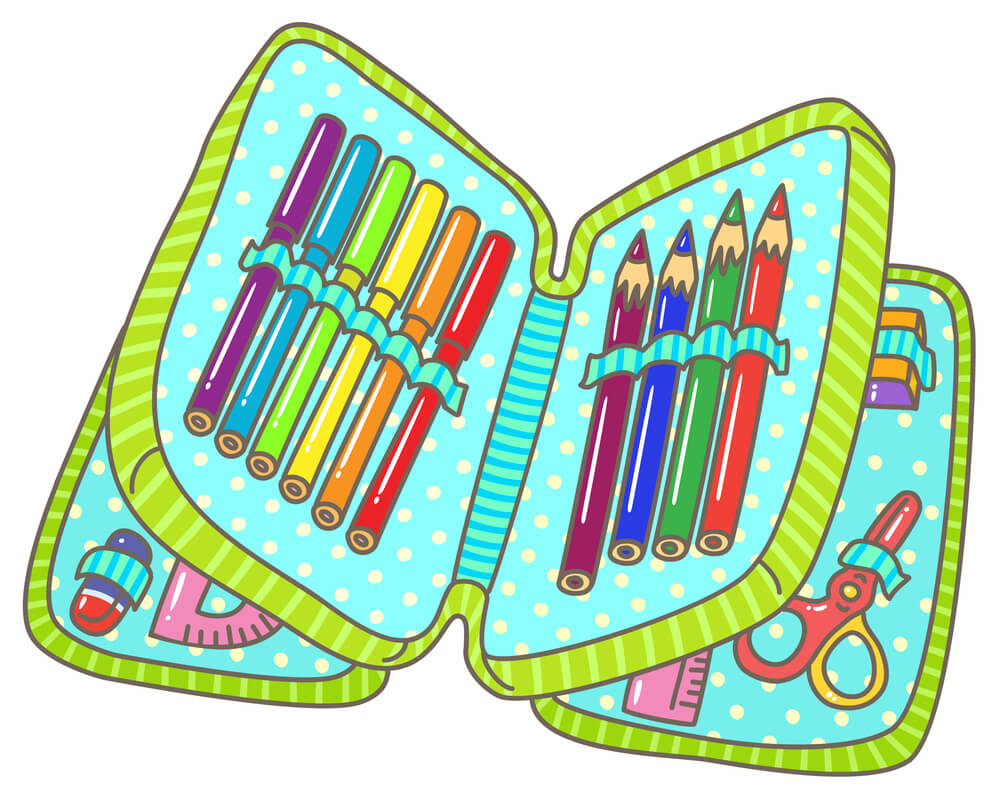
Small pencil cases fitted with a combination lock, marketed as a way to keep classmates from borrowing supplies without permission, were a popular item among elementary and middle school students for a period in the 1990s and 2000s. The novelty largely faded as the same security features became less of a selling point compared to simple, functional pouches.
The combination lock pencil case is now more of a nostalgic reference than an active product category.
Scented Markers
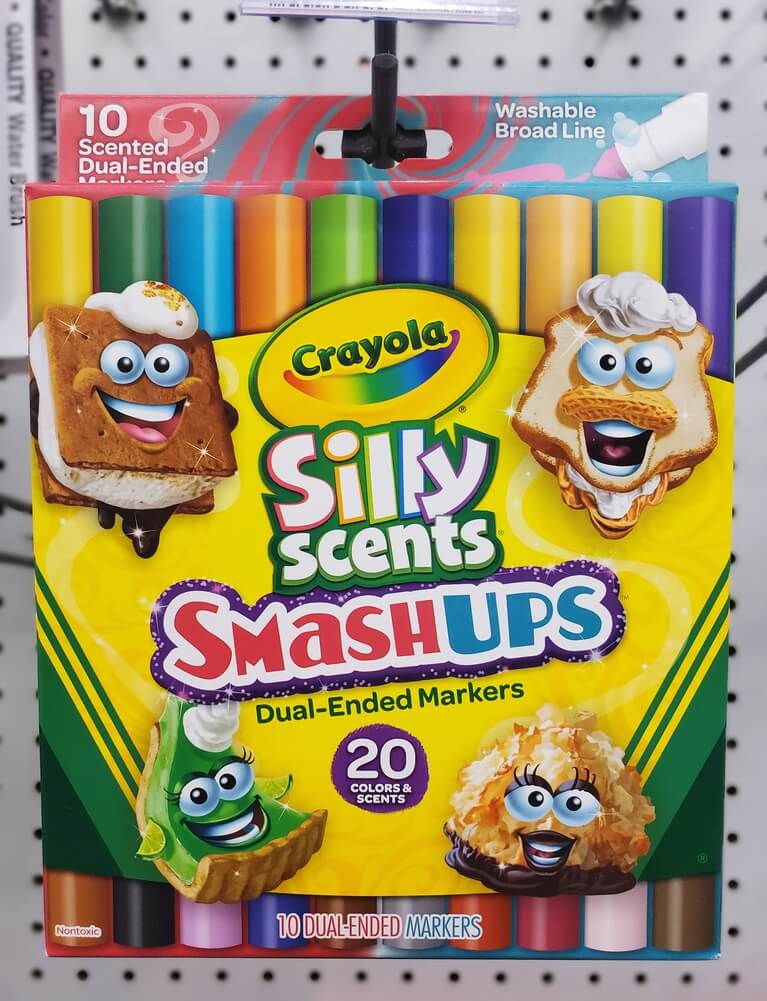
Scented markers, which paired a specific color with a corresponding fruit or food smell, were an enormously popular supply item among elementary students for a stretch of the 1980s through 2000s, largely for the novelty of the scent rather than any drawing advantage. Concerns over some scented marker ingredients triggering allergies in a small number of students, along with simple shifts in trend, reduced their prominence on standard supply lists.
Plain, unscented markers remain the default recommendation on most modern classroom supply sheets.
Personal Chalkboard Slates
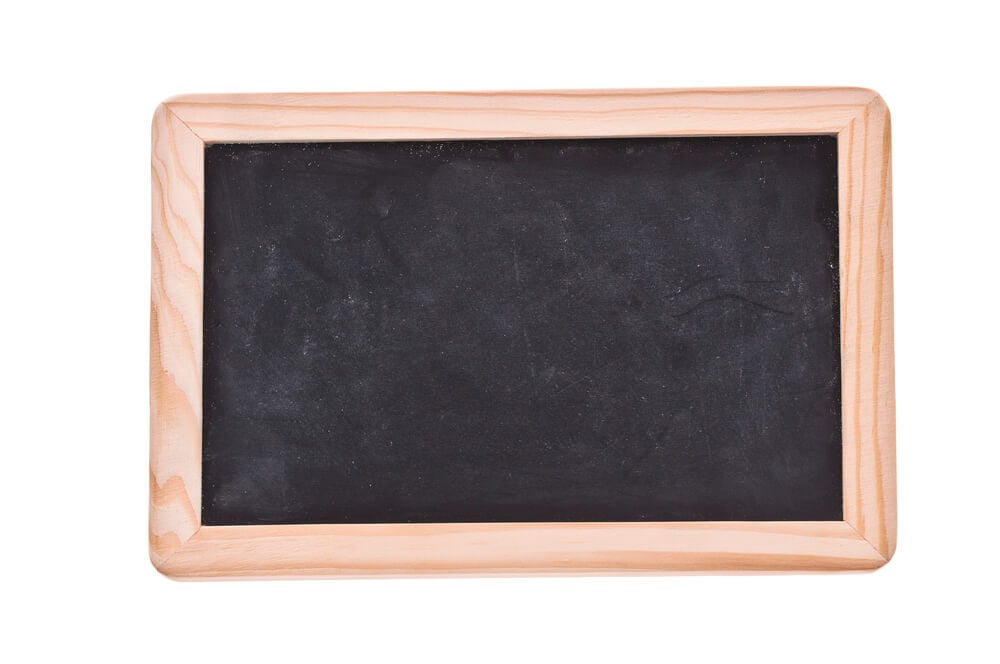
Small personal chalkboard slates, used by early elementary students to practice writing and simple math problems that could be immediately erased and reused, were common classroom equipment for generations before paper became cheap and plentiful enough to use for daily practice work. Individual dry-erase whiteboards eventually replaced the slate format, and even those have increasingly given way to tablet-based practice apps in some classrooms.
The core concept, quick and erasable practice, has persisted even as the physical object has changed twice over.
Floppy Disks for Homework Storage
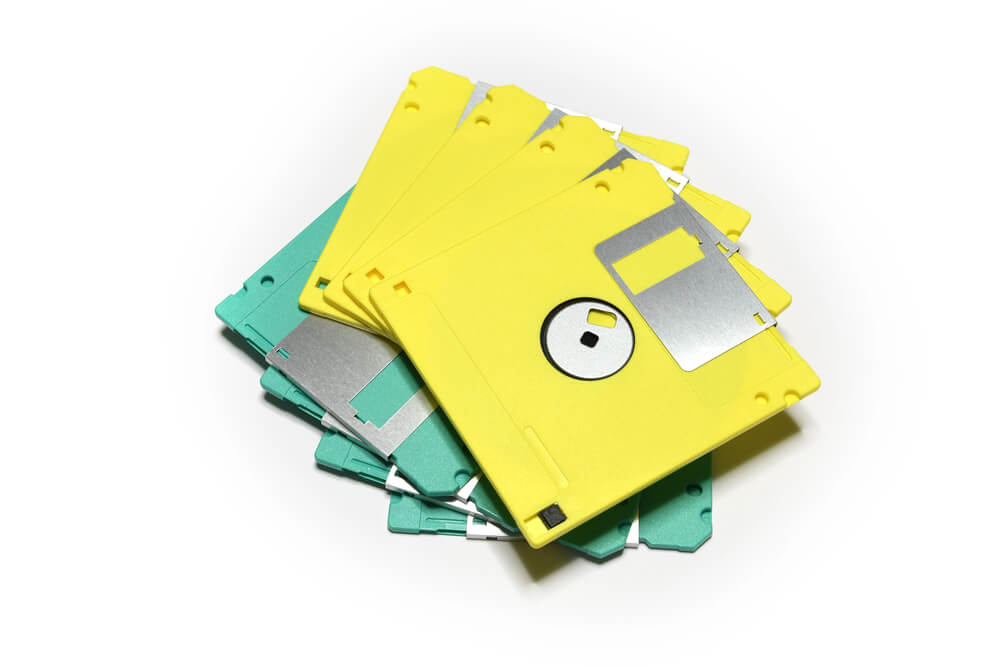
Students in the 1990s and early 2000s commonly carried a floppy disk to save and transport homework files between school and home computers, often labeled by hand with a subject or assignment name. USB flash drives replaced floppy disks by the mid-2000s, and cloud storage services have since made even flash drives largely unnecessary for most students.
A student today is unlikely to have ever physically held a floppy disk.
Graph Paper Notebooks as a Default Purchase

Graph paper notebooks were a standard supply list item for math and science classes for decades, used for everything from plotting equations to keeping lab data aligned in neat columns. Digital graphing tools and spreadsheet software have reduced the day-to-day need for physical graph paper in many classrooms, particularly at the high school level.
Graph paper remains available and still requested in some math courses, but it no longer appears on nearly every supply list by default.
Manila Report Card Envelopes
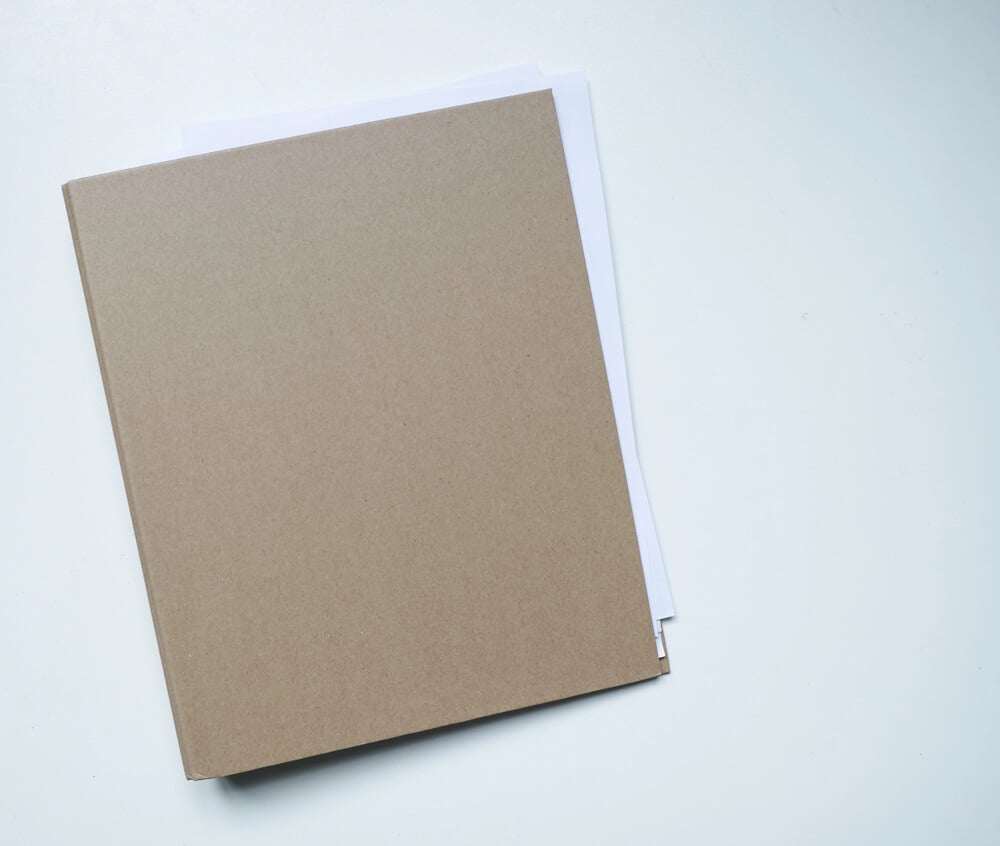
Report cards were traditionally sealed inside a manila envelope that students carried home for a parent’s signature and were expected to return, a small but universal ritual across American schools for much of the twentieth century. Digital grade portals and parent-access websites have replaced most physical report cards entirely in a large share of school districts.
An entire generation of students has grown up without ever carrying a report card home in an envelope.
Pencil Grips as a Widely Assigned Tool

Molded rubber pencil grips, designed to correct a student’s finger placement while learning to write, were commonly required or recommended for early elementary students working on handwriting fundamentals for decades. As overall handwriting instruction time has been reduced in many curricula in favor of keyboarding, the widespread requirement for grips has diminished, though they remain available for students who specifically need them for fine motor support.
The tool has shifted from a general classroom supply to more of a targeted accommodation.
Cassette Tapes for Language Lab Assignments
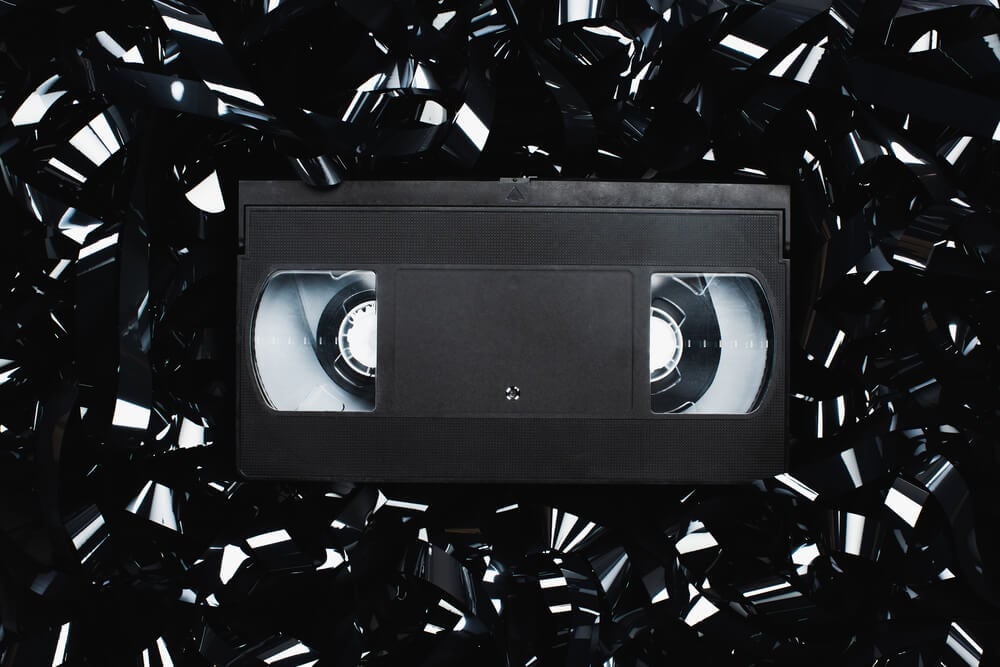
Foreign language students in the 1980s and 1990s often carried blank or pre-recorded cassette tapes as a required supply for language lab coursework, recording pronunciation exercises to be reviewed by an instructor. Digital audio recording, first on CDs and later through language learning apps and online platforms, eliminated the need for physical tapes entirely.
Language lab classrooms built around cassette players have been almost entirely phased out of modern schools.
Pocket Folders With Brad Fasteners
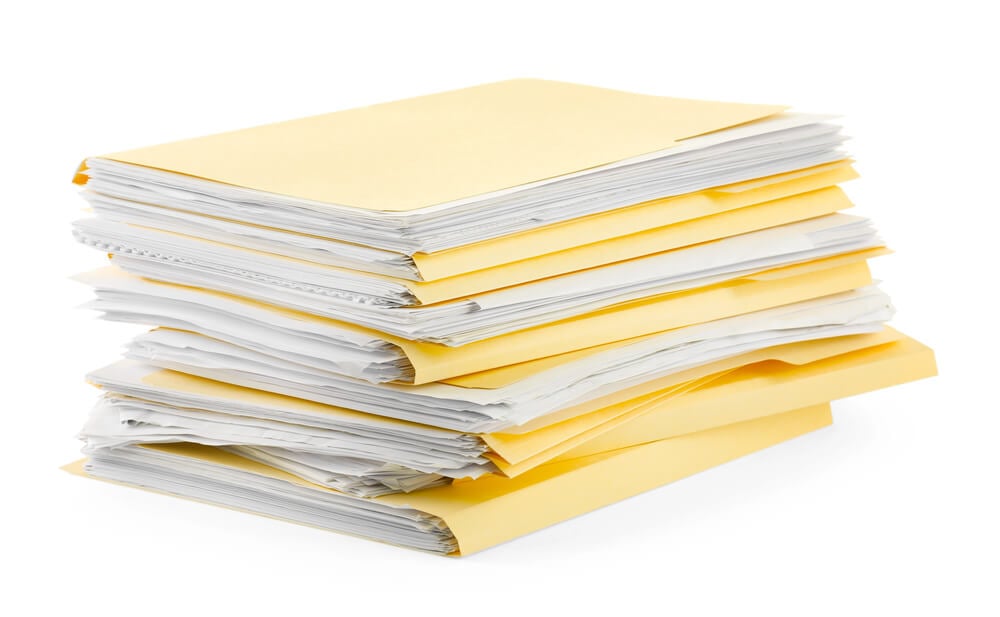
Two-pocket folders with a metal brad fastener in the center, designed to hold pre-punched papers securely in place while still allowing loose pocket storage on either side, were a standard supply list item for organizing coursework by subject for decades. Simpler pocket-only folders without the fastener have become more common as schools shifted toward binder-based organization systems instead.
The brad fastener style still exists but is requested far less frequently on current supply lists.
Personal Encyclopedias for Research Projects
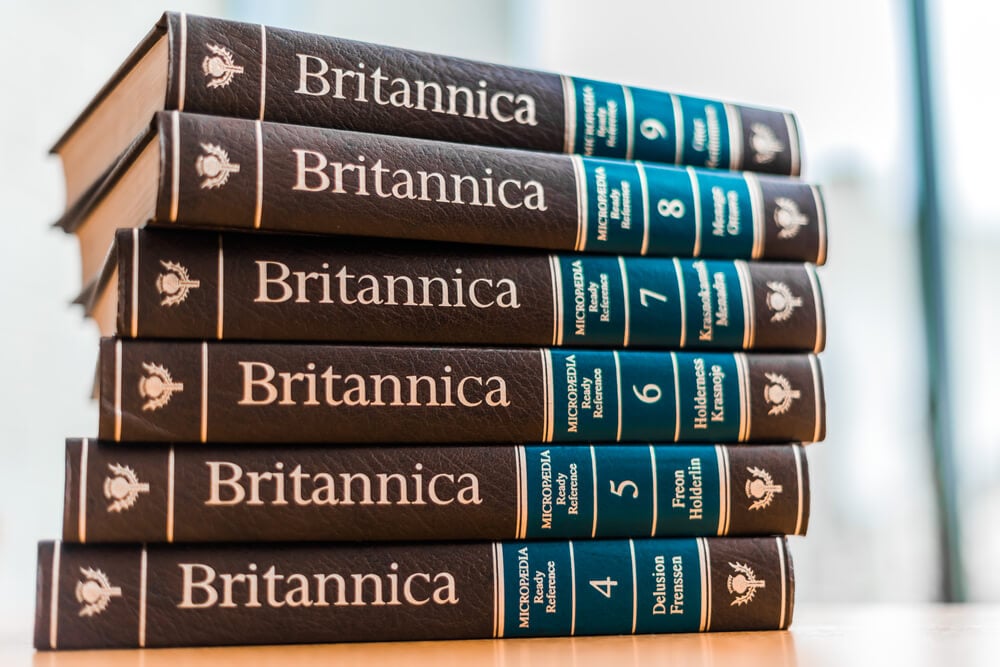
Some households purchased an abridged, student-focused encyclopedia set specifically intended to support school research projects, distinct from the larger family reference encyclopedia kept in a living room. Internet research largely eliminated the need for any physical encyclopedia by the early 2000s, and most schools now teach digital source evaluation instead of physical reference navigation as a core research skill.
Few current students have ever used a bound encyclopedia for a school assignment.
Metal Lunch Boxes as the Default Style
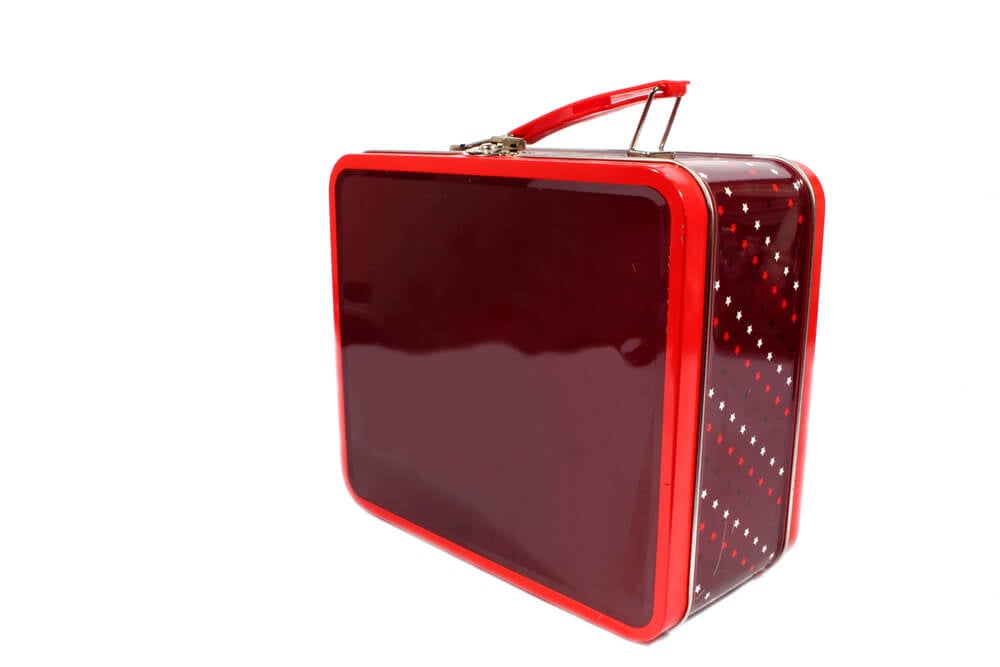
Metal lunch boxes, often decorated with licensed characters or television show branding, were the standard lunch-carrying container for elementary students for decades before manufacturing shifted toward lighter, cheaper, and safer soft-sided insulated bags. Concerns about sharp edges on aging metal boxes, along with lower production costs for soft materials, pushed the industry toward the insulated bag format that now dominates supply lists.
Vintage metal lunch boxes have since become a collectible item rather than an everyday product.
Typing Class Practice Books

Dedicated typing practice books, paired with a manual or early electric typewriter in a classroom typing course, were standard equipment in middle and high schools for much of the twentieth century, teaching touch-typing through repetitive drills. Keyboarding instruction has largely moved onto computers themselves, often integrated into general computer or technology classes rather than a standalone typing course with a physical practice book.
The core skill remains taught, but the dedicated printed workbook format has mostly disappeared.
Individual Chalkboard-Style Nameplates
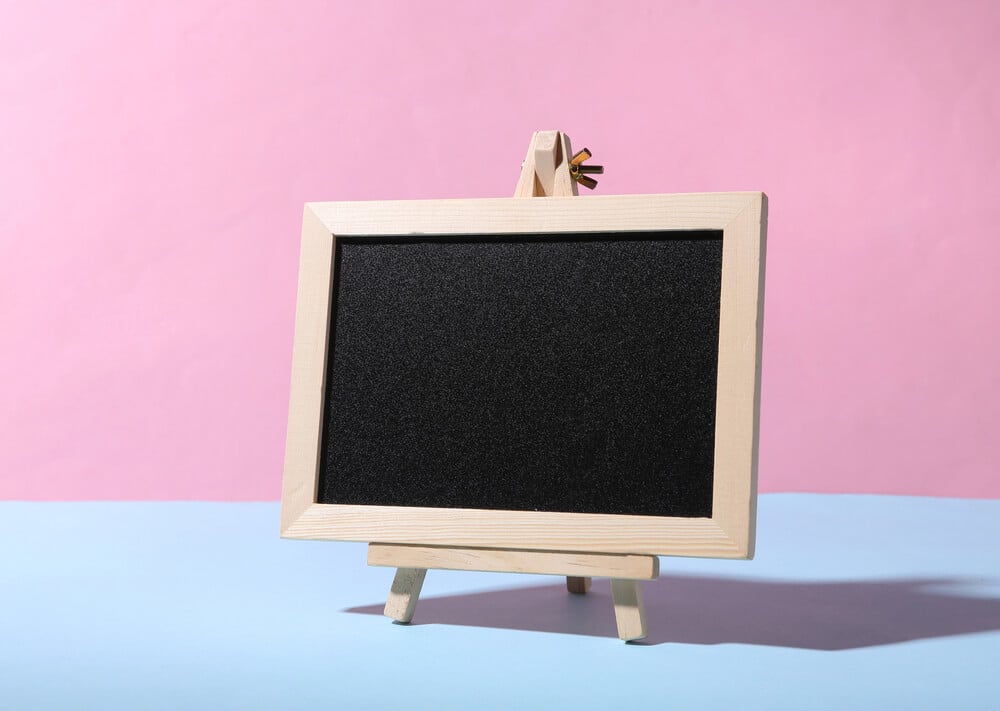
Small nameplates, sometimes chalkboard-style and sometimes laminated paper, were commonly placed on elementary school desks so substitute teachers and classmates could quickly identify each student, often made as an early-year art project. The format persists in many classrooms today but has shifted toward laminated card stock or printed labels rather than the traditional small chalkboard slate version common decades ago.
It remains one of the few items on this list that has changed material more than it has disappeared outright.
What the Backpack Remembers

Taken together, these items map pretty closely onto two forces: the arrival of cheaper electronics that made an analog tool redundant, and shifting curriculum priorities that decided a skill, like cursive or hand drafting, was no longer worth a dedicated supply purchase. Neither force moved quickly.
Most of these items didn’t vanish in a single school year; they faded gradually as fewer teachers required them and fewer parents bothered to buy them.
What’s left on a modern supply list is a reasonably accurate record of which skills a school system currently considers foundational, and which ones it has quietly decided a computer can now handle instead.
More from Go2Tutors!

- The Romanov Crown Jewels and Their Tragic Fate
- 13 Historical Mysteries That Science Still Can’t Solve
- Famous Hoaxes That Fooled the World for Years
- 15 Child Stars with Tragic Adult Lives
- 16 Famous Jewelry Pieces in History
Like Go2Tutors’s content? Follow us on MSN.