28 Records in Garage Crates Collectors Still Pay For
Most vinyl sitting in a garage crate is worth exactly what it looks like: a few dollars, if that, at a weekend sale. But scattered through those same crates are specific pressings and titles that collectors actively hunt for, and knowing which sleeve to pull out before the box gets sold as a lot can mean the difference between pocket change and a genuine payday.
The Beatles, “Yesterday and Today” (Butcher Cover)
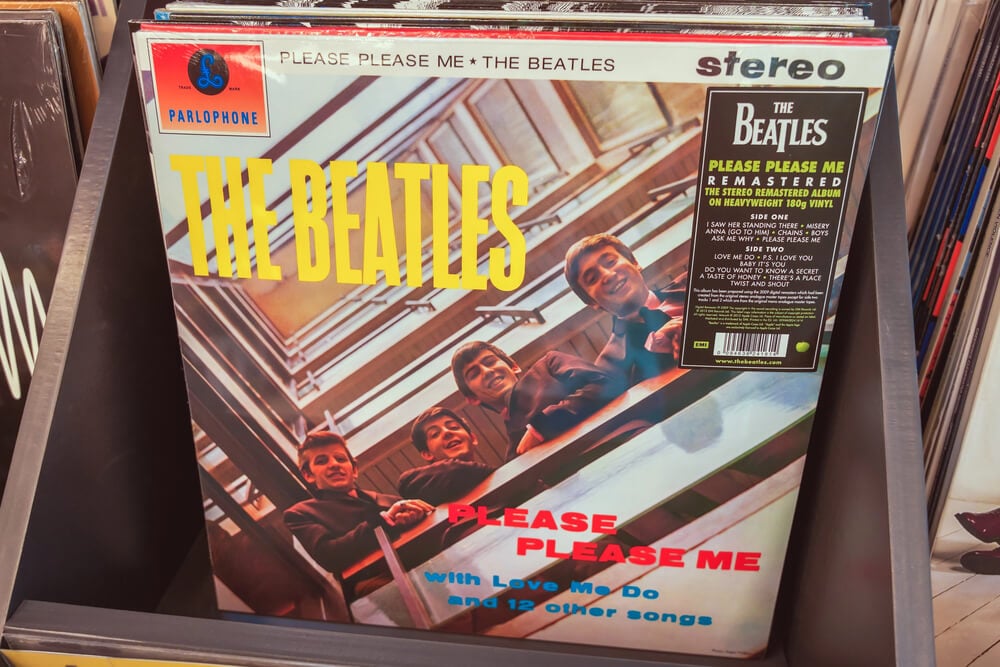
The original 1966 sleeve for this Beatles compilation showed the band in butcher smocks surrounded by raw meat and dismembered dolls, a cover Capitol Records recalled almost immediately and pasted over with a tamer photo. Unpeeled “first state” copies with the butcher image fully visible, rather than showing through a poorly steamed overlay, are the ones that draw serious money; condition and how cleanly the paste-over was removed, if it was removed at all, drives the price far more than the music itself.
The Velvet Underground and Nico (Banana Cover, First Pressing)
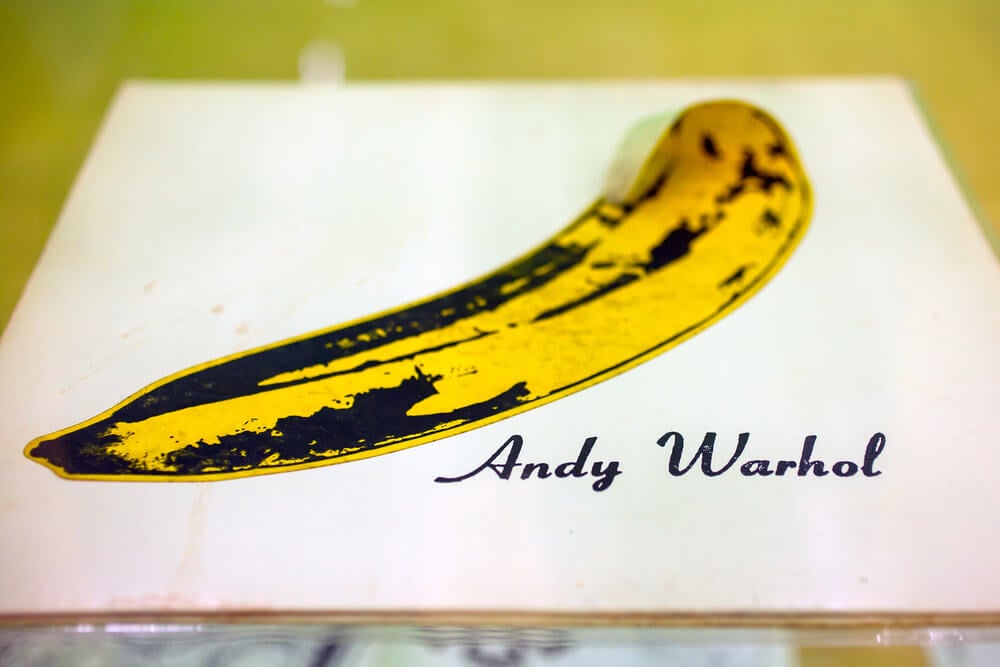
Andy Warhol’s peelable banana sticker on the debut Velvet Underground album makes early pressings instantly recognizable, but the earliest mono pressings carry specific run-out groove etchings that separate a first pressing from later reissues. Copies where the banana sticker has actually been peeled to reveal the pink fruit underneath, as originally intended, are especially sought after when the peel is clean; sales figures for the album were famously small at release, which is exactly why surviving early copies remain scarce today.
Fleetwood Mac, “Rumours” (Original Warner Bros. Pressing with Full Insert)
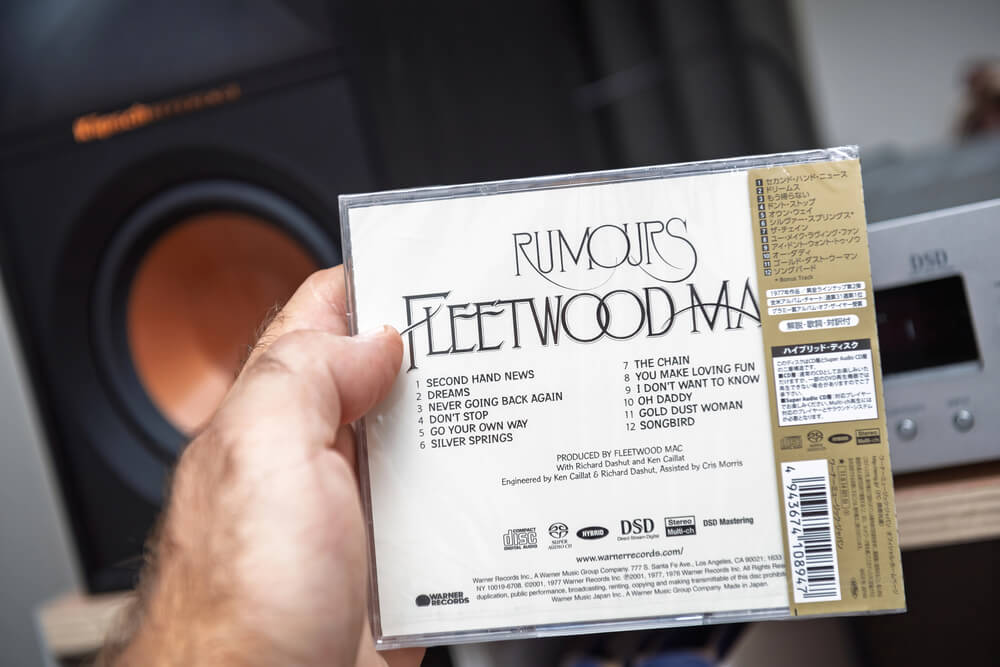
Millions of copies of this 1977 album were pressed, so scarcity isn’t the draw; a complete original pressing with its lyric insert and inner sleeve intact is what collectors look for, since so many copies lost those paper inserts over the decades. Certain early runs pressed at specific plants carry a premium among pressing-variant collectors who track matrix numbers in the run-out groove; condition of the actual vinyl surface matters enormously here, since a well-loved copy from the 1970s often shows real wear.
Prince, “The Black Album”
Prince withdrew this 1987 album from release just days before its scheduled street date, leading to an extremely limited number of promotional copies escaping into circulation before Warner Bros. pulled it entirely. Bootleg pressings flooded the market for years afterward, so verifying an original promotional copy against known pressing details matters more here than almost any other record on this list; a legitimate original pressing, correctly identified, remains one of the more valuable finds a garage sale can produce.
Miles Davis, “Kind of Blue” (Six-Eye Label, Mono)
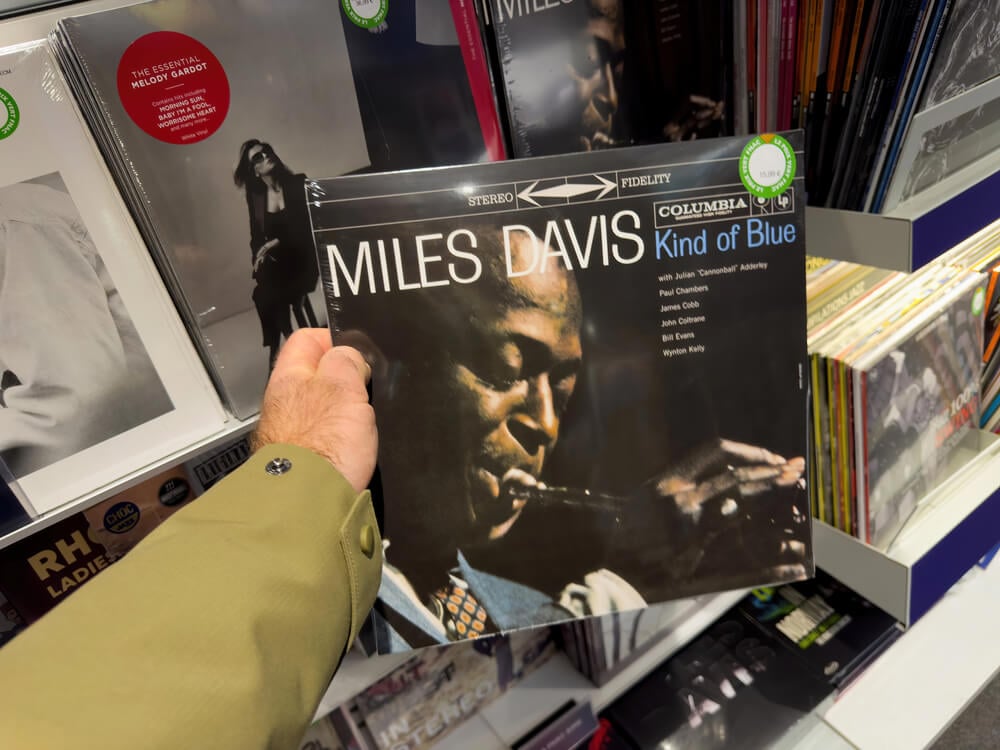
Early mono pressings of this 1959 jazz landmark, identifiable by the six-eye Columbia label design used before the label switched to a two-eye logo, are prized by jazz collectors for both sound quality and pressing history. The album’s massive influence on jazz means demand has stayed consistent for decades rather than spiking and fading like a lot of collectible music; a clean early pressing in strong condition regularly outperforms almost any other jazz record from the same era.
Bob Dylan, “The Freewheelin’ Bob Dylan” (Original Cover, Withdrawn Tracks)
The earliest pressings of this 1963 album included four songs that Dylan and Columbia Records pulled before the wider release, replacing them with different recordings on the version most people know. Copies with the original, withdrawn track listing are genuinely rare and command serious prices when properly authenticated; the album cover art remained the same across versions, so verifying the actual track listing pressed into the vinyl is essential.
Nirvana, “Bleach” (Original Sub Pop Pressing)
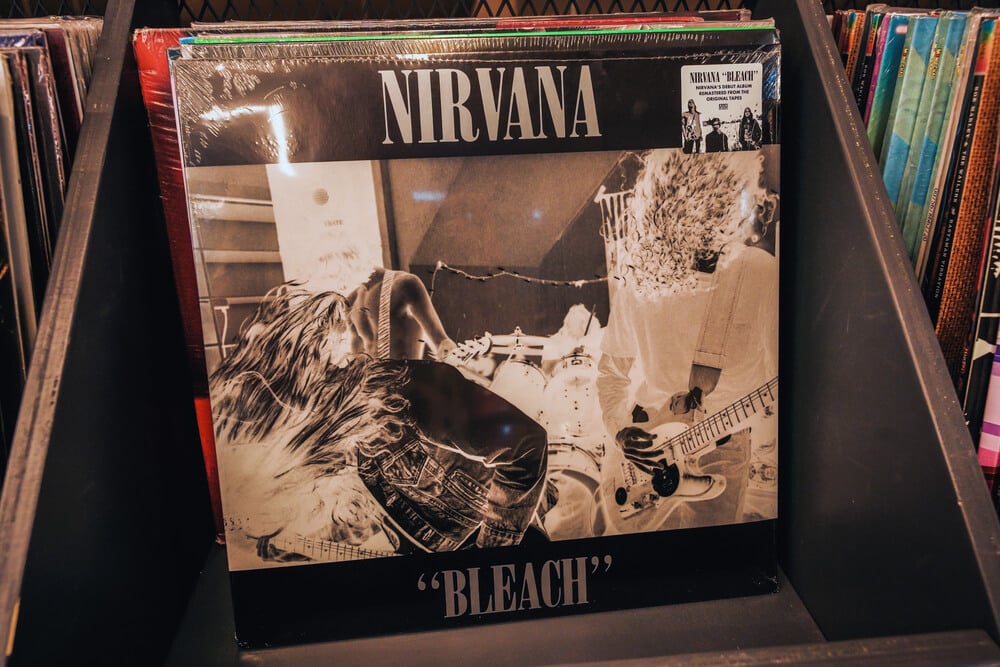
Nirvana’s 1989 debut was released in tiny quantities on the independent Sub Pop label years before the band’s mainstream breakthrough, making original pressings genuinely scarce compared to later reissues. Certain early copies were pressed on colored vinyl in extremely limited runs, and those command a significant premium over the standard black vinyl version; a correctly identified original pressing benefits enormously from the band’s massive later fame, since demand vastly outpaces the tiny original supply.
Elvis Presley, Sun Records Singles
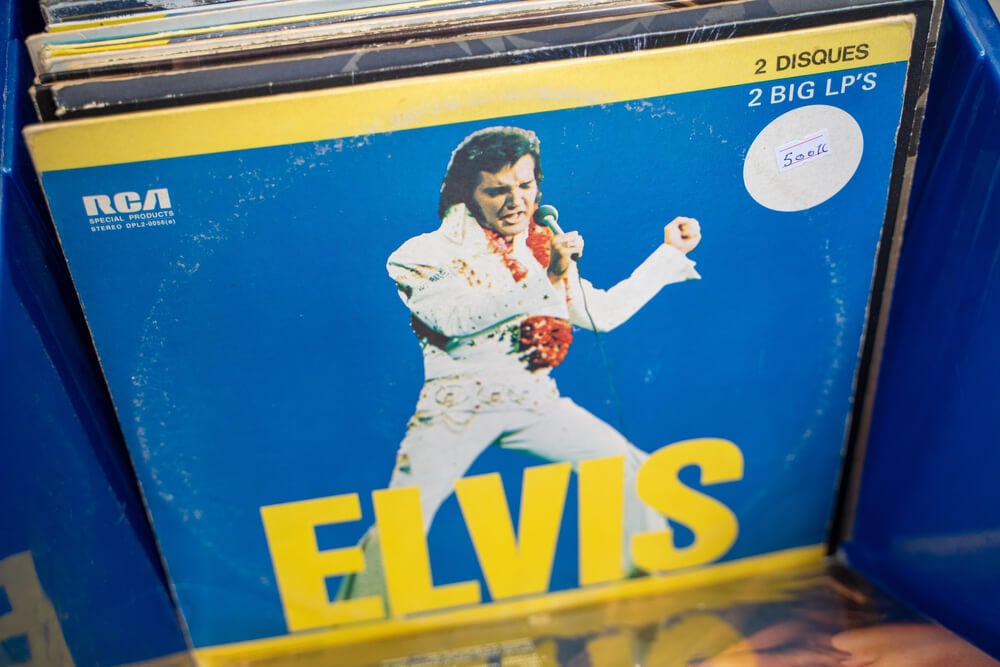
Elvis Presley’s earliest singles, recorded for the independent Sun Records label in Memphis before he signed with RCA, were pressed in far smaller quantities than anything he released afterward. Original Sun pressings, identifiable by the label’s distinctive yellow design, are considered foundational artifacts of early rock and roll rather than simple collectibles; authentication matters enormously here, since these singles have been reissued and counterfeited more than almost any other record from the era.
Michael Jackson, “Thriller” (Original Pressing with Poster)
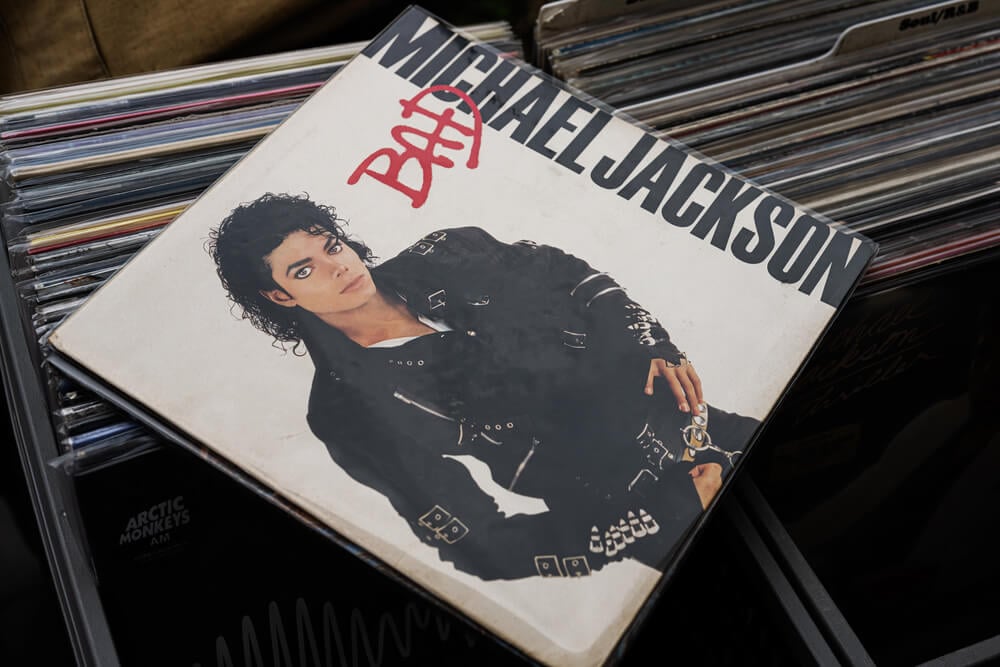
The best-selling album of all time was pressed in such enormous quantities that most copies carry little premium on their own, but original pressings that still include the fold-out poster insert are a different story. The poster was frequently removed and hung on a wall, which makes complete original packaging genuinely harder to find than the record itself; specific early pressing variants with slightly different back-cover text also draw attention from dedicated collectors.
Led Zeppelin, “Led Zeppelin” (Turquoise Lettering, First Pressing)
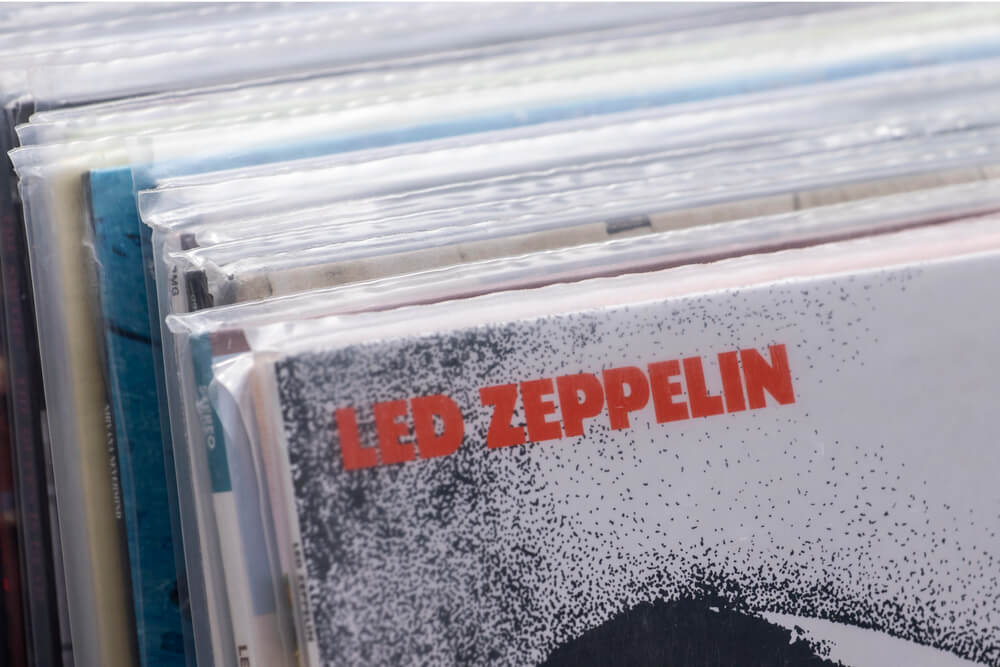
The debut Led Zeppelin album’s earliest pressings used turquoise lettering on the front cover before Atlantic Records switched to orange and yellow text for later runs. This specific color variant is one of the more commonly cited pressing details among classic rock collectors, since it’s identifiable at a glance without needing to check the run-out groove; condition of the cover’s spine and corners plays a major role in value given how heavily this album was played over the decades.
The Rolling Stones, “Their Satanic Majesties Request” (3D Cover)
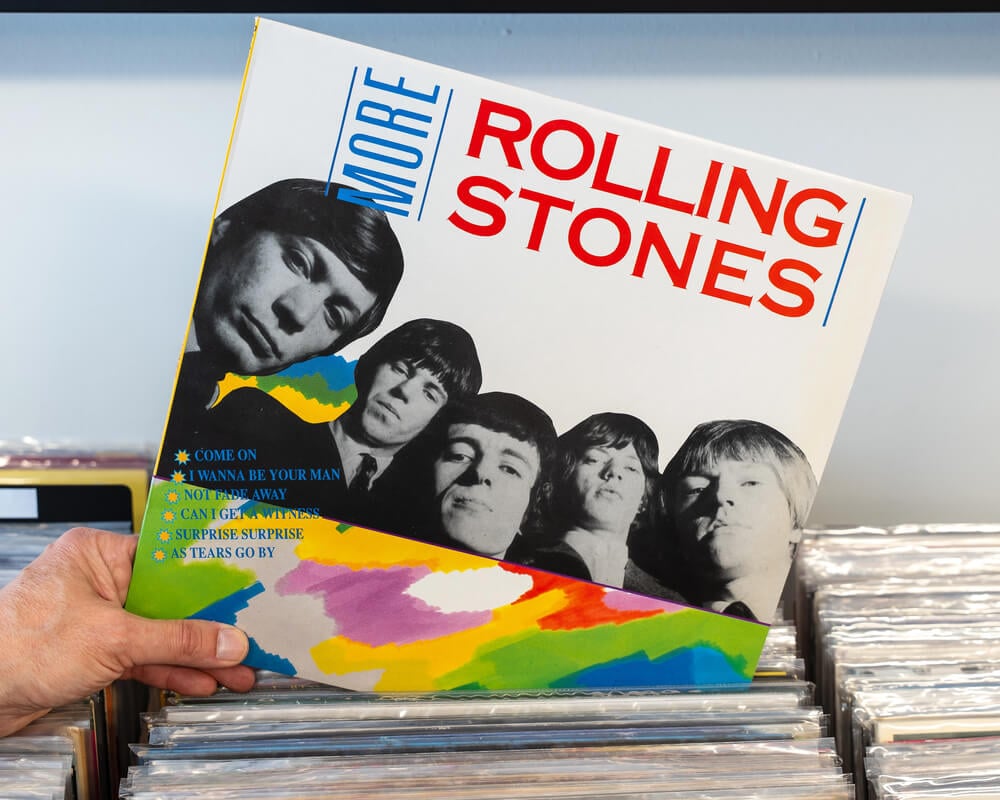
This 1967 album’s original cover featured a lenticular 3D image that shifted when tilted, a printing process expensive enough that later pressings switched to a flat, non-3D version to cut costs. Copies with the fully functional 3D effect intact, rather than a cover that has lost its dimensional quality over time, are what collectors specifically look for; the album’s psychedelic detour from the band’s usual sound has made it a cult favorite independent of its pressing history.
The Beach Boys, “Pet Sounds” (Original Capitol Pressing, Mono)
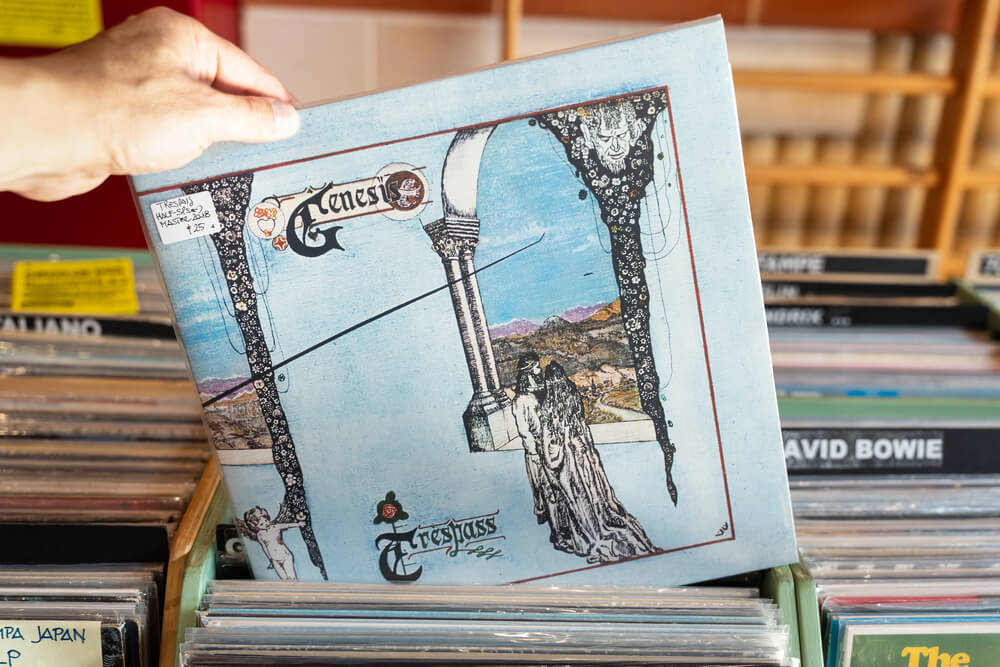
Brian Wilson’s intricate mono mixes for this 1966 album were considered the definitive versions by the band itself, making original mono pressings more desirable to serious collectors than the stereo mix issued around the same time. The album sold modestly at release compared to earlier Beach Boys records, contributing to a smaller original pressing run than its later critical reputation would suggest; a clean original Capitol pressing remains a strong find among pop and rock collectors specifically focused on production history.
David Bowie, “The Man Who Sold the World” (Original UK “Dress” Cover)
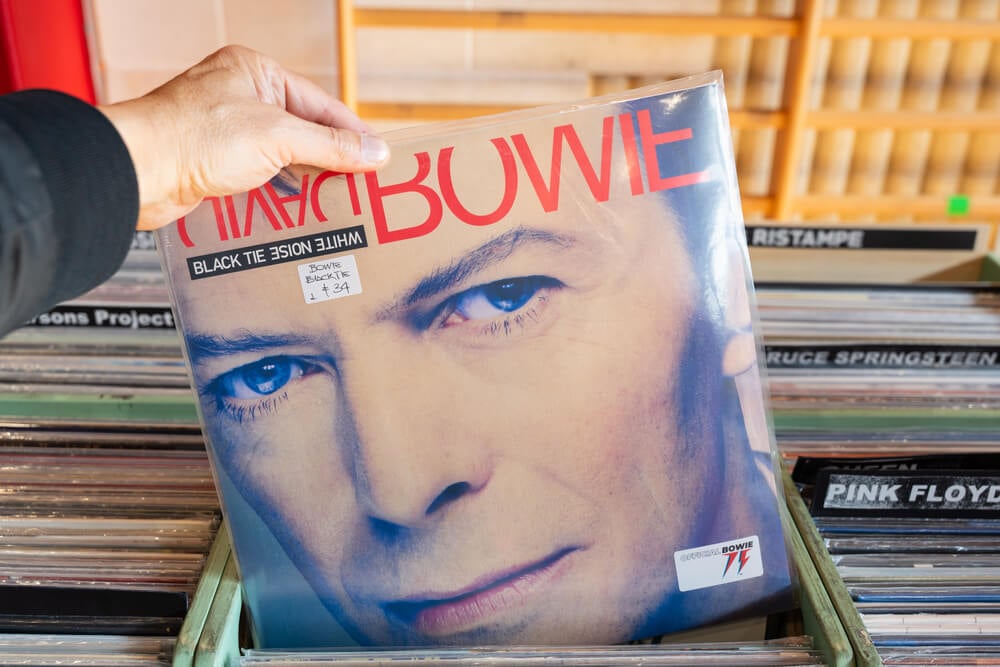
The original UK release of this 1970 album featured Bowie in a flowing dress on the cover, an image the American release replaced entirely with a cartoon illustration due to distributor discomfort. The dress cover version is significantly scarcer in the United States as a result, making an original UK pressing a specific target for Bowie collectors; later reissues sometimes restored the original artwork, so verifying pressing details beyond just the cover image matters for authentication.
Public Enemy, “It Takes a Nation of Millions to Hold Us Back”
This 1988 hip-hop album is considered a genre landmark, and early pressings on the original Def Jam label design are increasingly sought after as hip-hop vinyl collecting has grown into its own dedicated market. The album’s dense, sample-heavy production has made it a reference point cited by producers for decades; original pressings in strong condition have appreciated noticeably as hip-hop’s critical standing has caught up to its commercial success.
Ramones, “Ramones” (Original Sire Pressing)
The Ramones’ 1976 self-titled debut was pressed in a relatively small initial run on Sire Records before the label’s distribution deal with a major label expanded the album’s reach. Original pressings are identifiable through specific label design and catalog number details that separate them from later reissues on different Sire configurations; the album’s stripped-down, high-speed approach is now credited as a founding document of American punk, driving collector demand well past what its modest initial sales would suggest.
Guns N’ Roses, “Appetite for Destruction” (Original Robert Williams Cover)
The first pressing of this 1987 album featured artwork by Robert Williams depicting a robot assailant and a distressed figure, artwork the label withdrew almost immediately after retailers refused to stock it. Geffen Records quickly replaced it with the now-familiar cross-and-skulls artwork, making original covers with the withdrawn image genuinely scarce; a correctly identified original pressing is one of the more valuable hard rock finds from the 1980s.
The Stooges, “The Stooges” (Original Elektra Pressing)
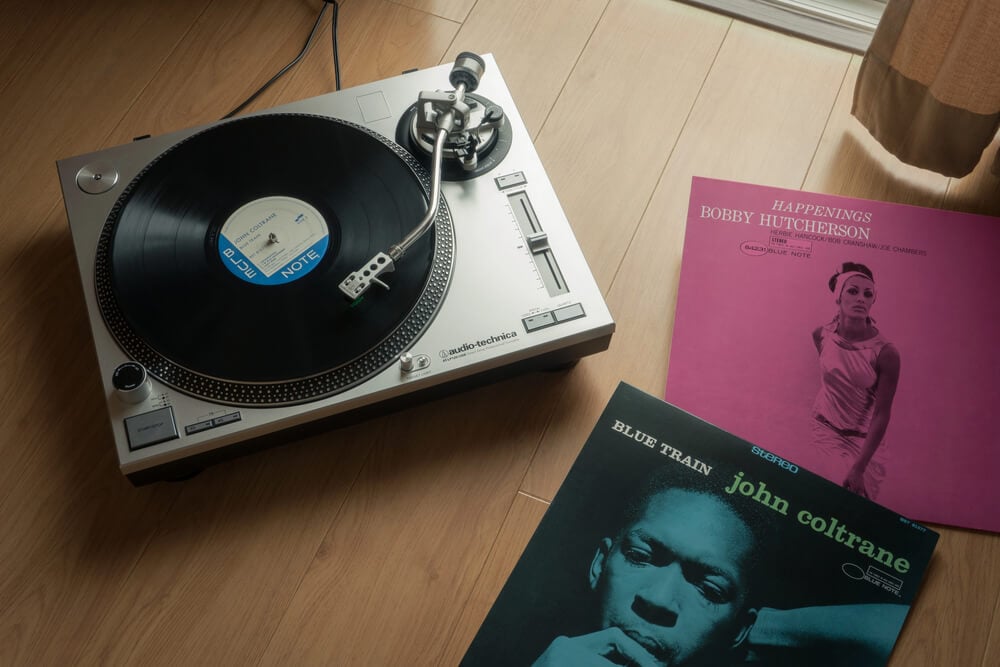
This 1969 proto-punk debut sold poorly on release, leading to a relatively small original pressing run compared to its later, much larger critical reputation. Original Elektra label copies, rather than later reissues on different labels, are what collectors specifically seek out; the album’s influence on punk rock decades after its release has driven steady demand for original pressings despite its commercial failure at the time.
Frank Sinatra, “In the Wee Small Hours” (Original Capitol Pressing)
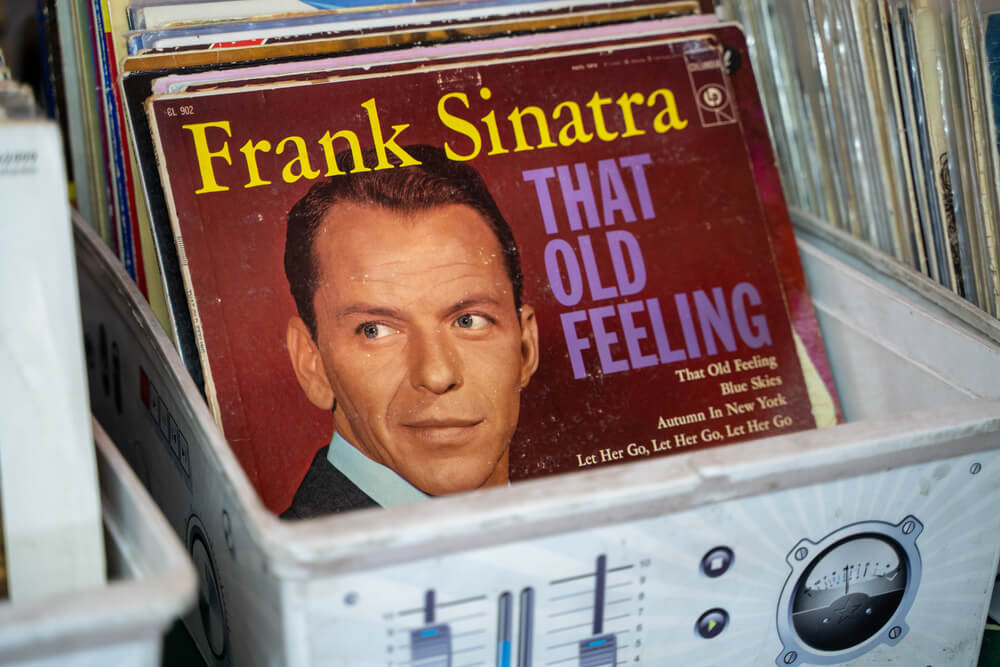
This 1955 concept album, considered one of the first fully realized mood-driven albums in popular music, carries real value in its original Capitol pressing among collectors focused on the birth of the album format itself. Early pressings feature specific label variations that pressing-history collectors track closely; its historical significance as an early example of an album designed as a unified listening experience adds a layer of value beyond typical Sinatra collectibles.
Black Sabbath, “Black Sabbath” (Original Vertigo “Swirl” Label)
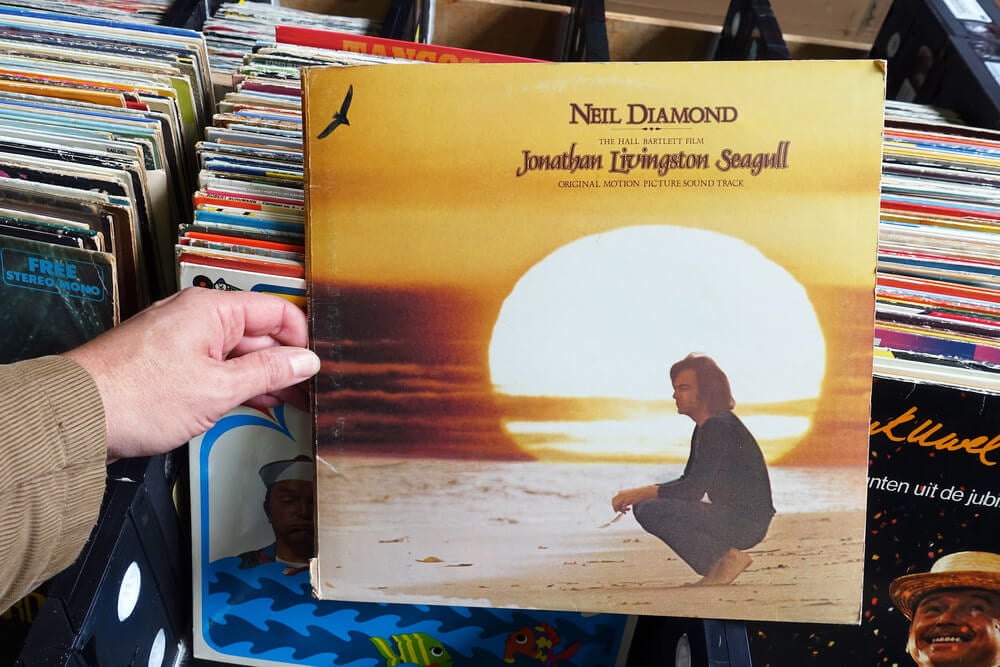
The debut Black Sabbath album’s original UK pressing was released on the Vertigo label’s distinctive spiral “swirl” design, a label variant collectors specifically hunt for over later reissues on different labels. Original copies also included a large inverted cross printed on the inner gatefold, a detail some later pressings altered or removed; the album’s foundational role in heavy metal has kept demand for original pressings consistently strong for decades.
Joy Division, “Unknown Pleasures” (Original Factory Records Pressing)
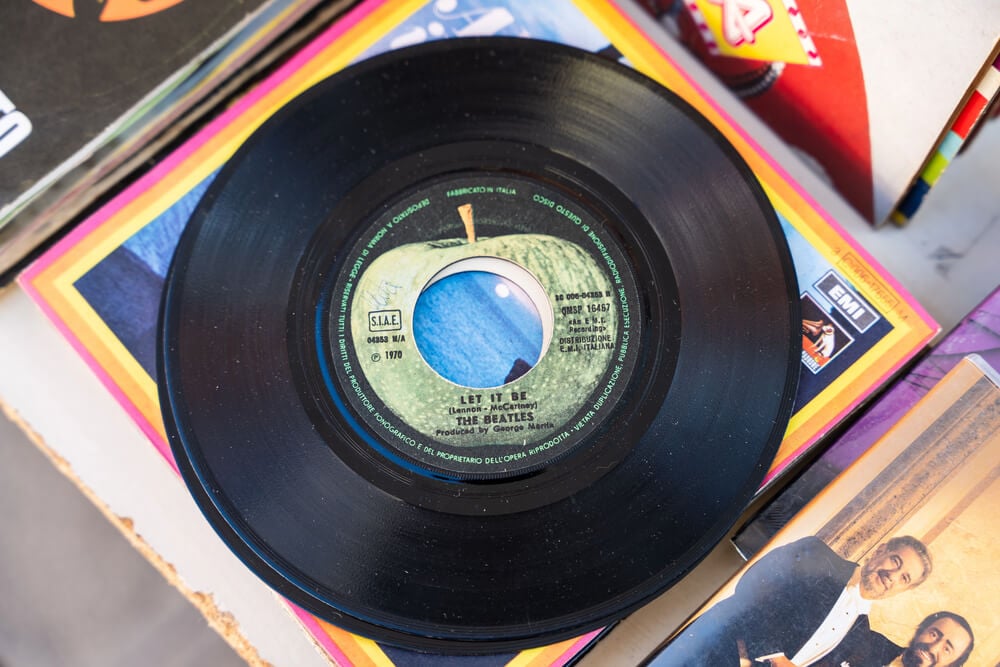
This 1979 post-punk album’s stark, iconic cover art has become one of the most recognizable images in music, and original pressings on the independent Factory Records label carry real value among collectors of the genre. The label’s initial pressing run was modest, reflecting the band’s underground status before later, much broader recognition; specific matrix details in the run-out groove distinguish the earliest pressings from later Factory repressings.
Radiohead, “OK Computer” (Original UK Pressing with Poster Insert)
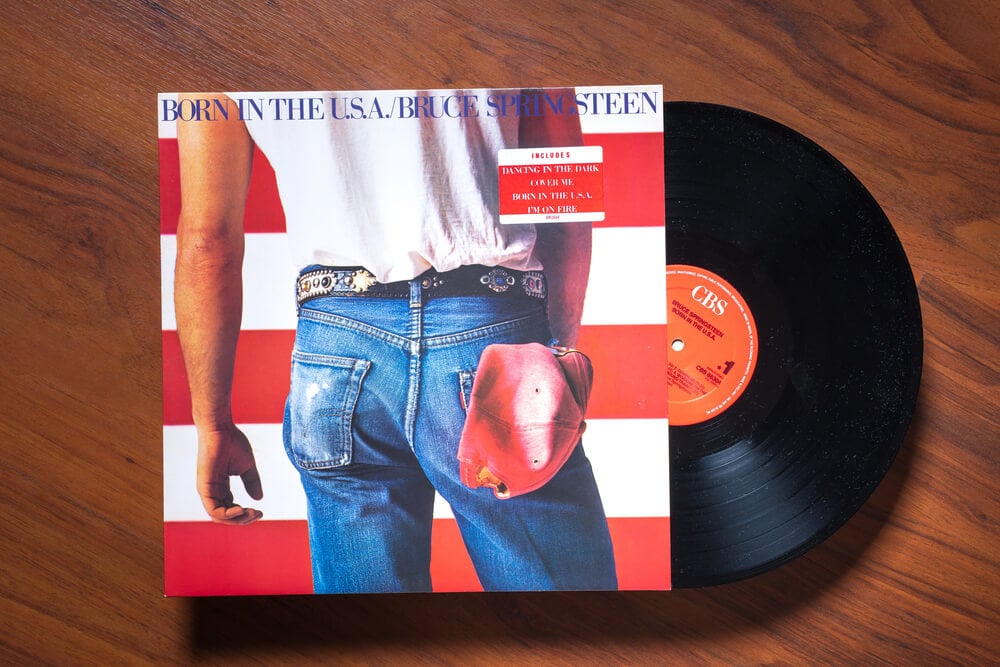
This 1997 album’s original UK vinyl pressing included a fold-out poster and lyric booklet that many surviving copies are now missing after decades of separate storage or display. A complete original pressing with all inserts intact draws a noticeable premium over a bare record and sleeve; the album’s continued critical reputation has kept demand for original vinyl pressings unusually steady compared to other 1990s releases.
Aretha Franklin, “I Never Loved a Man the Way I Love You” (Original Atlantic Pressing)
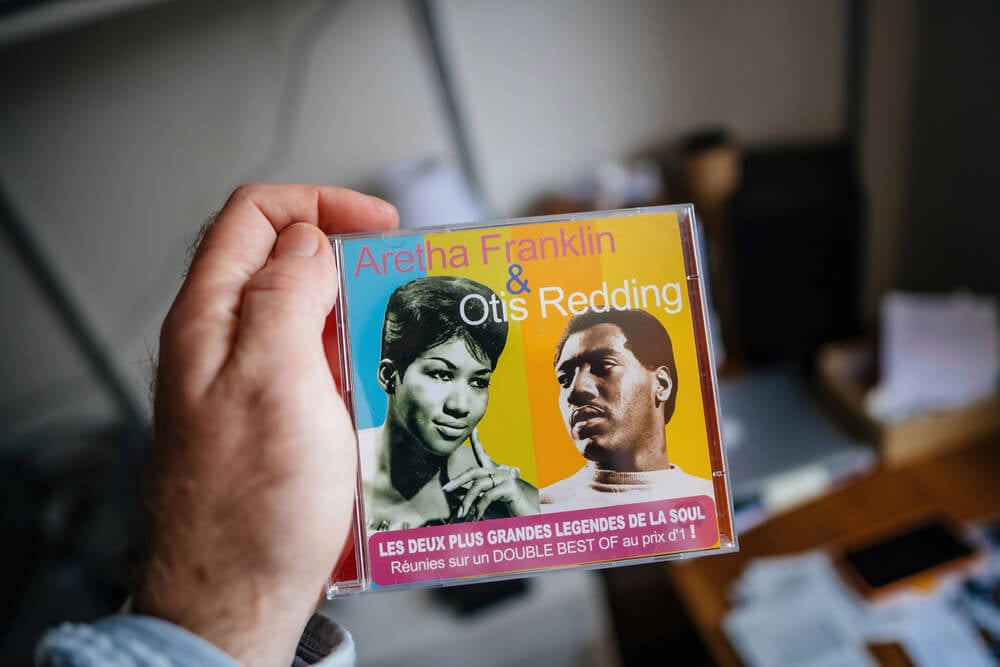
This 1967 album, which established Aretha Franklin’s commercial breakthrough, carries value in its original Atlantic pressing among soul and R&B collectors tracking specific label design variants from the label’s classic era. The album’s title track and several other songs became genre-defining recordings, driving sustained collector interest well beyond casual listeners; condition of the vinyl surface matters significantly given how frequently this album was played on release.
The Who, “My Generation” (Original UK Brunswick Pressing)
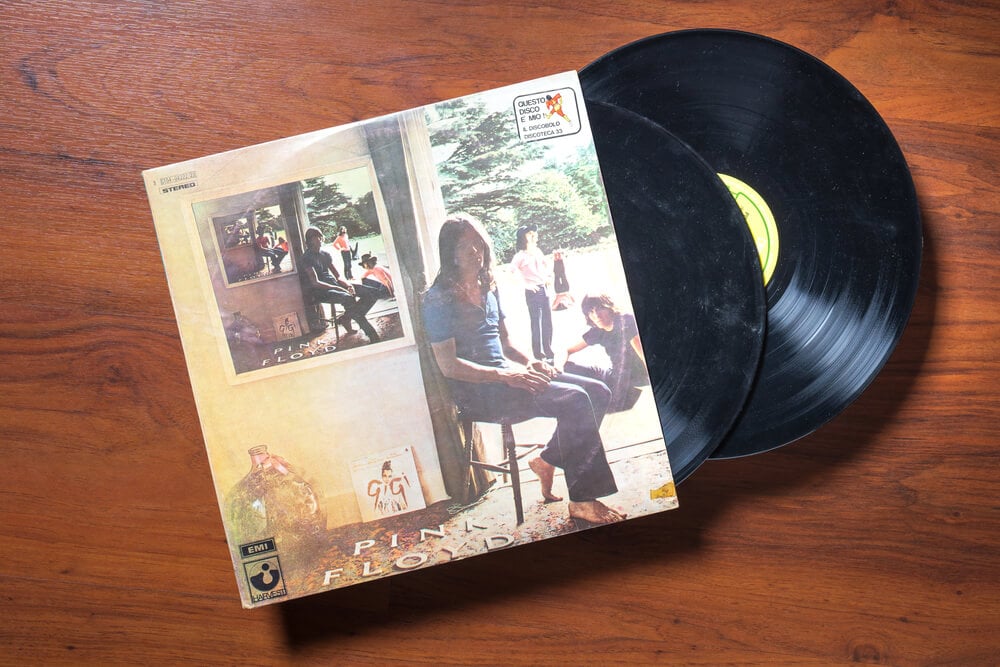
The Who’s 1965 debut was originally released in the UK on the Brunswick label before later reissues moved to different labels entirely, making original Brunswick pressings the specific target for serious collectors. The title track’s aggressive sound and lyrics made the album a touchstone for the mod movement in Britain at the time of release; original UK pressings in strong condition are considerably scarcer than the American version released the same year under a different title.
James Brown, “Live at the Apollo” (Original King Records Pressing)
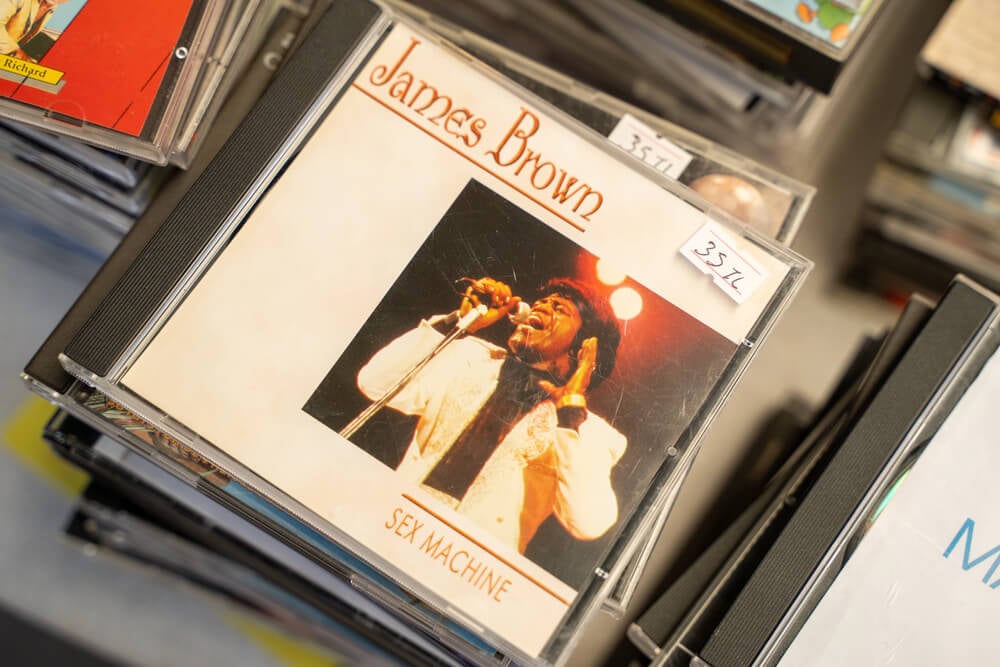
This 1963 live album, recorded at Harlem’s Apollo Theater, was originally released on King Records before the label’s catalog changed hands multiple times over subsequent decades. Original King pressings are prized both for sound quality and for capturing a specific moment in the label’s own history; the album’s commercial success at release, unusual for a live record at the time, means original pressings exist in reasonable numbers but still draw strong collector interest.
Big Star, “#1 Record” (Original Ardent/Stax Pressing)
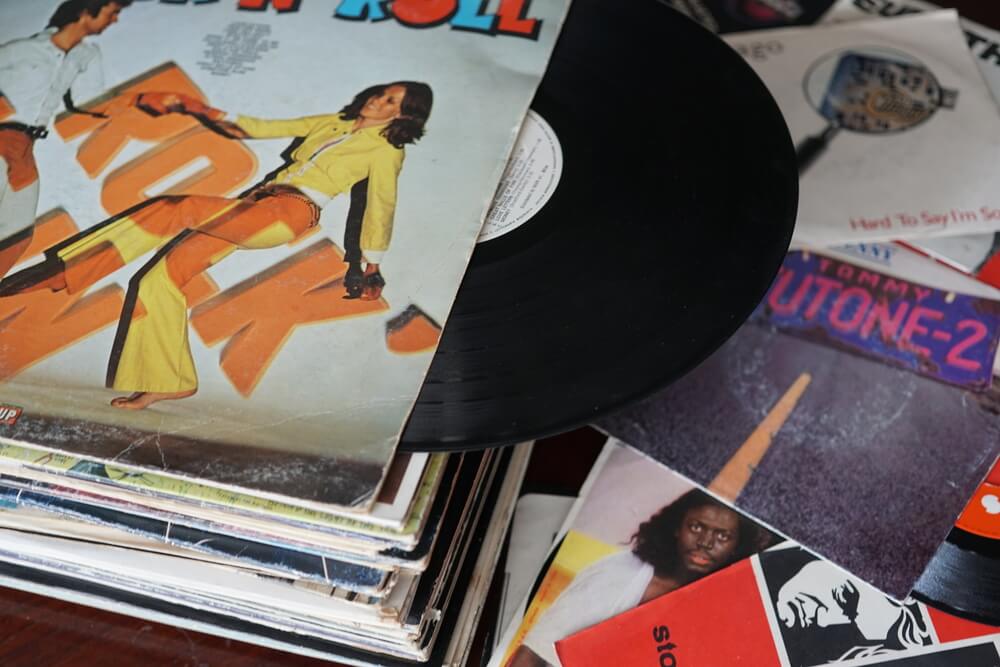
This 1972 power-pop album sold poorly on release due to distribution problems at its original label, resulting in a genuinely small original pressing run despite the record’s later, much larger critical reputation. Original pressings on the Ardent label distributed through Stax are what serious collectors specifically seek; the album’s influence on later alternative and indie rock acts has driven demand for original copies far beyond what its initial commercial performance would suggest.
Minor Threat, “Complete Discography” and Early Dischord Singles
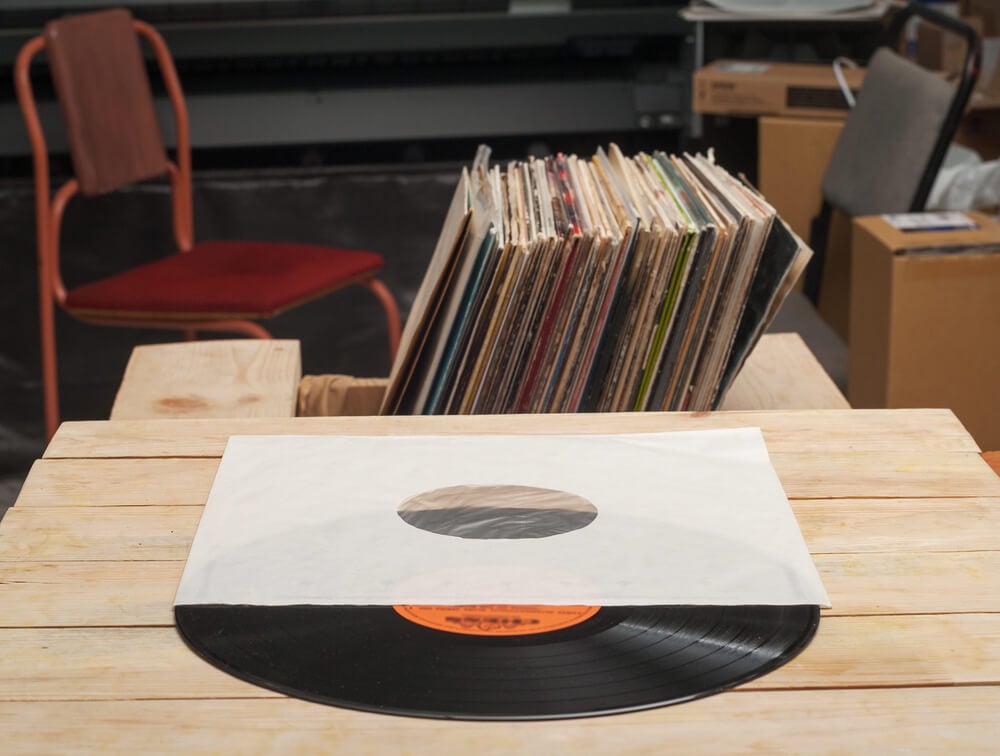
Original 1980s pressings of this hardcore punk band’s early singles on the independent Dischord label are prized among punk collectors for both scarcity and the label’s foundational role in the genre’s do-it-yourself ethos. Early pressing runs were modest, reflecting the underground distribution networks the label relied on at the time; specific early singles, rather than the later compiled discography release, carry the most collector value.
Otis Redding, “Otis Blue” (Original Volt/Atco Pressing)
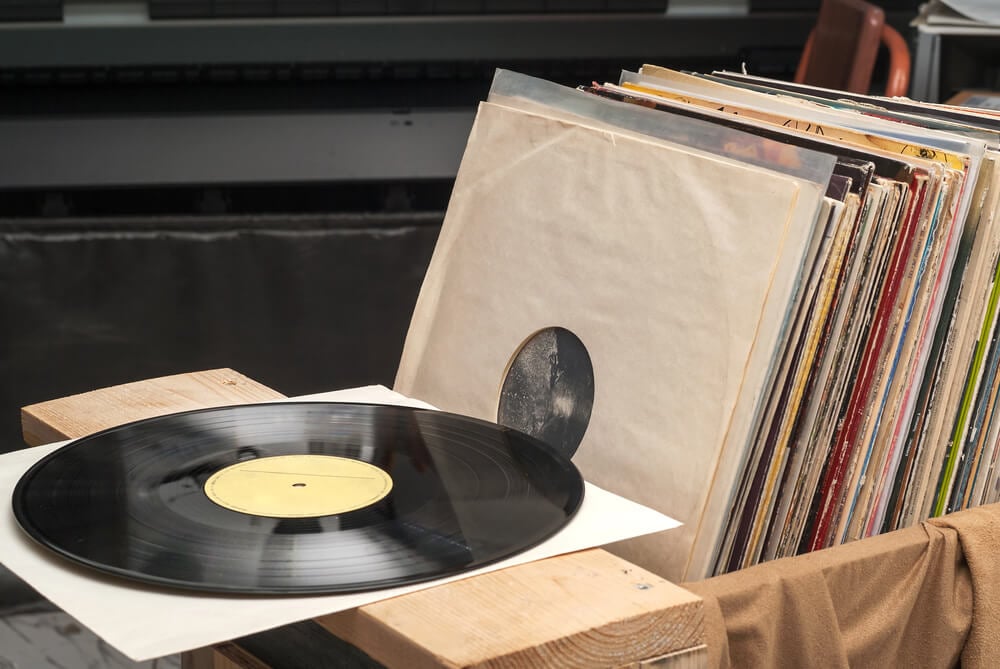
This 1965 soul album’s original pressing on the Volt label, distributed through Atco, is a specific target for collectors tracking the classic Stax and Volt label eras of Southern soul music. The album’s blend of covers and originals has made it a frequently cited reference point in soul music history; original pressings in strong condition remain relatively attainable compared to some other records on this list, but demand has grown steadily as interest in the era’s soul catalog has widened.
The Clash, “London Calling” (Original UK Pressing with Full Insert)
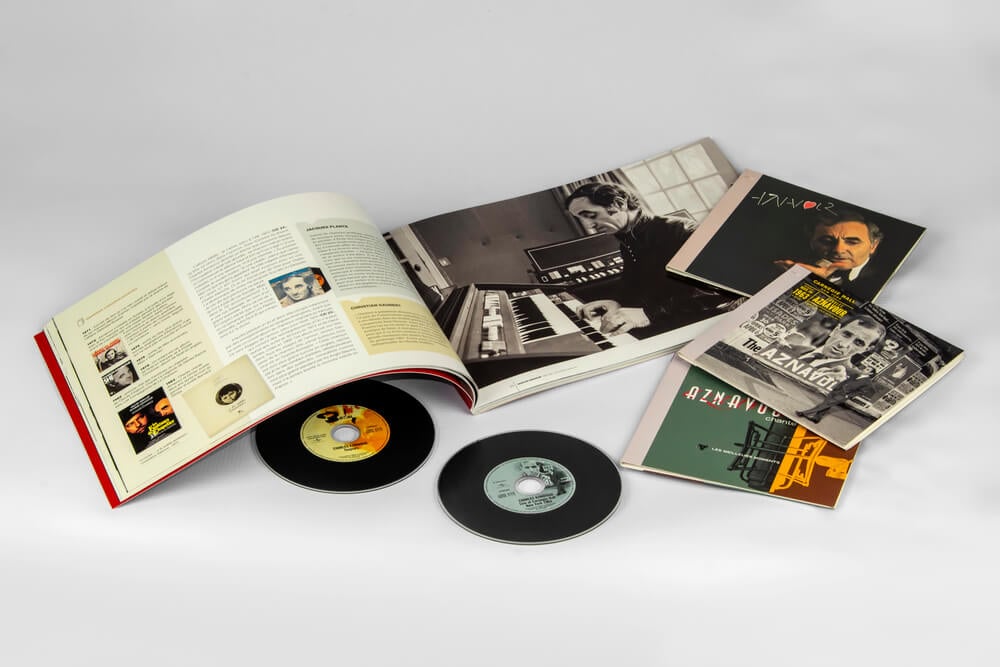
This 1979 double album’s original UK pressing on CBS included a lyric insert that many surviving copies are missing after decades of separate handling. The album’s iconic cover photograph, showing bassist Paul Simonon smashing his instrument onstage, has become one of the most referenced images in rock album art; a complete original UK pressing with insert intact commands a clear premium over a stripped-down copy.
Why the Crate Still Matters
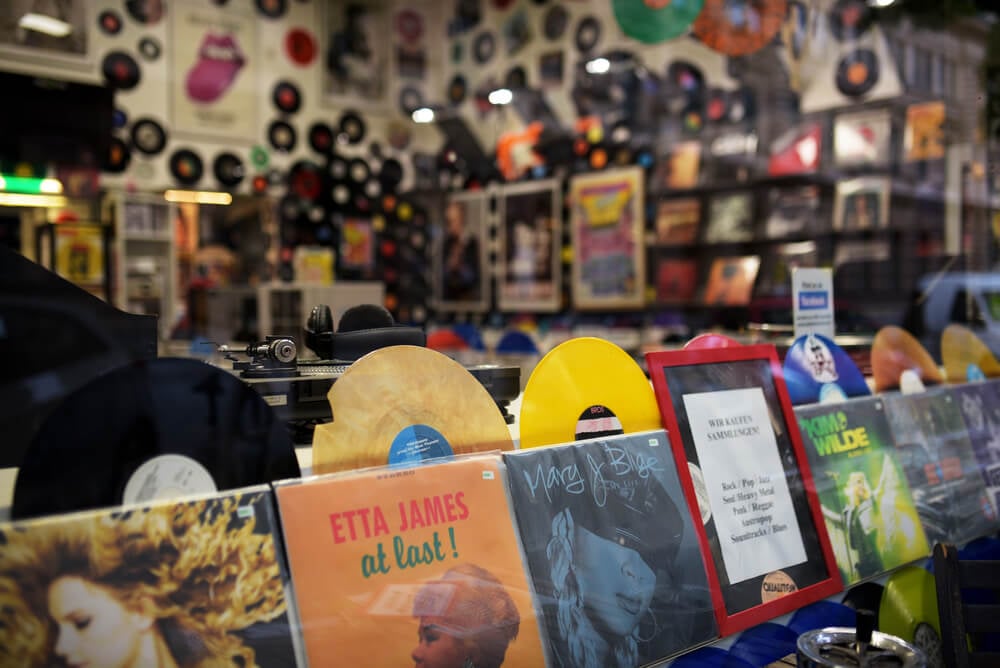
Every record on this list survived the exact conditions that destroy most vinyl: careless storage, direct sunlight, and decades of stacking one sleeve on top of another in a garage that was never climate controlled. What separates a find from a loss usually comes down to whether someone bothered to check the label, the run-out groove, and the year before deciding a record was just another piece of clutter.
That’s also the appeal for the people who still dig through these crates at all. The value isn’t really about the money, though the money is real; it’s about the specific knowledge required to recognize what everyone else walked past. A crate of records looks identical to a collector and a stranger, right up until one of them knows exactly what they’re looking at.
More from Go2Tutors!

- The Romanov Crown Jewels and Their Tragic Fate
- 13 Historical Mysteries That Science Still Can’t Solve
- Famous Hoaxes That Fooled the World for Years
- 15 Child Stars with Tragic Adult Lives
- 16 Famous Jewelry Pieces in History
Like Go2Tutors’s content? Follow us on MSN.