32 Vintage Cookbooks Collectors Track Down by Edition
Cookbook collecting rewards a strange kind of attention to detail. Two copies of the same title can sit at opposite ends of the price scale depending on a single printing detail on the copyright page, a detail most readers would never think to check.
That is the appeal for collectors who specialize in this category. The recipes matter, but the edition matters more, and knowing the difference is what separates a garage-sale find from a genuine acquisition.
The Joy of Cooking, 1931 First Edition

Irma Rombauer self-published the first edition of The Joy of Cooking in a print run of 3,000 copies, and surviving examples are scarce enough to draw serious money from cookbook and general Americana collectors alike. Later commercial editions from Bobbs-Merrill are common and inexpensive by comparison, which makes accurately identifying a true first printing essential before assuming a copy has real value.
Fannie Farmer’s Boston Cooking-School Cook Book Early Printings
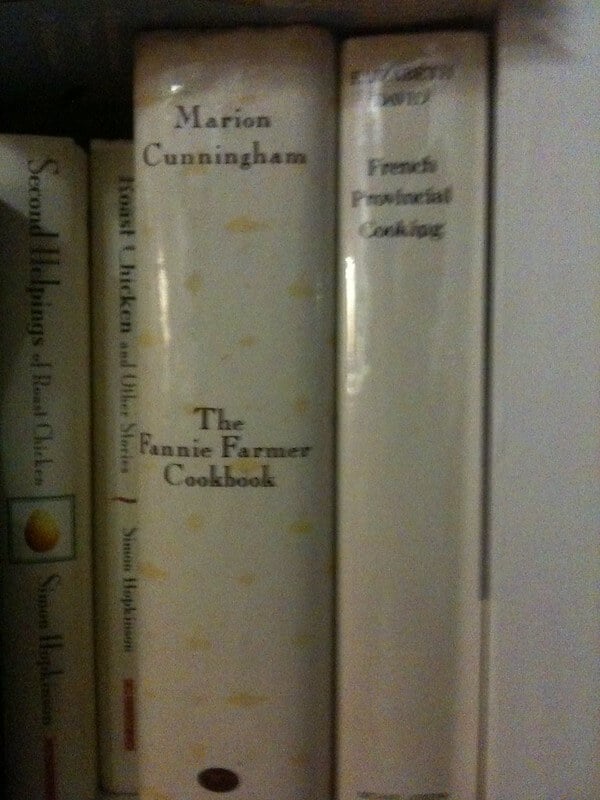
First published in 1896, Fannie Farmer’s cookbook is credited with popularizing standardized measurements in American recipes. Early printings, particularly those from the original Little, Brown editions before later revisions altered the text substantially, are the ones collectors pursue, while mid-century reprints are considered readily available reading copies.
Betty Crocker’s Picture Cook Book, 1950 First Edition
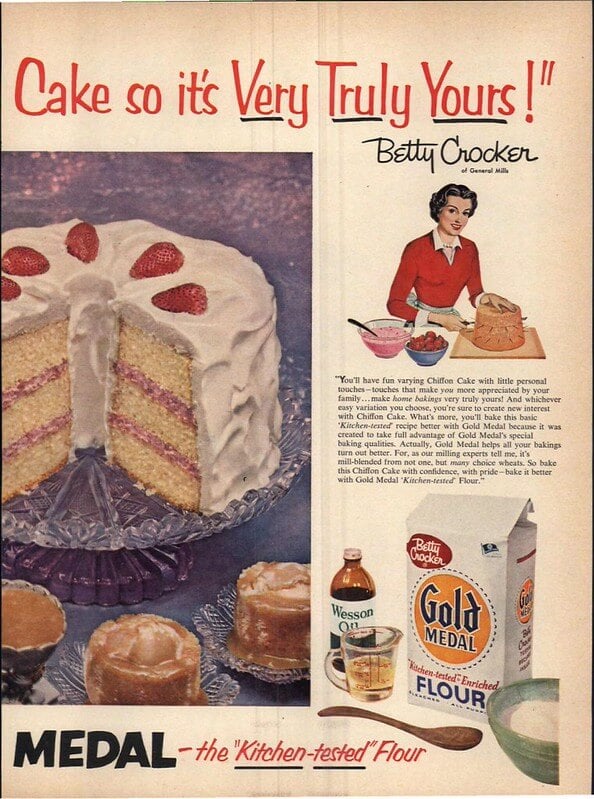
The first edition of Betty Crocker’s Picture Cook Book, published in 1950 with its distinctive red gingham-bound cover, is one of the most recognizable mid-century American cookbooks. First printings with the original binding intact and the color plates undamaged bring considerably more than later book club editions, which used different binding materials.
Julia Child’s Mastering the Art of French Cooking, First Printing
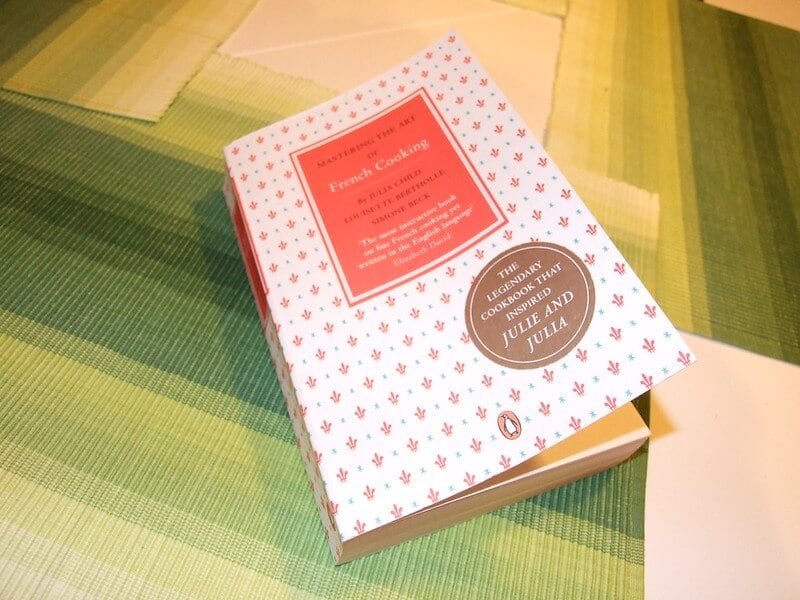
The 1961 first printing of Mastering the Art of French Cooking, co-written with Simone Beck and Louisette Bertholle, is a benchmark title for American culinary collectors. First-state dust jackets, identified by specific printing details rather than the cover art alone, are what separate a valuable first printing from a later, visually similar reprint.
Settlement Cook Book Early Editions
First published in 1901 by Lizzie Kander in Milwaukee to fund a settlement house, the Settlement Cook Book went through dozens of editions over the following decades, with content changing significantly between printings. Collectors track the earliest editions specifically, since the book’s community origins and evolving text make edition identification central to its value.
Charleston Receipts, First Edition
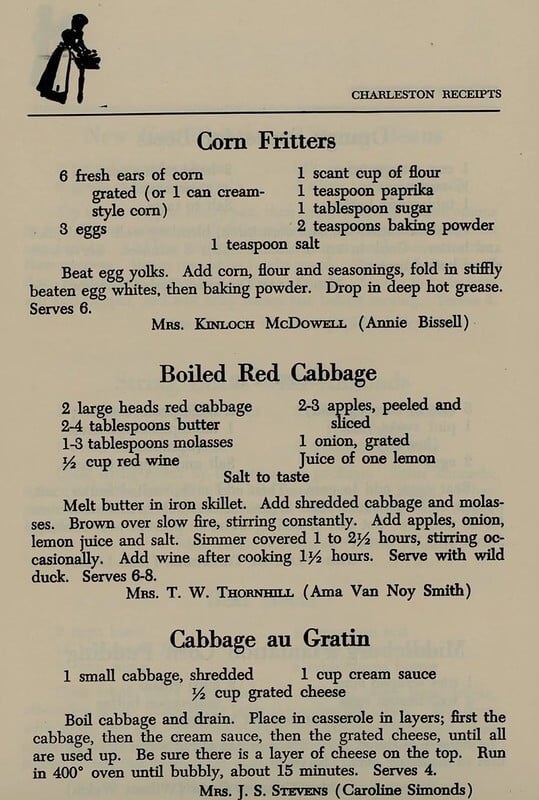
Published in 1950 by the Junior League of Charleston, Charleston Receipts is considered one of the foundational Southern community cookbooks. First editions with the original binding and uncorrected text are collected both for culinary history and as regional Americana, with later Junior League reprintings selling for a fraction of the original’s price.
The Escoffier Cook Book, English Translation First Editions
Auguste Escoffier’s guide to French culinary technique was first translated into English in the 1900s, and early translated editions are collected by professional chefs and culinary historians as much as general book collectors. Because the text has been reprinted many times with varying translations, collectors specifically seek out the earliest authorized English editions rather than modern reissues.
Poppy Cannon’s The Can-Opener Cook Book

Published in 1951, Poppy Cannon’s guide to cooking almost entirely from canned goods is collected today as a document of postwar American convenience culture rather than for its recipes. First editions with the original dust jacket illustration are sought by collectors of mid-century design and food history, and the book’s tongue-in-cheek premium ingredient ratings are a frequent point of interest.
The Gold Cook Book by Louis P. De Gouy
Published in 1947, this large single-volume culinary encyclopedia is collected for its scope as much as its rarity, and first editions with the original gold-stamped binding intact are the ones that command the strongest prices. Because it was reprinted repeatedly with the same cover design, collectors rely on copyright page details to confirm true first printings.
Cross Creek Cookery by Marjorie Kinnan Rawlings
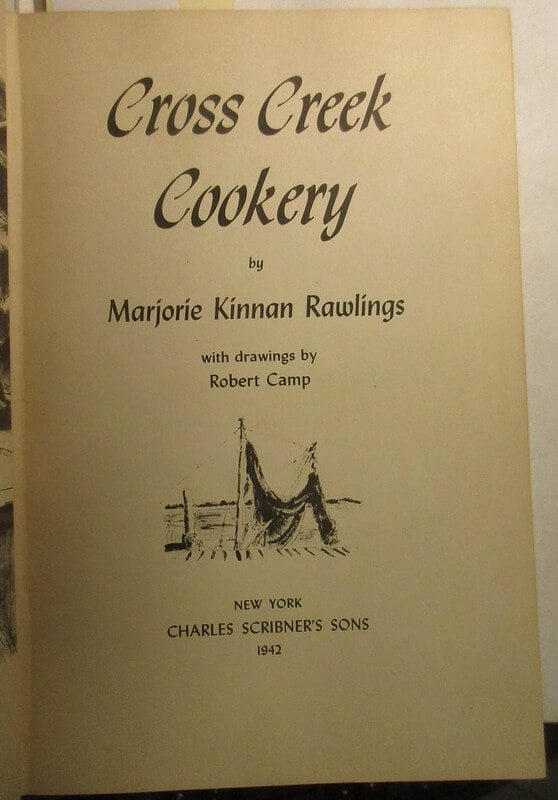
Published in 1942 by the author of The Yearling, Cross Creek Cookery blends Florida frontier recipes with narrative essays, and first editions are collected as much for Rawlings’s literary reputation as for the recipes themselves. Signed first editions, when they surface, sell for substantially more than unsigned copies in similar condition.
The Virginia Housewife by Mary Randolph

First published in 1824, The Virginia Housewife is one of the earliest American regional cookbooks and a foundational text for collectors of pre-Civil War Southern cooking. Original nineteenth-century printings are exceptionally scarce and are typically handled through specialist antiquarian book dealers rather than general estate sales.
The White House Cook Book Early Editions
First published in 1887, The White House Cook Book went through numerous editions and title variations over the following decades, and it was never an official White House publication despite its name. Collectors focus on identifying the earliest printings, which are distinguished from later reprints by specific text and illustration differences documented in cookbook bibliographies.
Larousse Gastronomique English First Edition
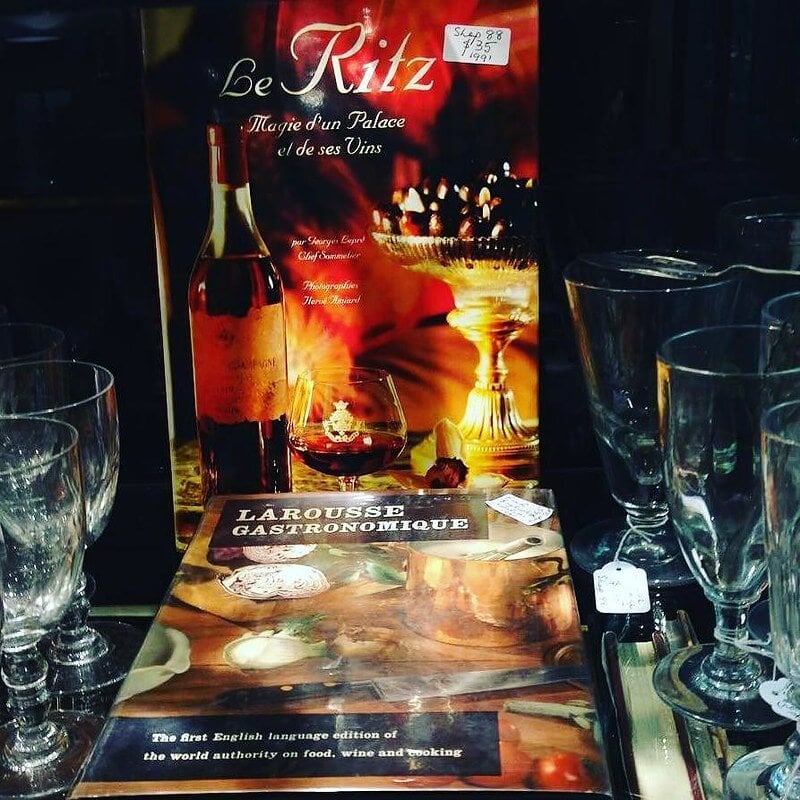
The first English-language edition of the French culinary encyclopedia Larousse Gastronomique, published in 1961, is collected by serious culinary reference collectors for its scope and its role in introducing French technique to English-speaking cooks. Because the book has been revised multiple times since, collectors specifically seek the original translation rather than updated editions.
The Alice B. Toklas Cook Book, First Edition
Published in 1954, this cookbook by Gertrude Stein’s longtime companion mixes recipes with literary memoir, and first editions are collected as much for their connection to the Stein circle as for the food writing itself. The book’s inclusion of a notably unconventional recipe made it a point of cultural conversation at the time of publication, adding to its collectible interest.
Peg Bracken’s The I Hate to Cook Book
Published in 1960, Peg Bracken’s comic cookbook for reluctant cooks became a bestseller, and first editions with the original illustrations by Hilary Knight are collected for their design as much as their humor. The book’s wit made it a cultural touchstone distinct from more earnest mid-century cookbooks, which keeps interest steady among collectors of humor writing.
The Time-Life Foods of the World Series
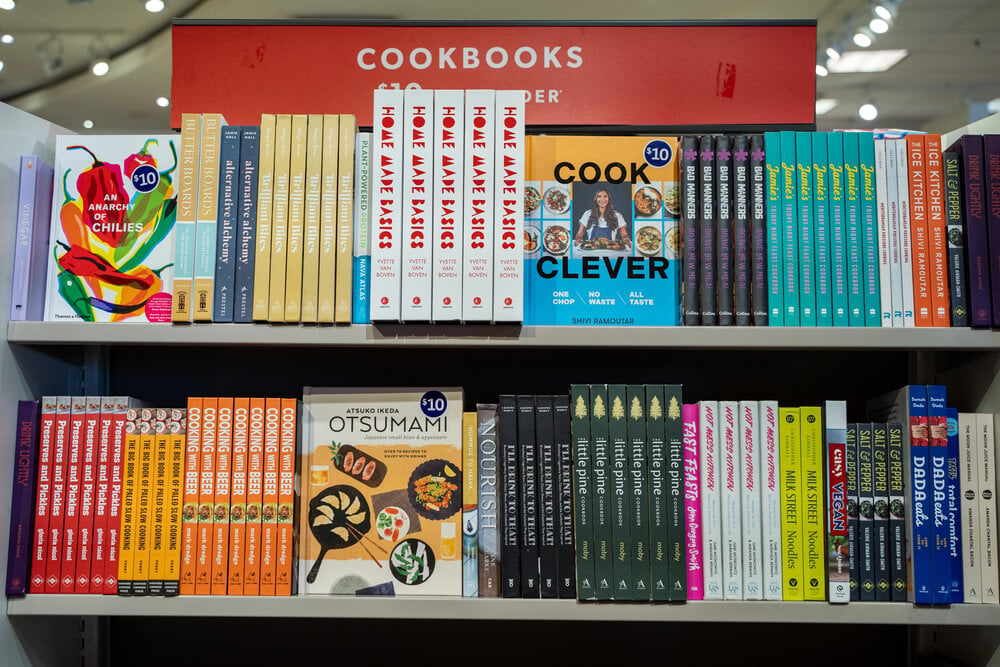
This multi-volume set, published through the 1960s and 1970s, covered global cuisines with dedicated volumes for regions like Provincial France and China. Complete sets in their original slipcases, with the accompanying recipe booklets intact, sell for considerably more than incomplete or individually sold volumes.
Fanny Cradock’s Cookery Books

British television cook Fanny Cradock published numerous cookbooks alongside her broadcasting career, and early editions from the 1950s and 1960s are collected primarily in the United Kingdom. Copies with intact dust jackets featuring her original cover photography bring notably more than reading copies with the jacket missing.
The Presbyterian Cook Book and Early Community Cookbooks

Community and church cookbooks from the late 1800s and early 1900s, often self-published in small print runs to raise funds, are collected as regional culinary history. Because these books were rarely reprinted and often fell apart from kitchen use, surviving copies in readable condition are genuinely uncommon regardless of the specific title.
Craig Claiborne’s The New York Times Cook Book, First Edition
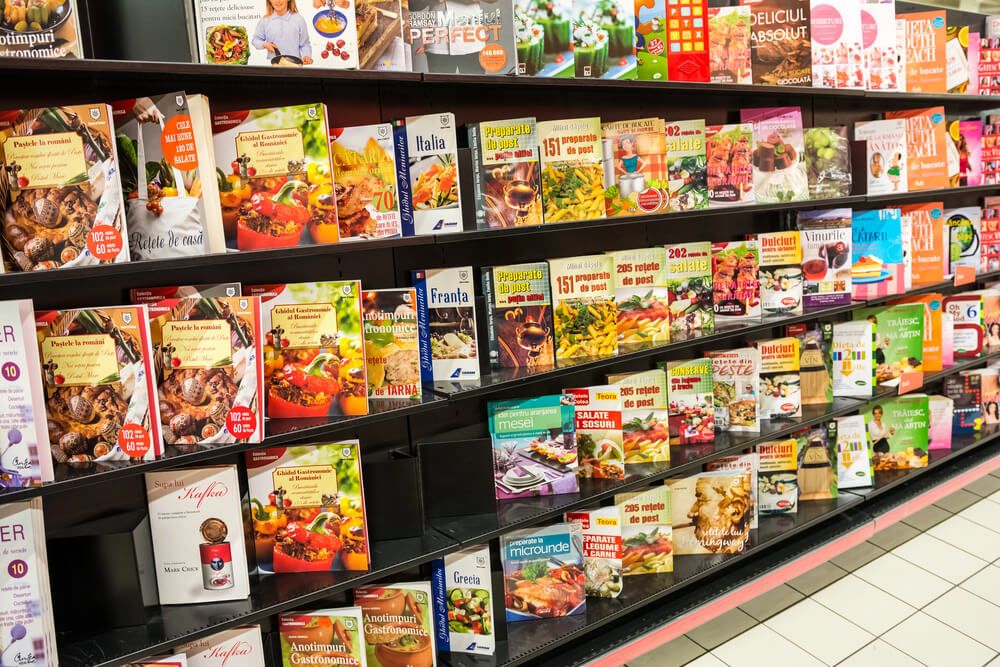
Published in 1961, this collection from the influential Times food editor helped shape American fine dining coverage, and first editions with the original dust jacket are collected by both cookbook specialists and readers of food journalism history. Claiborne’s later revised editions changed enough content that collectors treat the 1961 original as a distinct and more desirable book.
The Boston Cooking School Magazine Bound Volumes
Bound annual volumes of the Boston Cooking School Magazine, a periodical rather than a standalone cookbook, are collected for their advertisements and recipe columns as a window into early twentieth-century American food culture. Complete bound years are considerably scarcer than individual loose issues, which were often discarded after use.
Mrs. Beeton’s Book of Household Management Early Editions
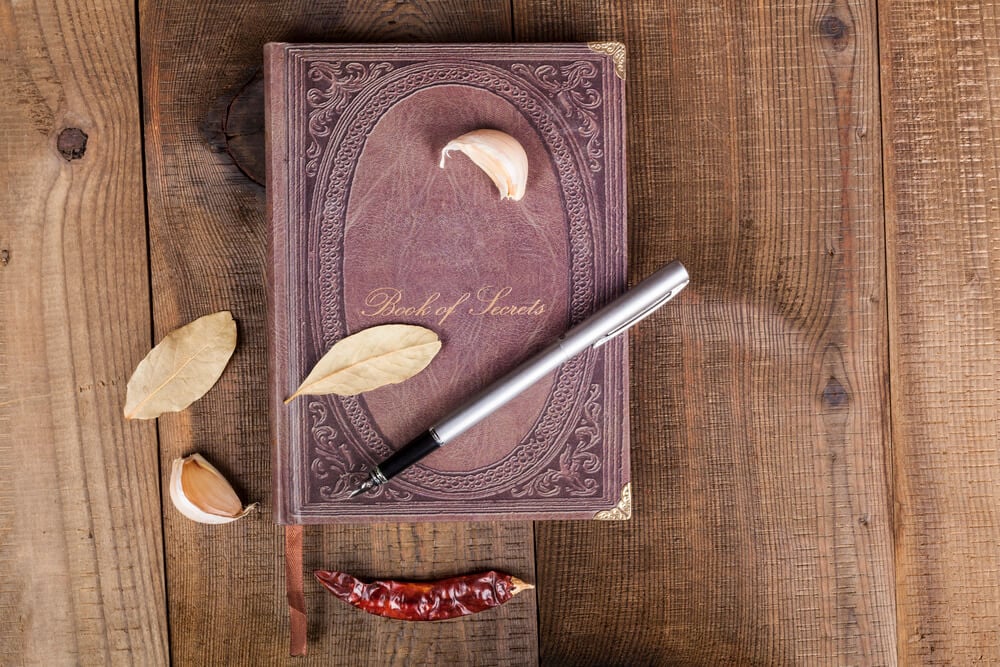
First published in installments beginning in 1859 and as a complete volume in 1861, Isabella Beeton’s guide to Victorian domestic life is a landmark of British cookbook publishing. Early editions with the original engravings and color plates are collected by antiquarian specialists, and the book’s household management sections make it valuable to social historians beyond culinary collectors.
The Star Chefs and Cordon Bleu Instructional Series
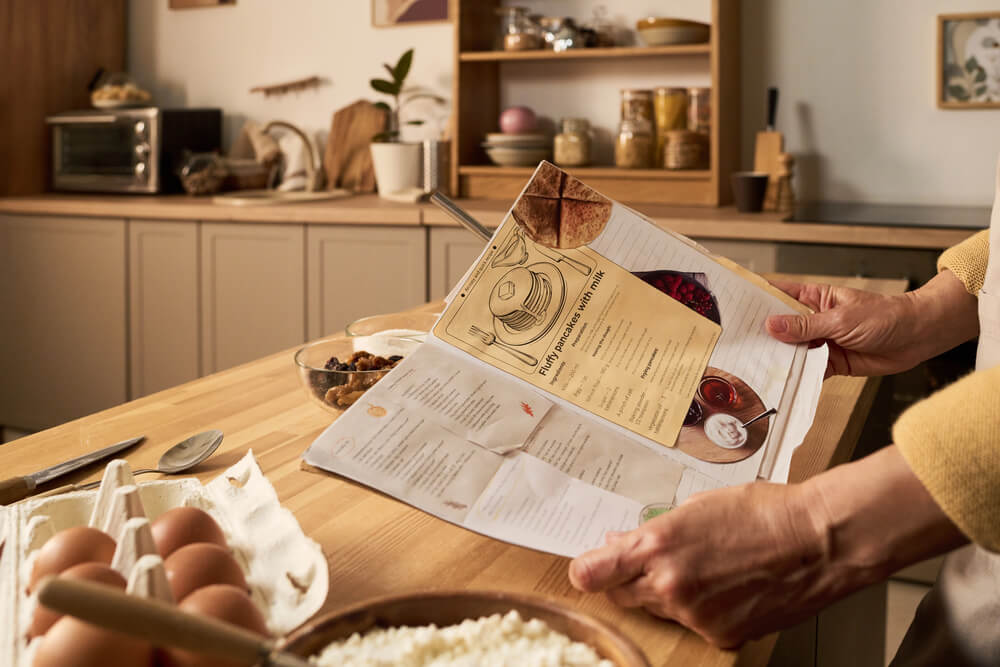
Instructional cookbook sets published by culinary schools and professional chef associations in the mid-twentieth century are collected by working chefs and culinary historians for their technical detail. Complete multi-volume sets, rather than single volumes, are what drive the strongest prices in this category.
Edna Lewis’s The Taste of Country Cooking, First Edition
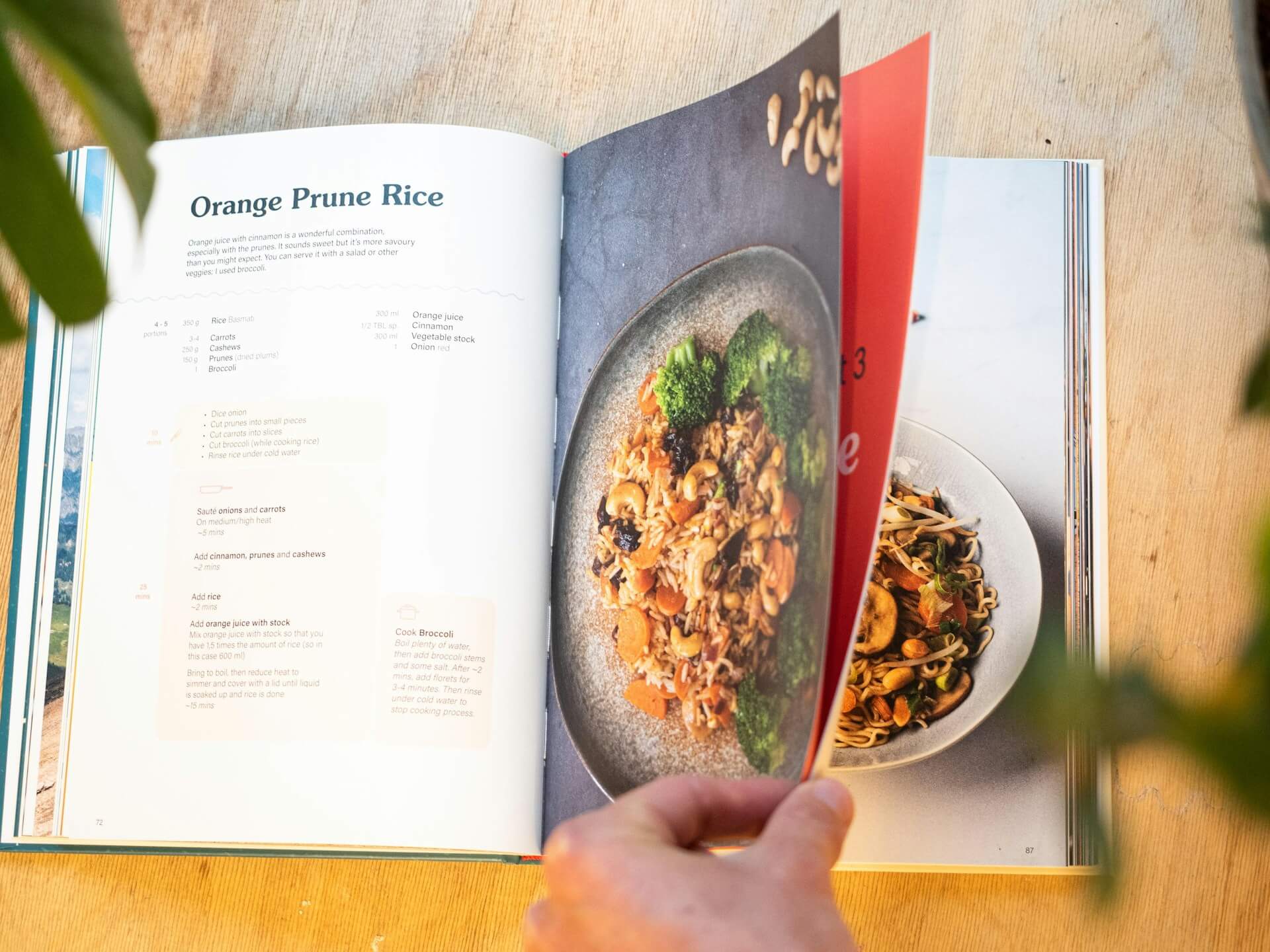
Published in 1976, Edna Lewis’s memoir-cookbook about her Virginia farming community is now recognized as a foundational text in American culinary literature, and first editions have risen sharply in value as her broader influence on American cooking has been more widely acknowledged. Signed copies from author events are especially sought after.
The Silver Palate Cookbook, First Edition
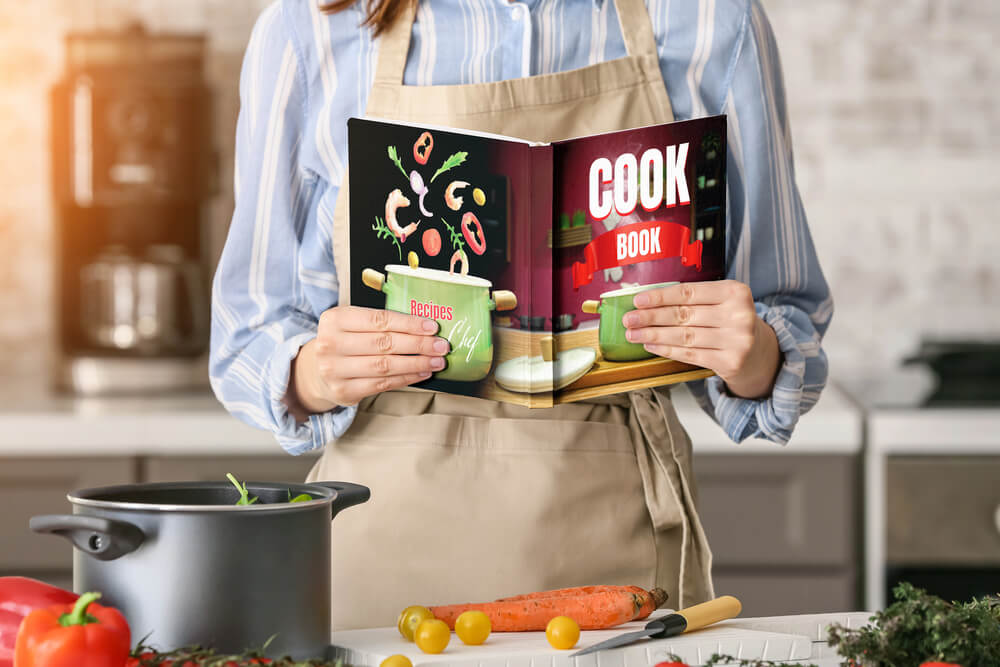
Published in 1982 by Julee Rosso and Sheila Lukins, The Silver Palate Cookbook helped define a particular style of 1980s American entertaining, and first printings with the original cover design are collected primarily by readers with a personal connection to that era of home cooking. Later book club editions are common and priced accordingly lower.
The Picayune’s Creole Cook Book Early Editions

First published in 1900 by the New Orleans newspaper the Times-Picayune, this cookbook is a foundational document of Creole cuisine, and early twentieth-century printings are collected by regional food historians. Because the book went through many editions with varying content, collectors cross-reference specific recipes to confirm a copy’s printing date.
The Cordon Bleu Cook Book by Dione Lucas

Published in 1947, this cookbook by the first woman to earn a Grand Diplome from Paris’s Cordon Bleu school introduced French technique to American home cooks well before Julia Child’s later work. First editions are collected both for their content and for Lucas’s underrecognized role in American culinary history.
Adelle Davis’s Let’s Cook It Right
Published in 1947, this cookbook by nutrition writer Adelle Davis promoted whole-food cooking well ahead of the health-food movement it is now credited with anticipating. First editions are collected by readers interested in the history of American nutrition writing as much as by cookbook specialists.
The Gourmet Cookbook, First Edition Volumes
Published by Gourmet magazine in 1950 as a two-volume set, The Gourmet Cookbook compiled decades of the magazine’s recipes into a single reference. Complete matched first-edition sets, particularly with intact dust jackets, are considerably more valuable than mismatched or later single-volume abridgments.
Marion Cunningham’s Revised Fannie Farmer Cookbook

Marion Cunningham’s 1979 revision of the Fannie Farmer Cookbook updated the classic text for a new generation of cooks, and first editions of her revision are collected as a distinct milestone separate from the original nineteenth-century text. Signed copies from Cunningham’s public appearances carry a meaningful premium.
The Blue Grass Cook Book Early Editions
First published in 1904 and compiled by Minnie C. Fox, The Blue Grass Cook Book documents Kentucky regional cooking of the period, including detailed accounts from cooks whose contributions were credited by name, which was unusual for the era. Early editions are collected both for their recipes and for their documentary value.
The James Beard Cookbook, First Edition
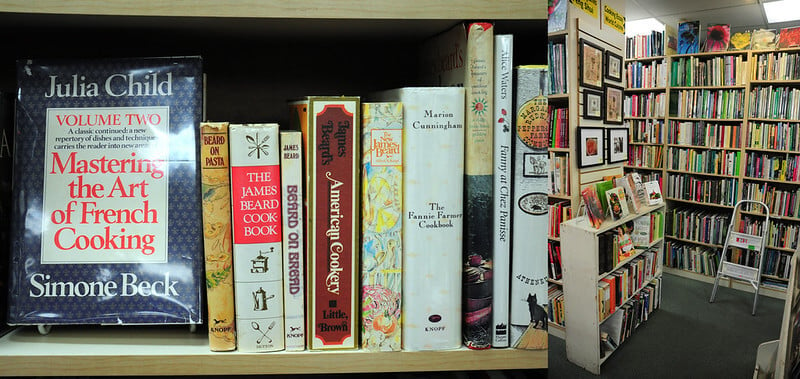
Published in 1959, this early collection from the chef and writer who would later lend his name to American culinary awards is collected as a foundation stone of his broader body of work. First printings with the original cover art are notably scarcer than his later, more widely reprinted titles.
Regional Junior League and Charity Cookbooks Generally
Beyond specific well-known titles like Charleston Receipts, thousands of regional Junior League and charity cookbooks were self-published across the United States through the twentieth century, most in small, uncounted print runs. Collectors specializing in a specific state or region often find these harder to track down than nationally distributed titles, simply because so few records exist of how many copies were made.
Reading the Copyright Page
None of this collecting makes sense without the copyright page, which is where a book quietly tells the truth about itself. A cover can be reprinted identically for decades, but the string of printing numbers, the publisher’s imprint, and the stated edition on that single page are what separate a valuable original from a book that only looks like one.
That gap between appearance and fact is really what cookbook collecting is about. The recipes rarely change from one printing to the next, but the object does, and it is the object, not the food, that collectors are ultimately paying for.
More from Go2Tutors!

- The Romanov Crown Jewels and Their Tragic Fate
- 13 Historical Mysteries That Science Still Can’t Solve
- Famous Hoaxes That Fooled the World for Years
- 15 Child Stars with Tragic Adult Lives
- 16 Famous Jewelry Pieces in History
Like Go2Tutors’s content? Follow us on MSN.