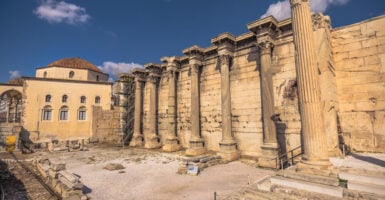
29 Materials That Built Ancient Structures
Long before steel beams and reinforced concrete, builders worked with whatever the local landscape offered. Some of those choices turned out to be so effective that structures made from them are still standing thousands of years later, outlasting empires, climates, and the people who quarried them.
What follows is a tour through the raw materials that shaped the ancient world, from stones cut with copper tools to plaster mixed with volcanic ash.
Limestone
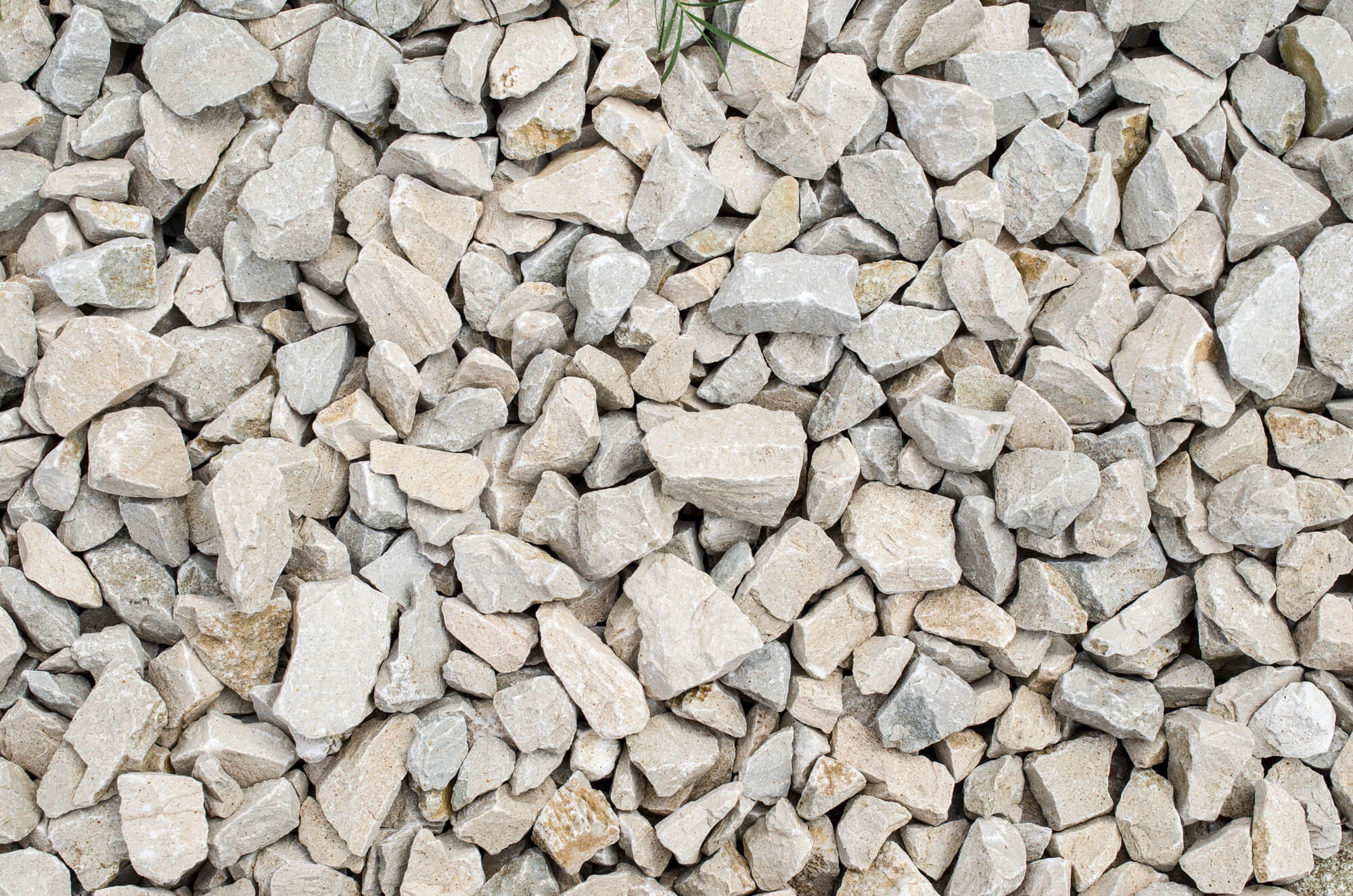
Soft enough to carve with copper and bronze tools yet durable enough to survive millennia, limestone was the material of choice for the Great Pyramid of Giza’s core blocks and its now-vanished outer casing. Egyptian quarry workers cut the stone using wooden wedges soaked in water, which expanded to split blocks along natural fault lines, a method requiring no metal tools sharp enough to cut the rock directly.
Granite

Because it resists weathering better than almost any other building stone, granite was reserved for the parts of ancient structures meant to last forever: sarcophagi, obelisks, and the interior chambers of pyramids. Egyptian workers transported granite from quarries at Aswan, some blocks weighing over 80 tons, floating them down the Nile on barges during the annual flood season when water levels rose closest to the quarry edge.
Sandstone
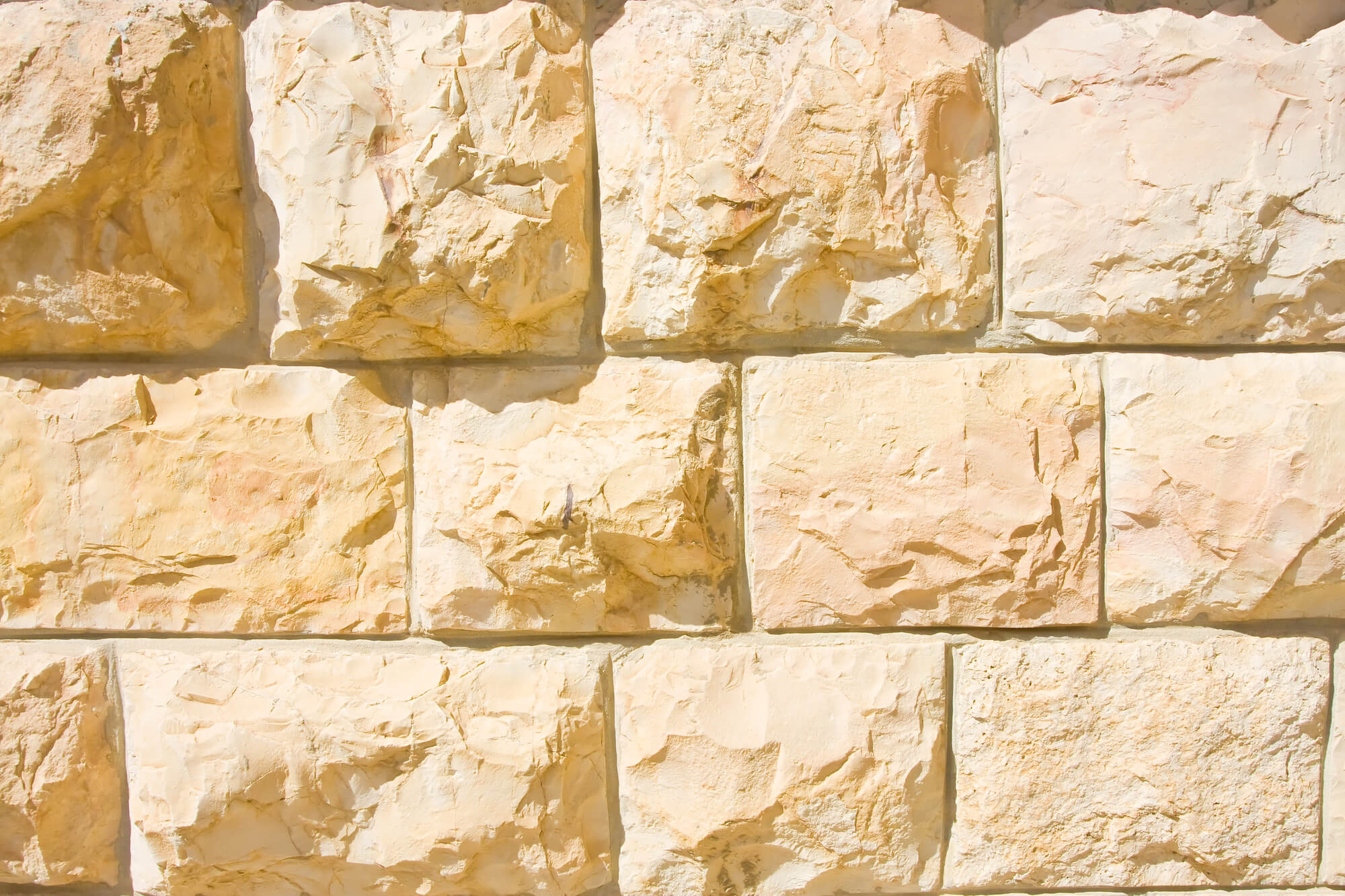
Sandstone’s relative softness made it easier to carve elaborate relief work, which is why temples like Angkor Wat in Cambodia and the rock-cut sanctuaries of Petra in Jordan relied on it heavily. The trade-off was durability: sandstone erodes faster than granite or limestone, and many sandstone monuments show centuries of wind and water damage that harder stones would have resisted.
Marble
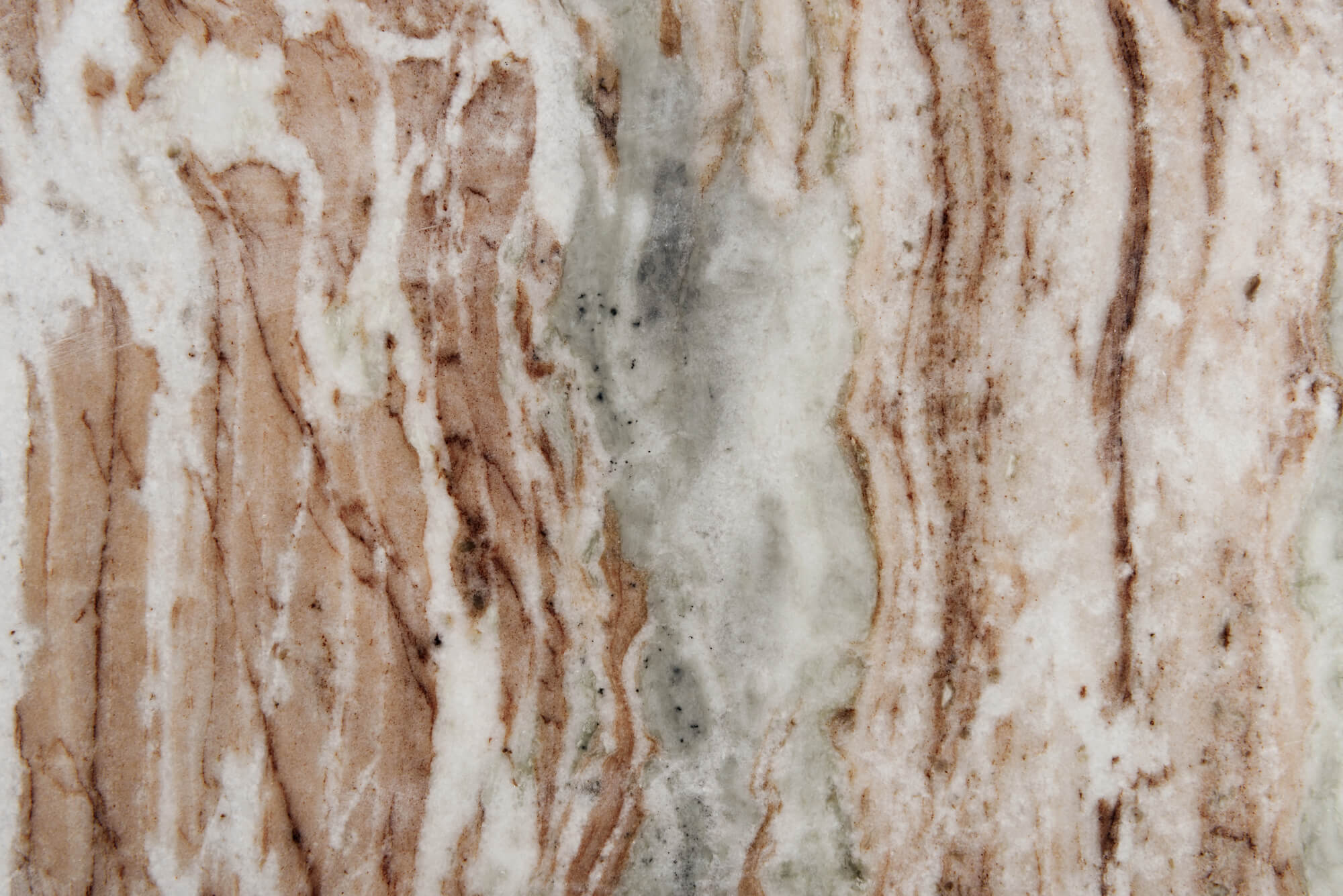
Prized for its brightness and the way it could be polished to an almost translucent finish, marble became the signature material of classical Greek and Roman architecture, most famously in the Parthenon. Pentelic marble from quarries near Athens contains trace iron that oxidizes over time, which is why the Parthenon’s surface has weathered to a honey color rather than staying pure white.
Mudbrick
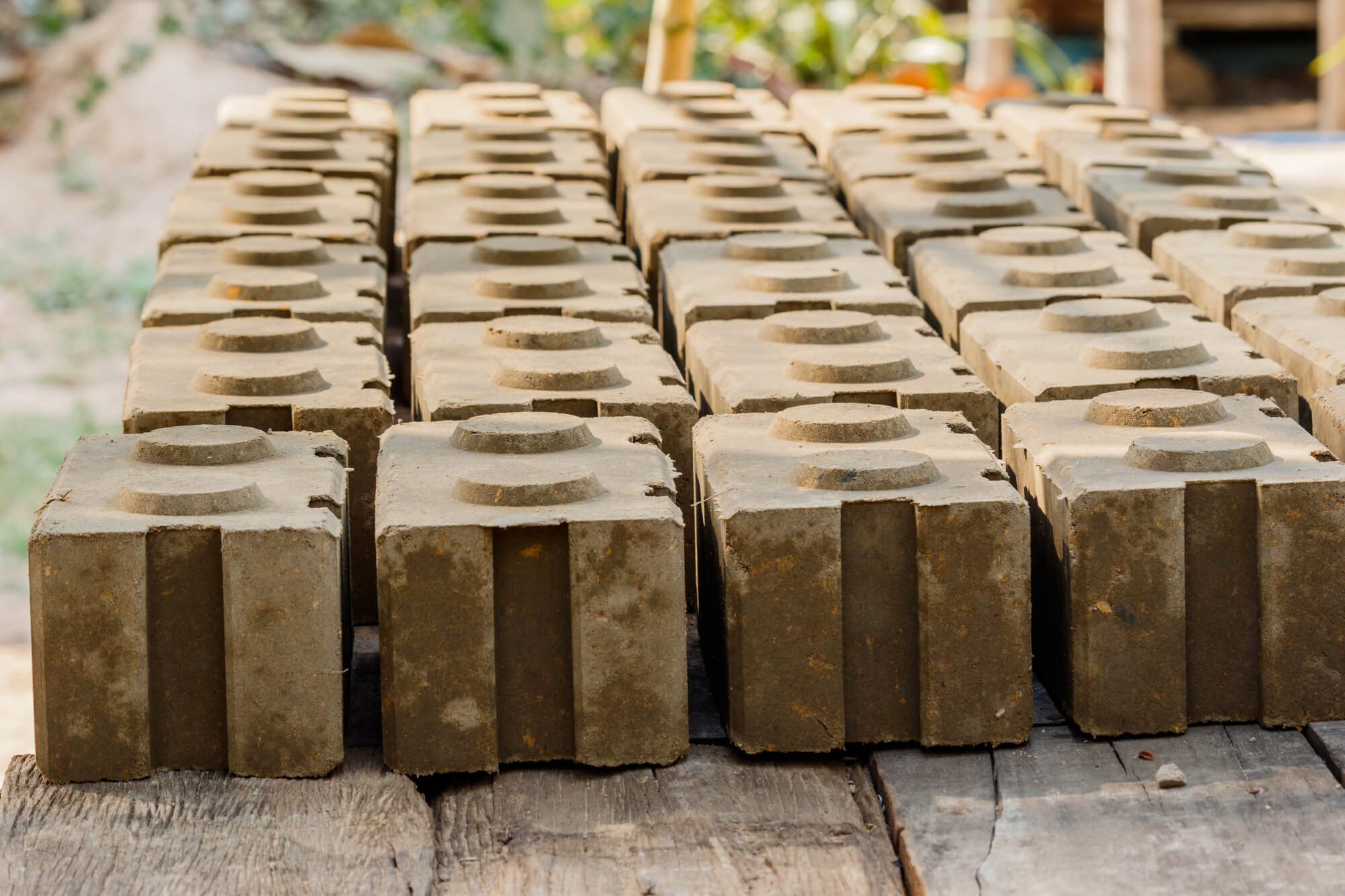
Formed from clay, sand, and straw, then dried in the sun rather than fired, mudbrick was cheap, fast to produce, and used across Mesopotamia, ancient Egypt, and the Indus Valley for everything from city walls to houses. Its weakness was water: without regular maintenance and replastering, mudbrick structures dissolve back into the earth, which is why so few complete mudbrick cities survive compared to stone ones.
Fired Clay Brick
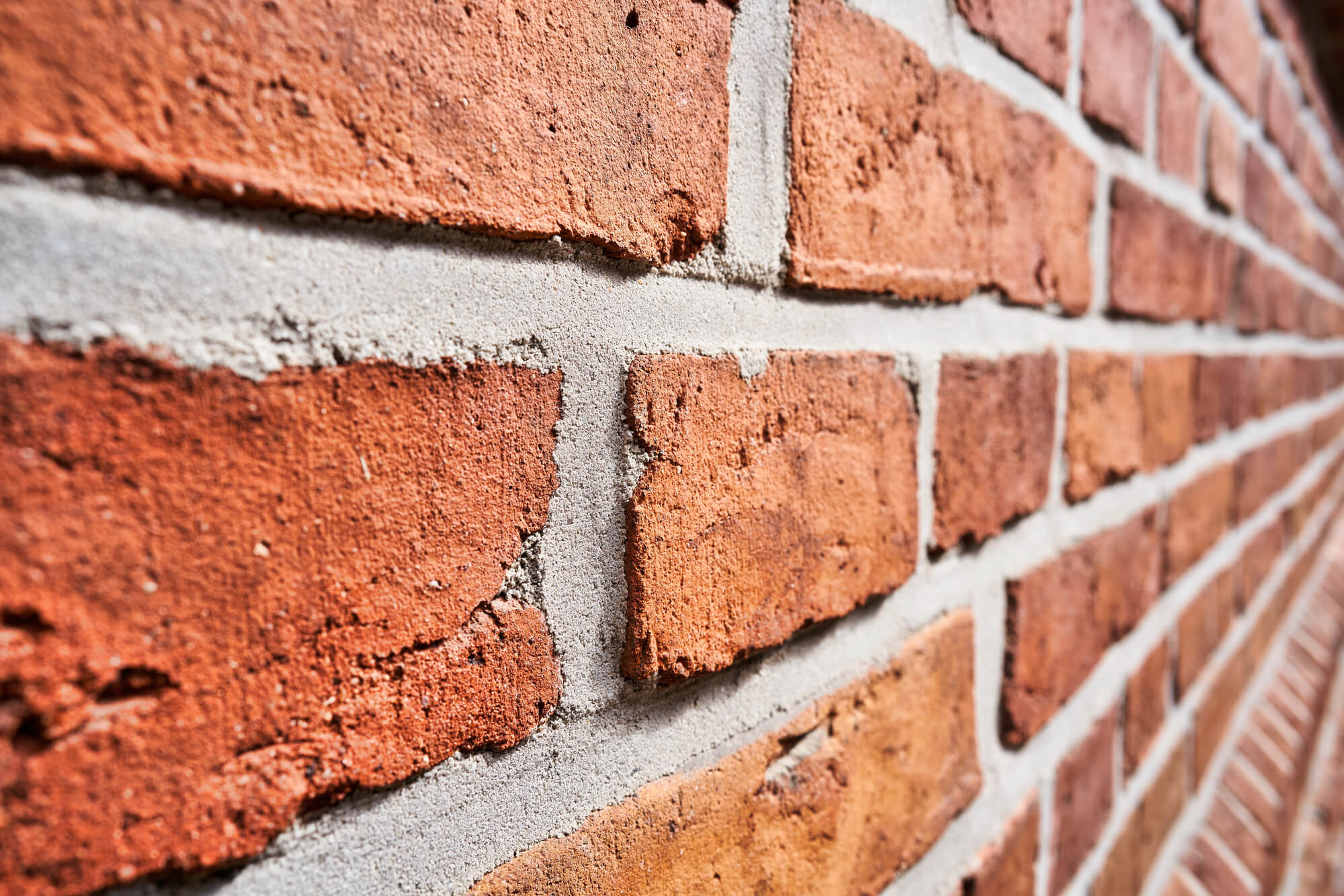
Baking mudbrick in a kiln rather than air-drying it produced a far more water-resistant material, and fired brick became essential to structures that needed to withstand moisture, including the drainage systems and city walls of the Indus Valley civilization at Mohenjo-daro. The extra fuel and labor cost meant fired brick was often reserved for foundations, drains, and load-bearing walls while cheaper mudbrick filled in elsewhere.
Timber
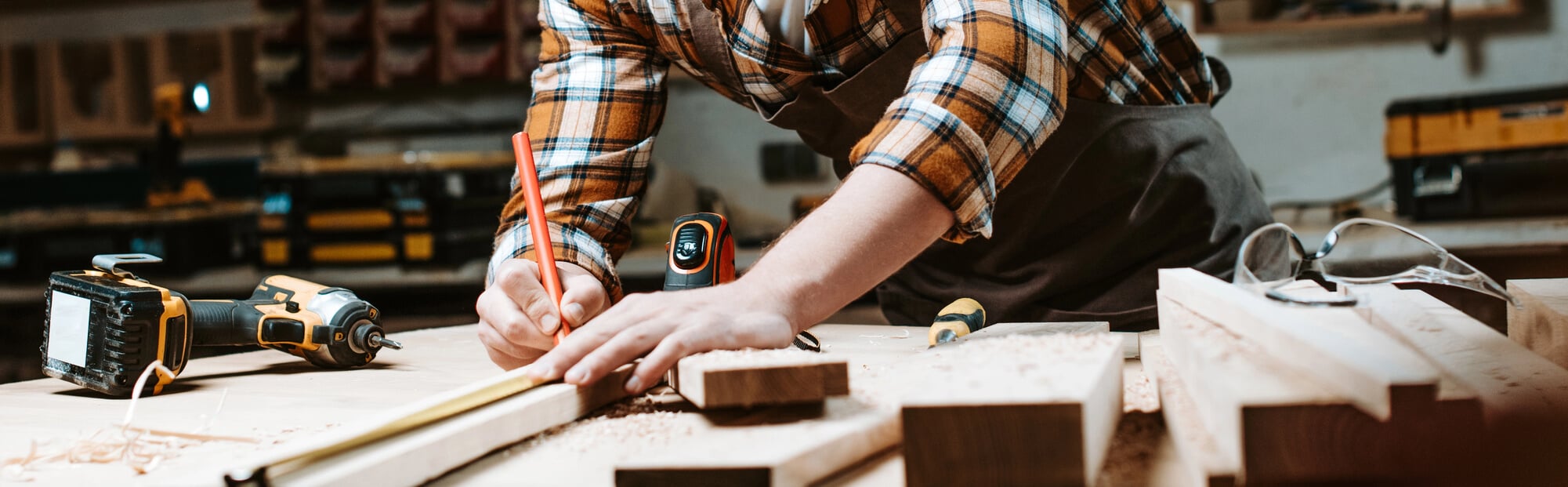
Wood framed roofs, supported ceilings, and formed entire buildings in regions where stone was scarce or forests were abundant, from the post-and-lintel construction of early Chinese temples to the stave churches of medieval Scandinavia. Very little ancient timber architecture survives intact because wood rots and burns, so most of what is known about it comes from stone foundations, postholes, and the rare structure preserved in dry or waterlogged conditions.
Bamboo

Fast-growing, flexible, and strong relative to its weight, bamboo served as scaffolding, structural framing, and reinforcement for walls throughout South and Southeast Asia for thousands of years. Its tensile strength rivals that of some steel by weight, which is part of why bamboo scaffolding is still used on modern high-rise construction sites in parts of Asia today.
Thatch
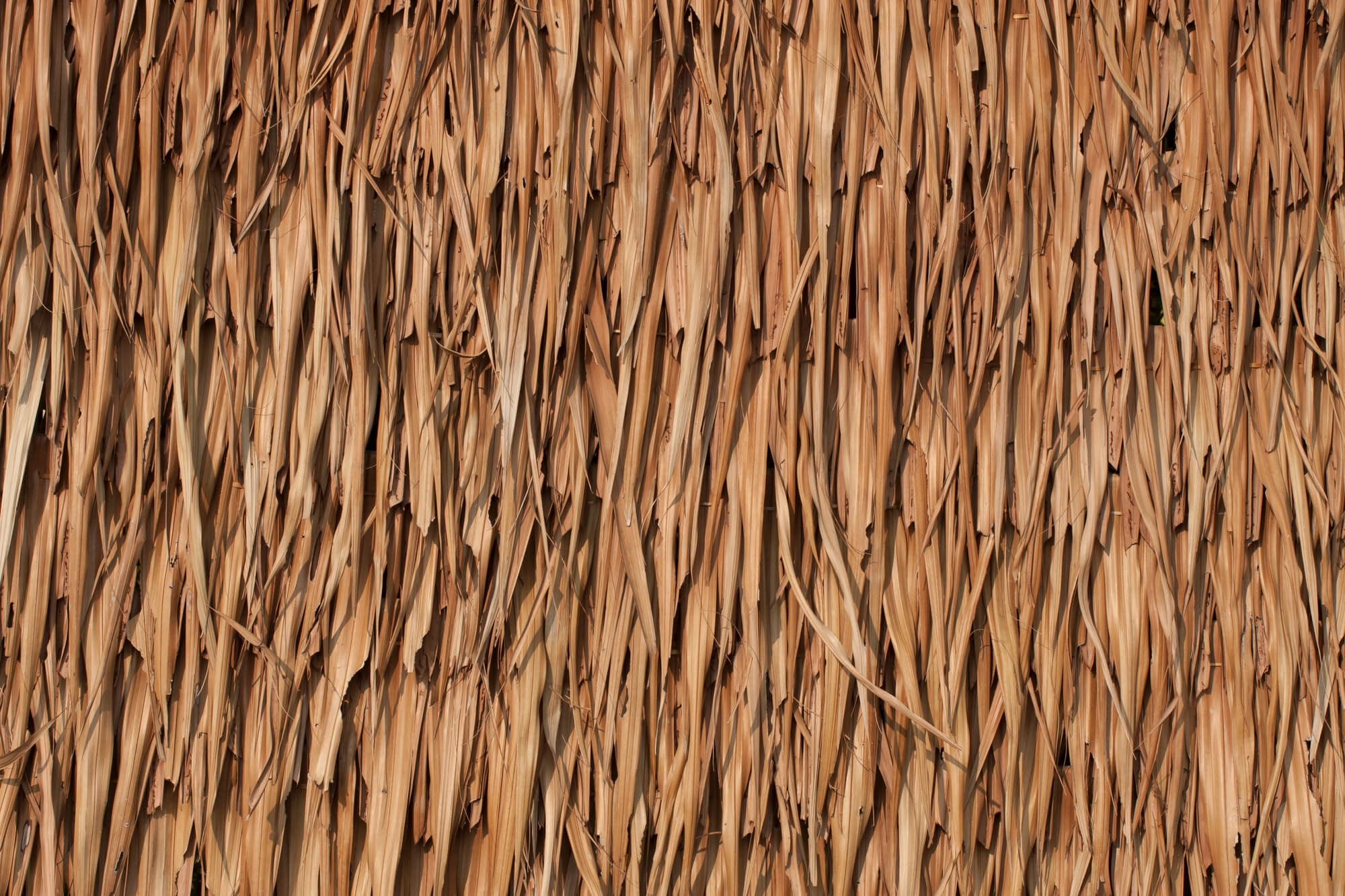
Bundled reeds, straw, or palm fronds layered tightly over a wooden frame created roofing that shed rain effectively and provided insulation, a technique used from Iron Age roundhouses in Britain to traditional homes across sub-Saharan Africa. A well-maintained thatched roof could last several decades, but the material required periodic rethatching, and no ancient thatch roofing has survived directly, only the archaeological traces of the postholes and hearths beneath them.
Wattle and Daub
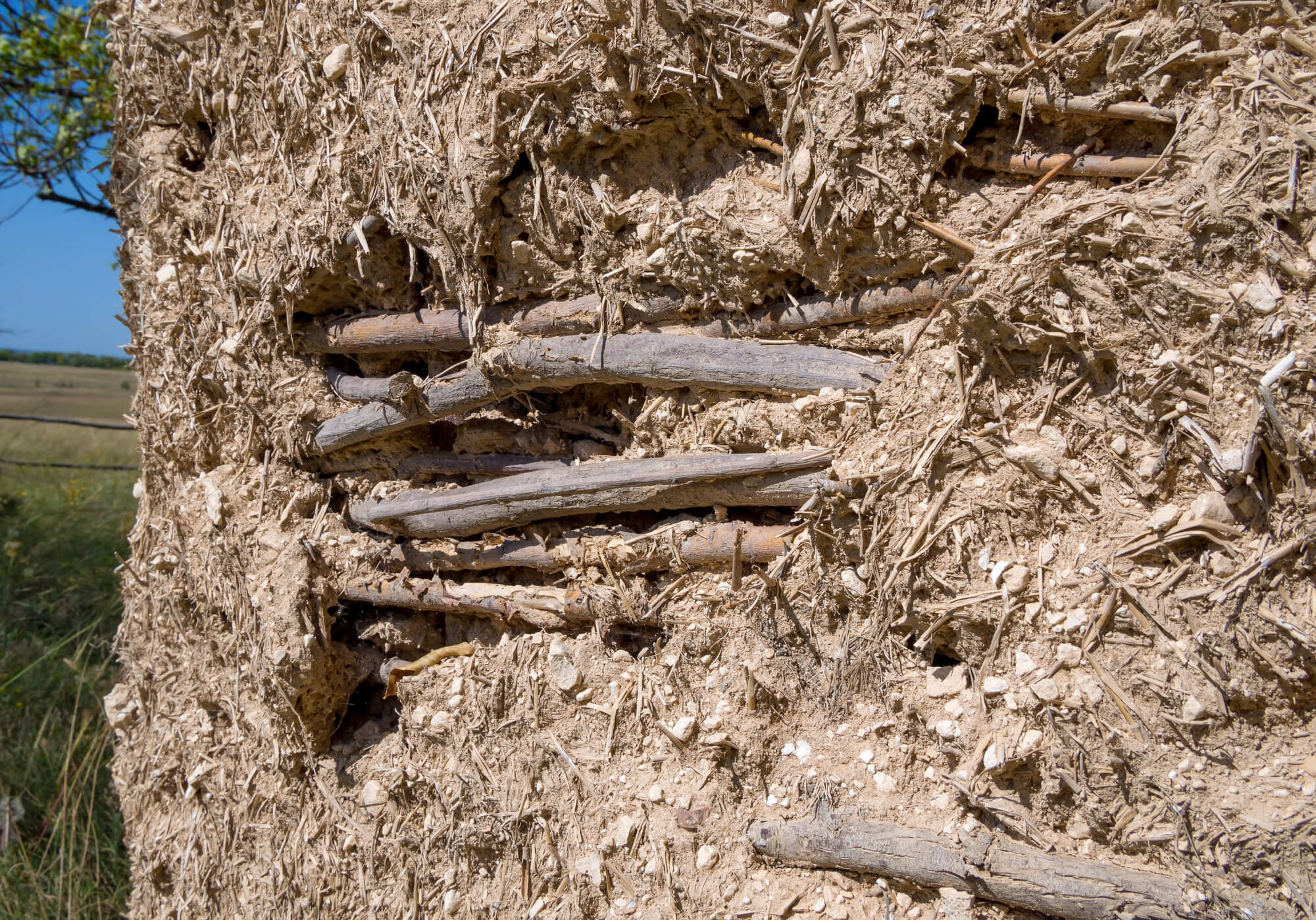
Woven branches or sticks, the wattle, were coated with a mixture of mud, clay, animal dung, and straw, the daub, to create walls that were cheap, quick to build, and reasonably weatherproof. The technique appears independently across ancient Europe, Africa, and the Americas, a testament to how well simple woven-and-plastered walls solved a universal problem with locally available materials.
Adobe
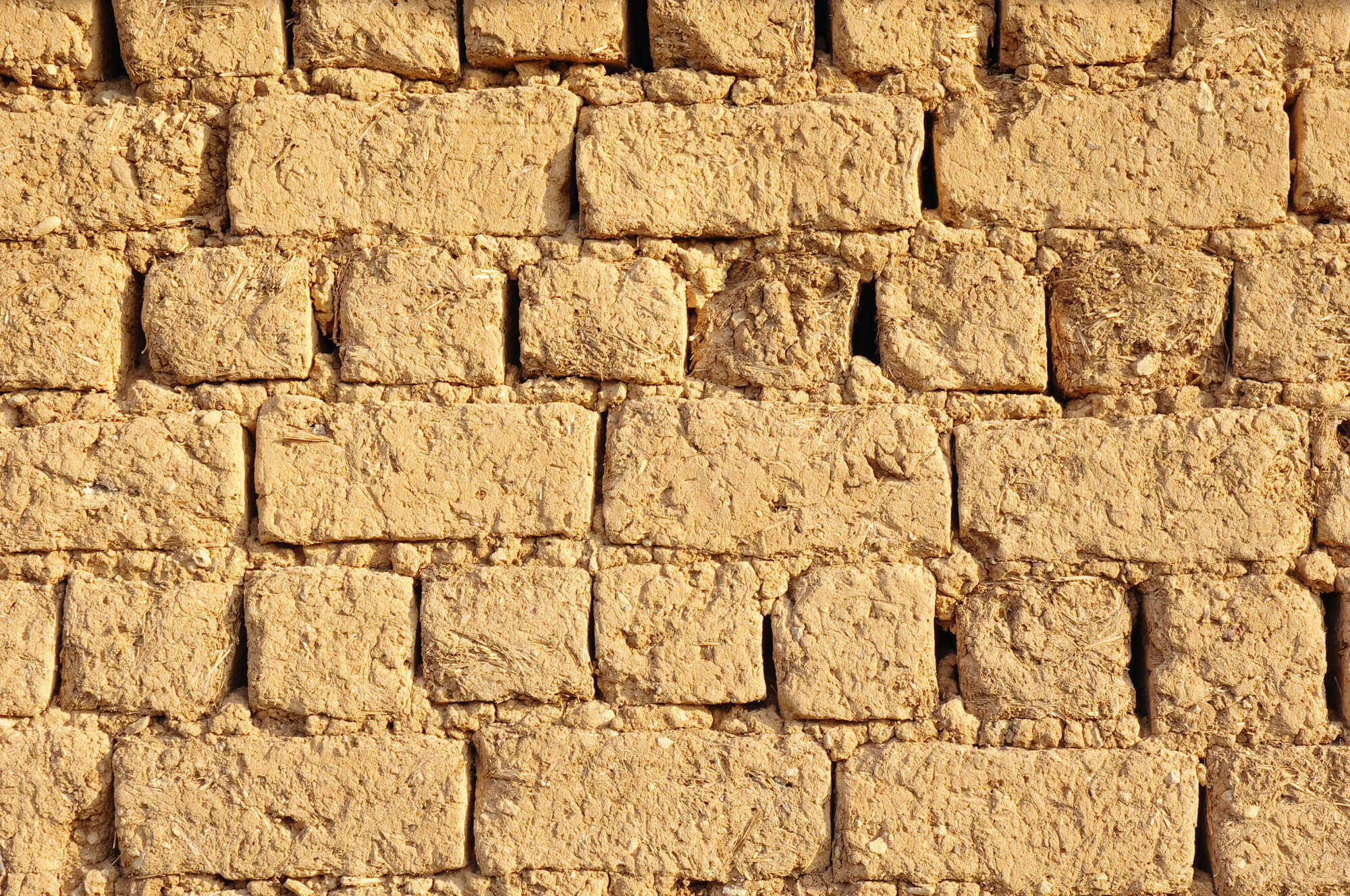
A close cousin of mudbrick made from sun-dried earth, straw, and water, adobe defined the architecture of ancient Puebloan cultures in the American Southwest and much of pre-Columbian Mesoamerica. Adobe walls are thick enough to provide natural insulation against desert heat, keeping interiors cooler by day and warmer at night, a passive cooling effect that made it ideal for arid climates.
Basalt
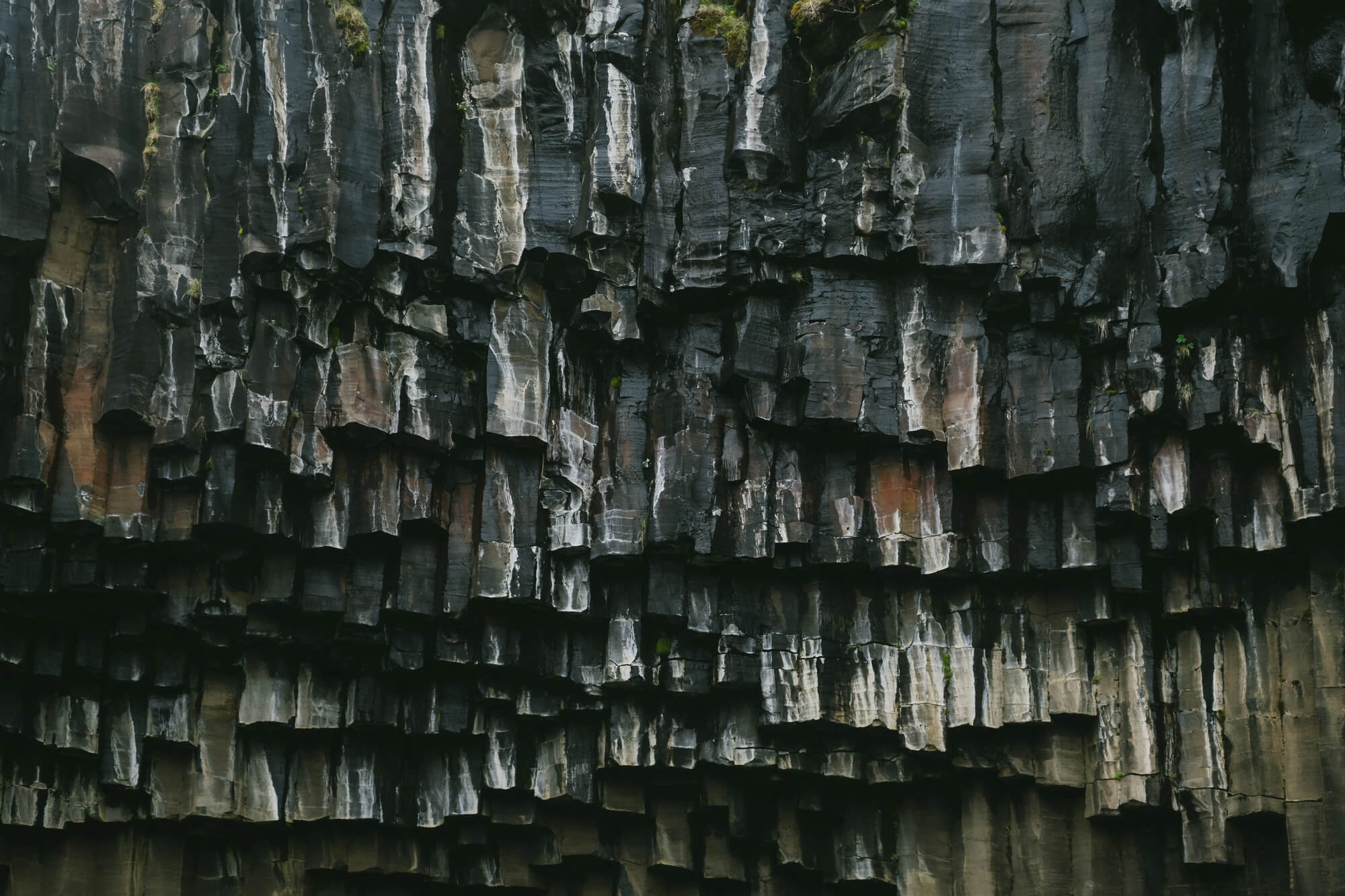
This dense volcanic rock, dark and extremely hard, was difficult to carve but nearly indestructible once shaped, making it a favorite for foundations, pavements, and monuments in regions near volcanic activity. The Hittites and later builders in the Levant used basalt for city gates and thresholds specifically because it withstood the constant wear of foot and cart traffic better than softer stones.
Roman Concrete
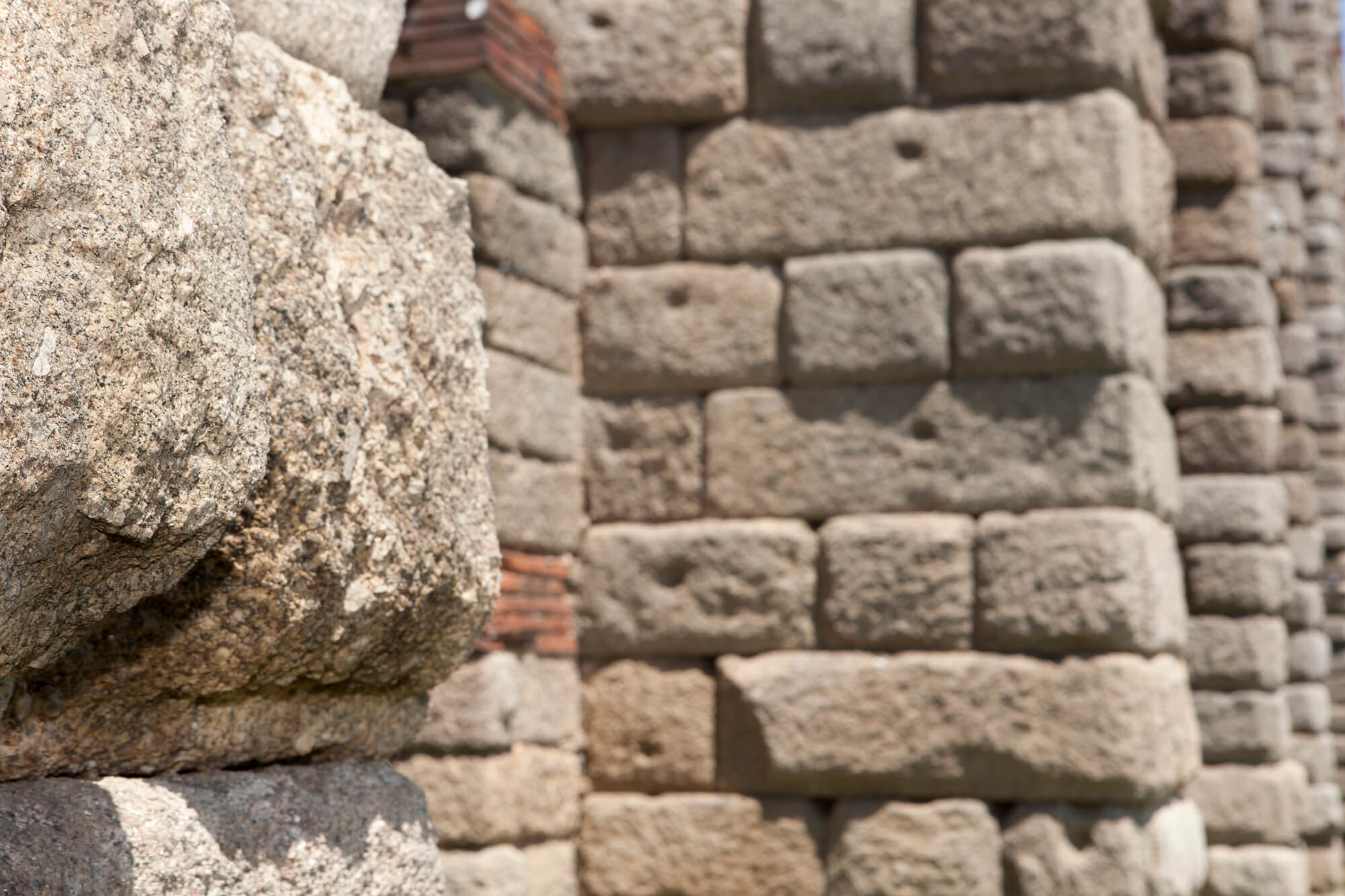
A mixture of volcanic ash, lime, and seawater, Roman concrete, known as opus caementicium, allowed builders to create the massive unsupported dome of the Pantheon and structures that have outlasted much of what came after them. Modern research has found that the volcanic ash triggered a chemical reaction that actually strengthened the concrete over centuries as seawater interacted with it, the opposite of how modern concrete degrades.
Lime Mortar
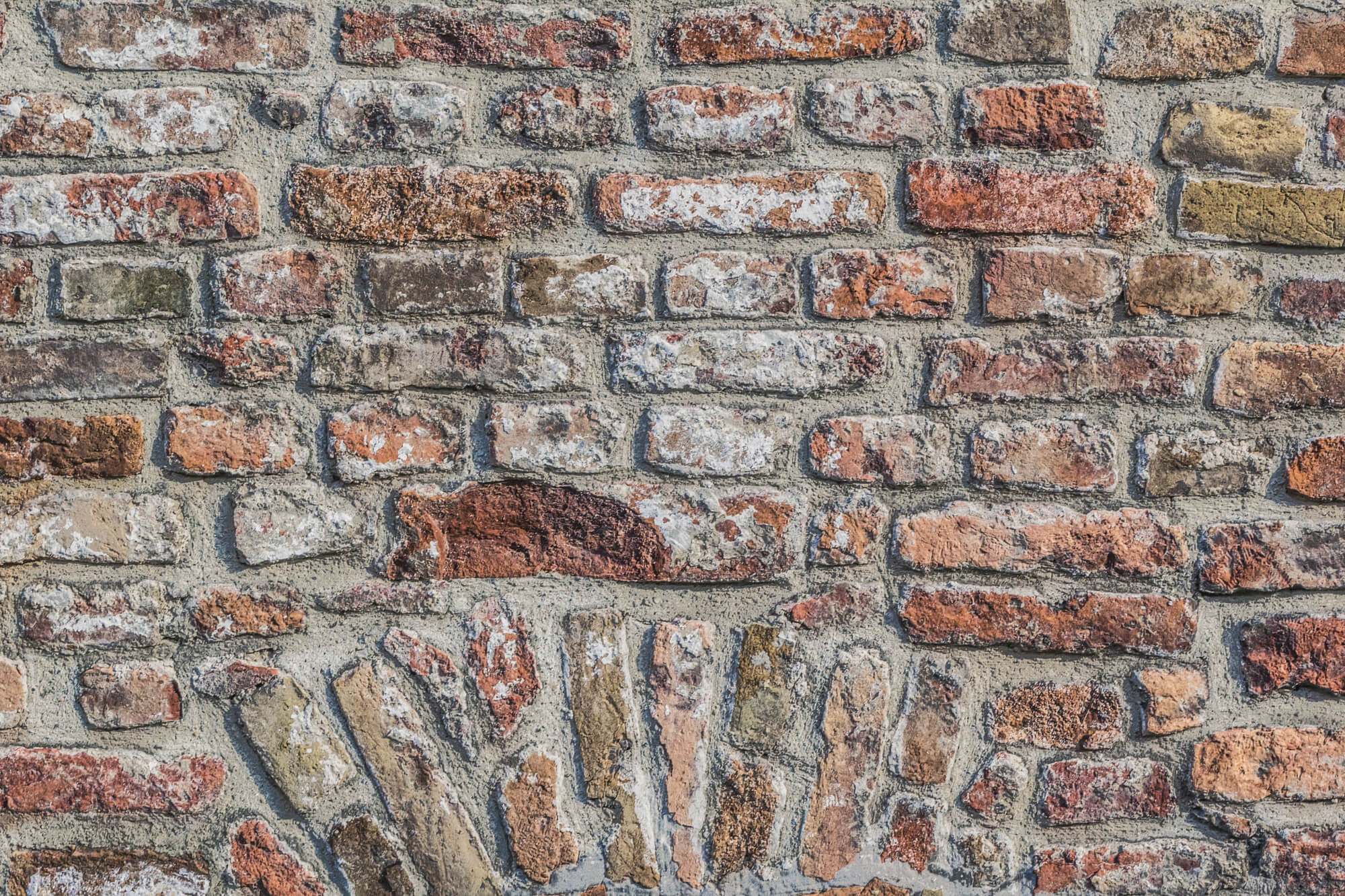
Made by heating limestone to produce quicklime, then mixing it with water and sand, lime mortar bound stone and brick together in structures across the ancient Mediterranean and Near East. Unlike modern cement, lime mortar remains slightly flexible after curing, which allowed ancient walls to shift slightly during earthquakes without cracking as severely as more rigid modern mortars.
Gypsum Plaster
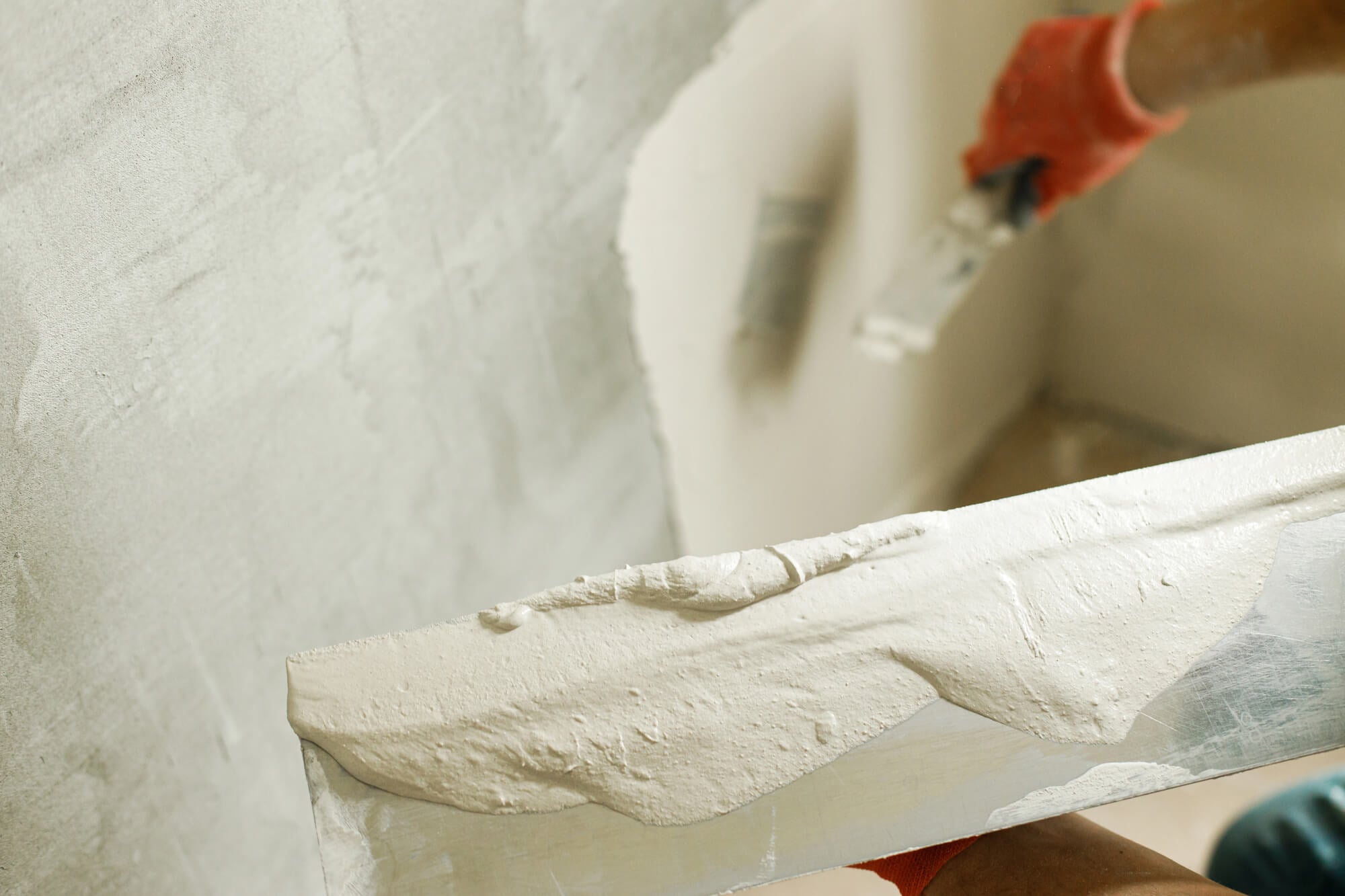
Egyptian builders ground gypsum, heated it, and mixed it with water to create a fast-setting plaster used to smooth pyramid interiors and coat wall paintings. Because gypsum plaster sets quickly, ancient artisans had only a narrow window to complete detailed painted decoration before the surface hardened, which shaped how quickly and efficiently tomb painters had to work.
Rammed Earth
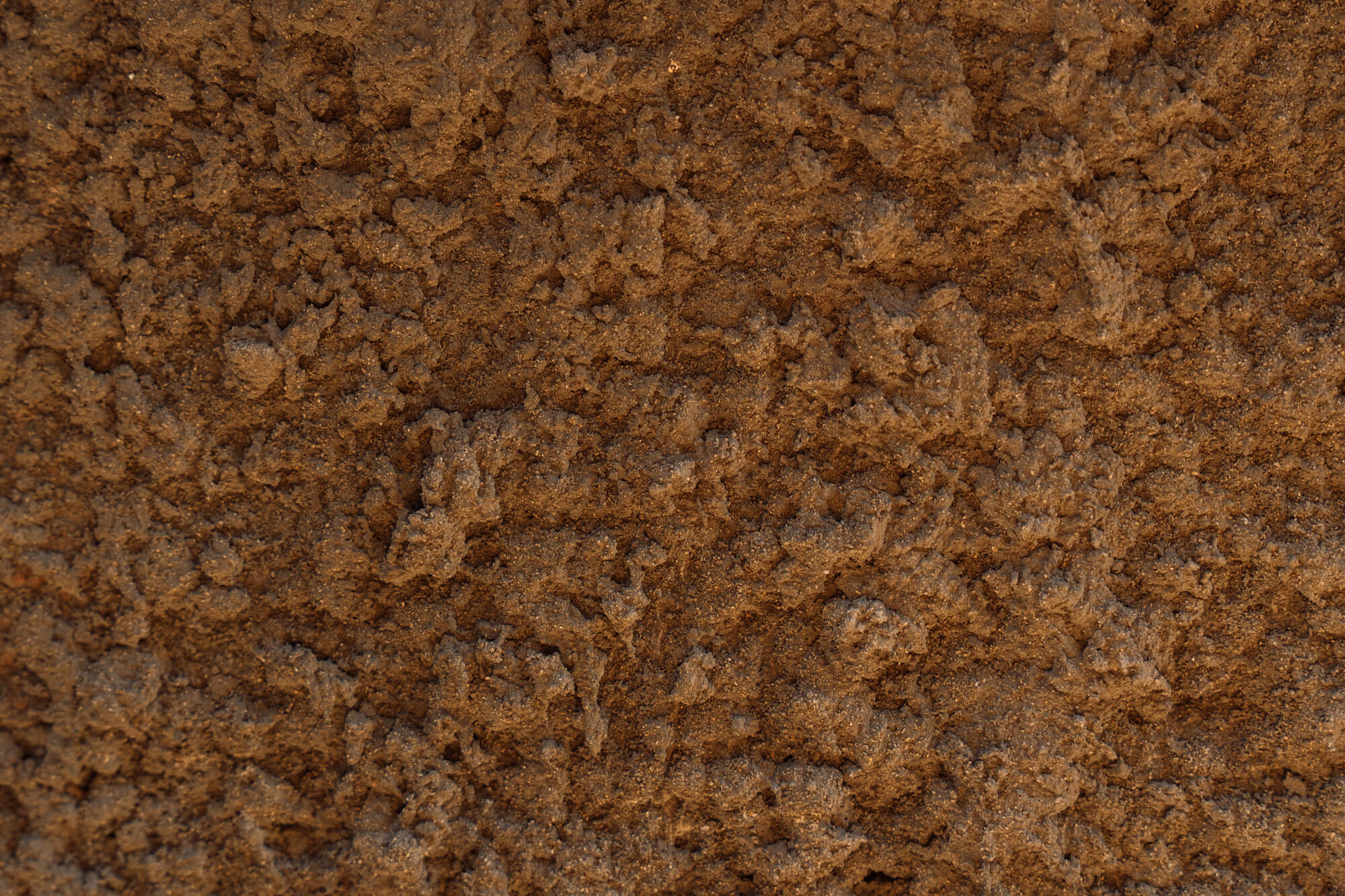
Built by compacting layers of moistened earth within a temporary wooden frame, rammed earth construction produced dense, durable walls used in ancient Chinese city fortifications, including sections of early versions of the Great Wall. Sections of rammed earth wall built more than two thousand years ago still stand in parts of northwestern China, a testament to how effectively compaction alone could stabilize a structure without kilns or mortar.
Coral Stone
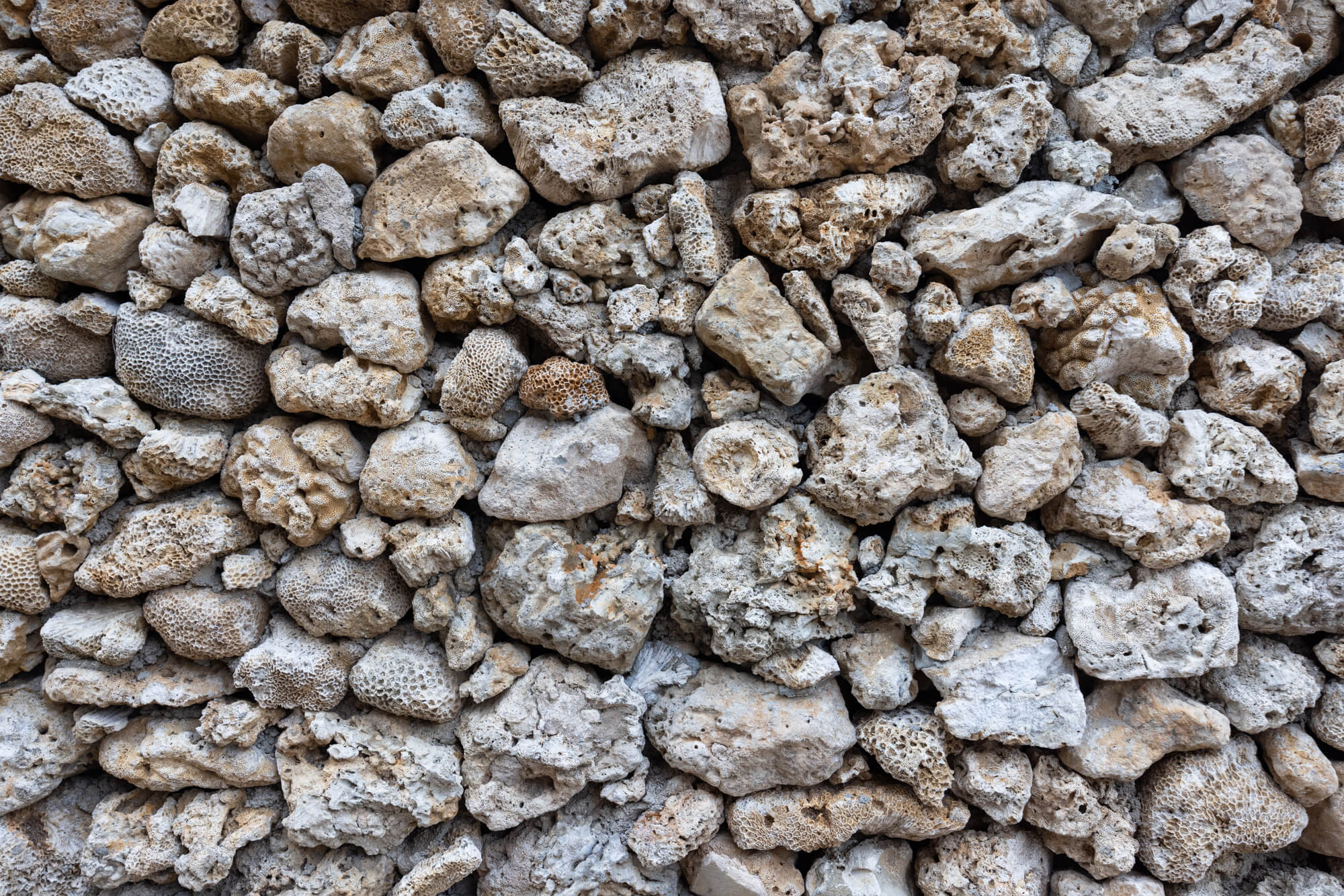
In coastal East Africa and parts of the Persian Gulf, builders quarried fossilized coral reef, cutting it into blocks soft enough to shape with hand tools but which hardened further after exposure to air. Swahili Coast trading towns like Kilwa relied heavily on coral stone for mosques and merchant houses, giving the architecture of the region a distinctive pale, porous texture found nowhere else.
Tuff
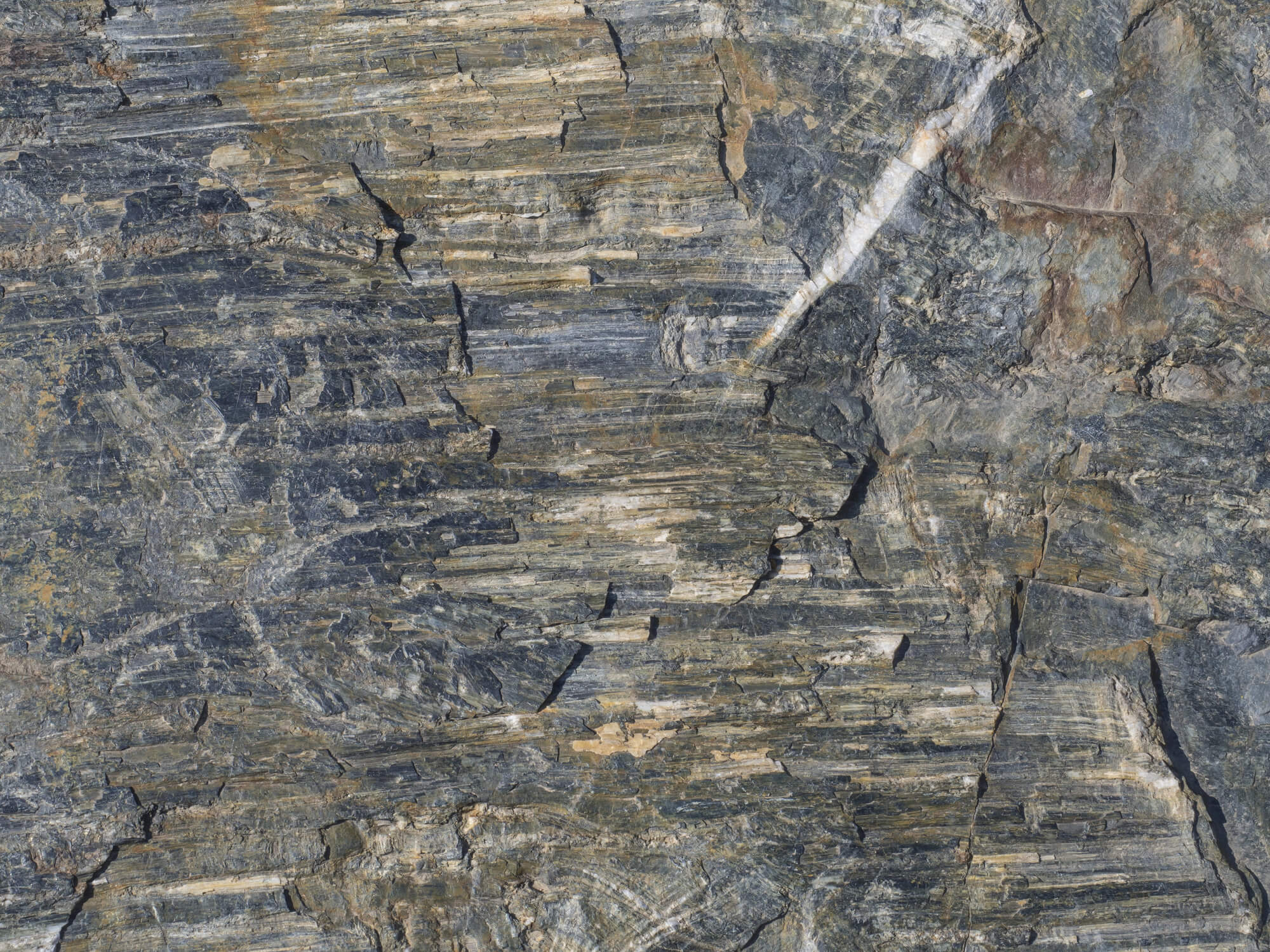
Compressed volcanic ash, tuff is light, easy to cut when freshly quarried, and hardens further with exposure to air, which made it a practical building stone around volcanically active regions including ancient Rome and parts of central Italy predating Roman rule. Etruscan tomb chambers were frequently carved directly into tuff hillsides, since the stone could be excavated relatively easily compared to harder rock.
Slate
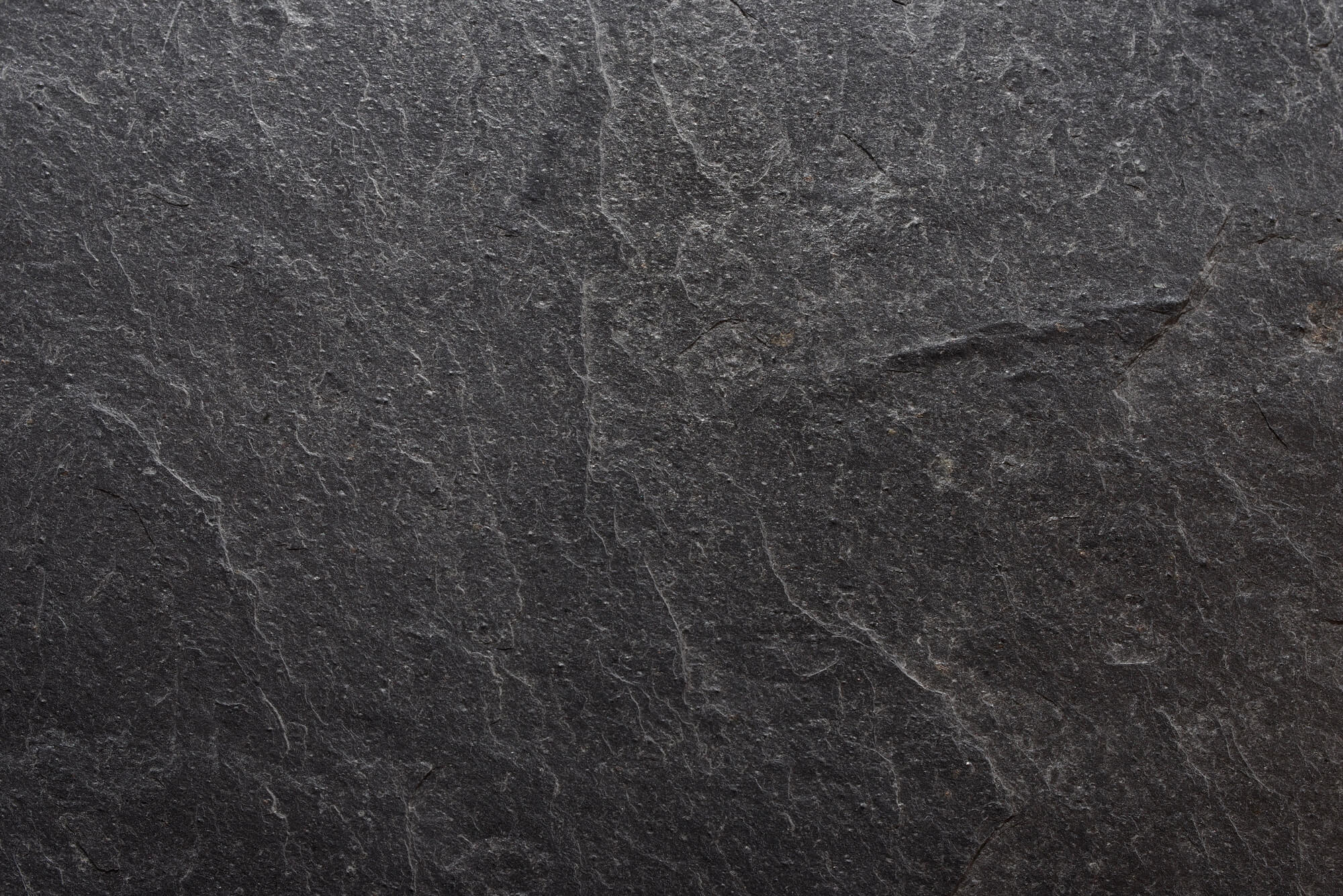
Splitting naturally into thin, flat sheets along its grain, slate provided ancient builders in Wales, parts of the Mediterranean, and the Andes with a lightweight, waterproof roofing and paving material without the need for cutting tools capable of shaping harder stone. Its resistance to weathering meant slate roofing and paving from antiquity has occasionally survived in recognizable form even when the structures around it collapsed.
Flint
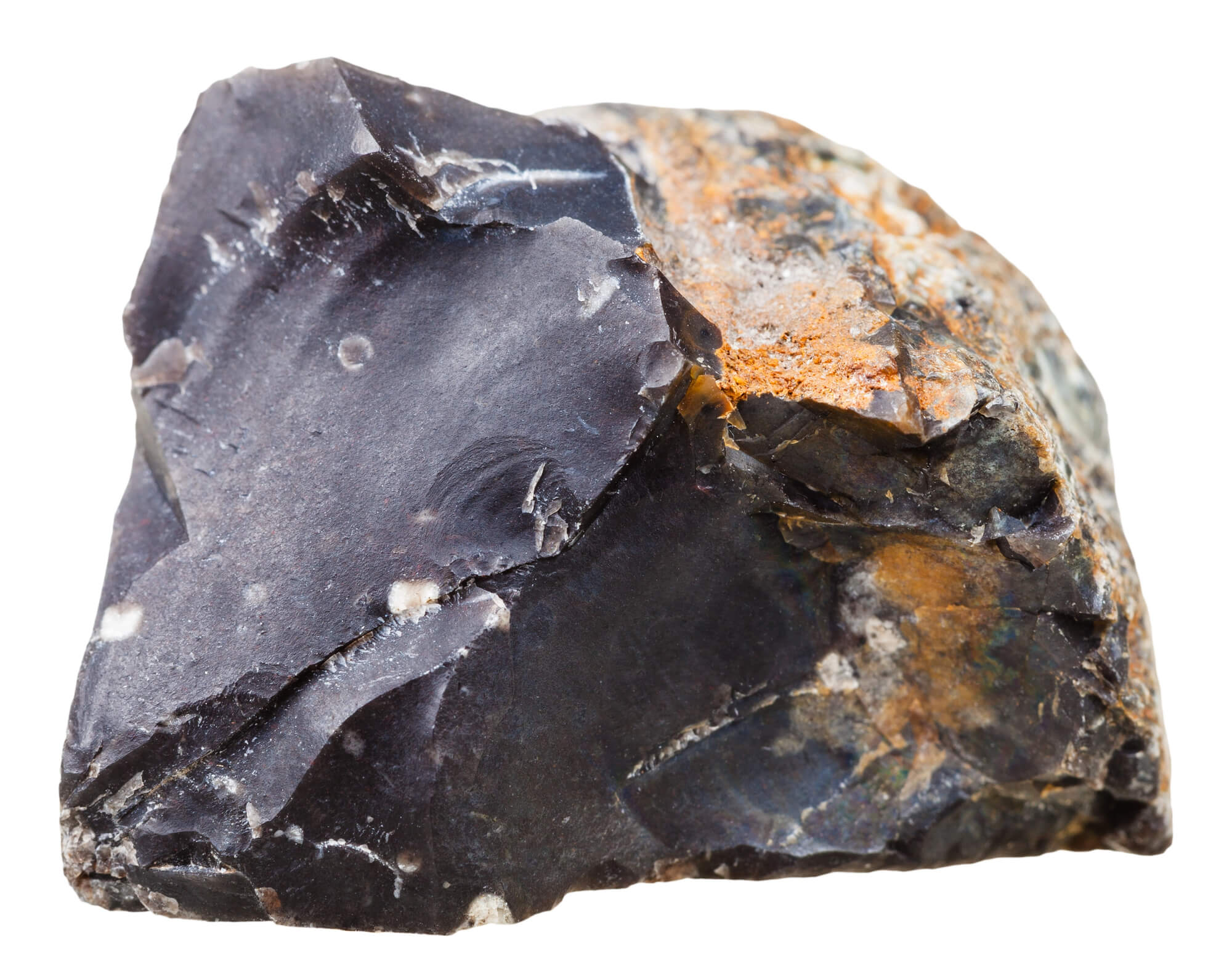
Found in nodules within chalk deposits across parts of England and northern France, flint was set into mortar to build durable walls and church foundations, a technique that produced the distinctive knapped-flint facades still visible on medieval buildings built atop earlier foundations. Flint’s hardness made it nearly impossible to carve, so builders used it as a rubble-and-mortar infill material rather than shaping it into blocks.
Travertine
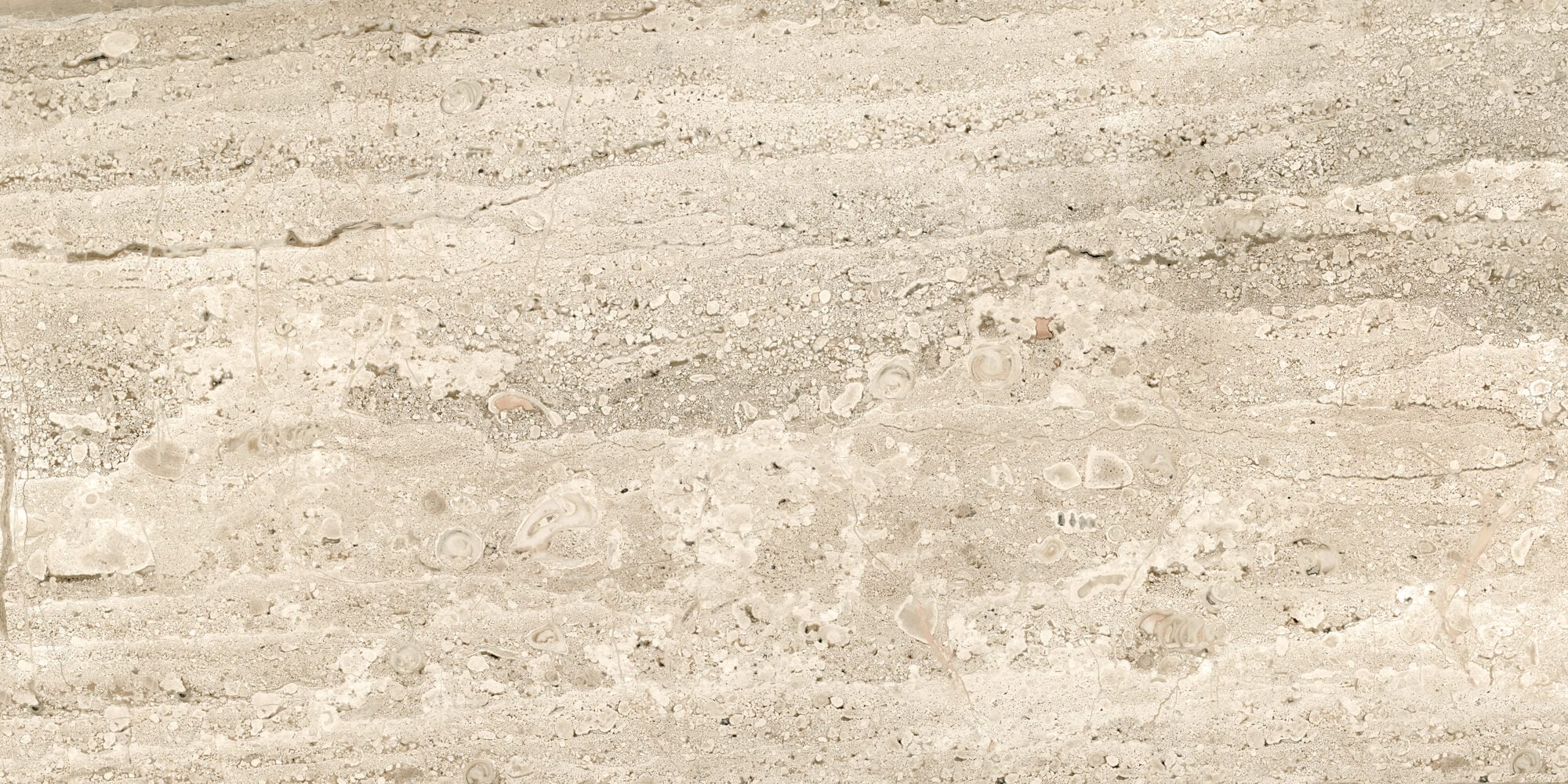
A form of limestone deposited by mineral springs, travertine is notably lightweight for its strength, which is part of why the Romans used it extensively in the Colosseum’s outer walls. Its porous surface, full of small cavities left by decomposed plant material trapped in the mineral deposits as the stone formed, gives travertine a distinctive pitted texture still visible on surviving Roman structures.
Quartzite
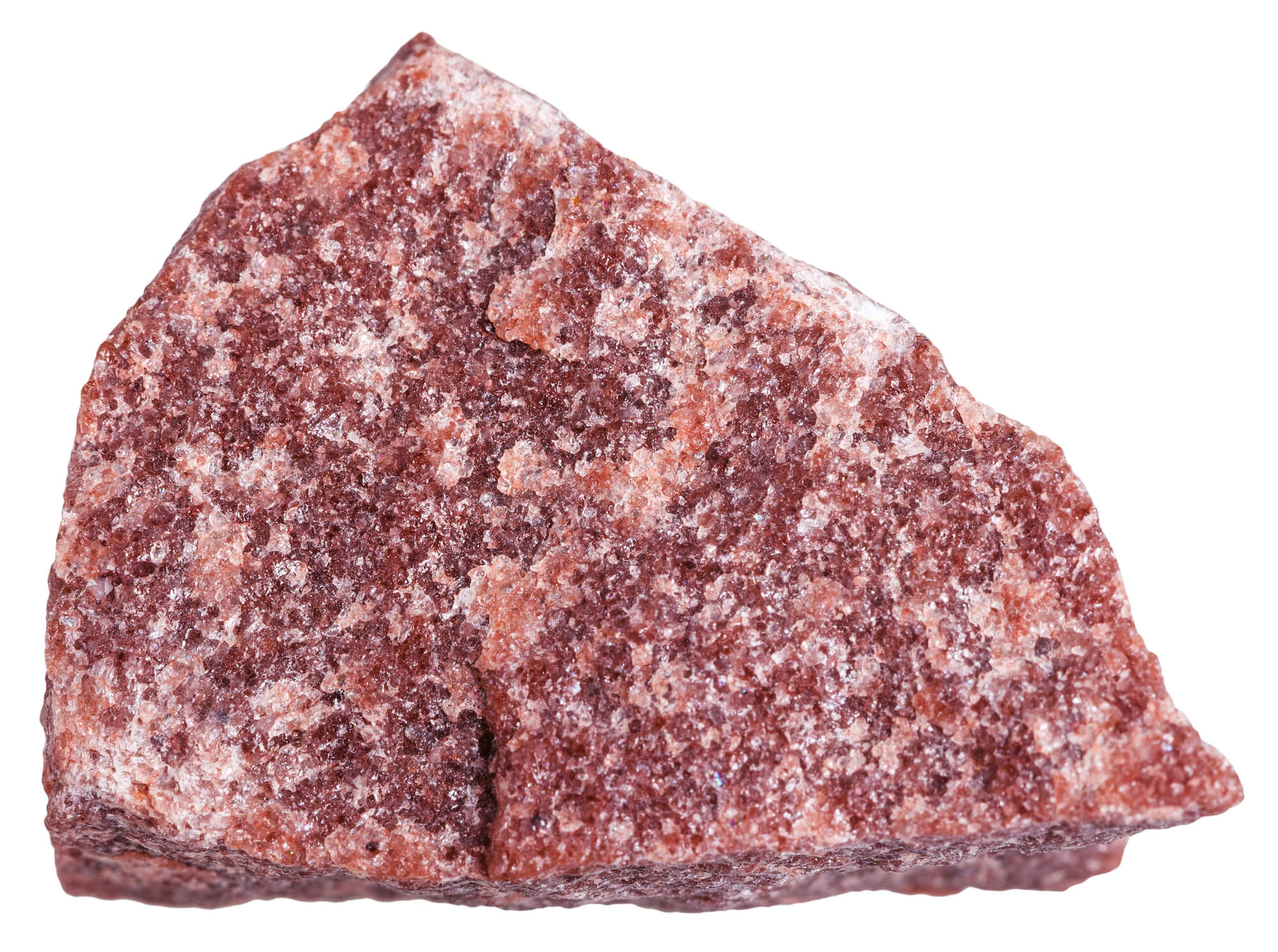
Extremely hard and resistant to erosion, quartzite was used sparingly in the ancient world because it was so difficult to work with available tools, though some Egyptian sarcophagi and select temple elements were carved from it specifically to signal permanence and status. The effort required to shape quartzite meant its use was often reserved for the most important, symbolically loaded elements of a structure.
Reed
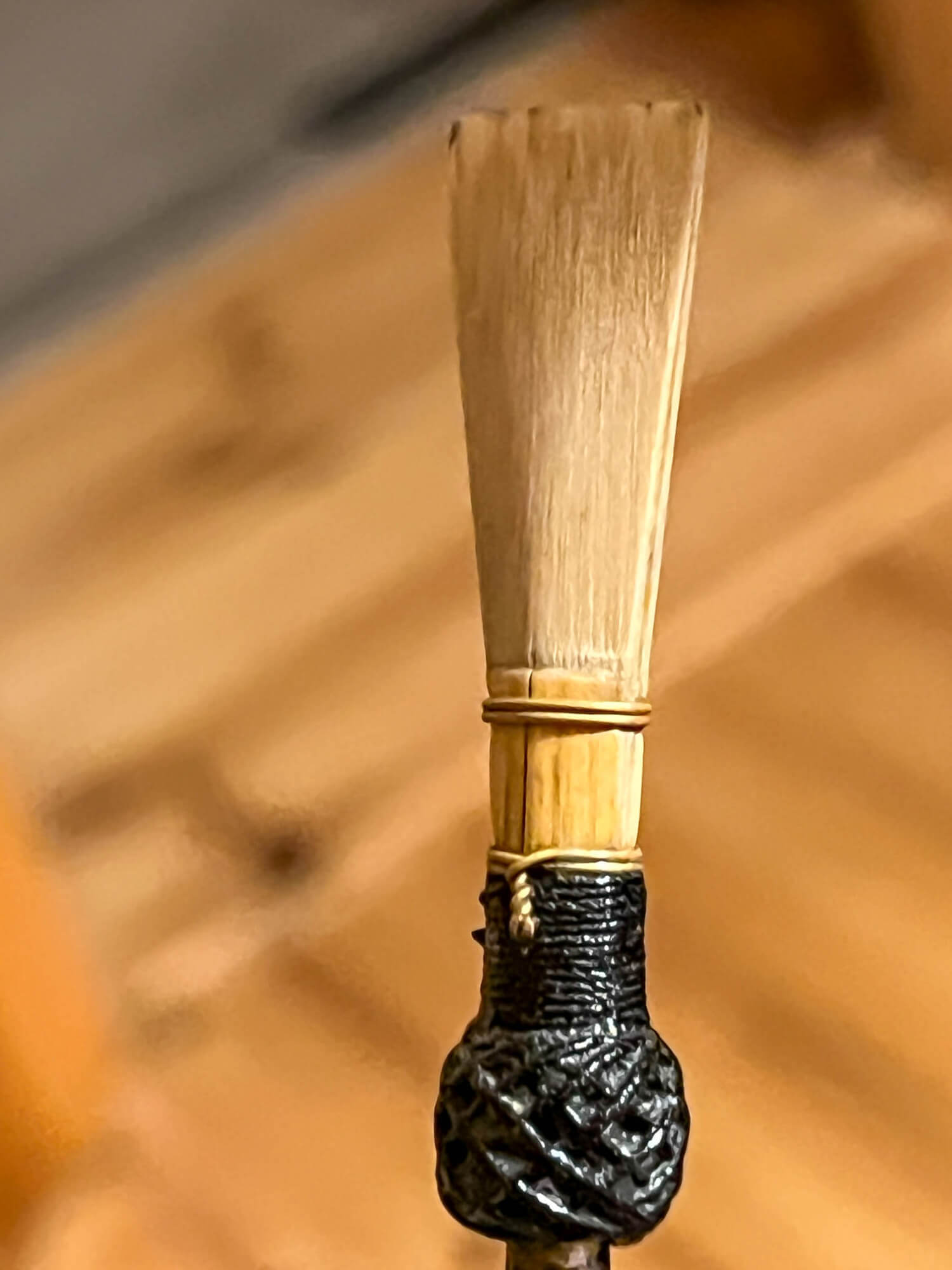
In the marshlands of southern Mesopotamia, bundled reeds served as the primary building material for entire houses, a tradition among the Marsh Arabs that has continued in similar form for roughly five thousand years. Ancient Sumerian art depicts reed structures nearly identical in form to the arched reed houses still built by marsh communities in southern Iraq today.
Packed Snow and Ice
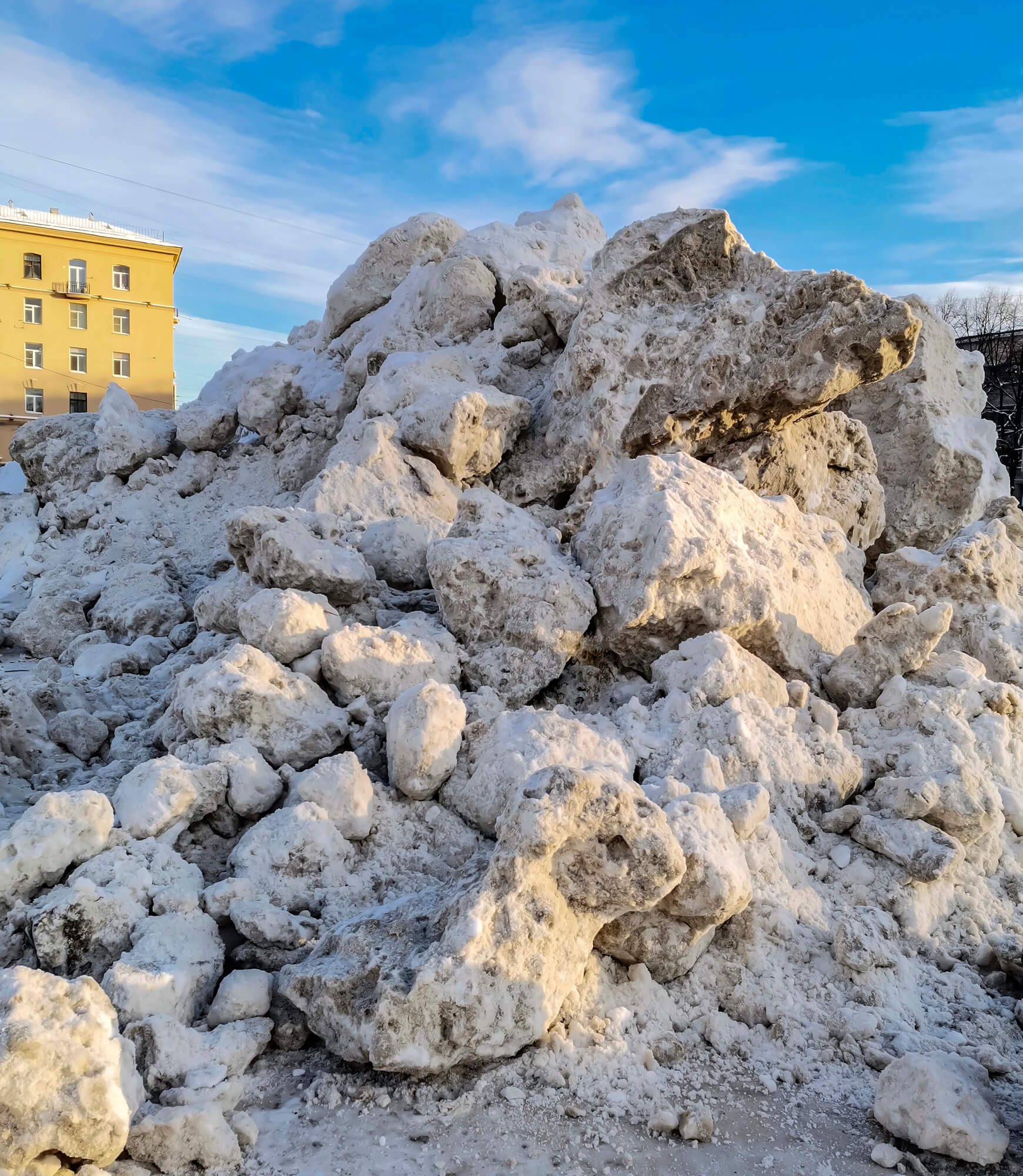
Arctic peoples including the Inuit built shelters from compacted snow blocks, arranging them in a spiral dome that trapped body heat efficiently while remaining structurally stable despite being made entirely of frozen water. The trapped air pockets within packed snow give it surprisingly effective insulating properties, keeping interior temperatures well above the surrounding outdoor air even in extreme cold.
Cedar of Lebanon

Prized across the ancient Near East for its resistance to rot and insects, cedar from the mountains of Lebanon was exported for major building projects including Solomon’s Temple in Jerusalem and Egyptian temple doors and ship timbers. The wood’s aromatic resin acted as a natural preservative, and ancient trade records from Egypt and Mesopotamia specifically single out Lebanese cedar as a luxury import worth the cost of long-distance transport.
Terracotta

Fired clay shaped into tiles, decorative elements, and architectural ornament appeared throughout the ancient Mediterranean, from Etruscan temple roof decorations to the drainage tiles of Greek and Roman buildings. Terracotta’s affordability and moldability made it useful for mass-producing repeated decorative elements, allowing builders to add ornamental detail without the expense of hand-carved stone.
Iron Cramps
Ancient Greek builders reinforced stone joints using iron or bronze cramps set into carved channels and sealed with molten lead, allowing large stone blocks to be locked together without visible mortar. Later scavengers frequently pried these metal cramps out of ruined structures to melt down and reuse, which is why many surviving Greek buildings show damage concentrated specifically around the joints where cramps once held stones together.
Copper
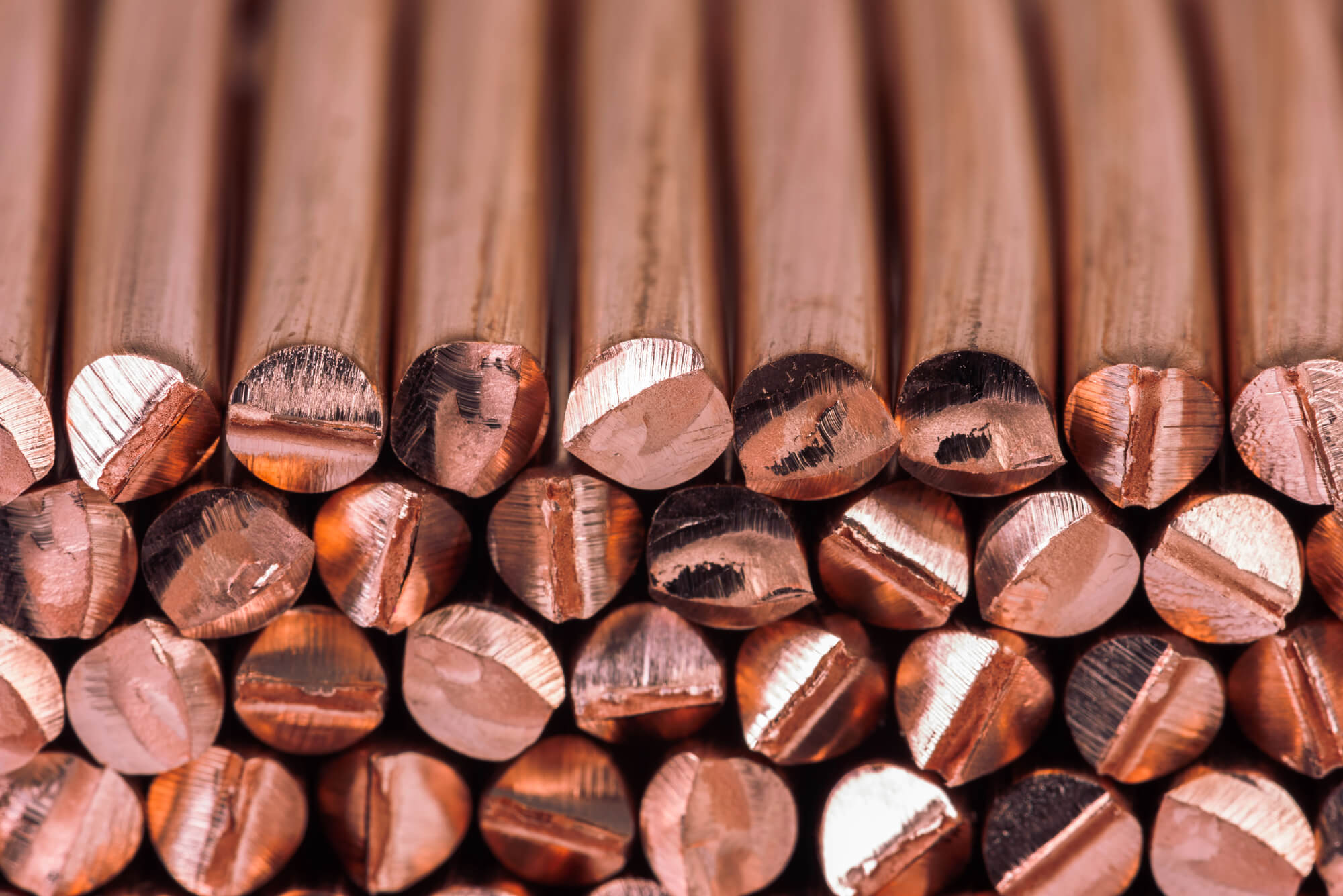
Beyond tools, copper sheeting covered temple doors, roof elements, and decorative fittings in ancient Egypt and Mesopotamia, chosen for its resistance to corrosion compared to iron. Archaeologists have recovered copper roofing elements from Egyptian temple sites that retained a recognizable green patina, the same protective oxidation that makes modern copper roofing durable today.
Lead
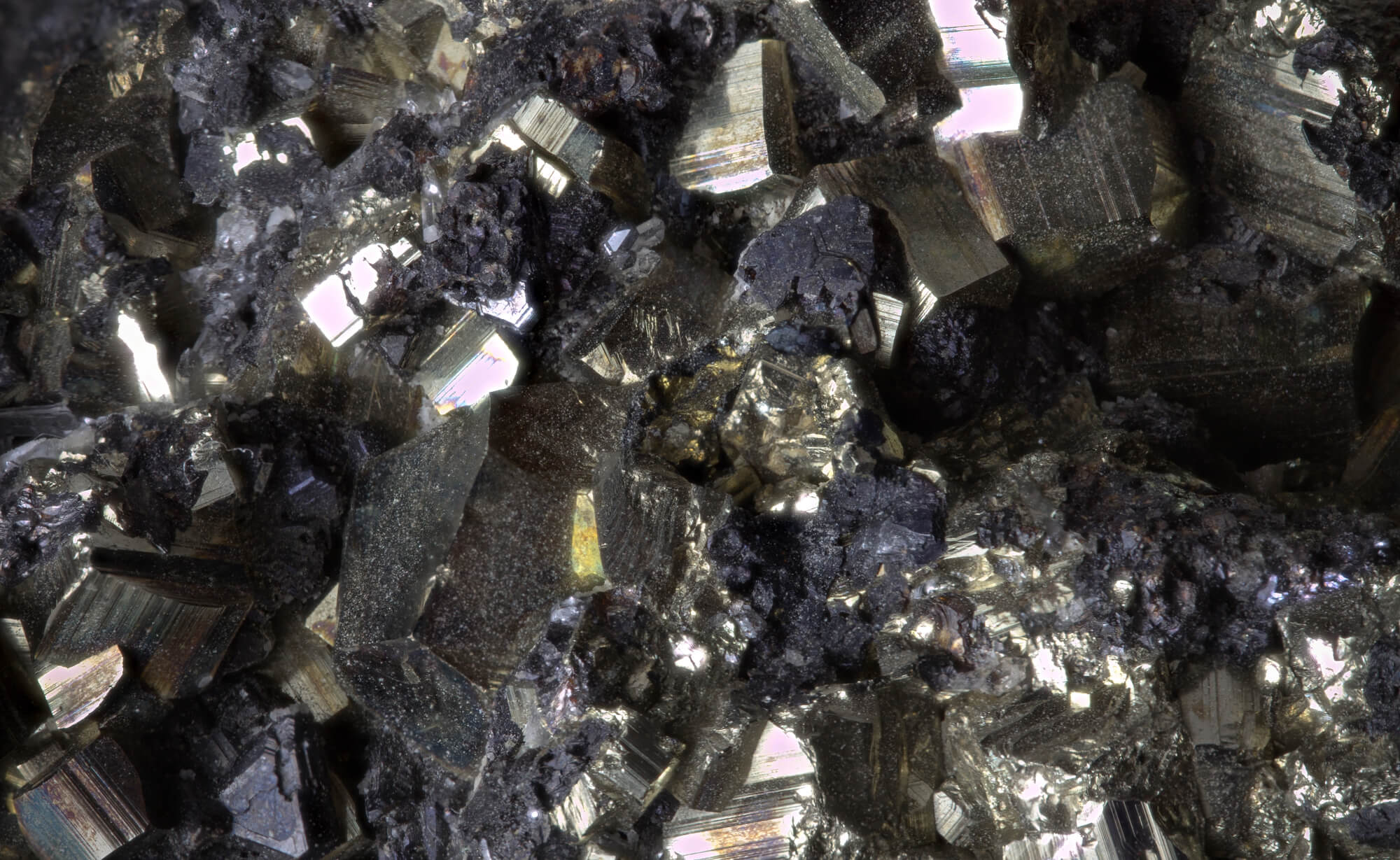
Romans used lead extensively for water pipes, roofing sheets, and structural fixings because it was easy to cast, resistant to corrosion, and abundant as a byproduct of silver mining. Modern researchers studying Greenland ice cores have found traces of atmospheric lead pollution dating to Roman smelting operations, physical evidence of just how widely the material was produced and used across the empire.
When the Ground Itself Becomes the Blueprint

What ties these materials together is not sophistication but availability. Builders reached for limestone near limestone quarries, reed in the marshes, cedar where cedar forests grew thick on mountain slopes. The most enduring ancient architecture rarely came from importing exotic substances; it came from understanding, sometimes through generations of trial and error, exactly what the local earth could offer and exactly how far each material could be pushed before it failed.
That relationship between place and structure is largely gone from modern construction, where steel and concrete travel anywhere regardless of geography. Looking back at these materials is a reminder that architecture was once inseparable from geology, and that some of the most impressive structures on Earth were built from nothing more exotic than what was already underfoot.
Long before steel beams and reinforced concrete, builders worked with whatever the local landscape offered. Some of those choices turned out to be so effective that structures made from them are still standing thousands of years later, outlasting empires, climates, and the people who quarried them.
What follows is a tour through the raw materials that shaped the ancient world, from stones cut with copper tools to plaster mixed with volcanic ash.
More from Go2Tutors!

- The Romanov Crown Jewels and Their Tragic Fate
- 13 Historical Mysteries That Science Still Can’t Solve
- Famous Hoaxes That Fooled the World for Years
- 15 Child Stars with Tragic Adult Lives
- 16 Famous Jewelry Pieces in History
Like Go2Tutors’s content? Follow us on MSN.