Newsreels Studios Pulled From Theaters
Before television, newsreels were how most Americans saw the news, and studios occasionally judged certain footage too dangerous, too embarrassing, or too inflammatory to keep in circulation. The footage that got pulled often reveals more about what institutions feared than what audiences actually saw.
Inside Nazi Germany, 1938
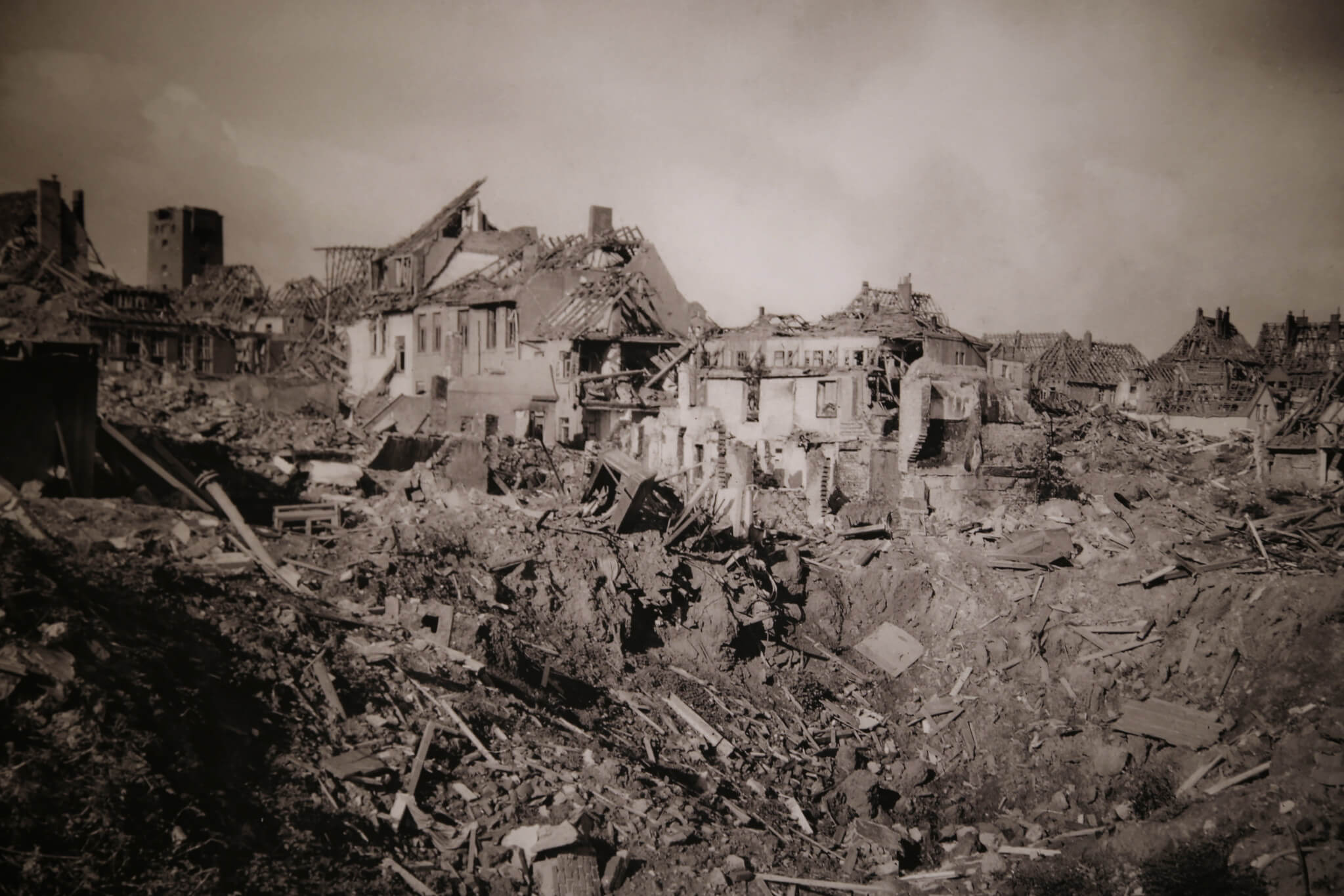
This March of Time newsreel episode, an early documentary look inside Nazi Germany, was banned by the Chicago Board of Censors for being “unfriendly to the German government,” though the city’s police commissioner overruled the ban; separately, the Warner Brothers theater chain refused to screen the film at all, keeping it out of a large share of American movie houses regardless of the Chicago ruling. The episode remains a striking example of a studio’s own exhibition arm choosing not to show content its parent company had produced.
Republic Steel Strike Riot Footage, 1937
Paramount News captured footage of the Memorial Day Massacre, a violent confrontation between striking steelworkers and Chicago police, but Chicago authorities illegally banned the footage from being shown in the city, and Paramount subsequently agreed to withhold it from other markets as well; the company’s own editor reportedly called the raw footage “not fit to be seen,” warning it could incite unrest if shown in full. A heavily edited version was eventually released that framed the strikers unfavorably, illustrating how thoroughly the original footage was suppressed.
Spain in Flames, 1937
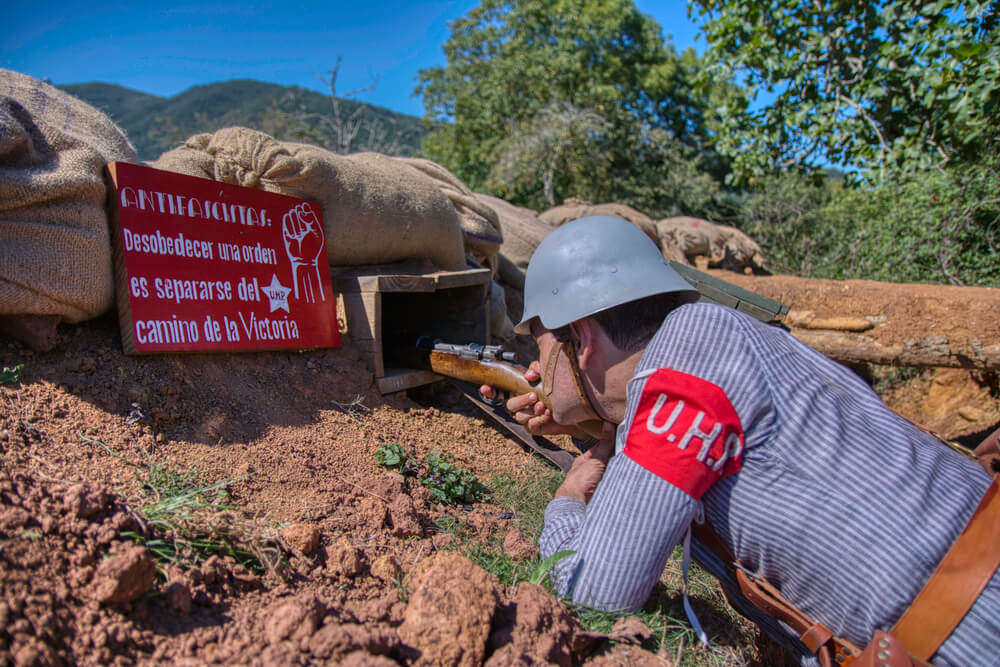
This compilation newsreel documenting the Spanish Civil War was banned across several U.S. states, including Ohio and Pennsylvania, and in numerous cities, after being deemed harmful due to its subject matter; the film’s international politics made it a target well beyond any single jurisdiction, with bans spreading city by city rather than through a single national decision. Its patchwork suppression reflected how decentralized American film censorship was at the time, with no single authority controlling what played nationwide.
Professor Mamlock, 1938

A Soviet-produced drama about the persecution of a Jewish surgeon under fascism, Professor Mamlock was banned throughout the entire state of Ohio because of its plot; its treatment as effectively a newsreel-adjacent political film in American theaters shows how blurred the line was between fictionalized drama and documentary reportage during the period. The statewide scope of the ban was unusual compared to the more common city-by-city restrictions of the era.
Workers Newsreel Coverage of the 1930 Union Square Demonstration
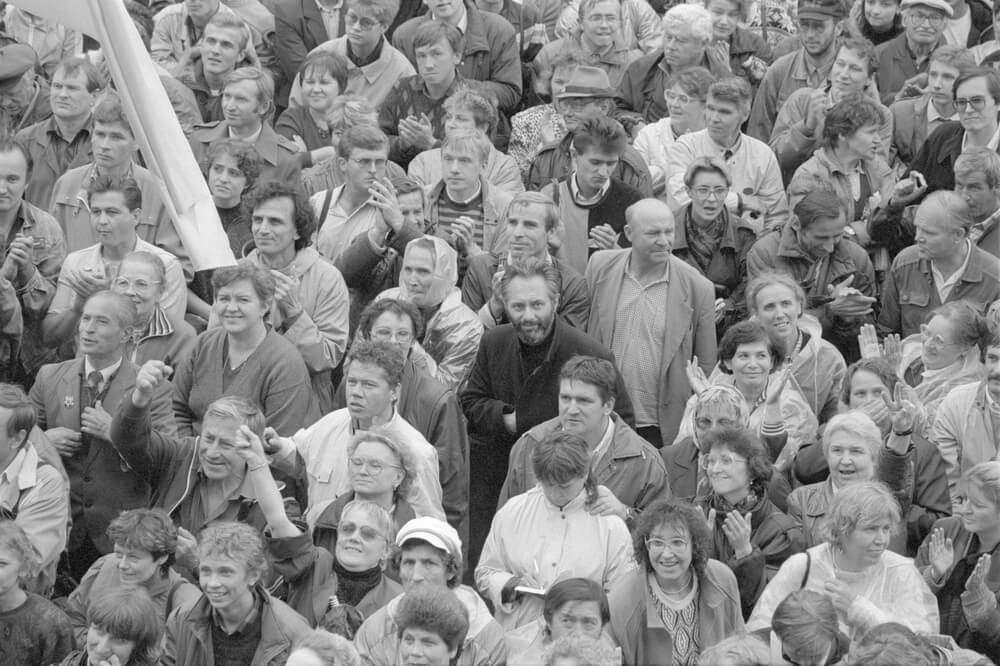
The Film and Photo League produced an independent alternative to commercial newsreels during the Depression, and its footage of a 1930 mass demonstration at Union Square offered a rare account of the event from the perspective of protesters rather than police; commercial footage of the same demonstration, which depicted police violence and arrests, was suppressed by the New York City Police Department and never reached general theatrical audiences. The independent Workers Newsreel had to be screened in church basements and private halls rather than commercial cinemas, since mainstream theaters had no access to it and little appetite for it.
We Who Are About to Die, 1937

This RKO release was banned in Orlando, Florida shortly after release following protests that it showed excessive sympathy toward criminals and was considered morbid in tone; the local nature of the ban illustrates how a single city’s moral objections could keep a nationally distributed film out of a specific market entirely. RKO does not appear to have contested the local restriction.
OWI-Screened Foreign Combat Footage, World War II
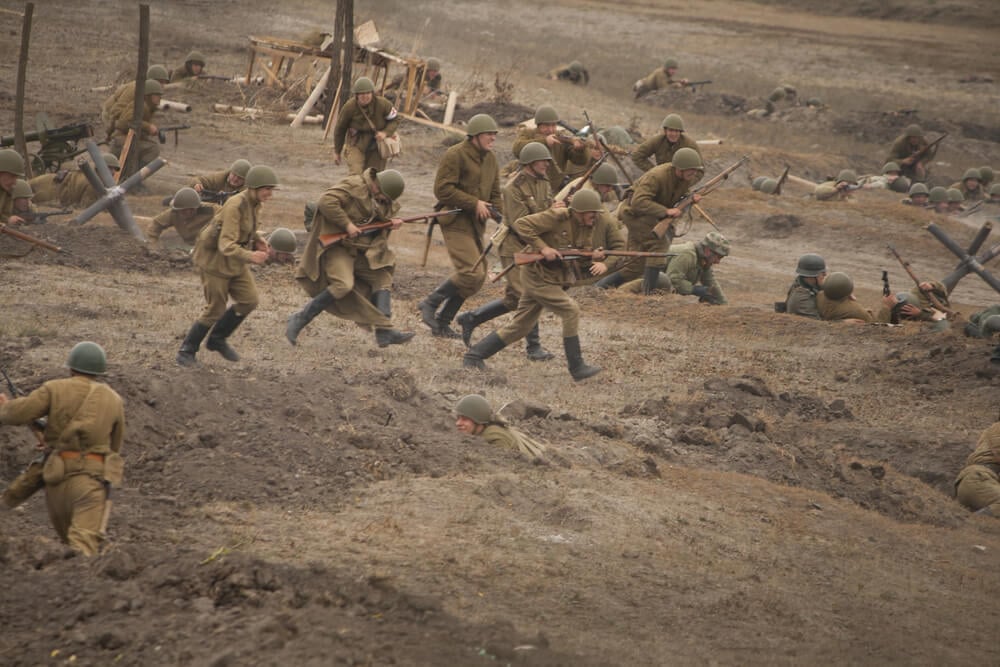
During the war, all foreign newsreel footage required approval from military censors before domestic release, and the Office of War Information screened newsreel content through a covert operation run via the Library of Congress; this meant a significant share of raw combat footage captured overseas never reached American theaters at all, having been filtered out before the public newsreel compilation stage. The scale of this wartime suppression was far larger than any single banned title, affecting the baseline of what counted as “the news” for the entire war’s duration.
The Long Suppression of Silence
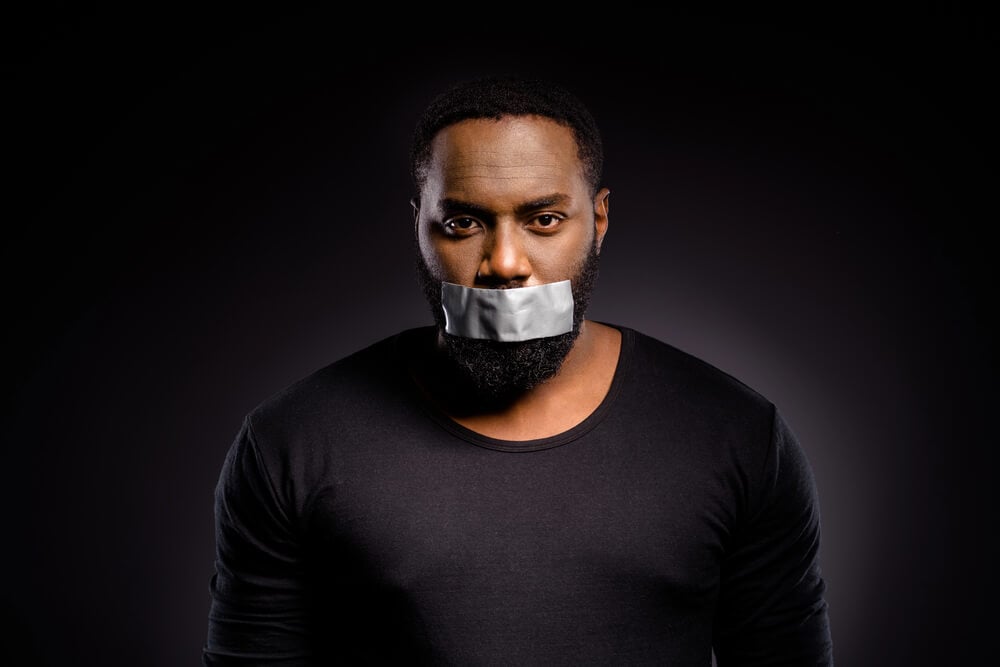
Newsreels presented themselves as neutral windows onto current events, which made the decisions to pull specific footage all the more revealing. A ban wasn’t usually about accuracy — it was about which version of a true event institutions were willing to let audiences see.
What survives from this era is necessarily incomplete, shaped as much by what police departments, theater chains, and censorship boards decided to withhold as by what cameramen managed to capture in the first place.
More from Go2Tutors!

- The Romanov Crown Jewels and Their Tragic Fate
- 13 Historical Mysteries That Science Still Can’t Solve
- Famous Hoaxes That Fooled the World for Years
- 15 Child Stars with Tragic Adult Lives
- 16 Famous Jewelry Pieces in History
Like Go2Tutors’s content? Follow us on MSN.