How Neighborhood Streetlights Became the Universal Curfew
There was no contract. No signed agreement between parents and children, no city ordinance sent home in a school folder, no official ruling that the moment streetlights flickered on, every kid within a half-mile radius had approximately four minutes to get home or face consequences that varied wildly by household but were universally unpleasant. It just — happened. Across decades, across neighborhoods, across vastly different family structures and cultural backgrounds, the streetlight became the one rule everyone somehow agreed on without ever discussing it. That’s a strange thing when you stop to think about it. A piece of municipal infrastructure quietly annexed into domestic law, operating without any authority whatsoever, and yet obeyed with the kind of consistency that actual laws rarely achieve.
There was no contract. No signed agreement between parents and children, no city ordinance sent home in a school folder. No official ruling that the moment streetlights flickered on, every kid within a half-mile radius had approximately four minutes to get home or face consequences that varied wildly by household but were universally unpleasant. It just — happened. Across decades, across neighborhoods, across vastly different family structures and cultural backgrounds, the streetlight became the one rule everyone somehow agreed on without ever discussing it.
That’s a strange thing when you stop to think about it. A piece of municipal infrastructure quietly annexed into domestic law, operating without any authority whatsoever, and yet obeyed with the kind of consistency that actual laws rarely achieve.
The Unwritten Rule That Actually Held
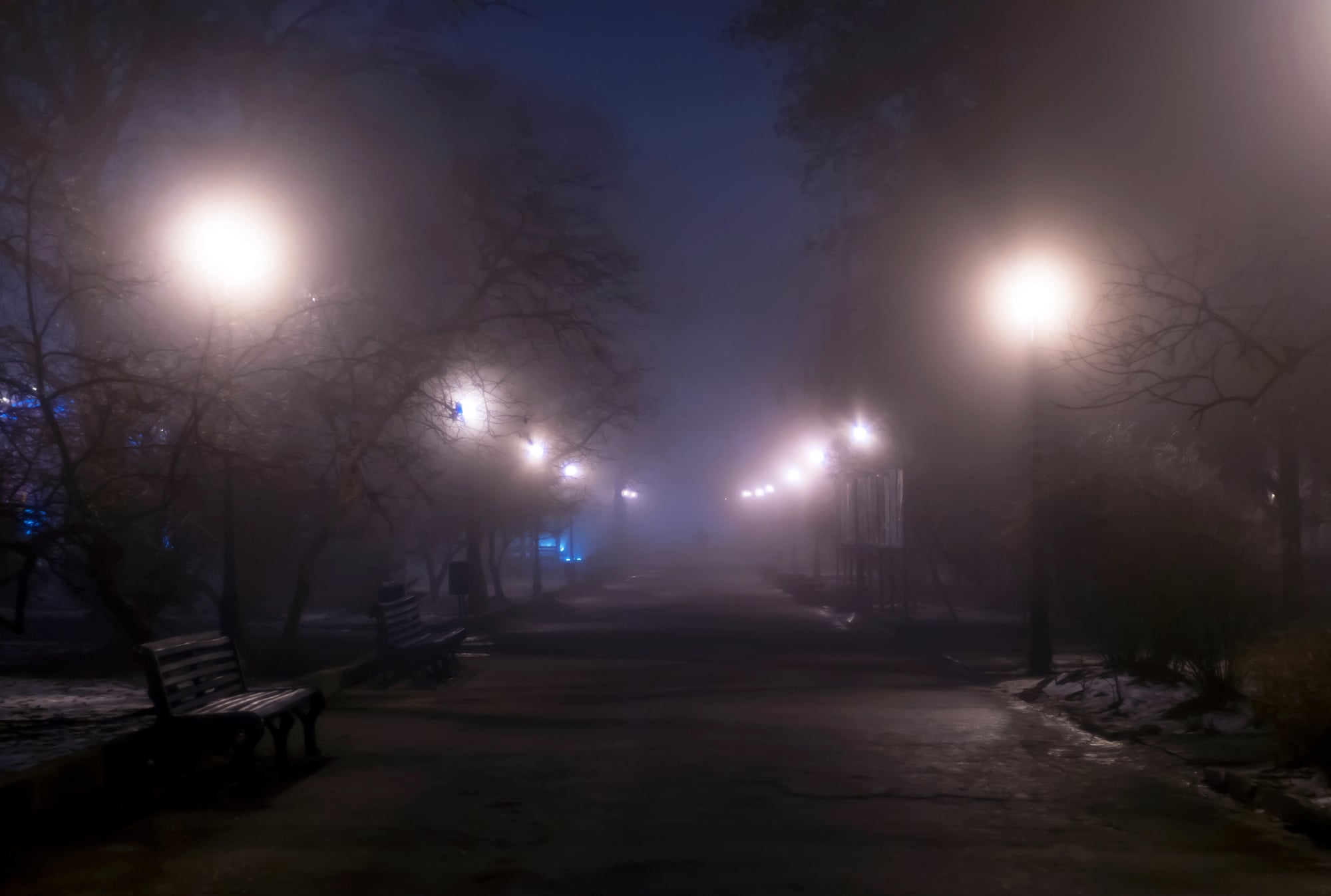
Nobody told the streetlights what job they were doing. They were installed for safety, for visibility, for the city’s liability concerns — and somewhere along the way, they became the most reliable parenting tool of the twentieth century. That’s not nothing.
Why Parents Trusted The Light Over A Watch
Watches required children to own them, check them, and care about what they said — three conditions that reliably collapsed by age nine. The streetlight asked for none of that: it was simply there, visible from anywhere in the neighborhood, indifferent to excuses and impossible to misread.
So it became the one timekeeper kids couldn’t argue with, which was the whole point — parents needed a signal that required no enforcement, no repetition, no standing on the porch and calling a name into the dark.
What “Outside” Meant Before Screens
Being outside used to mean being genuinely unreachable — not unreachable in the modern sense of ignoring a text, but physically absent in a way that required actual searching. You left after breakfast and your parents had no mechanism to contact you, track you, or confirm you were alive until you wandered back through the door.
The streetlight was the only tether available, and it held more than it had any right to.
The Geography Of It

The rule worked because it was visible everywhere, which is something worth sitting with for a moment. A clock on a wall is private, local, easily disputed — “I didn’t see it” is a complete defense.
But streetlights lined every block, which meant the rule had the same face wherever you happened to be playing, regardless of how far you’d wandered from your own yard. Distance from home stopped being a variable. The light came on, and it came on for everyone.
How Far Kids Actually Roamed
The roaming radius of an unsupervised child in mid-century America was genuinely substantial — studies looking at generational shifts in children’s independent mobility have consistently found that kids in the 1970s and 1980s regularly traveled a mile or more from home on their own, often without their parents knowing the precise route. A mile on foot, through unfamiliar streets, past yards that weren’t theirs, into pockets of the neighborhood that existed entirely outside adult awareness.
The streetlight had to cover all of it, and somehow it did.
The Sound Of The Neighborhood Changing
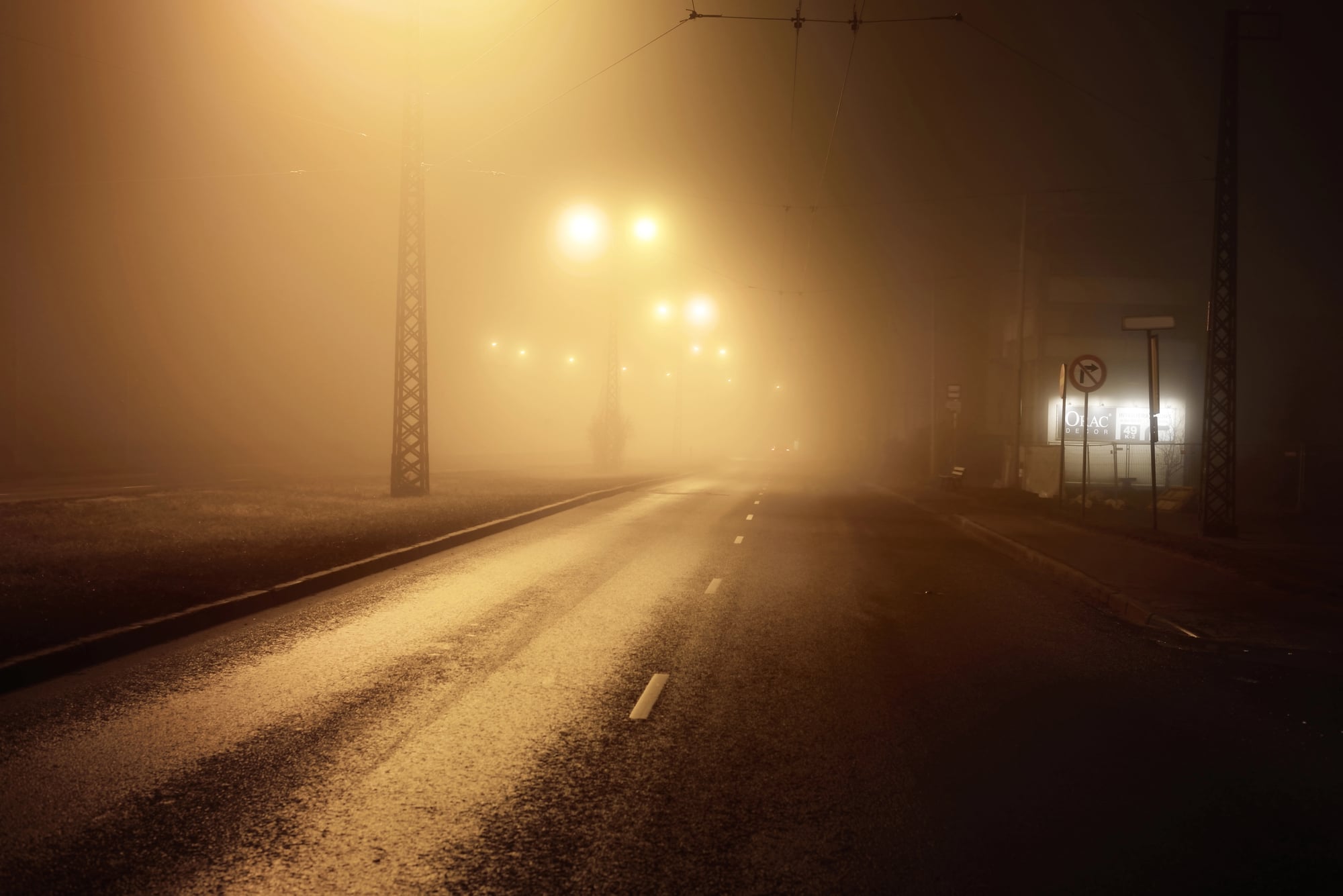
When the lights came on, the neighborhood sounded different within minutes. The particular noise of kids — the argument, the game resumption after a dispute, the bike wheels on asphalt — drained away in stages, like water finding its way out of a space.
What replaced it was the quieter texture of adults: lawn chairs scraping, screen doors closing, a radio through an open window. The streetlight didn’t just mark a time. It conducted a shift change.
Different Families, Same Light
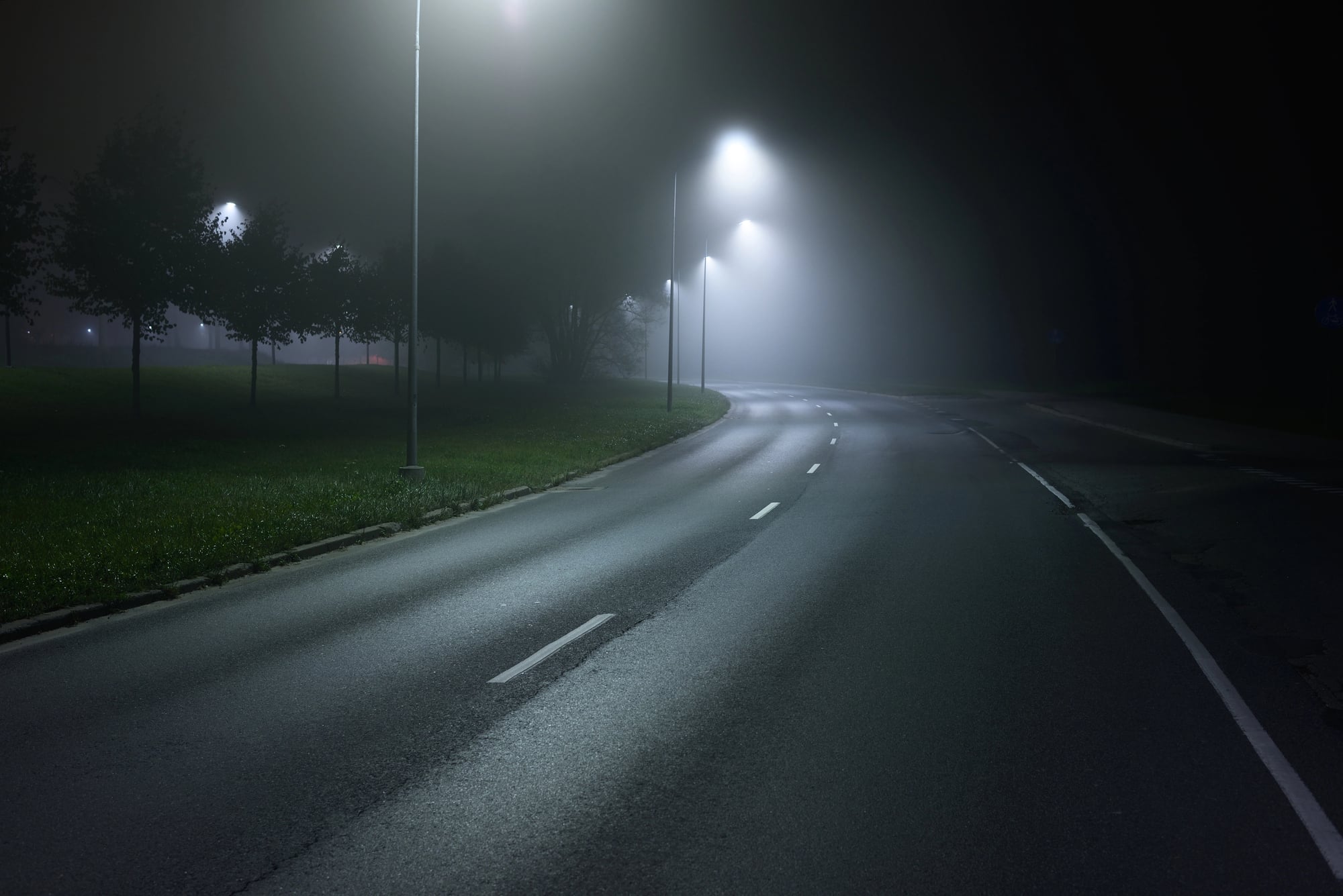
This is where it gets genuinely interesting — the streetlight curfew crossed demographic lines in a way that almost no other childhood norm did. Families with different religions, different income levels, different disciplinary philosophies, different cultural backgrounds all pointed to the same light.
It was one of the few parenting decisions that somehow arrived at consensus without any coordination at all, which is rarer than it sounds.
The Consequence Economy
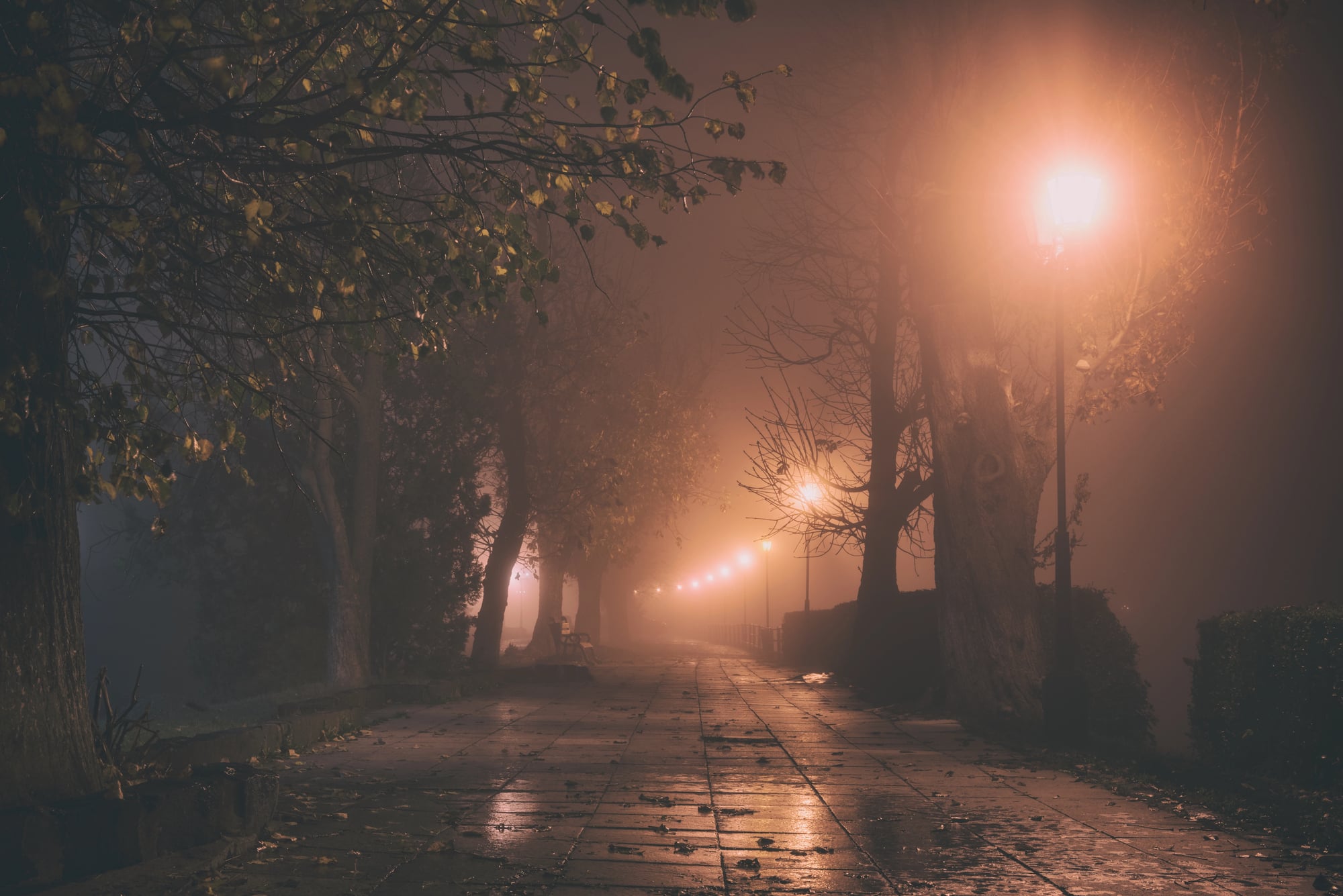
The punishment for missing the streetlight varied enormously by household, but the existence of a consequence was nearly universal. Some families meant a missed dinner. Some meant a grounding that lasted exactly until the parent forgot about it, which in certain households was roughly forty-eight hours.
What mattered wasn’t the specific consequence — it was the certainty that one existed, and that the light was the trigger for it.
What Kids Negotiated
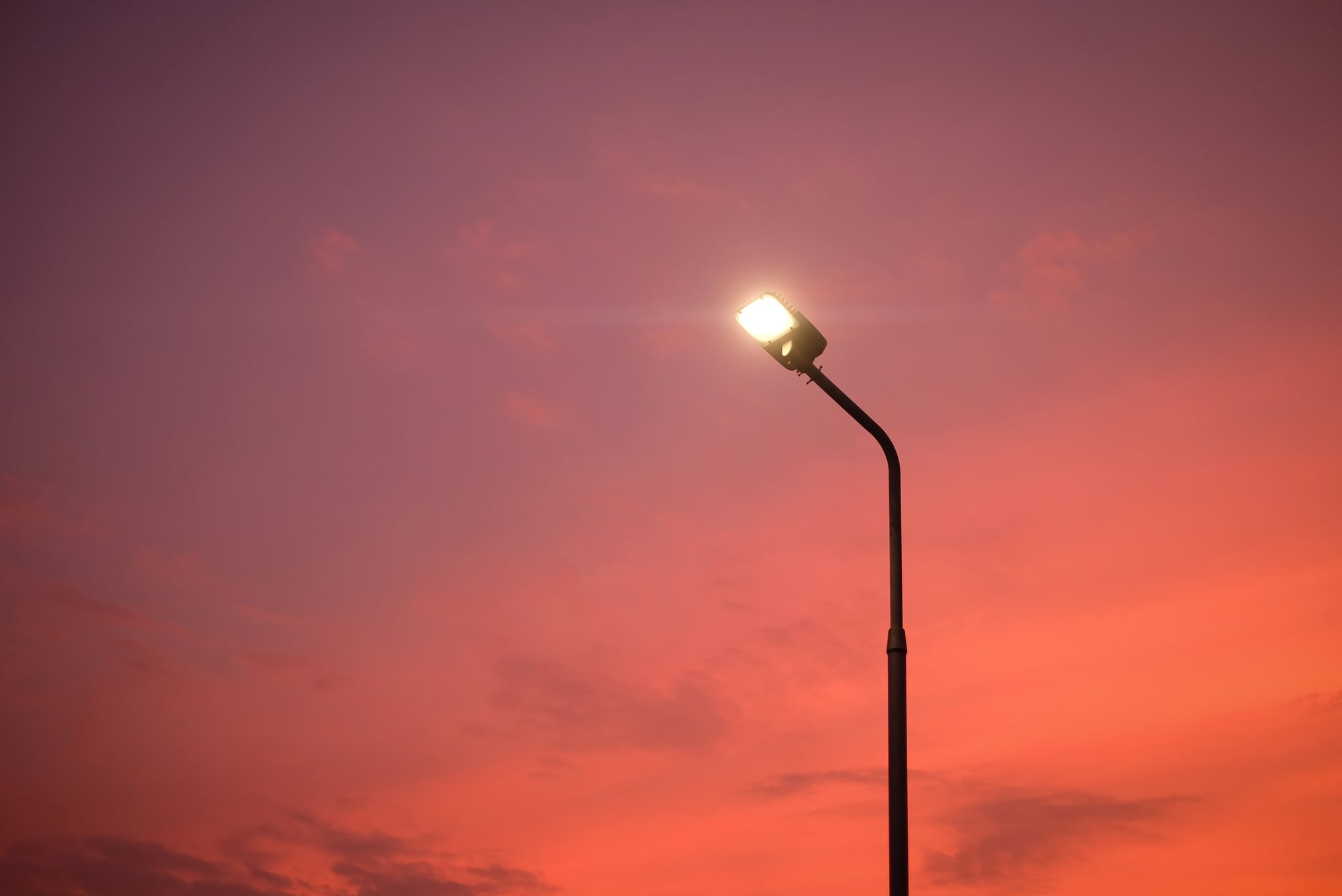
Kids are natural lawyers when it comes to curfews, and the streetlight was not immune to creative interpretation. The light was on but I was already heading home. The light was on but I was at Jimmy’s and Jimmy’s mom said it was fine.
The light was technically on but it had been flickering. These arguments were made with full seriousness and almost never worked, which did not discourage anyone from making them the following evening. Go figure.
The Physics Of The Last Few Minutes

There is something almost athletic about the final sprint home before the light completes its warm-up glow — the way a child’s entire body reorganizes itself around a single goal, the bike suddenly deployed at full speed, the shortcut through the Hendersons’ yard suddenly justified. Urgency of that specific kind has its own texture: not fear exactly, but something adjacent to it, the feeling of a door beginning to close.
Every kid who grew up under that rule knows the sensation without needing to be reminded of it.
How Parents Used It To Avoid Being The Villain

The streetlight was, among other things, a remarkably useful deflection. Parents who were tired of being the person who said “time to come in” could simply not say it — they could point at the light and outsource the role of authority to the municipal power grid.
The light said so, not me. This was either a masterstroke of parenting strategy or a complete accident, and there’s no real way to know which.
What Happened In Winter
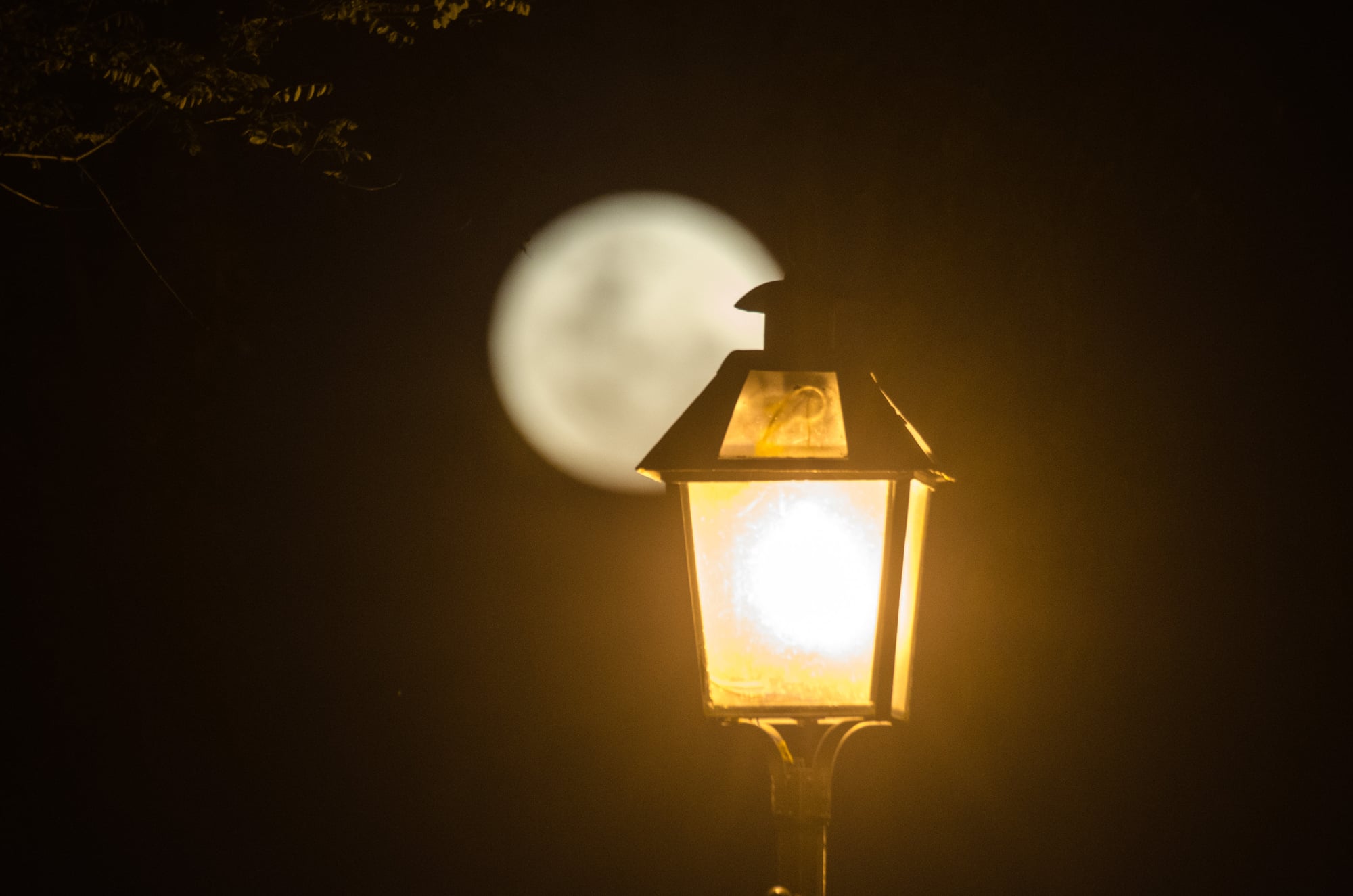
Winter complicated the arithmetic badly, because streetlights in most of the country come on somewhere around 4:30 or 5 p.m. in December, which is — to be honest — far too early to signal any reasonable curfew. Families adapted: some shifted the rule to a specific clock time in the darker months, some let the light rule slide entirely, some held firm and watched their kids disappear inside before dinner was even started.
The light was a summer institution, and winter exposed its limits without destroying its reputation.
The Summer It Felt Like Forever
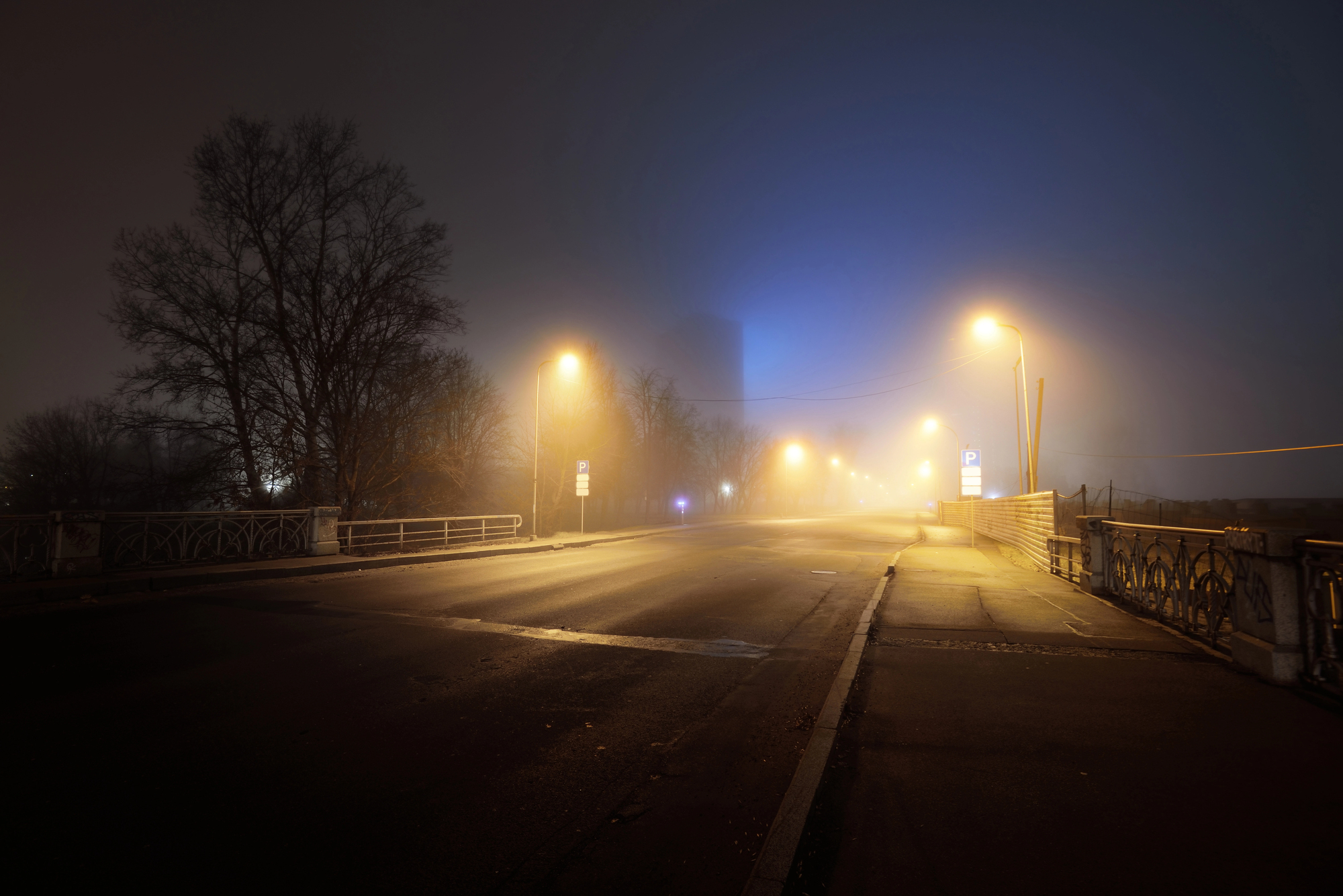
Summer evenings under the streetlight rule had a specific quality that’s difficult to reconstruct and easy to underestimate. The time between dinner and lights-on felt genuinely expansive — not because it was long in hours, but because it was unstructured in a way that made it feel larger than it was.
Three hours of unscheduled, untracked time in a neighborhood you knew well feels, at age ten, approximately like a continent. The streetlight was the border of it.
Why No One Replaced It With Something Better
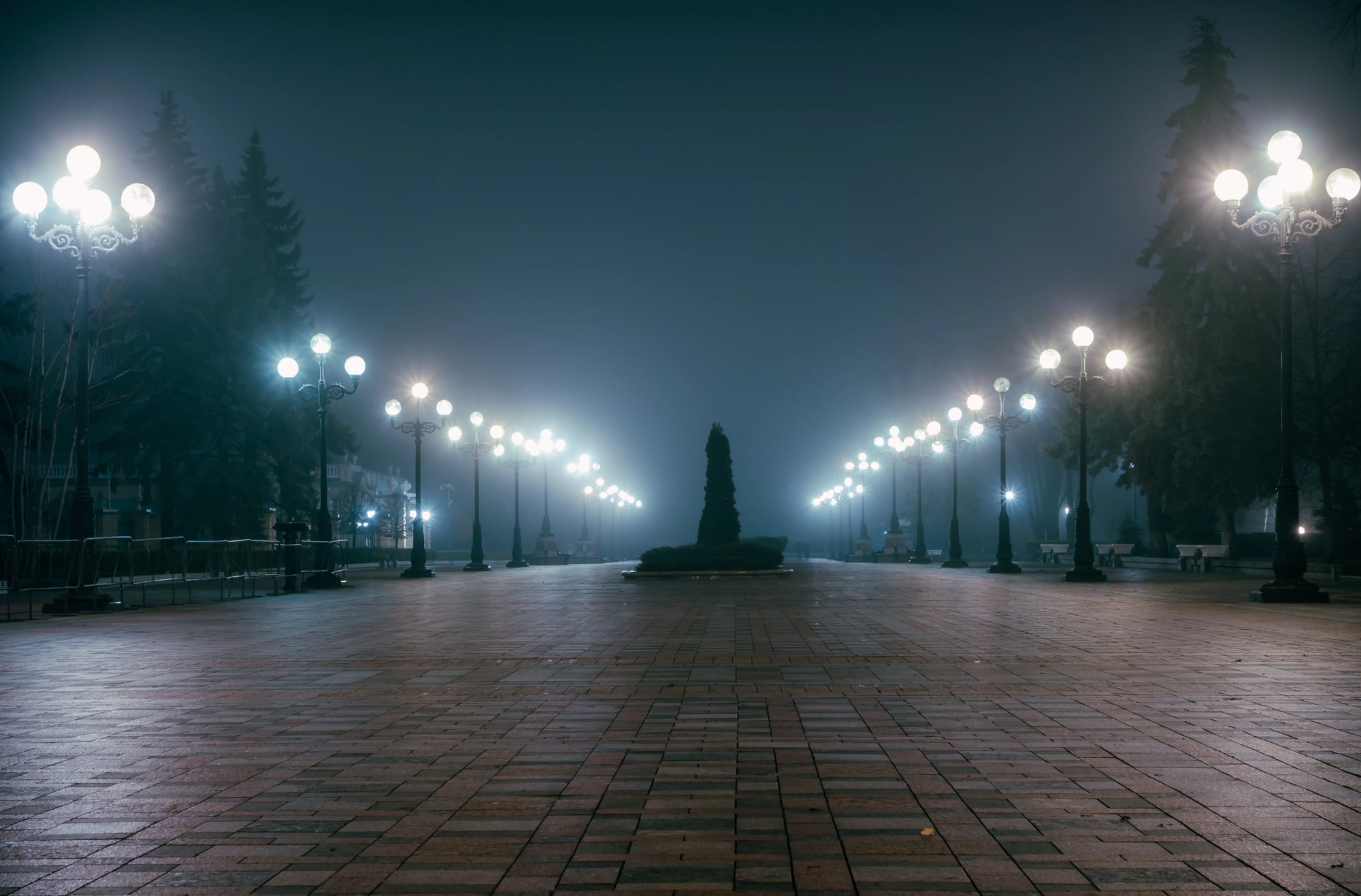
When mobile phones became common enough for parents to hand them to children, the logical outcome should have been the end of the streetlight curfew — a specific time, a text reminder, maybe a phone call when the kid was supposed to be heading home. Instead, the rule quietly dissolved rather than being replaced. The phone made it redundant, but nothing moved in to occupy the same cultural space: visible, shared, universally legible, requiring nothing from the child except to notice it.
The Neighbors As Enforcers
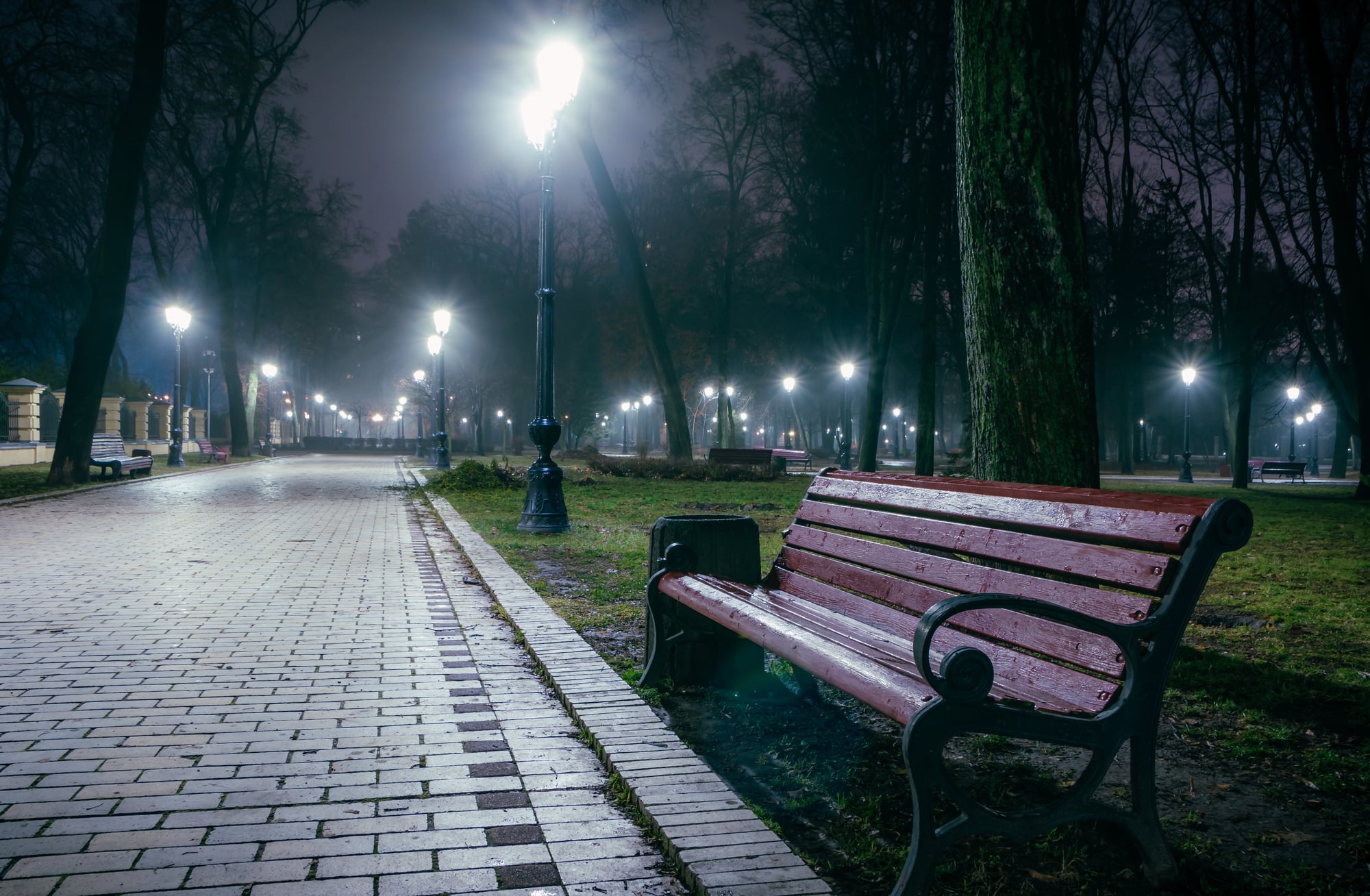
The streetlight rule was only partially enforced by parents — a significant portion of its authority came from the neighborhood itself. Other adults on the block knew the rule, and a kid spotted playing outside well past lights-on could expect to be told, by someone else’s parent, that it was time to go home. This was normal.
It was even expected. The arrangement required a level of communal involvement in each other’s children that would feel intrusive now and was simply understood then.
What It Said About Trust
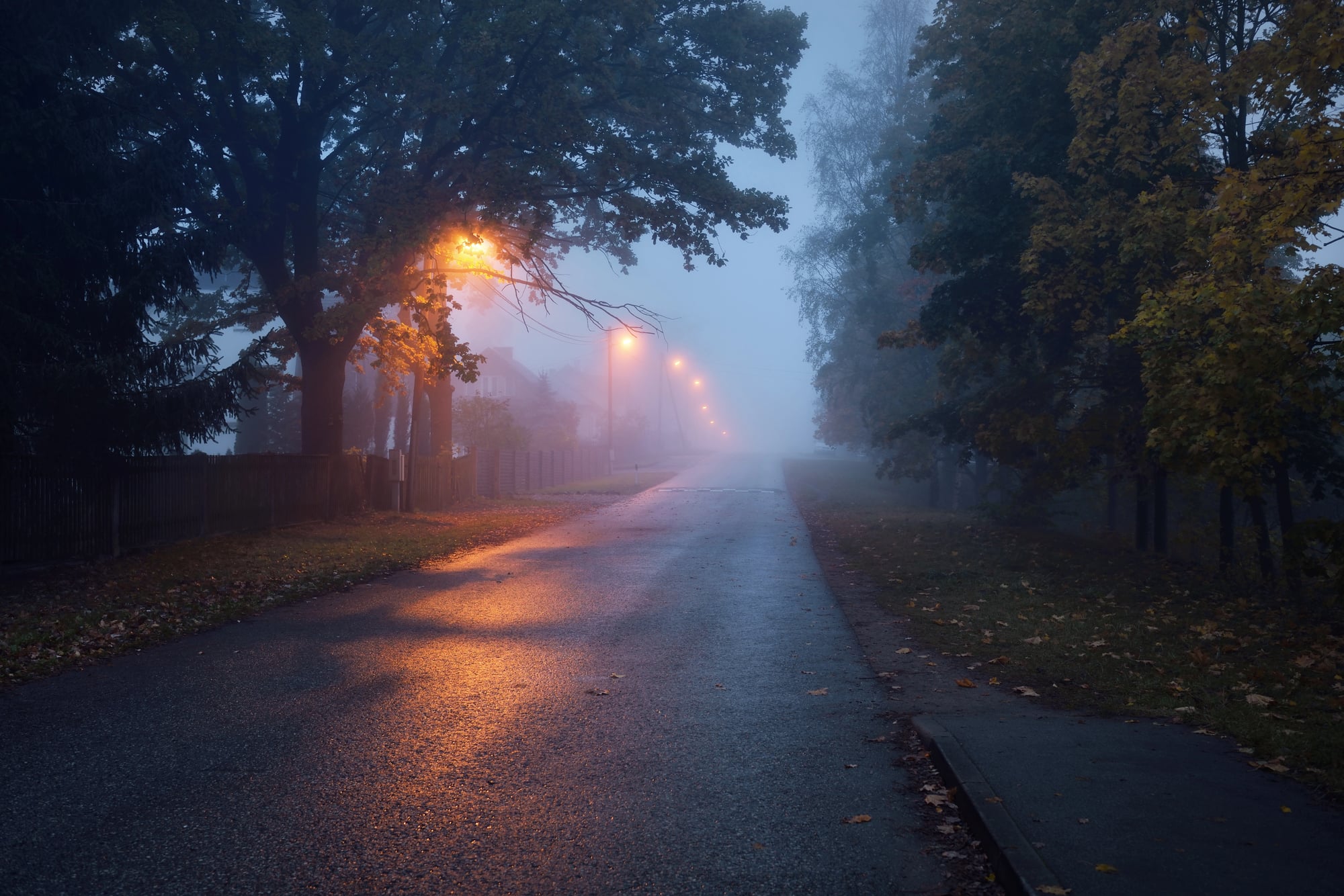
Letting a child disappear for hours with only a light as the agreed-upon recall signal requires a quiet confidence in the neighborhood itself — that nothing irreparable is out there, that someone will notice if something goes wrong, that the radius of a child’s world is safe enough to roam. The streetlight rule was not just a curfew.
It was a vote of confidence in a place, cast every evening by every parent who let a kid out the door.
The Transition Generation
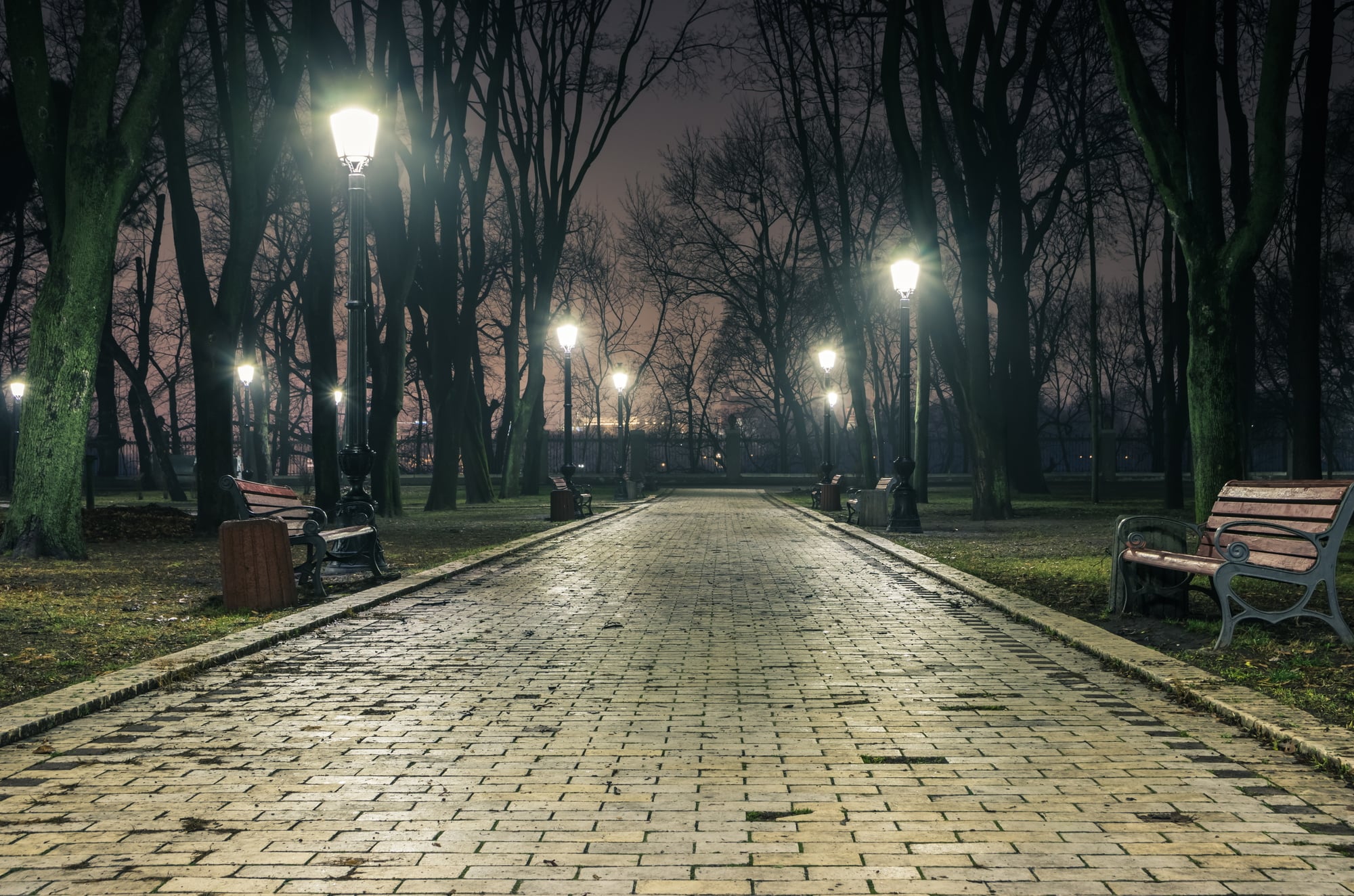
There’s a specific group of adults now in their forties and fifties who grew up under the streetlight rule and raised their own children in an entirely different system — scheduled playdates, supervised activities, GPS-enabled devices. They remember both worlds with uneven nostalgia: the freedom of the first and the reasons, some of them legitimate, that led to the second.
They’re the last people who felt the particular weight of that light coming on across the full length of a summer block.
What The Light Actually Looked Like
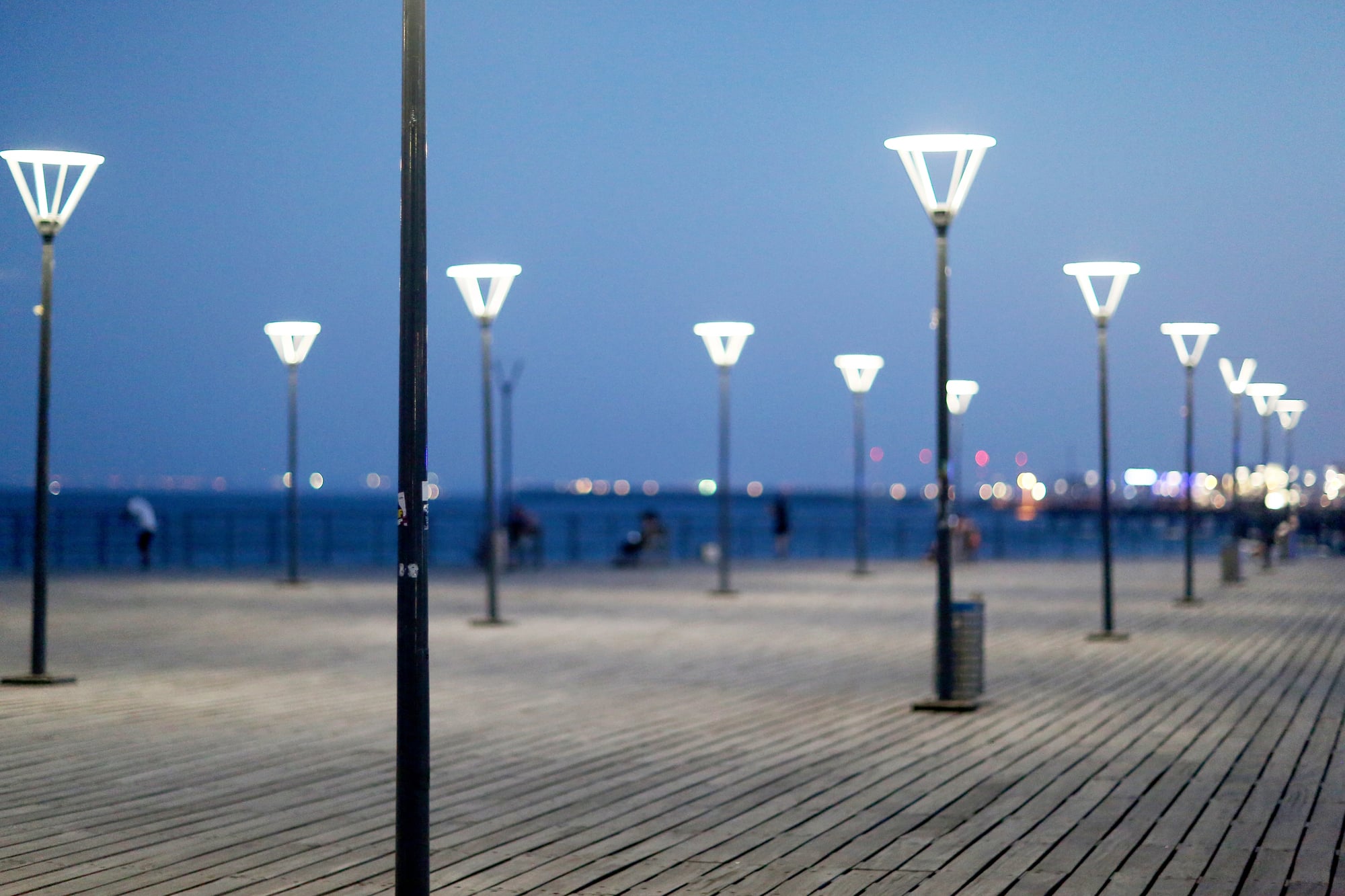
The sodium-vapor streetlights that dominated American suburbs through most of the latter twentieth century cast a specific orange-amber glow that no LED replacement has ever convincingly imitated. It was warm without being warm — a color that made skin look strange and grass look gray and familiar streets look like a different version of themselves.
That was the light kids ran toward and away from. The one that started as a faint yellow tinge in the sky before it fully committed. Hard to replicate, and apparently impossible to forget.
What Got Lost
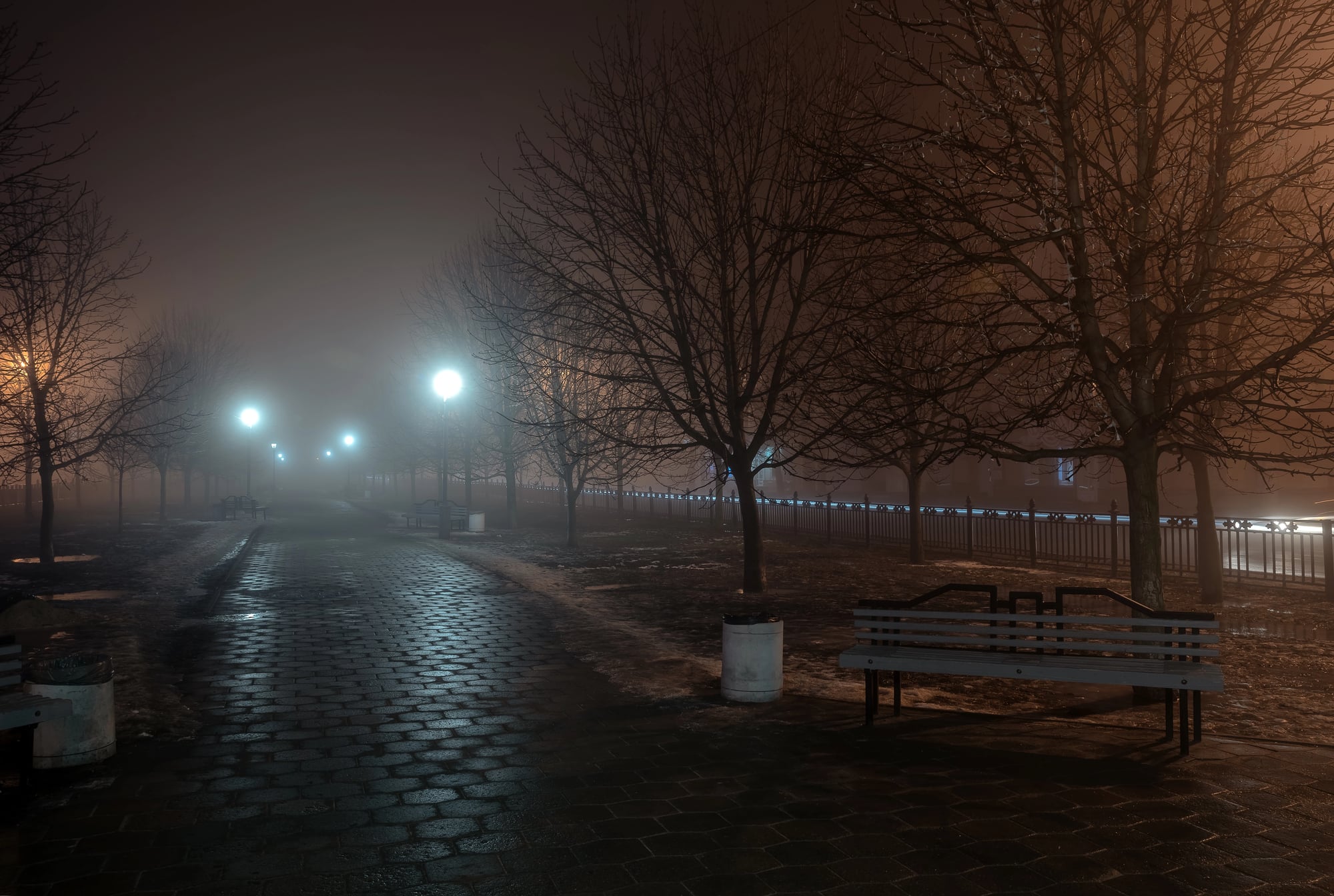
The streetlight curfew required a specific kind of neighborhood to function — one with enough density that kids could reach each other on foot, enough shared culture that parents accepted the same signal, enough communal trust that an adult three houses down could send your kid home without it becoming an incident. Those conditions haven’t vanished entirely, but they’ve thinned considerably, and the curfew thinned with them.
Not because anyone decided to end it. Just because the substrate it required quietly shifted.
When The Last Kids Ran Home
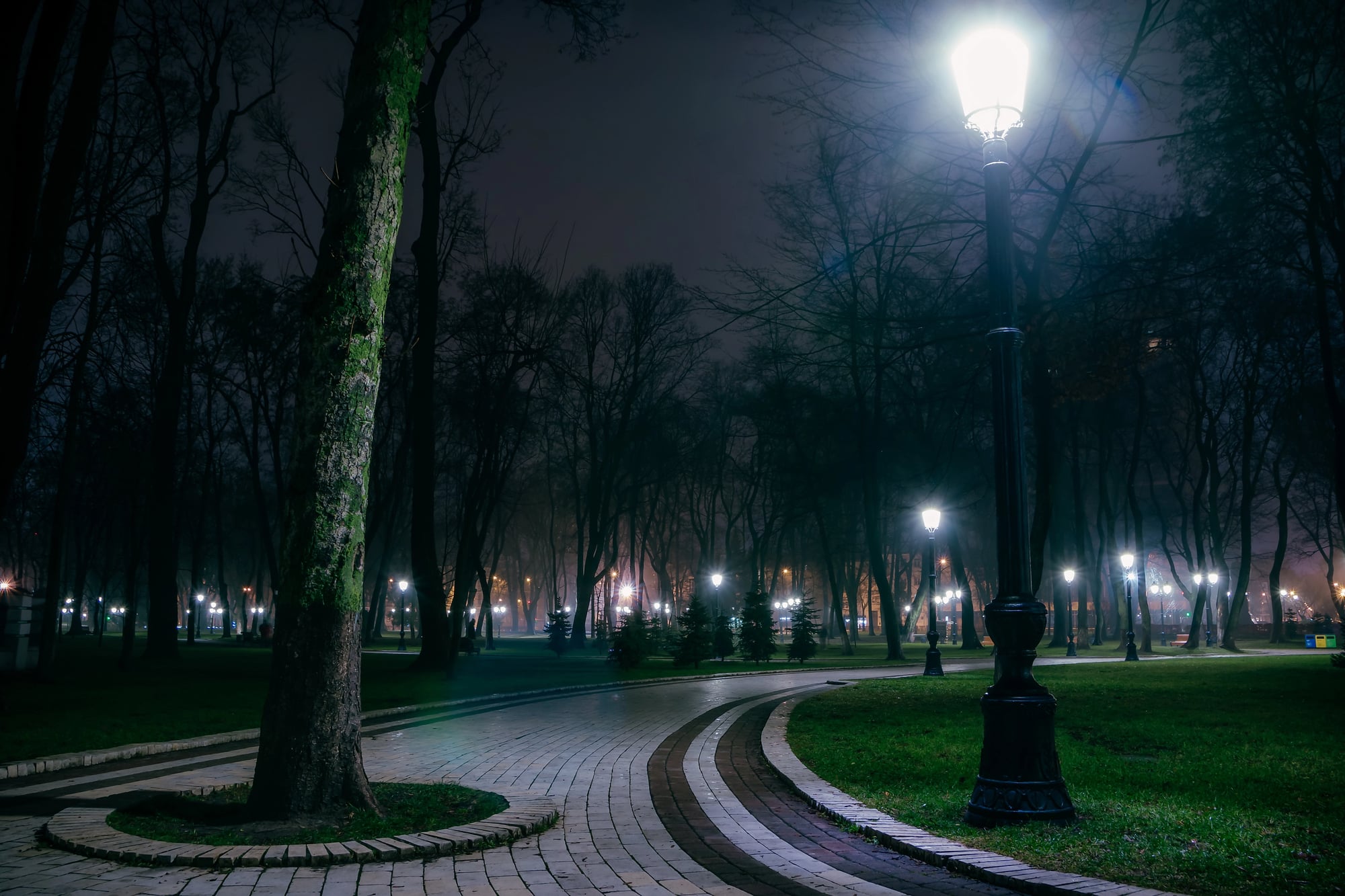
The streetlight curfew didn’t end with an announcement. It faded the way most childhood rituals do — one summer it was simply less observed than the summer before, until enough summers passed that the light became just a light again. What it left behind is harder to name than it is to feel: the particular shape of freedom that has a boundary, the way a shared rule can hold a neighborhood together without anyone signing anything or agreeing to anything out loud.
The light is still out there, coming on every evening at its appointed time, calling nobody home.
More from Go2Tutors!

- The Romanov Crown Jewels and Their Tragic Fate
- 13 Historical Mysteries That Science Still Can’t Solve
- Famous Hoaxes That Fooled the World for Years
- 15 Child Stars with Tragic Adult Lives
- 16 Famous Jewelry Pieces in History
Like Go2Tutors’s content? Follow us on MSN.