26 Cars Families Kept Running Past 200,000 Miles
Most cars are traded in long before the odometer gets anywhere near six figures, let alone two hundred thousand miles. A small group of models earned a different kind of reputation, the kind passed between mechanics and secondhand buyers who know exactly which keys to look for at a used car lot.
Toyota Camry
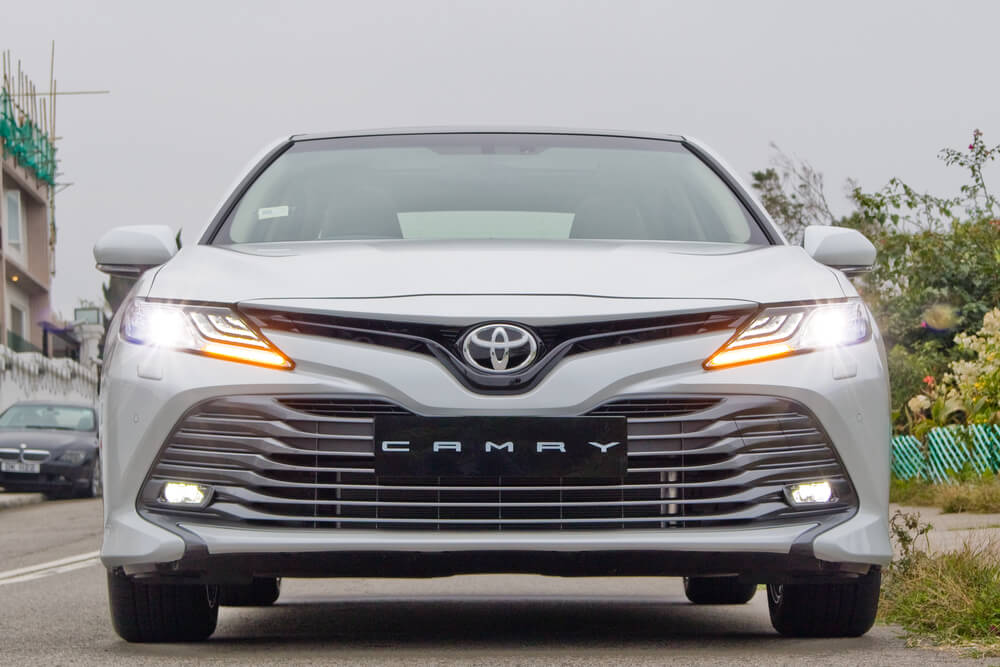
The Camry built its reputation on unglamorous consistency rather than any single standout feature, powered for decades by four-cylinder and V6 engines known for surviving well past factory recommended service intervals when maintained on schedule. Consumer Reports and independent mechanic surveys have repeatedly ranked it among the most reliable midsize sedans on the road across multiple generations.
Families who bought a Camry for daily commuting routinely reported handing the same car down to a teenage driver a decade later, odometer well past 200,000 miles.
Honda Accord
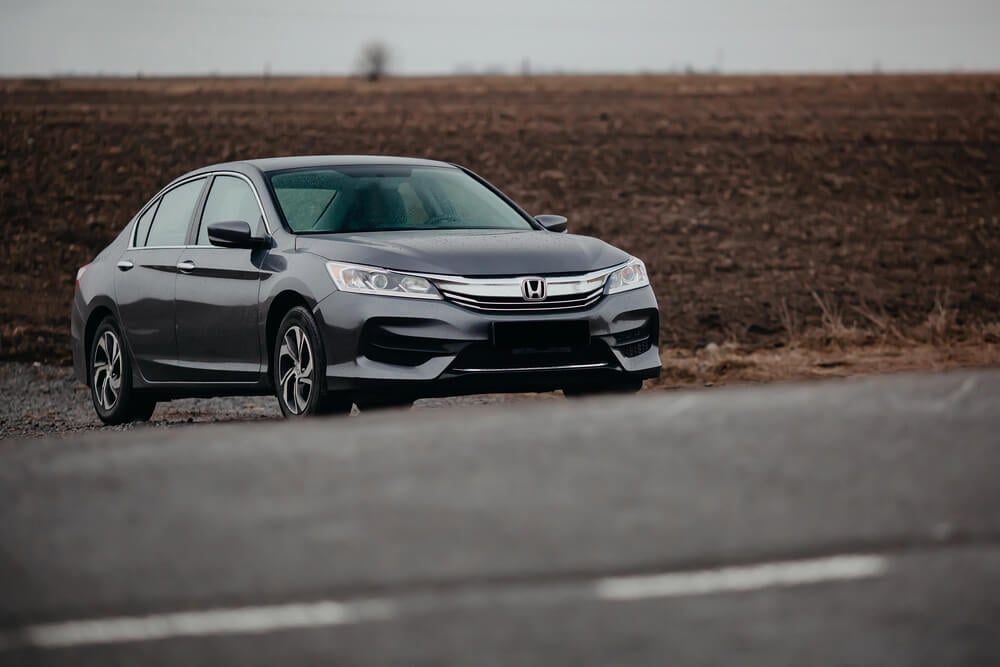
Honda’s midsize sedan earned a similar reputation to the Camry, built around engines that tolerated years of highway commuting without major failures as long as owners kept up with timely oil changes. The fifth and sixth generation models from the 1990s in particular became known among mechanics as some of the most durable mainstream sedans ever mass produced.
Its resale value stayed unusually high specifically because buyers trusted it to keep running well past the point most competitors needed major repairs.
Toyota Corolla
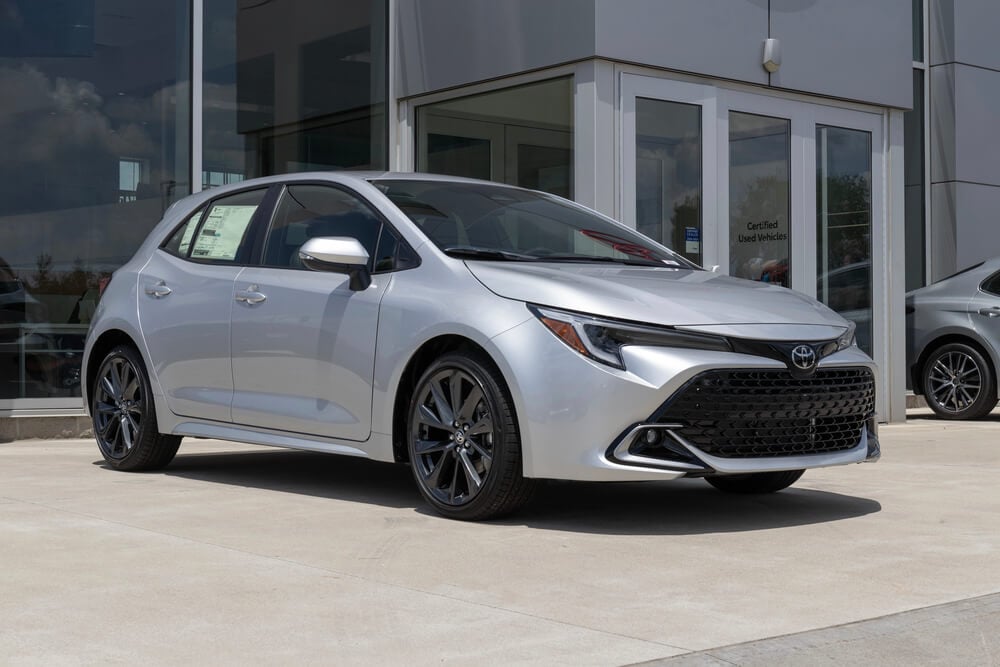
The Corolla has been in continuous production since 1966, and its compact size never stopped it from becoming one of the most commonly cited “still running” cars in online forums dedicated to high-mileage vehicles. Simple mechanical design in earlier generations meant fewer components that could fail expensively, which kept repair costs manageable even as the car aged.
It remains one of the best-selling cars in world history, a fact largely attributed to owners who kept buying the same model after their previous one refused to die.
Honda Civic
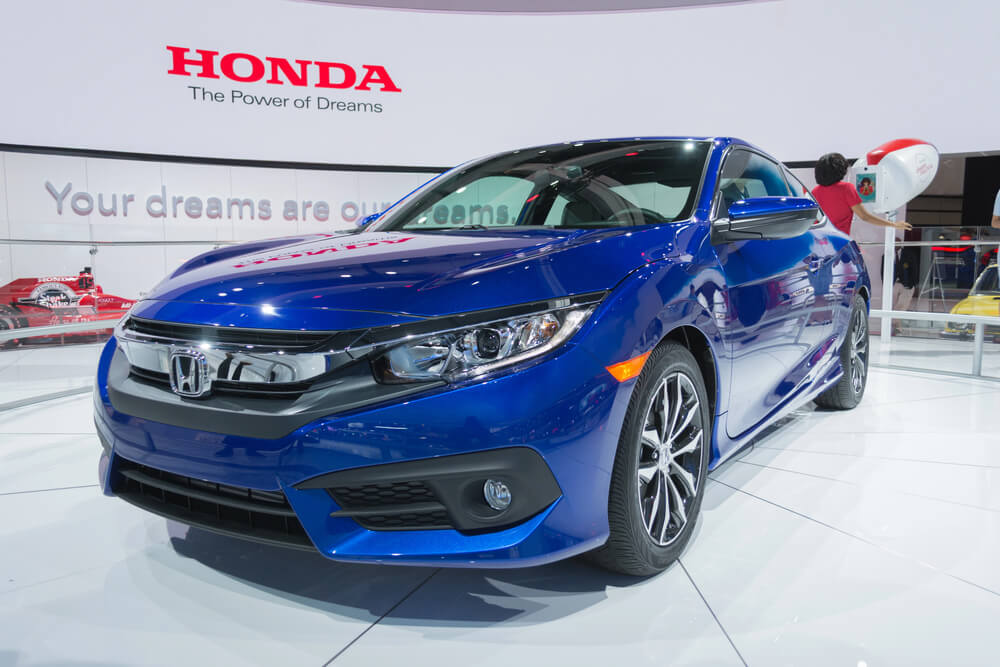
The Civic built a loyal following among budget-conscious first-time car owners partly because it held up so well under the kind of inconsistent maintenance a younger driver was more likely to provide. Its lightweight design and straightforward four-cylinder engines made repairs relatively affordable compared to larger vehicles when something did eventually go wrong.
Civics from the 1990s and early 2000s in particular developed a strong following among mechanics who considered them nearly impossible to kill through neglect alone.
Toyota Land Cruiser

Built for extreme off-road conditions in international markets long before it became a common suburban vehicle in the United States, the Land Cruiser used a body-on-frame design and oversized components that tolerated far more abuse than a typical passenger car. Fleets in remote parts of Africa and the Middle East have used Land Cruisers for decades specifically because they kept running with minimal infrastructure for repairs.
Individual examples with well over 300,000 miles are not considered unusual among dedicated owners who maintain the model closely.
Toyota 4Runner

Sharing much of its underlying engineering with the Tacoma pickup, the 4Runner used a body-on-frame construction that Toyota carried over largely unchanged for years at a time, a design choice that traded modern refinement for long-term durability. Its fifth generation, produced from 2010 through 2024, became especially known for engines that routinely passed 250,000 miles with only routine maintenance.
Off-road enthusiast communities frequently cite it as one of the few SUVs still built the old way.
Chevrolet Suburban
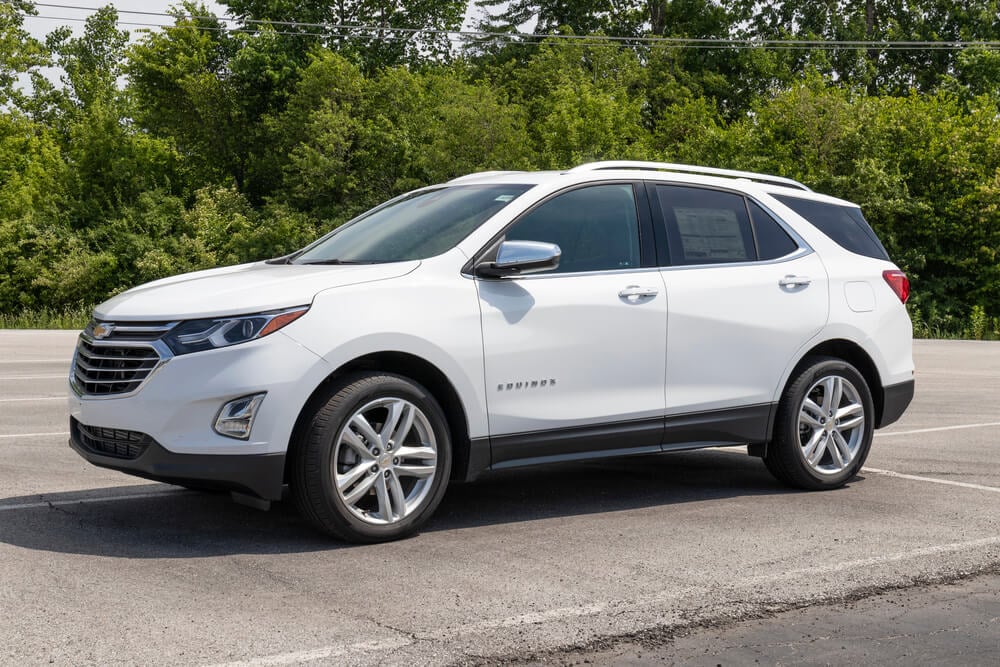
The Suburban has been in continuous production longer than almost any other American vehicle nameplate, and full-size fleets, including police departments, funeral homes, and large families, have relied on its durability for generations. Its V8 engines were built with enough mechanical margin to tow heavy loads for years without major failure, a quality that made it a favorite among ranchers and contractors as much as suburban parents.
Higher-mileage examples remain common on used car lots specifically because buyers trust the platform to keep working under heavy use.
Ford F-150
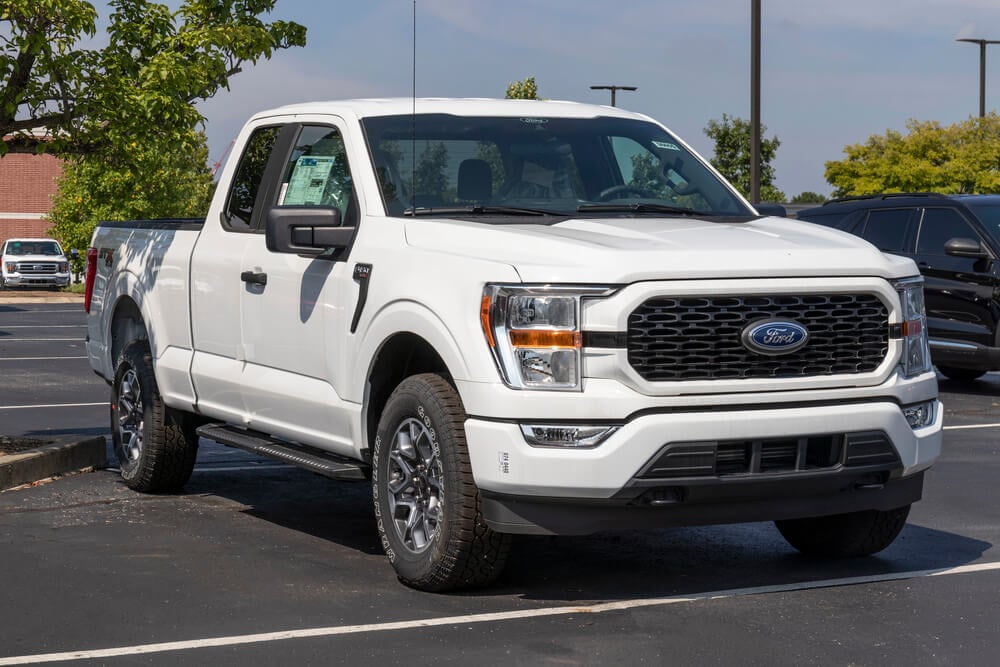
America’s best-selling truck earned its high-mileage reputation through generations of buyers who used it for actual work rather than light commuting, putting real strain on the drivetrain and expecting it to hold up regardless. The 5.4-liter V8 offered through the 1990s and 2000s became particularly well known among mechanics for tolerating years of towing and hauling without major internal failure.
Fleet buyers, including utility companies and contractors, have long factored a 200,000-mile service life into their purchasing decisions for the model.
Honda CR-V

Honda’s compact SUV inherited much of the Civic and Accord’s mechanical reliability while offering more cargo space for growing families, which made it a common choice for households that expected to keep a single vehicle for over a decade. Its four-cylinder engines proved durable enough that insurance and resale data consistently showed CR-Vs holding value longer than most competitors in the same size class.
Owners in online forums frequently report crossing 200,000 miles with nothing more than standard scheduled maintenance.
Toyota Tacoma
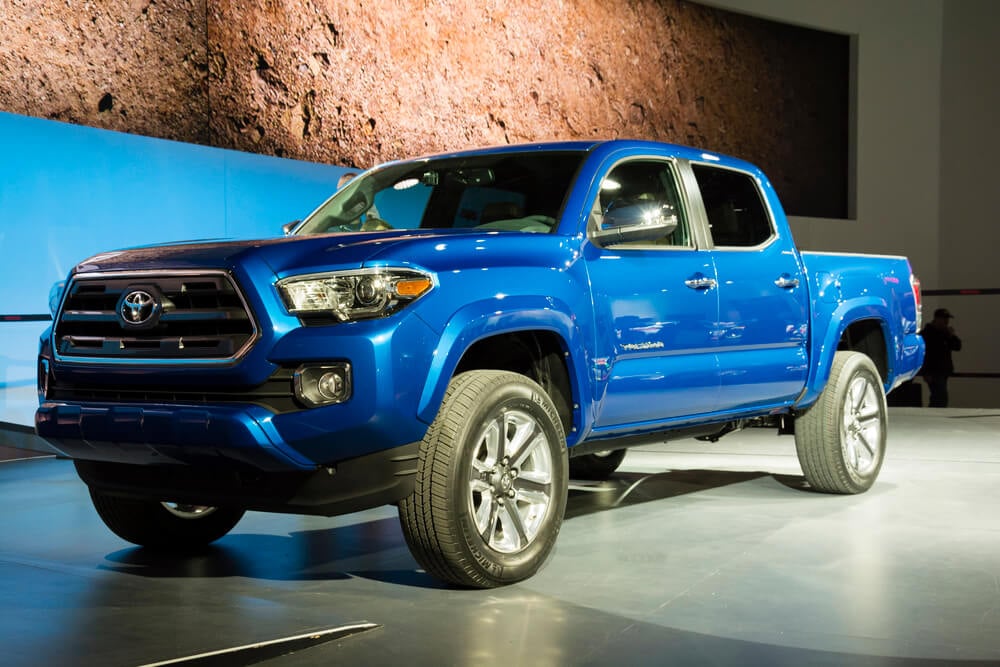
The Tacoma developed an unusually devoted following among owners specifically because of its reputation for surviving both off-road abuse and simple daily commuting without complaint. Its resale values have stayed high enough for long enough that buying a used Tacoma with over 150,000 miles often costs nearly as much as some competitors’ new base models.
Truck enthusiast forums are filled with owners documenting Tacomas well past 300,000 miles, some still running the original transmission.
Lexus LS400
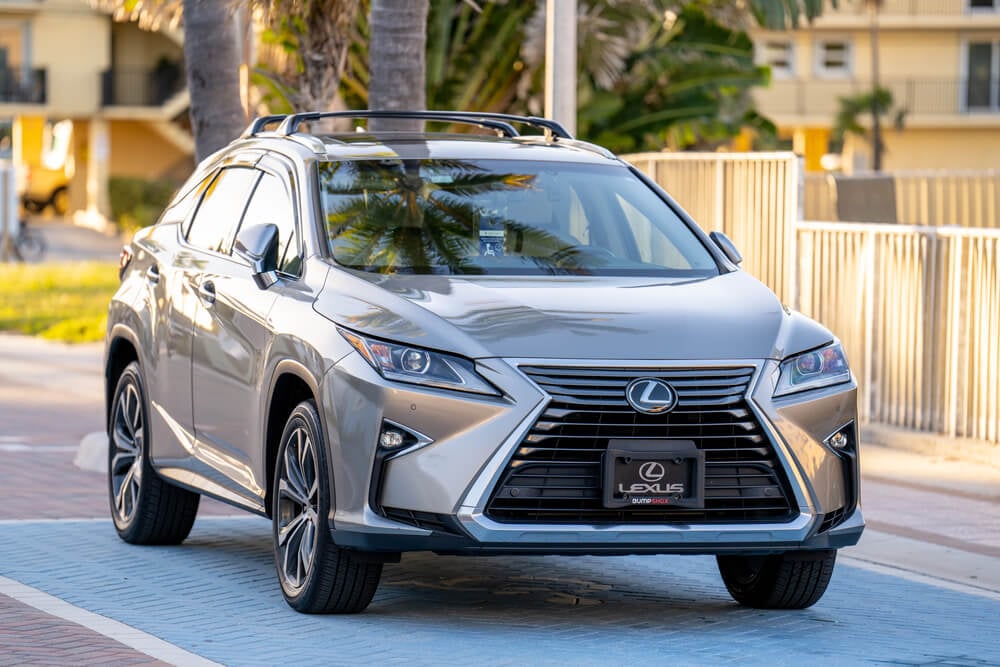
Toyota’s flagship luxury sedan, introduced in 1989, was engineered from the outset to match German luxury competitors on comfort while dramatically exceeding them on long-term reliability. Toyota famously tested prototype LS400s by driving them at sustained high speeds around a track for extended periods specifically to catch failures before the car reached customers.
Early LS400 owners routinely reported the car still running smoothly with its original engine and transmission past 300,000 miles.
Volvo 240
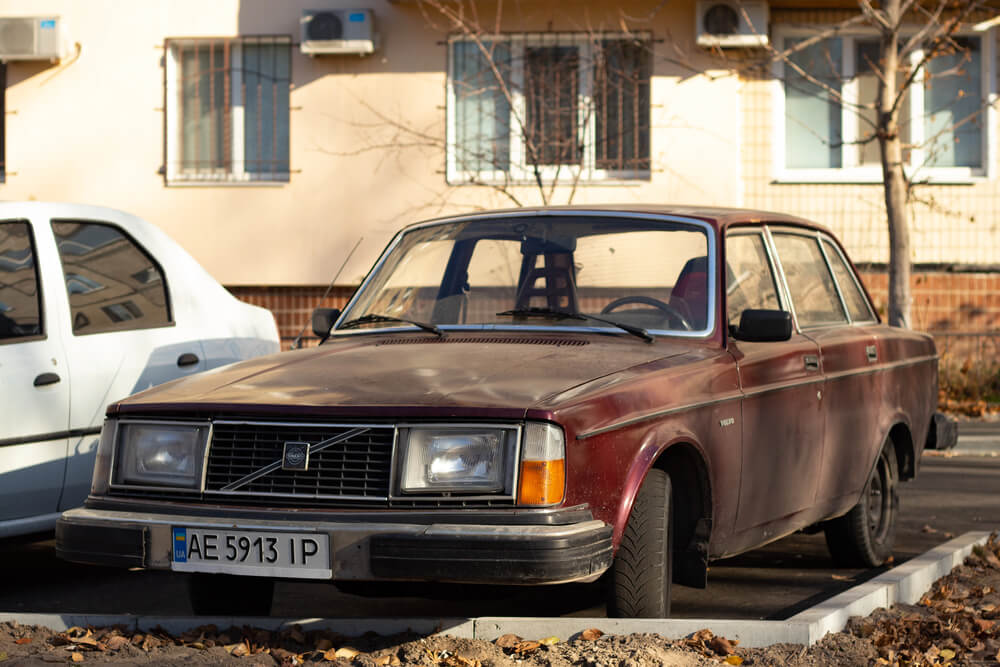
Produced from 1974 through 1993, the boxy Volvo 240 became something of a cultural symbol for safety-conscious, unglamorous durability, with a simple four-cylinder engine that mechanics considered straightforward to maintain for decades. Volvo itself has documented individual 240s that surpassed one million miles, driven by owners committed to strict maintenance schedules.
Its reputation for outliving its original owner became such a common joke that it followed the car into pop culture references for years after production ended.
Mercedes-Benz W123
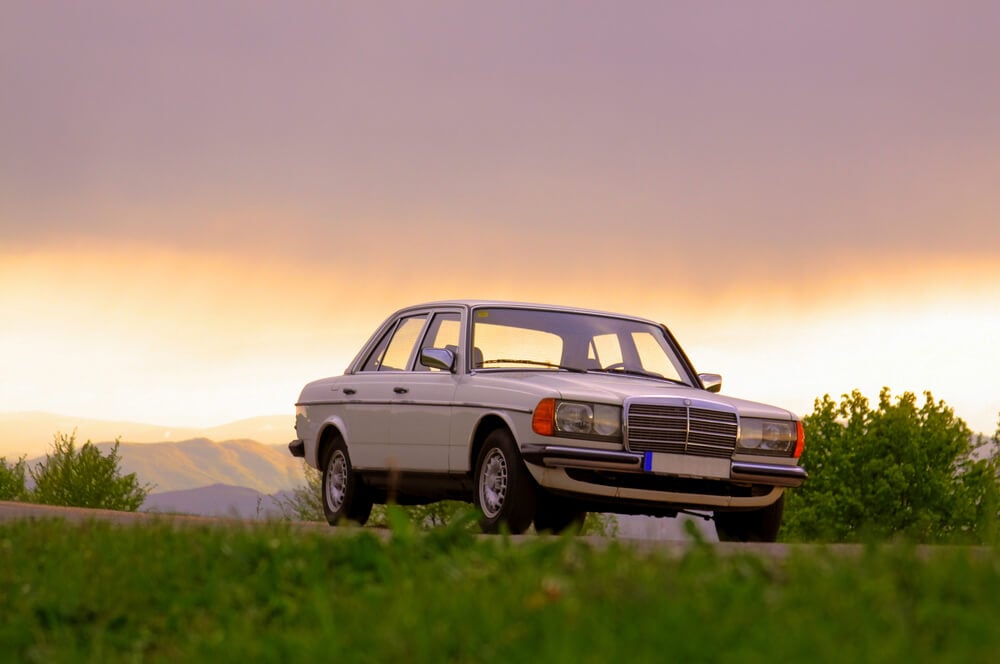
Built from 1976 through 1985, the W123 line, particularly its diesel-powered variants, became legendary among mechanics for engines that seemed almost impossible to wear out under normal use. Taxi fleets across Europe and parts of the developing world kept W123 diesels running well past 500,000 miles, using them as daily workhorses rather than collector pieces.
The model’s overbuilt mechanical tolerances, a hallmark of Mercedes engineering from that era, made it one of the most frequently cited high-mileage cars in automotive history.
Honda Odyssey
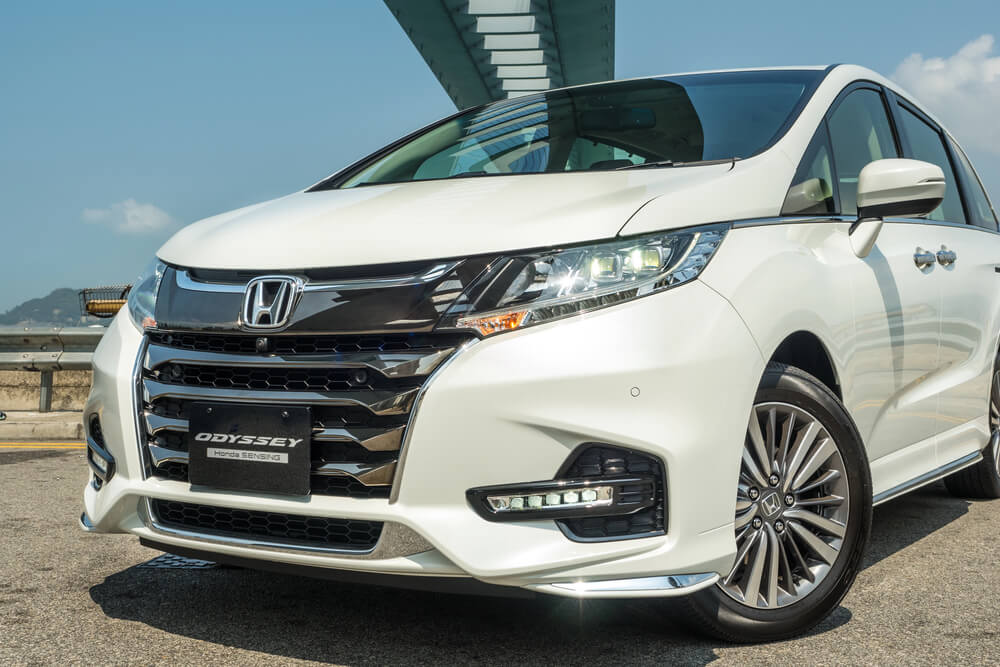
Honda’s minivan built a strong reputation among families specifically because it combined practical cargo and passenger space with the same mechanical durability found in Honda’s smaller sedans. Later generations addressed early transmission concerns from the model’s first years and went on to earn consistently high reliability ratings through the 2010s.
Families who bought an Odyssey for years of carpool duty frequently reported handing it down for a teenager’s first car once the original owners moved on to something smaller.
Toyota Sienna
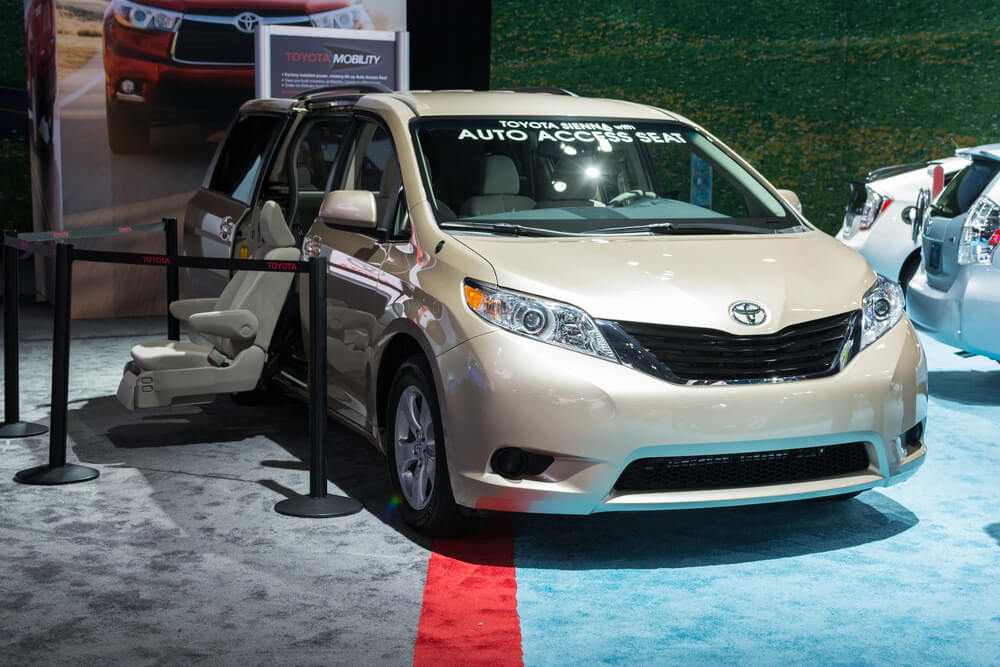
Toyota’s minivan competed directly with the Odyssey on the same reputation for reliability, powered by V6 engines known for tolerating heavy weekly use without major issues. Fleet operators, including some shuttle and transportation services, chose the Sienna specifically for its lower long-term maintenance costs compared to competing minivans.
Owner surveys have consistently placed it among the highest-scoring vehicles for reliability at the 150,000-to-200,000-mile mark.
Subaru Outback
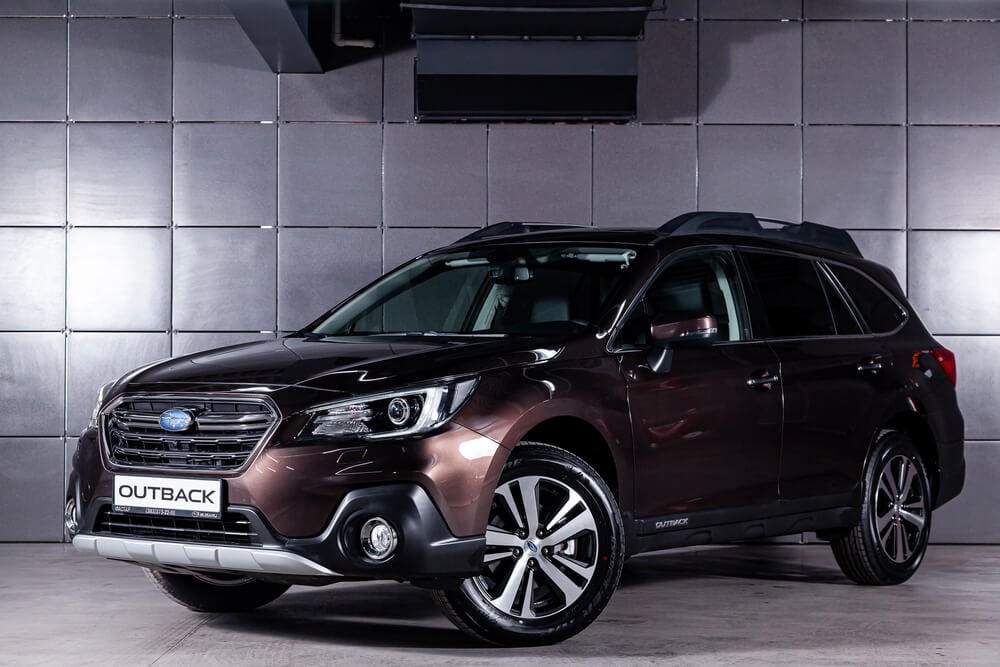
Subaru’s all-wheel-drive wagon built a loyal following in regions with harsh winters, where its standard all-wheel drive and higher ground clearance made it a practical daily driver year-round. Earlier generations occasionally required head gasket repairs, a known weak point that dedicated mechanics learned to address proactively, after which the rest of the drivetrain often ran reliably for years longer.
Owners in snowy states frequently cite the Outback as the vehicle they trusted most to start reliably through repeated harsh winters without major mechanical surprises.
Toyota Prius
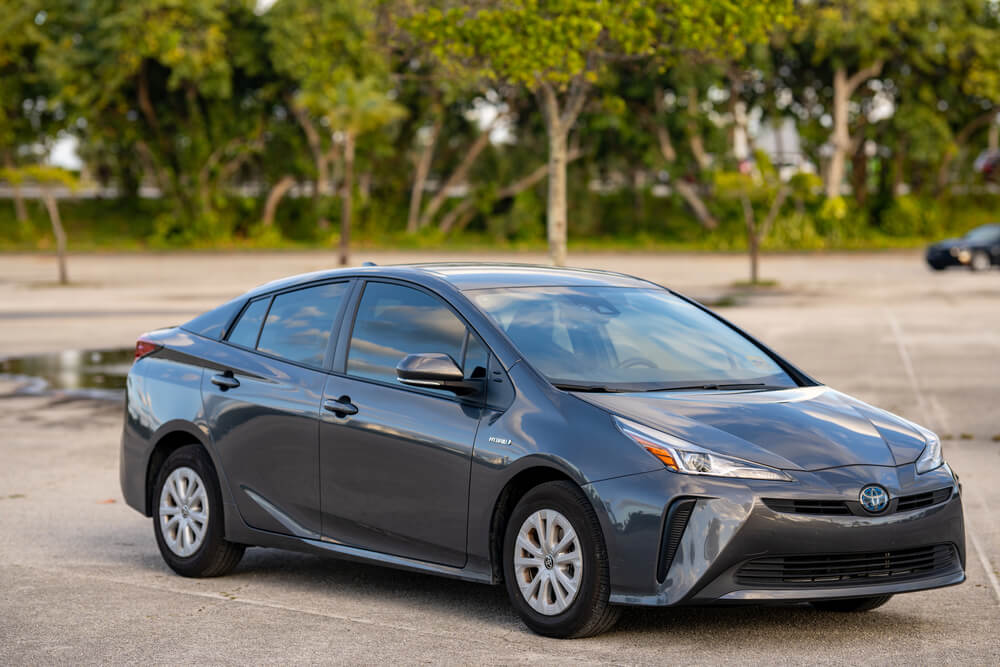
Skeptics doubted the hybrid battery and drivetrain system would hold up over time when the Prius launched in the United States in 2000, but taxi fleets in cities including New York and San Francisco proved otherwise by racking up hundreds of thousands of miles on the original hybrid system with minimal issues. Some taxi Priuses have been documented running past 300,000 miles on largely original components.
The model’s reputation for hybrid durability helped shift public perception of hybrid technology from a risky experiment to a proven, long-term option.
Ford Crown Victoria
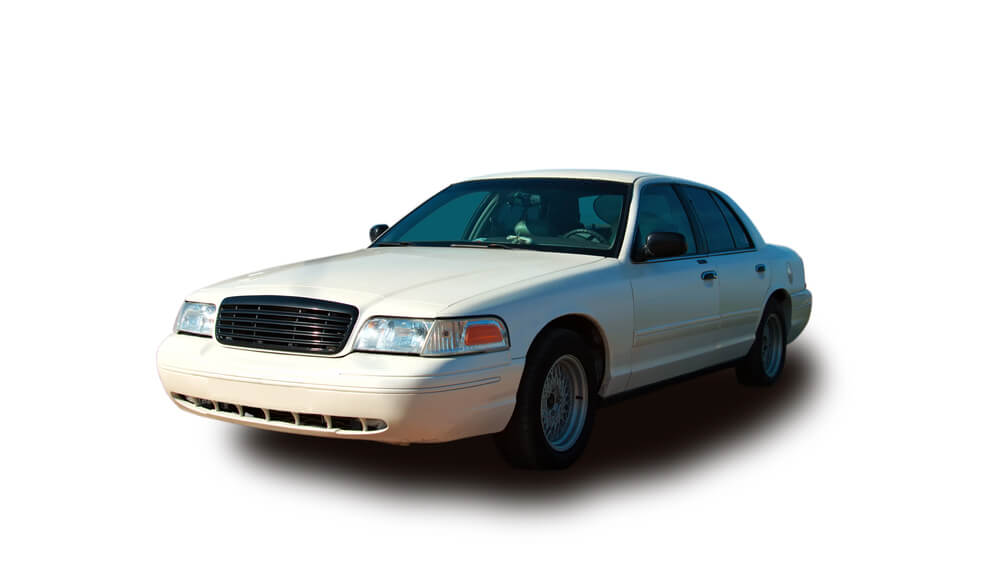
Built on a simple, heavy-duty body-on-frame platform through 2011, the Crown Victoria became the standard vehicle for police departments and taxi fleets across the country specifically because it could handle constant heavy use without frequent breakdowns. Fleet buyers routinely expected 200,000 miles or more of service life from the Police Interceptor variant before retiring a unit.
Its straightforward mechanical design also made it a favorite among independent mechanics who found it simple and affordable to keep running for private owners.
Chevrolet Impala
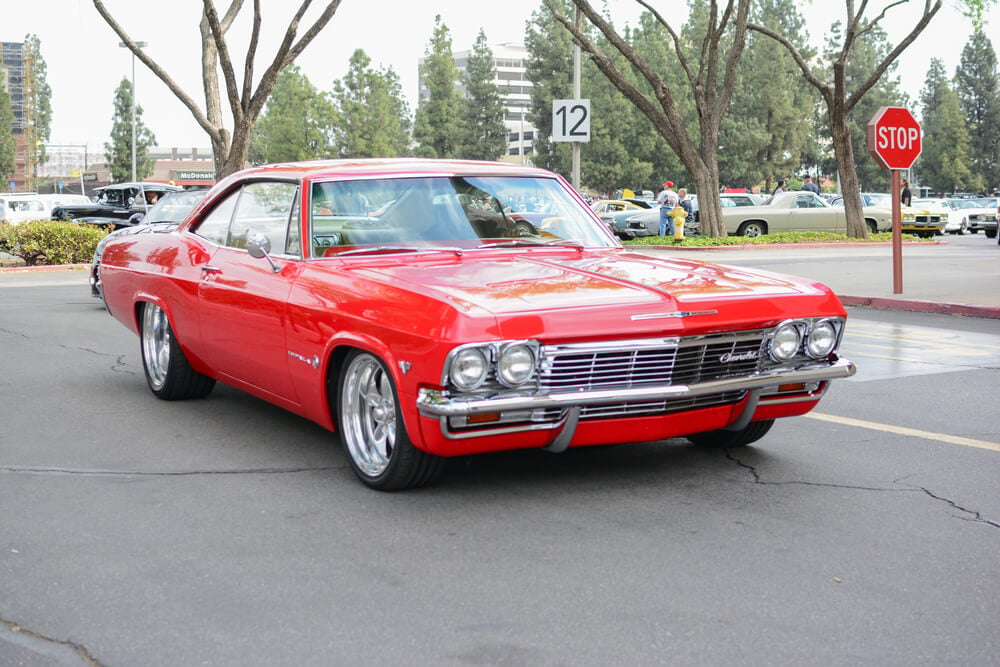
The full-size Impala, particularly its 2000s and 2010s generations built on General Motors’ W-body and later Epsilon platforms, became a common choice for rental and rideshare fleets specifically because of its reputation for tolerating high daily mileage without major issues. Its V6 engine options were widely regarded by mechanics as simple and dependable compared to some of GM’s more complex offerings from the same era.
Used Impalas with well over 150,000 miles remained a common and trusted option on used car lots for budget-focused buyers.
Toyota Highlander
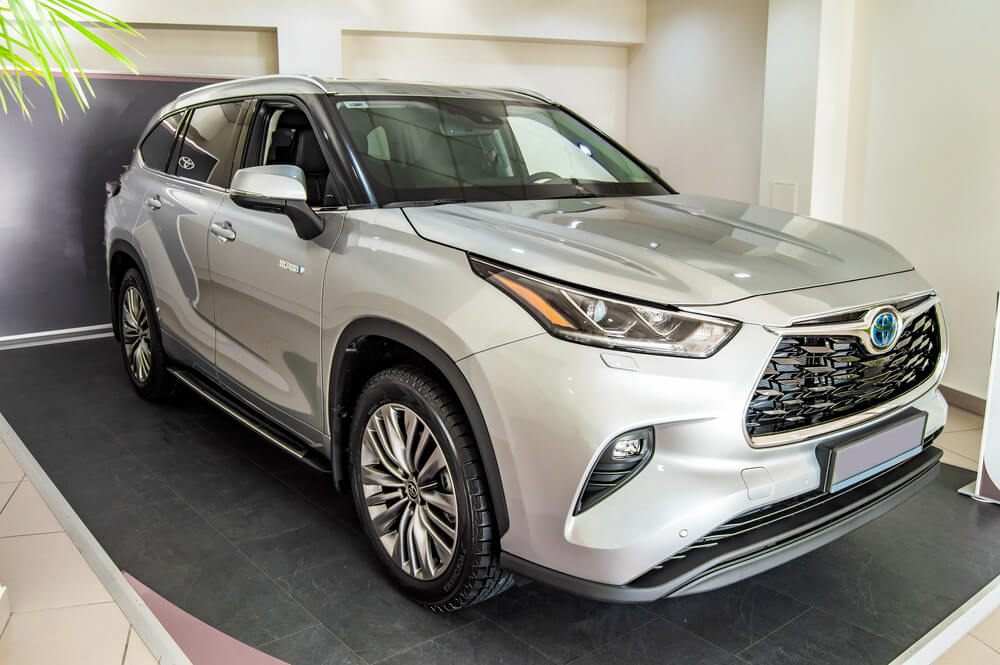
Toyota’s midsize SUV carried over much of the mechanical reliability associated with the Camry, on which it was originally based, while offering more space for larger families. Consumer reliability surveys consistently placed the Highlander near the top of its class for long-term dependability across multiple generations.
Families who bought one specifically for carpooling and road trips frequently reported minimal unscheduled repairs well past the 150,000-mile mark.
Honda Pilot
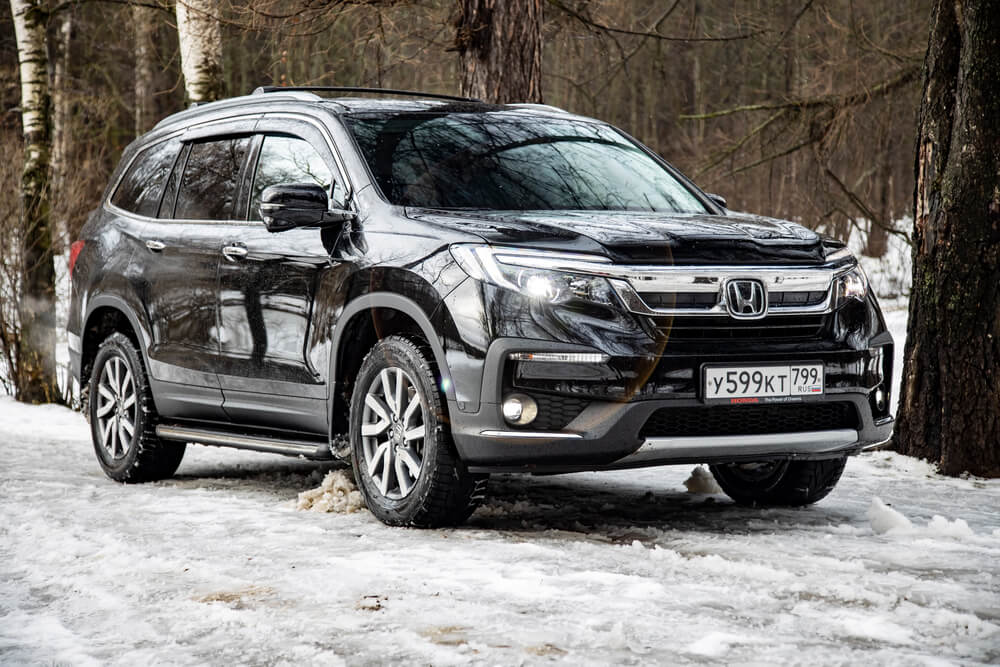
Honda’s three-row SUV inherited the brand’s broader reputation for durability while offering enough interior space to serve as a primary family vehicle for a decade or more. Its V6 engine, shared in modified form across several Honda models, proved capable of handling regular long-distance driving without major issues when maintained on schedule.
Owner satisfaction and reliability surveys consistently ranked it among the most dependable three-row SUVs on the market through multiple model generations.
Toyota Tundra
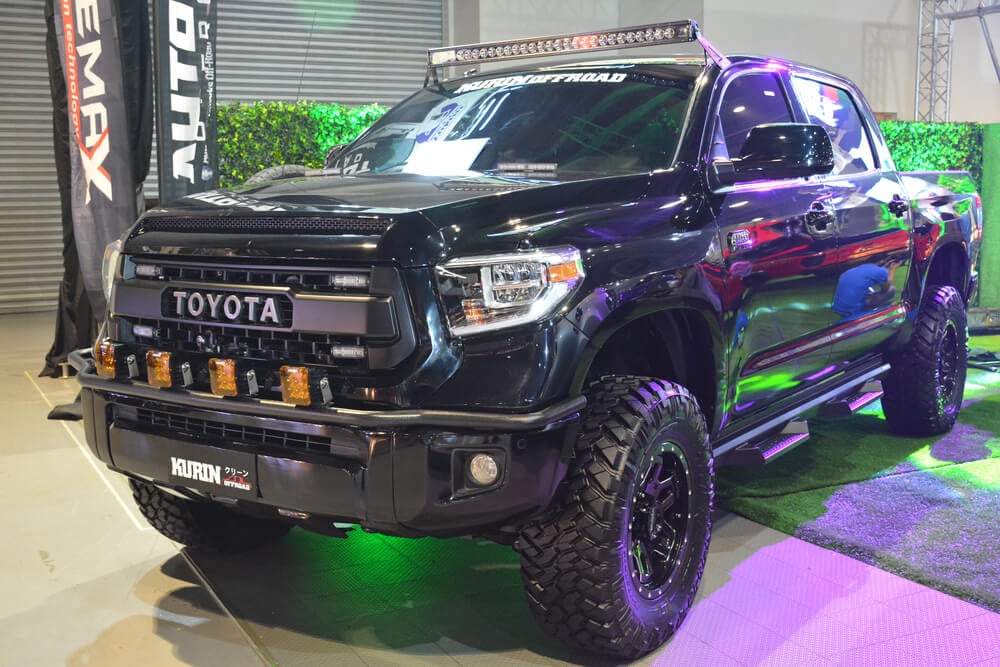
Toyota’s full-size pickup entered a market long dominated by American manufacturers and quickly built its own reputation for reliability, particularly with the 4.7-liter and later 5.7-liter V8 engines used through the 2000s and 2010s. Independent studies of vehicle longevity have repeatedly ranked the Tundra among the trucks most likely to exceed 200,000 miles.
Owners in rural and work-truck use cases frequently cite it as a lower-maintenance alternative to comparable domestic trucks.
Chevrolet Silverado
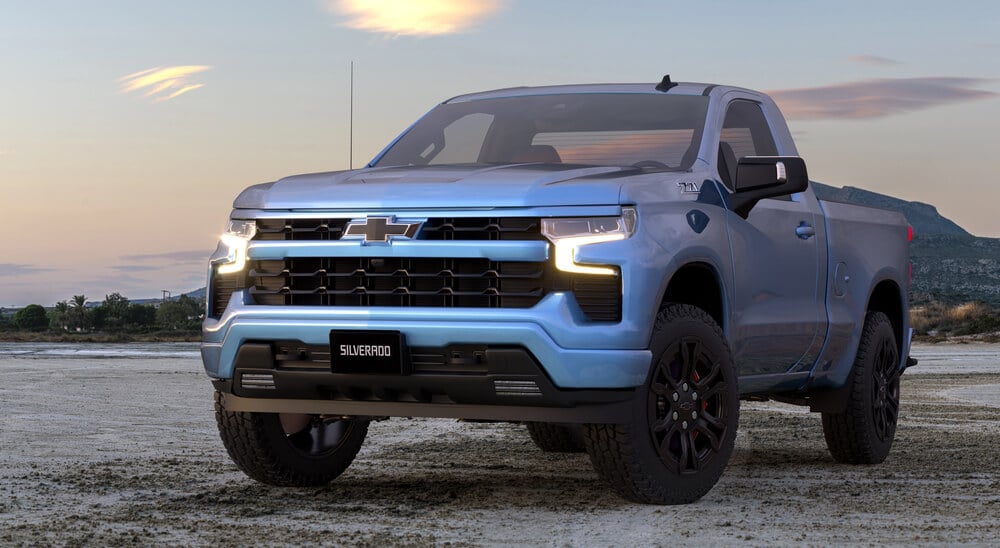
Chevrolet’s full-size pickup built a reputation for durability partly through sheer volume, since decades of fleet and personal ownership generated an enormous base of real-world reliability data that mechanics and buyers could draw on. Its small-block V8 engines, refined over decades of continuous development, became known throughout the automotive repair industry as some of the simplest and most repairable engines still in mass production.
Farmers and contractors in particular have long treated 200,000 miles as a realistic midpoint rather than an endpoint for a well-maintained Silverado.
Dodge Ram 2500 Cummins Diesel
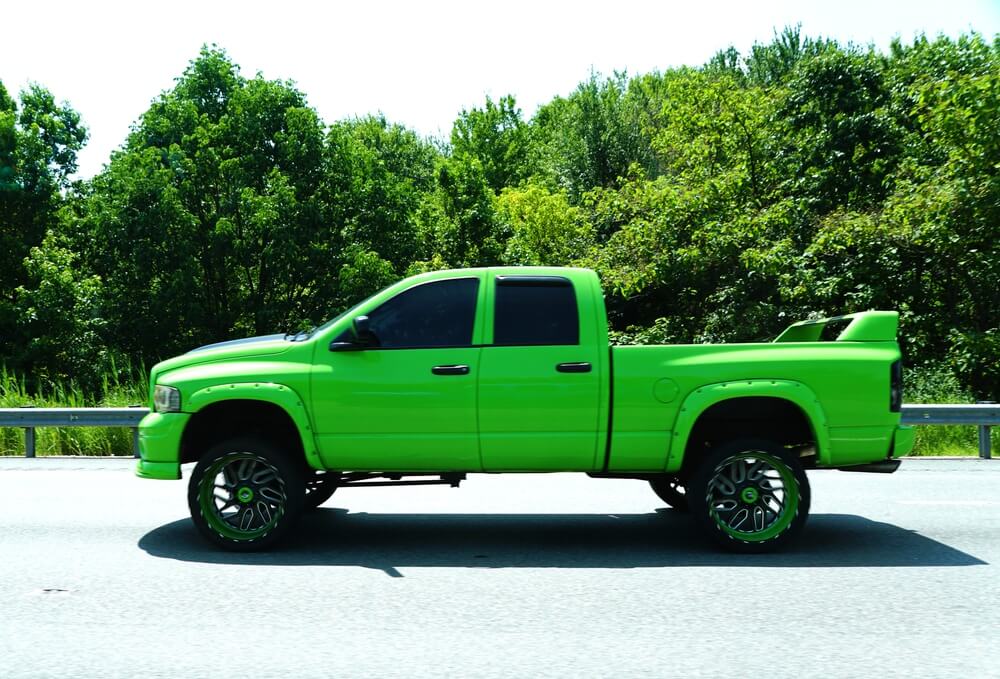
The Ram 2500, when equipped with the Cummins diesel engine option introduced in 1989, developed a reputation among truck owners as one of the most durable diesel powertrains ever offered in a consumer pickup. Cummins diesel engines from this line are frequently cited in trucking and towing communities as capable of exceeding 300,000 or even 400,000 miles with proper maintenance.
The engine’s reputation became strong enough that used trucks equipped with it routinely commanded a price premium over otherwise identical models with a gasoline engine.
Buick LeSabre
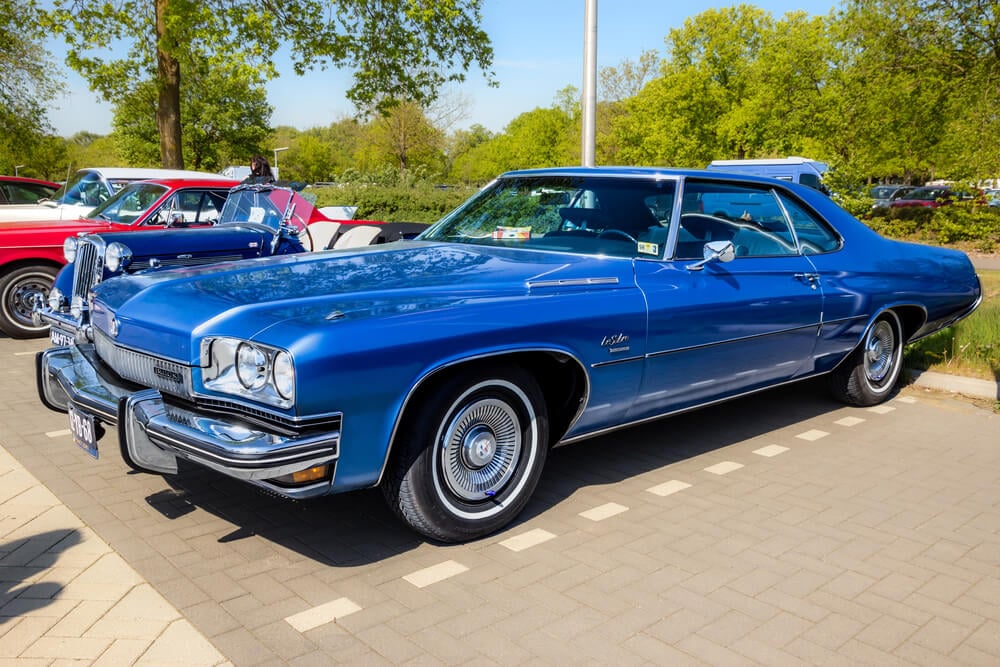
The full-size LeSabre, built through 2005, became an unlikely favorite among mechanics and secondhand buyers for its simple, well-tested V6 engine and traditionally conservative engineering that prioritized comfort and durability over performance. It consistently ranked near the top of longevity studies for domestic sedans through the 1990s and early 2000s.
Older drivers in particular often kept a LeSabre running for well over a decade specifically because it required so little unplanned maintenance along the way.
Mercury Grand Marquis
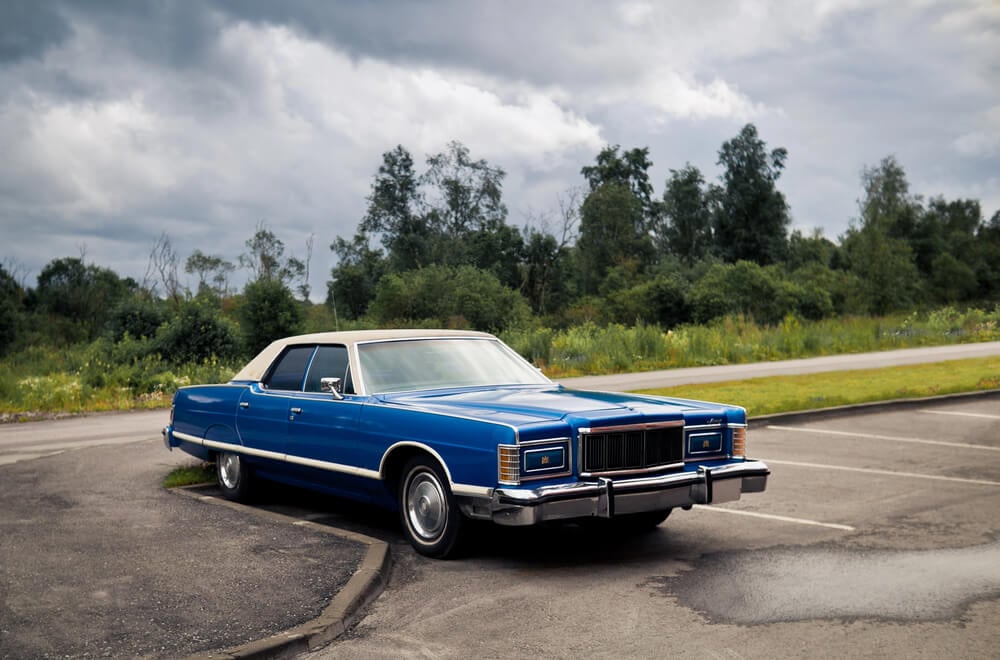
Sharing its platform with the Ford Crown Victoria, the Grand Marquis carried the same body-on-frame durability into a slightly more upscale trim aimed at older, comfort-focused buyers. Fleet and taxi use in some markets proved the platform’s ability to handle constant daily mileage without frequent major repairs.
Its straightforward mechanical layout meant that even after Mercury discontinued the brand entirely in 2011, independent mechanics had little trouble keeping existing Grand Marquis models running for years afterward.
The Odometer Was Never the Whole Story

A car crossing 200,000 miles is not really a story about engineering alone. It is a story about an owner who changed the oil on schedule even during a busy month, who fixed the small problem before it became an expensive one, and who decided the car was still worth the effort rather than trading it in the moment something started to feel wrong.
The vehicles on this list earned their reputations because they made that decision easier to justify. A car that keeps running with minimal drama rewards the owner’s patience in a way that compounds year after year, long after the new-car smell and the original loan payments are a distant memory.
By the time the odometer rolls past 200,000, the car has usually stopped being transportation and started being something closer to a family member that just happens to need an oil change.
More from Go2Tutors!

- The Romanov Crown Jewels and Their Tragic Fate
- 13 Historical Mysteries That Science Still Can’t Solve
- Famous Hoaxes That Fooled the World for Years
- 15 Child Stars with Tragic Adult Lives
- 16 Famous Jewelry Pieces in History
Like Go2Tutors’s content? Follow us on MSN.