31 Cartoons Networks Aired Before Breakfast
Before streaming let kids watch anything at any hour, cartoons lived in a specific window of the schedule, either early weekday mornings before school or the long stretch of Saturday morning that parents used to sleep through. Missing an episode meant waiting a full week, which made the shows that filled that window feel far bigger than their runtime suggests now.
Looney Tunes
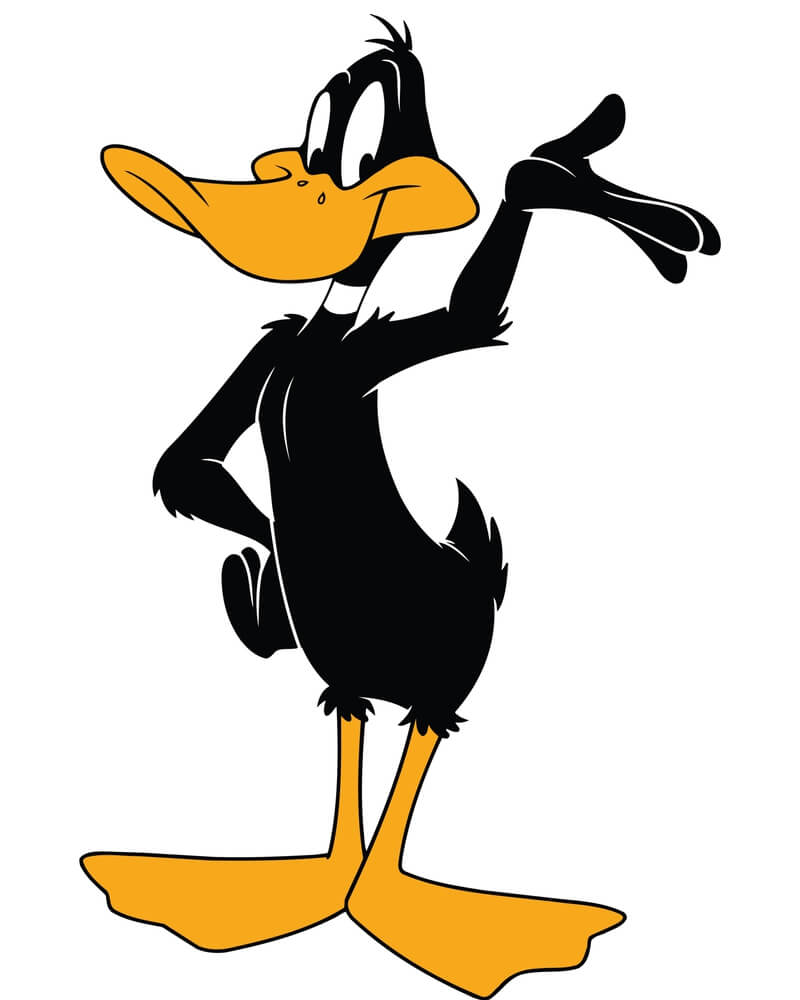
Warner Bros.’ theatrical shorts, originally made for movie theater audiences starting in the 1930s, found a second life in television syndication and network blocks like “The Bugs Bunny/Road Runner Hour,” which ran on network television for decades. The shorts’ fast pacing and visual gags translated easily to a morning slot aimed at kids eating cereal before school.
Characters like Bugs Bunny, Daffy Duck, and the Road Runner became as recognizable through morning reruns as they had been in their original theatrical releases.
The Hanna-Barbera Cat-and-Mouse Cartoon
The wordless rivalry between a house cat and a clever mouse, created by William Hanna and Joseph Barbera and first released theatrically in 1940, became a morning television staple through repeated syndication for generations after its original theatrical run ended. Its largely dialogue-free format made it an easy fit for international syndication as well as early American morning blocks.
Reruns remained in near-constant rotation on American television from the 1960s well into the 2000s.
Scooby-Doo, Where Are You!
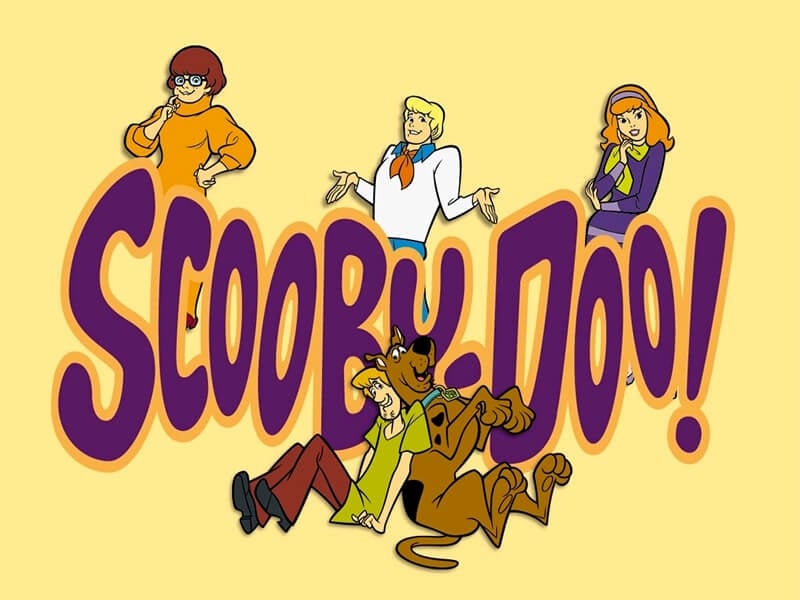
Hanna-Barbera’s mystery-solving dog and his teenage friends debuted in 1969 and quickly became a Saturday morning anchor, built around a formula simple enough for young viewers to predict but engaging enough that they kept watching anyway. Its consistent structure, a spooky setup followed by an unmasking of a very human villain, made it easy to produce in volume for decades of spinoffs.
The franchise has run in some form on American television nearly continuously since its debut.
The Flintstones
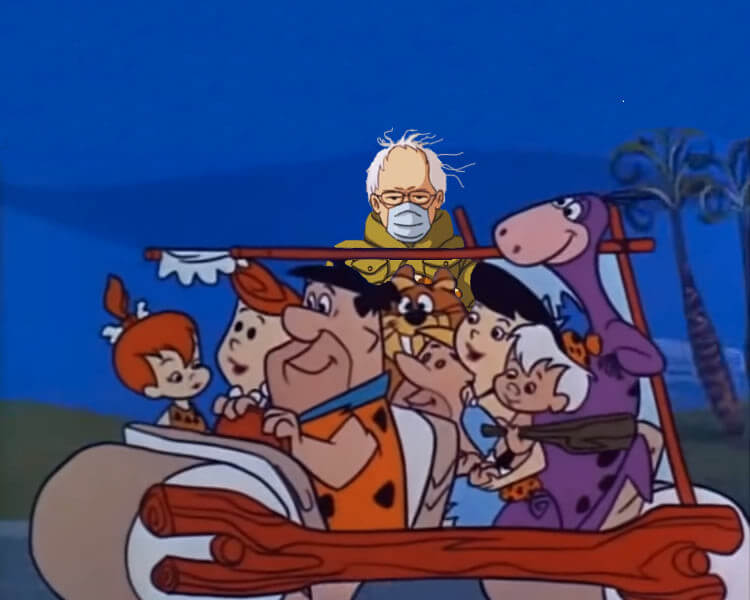
Originally airing in primetime starting in 1960 as an adult-oriented animated sitcom, The Flintstones moved into Saturday morning syndication once its original run ended, introducing the show to a new generation of younger viewers who had missed its initial broadcast. Its prehistoric setting combined with distinctly modern, suburban humor gave it a lasting appeal that outlasted most of its network contemporaries.
Reruns remained fixtures of morning and after-school programming for decades.
The Jetsons
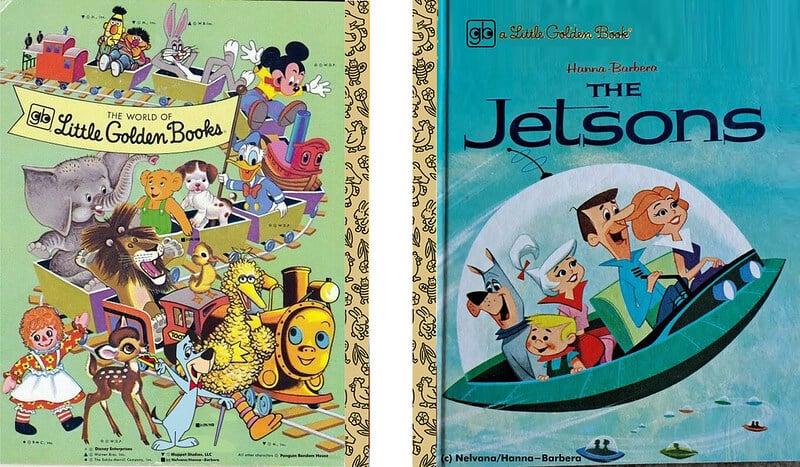
Hanna-Barbera’s space-age counterpart to The Flintstones ran only one season in its original 1962 primetime broadcast before finding its real audience through Saturday morning reruns for years afterward. Its vision of push-button convenience and flying cars became a shorthand cultural reference point for imagined futures well beyond the show’s original run.
New episodes were eventually produced in the 1980s specifically to capitalize on the character of Saturday morning nostalgia the reruns had built.
Super Friends
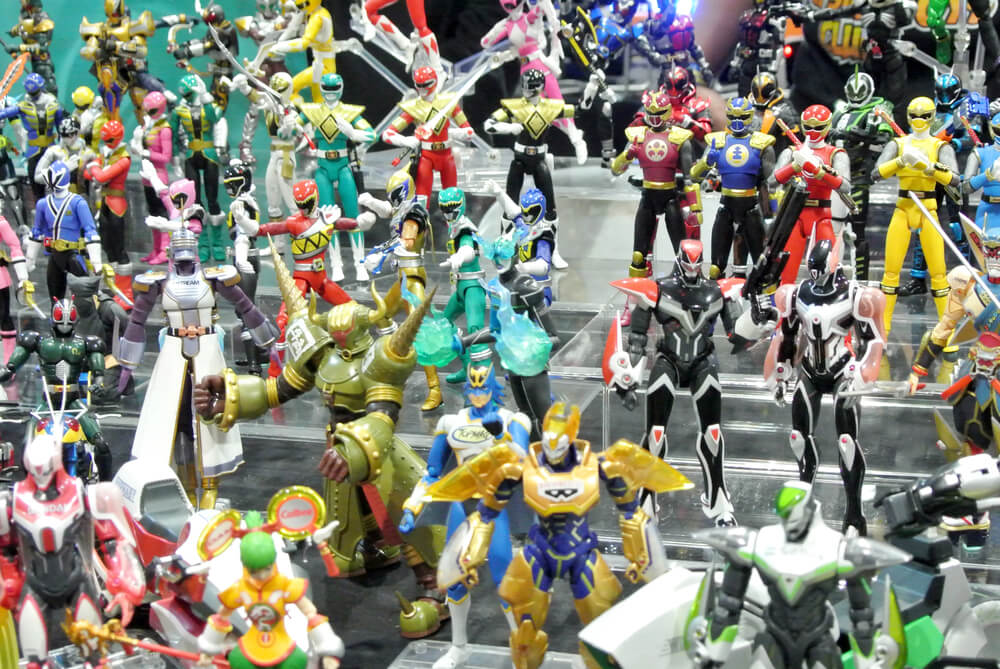
DC Comics characters including Superman, Batman, and Wonder Woman were adapted into this team-based superhero show that ran across several incarnations from 1973 through the mid-1980s, occupying a consistent Saturday morning slot for most of that run. Its earnest, message-driven episodes often ended with a brief educational segment aimed at reassuring parents the show had some redeeming value beyond entertainment.
It introduced many young viewers to DC’s core characters years before the comic books themselves would have reached them.
Spider-Man
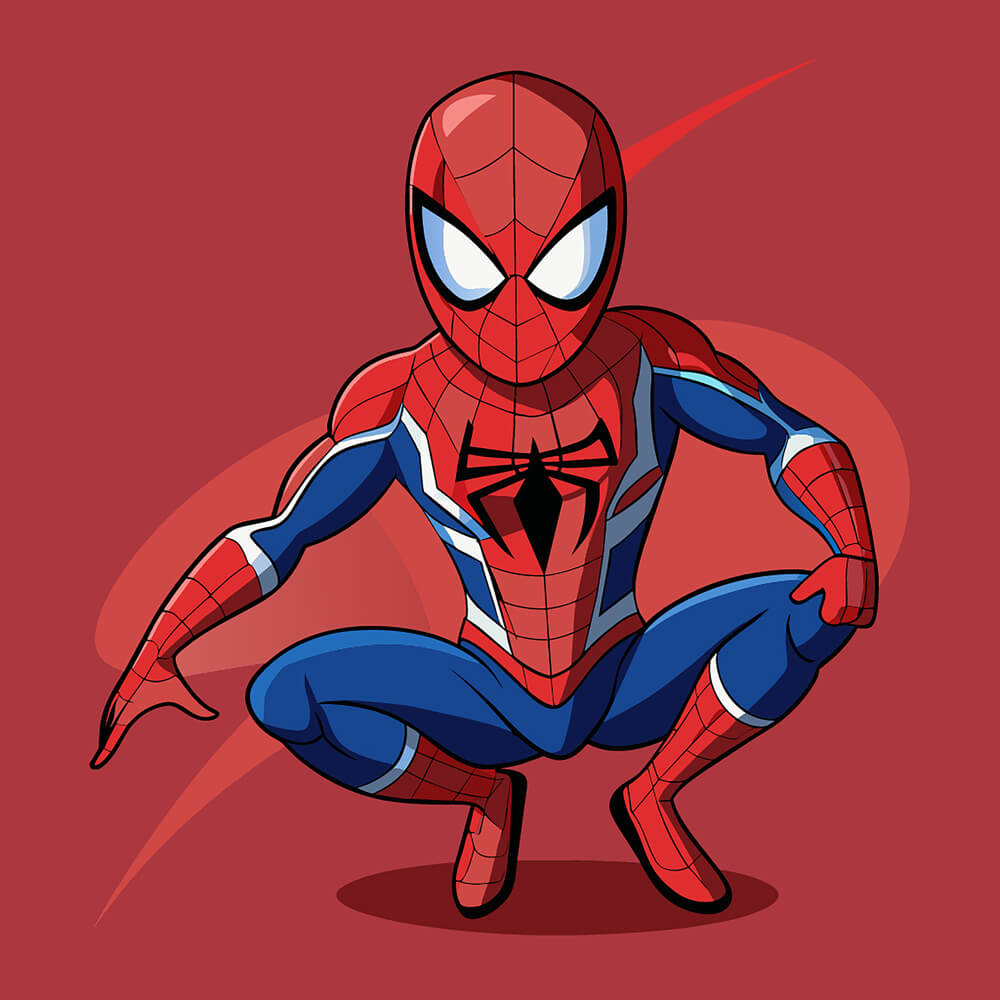
The original animated Spider-Man series debuted in 1967 and became a Saturday morning fixture through syndication for years after its initial run, helped along by a theme song that remained recognizable decades later. Its low budget resulted in noticeably choppy animation, something later generations rediscovered and turned into an internet-era running joke.
Despite the limited production values, it introduced the character to television audiences well before any live-action adaptation existed.
The Smurfs
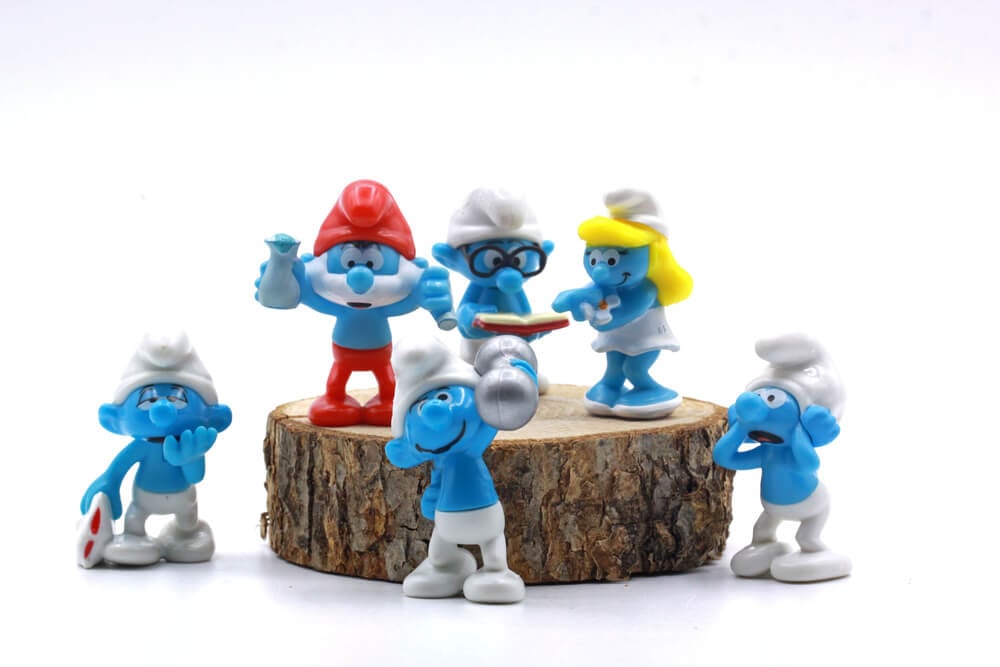
Adapted from a Belgian comic strip, this show about small blue forest creatures debuted on American television in 1981 and became one of the most-watched Saturday morning programs of the decade. Its large ensemble cast, each Smurf defined by a single dominant personality trait, made it easy for young viewers to quickly identify favorite characters.
The show ran for nine seasons, an unusually long run for the format at the time.
Garfield and Friends
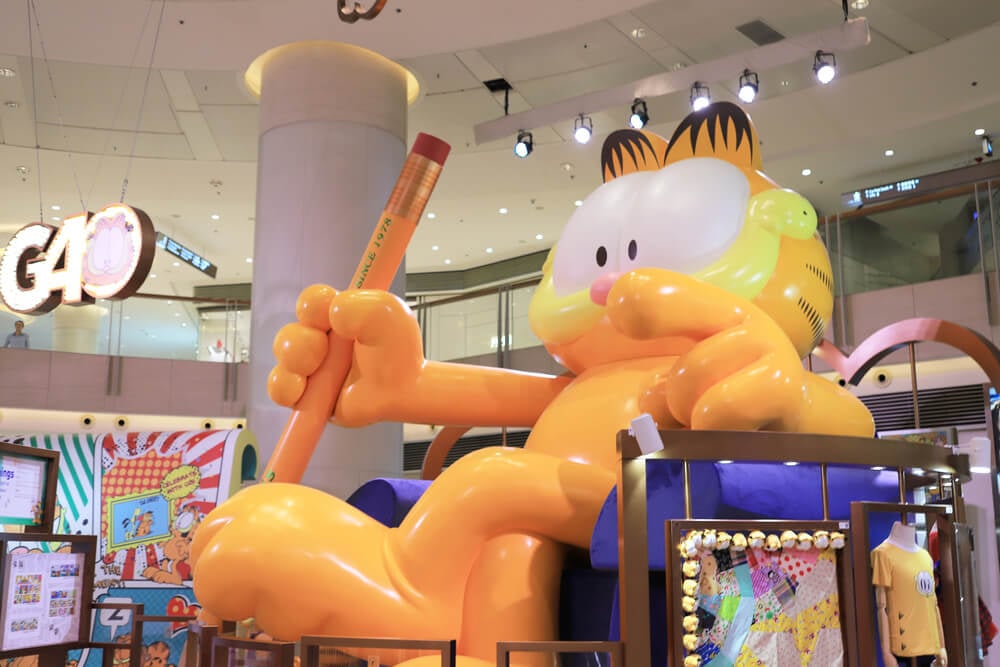
Based on Jim Davis’s newspaper comic strip, this show combined Garfield-focused segments with a separate storyline called U.S. Acres, airing from 1988 through 1994 in a Saturday morning slot. Garfield’s deadpan cynicism translated well to television, voiced by Lorenzo Music in a style that closely matched the character’s comic strip persona.
The show’s mix of two distinct segments within one time slot became a format other networks experimented with afterward.
Muppet Babies
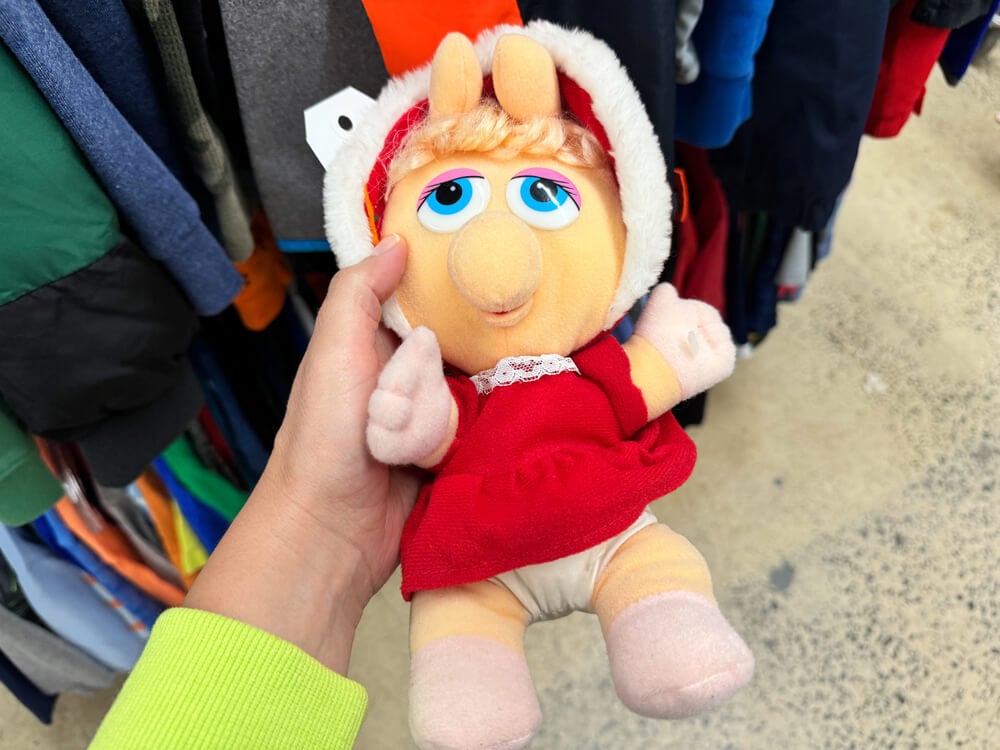
This spinoff imagined Jim Henson’s Muppet characters as young children, using a mix of traditional animation and occasional live-action nursery footage, running from 1984 through 1991. It became known for playfully referencing classic films and pop culture within its child-friendly storylines, aimed as much at accompanying parents as the kids watching.
The show won four consecutive Daytime Emmy Awards for outstanding children’s animated program during its run.
Alvin and the Chipmunks
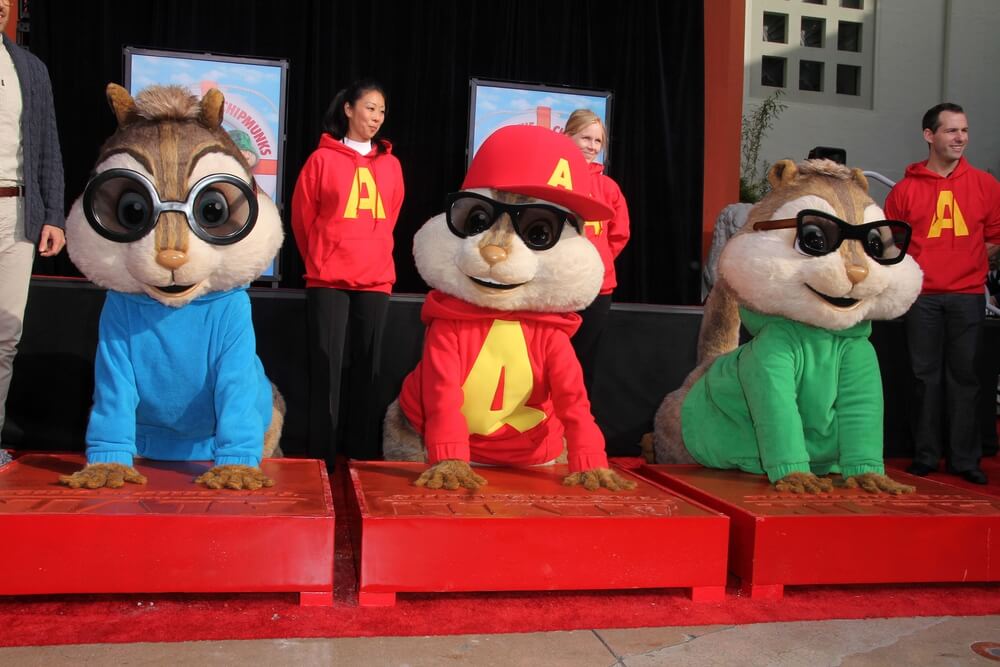
The 1980s revival of the Chipmunks franchise, built around characters originally created for novelty music records in the late 1950s, ran from 1983 through 1990 and reintroduced Alvin, Simon, and Theodore to a new generation through Saturday morning programming. Its sped-up chipmunk voices, achieved through pitch-shifted recordings, remained the show’s most recognizable feature across every era of the franchise.
The show’s success helped drive continued interest in the Chipmunks’ music releases well into the following decade.
Teenage Mutant Ninja Turtles

Debuting in weekday syndication in 1987 before expanding to additional time slots, this show about four mutated, ninja-trained turtles combined martial arts action with irreverent humor that appealed across a wide age range. It became a defining example of a cartoon designed explicitly to sell an accompanying toy line, a business model that shaped much of children’s morning television through the following decade.
The original series ran for ten seasons and helped establish the Turtles as one of the most enduring franchises to emerge from 1980s television.
He-Man and the Masters of the Universe

Produced by Filmation and launched in 1983 alongside Mattel’s toy line of the same name, this weekday morning syndicated show followed the same toy-driven formula that would define much of the decade’s animation. Its simple good-versus-evil structure and brief moral lesson segment at the end of each episode became a format other shows imitated directly.
The show ran for two seasons but stayed in syndicated reruns for years afterward.
She-Ra: Princess of Power

A direct spinoff of He-Man, She-Ra debuted in 1985 and was specifically designed to appeal to girls while sharing the same fantasy universe and toy-driven production model as its predecessor. It became one of the first major examples of a girl-focused action cartoon airing in the same morning time slots typically dominated by boy-focused programming.
The show ran for two seasons and maintained a dedicated following well beyond its original broadcast run.
ThunderCats
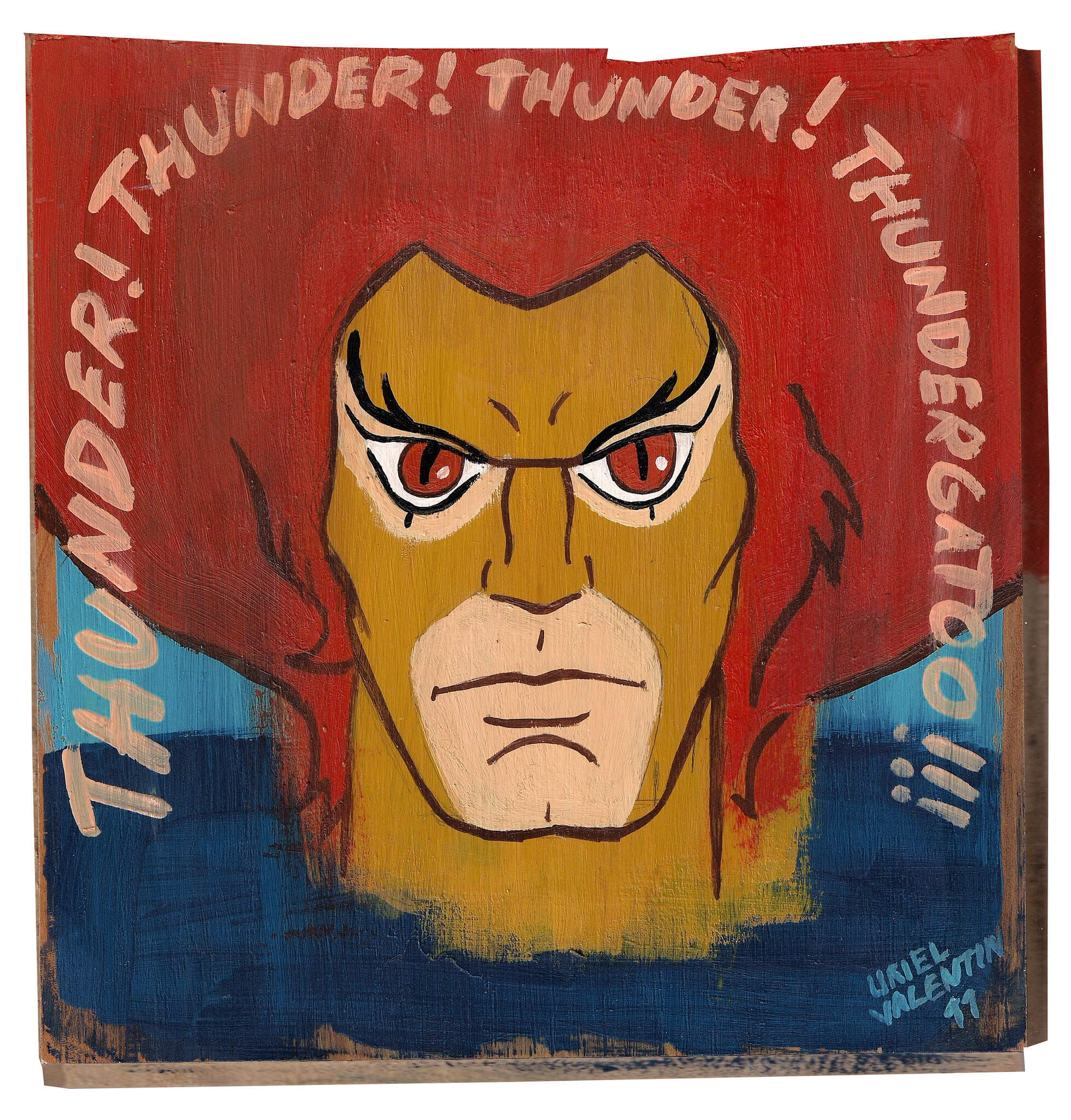
This show about a team of cat-like humanoid heroes from the planet Thundera premiered in weekday syndication in 1985, blending science fiction and fantasy elements with the same toy-driven business model common to the era. Its theme music and the character Lion-O’s sword, the Sword of Omens, became especially recognizable elements among young viewers.
The original series ran for four seasons before ending its initial run in 1989.
G.I. Joe: A Real American Hero

Hasbro’s military-themed toy line got its own weekday syndicated animated series starting in 1983, following an elite fictional military unit battling the terrorist organization Cobra. Each episode ended with a short public service announcement segment in which characters warned viewers about real-world dangers, a format that became a recurring pop culture reference.
The series helped establish weekday syndication, rather than Saturday morning alone, as a viable home for children’s action programming.
Transformers
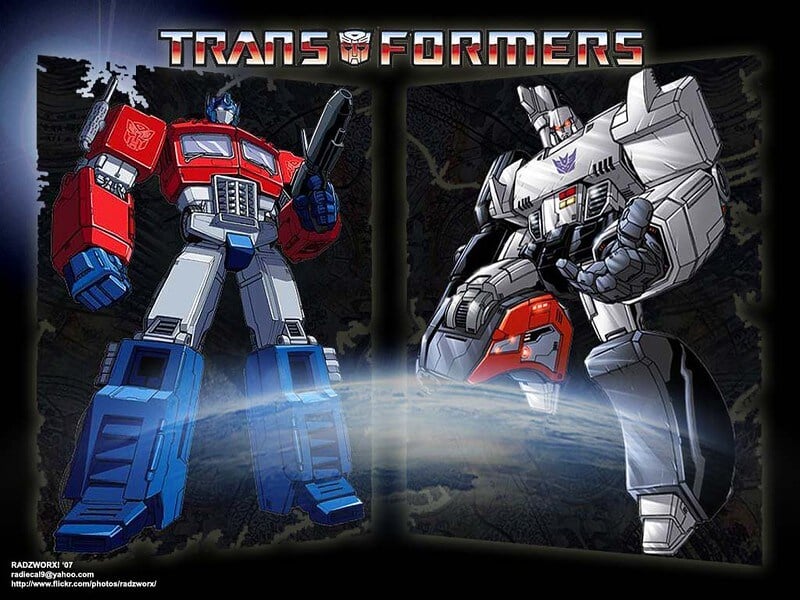
Debuting in 1984 alongside Hasbro’s toy line of shape-shifting robot vehicles, Transformers followed the ongoing conflict between the heroic Autobots and villainous Decepticons through weekday syndicated episodes. Its theme song and the character Optimus Prime became recognizable well outside the show’s original young audience.
The franchise’s continued success across decades of film adaptations traces directly back to this original morning cartoon.
Rainbow Brite
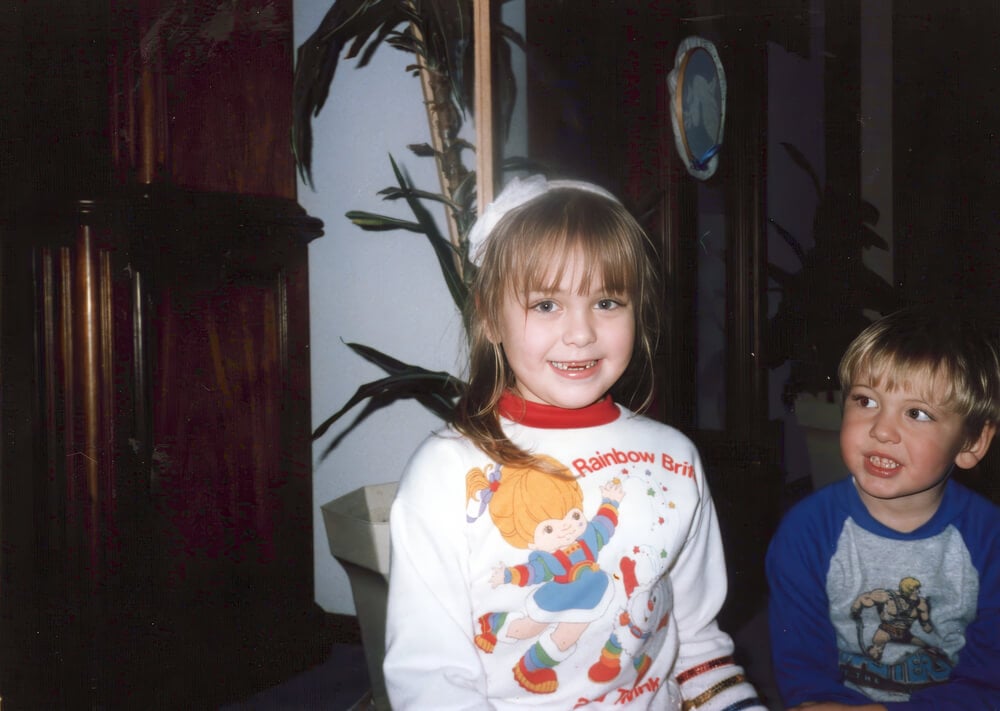
This show about a girl empowered to bring color back to a fading world premiered in 1984, part of a wave of girl-focused Saturday morning programming built around an accompanying toy and doll line. Its bright, saturated visual style and message-driven storylines distinguished it from the more action-oriented shows dominating the same morning schedule.
Though its original run lasted only a short time, the character maintained lasting recognition through merchandise for years afterward.
My Little Pony ‘n Friends
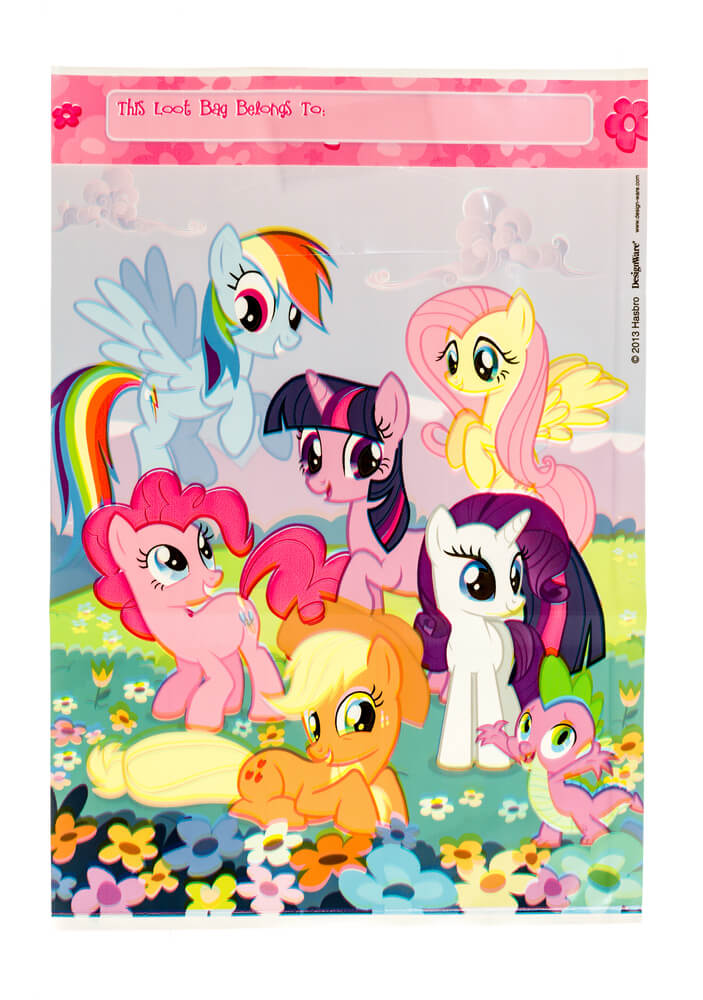
Based on Hasbro’s popular toy line, this anthology series combined My Little Pony segments with other Hasbro-owned properties, airing in syndication starting in 1986. It followed the same toy-driven production model common to 1980s children’s programming while specifically targeting young girls, a demographic Saturday morning schedules had historically underserved.
The franchise’s continued relevance decades later, through later reboots, traces its television roots directly back to this original series.
Care Bears
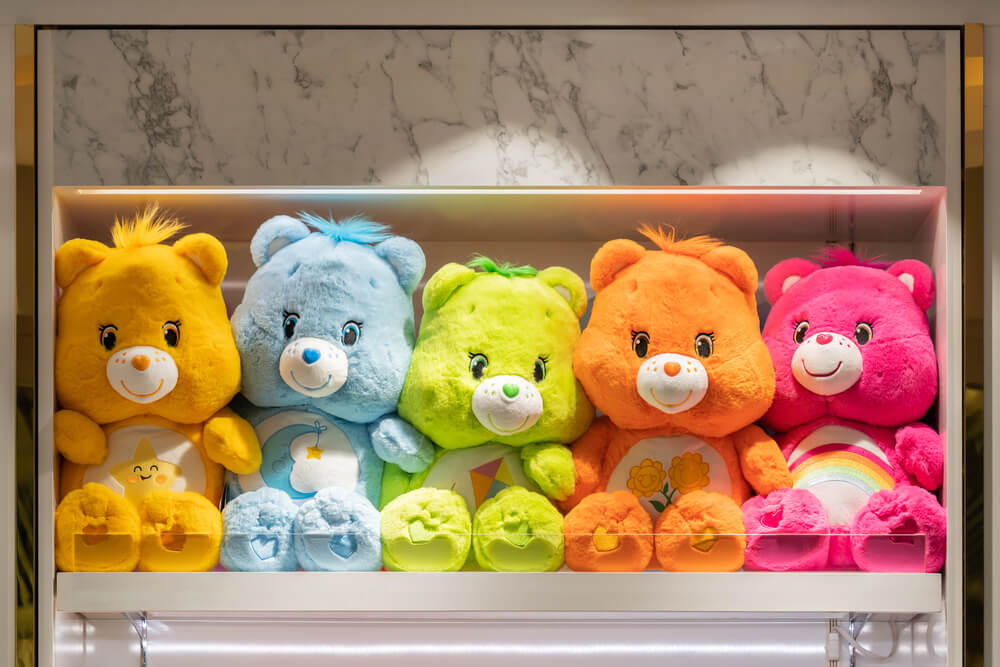
Originally created as greeting card characters before being adapted into a series of animated specials and eventually a full television show starting in 1985, the Care Bears combined simple emotional lessons with a large, colorful cast of characters each associated with a specific feeling. The show’s gentle, low-conflict format distinguished it sharply from the action-heavy programming that dominated much of the same morning schedule.
Its continued merchandise presence for decades afterward reflected the strength of its original television run.
Inspector Gadget

This show about a bumbling, mostly robotic detective, aided unknowingly by his niece Penny, premiered in weekday syndication in 1983 and became known for its catchphrase-heavy format and gadget-based sight gags. Its French-Canadian and Japanese co-production origins made it one of the more internationally collaborative shows of its era.
The show ran for two seasons before entering heavy syndication rotation that kept it airing for years afterward.
DuckTales
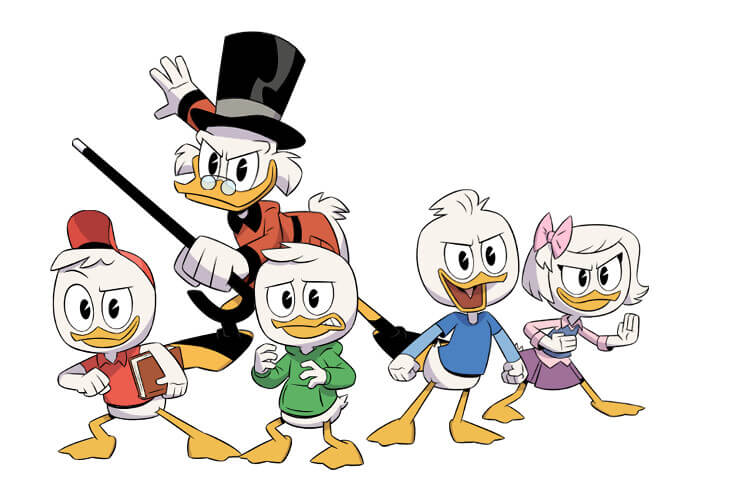
Disney’s adaptation of Carl Barks’s Scrooge McDuck comic stories premiered in 1987, following Scrooge and his grand-nephews on adventure-driven episodes built around treasure hunting and international travel. It became one of the cornerstone shows of Disney’s push into daily animated syndication during the late 1980s.
Its success helped convince Disney to continue investing heavily in original animated television rather than relying solely on theatrical film content.
Chip ‘n Dale Rescue Rangers
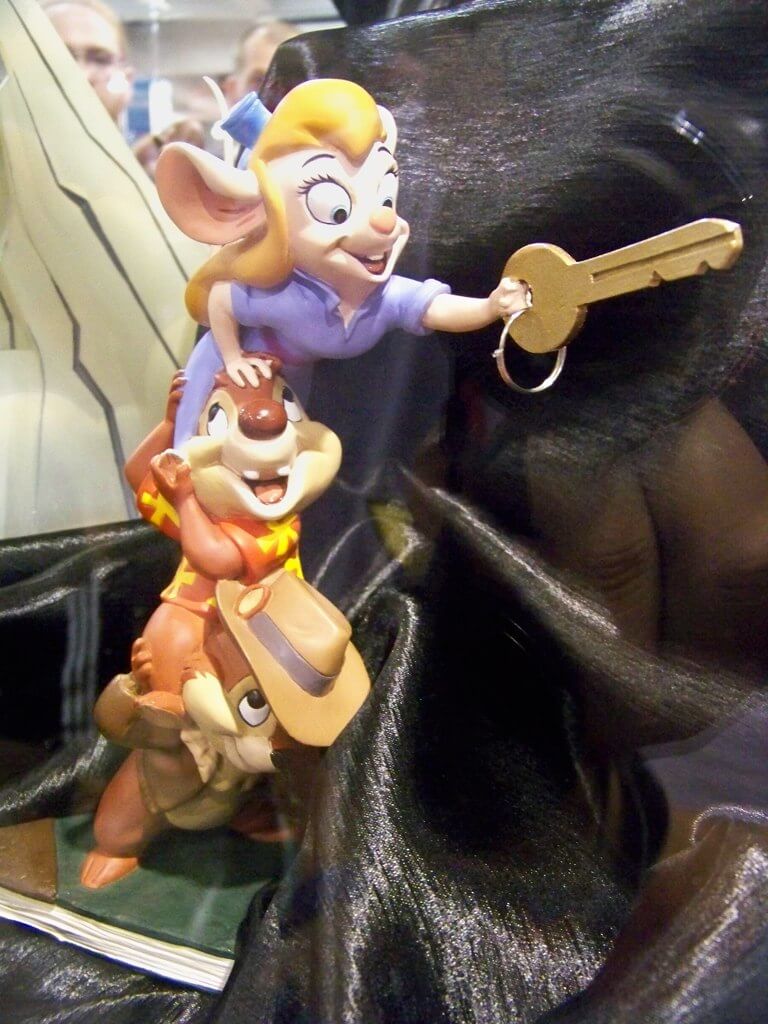
Disney paired its classic chipmunk characters with a new detective agency premise for this 1989 series, following the pair and their allies solving small-scale mysteries around a city. The show balanced comedic elements with genuine adventure plotting more common to primetime detective shows than typical children’s programming.
It became one of several Disney afternoon and morning shows that helped define the studio’s television animation output through the early 1990s.
Tiny Toon Adventures
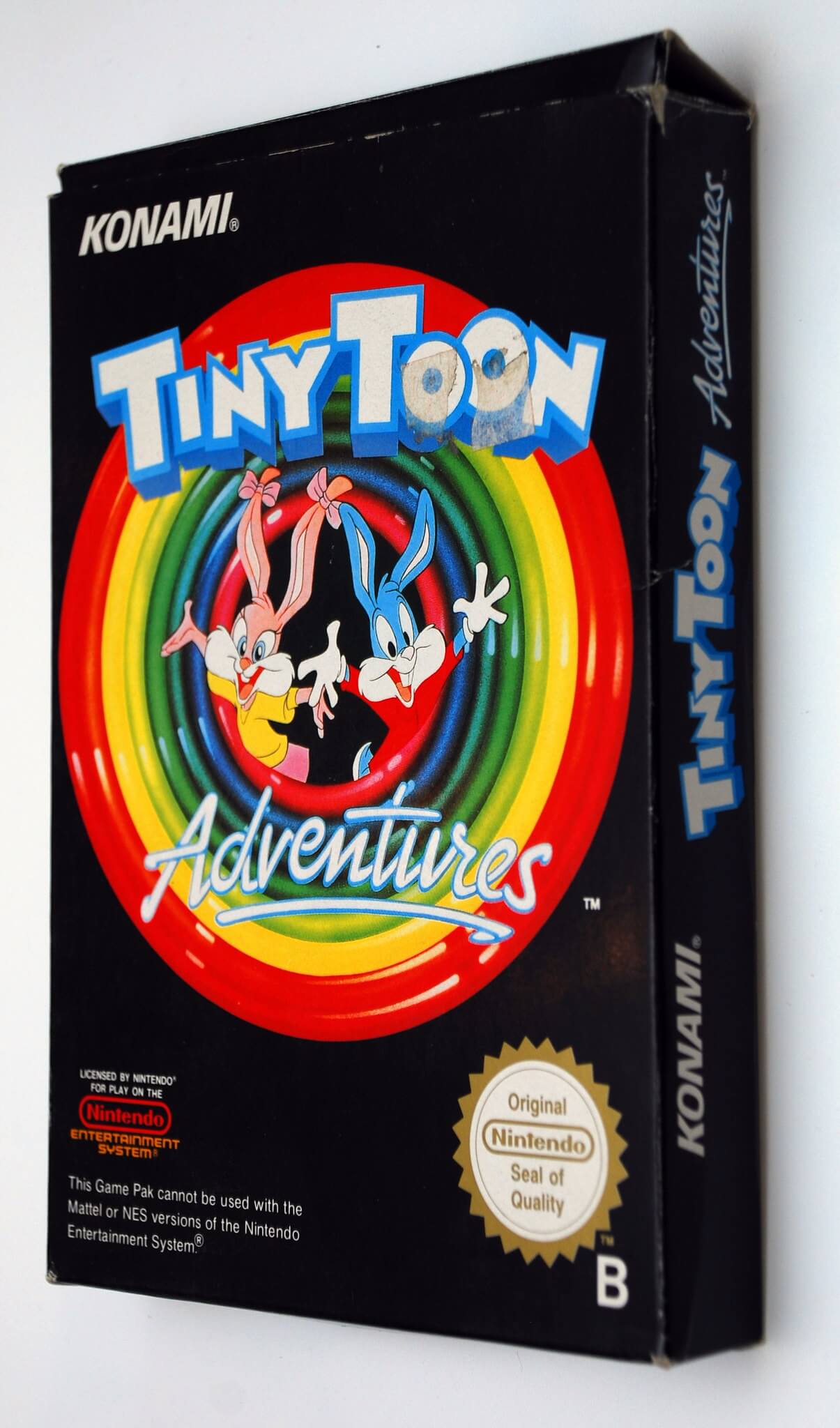
Steven Spielberg served as an executive producer on this 1990 show, which reimagined classic Looney Tunes characters as younger versions attending a cartoon-themed school under the mentorship of the original characters. Its rapid-fire humor and willingness to reference adult topics within otherwise child-friendly storylines earned it praise for appealing to older viewers watching alongside younger siblings.
The show helped launch Warner Bros.’ broader push into original weekday animated programming through the 1990s.
Animaniacs
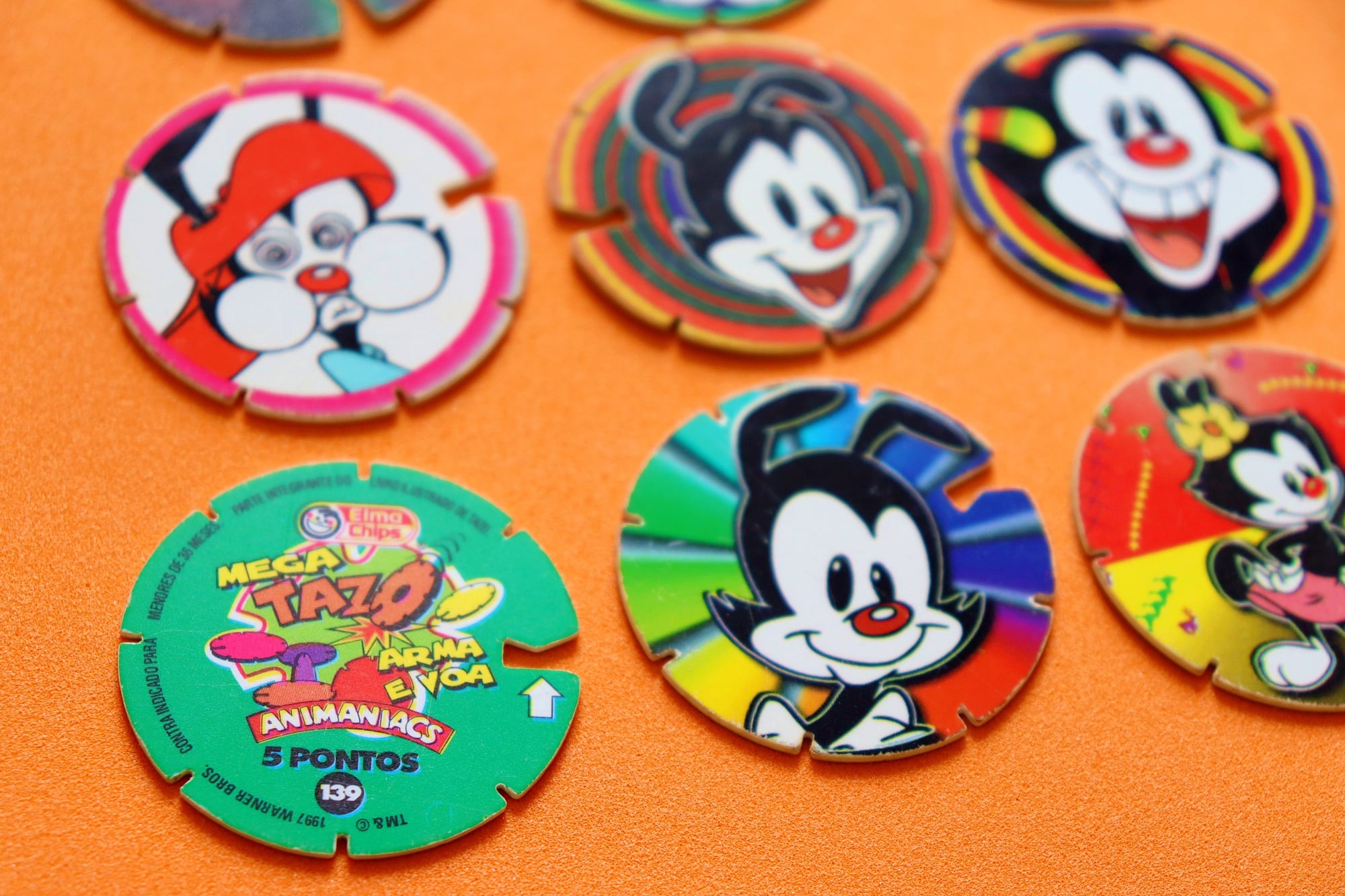
Another Spielberg-produced Warner Bros. show, Animaniacs premiered in 1993 built around three original characters, the Warner siblings Yakko, Wakko, and Dot, alongside a rotating cast of other segments including Pinky and the Brain. Its dense pop culture references and layered humor, aimed simultaneously at children and the adults watching with them, set it apart from most other morning programming of its era.
The show’s structure of multiple short segments within one episode influenced children’s programming formats for years afterward.
Darkwing Duck
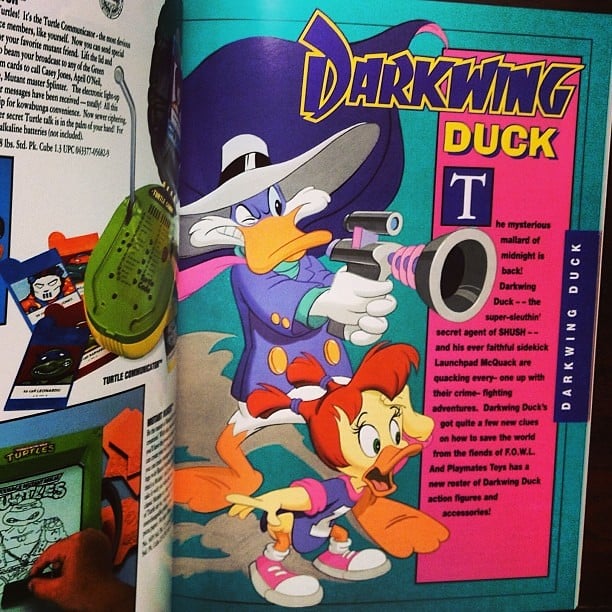
Disney’s take on a masked vigilante superhero, filtered through comedic self-awareness about superhero tropes, premiered in 1991 as part of the studio’s growing weekday animation slate. Its title character’s exaggerated catchphrases and theatrical entrances became a defining stylistic element that distinguished it from more straightforward action cartoons of the same period.
The show built a dedicated fan base that has continued to reference and revive the character in later Disney projects.
Captain Planet and the Planeteers
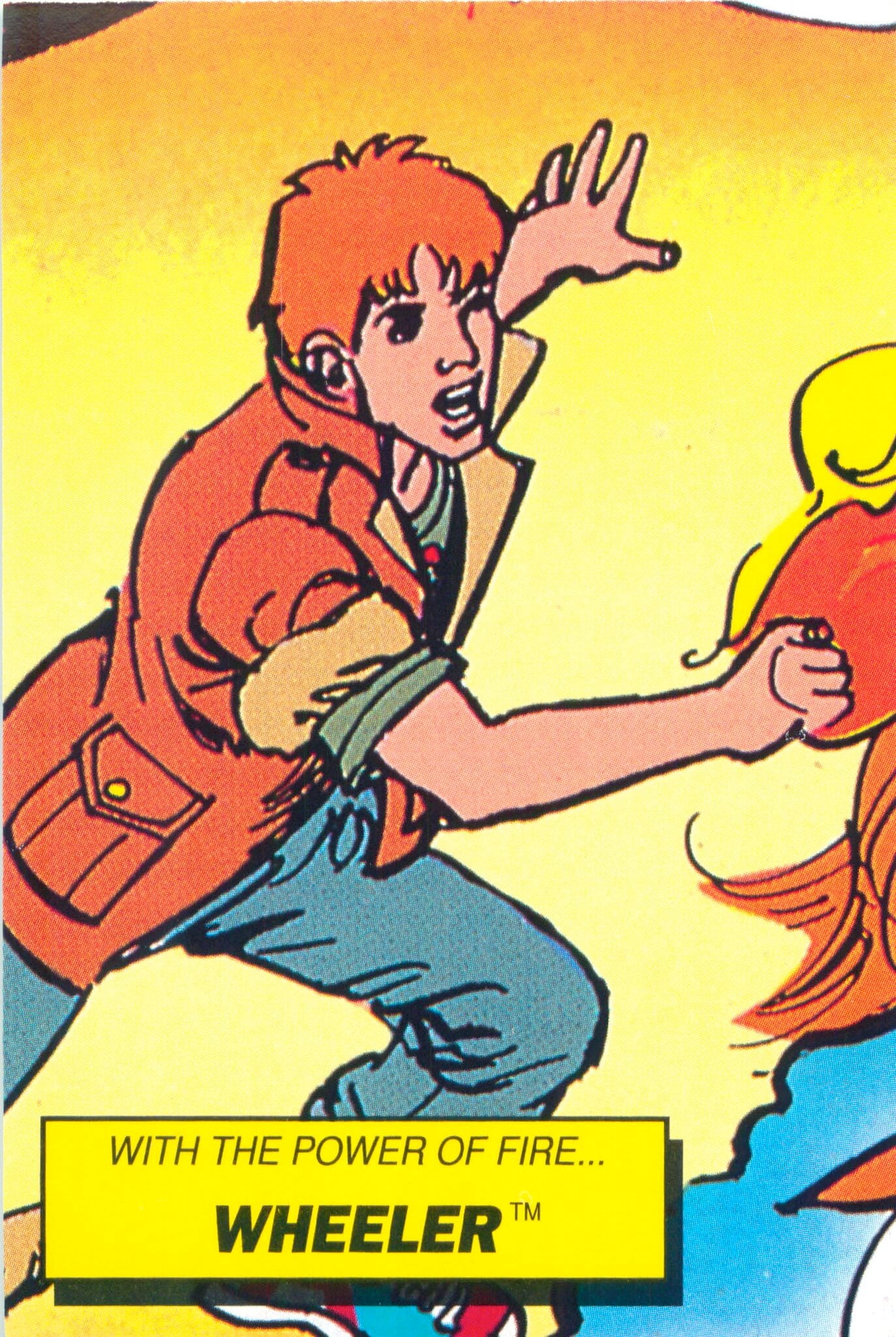
Premiering in 1990, this show followed a team of young environmental heroes whose combined powers summoned a superhero named Captain Planet to fight pollution and industrial villains. It stood out from its contemporaries for its explicit environmental advocacy woven directly into nearly every episode’s plot.
Ted Turner’s direct involvement as an executive producer reflected his broader personal interest in environmental causes at the time.
X-Men: The Animated Series

Premiering in 1992, this adaptation of Marvel’s X-Men comics became one of the most faithful comic-to-television adaptations of its era, closely following major storylines from the source material rather than significantly simplifying them for younger audiences. Its willingness to address themes of prejudice and social exclusion, mirroring the comics’ longstanding allegorical approach, distinguished it from lighter morning fare.
The show’s success helped drive renewed mainstream interest in Marvel characters throughout the 1990s.
Batman: The Animated Series
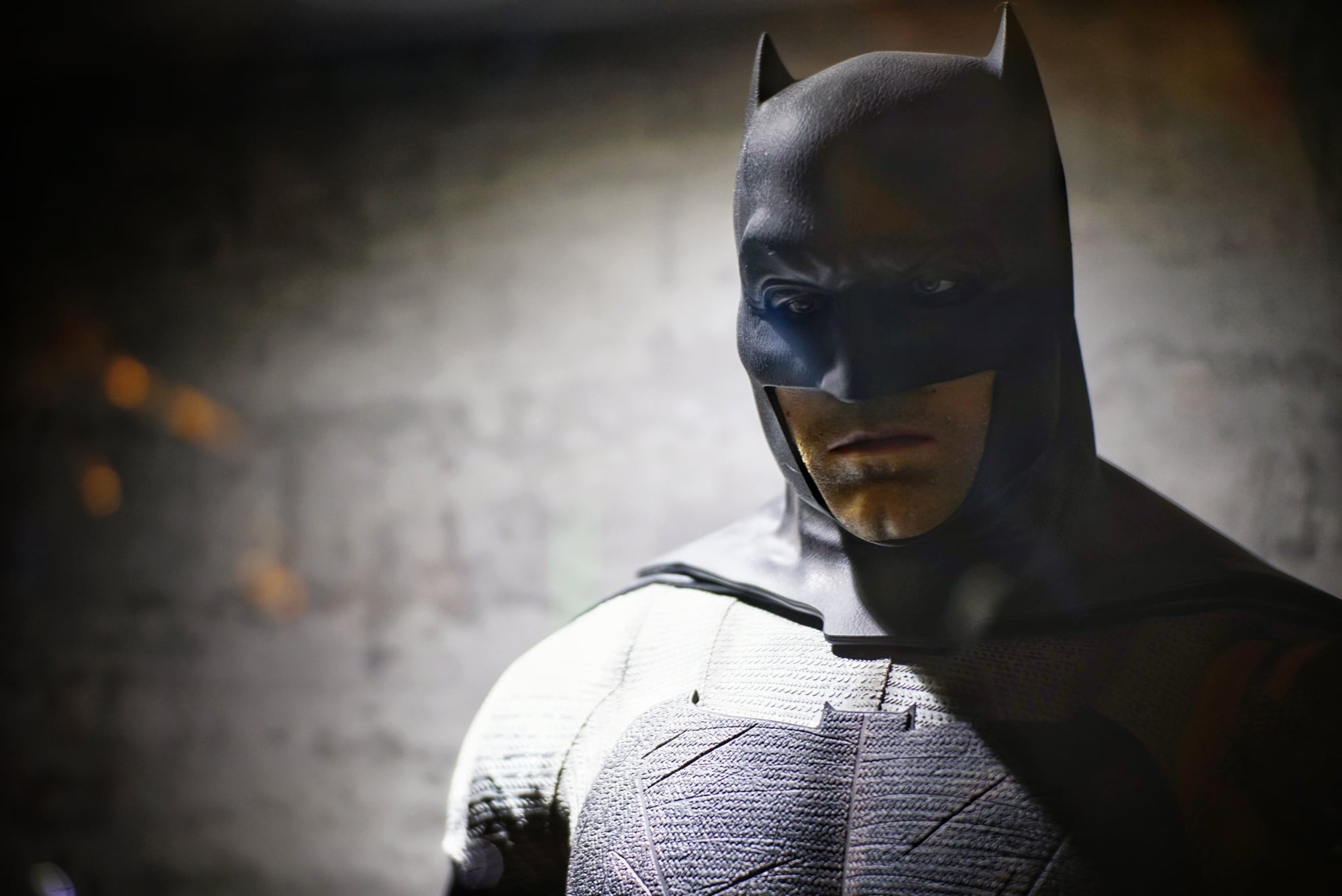
Debuting in 1992, this show became known almost immediately for its distinctive dark, art deco-inspired visual style and unusually mature storytelling for a program airing in a children’s morning slot. Character actor Kevin Conroy’s voice performance as Batman became so closely associated with the role that it influenced casting decisions across the character’s later media appearances.
The show is frequently cited by animation critics as one of the strongest examples of the format ever produced for American television.
Pokemon
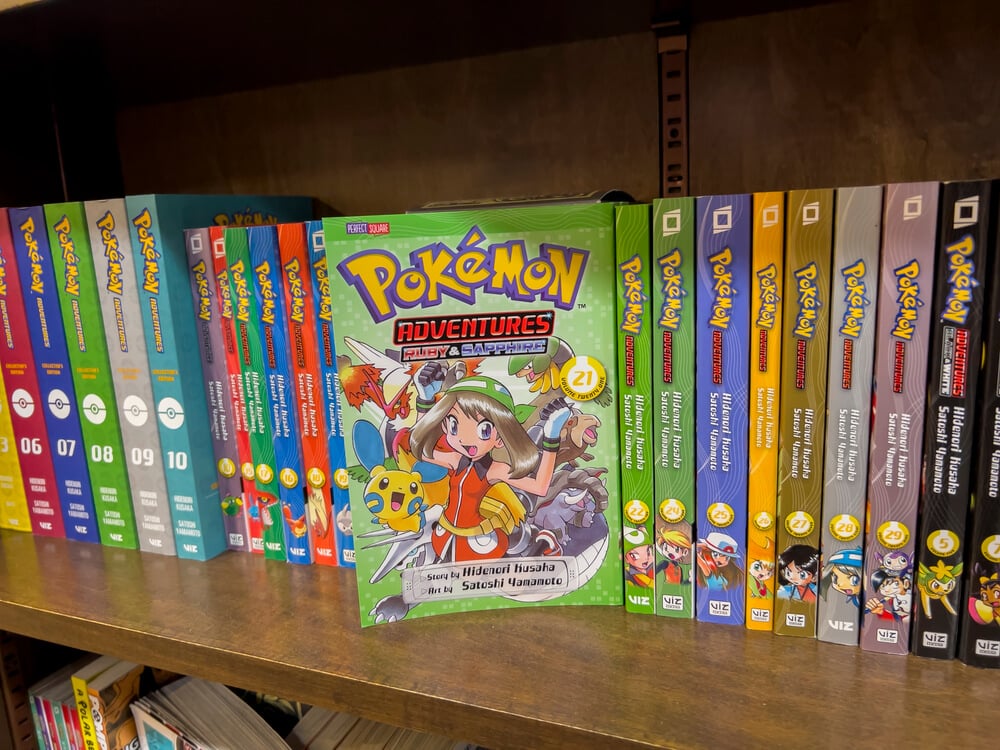
Adapted from the Japanese video game and card franchise, the Pokemon animated series premiered in the United States in weekday syndication in 1998, following trainer Ash Ketchum and his partner Pikachu. Its arrival coincided with, and significantly amplified, an already growing wave of Pokemon merchandise and trading card popularity among American children.
The show’s continued production for decades afterward makes it one of the longest-running children’s animated series still in active production.
Doug
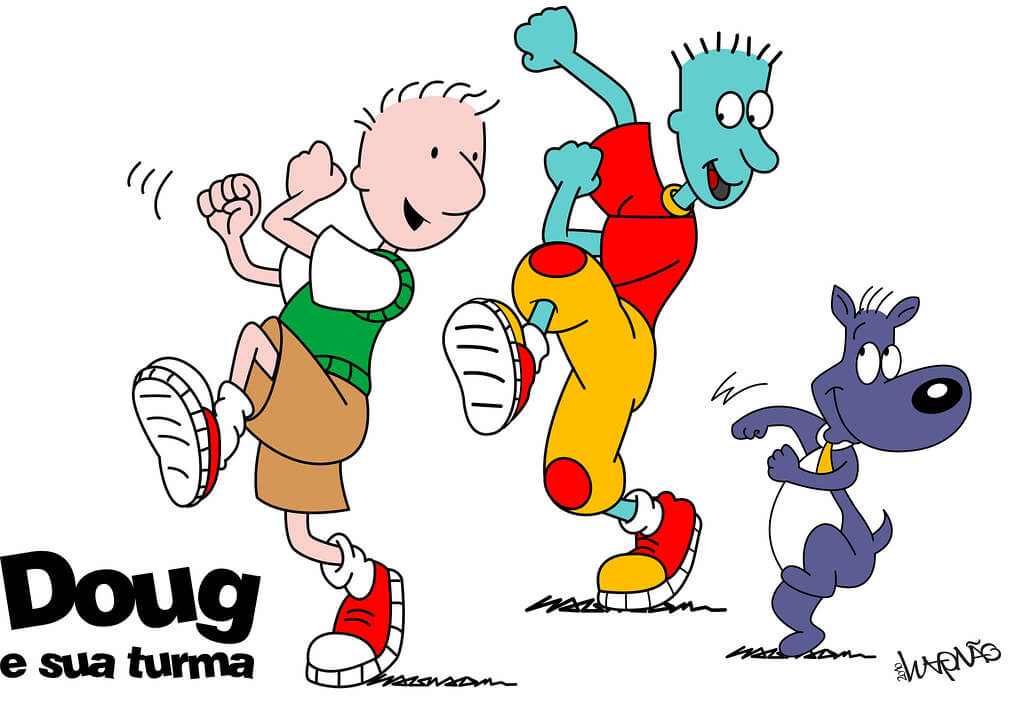
Originally launching on Nickelodeon in 1991 before later moving to ABC’s Saturday morning lineup, Doug followed an anxious, imaginative middle schooler navigating ordinary daily challenges rather than fantastical adventures. Its understated, diary-entry framing device distinguished it from the action and toy-driven programming that dominated much of the same morning schedule.
The show’s move between networks made it one of the more unusual cases of a single series crossing directly from cable to broadcast morning programming.
The Alarm Clock Was Part of the Show
None of these cartoons meant much on their own. What made them matter was the specific ritual built around them, the bowl of cereal getting soggy while the theme song played, the race to finish breakfast before the good part started, the particular quality of a Saturday that had nothing scheduled except more television.
Streaming eventually broke that ritual apart entirely, and it is hard to argue the change was for the worse in any practical sense. A show is available whenever a viewer wants it now, with no missed episodes and no waiting a week for resolution.
But something about the appointment itself, the shared inconvenience of a fixed broadcast time, gave these cartoons a weight that a queued-up episode list has never quite managed to replicate.
More from Go2Tutors!

- The Romanov Crown Jewels and Their Tragic Fate
- 13 Historical Mysteries That Science Still Can’t Solve
- Famous Hoaxes That Fooled the World for Years
- 15 Child Stars with Tragic Adult Lives
- 16 Famous Jewelry Pieces in History
Like Go2Tutors’s content? Follow us on MSN.