32 Household Sounds Nobody Hears in Homes Today
Homes used to have a distinct soundtrack, built from mechanical parts, analog devices, and appliances that made no effort to be quiet. Many of those sounds have disappeared entirely as technology shifted toward digital, silent, or wireless alternatives.
The Dial-Up Modem Connecting
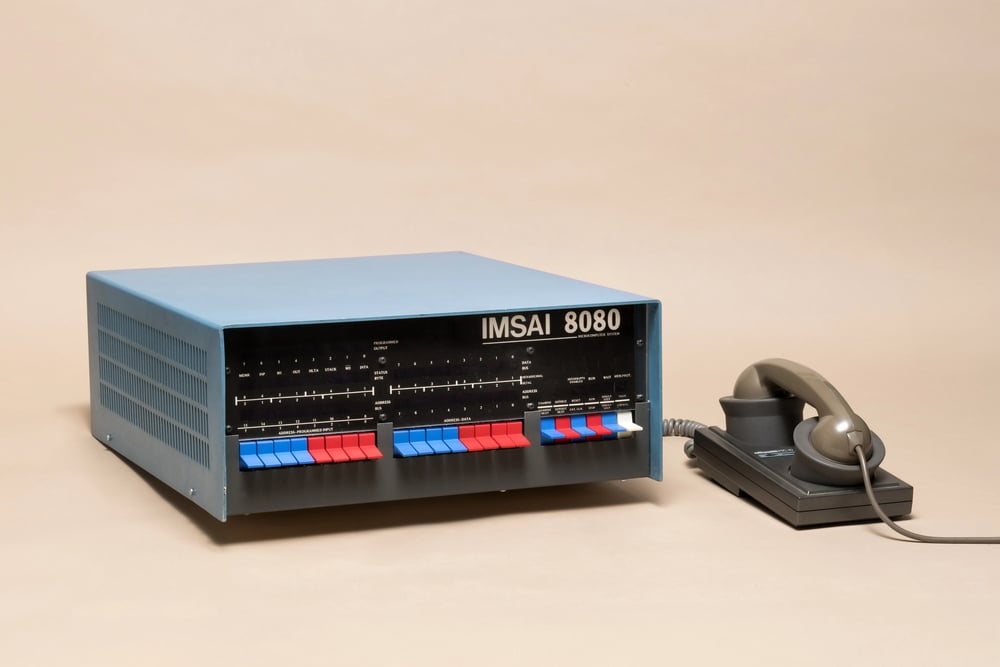
A screeching, layered sequence of tones signaled an internet connection being established, a sound so distinctive that entire online communities still recognize it instantly decades later.
A Rotary Phone Dialing
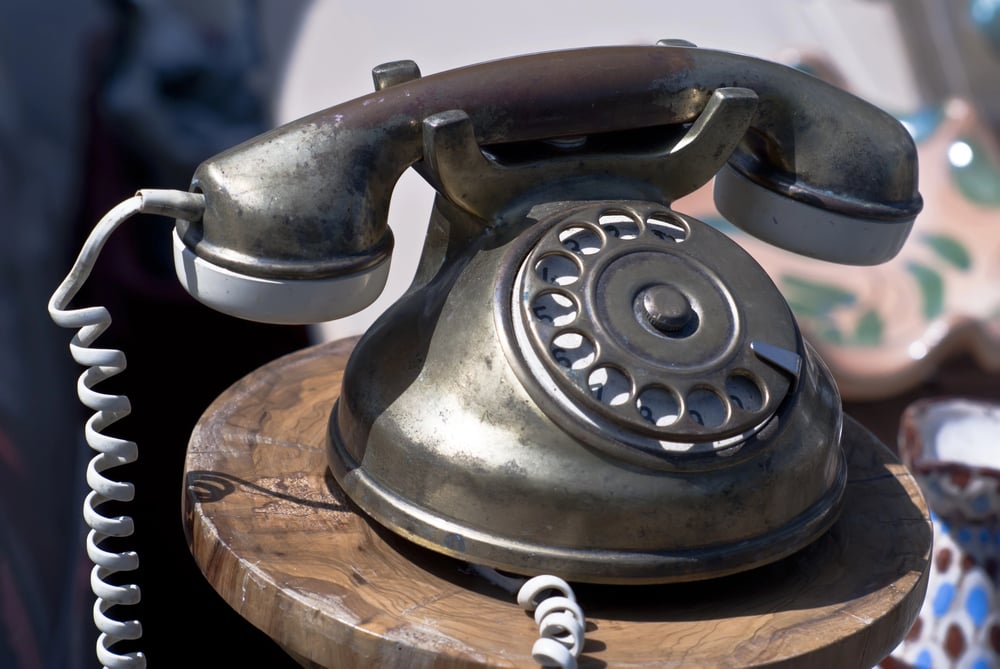
Each number on a rotary phone produced a distinct mechanical whirring click as the dial spun back into place, meaning a full phone number took several seconds longer to dial than a modern touch-tone equivalent.
A Typewriter’s Carriage Return Bell

A small bell rang each time a typewriter’s carriage reached the end of a line, prompting the typist to manually push the lever back to start the next one.
A Record Needle Dropping onto Vinyl
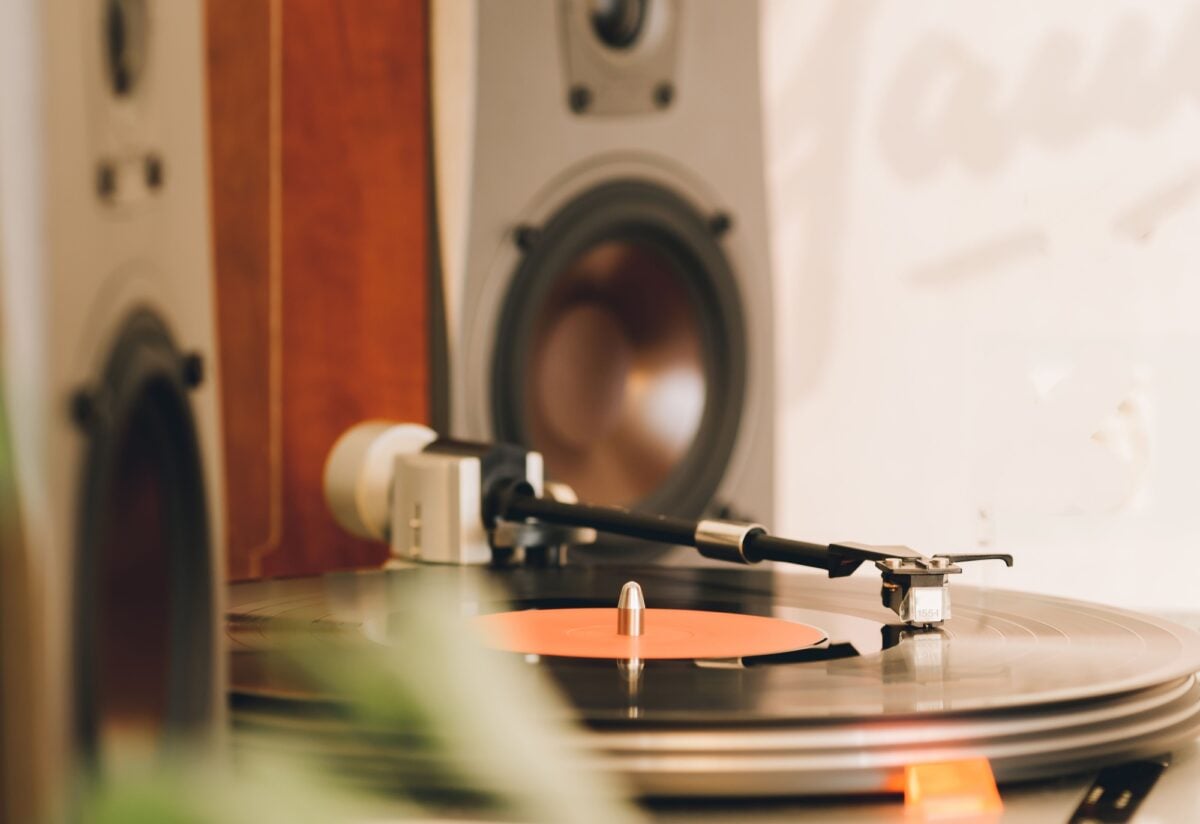
The soft crackle just before a song began, as the needle settled into the groove, became its own small ritual sound, one that streaming and digital music removed entirely.
A VCR Rewinding a Tape
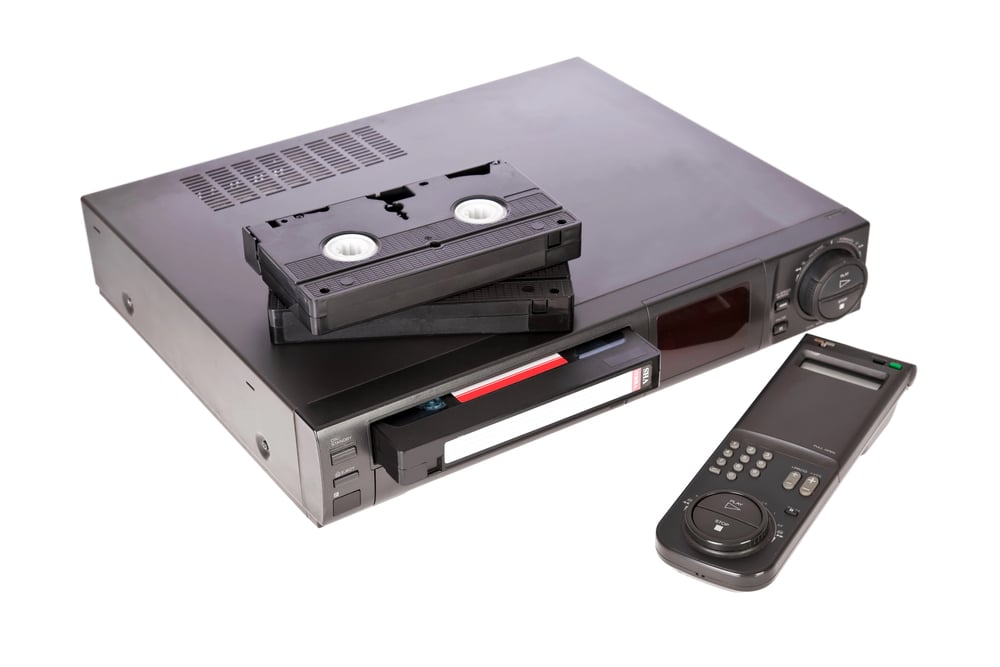
A distinct mechanical whirring accompanied by a slight vibration signaled a VCR rewinding, often timed by the viewer as a rough guide to how long they’d have to wait before watching again.
An Answering Machine’s Beep Before a Message

A sharp electronic beep followed by a person’s recorded voice was how households first received calls they’d missed, with the small red blinking light often noticed before the sound itself.
A Television Turning On with a Warm-Up Buzz

Older cathode-ray tube televisions emitted a faint electronic buzz and took a moment to warm up before an image appeared, a delay modern flat screens have eliminated entirely.
A Rotary Egg Timer Ticking Down
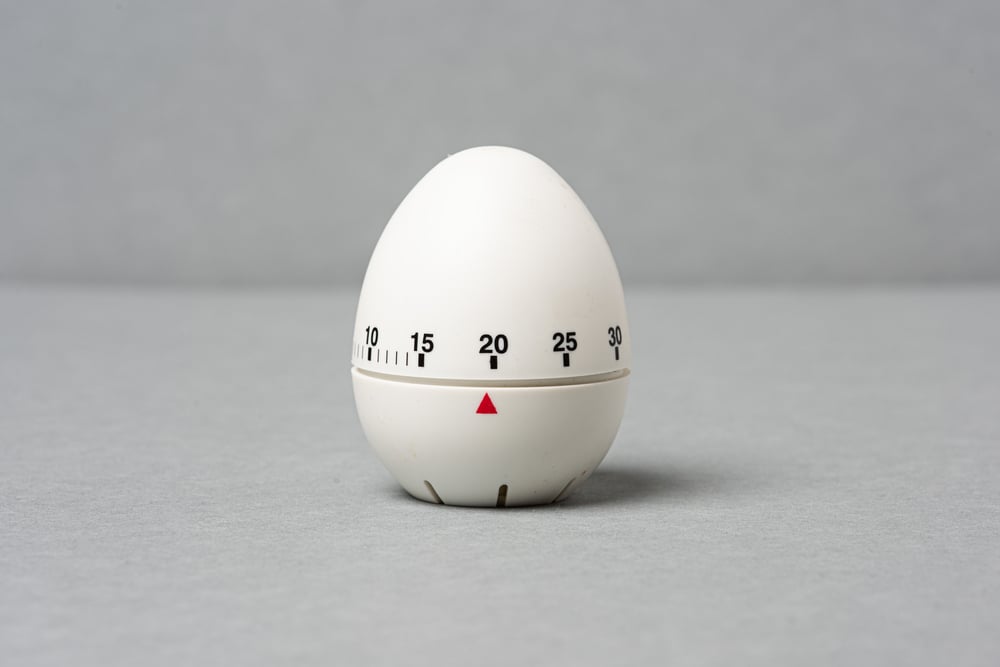
A mechanical kitchen timer ticked audibly as it counted down, ending with a sharp ring rather than the silent notification of a modern phone or oven display.
A Manual Typewriter’s Keys Clacking
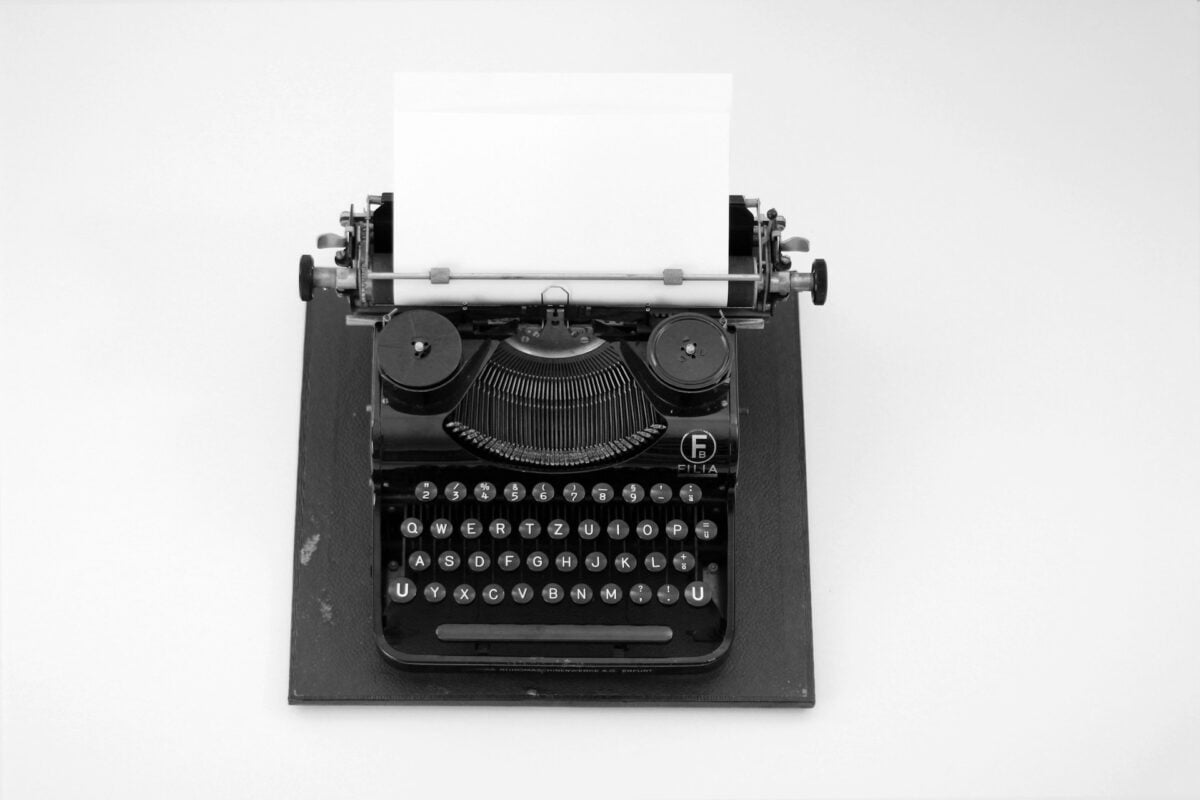
Each keystroke on a manual typewriter produced a distinct mechanical clack, loud enough that an entire room could tell someone was writing without looking up.
A Box Fan’s Motor Hum
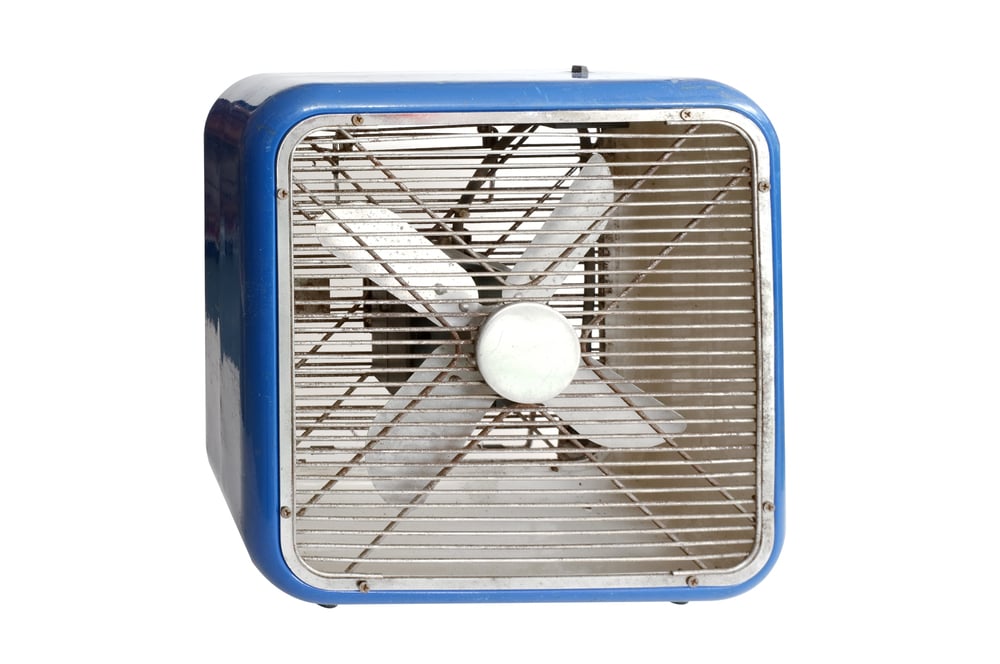
Older box and oscillating fans ran with an audible mechanical hum and clicking oscillation mechanism, a texture of sound largely engineered out of quieter modern fan designs.
A Cassette Tape Being Ejected
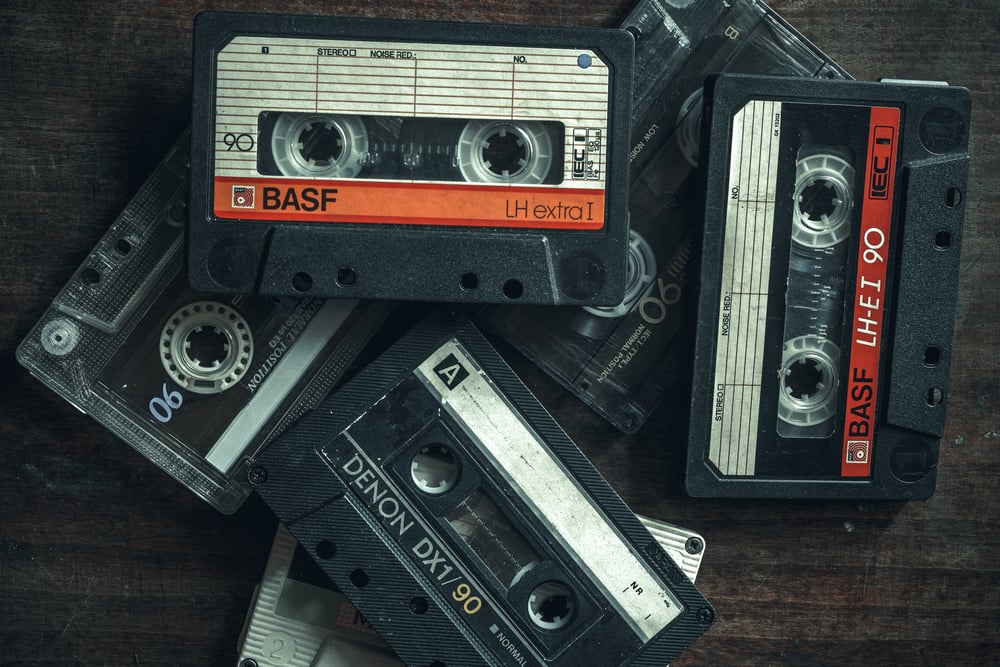
Pressing the eject button on a cassette player produced a distinct mechanical pop as the tape door sprang open, a small but satisfying sound tied to changing music mid-listen.
A Dot Matrix Printer Running
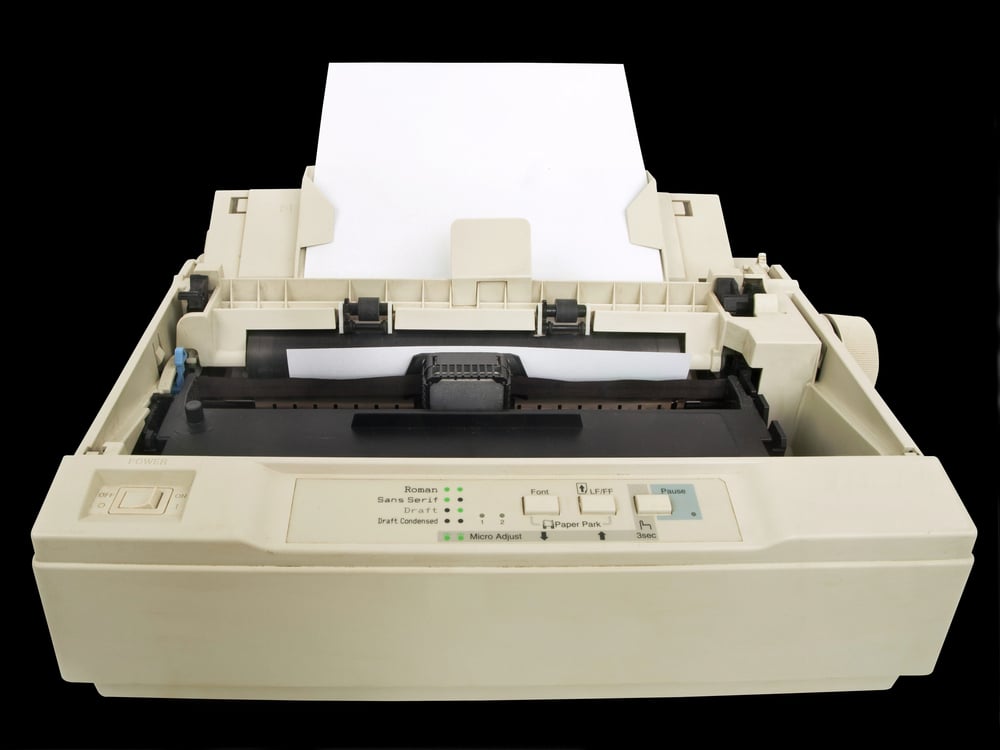
An early computer printer produced a loud, repetitive mechanical grinding sound as its print head moved back and forth across continuous-feed paper, audible throughout an entire house.
A Television Changing Channels with a Mechanical Click

Before remote controls became standard, changing channels on early televisions involved a physical dial that clicked firmly into place with each turn.
A Percolator Coffee Pot Bubbling
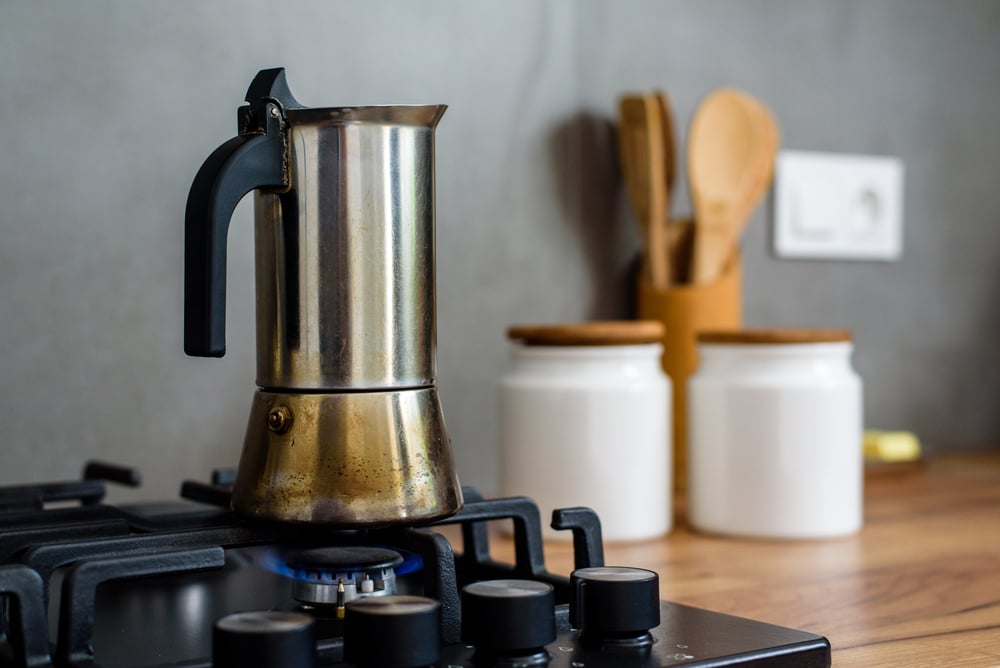
Older stovetop percolators produced an audible, rhythmic bubbling and gurgling sound as coffee brewed, a process visible through a small glass knob on top of the pot.
A Manual Can Opener Grinding
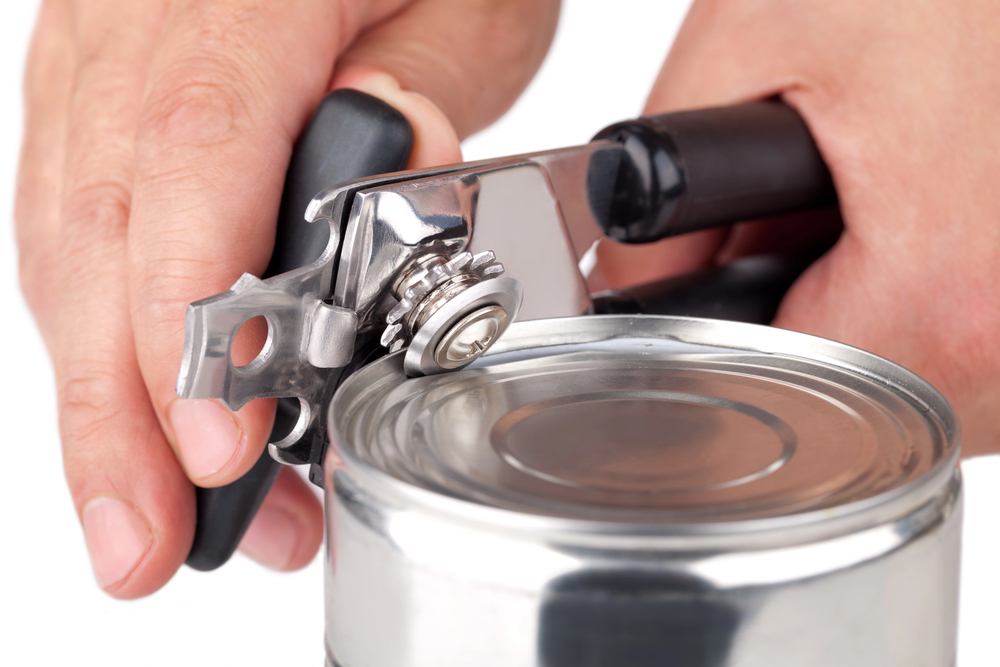
Turning a hand-crank can opener produced a distinct grinding, squeaking sound with each rotation, quite different from the quieter electric versions that later became common.
A Mechanical Doorbell’s Chime
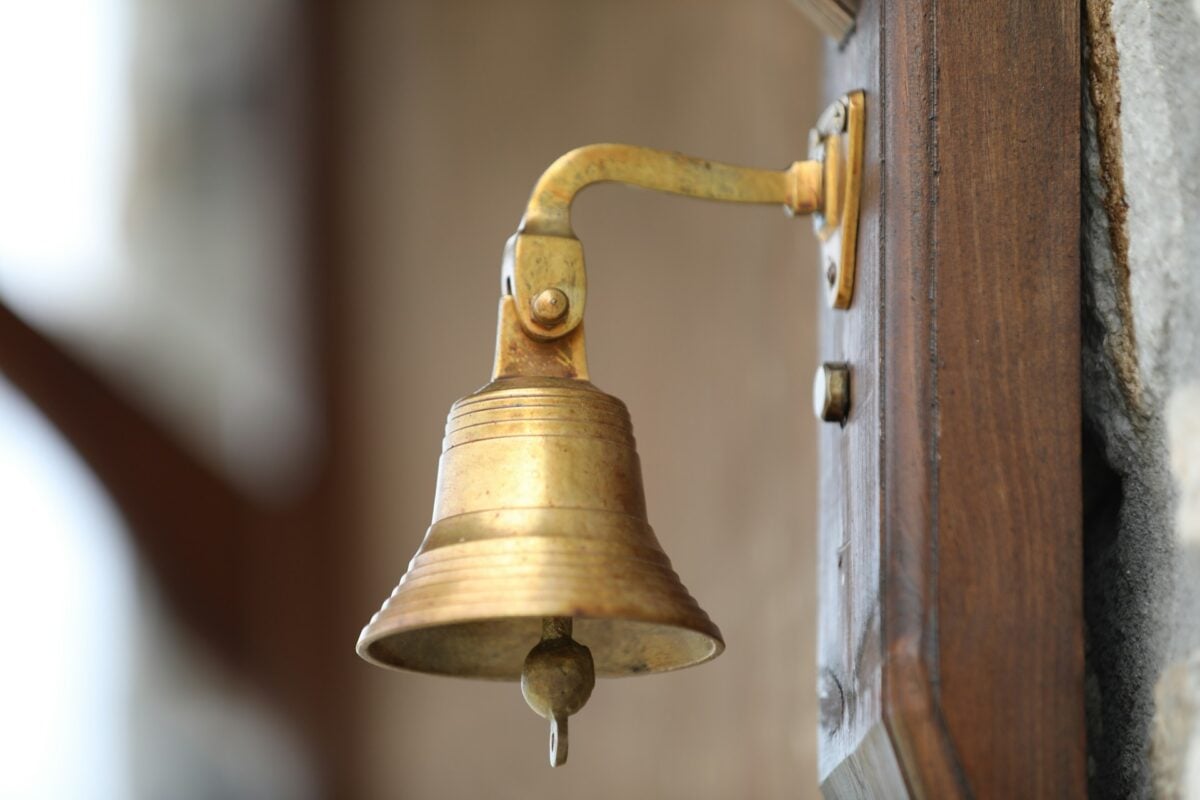
Older doorbells used physical hammers striking metal chimes or bells, producing a resonant sound with genuine mechanical weight behind it, unlike the digital tones common today.
A Wind-Up Alarm Clock Ticking
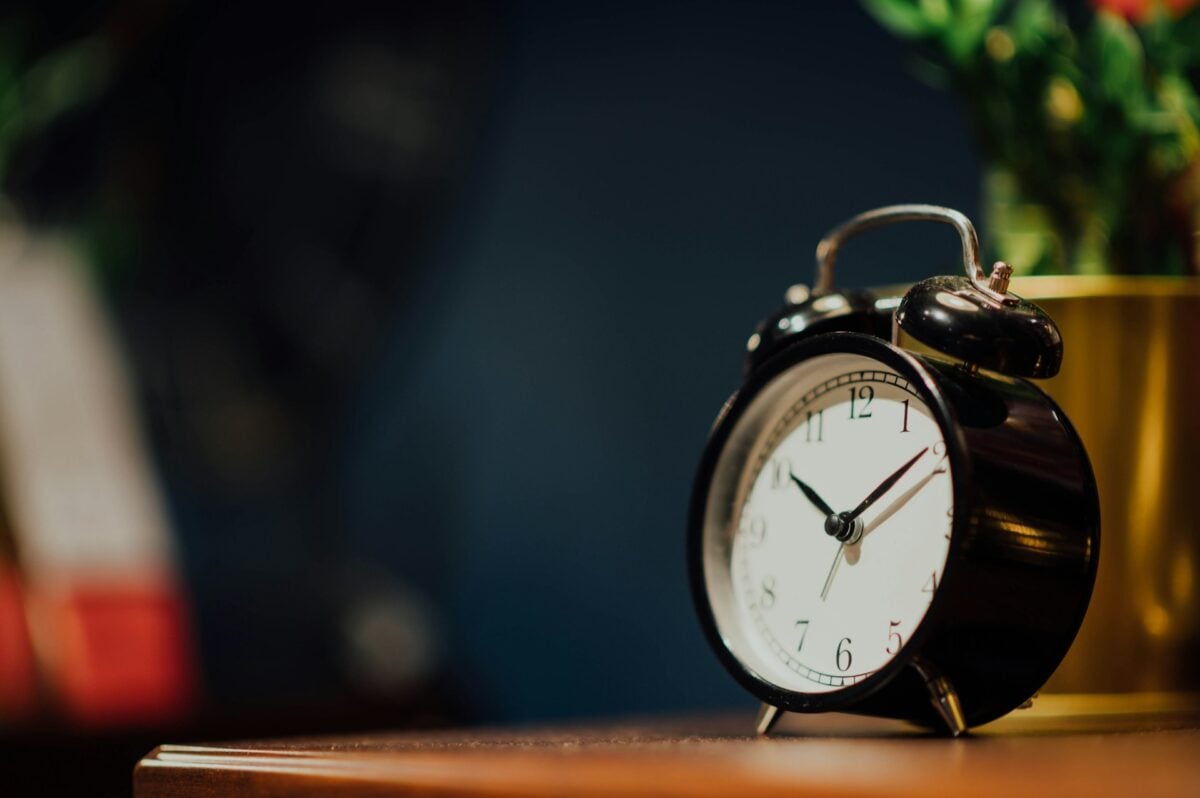
Mechanical alarm clocks produced a steady, audible ticking throughout the night, ending in a sharp mechanical bell that was considerably louder and harsher than modern digital alarms.
A Foot-Pedal Sewing Machine’s Hum
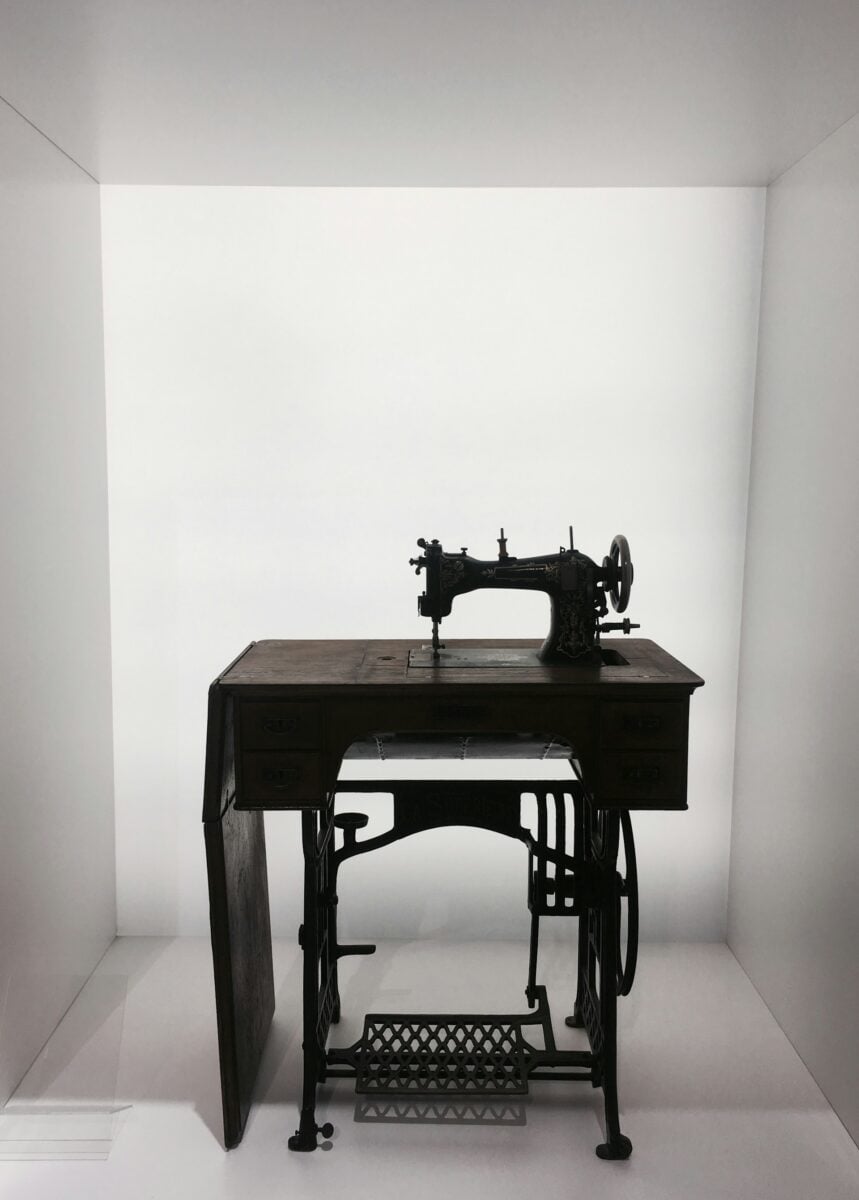
Home sewing machines powered by a foot pedal produced a steady mechanical whirring that rose and fell in pitch depending on how hard the pedal was pressed.
A Film Projector’s Reel Clicking

Home movie projectors made a steady mechanical clicking as film passed through the gate, a sound inseparable from the flickering image it produced on a pull-down screen.
A Rotary Phone’s Busy Signal
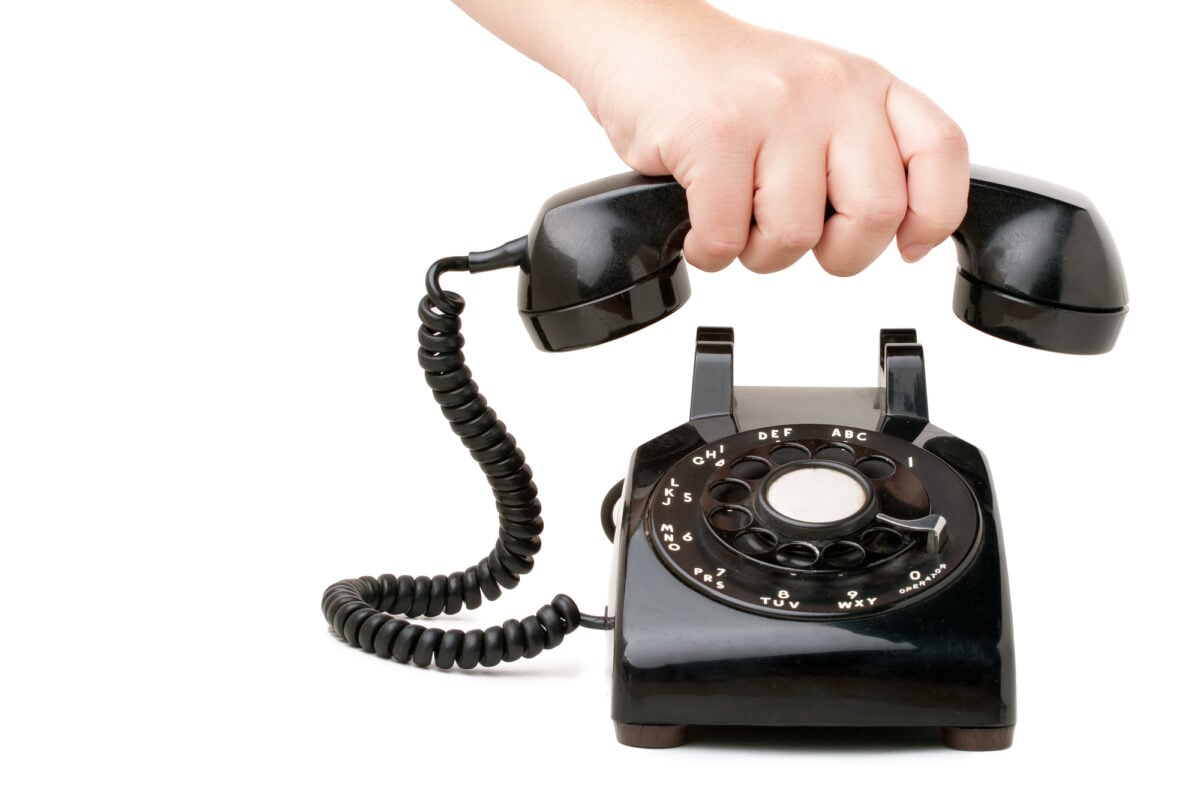
A repeated, evenly spaced tone indicated a busy line, a sound now almost entirely unfamiliar to anyone who grew up exclusively with call waiting and voicemail.
A Television Test Pattern’s Tone
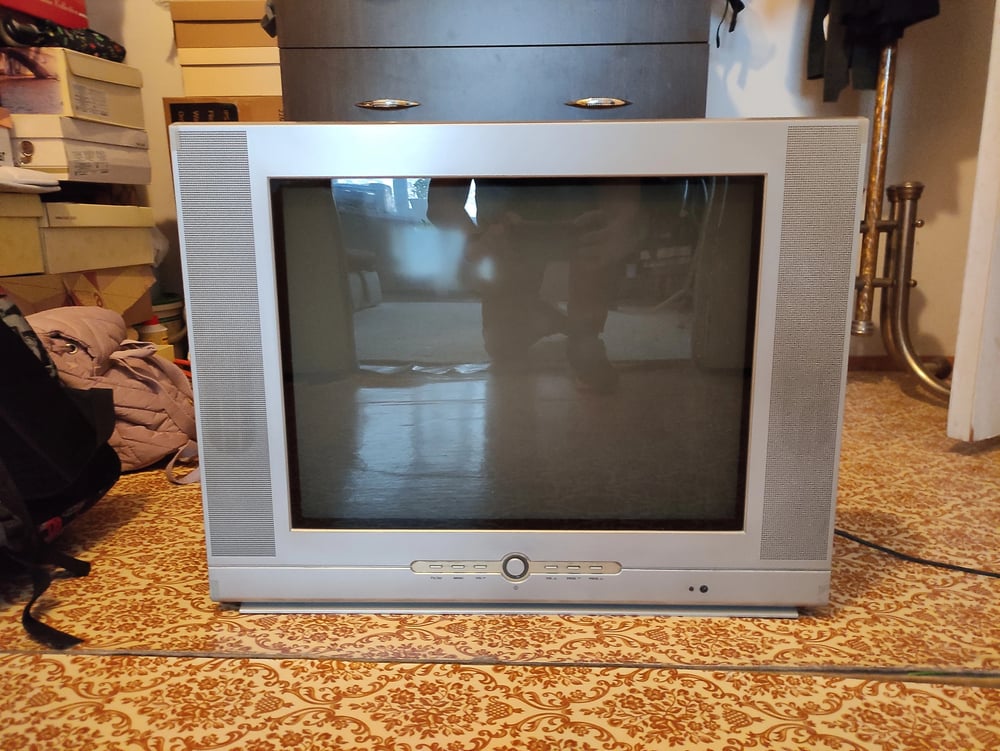
After broadcasting ended for the night, many stations played a steady tone accompanying a static test pattern, an unmistakable signal that programming had officially stopped for the evening.
A Typewriter Ribbon Advancing
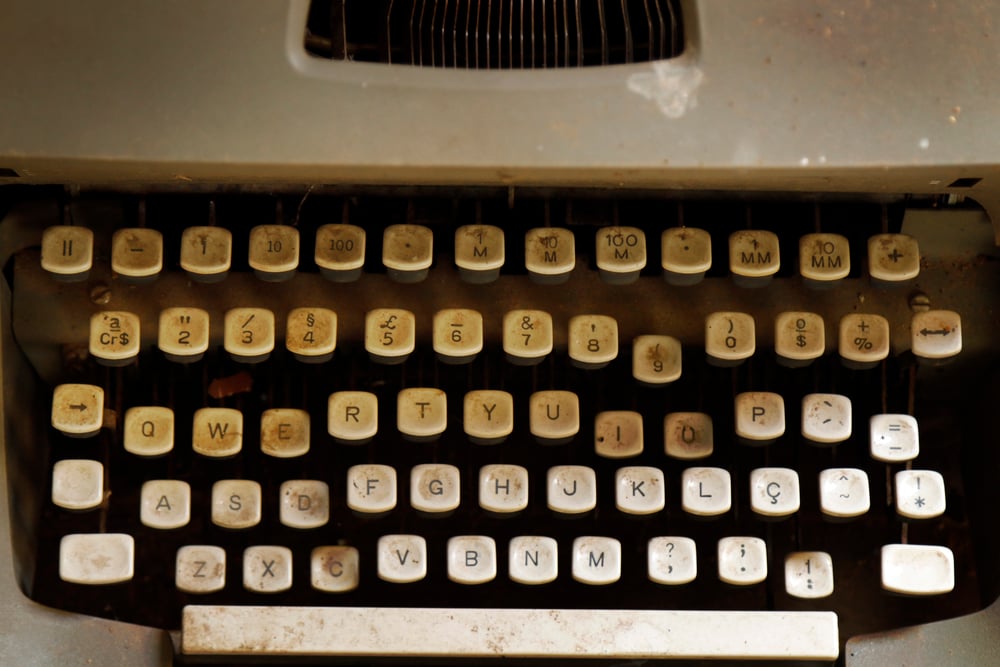
A subtle mechanical click accompanied the ribbon advancing with each keystroke on a typewriter, a small sound embedded within the larger rhythm of typing.
A Mechanical Kitchen Timer’s Final Ring
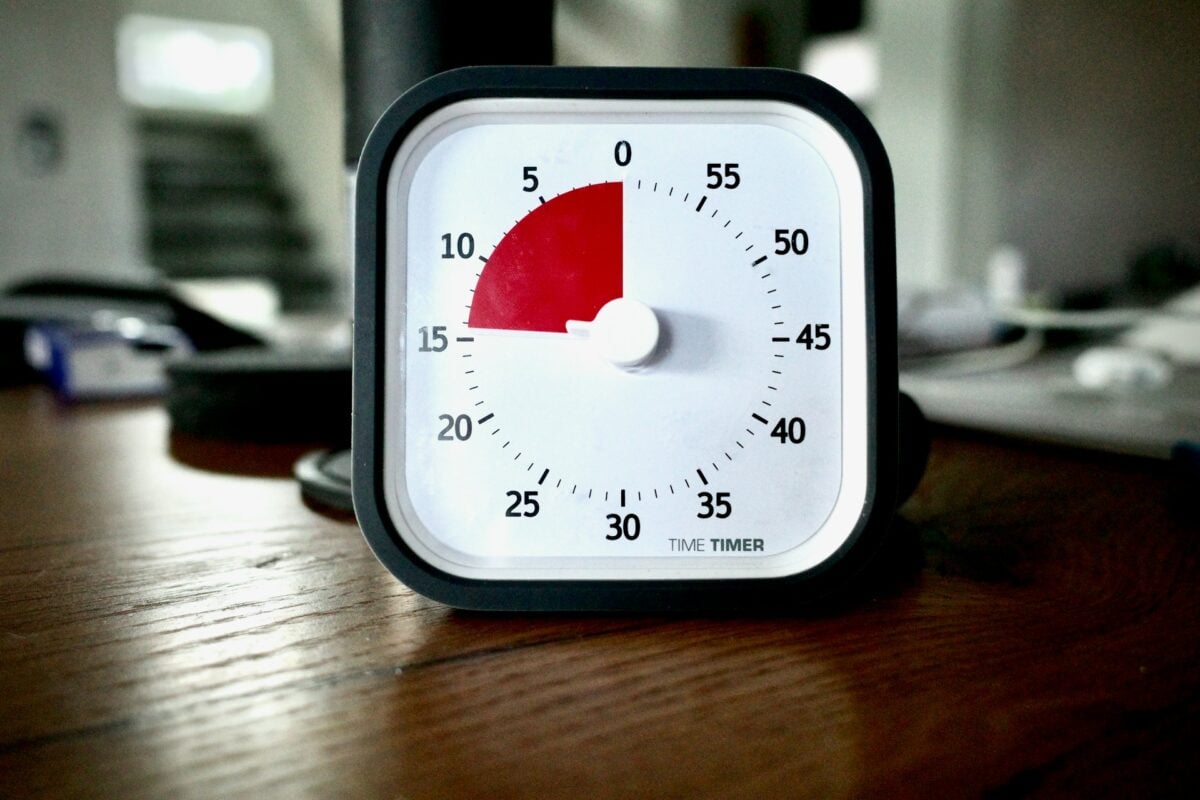
Distinct from the ticking itself, the sharp mechanical ring at zero was loud enough to be heard throughout a house, unlike the gentle chimes of digital kitchen timers today.
A Reel-to-Reel Tape Deck Running

Open-reel tape decks produced an audible whirring alongside a faint hiss, with the visible spinning reels adding a physical dimension the sound alone didn’t fully capture.
A Typewriter’s Space Bar Thud
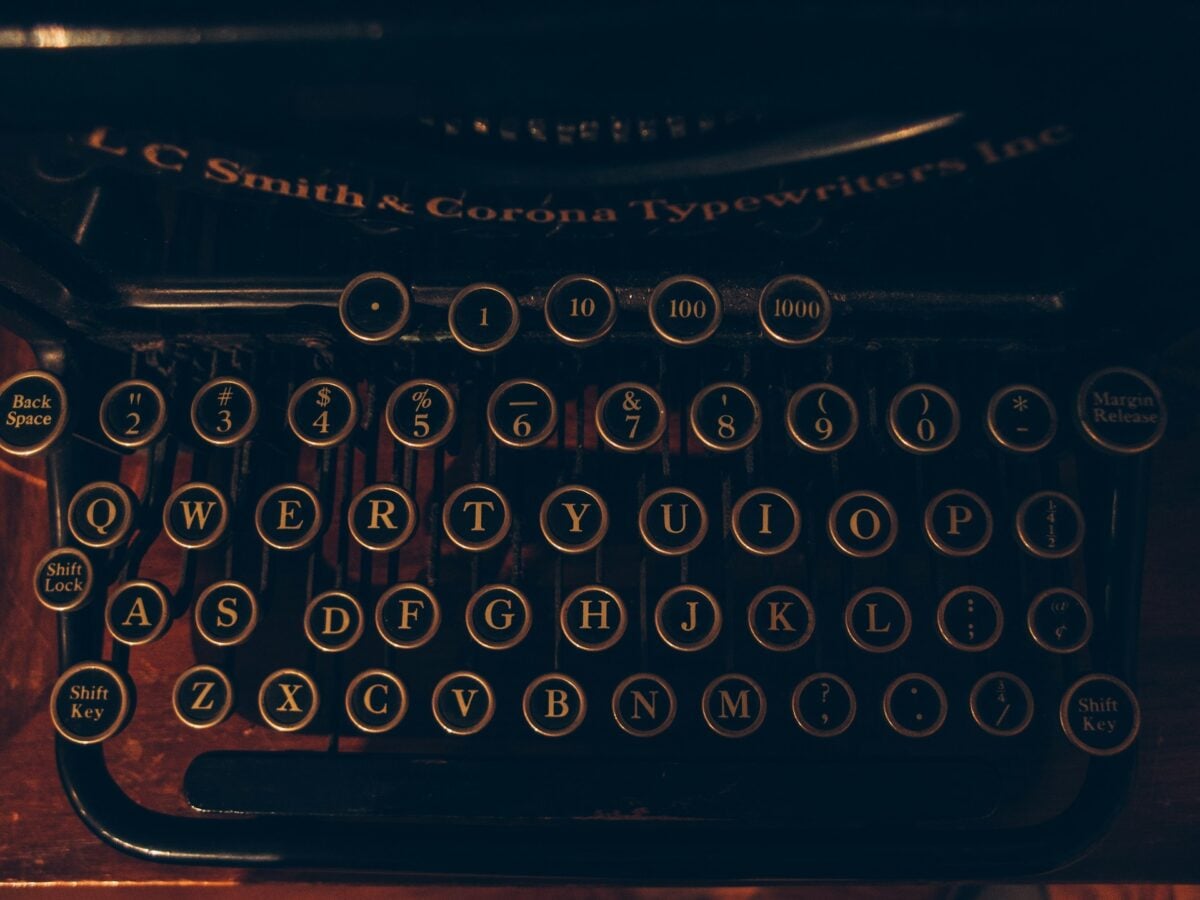
Each press of the space bar produced a distinctly heavier thud than the letter keys, a small but noticeable variation within the overall rhythm of typing.
A Top-Loading Washing Machine’s Agitator Cycle
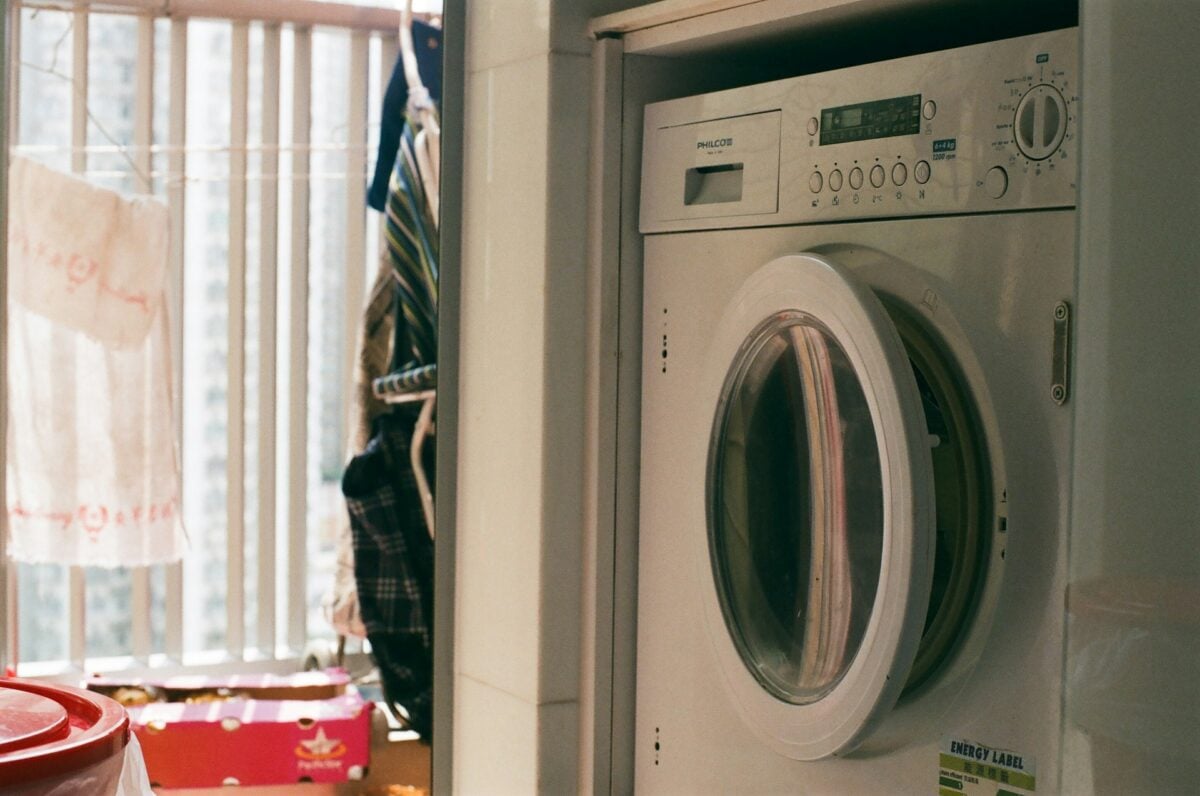
Older top-loading washing machines produced a rhythmic sloshing and mechanical clunking during the agitation cycle, quite different from the quieter, more consistent hum of modern machines.
A Television’s Antenna Static
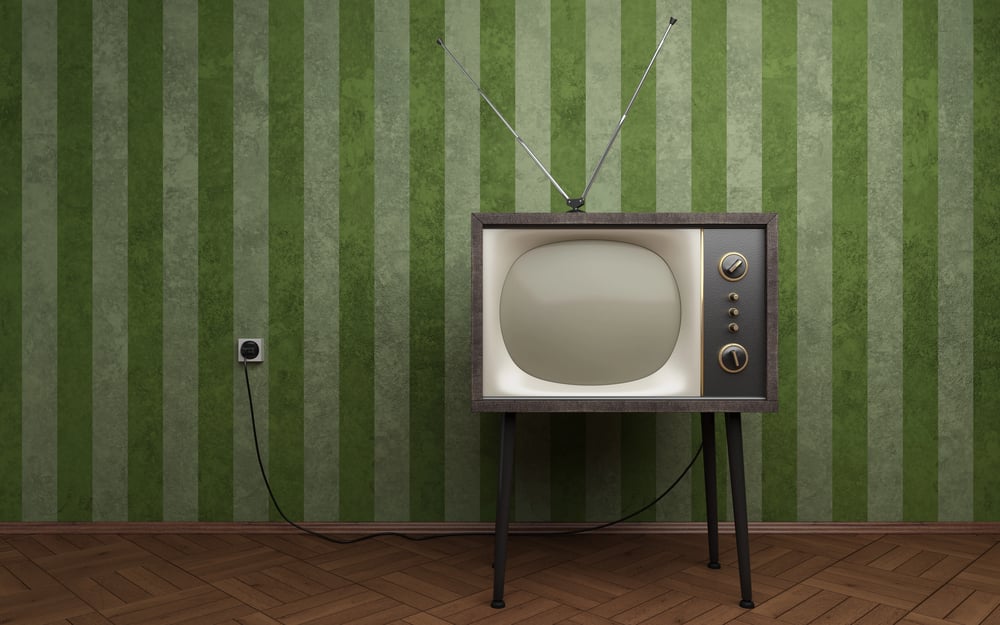
Adjusting a rooftop or rabbit-ear antenna to improve reception often produced bursts of static that rose and fell as the antenna moved, a sound tied directly to the physical act of adjustment.
A Fax Machine Connecting
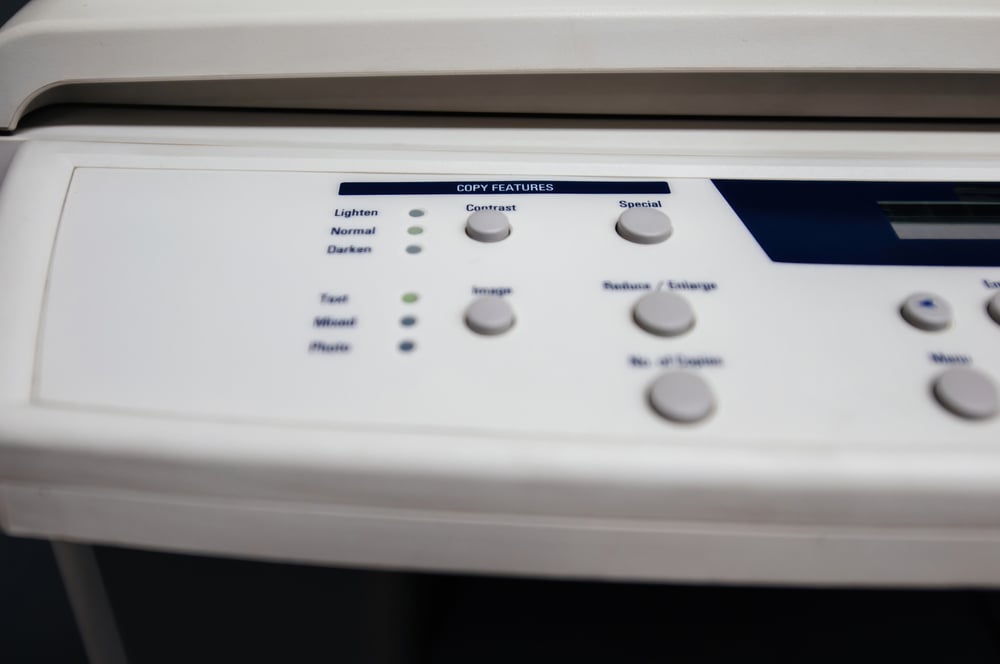
Fax machines produced a sequence of tones nearly identical to a dial-up modem, followed by a mechanical grinding as paper fed through, a combination rarely heard in homes today.
A Hand-Cranked Pencil Sharpener’s Grinding Crank
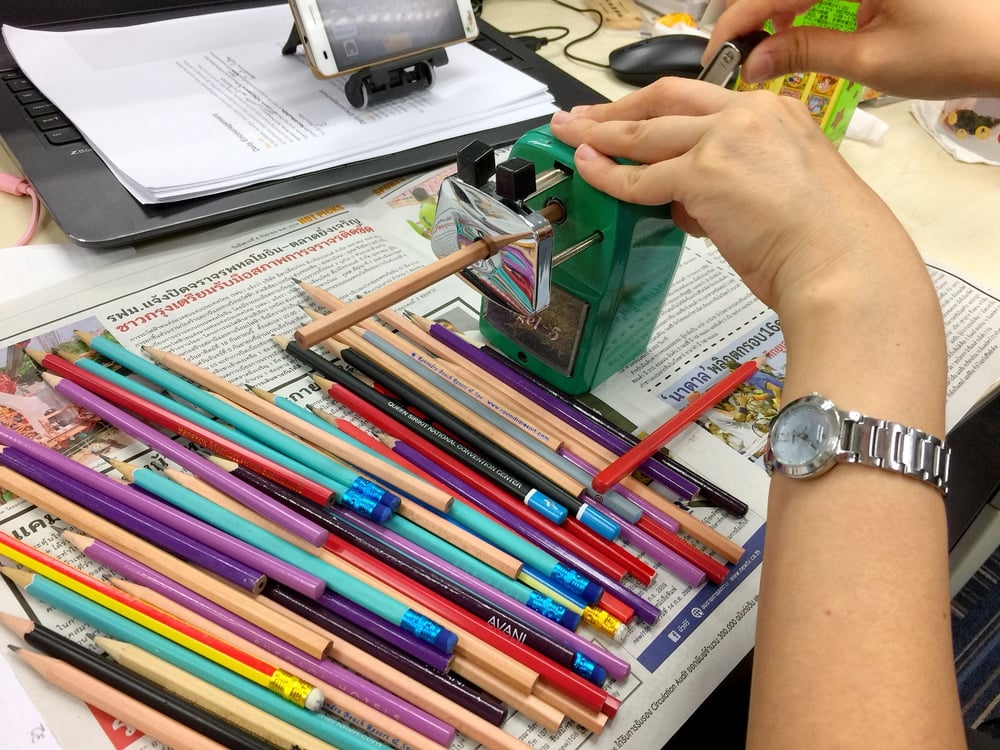
Hand-cranked pencil sharpeners produced a steady grinding sound that changed pitch as the pencil reached its point, a sound distinct from the quieter electric sharpeners that followed.
A Clothes Dryer’s Mechanical Buzzer
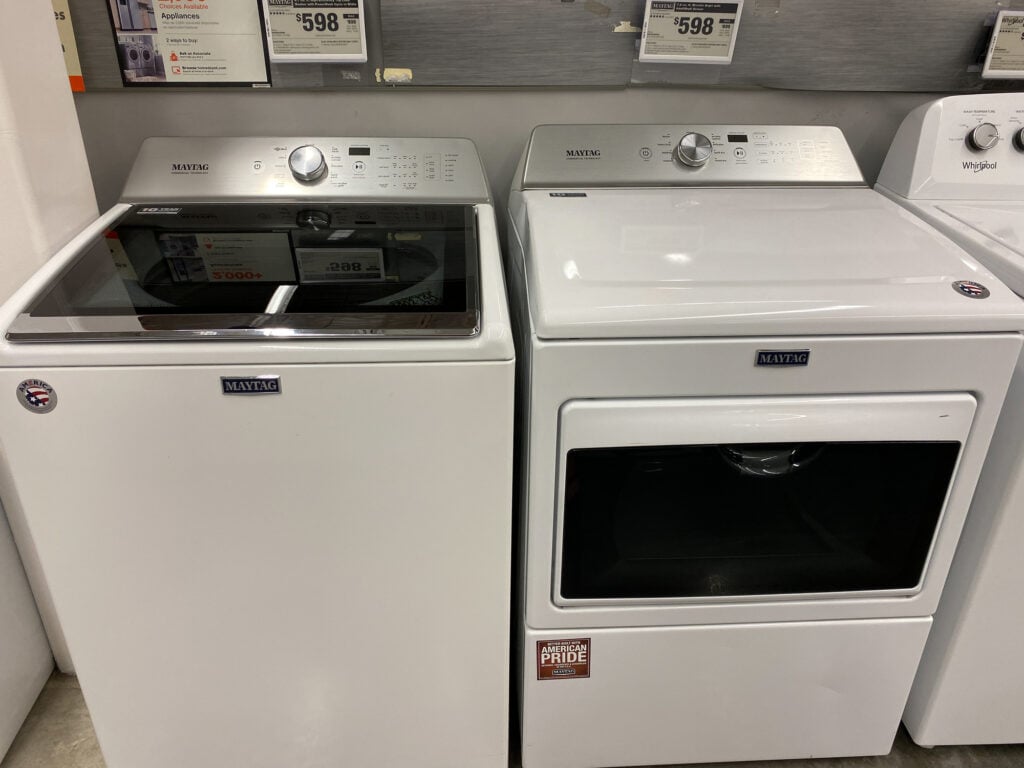
Older dryers signaled the end of a cycle with a loud mechanical buzz rather than a musical chime, a sound intentionally designed to be heard from another room.
A Television’s Channel Static Between Stations

Turning the dial between defined channels on an analog television produced a burst of white noise and visual static, an in-between sound now entirely absent from digital tuning.
A Manual Adding Machine’s Lever Pull
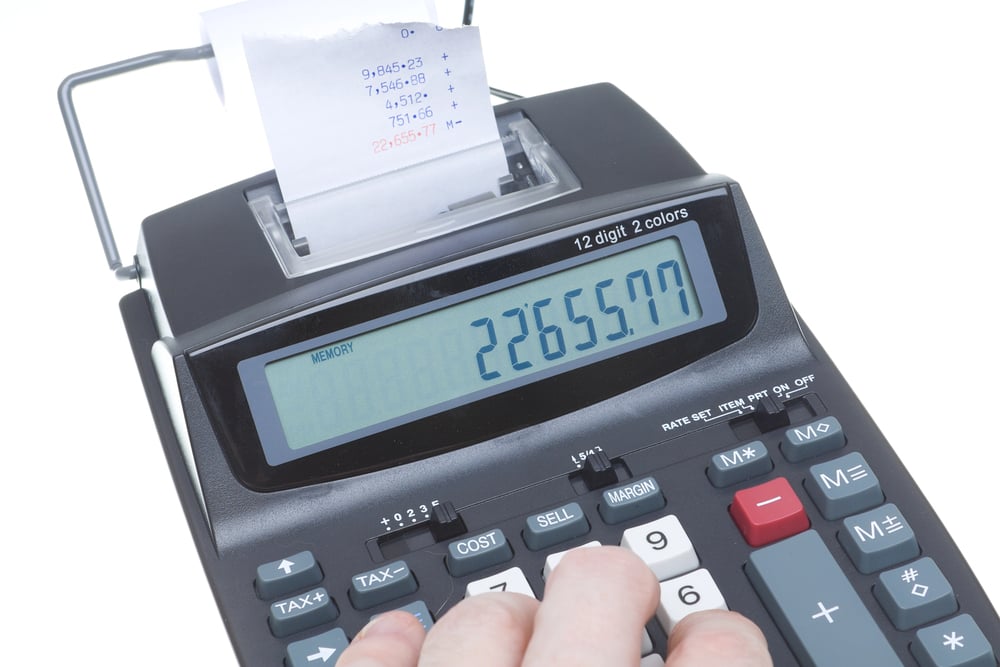
Early adding machines required physically pulling a side lever to process each calculation, producing a distinct mechanical thunk that modern calculators have no equivalent for.
The Sound of a House That Worked Mechanically

Every one of these sounds came from something physical actually moving, a gear turning, a needle dropping, a lever being pulled. Homes were louder in a specific, mechanical way, and that noise was simply the audible evidence of how things functioned.
Modern homes are quieter not because life slowed down, but because nearly everything shifted toward digital processes with no moving parts left to make noise. The silence isn’t an improvement so much as a byproduct, and for anyone who grew up with the old sounds, that silence can feel oddly incomplete.
More from Go2Tutors!

- The Romanov Crown Jewels and Their Tragic Fate
- 13 Historical Mysteries That Science Still Can’t Solve
- Famous Hoaxes That Fooled the World for Years
- 15 Child Stars with Tragic Adult Lives
- 16 Famous Jewelry Pieces in History
Like Go2Tutors’s content? Follow us on MSN.