29 Costumes That Defined an Era on Screen
Some costumes outlive the films they came from. They get referenced in fashion editorials decades later, copied for costume parties, and recognized instantly even by people who have never seen the original movie.
Here are 29 that did more than dress a character; they defined how an entire era looked. Costume design rarely gets the same credit as writing or directing, but these examples prove how much a single outfit can carry.
Ruby Slippers
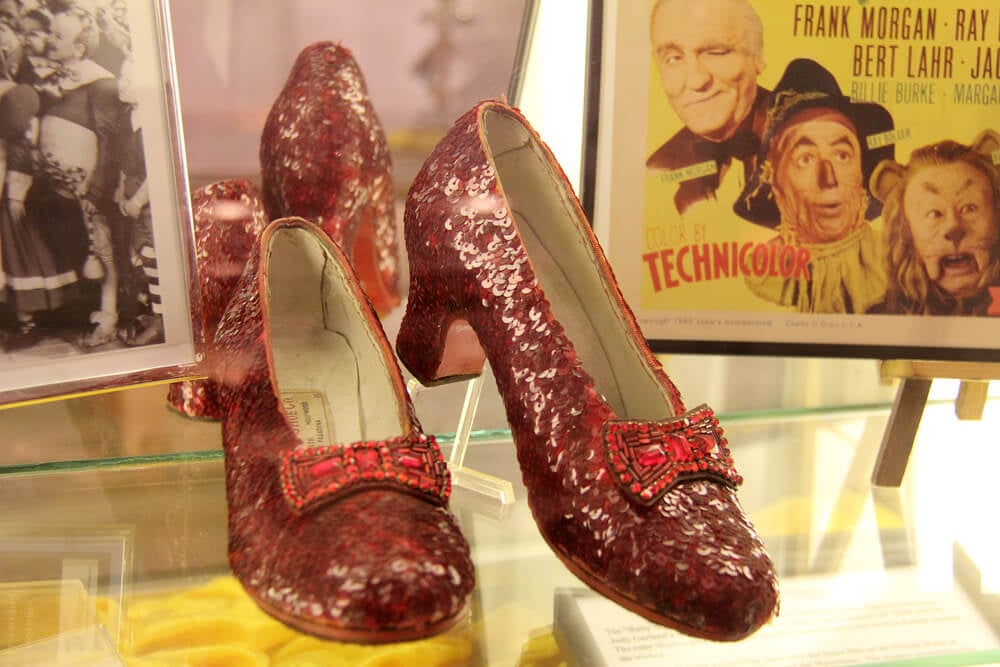
The sequined red shoes Dorothy wears in The Wizard of Oz were originally silver in L. Frank Baum’s book, changed to ruby red specifically to take advantage of the new Technicolor process. Several pairs were made for the 1939 production, and surviving originals have since sold at auction for millions of dollars.
One pair was stolen from a Minnesota museum in 2005 and not recovered by the FBI until 2018. The shoes remain one of the most instantly recognizable costume pieces in film history.
Scarlett O’Hara’s Curtain Dress
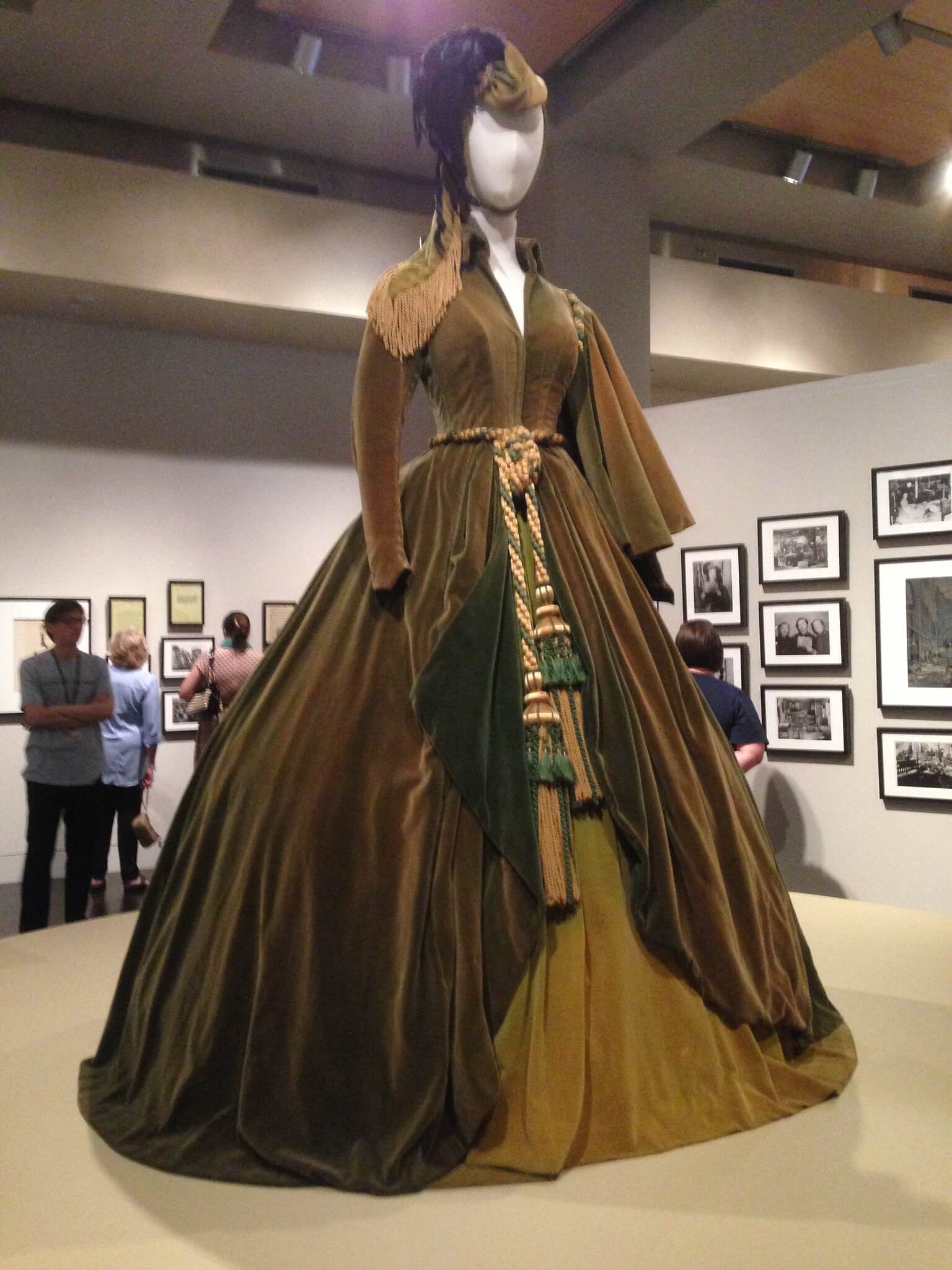
In Gone with the Wind, Scarlett O’Hara tears down a pair of green velvet curtains and has them sewn into a dress to disguise her poverty in front of a man she needs money from. The scene became so iconic that it has been directly parodied in television sketches for decades since.
Costume designer Walter Plunkett built the dress with intentionally visible curtain tassels and braided trim to sell the joke to audiences. It remains one of the most referenced costume moments in American film.
Holly Golightly’s Black Dress
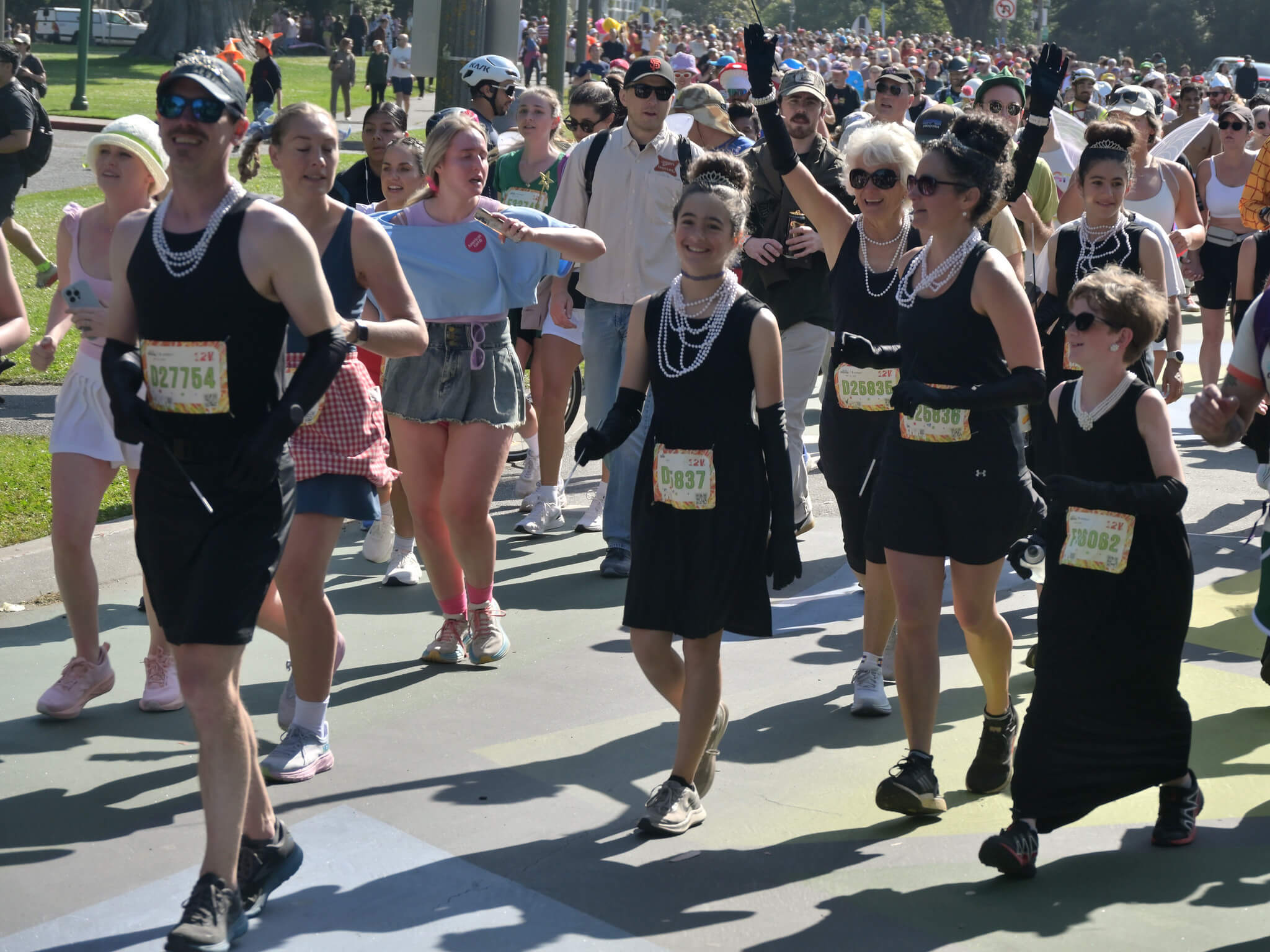
Audrey Hepburn’s floor-length black gown in Breakfast at Tiffany’s, designed by Hubert de Givenchy, became one of the most copied dresses in fashion history. Paired with oversized sunglasses, a long slender accessory holder, and an elaborate tiara, the look distilled an entire aesthetic of early-1960s elegance into a single image.
One of the original dresses worn in the film sold at a Christie’s auction in 2006 for close to a million dollars. Givenchy and Hepburn’s collaboration on the film helped launch a decades-long working relationship between the designer and actress.
The White Halter Dress
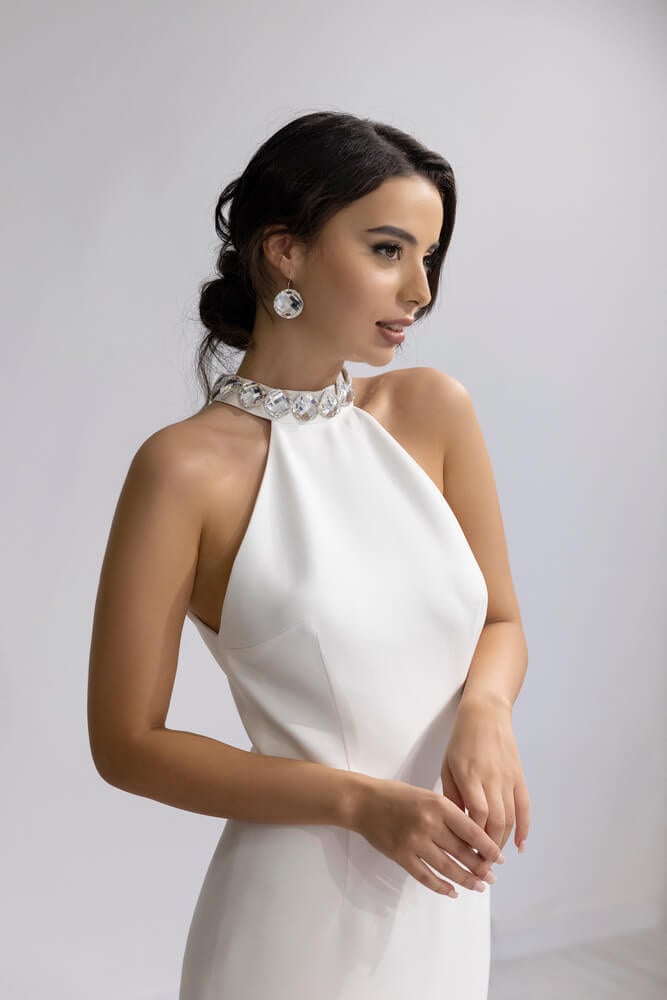
Marilyn Monroe’s ivory halter dress in The Seven Year Itch, famously caught billowing upward over a subway grate, became one of the most reproduced images in American film history before most audiences had even seen the movie itself. Designer William Travilla built the dress with a full pleated skirt specifically to catch air dramatically for the scene.
The dress later sold at auction in 2011 for 4.6 million dollars, at the time a record for a piece of film costume history.
Darth Vader’s Costume
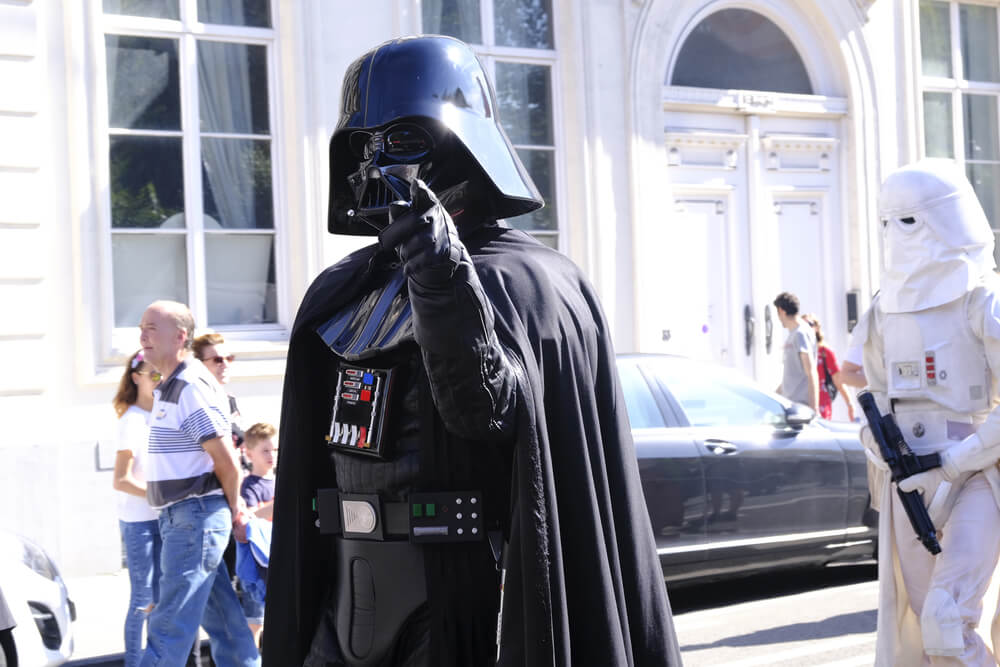
The all-black armored costume in Star Wars combined a motorcycle helmet, a World War II German army helmet’s silhouette, and a Kabuki-inspired mask design into a single villain that needed no dialogue to read as menacing. Actor David Prowse wore the suit on set while actor James Earl Jones later provided the voice, meaning two different performers built the character together.
The chest control panel was originally a functional prop with no scripted purpose, added purely because designers thought the silhouette needed it. It remains one of the most recognized costume designs in film history.
Indiana Jones’ Outfit
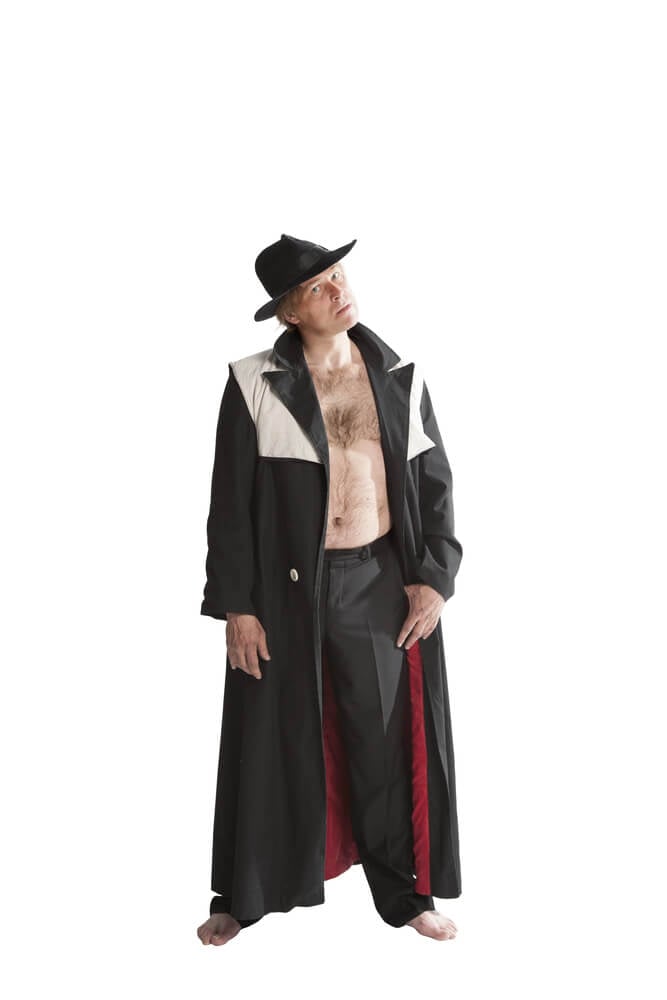
The leather jacket, fedora, and bullwhip combination in Raiders of the Lost Ark was designed to evoke 1930s pulp adventure serials that director Steven Spielberg and writer George Lucas grew up watching. Costume designer Deborah Nadoolman Landis reportedly built the look around functional, worn-in pieces rather than anything glamorous, aiming for a costume that looked like actual work clothes.
The fedora became such a defining element that its absence in any given shot was treated as a continuity concern on set. The outfit has remained a default Halloween costume for generations since.
Princess Leia’s White Gown
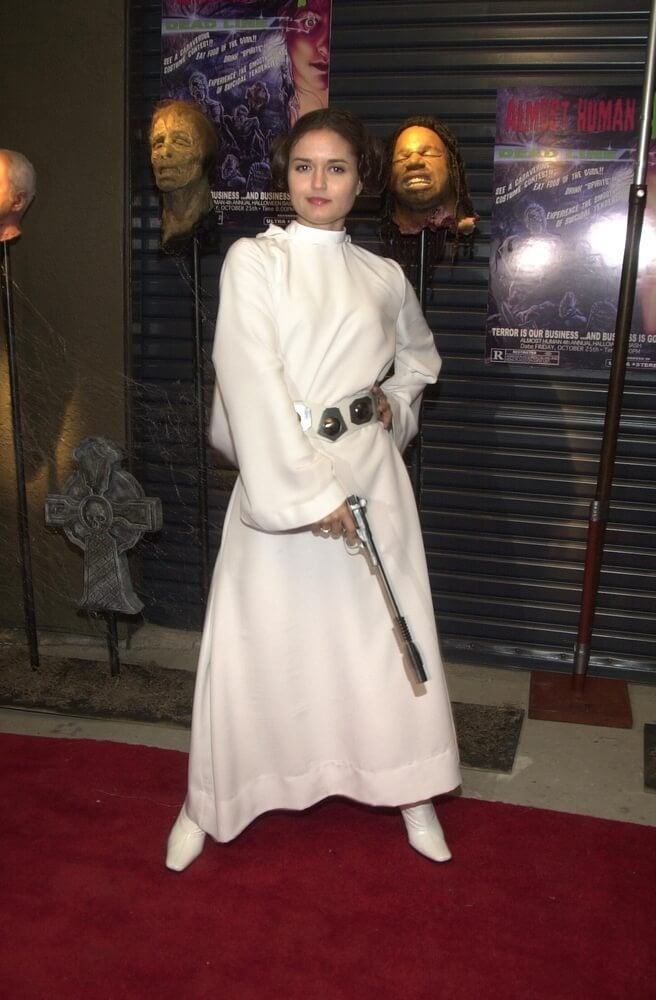
Princess Leia’s simple white robe in the original Star Wars was designed to read instantly as royal and rebellious without the ornamentation typically given to screen royalty. Costume designer John Mollo drew inspiration partly from classical Roman dress, favoring clean draped lines over embellishment.
Combined with the character’s distinctive side-bun hairstyle, the look became one of the most parodied costume silhouettes of the late twentieth century. Its simplicity is part of why it has aged so well compared to more elaborate science-fiction costumes of the same period.
James Bond’s Tuxedo
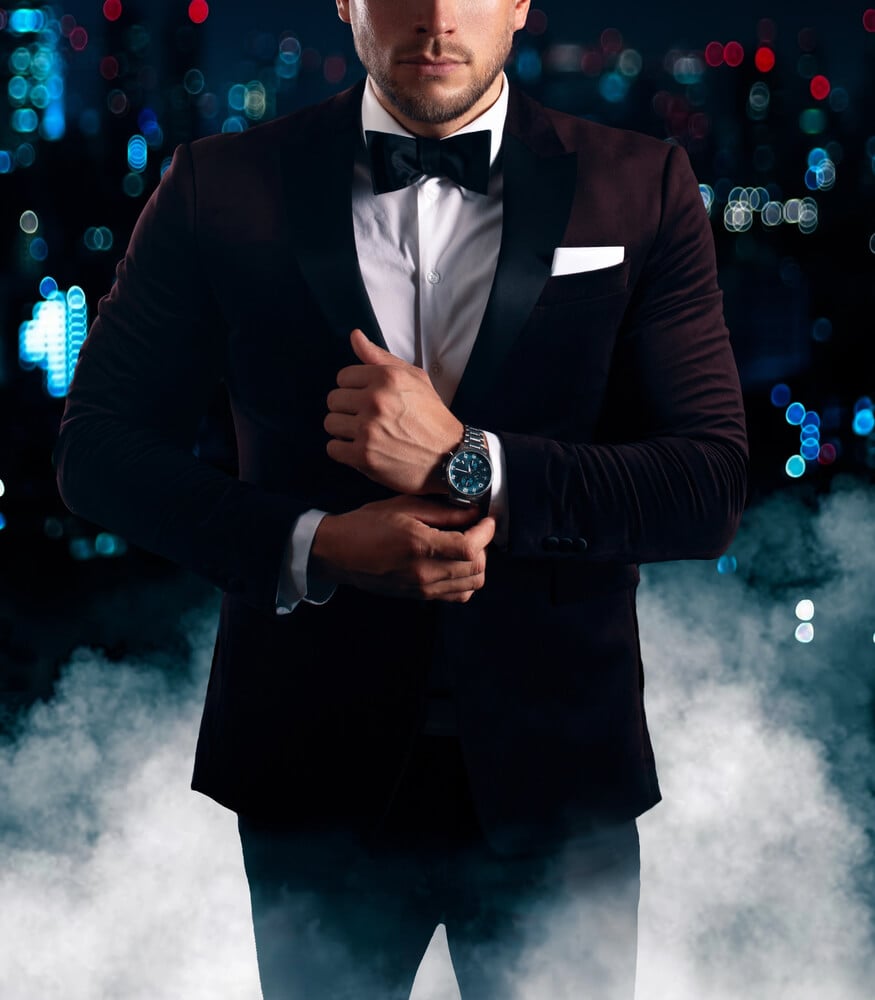
The tailored tuxedo worn across the James Bond film franchise, beginning with Dr. No in 1962, helped define a specific model of screen masculinity built around precise tailoring rather than flash. Different eras of the franchise adjusted the silhouette to match the fashion of the decade, from slim 1960s cuts to broader 1980s shoulders, while keeping the basic formula intact.
Several actors playing the role have credited the tuxedo with shaping how they approached the character’s posture and movement. It remains shorthand in film costuming for controlled, dangerous elegance.
Superman’s Costume
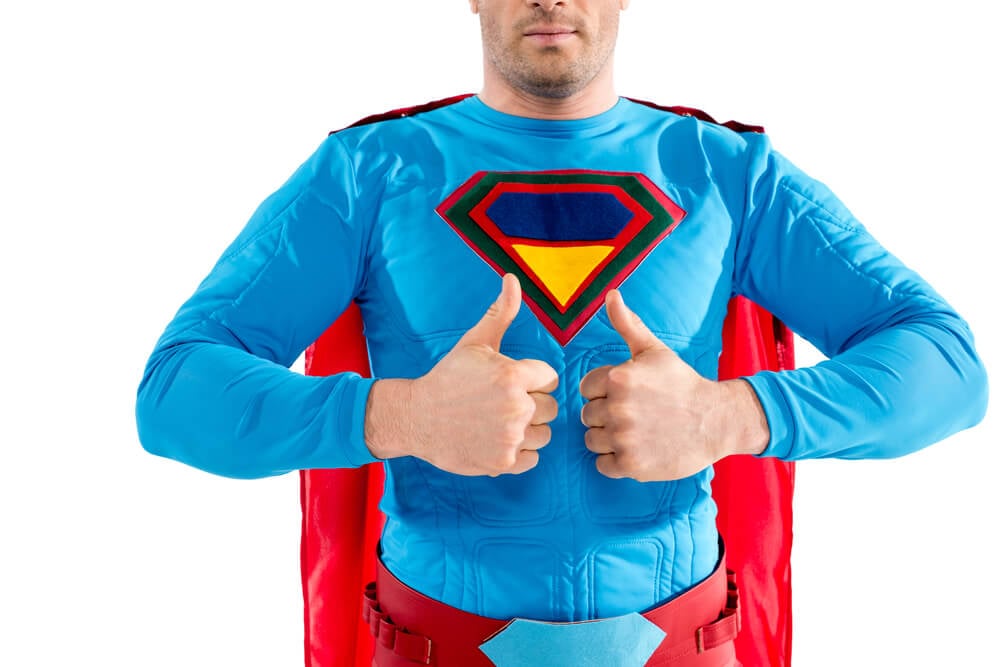
Christopher Reeve’s costume in the 1978 film Superman set the template for superhero costuming on screen for a generation, built around a simple color-blocked bodysuit with an exterior cape rather than the more armored look later films would adopt. Reeve reportedly trained extensively to fill out the suit convincingly, since its simplicity left no room for padding to hide behind.
The costume’s bright, unapologetic primary colors were a deliberate choice at a time when darker antihero aesthetics were becoming more fashionable elsewhere in film. It remains the reference point against which later superhero costume redesigns are still measured.
Batman’s Costume
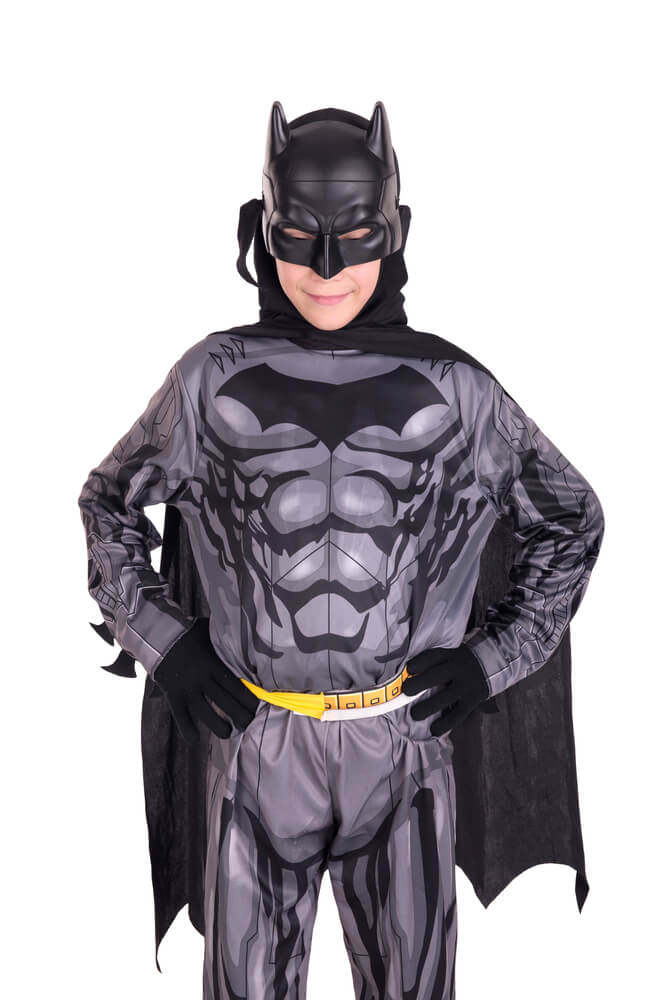
Tim Burton’s 1989 Batman replaced the brightly colored comic-accurate suits of earlier adaptations with a sculpted black rubber costume designed to look genuinely threatening rather than heroic in a conventional sense. Actor Michael Keaton reportedly had limited neck mobility in the suit, a restriction the production leaned into rather than fixed, since it gave the character’s movements a stiff, imposing quality.
The redesign shifted how filmmakers approached superhero costuming for years afterward, favoring texture and shadow over flat comic-book color. It remains a turning point in how comic book characters were translated to film.
Wonder Woman’s Costume
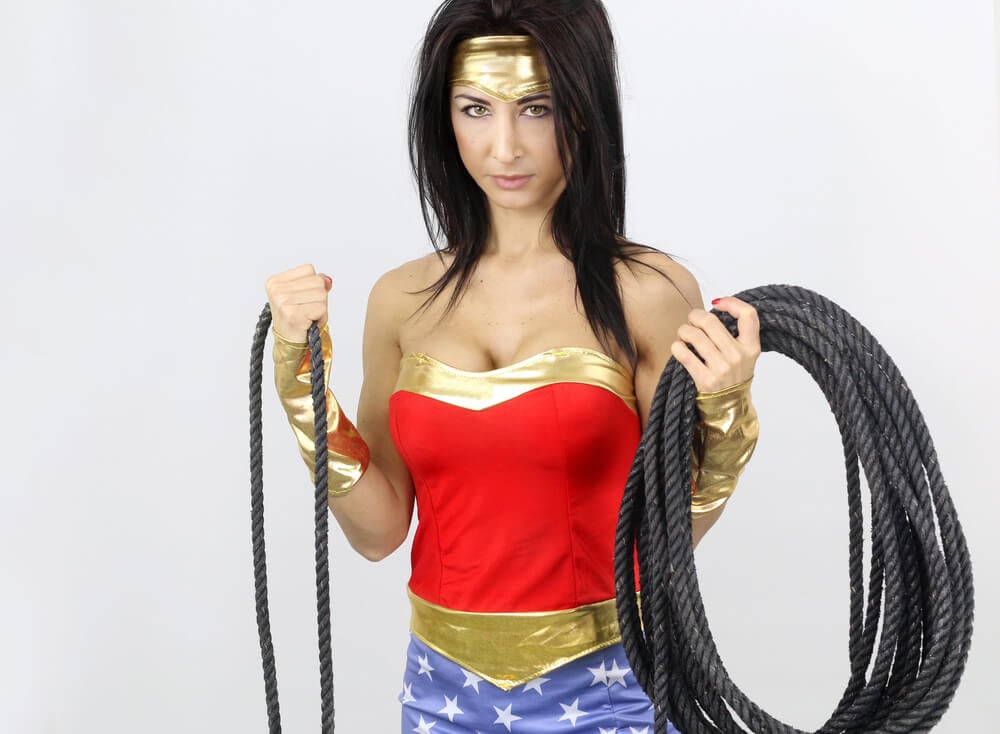
The character’s star-spangled costume, first brought fully to life on screen in the 1975 television series starring Lynda Carter, translated a decades-old comic design into live action while keeping its patriotic imagery intact. The character’s later big-screen costume in the 2017 film updated the color palette and materials while preserving the same basic silhouette audiences had known for generations.
Designers on the newer film reportedly researched ancient Greek and Roman armor to ground the costume’s look in something more tactile than the original comic art. The character’s look has remained recognizable across nearly fifty years of adaptations.
Cruella de Vil’s Costume
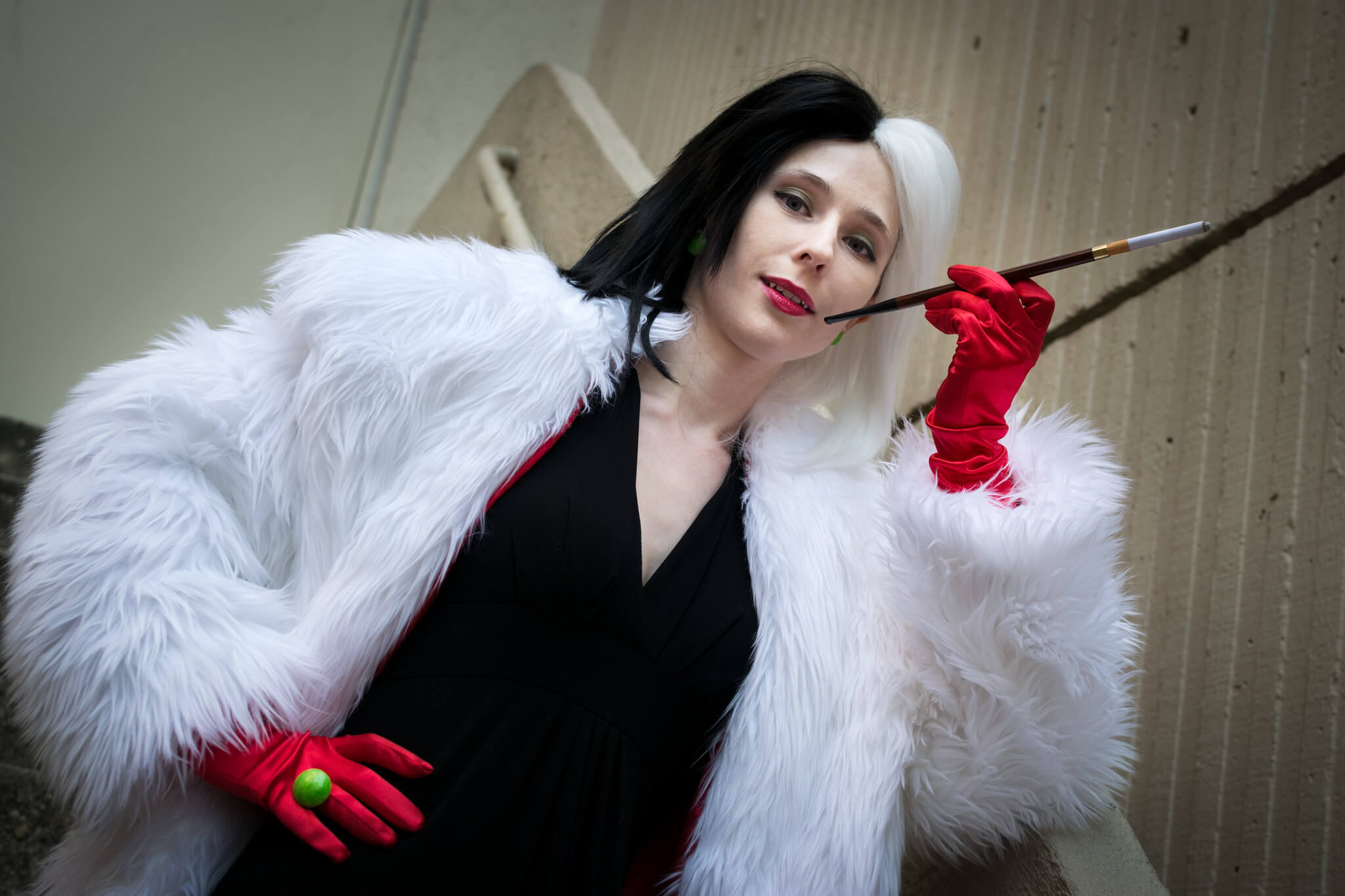
Cruella de Vil’s black-and-white split coat and hair, first animated in Disney’s 101 Dalmatians and later brought to live action, became one of the most instantly identifiable villain designs in family film history. The character’s dramatic red-lined cape and long slender accessory holder were used specifically to read as glamorous and threatening at the same time.
Live-action adaptations decades later kept the same core color-blocked silhouette rather than reinventing it, a rare choice in costume redesign. The look remains one of the most reproduced villain costumes for Halloween.
Cleopatra’s Costumes
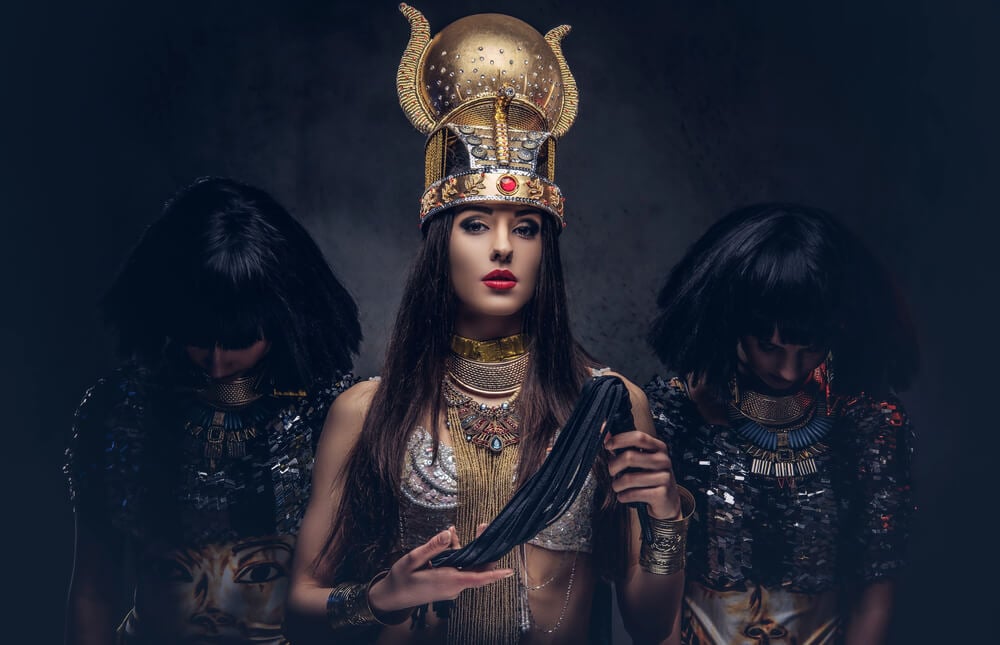
Elizabeth Taylor’s costumes in the 1963 film Cleopatra remain some of the most expensive ever produced for a single production, with one gold dress alone reportedly costing a substantial fortune at the time. Designer Irene Sharaff created dozens of distinct looks for the film, mixing historically inspired elements with 1960s glamour rather than aiming for strict accuracy.
The production’s costume budget became part of the film’s notorious overall cost overruns, which nearly bankrupt the studio that made it. Its influence on later depictions of ancient Egyptian royalty on screen has proven long-lasting.
Elle Woods’ Pink Wardrobe
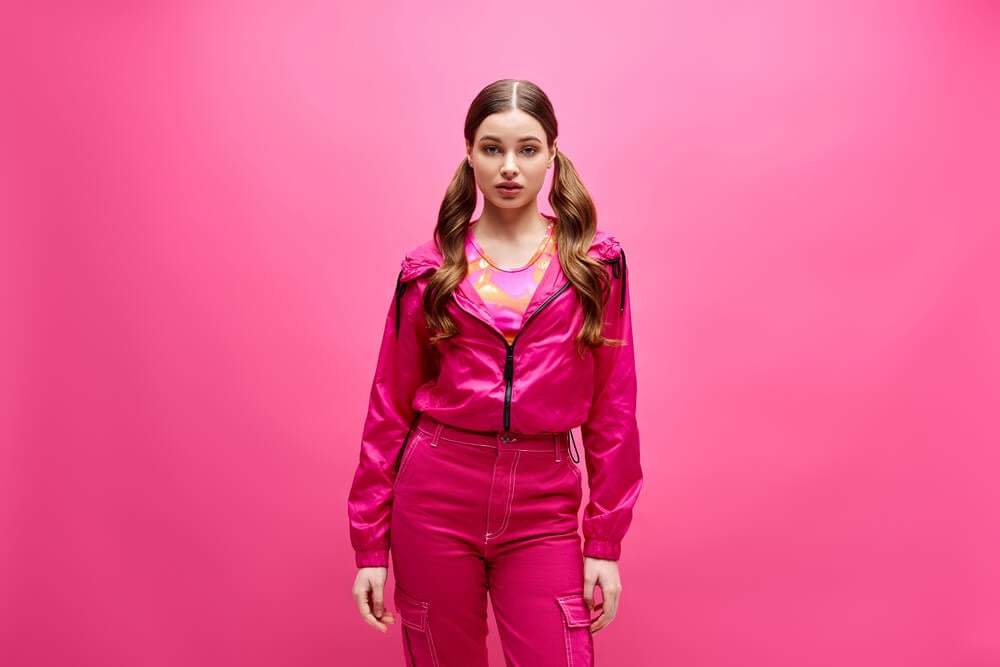
Reese Witherspoon’s wardrobe as Elle Woods in Legally Blonde used a saturated pink color palette to signal the character’s personality before she ever spoke a line, a deliberate contrast to the muted tones worn by other law students around her. Costume designer Sophie de Rakoff reportedly built the character’s look to evolve subtly across the film, keeping the pink but making it slightly more tailored as Elle proves herself academically.
The costume became shorthand in pop culture for underestimated competence. It remains one of the most referenced wardrobes in early-2000s comedy films.
Neo’s Coat
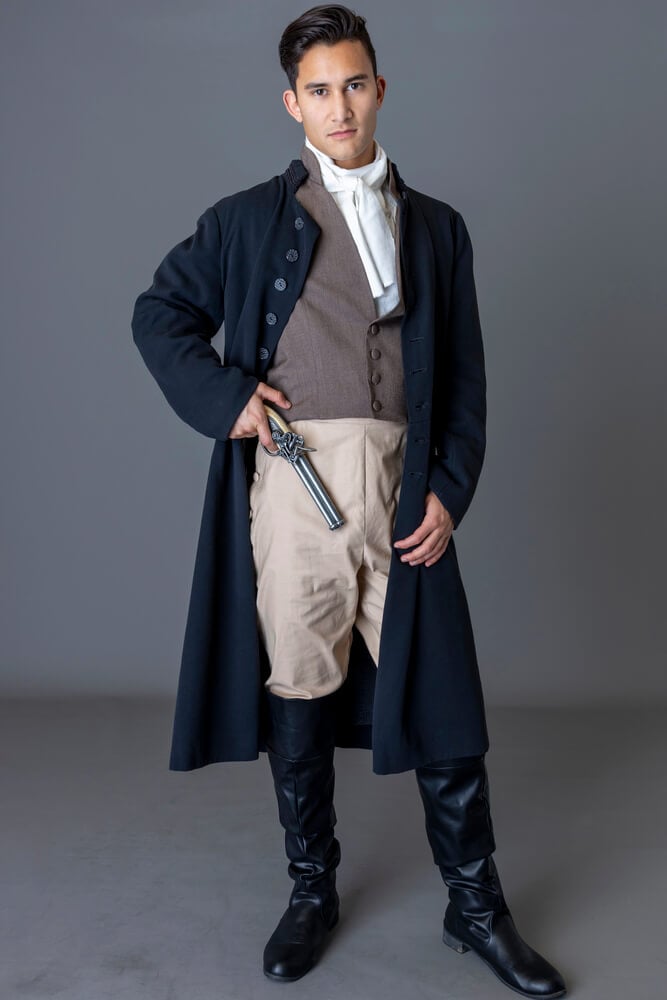
The long black leather coat worn by Keanu Reeves as Neo in The Matrix became one of the most imitated costume pieces of the late 1990s, paired with dark sunglasses and a stripped-down black-on-black wardrobe for the film’s entire cast. Costume designer Kym Barrett reportedly built the film’s wardrobe around clothing that would move dramatically during the film’s slow-motion action sequences.
The coat’s silhouette influenced club and streetwear fashion trends well beyond the film’s initial release. It remains one of the most recognized costume pieces of science-fiction cinema.
Edward Scissorhands’ Costume
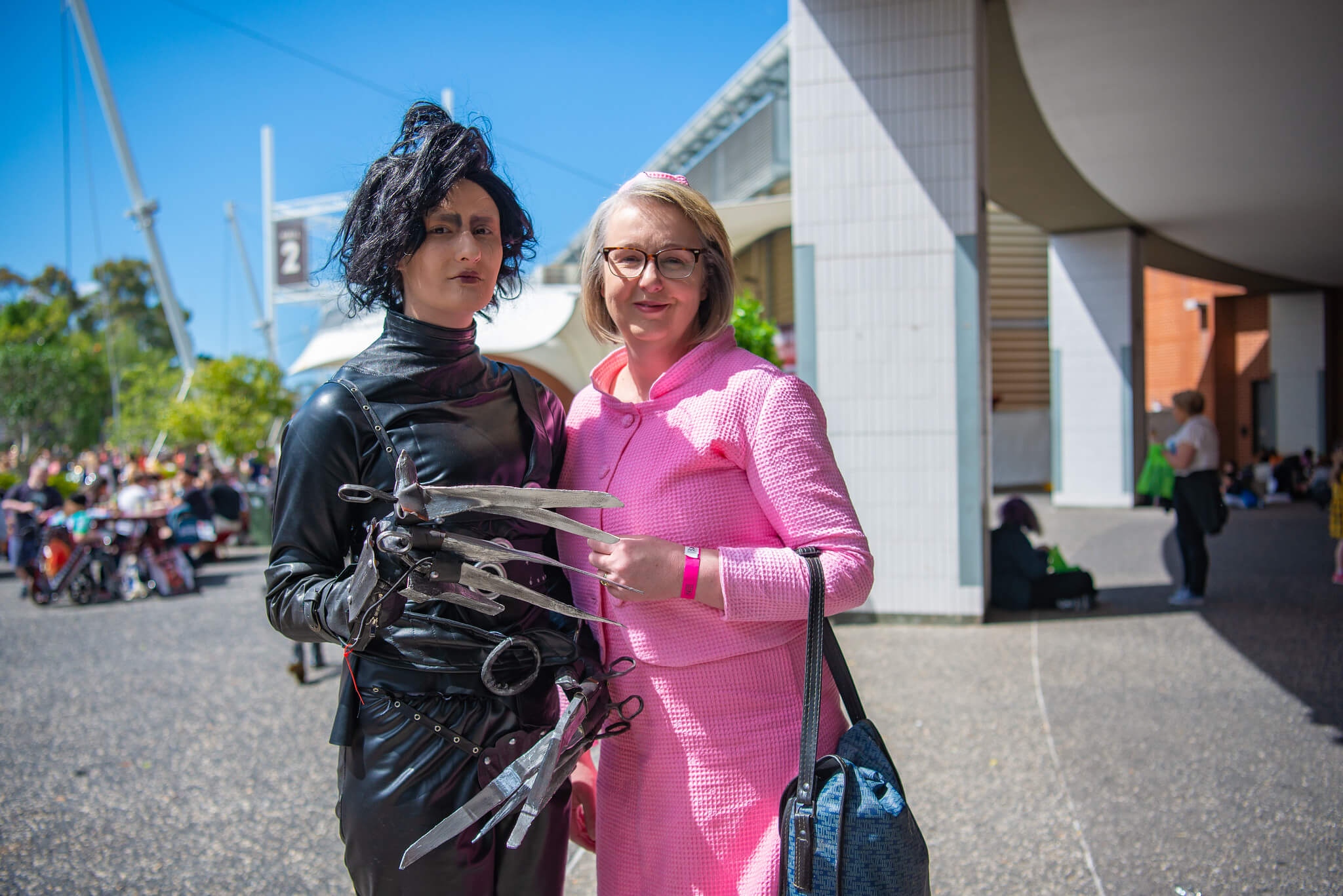
Johnny Depp’s costume in Edward Scissorhands combined tight black leather, exposed metal buckles, and pale scarred makeup to visually communicate the character’s status as an unfinished creation before a single word of dialogue was spoken. Costume designer Colleen Atwood built the look with intentionally asymmetrical, patchwork detailing to suggest the character had been assembled rather than born.
The scissor-blade hands themselves were built as functional metal props that Depp had to learn to move around carefully throughout filming. The costume remains one of director Tim Burton’s most visually distinct character designs.
The Bride’s Yellow Jumpsuit

The yellow-and-black tracksuit worn by Uma Thurman in Kill Bill was a direct visual reference to a similar outfit worn by martial arts star Bruce Lee in an earlier film he never finished. Director Quentin Tarantino has spoken about the choice as a deliberate homage rather than coincidence.
The suit’s bold color made it a practical choice for staging the film’s elaborate action choreography, since it stayed visible against nearly any background. It has since become one of the most reproduced costumes at comic conventions and Halloween gatherings worldwide.
Annie Hall’s Menswear Look
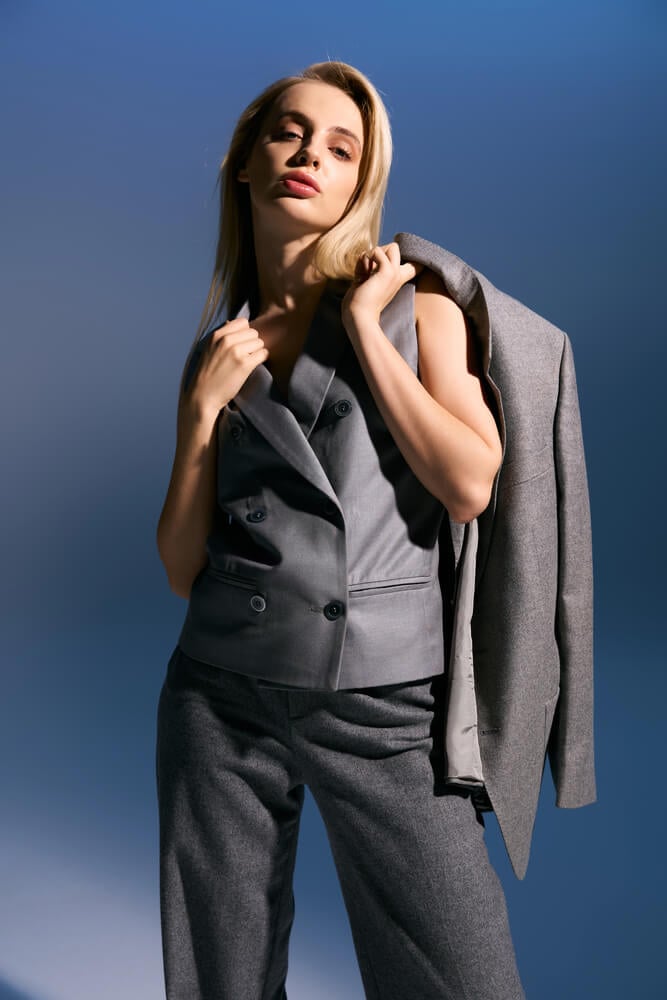
Diane Keaton’s wardrobe in Annie Hall, built around oversized menswear pieces including a tie, vest, and wide-legged trousers, reportedly grew out of Keaton’s own personal style rather than a scripted costume plan. Costume designer Ruth Morley initially resisted the look before director Woody Allen sided with Keaton’s instincts.
The resulting silhouette influenced women’s fashion trends throughout the late 1970s, popularizing androgynous tailoring in a way few film costumes had before. It remains a frequently cited turning point in how film costuming could directly shape mainstream fashion.
Rocky’s Gray Sweatsuit
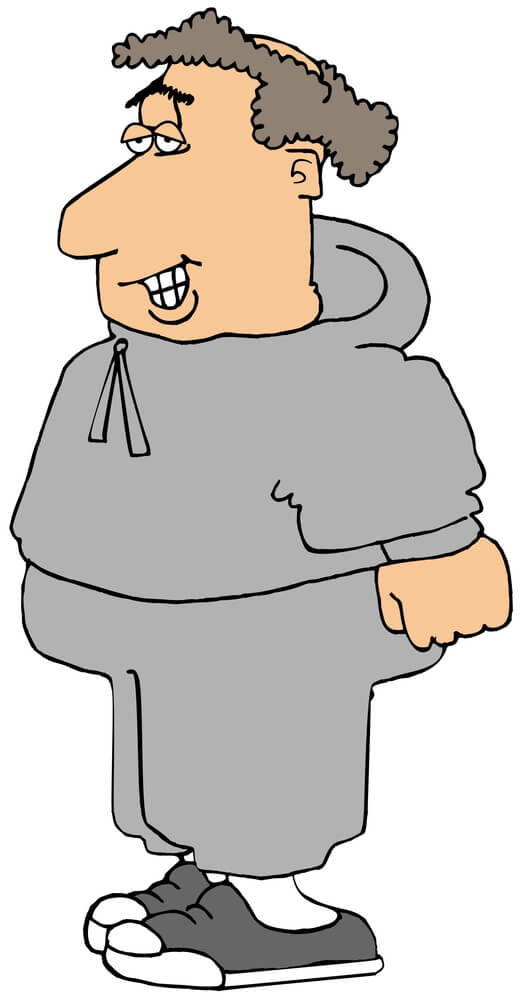
Sylvester Stallone’s plain gray sweatsuit in Rocky, worn during the film’s training montage through the streets of Philadelphia, became one of the most recognizable pieces of workout clothing in film history despite having no special design elements at all. Its power came entirely from context, an unremarkable garment made iconic through the character’s determination.
The look has been referenced in countless training montages across decades of sports films since. It remains a default costume choice for anyone dressing as the character.
Tony Manero’s White Suit

John Travolta’s white three-piece suit in Saturday Night Fever became one of the defining images of 1970s disco culture, worn during the film’s climactic dance floor sequence. Costume designer Patrizia von Brandenstein reportedly chose white specifically because it would catch and reflect the colored lights of the dance floor set.
The suit sold at auction decades later for a sum far beyond what it cost to produce originally. It remains shorthand in popular culture for the entire disco era.
Michael Myers’ Coveralls
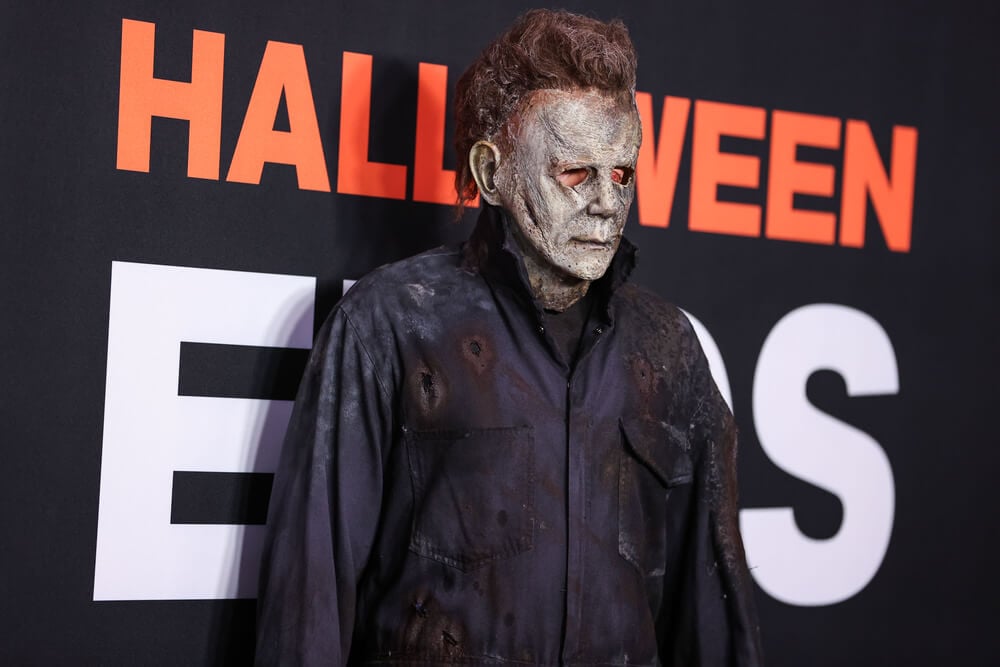
The plain blue mechanic’s coveralls and blank white mask worn by the killer in Halloween were chosen specifically for their unremarkable, anonymous quality, a deliberate contrast to more elaborate horror villain designs that came before. The mask was reportedly a modified Star Trek Captain Kirk mask purchased cheaply and repainted for the low-budget production.
That anonymity became central to the character’s effectiveness, since the costume gave audiences nothing distinct to fixate on besides its blankness. It set a visual template that influenced slasher film costuming for decades afterward.
Freddy Krueger’s Sweater
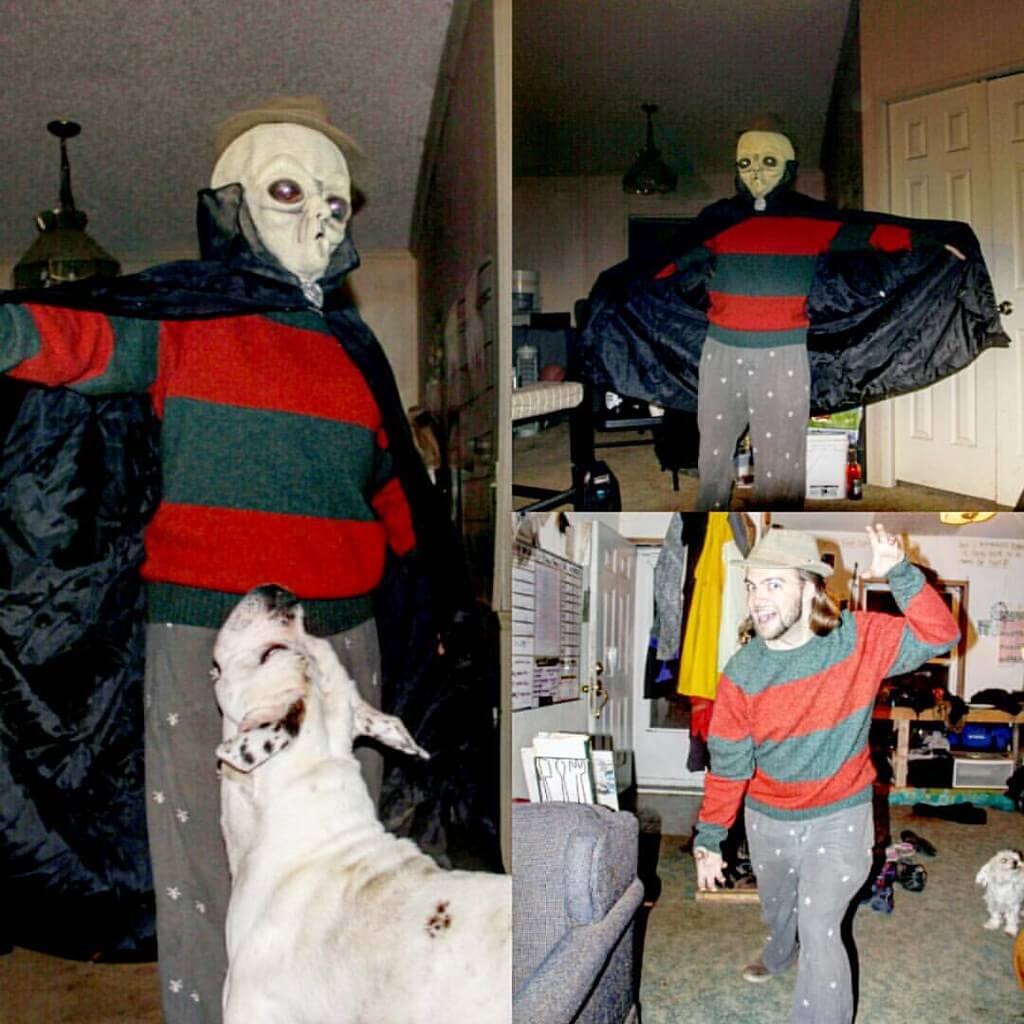
The red-and-dark-green striped sweater worn by the villain in A Nightmare on Elm Street was chosen by director Wes Craven specifically because color theorists had identified that particular combination as one of the most difficult for the human eye to process comfortably together. Paired with a brown fedora and a bladed glove, the costume became one of horror cinema’s most recognized villain designs.
The sweater’s stripe pattern has been referenced and parodied across film and television for decades since. It remains a permanent fixture of Halloween costume shops each October.
The Handmaid’s Red Robe
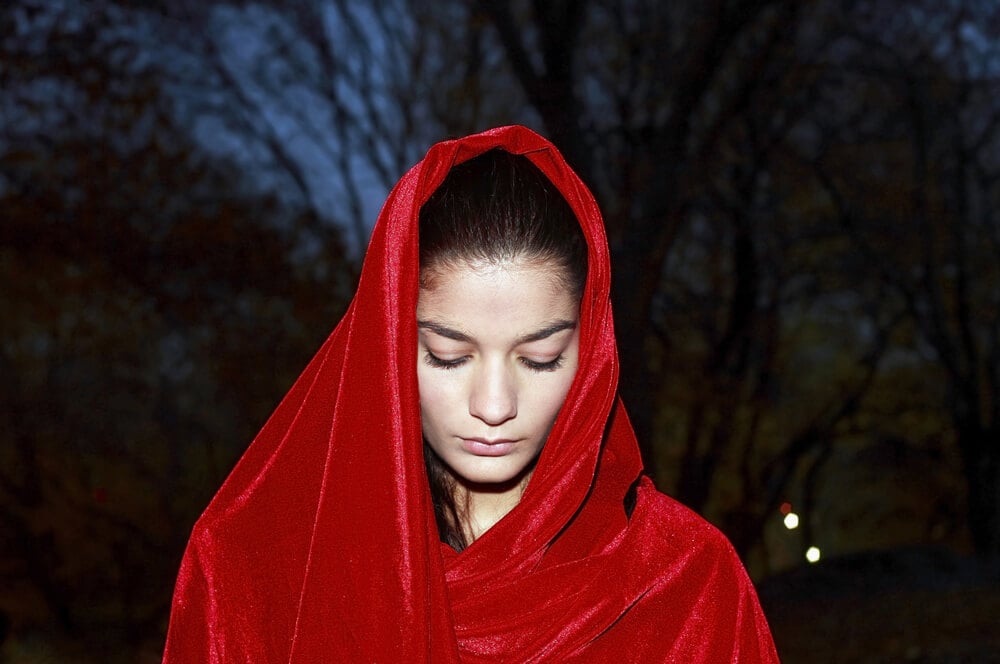
The red robe and white bonnet worn in the television adaptation of The Handmaid’s Tale drew direct inspiration from religious habit and Puritan-era dress, deliberately designed to strip individuality from the women forced to wear it within the story. Costume designer Ane Crabtree has spoken about researching historical religious garments to ground the look in something recognizable rather than purely fictional.
The costume was subsequently adopted by real-world protest groups advocating for reproductive rights, an afterlife its designers had not anticipated. It remains one of the most politically referenced costumes in recent television history.
Cher Horowitz’s Wardrobe
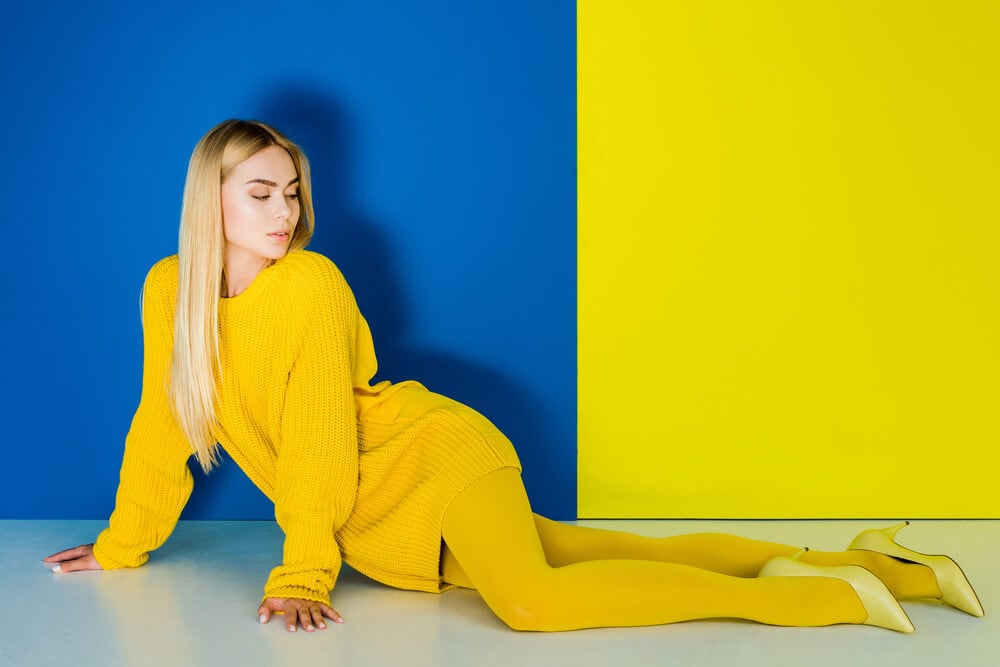
Alicia Silverstone’s wardrobe as Cher Horowitz in Clueless, including its now-famous plaid skirt suit, helped define a specific late-1990s vision of teenage affluence on screen. Costume designer Mona May reportedly built the character’s closet around bold color combinations and coordinated separates to visually reinforce the character’s obsessive attention to her own appearance.
The film’s fictional closet-organizing computer program, used to plan outfits, anticipated digital wardrobe apps that would not exist for another decade. The wardrobe remains one of the most referenced teen movie costume designs of its era.
Jack Sparrow’s Costume
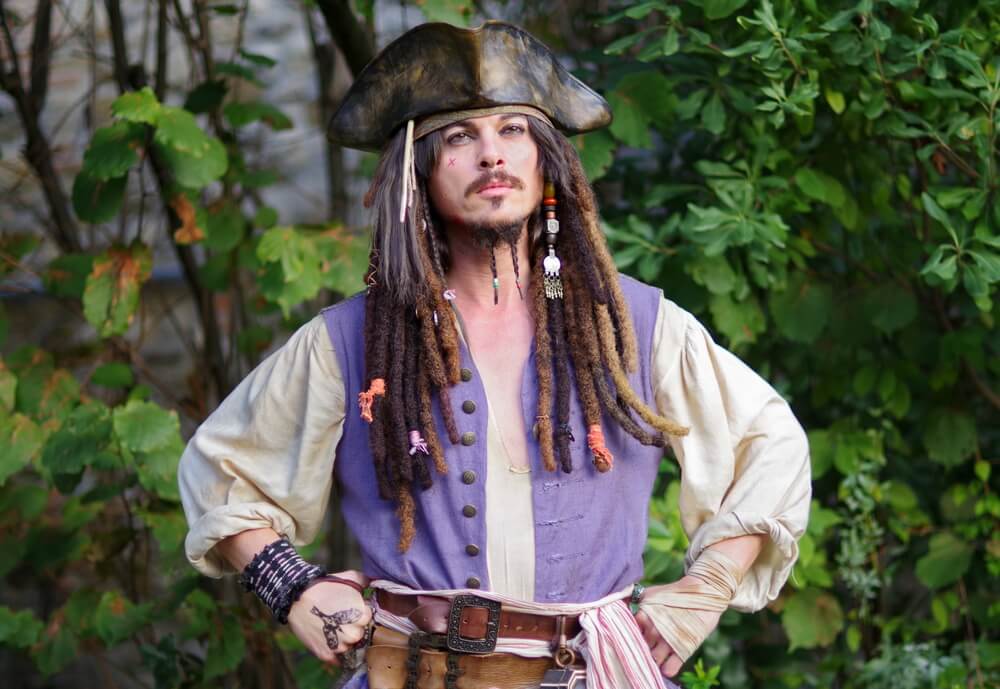
Johnny Depp’s costume as Captain Jack Sparrow in the Pirates of the Caribbean franchise layered mismatched fabrics, beads, and trinkets to suggest a character who had accumulated his look piece by piece over years at sea rather than dressed deliberately. Costume designer Penny Rose reportedly built the character’s silhouette around Depp’s own instinct to make the pirate look unpredictable rather than traditionally heroic.
Each accessory was given a specific in-world backstory by the production, even details never explained on screen. The costume revived mainstream interest in pirate aesthetics across fashion and entertainment for years afterward.
The Dude’s Cardigan

Jeff Bridges’ worn cardigan sweater in The Big Lebowski became an unlikely style icon almost a decade after the film’s lukewarm initial box office reception, once the movie developed a dedicated following on home video. Costume designer Mary Zophres reportedly sourced much of the character’s wardrobe from secondhand stores to make it look genuinely lived-in rather than costumed.
The character’s casual, unbothered look stood in deliberate contrast to the more polished wardrobes of nearly every other character in the film. It remains a frequently referenced costume among fans of the film’s now-substantial cult following.
Regina George’s Wardrobe

The coordinated, brand-conscious wardrobe worn by Rachel McAdams as Regina George in Mean Girls helped define an entire visual shorthand for high school social hierarchy on screen. Costume designer Mary Jane Fort reportedly used tighter, more form-fitting silhouettes for Regina’s character specifically to separate her visually from the film’s more relaxed protagonist.
The film’s dialogue about specific wardrobe rules, including a running joke about a particular day of the week reserved for pink, became one of its most quoted elements. The look remains a frequent costume reference at themed parties more than two decades after release.
Katniss’s Mockingjay Suit
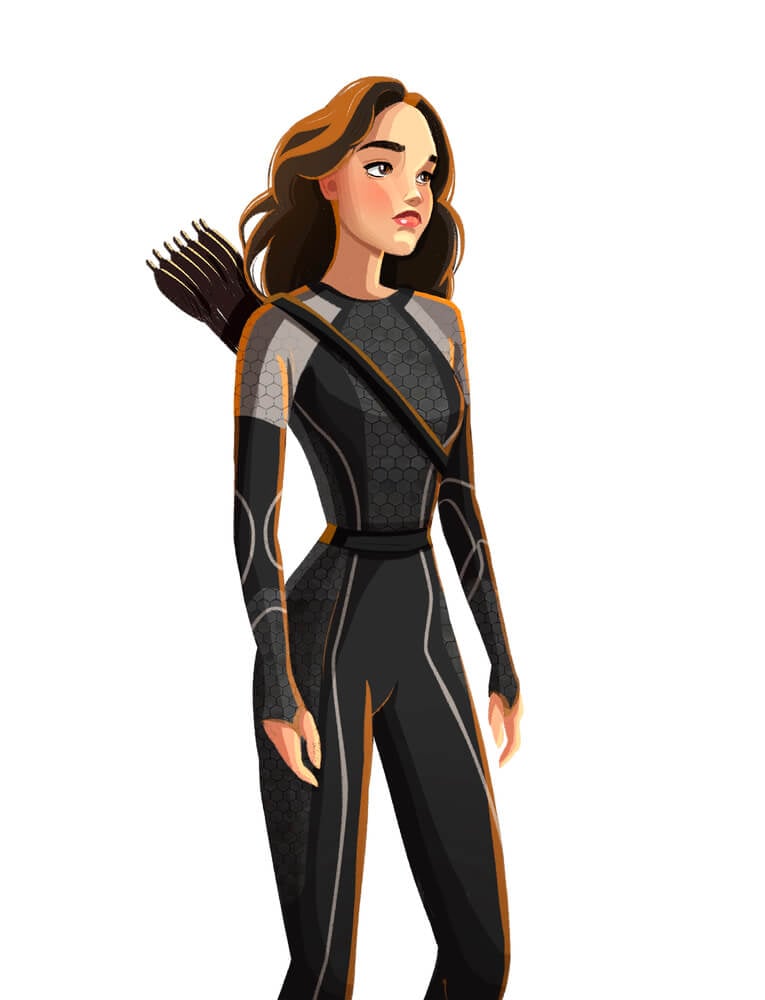
The black, fitted battle suit worn by Jennifer Lawrence in the later Hunger Games films was designed within the story itself as deliberate political imagery, meant to present the character as a unifying symbol of rebellion. Costume designer Kurt and Bart, the design team credited on the franchise, incorporated a stylized bird motif into the suit’s structure to tie it directly to the story’s central rebel symbol.
The suit’s transformation across the film series, from ornate performance costume to functional combat gear, was used to visually track the character’s own arc. It remains one of the most recognized costumes in modern young-adult film adaptation.
The Joker’s Purple Suit
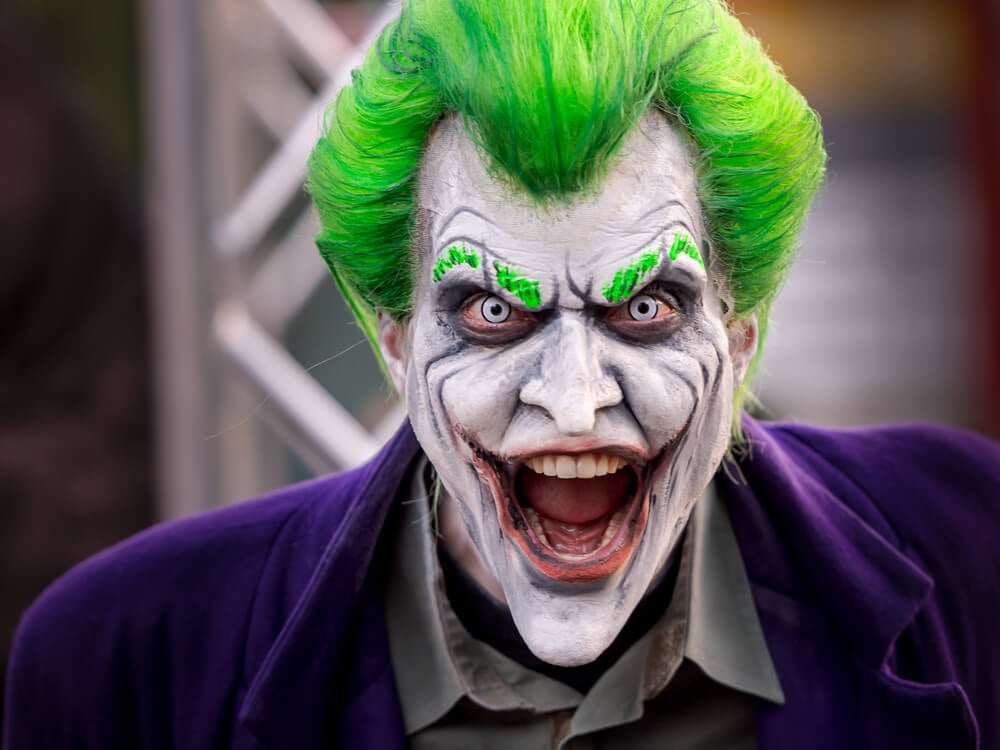
Heath Ledger’s rumpled purple suit in The Dark Knight replaced the more theatrical, tailored version of the character’s look from earlier film adaptations with something deliberately unkempt and unpredictable. Costume designer Lindy Hemming has said the goal was a costume that looked stolen or scavenged rather than custom-made, reinforcing the character’s chaotic philosophy.
Smeared, imprecise face makeup applied by the character himself, rather than a clean mask, reinforced the same idea. The look has since become the dominant visual reference for the character in adaptations that followed.
The Costume That Outlives the Cast
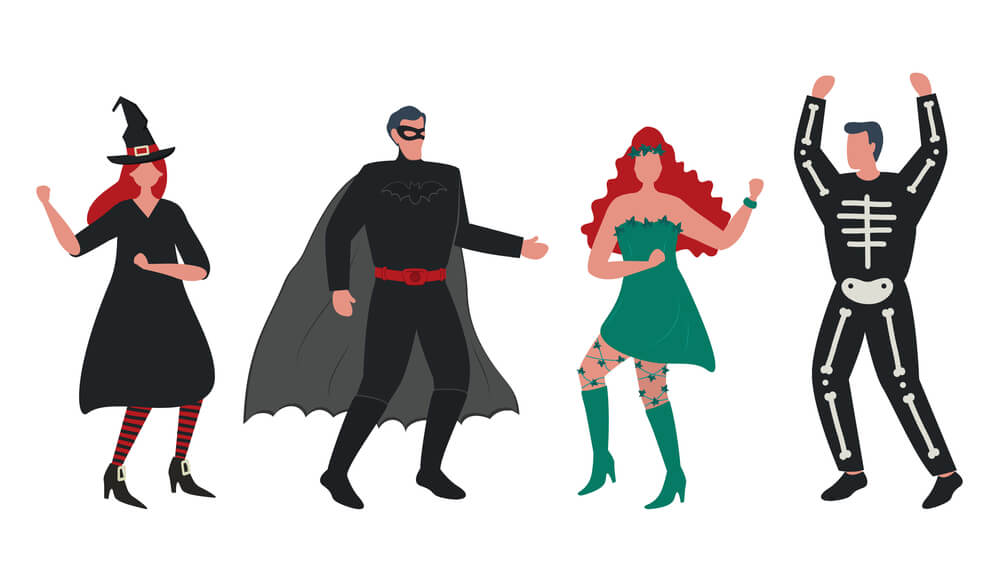
A great costume does not need the actor who wore it to still be famous, or the film to still be in wide circulation, to keep working. It only needs to be specific enough that people recognize it instantly, out of context, years later, on a store mannequin or a stranger at a party.
That is the real test these looks passed. They stopped being wardrobe and became shorthand, a single silhouette carrying an entire character, era, or mood without a single word of explanation required.
More from Go2Tutors!

- The Romanov Crown Jewels and Their Tragic Fate
- 13 Historical Mysteries That Science Still Can’t Solve
- Famous Hoaxes That Fooled the World for Years
- 15 Child Stars with Tragic Adult Lives
- 16 Famous Jewelry Pieces in History
Like Go2Tutors’s content? Follow us on MSN.