29 Hospitals That Pioneered New Treatments
Every routine operation was once a gamble taken in a specific room on a specific day. Someone wheeled a patient in knowing the procedure had never worked before, and a surgical team tried it anyway.
Some of those rooms sat inside famous teaching hospitals. Others were in a converted wartime hut, a small-town infirmary or an eleven-bed eye clinic in southern India.
The buildings below are where the first attempts happened.
Massachusetts General Hospital, Boston
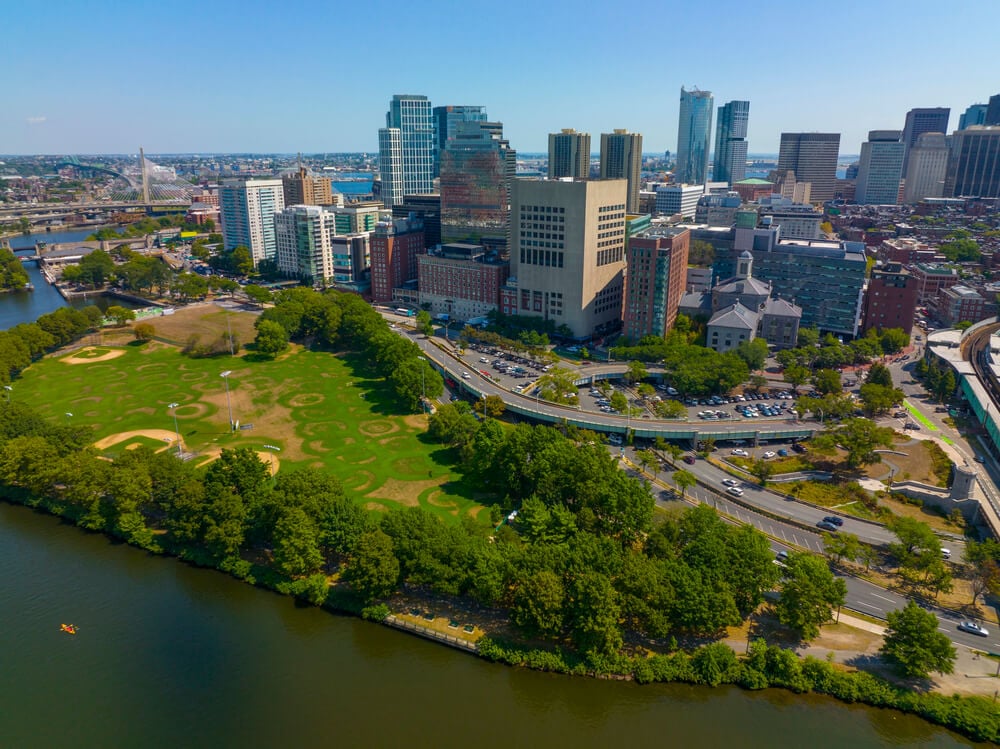
Twelve-year-old Everett Knowles was hopping a freight train in Somerville on May 23, 1962, when a stone abutment tore his right arm off at the shoulder. He walked to help holding the limb inside his sleeve.
At Mass General a team led by a thirty-year-old chief resident, Ronald Malt, packed the arm in ice, rejoined the bone and blood vessels, and later reconnected the nerves. It was the first successful reattachment of a severed human limb.
Knowles regained enough use to play sports and later drove a truck for a living, and replantation surgery grew from that afternoon.
Peter Bent Brigham Hospital, Boston
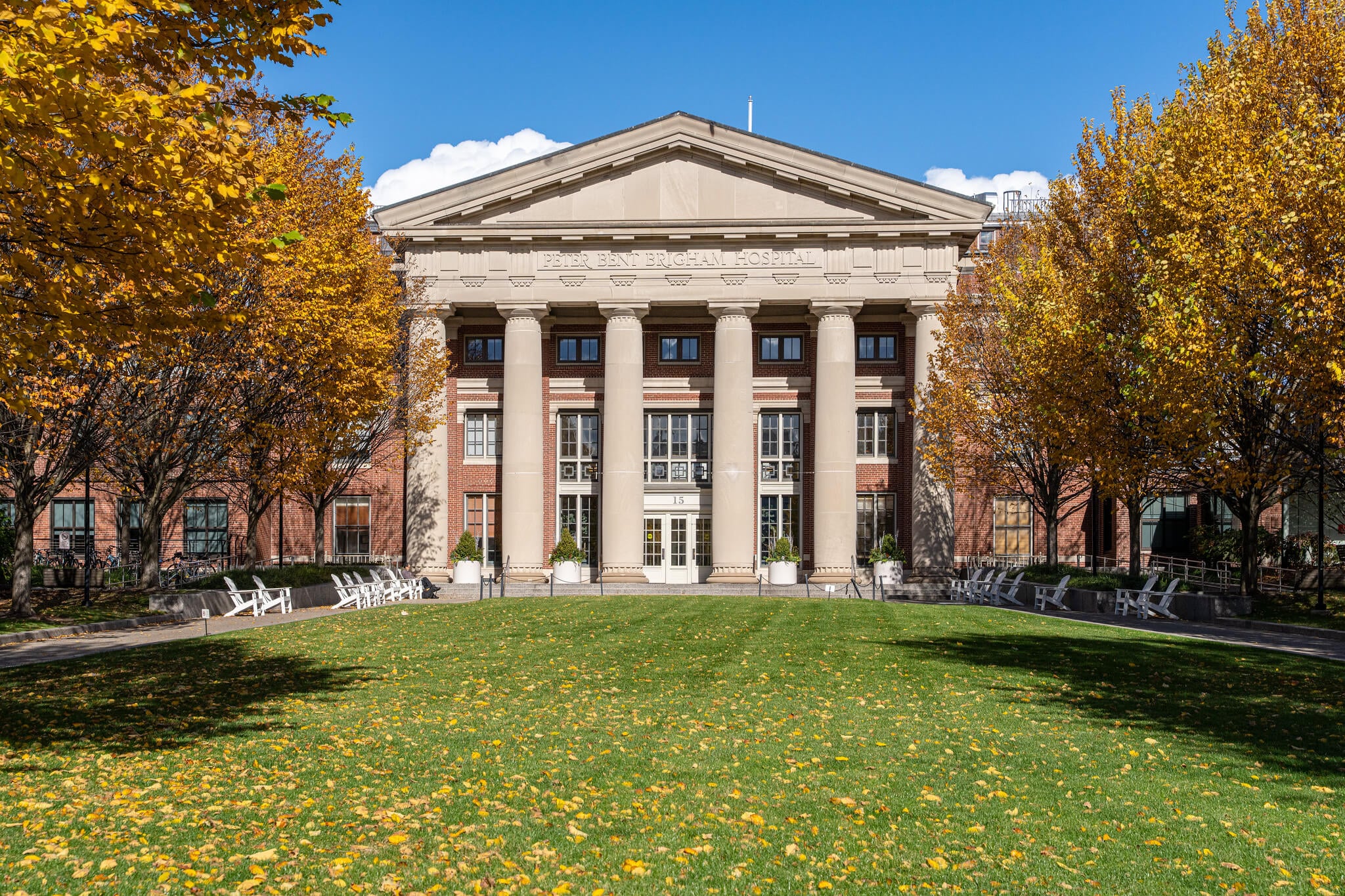
Richard Herrick was dying of kidney failure at twenty-three, and his identical twin Ronald offered one of his own. Surgeon Joseph Murray had the brothers fingerprinted at a police station to help confirm they were truly identical, then performed the first successful human organ transplant on December 23, 1954.
The operation took five and a half hours. Richard lived another eight years and married a nurse who had cared for him in recovery.
Murray, who had trained as a plastic surgeon treating burned soldiers, received the Nobel Prize in 1990.
Groote Schuur Hospital, Cape Town
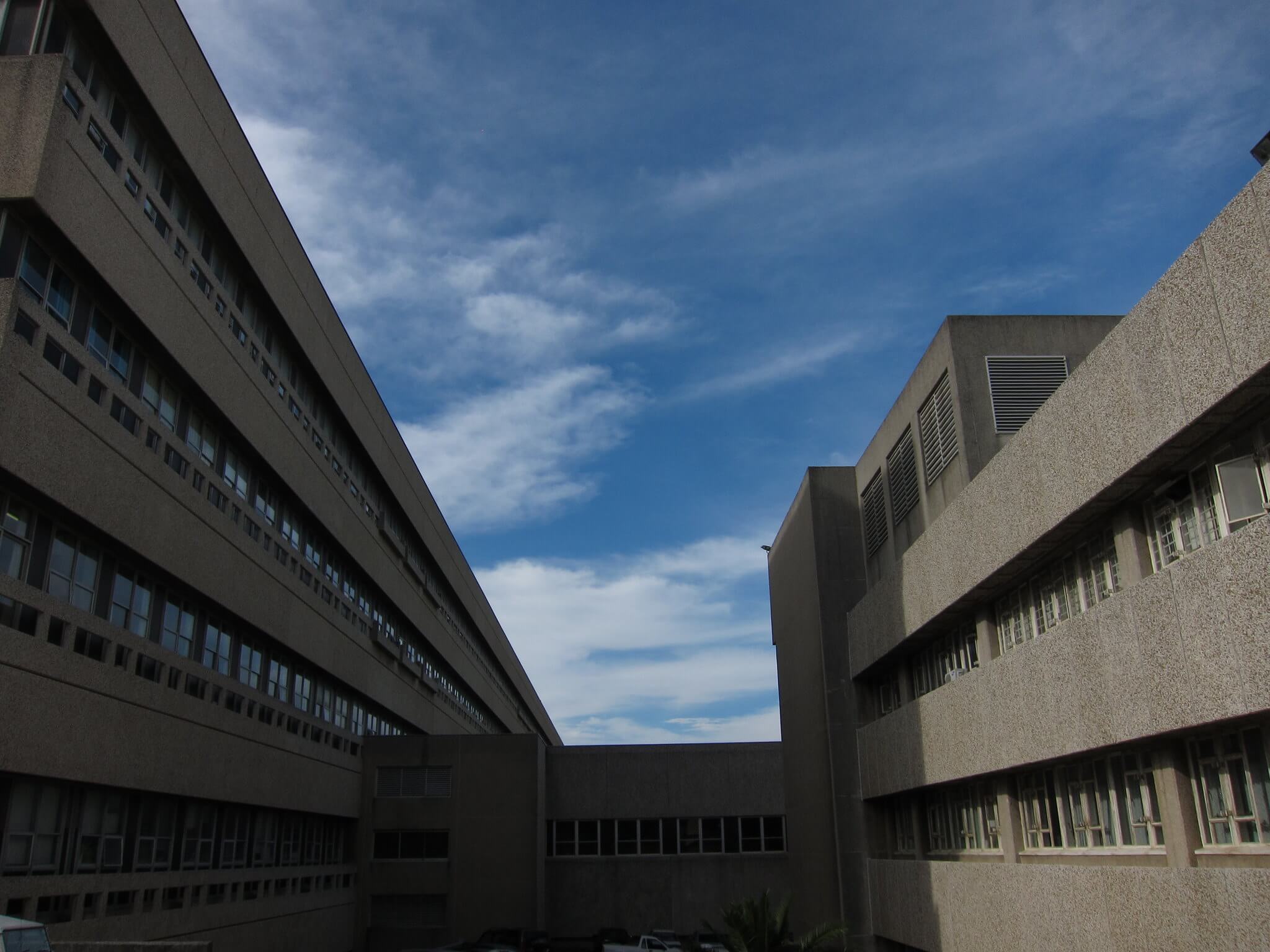
In the early hours of December 3, 1967, Christiaan Barnard and a team of about thirty lifted the heart of Denise Darvall, a young woman fatally injured in a road accident, into the chest of Louis Washkansky, a 54-year-old grocer. The first human heart transplant made a Cape Town public hospital front-page news on every continent.
Washkansky lived eighteen days before pneumonia took him. Barnard’s second patient, dentist Philip Blaiberg, survived more than nineteen months.
The original operating theaters are now a museum, staged exactly as they were that night.
Johns Hopkins Hospital, Baltimore
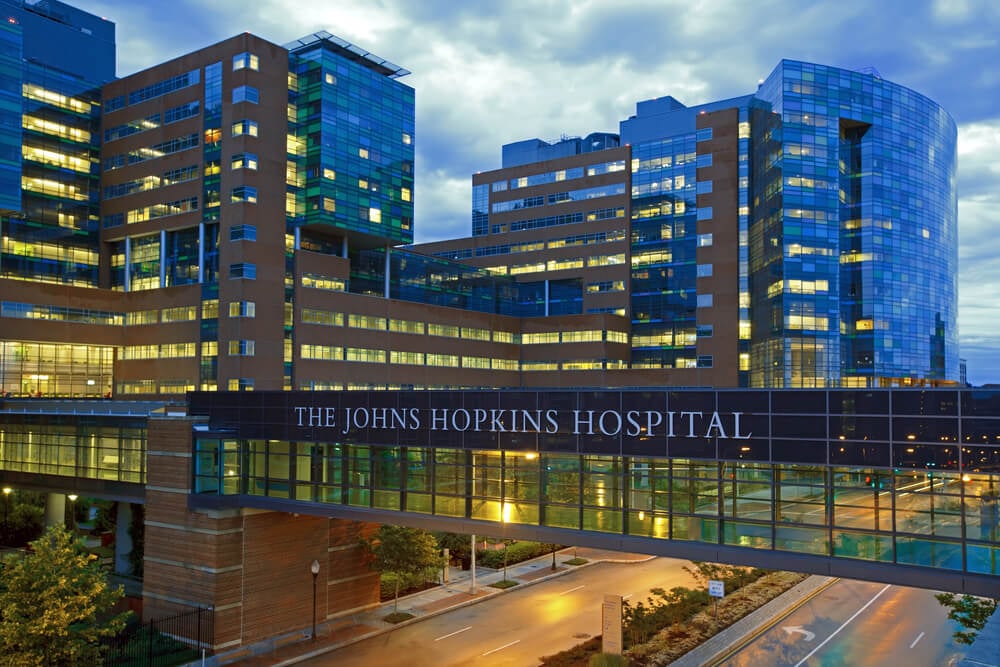
Eileen Saxon weighed nine pounds at fifteen months and turned blue whenever she cried, because a heart defect kept her blood from reaching her lungs. On November 29, 1944, surgeon Alfred Blalock rerouted an artery to fix it, a procedure proposed by cardiologist Helen Taussig.
Standing on a step stool at his shoulder, coaching each move, was Vivien Thomas, a Black laboratory technician with a high school diploma who had perfected the operation on dogs. The blue baby operation opened the era of heart surgery.
Hopkins gave Thomas an honorary doctorate in 1976.
Boston Children’s Hospital
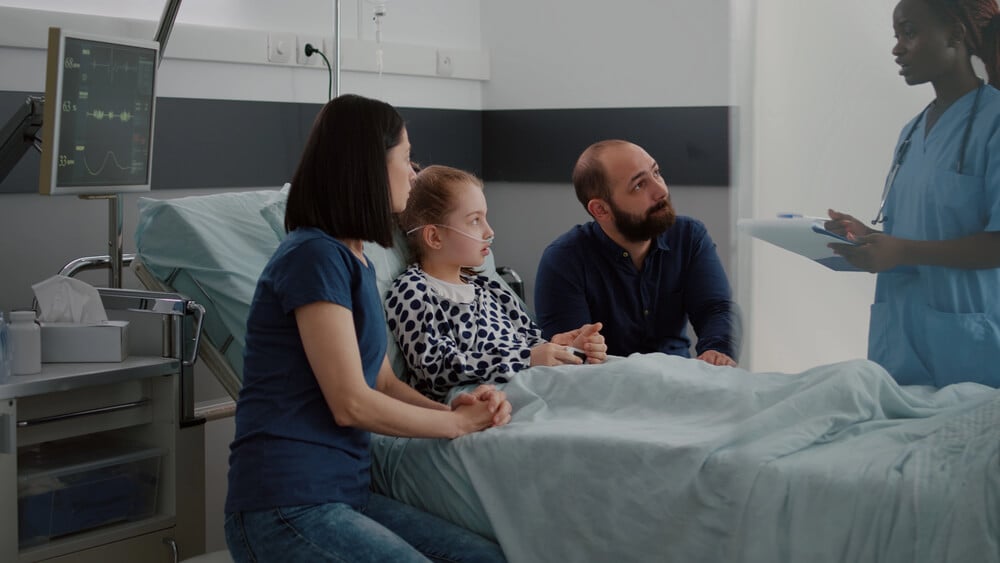
Robert Gross was a thirty-three-year-old chief resident in August 1938 when he decided to tie off a patent ductus arteriosus, a fetal vessel that had failed to close, in a seven-year-old girl named Lorraine Sweeney. No one had successfully operated on the great vessels beside a beating heart.
He waited until his disapproving chief of surgery had left for vacation. The girl was sitting up within days and lived to old age.
Gross’s chief was reportedly furious on his return, and the operation is now considered the opening act of pediatric cardiac surgery.
Saint Marys Hospital, Rochester, Minnesota
On September 21, 1948, Mayo Clinic rheumatologist Philip Hench gave the first injection of a scarce adrenal hormone called Compound E to a 29-year-old woman so crippled by rheumatoid arthritis that she could barely turn over in bed. Within a week she walked out of Saint Marys to go shopping downtown.
The compound, soon renamed cortisone, had taken chemist Edward Kendall years to isolate from cattle glands. Hench and Kendall shared a Nobel Prize just two years later, one of the fastest recognitions on record.
Steroids now treat asthma, allergies, lupus and dozens of other conditions.
St. Jude Children’s Research Hospital, Memphis
When entertainer Danny Thomas opened St. Jude in 1962, childhood acute lymphoblastic leukemia had a survival rate of about four percent. Its first director, Donald Pinkel, rejected the prevailing view that the disease could only be slowed.
His Total Therapy protocol hit the cancer with several drugs at once plus treatment aimed at the brain and spine, where leukemia cells had been hiding. By the early 1970s half the children were surviving, and the figure now stands at 94 percent.
St. Jude was also the first fully integrated children’s hospital in the American South, and families never receive a bill.
Radcliffe Infirmary, Oxford
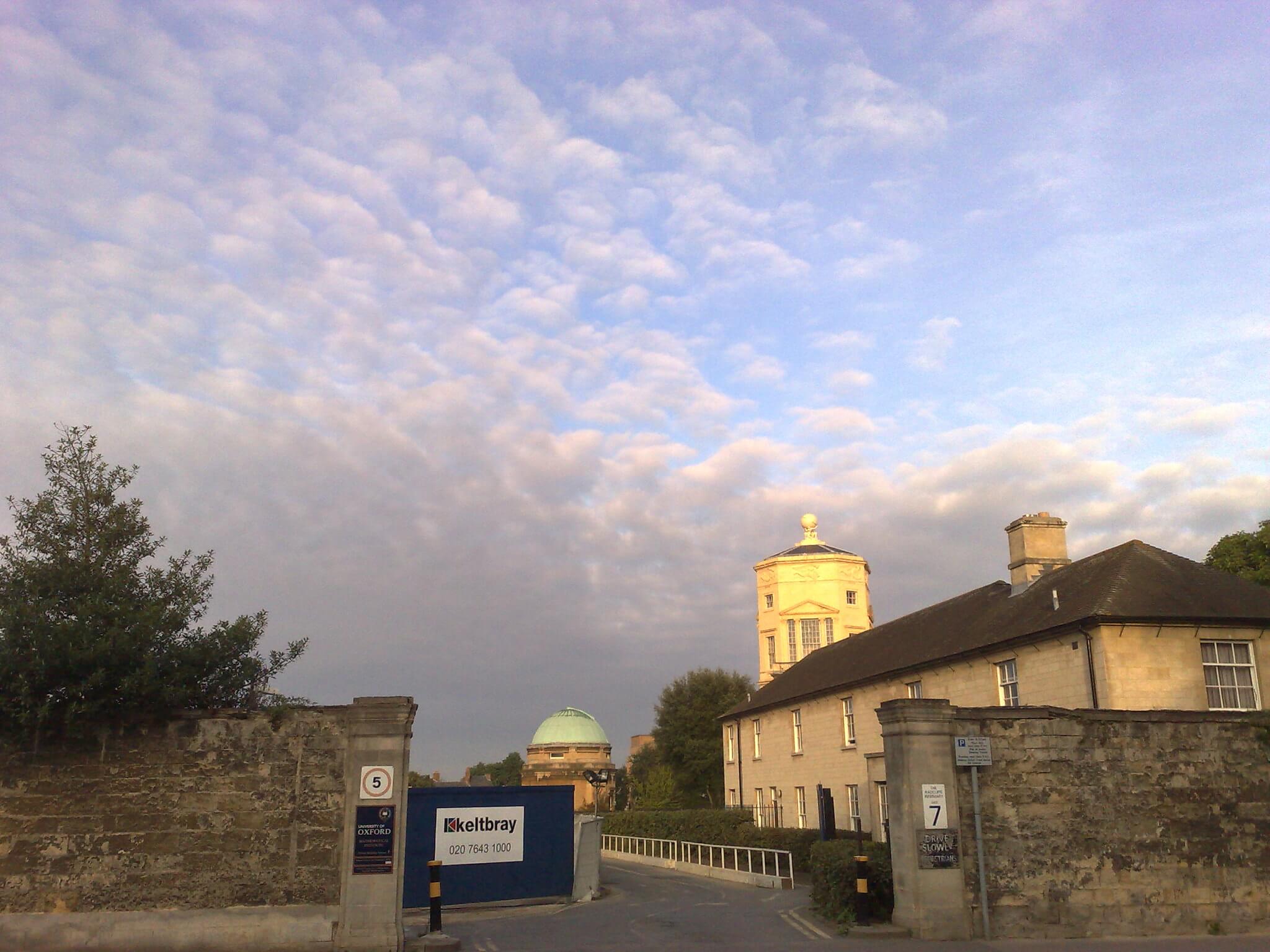
Albert Alexander, a 43-year-old police constable, lay dying of a facial infection that had already cost him an eye when he became the first patient treated with penicillin on February 12, 1941. Within a day his fever dropped and his appetite returned.
The Oxford team had so little of the drug that they collected his urine, cycled it back to the lab and extracted the penicillin for reuse. After five days the supply ran out anyway, and Alexander relapsed and died a month later.
The result proved the medicine worked and that production had to scale up enormously.
University of Minnesota Hospital, Minneapolis
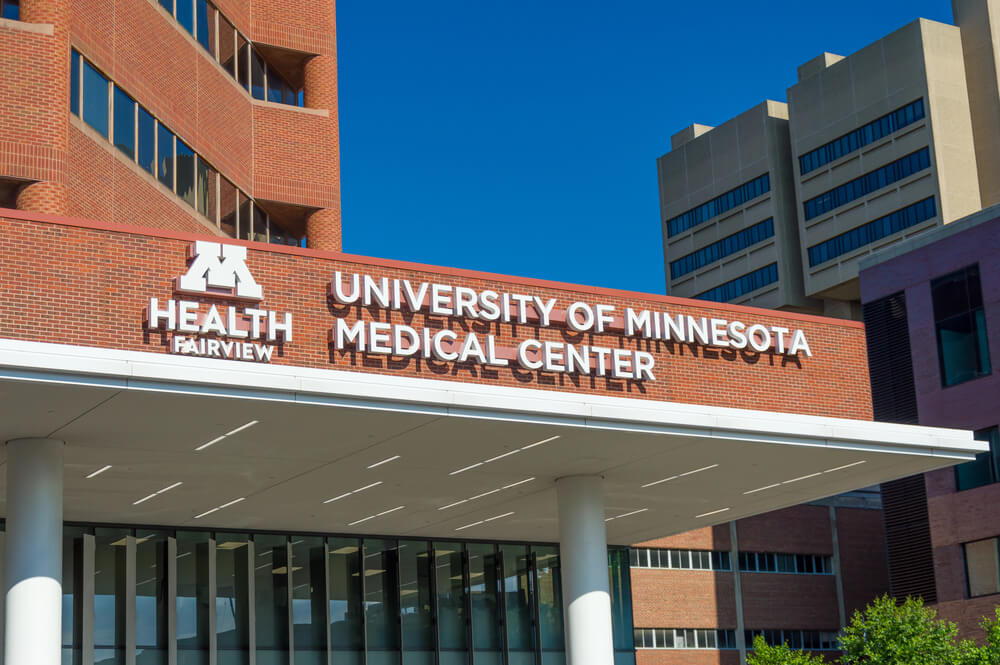
On September 2, 1952, surgeon F. Lewis cooled a five-year-old girl to 81 degrees Fahrenheit, stopped the flow through her heart for five and a half minutes and stitched a defect closed under direct vision. It was the first successful open-heart operation.
Two years later his colleague Walt Lillehei went further, connecting a child’s circulation to a parent’s so the adult served as a living heart-lung machine. Critics noted it was the only operation that risked a 200 percent death rate.
The same program later produced the first wearable battery pacemaker.
Jefferson Medical College Hospital, Philadelphia
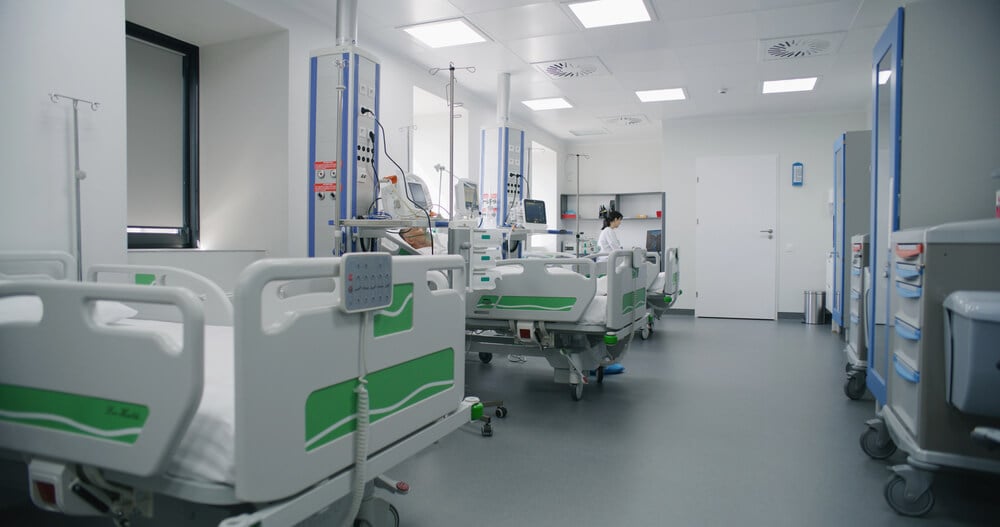
John Gibbon spent nearly twenty years building a machine that could take over for the heart and lungs, working alongside his wife Mary and, later, engineers lent by IBM. On May 6, 1953, he connected it to eighteen-year-old Cecelia Bavolek and used it to keep her alive for 26 minutes while he closed an opening between the upper chambers of her heart.
She recovered fully. Gibbon’s next several patients died, and he abandoned the procedure, deeply discouraged.
Others refined the pump, and bypass machines now support well over a million operations a year.
Mary Imogene Bassett Hospital, Cooperstown
The small upstate New York town best known for a sports hall of fame is also where bone marrow transplantation began. E. Donnall Thomas arrived at the small rural hospital in 1955 and, with few colleagues to tell him the idea was hopeless, began infusing donor marrow into leukemia patients who had received heavy radiation.
His 1957 report described six attempts. Nearly all the early patients died, and it took two more decades and a move to Seattle before the method became reliable.
Thomas shared the 1990 Nobel Prize with Joseph Murray.
Cleveland Clinic
In October 1958 cardiologist Mason Sones was imaging a patient’s aortic valve when the catheter tip slipped into the right coronary artery just as the dye fired. Everyone assumed a direct injection would stop the heart.
Sones grabbed a scalpel, ready to open the chest, and watched the heart keep beating while the artery showed up in perfect detail on the screen. Coronary angiography was born by accident.
Nine years later, at the same institution, Argentine surgeon Rene Favaloro used those images to perform the first planned coronary artery bypass using a vein from the leg.
Blegdam Hospital, Copenhagen
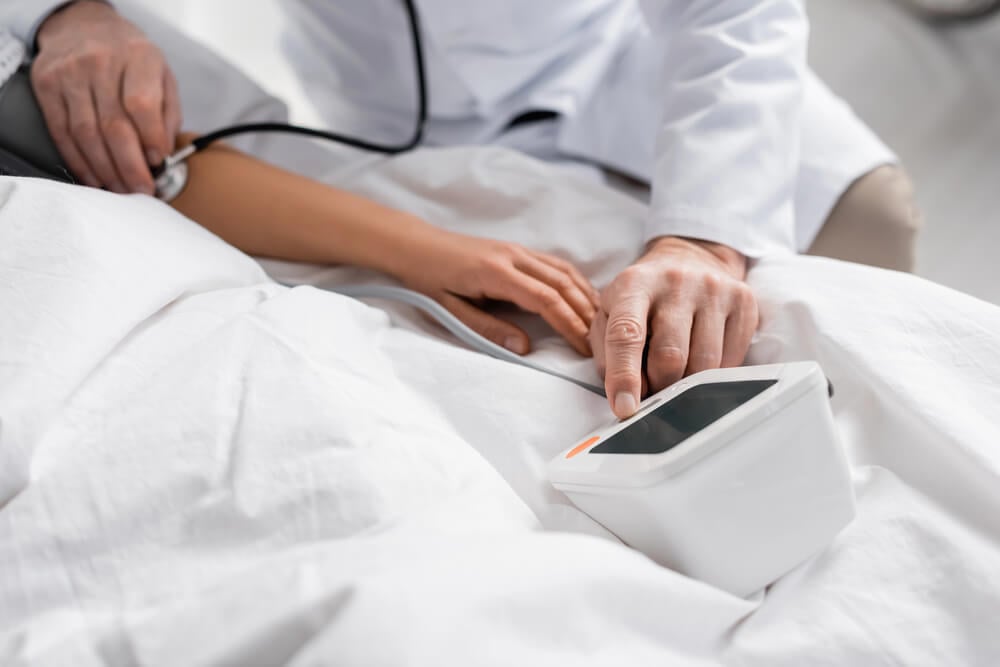
During the polio epidemic of August 1952, dozens of patients a day arrived unable to breathe, and the hospital owned one iron lung. Nearly nine in ten of those with breathing paralysis were dying.
Anesthetist Bjorn Ibsen proposed cutting an opening in the windpipe and squeezing air in by hand with a rubber bag, and proved it on a twelve-year-old girl named Vivi. Some 1,500 medical and dental students then worked in shifts around the clock for months, ventilating patients by hand.
Mortality fell by more than half. Ibsen went on to open what is regarded as the first intensive care unit.
Stoke Mandeville Hospital, Buckinghamshire
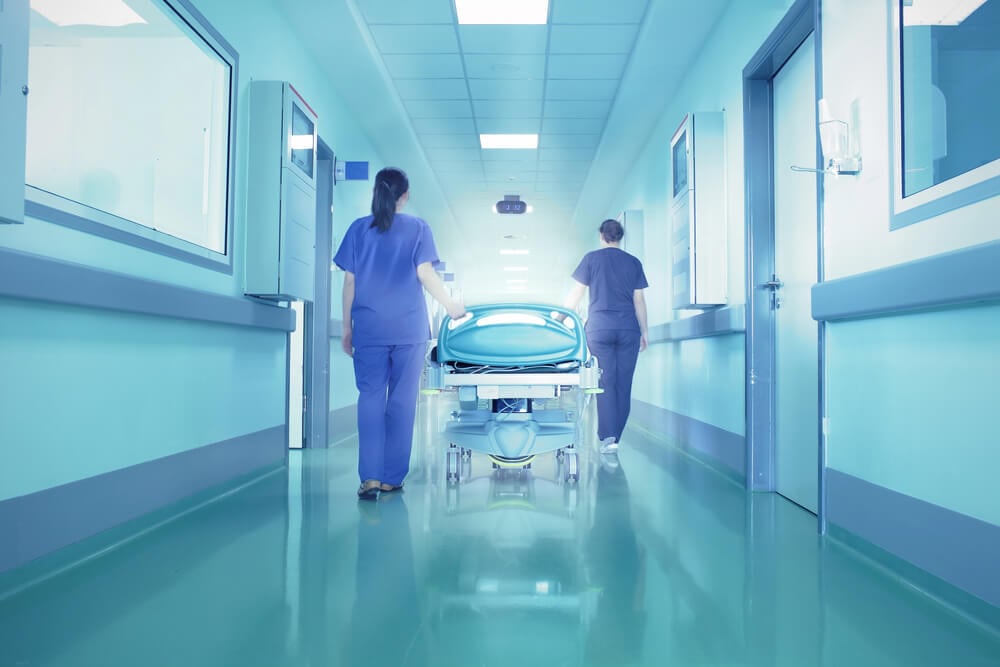
Spinal cord injury in 1944 was considered a death sentence, with most patients dying of pressure sores and kidney infections within two years. Ludwig Guttmann, a neurologist who had fled Nazi Germany, took charge of a new unit in a wooden hut that February and ordered patients turned every two hours, day and night.
He then put them to work, and to sport. On the opening day of the 1948 London Olympics he staged an archery contest on the hospital lawn for sixteen wheelchair users.
That event grew into the Paralympic Games.
Queen Victoria Hospital, East Grinstead
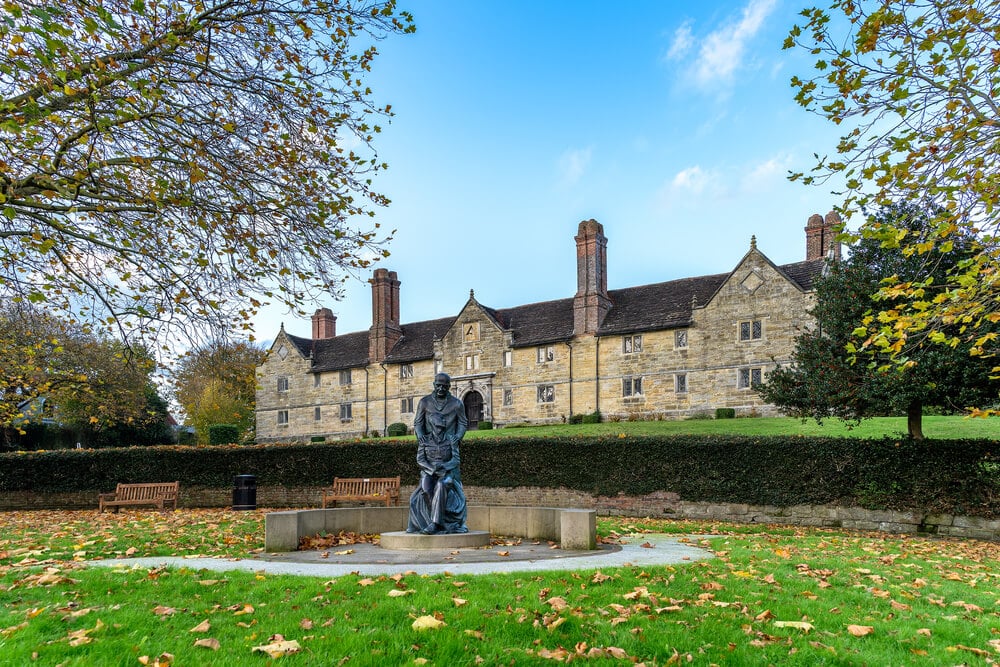
Archibald McIndoe, a New Zealand-born plastic surgeon, received the airmen who had burned in their cockpits during the Battle of Britain. He noticed that pilots who had ditched in the sea healed better than those who crashed on land, and replaced the standard tannic acid treatment with saline baths.
Rebuilding a face could take thirty operations. His patients formed a drinking society called the Guinea Pig Club, with 649 members by the war’s end, and a barrel of beer stood on the ward.
He persuaded local families to invite them out, and East Grinstead became known as the town that did not stare.
Wrightington Hospital, Lancashire

John Charnley set up his hip surgery workshop in a former tuberculosis sanatorium near Wigan, far from the London establishment. His first artificial sockets, made of Teflon, wore out within a couple of years and had to be removed from around 300 patients.
A salesman then left a sample of a new industrial polyethylene, and Charnley’s technician tested it on a wear machine against his boss’s instructions. The material barely scratched.
Charnley implanted the redesigned joint in November 1962, and the low-friction hip replacement has since restored walking to millions of people.
St Thomas’ Hospital, London
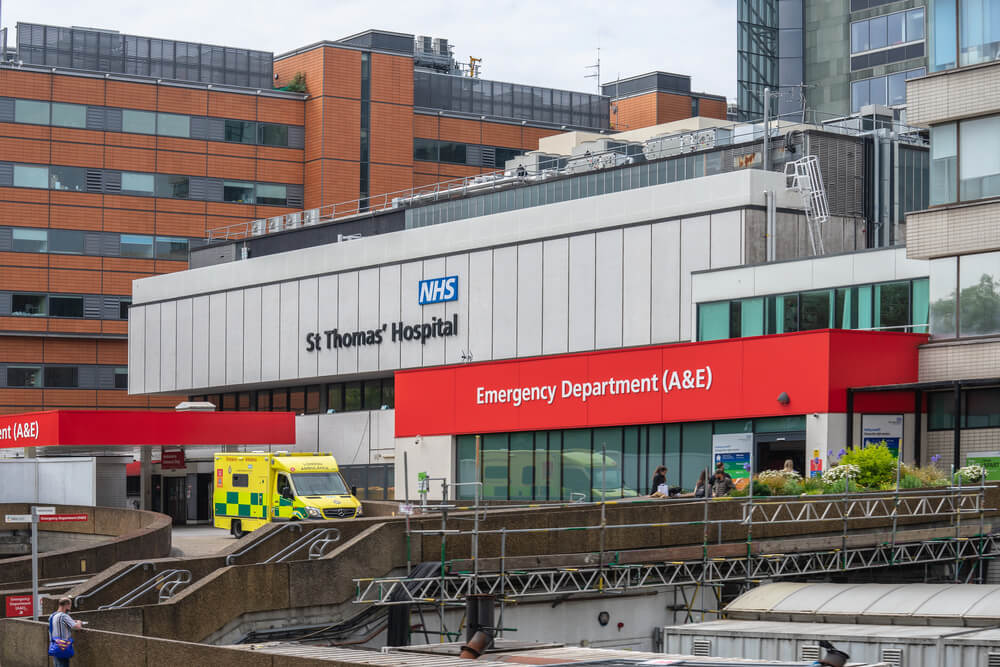
Eye surgeon Harold Ridley had treated wartime fighter pilots with splinters of cockpit canopy lodged in their eyes and noticed that the acrylic plastic caused no reaction. On November 29, 1949, he used the same material to make the first artificial lens and implanted it in a 45-year-old woman after removing her cataract.
Leading ophthalmologists denounced the idea of putting a foreign body inside an eye, and Ridley endured decades of professional hostility. The intraocular lens is now among the most common surgical implants on earth.
He was knighted at ninety-three and had the operation himself.
Oldham General Hospital, Greater Manchester
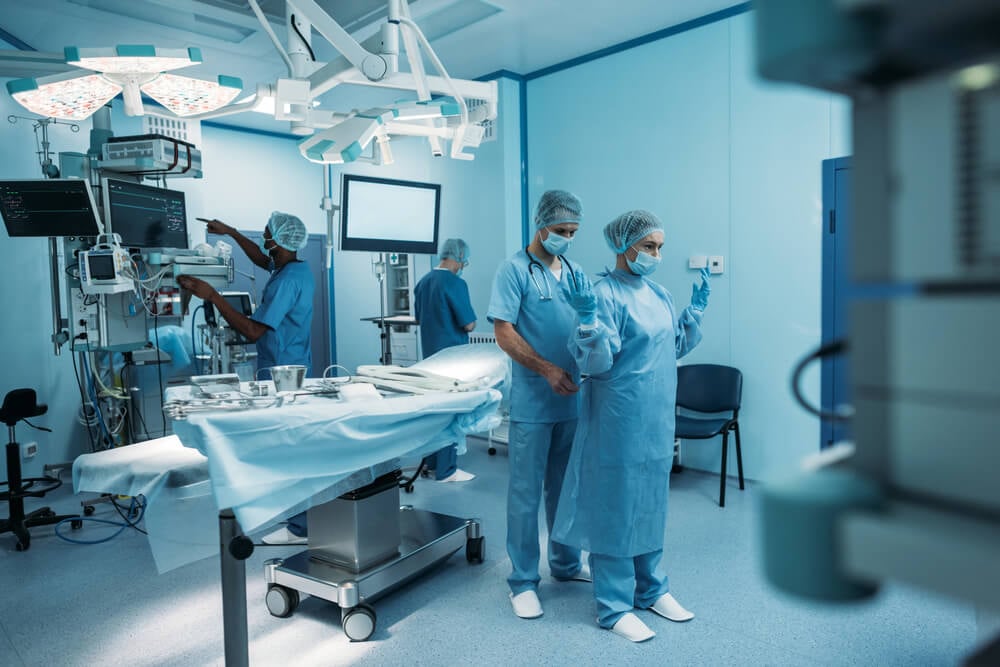
Louise Brown arrived by cesarean section at 11:47 on the night of July 25, 1978, weighing five pounds twelve ounces, the first person conceived outside a human body. Gynecologist Patrick Steptoe, physiologist Robert Edwards and embryologist Jean Purdy had endured more than a hundred failed attempts, a refused government grant and open condemnation from churchmen and fellow scientists.
Much of the lab work happened in a tiny cottage hospital nearby. More than ten million babies have since been born through in vitro fertilization.
Edwards received the Nobel Prize in 2010, after Steptoe and Purdy had died.
The Christie Hospital, Manchester
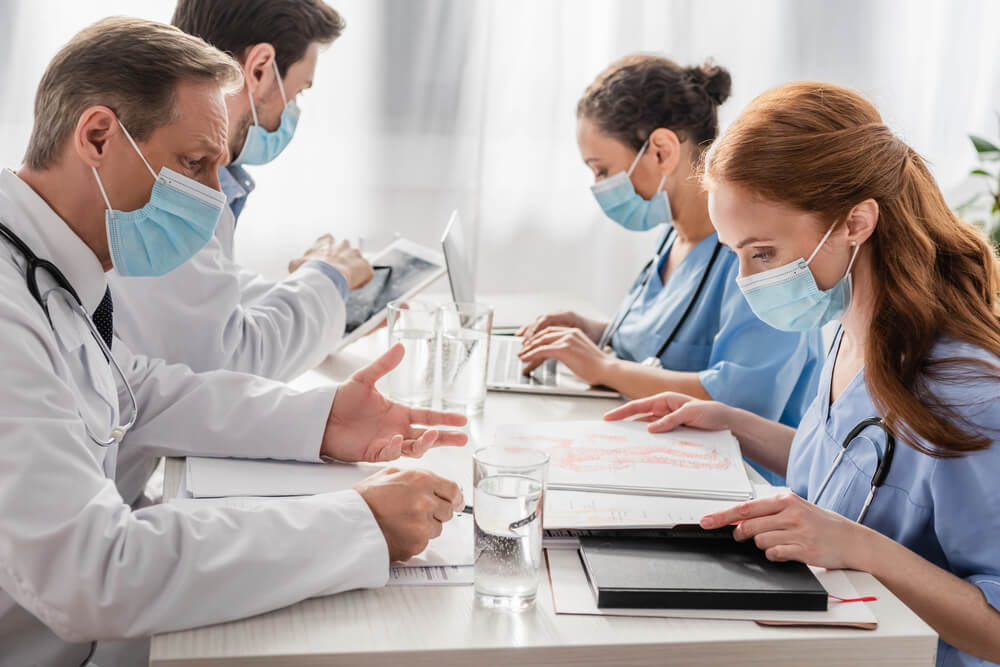
A compound called ICI 46,474 had flopped as a morning-after contraceptive in the 1960s, and its maker was ready to drop it. Oncologist Mary Cole at the Christie agreed to try it in 46 women with advanced breast cancer, and her 1971 report showed that ten responded with far milder side effects than existing hormone treatments.
Renamed tamoxifen, the drug became the most widely prescribed breast cancer medicine in the world. Analysts credit it with saving hundreds of thousands of lives.
The company nearly shelved the project twice for lack of commercial promise.
Addenbrooke’s Hospital, Cambridge
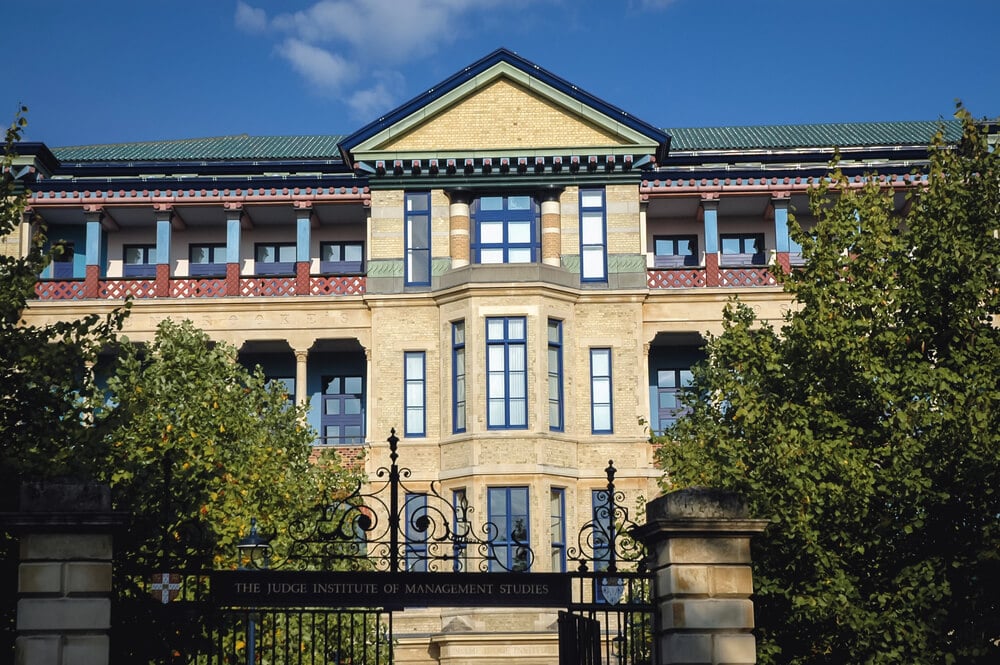
Roy Calne performed the first liver transplant in Europe here in May 1968, at a time when most colleagues thought the organ too complicated to move. His larger contribution came a decade later.
Calne tested a compound from a Norwegian soil fungus, cyclosporine, and in 1978 became the first to use it in transplant patients. One-year survival of kidney grafts rose from about fifty percent to around eighty.
The drug turned transplantation from a desperate experiment into routine care and made heart, lung and pancreas grafts practical. Calne was also an accomplished painter who made portraits of his patients.
Montreal Neurological Institute
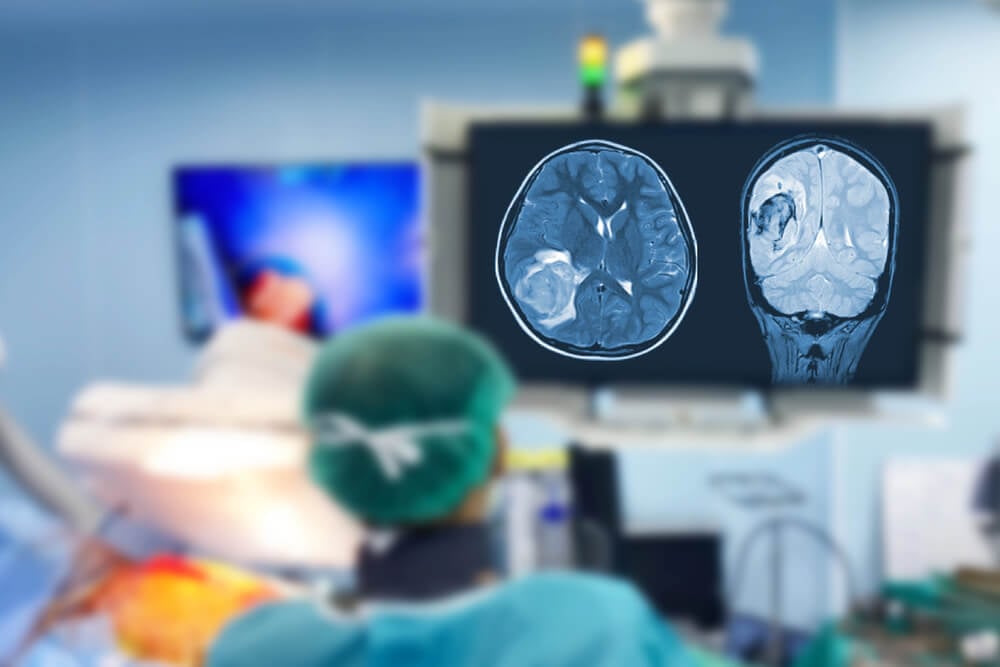
Wilder Penfield opened the institute in 1934 with Rockefeller money and a plan to treat epilepsy by finding and removing the precise patch of brain where seizures began. His patients stayed awake under local anesthetic while he touched the exposed surface with a mild electrical probe and asked what they felt.
A tingling thumb, a remembered song and a smell of burning each marked a spot. The Montreal Procedure freed more than half of his patients from seizures.
The maps he drew along the way, including the famous distorted human figure draped over the cortex, still appear in textbooks.
Toronto General Hospital
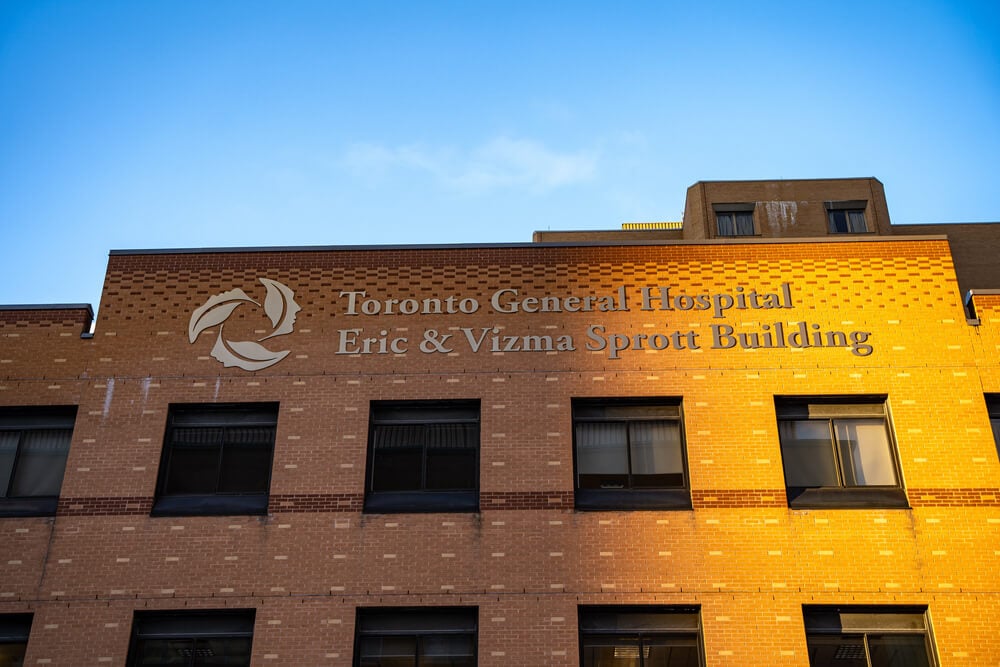
More than forty lung transplants had been attempted around the world by 1983, and no recipient had lived long enough to leave the hospital in good health. Surgeon Joel Cooper worked out that the steroids used to prevent rejection were keeping the airway connection from healing, and he wrapped the join in a flap of abdominal tissue to bring it a blood supply.
On November 7, 1983, he gave a new lung to Tom Hall, a 58-year-old hardware executive with pulmonary fibrosis. Hall lived more than six years.
The same team performed the first successful double lung transplant in 1986.
Stanford University Hospital, California
Mary Gohlke, a 45-year-old newspaper advertising executive from Arizona, was dying of pulmonary hypertension when she lobbied her way into an experimental program. On March 9, 1981, surgeon Bruce Reitz, working with transplant pioneer Norman Shumway, replaced her heart and both lungs in a single operation.
Three earlier attempts elsewhere had ended within days. Gohlke survived five years and wrote a book about the experience.
The success depended on cyclosporine, then still experimental, and on a decade of Stanford animal research that most other centers had given up on.
Royal Victorian Eye and Ear Hospital, Melbourne
Graeme Clark, whose pharmacist father had struggled with deafness, spent the 1970s trying to build a device that could stimulate the hearing nerve directly. Colleagues called the project impossible, and he raised money through telethons.
He solved the problem of threading electrodes into the spiral of the inner ear while on a beach vacation, poking a blade of grass into a seashell. On August 1, 1978, he implanted the first multichannel cochlear implant in Rod Saunders, who had lost his hearing in a car crash.
Saunders later recognized the tune of the national anthem.
Aravind Eye Hospital, Madurai
Govindappa Venkataswamy retired from government service at 58, his fingers twisted by arthritis, and opened an eleven-bed eye clinic in a rented house in 1976. He wanted to deliver cataract surgery with the efficiency of a fast food chain.
Surgeons at Aravind move between two tables while staff prepare the next patient, each completing more than 2,000 operations a year. When imported lenses proved too costly, the hospital founded its own factory and cut the price from around 200 dollars to under ten.
Paying patients subsidize free care for roughly half of all who come.
Necker Hospital for Sick Children, Paris
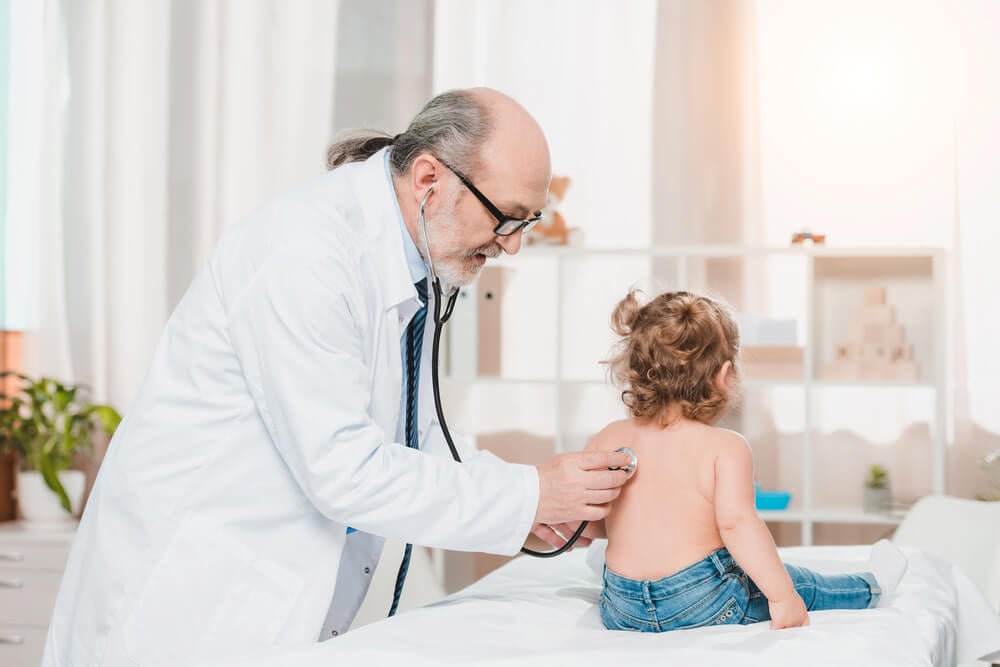
The hospital where the stethoscope was invented in 1816 produced another first in 2000. Alain Fischer and Marina Cavazzana reported that infants born with a severe combined immune deficiency, a condition that had forced earlier patients to live inside sterile plastic enclosures, were making working immune cells after receiving a corrected gene.
It was the first clear success for gene therapy. The triumph came with a hard lesson, because several of the children later developed leukemia caused by the delivery virus.
Safer vectors followed, and the field survived because the Paris team reported the setback openly.
Children’s Hospital of Philadelphia

Emily Whitehead was six, had relapsed twice with leukemia, and had run out of options when her parents enrolled her in a trial in April 2012. Doctors removed her T cells, reprogrammed them with a disabled virus to hunt her cancer, and infused them back.
The reaction nearly killed her, sending her fever to 105 degrees until a physician tried an arthritis drug that calmed her immune system within hours. Three weeks later her marrow was clear.
She remains cancer free. The treatment, developed with the University of Pennsylvania, won approval in 2017 as the first CAR T-cell therapy.
Sahlgrenska University Hospital, Gothenburg
In September 2014 a 36-year-old Swedish woman who had been born without a womb delivered a healthy boy, the first birth following a uterus transplant. Her donor was a 61-year-old family friend who had already gone through menopause.
Surgeon Mats Brannstrom had spent more than a decade preparing, moving from mice through sheep and baboons before operating on nine women. The baby arrived early, by cesarean, at just under four pounds, and his parents named him Vincent.
Dozens of children have since been born the same way in several countries.
Steve Biko Academic Hospital, Pretoria
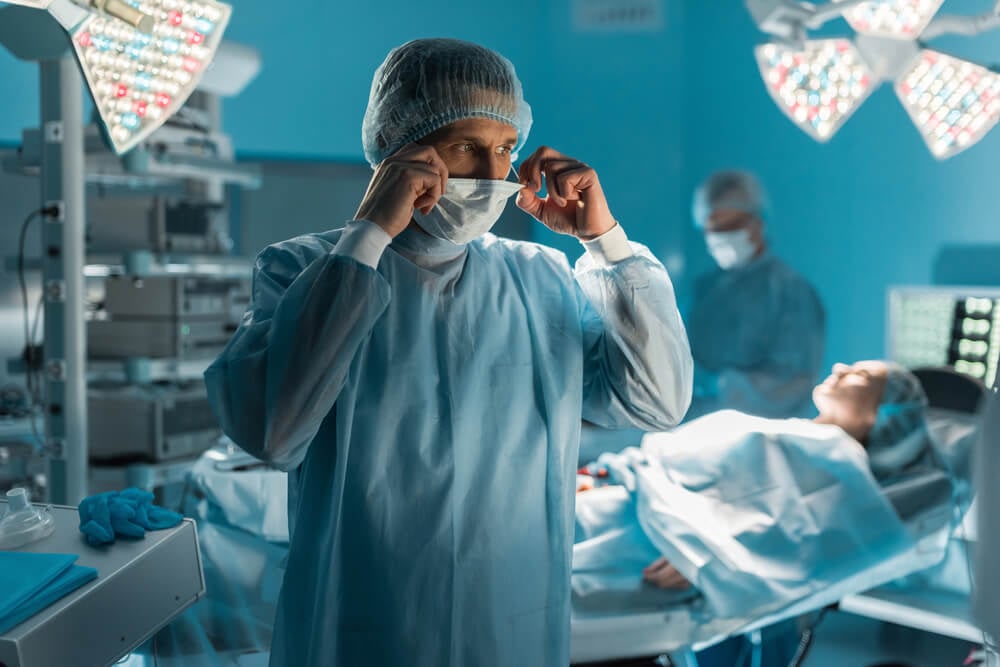
On March 13, 2019, Professor Mashudu Tshifularo and his University of Pretoria team replaced the three tiny bones of a patient’s middle ear with 3D-printed titanium copies, a world first. The recipient had lost his hearing after trauma damaged the ossicles, the smallest bones in the body.
The approach replaces only the parts that have failed and uses an endoscope, which shortens the operation and the scar. Tshifularo has said he chose the date because it was the anniversary of his mother’s burial.
It was a reminder that a public hospital in Gauteng could still put South African surgery on front pages.
Rooms Where the Odds Changed
Hardly any of these first attempts looked like triumphs at the time. Several patients died within days or weeks, several surgeons were condemned by their peers, and more than one hospital board would have stopped the work had it known in advance.
The wooden huts and borrowed labs outnumber the grand marble lobbies. Progress happened where someone was willing to fail in public and then try again.
Each of these buildings marks the spot where an impossible operation became merely difficult. A generation later it was routine, and the patients being wheeled in had no idea whose courage they were borrowing.
More from Go2Tutors!

- The Romanov Crown Jewels and Their Tragic Fate
- 13 Historical Mysteries That Science Still Can’t Solve
- Famous Hoaxes That Fooled the World for Years
- 15 Child Stars with Tragic Adult Lives
- 16 Famous Jewelry Pieces in History
Like Go2Tutors’s content? Follow us on MSN.