29 Drugstore Counters Shoppers Miss
The corner drugstore once sold a good deal more than prescriptions. It served lunch, developed film, weighed customers for a penny, and sold the record that was number one that week. A trip for cough syrup could take an hour and nobody minded.
Each of those services had its own counter and usually its own person behind it. Chain consolidation, self-service aisles, and drive-through windows removed them one at a time. The modern pharmacy is faster, brighter, and far less interesting.
The Marble Soda Fountain
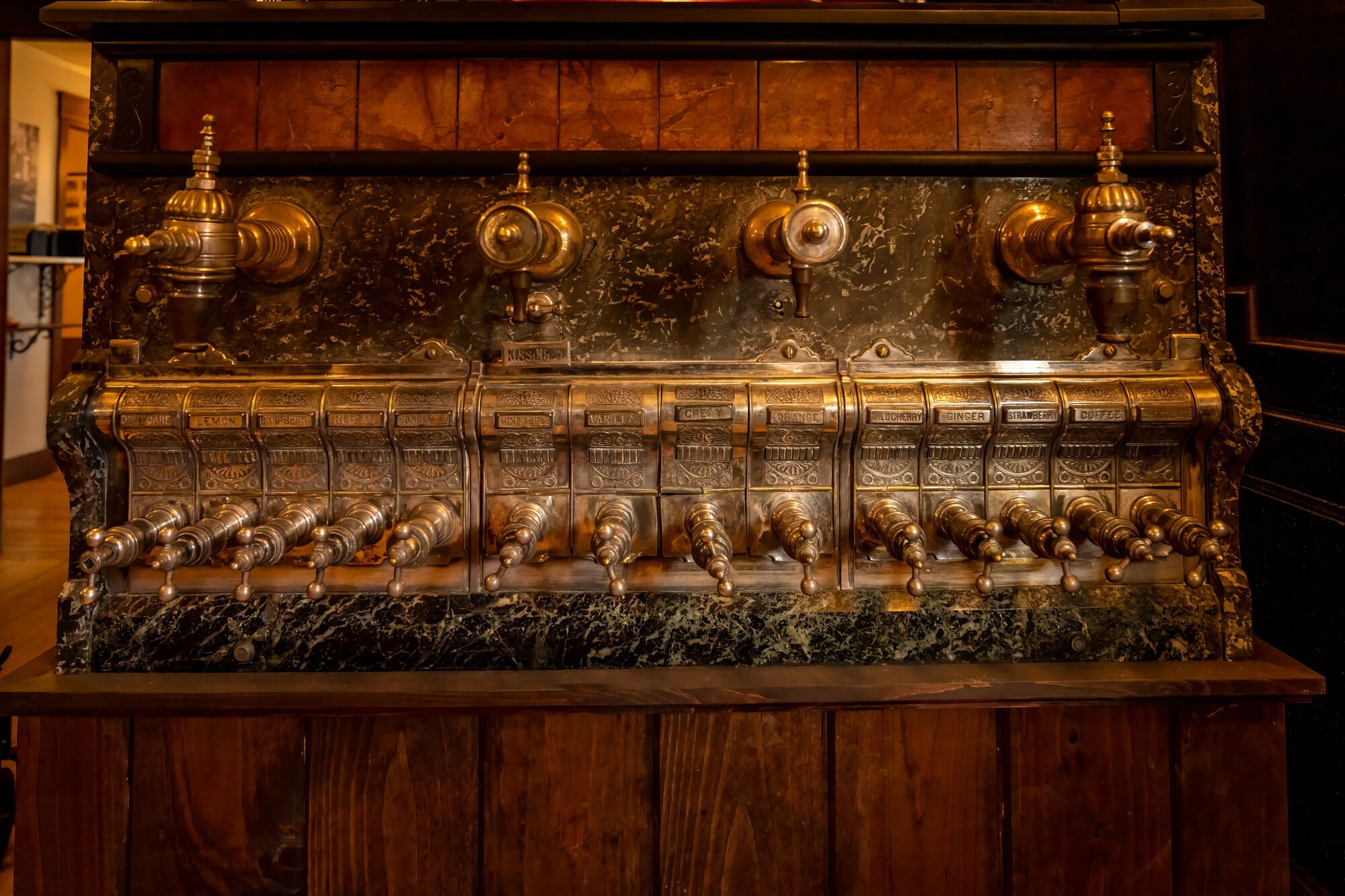
Carbonated water was sold as a health tonic in the nineteenth century, which is how the fountain ended up in the pharmacy in the first place. By the 1920s nearly every drugstore had one, with a marble counter, a mirrored back bar, and rows of syrup pumps.
The operator mixed each drink by hand, and the sharp pull on the draft arm gave the job its name, soda jerk. Phosphates, egg creams, and cherry colas were made to order. Bottled soft drinks and suburban car culture eroded the trade after the war.
Lunch Counter With Swivel Stools
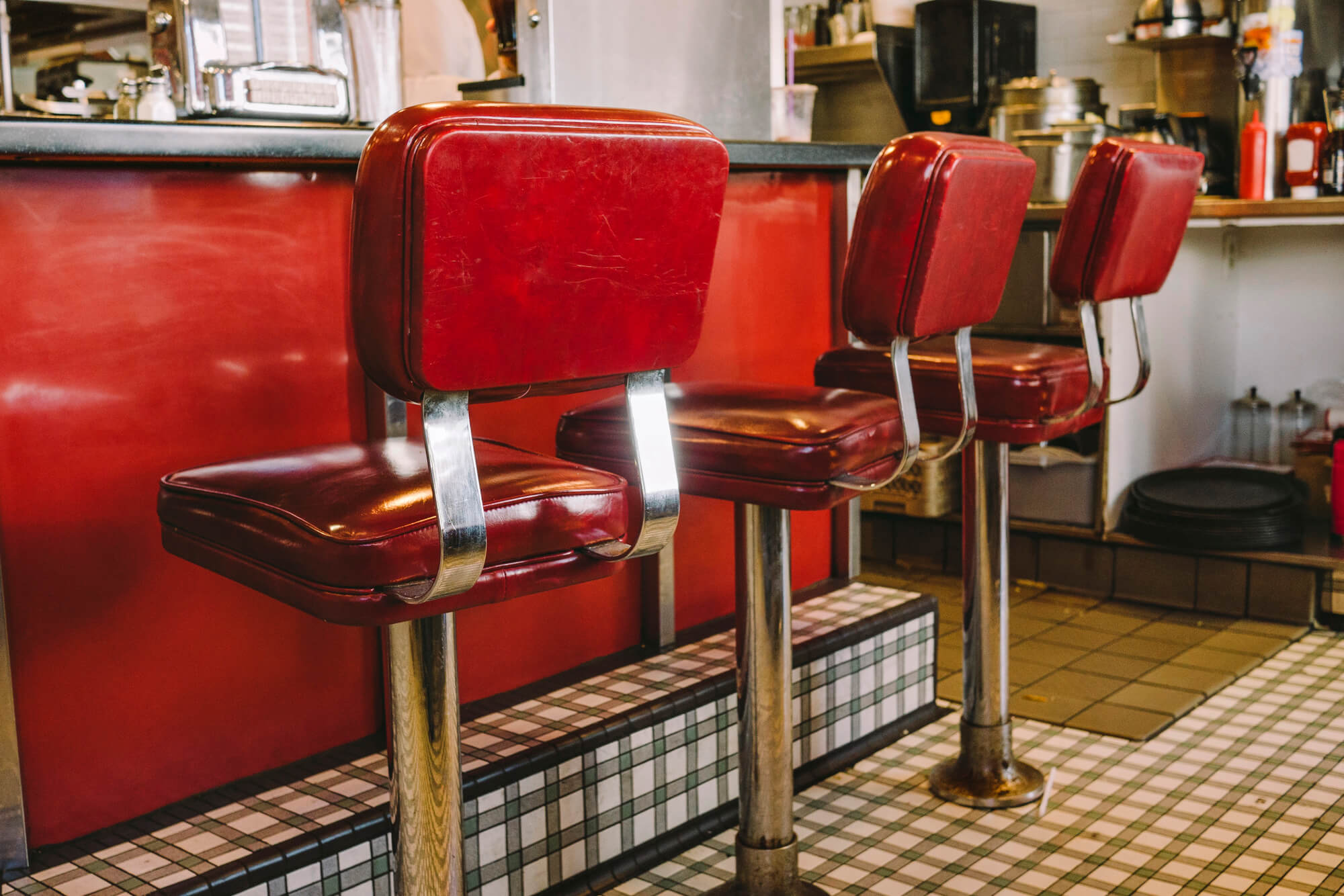
Many fountains added a grill and became the cheapest lunch downtown. Grilled cheese, egg salad, a hamburger on a toasted bun, and pie under a glass dome covered most of the menu, and office workers ate in twenty minutes on a chrome stool bolted to the floor.
These counters also became sites of protest. In January 1955, students from Morgan State College sat in at Read’s Drug Store in Baltimore, and the chain agreed to serve all customers at its counters, five years before the better-known sit-in at Greensboro.
The Walgreens Malted Milk Counter
In 1922 a Walgreens fountain manager in Chicago named Ivar Coulson, known as Pop, took the standard malted milk drink and added two scoops of vanilla ice cream. The result was the malted milkshake as it is known today.
Customers lined up outside the stores, and the chain’s rapid growth through the 1920s owed a good deal to that one recipe. Walgreens operated fountains and later full restaurants in its stores for decades. The company phased out food service in the 1980s, and the counters came out.
The Banana Split Station
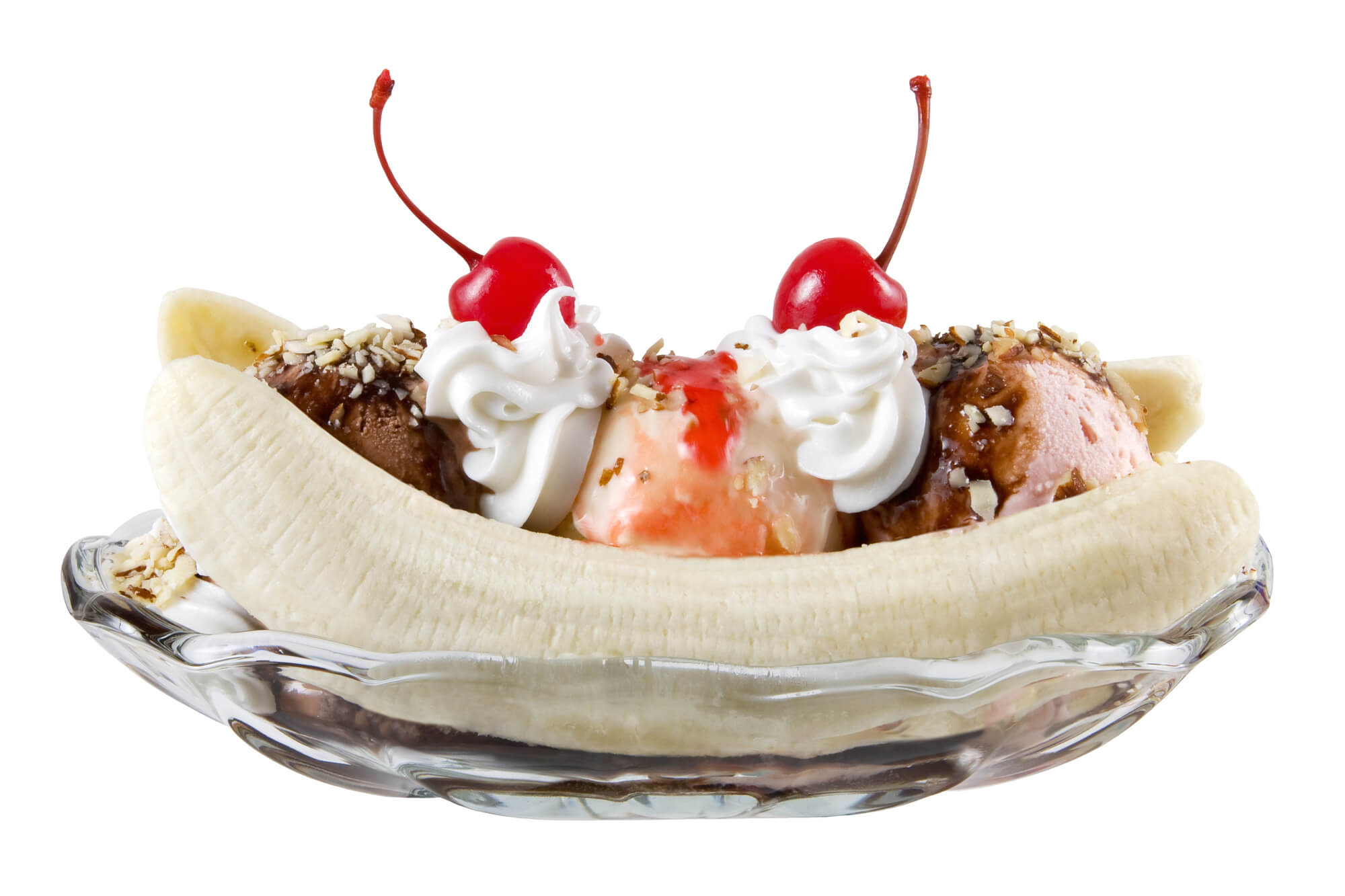
The banana split is a drugstore invention. David Strickler, an apprentice pharmacist at Tassell Pharmacy in Latrobe, Pennsylvania, assembled the first one in 1904, with three scoops of ice cream between halves of a banana, topped with sauces, nuts, and cherries.
It sold for a dime, twice the price of a regular sundae. He later had long glass dishes made specially to hold it. For the next sixty years, any fountain worth visiting had a stack of those boat-shaped dishes and a bunch of bananas ripening near the register.
The Thrifty Ice Cream Scoop Counter

Thrifty Drug Stores in Southern California began making ice cream in 1940 as a way to draw people into the store and keep them there. The counter sold it by the cone for pocket change, served with a cylindrical scoop that produced a flat-topped column instead of a round mound.
Rite Aid bought the chain in 1996 and kept the counters, more than five hundred of them. When Rite Aid went through bankruptcy and closed its stores in 2025, the counters went dark. The brand was sold separately and survives in grocery freezers.
The Photo Drop-Off Counter
Film went into a paper envelope with a name, a phone number, and a checked box for single or double prints. The envelope went into a bin, a truck took it to a regional lab, and the pictures came back in about a week.
Nobody knew what was on the roll until then. Customers opened the packet right at the counter, sorting through blurred thumbs and closed eyes to find the three good shots. The clerk usually knew the family’s vacations as well as the family did.
The One-Hour Photo Lab
Compact processing machines reached drugstores in the 1980s and changed the routine. A technician in a lab coat ran film through a minilab the size of a chest freezer, visible behind a window near the front of the store, and prints were ready before the rest of the shopping was done.
It was a profitable department for about twenty years. Digital cameras and then phones ended the need. The large chains shut down their in-store labs through the 2010s, leaving self-service kiosks where the machines had stood.
The Camera Counter
Beside the film counter stood a glass case of cameras that an ordinary family could afford. The Kodak Instamatic arrived in 1963 with a drop-in cartridge that made loading foolproof, and the Polaroid Swinger followed in 1965 at under twenty dollars.
Flashcubes, batteries, and slide trays filled the shelves behind. The clerk would load the first roll and explain the two settings. For many people this was the only camera shop they ever entered, and the drugstore sold more cameras than most of them realized.
Cosmetics Counter With a Clerk
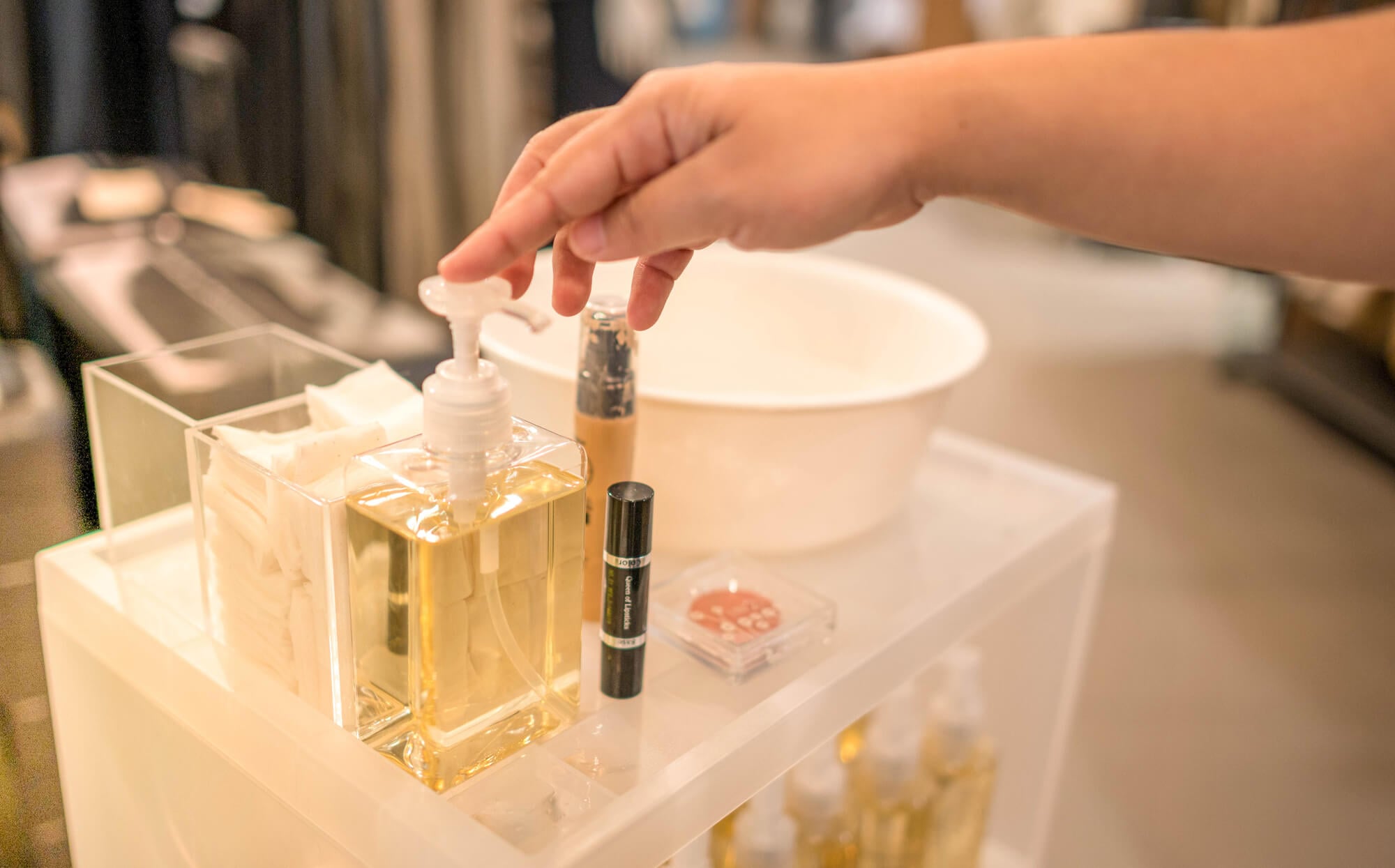
Before makeup hung on pegs in sealed packages, it sat in a glass case and a saleswoman took it out. She knew which shade of lipstick a customer had bought last time and whether the new face powder ran dark.
Brands such as Revlon, Max Factor, and Coty trained these clerks and supplied testers. Teenagers bought a first compact here under knowledgeable supervision. Self-service packaging cut labor costs in the 1960s and 1970s, the clerk disappeared, and choosing a foundation shade became a matter of guesswork under fluorescent light.
The Locked Perfume Case
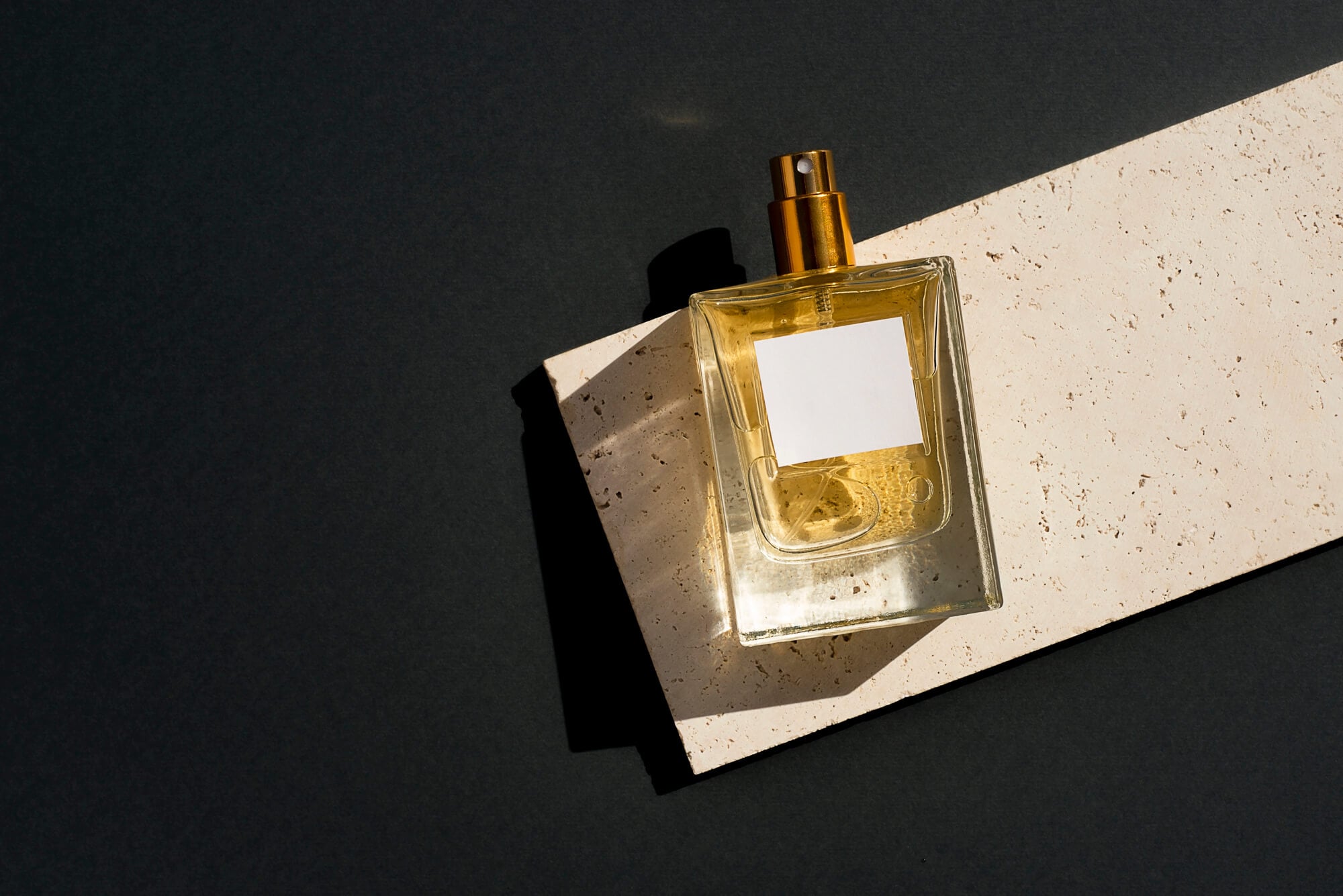
Fragrance lived behind glass, and someone with a key had to be summoned. The case held Evening in Paris in its cobalt blue bottle, Chantilly, Emeraude, and Tabu for women, and Old Spice and English Leather for men.
In December the shelves filled with boxed gift sets that paired cologne with soap on a rope or dusting powder. Children with four dollars saved bought a mother’s Christmas present here, with a clerk’s patient help. The case was as close to a department store as many small towns ever got.
The Penny Candy Counter
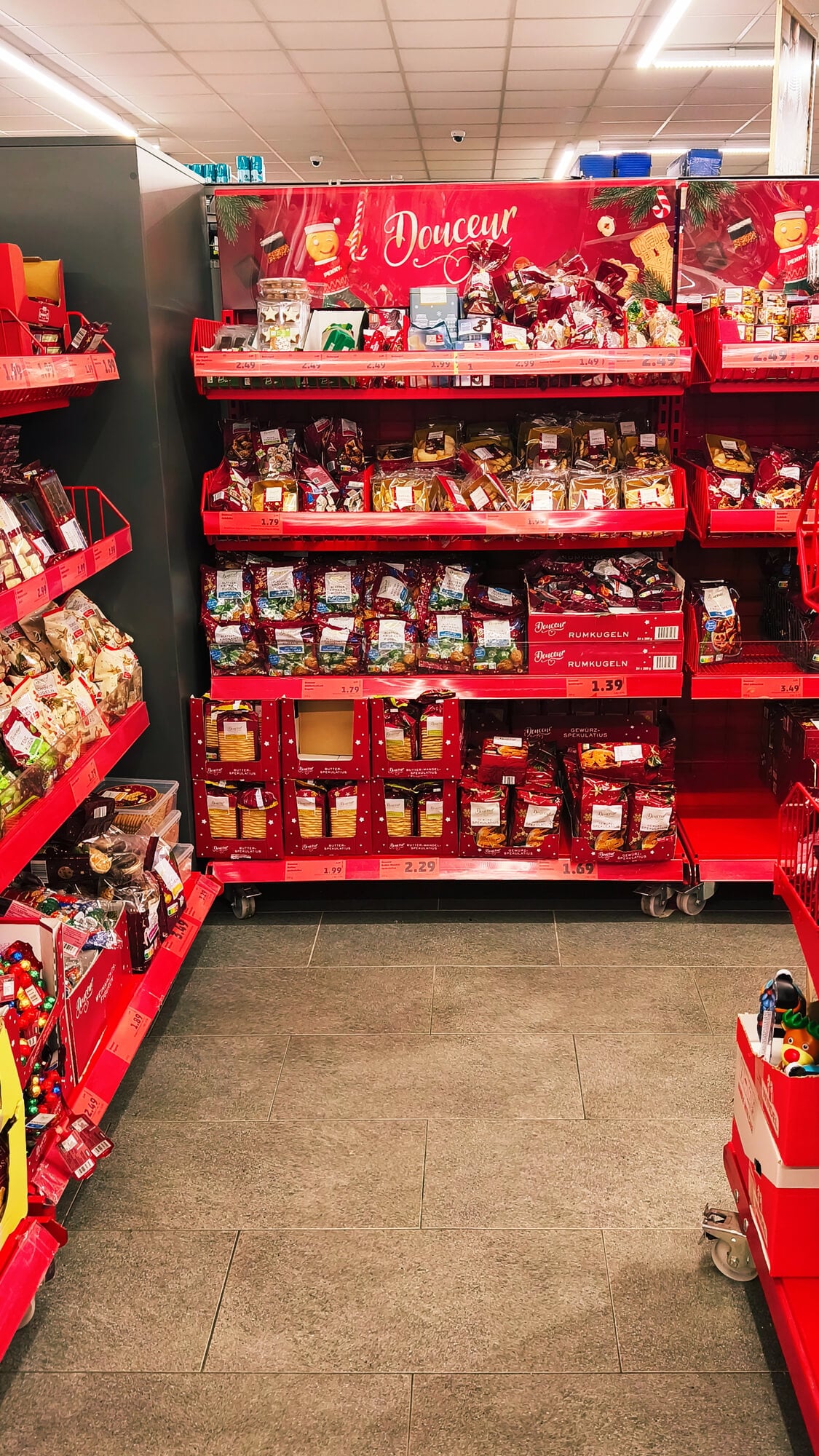
A row of glass jars or a slanted glass case near the register held candy sold by the piece. Root beer barrels, licorice whips, wax bottles filled with syrup, candy buttons on paper strips, and jawbreakers cost a cent or two each.
The transaction was slow. A child pointed, changed course, recounted the coins, and pointed again, while the clerk dropped each choice into a small paper sack. That patience was a form of customer service no training manual covered. The sack was usually empty before the walk home ended.
The Hot Nut Case
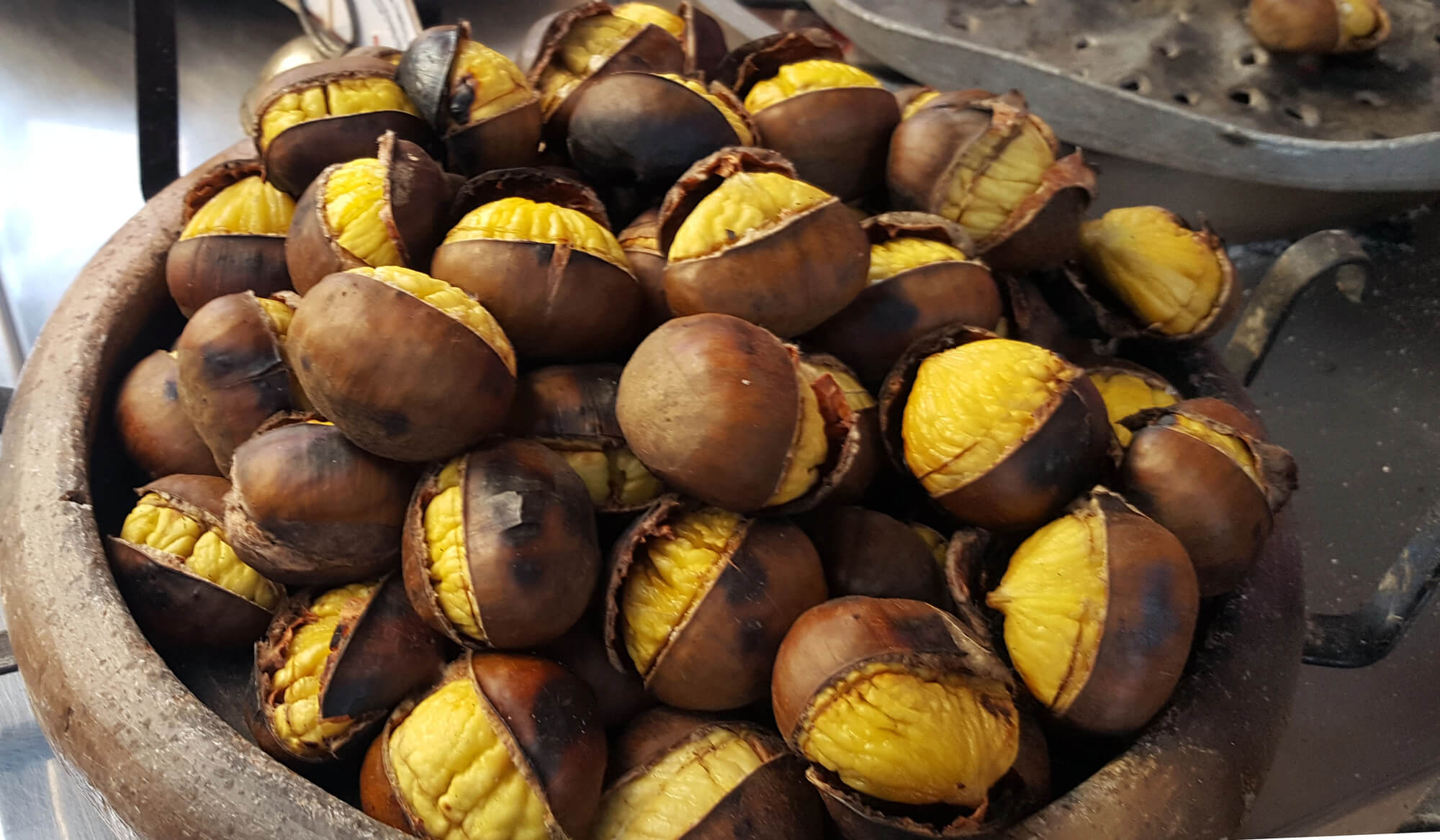
Somewhere near the front of the store stood a glass case with a heat lamp or a slowly turning tray, filled with cashews, Spanish peanuts, pistachios dyed red, and mixed nuts. The warmth carried the smell of roasted nuts through the front third of the building.
A clerk scooped them into a white paper bag and weighed them by the quarter pound. It was an impulse purchase engineered by aroma, decades before anyone used that kind of language. The cases required cleaning and attention, and chains retired them.
The Boxed Chocolate Case
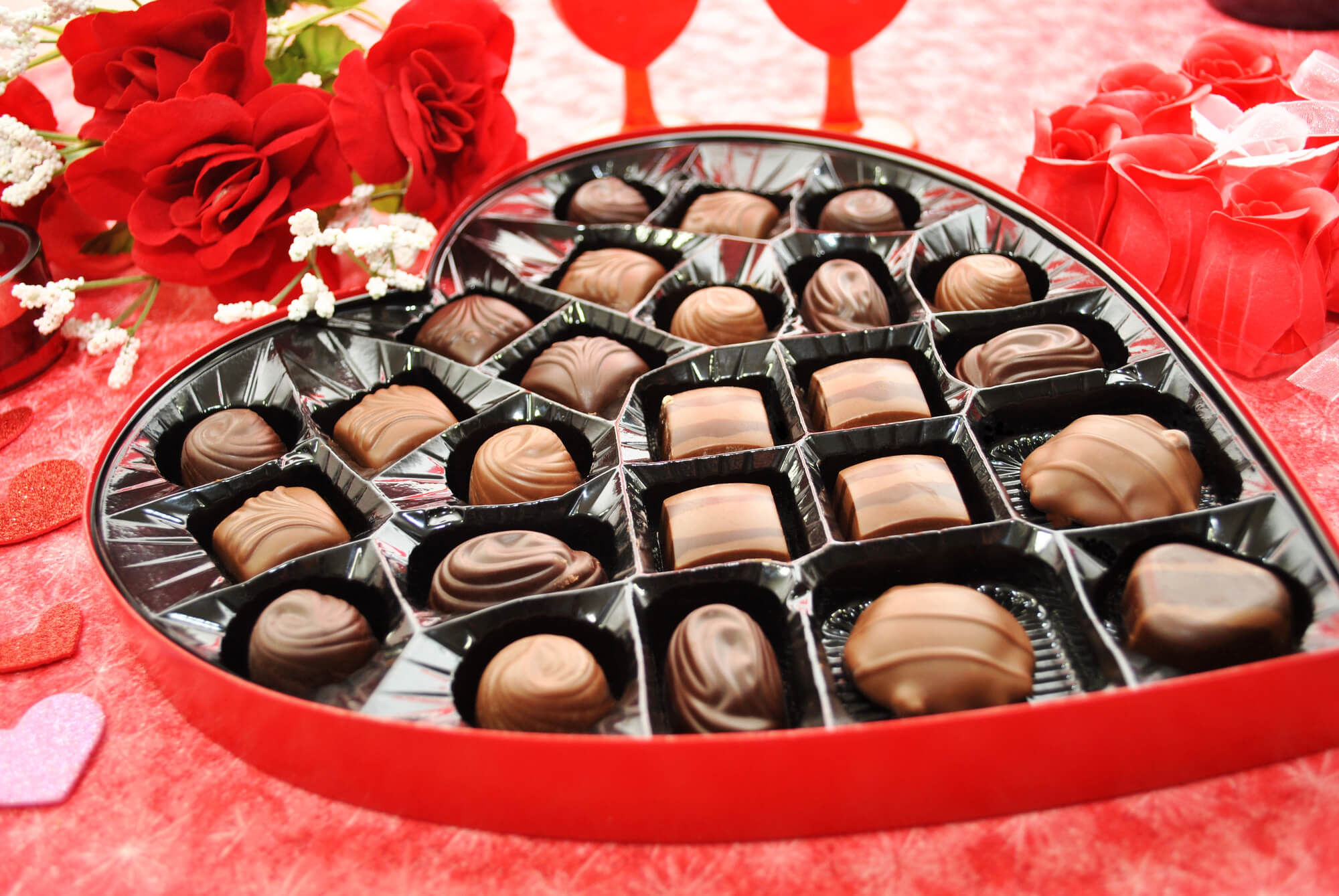
Whitman’s introduced its Sampler in 1912, with a cross-stitch design on the lid and a diagram inside identifying each piece. The company sold largely through drugstores, granting one store in a neighborhood the right to carry the line and supplying a dedicated display case.
Russell Stover worked through pharmacies as well. For much of the century, the drugstore was the default place to buy a box of chocolates. On the afternoon of February 14 the case was surrounded by men with a shared expression.
The Comic Book Spinner Rack
The wire rack stood near the door, topped with a sign that read Hey Kids, Comics. It held a few dozen titles, restocked weekly by the same distributor who delivered magazines, and there was no guarantee that next month’s issue of anything would appear.
Collectors of that generation learned to check several stores. Comics cost a dime, then twelve cents, then more. Publishers shifted to specialty comic shops in the 1980s, where unsold copies could not be returned, and the spinner rack left the drugstore for good.
The Magazine Stand
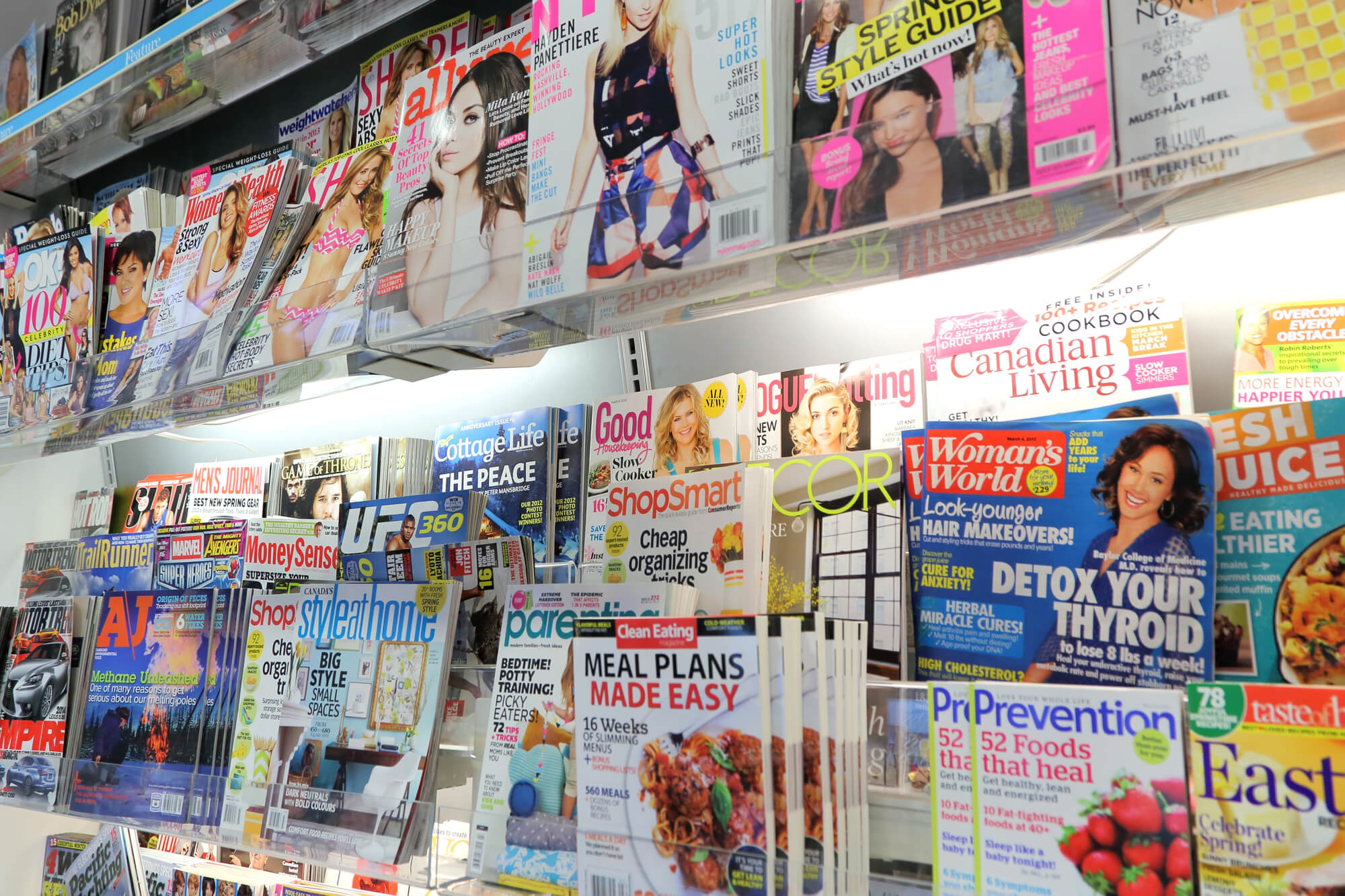
A long wooden or wire rack along the front wall carried everything from newsweeklies to fan magazines, hot rod monthlies, crossword digests, and the local paper. Browsing was tolerated up to a point.
Many stores posted a sign reminding customers that the premises were not a library, and the pharmacist could see the rack from his raised counter. For small towns without a bookstore, this was the periodical section of daily life. Subscriptions and then screens thinned the racks to a few titles near the checkout.
The Paperback Spinner
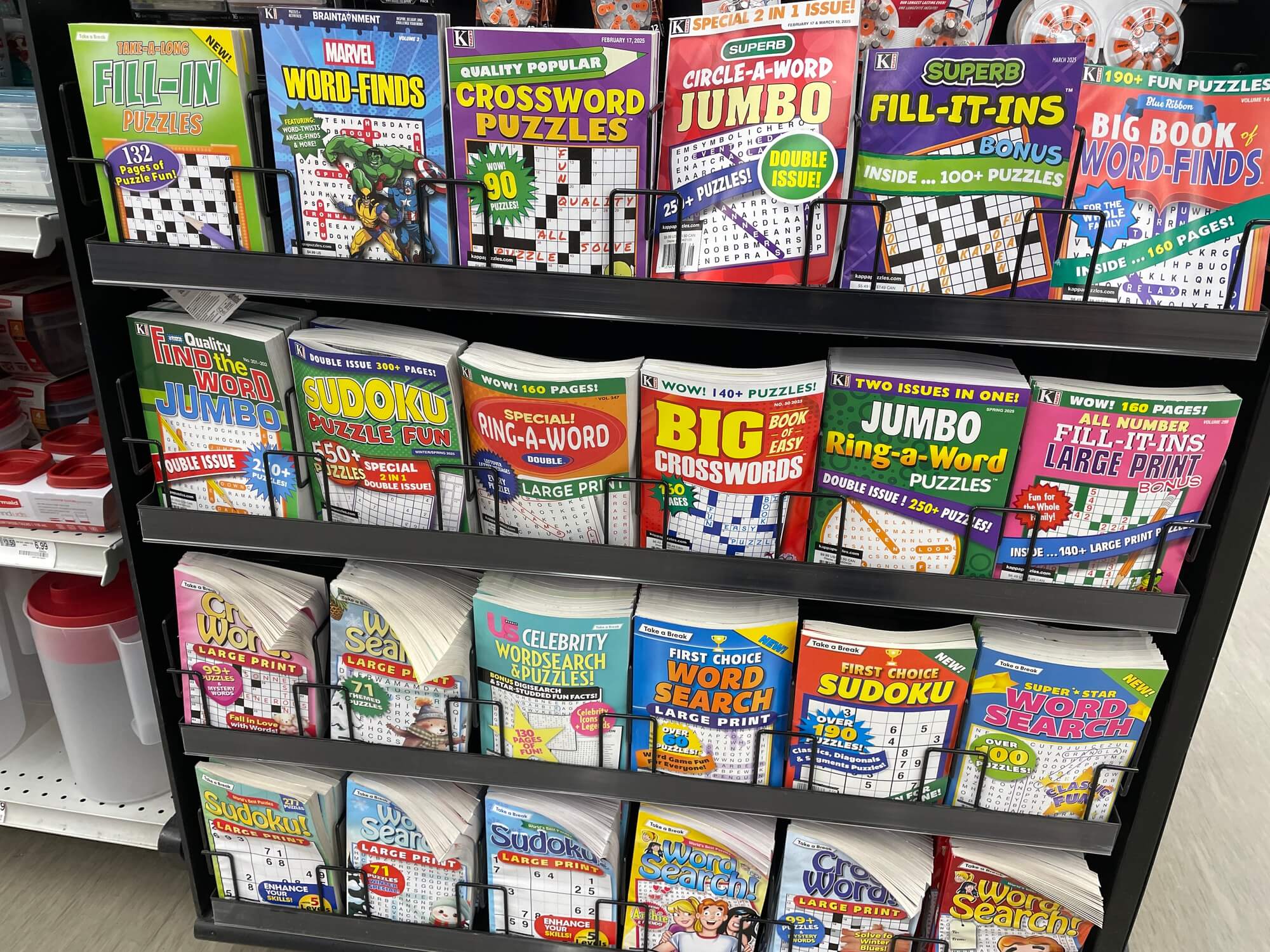
Pocket Books launched in 1939 with ten titles at twenty-five cents each, and it sold them wherever magazines were sold. That decision put books in drugstores, bus stations, and newsstands, places the hardcover trade had never reached.
The revolving wire rack held mysteries, westerns, and the occasional classic with a lurid cover. Many readers bought a first novel here because it cost the same as a sandwich. The mass-market paperback has been in steady decline for years, and the rack has gone with it.
The Compounding Counter
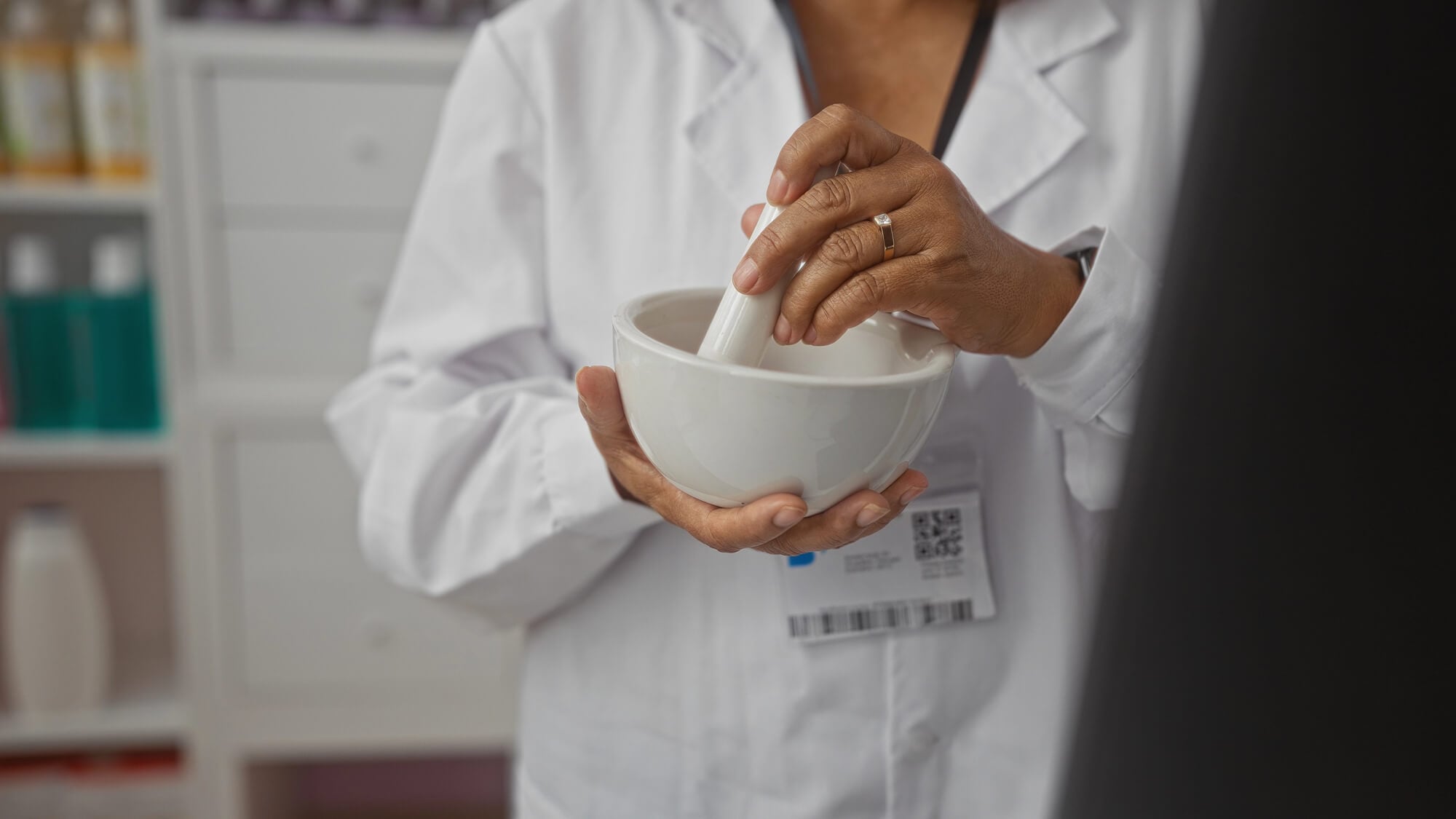
Through the 1930s and 1940s, a large share of prescriptions were made on the premises. The pharmacist weighed powders on a brass balance, ground them with a mortar and pestle, and folded doses into papers or pressed them into capsules by hand.
Ointments were worked on a glass slab with a spatula. By the 1960s nearly everything arrived from manufacturers as finished tablets. The job shifted toward counting and checking, the raised platform at the back of the store lost its laboratory air, and the mortar became a logo.
Show Globes in the Window

Large glass vessels filled with colored liquid, usually red and green or blue, hung in drugstore windows or stood on pedestals. They served as the trade sign of the apothecary the way a striped pole marked a barber, and they date back centuries in Britain.
Some pharmacists mixed their own solutions using chemistry school formulas and took pride in the clarity of the color. Lit from behind at night, they glowed. Most came down during mid-century remodeling, and surviving antique globes now sell to collectors, with price depending on condition and completeness.
The Record Rack
Drugstores sold the hits. A bin or wire rack near the front held the week’s top forty-five singles, often alongside a free printed survey from the local radio station listing the current chart.
Albums were limited to the biggest sellers and budget compilations. A teenager with a dollar could walk out with the song heard on the car radio an hour earlier. Dedicated record stores and discount chains took over in the 1970s. For a stretch before that, the pharmacy was many small towns’ only music retailer.
The Timex Display Case
When the United States Time Company launched the Timex in 1950, jewelers refused to carry it, because the margin on an inexpensive watch was too thin. The company turned to drugstores, hardware stores, and variety shops, and gave them a revolving countertop case.
Television commercials showed the watches strapped to outboard propellers and dropped from cliffs. By the early 1960s, roughly one in three watches sold in the country was a Timex. The pharmacy clerk sold the watch, replaced the strap, and changed the battery years later.
The Fountain Pen Case
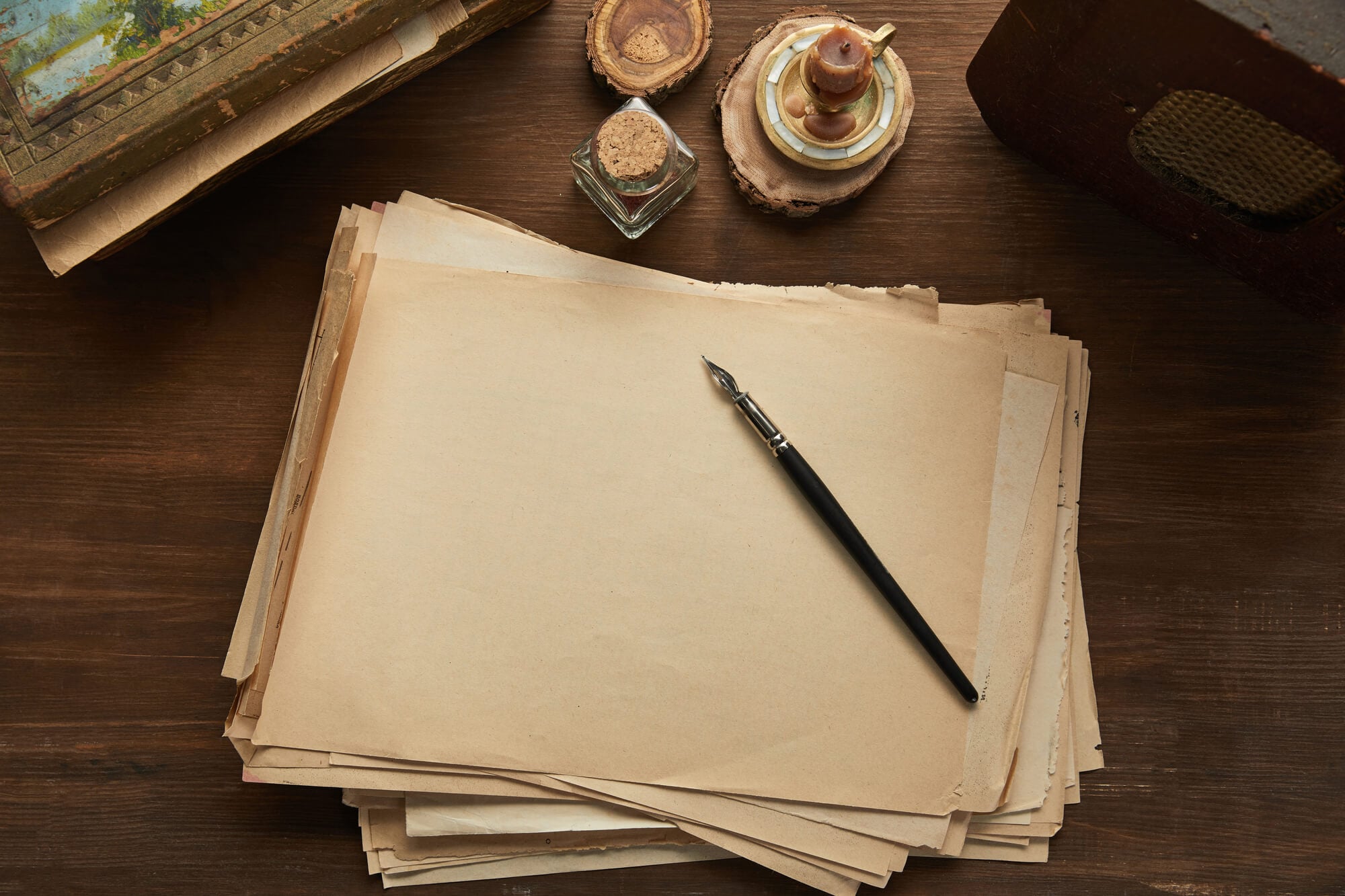
A flat glass case near the stationery held pens by Parker, Sheaffer, and Esterbrook, laid out on velvet, with bottles of ink in blue-black and washable blue stacked beside it. A good pen was a graduation gift, and the druggist kept a dip tester so customers could try the nib on scrap paper.
Esterbrook sold replacement nibs separately, so a dropped pen did not mean buying a new one. The cheap disposable pen ended the trade in the 1960s, and the velvet trays went to the basement.
The Penny Scale
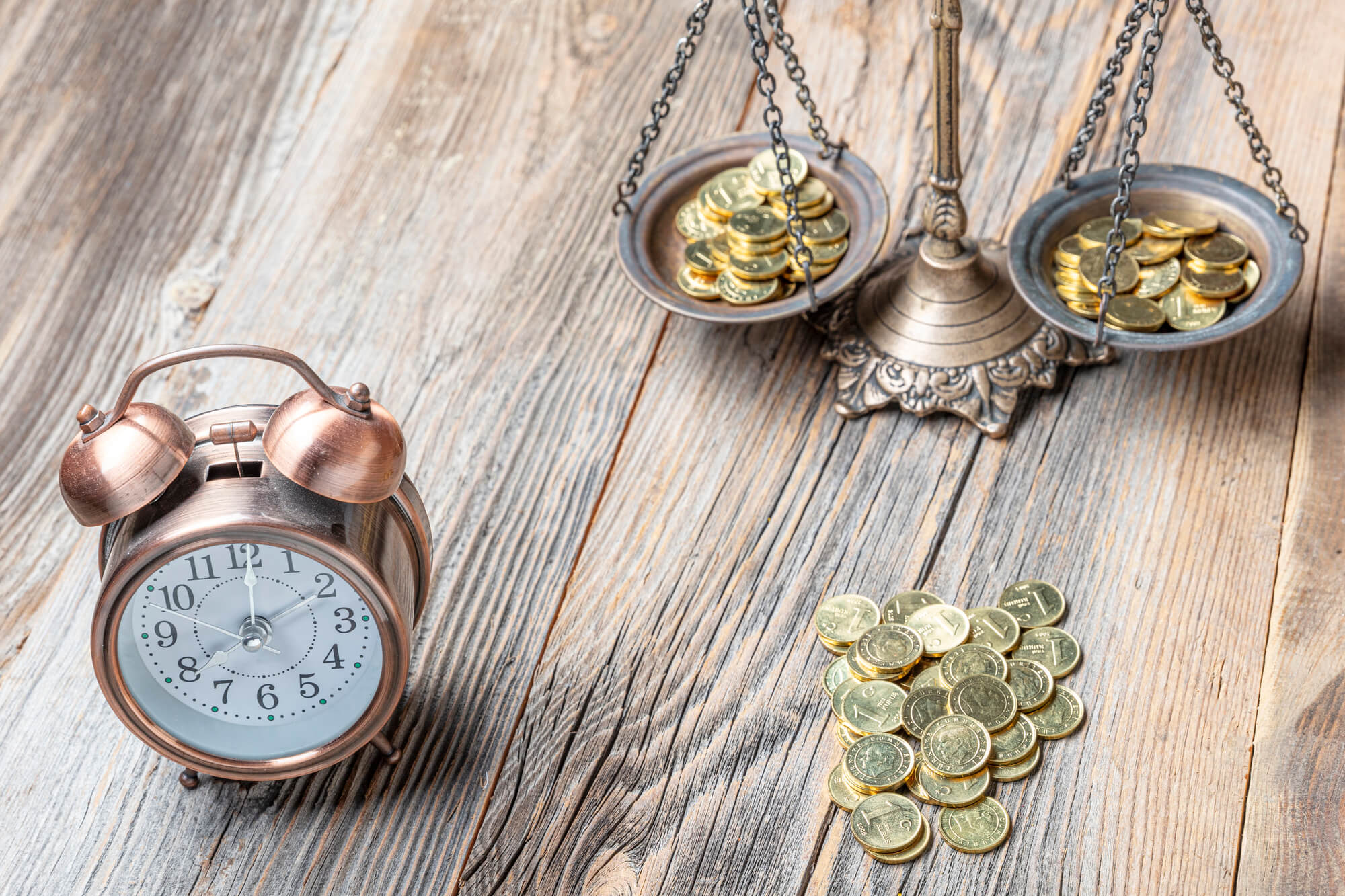
A cast iron scale with a porcelain finish stood by the entrance, as tall as a person, with a round dial at face height. It took one cent.
Many models dispensed a small card printed with the customer’s weight on one side and a fortune or a film star’s portrait on the other. Before bathroom scales were common in homes, this was how most people tracked their weight at all. Operators placed them on a revenue split with the store, and a busy location could earn surprising sums in copper.
The Wooden Phone Booth
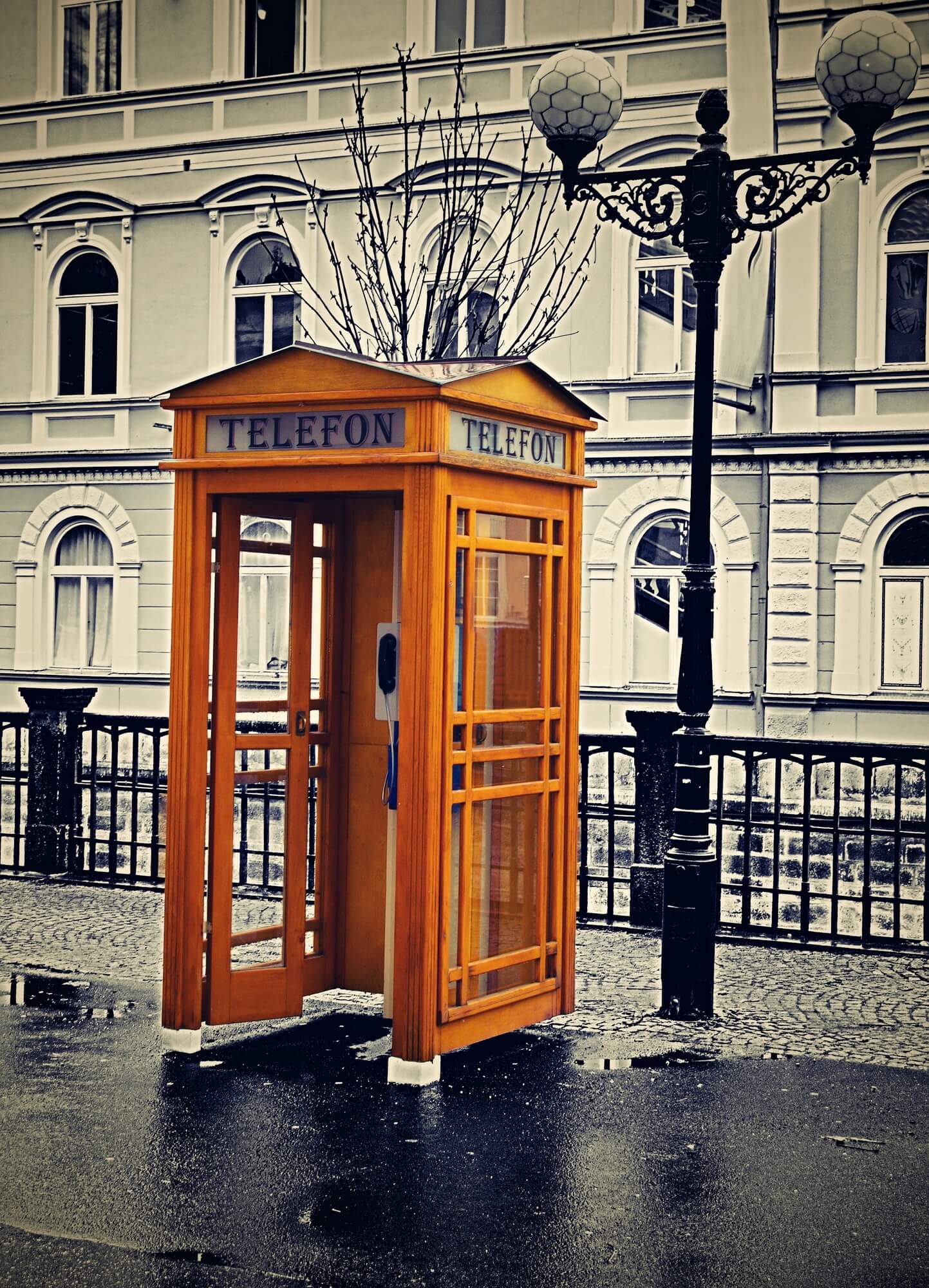
At the back of the store stood one or two booths of oak or walnut, each with a folding door, a small seat, and a shelf for the directory. Closing the door switched on a light and a ventilation fan.
Before home telephones were universal, the druggist took messages for neighbors and sent a boy to fetch them. The booth offered a privacy that home party lines did not. Salesmen ran entire territories from these booths, feeding in coins and working through a list of numbers.
The Tube Tester

When a television or radio failed, the owner pulled the vacuum tubes from the back of the set, carried them to the drugstore in a paper bag, and plugged each one into a self-service testing console. A needle swung to good, weak, or bad.
Replacement tubes were stocked in the cabinet underneath, sorted by number. It saved a repair call and made ordinary people briefly competent in electronics. Transistors and solid-state sets made tubes obsolete during the 1970s, and the consoles were hauled away within a few years.
The Rexall One-Cent Sale Table
Rexall was a cooperative of independent druggists who sold a shared house brand, and at its peak the orange and blue sign hung in thousands of American towns. Its signature promotion was the One-Cent Sale, held for decades.
A customer who bought one item at the regular price got a second for a penny, across hundreds of products piled on tables down the center aisle. Families stocked up on aspirin, vitamins, and stationery twice a year. The franchise network dissolved by the 1980s as chains overtook the independents.
The Back-to-School Counter
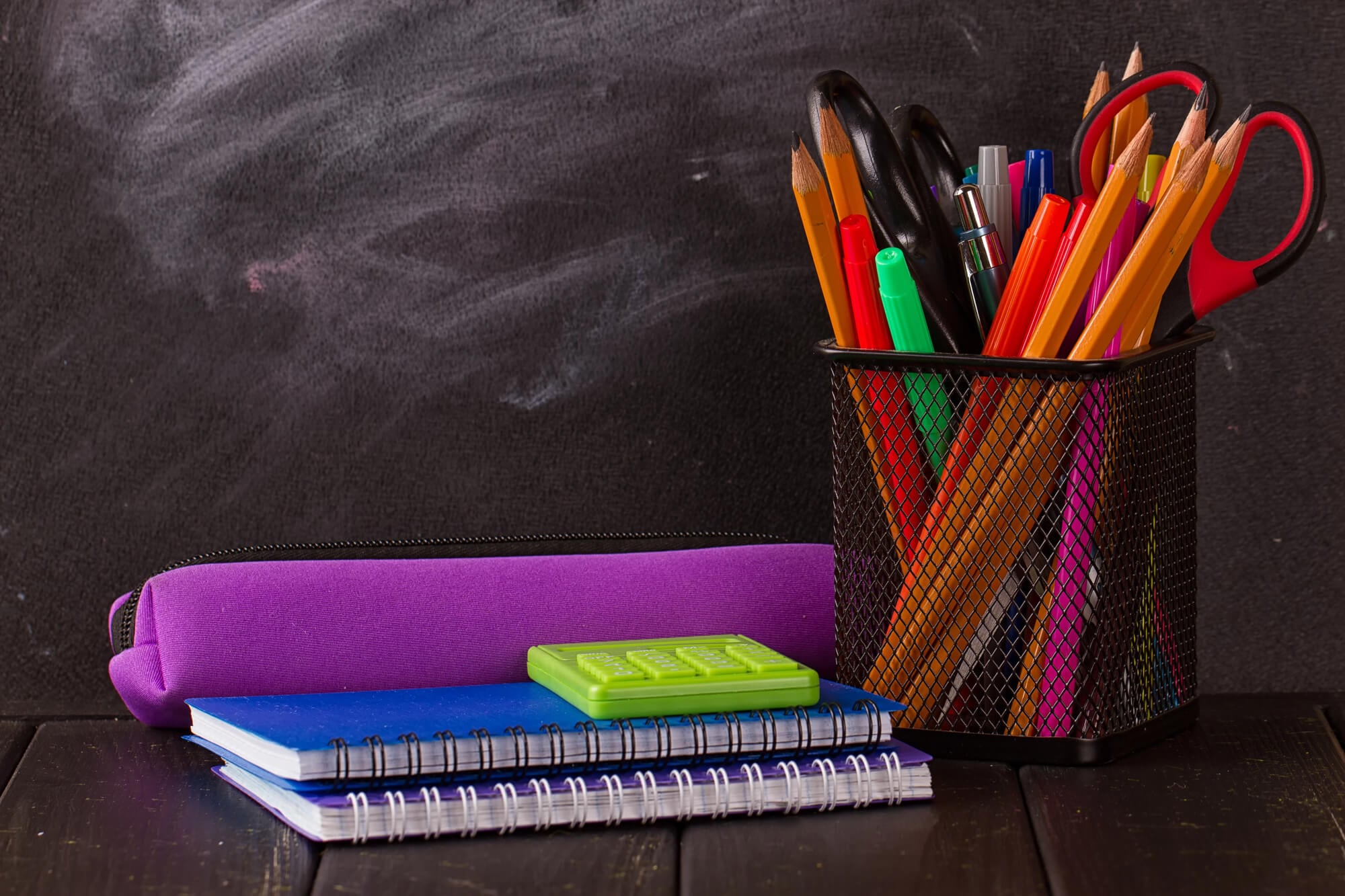
In mid-August the seasonal aisle filled with ruled tablets, composition books, yellow pencils, pink erasers, paste in a jar with a brush in the lid, and boxes of crayons in every size up to sixty-four. The drugstore was a main source of school supplies before the big discount chains arrived.
Lists came home from the teacher and were filled in one trip. Children cared about the lunch box selection most of all. The smell of that aisle, part cedar shavings and part new vinyl, marked the end of summer.
The Postal Substation Window
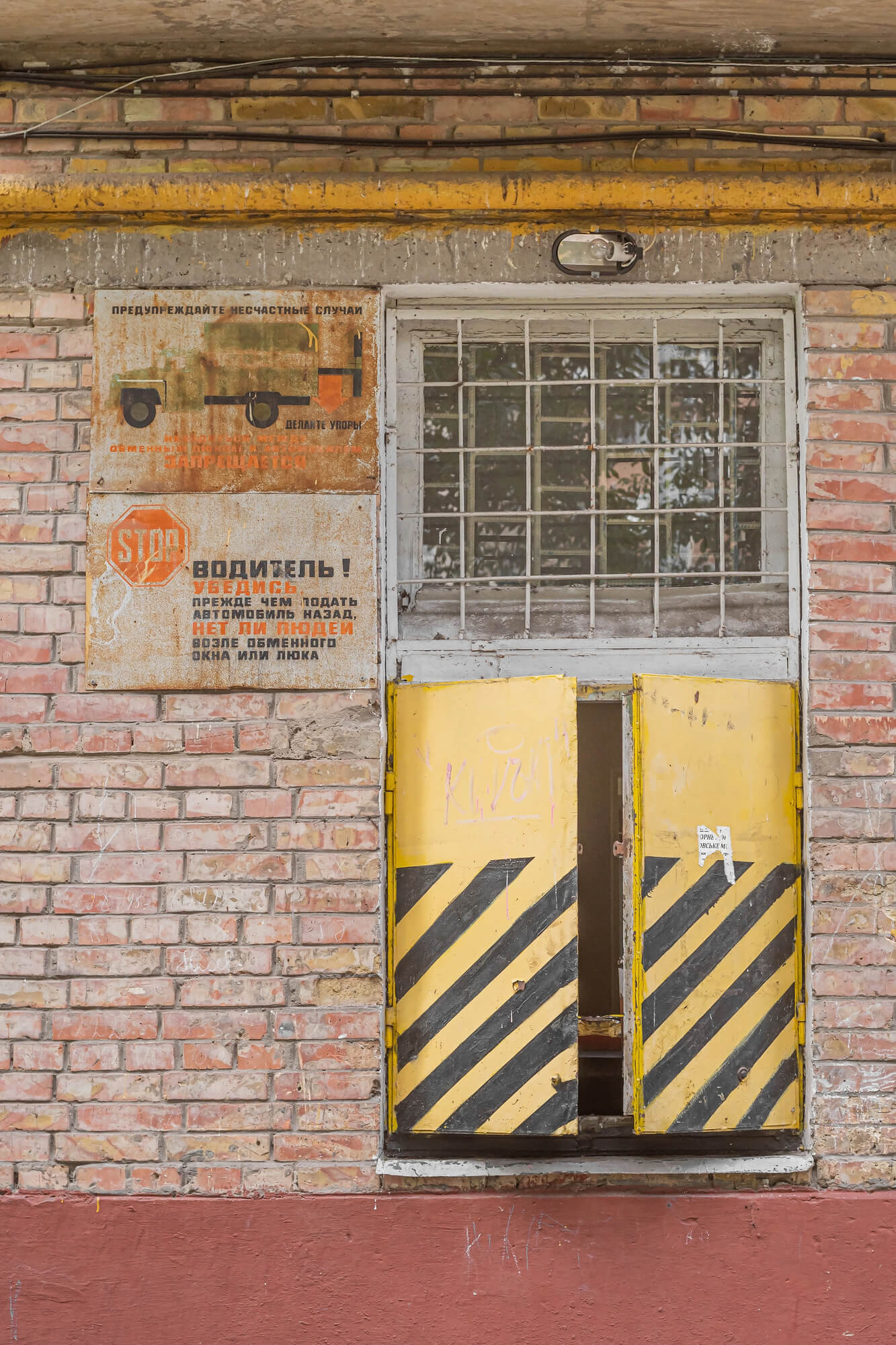
Many drugstores housed a contract post office, a barred window at the back where a store employee sold stamps, weighed parcels, and wrote money orders under an agreement with the postal service. It brought customers through the entire length of the store to reach it, which was the point.
For neighborhoods far from a main post office it was a real convenience. Some still exist. Most closed as chains standardized their floor plans and found the contract paid less than the space was worth.
The Bill-Payment Window

Before automatic withdrawals, utility bills were often paid in person and in cash, and neighborhood drugstores served as authorized payment stations for the gas, electric, and telephone companies. A clerk stamped the stub, kept the payment, and handed back a receipt.
For households without a checking account this was the only practical method. It made the first week of each month the busiest in the store. The windows faded as checking accounts spread, and later as payments moved to the mail and then online.
The Surgical Supply Counter
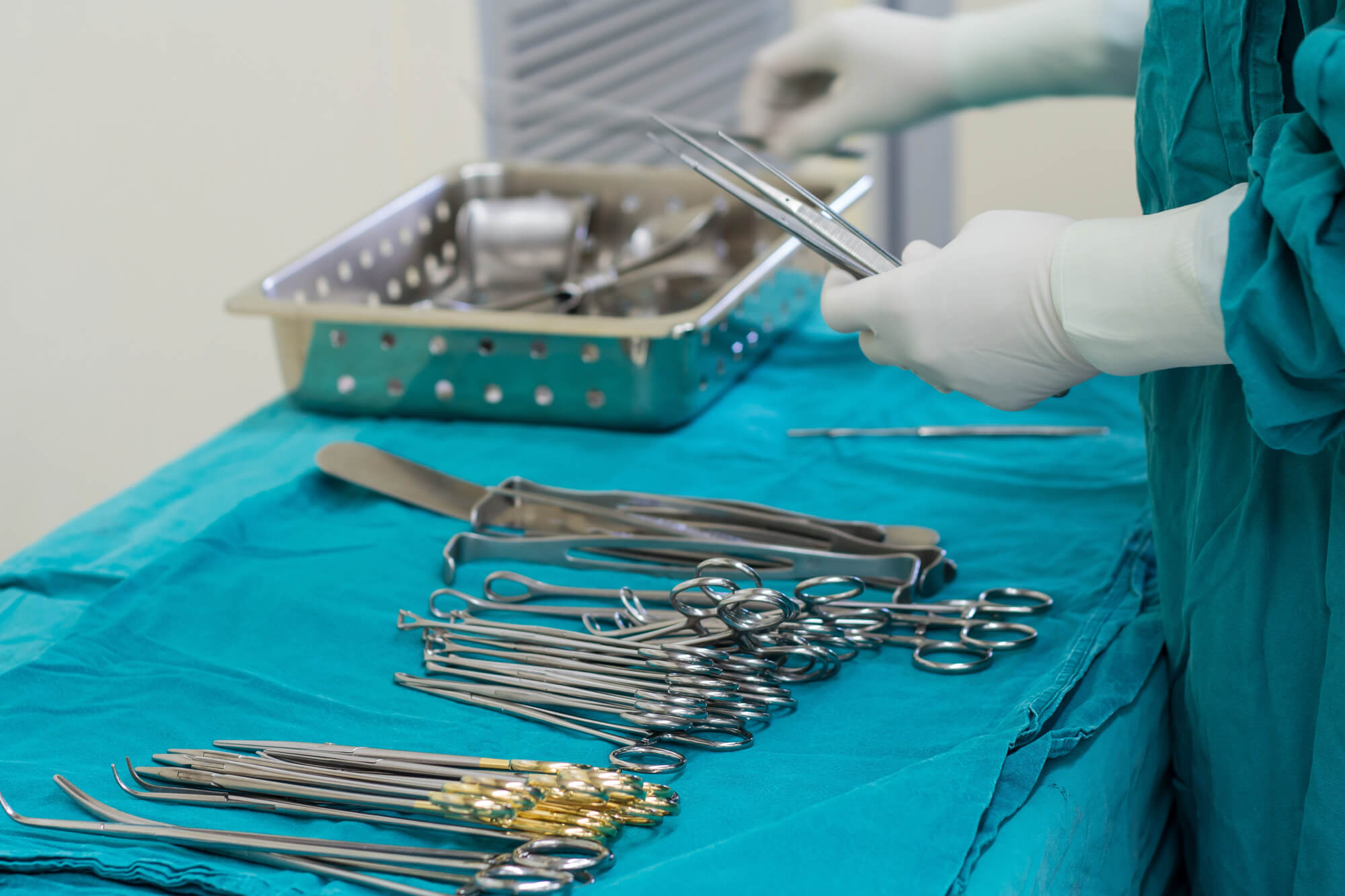
In a back corner, a quieter counter handled the business of being unwell at home. It stocked hot water bottles, heating pads, trusses, elastic stockings, bedpans, enamel basins, and vaporizers, and it rented crutches, canes, and wheelchairs by the week.
Fittings for supports were done in a curtained alcove by a staff member with some training. The pharmacist knew which families were caring for someone. Dedicated medical supply companies and insurance paperwork moved most of this trade elsewhere, and the corner filled with seasonal merchandise.
Errands That Took an Hour on Purpose
Every counter on this list needed a person standing behind it, and that was the expense that ended them. A clerk who knew lipstick shades, a technician who ran the film, a fountain operator who remembered an order all cost money. Self-service was cheaper, and customers accepted the trade.
The loss was social as much as commercial. The old drugstore gave a town a place to linger without a reason, and it put neighbors on adjacent stools. The prescriptions are still filled accurately and quickly. Almost nobody stays for a sandwich afterward.
More from Go2Tutors!

- The Romanov Crown Jewels and Their Tragic Fate
- 13 Historical Mysteries That Science Still Can’t Solve
- Famous Hoaxes That Fooled the World for Years
- 15 Child Stars with Tragic Adult Lives
- 16 Famous Jewelry Pieces in History
Like Go2Tutors’s content? Follow us on MSN.