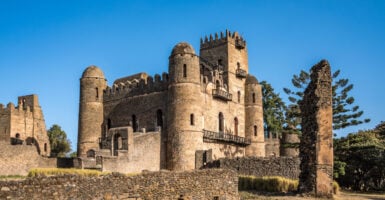
13 Fortresses Never Taken in Battle
Most great fortresses have a fall date attached to their history somewhere, a year when the walls finally gave way to siege engines, cannon, or sheer weight of numbers. A rare few never had that day.
They were starved out, betrayed from within, or simply never found by an enemy who could have taken them — but no army ever broke through their defenses by force. The distinction matters to military historians, because it separates genuine engineering triumphs from fortresses that merely got lucky or outlived their relevance.
The following held their walls against direct assault, even when they eventually changed hands some other way.
Krak des Chevaliers
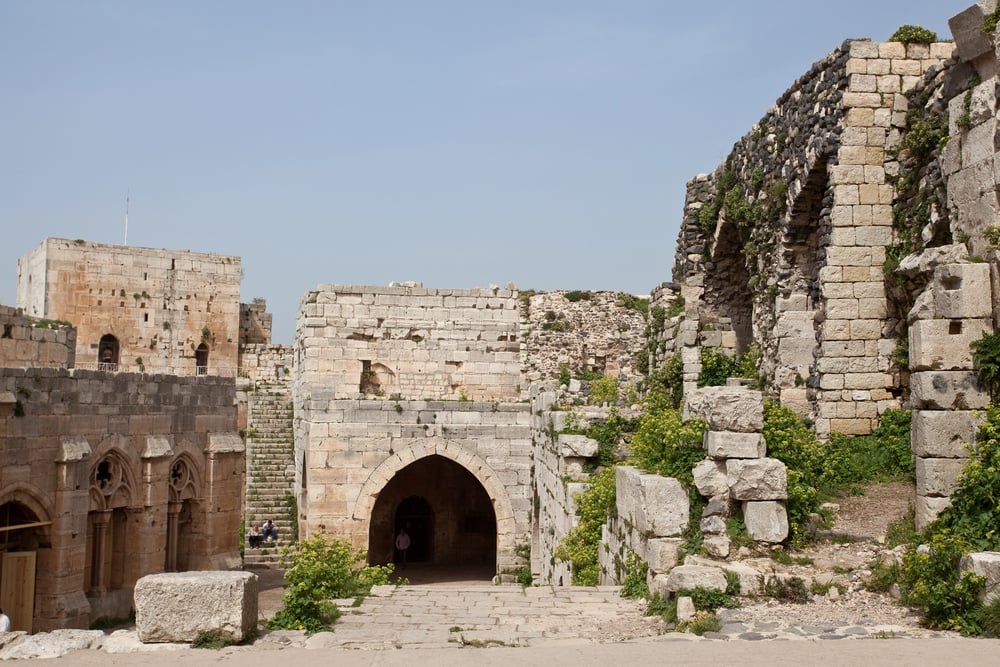
Perched above the Homs Gap in Syria, this Crusader stronghold is widely regarded as the finest surviving example of medieval military architecture anywhere in the world. Held by the Knights Hospitaller for over 150 years, it withstood repeated sieges by some of the era’s most capable commanders without ever being stormed.
It finally passed to the Mamluk Sultan Baibars in 1271 not through battle but through a forged letter, supposedly from the Crusader commander in Tripoli, ordering the garrison to surrender.
Burg Eltz
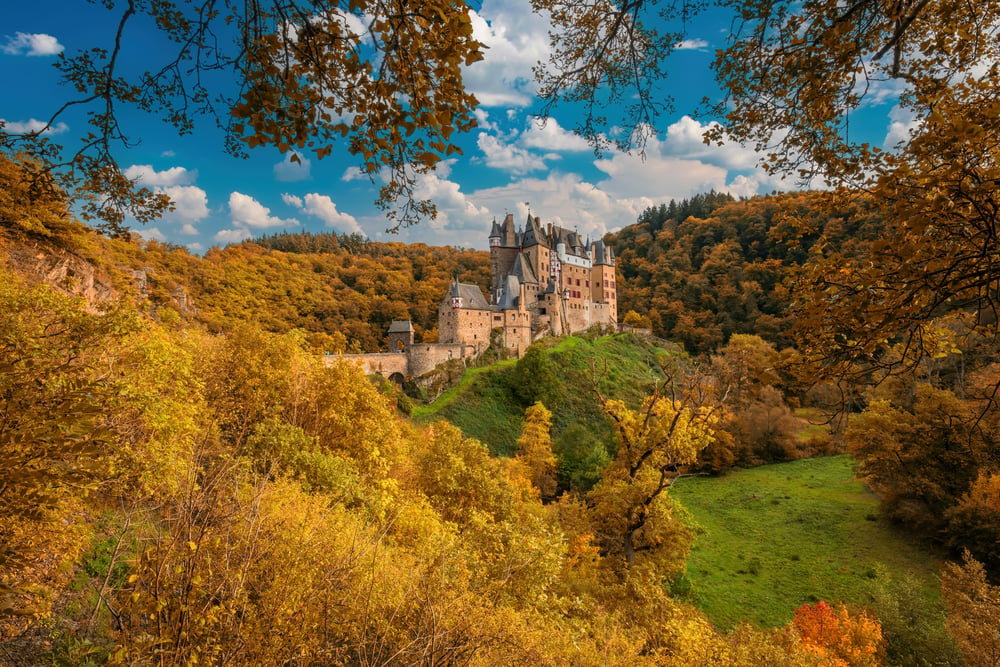
Tucked into a wooded ravine in Germany’s Moselle valley, Burg Eltz has been owned by branches of the same family for more than 800 years. Its position on a rocky outcrop surrounded on three sides by a river made a conventional siege nearly impossible, and records show it was seriously attacked only once, in the 1330s, without success.
It survives essentially intact today, one of the few German castles never destroyed or rebuilt after a conquest.
Castle of Zafra
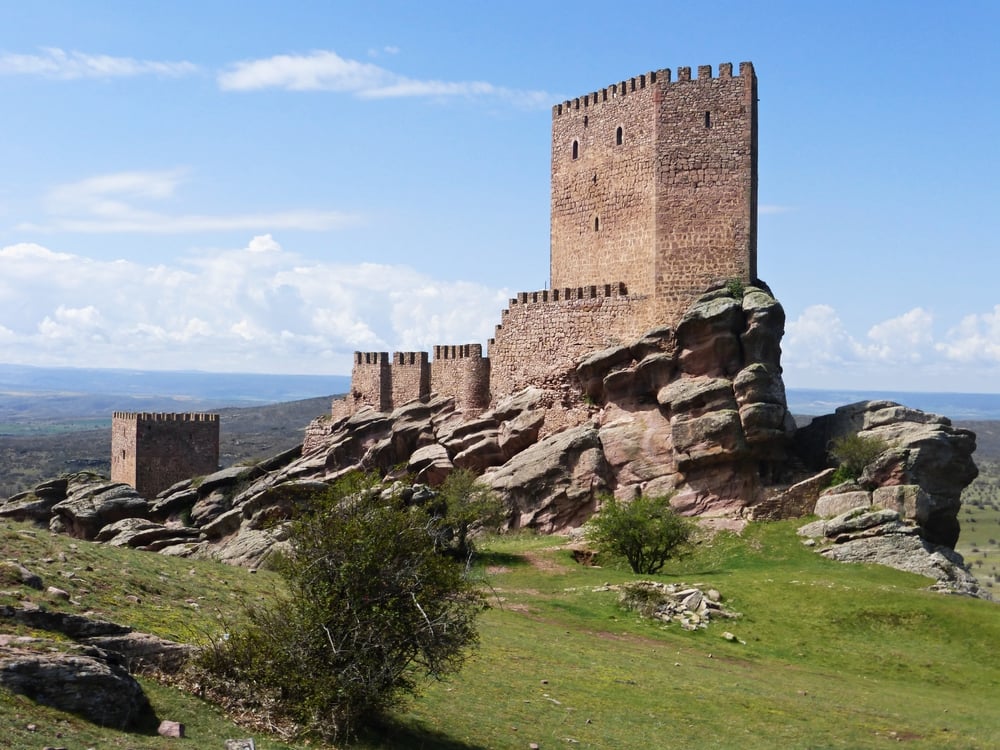
Built in the twelfth or thirteenth century on a narrow sandstone outcrop in Spain’s Sierra de Caldereros, Zafra sat directly on the shifting frontier between Christian and Muslim-controlled territory. Its remote, near-impregnable position let it repel an attempted siege by the King of Castile in the 1200s.
The castle fell into disuse once the Reconquista ended and the border moved on, rather than to any army.
Kumbhalgarh Fort
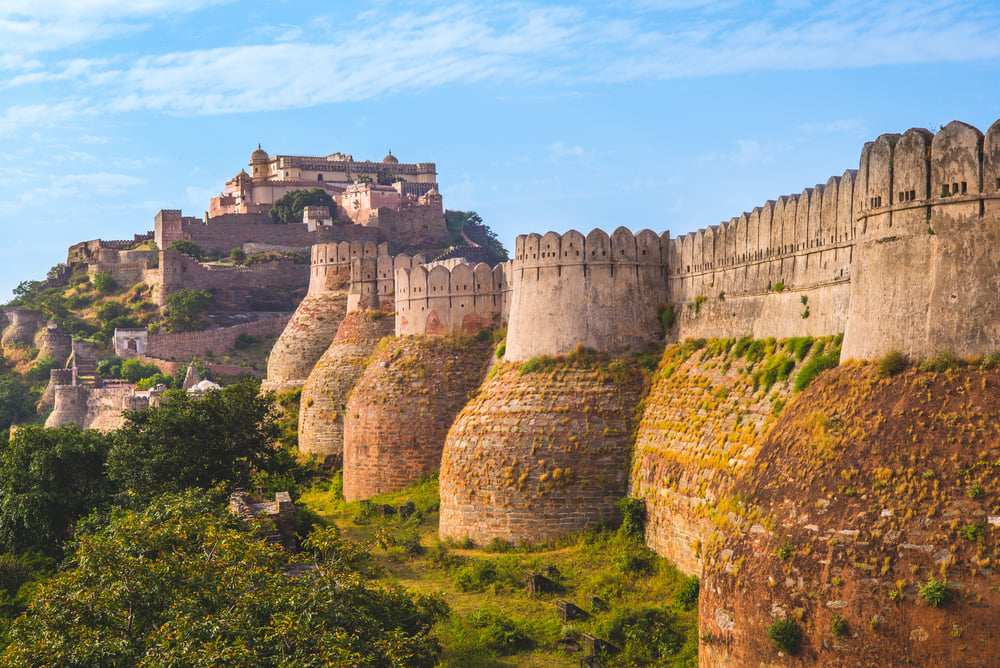
Rising along a 22-mile perimeter wall in Rajasthan, India, Kumbhalgarh was built in the fifteenth century by Rana Kumbha and is often cited as second only to the Great Wall of China in sheer defensive length. Despite facing numerous sieges from rival kingdoms and Mughal forces, its walls were breached by direct assault only once in its history, and that single fall is generally attributed to the fort’s water supply being cut off rather than any military breakthrough.
For the rest of its history, no army fought its way inside.
The Walled City of Carcassonne
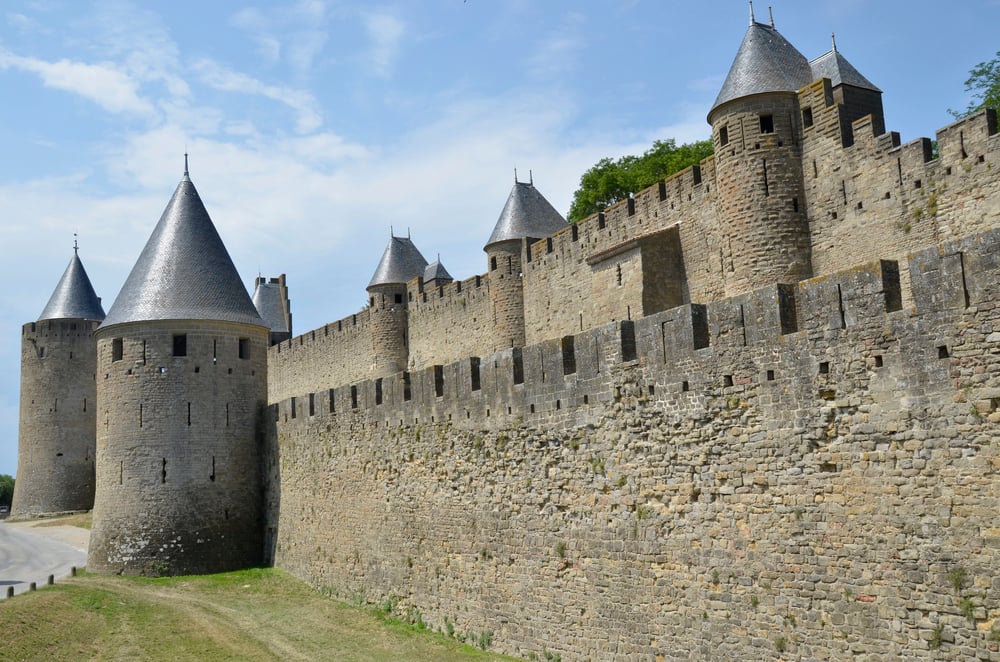
The fortified hilltop city in southern France endured one of the defining sieges of the Albigensian Crusade in 1209, when a coalition army surrounded its Cathar defenders. The besiegers never breached Carcassonne’s double ring of walls; the city surrendered only after its water supply, drawn from outside the walls, was cut off.
The fortifications remained intact and were never taken by force in the centuries of conflict that followed.
Akershus Fortress
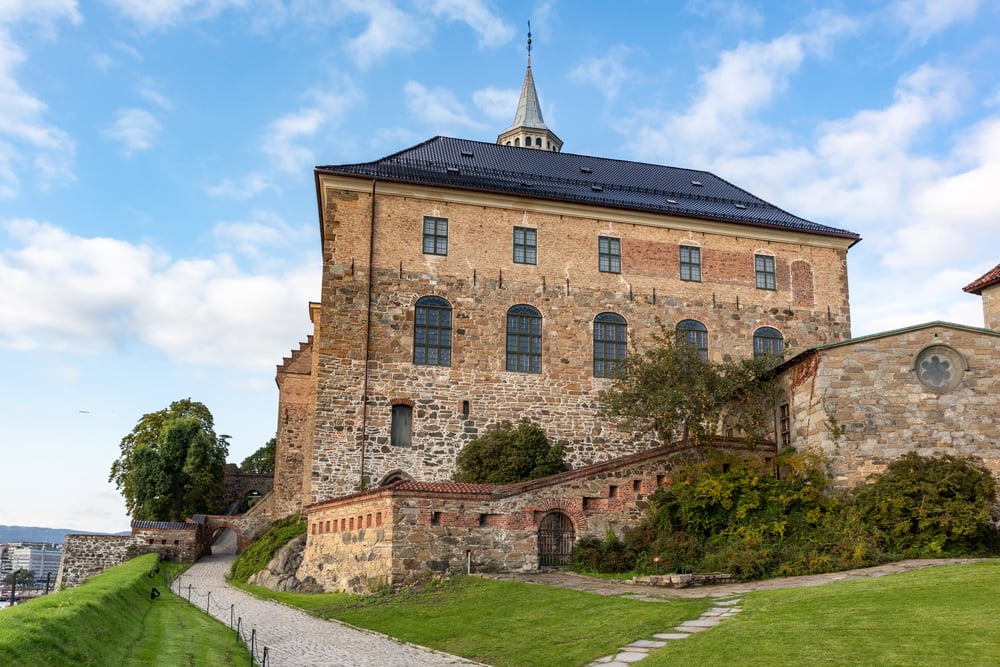
Overlooking Oslo’s harbor, Akershus has stood guard over the Norwegian capital since around 1300 and has weathered several sieges, including attempts by Swedish forces during the long series of Dano-Swedish wars. Norwegian military histories consistently note that despite these repeated attempts, the fortress was never successfully taken by an attacking army.
It remains an active military property today, still used for state ceremonies.
Himeji Castle

Japan’s largest and best-preserved castle, with its distinctive white plastered walls, was built and expanded through the sixteenth and seventeenth centuries at the height of the country’s era of civil warfare. Despite that turbulent backdrop, Himeji was never actually attacked in its history, and it emerged from American bombing raids in the Second World War essentially undamaged while much of the surrounding city was destroyed.
It is now a UNESCO World Heritage Site, prized partly because so little of it has ever needed to be rebuilt.
Machu Picchu
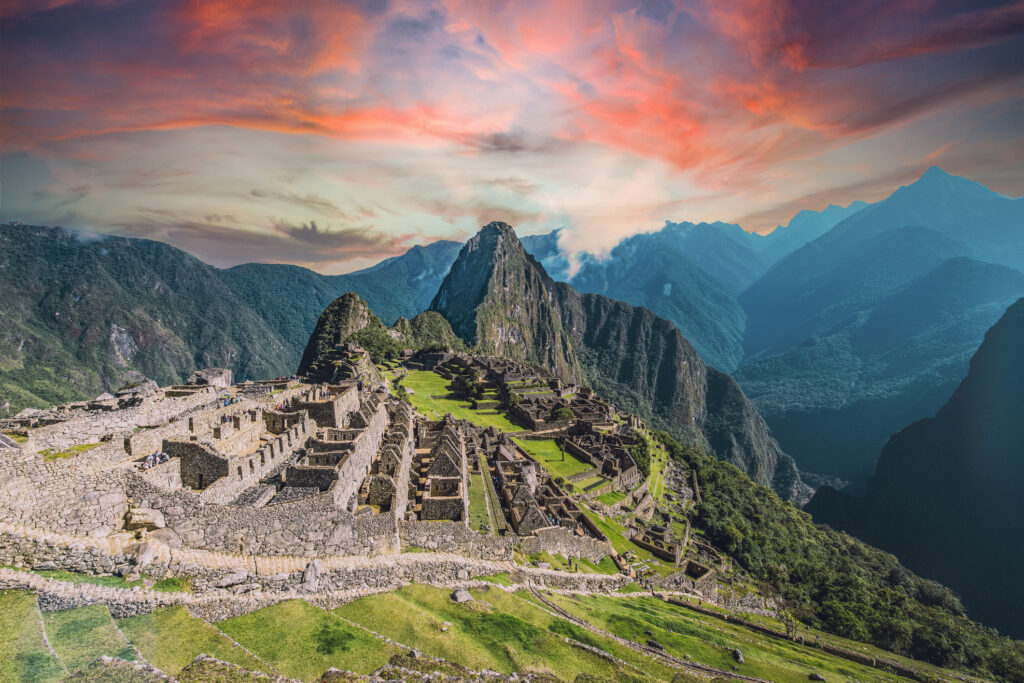
The Inca citadel high in the Peruvian Andes was likely a royal estate rather than a purely military structure, but its remote, cliffside position gave it a defensive advantage the Spanish conquest never got to test.
Spanish forces overran the Inca Empire’s lowland and highland cities through the 1530s, yet Machu Picchu’s existence was unknown to them, and it was abandoned by its own inhabitants rather than conquered. It was not rediscovered by the outside world until 1911.
Corfe Castle
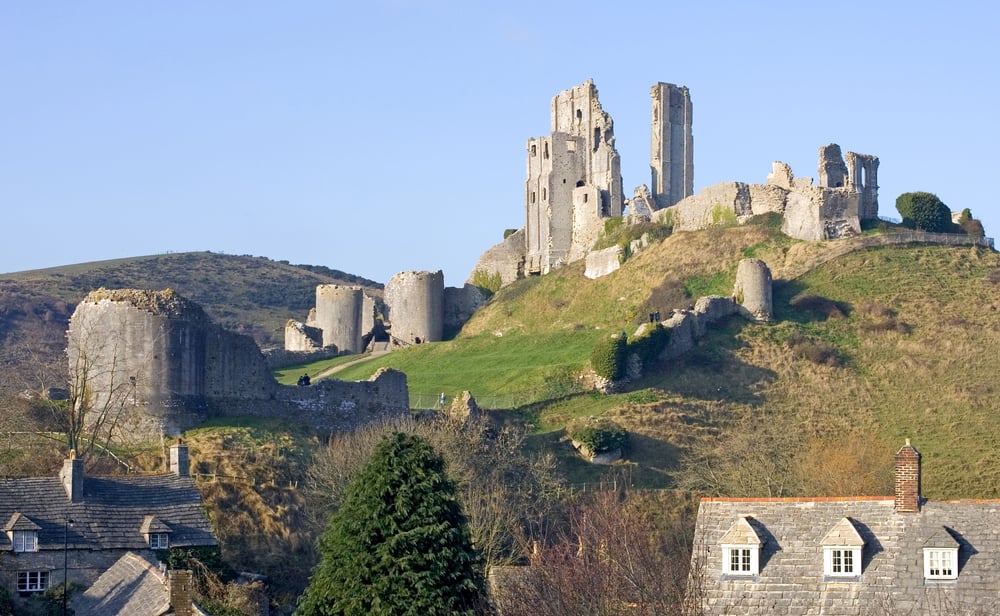
This Dorset stronghold in England became a Royalist holdout during the English Civil War, defended famously by Lady Mary Bankes after her husband left to join the king’s army. Parliamentary forces besieged it twice and failed both times to break through its defenses.
It only fell in 1646 after one of the castle’s own officers secretly let Parliamentary troops inside, a betrayal rather than a military defeat.
Predjama Castle
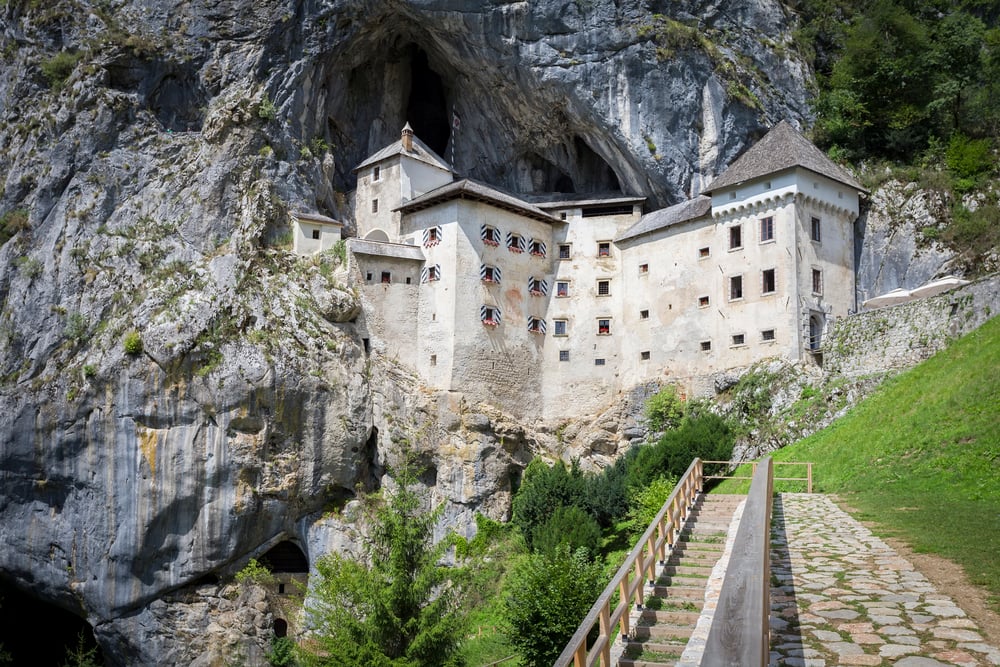
Built into the mouth of a cave in a cliff face in what is now Slovenia, Predjama was the refuge of the robber knight Erazem of Predjama in the 1480s, who used a hidden passage through the cave system to keep the castle supplied during a siege by Habsburg forces. Historical accounts describe the siege lasting roughly a year without the attackers ever breaking through.
Erazem was eventually killed by cannon fire after his hiding spot was betrayed by a servant, but the castle itself was never captured.
Trim Castle
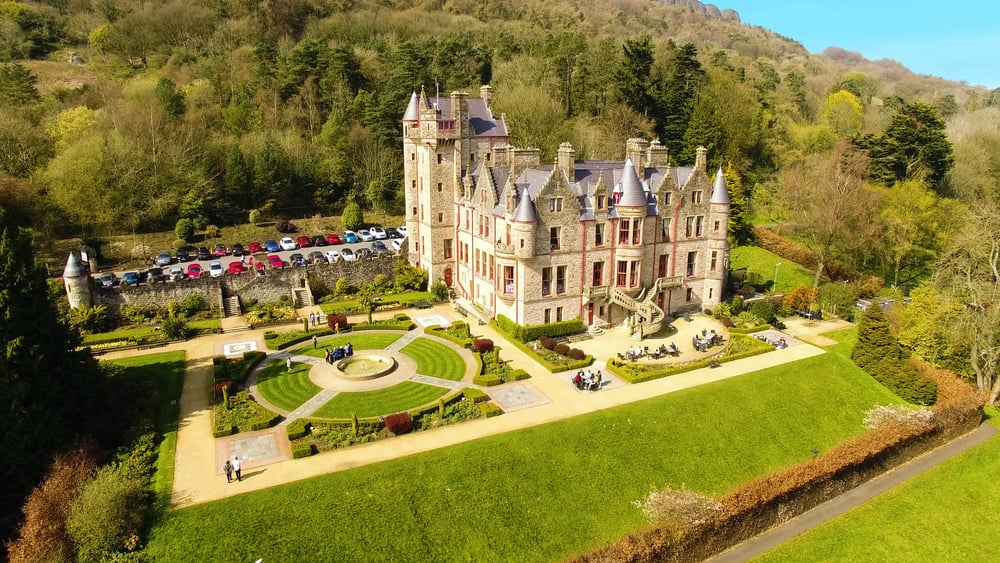
The largest Norman castle in Ireland, Trim was built in stages from the late twelfth century and became a key stronghold controlling the Boyne valley. It withstood a siege by Edward Bruce’s forces in 1315 during the Bruce campaign in Ireland, among other threats, without being taken.
Irish historical accounts note that despite its long and turbulent history on a contested frontier, no army ever succeeded in storming it.
Château de Peyrepertuse
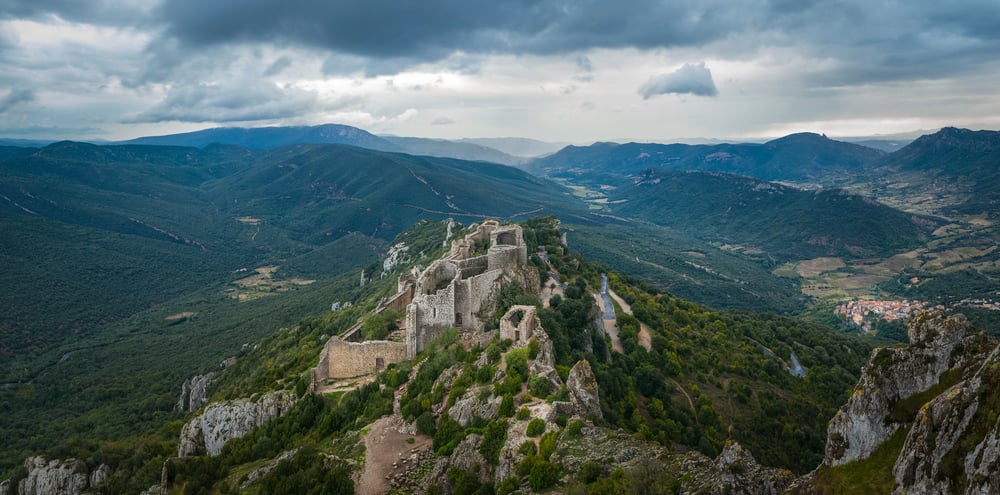
One of the so-called “five sons of Carcassonne,” this clifftop fortress in southern France was a Cathar refuge during the Albigensian Crusade. Rather than face a siege it likely could not win, its lord negotiated its surrender to the French crown in 1240 before any serious attack began.
Peyrepertuse changed hands through treaty, not through battle, and its walls were never tested by a hostile army.
The Walls of Dubrovnik
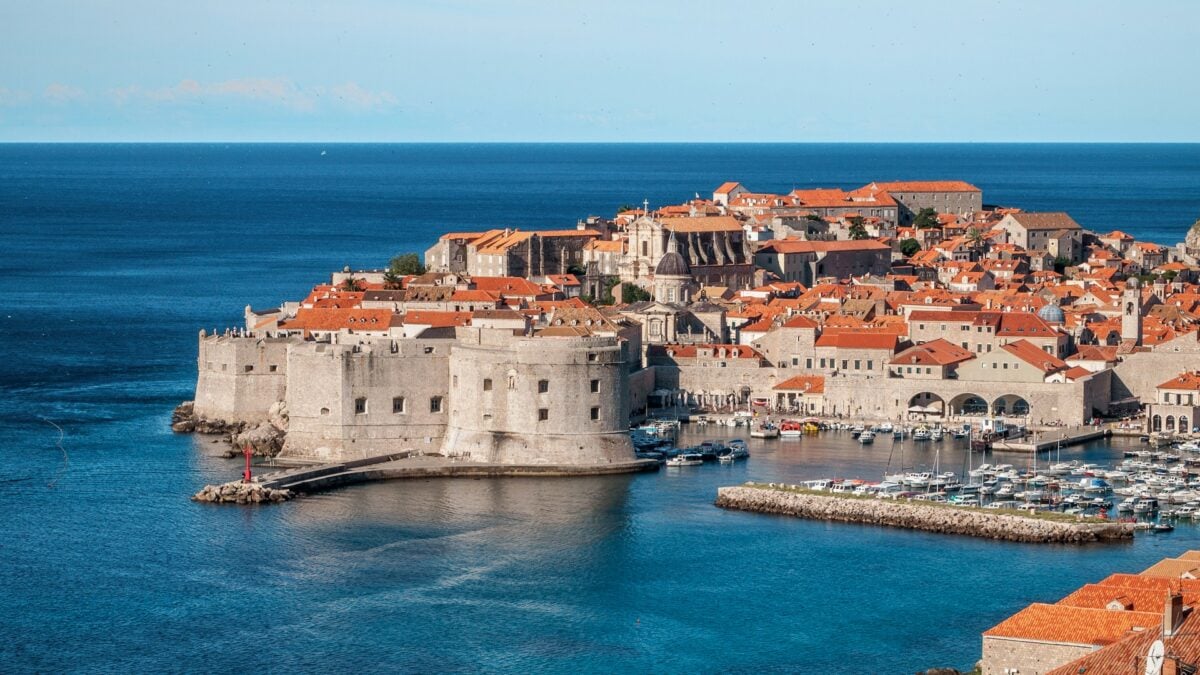
The city walls of Dubrovnik, on the Adriatic coast of modern Croatia, were continuously strengthened from the seventh century onward as the city-state navigated centuries of pressure from Venice and the Ottoman Empire. Dubrovnik relied on diplomacy and tribute payments as much as fortification to avoid conflict, and its walls are widely noted by historians as never having been breached by a besieging army throughout the city-state’s independent history.
They still encircle the old town today, largely as built.
The Difference Between Strong and Untested
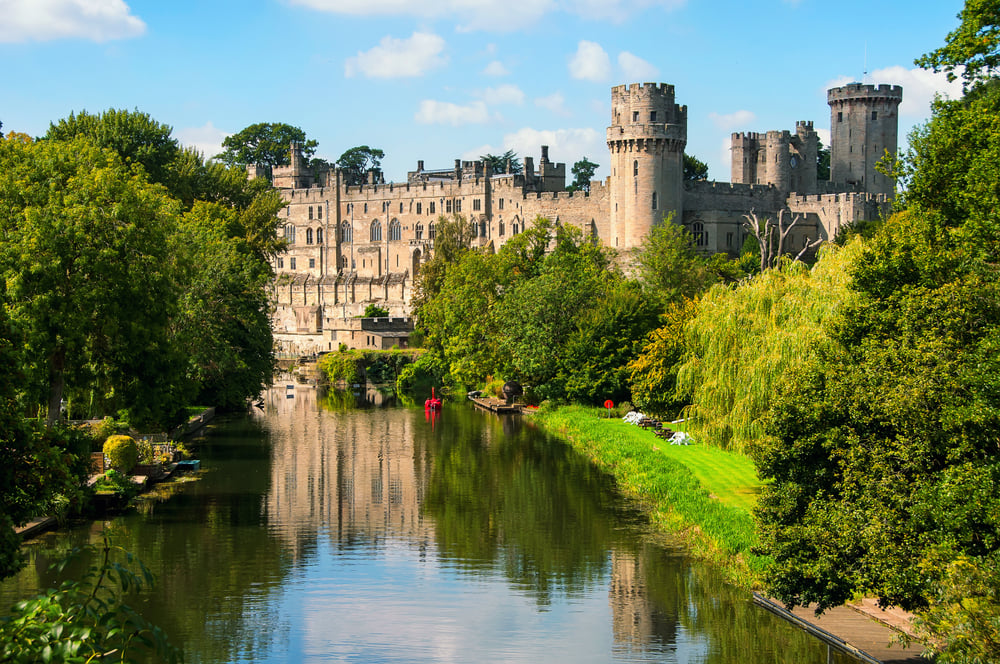
Calling a fortress unconquered is not quite the same as calling it unbeatable. Several of the strongholds on this list survived not because no enemy ever wanted them, but because betrayal, negotiation, or a cut water line proved more effective than any siege engine.
The wall held; something else gave way instead. That distinction is worth sitting with, because it says something about the limits of brute force generally.
Enough stone and a strong enough position can make a direct assault pointless, which is exactly why history’s more patient conquerors so often looked for another way in.
More from Go2Tutors!

- The Romanov Crown Jewels and Their Tragic Fate
- 13 Historical Mysteries That Science Still Can’t Solve
- Famous Hoaxes That Fooled the World for Years
- 15 Child Stars with Tragic Adult Lives
- 16 Famous Jewelry Pieces in History
Like Go2Tutors’s content? Follow us on MSN.