26 Hairstyles Barbershops Cut Daily
A barber with thirty years behind the chair has cut perhaps a hundred thousand heads of hair, and most of those were variations on a dozen shapes. Fashion sets the menu. The barber executes it, ten or fifteen times a day, until the next decade arrives with different instructions.
Each of these cuts had a period when it filled the waiting bench. Some never left. Others survive only in yearbook photos and on the faded style charts that still hang in older shops.
The Crew Cut

The name comes from the rowing crews of Ivy League colleges in the 1920s and 1930s, who kept their hair short enough to stay out of their eyes on the water. The cut is graduated, slightly longer at the front hairline and tapering shorter toward the crown, with the sides clipped close.
The military adopted it during the Second World War, and millions of returning servicemen kept it. Through the 1950s it was the default haircut for American men and boys, and a barber could finish one in under ten minutes.
The Flattop
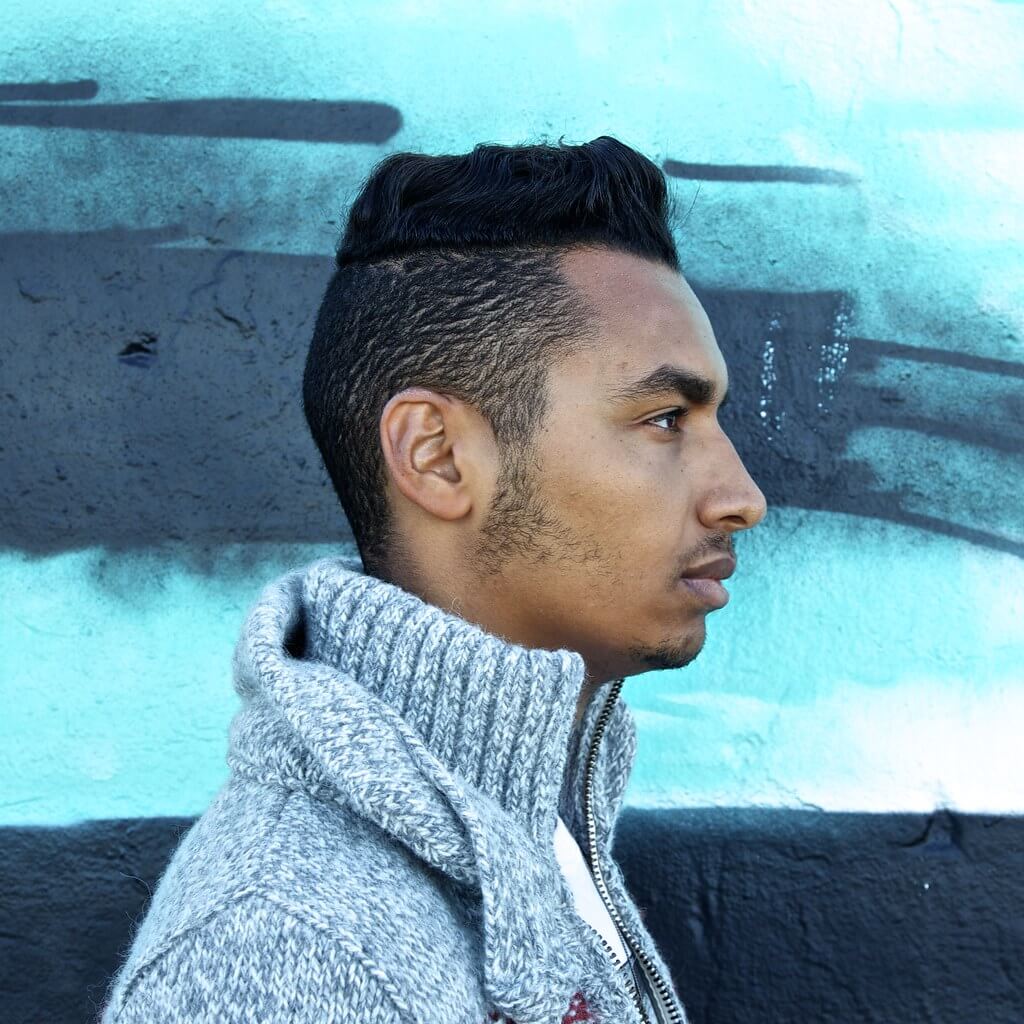
A flattop demands more skill than it appears to. The hair on top is cut to stand upright and then leveled into a horizontal plane, like a deck, with the barber working freehand over a wide comb held perfectly flat.
At the center of the crown the hair gets so short that scalp shows through, a patch barbers call the landing strip. Stiff wax kept it vertical. The style peaked in the 1950s among athletes and military men, and a barber known for a clean flattop drew customers from across town.
The Butch
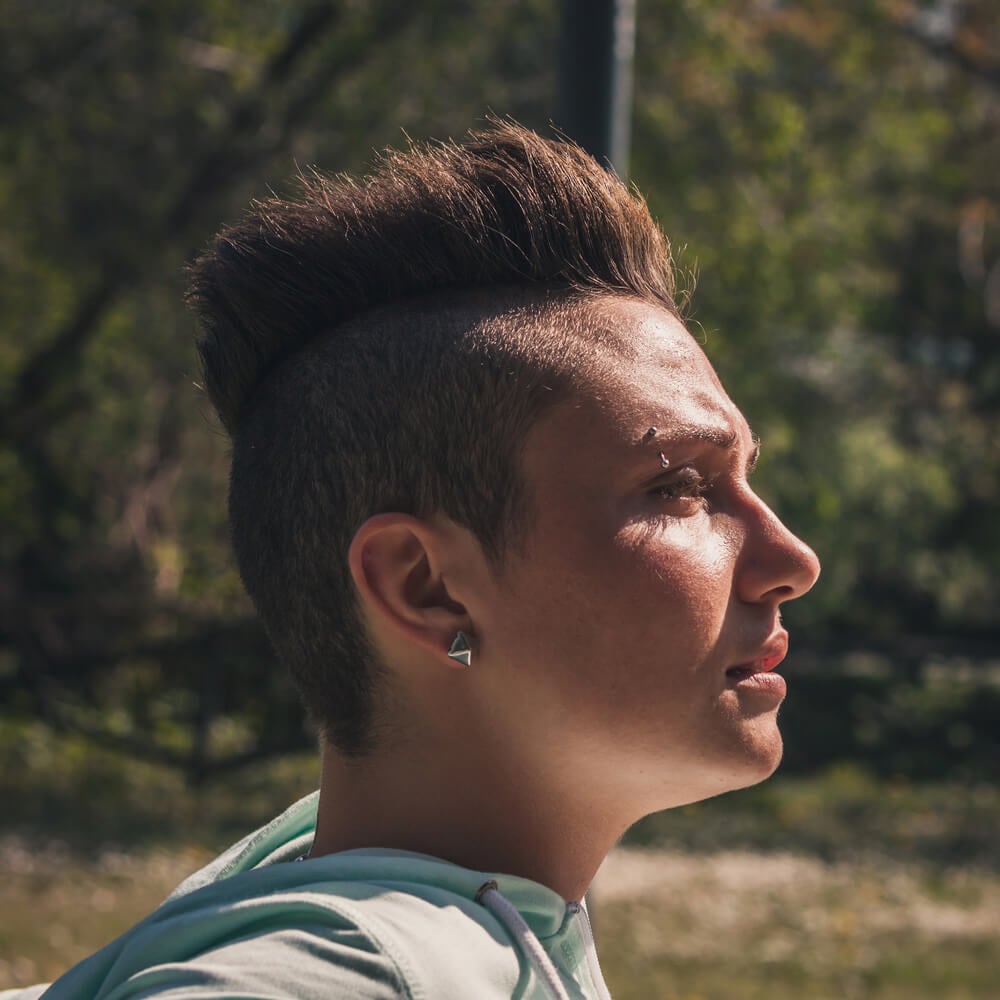
The butch is one uniform length all over the top, generally a quarter inch or a little more, with the sides tapered or clipped to match. It differs from the crew cut in having no graduation from front to back.
Parents favored it in summer because it needed no combing and survived swimming pools, caps, and neglect. Boys of the 1950s and 1960s got one the week school let out. A stick of pink wax pushed the front up slightly for anyone who wanted a bit of style.
The Burr
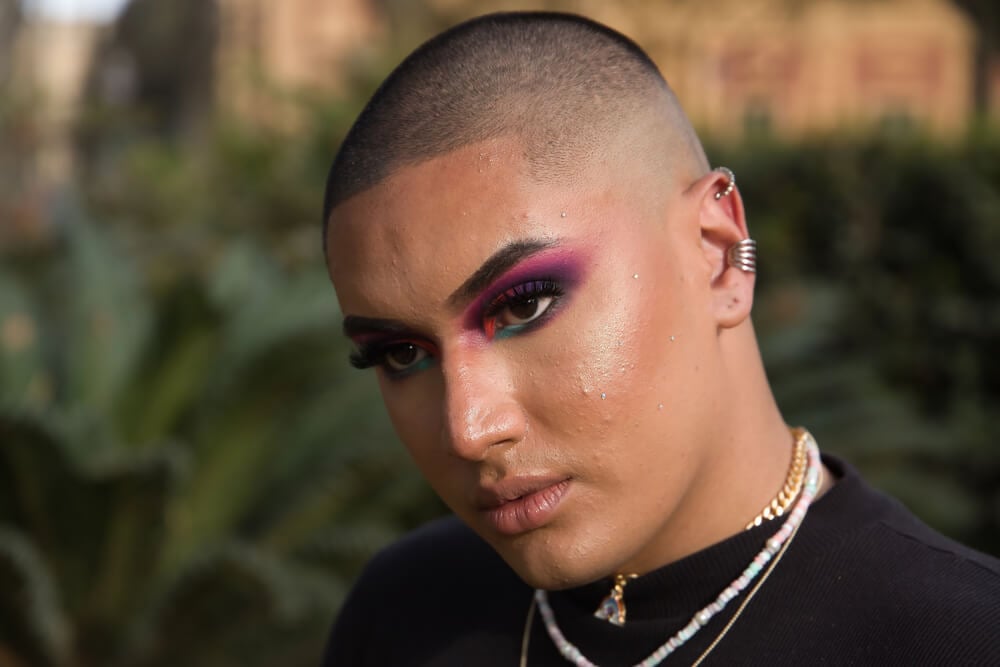
Shorter than the butch, the burr is clipper work from beginning to end, taken down to an eighth of an inch or less across the entire head. It is the induction cut given to military recruits on their first day, which takes about forty seconds.
Leo Wahl of Sterling, Illinois, patented his electromagnetic hair clipper in 1919, and that tool made cuts like this practical. The numbered guards that snap onto modern clippers are measured in eighths of an inch, so a number two leaves a quarter inch.
The High and Tight

This is the signature cut of the United States Marine Corps. The sides and back are clipped to the skin or very near it, all the way up to a line high on the head, leaving a small patch of short hair on top.
The contrast is abrupt by design. Barbershops outside military bases do dozens every day, particularly on Sundays before inspections. It spread to police officers and to civilians who liked the look of discipline.
Veterans often keep it for life out of plain habit.
The Ivy League

Sometimes called a Princeton or a Harvard clip, the Ivy League is a crew cut with enough length left in front to part and comb to the side. It allowed a young man to look athletic on Saturday and presentable at a job interview on Monday.
The sides taper neatly, and the top runs from about an inch and a half at the front down to almost nothing at the crown. It was standard on campuses and in offices around 1960.
Barbers still cut it constantly under newer names.
The Regular Taper
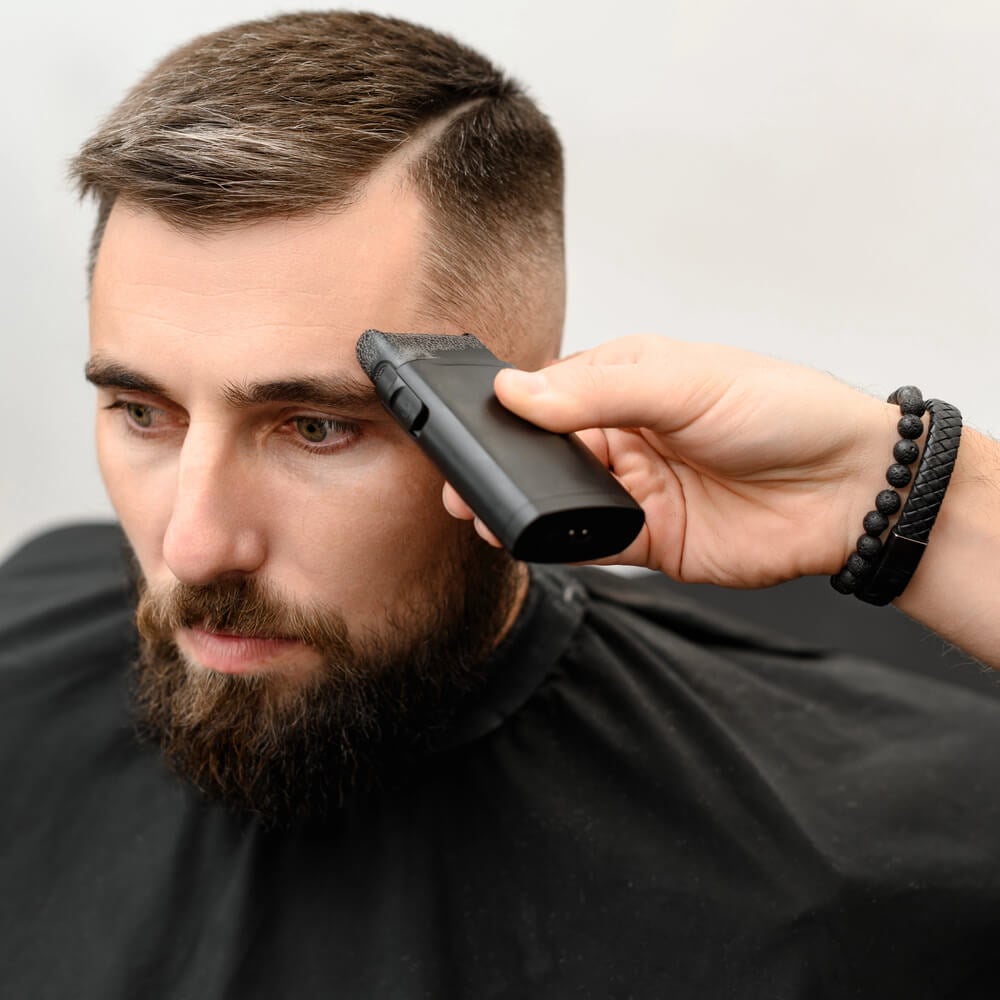
When a customer sat down and said the usual, this was generally it. The regular leaves two or three inches on top, combed to the side or back, with the sides and nape tapered gradually shorter using scissors over a comb and finished with clippers at the neckline.
The barber asked one question, blocked or tapered, referring to whether the neckline ended in a squared edge or faded out naturally. A tapered neck grows out more gracefully. This cut paid the rent in most shops for decades.
The Businessman’s Side Part
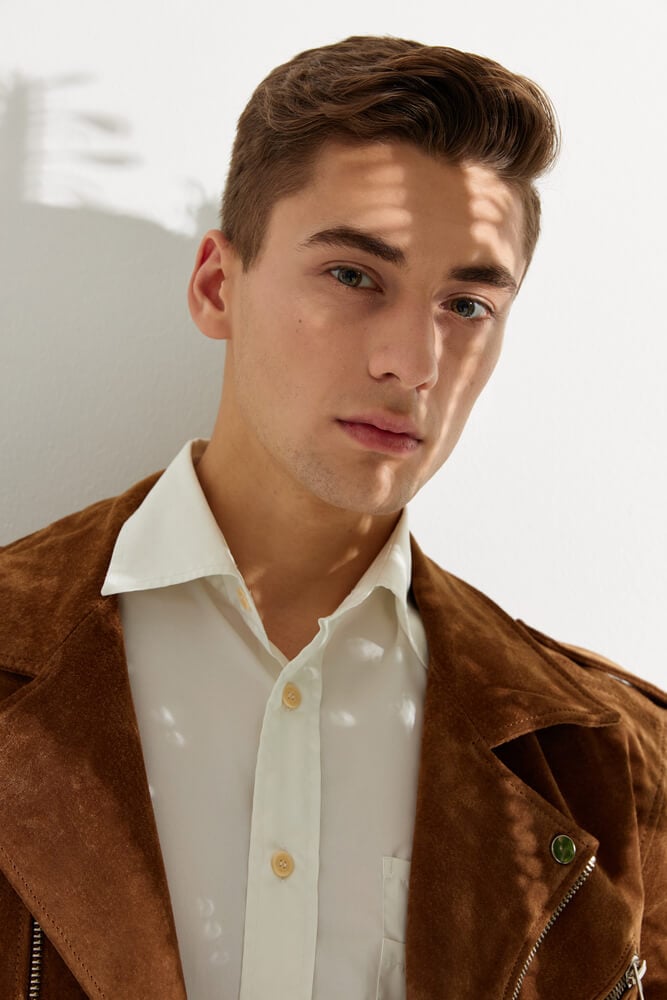
The side part follows the natural part line, located by combing wet hair forward and watching where it separates. The top is left long enough to lie flat, the sides stay short, and a tonic or cream holds it in place.
Brylcreem, Vitalis, and Wildroot fought for that business in midcentury advertising. It was the look of bank officers and news anchors. Barbers in recent years began shaving the part line with a trimmer to sharpen it, a detail that would have puzzled the men who first wore the style.
The Executive Contour

Style charts from the 1950s and 1960s list this one by name. It is a fuller version of the side part, with the sides left long enough to comb back over the tops of the ears and the back shaped to follow the curve of the head.
It took longer to cut and required maintenance every two or three weeks, which suited both the barber and the customer who wanted to look prosperous. Film leading men of the period wore versions of it. Charts showing it still hang in older shops.
The Pompadour

The style is named for Madame de Pompadour, the eighteenth-century French royal favorite who wore her hair swept up from the forehead. The men’s version piles the front high and sweeps it back, held with a heavy pomade, while the sides are combed straight toward the rear.
Elvis Presley and Little Richard made it the look of early rock and roll. A barber shaping a pompadour has to leave the front long and resist the urge to thin it. Teenagers of the 1950s carried a comb for hourly repairs.
The Ducktail
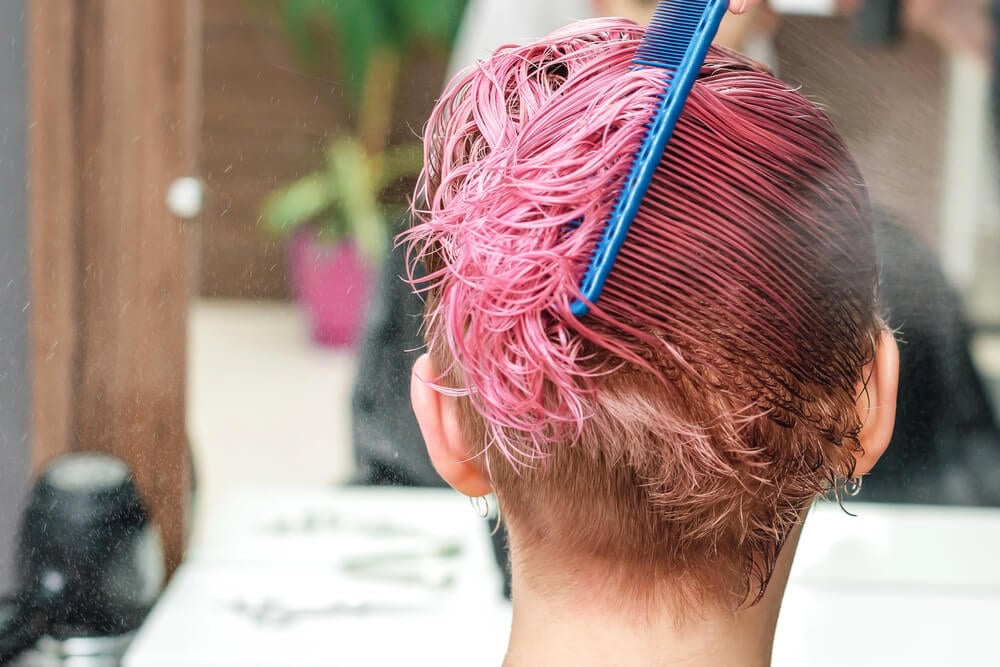
A Philadelphia barber named Joe Cirello claimed to have invented the ducktail in 1940, and he spent much of his career cutting it. The sides are grown long, greased, and combed back to meet in a vertical seam down the center of the back of the head, made with the tail of a comb.
The result resembles the rear of a duck. Many high schools banned it in the 1950s as a mark of delinquency, which naturally increased demand. It was usually worn with a pompadour in front.
The Flattop Boogie
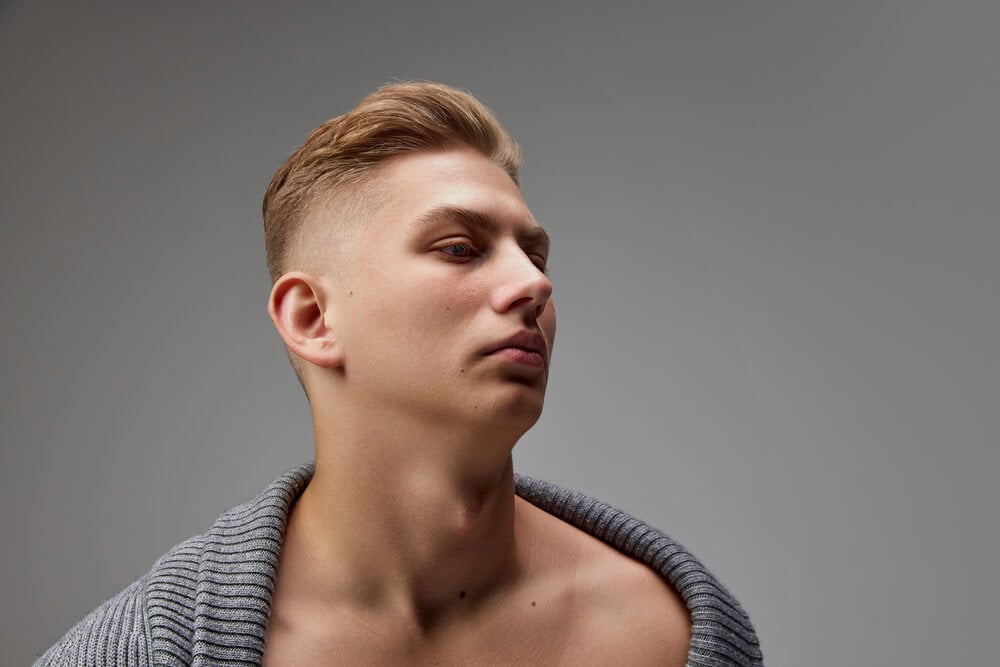
This hybrid let a young man keep a foot in two camps. The top was cut flat and short like a standard flattop, while the sides were left long, slicked back with grease, and joined in a ducktail at the rear.
Some shops called it the Detroit. It required a barber who could do both halves well, because the transition between the leveled top and the long sides had nowhere to hide. It flourished in the late 1950s and has returned with every rockabilly revival since.
The Bowl Cut
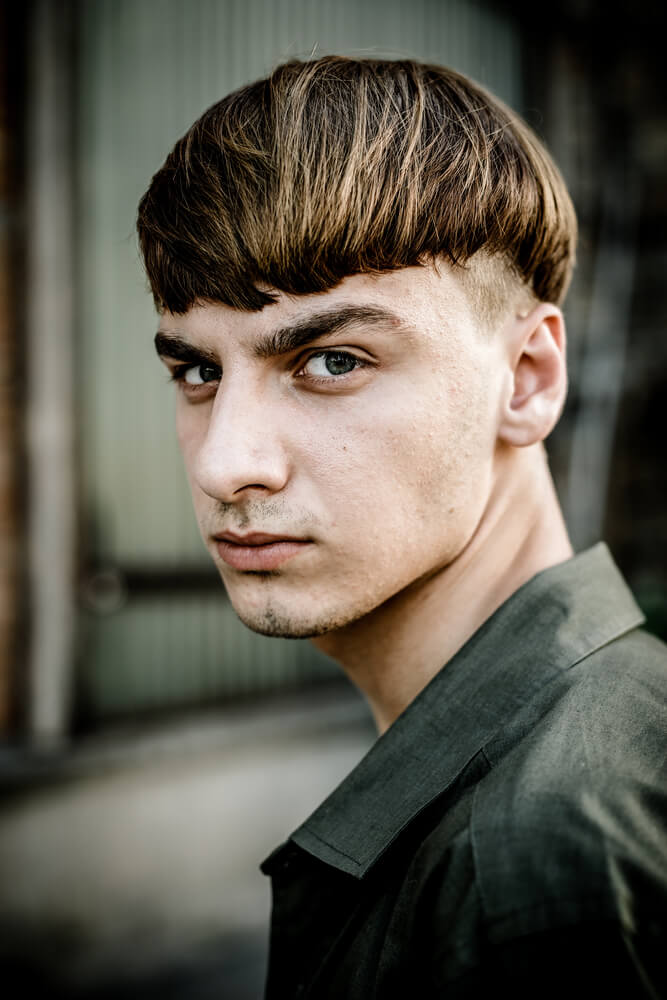
The name describes the method, real or imagined, of placing a bowl on the head and cutting around the rim. The hair falls the same length all around, with a straight fringe across the forehead and the ears partly covered.
Barbers gave it to small boys whose mothers wanted something between a baby’s curls and a proper haircut. It needed straight hair to work at all. Moe Howard of the Three Stooges wore the most famous example for forty years, and few people asked for it by pointing to him.
The Mop-Top
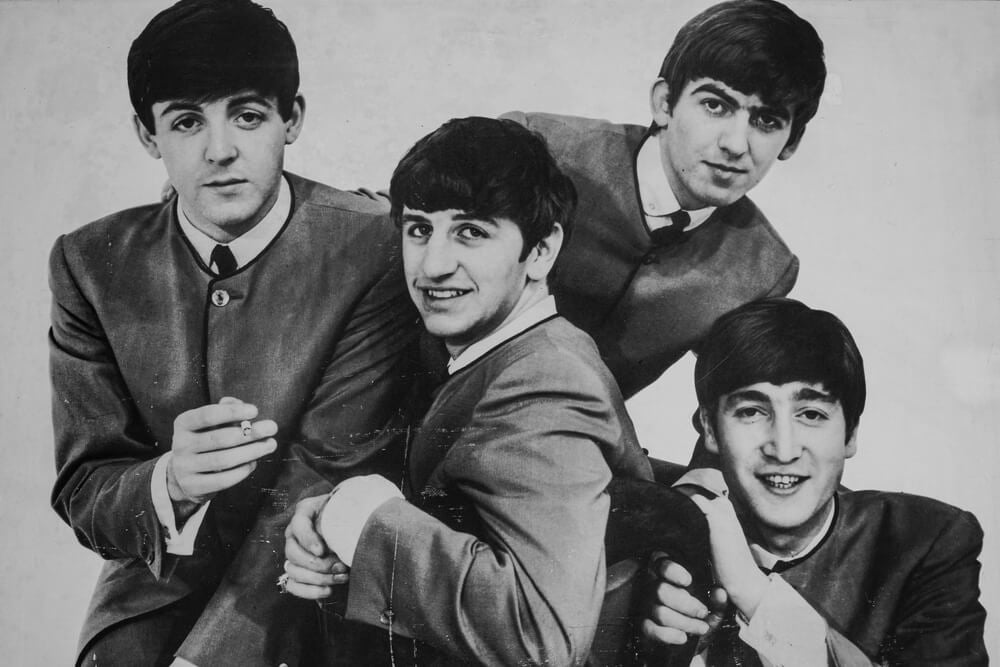
The Beatles appeared on the Ed Sullivan Show in February 1964 before an audience of about seventy-three million, and within months boys were refusing the clippers. The mop-top covered the forehead, the tops of the ears, and the collar, and it was cut with scissors, if at all.
Barbers took it personally. A customer who once came every two weeks now came every two months, and thousands of shops closed over the following decade. Those that survived learned to cut longer hair or found a clientele that still wanted it short.
The Layered Blow-Dry Cut
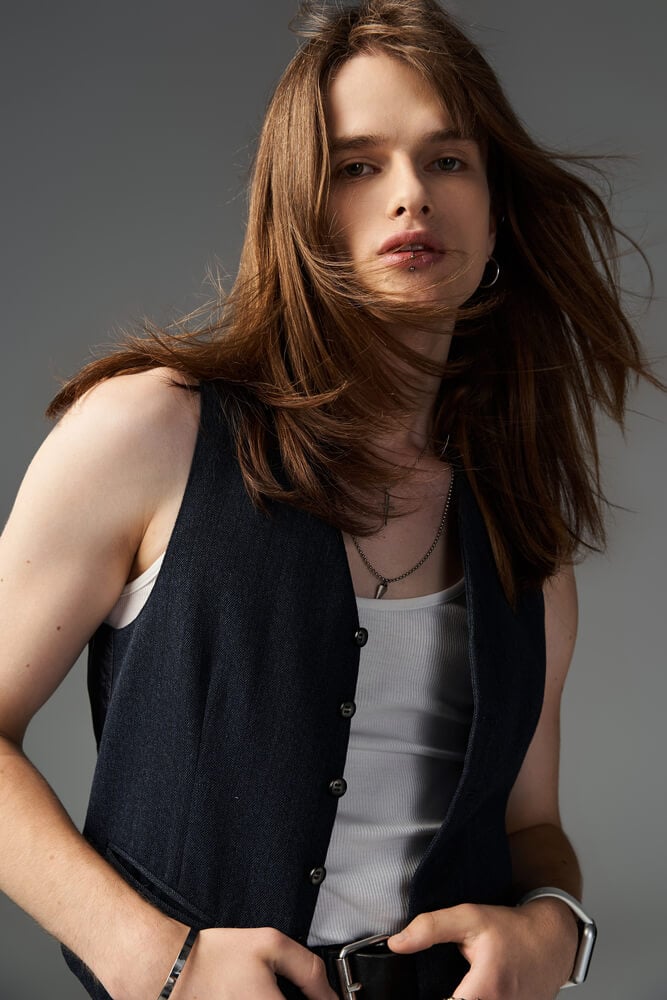
By the early 1970s men’s hair was long, washed daily, and dried with a handheld blower, and the old tonics had gone out of fashion. The cut that went with it was layered with scissors or a razor so it would fall into shape and feather back from the face.
Many customers left the barbershop for styling salons that charged three times as much. Barbers who adapted took classes, bought dryers, and raised their prices. The ones who refused kept cutting flattops for a shrinking group of regulars.
The Mullet
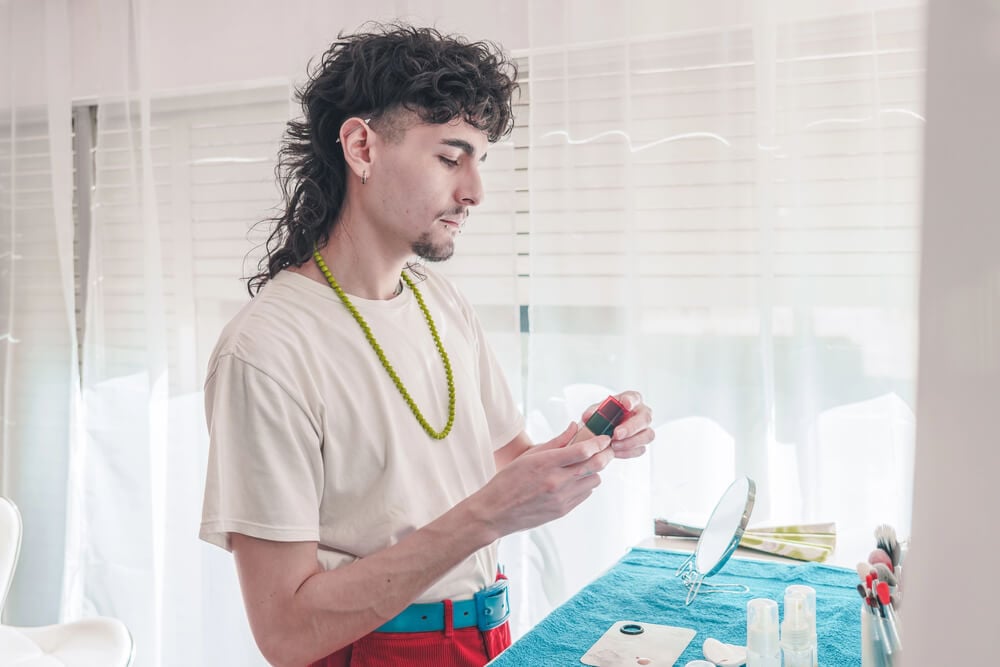
Short on the top and sides and long at the back, the mullet dominated the 1980s from hockey rinks to country music stages. Barbers cut thousands without calling it anything in particular.
The name was popularized later, in 1994, by a Beastie Boys song that mocked the style. Its appeal was practical in a way, since it looked tidy from the front for work and rebellious from behind. It has come back among younger customers, to the disbelief of barbers who remember cutting the first round.
The Rattail
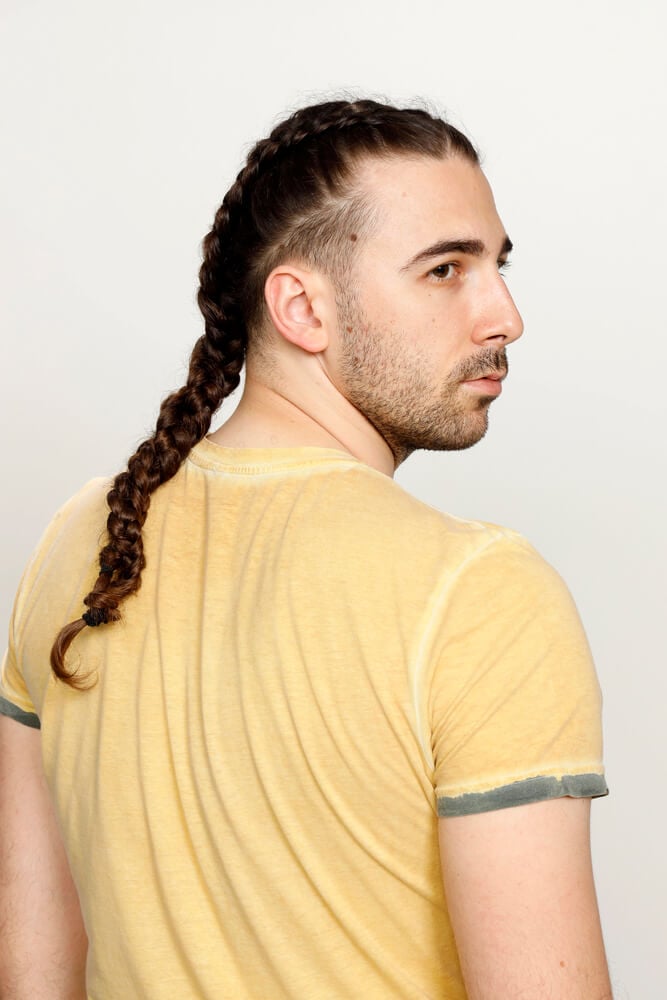
For a few years in the 1980s, boys asked for an ordinary short haircut with one narrow lock left long at the center of the nape. The strand might hang a few inches or reach the shoulder blades, and it was sometimes braided or wrapped in thread.
Barbers trimmed carefully around it on instructions from the child and against the wishes of at least one parent. Schools objected. The style ended the same way in most households, with a pair of kitchen scissors and an argument.
The Afro
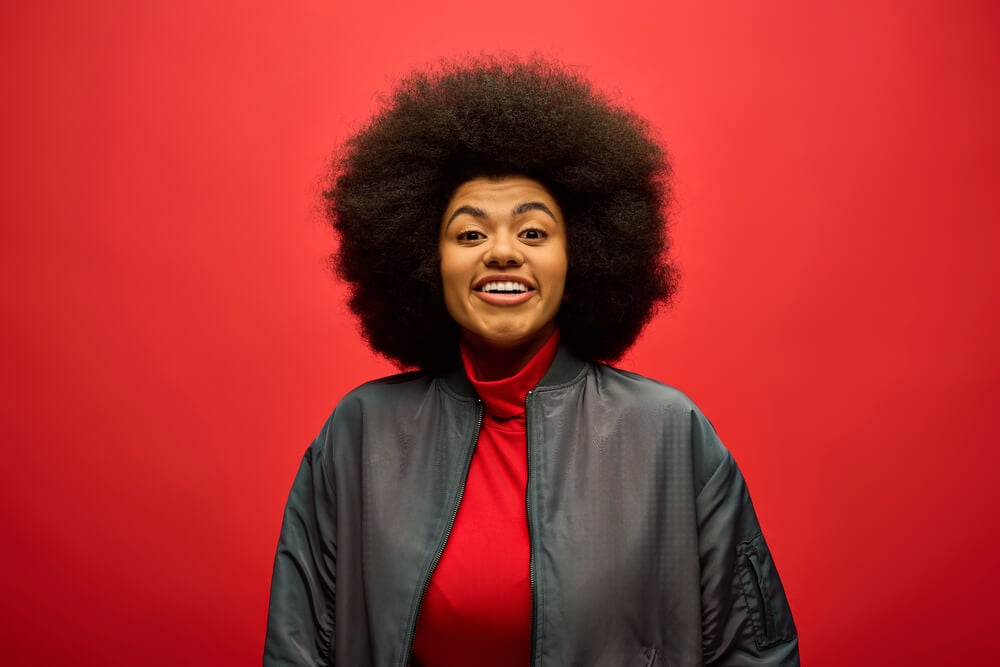
In the late 1960s and 1970s, the natural became a statement of pride as much as a hairstyle, and Black barbershops changed their work accordingly. Shaping a large Afro is sculpture.
The barber lifts the hair out fully with a pick, then trims the surface with shears or clippers held freehand, turning the chair again and again to check that the silhouette is round from every angle. An uneven natural shows immediately.
Men came in weekly for shaping, and a barber with a good eye for symmetry kept a full book.
The Conk
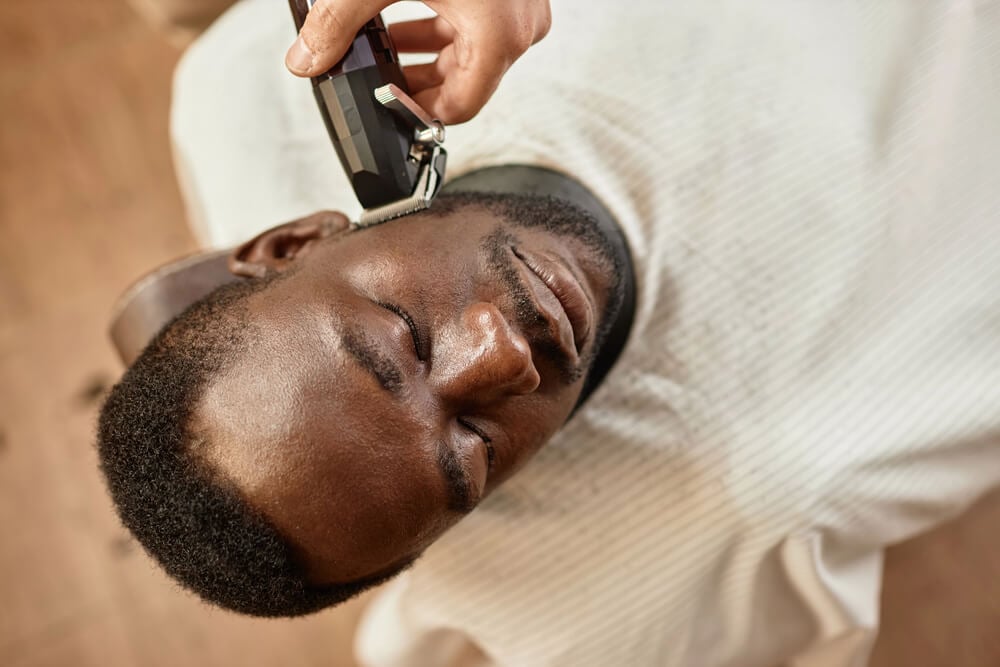
From the 1920s into the 1960s, many Black men had their hair chemically straightened with a lye-based relaxer, then styled into waves or a pompadour. The process burned if left on a moment too long, and doing it well was a specialized barbershop service.
Malcolm X described his first conk, mixed at home from lye, eggs, and potatoes, in painful detail in his autobiography. Entertainers such as Nat King Cole and Little Richard wore the look. It faded quickly as the natural took over.
The Hi-Top Fade
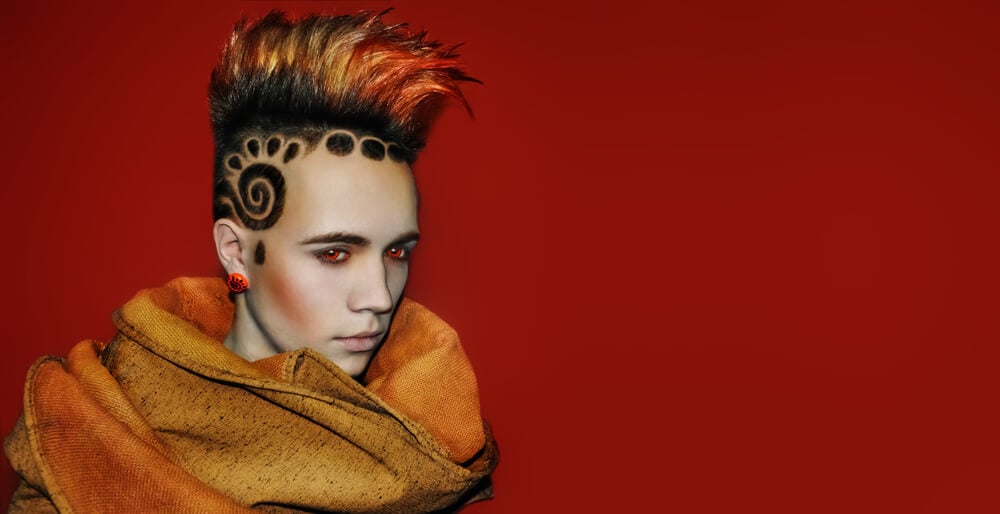
In the late 1980s the hair on top went up, sometimes several inches, and was cut into a flat-topped block with sharp corners, while the sides faded down to the skin. Rappers such as Big Daddy Kane and the duo Kid ‘n Play made it the look of the era, with Kid’s version reaching a remarkable height.
Barbers carved parts, stripes, and logos into the faded sides with trimmers. The cut rewarded precision above everything. A hi-top that leaned or sagged was visible from across the street.
The Temple Fade
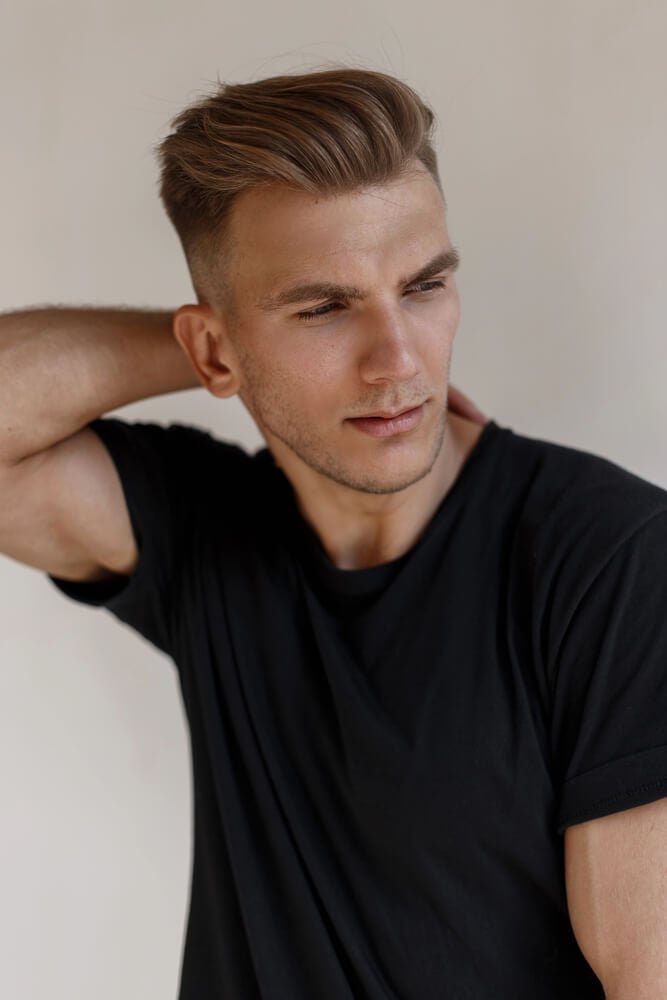
Known as the temp fade, the Brooklyn fade, or the blowout depending on the city, this cut keeps even length on top and fades only around the temples and the nape, in a small tight arc. It emerged from East Coast shops in the late 1990s and early 2000s.
The fade area is only an inch or two tall, so the blending has to happen in a very small space. It suits nearly every hair texture, which helped it spread. Barbers now treat it as a core skill.
The Skin Fade

The skin fade, also called a bald fade, takes the sides and back from bare skin at the bottom up through a smooth gradient into whatever length sits on top. There can be no visible line anywhere in the blend.
Barbers build it with a sequence of guards, a lever-adjusted clipper, and often a foil shaver at the base, checking the work against the light. It is the most requested cut in many shops today. It is also the fastest way to judge a barber, since flaws cannot be combed over.
The Caesar
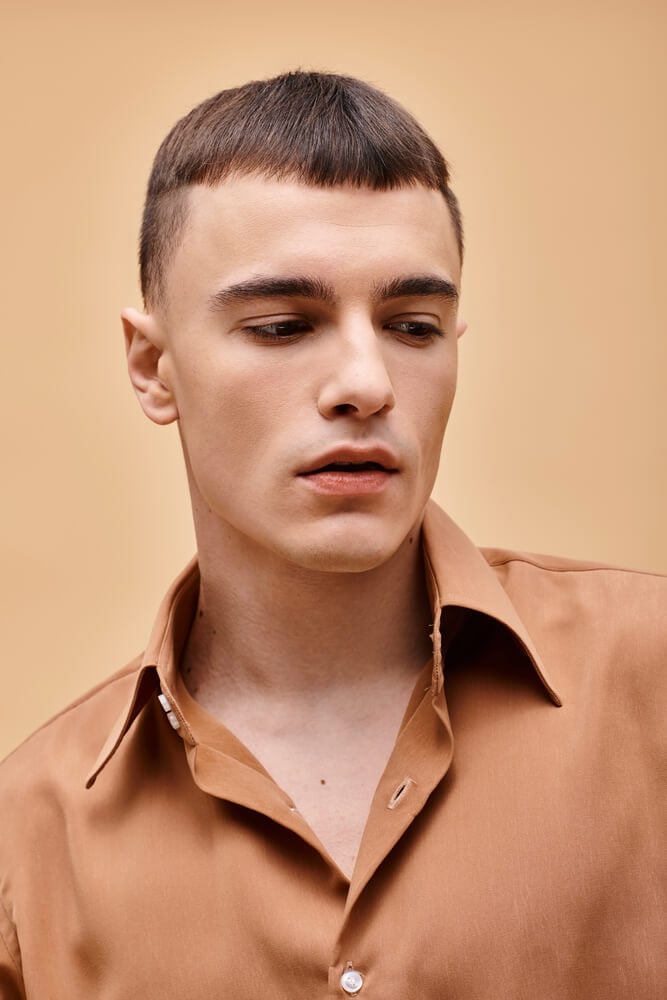
The Caesar is short all over, an inch or so, brushed forward, with a straight horizontal fringe across the top of the forehead. The name refers to portrait busts of Roman emperors.
It had a major run in the mid-1990s after George Clooney wore it as a television doctor. Barbers liked it because it flatters a receding hairline by bringing hair toward the front. In Black barbershops a very low Caesar with a sharp outline became a standard of its own, and it remains one.
Three-Sixty Waves

Waves begin with a barber and continue at home. The hair is cut low and even, always with the grain of the natural curl pattern, and then trained over weeks of daily brushing, pomade, and a fitted cloth worn overnight.
The result is a pattern of ripples radiating from the crown all the way around the head, which explains the name. A careless haircut can erase months of work, so men with good waves are loyal to one barber. The barber’s job is to cut without disturbing the pattern.
The Comb-Over

Barbers have long been quiet partners in this arrangement. The hair on one side is grown long, parted low, and swept across the thinning top, and the barber’s role is to trim everything else while leaving the crucial strands alone.
No one discusses it. In 1977 a father and son from Orlando, Florida, received a United States patent for a method of concealing baldness by combing hair over in three directions, and the patent later earned a satirical science prize. Most barbers privately recommend simply cutting it short.
The Line-Up

Also called an edge-up or a shape-up, the line-up is the finishing step that became a service by itself. The barber uses a fine-toothed trimmer, and sometimes a straight razor, to draw the hairline into crisp straight lines and clean angles across the forehead, around the temples, and along the beard.
It lasts about a week. Many customers come in between full haircuts just for this. A steady hand is essential, because a line pushed back too far takes a month to grow in.
Fifteen Minutes in the Chair
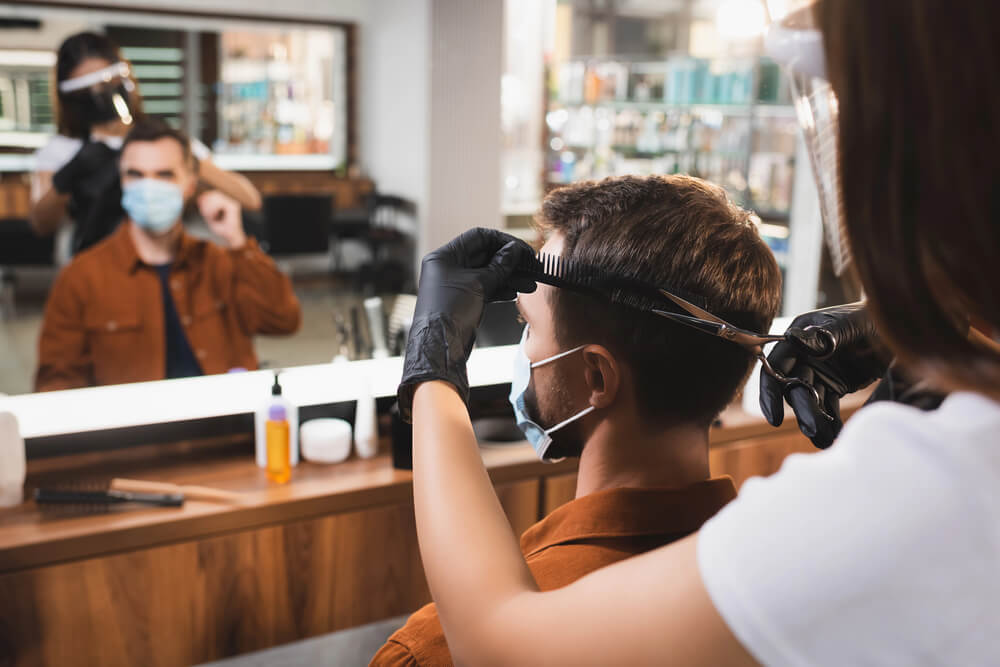
The styles changed every decade, and the transaction barely changed at all. A man sat down, said a few words, and trusted someone with a sharp tool near his ears. The barber remembered the cut, the job, and the names of the children.
Shops that closed in the long-hair years left a gap that the fade helped fill, as a new generation of barbers turned precise clipper work into a craft with its own following. The waiting bench is full again in many cities. The posters on the wall are different, and the conversation sounds about the same.
More from Go2Tutors!

- The Romanov Crown Jewels and Their Tragic Fate
- 13 Historical Mysteries That Science Still Can’t Solve
- Famous Hoaxes That Fooled the World for Years
- 15 Child Stars with Tragic Adult Lives
- 16 Famous Jewelry Pieces in History
Like Go2Tutors’s content? Follow us on MSN.