20 Trades That Vanished With New Machines
Every generation has jobs that seem permanent right up until they are not. Entire trades once employed thousands of people, required years of apprenticeship, and structured whole neighborhoods around their rhythms.
Then a machine arrived that could do the same work faster, cheaper, or simply without needing to sleep. None of these trades disappeared overnight.
Most lingered for decades in a slow decline, employing fewer people every year until the last practitioners retired or passed the skill down to no one. What follows is less a eulogy than a record of exactly what got automated, and when.
The Knocker-Upper

Before affordable alarm clocks, industrial workers in Britain and Ireland relied on a knocker-upper to wake them for early shifts, using a long pole or a pea-shooter to tap on bedroom windows at an agreed hour. The trade persisted in some mill towns well into the 1950s, even after alarm clocks became widely available, because the personal reliability of a human knocker-upper was initially trusted more than a wind-up mechanism.
Cheap, dependable electric alarm clocks finally finished the job that mechanical ones had started.
The Lamplighter

Gas street lighting required someone to walk the streets at dusk and dawn, lighting and extinguishing each lamp by hand with a long pole. Cities across Europe and North America employed thousands of lamplighters through the nineteenth century, some walking routes covering dozens of lamps a night.
The spread of electric streetlights with automatic timers from the early twentieth century onward made the trade obsolete within a generation.
The Ice Cutter

Before mechanical refrigeration, entire industries were built around harvesting natural ice from frozen lakes and ponds in winter, cutting it into blocks, and storing it in insulated icehouses for sale through the warmer months. Companies employed large seasonal workforces of ice cutters using saws and specialized tools to carve blocks that were shipped by rail and boat across huge distances.
The rise of mechanical ice-making machines and later home refrigerators collapsed the entire trade within a few decades of the early twentieth century.
The Switchboard Operator
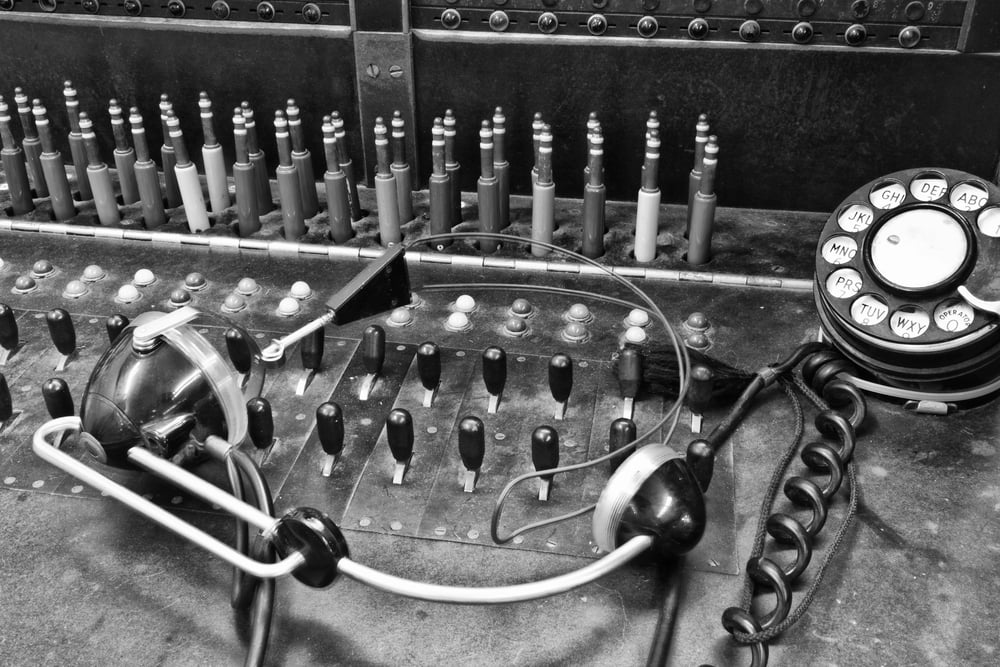
Early telephone networks required human operators to manually connect calls by plugging cables into a switchboard, a job that employed enormous numbers of workers, overwhelmingly women, at telephone exchanges around the world. Automatic dial switching systems began replacing manual exchanges from the 1920s onward, though the transition took decades to complete in some regions.
The last manually operated public exchanges in parts of the United States did not close until the 1980s.
The Elevator Operator
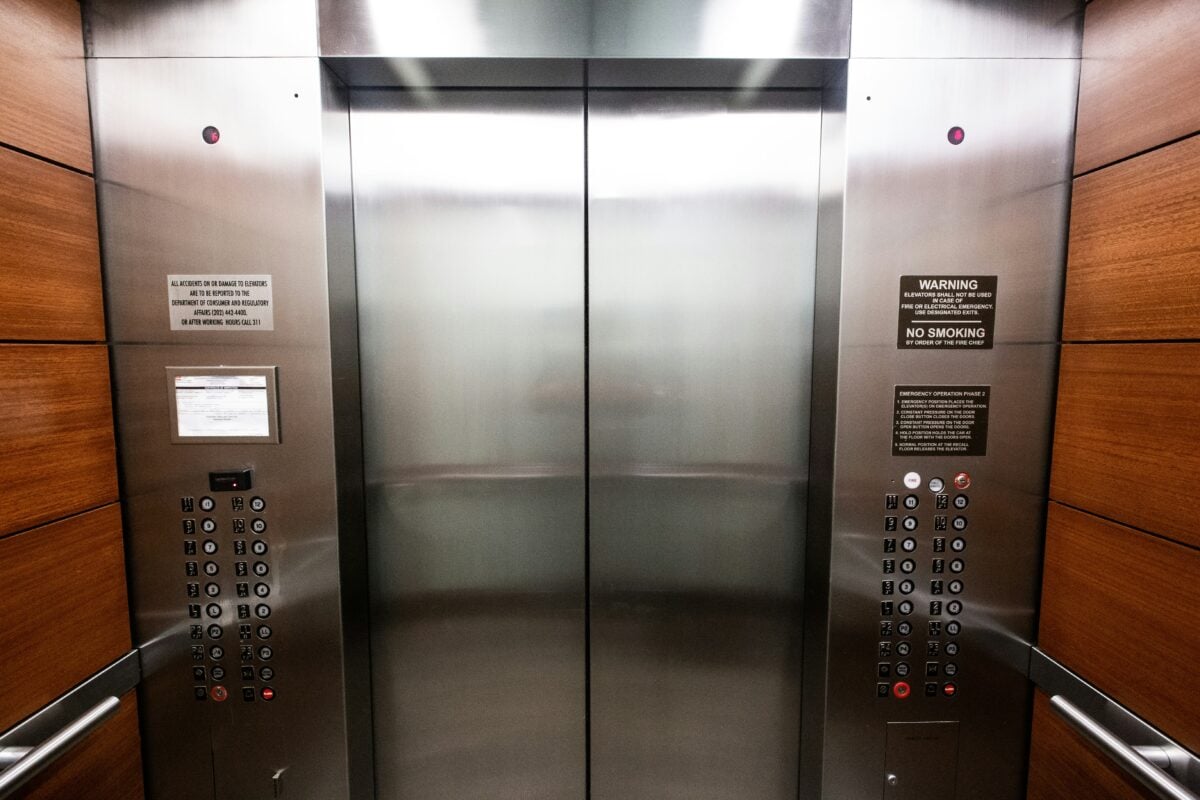
Early elevators required a trained operator to control the car’s speed and stop it precisely level with each floor, a skill that took real practice to do smoothly. Automatic push-button elevators, developed from the 1920s onward, gradually made human operators unnecessary in most buildings.
A worker strike in New York City in 1945 briefly highlighted the trade’s importance, but automation had made most operator positions redundant within another decade or two.
The Linotype Operator
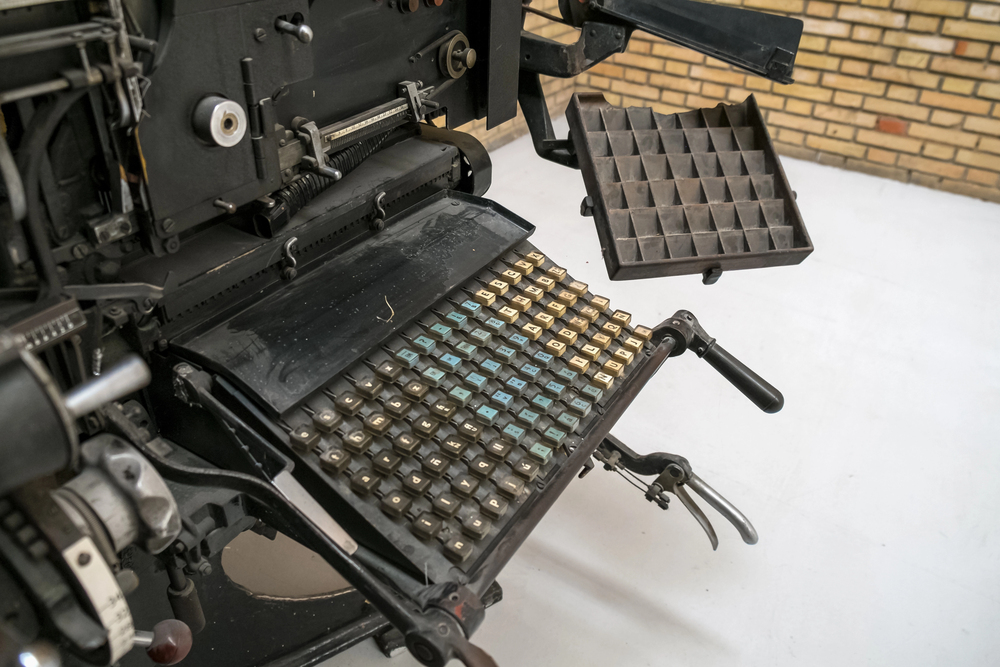
For nearly a century, newspapers and book publishers relied on linotype machines, operated by highly skilled typesetters who cast entire lines of type from molten metal using a keyboard. The job demanded both mechanical aptitude and fast, accurate typing, and linotype operators were among the best-paid tradespeople in the printing industry.
Offset printing and computerized phototypesetting swept through the newspaper industry during the 1970s and 1980s, and by the 1990s the trade had all but disappeared from commercial printing.
The Pinsetter
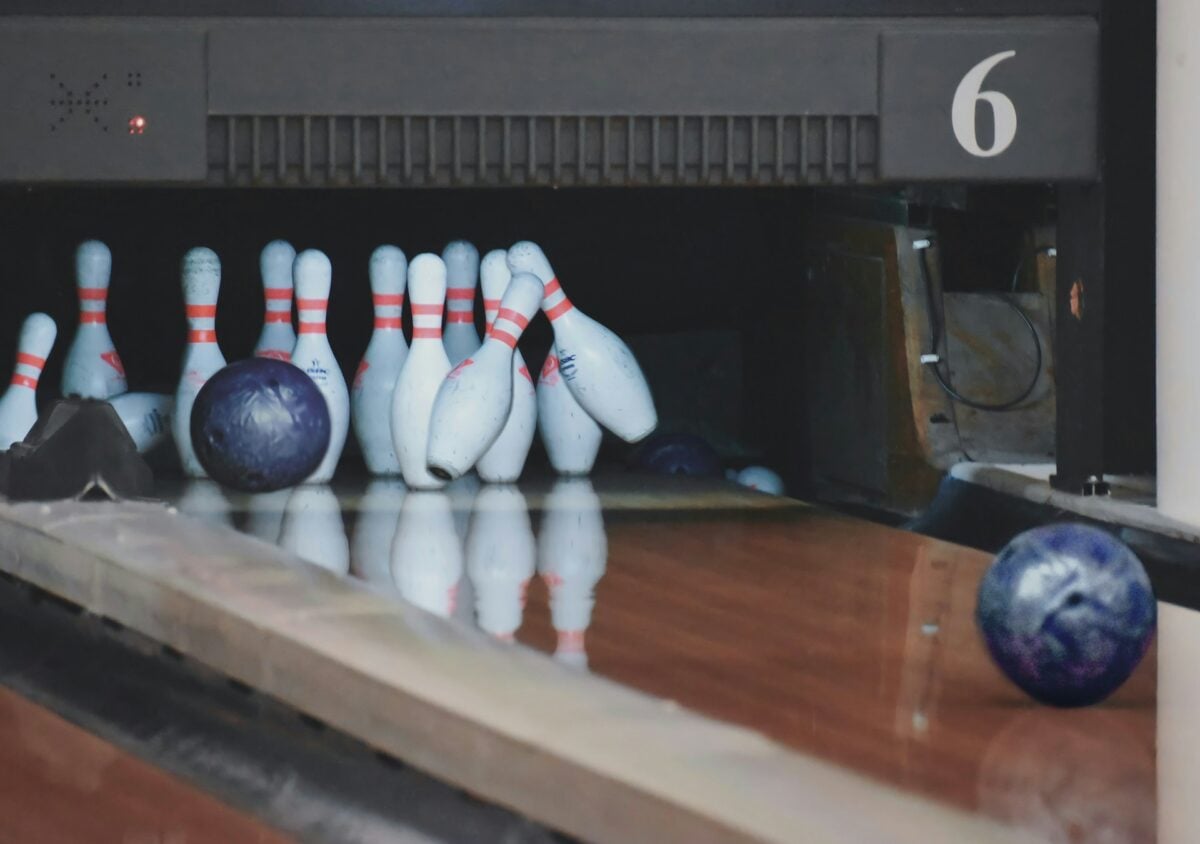
Before automatic pinsetting machines, bowling alleys employed workers, often teenagers, to manually reset pins by hand between frames and send the equipment back down a return track to the player. It was fast-paced, physically demanding work performed in a pit at the end of the lane.
Automatic mechanical pinsetters, introduced commercially in the 1950s, eliminated the job at almost every bowling alley within a decade.
The Human Computer
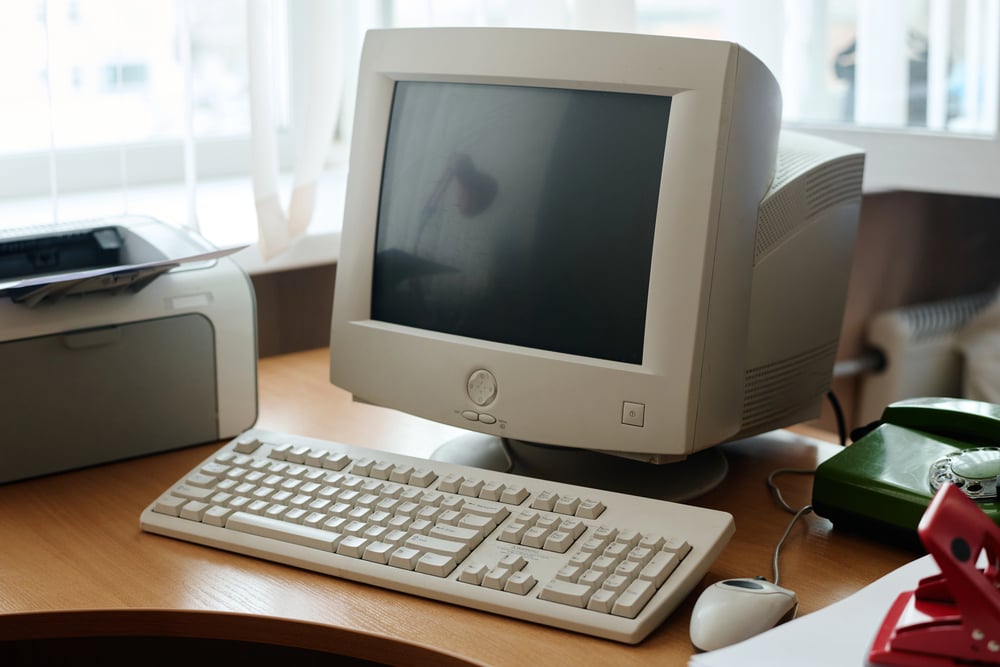
Long before electronic computers existed, scientific and engineering projects relied on rooms full of people, frequently women, who performed complex calculations by hand or with mechanical calculating aids. Human computers were central to projects ranging from astronomical observatories to early aerospace programs, including NASA’s early orbital flight calculations.
Electronic computers took over these calculations through the 1950s and 1960s, though some human computers transitioned into early computer programming roles as the machines that replaced them needed operators of their own.
The Telegraph Operator
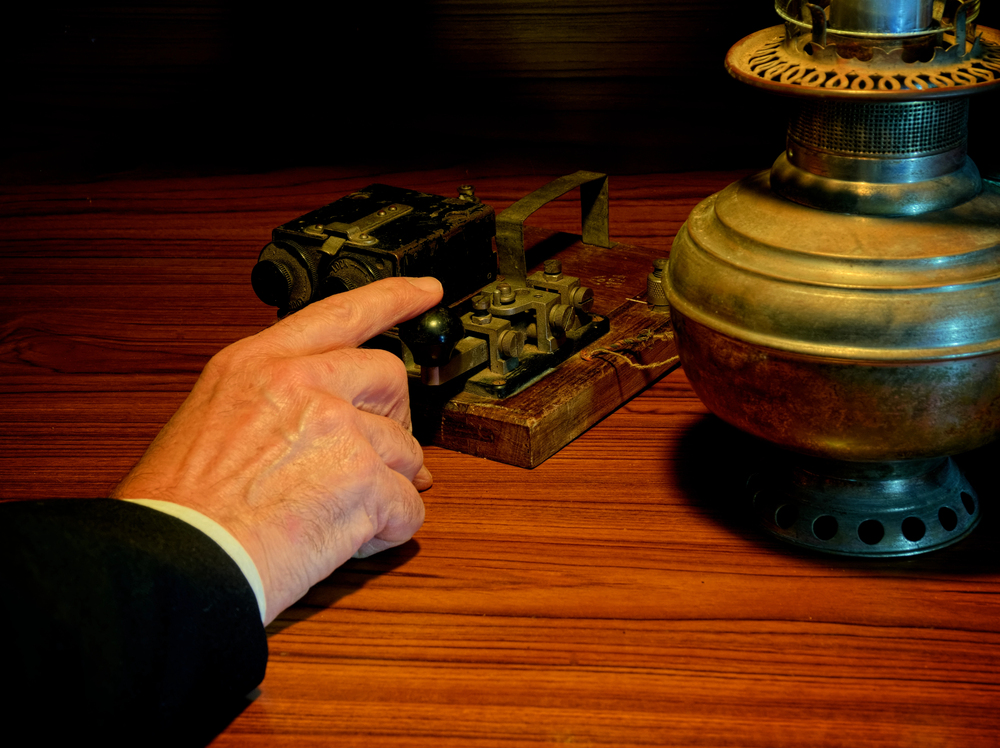
Morse code telegraph operators once formed the backbone of long-distance communication, relaying messages letter by letter across vast networks of wire for newspapers, businesses, and railroads. The job required years to master and was considered a skilled, respected trade.
The spread of the telephone through the early twentieth century, followed later by telex and digital communication, steadily eroded demand until commercial telegraph services shut down almost entirely by the 1990s.
The Comptometer Operator
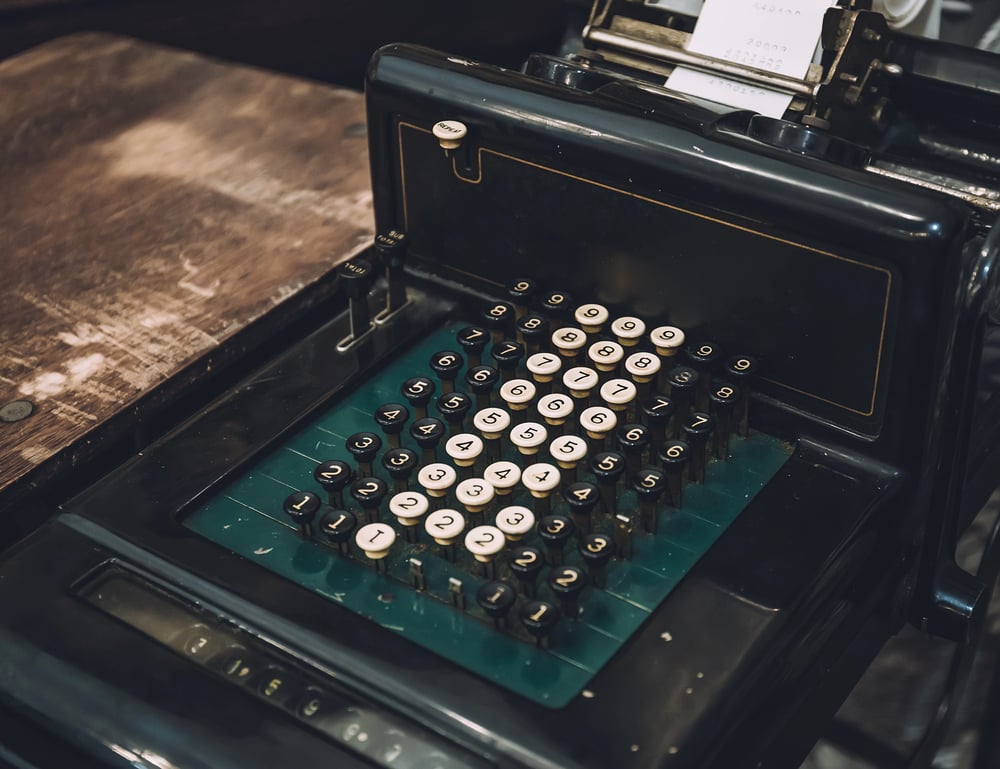
Before electronic calculators, offices employed specially trained comptometer operators who used mechanical adding machines to perform rapid calculations for payroll, inventory, and accounting. Skilled operators could outpace people using a standard adding machine or slide rule, and formal comptometer schools trained workers for the role well into the twentieth century.
Cheap electronic calculators in the 1960s and 1970s made the specialized skill unnecessary almost overnight.
The Cooper
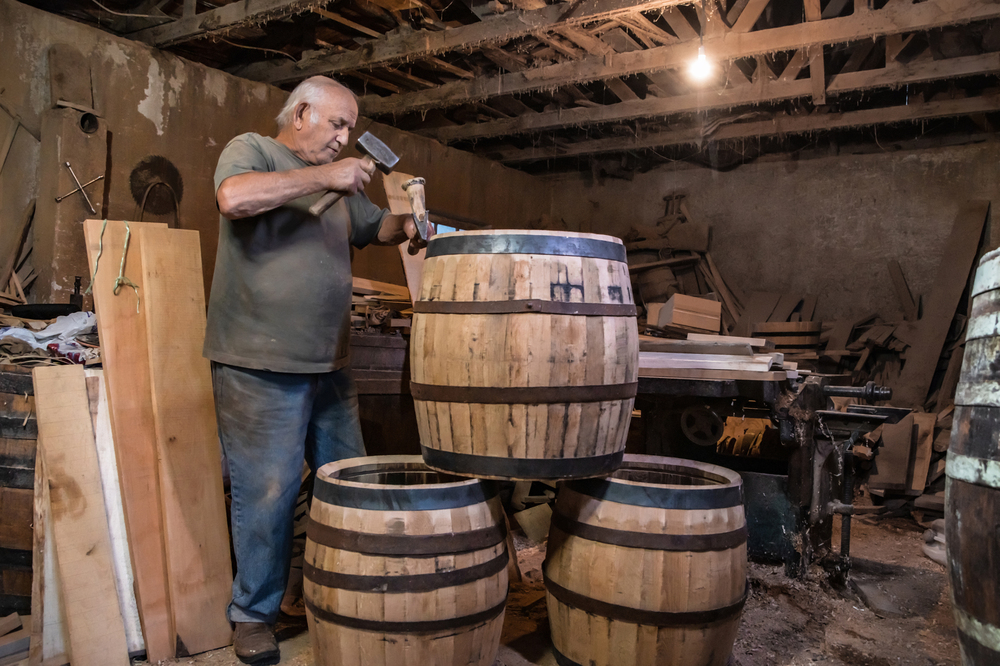
Coopers made and repaired wooden barrels and casks by hand, a skilled trade essential to shipping, storing, and aging everything from wine to nails before the rise of standardized industrial containers. Barrel-making machinery introduced in the nineteenth century mechanized much of the process, and the later spread of metal drums, plastic containers, and bulk tanker transport further shrank demand.
A small number of coopers still practice the trade today, almost entirely for the wine and spirits industry.
The Wheelwright
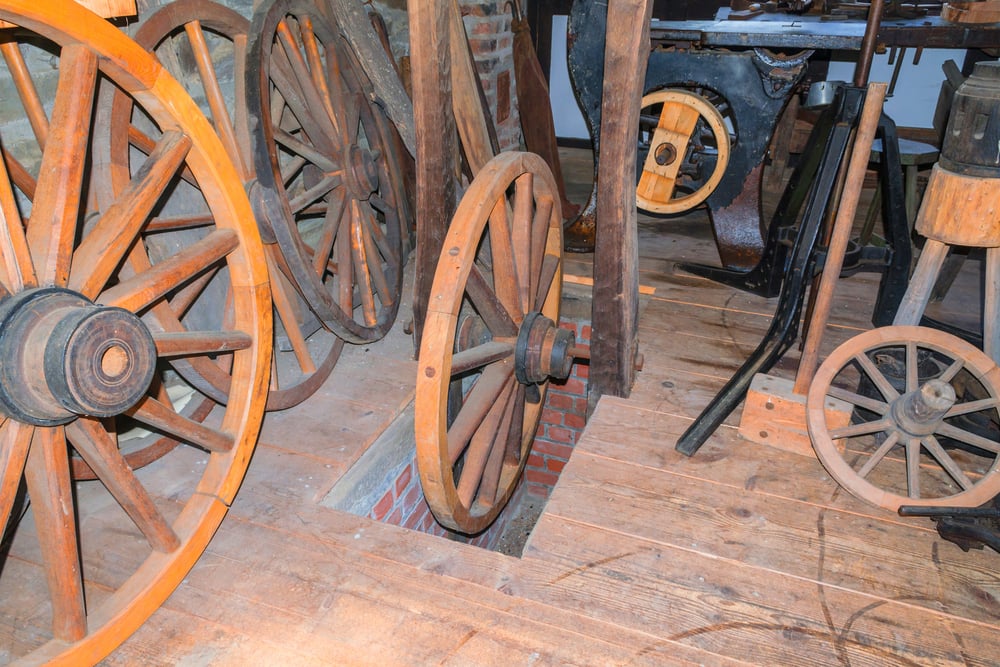
Wheelwrights built and repaired wooden wheels for carts, carriages, and wagons, combining carpentry and metalworking skills passed down through years of apprenticeship. The trade was essential to nearly every community before the automobile, supporting blacksmiths and coach builders alongside it.
The rise of mass-produced steel and rubber wheels for automobiles through the early twentieth century eliminated most demand for the traditional craft within a generation.
The Handloom Weaver
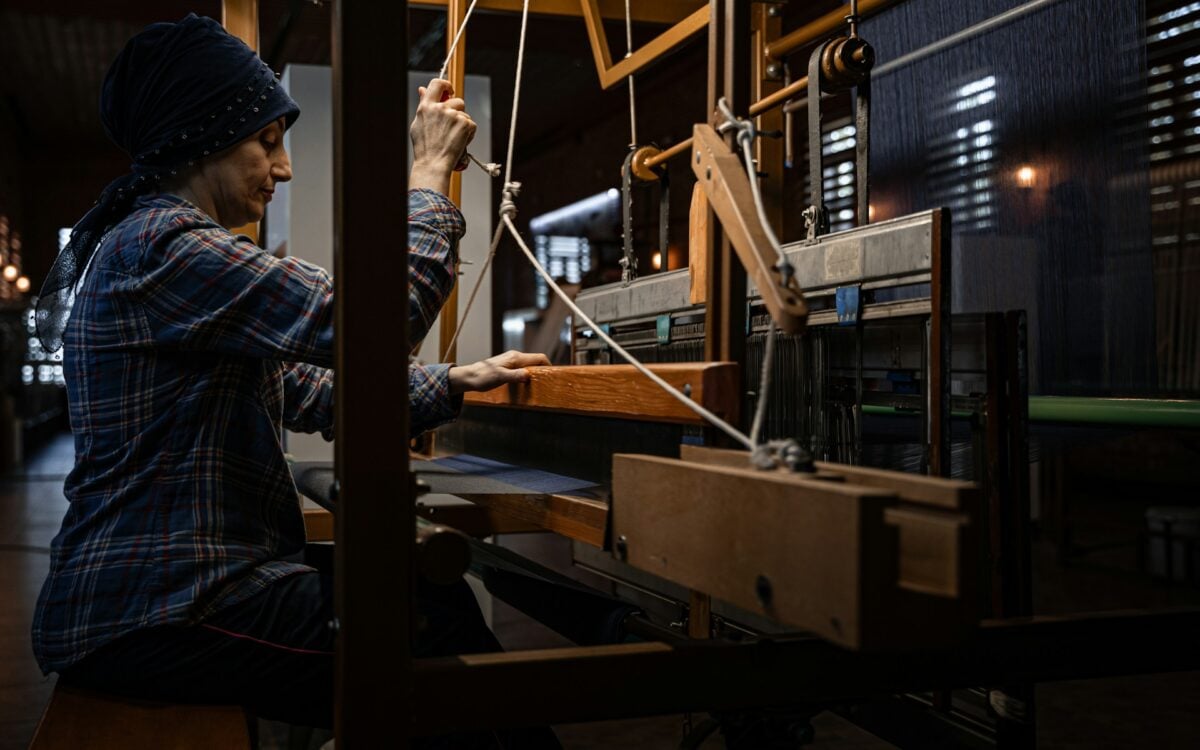
Skilled handloom weavers once dominated textile production across Britain and beyond, working from home on looms that had changed little for centuries. The introduction of mechanized power looms in the early nineteenth century allowed factories to produce cloth far faster and cheaper than any individual weaver could manage.
Mass unemployment among handloom weavers fueled significant social unrest during the Industrial Revolution, and the trade had largely disappeared from commercial production by the mid-1800s.
The Cloth Cropper

Croppers, also known as shearmen, finished woven wool cloth by hand, using large, heavy shears to trim the raised nap to a smooth, even surface. It was skilled, physically demanding work that commanded relatively high wages.
The introduction of mechanized cropping and gig-mill frames in the early nineteenth century threatened to eliminate the trade almost entirely, prompting some croppers to become the original Luddites, smashing the machines that were replacing them.
The Nailer
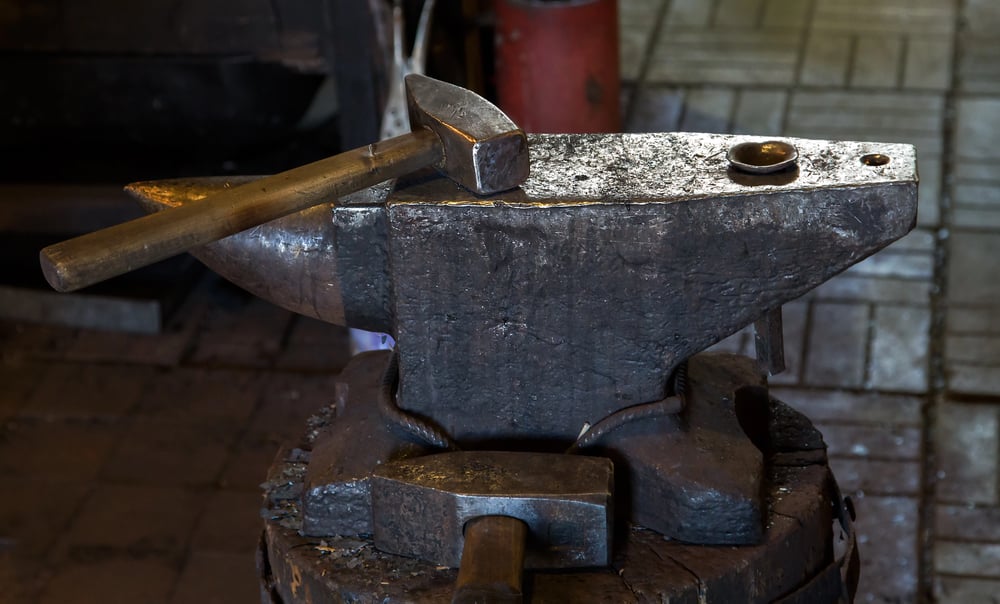
Before machine-made nails, blacksmiths and specialized nailers hand-forged nails one at a time, heating and hammering iron rod into shape at a small anvil. It was slow, repetitive work often done as piecework by entire families, including children, in rural cottage workshops.
Mechanical nail-cutting and nail-heading machines, developed in the late eighteenth and early nineteenth centuries, could produce nails far faster and cheaper, collapsing demand for hand-forged nails within a few decades.
The Chandler

Candle makers, or chandlers, produced candles by hand through repeated dipping or hand-pouring of tallow or wax, a trade essential to lighting homes and businesses before gas and electric lighting. Mechanized candle-molding machines developed in the nineteenth century could produce candles in far greater volume and consistency than hand-dipping ever could.
The later spread of gas and then electric lighting reduced overall demand for candles even further, shrinking the trade to a small specialty craft.
The Cordwainer
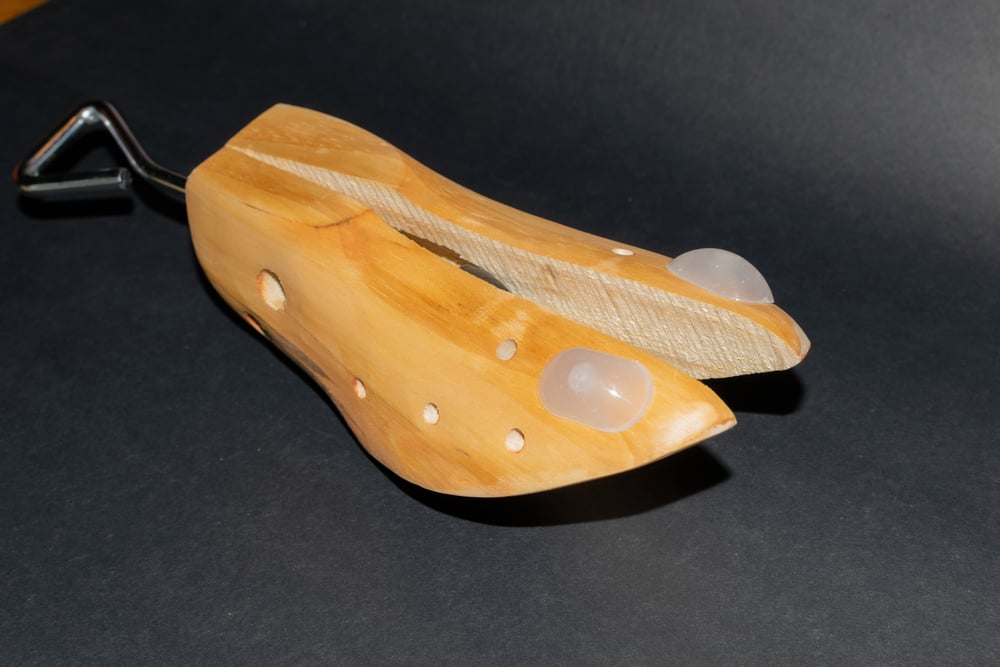
Skilled shoemakers, historically called cordwainers when working with fine leather, made shoes entirely by hand, cutting, stitching, and shaping each pair to an individual customer. The invention of practical sewing machines adapted for leather, along with mechanized lasting and soling equipment in the second half of the nineteenth century, allowed factories to mass-produce shoes at a fraction of the cost.
Handmade shoemaking survives today only as a small luxury trade rather than the everyday necessity it once was.
The Longshoreman of the Break-Bulk Era

Before containerization, loading and unloading cargo ships required large teams of longshoremen manually hauling, stacking, and securing individual crates, sacks, and barrels in a ship’s hold. It was grueling, dangerous work that supported entire waterfront communities and powerful labor unions in port cities worldwide.
The spread of standardized shipping containers and dockside cranes from the 1960s onward could move the same tonnage with a fraction of the workforce, permanently shrinking the trade at ports around the world.
The Railway Signal Box Operator
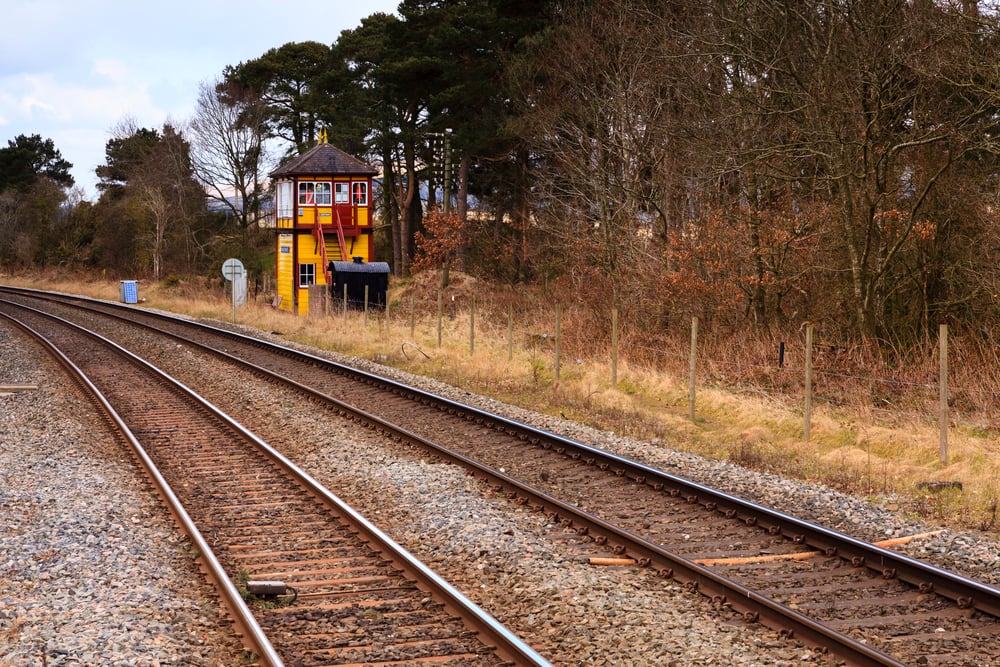
For over a century, railway safety depended on signal box operators manually pulling heavy mechanical levers to set points and signals, often working alone in small trackside boxes around the clock. The job required intense concentration, since a single mistake could cause a collision.
Centralized electronic signaling systems, introduced progressively from the mid-twentieth century onward and accelerating with computerization in recent decades, have closed the vast majority of traditional signal boxes.
The Stenographic Court Reporter
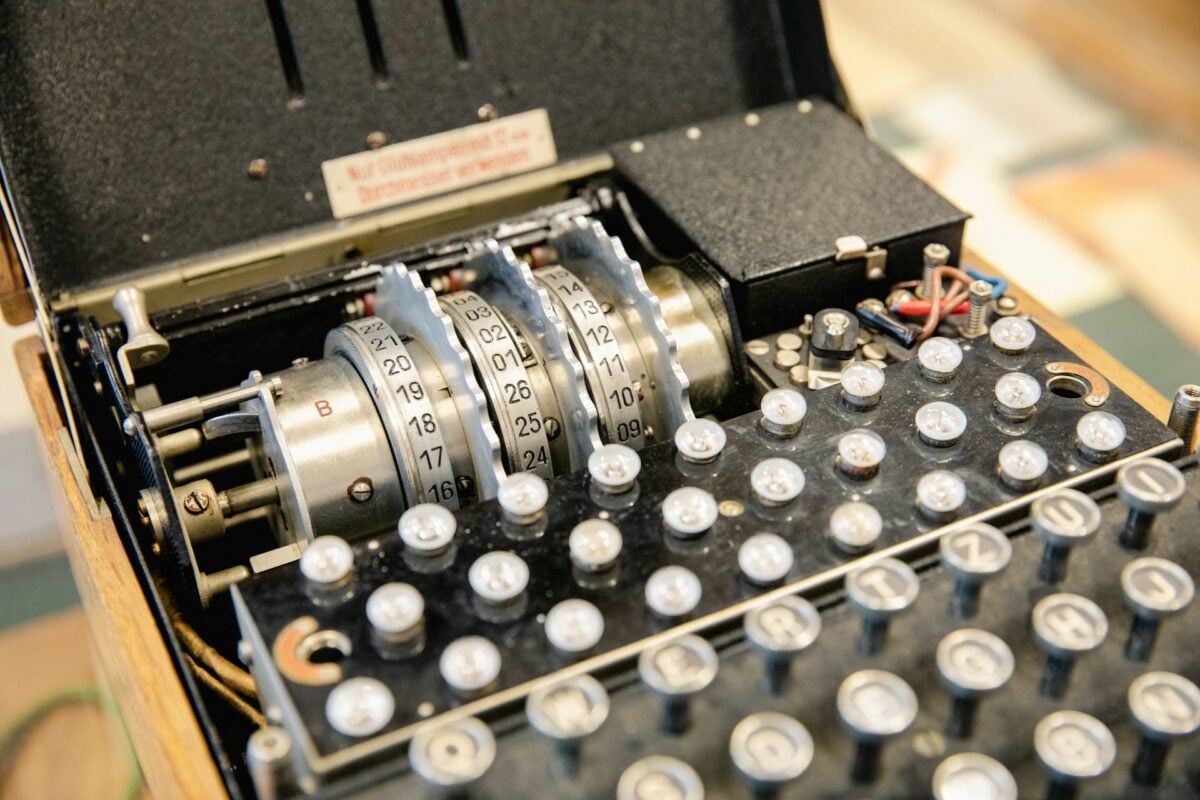
For generations, court proceedings were recorded in real time by stenographers trained to write in specialized shorthand fast enough to keep pace with spoken testimony. The skill took years to master and was considered essential to the legal system’s record-keeping.
Digital audio and video recording, along with voice-recognition transcription software, has replaced live stenographic reporting in a growing number of courtrooms, though some jurisdictions still retain the role for its accuracy and legal reliability.
What Gets Left Behind
Looking at this list together, a pattern emerges that has nothing to do with the specific machines involved. Every one of these trades depended on a human being doing something reliably and repeatedly, exactly the kind of task a machine is built to do better once the engineering catches up.
The workers displaced were rarely unskilled; many of these were among the most respected trades of their day. What tends to survive automation, oddly enough, is whatever a machine still cannot quite replicate: judgment under pressure, physical dexterity in unpredictable conditions, or simply a level of craftsmanship customers are willing to pay extra to keep alive.
Everything else, eventually, gets handed to something that never needs a lunch break.
More from Go2Tutors!

- The Romanov Crown Jewels and Their Tragic Fate
- 13 Historical Mysteries That Science Still Can’t Solve
- Famous Hoaxes That Fooled the World for Years
- 15 Child Stars with Tragic Adult Lives
- 16 Famous Jewelry Pieces in History
Like Go2Tutors’s content? Follow us on MSN.