29 Ingredients Once Considered Luxury
Walk down any grocery aisle today and it’s easy to forget that plenty of everyday staples were once so rare and expensive that only the wealthy could afford them regularly. Trade routes, refrigeration, and industrial farming quietly turned former luxuries into pantry basics.
Here are 29 ingredients that used to signal real wealth.
Sugar
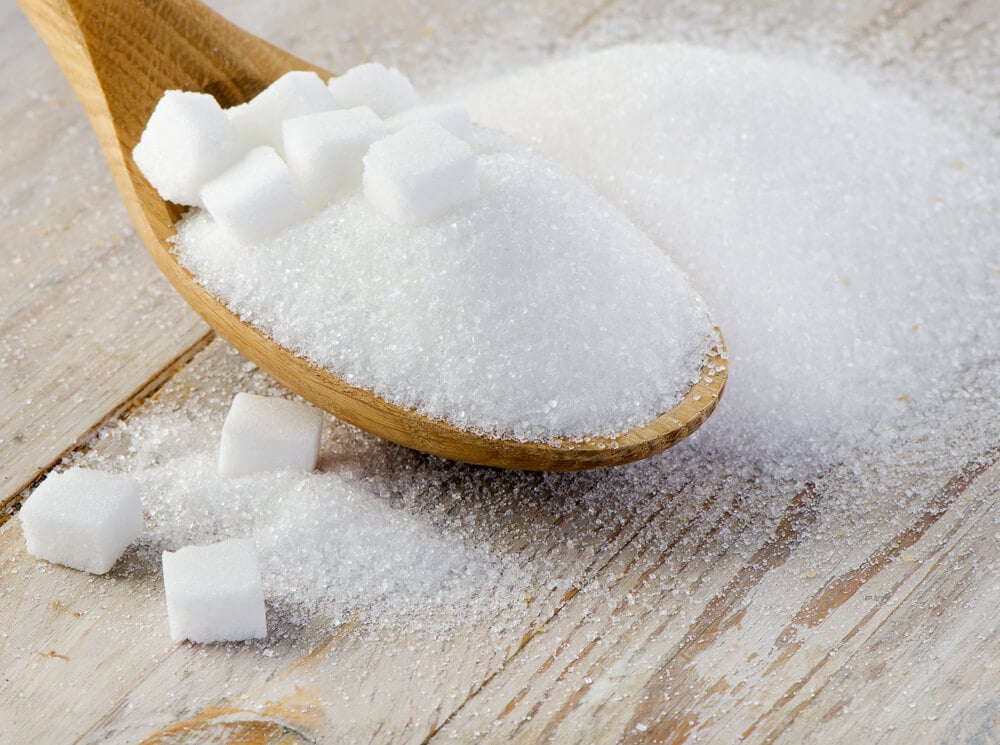
For most of European history, sugar was an imported luxury reserved for royalty and the very wealthy, sold in hardened cones and locked away in dedicated sugar cabinets. It only became widely affordable once large-scale plantation production expanded supply dramatically.
Today it’s one of the cheapest ingredients in any kitchen.
Black Pepper
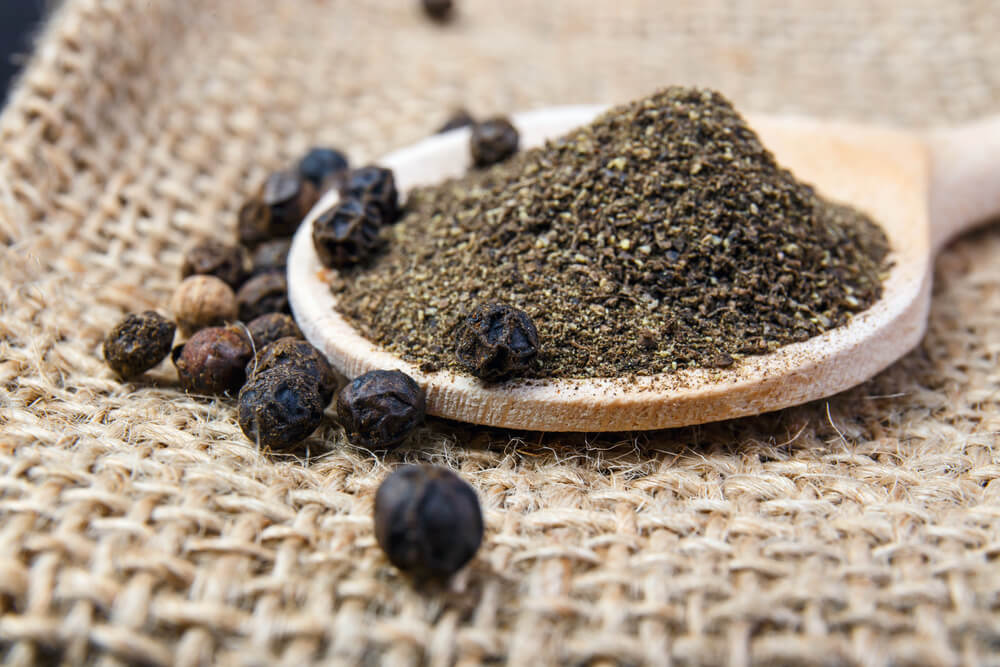
Black pepper was once valuable enough to be used as currency and collateral in medieval Europe, with entire trade routes built around securing it from South Asia. Its cost was driven by the sheer distance and danger involved in transporting it.
It’s now sold in bulk shakers for a few dollars.
Vanilla
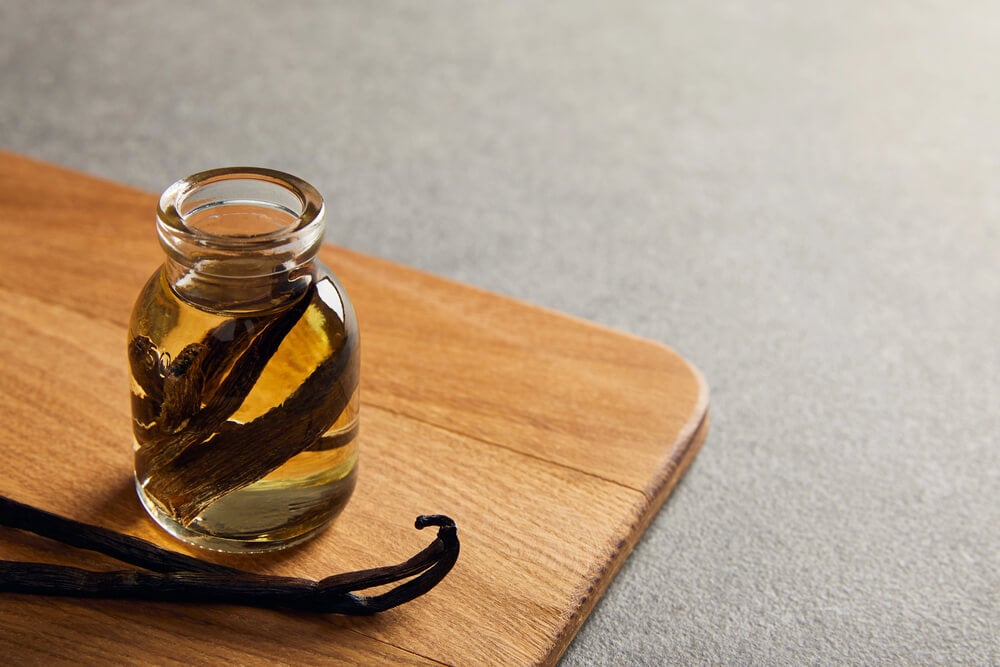
True vanilla comes from an orchid that must be hand-pollinated, a labor-intensive process discovered in the 1840s that made vanilla one of the most expensive spices in the world for decades afterward. Synthetic vanillin eventually made vanilla flavoring affordable for everyday baking.
Real vanilla beans remain comparatively pricey, but flavored extract put the taste within reach of every household.
Saffron
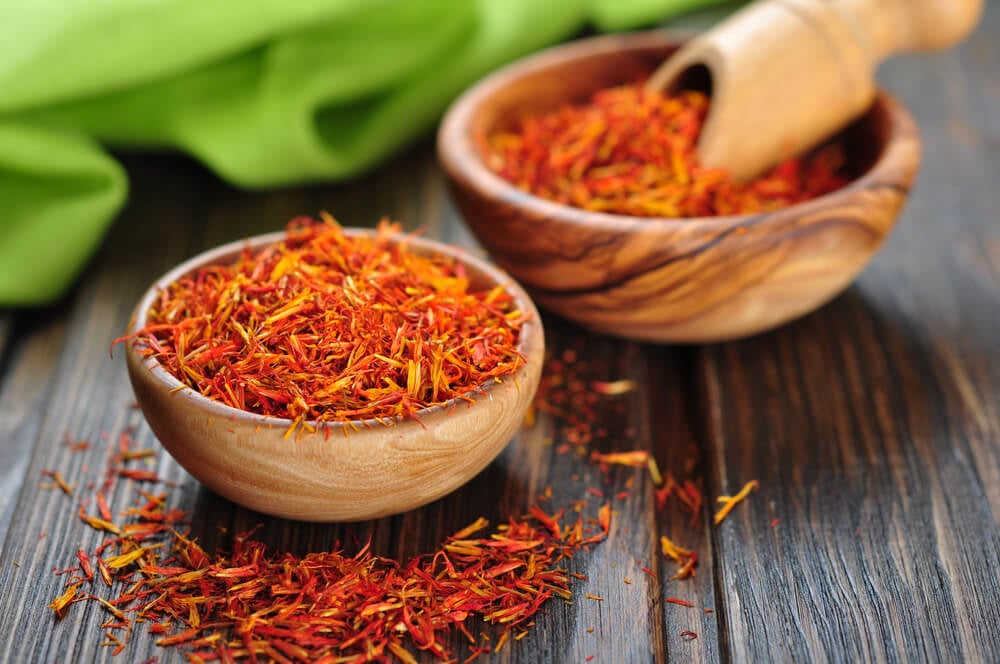
Harvested by hand from the stigmas of a crocus flower, with thousands of flowers needed to produce a single ounce, saffron has been among the most expensive spices by weight for centuries. Its rarity made it a marker of wealth in kitchens from Persia to medieval Europe.
It remains costly today, but small jars are now sold in ordinary supermarkets rather than exclusively to the elite.
Ice

Before mechanical refrigeration, ice had to be cut from frozen lakes in winter and stored in insulated icehouses through summer, an expensive process that made a cold drink a genuine luxury. Wealthy households employed entire staffs dedicated to managing an ice supply.
Home refrigeration eventually made ice essentially free.
Chocolate
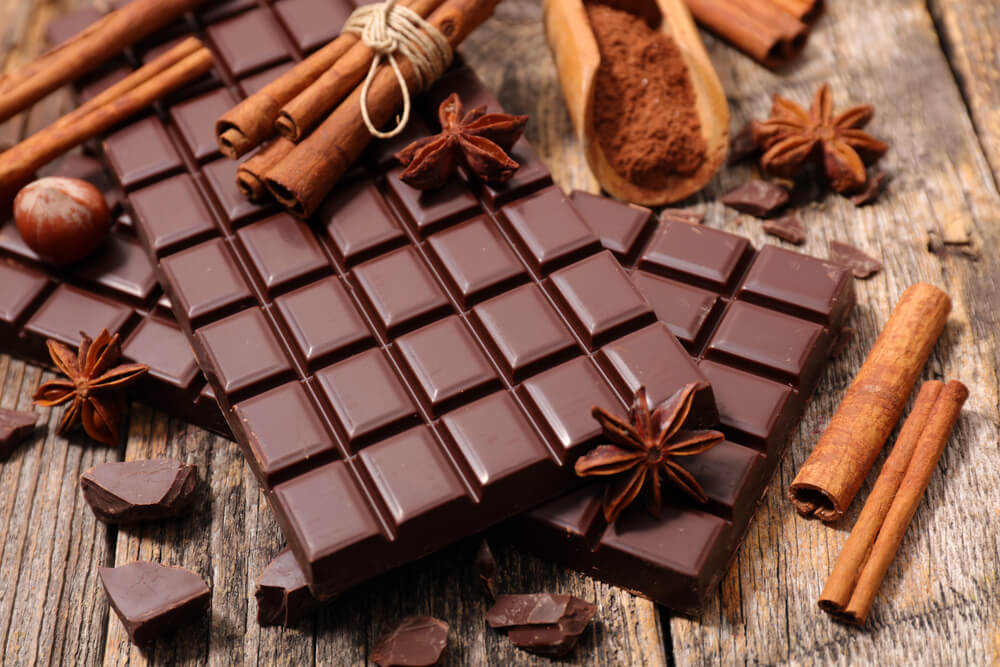
Chocolate arrived in Europe as an expensive, labor-intensive drink reserved for aristocrats, requiring cacao imported from the Americas and processed by hand. It remained a luxury item for centuries before industrial processing in the 1800s made solid, affordable chocolate bars possible.
It’s now one of the most common snack ingredients in the world.
Oranges

Citrus fruit was such a rare winter luxury in much of North America and northern Europe through the 1800s and early 1900s that a single orange was a common, treasured Christmas stocking gift. Its rarity came from the fact that oranges couldn’t be grown locally in colder climates and spoiled quickly in transit.
Modern shipping and refrigeration turned it into a year-round grocery staple.
Bananas
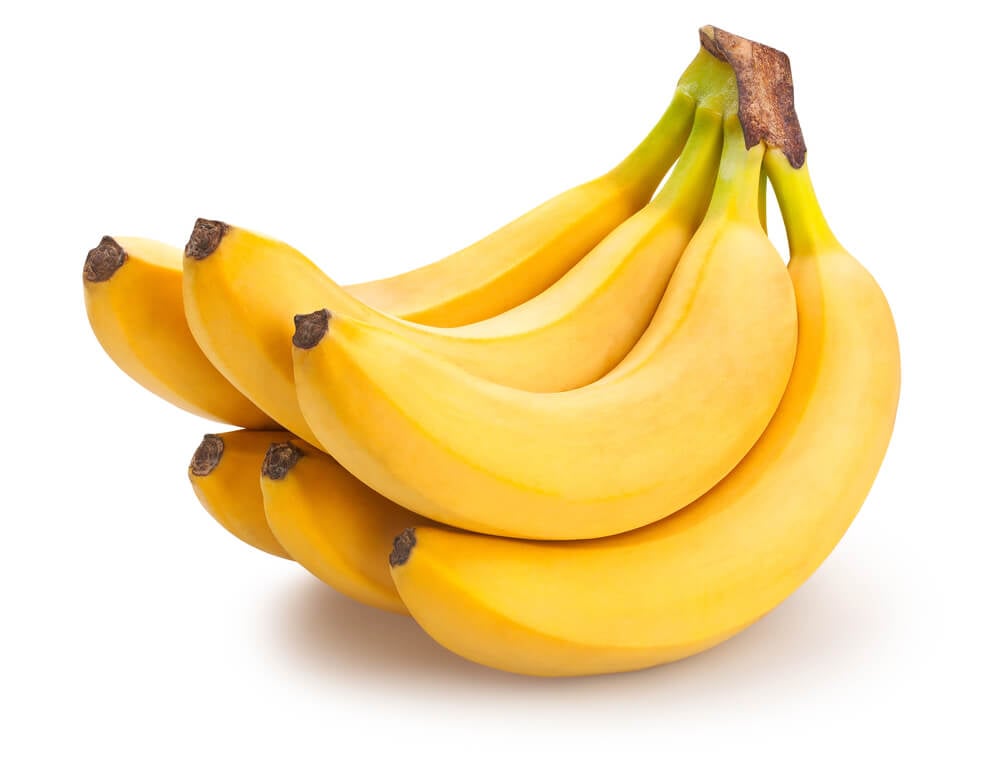
Before refrigerated shipping became reliable in the late 1800s, bananas were an exotic rarity in North America and Europe, sold individually as a novelty rather than by the bunch. Some households considered owning a banana plate, a special dish designed just for serving the fruit, a status symbol.
Refrigerated cargo ships eventually made bananas one of the cheapest fruits available.
Pineapple

Pineapple was such a prized status symbol in colonial America that wealthy hosts would sometimes rent one purely for display at a dinner party rather than eat it. Its short shelf life and long import distance kept prices extraordinarily high through the 1700s and 1800s.
Canned and later air-freighted fresh pineapple eventually made it an everyday grocery item.
Coffee
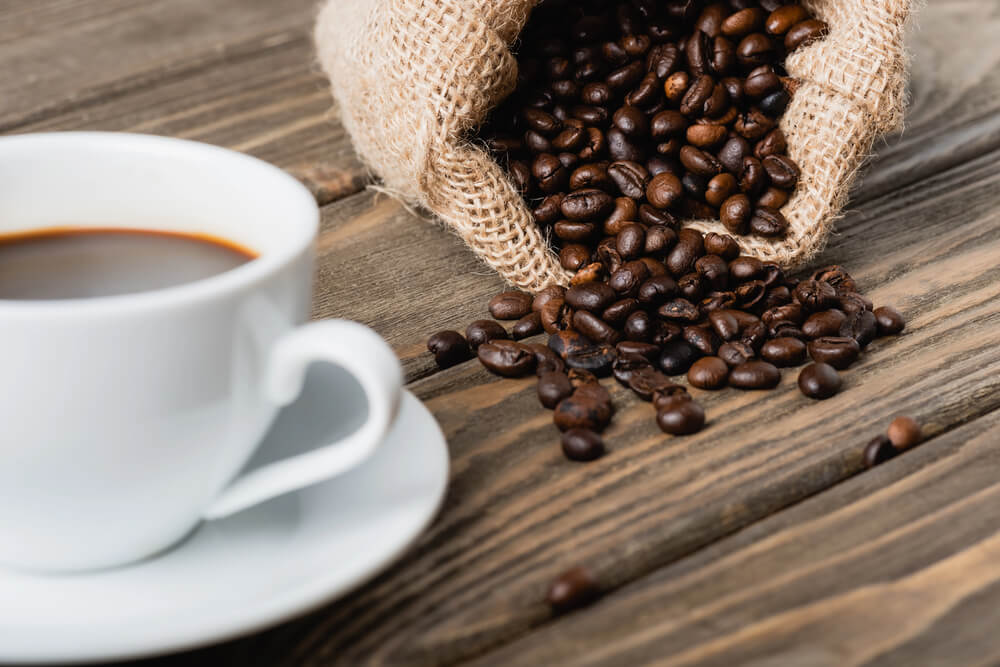
Coffee was an expensive imported luxury in much of Europe and colonial America through the 1600s and 1700s, served in dedicated coffee houses that catered largely to merchants and the educated elite. Its cost reflected the difficulty of transporting beans from distant growing regions.
Large-scale cultivation eventually made it one of the most widely consumed beverages on earth.
Tea
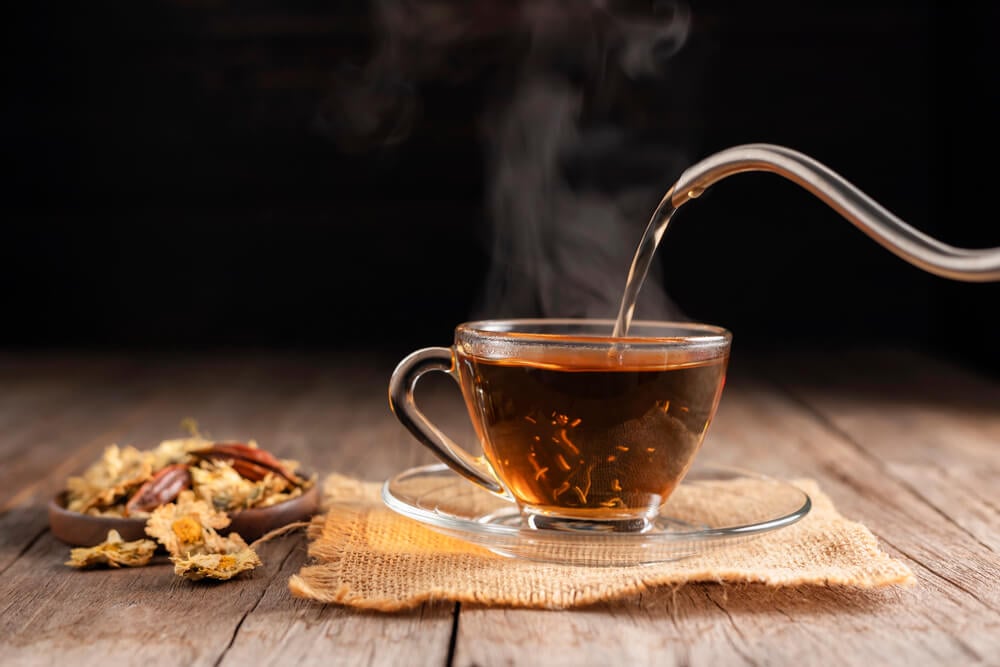
Tea was so valuable in 17th- and 18th-century Britain and colonial America that it was often kept in locked wooden caddies to prevent household staff from stealing it. Its high import tax made it a genuine luxury good, famously provoking the protest that became the Boston Tea Party.
Modern mass production and lower tariffs made it an everyday grocery item.
Cinnamon
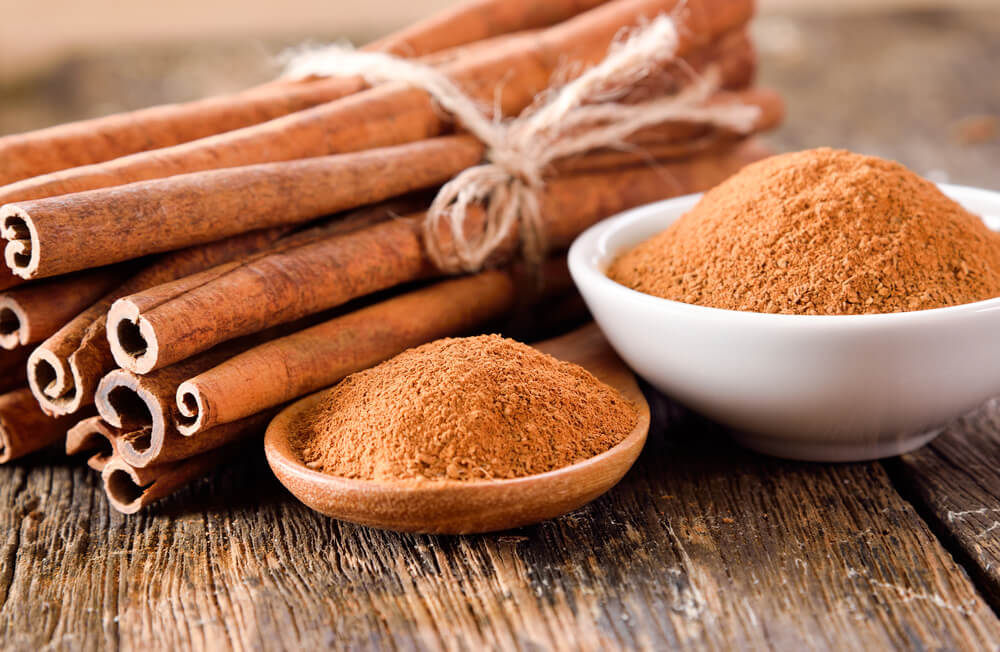
Cinnamon was one of the most prized spices in the ancient and medieval world, with its true source kept deliberately mysterious by traders to protect their monopoly on the trade. Its value rivaled that of precious metals at various points in history.
It’s now sold in bulk shakers for a fraction of a dollar per ounce.
Nutmeg
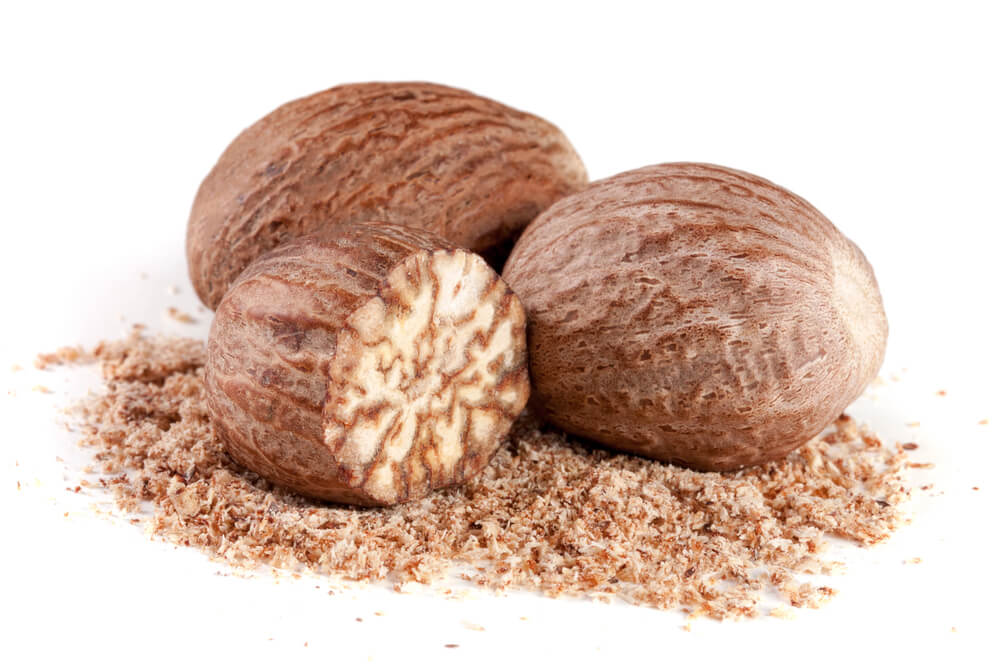
Nutmeg was once worth more than its weight in gold, grown on only a small handful of islands in what is now Indonesia and controlled through a violent colonial monopoly in the 1600s. Wars were fought over control of nutmeg-producing territory.
Wider cultivation eventually made it an inexpensive baking spice.
Cloves
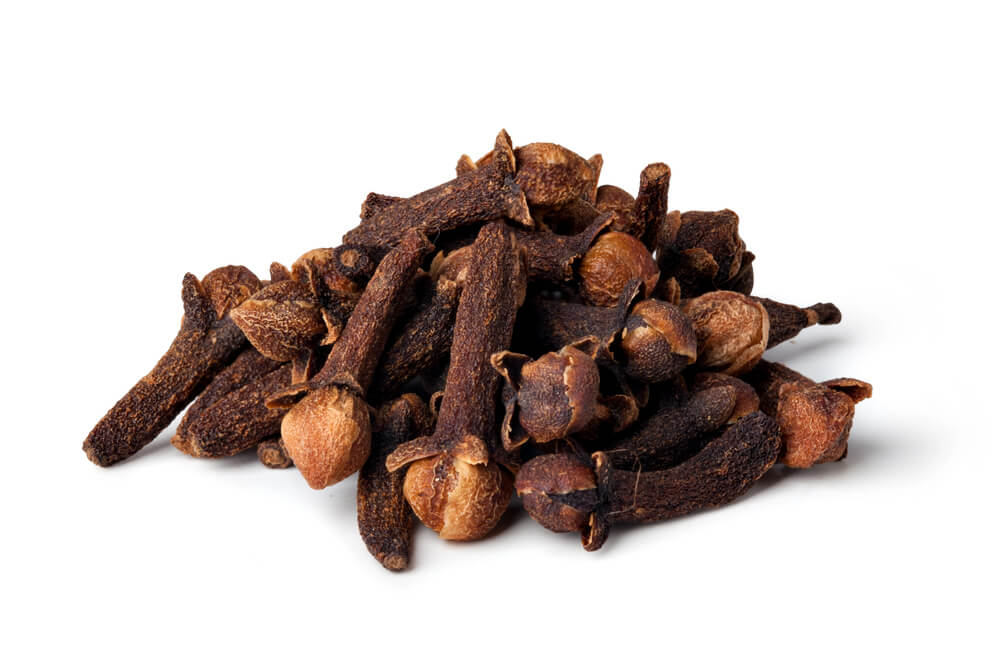
Like nutmeg, cloves originated from a small handful of islands and were tightly controlled by colonial trading powers, making them extraordinarily expensive and rare in European kitchens for centuries. Their value was comparable to gold by weight during peak scarcity.
Expanded cultivation across other tropical regions eventually brought the price down dramatically.
Ginger
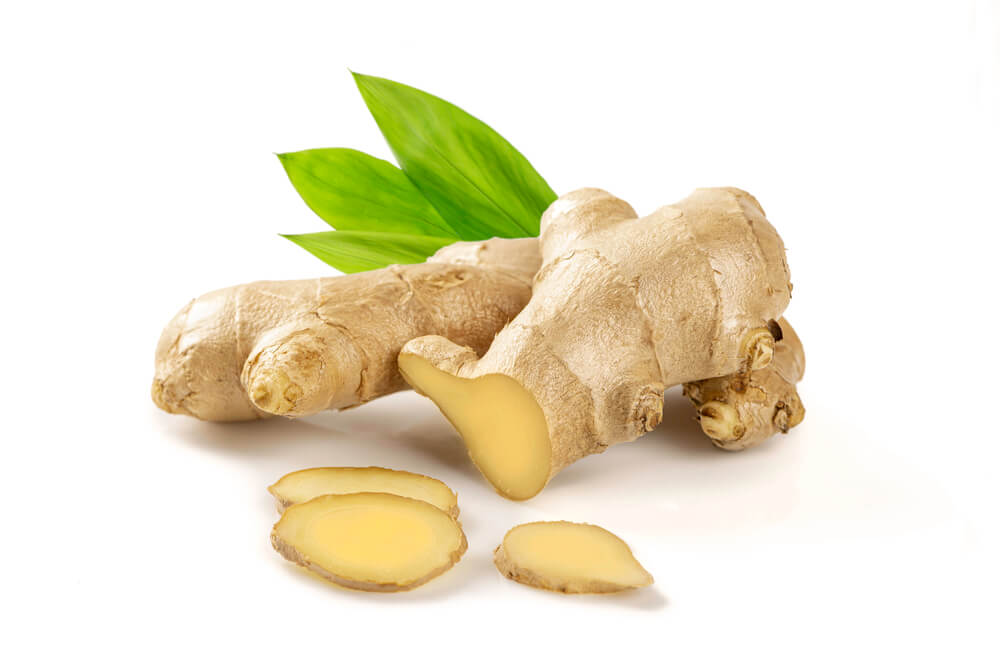
Fresh and dried ginger were expensive imported goods in medieval Europe, valued both as a seasoning and as a treatment believed to have medicinal properties. Its cost placed it well outside the reach of ordinary households.
It’s now a cheap, widely available ingredient in grocery produce sections.
White Flour
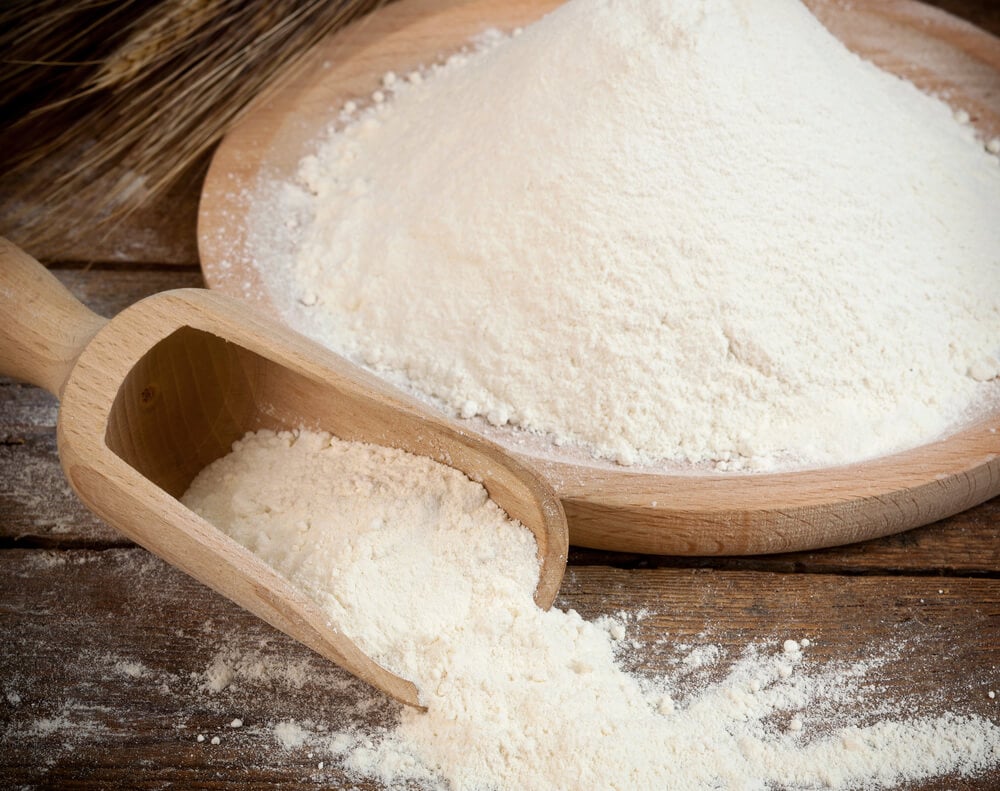
Finely milled white flour was historically far more expensive to produce than coarser whole-grain flour, since it required additional processing to remove the bran and germ by hand. Wealthy households ate white bread while poorer households relied on denser, cheaper grain breads.
Industrial milling eventually made white flour cheaper than many whole-grain alternatives.
White Rice
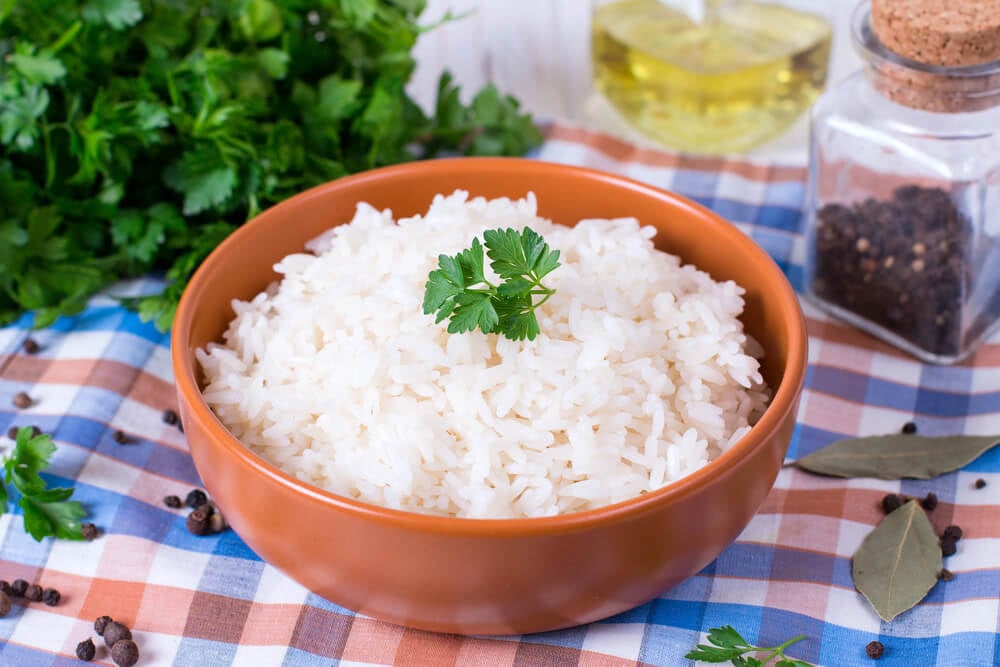
Polishing rice to remove its outer bran layer was historically a labor-intensive process, which made white rice more expensive and more associated with wealth than the less-processed brown rice eaten by poorer households in many rice-growing regions. Mechanized milling reversed the economics entirely.
White rice is now typically cheaper than many specialty grains.
Salt
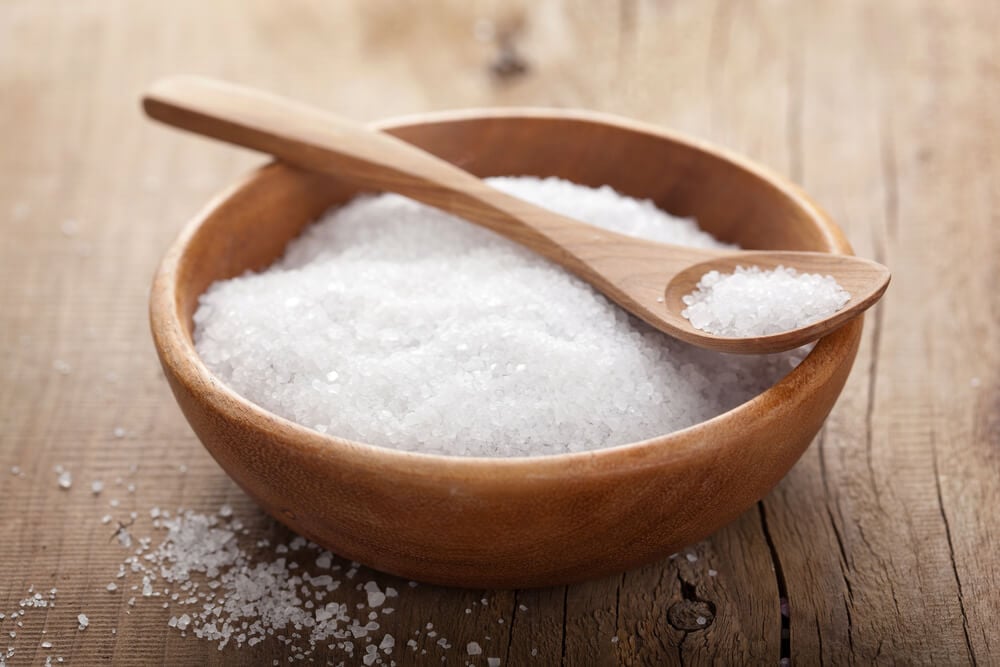
Before industrial mining and evaporation methods, salt was a genuinely precious commodity, so valuable that Roman soldiers were reportedly paid partly in salt, the origin of the word “salary.” Access to reliable salt sources shaped trade routes and even wars.
It’s now one of the cheapest ingredients sold in any grocery store.
Butter
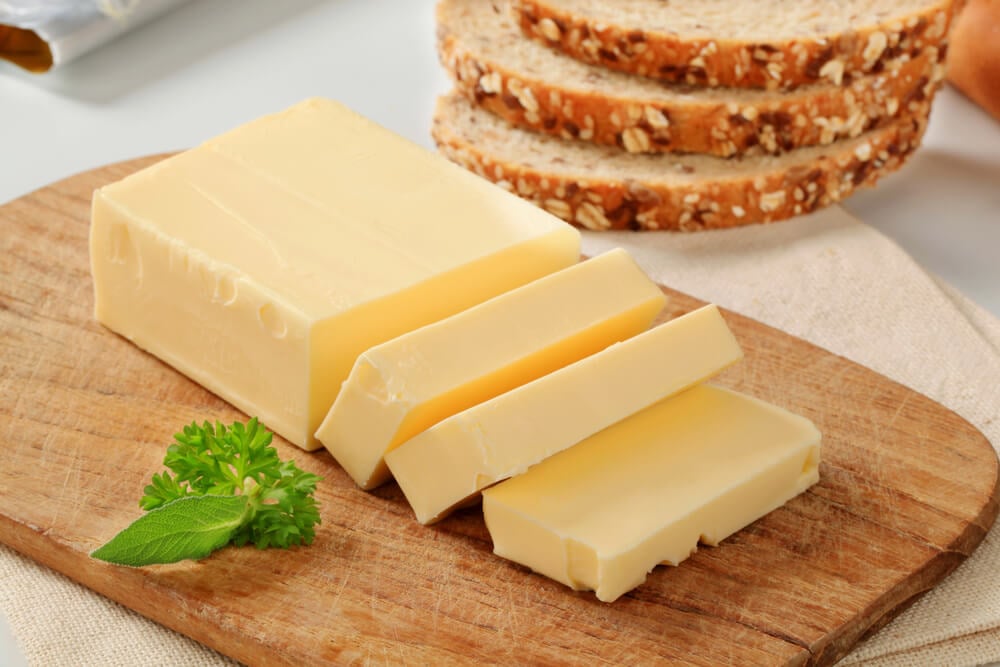
In many historical periods, butter was a labor-intensive product made by hand-churning cream, which limited how much any household could produce and made it a relative luxury compared to simpler fats like lard. Wealthier households could afford to use it generously in cooking and baking.
Industrial dairy production eventually made it an affordable staple.
Cocoa
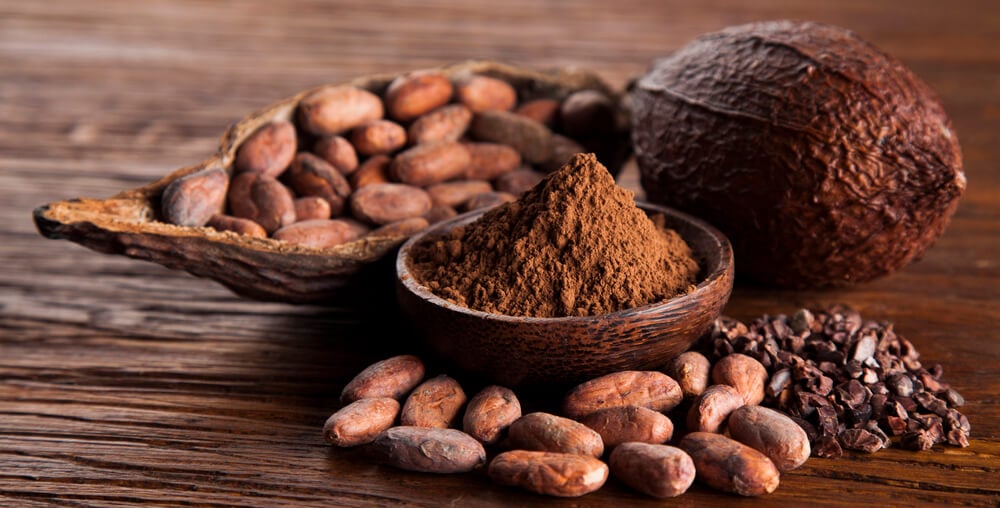
Before industrial processing separated cocoa butter from cocoa solids in the 1800s, cocoa powder as it’s known today didn’t really exist, and drinking chocolate remained a thick, expensive luxury reserved for the wealthy. The Dutch process developed in the 1820s made a lighter, cheaper cocoa powder possible.
It’s now a common baking ingredient in nearly every kitchen.
Almonds
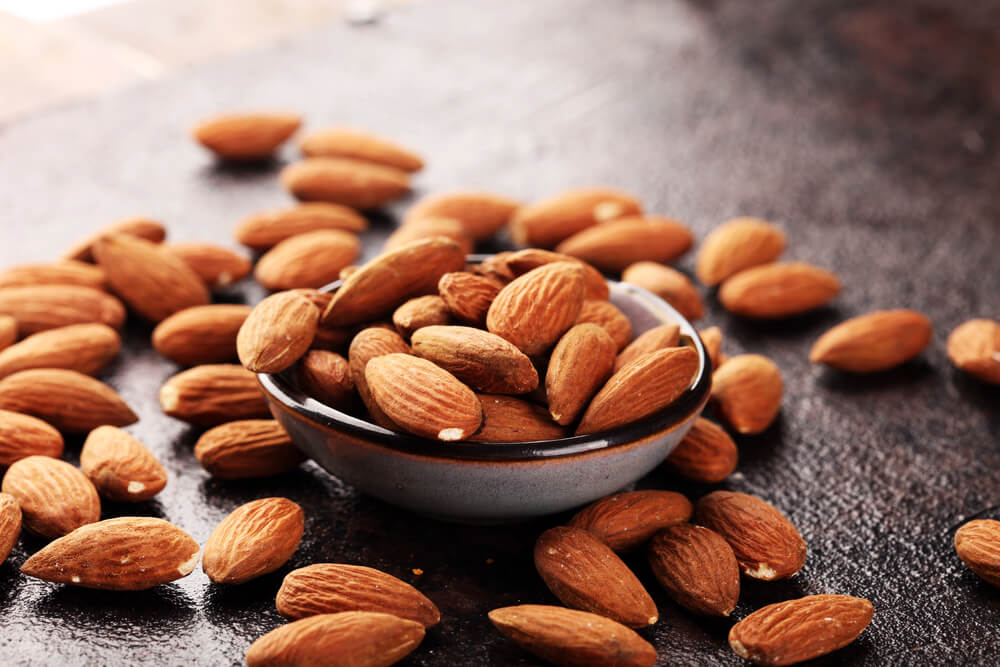
Almonds required careful cultivation in specific climates and long-distance transport to reach much of Europe, making them an expensive specialty ingredient reserved largely for special-occasion baking and marzipan for the wealthy. Large-scale California cultivation beginning in the 1900s eventually made them one of the most widely available nuts.
They’re now a common snack and baking ingredient at moderate prices.
Raisins
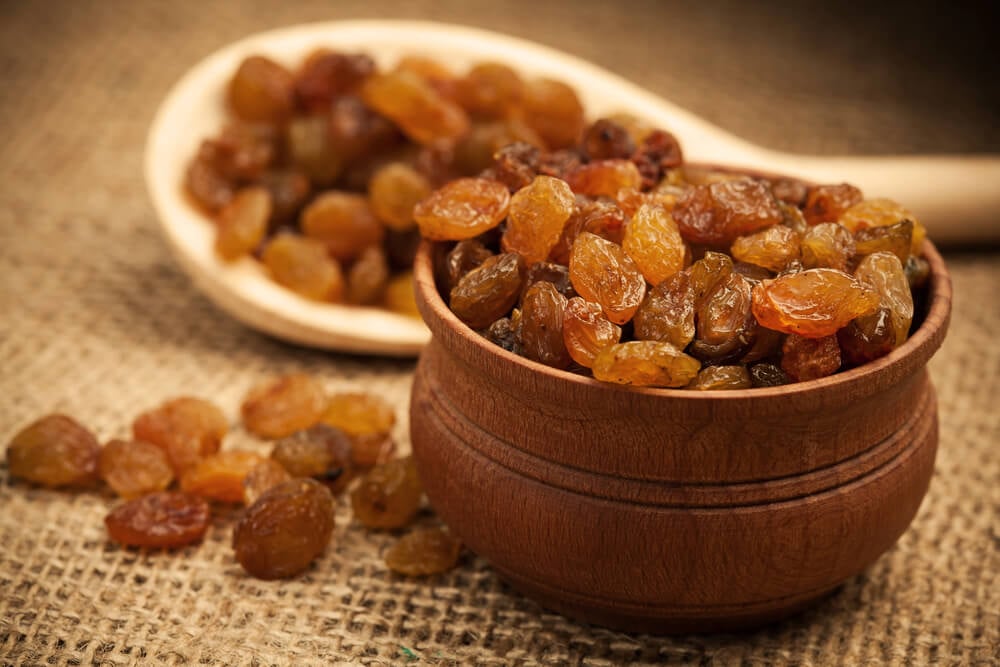
Dried grapes were an expensive imported delicacy in much of medieval and early modern Europe, valued for their long shelf life and sweetness at a time when fresh fruit was seasonal and perishable. Their cost limited them mostly to wealthier tables and special occasions like holiday baking.
Large-scale production eventually made them a cheap, year-round pantry staple.
Truffles
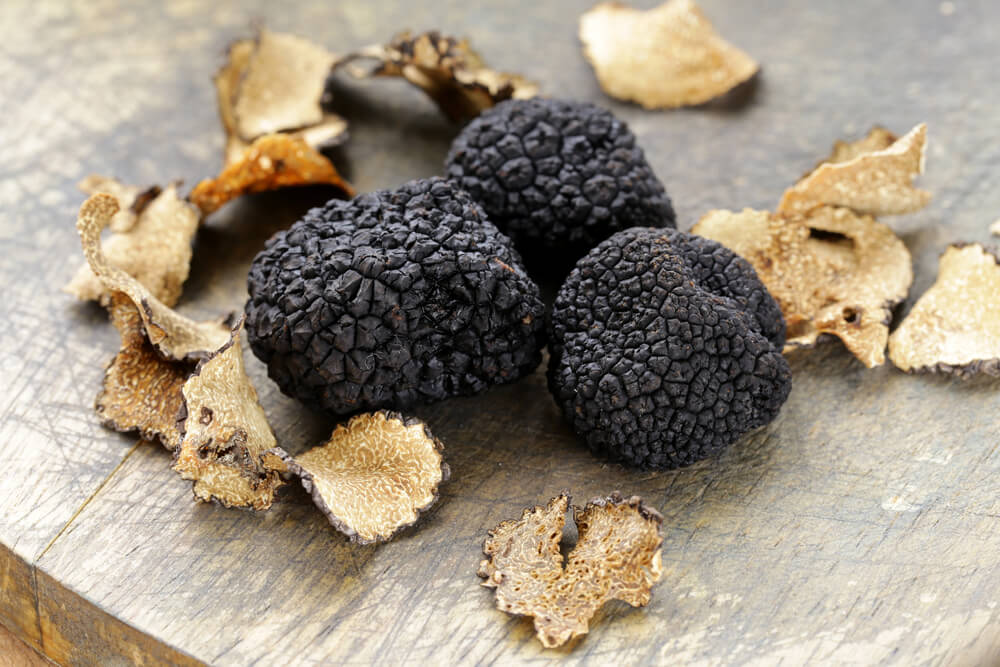
Prized for a strong aroma and impossible to cultivate reliably, truffles have remained one of the most expensive ingredients in the world for centuries, historically hunted with trained pigs or dogs in specific forest regions. Their scarcity, rather than any difficulty of production, kept prices extraordinarily high.
They remain a luxury ingredient today, though truffle oil and lower grades brought a version of the flavor to wider audiences.
Caviar
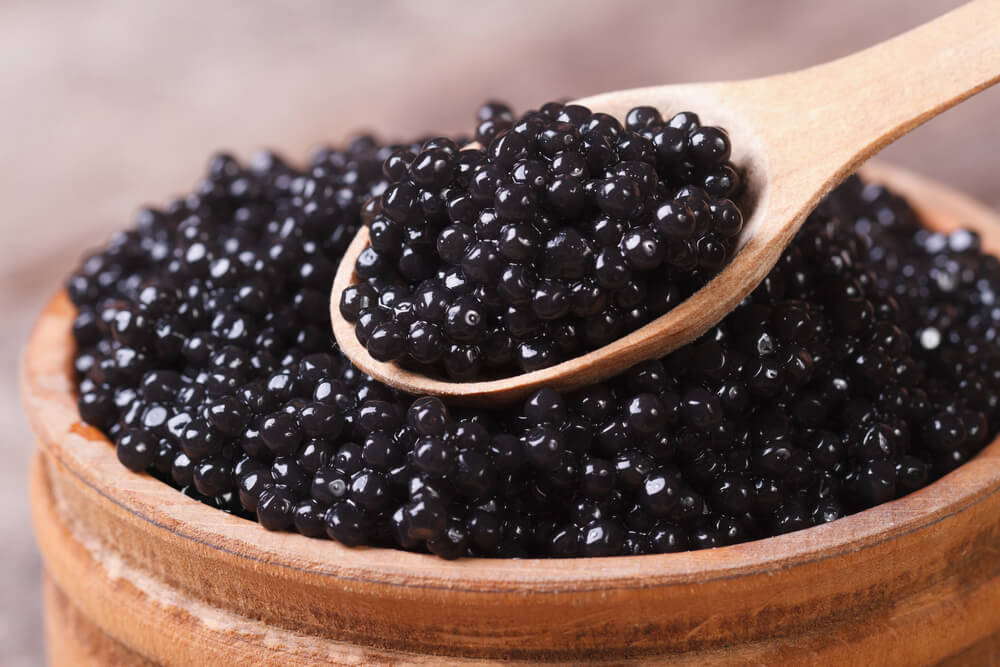
Sturgeon roe became a luxury delicacy associated with Russian and European aristocracy by the 1800s, prized for its rarity and the delicate process required to harvest and preserve it. Overfishing has kept high-quality caviar expensive even as farmed alternatives expanded supply.
It remains one of the more enduring symbols of culinary luxury on this list.
Champagne

True Champagne, produced only in France’s Champagne region using a specific and labor-intensive method, became associated with aristocratic celebration by the 1700s and remained largely out of reach for ordinary households for generations. Its association with wealth was reinforced by strict regional production rules that limited supply.
Sparkling wine more broadly eventually became widely affordable, even as genuine Champagne retained its premium price.
Coconut
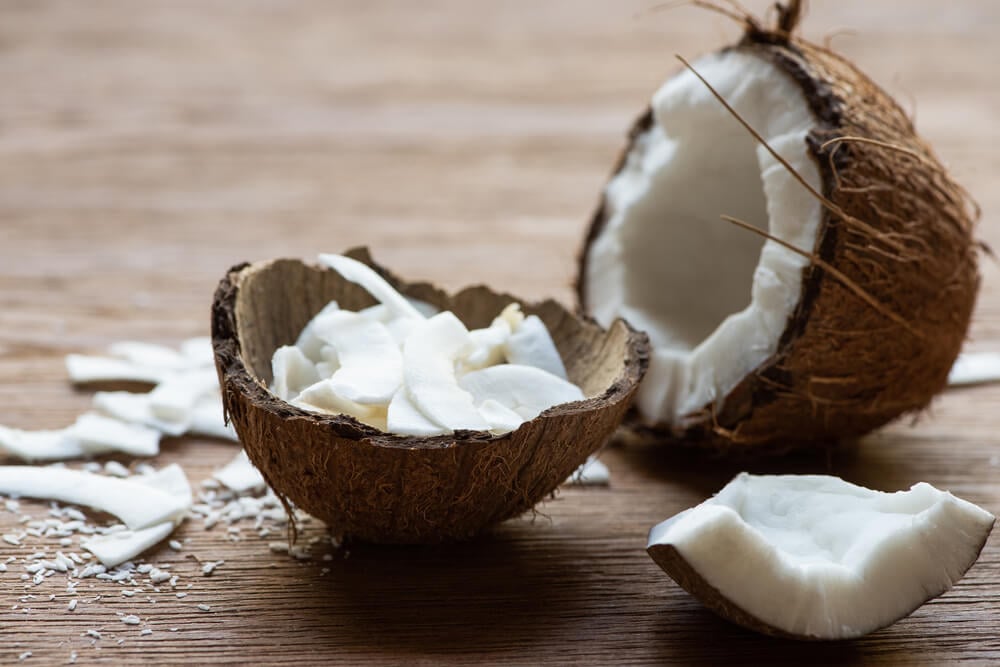
Before reliable shipping routes connected tropical growing regions to North American and European markets, fresh and dried coconut were rare, expensive imports used sparingly in baking. Canned and shredded coconut products arriving in the early 1900s made it dramatically more accessible.
It’s now a common ingredient in everyday grocery baking aisles.
Ice Cream

Making ice cream before mechanical refrigeration required access to stored ice and a labor-intensive hand-cranking process, which made it a special-occasion treat served mainly by the wealthy at elaborate dinner parties. Industrial freezing and home freezers eventually turned it into an everyday dessert.
It’s now one of the most widely available frozen foods in any grocery store.
Store-Bought Bread

In earlier eras, bread that a household didn’t bake itself was often viewed with suspicion or as an indulgence, since home baking was cheaper and considered a basic domestic skill. Commercial bakeries selling pre-sliced bread eventually flipped that perception, making store-bought loaves the convenient, affordable default.
Homemade bread is now often the more expensive, effort-intensive choice by comparison.
Canned Goods
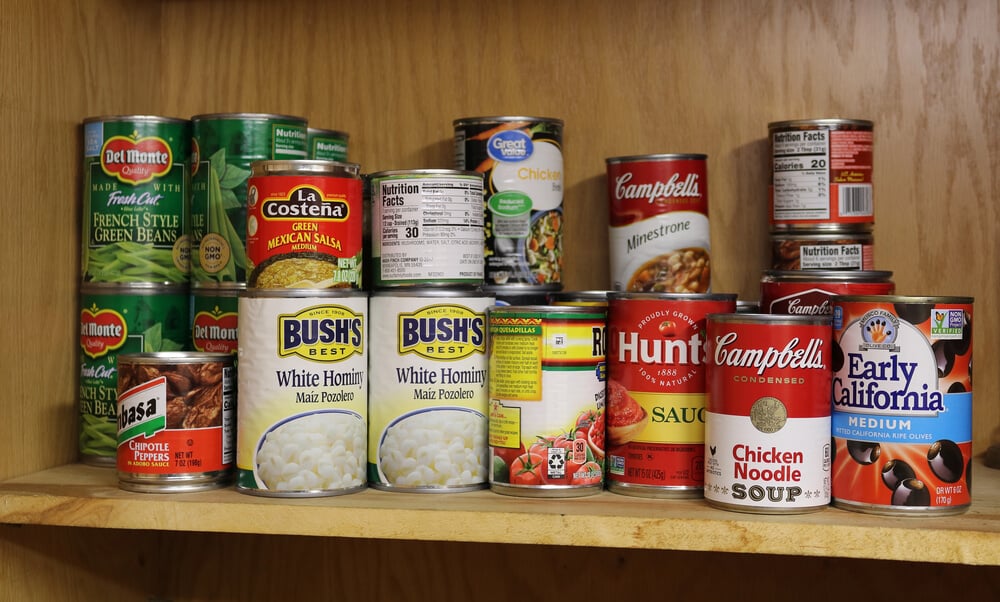
When commercial canning first became widespread in the 1800s, canned food was relatively expensive and often marketed as a convenient luxury for households that could afford to pay for preservation and processing. Mass production eventually reversed that dynamic entirely.
Canned goods are now among the cheapest, most shelf-stable options in any grocery store.
The Price of Convenience, in Reverse
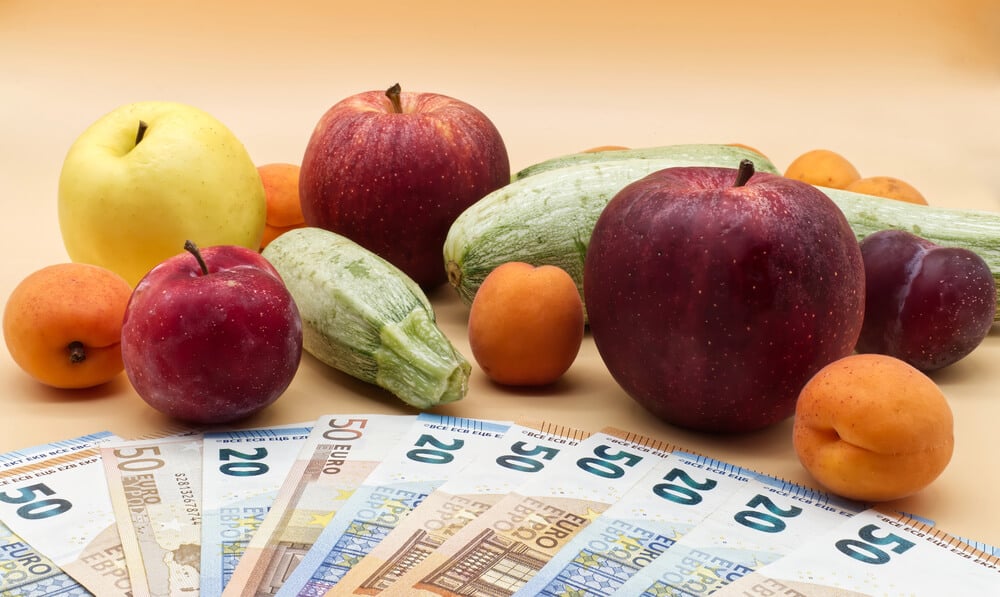
Nearly every ingredient on this list followed the same arc: scarcity or labor made it expensive, and then some combination of trade, technology, or industrial farming closed the gap. What was once a marker of status became something nobody thinks twice about buying.
It’s worth remembering the reverse can happen too. As certain crops become harder to grow reliably and certain labor-intensive foods lose the workers who once made them affordable, some of today’s pantry staples may quietly drift back toward luxury status within a generation.
More from Go2Tutors!

- The Romanov Crown Jewels and Their Tragic Fate
- 13 Historical Mysteries That Science Still Can’t Solve
- Famous Hoaxes That Fooled the World for Years
- 15 Child Stars with Tragic Adult Lives
- 16 Famous Jewelry Pieces in History
Like Go2Tutors’s content? Follow us on MSN.