26 Drive-In Theater Rituals Families Loved
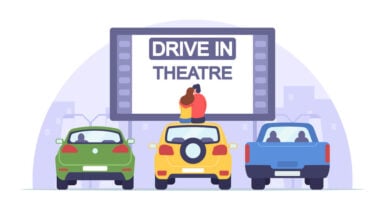
Drive-in theaters sold something indoor theaters could not: a night out where the kids could wear pajamas and the parents did not need a babysitter. The entire family fit in one car, and on many nights the price was charged per carload.
At the peak in the late 1950s, the United States had roughly 4,000 drive-ins. The rituals that grew up around them were part logistics and part summer theater, and many families still recognize every one.
Pajamas Before the First Feature
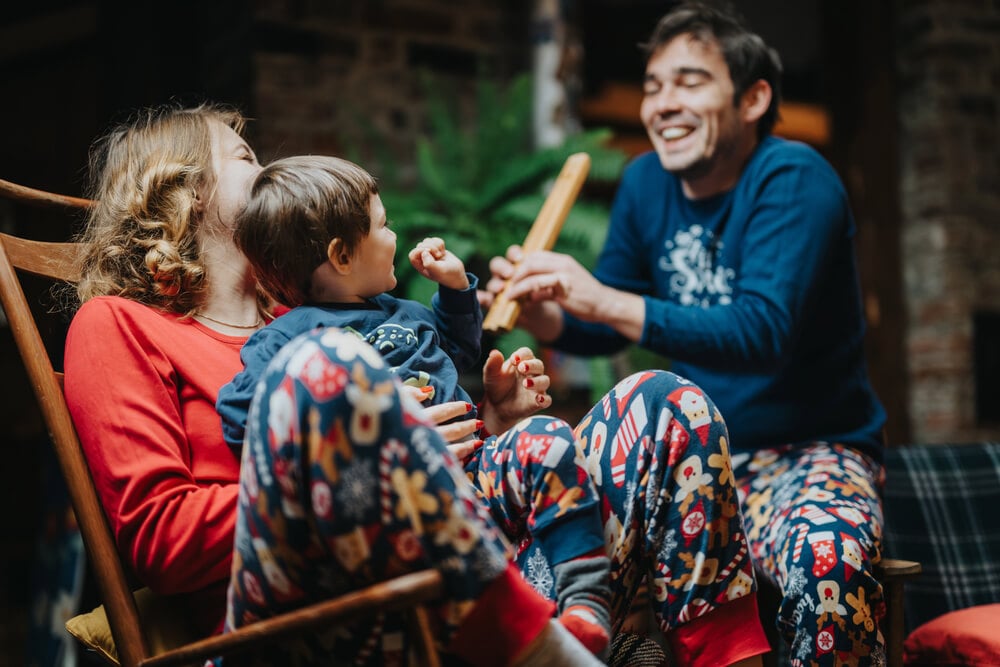
Parents dressed younger kids in pajamas before leaving the house, knowing most of them would fall asleep before the second movie ended. The pajamas meant the kids could be carried straight from the back seat to bed without waking.
Some families brought pillows and blankets and turned the station wagon’s cargo area into a bed. Drive-in owners understood this and advertised the experience to families with small children, since no babysitter was required.
Plenty of adults remember waking up at home with no memory of how the movie ended.
Arriving Before Sunset for the Best Spot
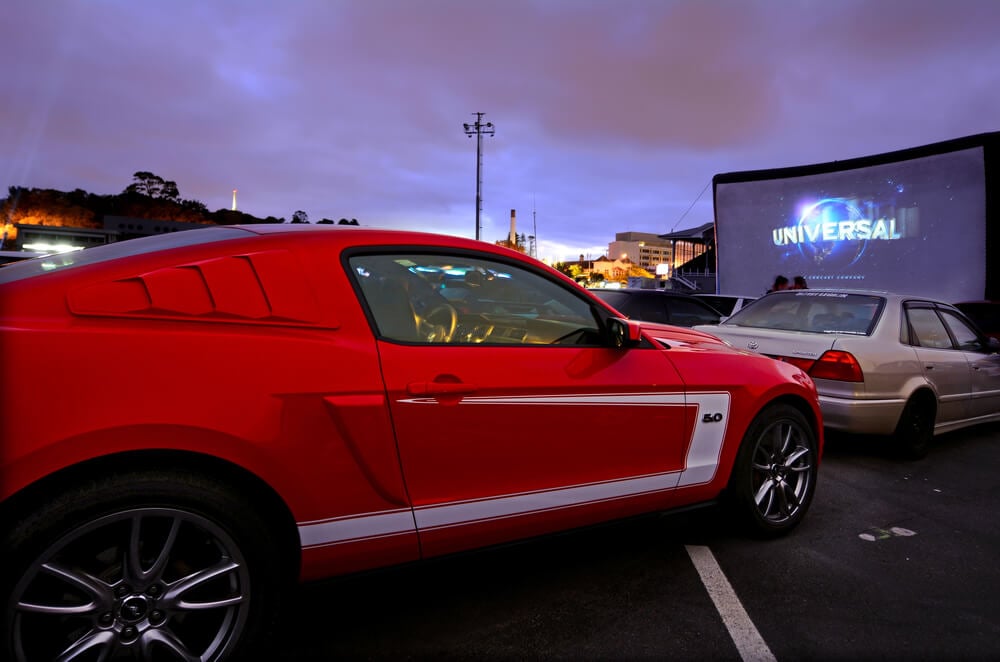
Films could not begin until full dark, but families arrived well before sunset to claim a good spot in the lot. The best rows were close enough for a clear view but not so close that everyone had to crane their necks.
Arriving early also meant time for the playground and the snack bar before the show. Cars lined up along the highway waiting for the gates to open on popular nights.
Showtimes shifted later as the summer days lengthened, so the first feature on a June night might not begin until nearly nine.
Hanging the Window Speaker
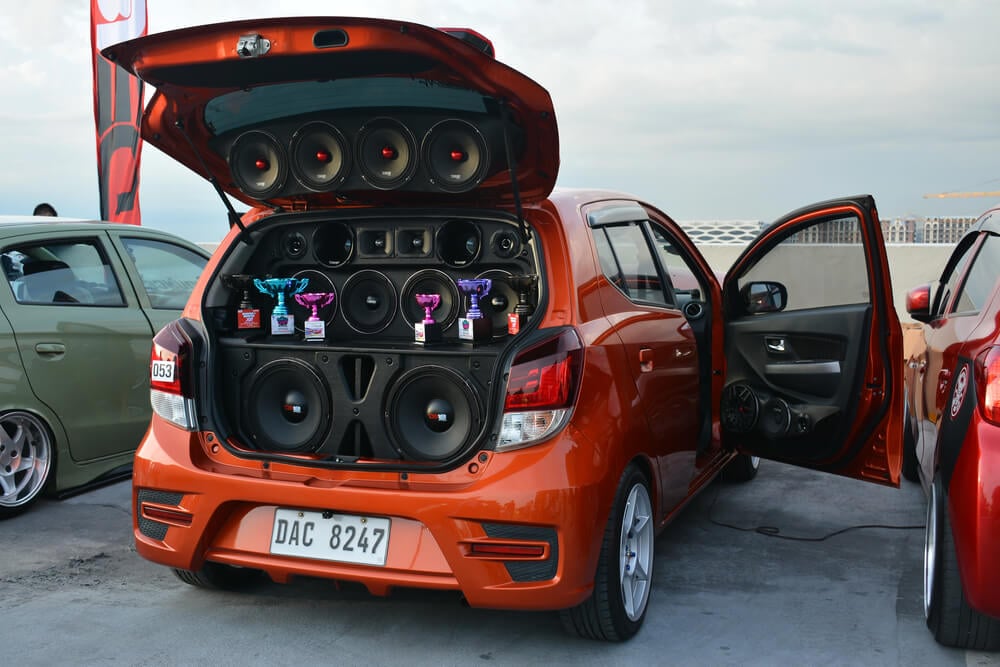
For decades, sound came from a metal speaker on a post beside each parking space, connected by a coiled cord. The driver lifted it off the post and hooked it over a partly rolled-down window.
The speakers were tinny, and some did not work at all, which meant moving the car to another space mid-cartoon. Drivers regularly forgot to hang them back up and pulled away with the speaker still attached, snapping the cord or cracking the window glass.
Theaters lost so many speakers this way that some began posting reminders on the screen.
Tuning the Car Radio to the Movie
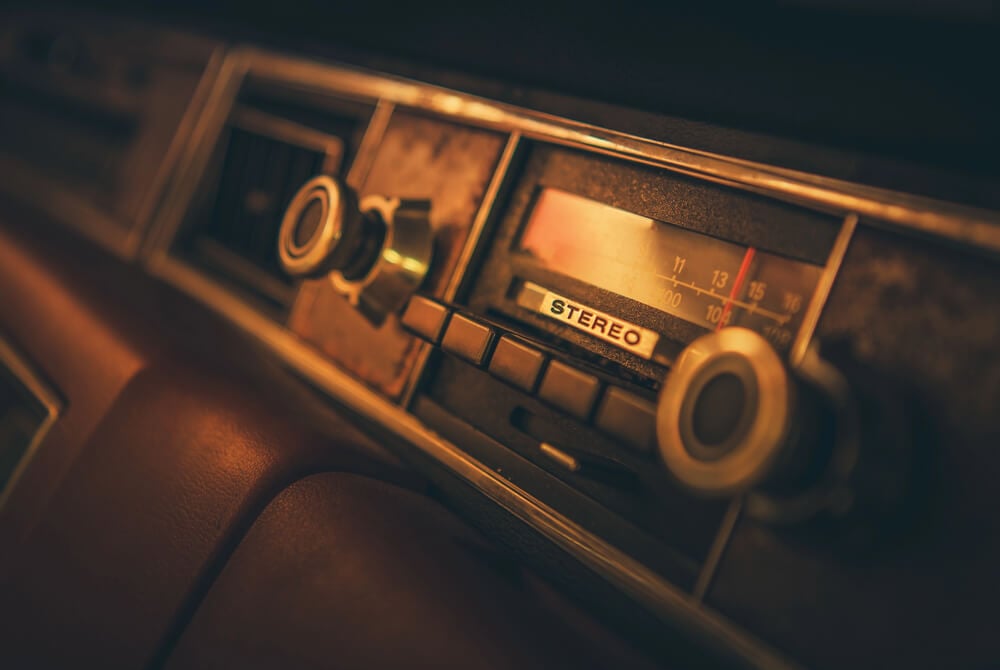
In the 1970s and 1980s, many drive-ins replaced post speakers with low-power FM transmitters, and families tuned the car radio to a posted frequency. The sound improved dramatically, and it came through the car’s own speakers instead of a tinny box on the window.
Some families brought portable radios so they could listen outside the car from lawn chairs. Theaters posted the frequency on the marquee or on a sign at the entrance.
The change also ended the era of drivers accidentally tearing speakers off their posts at the end of the night.
Let’s All Go to the Lobby at Intermission
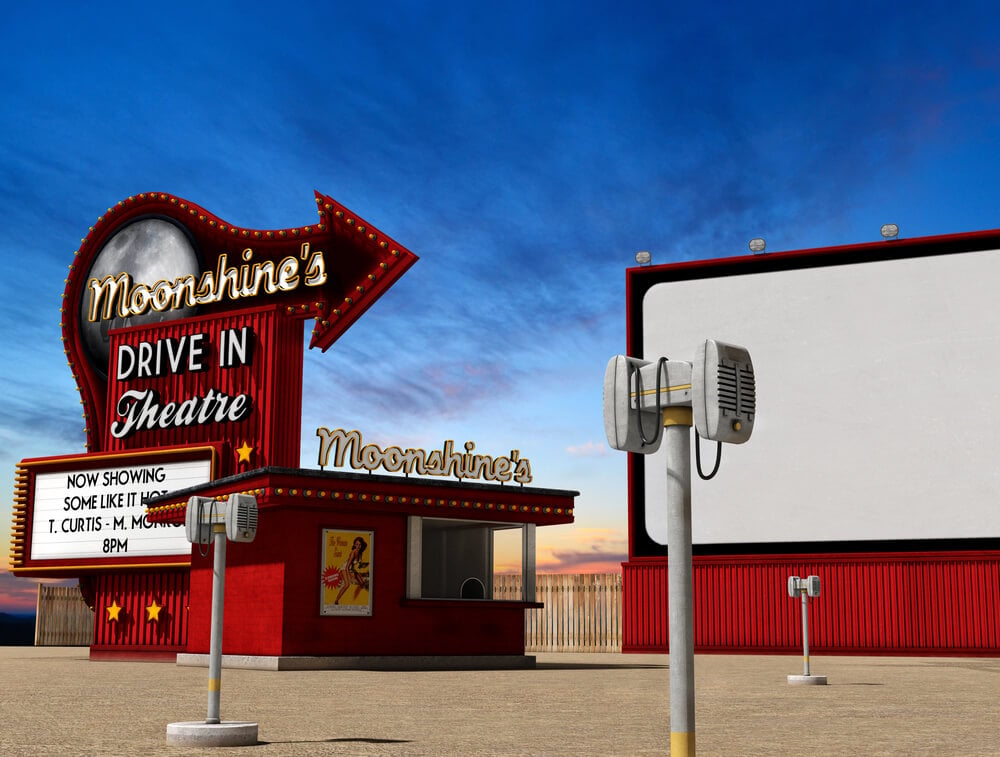
The intermission reel is part of drive-in memory as much as the movies are. The most famous one, Let’s All Go to the Lobby, features a singing hot dog, popcorn box, candy bar and soda cup marching toward the concession stand.
Filmack Studios of Chicago produced it in 1957, and the Library of Congress added it to the National Film Registry in 2000. Many drive-ins also showed a countdown clock before the second feature, urging the audience to the snack bar before time ran out.
Kids memorized the jingle.
Snack Bar Pizza and Hot Dogs
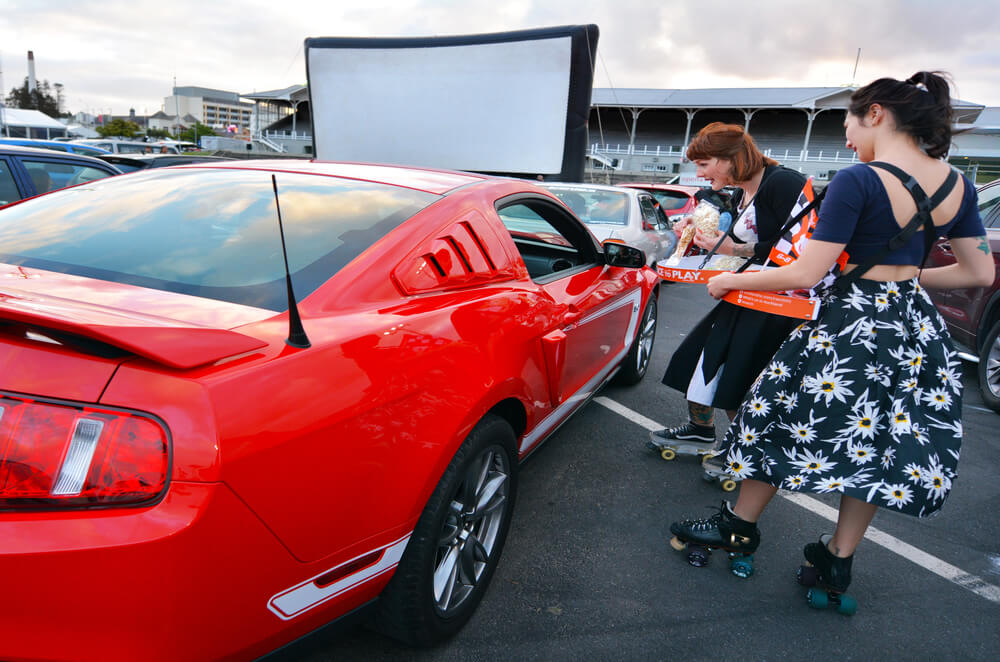
Drive-in operators often said they made their real money at the snack bar, and the menu reflected it. Pizza, hot dogs, hamburgers, popcorn, nachos, fries and fountain soda were standard, and some drive-ins sold fried chicken or full dinners.
The snack bar building usually housed the projection booth as well. Kids were sent with money and a list and returned with cardboard trays balanced on their forearms.
Walking back to the right car in the dark was a skill of its own, especially in a lot full of look-alike station wagons.
Playground Beneath the Screen
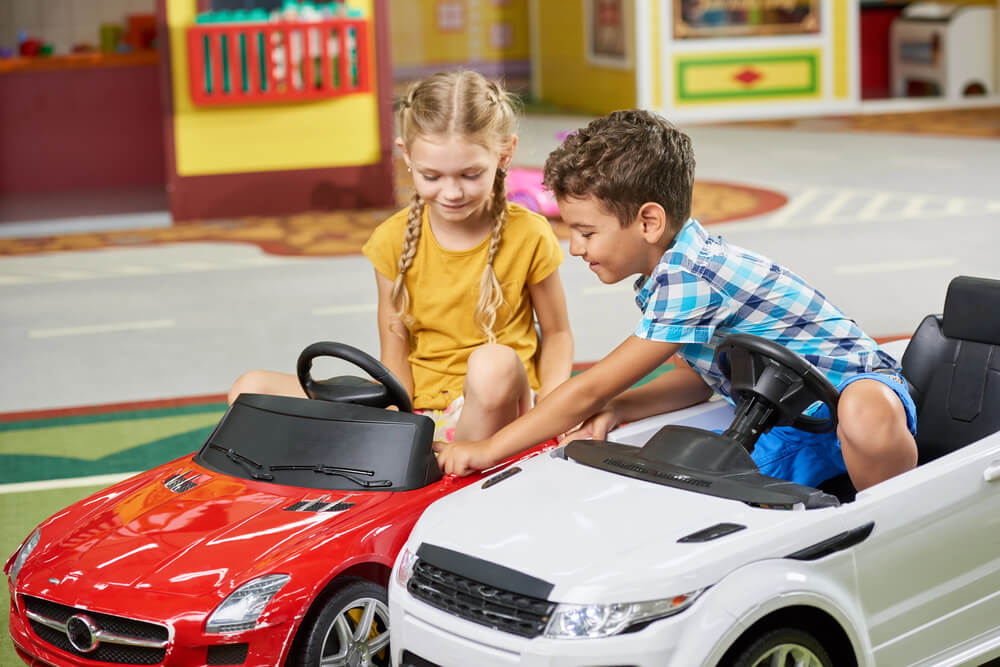
Many drive-ins built playgrounds directly in front of the screen, with swings, slides and merry-go-rounds. Kids played there in the fading daylight while parents set up the car, and the playground emptied once the previews rolled.
Some theaters added miniature trains, pony rides or small petting zoos to attract families. The playgrounds were a major selling point in the 1950s, when owners competed hard for young parents.
Many have since been removed for insurance reasons, but a few surviving drive-ins still keep swings in front of the screen.
Staying Awake for the Double Feature
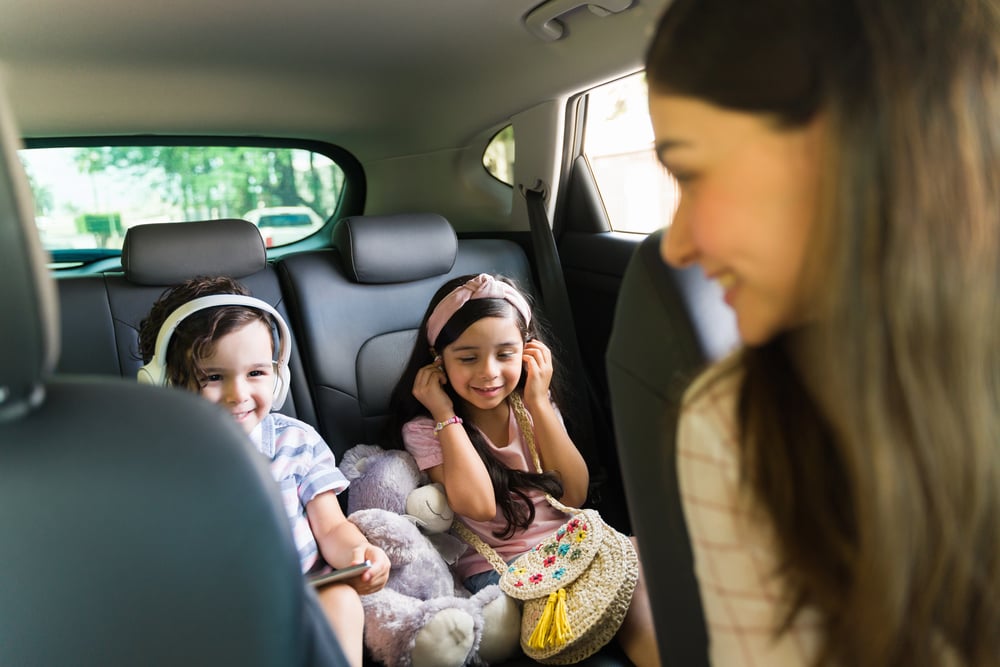
Most drive-ins ran double features, and the second film usually began well after the younger kids’ bedtime. Owners often scheduled the family-friendly movie first and a more grown-up film second, assuming children would be asleep.
Kids made every effort to stay awake for the second feature and rarely succeeded. Parents were happy to leave at intermission if the back seat had gone quiet.
Tickets covered both films, so staying through the second one felt like getting full value, even for adults fighting to keep their own eyes open.
Smuggling Kids in the Trunk
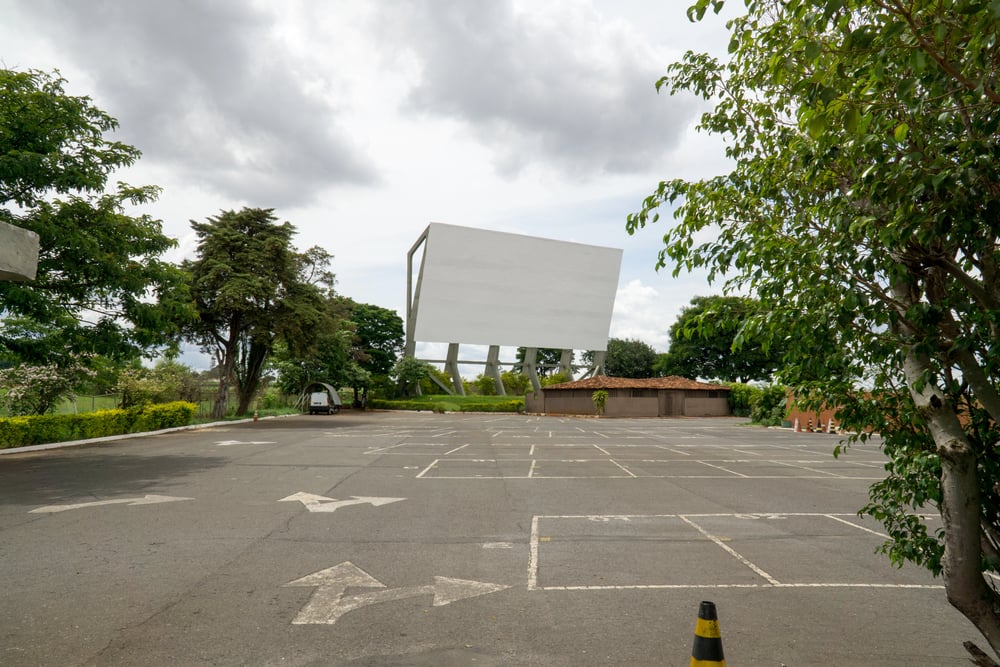
When drive-ins charged per person, some families hid kids or friends in the trunk to get past the ticket booth. Theaters caught on, and attendants learned to check trunks or listen for giggling from the back of the car.
The practice became common enough that it shows up in movies and memoirs about the era. Teenagers took it to extremes, sometimes squeezing several friends into one trunk.
Many drive-ins eventually switched to flat pricing per car, which removed the incentive and ended a surprising number of family legends.
Lawn Chairs by the Bumper
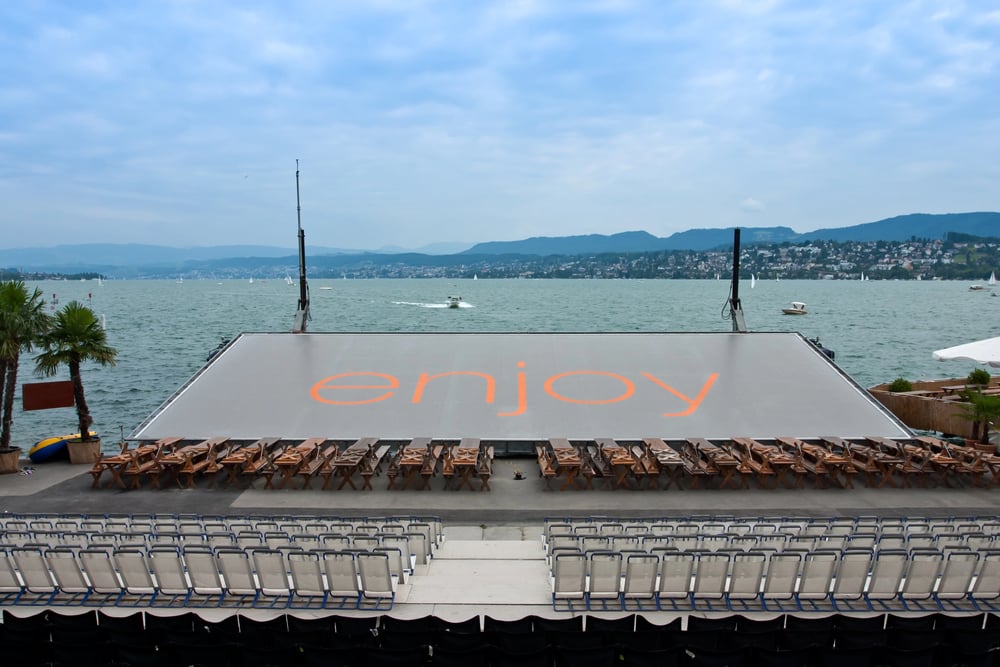
On warm nights, many families set up aluminum lawn chairs beside the car or in front of the bumper. The webbed folding chairs rode in the trunk all summer for exactly this purpose.
Sitting outside meant fresh air and fewer arguments over who was blocking the view from the back seat. It also meant mosquitoes.
Theaters that switched to radio sound made the practice more common, since families could set a portable radio on the gravel beside them. Some kids spent the entire movie outside while their parents stayed in the front seat.
Backing In the Station Wagon
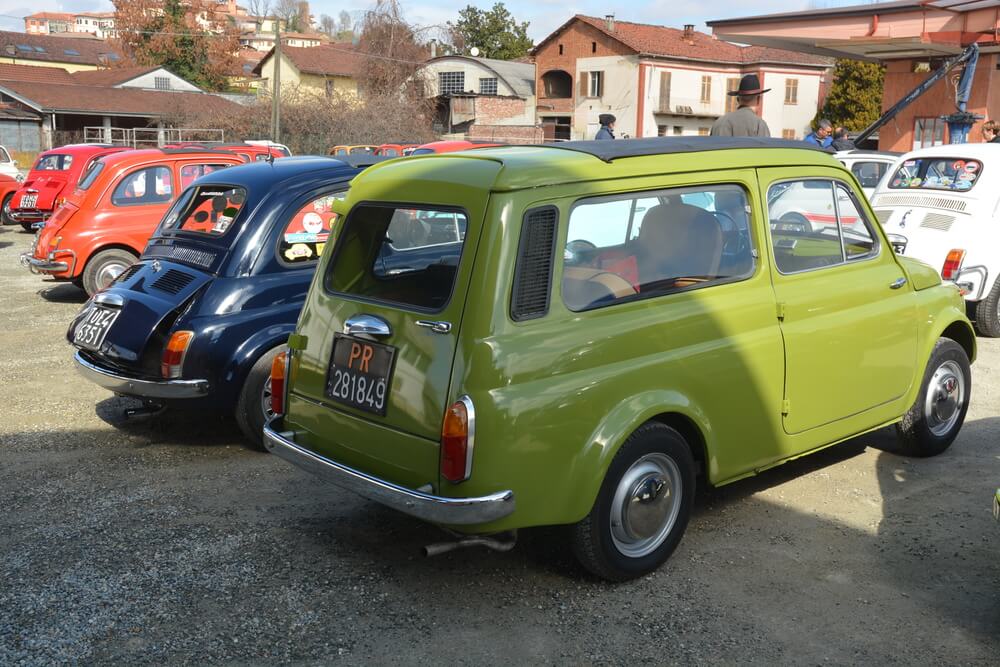
Families with station wagons often backed into the parking space and opened the tailgate, turning the cargo area into a bench or a bed facing the screen. Pickup trucks did the same, with kids piled into the bed on blankets and pillows.
Drive-ins developed rules about where tall vehicles could park so they would not block the view for cars behind them. Some theaters reserved the back rows for vans and trucks.
The practice turned the family car into a small living room with a very large television.
Mosquito Coils on the Dashboard
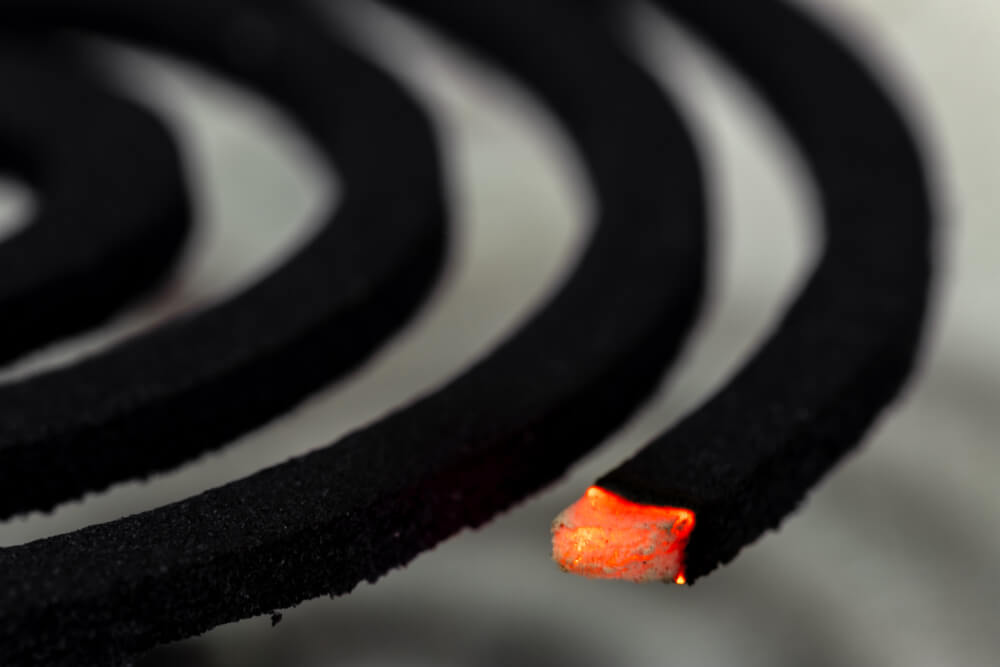
Summer nights at the drive-in meant mosquitoes, and families fought back with slow-burning green coils, sprays and citronella candles. Some drive-ins sold coils at the snack bar or ran foggers over the lot before the show.
The coils sat on the dashboard or the hood, where they smoldered for hours and left a distinctive smell in the car. That smell is still tied to drive-in memories for many adults.
Kids complained about the scent and about the bites in equal measure, and scratched their ankles all the way home.
Carload Night Specials
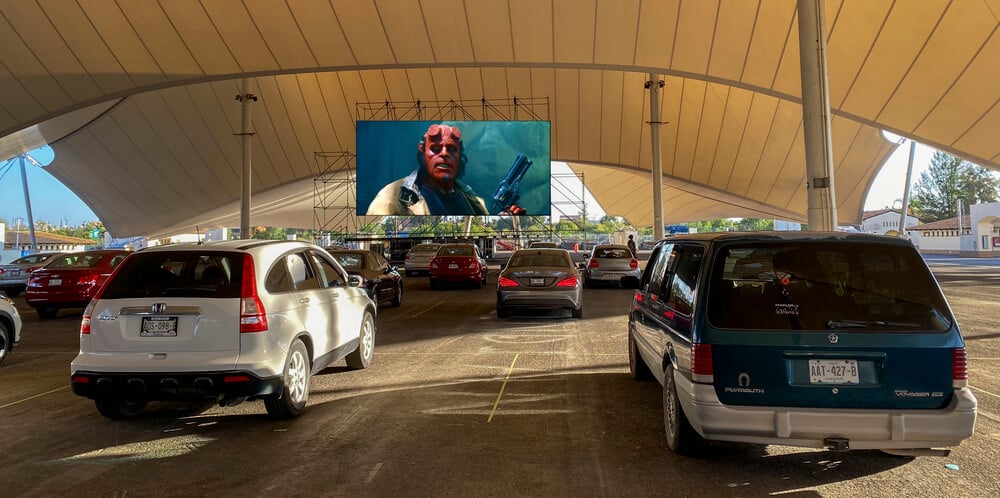
Bargain nights at many drive-ins let one price admit every person in the car, however many fit. Families packed cousins and neighbors into the station wagon to take advantage.
The promotions drew crowds on otherwise slow weeknights, and some theaters later made per-car pricing permanent. Teenagers treated carload night as a challenge, testing how many friends could fit into a single sedan.
Attendants at the ticket booth tended to count heads with raised eyebrows, and the cars rolled slowly into the lot with doors straining.
Honking When the Film Broke
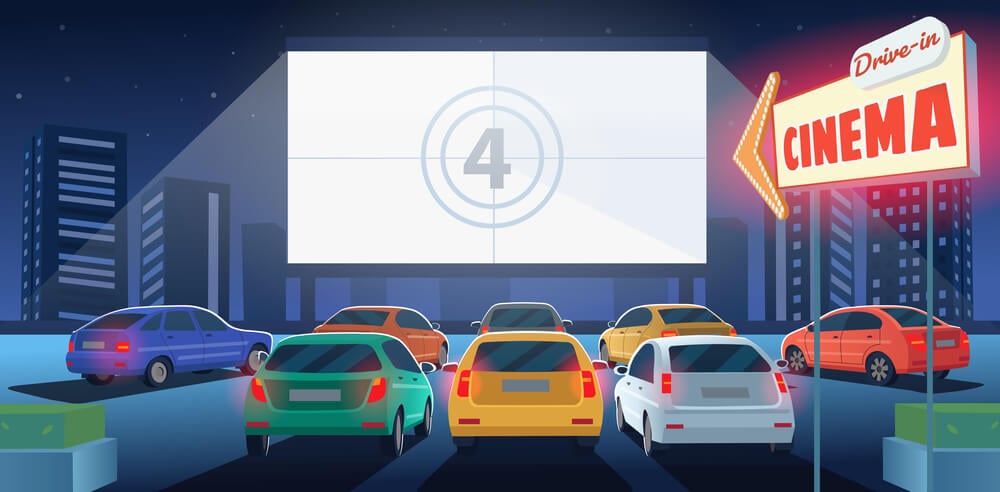
When the film broke, the projector jammed or a reel was put on in the wrong order, the audience responded by honking horns and flashing headlights. It was the drive-in equivalent of booing.
The projectionist usually got the film running again within a few minutes. Kids loved being allowed to honk.
Honking also broke out when the picture went out of focus or when the sound fell out of sync, and a long silence on screen could set off a chorus from every row in the lot.
Jumper Cables at Closing Time
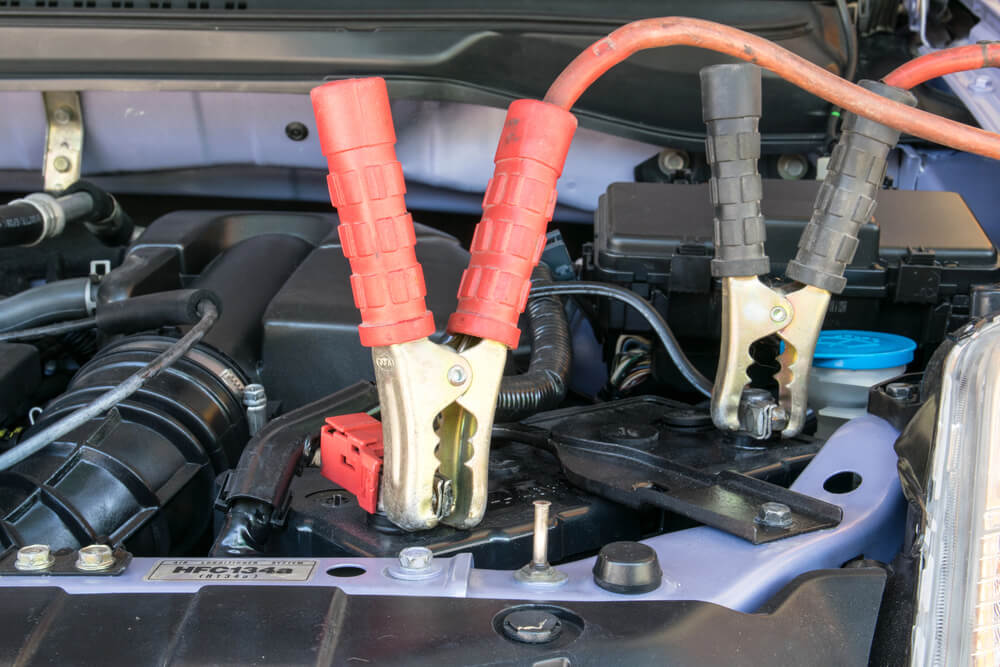
Drive-ins with radio sound created a common problem: dead batteries. Families who listened for hours with the engine off sometimes found the car would not turn over at the end of the night.
Many theaters kept jumper cables or a portable battery pack at the snack bar, and staff drove around the lot helping stranded cars. Experienced families ran the engine for a few minutes at intermission to be safe.
Asking a neighboring car for a jump became part of the evening, and strangers often ended up chatting while the batteries charged.
Windshield Wipers on Rainy Nights
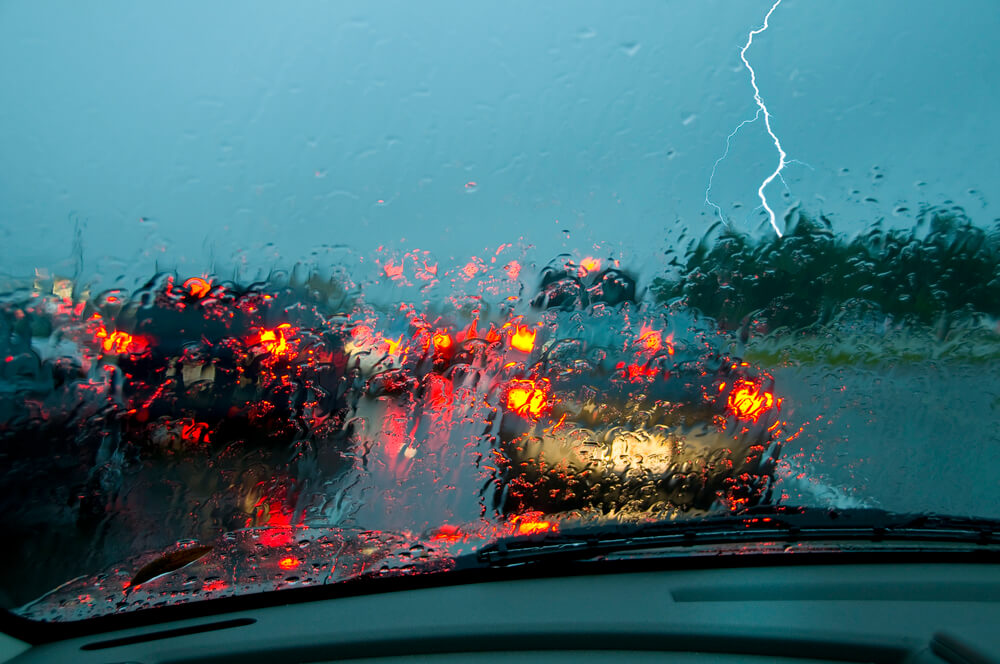
Drive-ins usually kept showing films in light rain, and families ran the wipers every few minutes to clear the view. Too much wiping drained the battery, and too little blurred the picture into a wash of color.
The inside windows fogged up quickly with a car full of breathing kids, which meant rolling the windows down a crack and letting some rain in. Defrosters helped a little.
Some families kept towels in the car just for wiping condensation off the glass, and the youngest child usually got the job.
Parking Lights Only
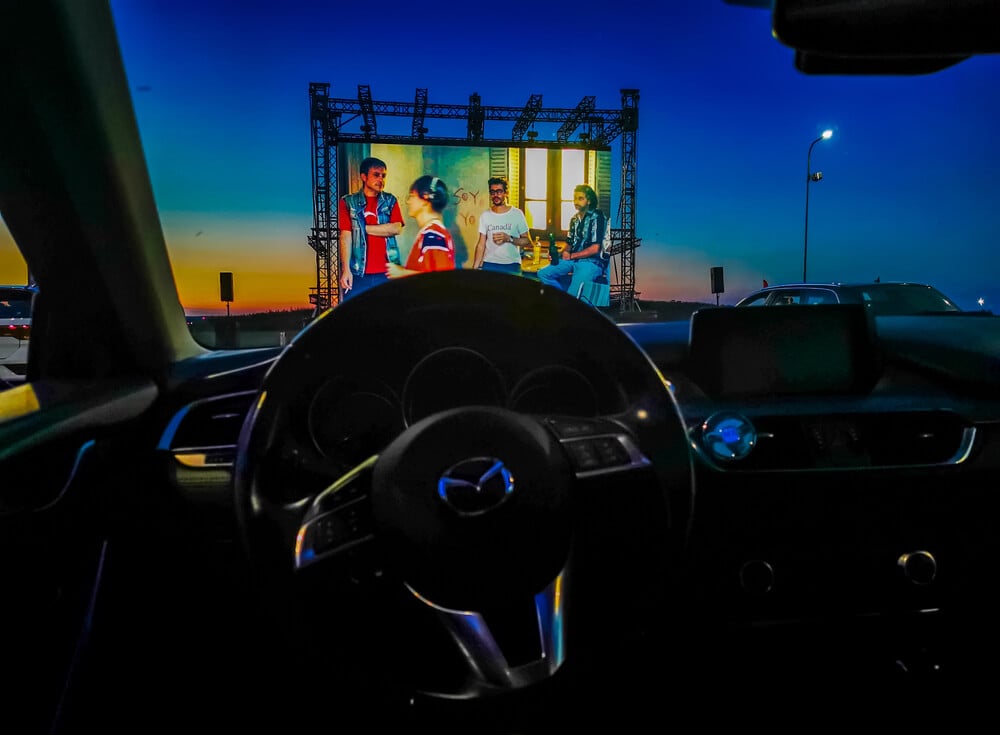
Headlights were a serious breach of etiquette once the movie was running. Late arrivals crept through the rows with only their parking lights on, and anyone who flashed headlights toward the screen drew horns from every car nearby.
Leaving at the end of the night meant waiting for the credits so the glare would not wash out the screen for everyone else. Newer cars with automatic headlights caused fresh problems, and theaters posted instructions for turning them off.
Kids learned the rule quickly and enforced it on their parents.
Cartoons and Coming Attractions
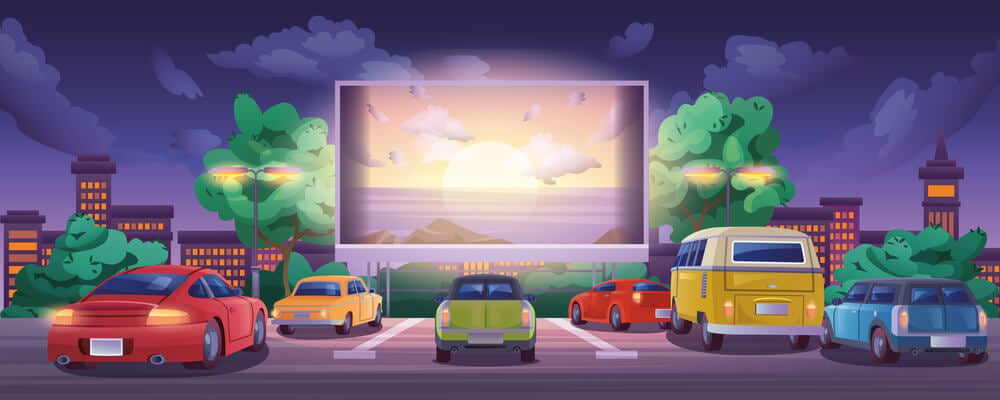
Before the first feature, drive-ins showed a sequence of previews, cartoons and ads for the snack bar and local businesses. Kids liked the cartoons best, especially Bugs Bunny and the Road Runner.
Local ads featured car dealers, restaurants and furniture stores in town, often with slides that stayed on screen a little too long. The previews gave families a sense of what the following week would bring, since the program usually changed weekly.
Many drive-ins also ran a short reel reminding drivers to hang up their speakers before leaving.
Coolers Packed From Home
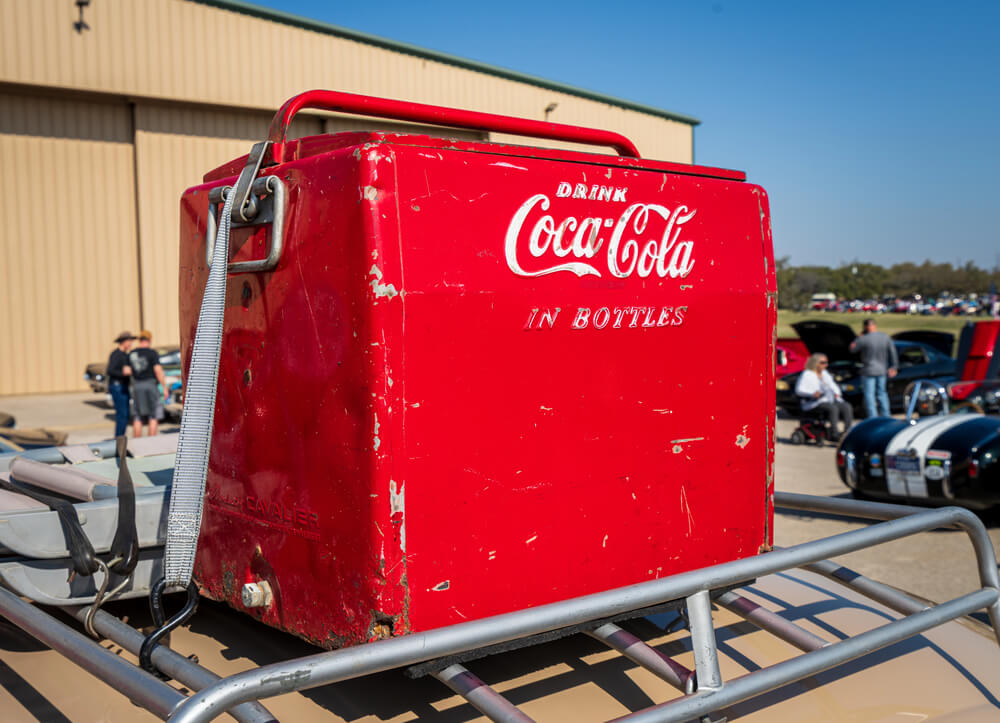
Some families skipped the snack bar entirely and brought a cooler packed with sandwiches, sodas and homemade popcorn in paper grocery bags. Drive-in owners disliked the practice, since concession sales paid the bills, and some posted signs banning outside food or charged a fee for it.
Families found ways around the rules, hiding food under blankets on the floor. Fried chicken from home was a popular choice.
The cooler usually sat on the floor of the back seat and doubled as a footrest for whoever sat in the middle.
Parking on the Ramp
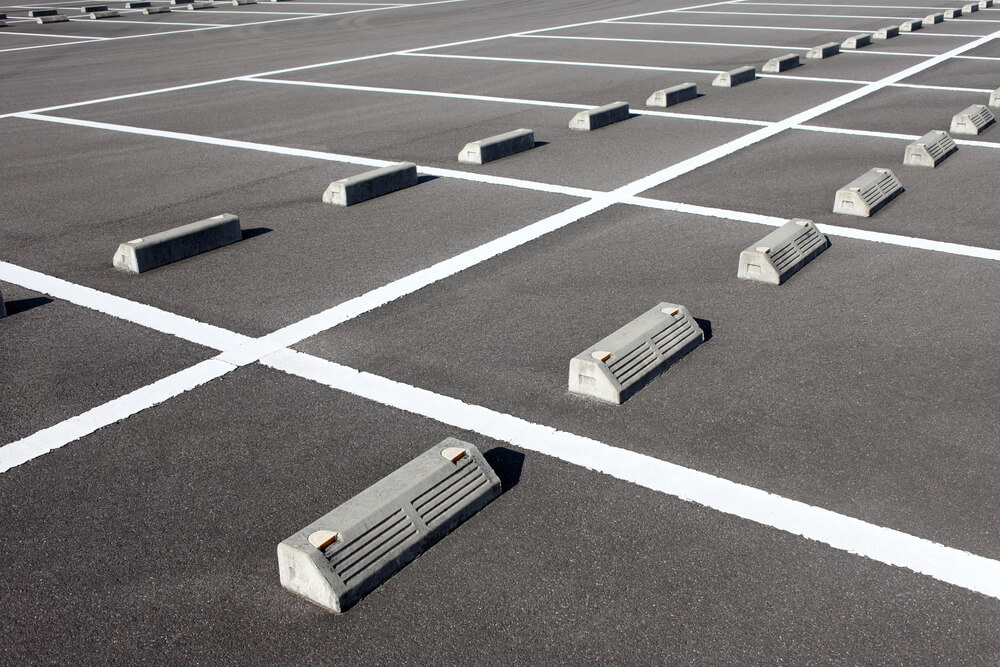
Drive-in lots were built with a series of angled ramps, so the front of each car tilted slightly upward toward the screen. Richard Hollingshead, who opened the first drive-in in Camden, New Jersey, in 1933, patented the ramp arrangement.
Getting the car positioned correctly on the hump was a skill, and kids watched as their fathers inched forward and back. Parking too far forward pointed the car at the sky, while too far back aimed it at the gravel.
The perfect angle meant nobody in the car had to slouch.
Swap Meets on the Lot by Day
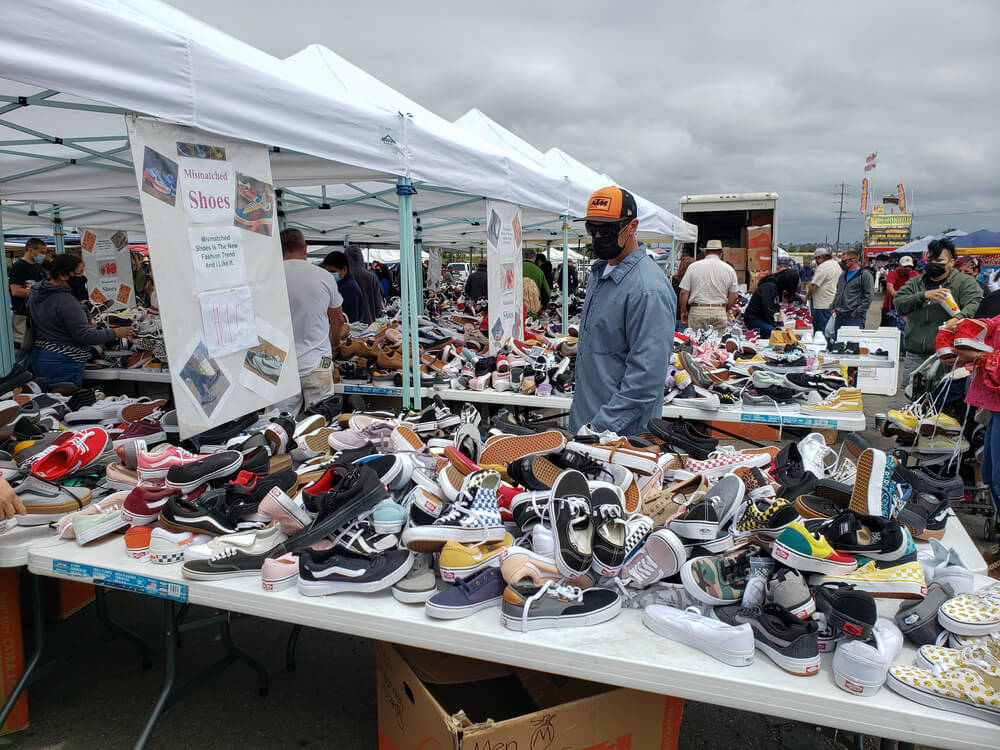
Weekend mornings brought a second business to many drive-ins, as owners rented the lot to flea markets and swap meets. Families who went to the movies on Saturday night often came back Sunday morning to browse tables of used tools, dishes and toys.
Some of these markets stayed open long after the screens went dark for good. The empty lot looked strange in daylight, with the speaker posts standing in rows and the giant screen showing only weathered paint.
Kids hunted for bargains among the same ramps where they had watched movies the night before.
Church Services in the Car
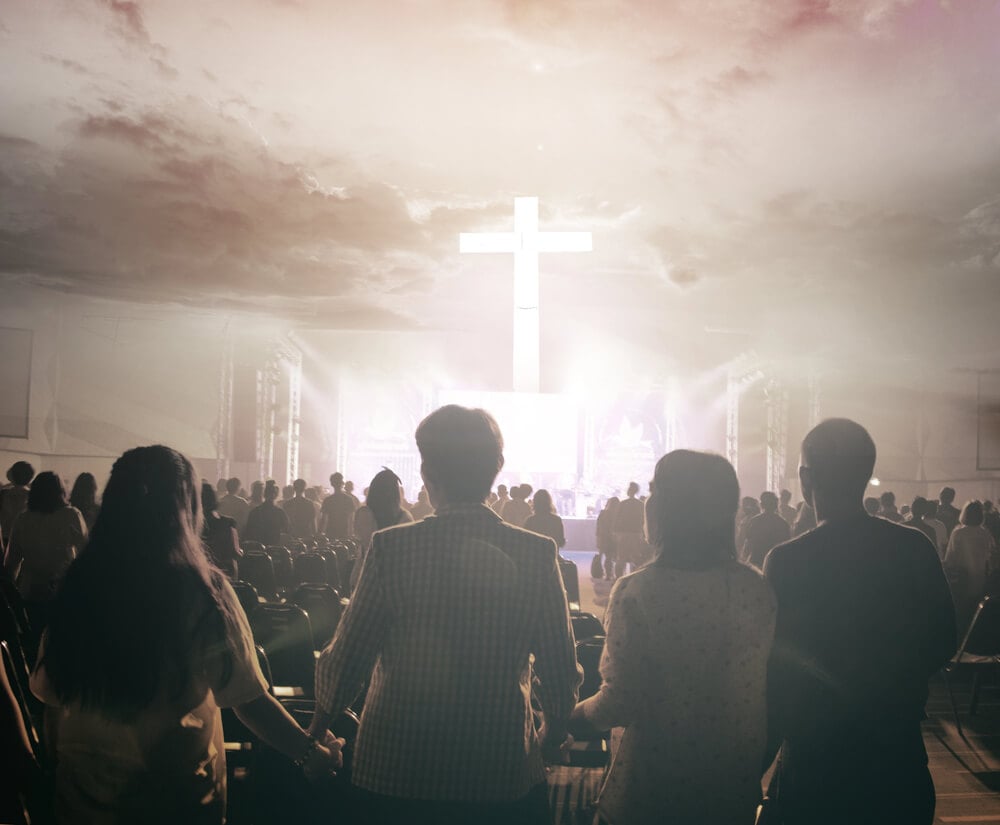
Some drive-ins hosted Sunday church services, with the pastor preaching from the roof of the snack bar and the congregation listening through the window speakers. Robert Schuller began his ministry at the Orange Drive-In in Orange County, California, in 1955, and the congregation later grew into the Crystal Cathedral.
Easter sunrise services at drive-ins were especially popular. Families attended in their Sunday clothes without leaving the car, and parents with restless toddlers appreciated that nobody in the next pew could hear the fussing.
Some drive-ins still hold services on summer Sunday mornings.
Family Dog in the Back Seat
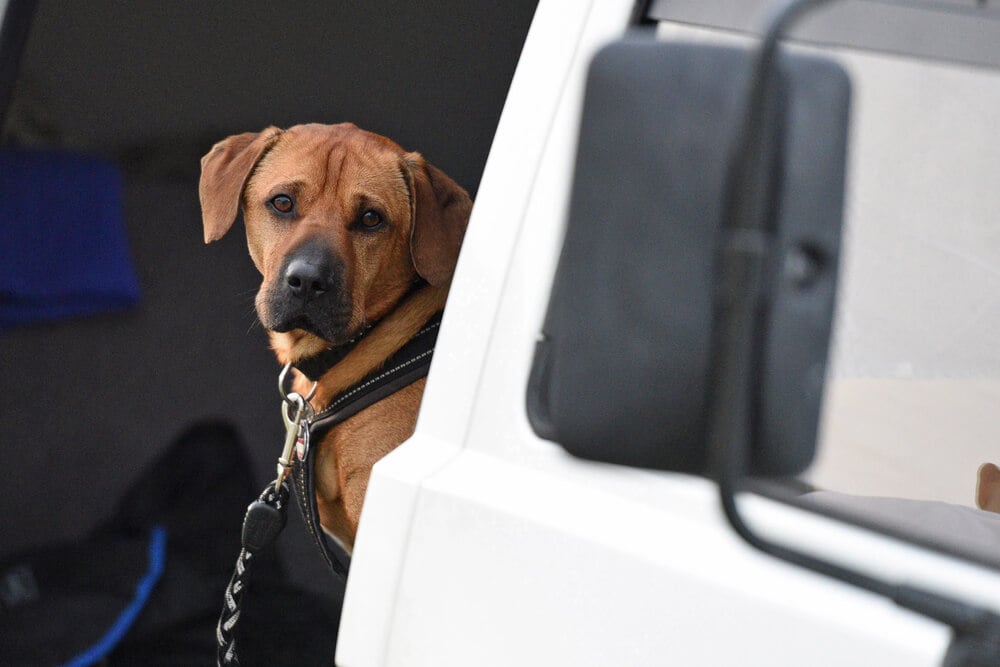
The drive-in was one of the few theaters where the family dog could come along. Dogs sat in the back seat or on laps, and most owners allowed them as long as they stayed inside the car.
The dog usually fell asleep before the kids did. Walking the dog at intermission was a job assigned to an older child, who also had to find the car again afterward.
Whenever a dog barked on screen, the family dog tended to answer, which set off a chain reaction of barking across the lot.
Blankets on the Hood
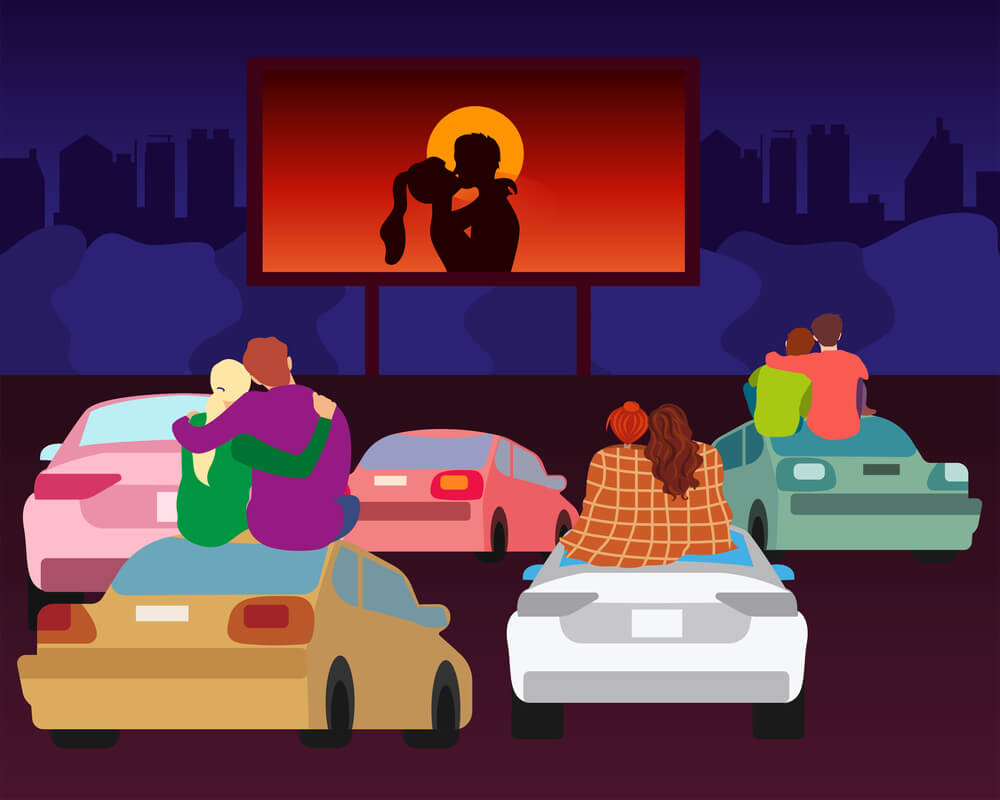
On warm nights, older kids and teenagers spread blankets on the hood or the roof of the car and watched from there. The windshield made a backrest.
Parents discouraged roof sitting, since it could dent the metal, but the view was better from above the dashboard. Families in pickups used the truck bed for the same purpose.
On clear nights in the country, the stars over the screen added a second show, and plenty of kids spent more time looking up at the sky than at the movie.
Halloween Horror Marathons
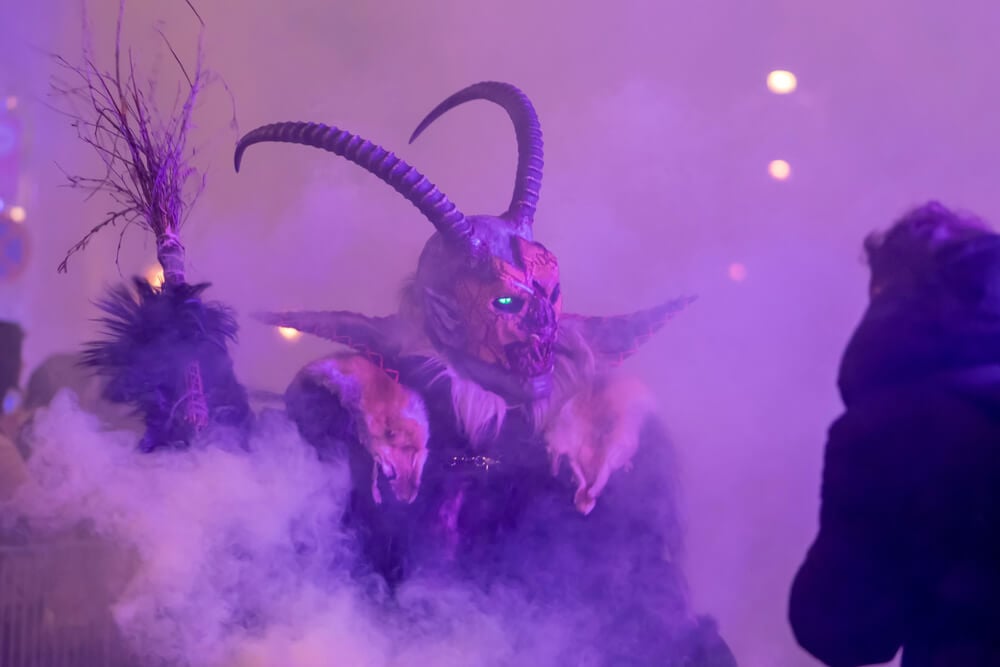
Many drive-ins ran all-night horror marathons around Halloween, showing four or five films back to back from dusk until dawn. Kids old enough to stay up considered it a rite of passage.
Some theaters encouraged costumes, and staff sometimes walked the rows dressed as monsters to rattle the audience between features. A few theaters closed the marathon with coffee and doughnuts at sunrise.
Families with younger children usually left after the first film, and the kids who stayed bragged about it at school for weeks.
Last Weekend of the Season
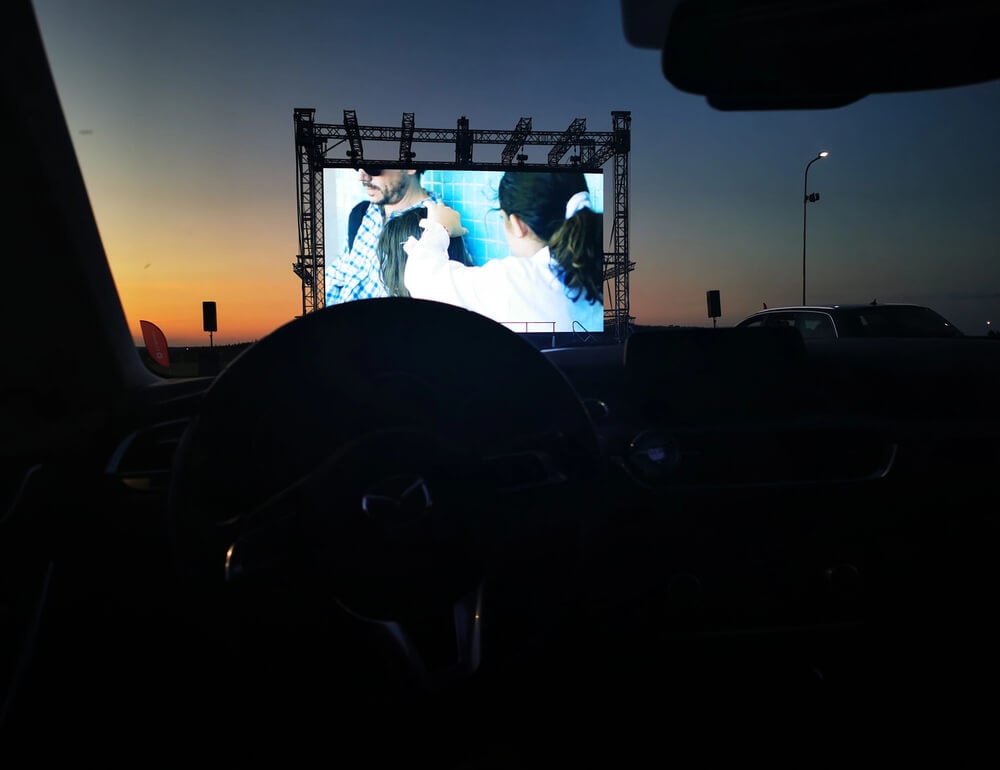
In northern states, drive-ins closed for the winter, and the last weekend of the season became an event of its own. Theaters often ran bargain prices or special programs to close the year.
Families bundled up in coats and blankets and ran the heater between films. The marquee announced the closing date weeks in advance, and regulars made a point of being there.
The first night of the new season in spring felt like the real beginning of summer, and the cycle carried many families through their kids’ entire childhoods.
Gravel Lots and Summer Nights
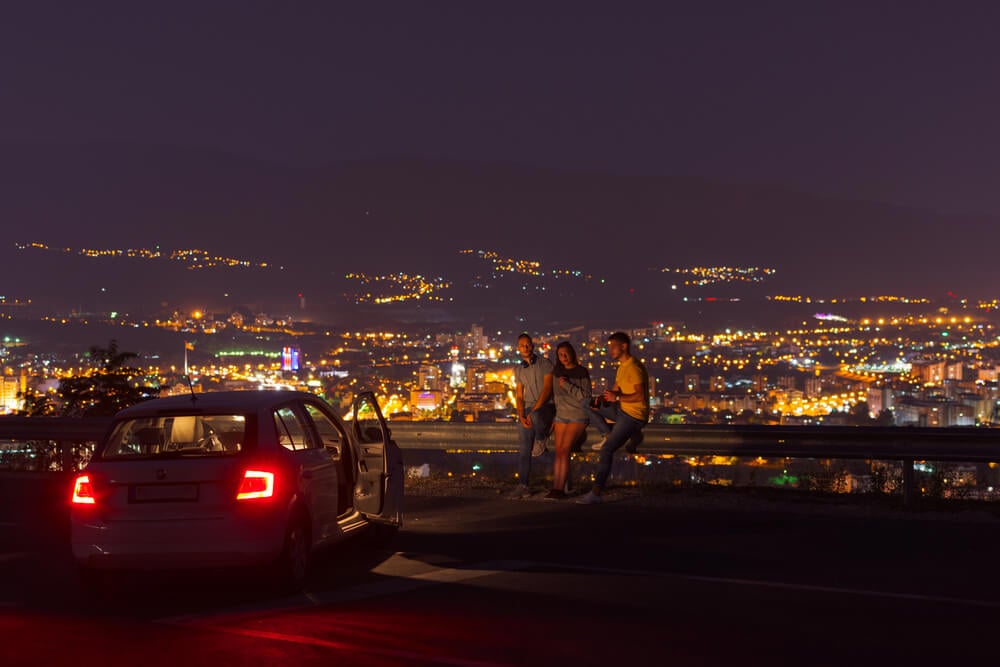
Drive-in rituals were mostly workarounds for a strange arrangement: watching a movie from inside a car. Families solved the problems of sound, light, bugs, weather and hungry kids with coolers, lawn chairs and jumper cables.
The solutions became traditions because every family ran into the same problems. Only a few hundred drive-ins remain in the United States, a small fraction of the peak.
The survivors sell the same experience with digital projection and radio sound. Families still come for the chance to be out together in the dark, in their own car, on a summer night.
More from Go2Tutors!

- The Romanov Crown Jewels and Their Tragic Fate
- 13 Historical Mysteries That Science Still Can’t Solve
- Famous Hoaxes That Fooled the World for Years
- 15 Child Stars with Tragic Adult Lives
- 16 Famous Jewelry Pieces in History
Like Go2Tutors’s content? Follow us on MSN.