Facts About the World’s Most Famous Shipwrecks
The ocean floor is a graveyard for thousands of ships that met tragic ends over the centuries. Some sank in violent storms, others hit icebergs or rocks, and a few went down during brutal naval battles.
These wrecks tell stories of human ambition, terrible mistakes, and the raw power of the sea. The most famous shipwrecks captured public imagination not just because of how they sank, but because of the lives lost, treasures scattered, and mysteries left behind.
Here are the most fascinating facts about shipwrecks that changed history and continue to intrigue people today.
The Titanic split in half before sinking

Although it is well known that the Titanic struck an iceberg, the ship actually split in two as it descended. The ship’s structure failed under the strain, and survivors said they heard a thunderous crack as the stern rose out of the water.
Before Robert Ballard discovered the wreck in 1985 and established that the two sections were roughly 2,000 feet apart on the ocean floor, there was much discussion for decades about whether this actually occurred. While the stern section was totally mangled from the violent descent, the front section landed largely undamaged.
The Mary Rose was King Henry VIII’s favorite warship

During a battle with the French fleet in 1545, Henry VIII observed from land as his prized warship, the Mary Rose, capsized and sank. Water flooded through the open gun ports, trapping the 400 crew members inside as the ship rolled over so fast that almost all of them drowned.
Before archaeologists lifted the wreck in 1982, it had been buried in the Solent’s mud for more than 400 years. Longbows, medical supplies, and even the remains of the crew were among the thousands of artifacts recovered from the ship, providing historians with an amazing glimpse into Tudor naval life.
The USS Arizona still leaks oil at Pearl Harbor

When Japanese bombs struck the USS Arizona on December 7, 1941, the ship exploded and sank in less than nine minutes, taking 1,177 crew members to the bottom of Pearl Harbor. The wreck remains exactly where it sank, serving as a memorial and the final resting place for most of those who died.
Small amounts of oil still leak from the ship’s fuel tanks, rising to the surface in drops that visitors call ‘black tears.’ Divers estimate the ship could continue leaking oil for another 500 years.
The Vasa sank on its maiden voyage after sailing 1,300 yards

As the world’s most potent warship, Sweden constructed the Vasa and adorned it with gilding and hundreds of carved sculptures. When a gust of wind caught the sails, the ship sank within minutes after setting sail in 1628, with crowds and royalty observing from shore.
Nobody wanted to inform the king that his ship had issues, even though the design was unstable and top-heavy. The extraordinarily well-preserved wreck was removed from Stockholm harbor by salvagers in 1961, and it is currently on display in a museum where guests can witness the amazing craftsmanship that went all the way to the bottom.
The Lusitania sinking pushed America toward World War I

In 1915, the British passenger liner Lusitania was torpedoed by a German submarine, killing 1,198 people, including 128 Americans. Even though Germany’s claim that the ship carried war materials was proven to be accurate, the world was still incensed about the sinking of a passenger ship.
The attack helped the United States enter the war two years later by turning public opinion against Germany. Because the ship is regarded as a war grave, there have been few attempts to salvage the wreck, which is only 300 feet off the Irish coast.
The Edmund Fitzgerald vanished in a Lake Superior storm

This massive ore carrier sank in 1975 during a fierce November storm on Lake Superior, taking all 29 crew members down with it. The ship radioed that it was taking on water, then simply disappeared from radar.
Searchers found the wreck days later, broken in two pieces at the bottom of the lake. The cause of the sinking remains debated, with theories ranging from rogue waves to structural failure to hitting an underwater ridge.
Gordon Lightfoot’s song about the wreck made it the most famous Great Lakes disaster in history.
Spanish treasure fleets lost billions in gold and silver

Spain sent flotillas of treasure-laden ships from the Americas back to Europe for over 300 years, and many never made it home. Hurricanes, pirates, and reefs destroyed hundreds of vessels carrying gold, silver, emeralds, and other riches.
The 1715 Treasure Fleet lost 11 ships in a single hurricane off Florida, scattering so much silver that people still find coins on beaches today. Modern treasure hunters have recovered billions of dollars from Spanish wrecks, but legal battles over ownership often drag on longer than the salvage operations.
The Bismarck survived dozens of hits before scuttling
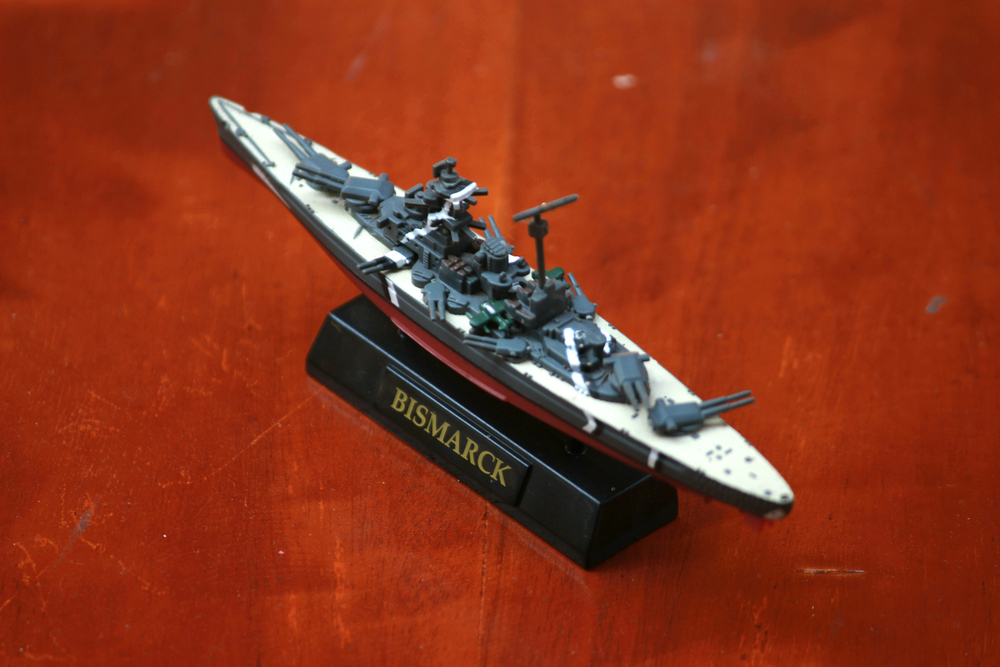
Germany’s mighty battleship Bismarck terrorized the Atlantic in 1941 until British forces tracked it down and pounded it with shells and torpedoes. The ship took an incredible beating but refused to sink, so the German crew opened the sea valves and scuttled it themselves rather than let the British capture it.
When Robert Ballard found the wreck in 1989, he confirmed that scuttling charges, not British weapons, ultimately sent the ship down. The Bismarck sits upright and surprisingly intact 15,000 feet below the surface.
The SS Central America carried three tons of gold to the bottom

This steamship sank in a hurricane off South Carolina in 1857 with 30,000 pounds of California gold rush treasure aboard. The loss of so much gold contributed to a financial panic that year.
Treasure hunters finally located the wreck in the 1980s and recovered gold bars, coins, and nuggets worth hundreds of millions of dollars. Legal fights over the treasure lasted decades, with insurance companies, the salvage crew, and various investors all claiming ownership.
Some of the gold still sits in legal limbo today.
The Andrea Doria collision could have been prevented
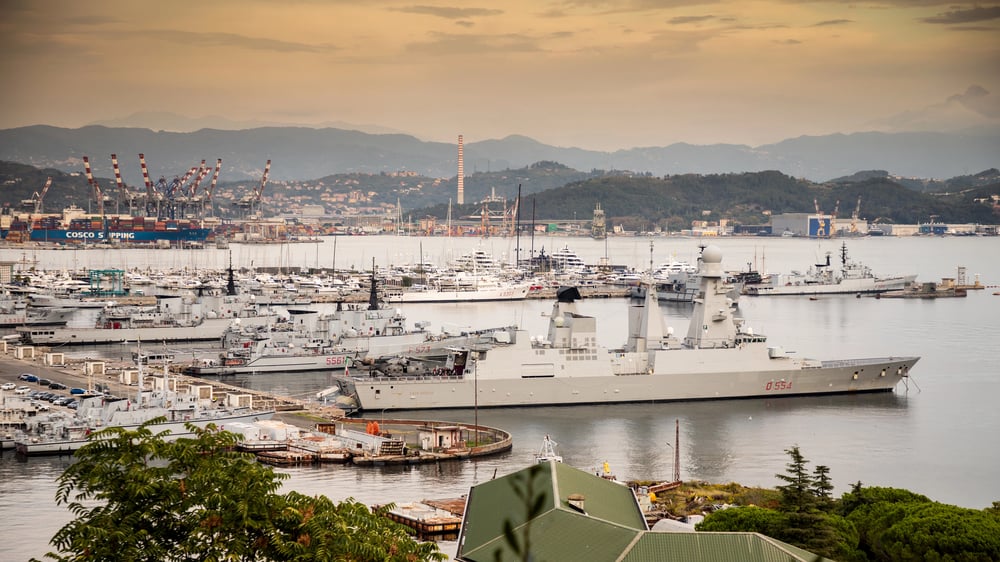
Two passenger ships, the Andrea Doria and the Stockholm, collided in thick fog off Nantucket in 1956 despite having radar on both vessels. The Andrea Doria took 11 hours to sink, giving rescue ships time to save most passengers, but 46 people still died.
The collision happened because both captains misinterpreted their radar and turned the wrong direction. The wreck sits in 240 feet of water and has become a popular but dangerous dive site.
At least 16 divers have died exploring it due to the depth and strong currents.
The HMS Erebus and HMS Terror were found frozen in Arctic ice
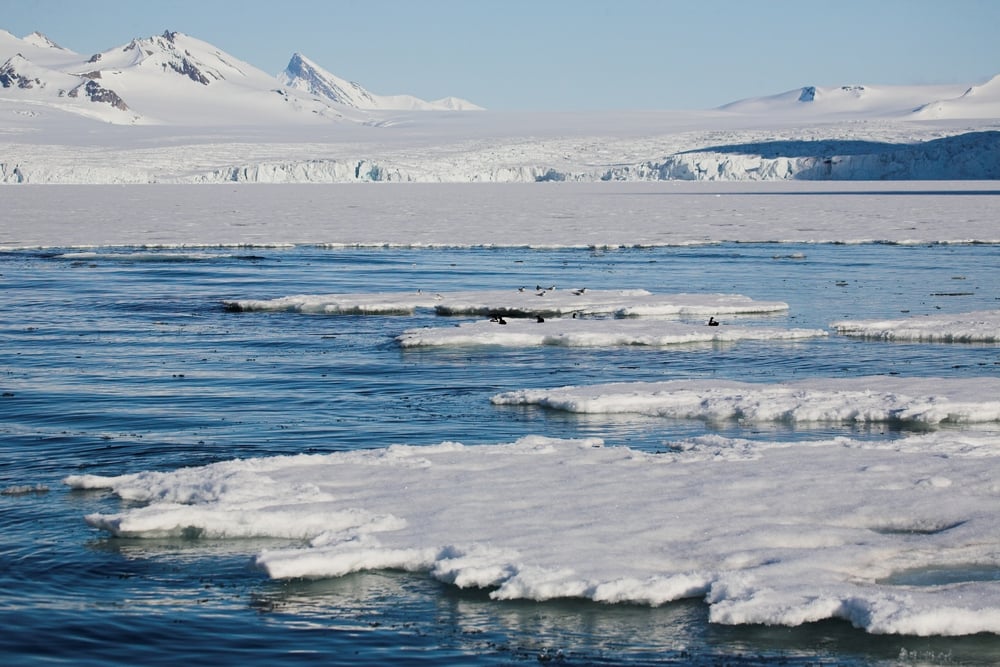
These two British ships vanished in 1845 while searching for the Northwest Passage through the Arctic. All 129 crew members died, and the mystery of what happened obsessed people for over 150 years.
Searchers finally found the HMS Erebus in 2014 and HMS Terror in 2016, both remarkably well preserved in the cold Arctic water. Evidence suggests the crews abandoned the ice-trapped ships and tried to walk to safety but died from exposure, starvation, and possibly lead poisoning from poorly canned food.
The SS Eastland capsized while still tied to the dock

This passenger ship rolled over in the Chicago River in 1915, killing 844 people just feet from shore. Workers were boarding for a company picnic when the top-heavy ship simply tipped over, trapping hundreds inside.
More people died in this disaster than on the Titanic, yet most Americans have never heard of it. The ship had passed all safety inspections despite having known stability problems.
Rescuers could hear people screaming inside the hull but couldn’t get them out in time.
The Batavia mutiny turned shipwreck survivors into murderers

This Dutch ship wrecked on a reef off Australia in 1629, and the survivors split into camps on nearby islands. The merchant in charge led a group that murdered over 100 people, including women and children, while waiting for rescue.
When the captain returned with a rescue ship, he found the horrifying scene and immediately arrested the killers. Several mutineers were hanged, and two were marooned on the Australian mainland, becoming the first known Europeans to live on the continent.
The wreck and the massacre remain one of maritime history’s darkest stories.
The RMS Republic supposedly carried $250 million in gold

This White Star Line ship sank after a collision in 1909, and rumors have persisted for over a century that it carried a massive gold shipment. Treasure hunters have spent millions trying to locate the gold, but nobody has found any significant treasure.
The ship sits in 270 feet of water off Massachusetts, and multiple salvage companies have gone bankrupt attempting to reach it. Most historians now believe the gold story is a myth, but that hasn’t stopped people from trying.
The MS Estonia disaster killed 852 people in freezing water

This passenger ferry sank in the Baltic Sea in 1994 when the bow door failed and water flooded the car deck. The ship listed so quickly that most passengers couldn’t escape from their cabins.
Only 137 people survived out of 989 aboard. The water temperature was so cold that people died from hypothermia within minutes.
Several countries investigated the sinking, but controversies about the exact cause and whether salvagers disturbed the wreck continue today. Sweden, Estonia, and Finland declared the wreck a grave site and made it illegal to dive there.
The Sultana boiler explosion killed more than the Titanic

This Mississippi River steamboat exploded in 1865, killing an estimated 1,800 people, mostly Union soldiers heading home after the Civil War. The boilers were poorly maintained and overloaded, and when they exploded, the ship disintegrated.
Many victims couldn’t swim, and the cold river water killed others before rescuers arrived. The disaster happened just days after Lincoln’s assassination, so newspapers barely covered it.
The Sultana remains the worst maritime disaster in American history, yet almost nobody knows about it.
The SS Californian watched the Titanic sink and did nothing

A cargo ship called the Californian sat just miles from the Titanic as it sank, close enough that crew members saw the distress rockets. The captain was asleep, and the crew debated whether the rockets meant an emergency or were just celebratory fireworks.
They never woke the radio operator to check for distress calls and didn’t steam toward the rockets to investigate. By the time they realized what happened, the Titanic had already gone down.
The captain’s inaction haunted him for the rest of his life and sparked changes in maritime safety regulations.
Wrecks that changed how we sail

Shipwrecks forced humanity to learn hard lessons about safety, engineering, and respecting the ocean’s power. The Titanic disaster led to 24-hour radio watches, mandatory lifeboat drills, and international ice patrols.
Other wrecks prompted improvements in ship design, navigation equipment, and rescue procedures. Every famous shipwreck represents lives lost and mistakes made, but also spurred changes that saved countless others.
The ocean floor holds these metal monuments to human ambition and folly, reminding us that nature always gets the final say.
More from Go2Tutors!

- The Romanov Crown Jewels and Their Tragic Fate
- 17 Halloween Costumes Once Considered Taboo
- Famous Hoaxes That Fooled the World for Years
- 15 Child Stars with Tragic Adult Lives
- 16 Famous Jewelry Pieces in History
Like Go2Tutors’s content? Follow us on MSN.



