25 Weird Regional Foods Only Locals Grew Up Eating
Every region has a dish that locals describe casually and outsiders hear with alarm. Pig ears on a bun, a soda flavored with gentian root and a cold pizza with no cheese all sound strange until the right person explains them.
These foods tend to stay put. Most never made it onto a national chain menu, and the people who grew up eating them usually learned they were unusual only after leaving home.
Scrapple Sliced and Fried in Pennsylvania
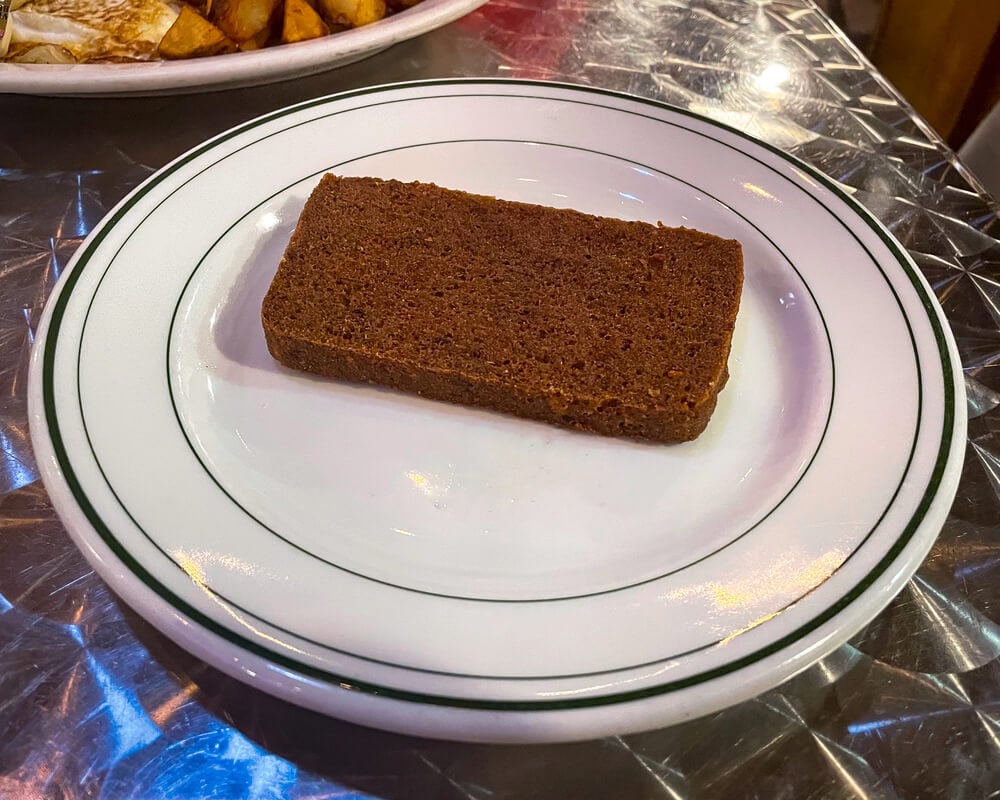
Scrapple is a Pennsylvania Dutch breakfast loaf made from pork scraps and offal simmered with cornmeal and buckwheat flour, set in a pan, sliced and fried crisp. The name comes from the old practice of using every scrap left after butchering.
Habbersett, a brand dating to the 1860s, and RAPA, from Delaware, are the familiar supermarket names. Bridgeville, Delaware, holds an Apple Scrapple Festival every October.
Kids across the Delaware Valley ate it with ketchup, syrup or apple butter, and few of them asked what was in it until much later.
Springfield Horseshoe Sandwich
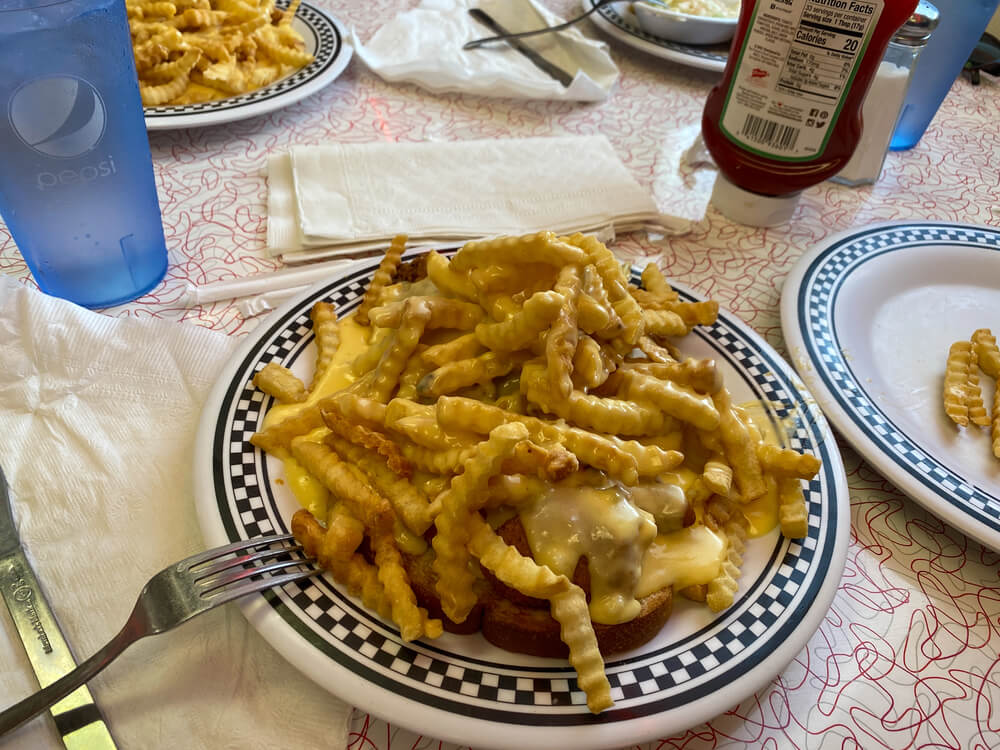
The horseshoe is an open-faced sandwich from Springfield, Illinois, built from thick toast topped with a hamburger patty or ham, a mound of french fries and a flood of cheese sauce. It is credited to Joe Schweska, a chef at the Leland Hotel, who first served it in 1928.
The ham was originally cut in a horseshoe shape, and the fries stood in for the nails. A smaller version is called a pony shoe.
Springfield diners still serve them at breakfast with eggs on top, and local kids grew up assuming every city had one.
Spam Musubi in Hawaii
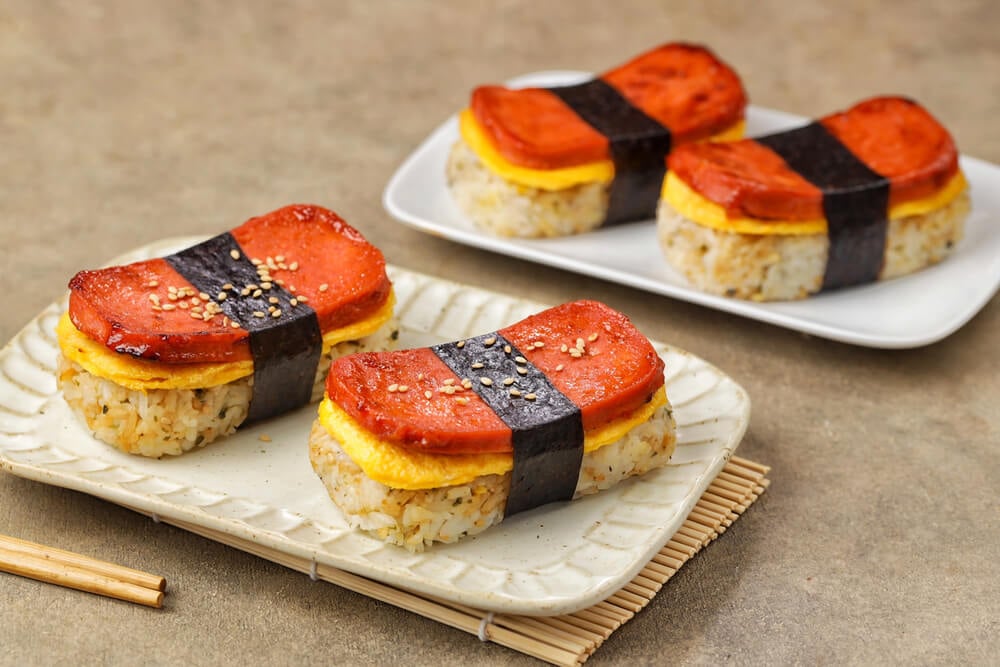
Spam musubi is a slice of grilled Spam glazed with a sweet soy sauce, pressed onto a block of rice and wrapped with a strip of nori, like oversized sushi. Hawaii eats more Spam per person than any other state, a habit that took hold during the Second World War, when the canned meat was part of military supplies.
Musubi is sold at convenience stores, gas stations and school fundraisers across the islands. Kids grew up carrying one in a lunch bag.
A plastic mold sized exactly to a Spam slice is a standard kitchen tool in Hawaii.
Loco Moco From Hilo
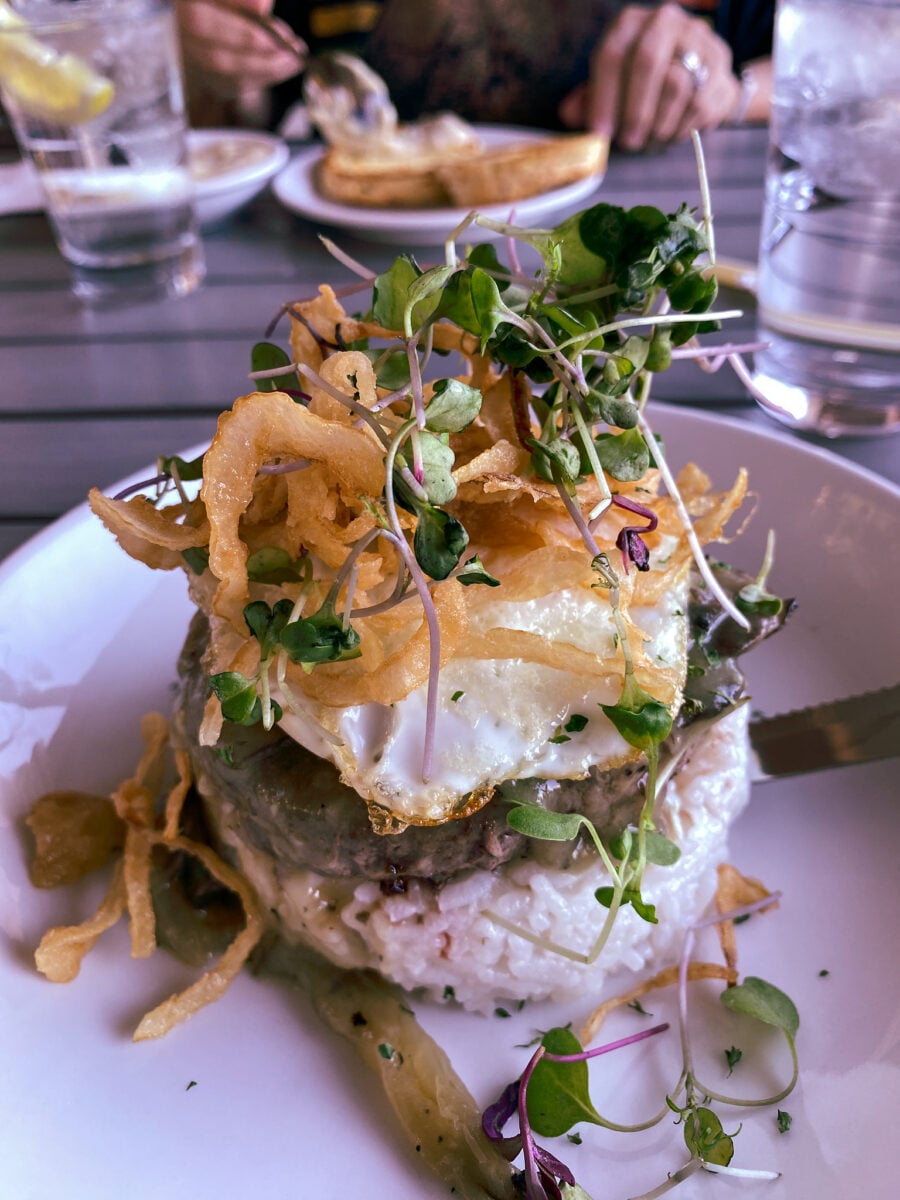
Loco moco is a bowl of white rice topped with a hamburger patty, a fried egg and brown gravy. It is usually traced to the Lincoln Grill in Hilo in 1949, where teenagers from a local sports club asked for something cheap and filling that was not a sandwich.
One of the teens, nicknamed Crazy, supposedly lent the dish its name in Spanish, with moco added for the rhyme. Variations now include Spam, kalua pork or fish.
Island kids ate it for breakfast, lunch or after school, and it appears on menus from plate lunch counters to hotel restaurants.
Boiled Peanuts From a Roadside Stand
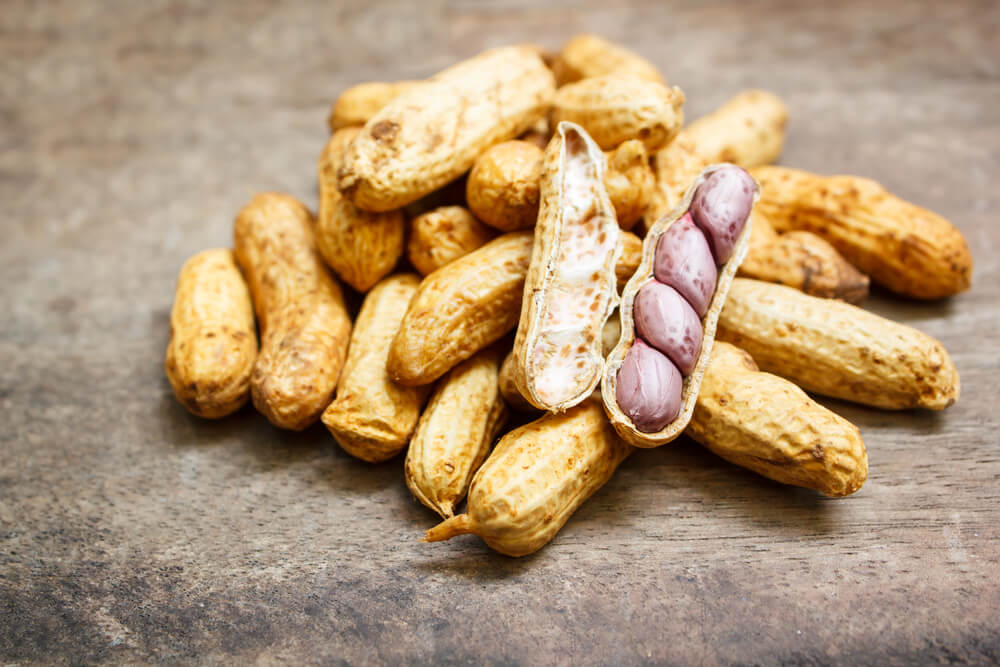
Boiled peanuts are raw green peanuts simmered in heavily salted water for hours until the shells soften and the nuts turn soft and briny, closer to a bean than a nut. Roadside stands across Georgia, South Carolina and Alabama sell them in paper bags or foam cups, sometimes flavored with Cajun spice.
South Carolina named them its official state snack in 2006. The shells are cracked with the teeth, and the salty liquid is part of the appeal.
Kids who grew up with them rarely understand why visitors find the texture unsettling.
Rochester Garbage Plate
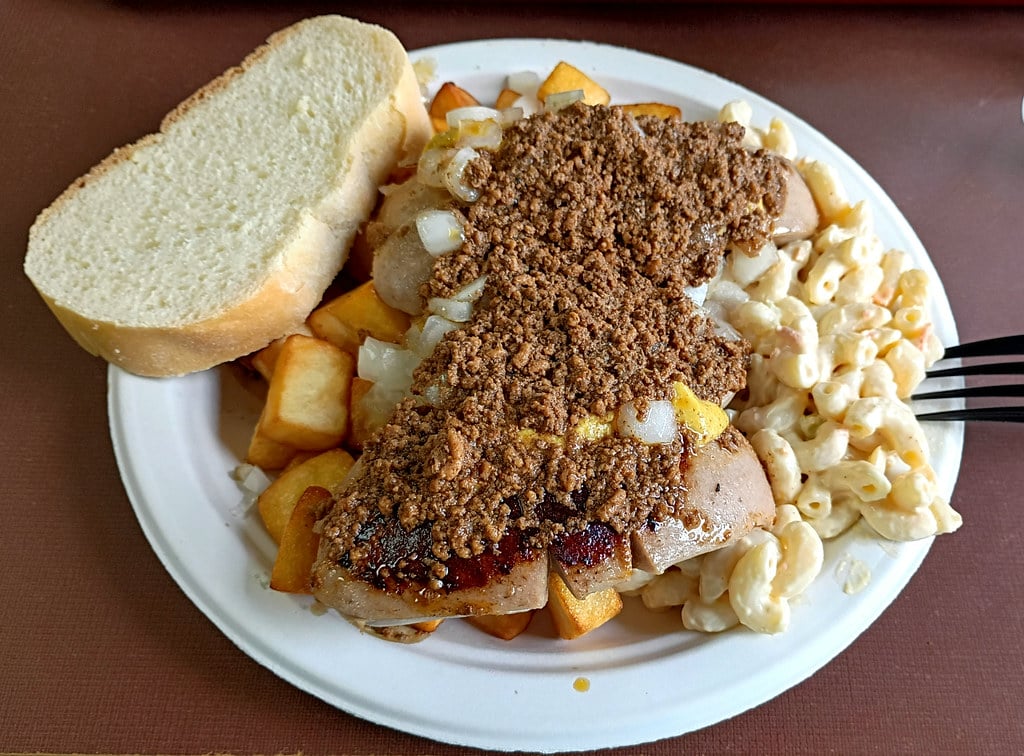
The Garbage Plate is a Rochester, New York, late-night meal built on two sides, usually macaroni salad and home fries, topped with two hot dogs or cheeseburgers, then mustard, onions and a spicy meat sauce. Nick Tahou Hots created it, and the name is a registered trademark, which is why imitators call theirs a trash plate or a sloppy plate.
The dish dates to the middle of the twentieth century, when customers asked for a plate with all the garbage on it. College students made it famous, but Rochester families grew up on it too, usually with a slice of Italian bread.
Fluffernutter Sandwiches in Massachusetts
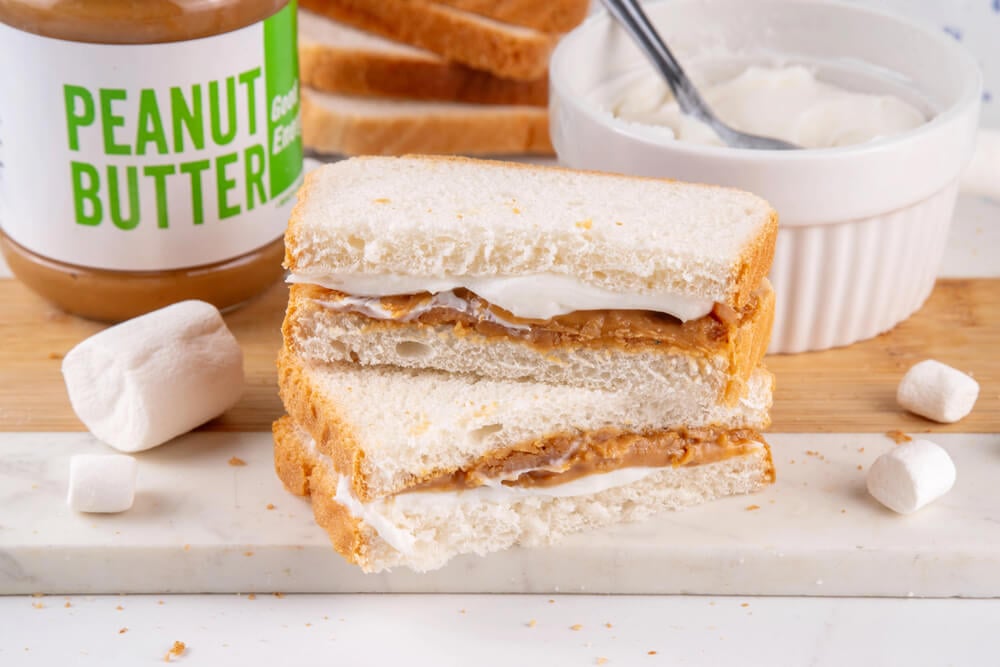
Fluffernutter sandwiches are peanut butter and Marshmallow Fluff on white bread, and New England kids treated them as a lunch staple. Archibald Query sold an early marshmallow cream door to door in Somerville, Massachusetts, around 1917, and Durkee-Mower of Lynn bought the recipe and turned it into Fluff.
Somerville now holds an annual festival in its honor. In 2006, a Massachusetts state senator tried to limit Fluff in school lunches, and another legislator responded by proposing the fluffernutter as the official state sandwich.
Kids who grew up with it still recognize the tub on sight.
Utica Greens
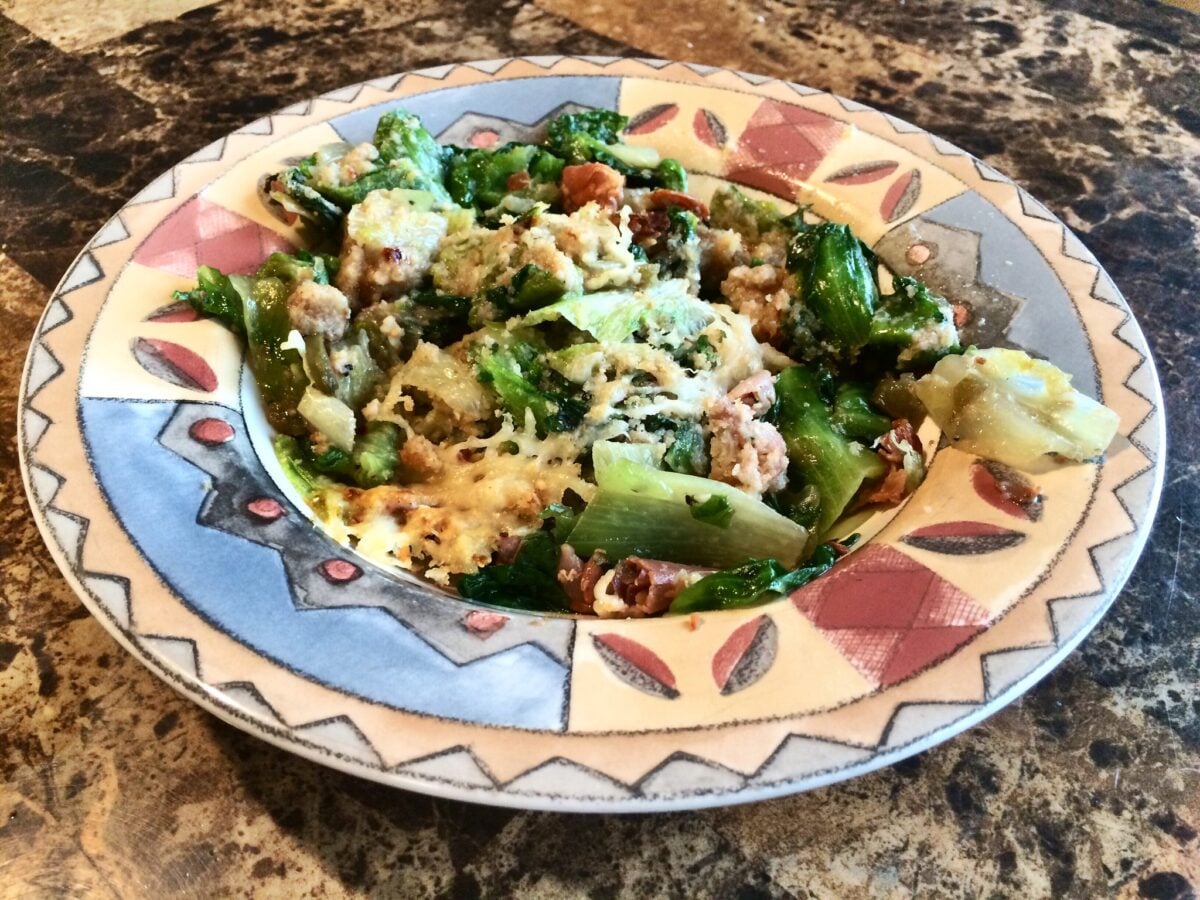
Utica greens are escarole sauteed with garlic, prosciutto, hot cherry peppers, pecorino and breadcrumbs, then baked until crisp on top. The dish is usually credited to the Chesterfield Restaurant in Utica, New York, in the 1980s, and it spread through Italian American restaurants across the Mohawk Valley.
Outside central New York, few people have heard of it. Local kids grew up seeing it on menus alongside chicken riggies, another Utica specialty of rigatoni and chicken in a spicy cream sauce.
Home cooks still argue about how many peppers belong in the pan.
Louisville Hot Brown
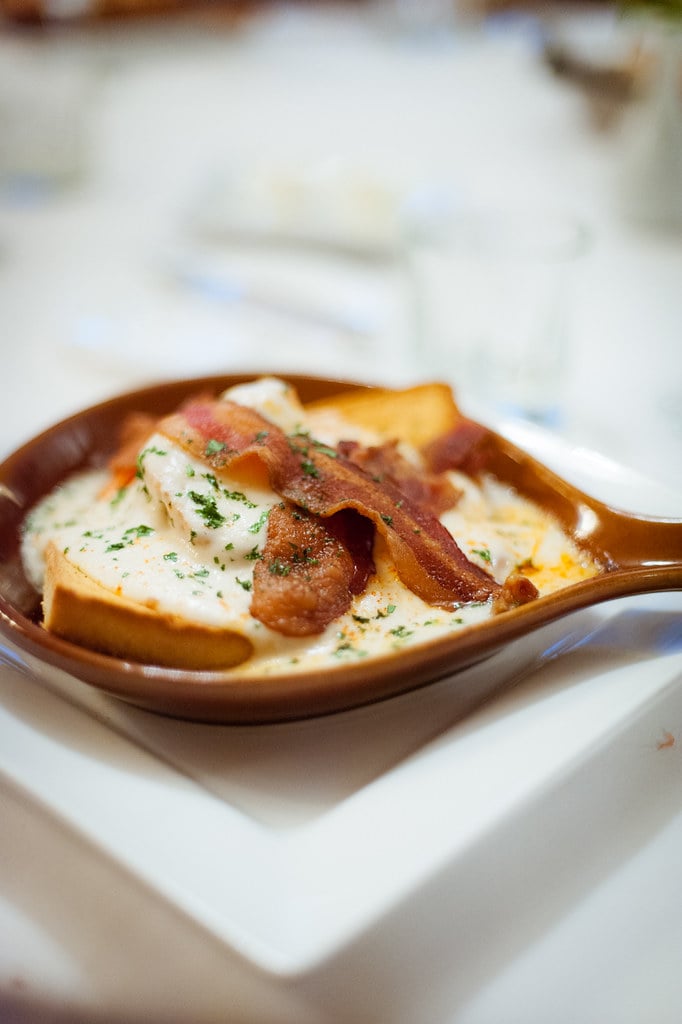
Louisville’s Brown Hotel created the Hot Brown in 1926 as an open-faced turkey sandwich for its late-night crowds. Chef Fred Schmidt built it on thick toast with sliced turkey, a heavy Mornay sauce, bacon strips and tomato, then broiled it until bubbling.
He designed it for guests who came to the hotel’s dinner dances and wanted something more interesting than ham and eggs. The dish is eaten with a knife and fork.
Louisville families serve it around the Kentucky Derby and at holidays when leftover turkey needs a purpose.
Mississippi Slugburger
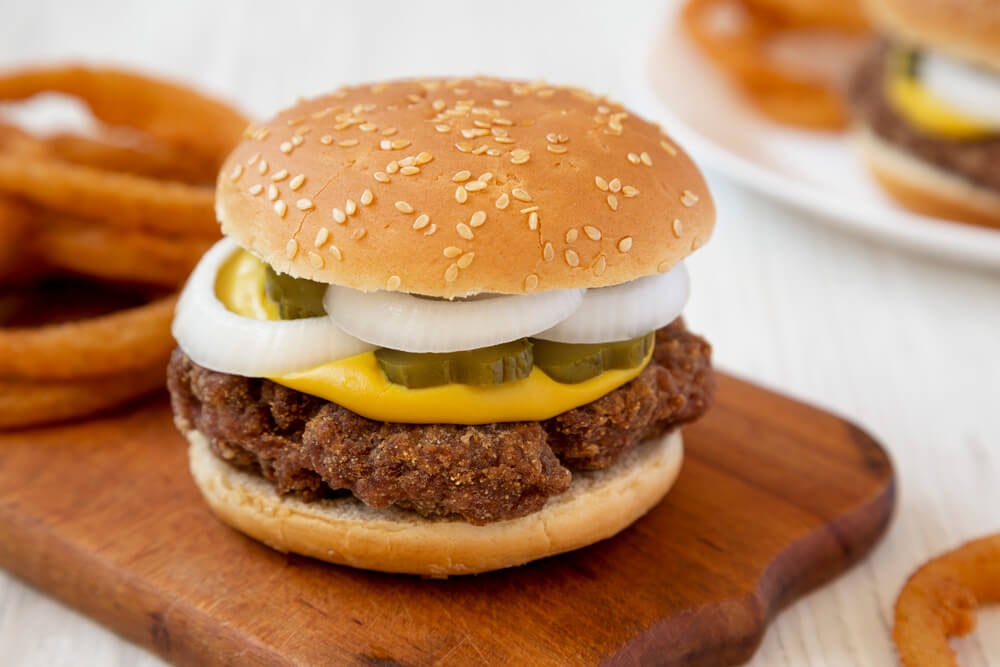
Slugburgers are patties of ground pork or beef stretched with a filler such as soy meal or flour, deep-fried and served on a bun with mustard, onions and pickles. The sandwich was born in Corinth, Mississippi, during the Depression, when it sold for a nickel, and a nickel was slang for a slug.
Corinth holds an annual Slugburger Festival each July. Outsiders assume the name refers to garden pests.
Kids in northeast Mississippi grew up ordering them from small diners and drugstore counters, usually two at a time.
Kentucky Burgoo
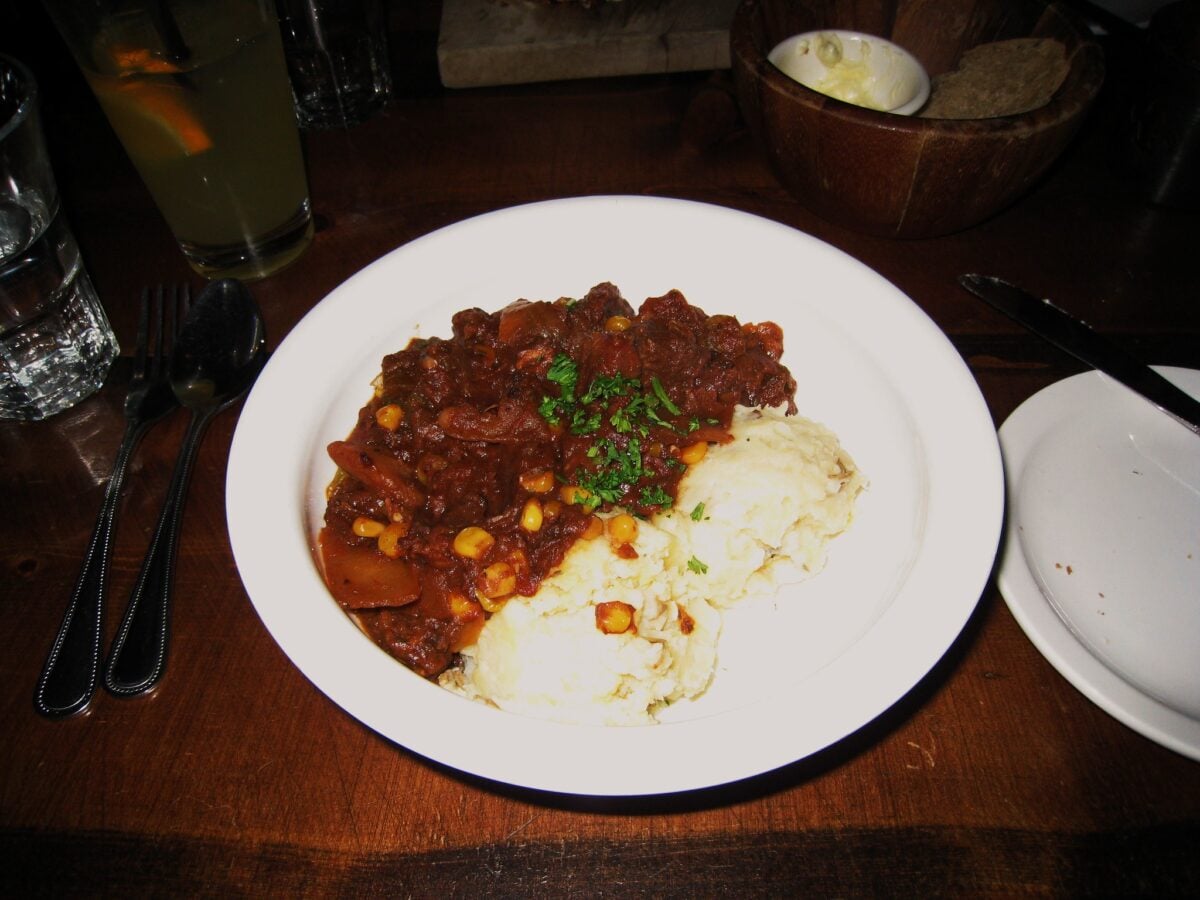
Burgoo is a thick, long-simmered stew of several meats and vegetables, a Kentucky tradition cooked in huge iron kettles for political rallies, church picnics and fundraisers. Old recipes used whatever game was available, including squirrel and rabbit, while modern versions stick to mutton, pork, chicken and beef with corn, lima beans, okra and tomatoes.
Owensboro, in western Kentucky, is known for serving it alongside mutton barbecue. The stew is supposed to cook until a spoon stands upright in it.
Kids who grew up there remember the kettles more than the taste, since the cooking took all night.
Moxie in Maine
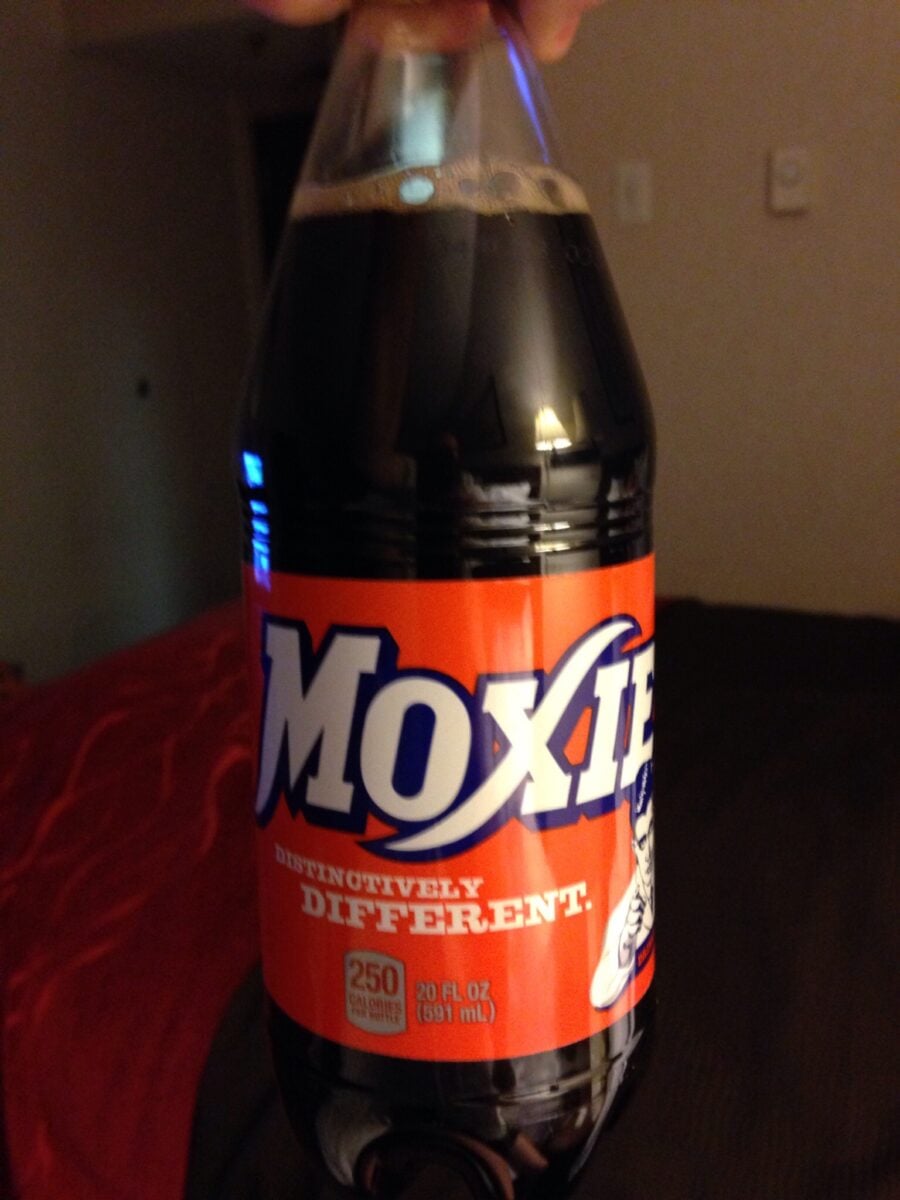
Moxie is a dark, bitter soda flavored with gentian root, and Maine made it the official state soft drink in 2005. Augustin Thompson, a doctor born in Union, Maine, created it in 1876 as Moxie Nerve Food, a patent medicine, before it became a soft drink.
The taste is sharp and medicinal, and the word moxie entered American slang as a term for nerve and courage. Lisbon, Maine, holds a Moxie Festival every July.
Kids who grew up drinking it either loved it or never touched it again after one sip.
Rhode Island Coffee Milk
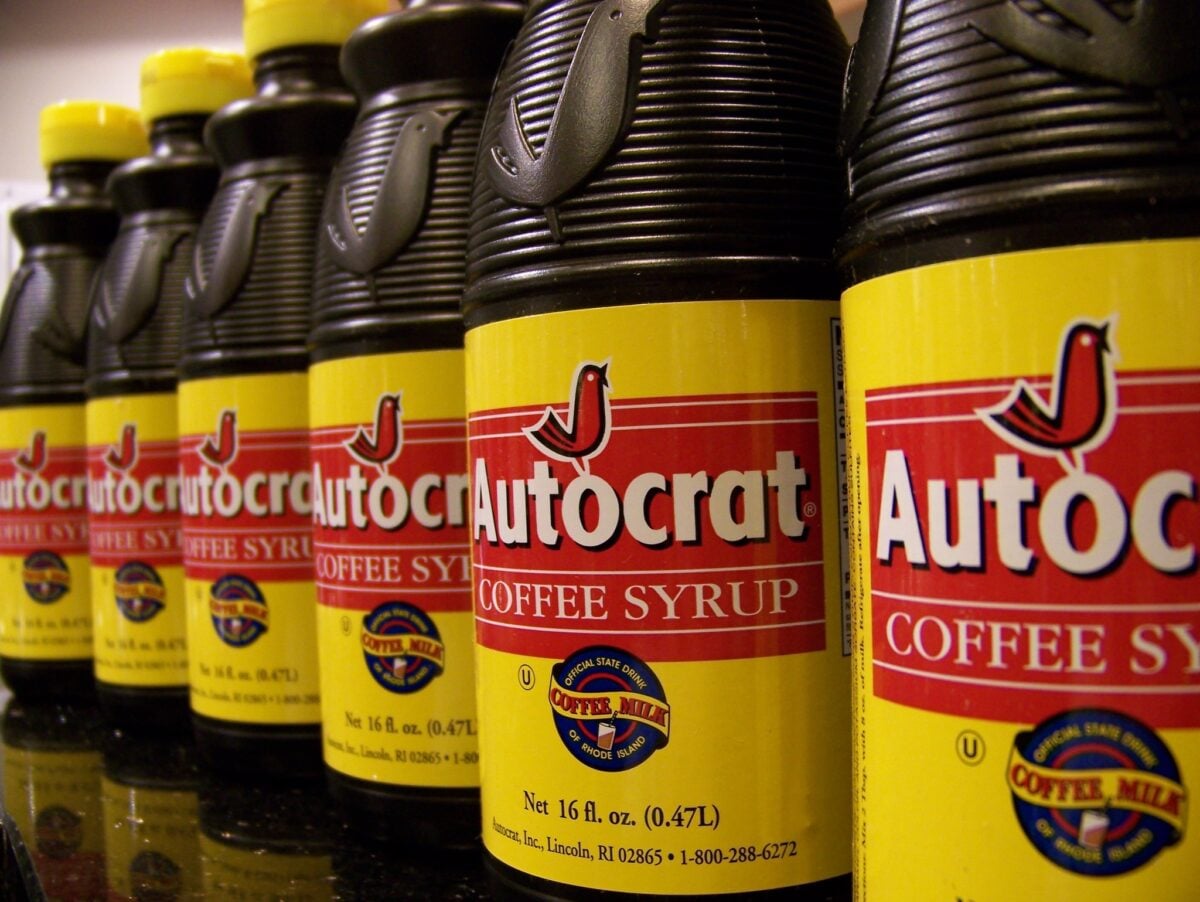
Coffee milk is cold milk stirred with sweet coffee syrup, and Rhode Island named it the official state drink in 1993. Autocrat and Eclipse were the two main syrup brands, and Autocrat eventually bought Eclipse.
Kids drank it in place of chocolate milk, at home and in school cafeterias, which means generations of Rhode Islanders grew up on a coffee drink well before their teens. Outside the state, the syrup can be hard to find.
Families who moved away often have bottles shipped from home or pack a few in their luggage after every visit.
Akutaq in Alaska
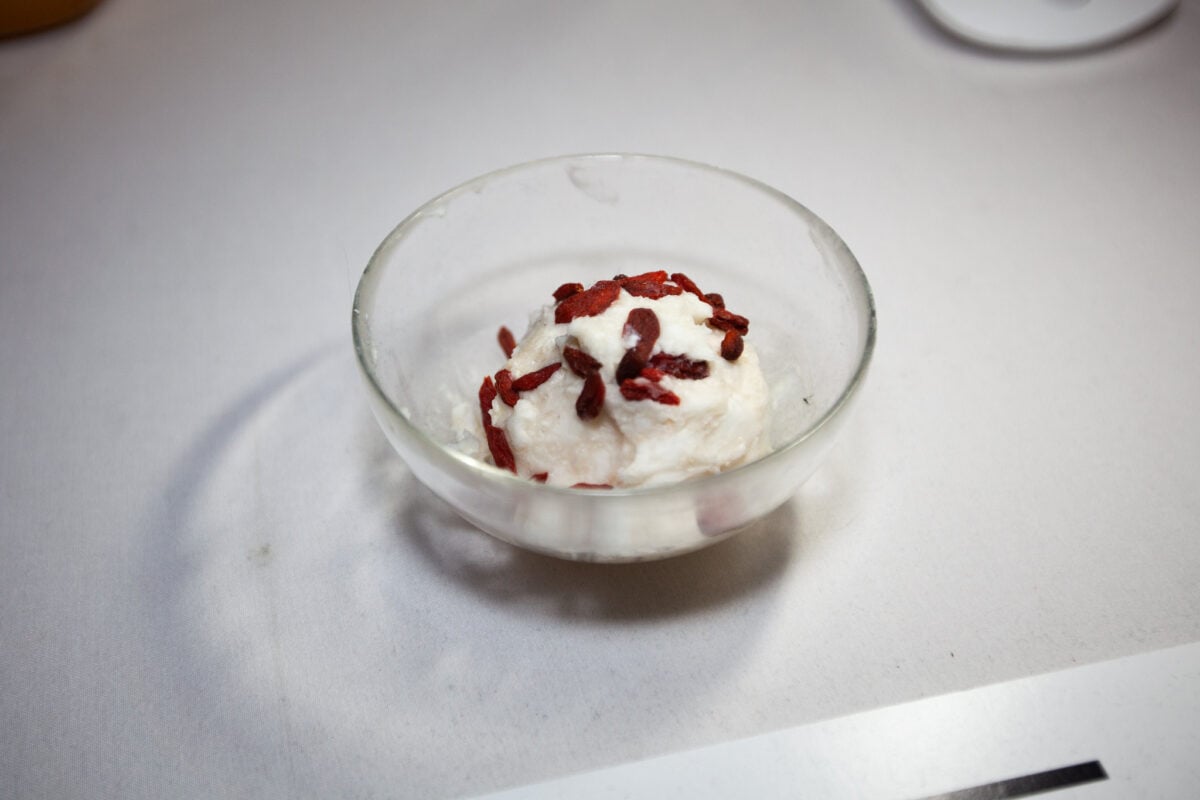
Akutaq is a traditional Alaska Native food, sometimes called Alaskan ice cream by outsiders, made by whipping animal fat with berries and sometimes fish or snow. Yup’ik and Inupiat families historically used reindeer or caribou fat and seal oil, beaten by hand until fluffy, then folded with salmonberries, blueberries or cranberries.
Modern versions often use vegetable shortening. It is served at funerals, holidays and community gatherings.
Kids in rural Alaska grew up eating it as a treat, and many families still pick berries each summer to have enough for the year.
Kool-Aid Pickles in the Mississippi Delta
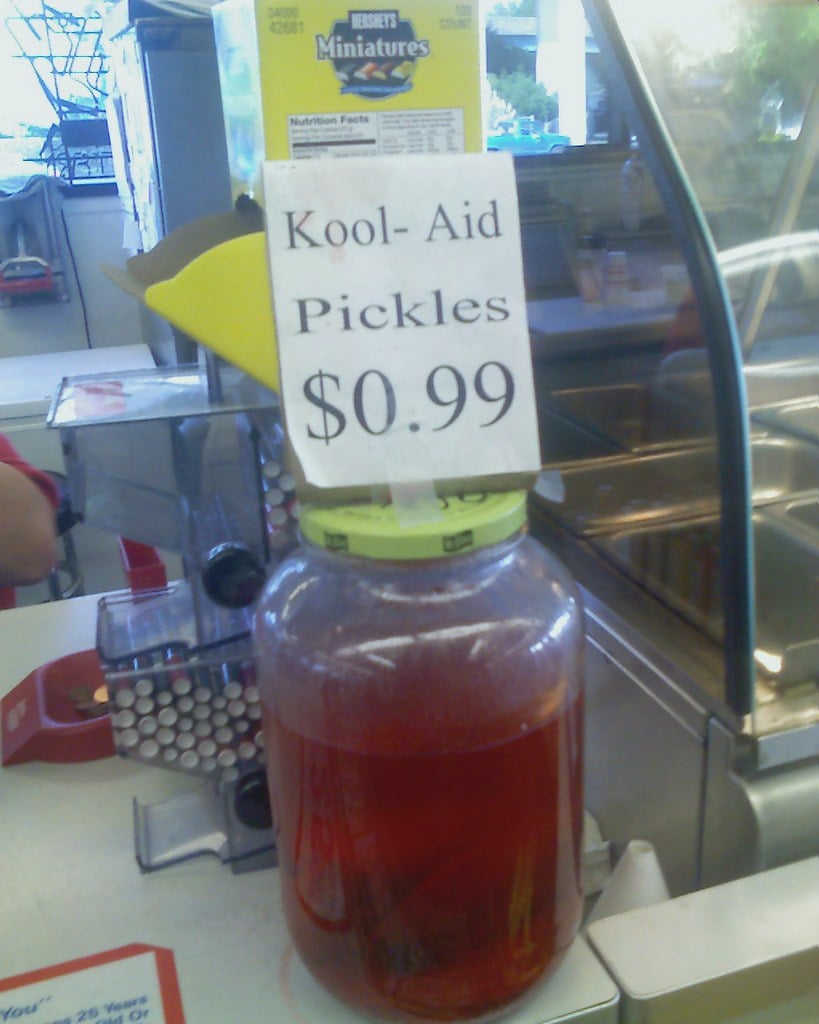
Kool-Aid pickles are dill pickles soaked for a week or more in a strong, heavily sweetened batch of Kool-Aid, usually cherry or tropical punch. The pickles turn bright red and taste sweet and sour at once.
They became a fixture at corner stores and gas stations in the Mississippi Delta, sold from jars on the counter. The New York Times wrote about them in 2007, which surprised the people who had been eating them for decades.
Some stores sold them halved lengthwise and wrapped in plastic. Kids bought them after school with pocket change.
West Virginia Pepperoni Rolls
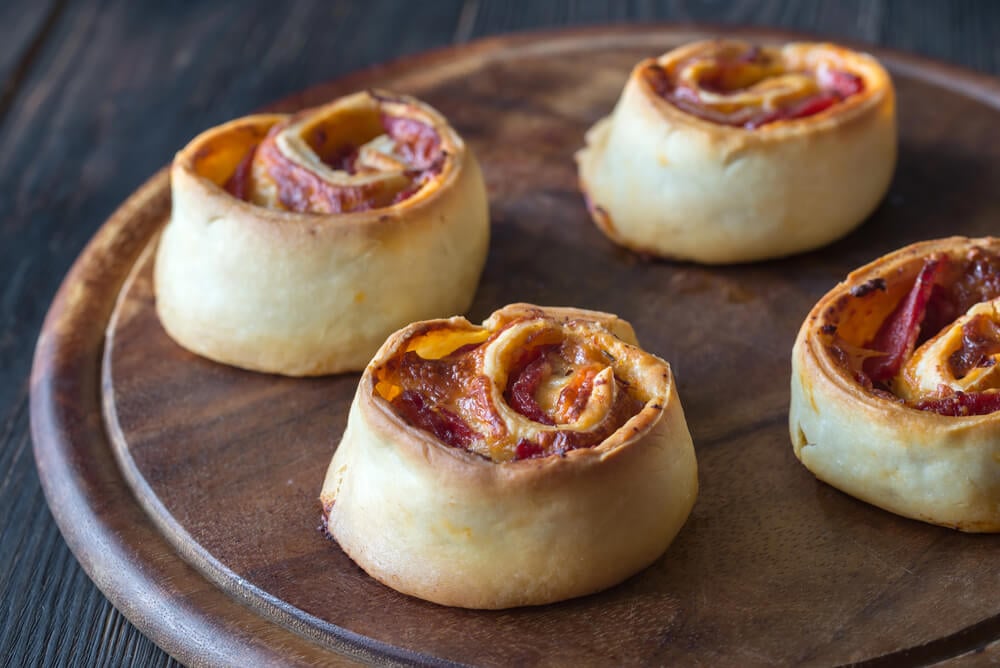
Pepperoni rolls are soft white bread baked around sticks or slices of pepperoni, which release red oil into the dough as they bake. Giuseppe Argiro is credited with selling them at his Country Club Bakery in Fairmont, West Virginia, in 1927, as a lunch that coal miners could carry underground without refrigeration.
The roll became so tied to the state that gas stations and grocery stores sell them individually wrapped at the counter. Kids ate them in school lunches and after practice.
Families argue about whether cheese belongs inside, and the Fairmont bakeries tend to say no.
Rhode Island Pizza Strips
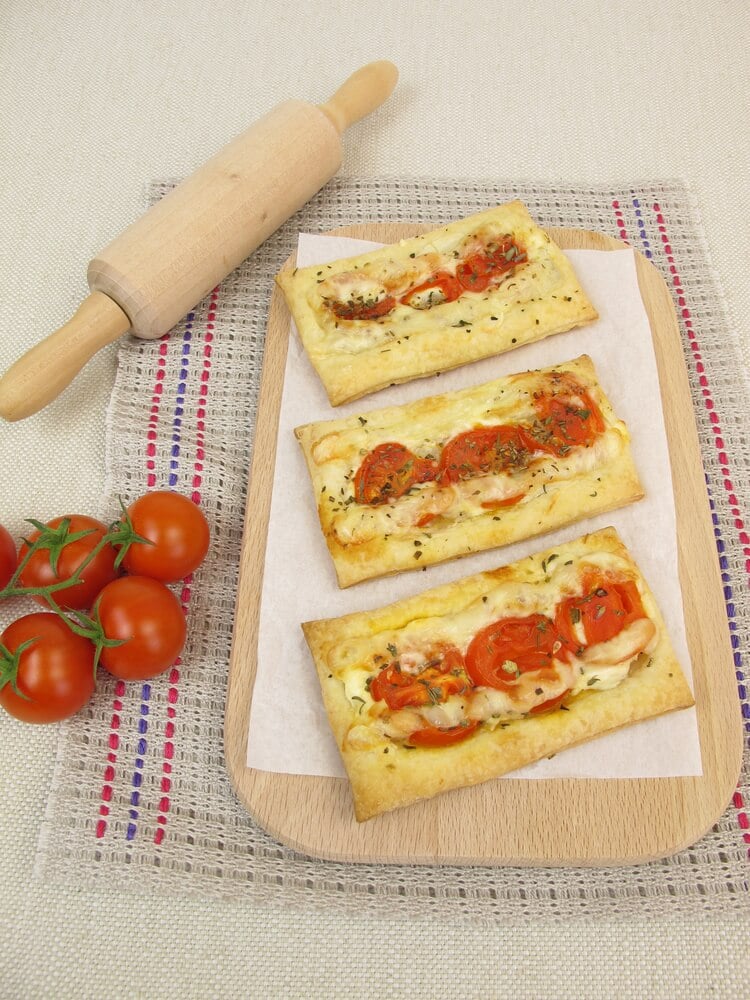
Rhode Island bakeries sell a thick, focaccia-like dough spread with a sweet tomato sauce, baked in sheet pans and cut into rectangles known as pizza strips or party pizza. It is served cold or at room temperature, and it has no cheese.
Italian bakeries in Providence and Cranston sell it by the strip or the full sheet, and it shows up at parties, graduations and funerals. Philadelphia has a close cousin, often called tomato pie or church pizza.
children raised in the state assume every Italian bakery sells it and are surprised when they move away.
Lancaster County Shoofly Pie
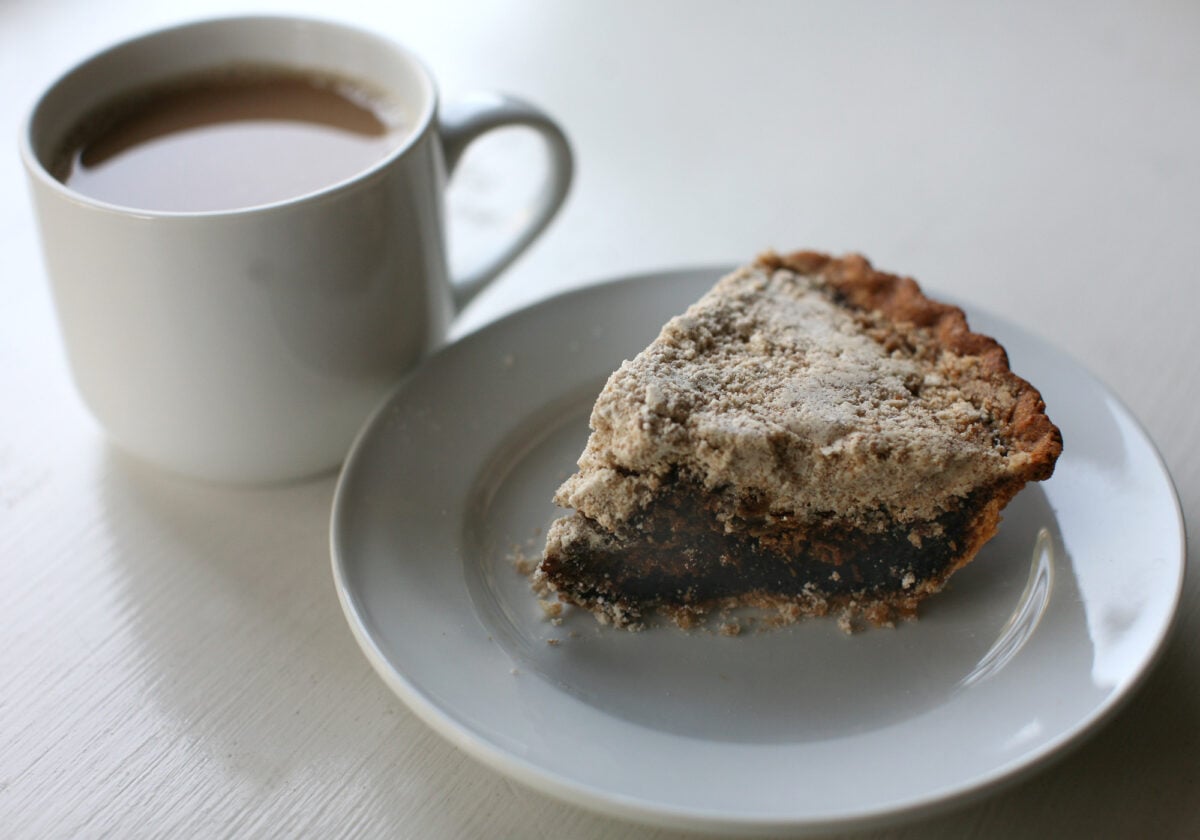
Shoofly pie is a Pennsylvania Dutch molasses pie with a crumb topping, and the name is usually explained by the flies that gathered on the sticky pies as they cooled. The wet-bottom version has a gooey molasses layer beneath a cakelike middle, while the dry-bottom version is baked through.
Amish and Mennonite bakeries in Lancaster County still sell it in large numbers to tourists. Families ate it for breakfast with coffee as often as for dessert.
Kids learned to argue for wet bottom or dry bottom as though it were a matter of family honor.
Maine Red Snapper Hot Dogs
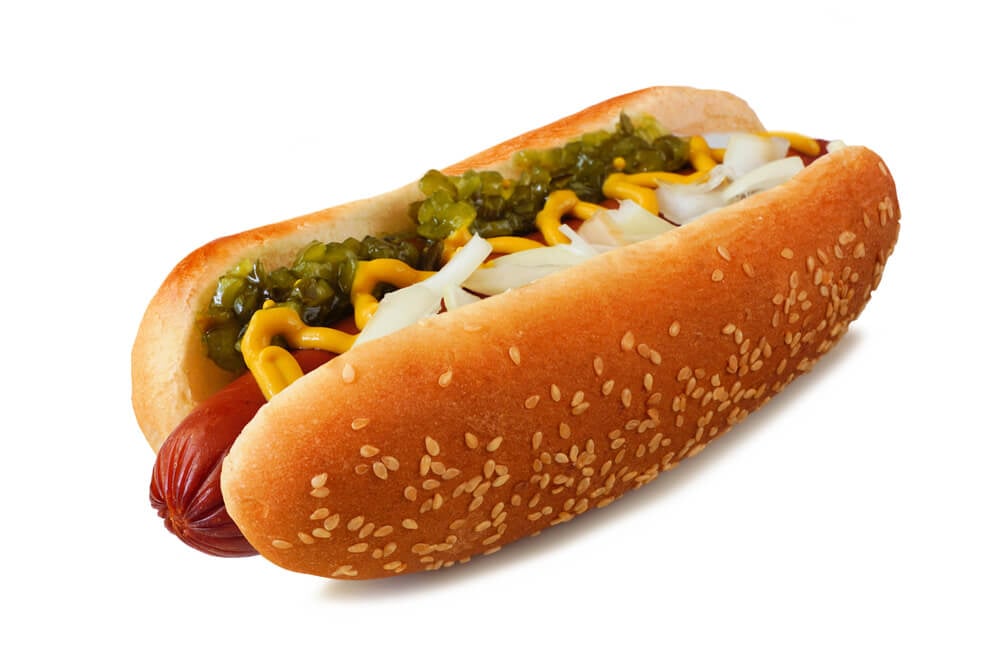
Red snapper hot dogs are natural-casing franks dyed a bright, almost neon red, sold in Maine and made mostly by W.A. Bean and Sons of Bangor, a family meat company dating to the 1860s. Nothing about them involves fish.
The casing snaps when bitten, which may explain the name. They are grilled or boiled and served on split-top buns.
Kids who grew up in Maine ate them at cookouts and summer camps, and visitors seeing them for the first time often assume the color is a mistake.
Binghamton Spiedies
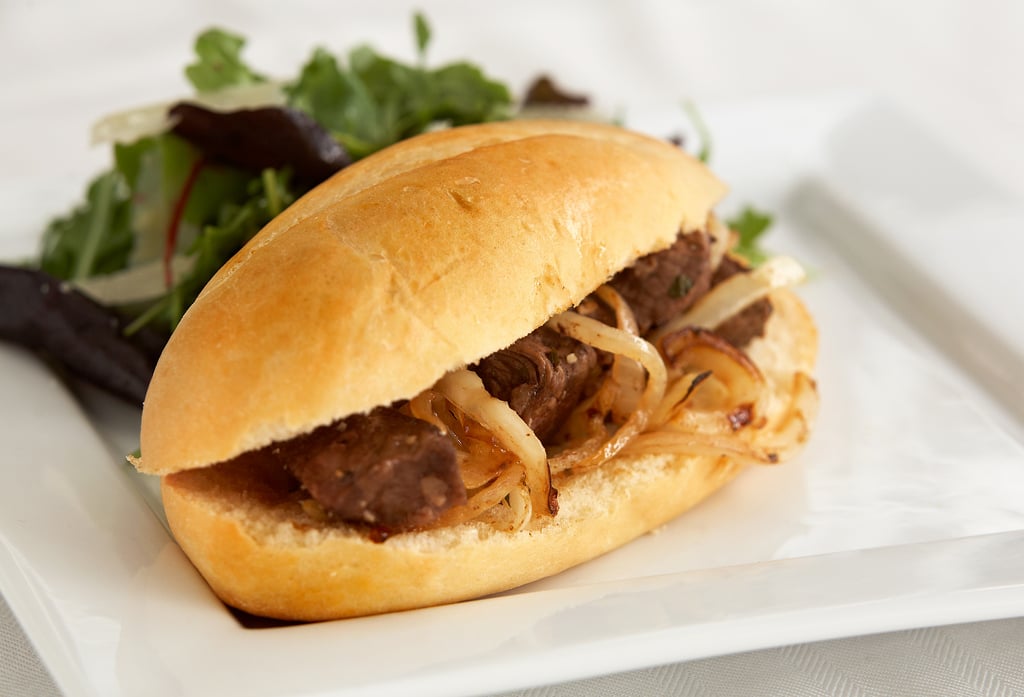
Spiedies are cubes of marinated meat, originally lamb and now usually chicken or pork, grilled on skewers and pulled off with a slice of Italian bread wrapped around them. Italian immigrants brought the dish to Binghamton, New York, in the early twentieth century, and the name comes from spiedo, the Italian word for a spit.
The marinade of oil, vinegar, garlic, mint and oregano is so central that Lupo’s and other local brands bottle it for grocery shelves. Binghamton holds an annual Spiedie Fest each summer.
Kids grew up eating them at backyard grills and fire hall fundraisers.
Syracuse Salt Potatoes
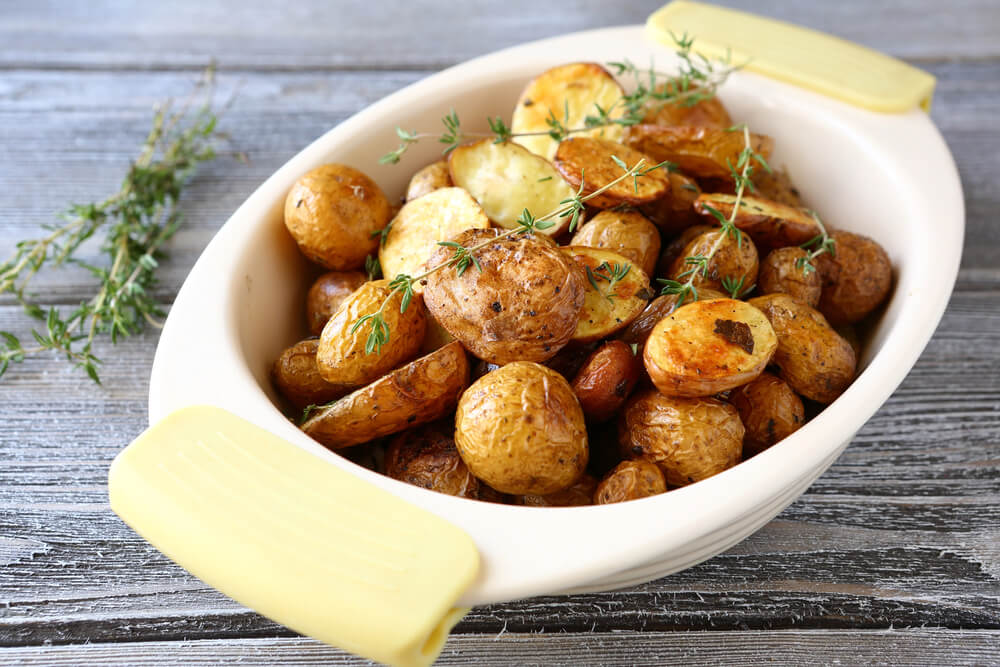
Salt potatoes are small new potatoes boiled in water so heavily salted that a white crust forms on the skins as they dry. Irish salt workers around Syracuse, New York, in the 1800s cooked potatoes in the brine from the springs they worked.
Central New York grocery stores sell bags of small potatoes packaged with a sack of salt, especially in summer. They are served with melted butter for dipping.
Kids grew up eating them at cookouts, clambakes and firemen’s field days, and many assumed they were a normal side dish everywhere.
Mississippi Delta Hot Tamales
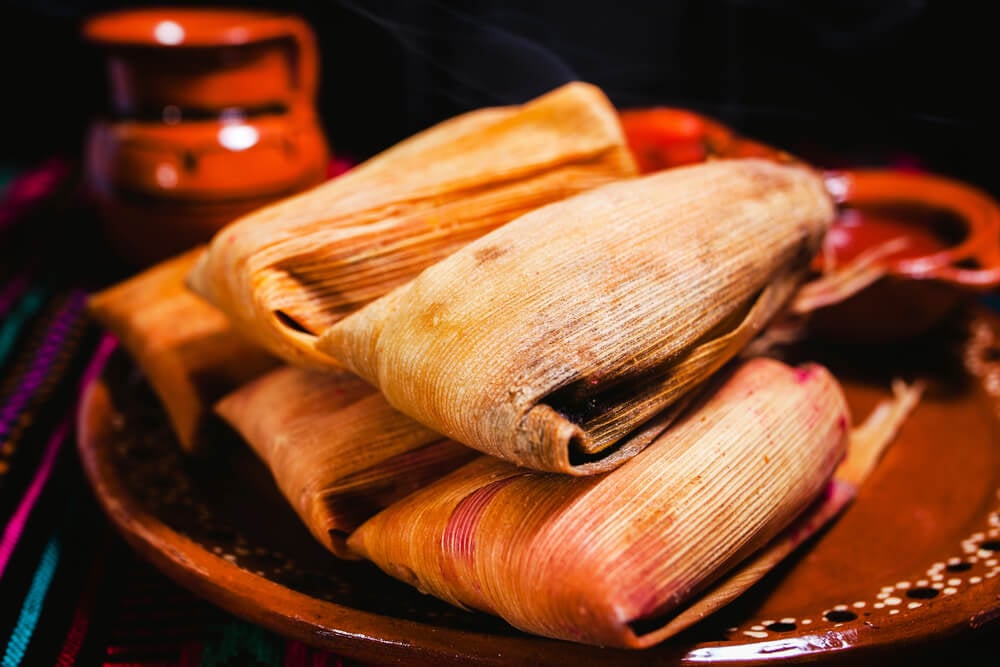
Delta hot tamales are simmered rather than steamed, made with cornmeal instead of masa and filled with spicy ground meat, then sold bundled by the dozen or in coffee cans. They became a staple in the Mississippi Delta in the early twentieth century, possibly after Mexican farmworkers came to pick cotton alongside Black workers.
Greenville, Mississippi, calls itself the Hot Tamale Capital of the World and holds a festival in their honor. Street carts and small stands sold them to working families.
Kids grew up eating them from newspaper wrappings, the red grease soaking through the paper.
Evansville Fried Brain Sandwich
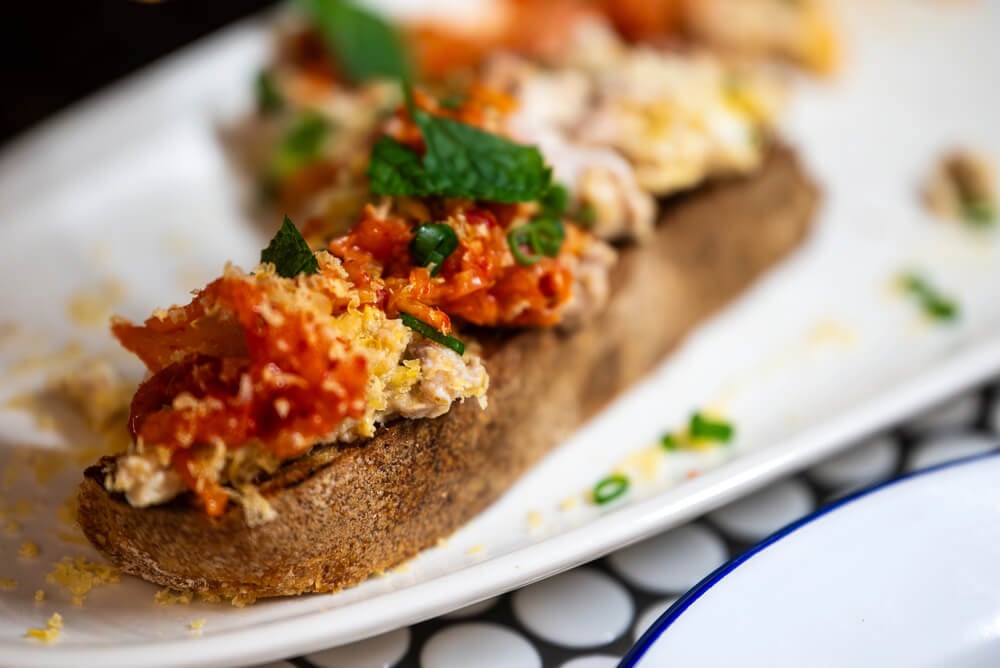
Fried brain sandwiches were a German butcher-shop tradition in Evansville, Indiana, and St. Louis, where cow or calf brains were battered, fried and served on a bun with onion and pickle. The mad cow disease scare of the late 1990s led many restaurants to switch to pork brains, and most stopped serving the sandwich altogether.
The Hilltop Inn in Evansville remained one of the few places still making it. The taste is mild and the texture custardy.
Kids who grew up there usually tried one on a dare, and some kept ordering them for life.
Jackson Pig Ear Sandwich
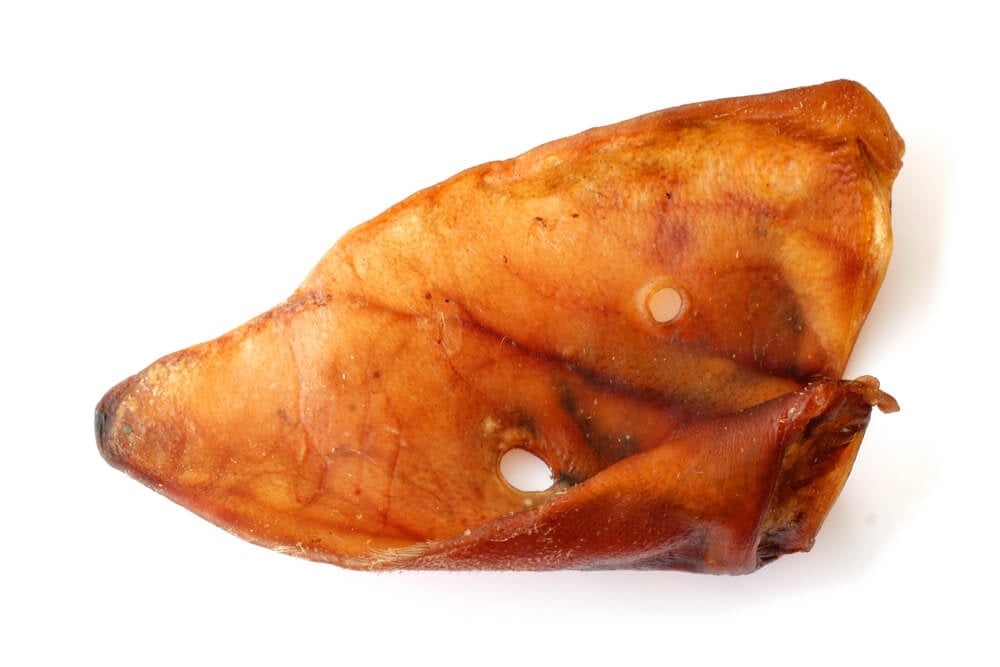
The Big Apple Inn on Farish Street in Jackson, Mississippi, has sold pig ear sandwiches since the 1930s. The pig ears are pressure-cooked until tender, sliced and served on a small bun with mustard, slaw and hot sauce.
Juan Mora, a Mexican immigrant, opened the business, and his family has run it for generations. The restaurant also played a role in the civil rights movement, since Medgar Evers kept an office upstairs.
Kids in Jackson grew up with the small, cheap sandwiches as an everyday snack rather than a novelty.
Gooey Butter Cake in St. Louis
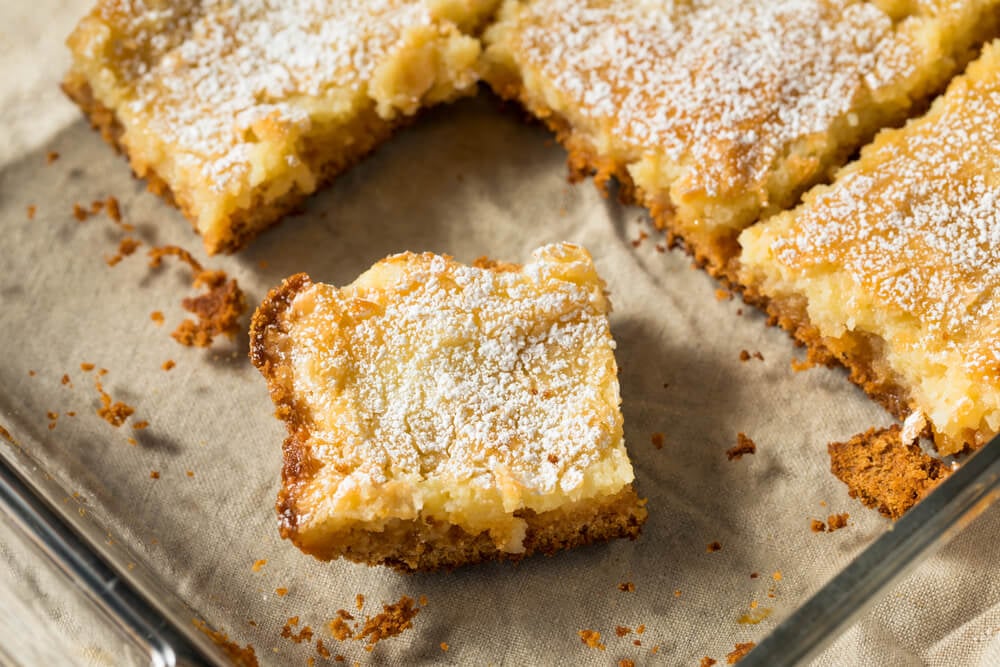
Gooey butter cake is a flat St. Louis coffee cake with a dense cake base and a sticky, sweet top layer dusted with powdered sugar. The usual origin story involves a German American baker in the 1930s who mixed up the proportions of butter and sugar and decided to sell the result anyway.
Several St. Louis bakeries claim the credit. It is eaten for breakfast as often as dessert.
Kids grew up eating squares of it from white bakery boxes on Sunday mornings, and plenty of them left the city before learning that nobody else made it.
Local Tastes That Refuse to Travel
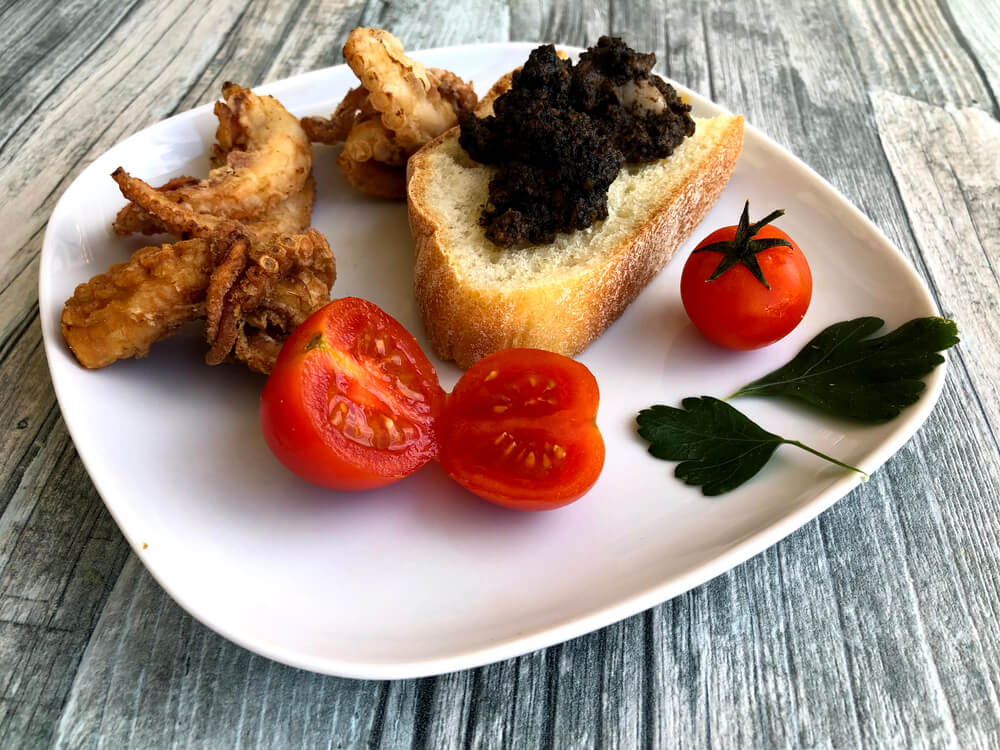
Most of these foods came from thrift, immigration or a single restaurant with a loyal crowd. A nickel burger stretched with filler, a pepperoni roll for the mine and a cheap sandwich for a working lunch all answered a practical need in one particular place.
The strangeness came later, when outsiders met them without the context. Regional food survives because the people who grew up with it keep asking for it, often long after moving away.
Tourists try these dishes once for the story. Locals eat them for the memory, and that loyalty keeps a small bakery or a corner stand in business for another generation.
More from Go2Tutors!

- The Romanov Crown Jewels and Their Tragic Fate
- 13 Historical Mysteries That Science Still Can’t Solve
- Famous Hoaxes That Fooled the World for Years
- 15 Child Stars with Tragic Adult Lives
- 16 Famous Jewelry Pieces in History
Like Go2Tutors’s content? Follow us on MSN.