26 Sports Cards Stored in Shoeboxes That Collectors Pay Serious Money For Today
Generations of mothers have been blamed for throwing out the card collection. Some of those accusations are fair, and some are just a convenient story for a box that got soaked in a basement flood.
The boxes that did survive still show up at estate sales and in closets, often held together with rubber bands that left dents in the very cards that mattered most. Grading companies now turn centering, corners, and surface gloss into numbers, and those numbers decide whether a card pays for dinner or a car.
Mickey Mantle’s 1952 Topps Card
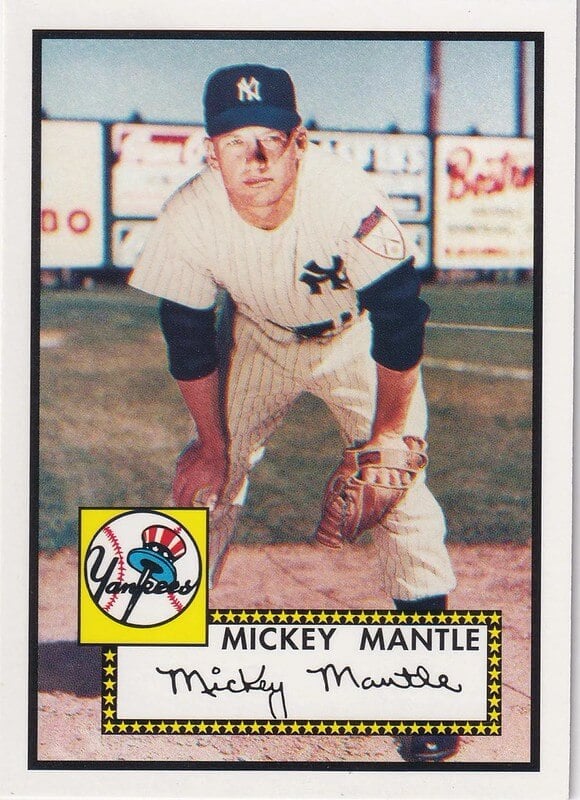
Card number 311 from the 1952 Topps set is the most famous post-war sports card in the world. It was part of a high-number series released late in the season, and Topps later dumped unsold stock into the Atlantic Ocean, which helps explain its scarcity.
An example graded SGC 9.5 sold for about 12.6 million dollars in 2022, a record for any sports card at the time. Lower-grade copies still bring six figures, and even creased, off-center cards trade at tens of thousands.
Collectors examine the corners, the edges, and the centering, since tiny differences mean enormous swings in price.
Hank Aaron’s 1954 Topps Rookie
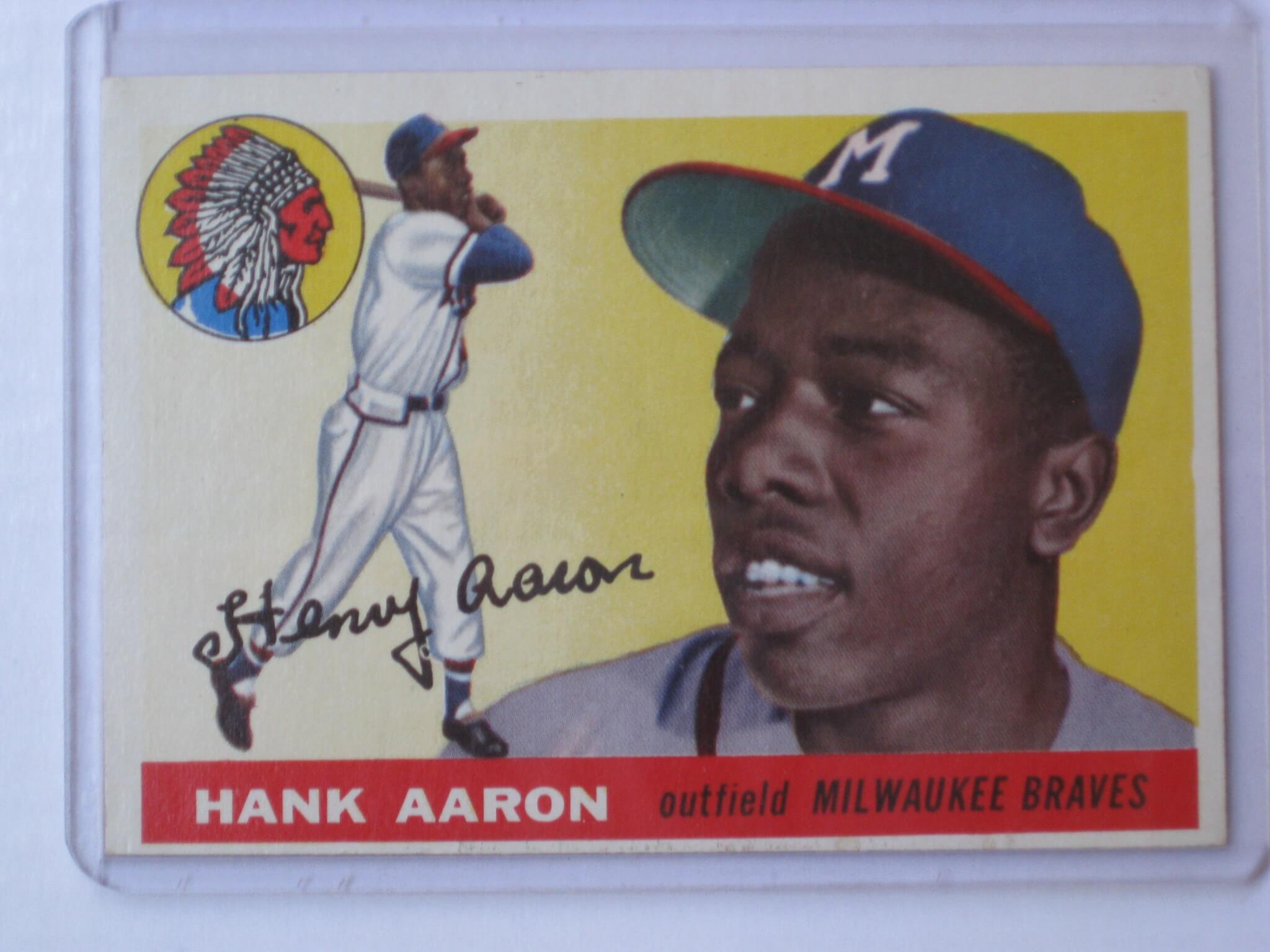
Hank Aaron’s rookie card is number 128 in the 1954 Topps set, and it shows him twice, once in a color portrait and once in a black and white action shot. Aaron went on to break Babe Ruth’s career home run record in 1974, and his rookie remains one of the key cards of the decade.
Low-grade examples trade at a few thousand dollars, and high-grade copies reach six figures. The orange background shows wear readily, so chipped edges and soft corners are common.
Centering varies widely on this card, and a well-centered example commands a clear premium.
Roberto Clemente’s 1955 Topps Rookie
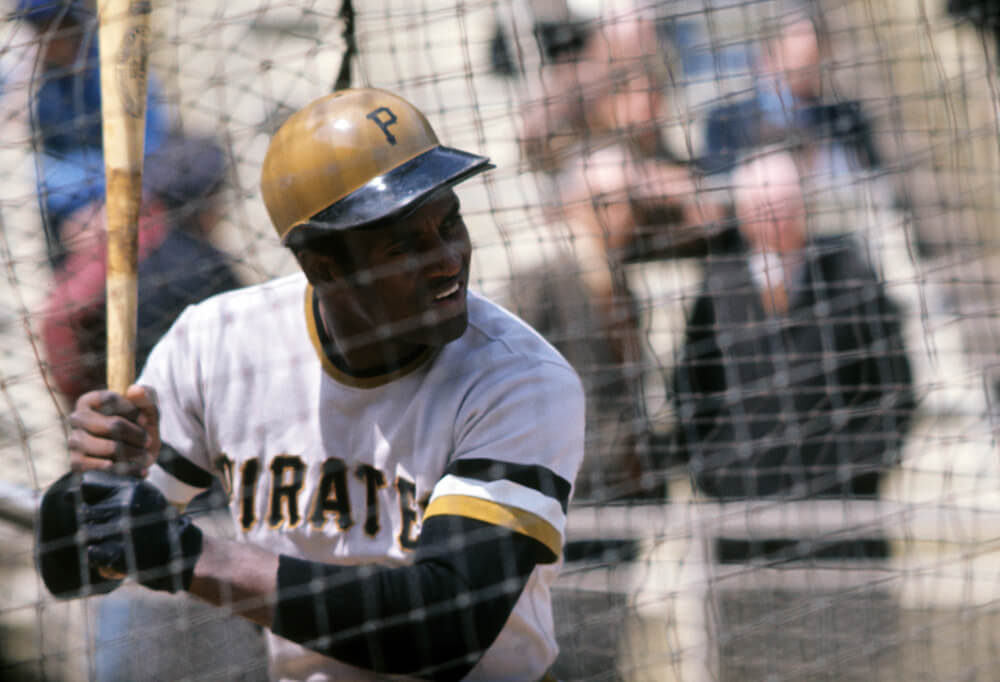
Card number 164 in the 1955 Topps set is Roberto Clemente’s rookie, showing the Pittsburgh outfielder in a horizontal layout with a portrait and an action image. Clemente collected exactly 3,000 hits before dying in a 1972 plane crash while delivering aid to earthquake victims in Nicaragua.
His rookie card brings thousands of dollars in low grades and far more in high grades. The horizontal format makes centering problems especially visible.
Stains, creases, and rounded corners lower value, and trimmed copies are a known problem, so professional grading matters for any serious sale.
Bill Russell’s 1957 Topps Rookie
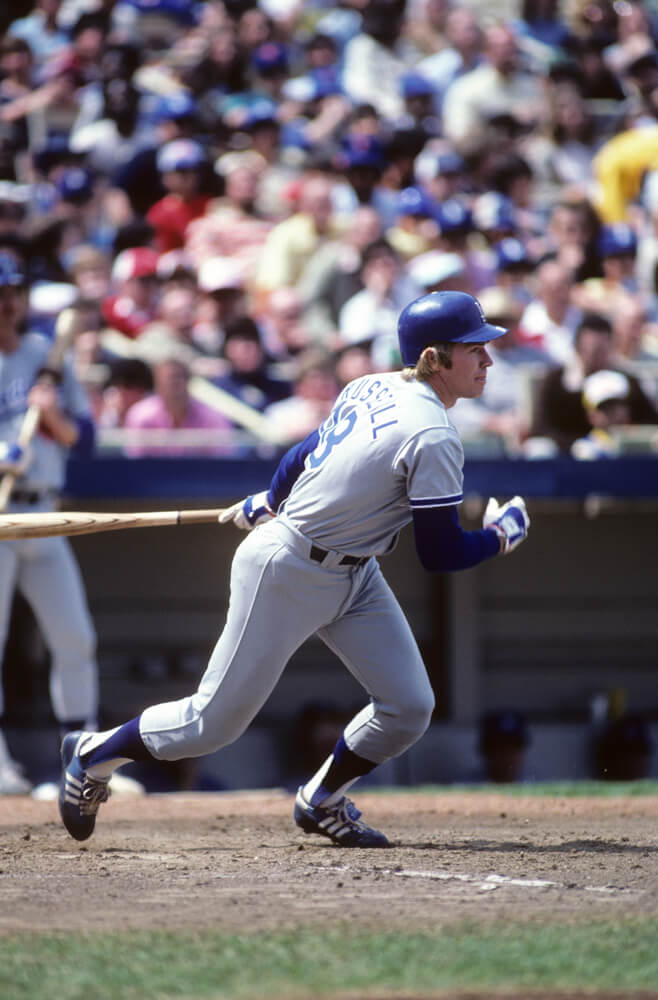
The 1957-58 Topps hoops set was the company’s first venture into the sport, and card number 77 is Bill Russell’s rookie. Russell went on to win 11 NBA championships with Boston, a record for a player.
His rookie trades at thousands of dollars in low grades and six figures in high grades. The set is notorious for poor centering and print defects, so well-centered copies are rare.
Collectors examine the surface for print lines and the edges for chips. Creases and stains are common, since these cards spent decades in shoeboxes and bicycle spokes.
Jim Brown’s 1958 Topps Rookie
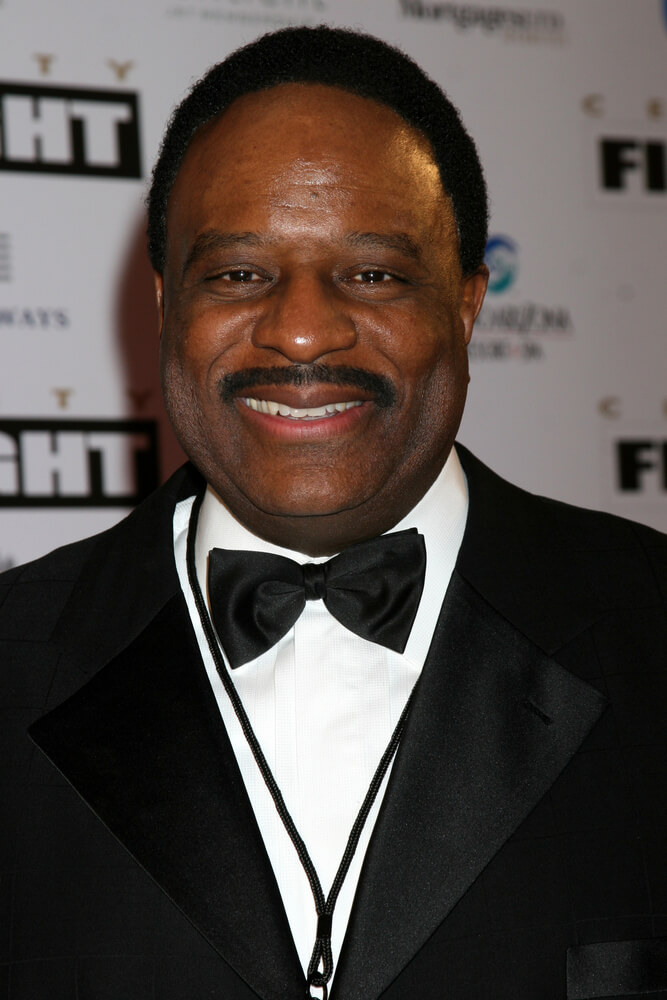
Jim Brown’s rookie is card number 62 in the 1958 Topps set, showing the Cleveland running back in a posed portrait. Brown led the NFL in rushing in eight of his nine seasons and retired at the peak of his career to pursue acting.
His rookie card trades at thousands of dollars in average condition and far more in high grades. Centering problems and rough edges are common on this set.
Collectors check for creases, stains, and soft corners. A clean, well-centered Brown rookie is among the most desirable gridiron cards of the decade.
Pete Rose’s 1963 Topps Rookie
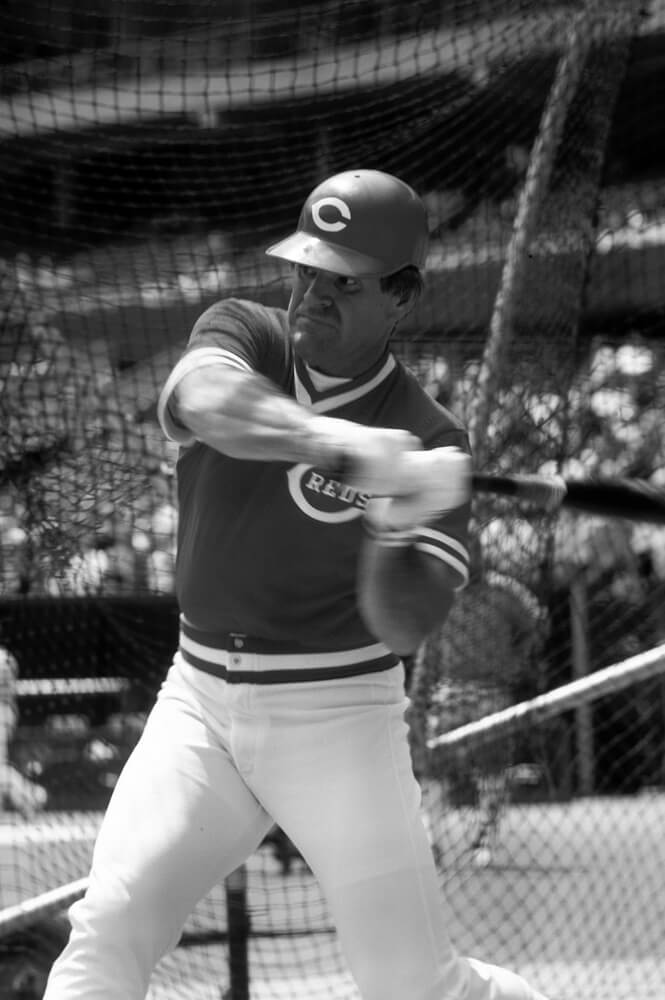
Pete Rose shares his 1963 Topps rookie card, number 537, with three other players, each shown in a small headshot. Rose went on to become the all-time MLB hits leader.
The card was part of a high-number series with limited production, and it trades at hundreds to thousands of dollars depending on condition, with high grades reaching far more. Centering, corners, and surface wear all matter.
The card’s multi-player format means the Rose image is small, but demand remains strong. Creases and stains lower value significantly.
Bobby Orr’s 1966 Topps Rookie
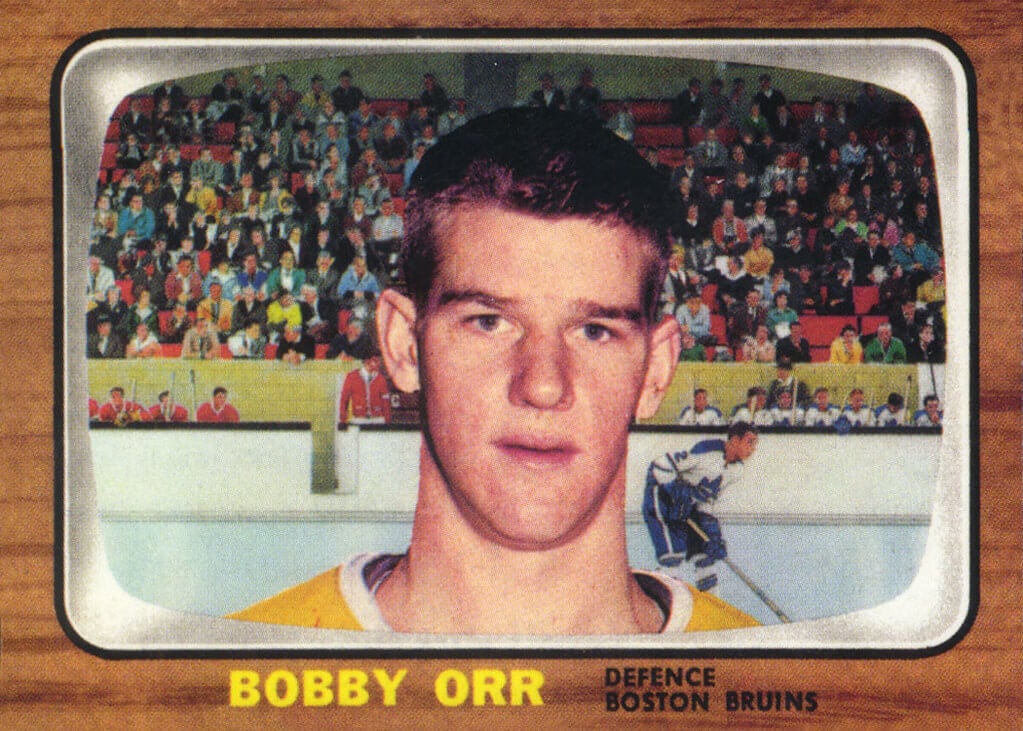
Bobby Orr’s rookie is card number 35 in the 1966-67 Topps hockey set, featuring a wood-grain border that shows every chip and scuff. Orr revolutionized defense play in the NHL and won eight straight Norris Trophies.
His rookie trades at thousands of dollars in low grades and six figures in high grades. The wood-grain border makes condition problems obvious, so high-grade copies are rare.
Collectors check the edges and corners carefully. Creases, stains, and rounded corners lower value, and centering varies widely.
Hockey cards from this era were printed in smaller numbers than MLB issues, which adds to the scarcity.
Reggie Jackson’s 1969 Topps Rookie
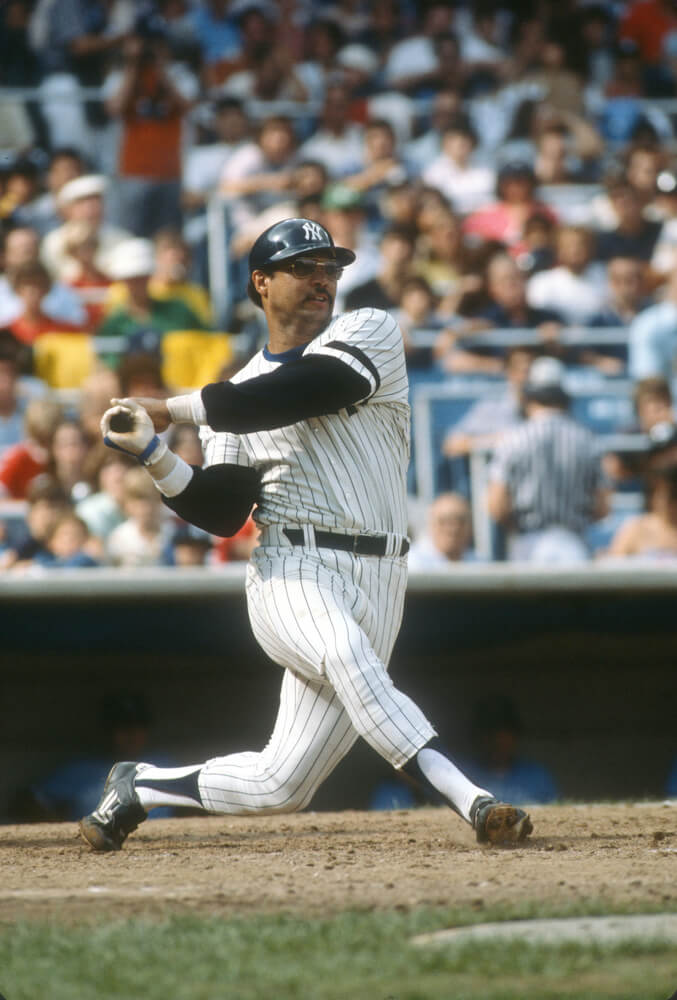
Reggie Jackson’s rookie card is number 260 in the 1969 Topps set, showing him with the Oakland Athletics. Jackson earned the nickname Mr. October for his postseason heroics, including three home runs in a single World Series game in 1977.
His rookie trades at hundreds to thousands of dollars depending on condition. Centering and print quality vary.
Collectors check for creases, stains, and soft corners, and high-grade copies bring much more. Many copies were printed with one border noticeably wider than the other, so balanced centering helps the grade.
A sharp Reggie with clean, glossy surfaces is the one that draws the strongest bids.
Mini Cards From the 1975 Topps Set
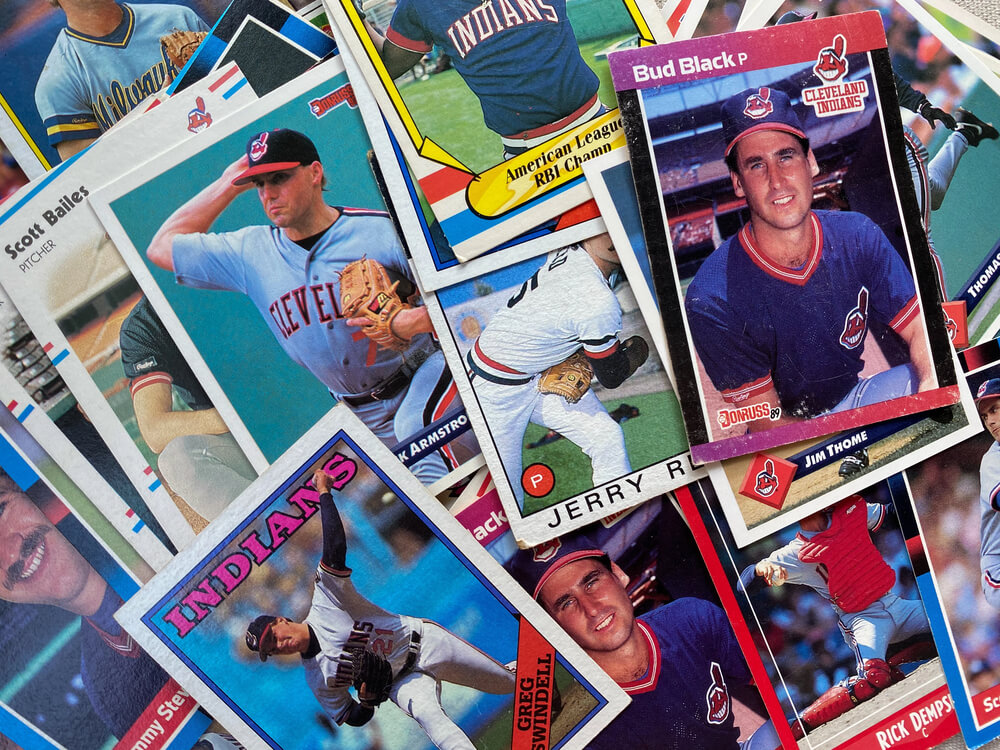
Topps released a mini version of its 1975 set as a test issue in select markets, with cards slightly smaller than the standard size. The set includes the rookie cards of George Brett and Robin Yount, and the minis carry premiums over the regular versions.
Brett and Yount minis trade at hundreds to thousands of dollars depending on condition. The colorful two-tone borders show wear easily.
Collectors check for centering, corners, and surface wear, and high-grade copies bring much more. Many buyers keep a regular-size card on hand for comparison, since trimmed standard cards are sometimes passed off as minis.
Walter Payton’s 1976 Topps Rookie
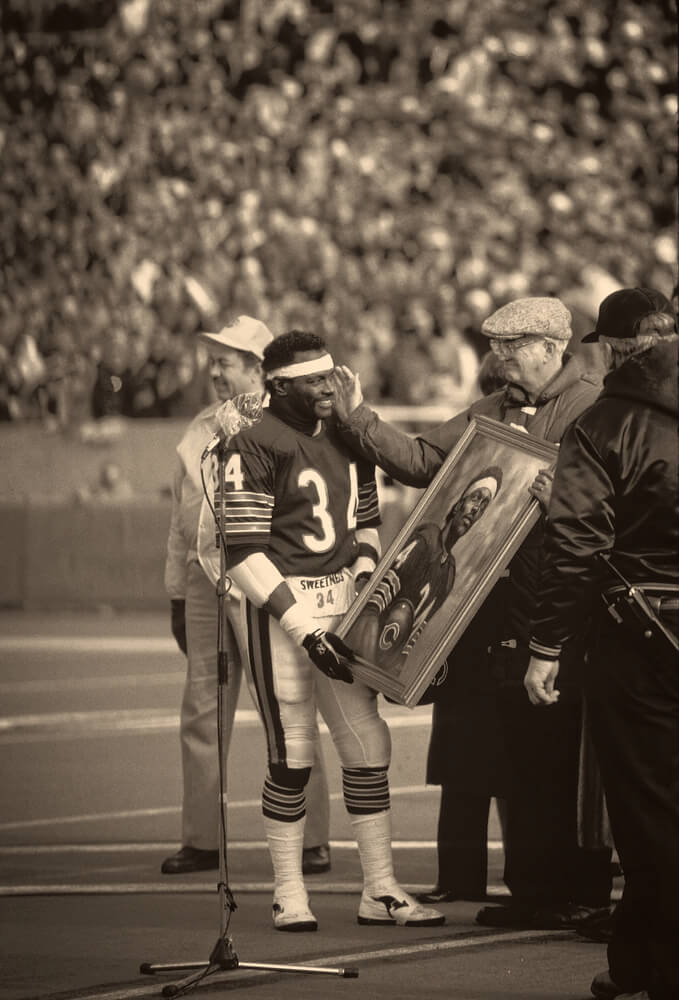
Card number 148 in the 1976 Topps set is Walter Payton’s rookie, showing the Chicago running back known as Sweetness in a posed shot. Payton retired in 1987 as the NFL’s career rushing leader with 16,726 yards, a record that stood until 2002.
His rookie brings hundreds of dollars in average condition, and top-graded copies have sold well into six figures. The card is notorious for poor centering, with many copies tilted badly toward one edge.
Collectors also check for print dots on the photo and softness at the corners. A sharp, centered Payton is far rarer than the print run suggests.
Wayne Gretzky’s 1979 O-Pee-Chee Rookie
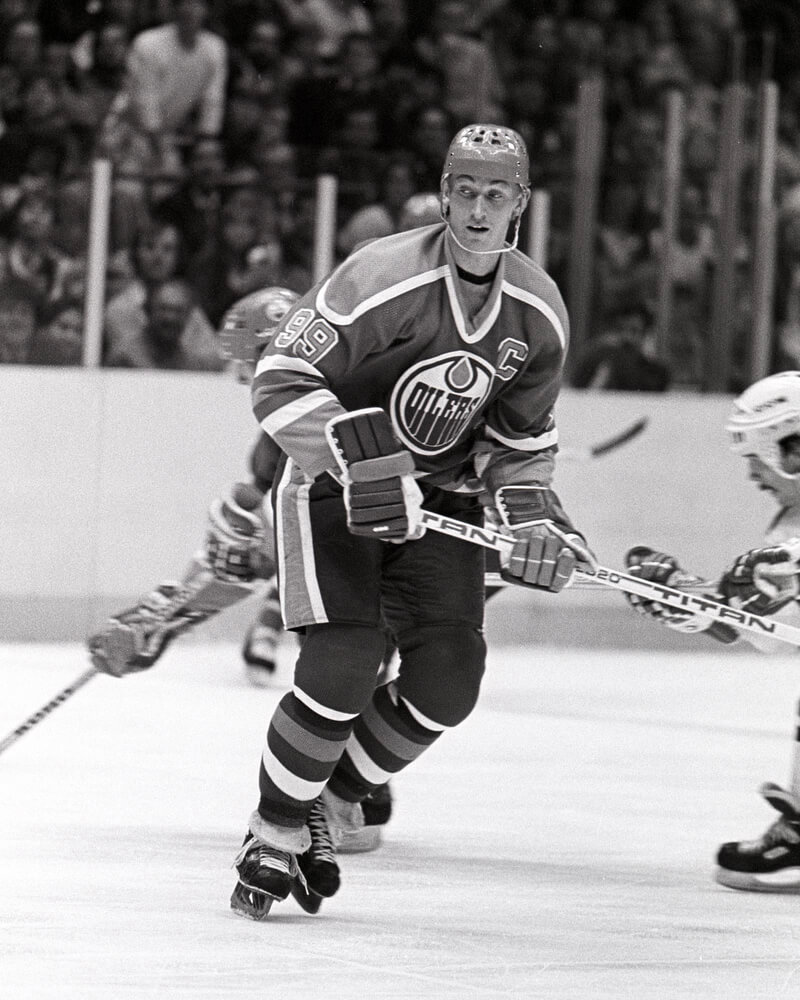
Wayne Gretzky’s rookie is card number 18 in the 1979-80 hockey sets, and the Canadian O-Pee-Chee version is worth considerably more than the American Topps card with the same number. Gretzky set more than 60 NHL records, and his rookie is the most important hockey card ever printed.
Low-grade copies bring thousands of dollars, and the handful graded gem mint have sold for millions. The dark blue border shows every chip and scuff, which is why high grades are so rare.
Collectors also check for diamond cutting, a factory flaw that leaves the card slightly tilted inside its own borders.
Bird and Magic’s 1980 Topps Panel
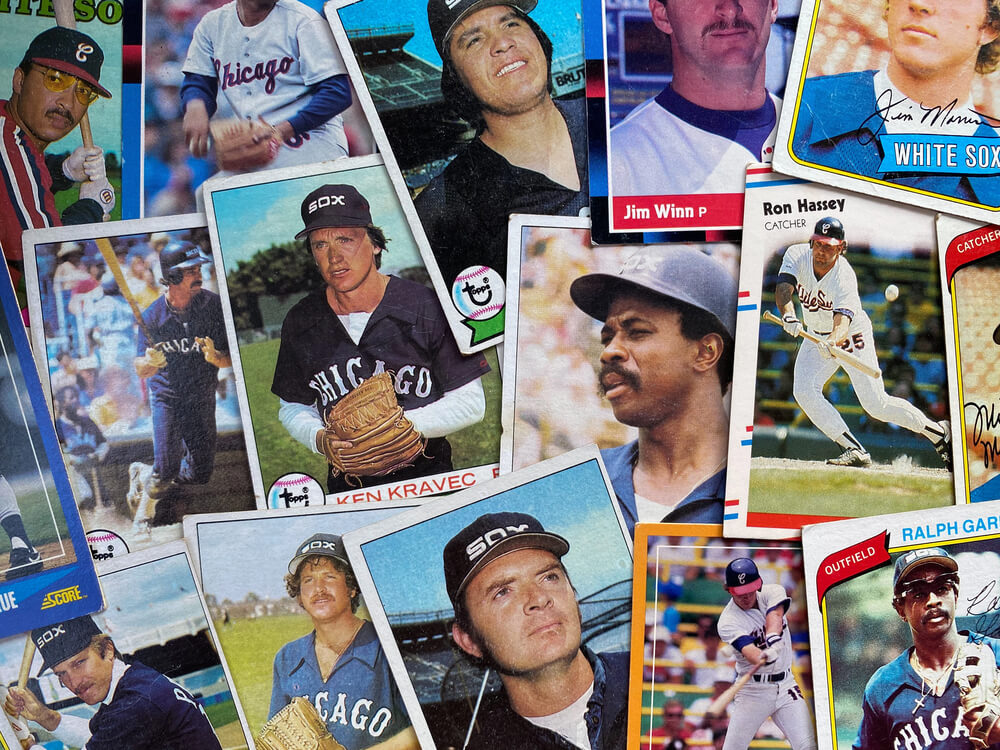
The 1980-81 Topps hoops set printed three small cards on a single perforated panel, meant to be torn apart. The most valuable panel carries rookie images of Larry Bird and Magic Johnson, with Julius Erving in the third slot, and it is the most important NBA card of its era.
Intact panels trade at thousands of dollars in mid grades, and gem mint copies have sold for six figures. Panels that were separated along the perforations lose most of their value.
Collectors check for clean perforations, centering, and corner wear, since the thin card stock damages easily.
Rickey Henderson’s 1980 Topps Rookie
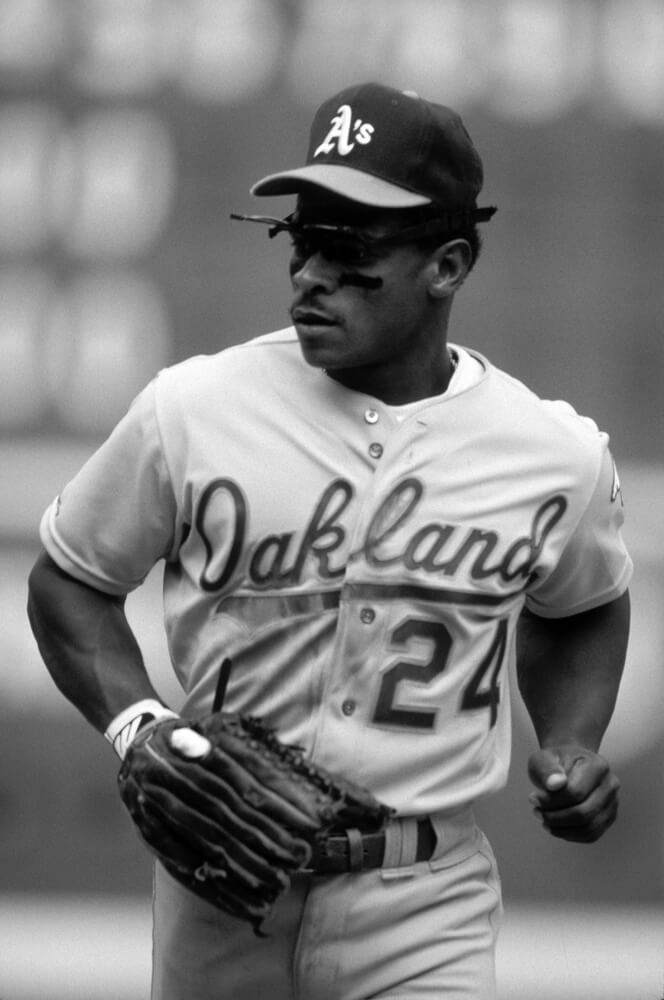
Rickey Henderson’s rookie is card number 482 in the 1980 Topps set, showing the young Oakland outfielder mid-stride. Henderson finished his career as the MLB leader in stolen bases with 1,406 and in runs scored with 2,295, records that still stand.
His rookie trades at hundreds of dollars in average condition and far more in high grades, with gem mint copies reaching six figures. Print dots, poor centering, and rough cuts are common in this set.
Collectors check the corners, since the dark borders show wear. A well-centered Henderson with sharp corners is scarcer than the print run suggests.
Joe Montana’s 1981 Topps Rookie
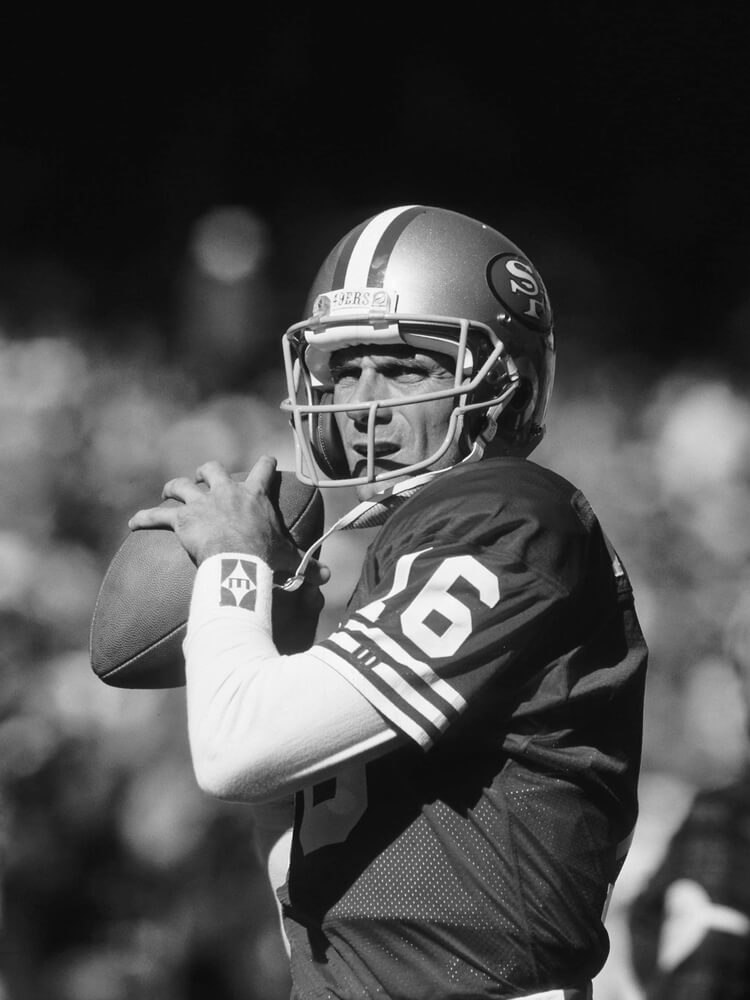
Joe Montana’s rookie is card number 216 in the 1981 Topps set, showing the San Francisco quarterback before his first championship. Montana went on to win four Super Bowls without throwing an interception in any of them, and he was named MVP in three.
His rookie trades at hundreds of dollars in average condition and far more in high grades, with gem mint copies reaching six figures. Centering problems and print defects are common in the set.
Collectors check for creases, stains, and soft corners. A sharp, well-centered Montana remains one of the most wanted gridiron cards of the decade.
Cal Ripken Jr.’s 1982 Topps Traded Rookie
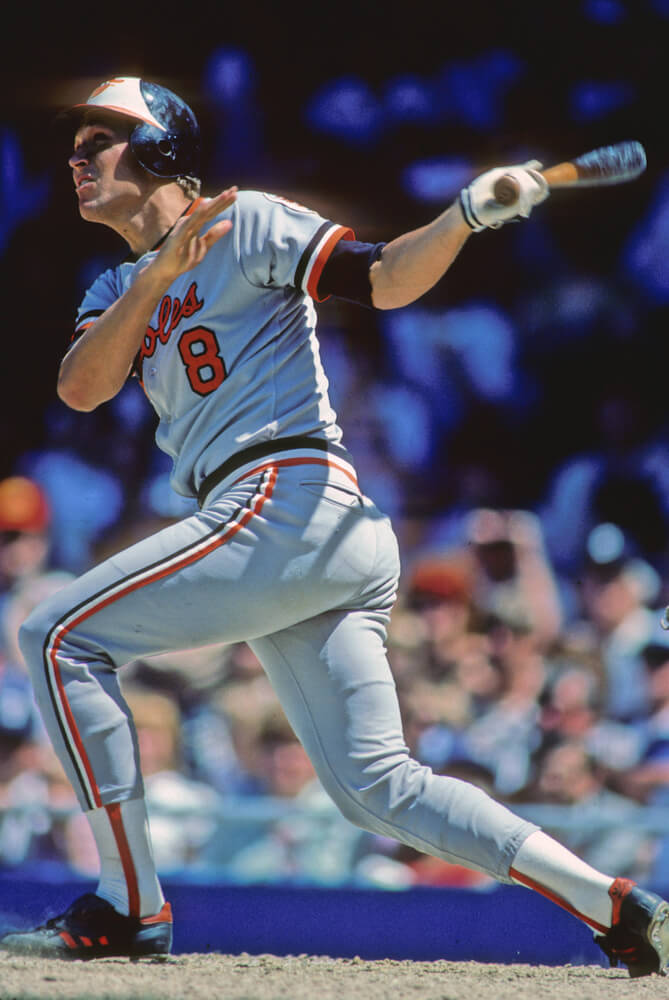
Topps Traded sets were sold as complete boxed sets through hobby dealers, and card number 98T in the 1982 set is Cal Ripken Jr.’s first solo card. Ripken played 2,632 consecutive games, breaking Lou Gehrig’s record in 1995.
The Traded card trades at hundreds of dollars in average condition and much more in high grades, with gem mint copies reaching thousands. The set used a whiter card stock than the regular issue, which makes it easy to identify.
Collectors check for centering and corners. His regular 1982 Topps card, shared with two other rookies, is worth less but still collected.
Dan Marino’s 1984 Topps Rookie
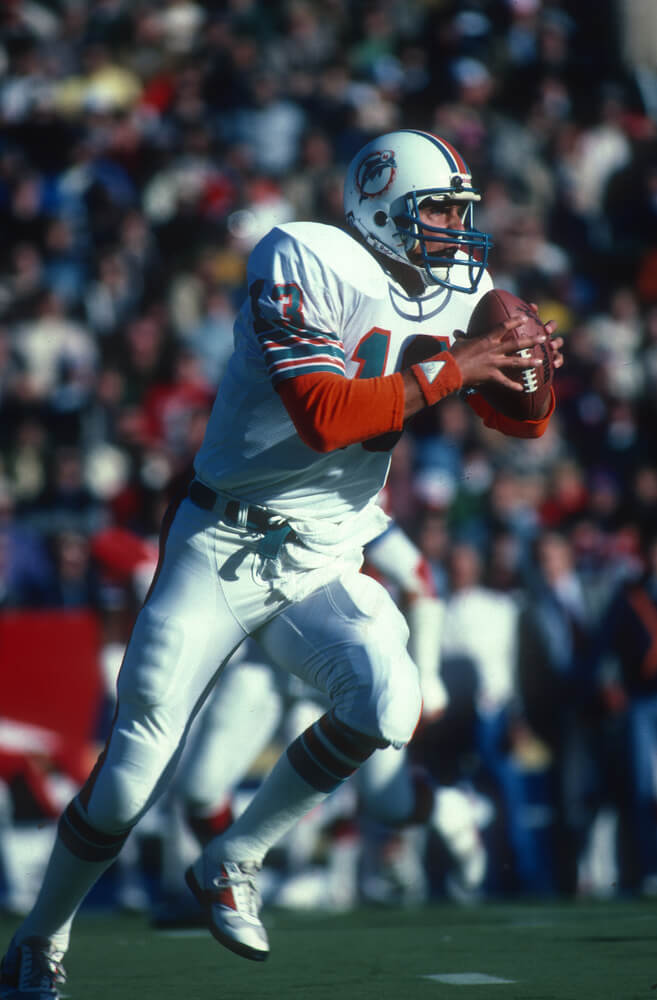
Dan Marino’s rookie is card number 123 in the 1984 Topps set, released just before his second season, when he threw for 5,084 yards and 48 touchdowns, both records at the time. Marino retired as the NFL’s career leader in passing yards and touchdowns.
His rookie trades at hundreds of dollars in average condition, and gem mint copies reach thousands. The set is known for centering problems and print defects.
Collectors check for creases, stains, and soft corners. A sharp, well-centered Marino is among the key gridiron cards of the 1980s.
Mario Lemieux’s 1985 O-Pee-Chee Rookie
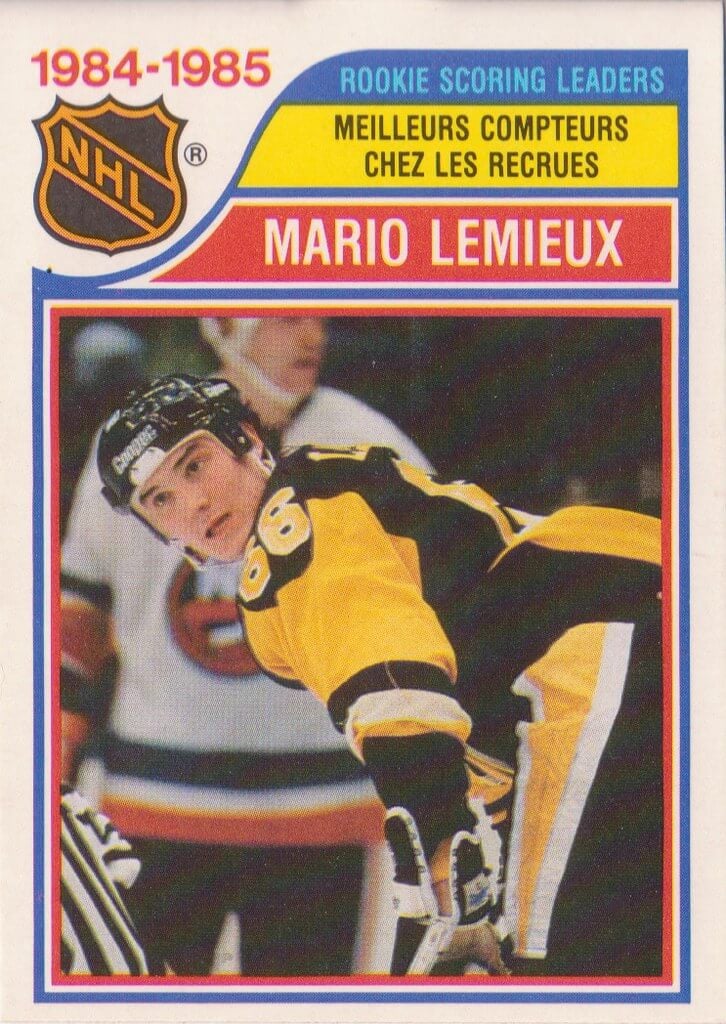
Mario Lemieux’s rookie is card number 9 in the 1985-86 hockey sets, and the Canadian O-Pee-Chee version is worth more than the American Topps card with the same number. Lemieux won six scoring titles and returned from cancer treatment to win the scoring title again in 1993.
His rookie trades at hundreds of dollars in average condition and far more in high grades, with gem mint copies reaching six figures. The card has dark borders that show chips easily.
Collectors check for centering, corners, and surface scratches.
Michael Jordan’s 1986 Fleer Rookie
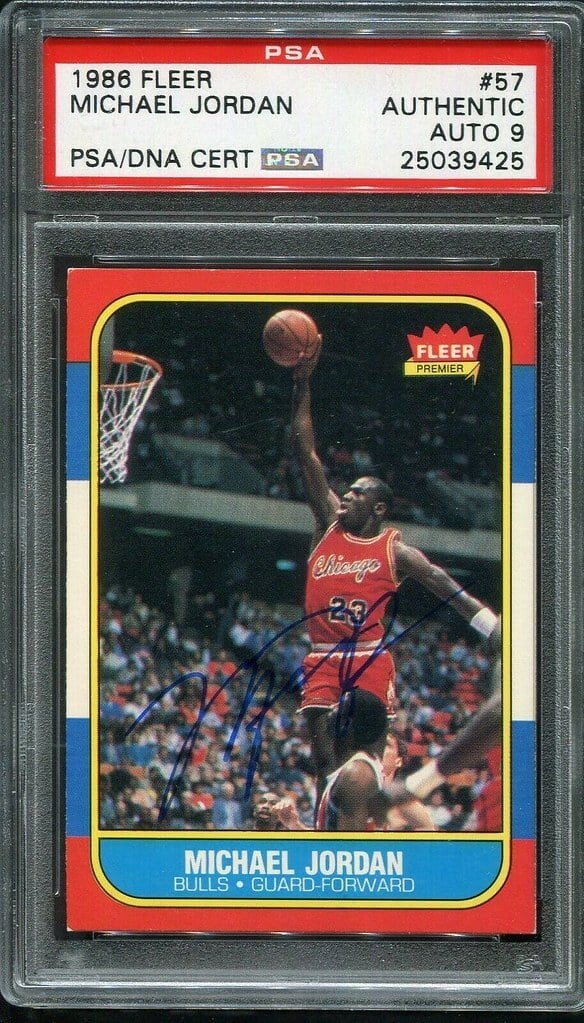
Michael Jordan’s rookie is card number 57 in the 1986-87 Fleer set, showing him mid-flight in a Chicago uniform. Jordan won six NBA championships and five MVP awards.
His rookie trades at thousands of dollars in average condition, and gem mint copies have sold for hundreds of thousands. The set also included a sticker card, number 8, which is also valuable.
Counterfeits are common, so authentication matters. Collectors check for centering, corners, and surface gloss.
The red, white, and blue borders show wear easily, and creases lower value significantly.
Ken Griffey Jr.’s 1989 Upper Deck Rookie
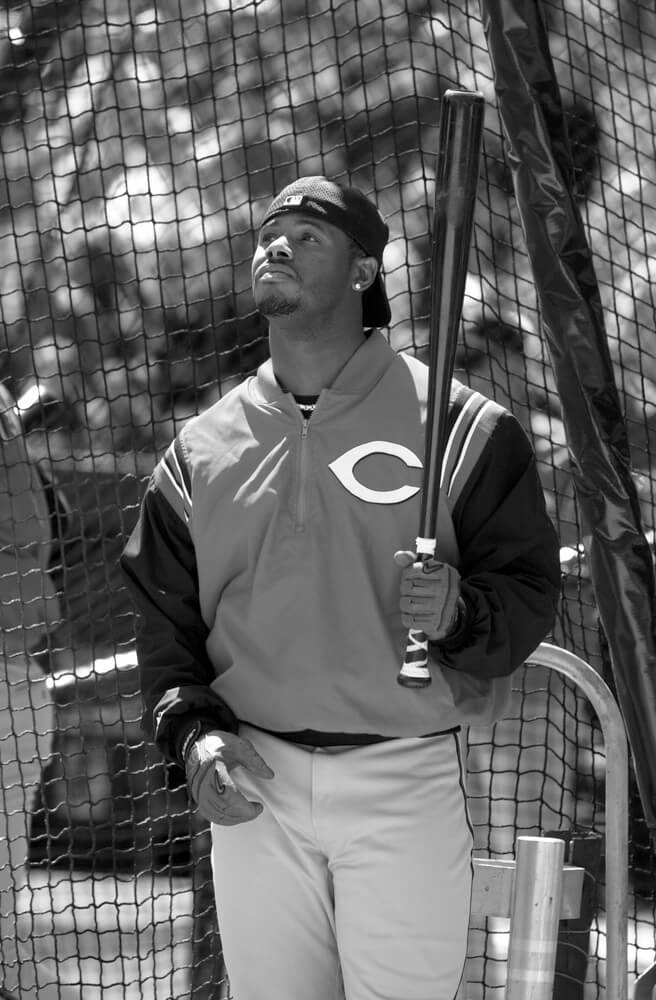
Ken Griffey Jr.’s rookie is card number 1 in the 1989 Upper Deck set, the company’s first. Upper Deck used holograms on the back to fight counterfeiting, and the card became the face of the new premium era.
Griffey hit 630 home runs and was voted into the Hall of Fame with a record share of the vote at the time. His rookie trades at hundreds of dollars in average condition and thousands in gem mint.
The glossy surface scratches easily. Collectors check for centering, corners, and surface wear.
Billy Ripken’s 1989 Fleer Error Card
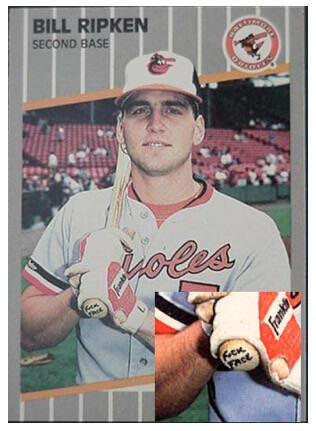
Billy Ripken’s 1989 Fleer card, number 616, showed an obscenity written on the knob of his bat, and the error was not caught before the cards reached stores. Fleer tried to fix it with a series of corrections, including scribbling over it with a marker, whiting it out, and eventually blacking it out with a solid box.
Collectors now hunt for each version. The original error trades at tens to hundreds of dollars, and some rare correction variations bring more.
Collectors check for centering and corners.
Frank Thomas’s 1990 Topps No Name on Front
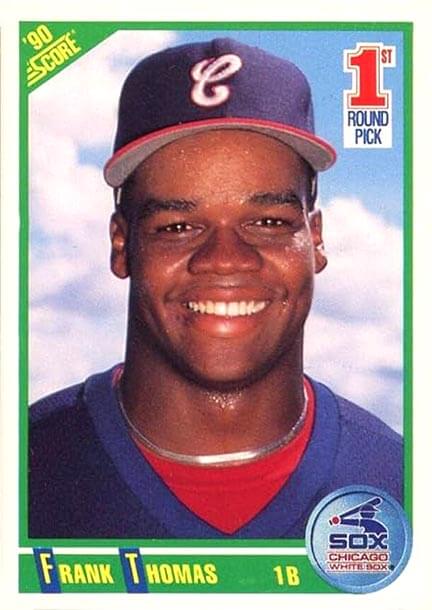
Frank Thomas’s rookie is card number 414 in the 1990 Topps set, and a small number of copies were printed without his name on the front. The error came from a printing problem and was quickly corrected.
Standard versions are worth modest amounts, but the No Name on Front error trades at hundreds to thousands of dollars, with high grades reaching much more. Thomas hit 521 home runs and won two MVP awards.
Collectors check the front carefully. Fakes created by removing the name exist, so authentication matters.
Derek Jeter’s 1993 SP Foil Rookie
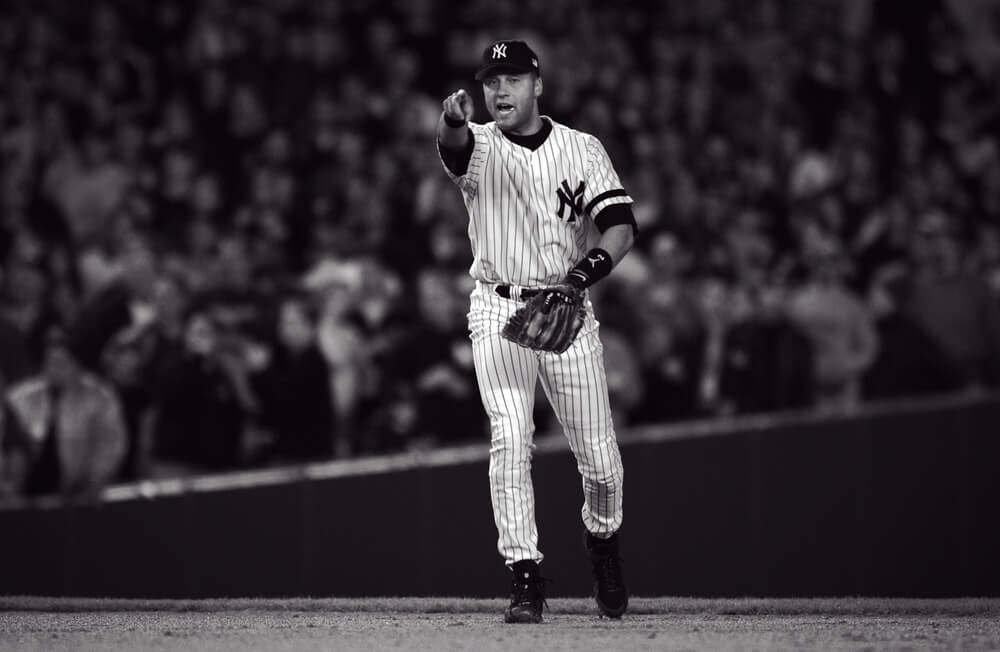
Derek Jeter’s rookie is card number 279 in the 1993 SP set, featuring a foil border. The foil chips and scratches easily, which makes high-grade copies extremely rare.
Jeter won five World Series titles with New York and collected 3,465 hits. His rookie trades at hundreds of dollars in average condition, and gem mint copies have sold for hundreds of thousands.
Collectors check the foil for chips and scratches. The card is one of the most condition-sensitive rookies of the 1990s, and a crisp copy pulled straight from a pack can still lose points to a single foil nick.
Tom Brady’s 2000 Playoff Contenders Rookie Ticket
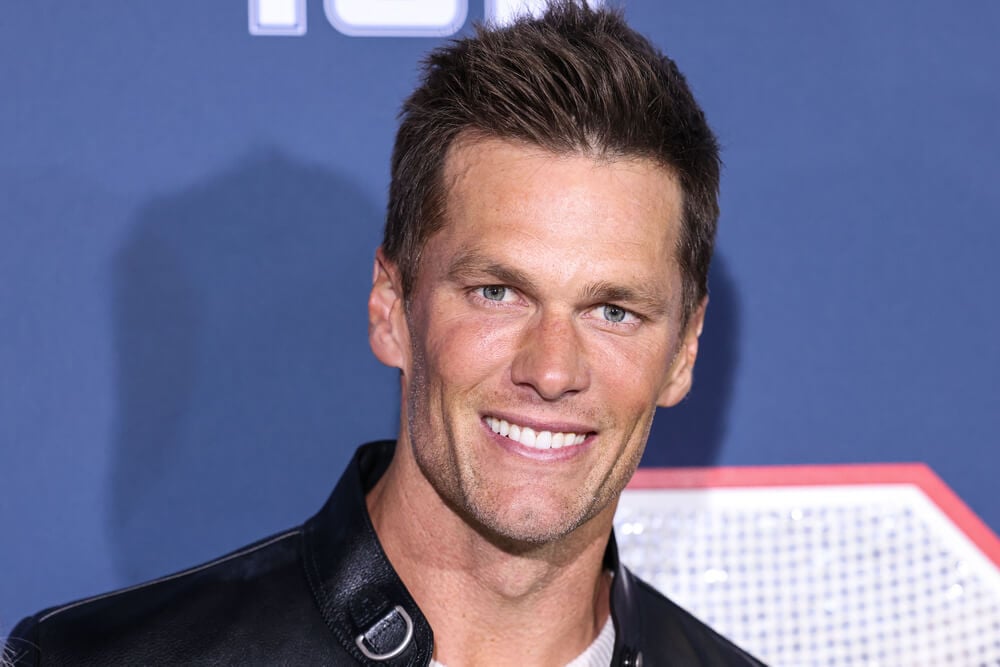
Tom Brady’s rookie is card number 144 in the 2000 Playoff Contenders set, a Championship Ticket card with his autograph. Brady was the 199th pick in the 2000 draft and went on to win seven Super Bowls.
The card has sold for millions of dollars at the top of the market, and even lower-grade copies trade at tens of thousands. Collectors check for centering, corners, and the quality of the autograph.
The card’s ticket design is distinctive, and counterfeits exist, so authentication matters. A smudged or faded signature lowers the price even on a sharp card.
Unopened Wax Boxes From the 1980s

Sealed wax boxes and packs from the 1980s have become a collecting category of their own, since they may contain rookie cards in pristine condition. A sealed box of 1986-87 Fleer hoops cards, which may contain a Jordan rookie, has sold for six figures.
Boxes from other popular sets trade at hundreds to thousands of dollars. Collectors check for original shrink wrap and signs of tampering.
Resealed packs and boxes are a known problem, so authentication services now wrap verified boxes in tracking tape. Damaged or resealed boxes lose most of their value.
Babe Ruth’s 1933 Goudey Cards
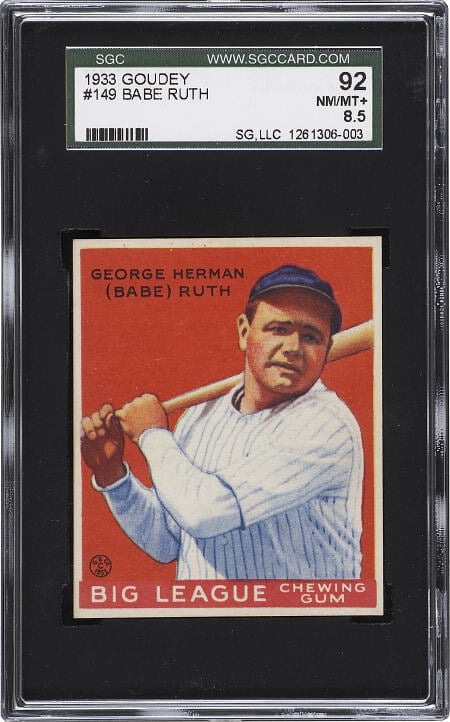
The Goudey Gum Company of Boston included four different Babe Ruth cards in its 1933 set, numbers 53, 144, 149, and 181. The cards came with a stick of gum and were aimed at children.
Ruth’s Goudey cards trade at thousands of dollars in low grades, and high-grade copies reach hundreds of thousands. Collectors check for centering, corners, and surface wear.
Stains from the gum, creases, and rounded corners are common. The four cards differ in design and value, and collectors often try to assemble all four.
Cardboard That Kept Its Corners

Shoeboxes hold more than cardboard. They hold childhood afternoons, trades made on playgrounds, and cards clipped to bicycle spokes for the sound they made.
Most of those cards were ruined by rubber bands, humidity, and enthusiasm. The ones that survived clean are now graded, slabbed, and sold for sums their owners could never have imagined.
Condition is everything in this market, and condition depends on a kind of neglect that few children managed. The luckiest collections were the ones forgotten the fastest.
More from Go2Tutors!

- The Romanov Crown Jewels and Their Tragic Fate
- 13 Historical Mysteries That Science Still Can’t Solve
- Famous Hoaxes That Fooled the World for Years
- 15 Child Stars with Tragic Adult Lives
- 16 Famous Jewelry Pieces in History
Like Go2Tutors’s content? Follow us on MSN.