25 Southern Dishes Grandparents Served at Sunday Dinner That Younger Cooks Rarely Make
Sunday dinner in the South used to begin the night before, with a hen simmering on the back burner and a cake cooling under a dish towel. By the time the family came home from church, the table groaned with food that took real hours to make and almost no money to buy.
Plenty of those recipes still survive on index cards in kitchen drawers. Fewer survive in actual kitchens, where busy schedules, shifting tastes, and a certain squeamishness have quietly retired them.
Rolled Chicken and Dumplings
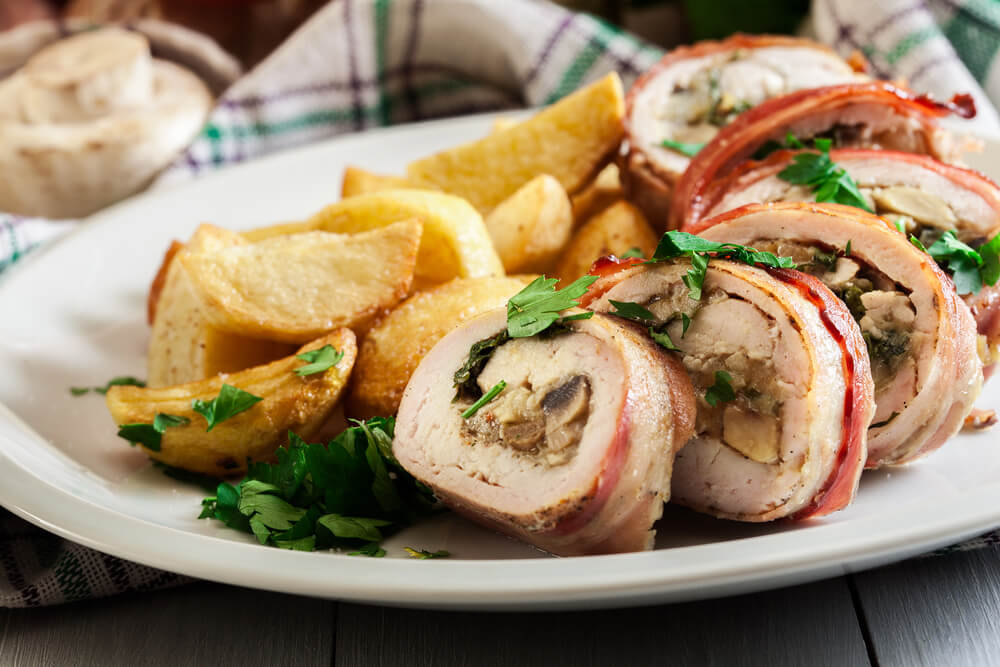
The old way began with a stewing hen, which needed hours of simmering to turn tender and gave the broth a depth that a grocery store fryer cannot match. Grandmothers rolled their dumpling dough thin on a floured counter, cut it into strips, and dropped the strips into the bubbling pot, where they turned silky and thickened the broth.
Canned biscuit dough became the common shortcut, and many younger cooks never learned the rolling method at all. The dish was built to stretch one bird across a crowded table.
Families still argue over rolled versus dropped dumplings, but the rolled version is slipping out of daily practice.
Tomato Aspic on a Lettuce Leaf
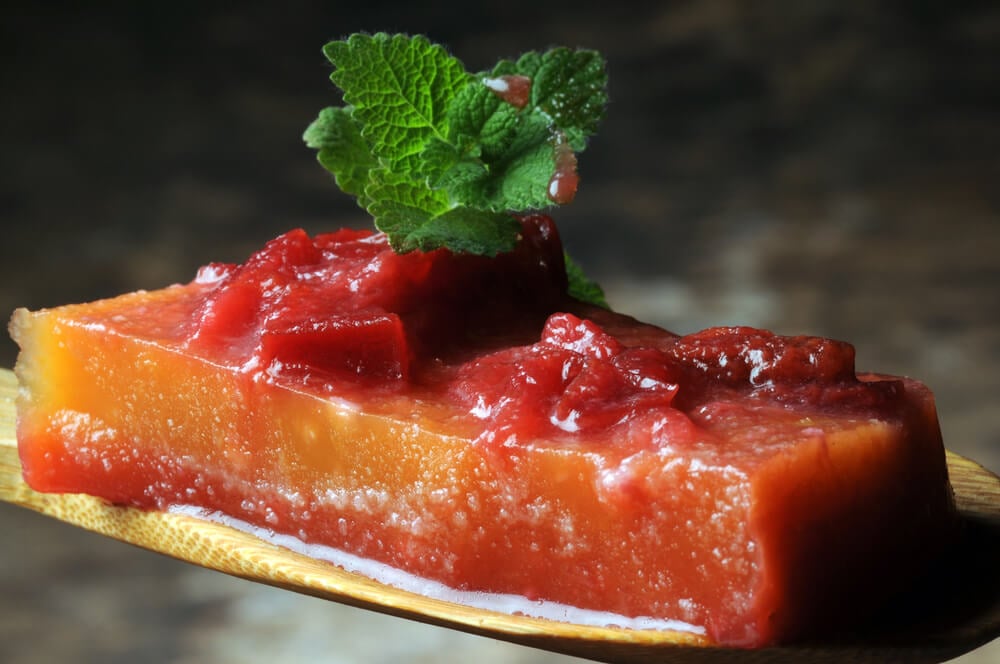
This chilled, jellied tomato salad was once a fixture of Southern luncheons, bridal showers, and Sunday tables. Tomato juice was seasoned with celery, onion, lemon, and a little heat, then set with gelatin in a ring mold and turned out onto lettuce.
A dollop of mayonnaise or a scoop of chicken salad often sat in the center. The dish signaled that the hostess had planned ahead, since it needed hours to set.
Younger diners tend to find the wobbling texture unsettling. Aspic survives mostly in church cookbooks, where its recipes sit beside notes about which aunt made the best one.
Congealed Salads in Every Color
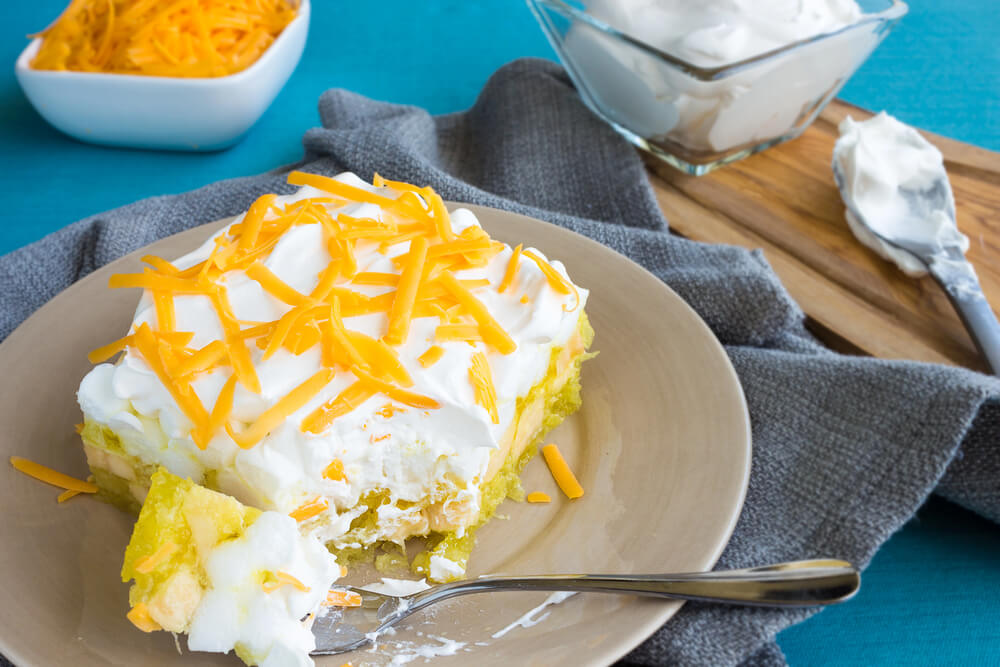
Lime gelatin with cottage cheese and crushed pineapple, orange gelatin with shredded carrots, and cherry gelatin with pecans all counted as salad at many Southern tables. Cooks called them congealed salads, and a well-stocked Sunday spread might hold two or three.
The molds came in rings, fluted domes, and even fish shapes, and unmolding one cleanly was a point of pride. Their heyday ran from the 1950s through the 1970s, when gelatin companies published recipe booklets by the millions.
The salads still appear at some church suppers and funerals, but few younger cooks own a proper mold or know the trick of dipping it in warm water.
Pear Salad With Mayonnaise and Cheddar
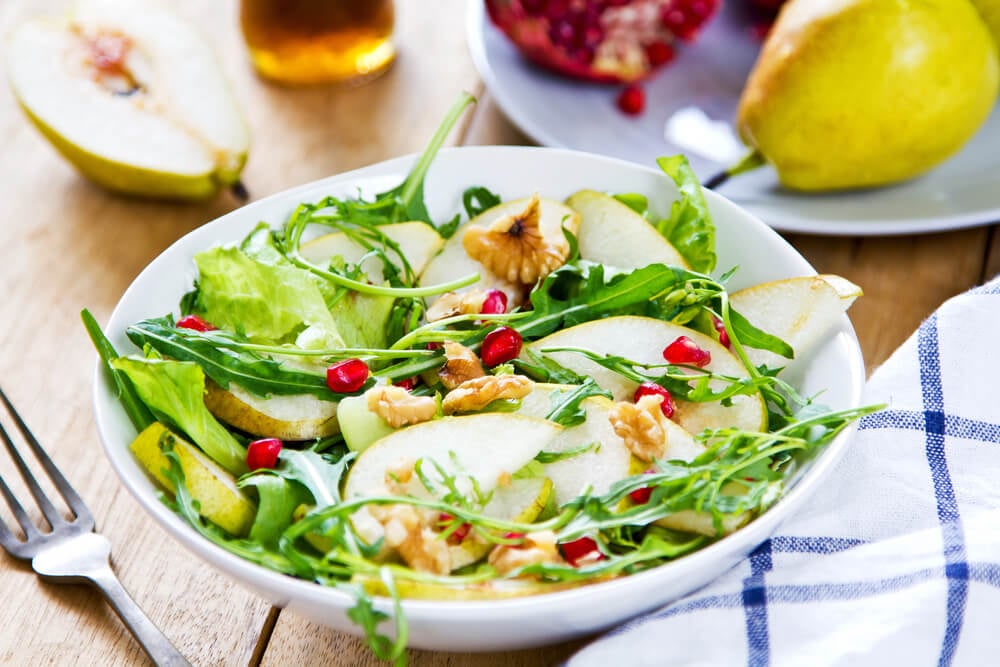
A canned pear half set on a lettuce leaf, filled with a spoonful of mayonnaise, and topped with shredded cheddar and a maraschino cherry sounds like a dare. For generations of Southern families, it was simply the salad course.
The combination of sweet fruit, tangy dressing, and sharp cheese was cheap, quick, and made the table look finished. Many grandmothers served it on their good china next to the fried chicken.
The dish baffles people who did not grow up with it, which is part of why it has faded. Those who did grow up with it tend to defend it with surprising passion.
Red-Eye Gravy Over Country Ham
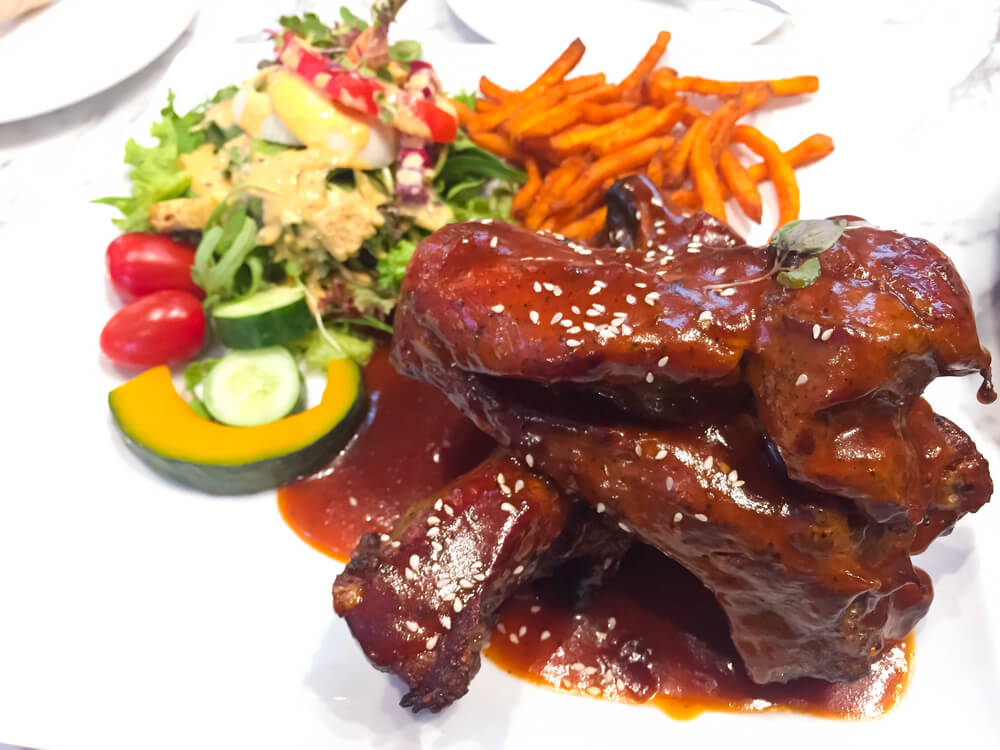
After frying slices of salty country ham, cooks deglazed the skillet with black coffee, scraping up the browned bits to make a thin, dark gravy. The result was poured over the ham, biscuits, or grits, and its bitter, salty bite woke up everyone at the table.
The name is often explained by the circle of fat that forms in the center of the gravy, which looks like a red eye. It appeared at breakfast and at Sunday dinner, especially in Tennessee and Kentucky.
Few younger cooks keep country ham on hand anymore, and the gravy has become a restaurant novelty rather than a household habit.
Tomato Gravy on a Plate of Biscuits
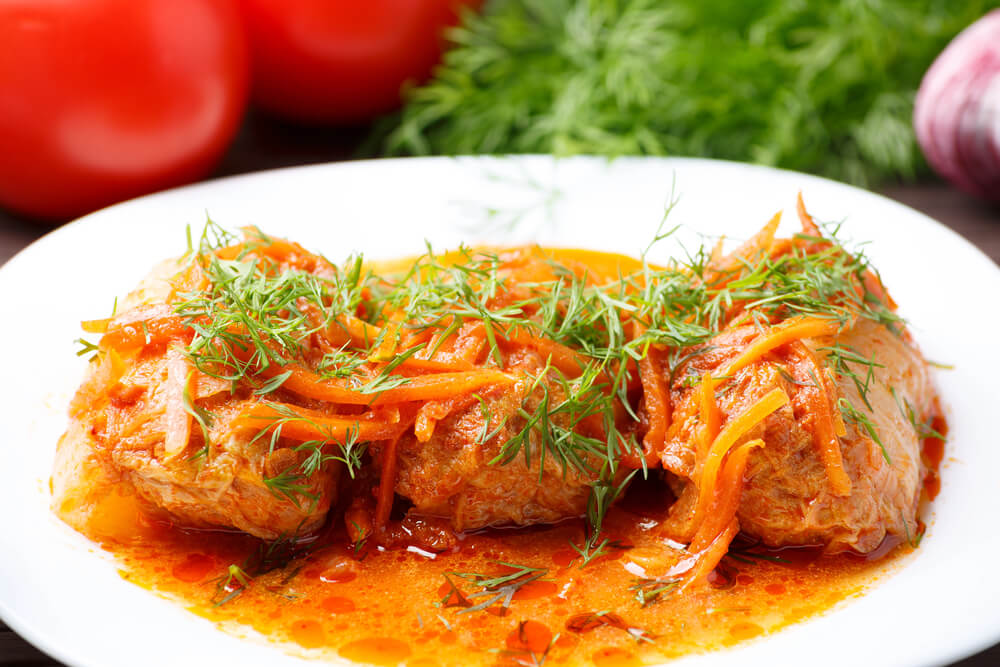
Canned or fresh tomatoes were stirred into bacon drippings and flour, then simmered with salt, pepper, and sometimes a pinch of sugar. The gravy was spooned over split biscuits, rice, or fried pork chops.
It was cheap, filling, and made good use of a garden’s surplus or the jars put up the previous summer. The dish is especially associated with Appalachia and the Deep South.
Younger cooks who grew up on sausage gravy often have never heard of it. Fans consider it one of the great overlooked comfort foods of the region, and it takes about 15 minutes to make.
Chocolate Gravy for Special Mornings
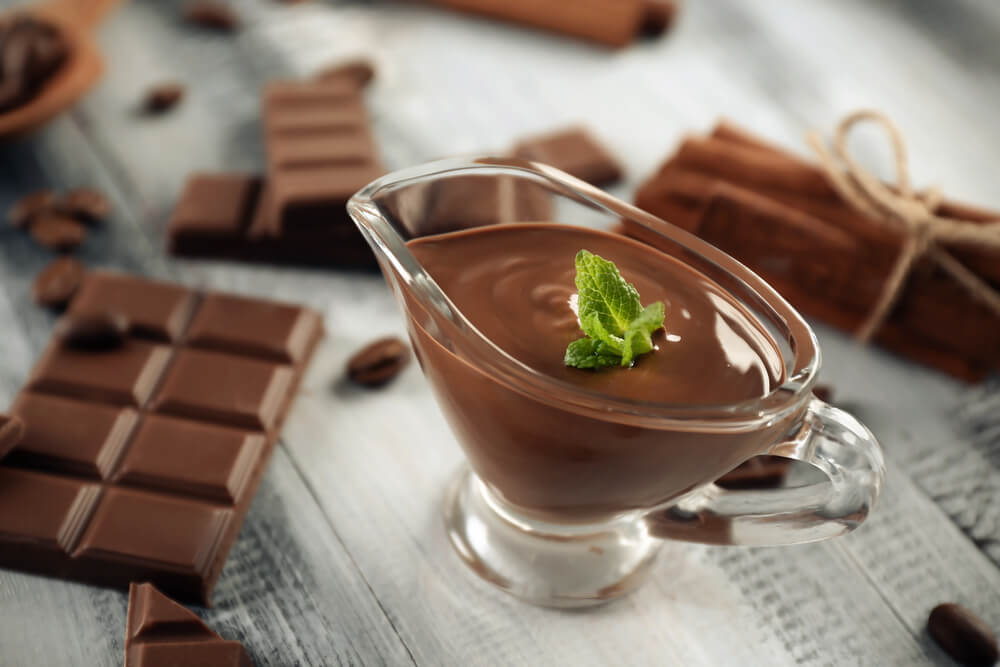
In the Ozarks and parts of Appalachia, cocoa powder, sugar, flour, butter, and milk were cooked into a pudding-like gravy and poured over hot biscuits. The dish was a treat for special mornings and occasional Sunday meals, often made when there was little else in the pantry.
Families in Arkansas and Tennessee tend to claim it most fiercely. It was cheap, quick, and delighted children, who considered it proof that grandparents understood them.
Outsiders often think it is a joke. The dish has become a subject of food writing and nostalgia, but it rarely appears in younger households.
Kilt Lettuce With Hot Bacon Grease
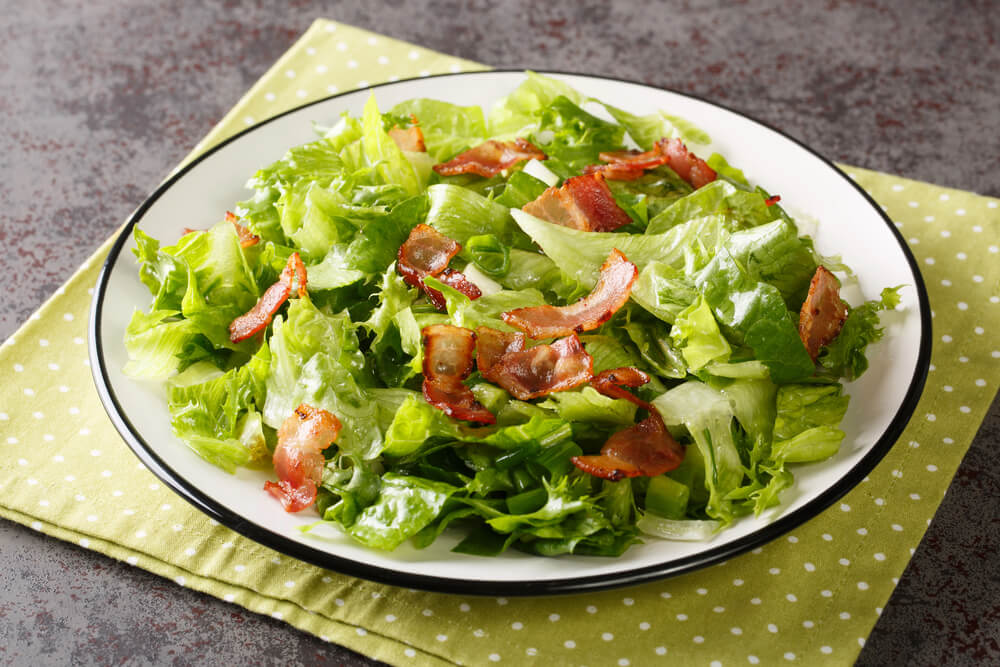
Tender leaf lettuce and green onions from the spring garden were piled in a bowl, then doused with sizzling bacon grease and a splash of vinegar. The hot fat wilted the greens instantly, which is where the Appalachian name kilt, or killed, lettuce comes from.
Crumbled bacon went on top, and a pan of cornbread sat nearby. The dish was seasonal, available only when the first lettuce came up.
Its reliance on bacon grease and its fleeting season have made it rare. Still, it remains a strong food memory across the mountains of Kentucky, Tennessee, and the Carolinas.
Spoonbread That Needs a Serving Spoon
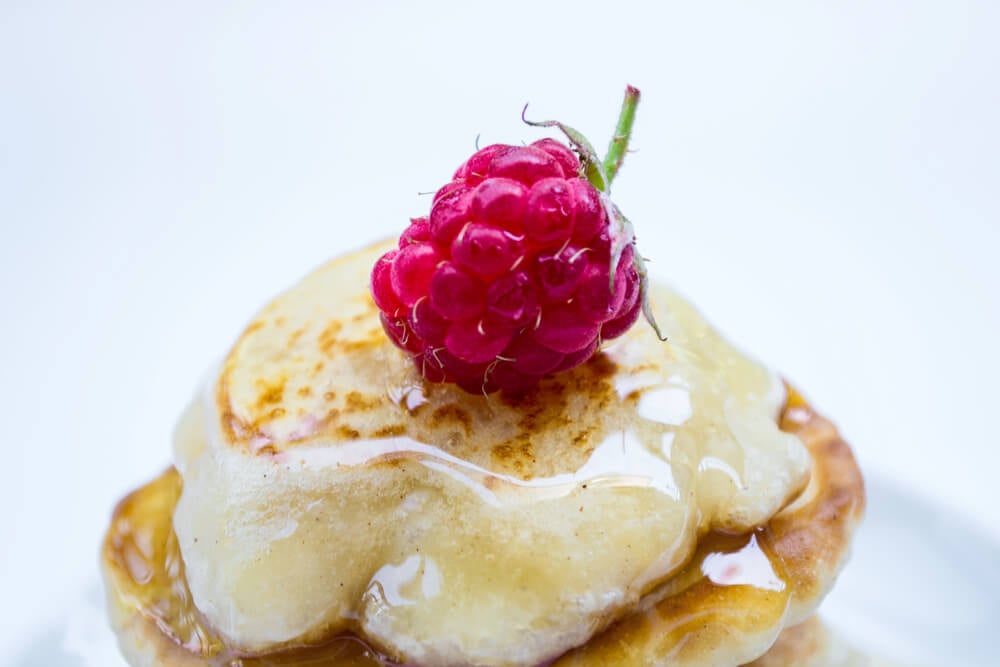
Soft and custardy, spoonbread sits somewhere between cornbread and a souffle. Cornmeal was cooked into a mush with milk, then enriched with butter and eggs, sometimes with the whites beaten separately, and baked until puffed and golden.
It was served hot, straight from the dish with a spoon, which is how it got its name. Spoonbread was especially popular in Virginia and Kentucky, and the town of Berea, Kentucky, holds an annual festival in its honor.
The dish takes timing and attention, which has made it less common in busy households. It collapses quickly, so it must be eaten right away.
Salmon Croquettes From a Can
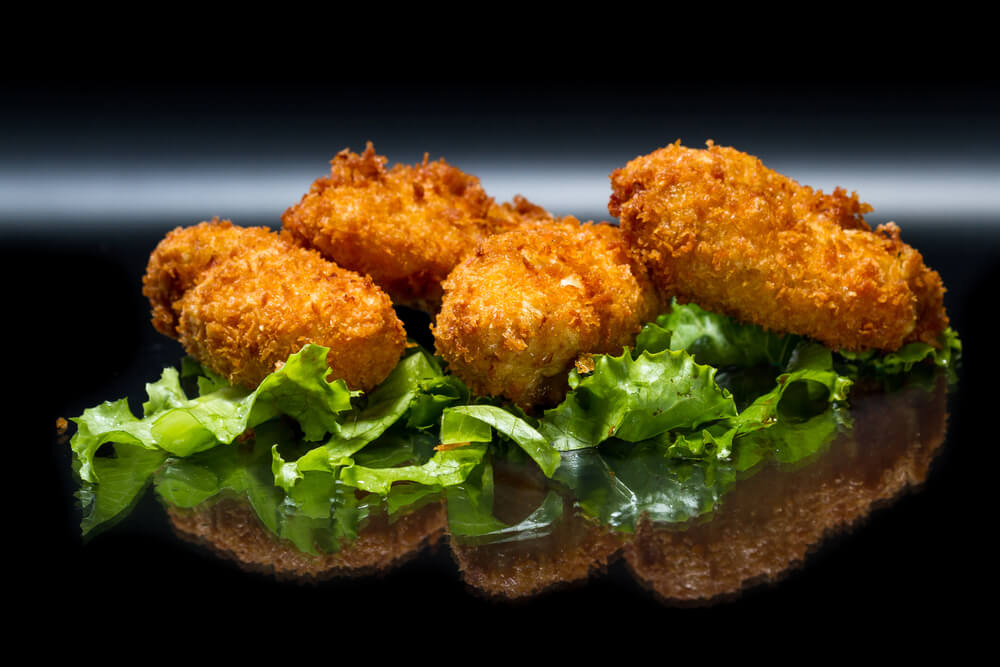
Canned salmon was mixed with crushed crackers, egg, and onion, shaped into patties, and fried in a cast iron skillet until crisp. The dish was cheap and filling, and it became a staple during the Depression and the decades that followed.
Many families served salmon croquettes with grits, creamed peas, or macaroni and cheese. Cooks were expected to pick out the small bones and skin, though some left the soft bones in for extra calcium.
The dish still has fans, but younger cooks tend to prefer fresh fish. Canned salmon itself has become an item many shoppers walk past without a second look.
Smothered Pork Chops in Onion Gravy
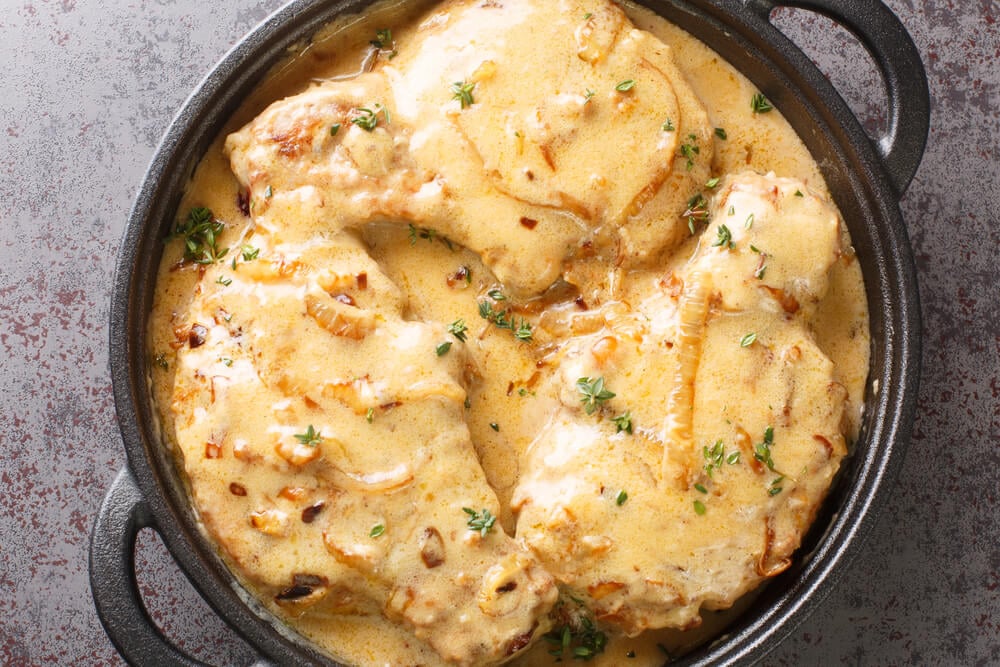
Pork chops were dredged in seasoned flour, browned in a skillet, then covered with sliced onions and a rich brown gravy and left to simmer until tender. The slow cooking turned even tough, inexpensive cuts into something that fell off the bone.
The dish was served with rice or mashed potatoes to catch the gravy. It is a staple of Southern and soul food cooking, particularly in Louisiana and the Carolinas.
The time and attention it requires have made it less common in younger households. Quick-cooking boneless chops have largely replaced the bone-in cuts that made the dish work.
Fried Chicken Livers in a Paper Sack
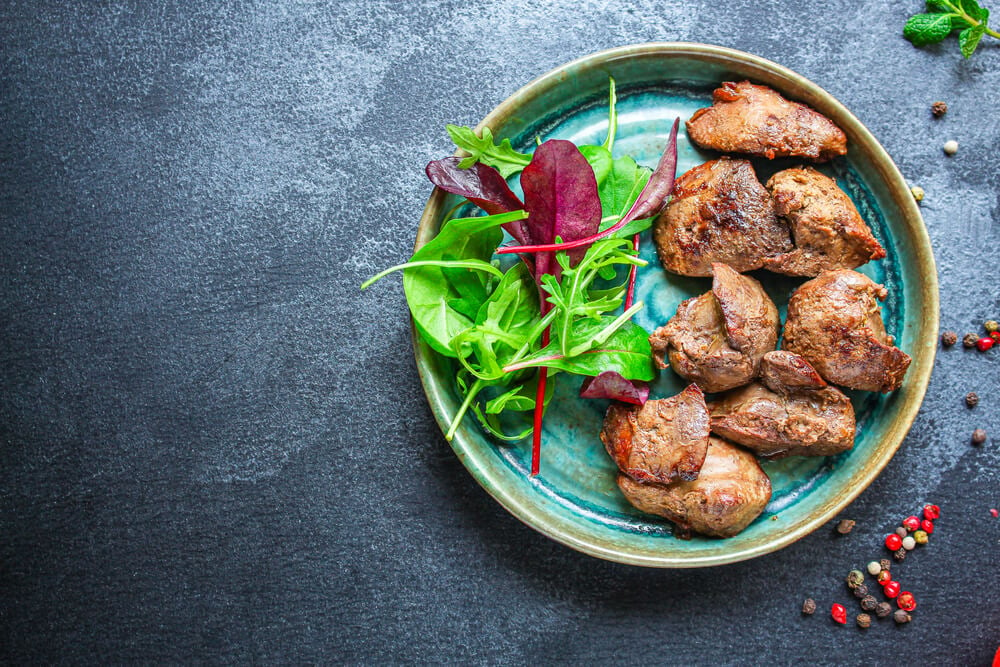
Chicken livers were dredged in seasoned flour, often shaken together in a brown paper bag, and fried until crisp on the outside and creamy inside. They were cheap, abundant, and considered a delicacy by older generations.
Families served them with gravy, rice, or hot sauce, and they often appeared as a Sunday side dish next to the fried chicken itself. Younger diners are often put off by organ meats, and the livers have largely disappeared from home kitchens.
Some fried chicken restaurants still offer them, and fans treat those places with near reverence. The paper bag trick, however, is mostly gone.
Hog’s Head Cheese on Saltines
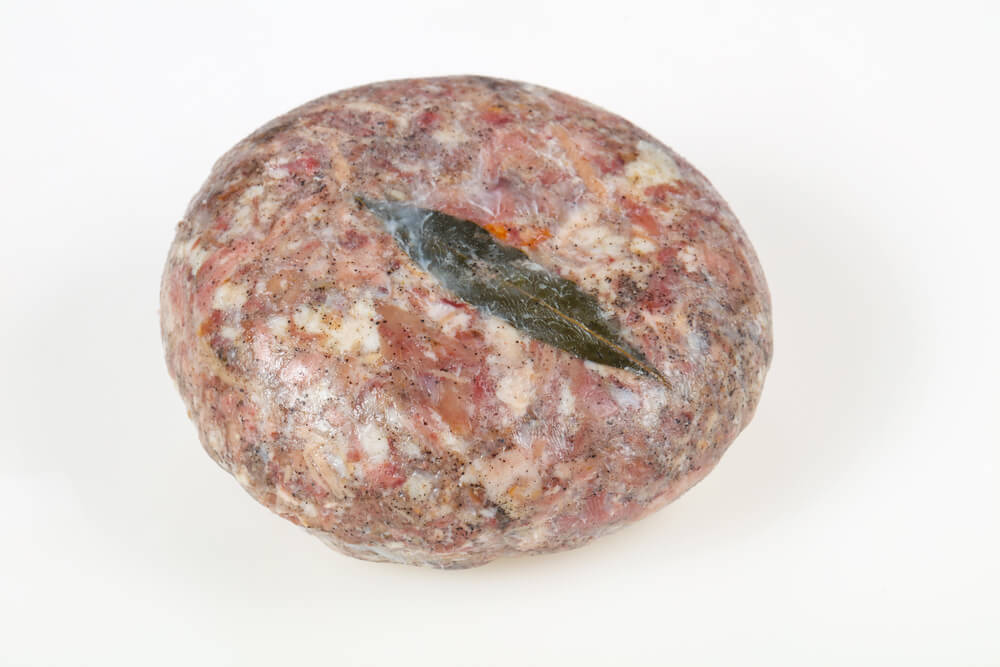
Despite its name, hog’s head cheese contains no dairy. The meat from a boiled pig’s head was chopped, seasoned with vinegar, pepper, and herbs, then pressed into a loaf that set firm from its own natural gelatin.
The loaf was sliced and served cold on crackers, often as part of a Sunday spread or after a hog killing. It is also known as souse in some regions, especially when vinegar is added.
The dish is still made in Louisiana, where it is sold in many grocery stores. Elsewhere in the South, it has largely disappeared from home kitchens as fewer families raise and butcher their own hogs.
Pickled Pigs’ Feet in a Jar
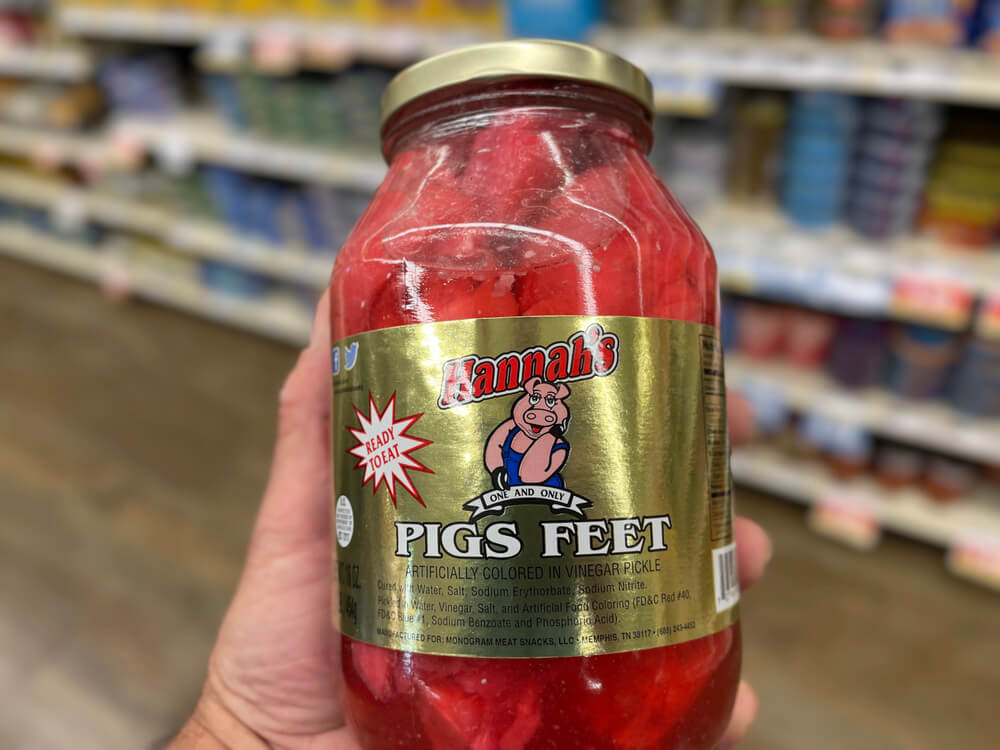
Pigs’ feet were simmered until tender, then packed into jars with vinegar, spices, and hot peppers and left to cure. They were served cold as a snack or side dish, and the rich, gelatinous meat was prized by older generations.
Jars of pickled pigs’ feet were once common on store counters and in home pantries across the South. The dish was a product of the practice of using every part of the animal, a necessity for many rural families.
Younger eaters are often unfamiliar with the texture and taste. The jars still appear in some stores, but few families make them at home anymore.
Chitlins for the Holidays
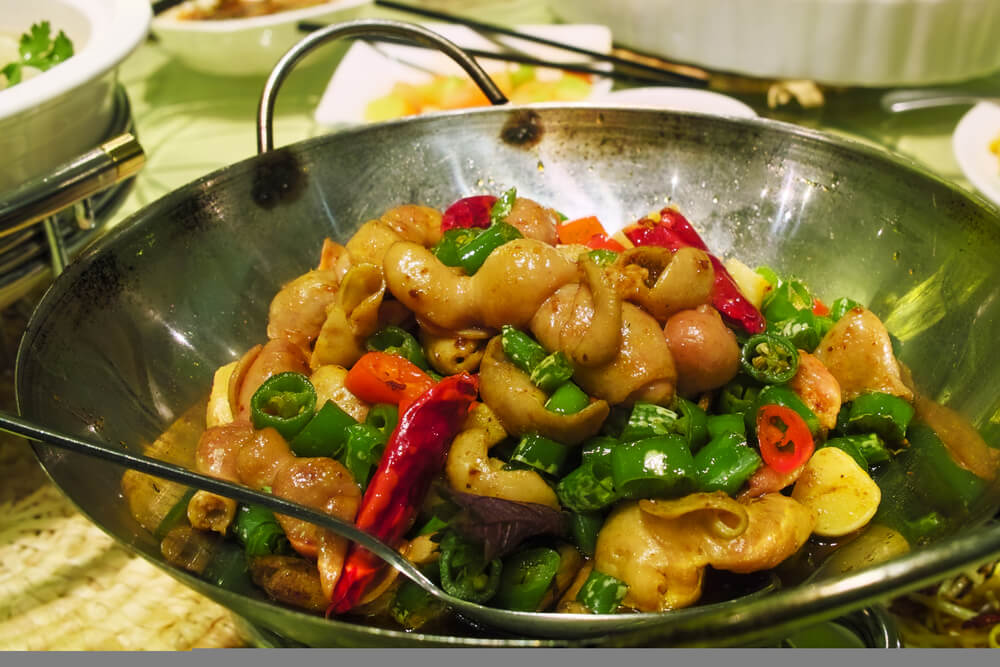
Chitterlings, or chitlins, are pig intestines that must be cleaned thoroughly, a process that can take hours and fills the house with a powerful odor. They were boiled, sometimes fried, and served with hot sauce and vinegar.
The dish has deep roots in Southern and soul food traditions, especially at holiday meals. The town of Salley, South Carolina, has held an annual festival called the Chitlin’ Strut since 1966.
The cleaning process and the smell have made the dish rare in younger households. Many families now buy them precleaned, though some older cooks insist on cleaning them again themselves.
Appalachian Stack Cake With Dried Apples
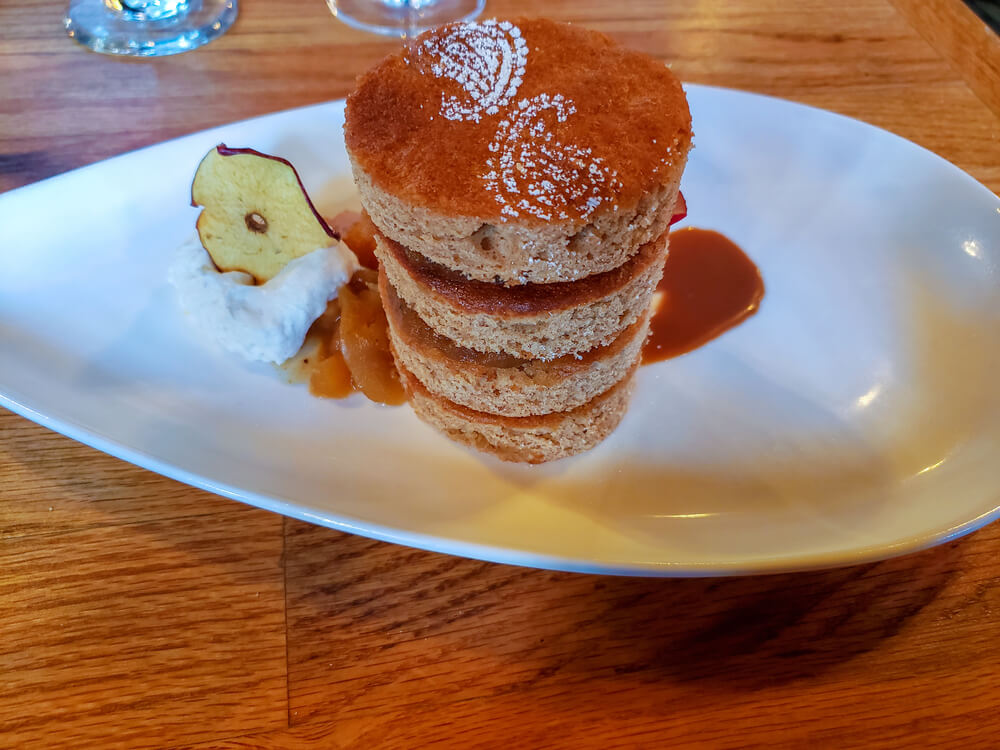
Mountain cooks built it from several thin, dense layers of molasses or sorghum-sweetened dough, stacked with a filling of cooked dried apples. The cake needed to rest for a day or more so the moisture from the apples could soften the layers.
Folklore holds that neighbors each brought a layer to a wedding, and the height of the finished cake showed how popular the couple was. Historians debate that story, but it remains a favorite part of the cake’s lore.
The long process and the need for dried apples have made it rare. It is still made in some Appalachian homes for holidays and family reunions.
Lane Cake Soaked in Bourbon
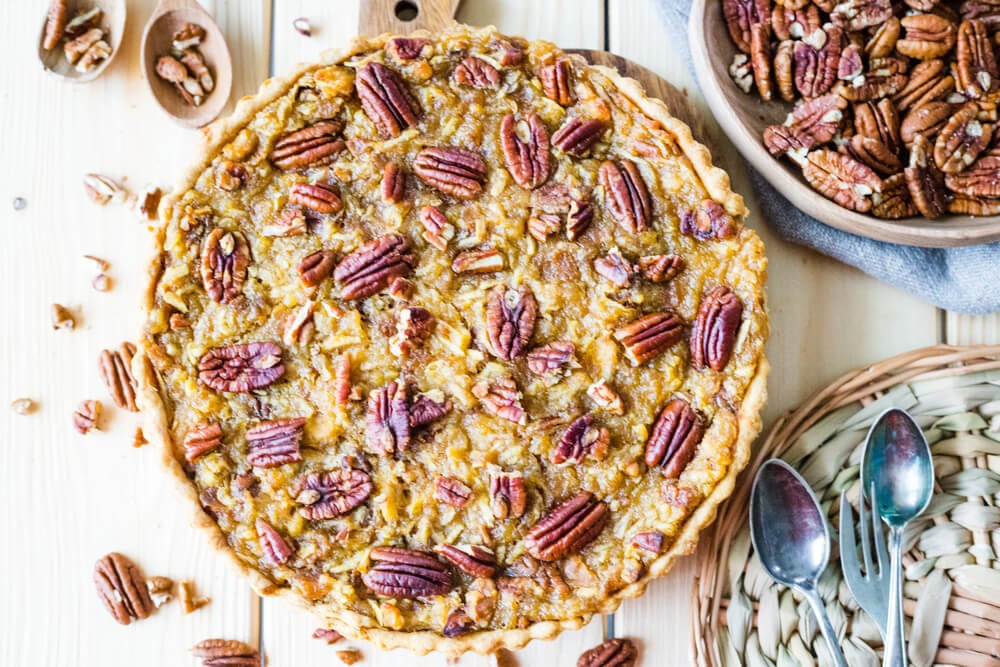
Emma Rylander Lane of Clayton, Alabama, published her recipe for this cake in her 1898 cookbook, Some Good Things to Eat. The cake features white layers filled with a rich mixture of raisins, pecans, coconut, and a generous splash of bourbon or whiskey.
It earned a mention in To Kill a Mockingbird, where Miss Maudie bakes one. The cake is often made for Christmas and special occasions in Alabama and Georgia.
Its multiple steps and the time needed for the filling to soak in have made it rare in younger households. Many families still keep the recipe but only make it once a year.
Lady Baltimore Cake From Charleston
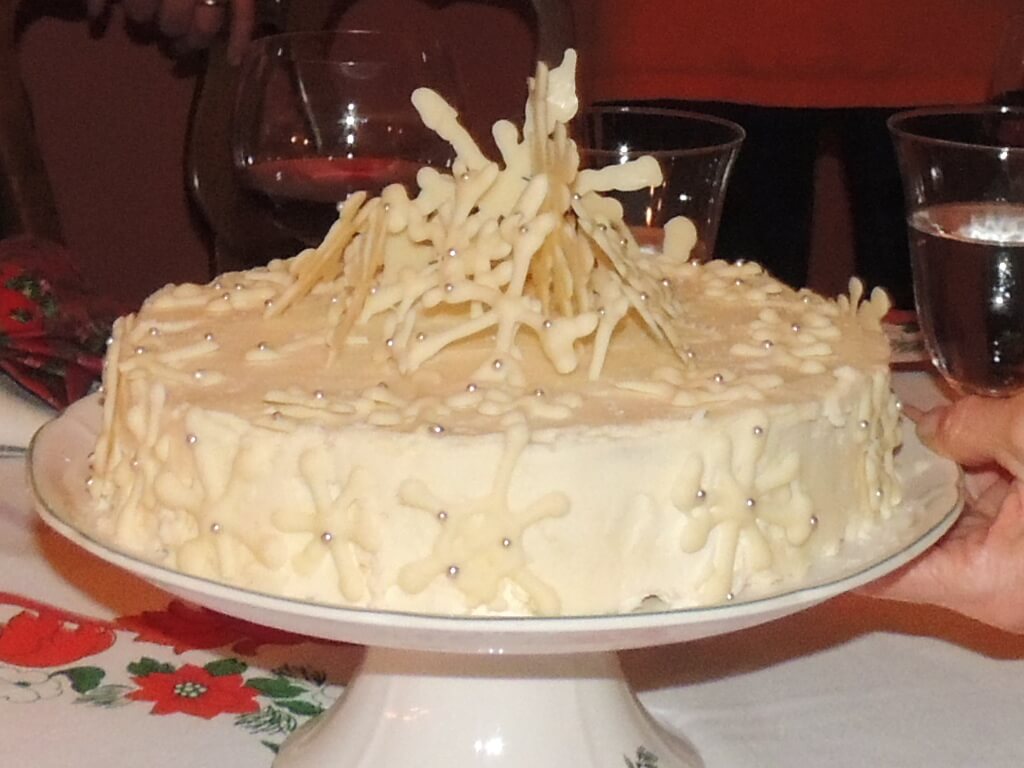
A tall white layer cake is filled and frosted with a fluffy meringue icing mixed with chopped dried fruits and nuts. It became famous after Owen Wister’s 1906 novel Lady Baltimore, which described the cake served at a Charleston tearoom.
The cake’s popularity spread across the South, and it became a fixture at weddings and special occasions. It requires careful work, especially the boiled icing, which must be cooked to the right temperature.
The cake is still made in some Southern households, but it has become rare. Many younger bakers have never heard of it, even in Charleston itself.
Boiled Custard at Christmas
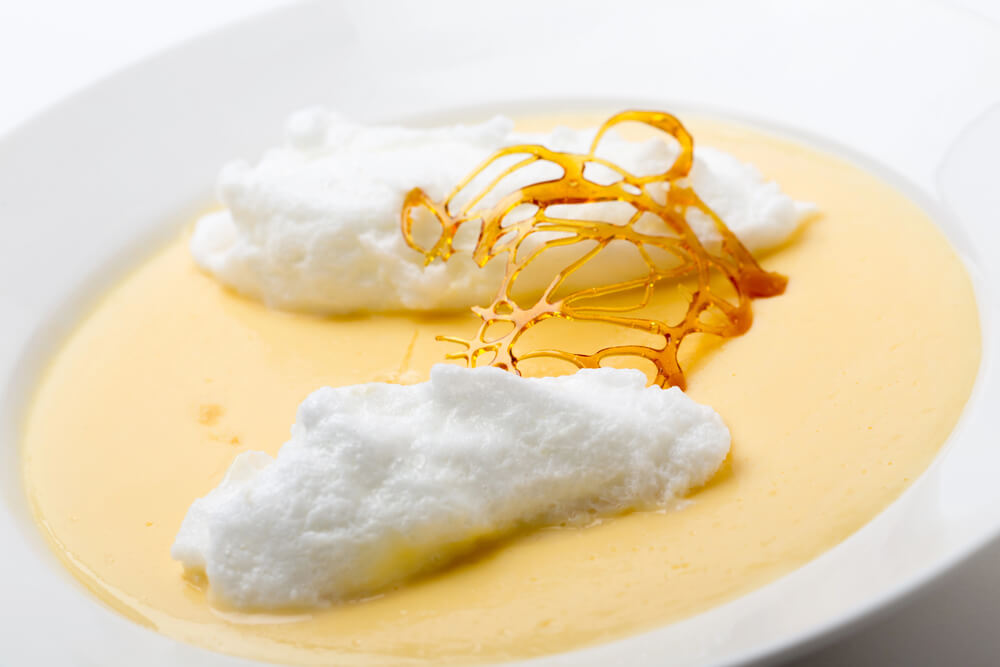
Milk, eggs, sugar, and vanilla were cooked slowly on the stove into a rich, pourable custard served cold in glasses or cups, especially at Christmas. Some families added a splash of bourbon for the adults.
The custard required constant stirring to keep the eggs from scrambling, and older cooks judged it done when it coated the back of a spoon. Boiled custard was especially popular in Tennessee and Kentucky, where it was often served with slices of fruitcake or pound cake.
Store-bought eggnog has largely replaced it. Many younger cooks have never made it, even though the recipe is simple.
Ambrosia in a Cut Glass Bowl
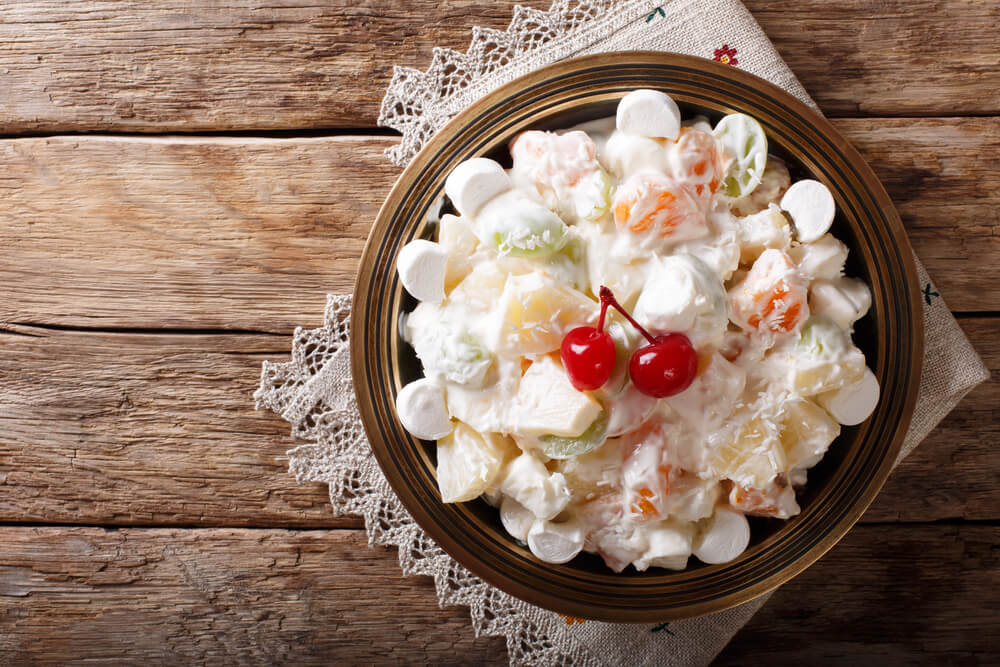
Southern ambrosia began as fresh orange sections and grated coconut, sometimes with a little sugar and a splash of orange juice. Some families added pineapple, cherries, or pecans, though purists considered those additions a mistake.
It was served at Christmas in a cut glass bowl, often as a side dish rather than a dessert. Peeling and sectioning the oranges took time, and grating fresh coconut took even more.
Later versions added marshmallows and whipped cream, turning it into something closer to a fruit salad. The original version has largely disappeared from younger households.
Fried Hand Pies With Dried Fruit
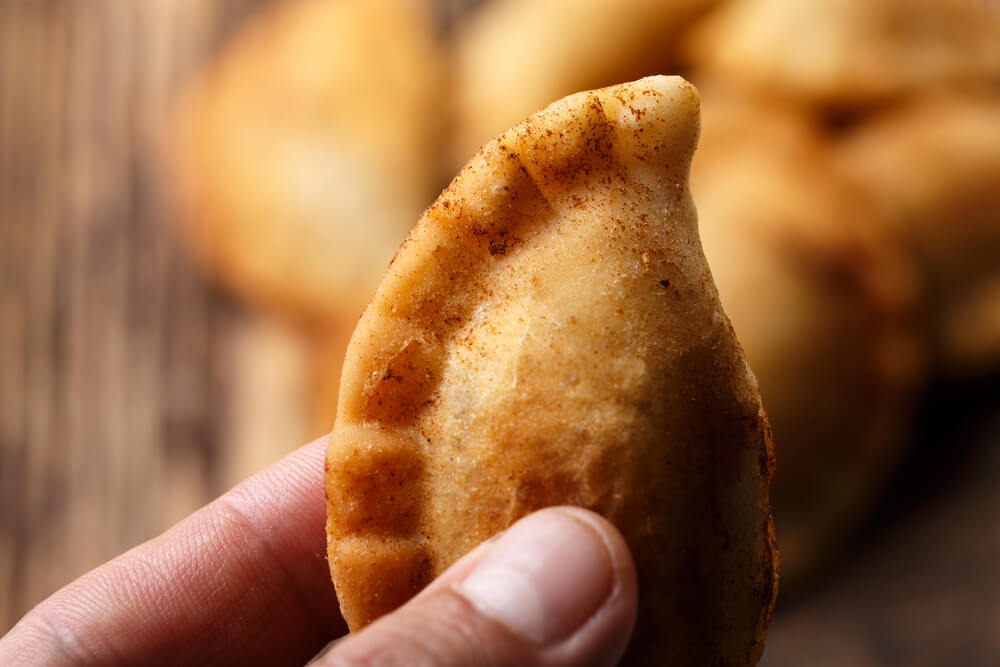
Dried apples or peaches were cooked down with sugar and spices, spooned onto circles of dough, then folded, crimped with a fork, and fried in a skillet until golden. The pies were portable, sweet, and a favorite for Sunday dinners, picnics, and school lunches.
They were often made with fruit dried the previous summer on screens or tin roofs. The frying and the need for dried fruit have made them less common today.
Some bakeries and roadside stands in the South still sell them, and fans seek them out. Many families still remember a particular grandmother’s version as the best one.
Cracklin’ Cornbread in Cast Iron
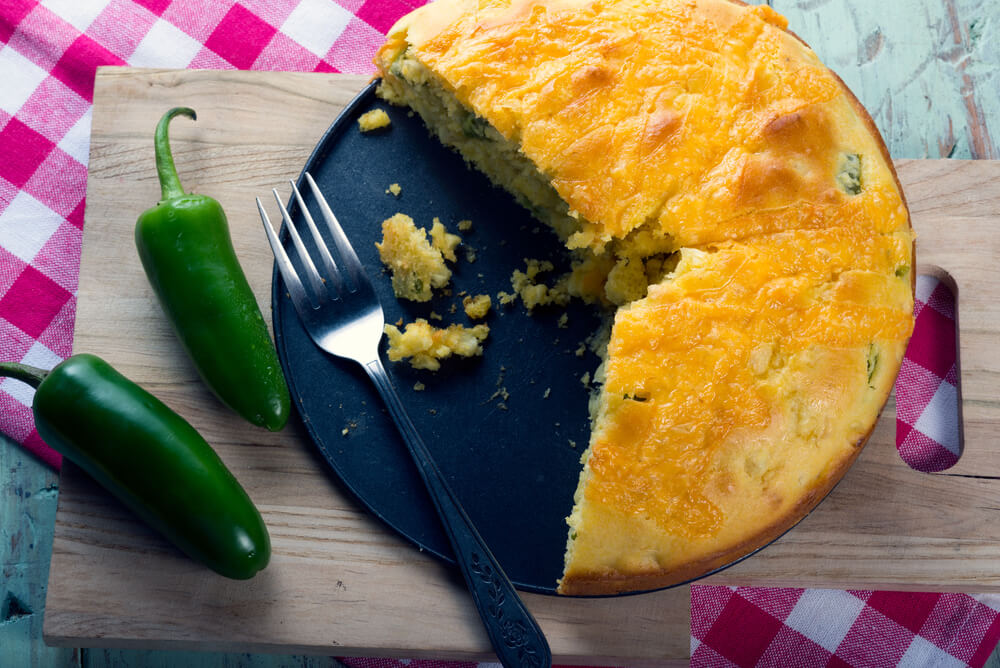
Cracklins, the crisp bits of pork skin left over from rendering lard, were stirred into cornbread batter and baked in a hot cast iron skillet. The result was cornbread with crunchy, salty pieces throughout.
It was especially common after hog killings, when cracklins were plentiful. The dish was a way to use every bit of the animal.
Younger cooks rarely render their own lard, and cracklins have become a specialty item. Some stores sell them in bags as a snack, but few people think to put them in cornbread anymore.
Older cooks still consider it the only proper way to make it.
Chicken Bog From the Carolina Lowcountry
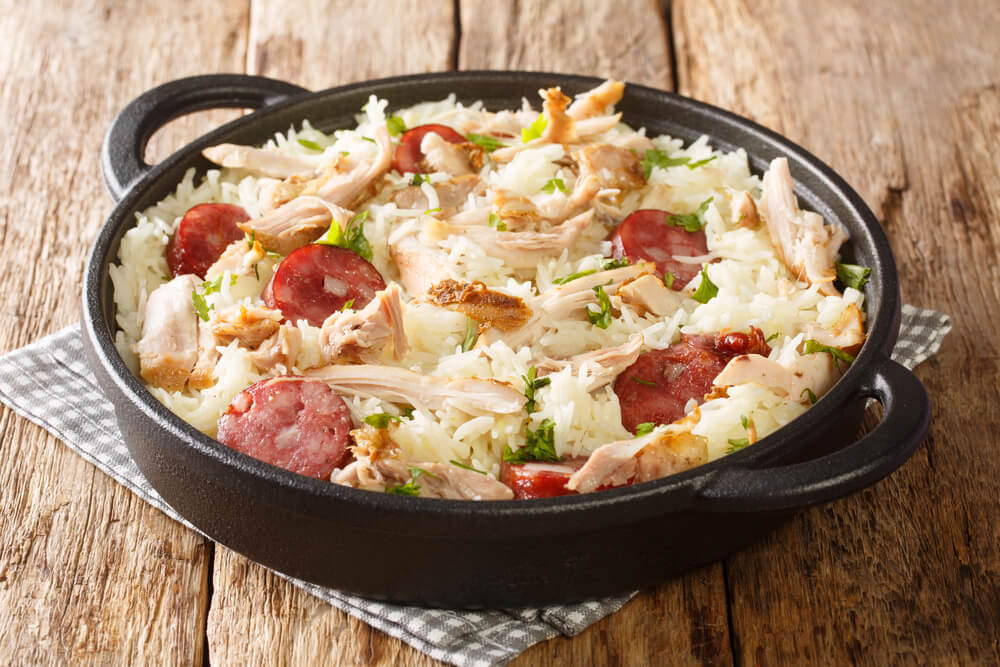
Chicken bog combines chicken, rice, and smoked sausage, all cooked together in a single pot until the rice absorbs the broth. The name is often said to come from the boggy texture of the dish, or from the swampy land where it originated.
It was a common dish for large gatherings, church suppers, and family reunions. The town of Loris, South Carolina, holds an annual Bog-Off festival in its honor.
The dish is still popular in the Pee Dee region, but it is rarely made in younger households elsewhere. Many younger cooks now prefer quicker one-pot meals.
Pot Likker With Crumbled Cornbread
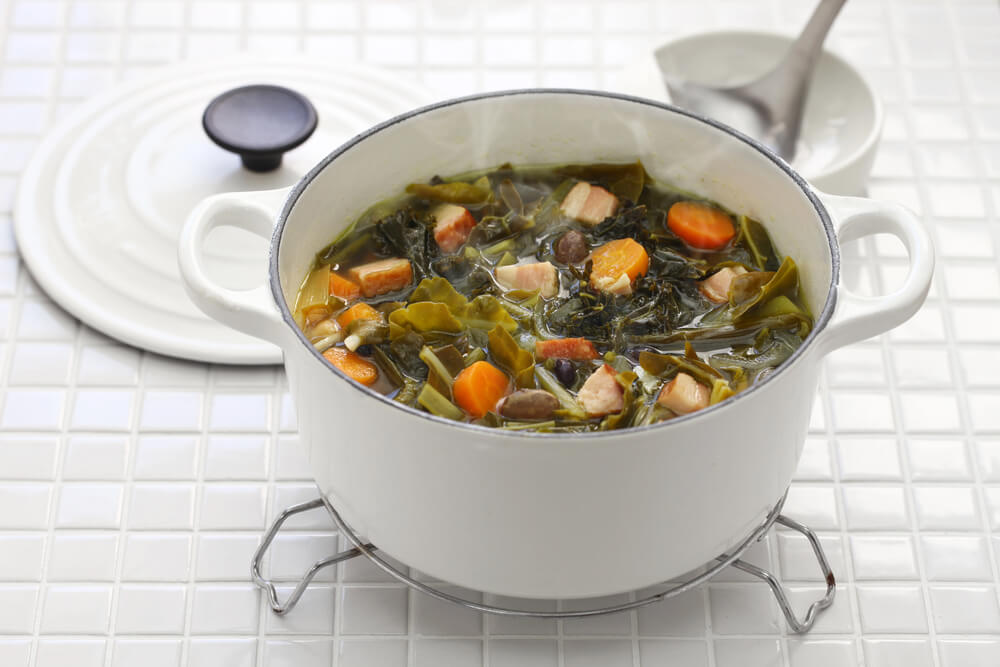
The broth left behind after cooking collard or turnip greens with a ham hock was called pot likker, and older generations considered it the best part of the meal. It was served in a cup or bowl with cornbread crumbled into it or dipped into it.
The broth was rich in vitamins and minerals from the greens. In 1931, Louisiana politician Huey Long publicly debated a newspaper editor over whether cornbread should be dunked or crumbled into it, a dispute that drew national attention.
Younger cooks often pour it down the drain. Older cooks consider that a terrible waste.
Kentucky Blackberry Jam Cake
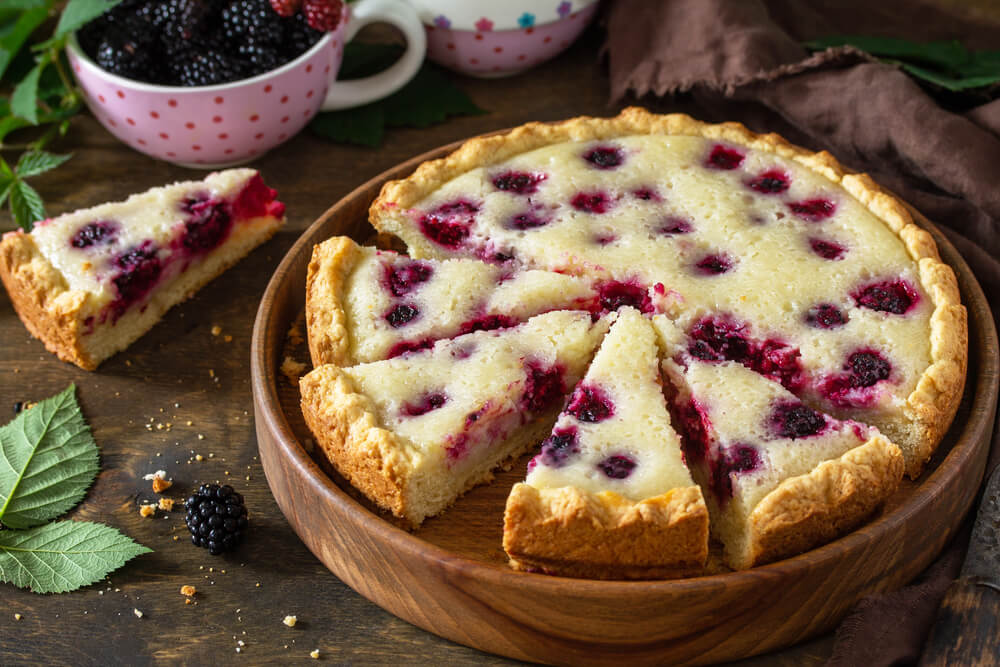
This spiced layer cake was made with blackberry jam, buttermilk, and warm spices like cinnamon, cloves, and allspice. It was often topped with a caramel icing and sometimes studded with raisins or nuts.
The cake was a Christmas tradition in many Kentucky families and was often made weeks in advance to let the flavors develop. The multiple steps and the time involved have made it rare in younger households.
Many families still have a handwritten recipe card for it, stained and worn from years of use. For families who baked it every December, the cake still tastes like the holidays.
Recipes Written in Pencil
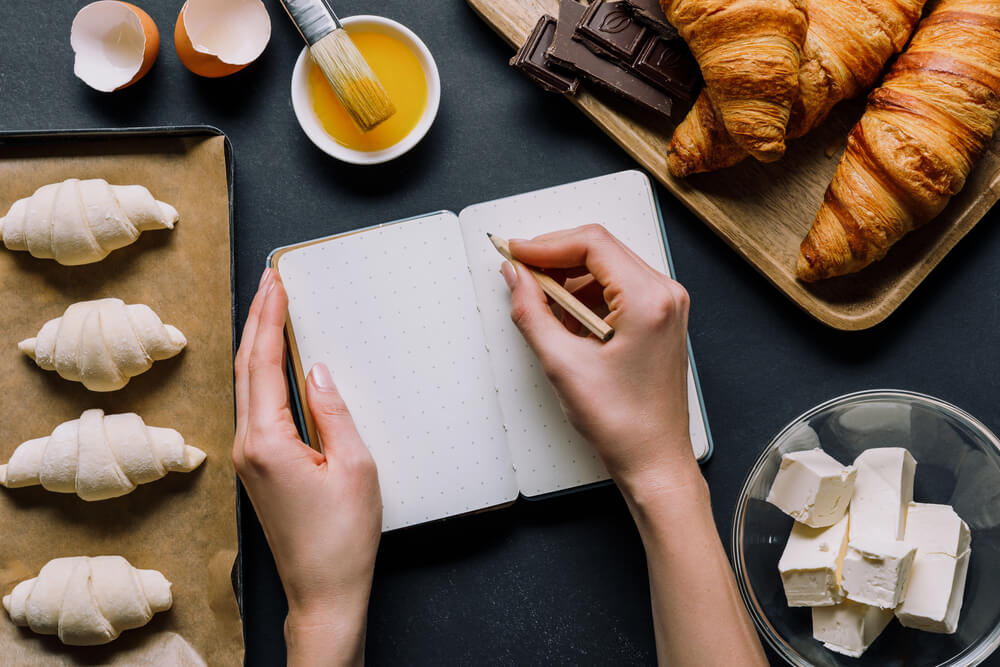
Many of these dishes were born of necessity: making use of every part of a hog, stretching a single chicken for a crowd, or putting up the summer’s harvest for the winter. They were also expressions of care, requiring hours of work that said more than words could.
Younger cooks are not wrong to want faster meals, but something is lost when these recipes disappear. The index cards are still there, stained and worn, in kitchen drawers across the South.
They hold not just ingredients but memories of who made the dish and who sat at the table. Pulling one out and cooking from it is one of the simplest ways to keep a family’s history alive.
More from Go2Tutors!

- The Romanov Crown Jewels and Their Tragic Fate
- 13 Historical Mysteries That Science Still Can’t Solve
- Famous Hoaxes That Fooled the World for Years
- 15 Child Stars with Tragic Adult Lives
- 16 Famous Jewelry Pieces in History
Like Go2Tutors’s content? Follow us on MSN.