29 Royal Palaces the Public Can Tour Today
For most of history, the inside of a palace was the most exclusive address on Earth. Getting past the gate required a title, an invitation or a very good reason.
Today, many of those same rooms sell timed tickets and audio guides. Some are still lived in by working monarchs, while others are frozen at the moment their last royal occupants walked out.
Buckingham Palace State Rooms
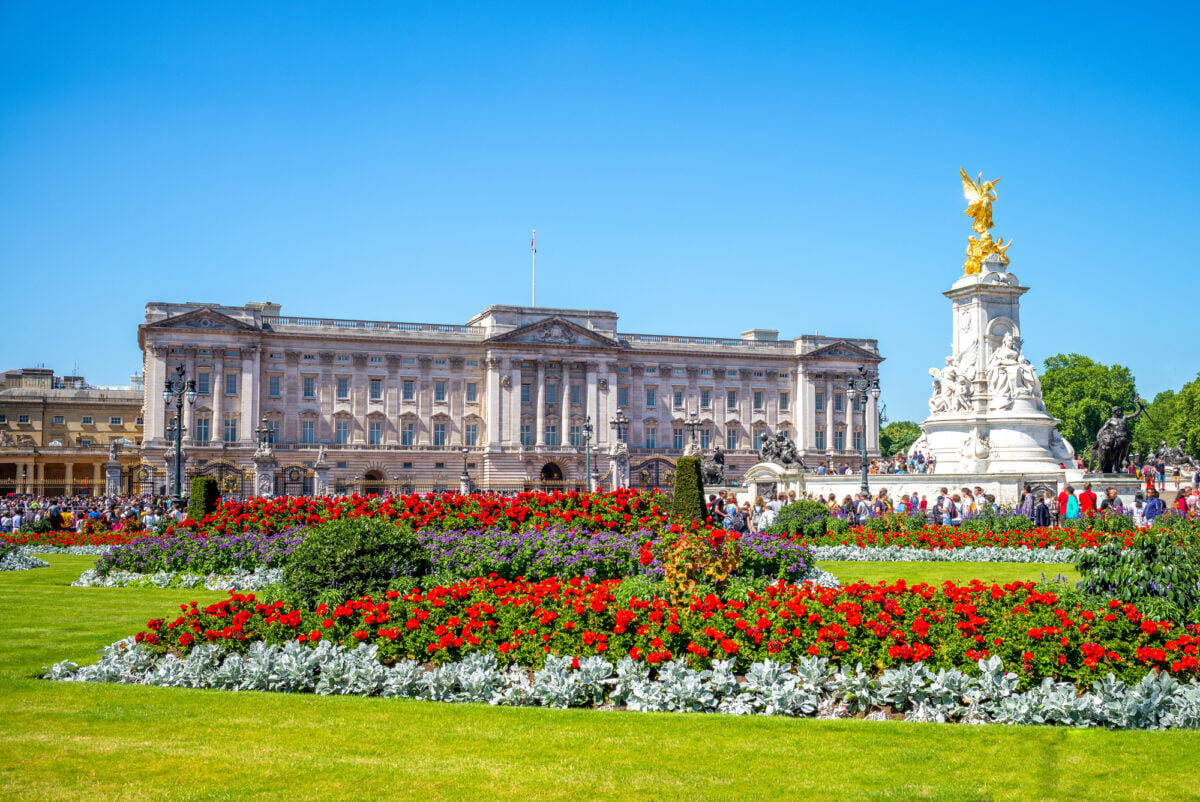
Buckingham Palace has 775 rooms, and every summer the 19 State Rooms open to paying visitors while the monarch spends time in Scotland. The tradition began in 1993, partly to help pay for repairs at Windsor Castle after a serious fire there the previous year.
Visitors walk through the Throne Room, the Picture Gallery hangs with works by Rembrandt, Rubens and Vermeer, and the Grand Staircase. Guided tours of other areas are sometimes offered as well.
The palace even has its own cash machine for the royal household, tucked away in the basement and well out of public view.
Windsor Castle and Its Doll’s House

Windsor Castle is the oldest and largest occupied castle in the world, founded by William the Conqueror in the 11th century and still used by the royal family. Visitors can tour the State Apartments, restored after the 1992 fire, and St George’s Chapel, where many monarchs are buried.
One of the most popular exhibits is Queen Mary’s Dolls’ House, built in the 1920s at a scale of one to twelve. It has working elevators, running water, electric lights and a library of miniature books written by authors of the day, including Arthur Conan Doyle.
Versailles and the Hall of Mirrors
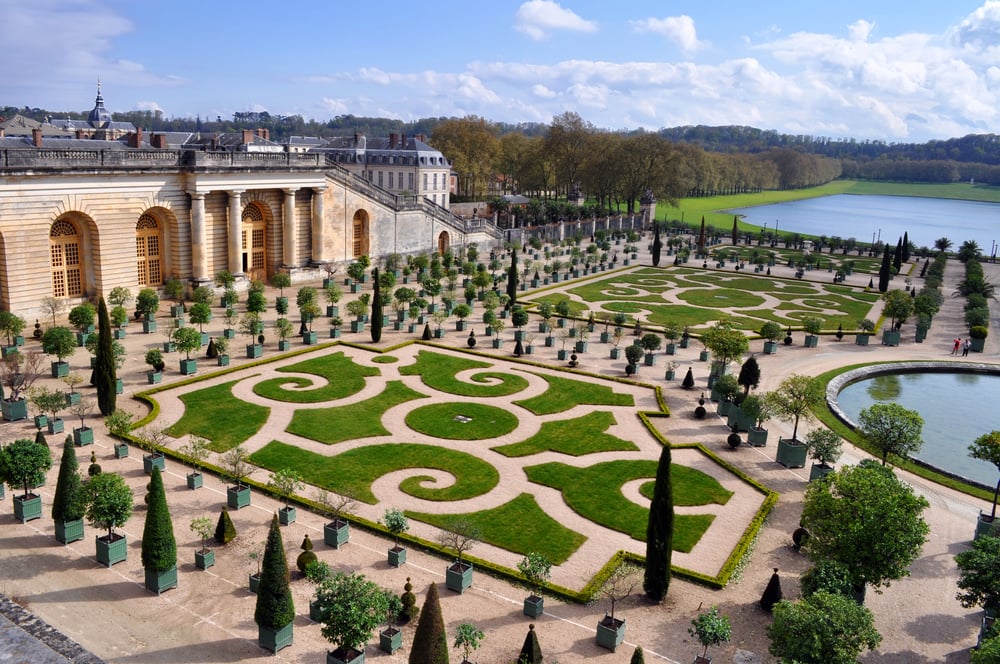
Louis XIV turned his father’s hunting lodge at Versailles into the seat of French power in 1682, forcing the nobility to live under his watchful eye. The Hall of Mirrors, finished in 1684, stretches about 240 feet and contains 357 mirrors facing 17 tall windows, at a time when mirrors were an extravagant luxury.
The Treaty of Versailles ending the First World War was signed in the same room in 1919. The estate now draws millions of visitors a year, many of whom arrive early to see the hall before the crowds make it impossible to move.
Schonbrunn Palace in Vienna
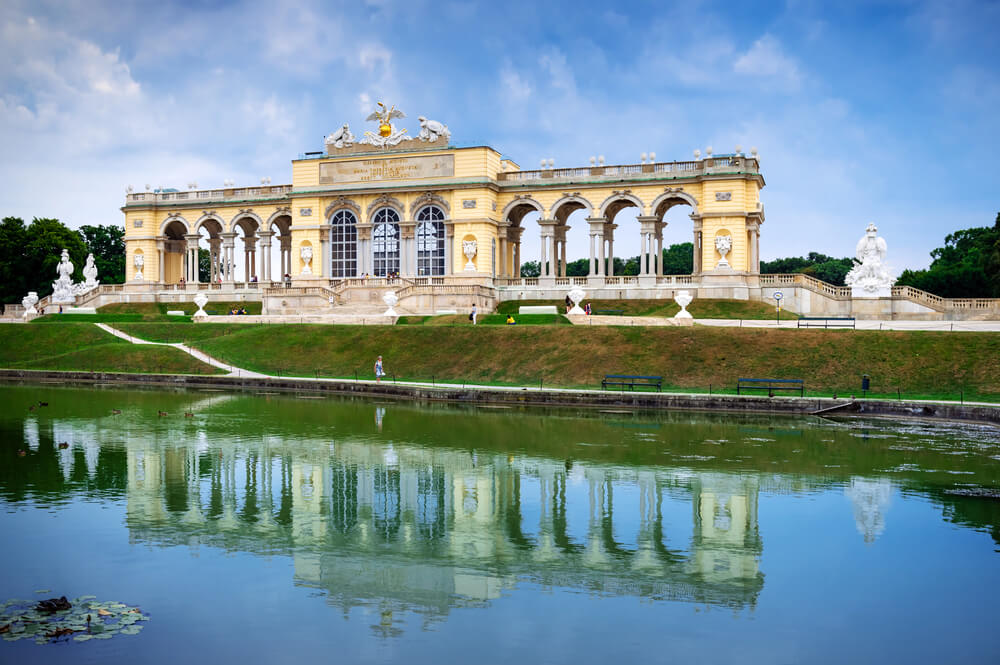
Schonbrunn Palace, the Habsburg summer residence in Vienna, contains 1,441 rooms, of which around 40 are shown on the longest tour. In 1762, a six-year-old Wolfgang Amadeus Mozart performed there for Empress Maria Theresa, and according to family accounts, he climbed into her lap and kissed her afterward.
The palace gardens include the Gloriette, a hilltop colonnade with views across Vienna, and the Tiergarten, founded in 1752 and considered the oldest continuously operating zoo in the world. The rooms of Emperor Franz Joseph show his notably plain iron bed.
Hofburg and the Sisi Museum
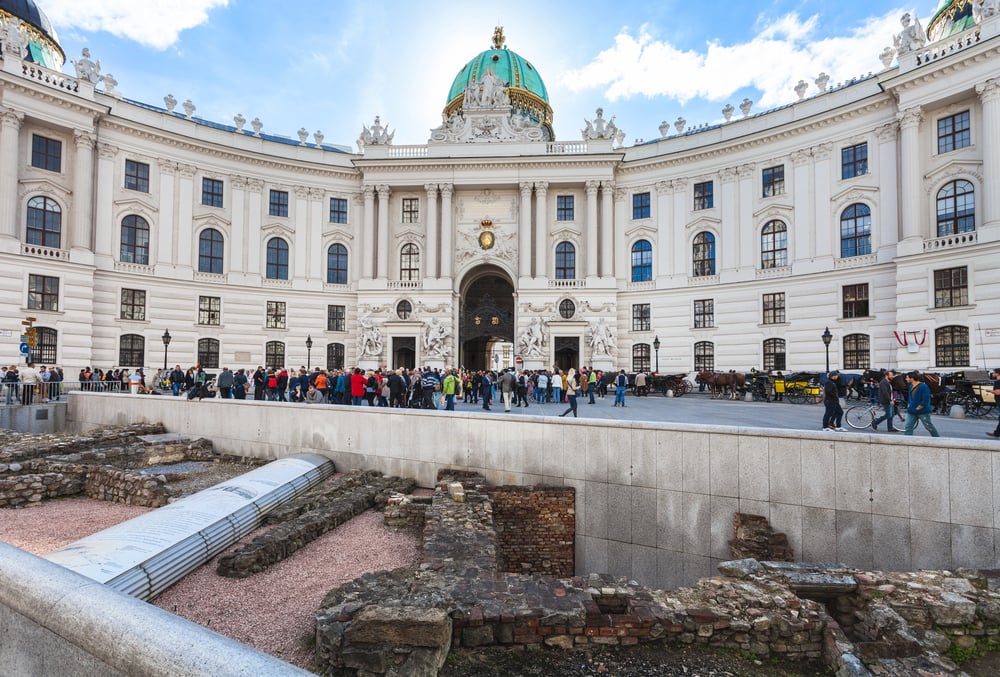
Vienna’s Hofburg was the main winter residence of the Habsburgs for more than six centuries, and it still houses the office of the Austrian president. Visitors can tour the Imperial Apartments, the Imperial Silver Collection and the Sisi Museum, devoted to Empress Elisabeth.
The museum explores her obsession with fitness and beauty, including her gymnastics equipment and the famous regimen for caring for her floor-length hair, which took hours each day. It also covers her assassination in Geneva in 1898 by an Italian anarchist armed with a sharpened file.
Forbidden City in Beijing

China’s emperors lived in the Forbidden City for nearly 500 years, from the Ming dynasty in the early 1400s until the last emperor, Puyi, was expelled in 1924. Ordinary people were barred from entering, which is how the palace got its name. It covers about 180 acres with around 980 surviving buildings, and a popular legend claims it holds 9,999 rooms.
Today it operates as the Palace Museum, with timed tickets, a daily visitor cap and closures on most Mondays. The yellow roof tiles, once reserved for the emperor, still dominate the skyline.
Topkapi Palace in Istanbul

For about 400 years, Ottoman sultans ruled their empire from Topkapi Palace, set on a point overlooking the Bosphorus and the Golden Horn. The complex is organized around a series of courtyards that grew more private the deeper a visitor went.
Its treasury holds the Spoonmaker’s Diamond, a stone of about 86 carats with a legend that a fisherman traded it for three spoons. A separate ticket admits visitors to the Harem, a warren of more than 300 rooms where the sultan’s family lived.
Sacred relics of the Prophet Muhammad are displayed elsewhere in the palace.
Dolmabahce Palace and Its Stopped Clocks
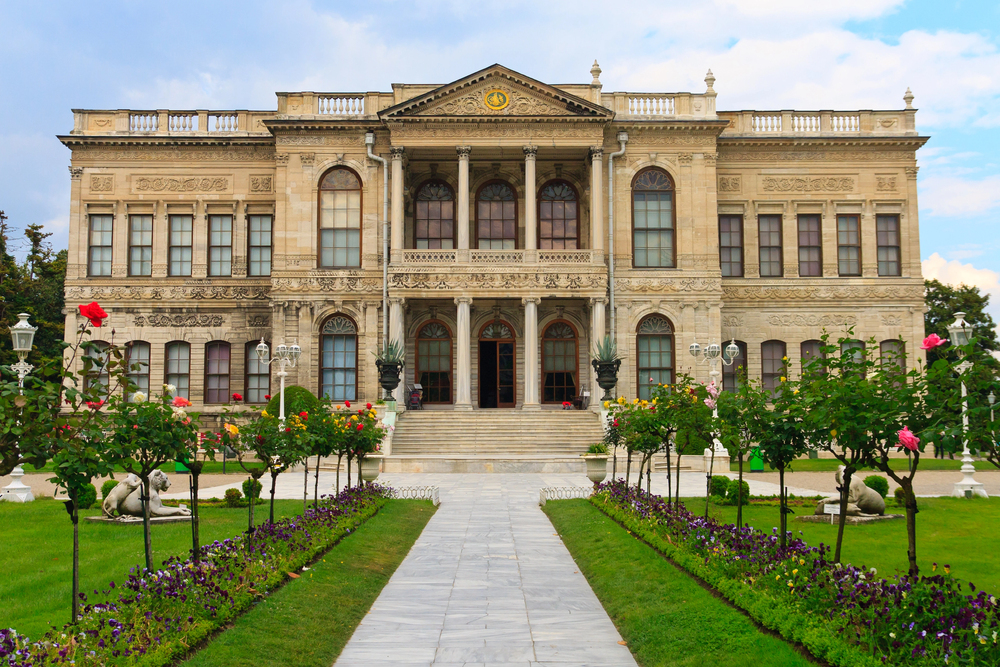
Completed in 1856 on the European shore of the Bosphorus, Dolmabahce Palace replaced Topkapi as the main residence of the Ottoman sultans. It reflects European styles and is lavishly decorated, with tons of gold leaf on its ceilings and one of the largest crystal chandeliers in the world, weighing about four and a half tons.
Mustafa Kemal Ataturk, founder of modern Turkey, died in the palace at 9:05 in the morning on November 10, 1938. Clocks throughout the building have since been set to that time, and his simple bedroom is preserved as it was.
Alhambra’s Nasrid Palaces
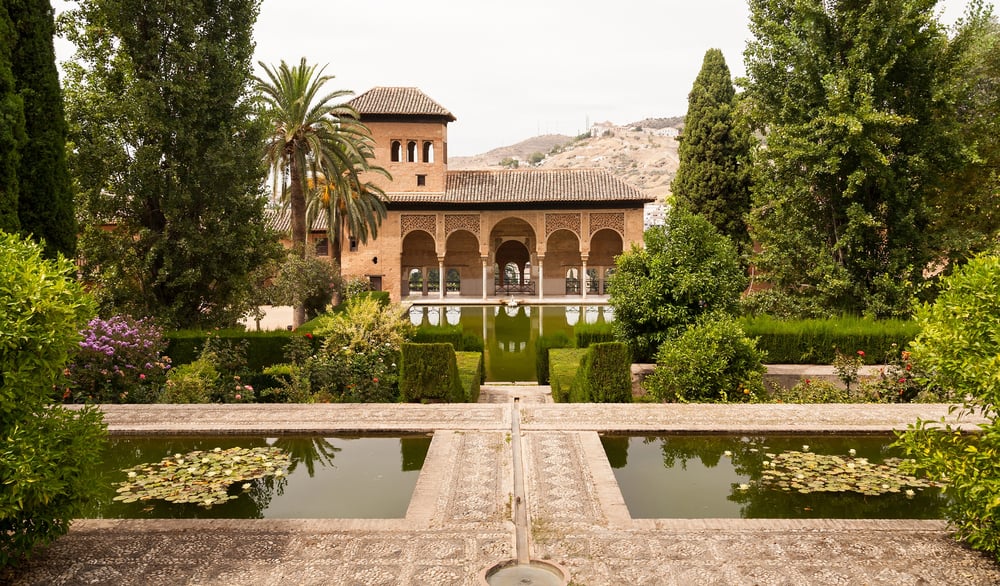
High on a hill above Granada, the Nasrid Palaces of the Alhambra were the heart of the last Muslim kingdom on the Iberian Peninsula, which fell in 1492. The carved stucco walls, wooden ceilings and courtyards like the Court of the Lions, with its fountain supported by 12 marble lions, are among the finest surviving Islamic architecture in Europe.
Tickets include a strict entry time for the Nasrid Palaces, and latecomers can be turned away. Washington Irving lived there in 1829, and his Tales of the Alhambra helped turn it into a destination for travelers.
Royal Palace of Madrid
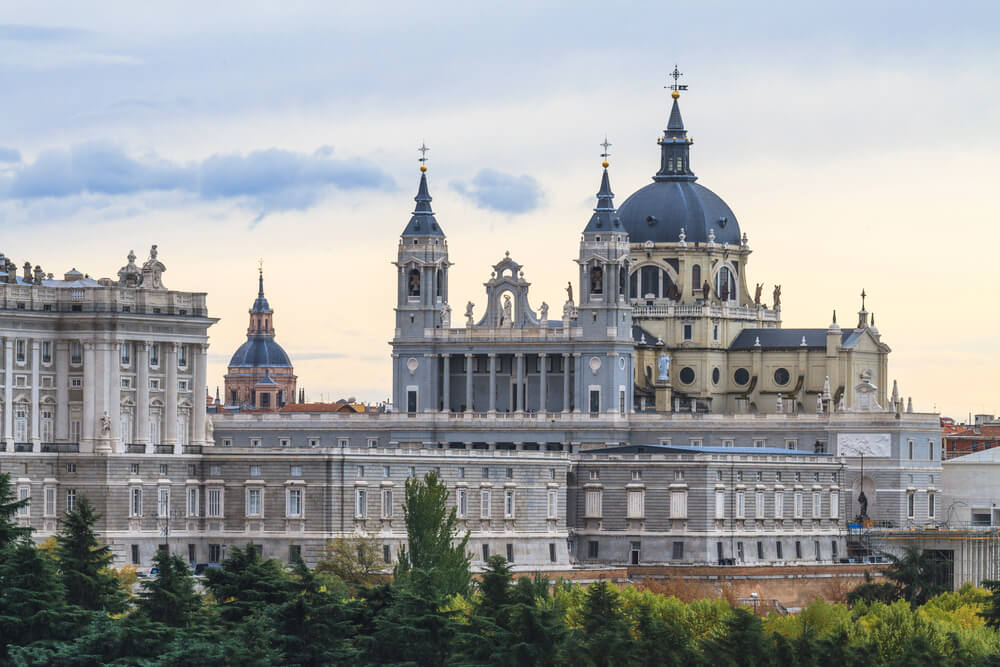
The Royal Palace of Madrid is the official residence of the Spanish monarch and contains 3,418 rooms, making it the largest royal palace in Western Europe by floor area. The royal family actually lives at the smaller Zarzuela Palace outside the city, so the Madrid palace is used for state ceremonies and opened to visitors when events allow.
Highlights include the Throne Room with its Tiepolo ceiling, the Royal Armory and the Royal Pharmacy. The palace also owns a set of instruments made by Antonio Stradivari, the only decorated string quintet by the master known to exist.
Catherine Palace and the Amber Room
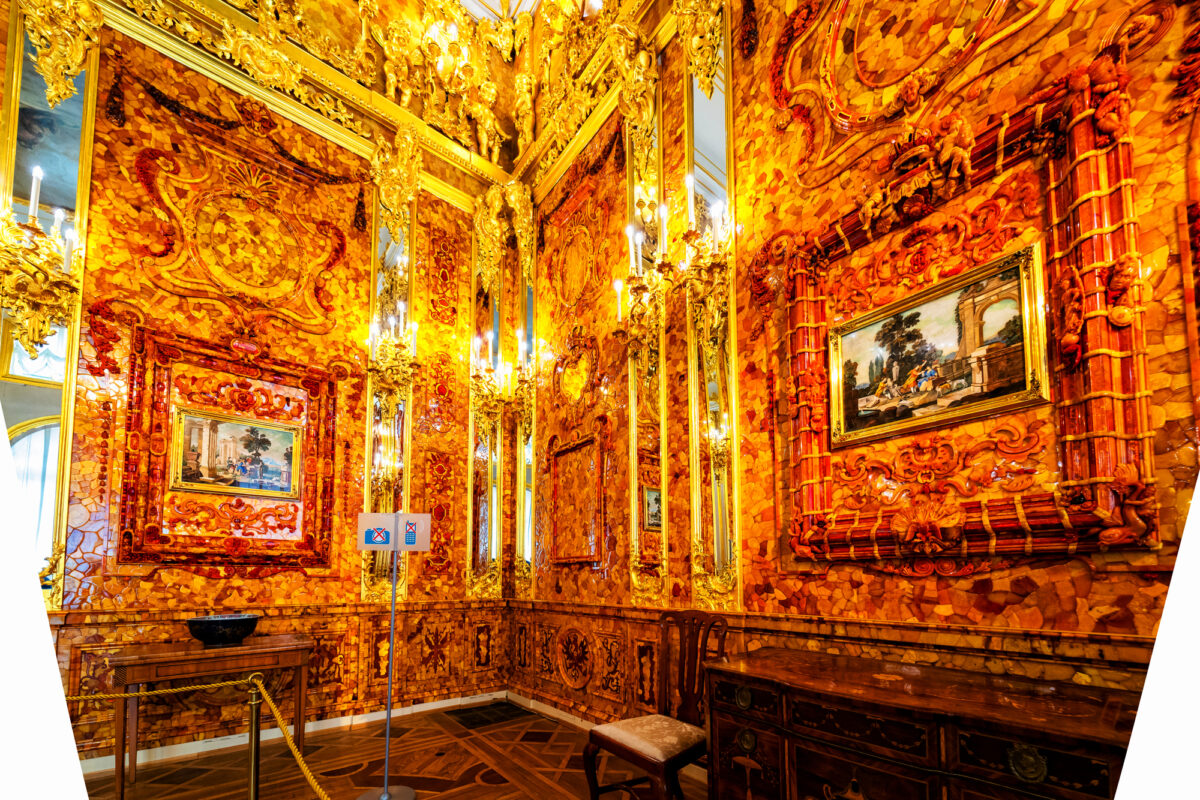
Painted blue and white, the Catherine Palace in Pushkin, outside St. Petersburg, was built for Empress Elizabeth in the 1750s and named in honor of her mother, the empress Catherine. Its most famous room once held panels of carved amber, backed with gold leaf and mirrors, which were a gift from the King of Prussia.
German forces dismantled the Amber Room in 1941 and took it to Konigsberg, and its fate after 1945 remains one of the great mysteries of the Second World War. Russian craftsmen spent more than two decades recreating it, and the reconstruction opened in 2003.
Grand Palace in Bangkok
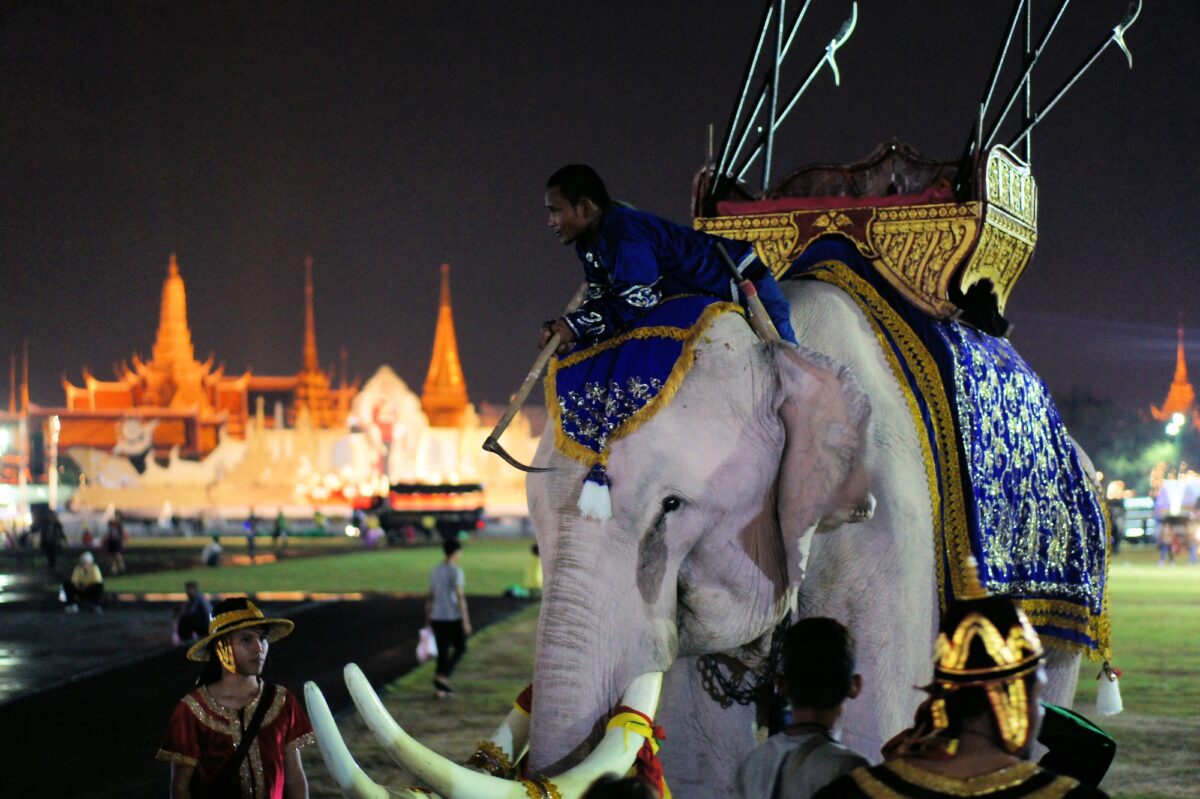
Built in 1782 when the Thai capital moved to Bangkok, the Grand Palace served as the royal residence for about 150 years and is still used for state ceremonies. Within its walls stands Wat Phra Kaew, the Temple of the Emerald Buddha, which houses a small figure carved from jade and dressed in seasonal costumes that the king or a senior royal changes three times a year.
A strict dress code applies, requiring covered shoulders and legs. Visitors who arrive in shorts or tank tops can borrow or buy suitable clothing near the entrance.
Gyeongbokgung in Seoul
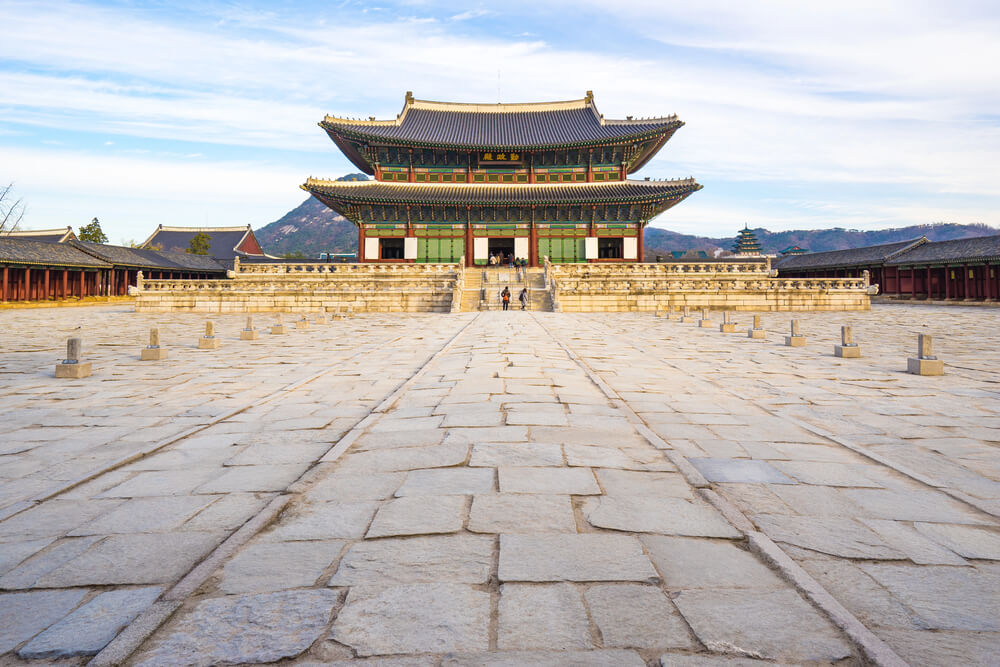
Gyeongbokgung was built in 1395 as the main royal palace of the Joseon dynasty, and it has been destroyed and rebuilt more than once. It burned during the Japanese invasions of the 1590s and lay in ruins for over 270 years until it was reconstructed in the 1860s.
Much was demolished again during Japanese colonial rule, and restoration has continued for decades. Visitors wearing hanbok, the traditional Korean dress, get in free, which is why the grounds are filled with people in rented outfits.
The changing of the royal guard ceremony takes place at the main gate.
Mysore Palace Lit by Nearly 100,000 Bulbs
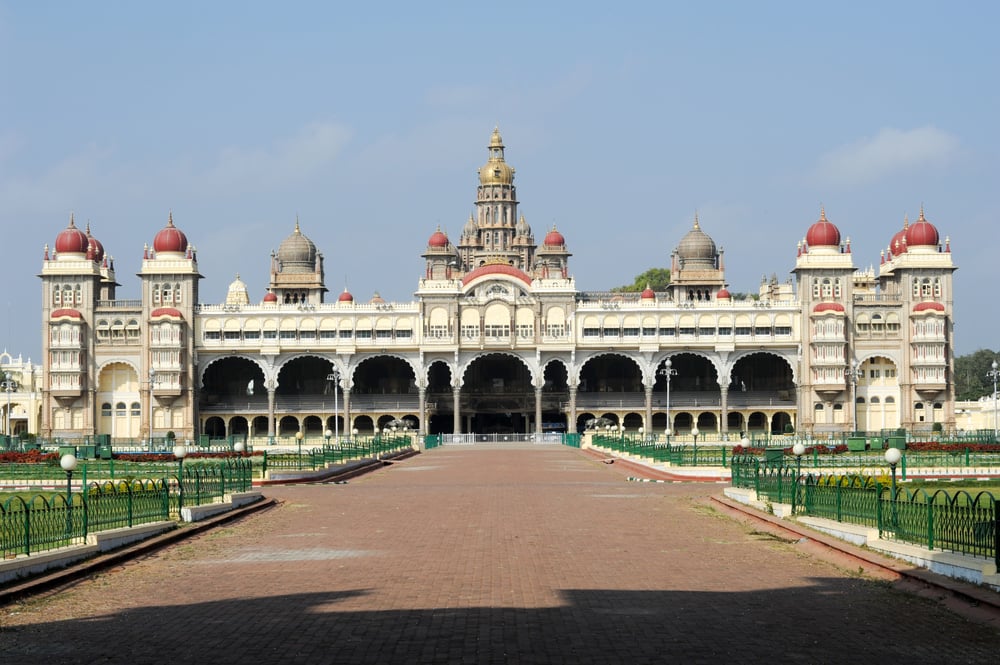
Southern India’s current Mysore Palace was completed in 1912 for the Wadiyar dynasty, replacing an older wooden palace that burned down in 1897. It blends Hindu, Mughal, Rajput and Gothic styles, with stained glass, carved doors and mosaic floors. On Sunday evenings and during the Dasara festival, the palace is outlined by nearly 100,000 light bulbs, turning it into a glowing silhouette against the night sky.
The Dasara celebrations there include a procession featuring decorated elephants, and the palace is one of the most visited monuments in India.
City Palace in Jaipur
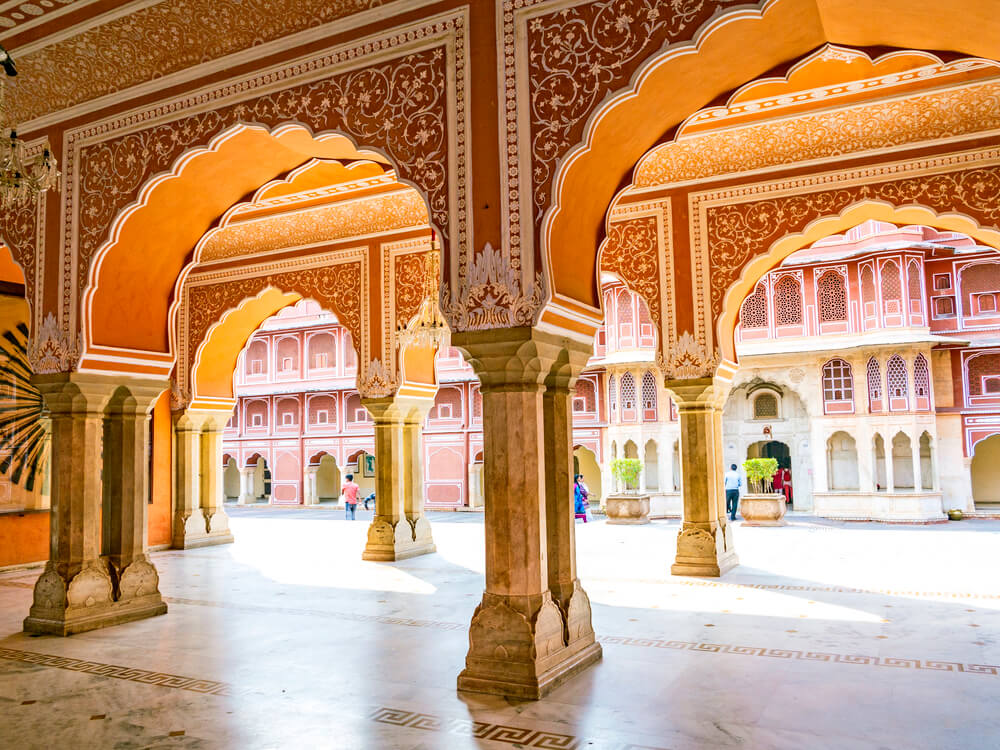
The City Palace in Jaipur, begun in the 1720s by Maharaja Sawai Jai Singh II, remains partly a royal residence, and a flag signals when the family is in the Chandra Mahal. The rest of the complex operates as a museum. In the Diwan-i-Khas hall stand two enormous silver urns, recognized as among the largest silver objects in the world.
They were made so that Maharaja Madho Singh II could carry water from the Ganges on his voyage to England for the coronation of Edward VII in 1902, avoiding drinking foreign water during the trip.
Potala Palace in Lhasa
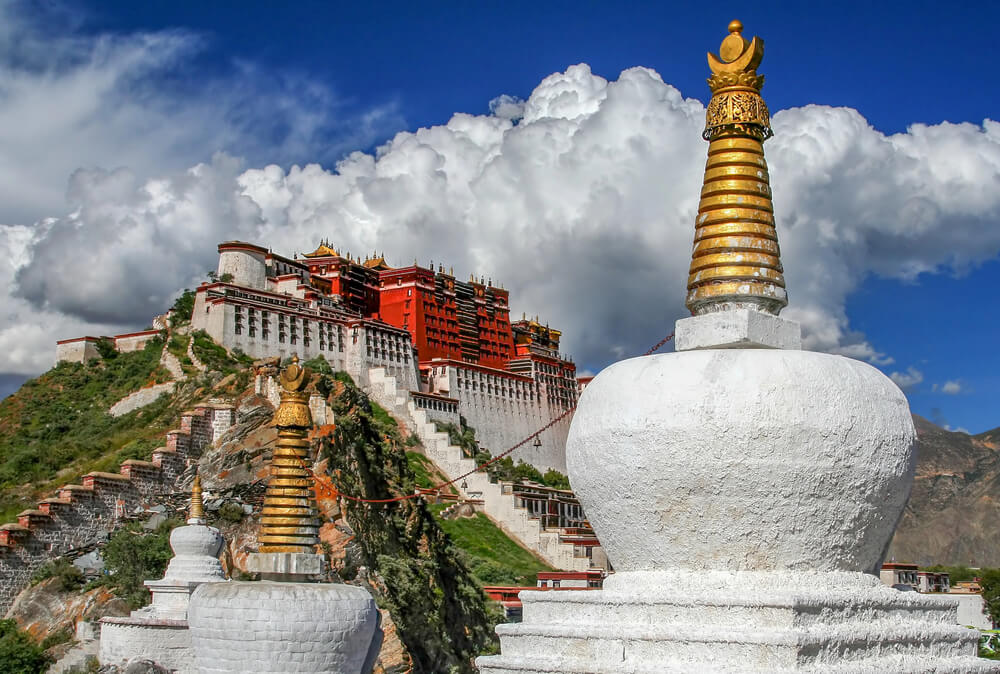
Rising about 13 stories above Lhasa at an altitude of roughly 3,700 meters, the Potala Palace was the winter residence of the Dalai Lamas from the 17th century until 1959. It contains more than 1,000 rooms, chapels and the tombs of several past Dalai Lamas, some gilded with tons of gold.
Visitors need permits to enter Tibet, and entry to the palace is managed with daily quotas and timed tickets. Time inside is limited, often to about an hour.
The climb up the long stairways at high altitude leaves many visitors breathless before they reach the first chapel.
Royal Palace of Caserta
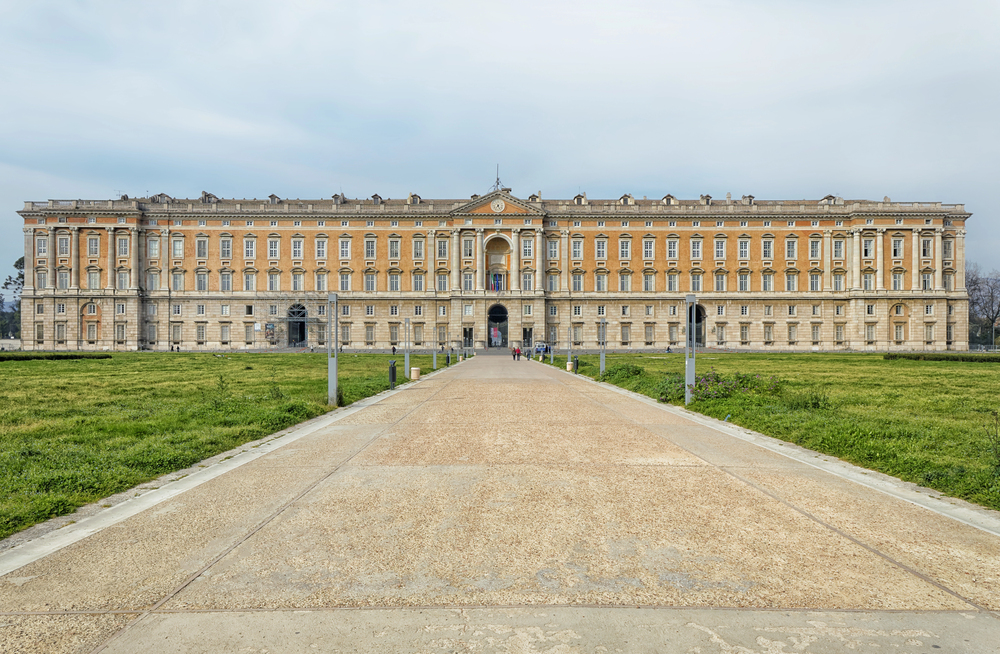
Built for the Bourbon kings of Naples beginning in 1752, the Royal Palace of Caserta is often described as the largest royal residence in the world by volume. It has around 1,200 rooms and a formal park with a long cascade of fountains that stretches for about two miles.
The palace served as the setting for scenes in the Queen of Naboo’s palace in two Star Wars films. It was also where German forces in Italy signed their surrender in April 1945. Visitors can explore the royal apartments, the court theater and the English Garden.
Pitti Palace in Florence
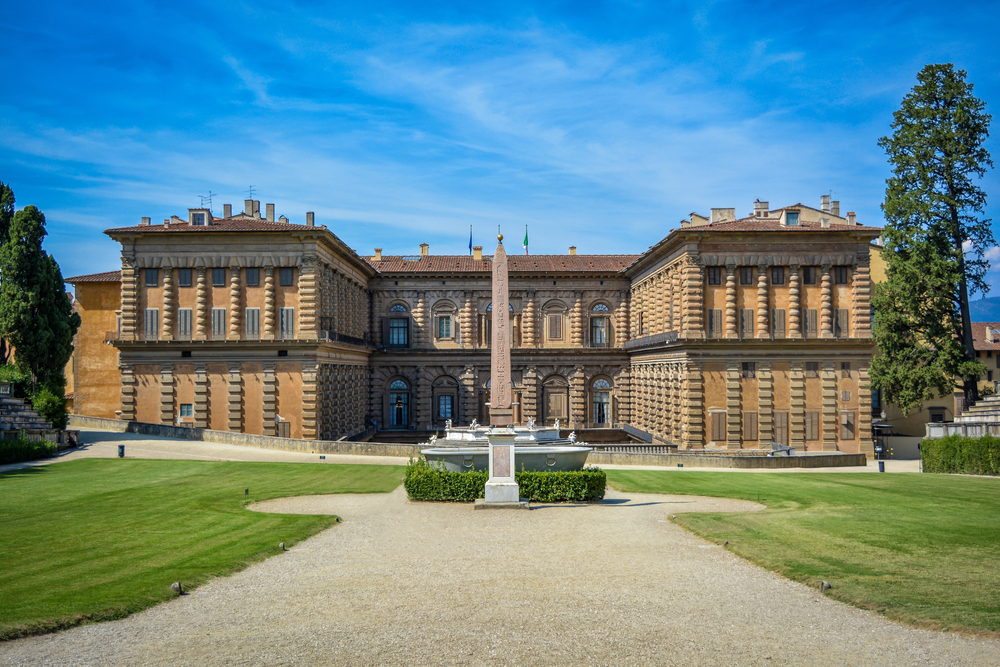
Florence’s Pitti Palace was built in the 15th century for a banker named Luca Pitti, who wanted a house grander than anything owned by the Medici. His family later ran into financial trouble, and in 1549 the Medici bought it anyway. It became the main residence of the grand dukes of Tuscany and later housed Napoleon and the Italian royal family.
Today it holds several museums, including the Palatine Gallery with works by Raphael and Titian. Behind it lie the Boboli Gardens, and the Vasari Corridor links the palace to the Uffizi across the river.
Palace of Holyroodhouse in Edinburgh
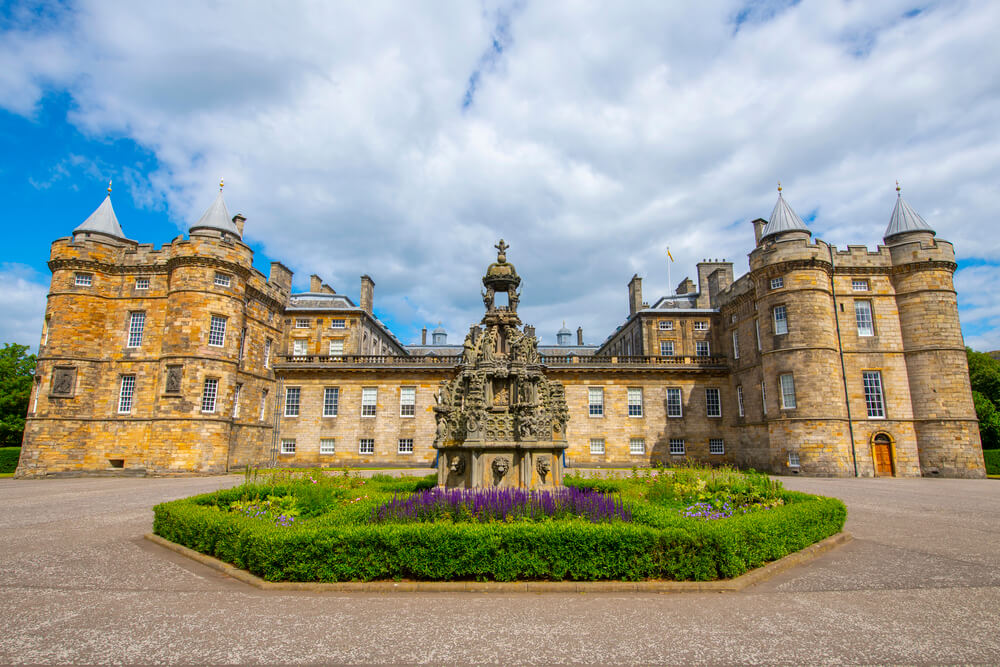
At the bottom of the Royal Mile in Edinburgh stands the Palace of Holyroodhouse, the monarch’s official residence in Scotland. Visitors can see the chambers of Mary, Queen of Scots, reached by a narrow winding staircase.
In March 1566, her secretary David Rizzio was dragged from her supper room and stabbed dozens of times by a group of nobles including her husband, Lord Darnley. A plaque marks the spot where his body was left.
The ruined abbey beside the palace dates to the 12th century, and the monarch still hosts garden parties there each summer.
Kensington Palace in London
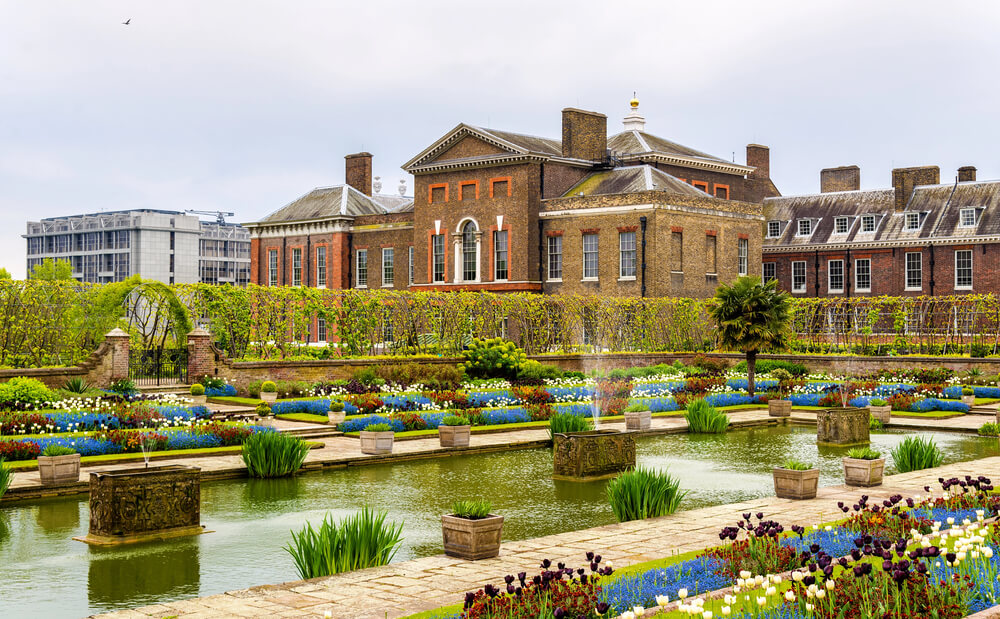
Kensington Palace has been a royal residence since 1689, when William III and Mary II bought what was then a modest house to escape the damp air of Whitehall. Queen Victoria was born there in 1819 and was woken there on June 20, 1837, to be told she had become queen.
Visitors can see the King’s State Apartments, the Queen’s State Apartments and exhibitions on Victoria’s childhood. Parts of the palace are still home to members of the royal family. The Sunken Garden outside features a statue of Diana, Princess of Wales, unveiled in 2021.
Hampton Court Palace
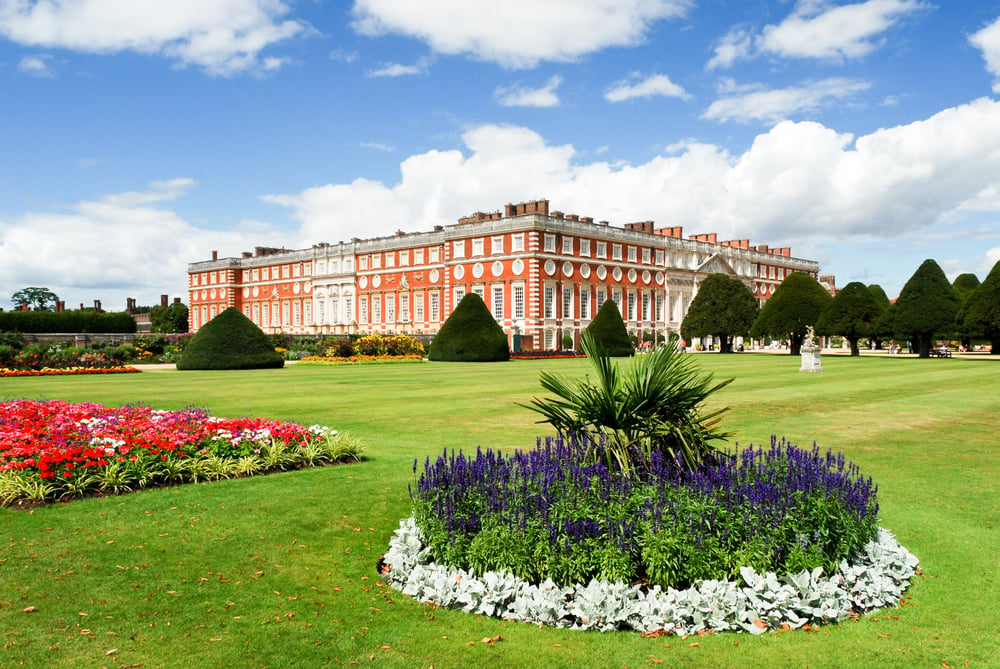
Cardinal Thomas Wolsey built Hampton Court on the Thames, and Henry VIII took it over after Wolsey fell from favor in 1529. The Tudor kitchens once fed hundreds of courtiers, and today visitors can see recreations of the cooking operation, including roasting fires.
The famous hedge maze was planted around 1700 for William III and is the oldest surviving hedge maze in Britain. The Great Vine, planted in 1768, is one of the oldest and largest grapevines in the world and still produces grapes.
Visitors sometimes report ghosts, including one said to be Catherine Howard.
Iolani Palace in Honolulu

Iolani Palace in Honolulu is the only royal palace on US soil. King Kalakaua completed it in 1882, and it had electric lighting in 1887, a few years before the White House.
After the Hawaiian monarchy was overthrown in 1893 by a group backed by American business interests, Queen Liliuokalani was imprisoned in an upstairs room of the palace for about eight months in 1895. She spent part of the time working on a quilt, which is now displayed there.
The palace later served as a government building before being restored and opened as a museum in 1978.
Christiansborg Palace in Copenhagen
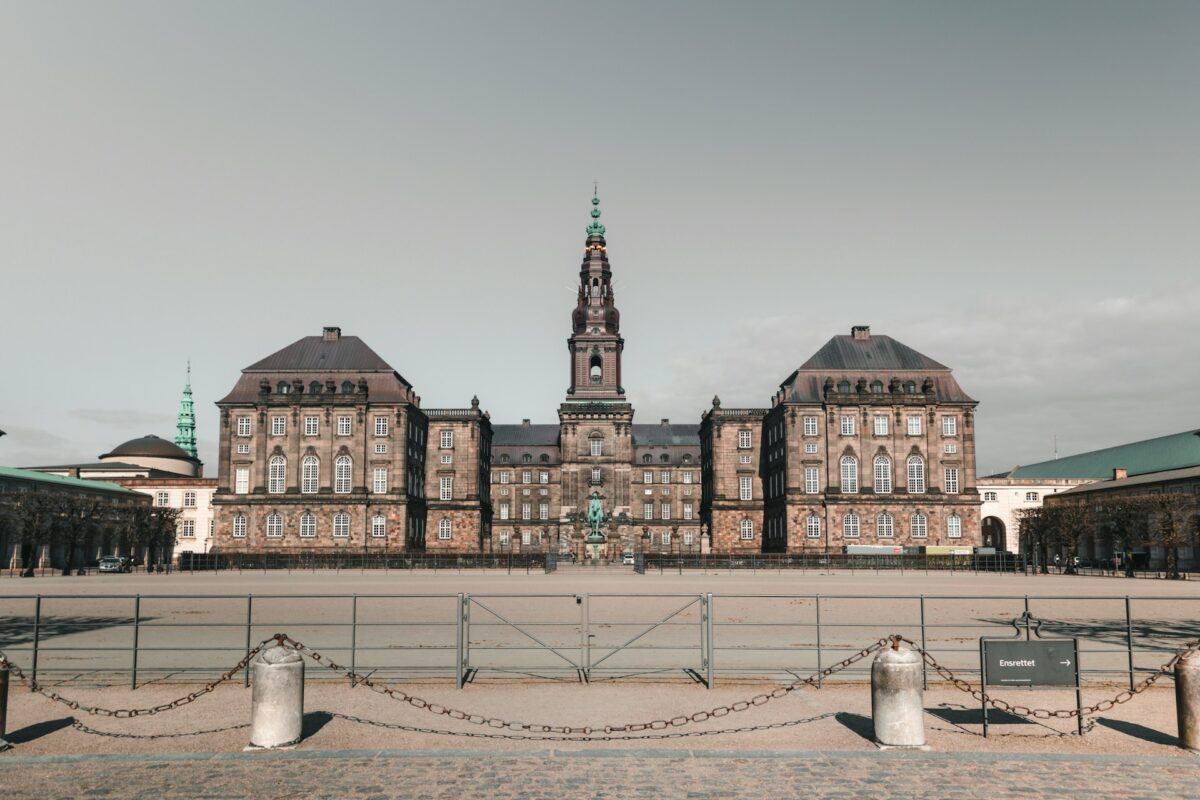
Christiansborg Palace, on the islet of Slotsholmen in Copenhagen, houses the Danish Parliament, the Prime Minister’s Office and the Supreme Court. It is often described as the only building in the world that houses all three branches of a country’s government.
The royal family uses the Royal Reception Rooms for state banquets and official events. The Great Hall displays a set of colorful tapestries by Bjorn Norgaard, presented to Queen Margrethe II for her 50th birthday, that trace Danish history.
Visitors can also see ruins of earlier castles beneath the current building.
Royal Palace of Amsterdam
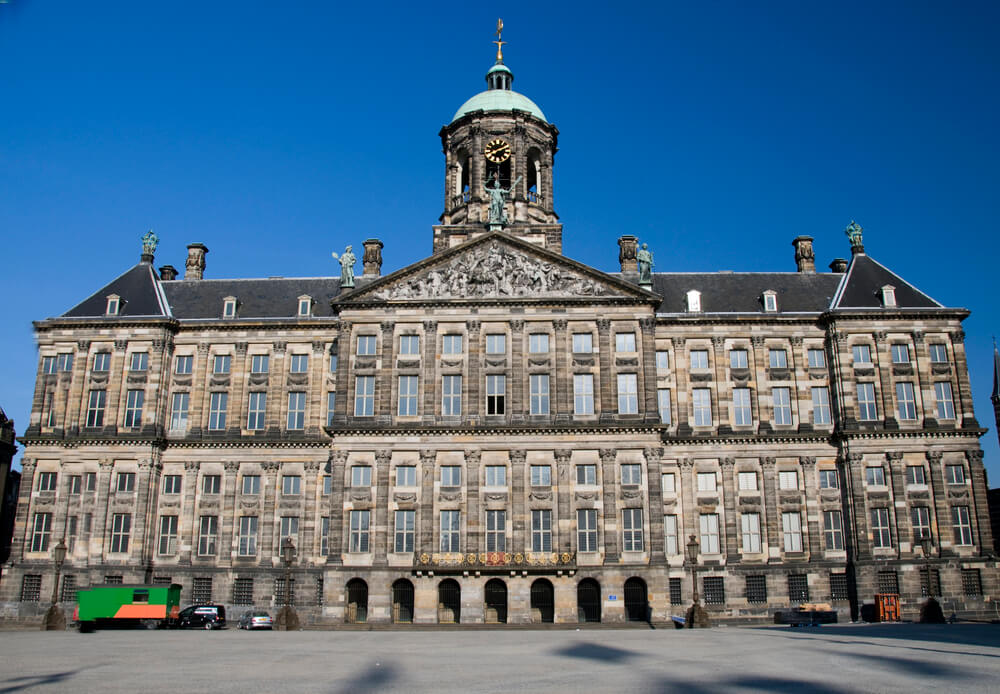
Amsterdam’s Royal Palace on Dam Square was built between 1648 and 1665 as the city hall, at the height of the Dutch Golden Age. It stands on 13,659 wooden piles driven into the soft ground, a number that Dutch schoolchildren were long taught to remember.
It became a royal palace in 1808 under Louis Napoleon, brother of Napoleon Bonaparte, whom the French emperor installed as king of Holland. Today the Dutch monarch uses it for state visits and official receptions, and it is open to the public when not in use.
Drottningholm Palace Near Stockholm
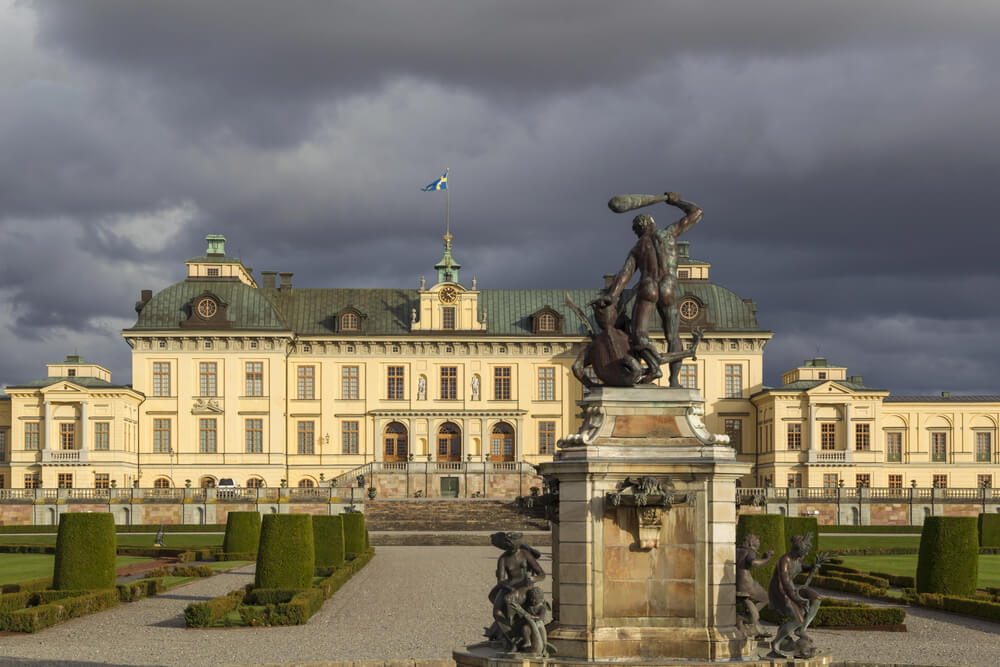
Drottningholm Palace, on an island outside Stockholm, is the private residence of the Swedish royal family, who live in the southern wing. The rest of the palace and its grounds are open to visitors.
The court theater, built in 1766, still has much of its original stage machinery, including wooden devices for creating wind and thunder, which are still used for productions. The palace also has a Chinese Pavilion built as a birthday gift for Queen Louisa Ulrika in the 1750s.
Drottningholm was among the first Swedish sites to be placed on the UNESCO World Heritage List.
Sanssouci Palace in Potsdam
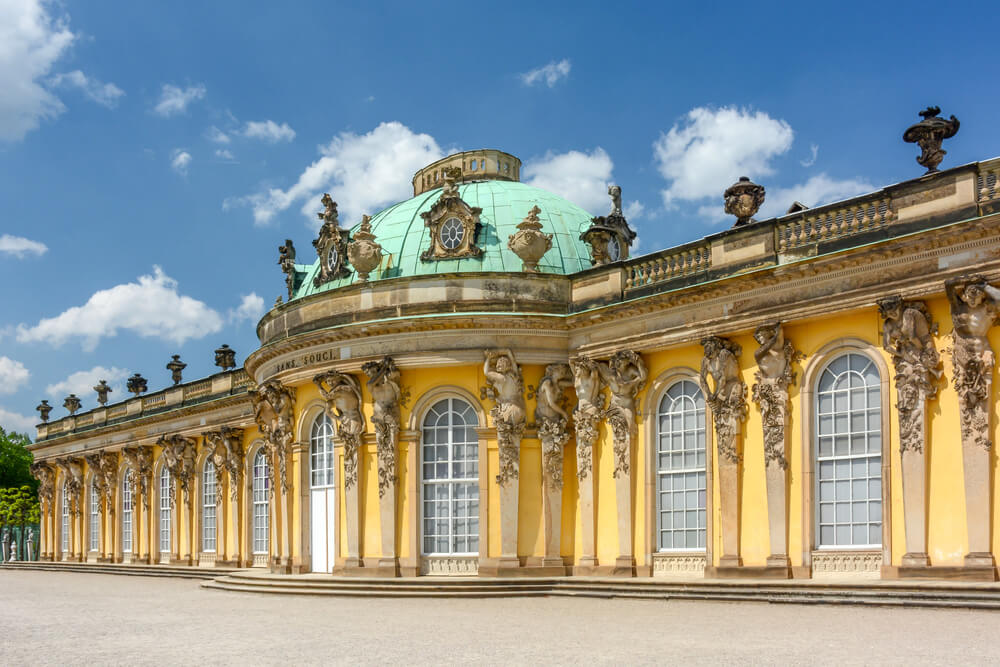
Frederick the Great built Sanssouci as a summer retreat in Potsdam in the 1740s, and the name means without worries. The single-story rococo palace sits atop terraced vineyards.
Frederick asked to be buried there beside his dogs, but his wish was not honored until 1991, when his remains were finally reinterred on the terrace after German reunification. Visitors often leave potatoes on his plain gravestone, a tribute to his efforts to encourage potato farming in Prussia.
The palace park also contains the much larger New Palace, built after the Seven Years War.
Munich Residenz
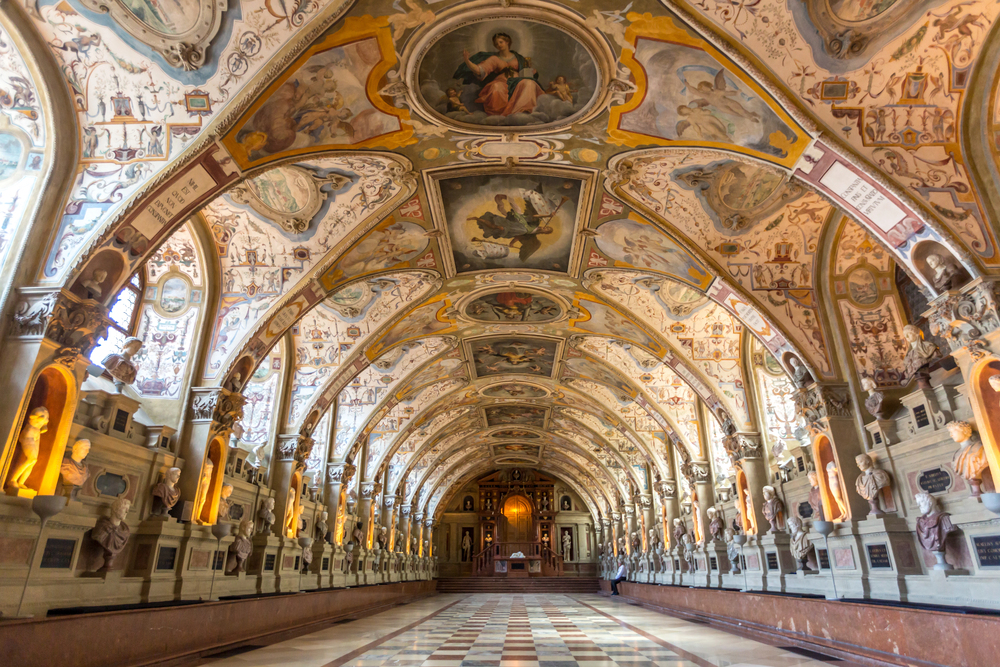
Munich’s Residenz served as the seat of Bavarian dukes, electors and kings from 1508 to 1918, and it is the largest city palace in Germany. It grew over centuries, so visitors walk through Renaissance, baroque, rococo and neoclassical rooms in a single visit. The highlight is the Antiquarium, a long vaulted hall built in the 1560s to house a collection of antique sculpture.
The palace was heavily damaged in the Second World War and painstakingly reconstructed. The Treasury displays crowns and jewels of the Bavarian royal house, including a crown dating to around 1280.
Imperial Palace in Tokyo
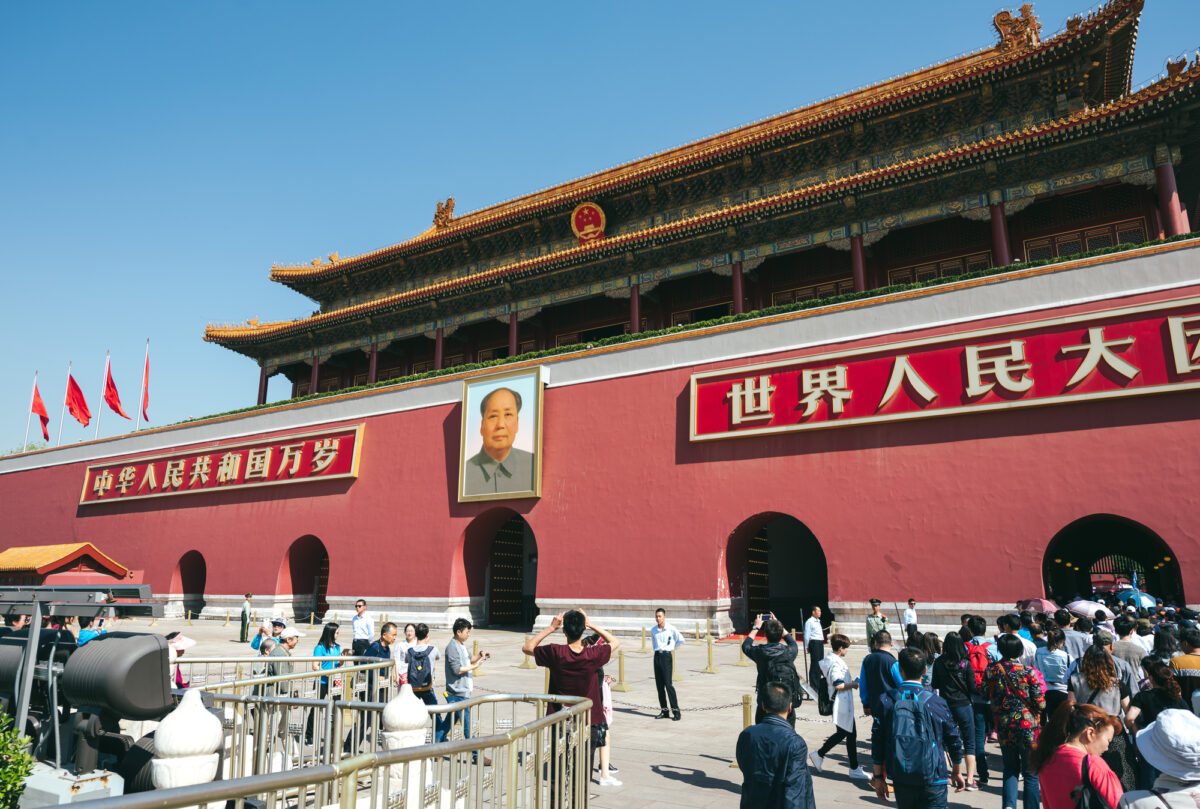
The Imperial Palace in central Tokyo stands on the site of the old Edo Castle, the seat of the Tokugawa shoguns. The Emperor of Japan lives there, and most of the grounds are closed.
Free guided tours take visitors through parts of the outer grounds, and the East Gardens are open most days. The inner grounds open to the public on only two occasions each year, January 2 for the New Year greeting and the Emperor’s birthday, when the imperial family appears on a balcony behind bulletproof glass to greet tens of thousands of visitors.
Palace of Fontainebleau
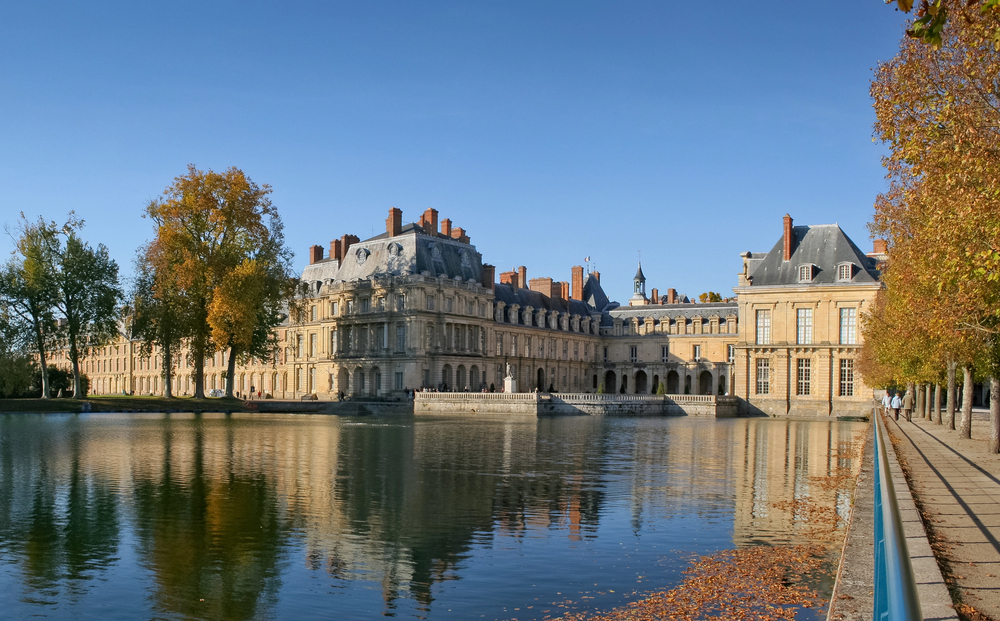
French monarchs lived at Fontainebleau, south of Paris, for roughly seven centuries, adding wings and decorations as tastes changed. The palace has around 1,500 rooms, and its Francis I Gallery set a model for Renaissance interiors across Europe.
Napoleon called it the true home of kings. In April 1814, after abdicating, he bid farewell to his Old Guard in the courtyard now known as the Cour des Adieux, before leaving for exile on Elba.
Visitors can see the throne room he fitted out as emperor and the horseshoe-shaped staircase where the farewell took place.
Crowns Behind a Ticket Booth
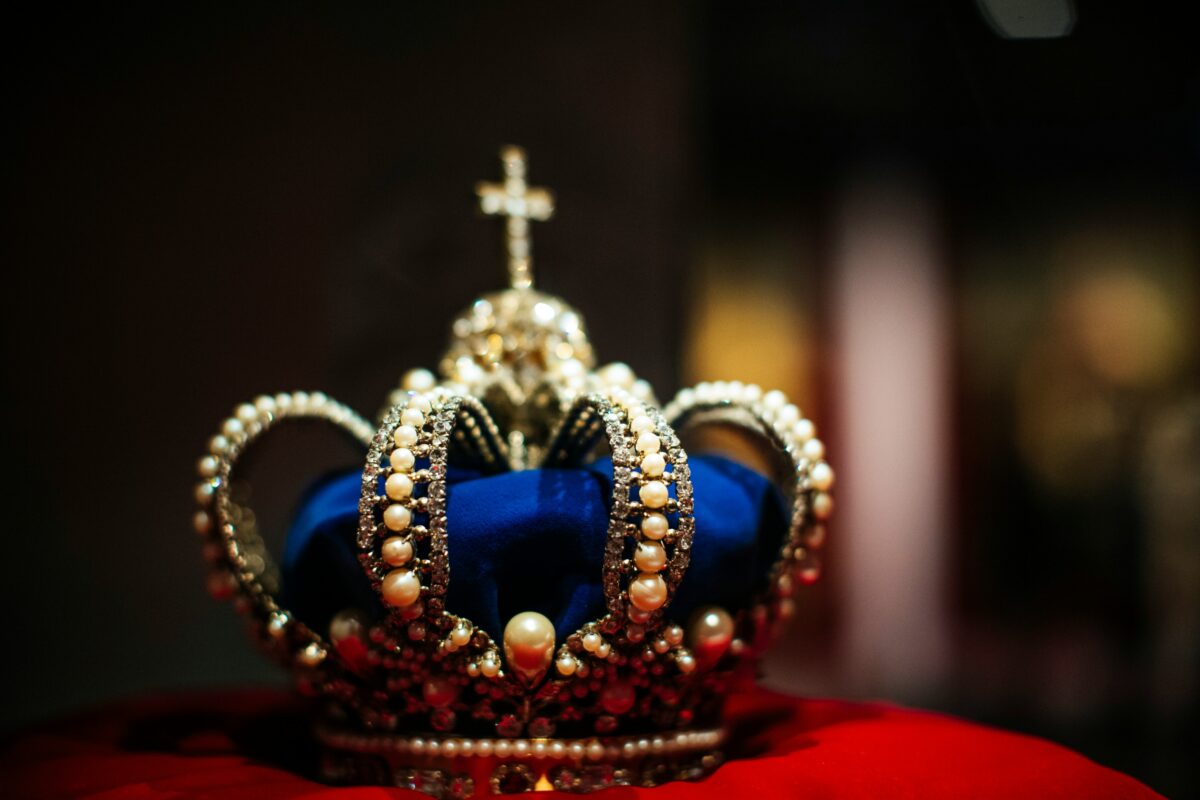
These palaces were built to impress and exclude at the same time. Their scale was meant to tell visitors exactly where they stood in the order of things.
Today, the same rooms mostly serve people who stand in line for a ticket. The shift says a great deal about how power has changed.
Many monarchies survive, but their palaces now justify themselves as museums, tourist draws and national symbols. The gilded ceilings are the same, but the audience finally includes everyone.
More from Go2Tutors!

- The Romanov Crown Jewels and Their Tragic Fate
- 13 Historical Mysteries That Science Still Can’t Solve
- Famous Hoaxes That Fooled the World for Years
- 15 Child Stars with Tragic Adult Lives
- 16 Famous Jewelry Pieces in History
Like Go2Tutors’s content? Follow us on MSN.