28 American Place Names With Native Origins
About half of the 50 states carry names drawn from Native languages, and the count climbs into the thousands once rivers, lakes, mountains and towns are included. Many of those names were borrowed by settlers who mispronounced them, misunderstood them or attached them to places the original speakers never meant.
Behind each one is a word that once meant something specific to the people who said it first.
Chicago and the Wild Onion

Chicago’s name comes from shikaakwa, a Miami-Illinois word for a wild relative of garlic and onion, often identified as ramps, that grew along the marshy banks of the Chicago River. French explorers in the late 1600s recorded the word as Checagou and similar spellings.
The plant’s strong smell made the area memorable. The name stuck to the river and its portage, a key link between the Great Lakes and the Mississippi watershed, and eventually to the city incorporated in 1837.
A metropolis known for steel and skyscrapers is, in effect, named for a pungent weed.
Manhattan, the Lenape Island
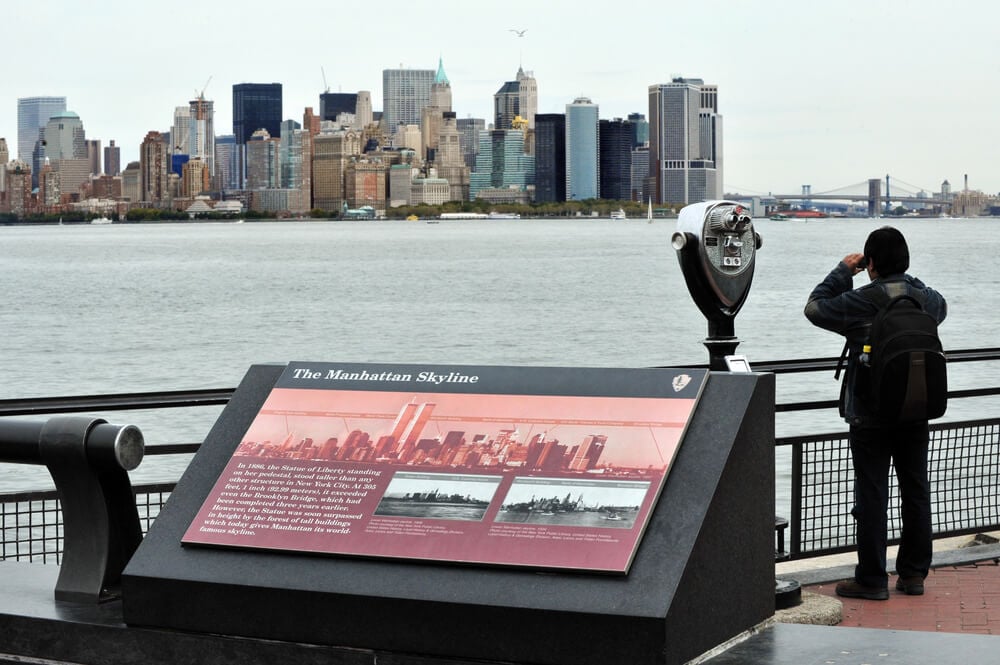
Manhattan comes from the Lenape language, spoken by the people who lived on the island and surrounding lands when the Dutch arrived. The exact meaning is debated, with common translations including island of many hills and a place for gathering bow wood.
A crew member on Henry Hudson’s 1609 voyage recorded a version of the name in his journal. The Dutch colony of New Amsterdam took shape at the island’s southern tip, and in 1626 Peter Minuit made the famous purchase from Lenape leaders for goods valued at 60 guilders, a deal the two sides almost certainly understood very differently.
Miami and the Mayaimi
Miami takes its name from the Mayaimi, a people who lived around Lake Okeechobee in southern Florida and whose name is often linked to a word for big water. Spanish records from the 1500s mention them.
The Mayaimi disappeared as a distinct group by the 1700s, but their name survived on the Miami River and then on the city incorporated in 1896. The Florida city’s name has no connection to the Miami people of Indiana and Ohio, whose name comes from a different language entirely.
Miami University in Oxford, Ohio, honors that unrelated nation.
Seattle and Chief Si’ahl
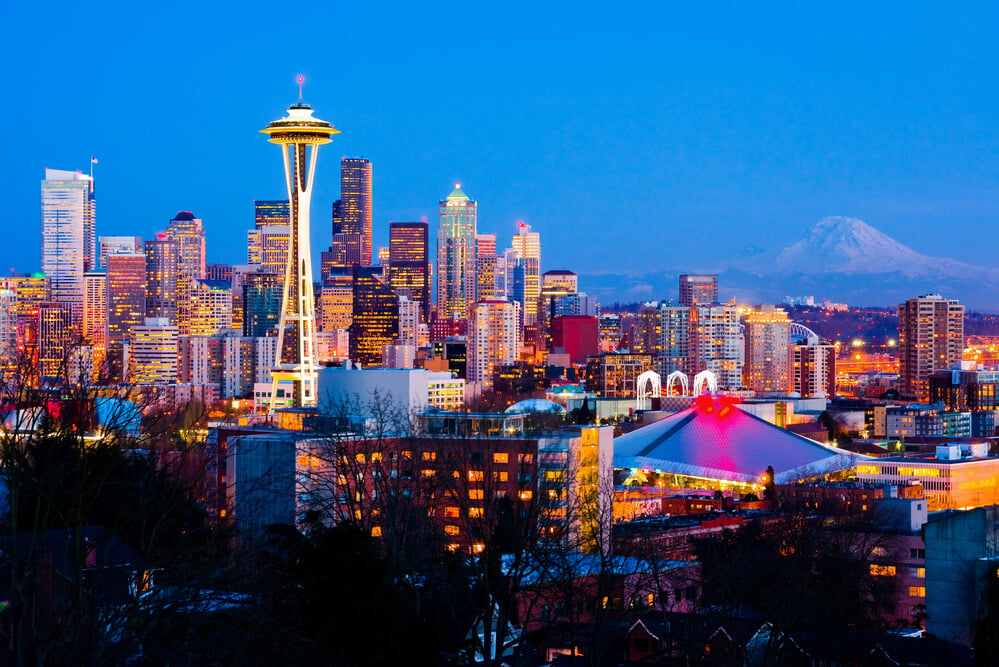
Seattle is named for Si’ahl, a leader of the Duwamish and Suquamish peoples who befriended early American settlers on Puget Sound in the 1850s. Settlers led by Arthur Denny and David Maynard adopted an anglicized version of his name for their town.
Coast Salish custom discouraged speaking the names of the dead, and some accounts say Si’ahl accepted the honor reluctantly for that reason. A famous speech attributed to him was largely written by others decades later.
Si’ahl died in 1866 and is buried at Suquamish, across the sound from the city carrying his name.
Tallahassee, the Old Town
Florida’s capital takes its name from a Muskogean phrase usually translated as old town or old fields, referring to abandoned settlements and farmland found in the area. Apalachee and later Creek and Seminole communities lived in the red hills of northern Florida.
When the territory needed a capital in 1824, officials chose the site because it sat roughly halfway between the two main colonial cities, Pensacola and St. Augustine. Mounds and archaeological sites around Tallahassee, including the Lake Jackson Mounds, show that the area had been an important center for centuries before.
Oklahoma, Red People
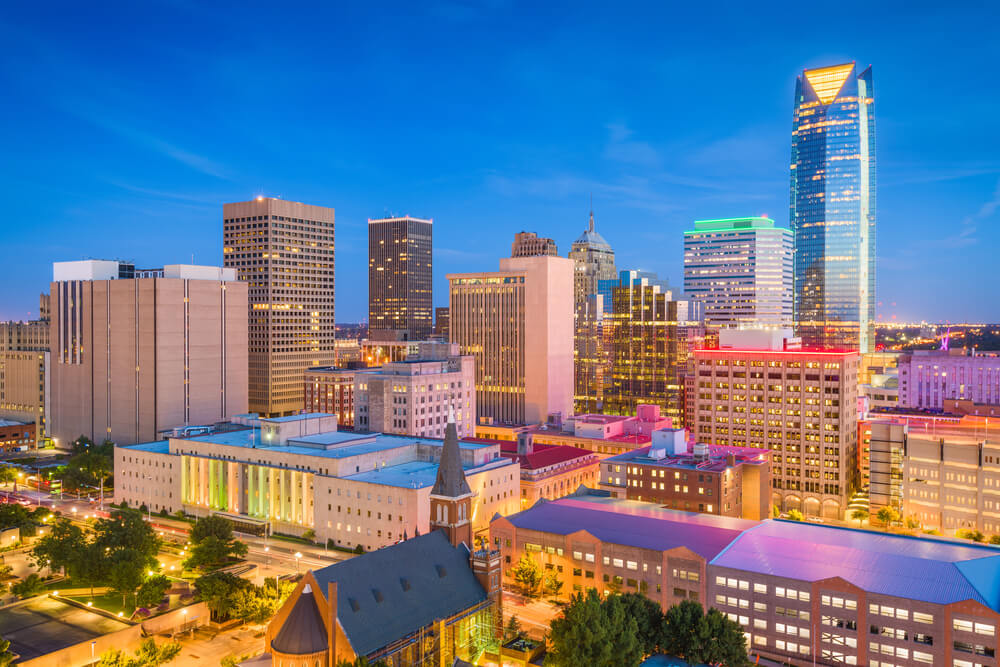
Oklahoma combines two Choctaw words, okla, meaning people, and humma, meaning red. Allen Wright, principal chief of the Choctaw Nation, proposed the name in 1866 during treaty negotiations with the federal government for a proposed territory governed by Native nations.
The idea of an Indian state did not survive, but the name did. Oklahoma became a state in 1907, absorbing Indian Territory, where dozens of nations had been forcibly relocated.
Today the state is home to nearly 40 tribal nations, and many tribal headquarters sit within its borders.
Texas and the Word for Friends
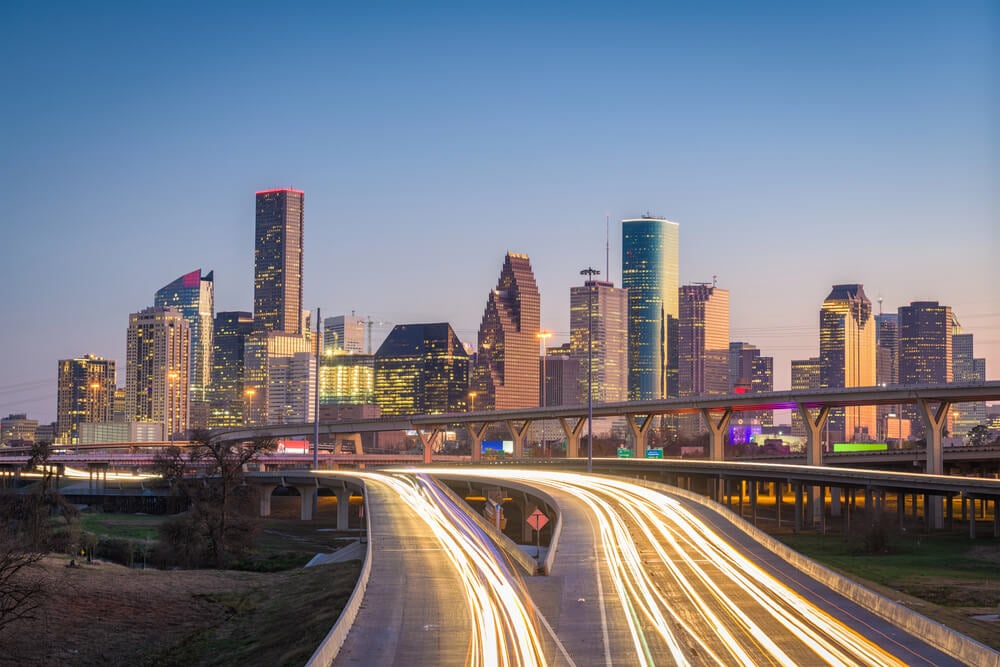
Texas comes from taysha, a word in the Caddo language meaning friends or allies. Spanish explorers in the late 1600s heard the word used as a greeting among the Caddo-speaking Hasinai and applied it to the people and the region, spelling it Tejas.
Over time the name shifted from the people to the land itself. The Caddo Nation, now headquartered in Binger, Oklahoma, descends from those communities.
Texas made friendship its official state motto in 1930, a choice that echoes the original Caddo word more closely than most residents realize.
Alaska, the Mainland
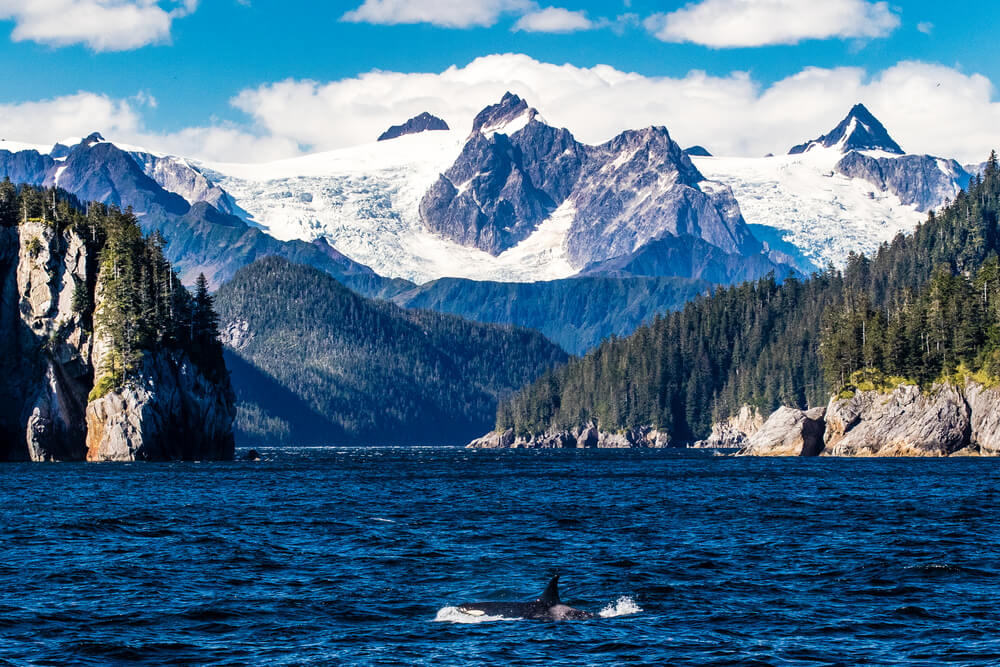
Alaska comes from the Unangan, or Aleut, word alaxsxaq, often translated as the mainland or the object toward which the action of the sea is directed. Russian traders and explorers moving through the Aleutian Islands in the 1700s picked up the term and used it for the Alaska Peninsula.
After the United States bought the territory from Russia in 1867 for 7.2 million dollars, the name was applied to the entire region. Alaska became the 49th state in 1959, and Alaska Native peoples still make up a significant share of its population.
Minnesota and the Cloudy Water
Minnesota comes from the Dakota phrase Mni Sota, describing the Minnesota River. Translations vary between cloudy water and water that reflects the sky, and the phrase Mni Sota Makoce describes the larger Dakota homeland.
The Dakota lived in the region for generations before treaties in the 1850s forced them to cede most of it. After the U.S.-Dakota War of 1862, the government expelled most Dakota from the state.
Many Minnesota place names carry Dakota roots, from Lake Minnetonka to Minneapolis, which blends the Dakota mni with the Greek polis.
Michigan and the Great Lake
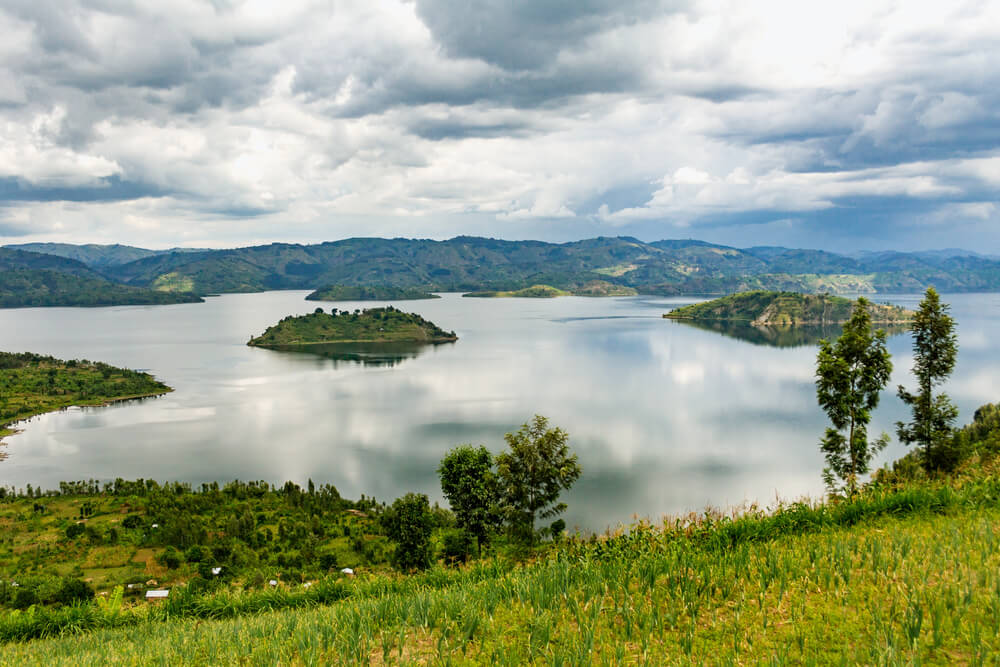
Michigan comes from an Ojibwe word usually rendered as mishigami, meaning large water or great lake. French explorers applied the name to the lake first, and it later passed to the territory and the state, admitted in 1837.
The Ojibwe, Odawa and Potawatomi, known together as the Three Fires Confederacy, lived throughout the region. Michigan is full of names from Anishinaabe languages, including Kalamazoo, Muskegon, Mackinac and Escanaba.
The state’s two peninsulas border four of the five Great Lakes, which makes a name meaning big water more literal than most.
Connecticut, the Long Tidal River
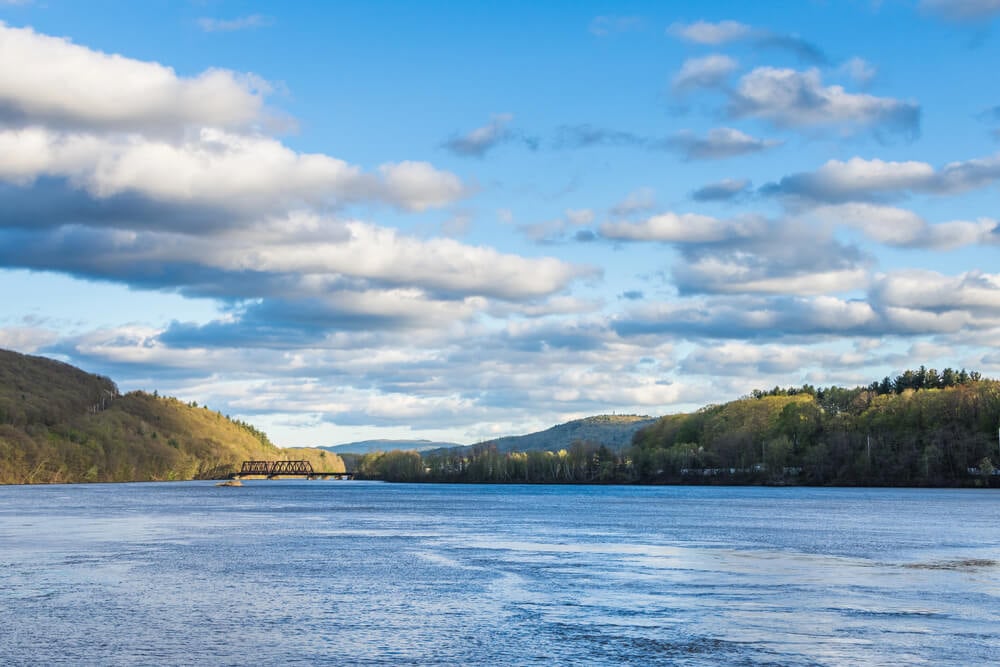
Connecticut comes from an Algonquian word, rendered in English as quinetucket, describing a place beside a long tidal river. The Connecticut River, New England’s longest, runs more than 400 miles from near the Canadian border to Long Island Sound, and tides push upstream far from the coast.
Dutch traders in the early 1600s were among the first Europeans to use the name. The river later gave its name to the colony and then the state.
Many towns and features nearby carry Algonquian names too, including Naugatuck, Housatonic and Niantic.
Ohio and the Great River
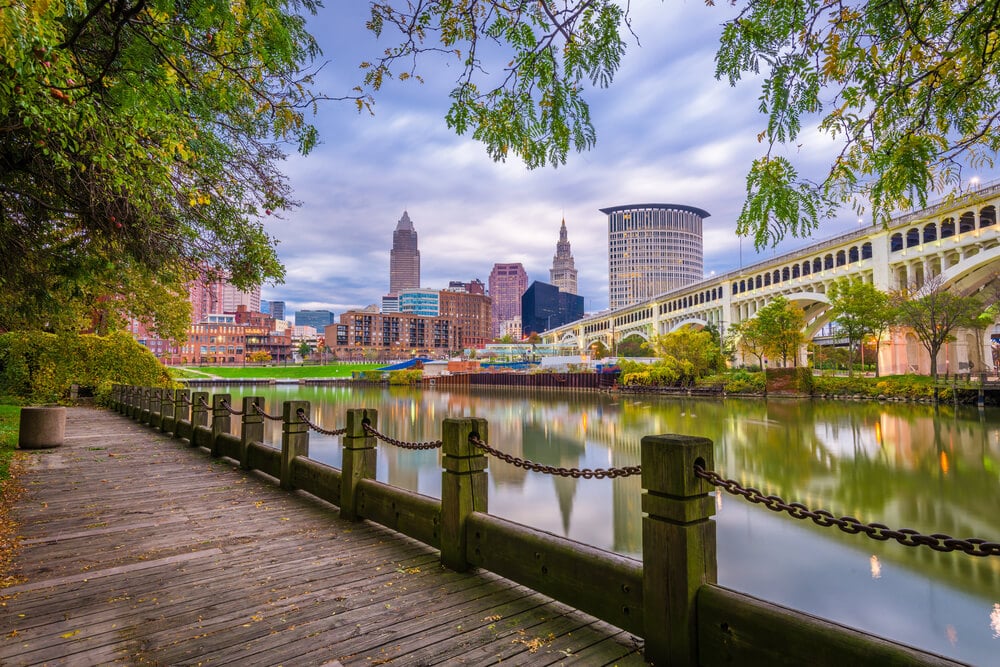
Ohio comes from a Seneca word, ohiyo, usually translated as good river or great river. The Seneca applied it to the waterway formed where the Allegheny and Monongahela rivers meet, which the French also called La Belle Riviere, meaning beautiful river.
The Ohio River became the main highway for settlers moving west after the Revolution and formed a boundary between free and slave states before the Civil War. Ohio became a state in 1803.
Many of its towns, including Chillicothe and Coshocton, carry Shawnee and Delaware names.
Mississippi and the Big River
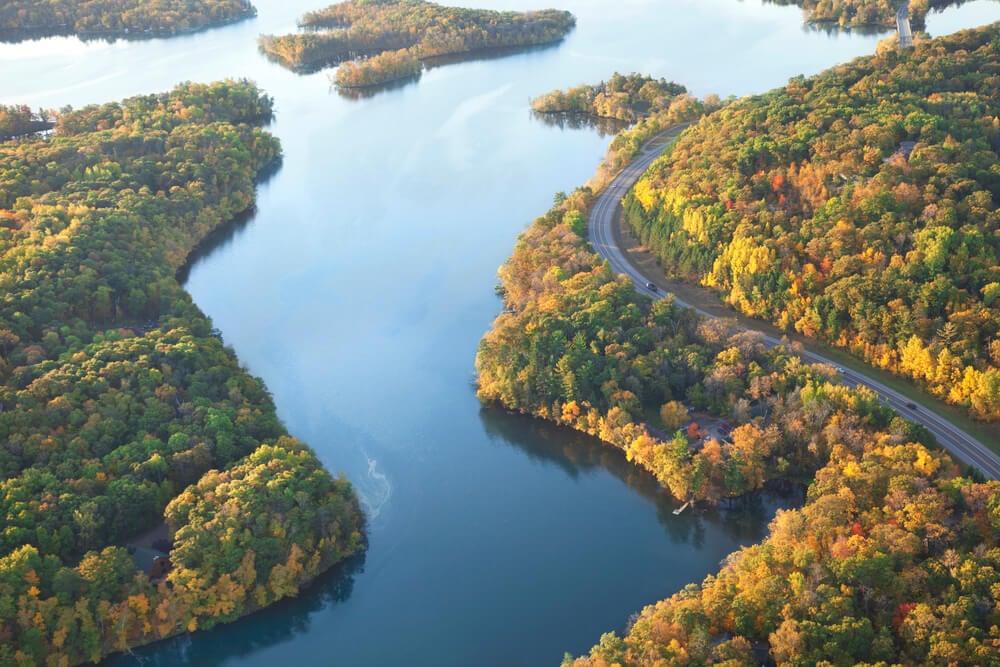
Mississippi comes from an Ojibwe word usually rendered as misi-ziibi, meaning great river. French explorers traveling south from the Great Lakes heard the name from Anishinaabe speakers and recorded it in many spellings.
The river drains all or part of 31 states and two Canadian provinces, so the description fits. The state of Mississippi, admitted in 1817, took its name from the river.
Along its course, the river passes towns with names from many other Native languages, from Winona to Natchez, a reminder of how many nations lived along its banks.
Massachusetts and the Great Hill
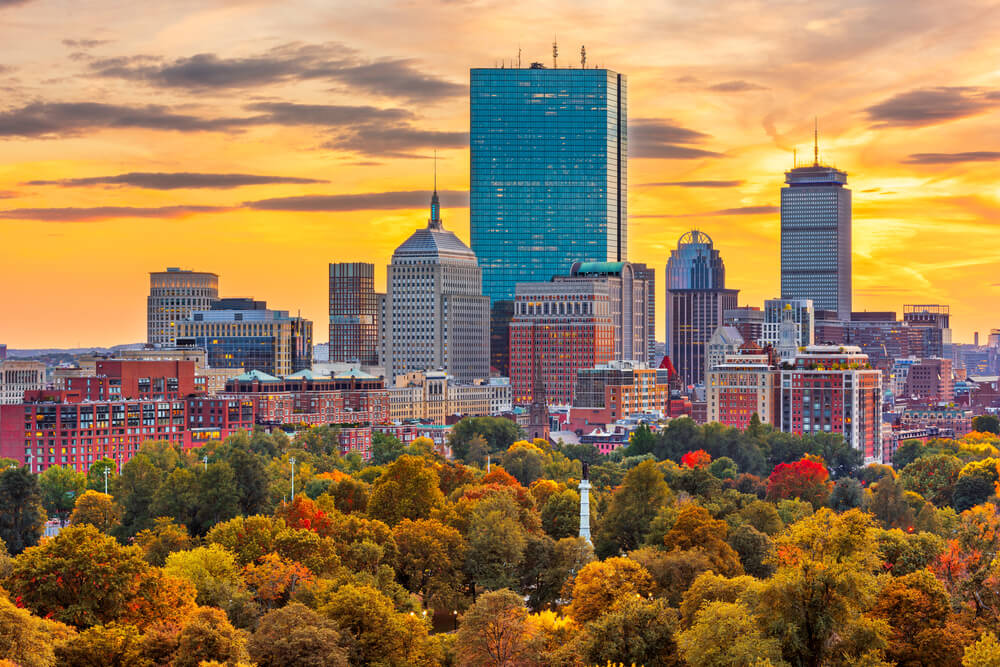
Massachusetts takes its name from the Massachusett people, whose name refers to a place near the great hill, generally identified as Great Blue Hill south of Boston. The hill rises about 635 feet, modest by most standards but prominent near the coast.
English colonists named their bay and colony after the people they encountered. Missionary John Eliot used the Massachusett language to print the first complete Bible in the Americas in 1663.
Today the Wampanoag Language Reclamation Project has brought a closely related language back into daily use after more than a century without native speakers.
Nebraska and the Flat Water
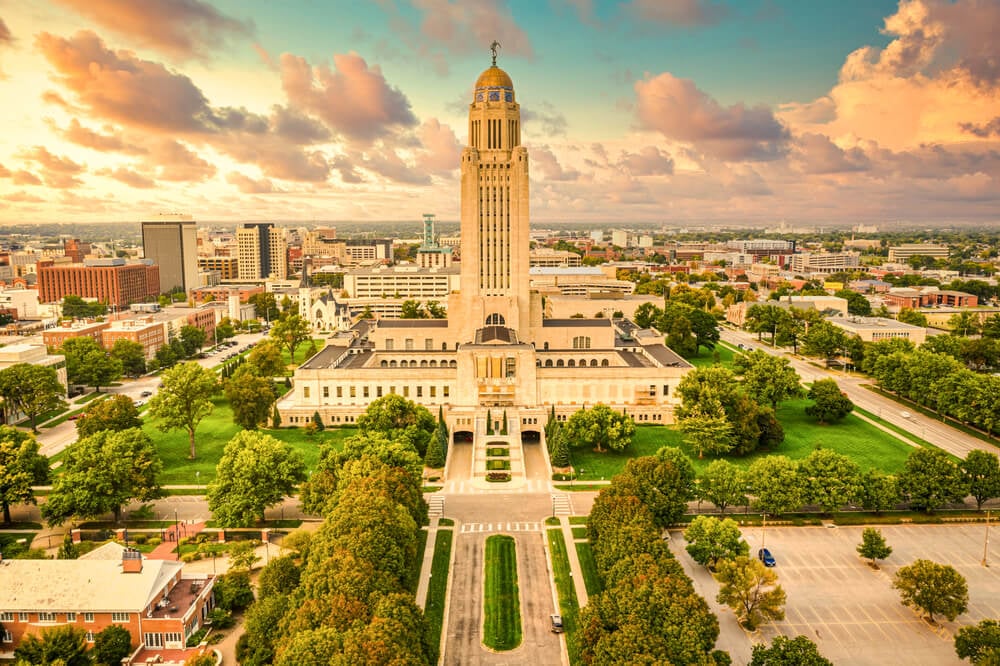
Nebraska comes from an Otoe word describing the Platte River, usually translated as flat water. The river is wide and shallow, famously described as a mile wide and an inch deep.
French explorers had already named the same river the Platte, a French word meaning flat. Explorer John C. Fremont and others popularized the Otoe version in the 1840s, and Congress used it when creating Nebraska Territory in 1854.
The Platte valley carried the Oregon, California and Mormon trails, and hundreds of thousands of westward emigrants followed its banks.
Tennessee and the Cherokee Town of Tanasi
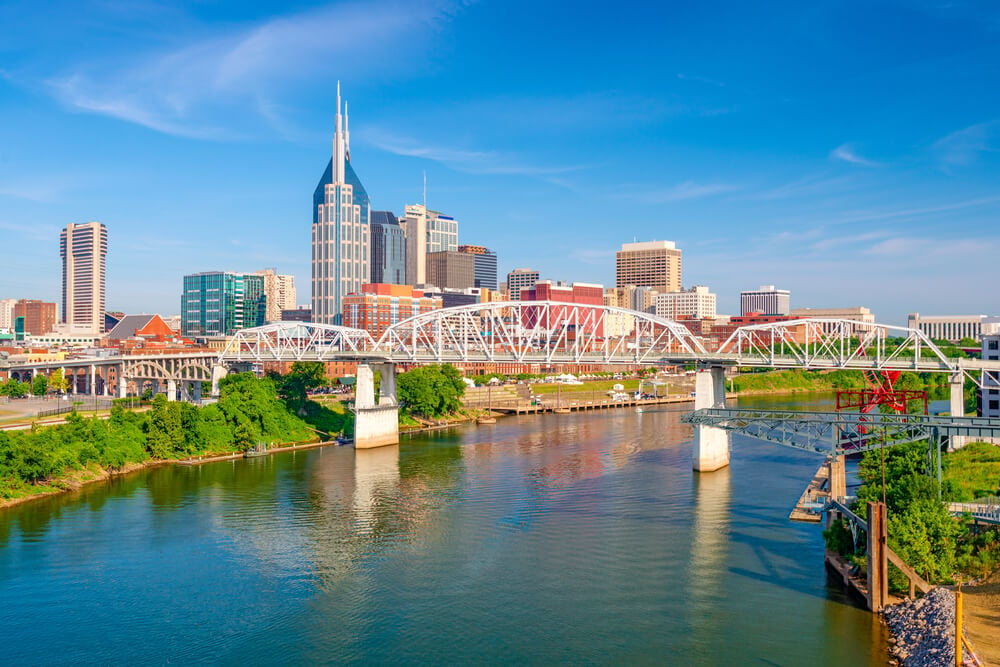
Tennessee takes its name from Tanasi, a Cherokee town on the Little Tennessee River in what is now Monroe County. Spanish explorer Juan Pardo recorded a village called Tanasqui in 1567, possibly an early version of the name.
The town served for a time as the capital of the Cherokee Nation in the 1700s before nearby Chota took that role. Much of the original site now lies under Tellico Lake, created by the Tellico Dam in 1979, though a monument marks the area.
The meaning of the word itself has been lost.
Milwaukee and the Gathering Place by Water
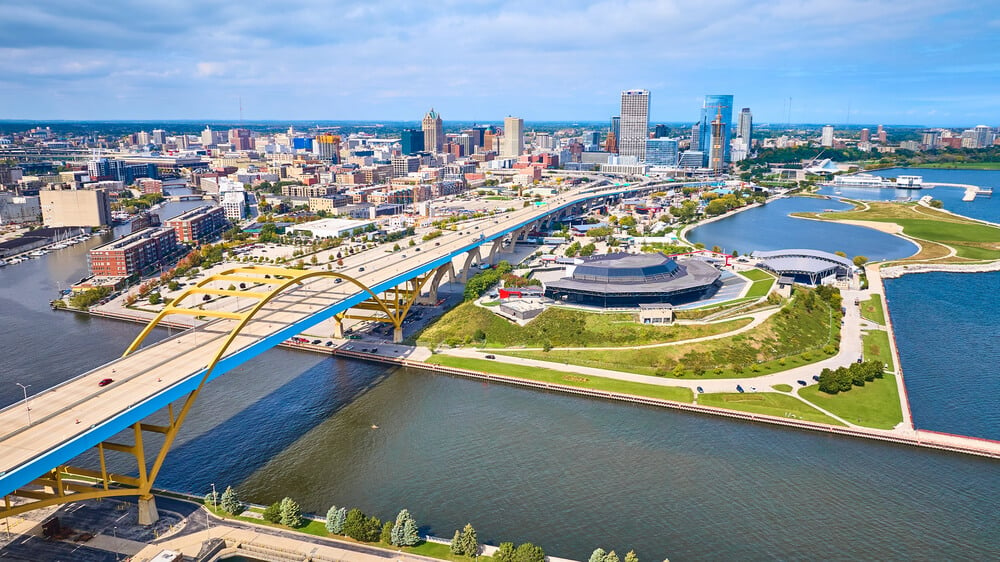
Milwaukee’s name comes from an Algonquian word, often rendered as millioke, usually translated as good land, pleasant land or gathering place by the water. Potawatomi, Menominee, Ho-Chunk and other nations met and traded near the spot where three rivers flow into Lake Michigan.
Fur trader Solomon Juneau and others built settlements on the site in the 1830s, and the city was incorporated in 1846. The Forest County Potawatomi Community operates a major casino and hotel in the city today, one of several ways Native nations remain part of its economy.
Malibu and the Sound of the Surf
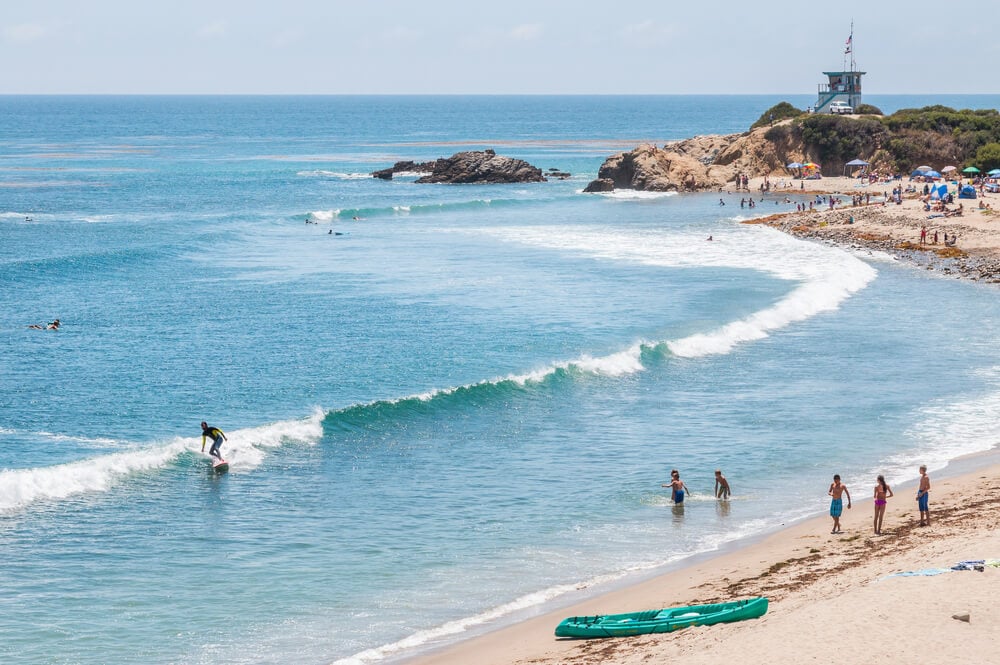
Malibu comes from Humaliwo, the name of a Chumash village near the lagoon at Malibu Creek. The name is usually translated as where the surf sounds loudly.
The Chumash lived along the California coast from Malibu north past Santa Barbara for thousands of years, building plank canoes called tomols to cross the channel to the islands. Spanish settlers shortened Humaliwo to Malibu, and the name eventually attached to a rancho, a beach and a city.
The Malibu Lagoon State Beach area includes the site of the original village.
Lake Tahoe and the Washoe Word for Lake
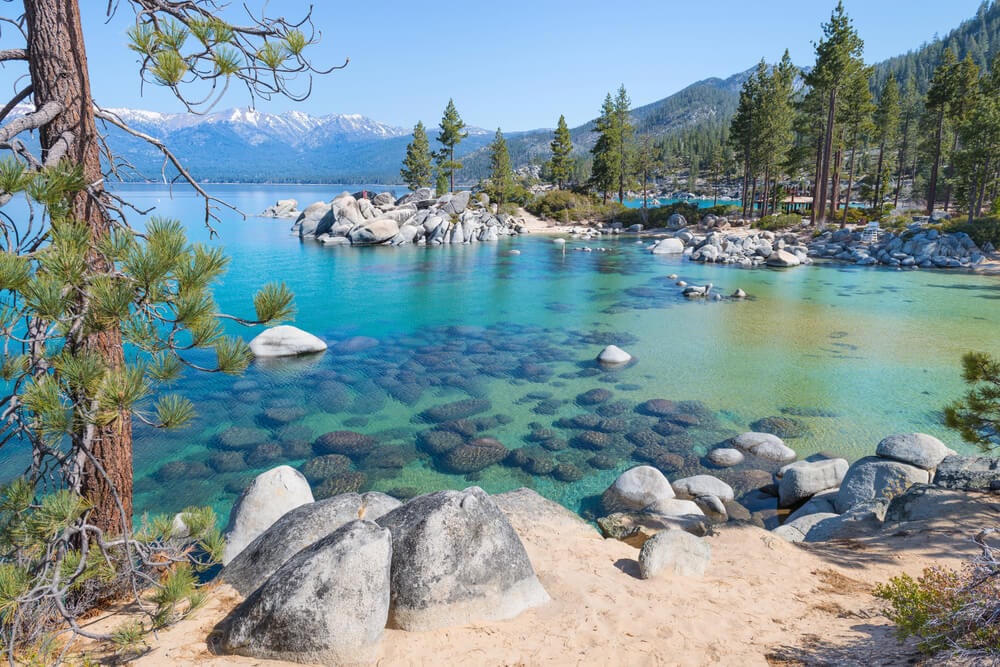
Lake Tahoe’s name comes from the Washoe word da ow, meaning lake. For decades the lake carried other official names, including Lake Bigler, after California governor John Bigler, whose Confederate sympathies during the Civil War made the name unpopular.
Tahoe became common in the late 1800s, but California did not officially adopt it until 1945. The Washoe people spent summers around the lake for thousands of years.
Reaching depths of about 1,645 feet, Tahoe is one of the deepest lakes in North America, so in a sense the plain Washoe word undersells it.
Yosemite and a Misunderstood Name
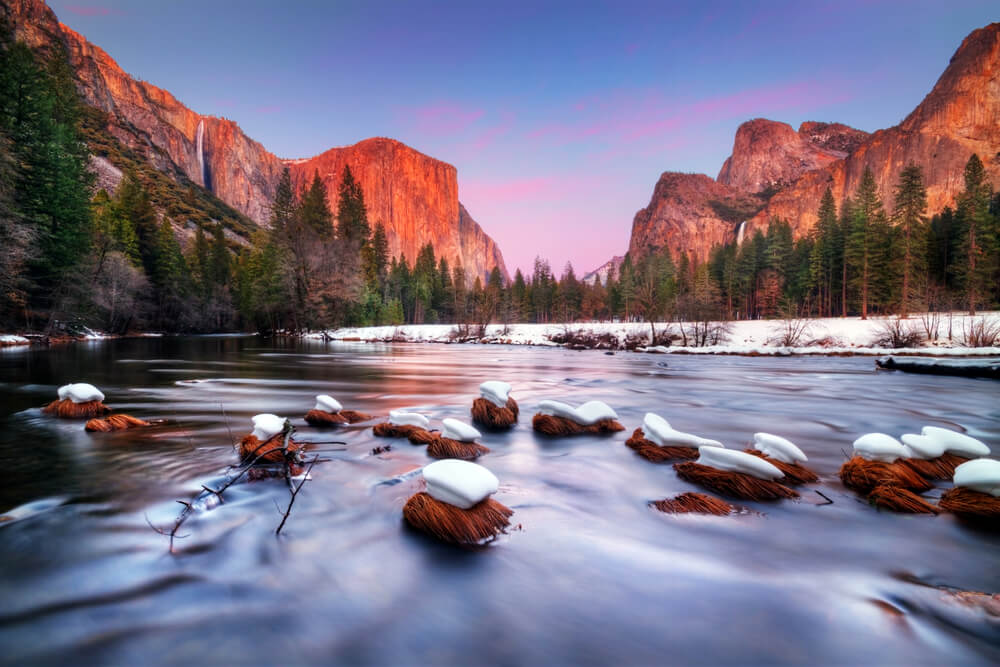
Yosemite likely comes from a Southern Miwok word, yohhe’meti, meaning they are killers, which neighboring peoples used for the Ahwahneechee who lived in the valley. Members of the Mariposa Battalion, a state militia that entered the valley in 1851 to force its residents out, adopted the name.
The people who lived there called the valley Ahwahnee, often translated as gaping mouth, and that name survives on the park’s historic hotel. Yosemite became a protected land grant in 1864 and a national park in 1890, carrying a name that was never meant as a compliment.
Chesapeake and the Great Shellfish Bay
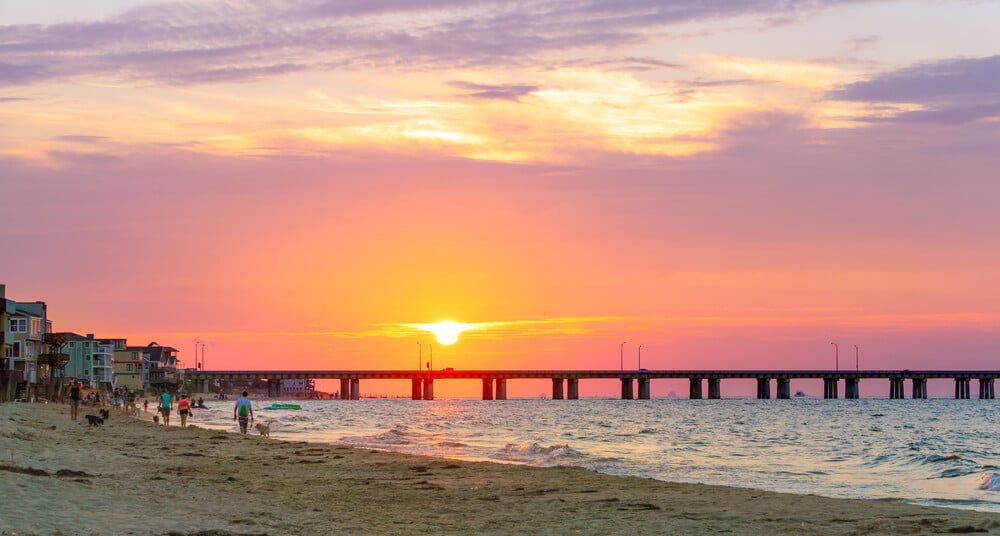
Chesapeake comes from Chesepiooc, an Algonquian village near the mouth of the bay in what is now Virginia. English colonists recorded the name in the 1580s and early 1600s.
Translations vary, and one common interpretation is great shellfish bay, which suits a place famous for oysters and blue crabs. The Chesapeake Bay is the largest estuary in the United States, fed by more than 150 rivers and streams.
The Powhatan, Piscataway and Nanticoke peoples lived along its shores, and the city of Chesapeake, Virginia, carries the name as well.
Niagara and the Thundering Water
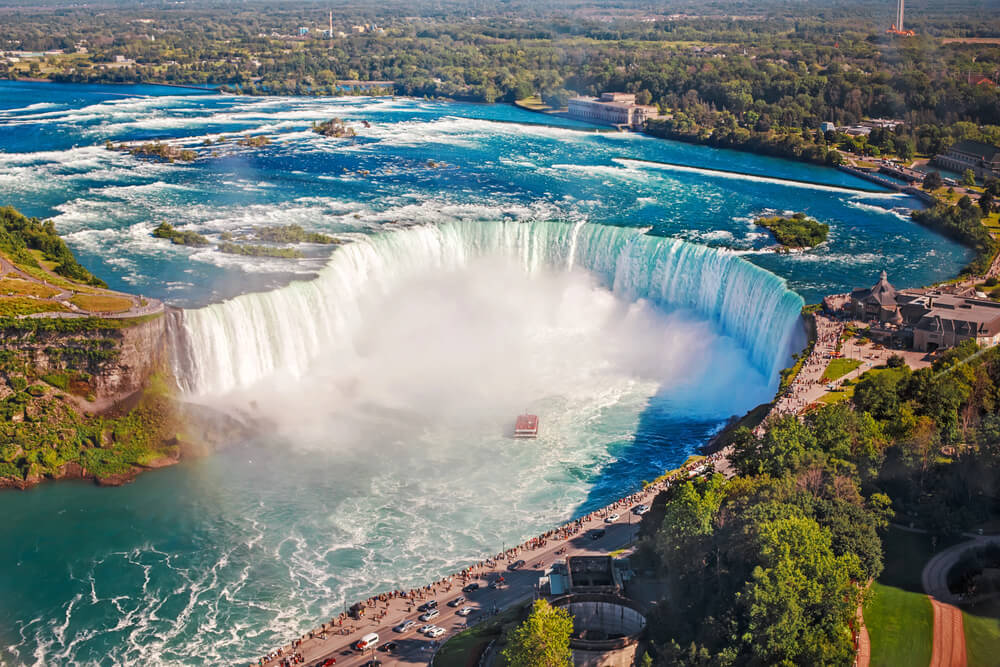
Niagara comes from an Iroquoian name recorded by French explorers in the 1600s as Onguiaahra and similar spellings, after a people living near the falls. Its meaning is uncertain.
Popular sources often translate it as thundering water, while some scholars link it to a word for neck or strait, describing the river connecting Lake Erie and Lake Ontario. Either fits.
At high flow, more than 6 million cubic feet of water pour over the crest every minute, which makes the thundering version easy to believe.
Tucson and the Black Hill
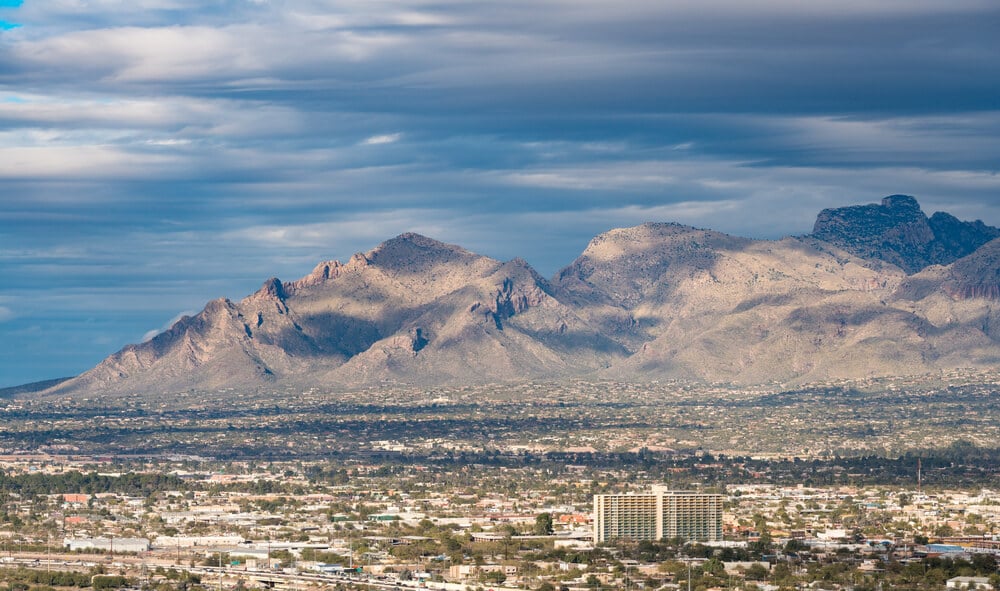
Tucson comes from the O’odham name Cuk Son, meaning at the base of the black hill, referring to a dark volcanic peak now called Sentinel Peak or A Mountain. O’odham farmers lived and irrigated crops along the Santa Cruz River near its base for centuries.
Spanish missionaries recorded the name in the late 1600s, and a Spanish presidio was established there in 1775. The black hill still overlooks downtown, marked with a large letter A by University of Arizona students since the 1910s.
Archaeological evidence suggests people have farmed the area for roughly 4,000 years.
Lake Okeechobee, the Big Water
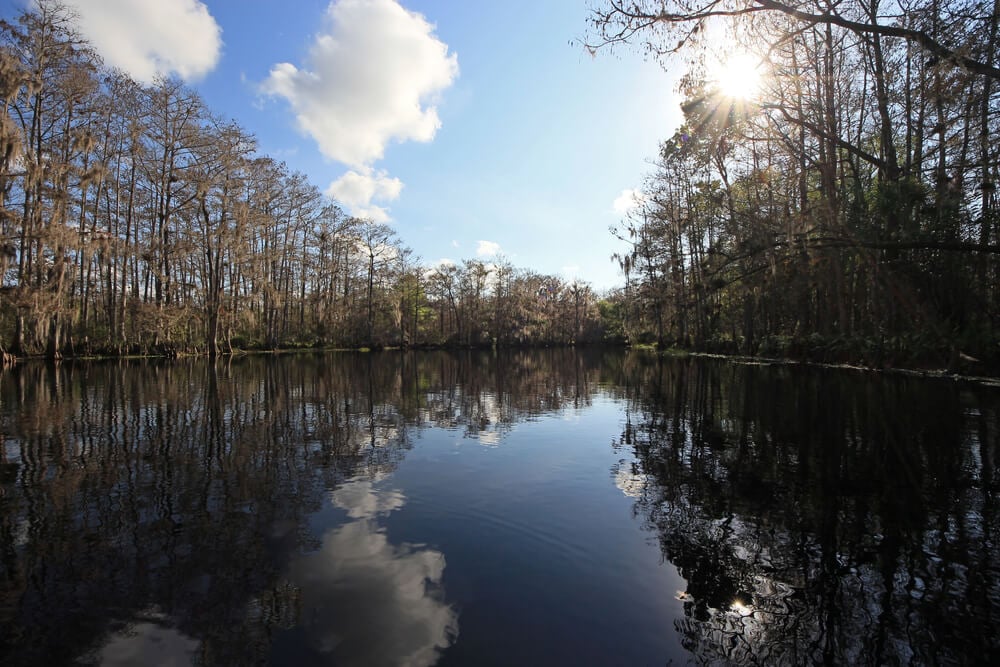
Lake Okeechobee’s name comes from Hitchiti, a Muskogean language, combining oki, meaning water, and chubi, meaning big. At about 730 square miles, it is the largest freshwater lake in Florida and one of the largest in the continental United States.
The lake sits at the heart of the Everglades watershed, and its water historically spilled slowly south across the sawgrass. After hurricanes in 1926 and 1928 killed thousands around its shore, engineers ringed it with a massive earthen dike.
The Seminole and Miccosukee, who live in the region today, have long fished and hunted there.
Wyoming and a Valley in Pennsylvania
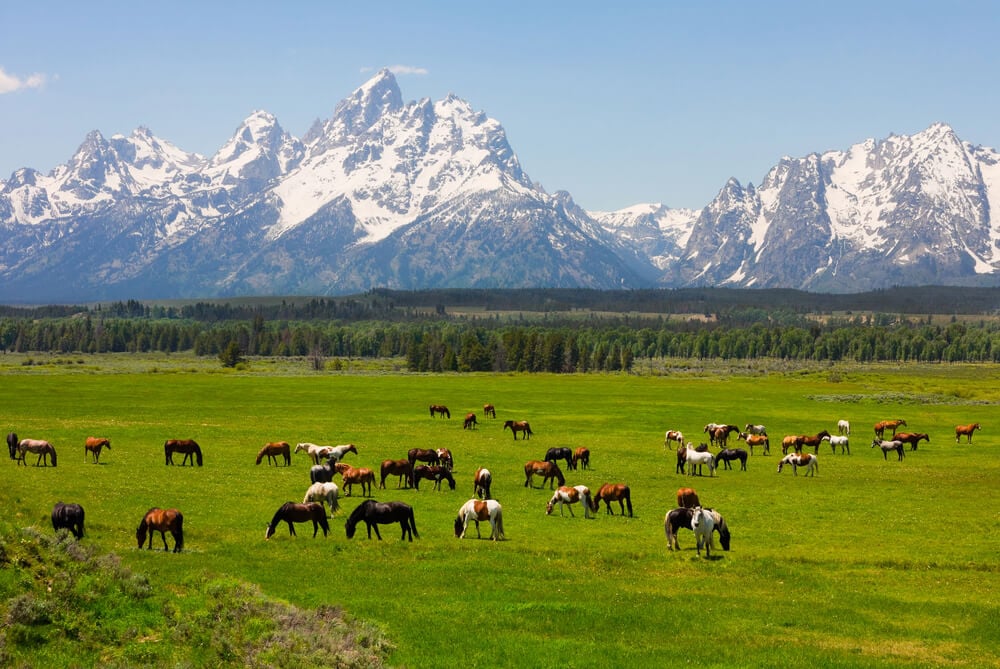
Wyoming is a Native name that traveled a long way from home. It comes from a Lenape word, often rendered as mecheweami-ing, meaning at the big flats or big river flat, describing the Wyoming Valley along the Susquehanna River in Pennsylvania.
A 1778 battle there and an 1809 poem by Thomas Campbell, Gertrude of Wyoming, made the name famous. Congressman James Ashley proposed it for a new western territory in 1865, and Wyoming Territory was created in 1868.
The Lenape never lived anywhere near the Rocky Mountain state that carries their word.
Utah and the Ute
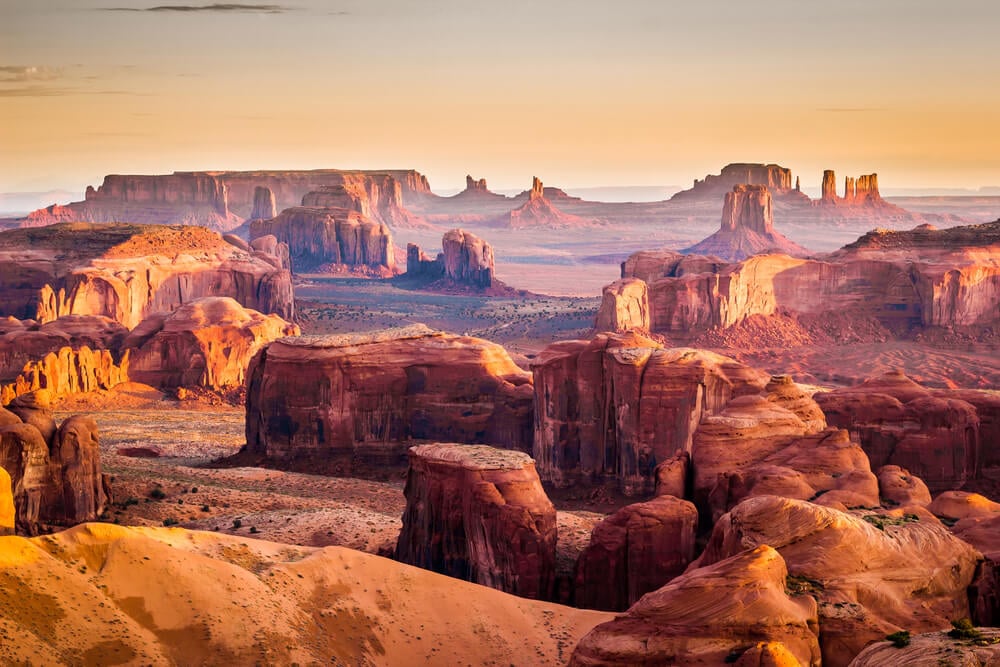
Utah takes its name from the Ute people, whose homeland stretched across much of present-day Utah and Colorado. Spanish explorers in the 1700s recorded the name as Yuta, and English speakers later shifted it to Utah.
A popular explanation says the name means people of the mountains, but linguists consider that uncertain. The Ute call themselves Nuche, meaning the people.
Today the Ute Indian Tribe of the Uintah and Ouray Reservation is based in northeastern Utah, while the Southern Ute and Ute Mountain Ute tribes are in Colorado.
Omaha, Against the Current
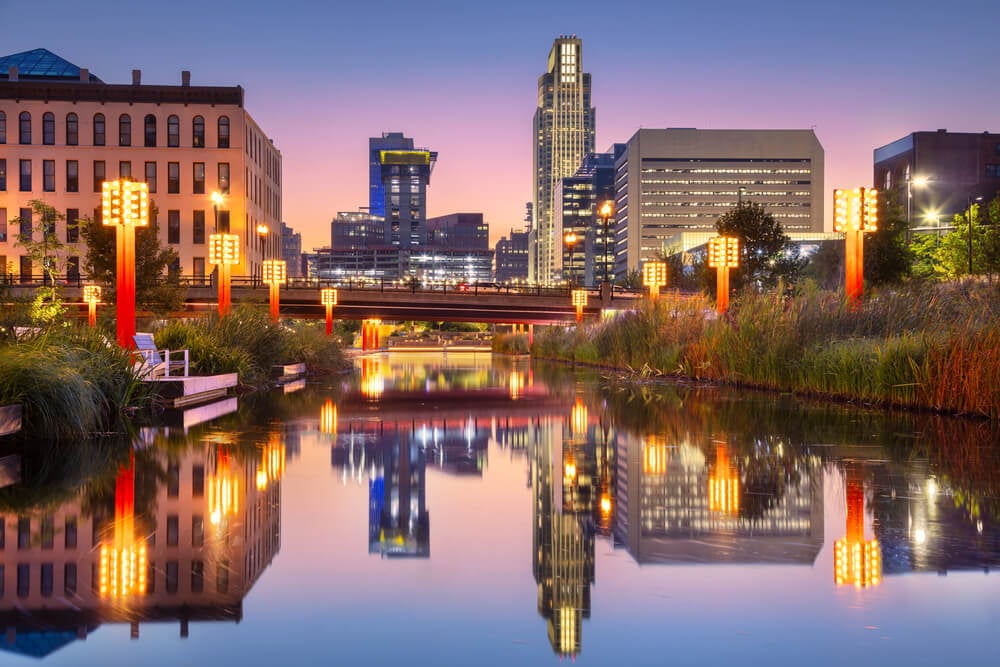
Omaha takes its name from the Omaha people, whose name is usually translated as those going against the wind or against the current, a reference to their migration upstream along the Missouri River. The Omaha settled in what is now northeastern Nebraska.
In 1854 they ceded much of their land, and the city of Omaha was founded that year across the river from Council Bluffs, Iowa. The Omaha Tribe of Nebraska still holds a reservation near Macy, roughly 70 miles north.
Its Sacred Pole, returned by Harvard’s Peabody Museum in 1989, is among the tribe’s most important cultural objects.
Walla Walla, the Place of Many Waters
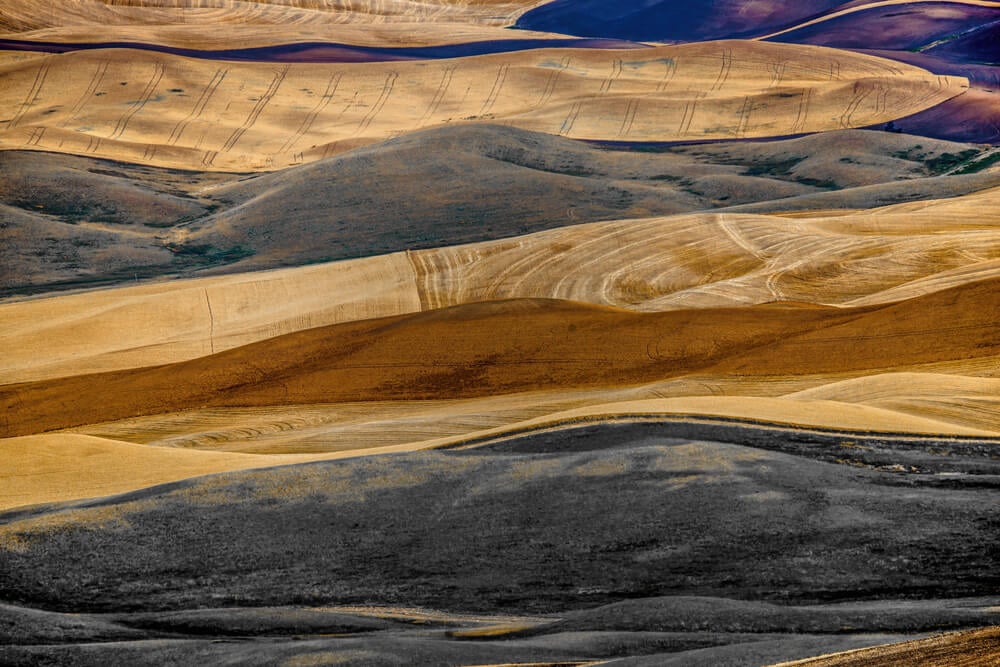
Walla Walla comes from a Sahaptin word for the Walla Walla people and their homeland, usually translated as many waters or running waters. Repeating a word in Sahaptin can soften or multiply its meaning, turning water into many small streams, which fits a valley fed by numerous creeks.
Lewis and Clark met the Walla Walla people in 1805 and 1806. Today the Walla Walla, Cayuse and Umatilla form the Confederated Tribes of the Umatilla Indian Reservation in Oregon.
The city of Walla Walla, Washington, is now known for its wineries and sweet onions.
Maps Carry Older Voices
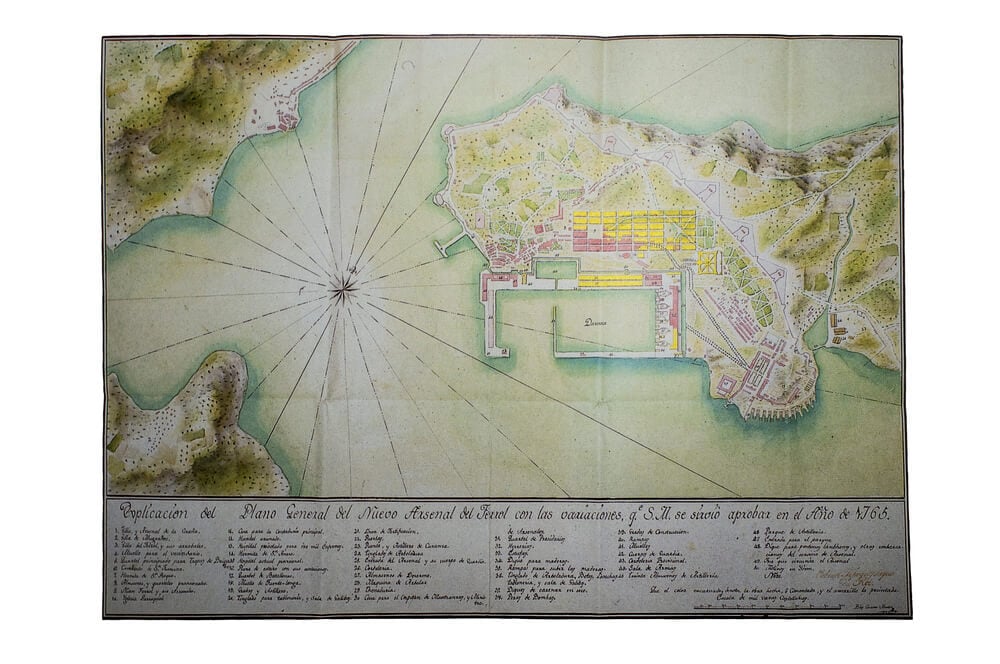
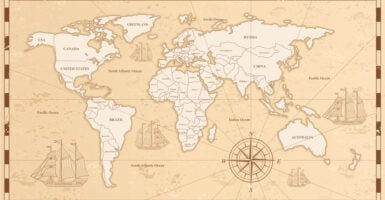
A map of the United States reads like a partial dictionary of languages spoken here long before English. Many of the words were garbled in transmission, and some were attached to the wrong places or the wrong peoples. Even so, they preserved meanings that would otherwise have been lost.
Most people who say Chicago, Texas or Miami every day never think about the words underneath. Those names describe rivers, hills, plants and alliances that mattered to particular communities, and several of those communities are still working to keep their languages alive.
The map remembers them even when the history books forget.
More from Go2Tutors!

- The Romanov Crown Jewels and Their Tragic Fate
- 13 Historical Mysteries That Science Still Can’t Solve
- Famous Hoaxes That Fooled the World for Years
- 15 Child Stars with Tragic Adult Lives
- 16 Famous Jewelry Pieces in History
Like Go2Tutors’s content? Follow us on MSN.