26 Indigenous Art Forms Still Practiced Today
Plenty of traditional art forms survive mainly in museums, behind glass and labeled in the past tense. The ones below are different.
They are made today by living artists, many of whom learned from parents and grandparents, and several came close to disappearing before determined communities brought them back.
Navajo Weaving on the Upright Loom
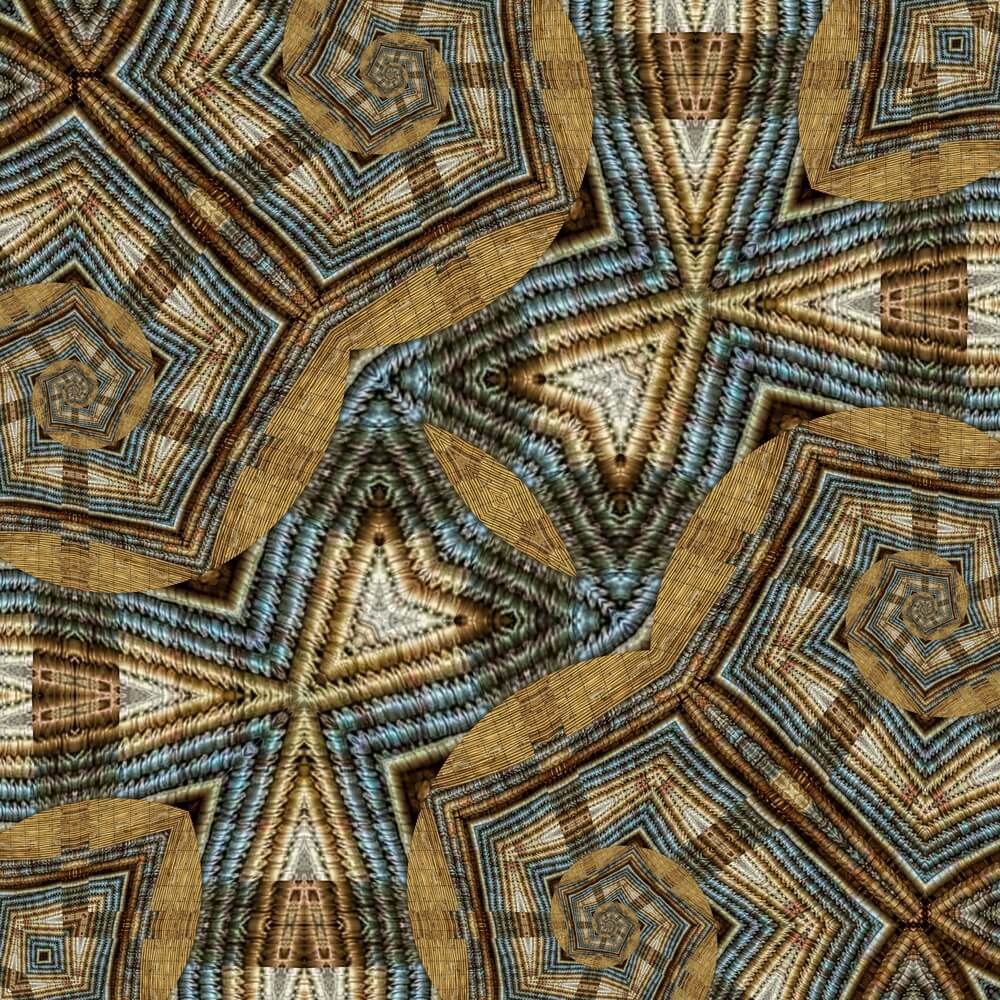
Navajo, or Dine, weavers have produced textiles on upright looms since at least the 1700s, using wool from Navajo-Churro sheep and techniques adapted from Pueblo weaving. Regional styles developed around trading posts, including the deep reds of Ganado and the bold, bordered designs of Teec Nos Pos.
A large, finely woven rug can take many months to finish, and the best examples sell for thousands of dollars. Weavers today range from elders who card and spin their own wool to younger artists experimenting with contemporary designs, and community programs work to keep the knowledge moving between generations.
Black-on-Black Pottery of San Ildefonso
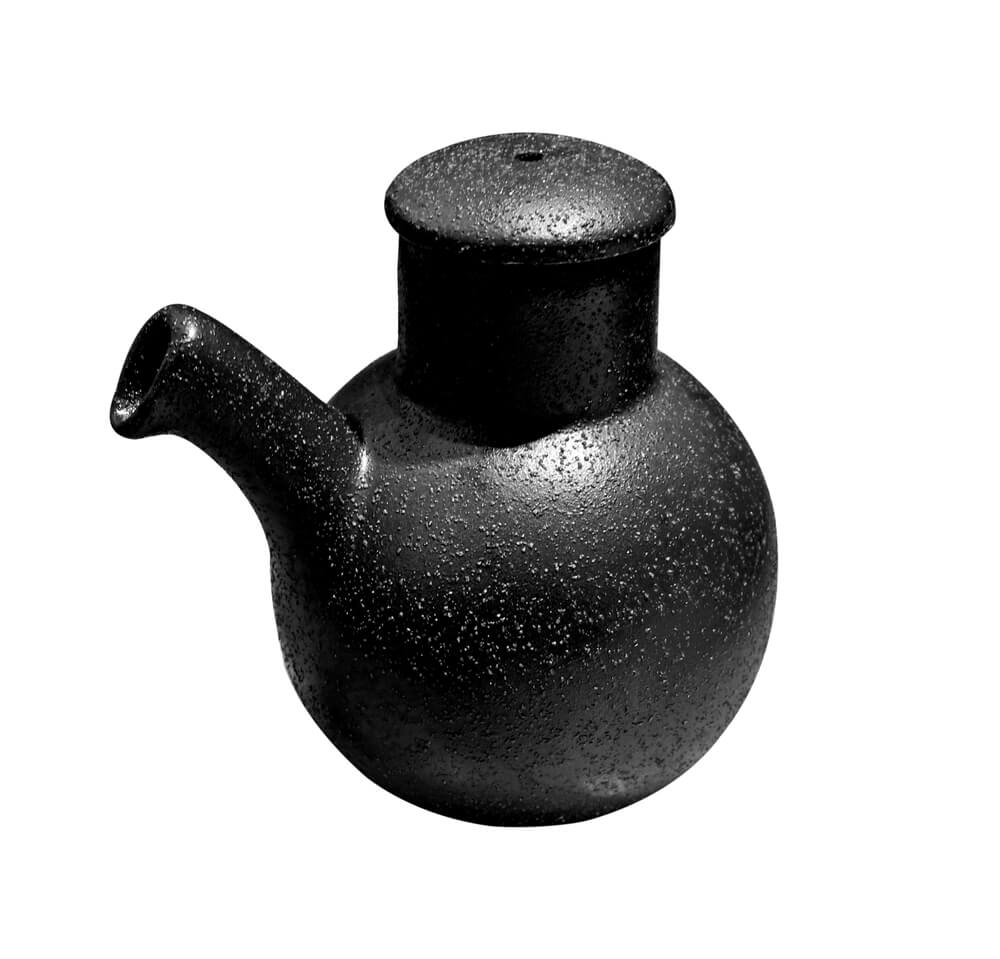
Pueblo potters have built vessels by hand from coiled clay for many centuries, and each pueblo has its own clays, shapes and designs. At San Ildefonso Pueblo in New Mexico, Maria Martinez and her husband Julian developed a famous black-on-black style around 1919, polishing pots to a high shine with smooth stones and painting matte designs before smothering the fire to turn the clay black.
Their work brought international attention to Pueblo ceramics. Maria’s descendants and many other families still make pottery the traditional way, without a wheel, firing in outdoor fires fueled by wood or dried dung.
Totem Poles of the Northwest Coast
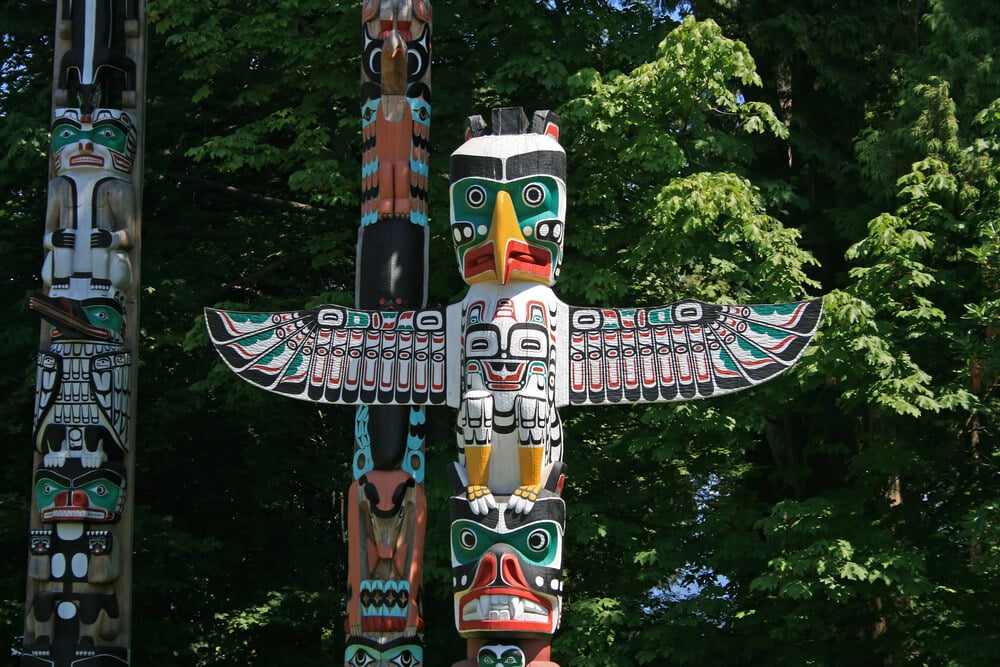
Carved cedar poles have long recorded family histories, crests, events and obligations among Northwest Coast peoples, including the Haida, Tlingit, Tsimshian and Kwakwaka’wakw. Canada banned the potlatch ceremonies associated with many poles from 1885 to 1951, and pole raising declined for decades.
A revival brought master carvers and apprentices back to the craft. In 2013, Haida carvers raised the Legacy Pole in Gwaii Haanas, the first new pole raised in that area in about 130 years.
Large poles still take months to carve and are raised by community members hauling on ropes, sometimes hundreds of people at once.
Chilkat Weaving
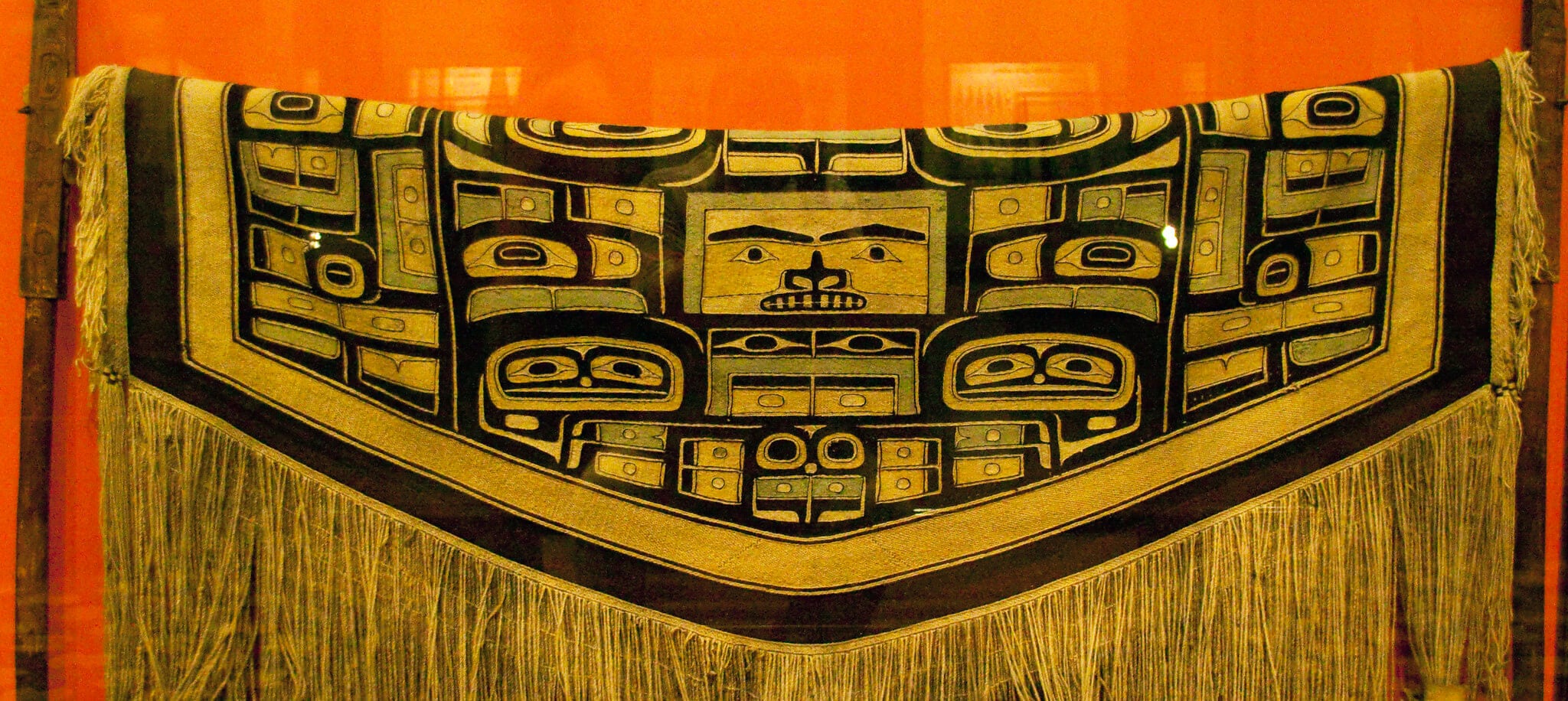
Chilkat weaving, developed by the Tlingit and neighboring peoples of southeast Alaska and British Columbia, is one of the most complex textile techniques in the world. Weavers twine mountain goat wool around a warp of cedar bark fibers, creating curved formline designs that most loom weaving cannot produce.
A single ceremonial robe can take a year or more to complete. By the late twentieth century, only a handful of weavers knew the technique, and teachers such as Jennie Thlunaut passed it on to a new generation.
Today a growing community of Chilkat and Ravenstail weavers keeps the practice alive.
Porcupine Quillwork
Long before glass beads arrived, Plains and Woodlands peoples decorated clothing, bags and cradleboards with porcupine quills. Artists soften the quills, often by holding them in the mouth, then flatten them and dye them with plant materials or, later, commercial dyes.
Quills can be wrapped, folded, sewn or plaited into intricate patterns. The technique is unique to North America because the North American porcupine lives only there.
Quillwork declined after beads became widely available, but Lakota, Ojibwe, Cree and other artists continue the practice and teach workshops in their communities.
Glass Beadwork of the Plains and Woodlands
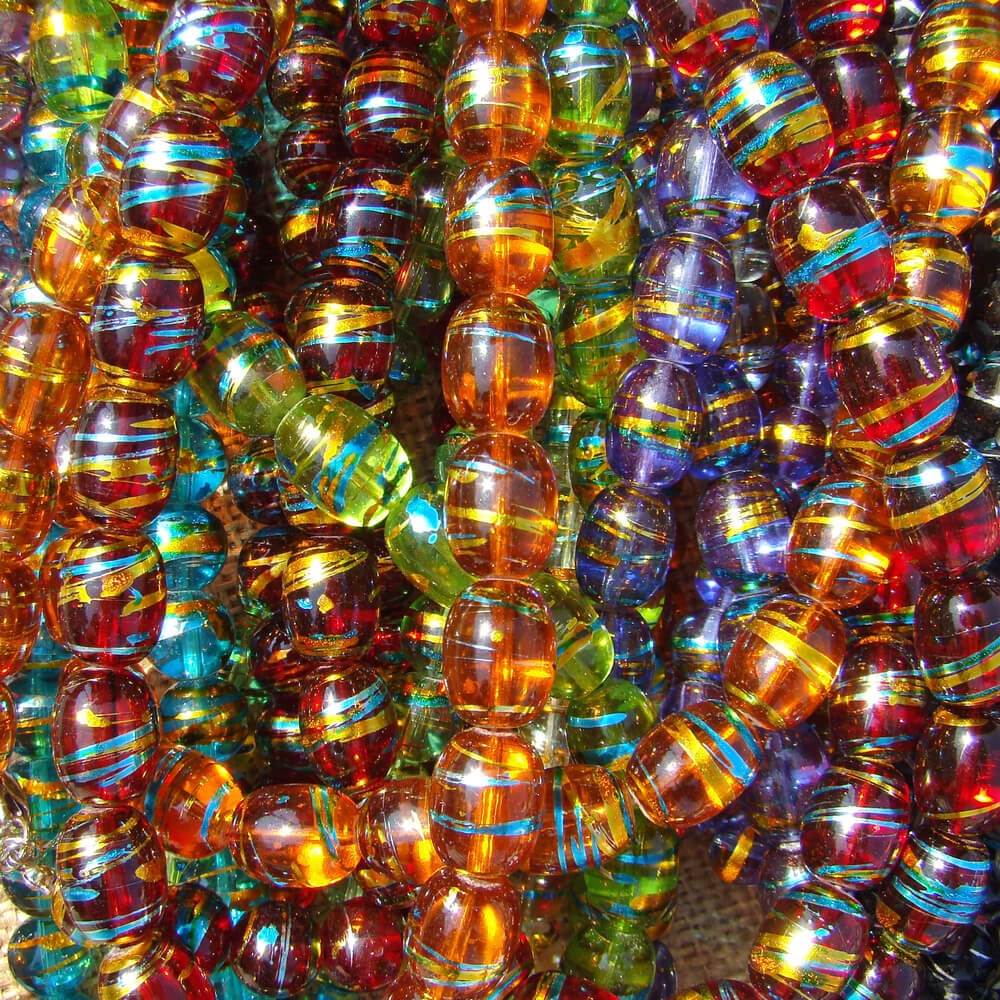
Glass beads reached North America through European trade, and Native artists turned them into one of the most recognizable art forms on the continent. Plains artists developed lazy stitch, sewing short rows of beads that create bold geometric patterns, while Great Lakes artists favored flowing floral designs.
Bandolier bags, moccasins, dance regalia and medallions all showcase the work. Contemporary beadworkers create everything from earrings to beaded sneakers and fine art pieces shown in museums.
Tiny Czech seed beads remain a favorite material, and powwows across North America are among the best places to see the range of styles.
Birchbark Biting
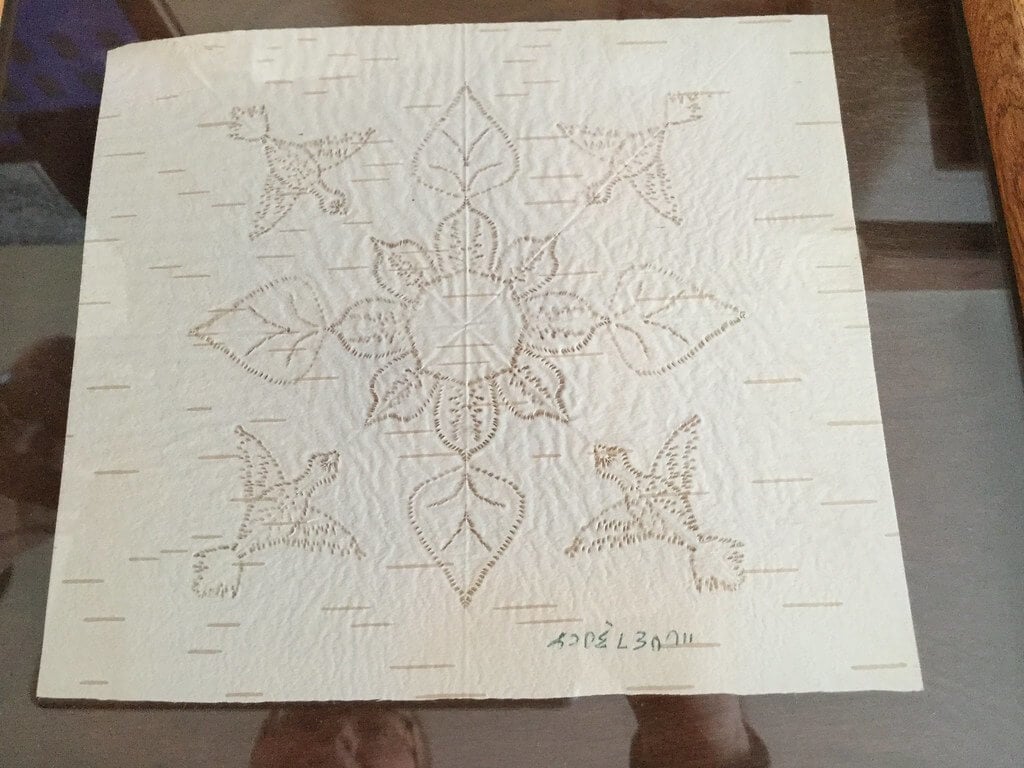
Birchbark biting is one of the rarest Indigenous art forms in North America. Artists peel a thin layer of birchbark, fold it into halves or quarters, and bite designs into it with their eyeteeth, producing symmetrical patterns of flowers, insects and animals when the bark is unfolded.
Cree and Ojibwe women practiced it, sometimes as a way to create patterns for beadwork. Angelique Merasty, a Cree artist from Manitoba, became the best-known practitioner in the late twentieth century and helped keep it alive.
Only a small number of artists practice it today, and their pieces are collected by museums.
Hopi Katsina Carving
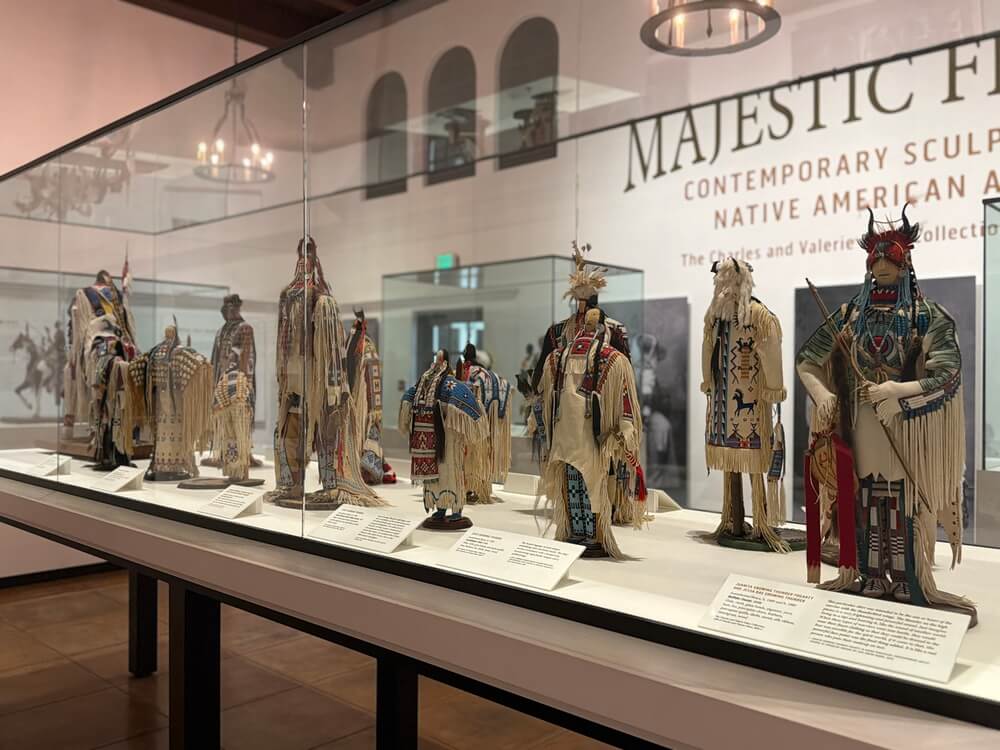
Hopi carvers make katsina figures, often called kachina dolls, from the roots of cottonwood trees. Each figure represents one of the many katsinam, spirit beings who visit Hopi villages during ceremonial seasons.
Traditionally, katsina figures are given to Hopi girls to teach them about the spirits. Carvers use knives, rasps and paints, and modern carvers often produce highly detailed sculptures from a single piece of root.
The figures became popular with collectors in the twentieth century, and Hopi artists continue to carve them for both ceremonial and market purposes, debating among themselves what should and should not be sold.
Zuni Fetish Carving
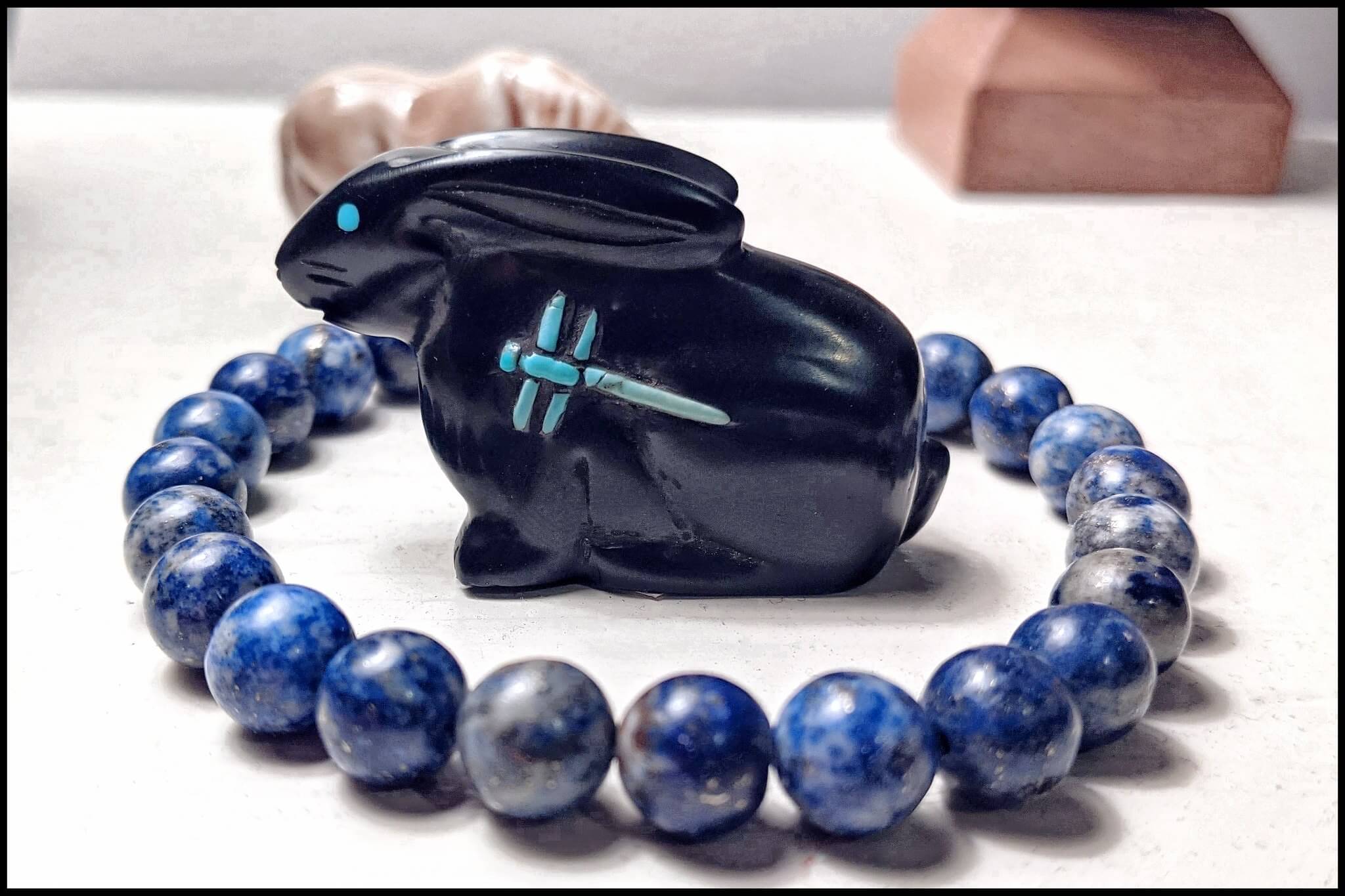
Zuni carvers create small animal figures, called fetishes, from stone, shell, antler and other materials. In Zuni tradition, certain animals guard the six directions, and carved figures can carry spiritual meaning for their owners, sometimes with a small bundle of offerings tied to their backs.
Common subjects include bears, mountain lions, badgers, wolves, eagles and moles. Zuni carvers sell their work through trading posts and galleries, and family carving traditions often span several generations.
The finest pieces use the natural color and pattern of the stone to suggest fur or feathers.
Navajo Silversmithing
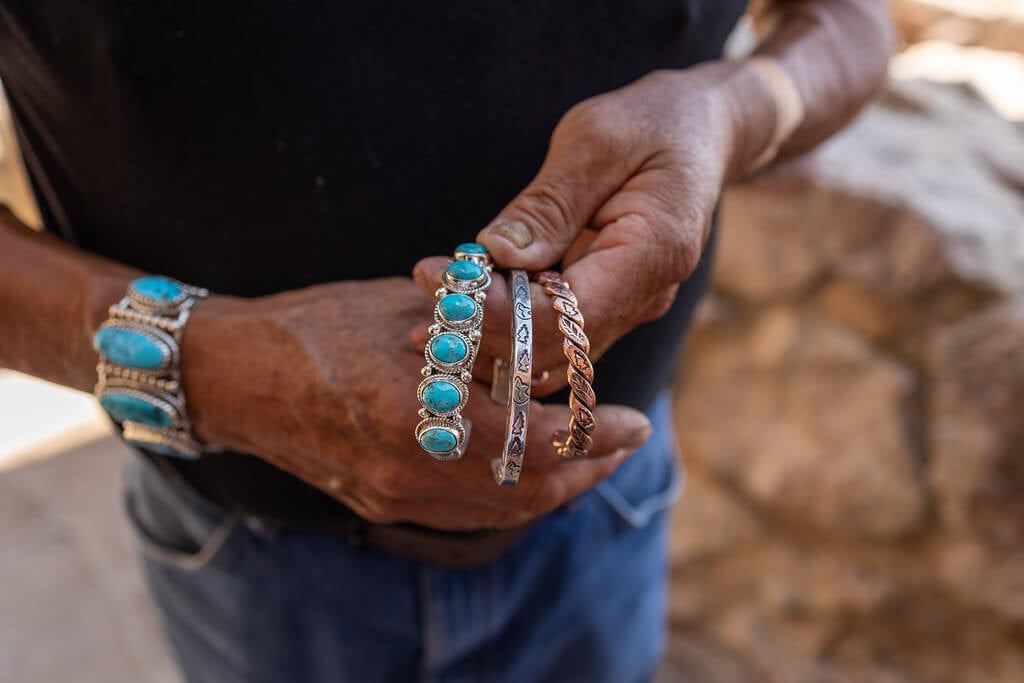
Navajo silversmithing developed in the mid-1800s, when a smith known as Atsidi Sani learned metalworking from Mexican craftsmen and passed the skill to others. Early pieces were made from melted coins and later from sheet silver, decorated with stamped designs.
Turquoise settings became popular in the late 1800s, helped by the tourist trade along the railroads. The squash blossom necklace, with its crescent-shaped naja pendant, became one of the most recognized designs in American jewelry.
Navajo smiths today work in both traditional and contemporary styles, often hand-stamping silver with tools they make themselves.
Cherokee Rivercane Basketry
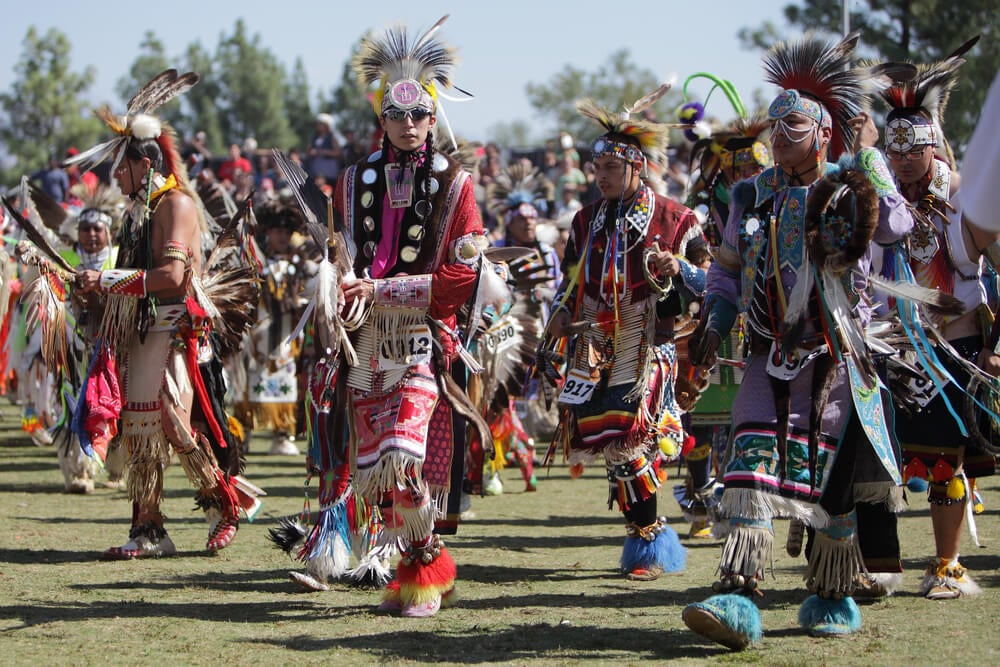
Eastern Cherokee basket makers weave baskets from rivercane, a native bamboo that grows along southeastern streams. Makers split the cane into thin strips, dye some with natural materials such as black walnut and bloodroot, and weave complex patterns.
The double-weave technique, which produces a basket with separate inner and outer walls, is especially demanding. Rivercane habitat declined sharply, and the Revitalization of Traditional Cherokee Artisan Resources program works to restore it.
The Qualla Arts and Crafts Mutual in Cherokee, North Carolina, founded in 1946, is often cited as the oldest Native American artists’ cooperative in the country.
Pomo Basketry
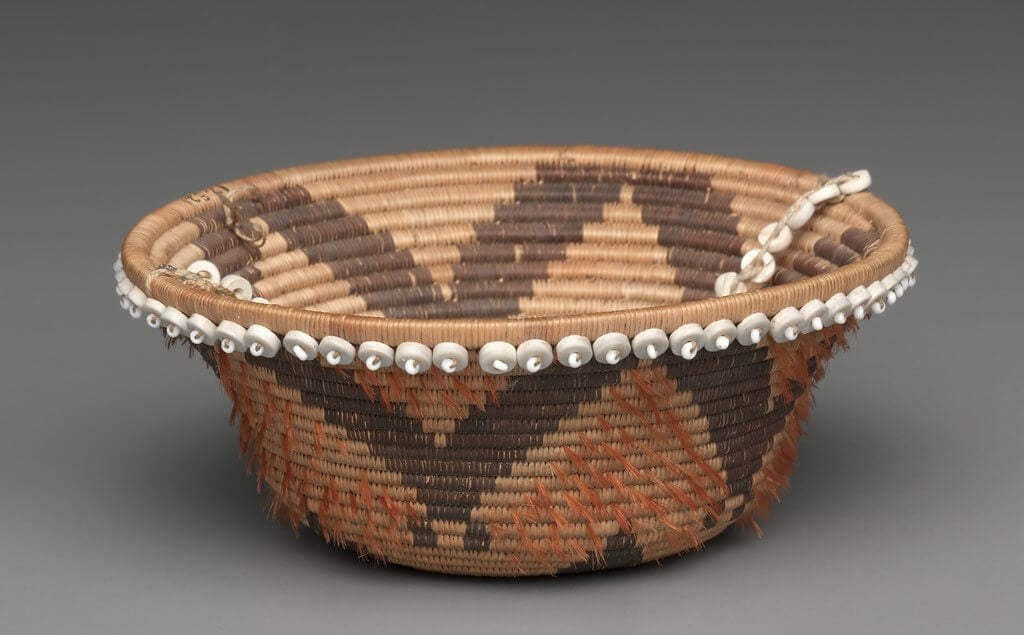
The Pomo peoples of Northern California are famous for some of the finest baskets ever made, coiled or twined from sedge root, willow and bulrush. Some baskets are covered in feathers from woodpeckers, quail, mallards and other birds, and feathered baskets marked important occasions as gifts.
Others are so tiny they fit on a fingertip, with dozens of stitches per inch. Collectors and museums competed for Pomo baskets in the late 1800s and early 1900s.
Weavers such as Mabel McKay helped keep the practice alive through the twentieth century, and Pomo weavers still teach the craft today.
Seminole Patchwork
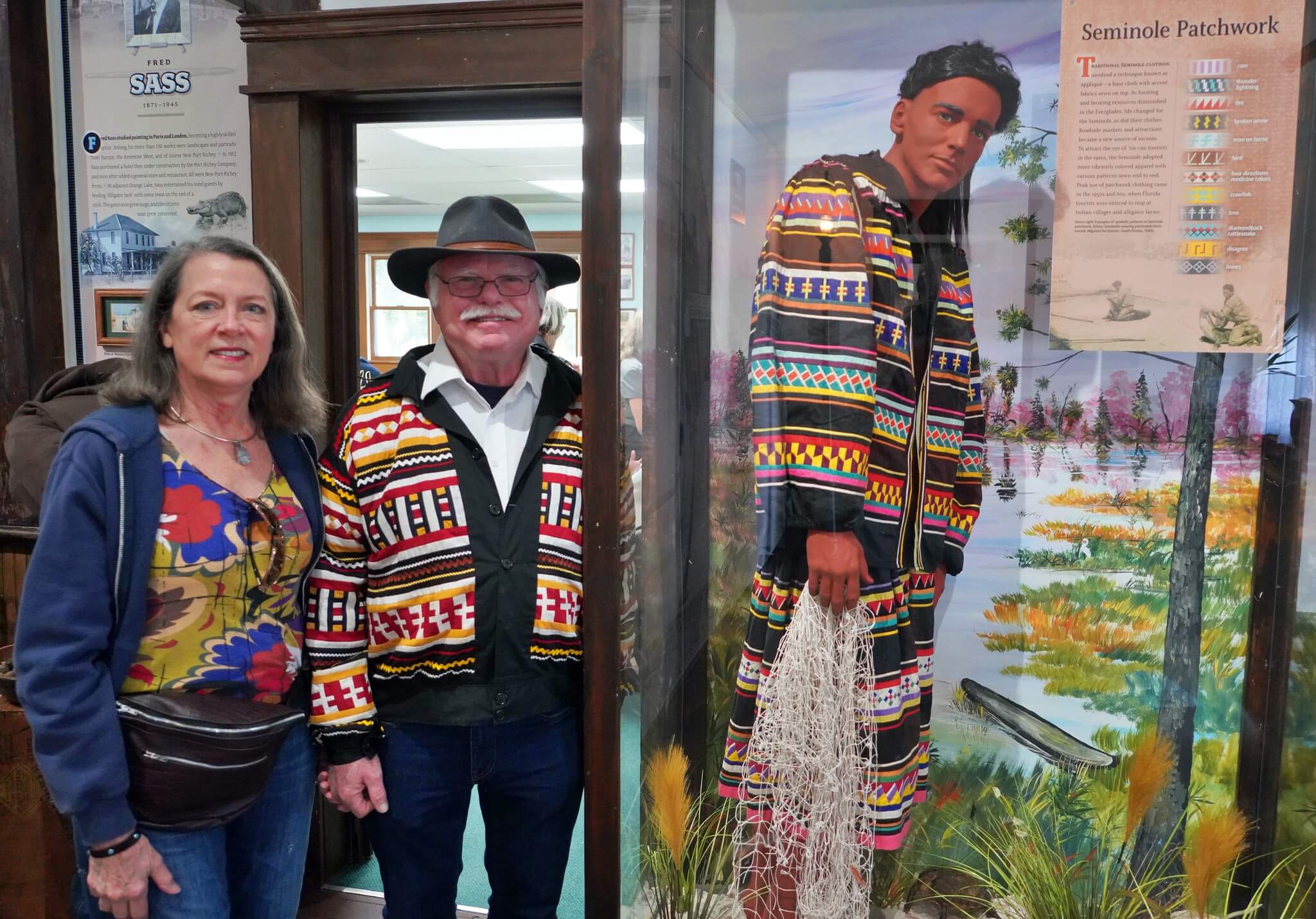
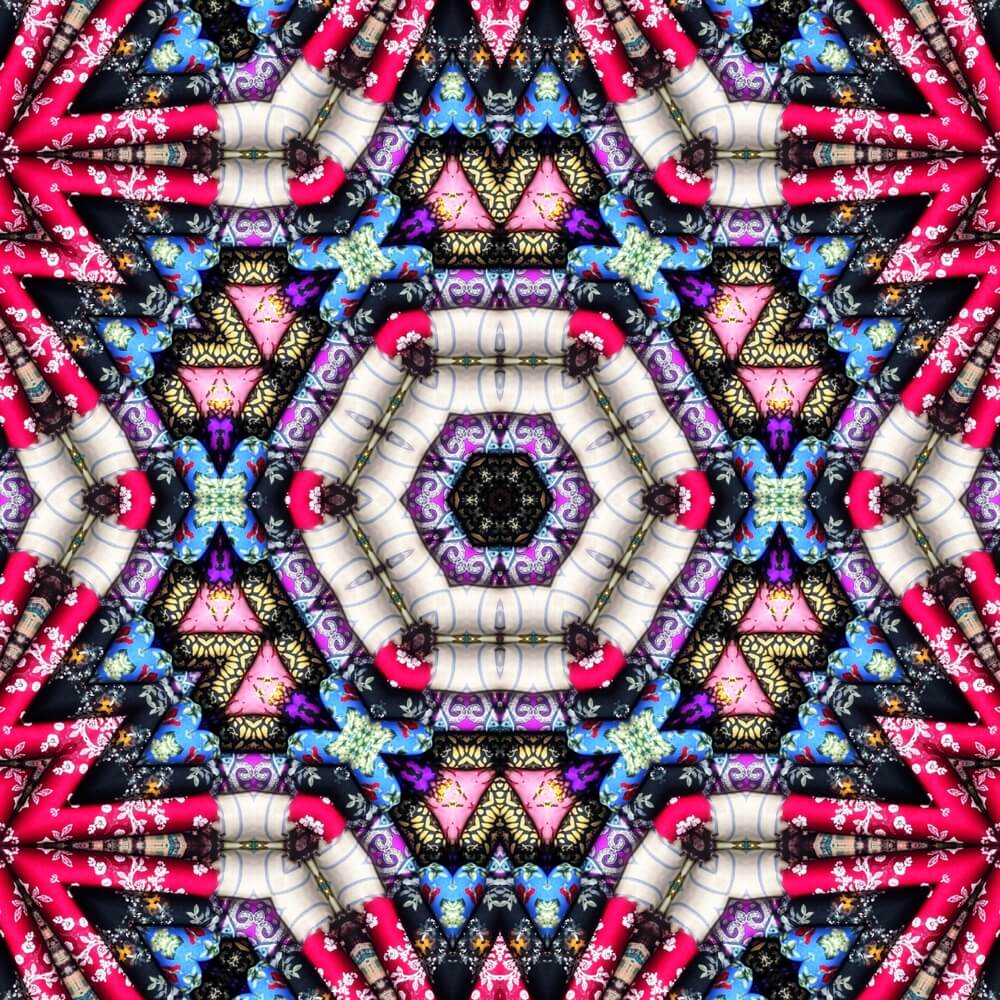
Seminole and Miccosukee women in Florida developed a distinctive patchwork style after hand-cranked sewing machines became available in the early 1900s. They cut colorful fabric into strips, sew the strips together, cut them again into small segments, and reassemble the pieces into bands of tiny geometric designs.
Bands are sewn into skirts, jackets and shirts, sometimes many in a single garment. Patterns carry names such as rain, lightning, fire and arrow.
The style became a signature of Seminole identity and is still made today, both for community members and for sale at festivals and shops.
Inuit Printmaking at Kinngait
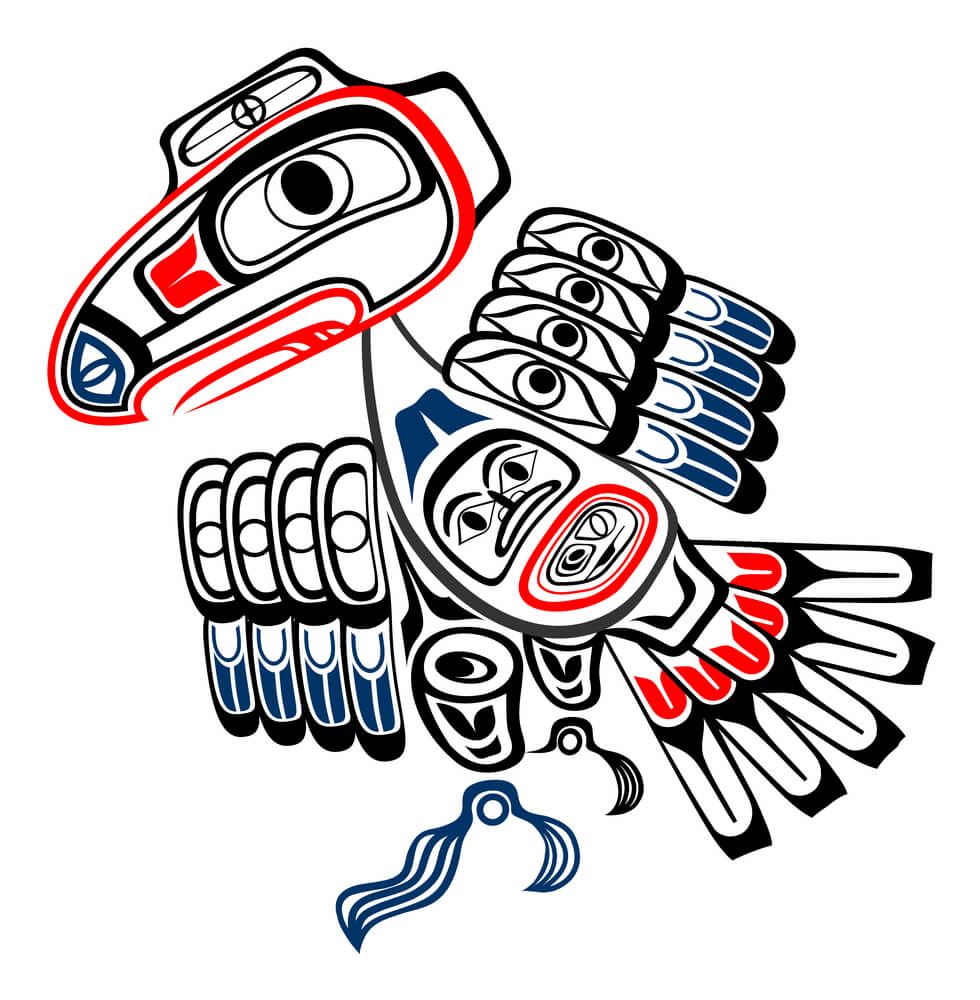
In the late 1950s, Canadian artist James Houston introduced printmaking techniques to Inuit artists in Cape Dorset, now called Kinngait, on Baffin Island. Local artists adapted the methods, carving stone blocks and cutting stencils, and the first annual print collection was released in 1959.
Kenojuak Ashevak’s print The Enchanted Owl, made in 1960, became one of the most famous images in Canadian art and appeared on a Canadian stamp in 1970. Kinngait Studios still release annual print collections, and younger artists have added drawing and contemporary subjects to the tradition.
Papunya Tula Dot Painting
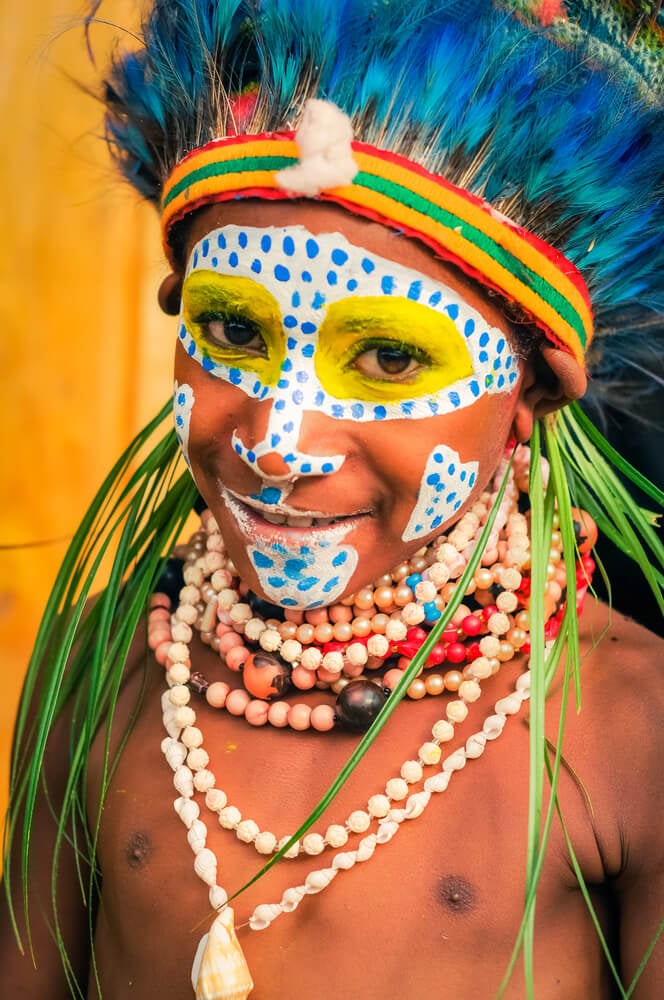
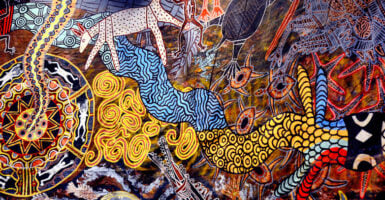
Contemporary Aboriginal dot painting grew from a moment in 1971 at Papunya, a settlement in Australia’s Northern Territory. Teacher Geoffrey Bardon encouraged older men to paint a mural on a school wall, and the Honey Ant Dreaming mural set off a movement.
Artists began painting traditional designs, once made on the ground or on bodies, onto boards and canvas. Dots were used partly to obscure sacred details from outsiders.
Papunya Tula Artists, the company founded in 1972 and owned by Aboriginal artists, still operates today, and dot painting from Central Australia now hangs in major museums worldwide.
Yolngu Bark Painting
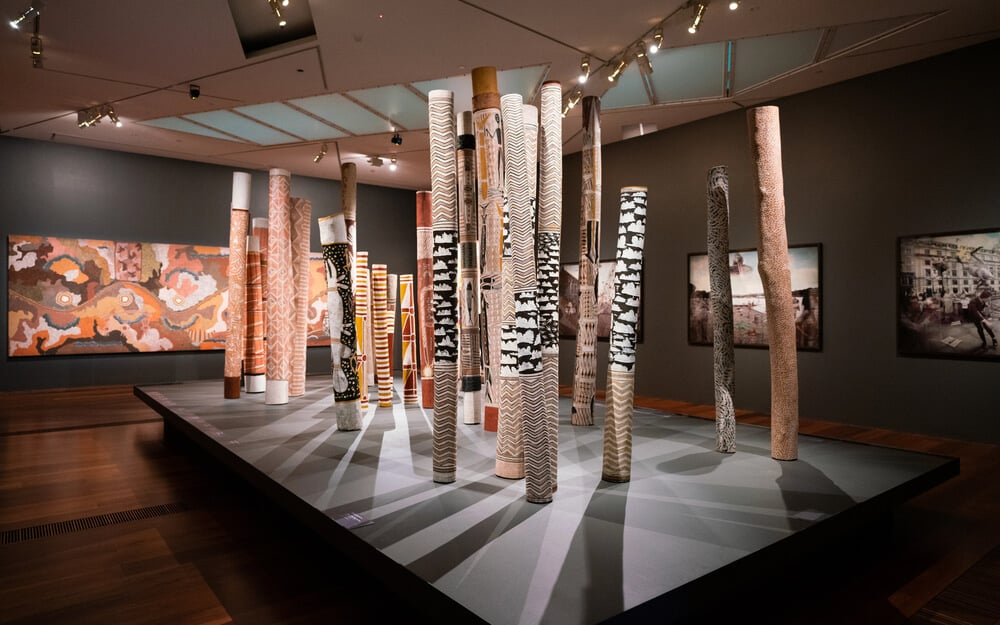
Yolngu artists in northeast Arnhem Land paint on sheets of stringybark, peeled from trees during the wet season, flattened over fire and painted with natural ochres. Fine crosshatched patterns carry clan meanings and identify the families and places a painting belongs to.
In 1963, Yolngu leaders at Yirrkala sent bark petitions to the Australian Parliament protesting a bauxite mine on their land, combining painted clan designs with typed text. The petitions are now considered founding documents of the Indigenous land rights movement in Australia.
Buku-Larrnggay Mulka, the community art center at Yirrkala, still supports bark painters today.
Ta Moko of the Maori
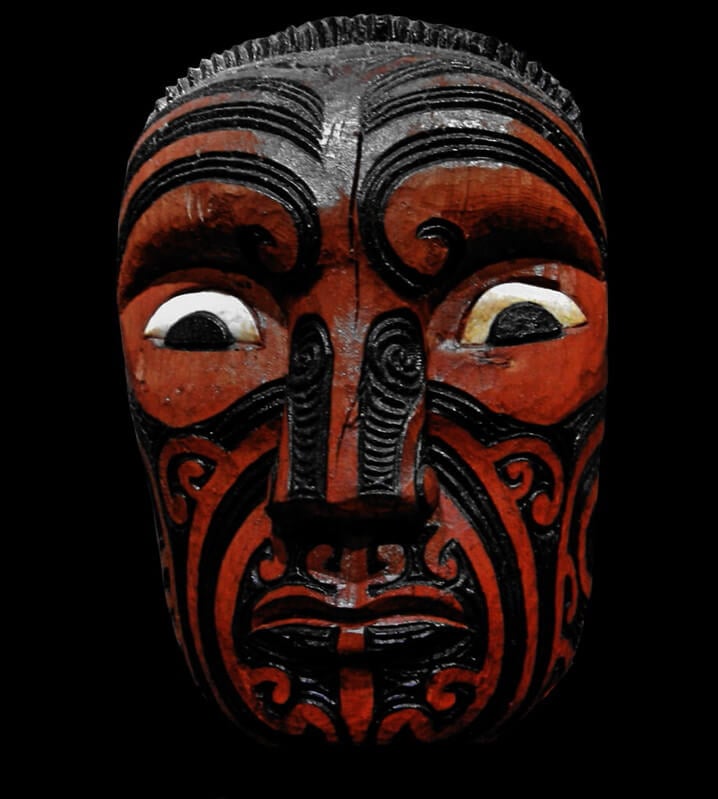
Ta moko is the traditional Maori art of permanent body and facial marking. Unlike most tattooing, it was historically carved into the skin with chisels called uhi, leaving grooved lines.
Designs on the face carry information about ancestry, status and identity. The practice declined under colonial pressure in the 1800s and early 1900s, but a strong revival since the 1990s has brought moko back into public life.
In 2016, Nanaia Mahuta became the first woman member of New Zealand’s Parliament to wear moko kauae, the traditional chin marking for women.
Tapa Cloth of Polynesia
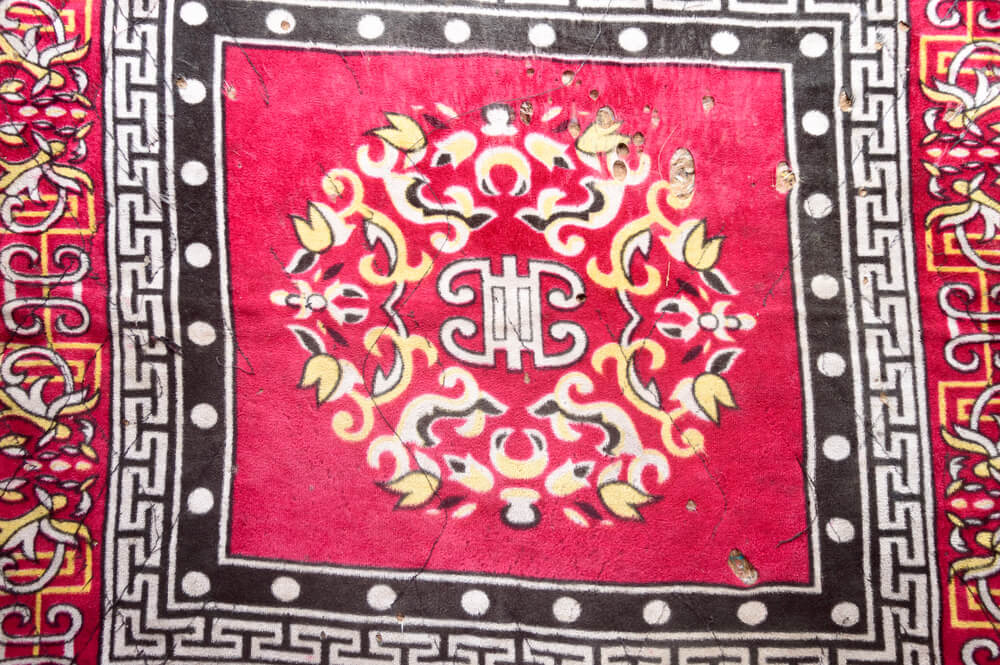
Across Polynesia, people make cloth from the inner bark of the paper mulberry tree, beating it with wooden mallets until thin sheets form and felting them together. The cloth is decorated with stamped, stenciled or painted designs.
In Tonga, ngatu are huge sheets of tapa made by groups of women and presented at weddings, funerals and royal events. Samoa calls it siapo, Fiji masi, and Hawaii kapa.
Hawaiian kapa nearly disappeared in the 1800s, but artists revived it in the late twentieth century through careful study of museum pieces and experiments with traditional tools.
Sami Duodji
Duodji is the Sami term for traditional handicraft, covering knives with reindeer antler handles, carved birch cups called guksi, pewter-thread embroidery, leatherwork and the colorful gakti, the traditional clothing worn across Sapmi, the Sami homeland spanning northern Norway, Sweden, Finland and Russia’s Kola Peninsula. Each region has its own colors and patterns, and an experienced eye can tell where a wearer comes from.
Many objects combine practicality and beauty, such as burl cups that hang from a belt. A protected Duodji label helps buyers recognize authentic Sami-made goods.
Ainu Attush Weaving
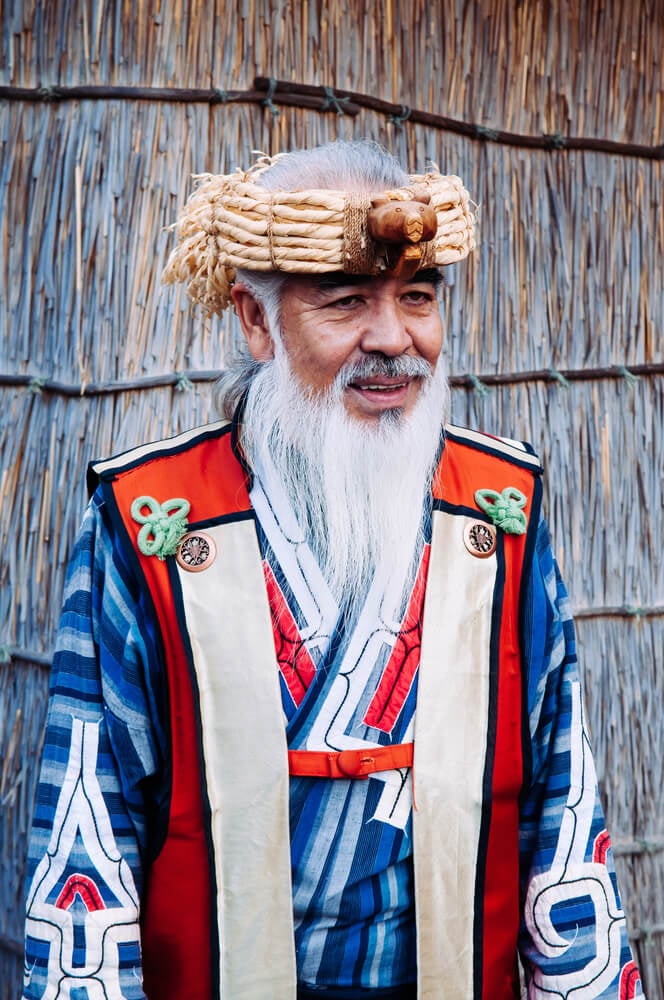
The Ainu, the Indigenous people of Hokkaido in northern Japan, weave attush, a sturdy cloth made from the inner bark fibers of elm trees. Weavers strip the bark, soak it, separate the fibers and weave them on a backstrap loom, then decorate garments with appliqued cloth and bold embroidered patterns believed to protect the wearer.
Japan formally recognized the Ainu as an Indigenous people in a 2019 law. Craftspeople in Nibutani, in the town of Biratori, continue to produce attush, and the cloth has been designated an official traditional craft of Japan.
Guna Molas
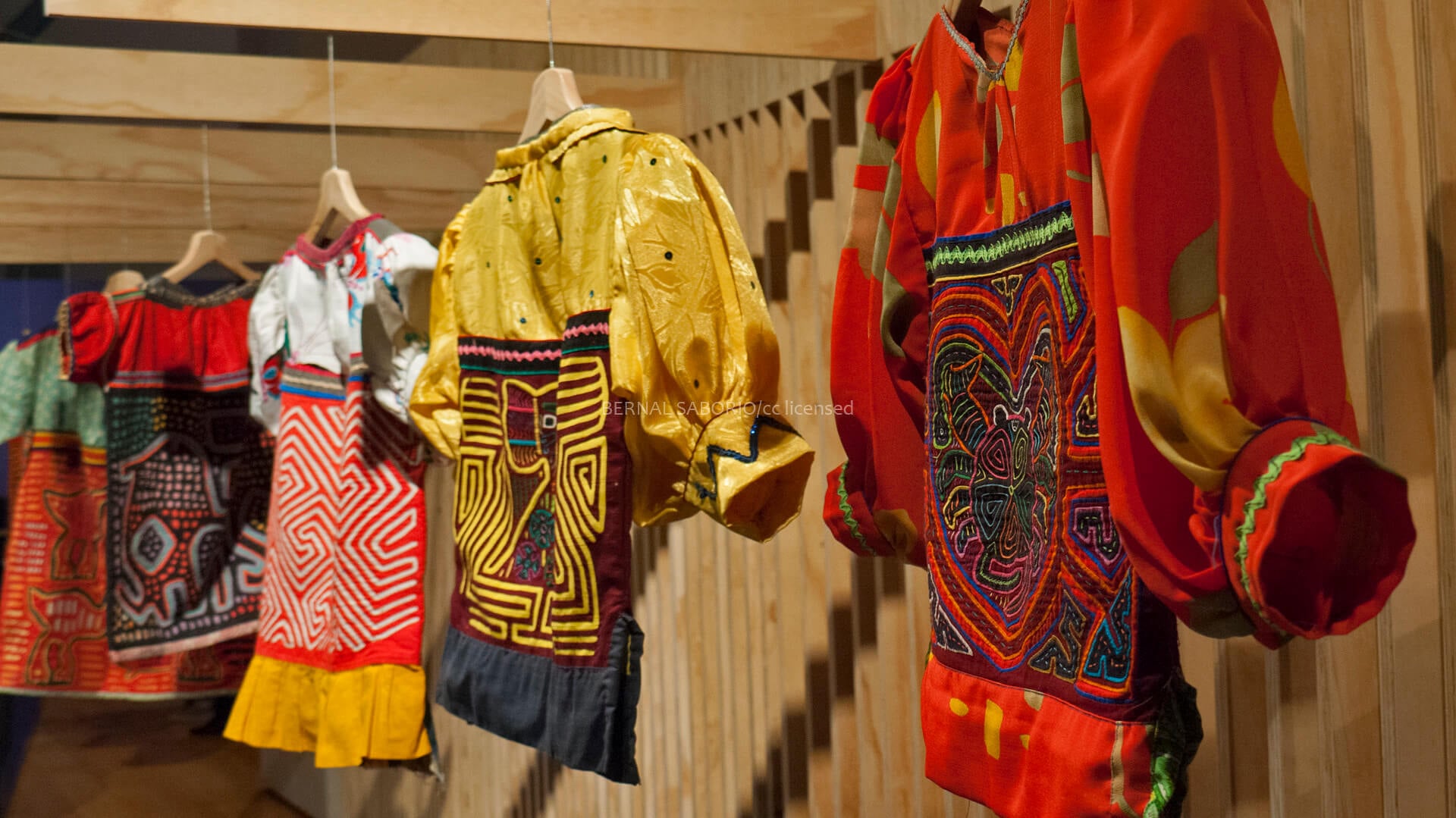
Guna women of Panama and Colombia create molas, panels of layered cloth cut and sewn in a technique called reverse applique. Several layers of colored fabric are stacked, and the artist cuts through the top layers to reveal colors beneath, folding and stitching the edges by hand.
The panels decorate the front and back of women’s blouses. Designs range from geometric patterns to animals and everyday scenes.
Molas are closely tied to Guna identity, and the 1925 Guna Revolution against Panamanian authorities was partly sparked by attempts to ban traditional dress. Many Guna women still wear molas every day.
Wixarika Yarn Painting
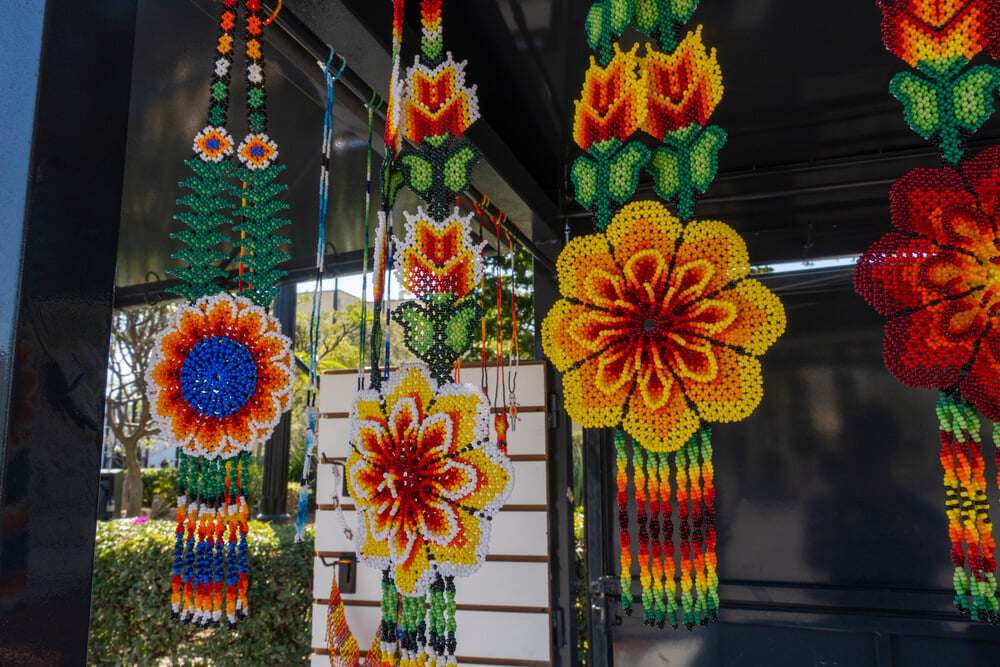
Wixarika, or Huichol, artists in western Mexico press brightly colored yarn into boards coated with beeswax, creating dense, luminous images. The technique grew from nierika, ceremonial objects used in pilgrimages and offerings, and commercial yarn paintings developed in the mid-twentieth century.
Designs depict deer, corn, peyote, the sun and figures from Wixarika cosmology. Wixarika artists also cover masks, jaguar heads and other carved figures with tiny glass beads pressed into wax.
The annual pilgrimage to Wirikuta, a sacred desert in San Luis Potosi, continues to inspire the imagery.
Hoop Dance
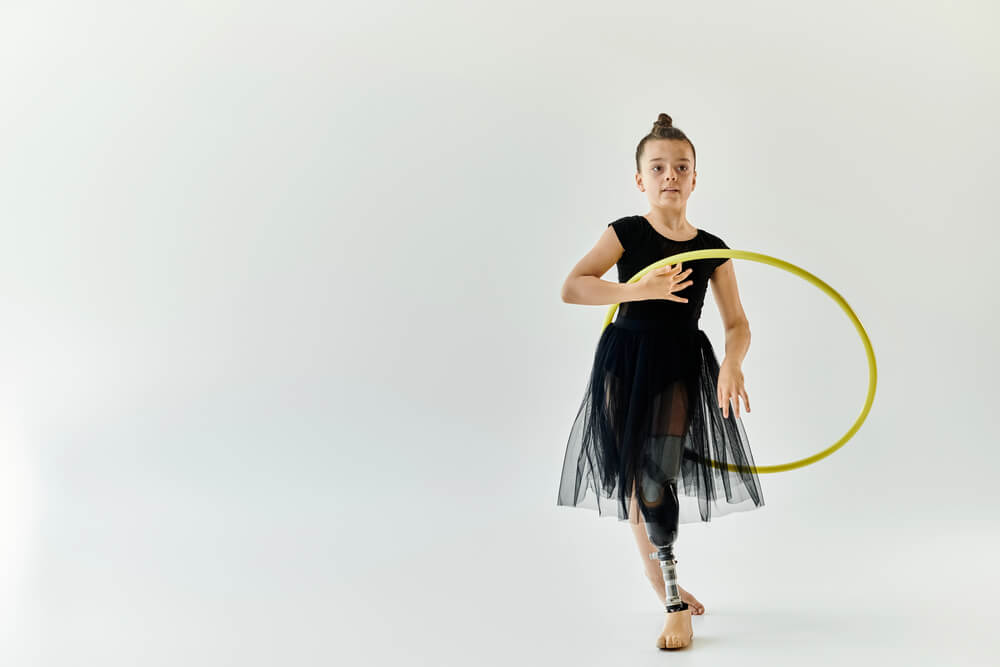
Hoop dancing combines storytelling, athleticism and design. A dancer uses a set of hoops, sometimes dozens, interlocking them while dancing to form shapes such as eagles, butterflies, flowers and a globe.
Several nations have hoop dance traditions, and the modern competitive form grew from performances in the twentieth century. The Heard Museum in Phoenix has hosted the World Championship Hoop Dance Contest since 1991, drawing dancers from across the United States and Canada.
Judges score precision, timing, showmanship and creativity, and many dancers begin competing as young children.
Inuit Throat Singing
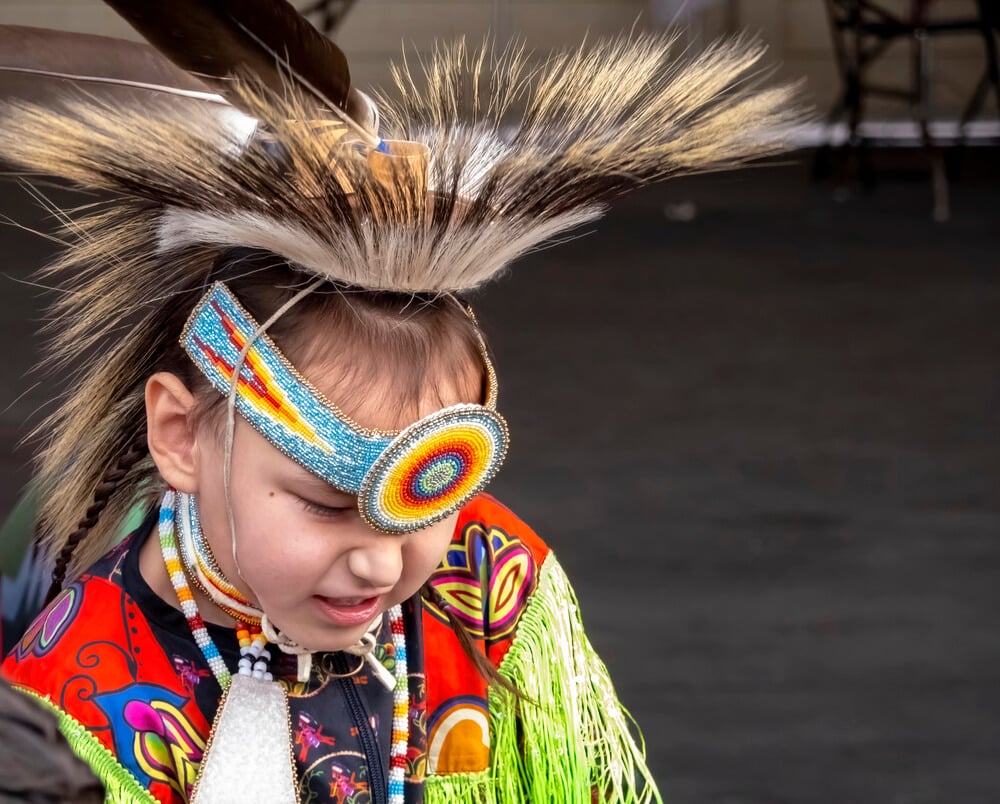
Inuit throat singing, known as katajjaq in parts of northern Quebec, is traditionally performed by two women facing each other. They alternate rhythmic sounds made with the throat and breath, and the first to laugh or run out of breath loses.
Missionaries discouraged the practice for decades. Elders kept it alive, and a revival brought it back to schools and stages.
In 2014, Quebec designated katajjaq as intangible cultural heritage, among the first designations of its kind under the province’s heritage law. Artists such as Tanya Tagaq have carried the sound into contemporary music.
Ledger Art
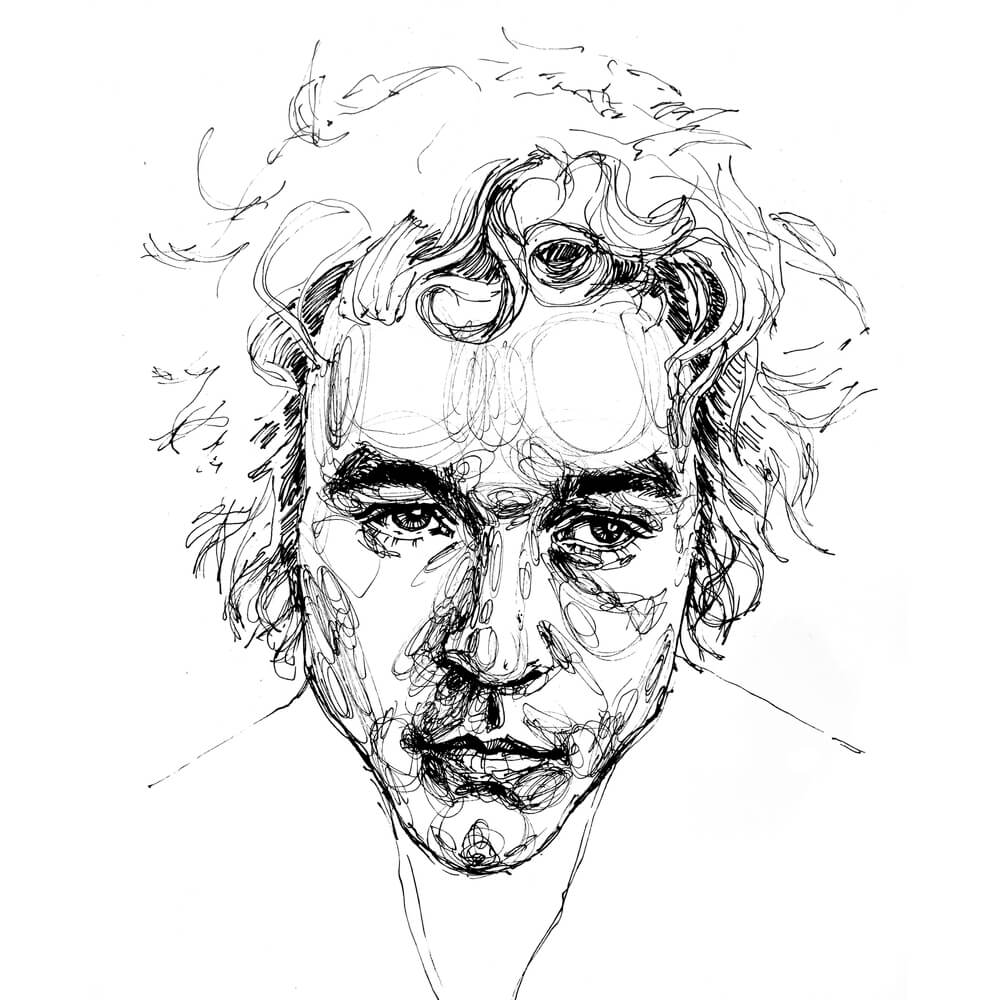
In the second half of the 1800s, Plains warriors and artists took up drawing in the ruled account books that traders and soldiers carried, continuing a tradition of pictorial history once painted on hides. Among the best known are drawings made by Cheyenne, Kiowa and other prisoners held at Fort Marion in St. Augustine, Florida, from 1875 to 1878.
The drawings show battles, courtship, ceremonies and life in captivity. Contemporary Native artists have revived ledger art since the late twentieth century, often drawing on antique ledger pages, land deeds and maps to connect past and present.
Wabanaki Black Ash Baskets
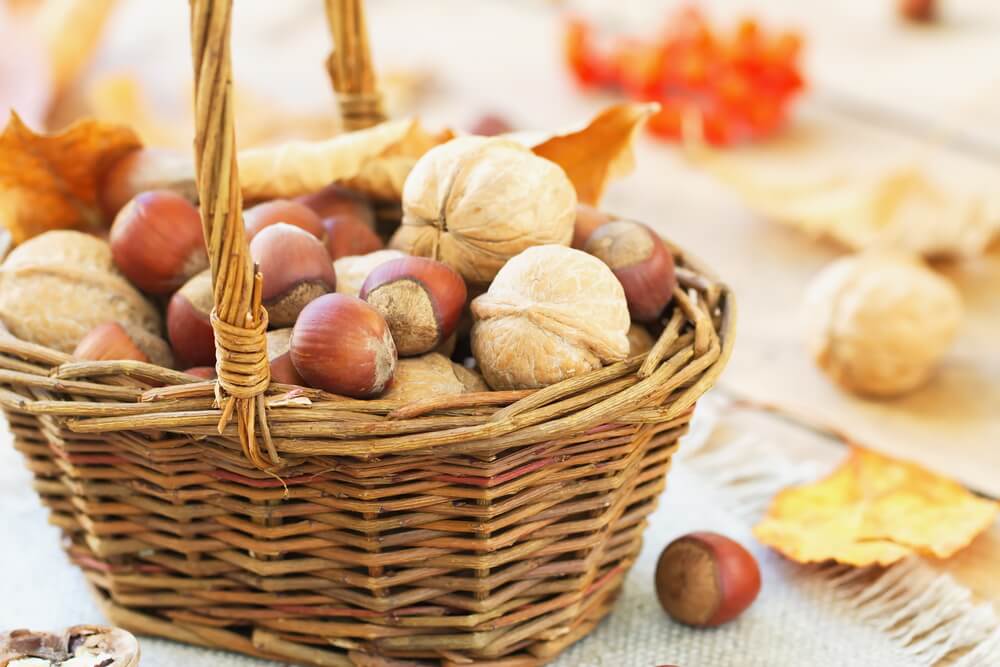
Wabanaki basket makers in Maine and the Maritime provinces, including the Penobscot, Passamaquoddy, Maliseet and Mi’kmaq, weave baskets from black ash. Makers pound a log until its annual growth rings separate into flexible splints, then weave them, often with sweetgrass, into fancy baskets, sturdy pack baskets and intricate decorative pieces.
The Maine Indian Basketmakers Alliance, founded in 1993, helped revive the craft by connecting elders and young weavers. Today the emerald ash borer, an invasive beetle, threatens black ash trees, and basket makers are working with scientists to collect seeds and protect the trees.
Hands That Keep Knowledge Moving
Nearly every art form on this list survived at least one serious attempt to end it. Laws banned ceremonies, schools punished languages, and markets flooded with cheap imitations, yet weavers, carvers and singers kept teaching.
Revival was rarely automatic, and it usually depended on a few people who refused to let a skill vanish. These practices carry more than decoration.
A basket pattern, a chin marking or a painted bark can hold genealogy, law and land claims in a form that outsiders easily mistake for ornament. Buying directly from Native artists and Indigenous-owned cooperatives is one of the simplest ways to make sure the knowledge keeps supporting the people who hold it.
More from Go2Tutors!

- The Romanov Crown Jewels and Their Tragic Fate
- 13 Historical Mysteries That Science Still Can’t Solve
- Famous Hoaxes That Fooled the World for Years
- 15 Child Stars with Tragic Adult Lives
- 16 Famous Jewelry Pieces in History
Like Go2Tutors’s content? Follow us on MSN.