26 Historical Events Left Out of Most Textbooks
School curricula compress centuries into semester-long surveys, leaving countless pivotal moments to gathering dust in academic journals and regional histories. While textbooks emphasize wars, elections, and great discoveries, they systematically exclude events that destabilized narratives or challenged comfortable assumptions.
Some of these forgotten events reshaped continents; others prevented catastrophes that never materialized. Generations of students graduate without encountering these stories—not because they lacked importance, but because their importance threatened to complicate the simplified versions offered in school.
The Lost Colony of Roanoke (1585-1590, Complete Mystery)
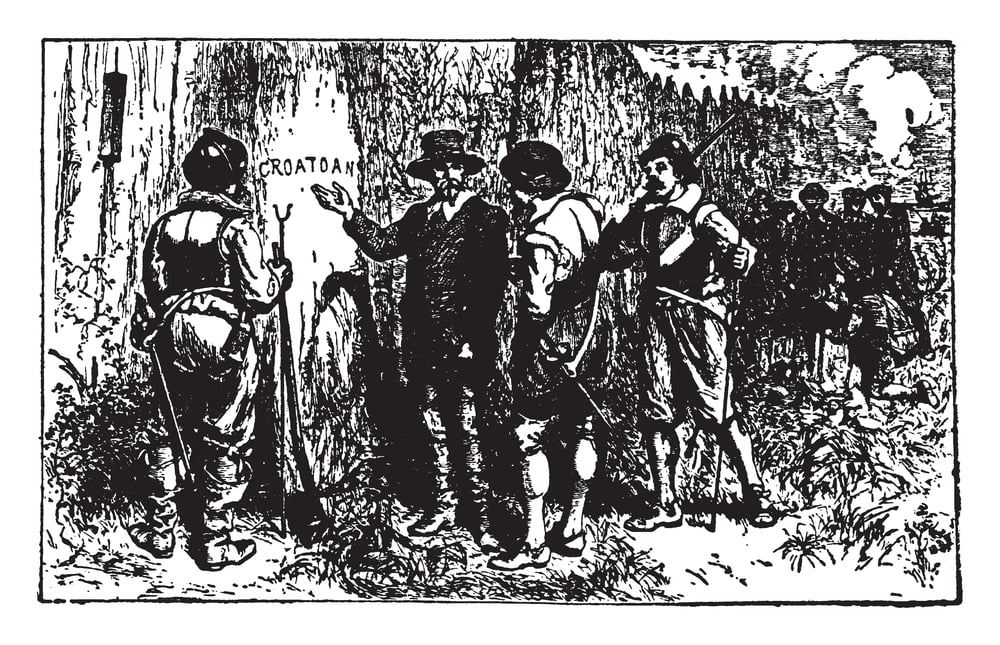
English settler John White returned to Roanoke in 1590 to find the colony vanished without struggle. Houses had been dismantled deliberately, signaling no panic, yet colonists had disappeared.
Only the word “CROATOAN” remained carved into a fence post—a clue historians still debate. The complete mystery of 117 colonists and their fate has never been solved, yet most textbooks mention Roanoke only in passing, if at all.
The Acadian Expulsion (1755-1763, Ethnic Cleansing)

French-speaking Acadians, expelled from their lands by British forces during the Seven Years’ War, were forcibly displaced with losses similar in percentage to the Trail of Tears. Families were set adrift on vessels without sails, compasses, or provisions—a diaspora that scattered thousands across continents.
Despite the catastrophic loss of life and cultural displacement, American history curricula rarely mention this foundational ethnic cleansing.
The 1918 Influenza Epidemic (675,000 American Deaths)

The 1918 influenza pandemic killed approximately 675,000 people in the United States and millions worldwide—yet most American history curricula barely acknowledge its existence. In Philadelphia alone, nearly 5,000 people died in a single week in October.
Historians attribute the pandemic’s erasure partly to its coincidence with World War I, which dominated public attention and textbook space.
Elizabeth Jennings Graham’s Bus Protest (1855, Pre-Civil Rights)
A century before Rosa Parks refused to move to a segregated section of a bus in Montgomery, schoolteacher Elizabeth Jennings Graham became the first Black woman to ride a whites-only streetcar in New York in 1855. She challenged segregation on public transportation, faced arrest, and won her case in court.
Yet her name remains virtually unknown, overshadowed by later figures.
The Tulsa Race Massacre (1921, 300+ Deaths, Covered Up)
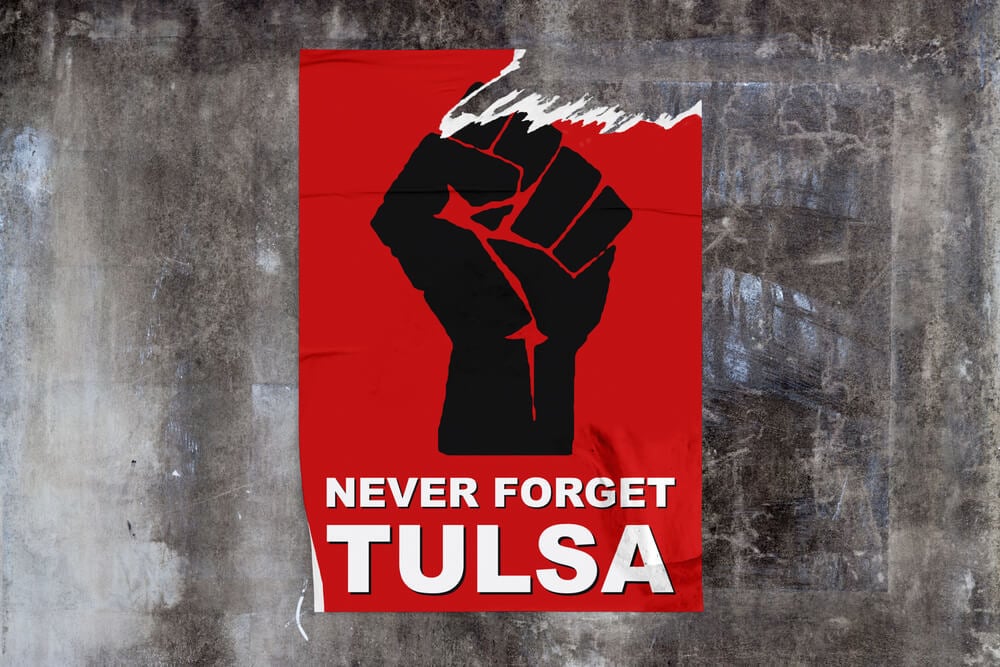
A thriving Black commercial district in Tulsa, Oklahoma, was destroyed by white mobs in 1921. Official death tolls recorded 36 people; historians estimate deaths may have reached 300.
The massacre was deliberately covered up by city officials, and a bill requiring Oklahoma high schools to teach about the riot failed to pass in 2012. Decades passed before textbooks began acknowledging this erasure.
The 1920 Wall Street Bombing (Unsolved Terrorist Attack)
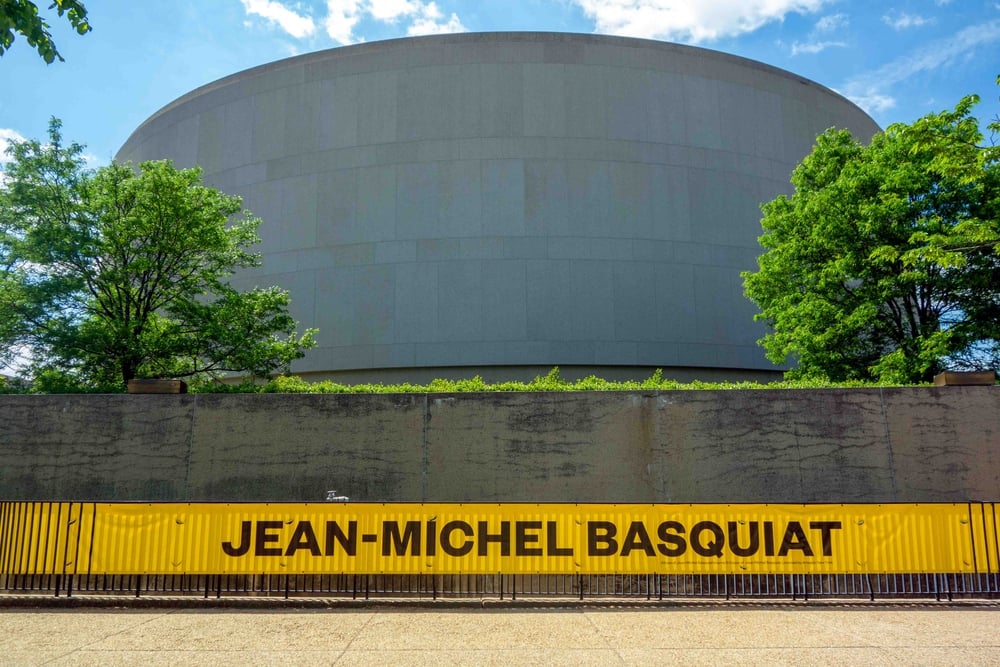
A massive explosion detonated outside the J.P. Morgan headquarters on Wall Street on September 16, 1920, killing dozens and injuring hundreds. It remains “one of the worst acts of terrorism in American history,” yet remains unsolved. Theories implicate Italian anarchists, but no one has ever been convicted, and the bombing receives minimal attention in history curricula.
The Black Tom Explosion (1916, Suspected Sabotage)
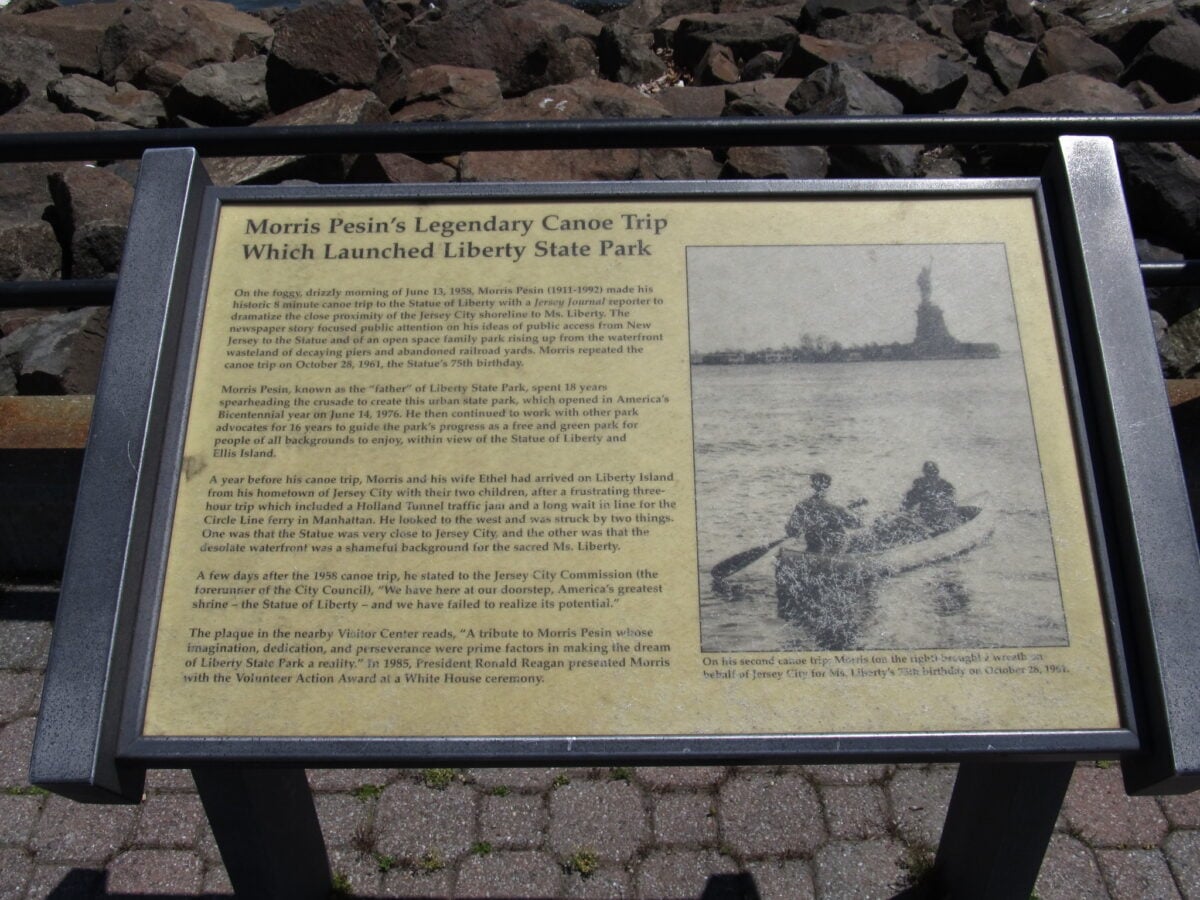
Photo by Ken Lund, via Flickr. Licensed under CC BY-SA 2.0
Before Pearl Harbor, the 1916 Black Tom explosion—detonating munitions stored on a New Jersey pier—damaged the Statue of Liberty, shattered windows in Times Square, and was felt in Maryland. The blast killed dozens and remains controversial; historians debate whether German saboteurs or accident caused it.
The incident receives almost no coverage in American textbooks.
Pope Gregory IX and the Black Plague (1233, Indirect Causation)
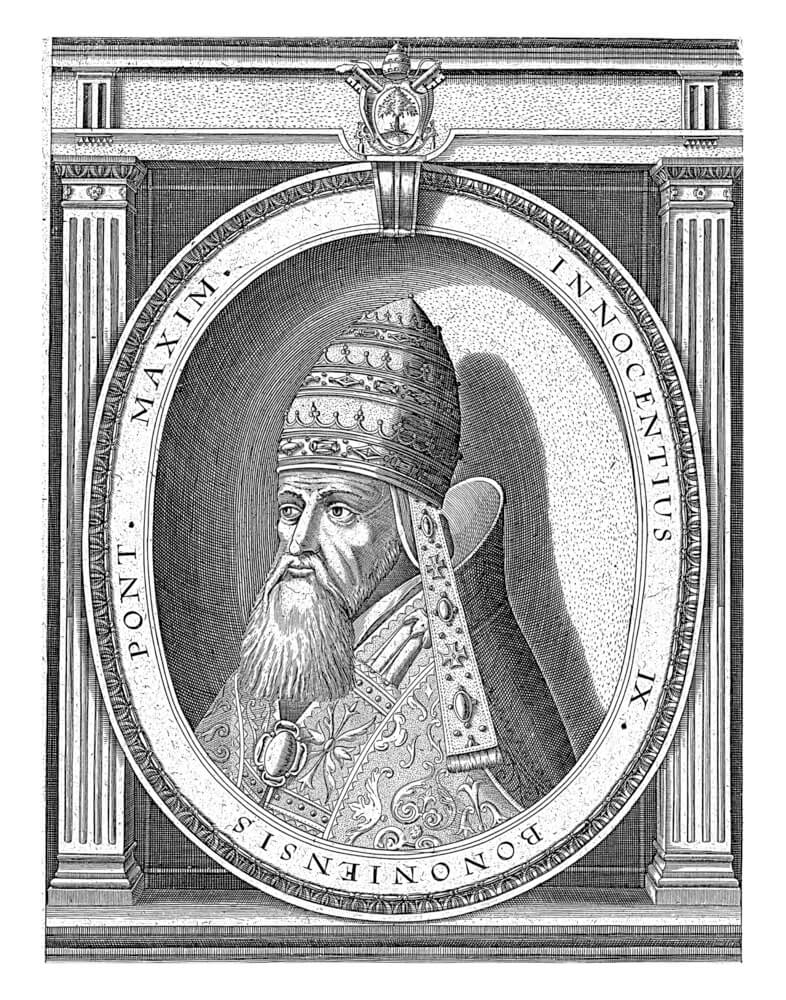
Pope Gregory IX, hating cats, decreed in 1233 that black cats were incarnations of the Devil and called for their elimination. The extermination of cats—natural predators of rats—indirectly contributed to the explosion of the rat population, enabling the fleas carrying bubonic plague to proliferate unchecked.
The pope’s vendetta inadvertently accelerated a pandemic that killed millions, yet this causal chain remains unknown to most students.
The Trail of Tears Eastern Front (Cherokees, Choctaws, Seminoles, 1831-1850)
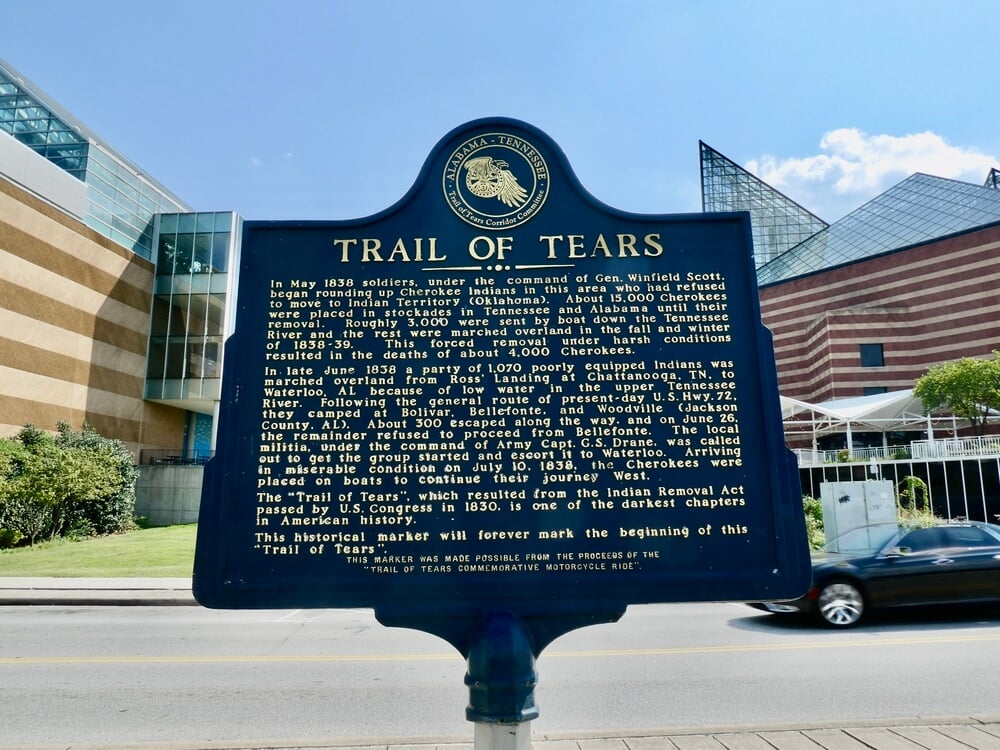
While most textbooks mention the Trail of Tears, they compress multiple forced migrations of different tribes into a single narrative. The Chickasaw, Choctaw, Cherokee, Creek, and Seminole nations each experienced separate forced relocations with devastating casualties.
The complete story—involving multiple deportations, diverse tribes, and varied death tolls—exceeds the space textbooks allocate.
The Quaker Protest Against Slavery (1688, First Organized Opposition)

Long before the nineteenth-century abolitionist movement, Quakers wrote the first organized protest against slavery in America in 1688. This foundational moral challenge to slavery, emerging centuries before abolition, receives minimal attention in curricula that treat abolitionism as an invention of the nineteenth century.
The Stonewall Riots (1969, LGBTQ History Begins Here)
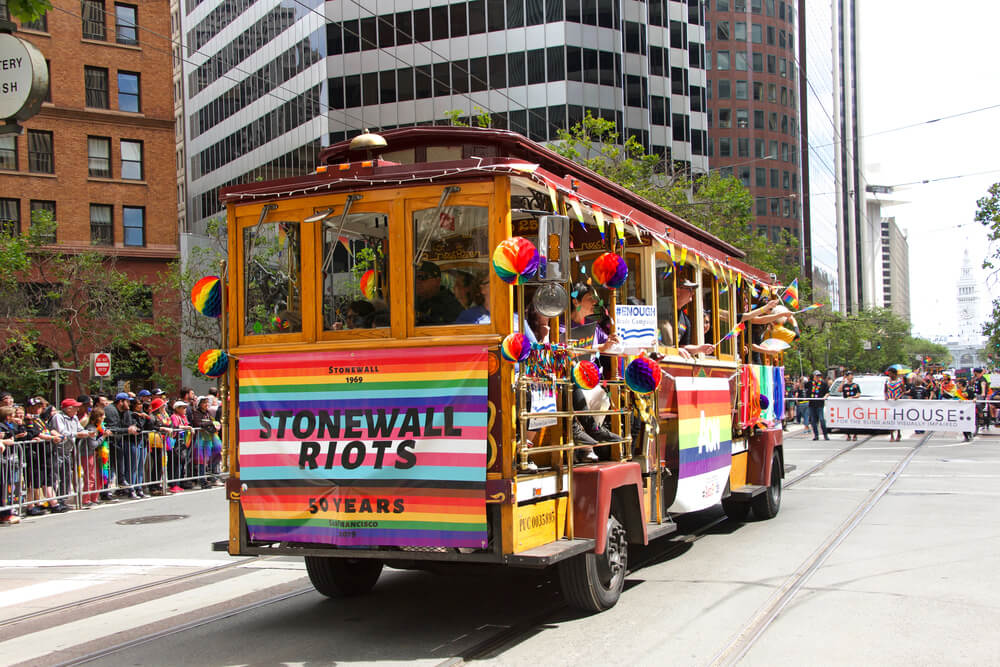
The uprising at the Stonewall Inn in 1969, sparked by police raids against gay patrons, initiated the modern gay rights movement. Yet textbooks frequently omit or minimize Stonewall, treating LGBTQ history as a late-twentieth-century invention.
The riots represented the most visible queer resistance to state oppression, yet curricula often overlook this foundational moment.
The Cultural Revolution (1966-1976, 200+ Million Affected)
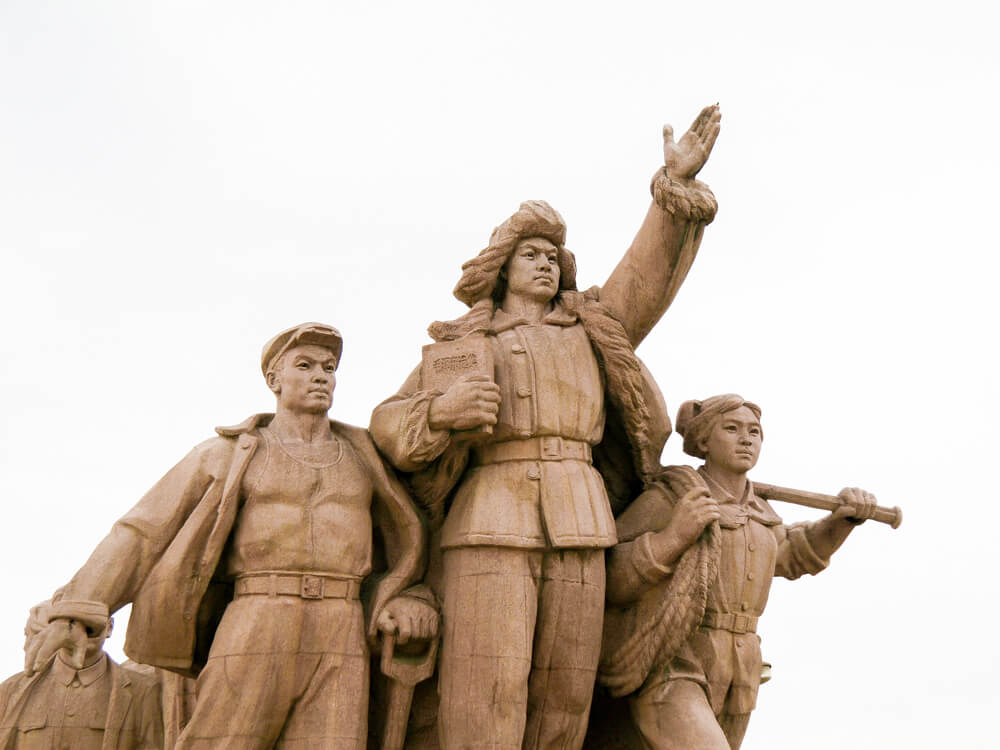
China’s Cultural Revolution, initiated by Mao Zedong in 1966 to renew communist spirit, devastated the nation. Intellectuals, soldiers, and minorities were killed; millions were forced into rural labor camps.
The disruption of education and culture affected an entire generation, yet most American textbooks minimize or omit this event entirely.
The Khmer Rouge Genocide (1975-1979, 1.7 Million Deaths)
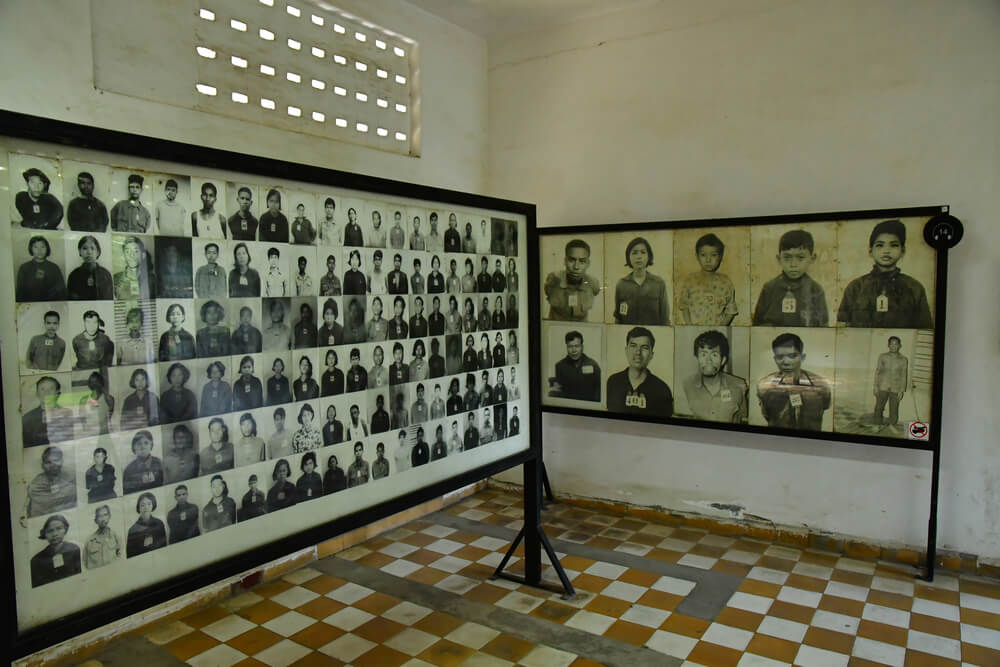
U.S. support for Cambodian strongman Lon Nol and American bombing campaigns allowed the communist Khmer Rouge to gain power, ultimately killing approximately 1.7 million Cambodians—roughly one in five. The genocide represents one of the most catastrophic consequences of American Cold War policy, yet remains minimized in most curricula, overshadowed by Vietnam War narratives.
The Partition of India (1947, 1-2 Million Deaths, Mass Displacement)
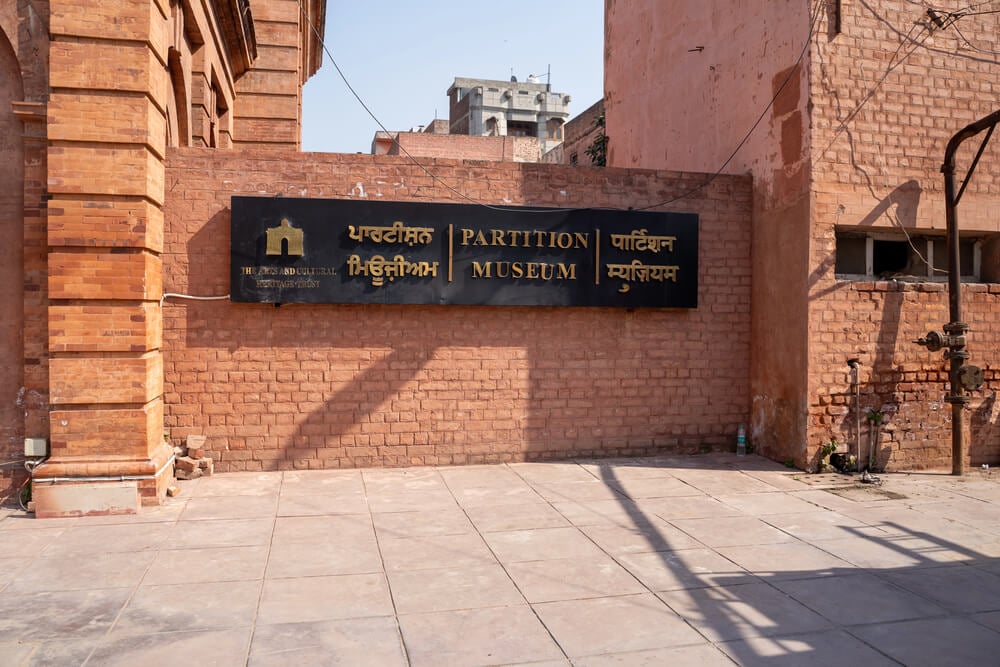
The partition of India into independent India and Pakistan in 1947 generated mass displacement and violence killing an estimated 1 to 2 million people. Millions more fled their homes, creating refugee crises.
This foundational event of twentieth-century decolonization receives minimal attention in American textbooks, despite reshaping global politics.
The Onion Futures Market Manipulation (1955, Why Onions Are Illegal)

Two entrepreneurs completely cornered the onion market and flooded it with onions, artificially destroying prices. The manipulation was so egregious that Congress passed the Onion Futures Act, making onion futures trading illegal—the only commodity futures contract prohibited by U.S. law.
This bizarre but consequential event gets excluded from economics and history curricula alike.
Nixon’s Family Assistance Program (Universal Basic Income Proposal, 1969)
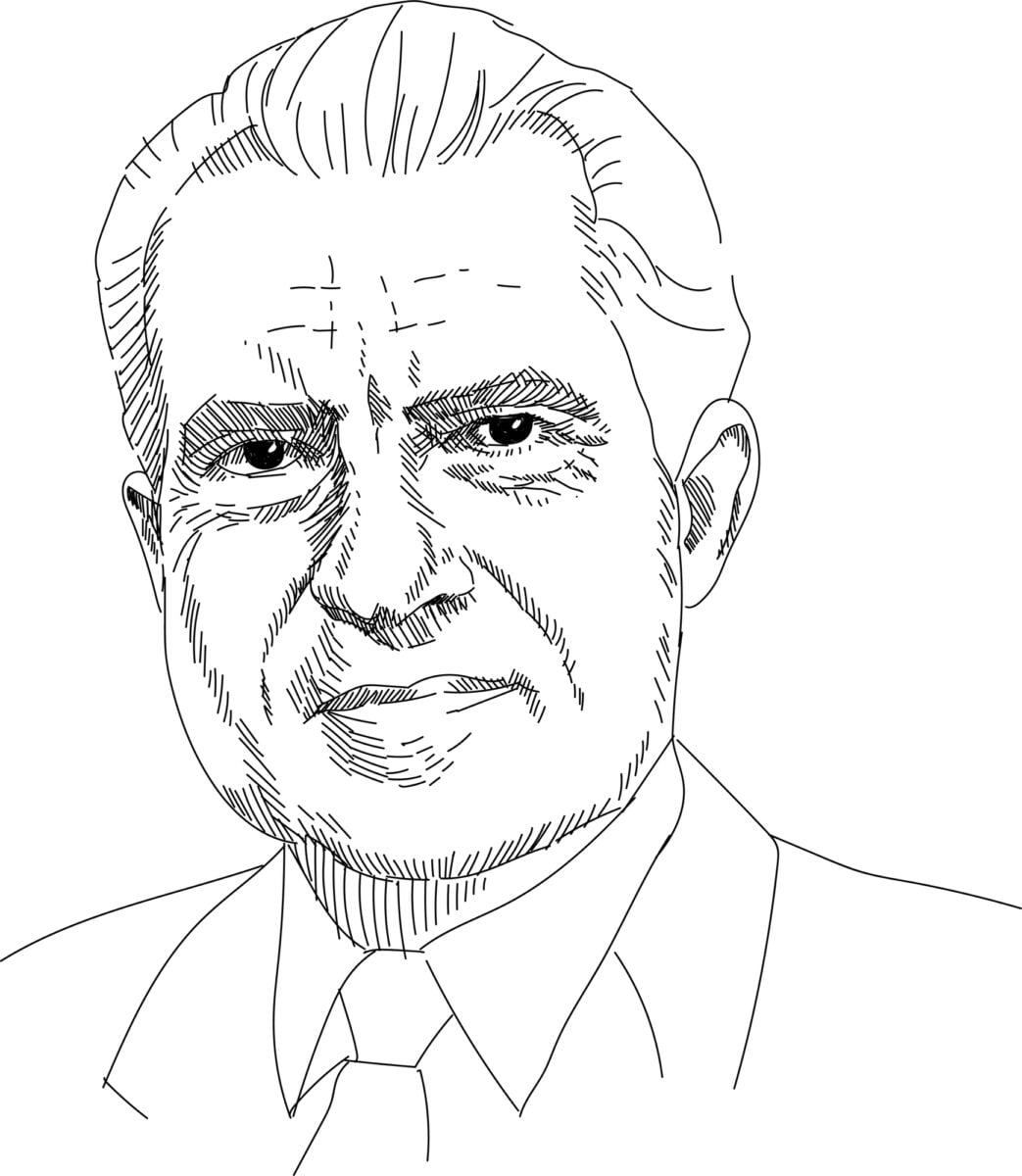
President Richard Nixon proposed the Family Assistance Program, a negative income tax that would have provided universal basic income to all Americans. The program passed the House but failed in the Senate, yet its existence challenges modern assumptions about welfare policy.
Most textbooks omit this significant policy debate.
The Eastern Front of World War II (90% of German Casualties)
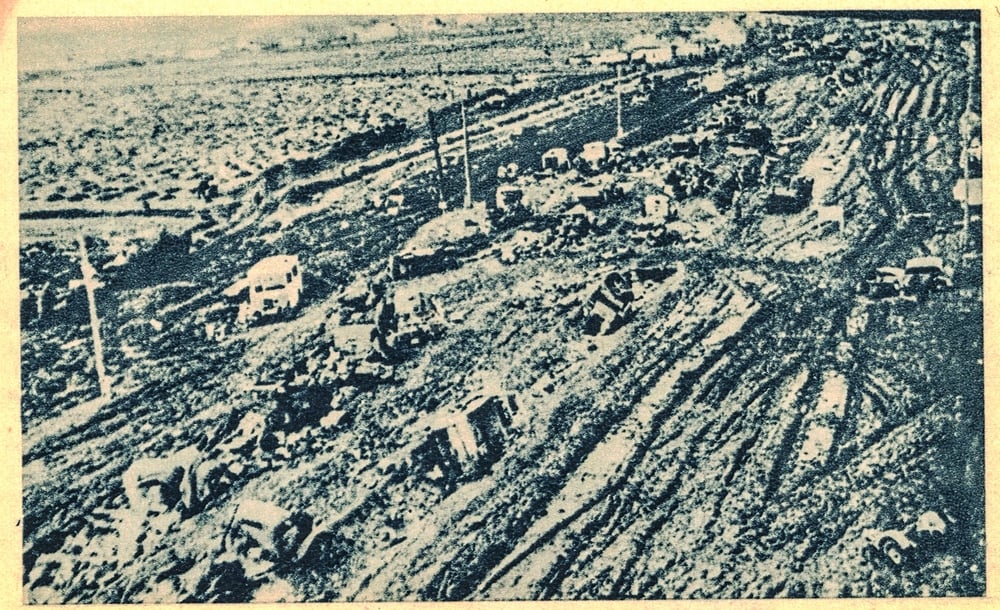
— Photo by RomanNerud
American textbooks mention the Eastern Front briefly, noting fighting at Stalingrad and Soviet assistance in winning the war. Yet nine out of ten German soldiers who became casualties in World War II died fighting the Russians.
Germany poured overwhelming resources into the Eastern Front, meaning the Soviet victory—not American victories—broke Nazi military power. Curricula wildly distort the war’s actual strategic balance.
The Post-World War I Era (1917-1924, Seeds of Modern World)
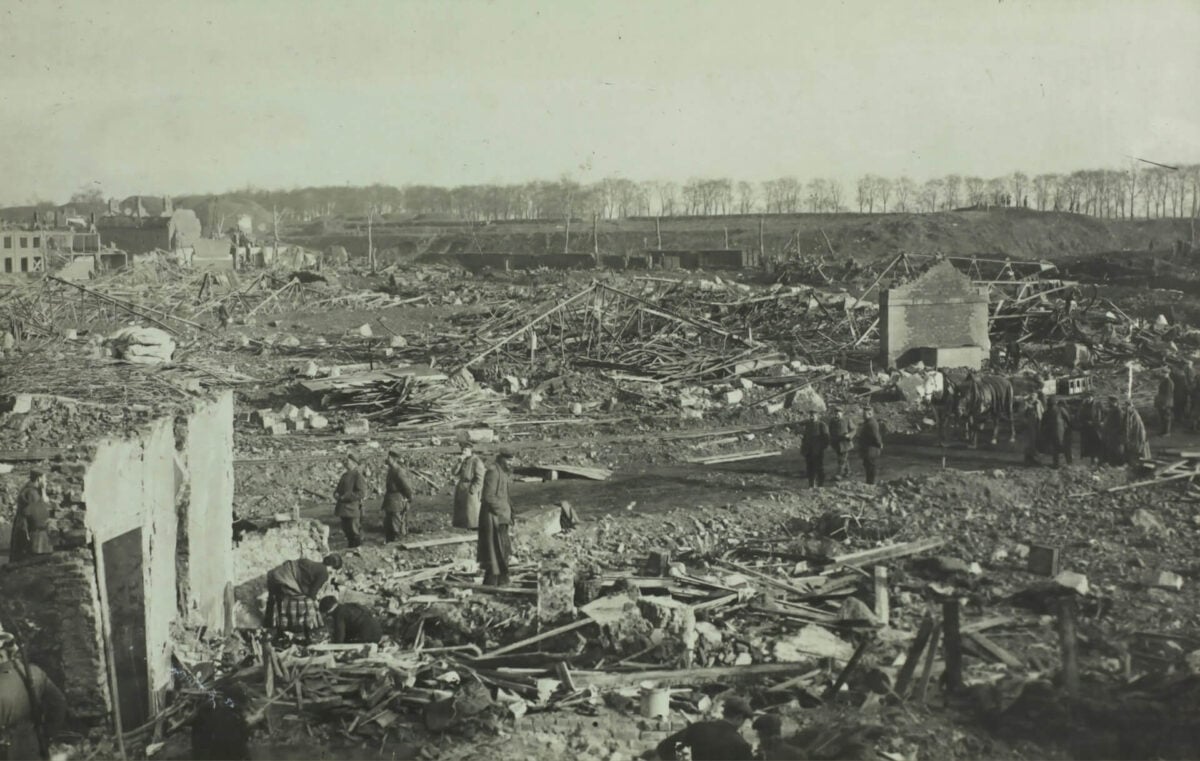
The period immediately following World War I, spanning 1917-1924, fundamentally shaped the modern world. The Russian Revolution, rise of fascism, redrawing of European maps, and colonial resistance movements all erupted during this period.
Yet this epoch receives minimal textbook coverage compared to the war itself, despite establishing conditions for every twentieth-century conflict.
The Mao Famine (1959-1961, 15-55 Million Deaths)
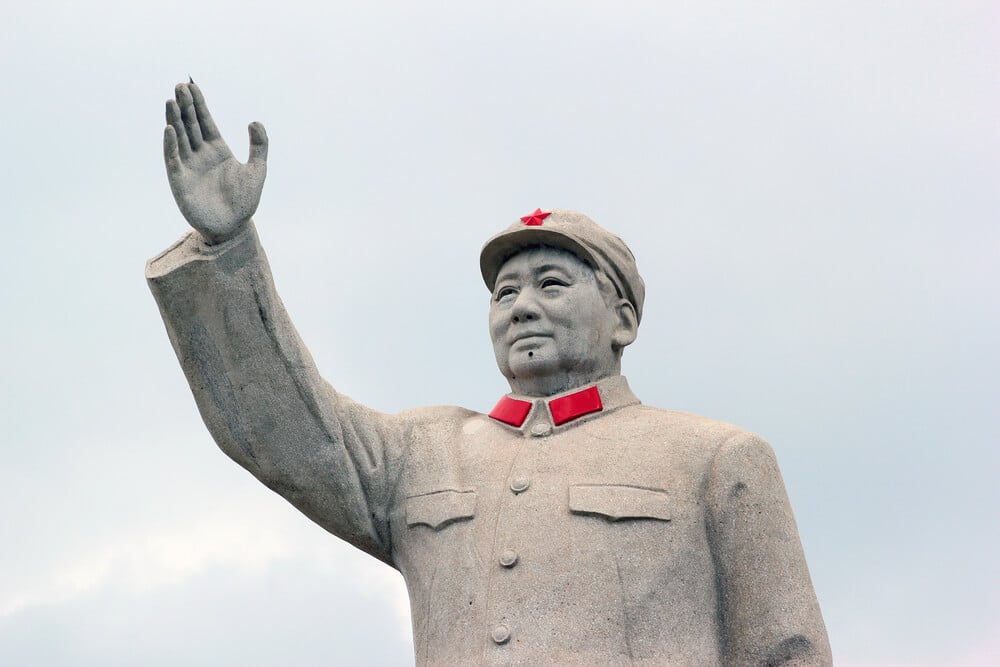
The Great Leap Forward under Mao Zedong caused famine and starvation killing between 15 and 55 million people—the largest famine in recorded history. The death toll dwarfs almost any other twentieth-century catastrophe, yet most history curricula allocate minimal space to this event or minimize its significance.
The Spanish Flu’s Role in Ending World War I
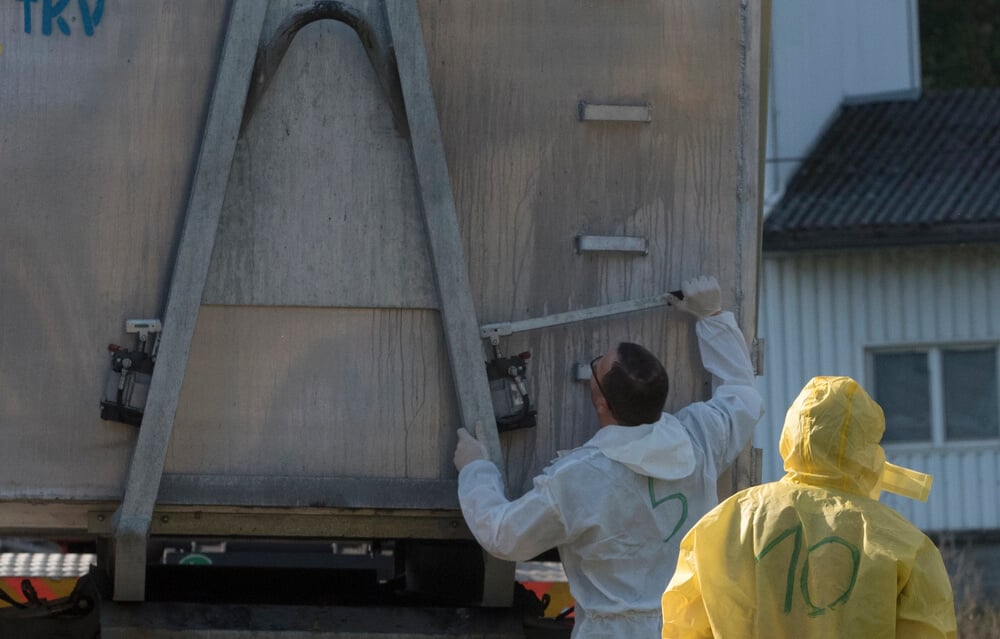
The 1918 influenza’s devastation contributed to the ending of World War I, as exhausted militaries struggled with massive casualties from illness. The pandemic accelerated the war’s conclusion, affecting peace negotiations and postwar settlements.
Yet the influenza’s geopolitical significance receives almost no coverage in history textbooks.
The Baghdad House of Wisdom (762-1258, Islamic Golden Age Center)

The House of Wisdom in Baghdad, established in the early 9th century (circa 810), became the world’s leading center for mathematics, astronomy, philosophy, and medicine. Scholars from across the Islamic world translated classical Greek texts while producing original research.
The institution’s destruction in 1258 represented an incalculable loss of knowledge, yet this foundational repository of learning receives minimal attention in Western curricula.
The Inquisition’s Global Scale (1184-1834, Centuries of Persecution)

Most textbooks mention the Spanish Inquisition as a regional phenomenon, omitting the Roman Inquisition’s three-century existence and the global scope of inquisitorial persecution. The institutional persistence and geographic reach of inquisitorial violence exceeded what syllabi typically convey.
The Boxer Rebellion (1899-1901, Anti-Imperialist Movement)
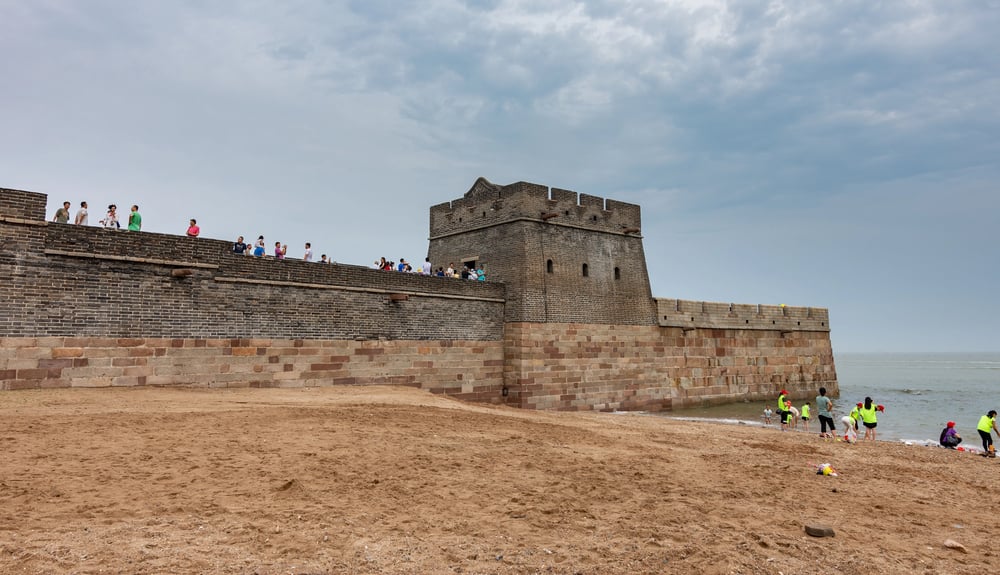
— Photo by kuzmire
Chinese resistance to Western imperialism, manifested in the Boxer Rebellion, represented one of the largest organized anti-colonial uprisings of the late nineteenth century. Yet most American textbooks treat it as a regional disturbance rather than a significant challenge to Western dominance, dismissing indigenous resistance as “fanaticism.”
The Cape Colony’s Frontier Wars (1652-1902, Centuries of Conflict)

The expansion of Dutch and British colonization in southern Africa generated continuous frontier warfare spanning 250 years. Multiple indigenous groups—the Xhosa, Zulu, and others—resisted colonization in sustained campaigns.
Yet most textbooks treat South African colonization as a straightforward narrative of European settlement, omitting indigenous resistance.
The Filipino-American War (1899-1902, 200,000+ Deaths)
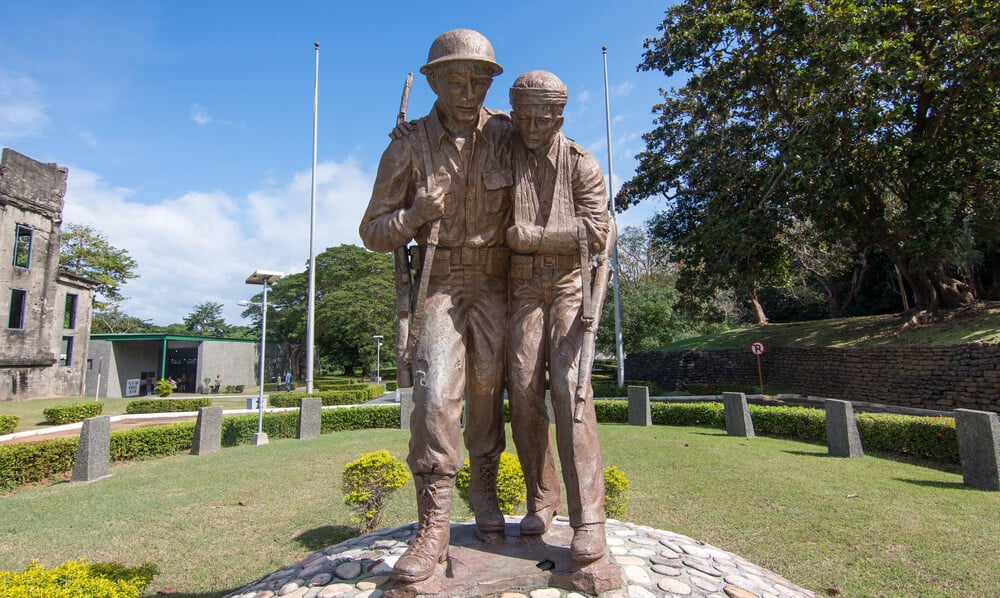
— Photo by saronix@gmail.com
After American victory in the Spanish-American War, the U.S. fought a brutal counterinsurgency campaign against Filipino independence fighters lasting years. The death toll exceeded 200,000, yet most textbooks mention the Philippine War briefly or omit it entirely, treating the islands as naturally assimilated into American dominion.
The Bengal Famine of 1943 (3+ Million Deaths, British Policy)

The 1943 famine in Bengal, India, killed approximately 3 million people partly due to British policy decisions that prioritized military resources over food distribution. Winston Churchill’s government was accused of exacerbating the famine through inadequate relief.
The event remains controversial and receives minimal coverage in British or American curricula.
Omitted Stories, Simplified Narratives
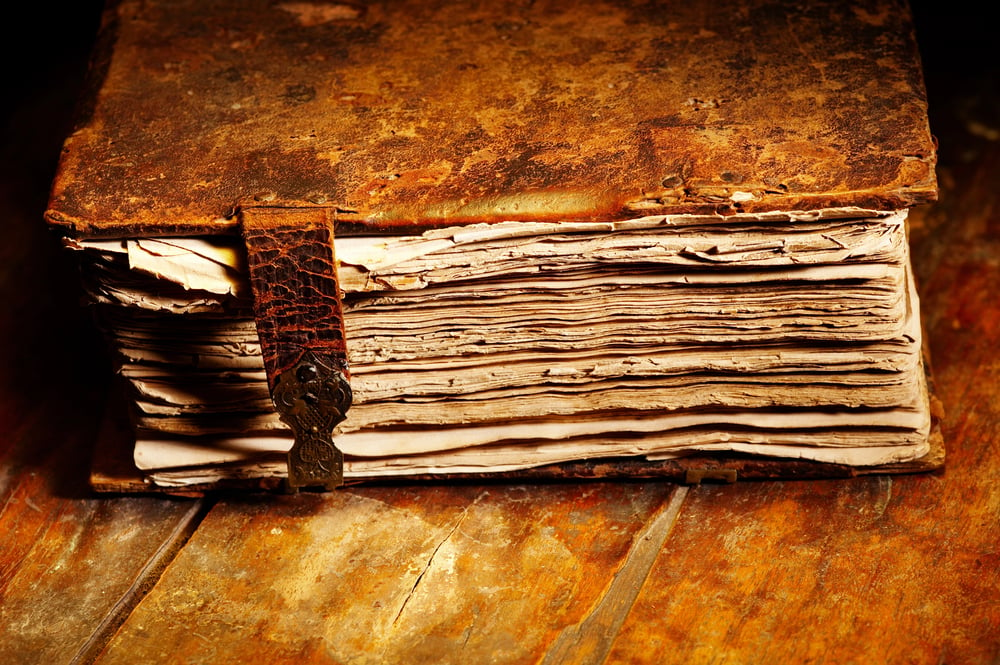
Textbooks are not objective repositories of historical fact; they represent choices about what to teach and what to forget. Every omission serves a narrative—whether intentional or not.
Nations craft curricula to create citizens who understand the past in ways that reinforce present power structures. The events left out of textbooks are often those that most challenge the simplified version of history textbooks prefer to teach.
Only by learning what textbooks omit can students understand what narratives have been constructed for them.
More from Go2Tutors!

- The Romanov Crown Jewels and Their Tragic Fate
- 13 Historical Mysteries That Science Still Can’t Solve
- Famous Hoaxes That Fooled the World for Years
- 15 Child Stars with Tragic Adult Lives
- 16 Famous Jewelry Pieces in History
Like Go2Tutors’s content? Follow us on MSN.