25 Wartime Photos Published Decades Later
War photographers captured moments their governments restricted from publication, censoring images that might demoralize the public or complicate official narratives. Decades after conflicts ended, archives opened, photographers’ families released private collections, and institutions digitized restricted materials.
These long-delayed photographs reveal what military censors attempted to erase—casualties, devastation, and the human cost of warfare that official channels downplayed or concealed entirely. Some photographs emerged only because photographers defied orders; others simply got lost until archivists rediscovered them.
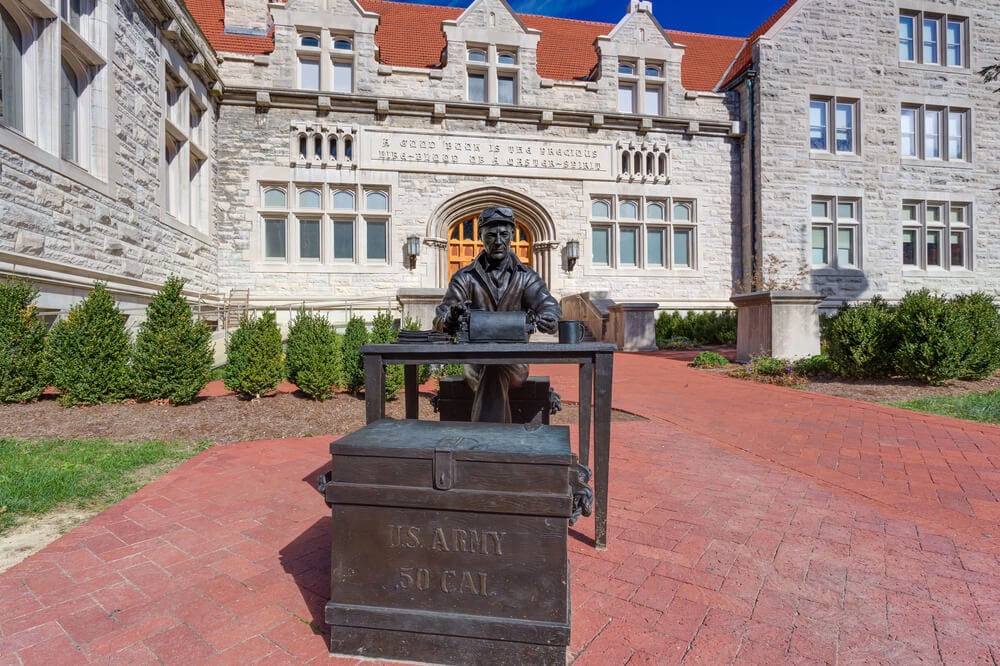
Ernie Pyle Death Photograph (1945, 34-Year Delay)
— Photo by wolterke
War correspondent Ernie Pyle, the most famous journalist covering World War II, was killed by a Japanese machine gun bullet on April 18, 1945, on the island of Ie Shima. Army photographer Alexander Roberts captured Pyle lying dead in a ditch immediately after the incident.
The War Department withheld the photograph from public release, and it did not appear in print until December 1979—34 years after Pyle’s death—in the Burlington, North Carolina Daily Times-News. The photograph remained so scarce that the National Archives had never seen it.
Forgotten WWII Negatives (300 Photographs, 80-Year Concealment)
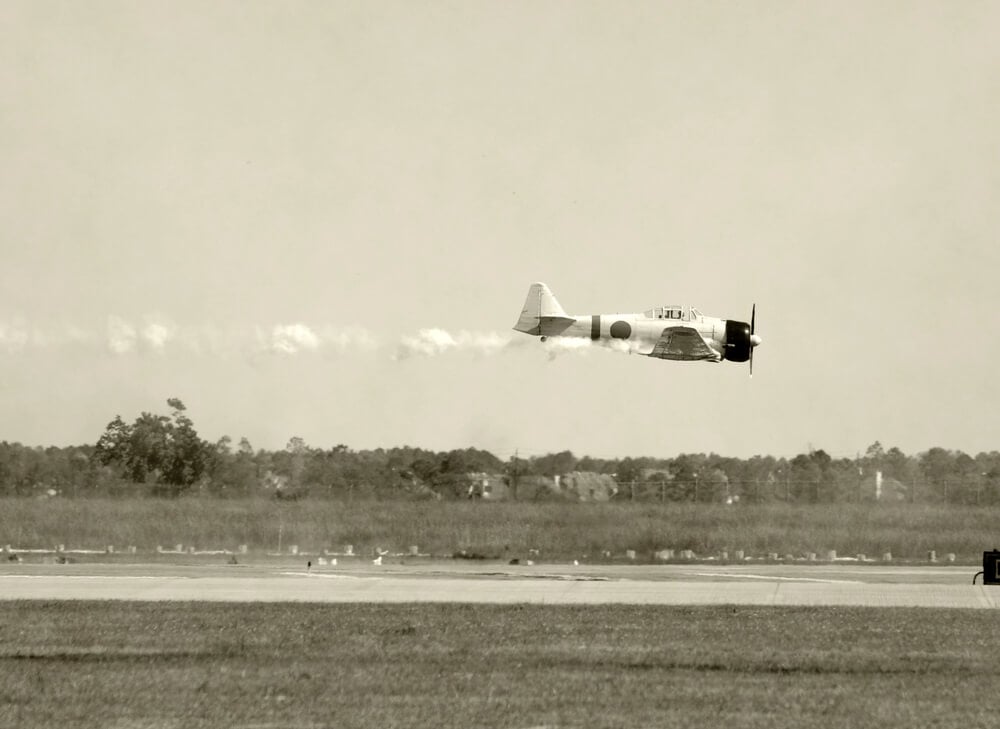
In 2020, antiques dealer and history enthusiast Peter Deleuran discovered 300 lost World War II glass negatives in the Planet News archive, long presumed destroyed during the London Blitz. The negatives, recovered after 80 years, contained original press material with typed captions and pencil corrections.
Deleuran’s restoration work and subsequent book, Reflections of War, brought these forgotten photographs into public view for the first time in decades.
Wartime London Bombing Photographs (Underground Shelter Documentation)
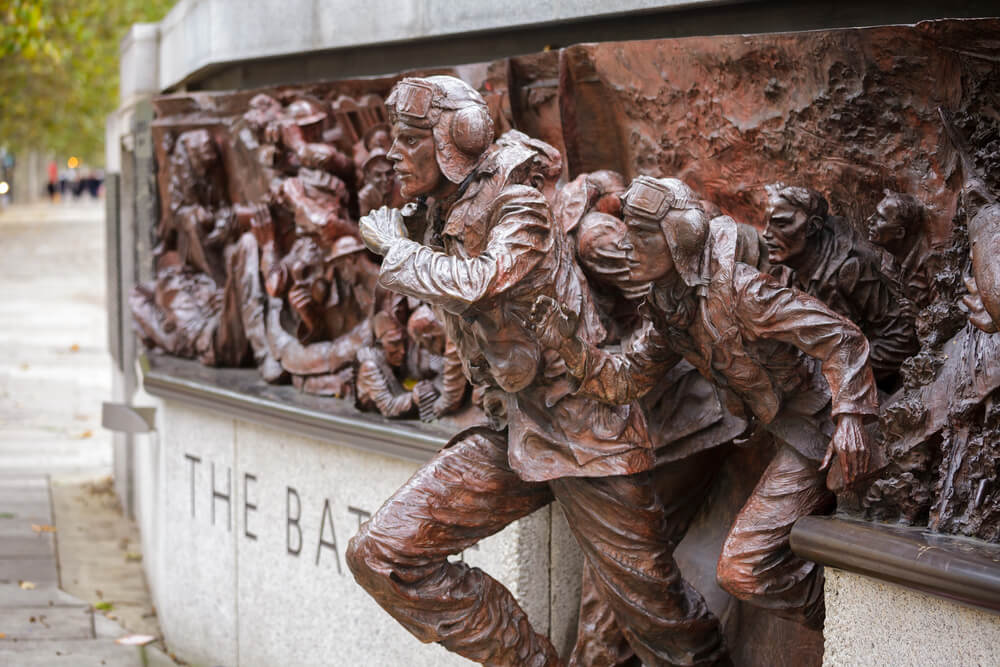
Photographs documenting Londoners sheltering in the Underground during the Blitz circulated selectively during the war as morale-boosting images. Yet comprehensive photographic documentation of shelter conditions, showing crowding, sanitation issues, and civilian stress, circulated more slowly.
Complete archives of these photographs remained restricted until decades after the war ended.
Church Bombing Wedding Ceremony (Bombed Church, 1940)
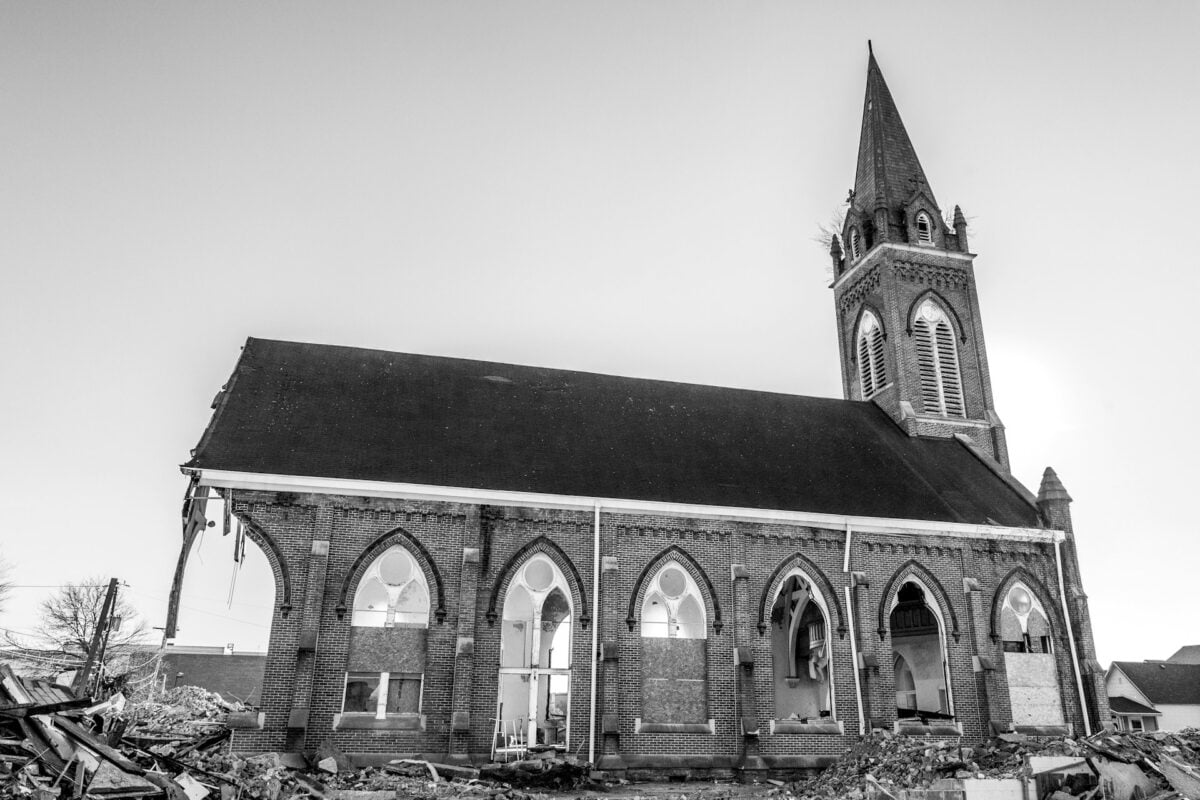
A photograph captured Fusilier Tom Dowling and Miss Martha Coogan being married in a Roman Catholic Church in London on September 14, 1940—a church that had been damaged by bombing earlier that day. Father Finn, who performed the ceremony, assisted the bridal couple over debris to exit.
The photograph documented civilian resilience during the crisis, yet such images remained restricted during wartime.
Photographer Cecil Beaton’s Wartime Documentation (1940-1945)
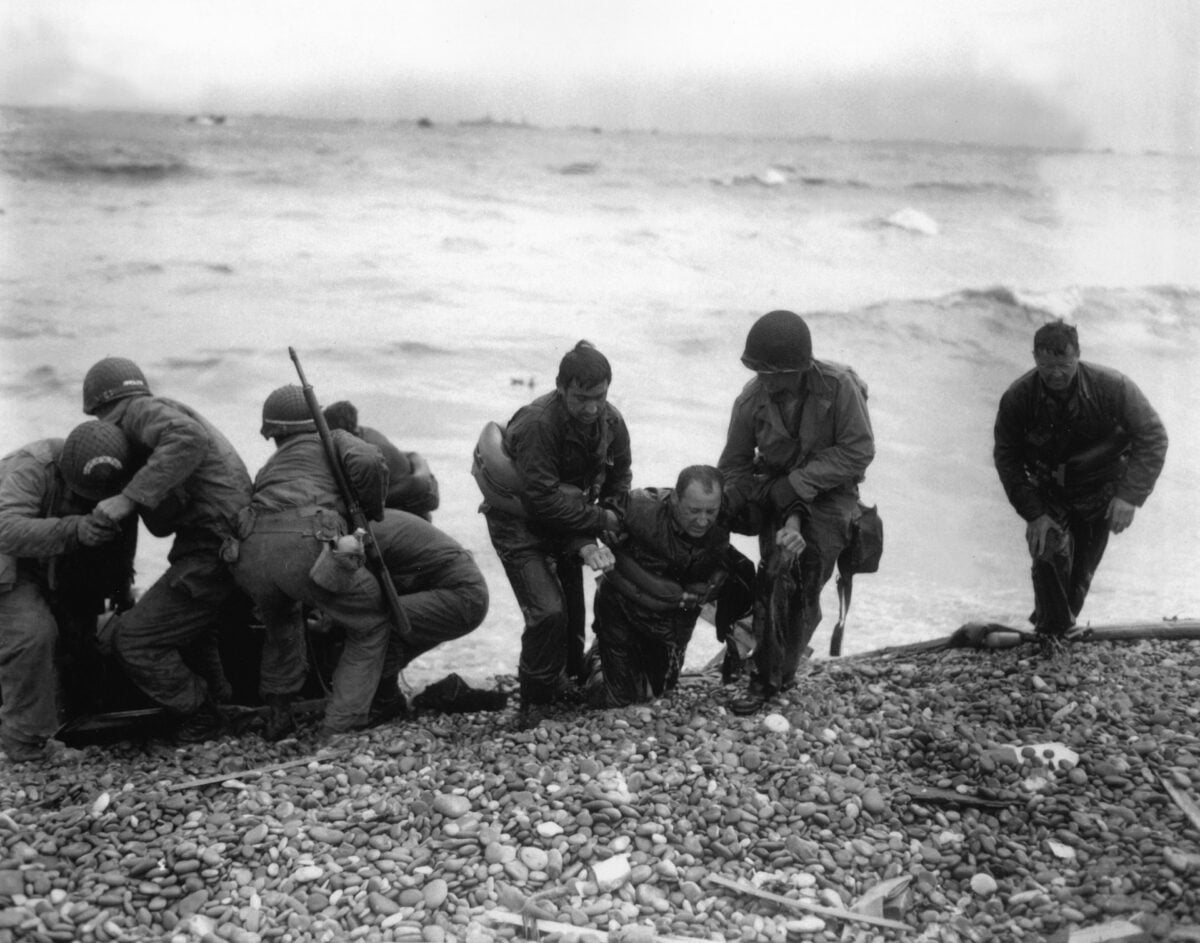
Cecil Beaton, known for fashion and portrait photography, served as official photographer for the British Ministry of Information during World War II. His wartime photographs were transferred to Imperial War Museums’ permanent care only in 1948, years after the conflict ended.
His comprehensive documentation of British life during the war remained partially restricted until decades after his death in 1980.
D-Day Invasion Photojournalist Coverage (June 6, 1944, Military Restrictions)
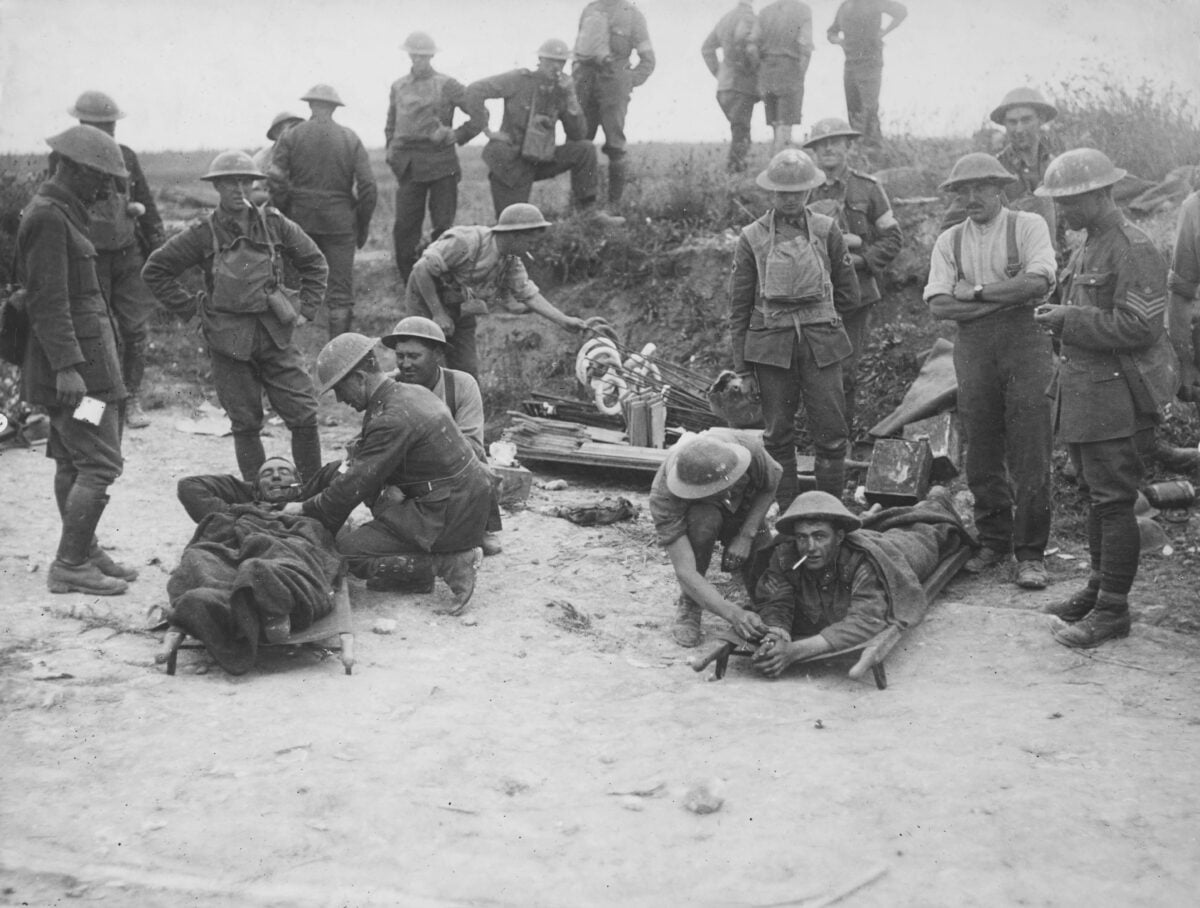
War photographers embedded with D-Day invasion forces captured images of soldiers landing at Normandy under fire. Official military censors reviewed all photographs, restricting publication of certain frames showing American casualties or failed tactical operations.
Complete contact sheets, outtakes, and photographer perspectives remained restricted for decades, with full access to military archives occurring only much later.
Soviet Photography Collections (Glasnost Access, 1990s)
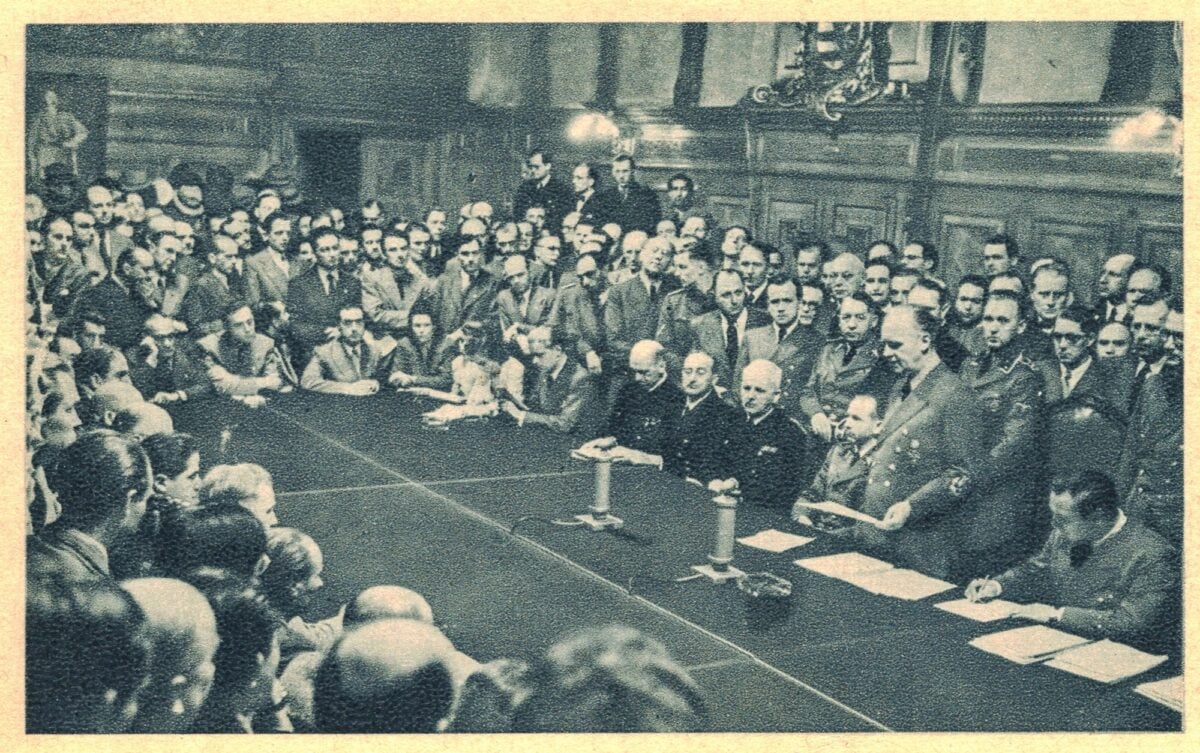
Photographs taken by Soviet state photographers documenting daily Soviet life, industrial production, and military operations remained largely inaccessible to Western researchers during the Cold War. After the Soviet Union’s collapse and the introduction of glasnost (openness), Western scholars gained access to comprehensive archives showing Soviet life as documented by official photographers.
Decades of restricted Soviet imagery suddenly became available.
Iwo Jima Flag-Raising Sequence (Joe Rosenthal’s Complete Frames, 1945)
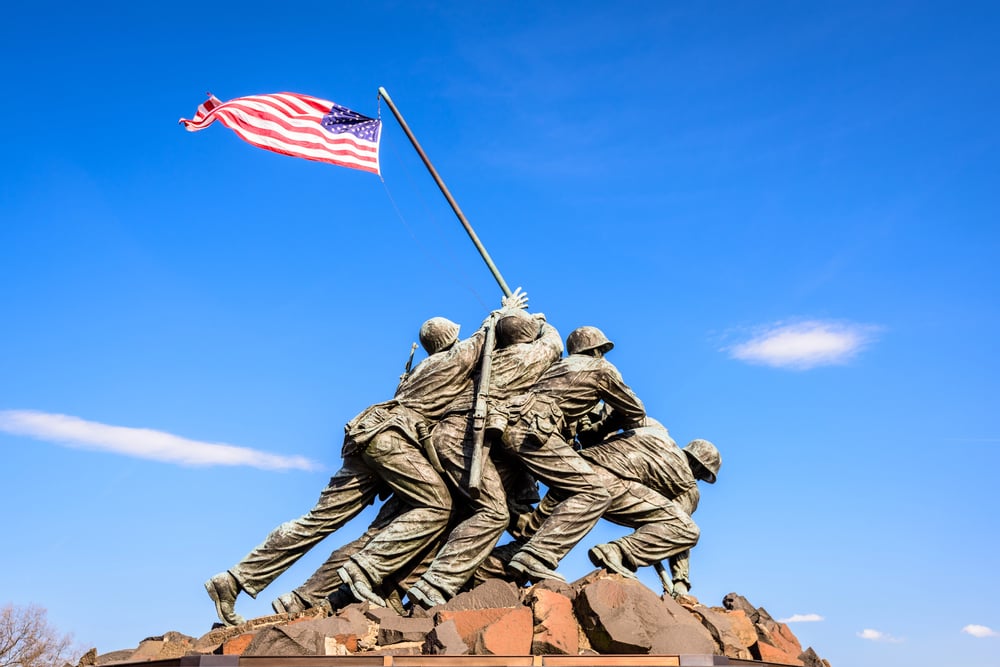
While Joe Rosenthal’s single iconic photograph of the second flag-raising on Mount Suribachi achieved instant fame, his complete contact sheet—showing multiple frames of the same moment—circulated less widely. The full sequence reveals the soldiers’ exertion, their faces, and the moment-by-moment progression.
Complete sets of Rosenthal’s contact sheets became widely accessible only decades later.
Japanese Surrender Photographs (August 1945, Military Documentation)
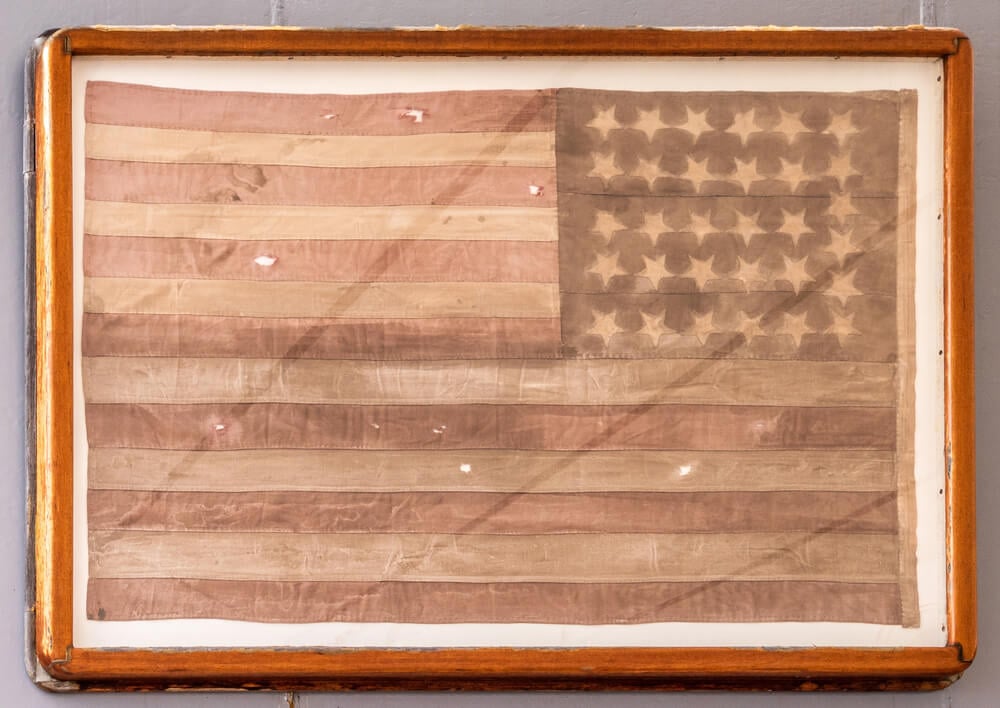
— Photo by Klodien
Military photographers documented the Japanese surrender ceremony aboard the USS Missouri on September 2, 1945. While iconic photographs circulated immediately, comprehensive photographic documentation of the surrender ceremony—showing details of the proceedings and peripheral participants—remained partially restricted.
Complete archives became accessible only years after the war ended.
Nagasaki Aftermath Photography (Japanese and American Perspectives)
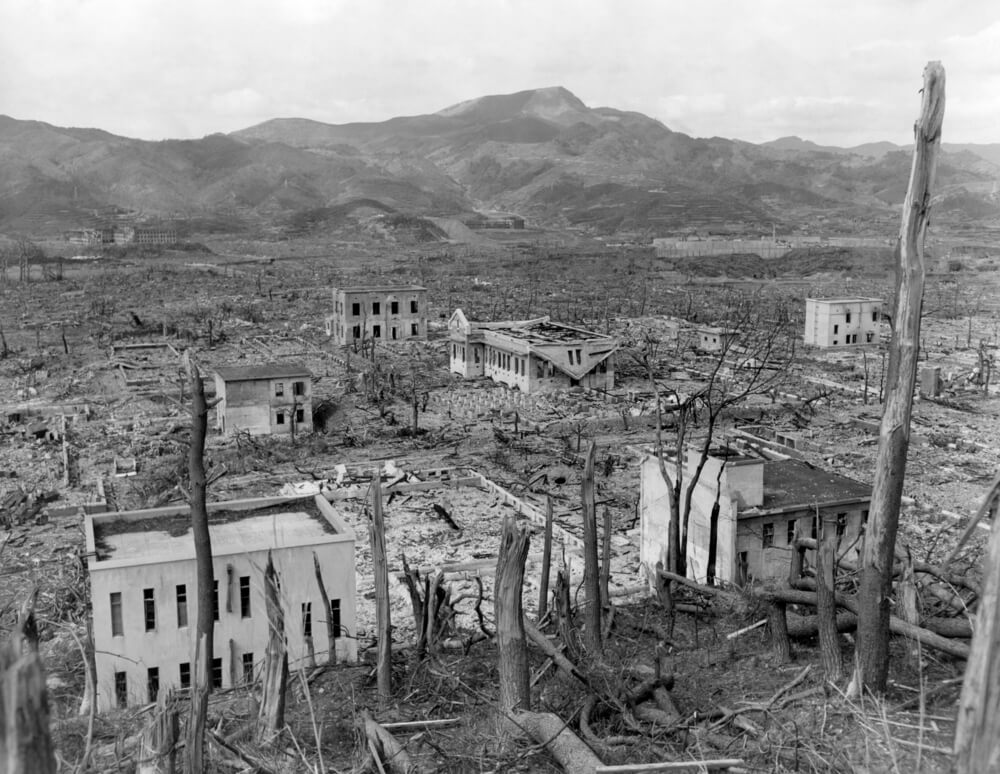
Japanese photographers documenting the destruction at Nagasaki after the atomic bombing captured images from the local perspective, showing immediate human suffering. American military photographers also documented the destruction in the weeks following the bombing.
These photograph sets remained restricted for decades, and comprehensive collections became widely accessible only as Cold War tensions eased and classification restrictions lifted.
Hiroshima Shadow Photography (Flash Burns, Human Impact)
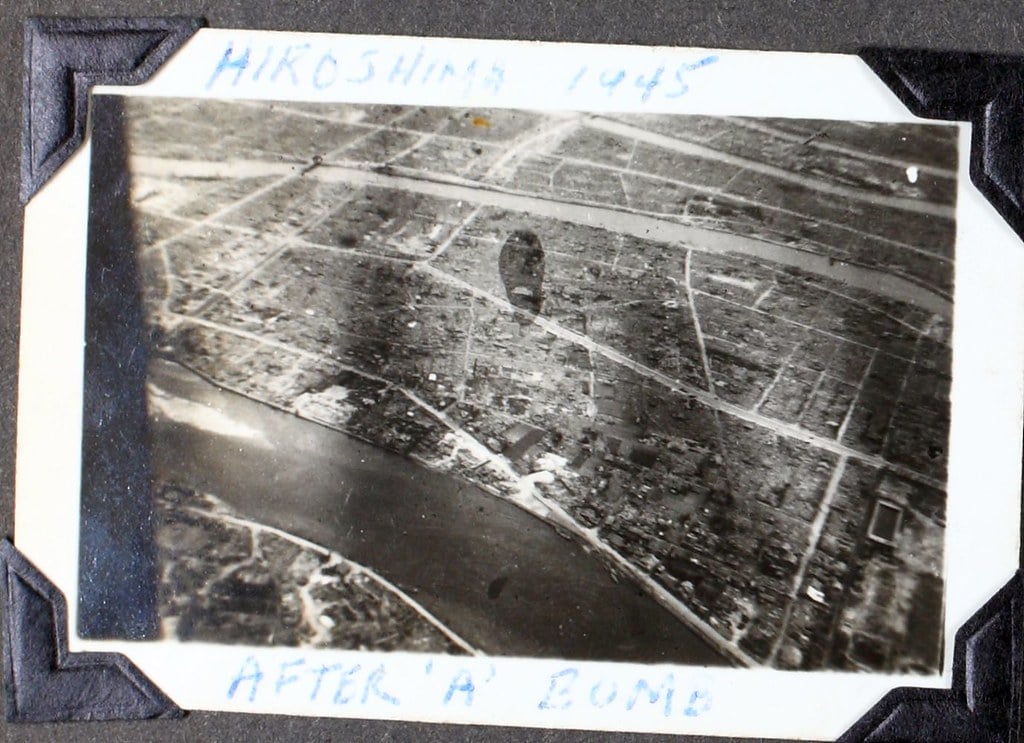
Photo by SDASM Archives, via Flickr. Licensed under No known copyright restrictions
Photographs showing the shadows of vaporized victims burned into Hiroshima’s surfaces by the blast’s intense heat documented the bombing’s human cost in stark visual terms. These graphic images remained restricted during and after the war, with full photographic documentation becoming accessible only decades later.
The complete photographic record of human devastation remained largely unknown to American audiences during the Cold War.
Holocaust Liberation Photographs (Complete Archives, Varied Perspectives)
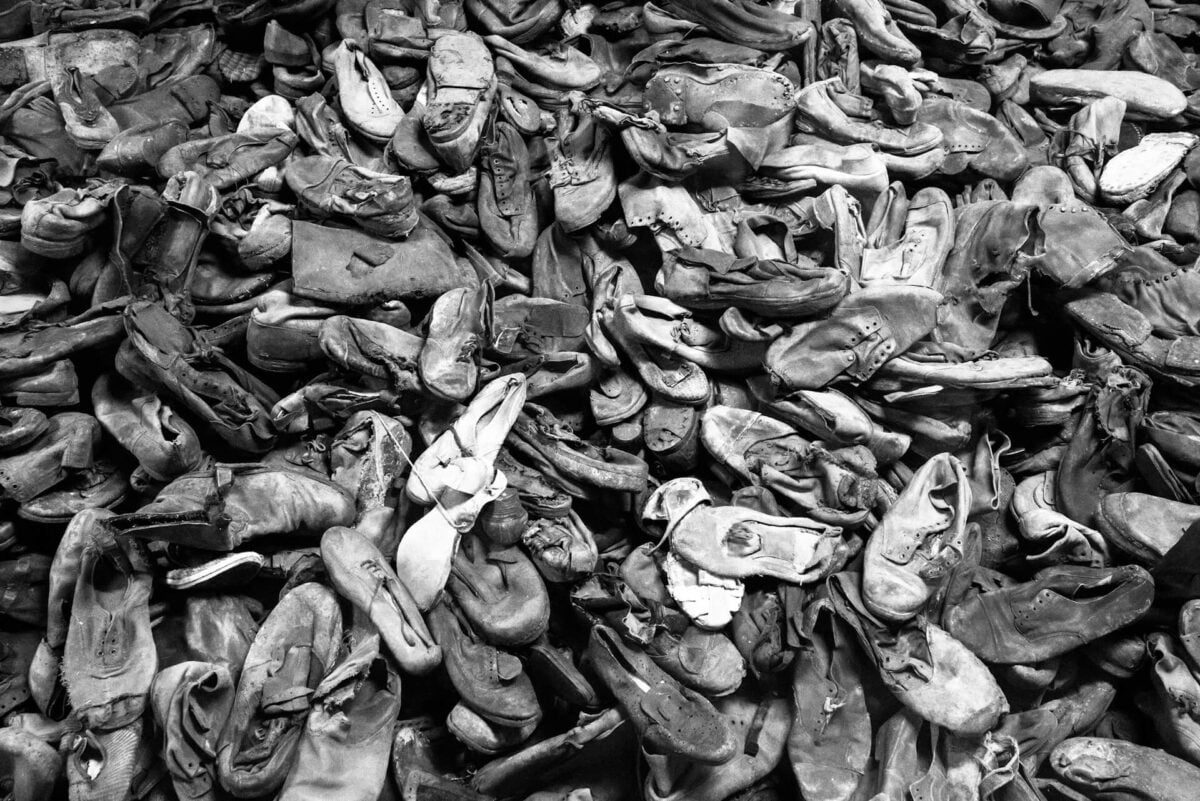
Allied troops liberating concentration camps captured photographs that circulated selectively as propaganda evidence of Nazi atrocities. Yet comprehensive photographic documentation—including frames restricted during the war for security or sensitivity reasons—remained in military archives for decades.
Complete collections of liberation photography became widely accessible only long after the war.
Korean War Soldier Life Photography (Combat and Non-Combat Documentation)
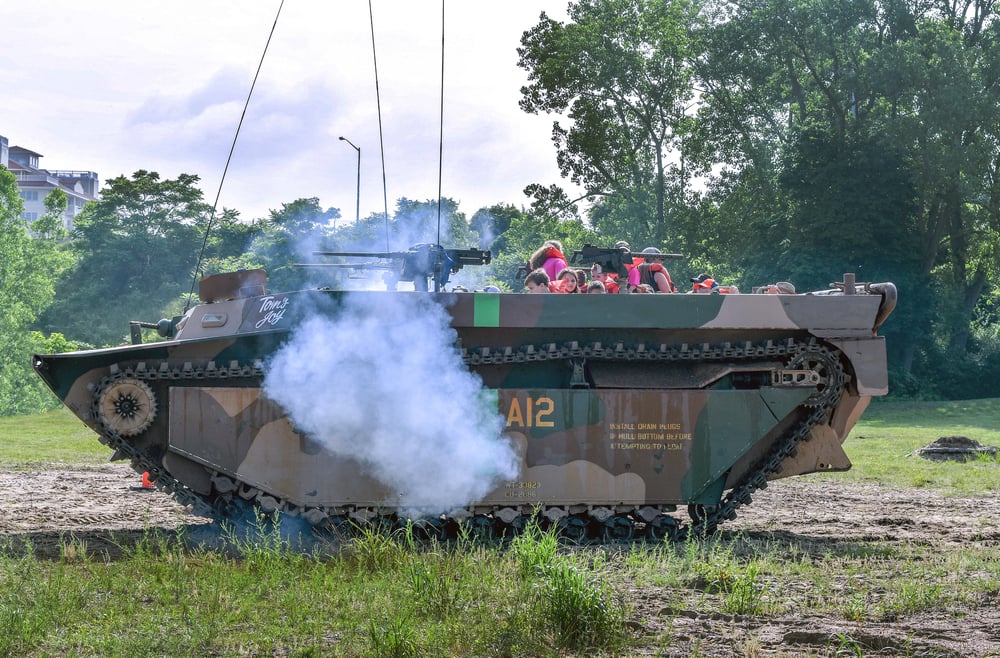
Military photographers captured both combat conditions and soldiers’ daily life during the Korean War, yet official restrictions limited publication of certain photographs showing American casualties or controversial operations. Photographers’ personal archives and unrestricted military collections circulated more freely only after decades passed.
The comprehensive visual record of Korean War conditions remained partially unknown.
Vietnamese Civilian Casualties (Battlefield Photography, Restricted Images)
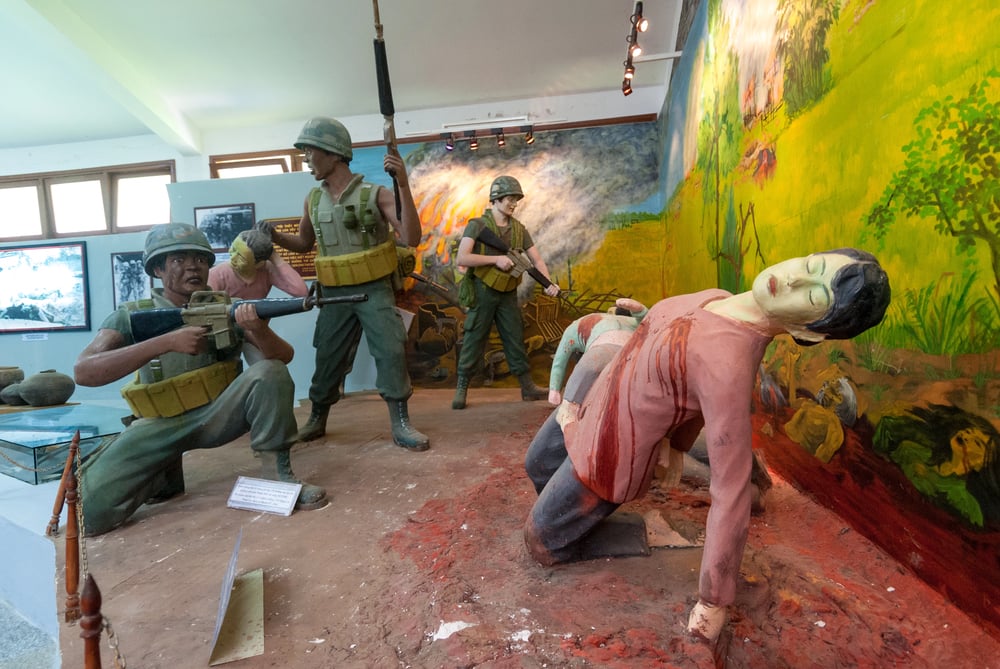
Photographers documenting the Vietnam War captured images of Vietnamese civilian casualties, destruction of villages, and controversial military operations. Official censors restricted publication of certain photographs during the war, and these images circulated slowly.
Comprehensive photographic documentation of the war’s human cost became more accessible only after the war ended and classifications were reviewed.
Agent Orange Victims (Environmental Warfare Photography, Delayed)
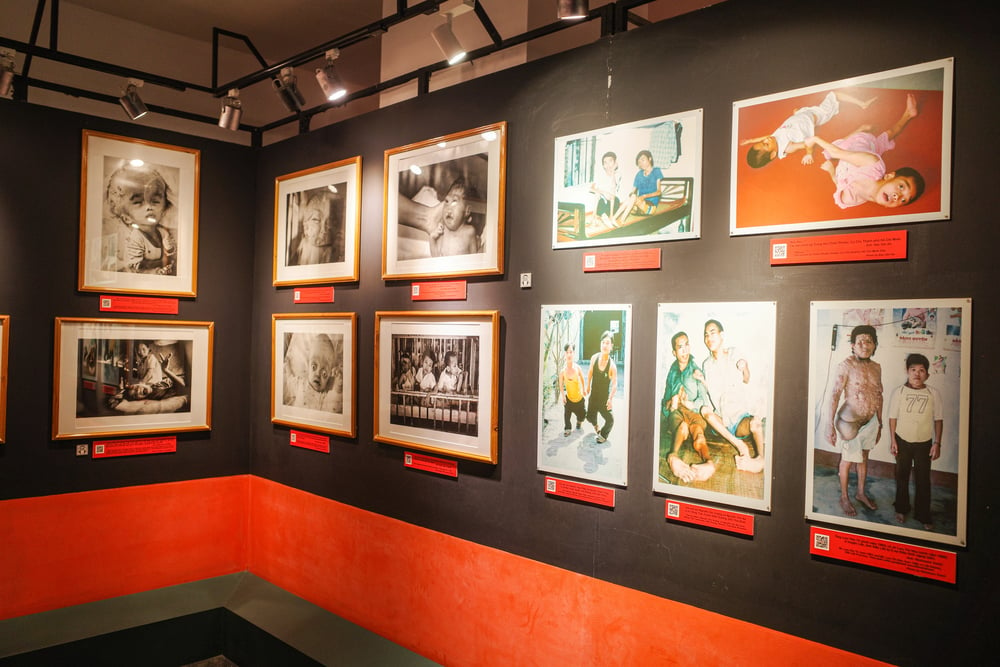
Photographers documenting the effects of Agent Orange and other chemical warfare in Vietnam captured images of environmental destruction and human suffering. These photographs remained restricted for decades due to military secrecy around chemical warfare programs. Complete photographic records of environmental devastation only became more widely accessible as declassification proceeded.
My Lai Massacre Photographs (Documentation of War Crime, Restricted)
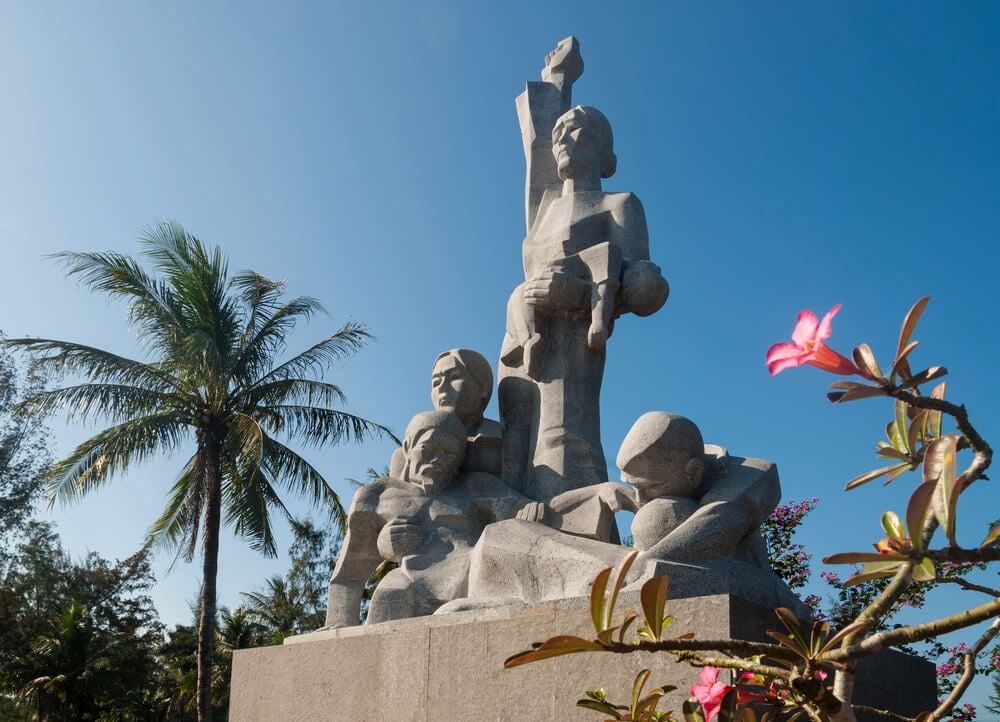
Photographers documented the aftermath of the My Lai massacre in March 1968, capturing evidence of American soldiers’ killing of Vietnamese civilians. These photographs remained restricted during and after the war, with full documentation becoming accessible only as investigations proceeded and classifications lifted.
The complete photographic record of this atrocity remained unknown to many Americans for years.
Pentagon Papers Photography (Classified Conflict Documentation)
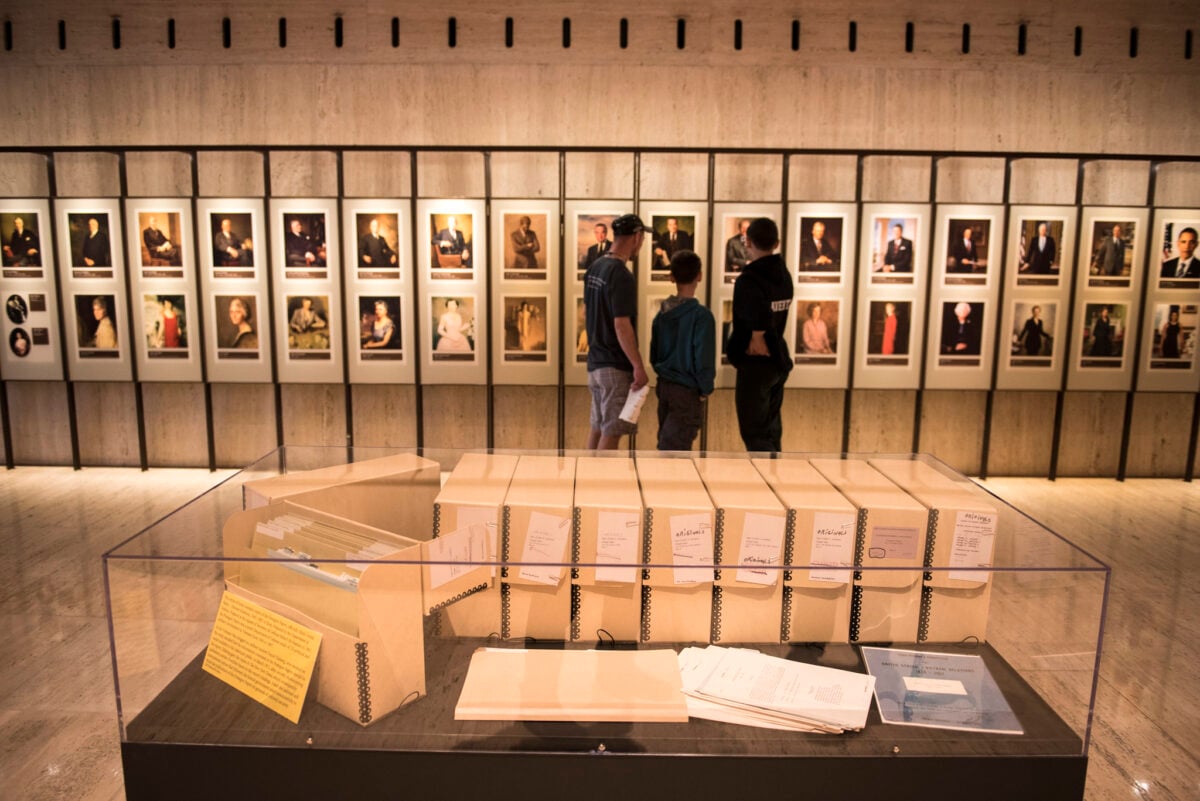
Photographs related to the classified Pentagon Papers—documenting decades of American military decision-making in Vietnam—remained restricted during the war and afterward. While journalists published the text of the Pentagon Papers in 1971, comprehensive photographic documentation remained classified for years.
Researchers accessing declassified archives discovered photographic evidence that had been withheld.
Laotian Campaign Photography (Secret War, Long Concealment)
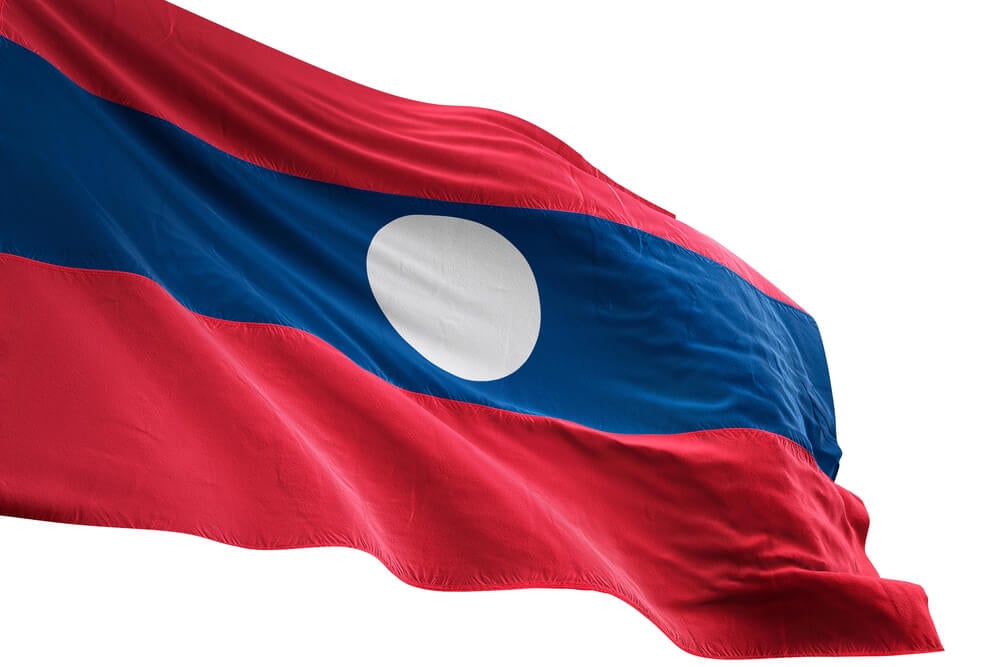
The American bombing campaign in Laos, kept secret from Congress and the public, was documented by military photographers. These photographs remained classified for decades, with complete documentation of the Laotian campaign becoming accessible only long after the war.
Researchers discovering these archives revealed a military operation that had been deliberately hidden from public knowledge.
Cambodian Bombing Campaign Photography (Concealed Operations)
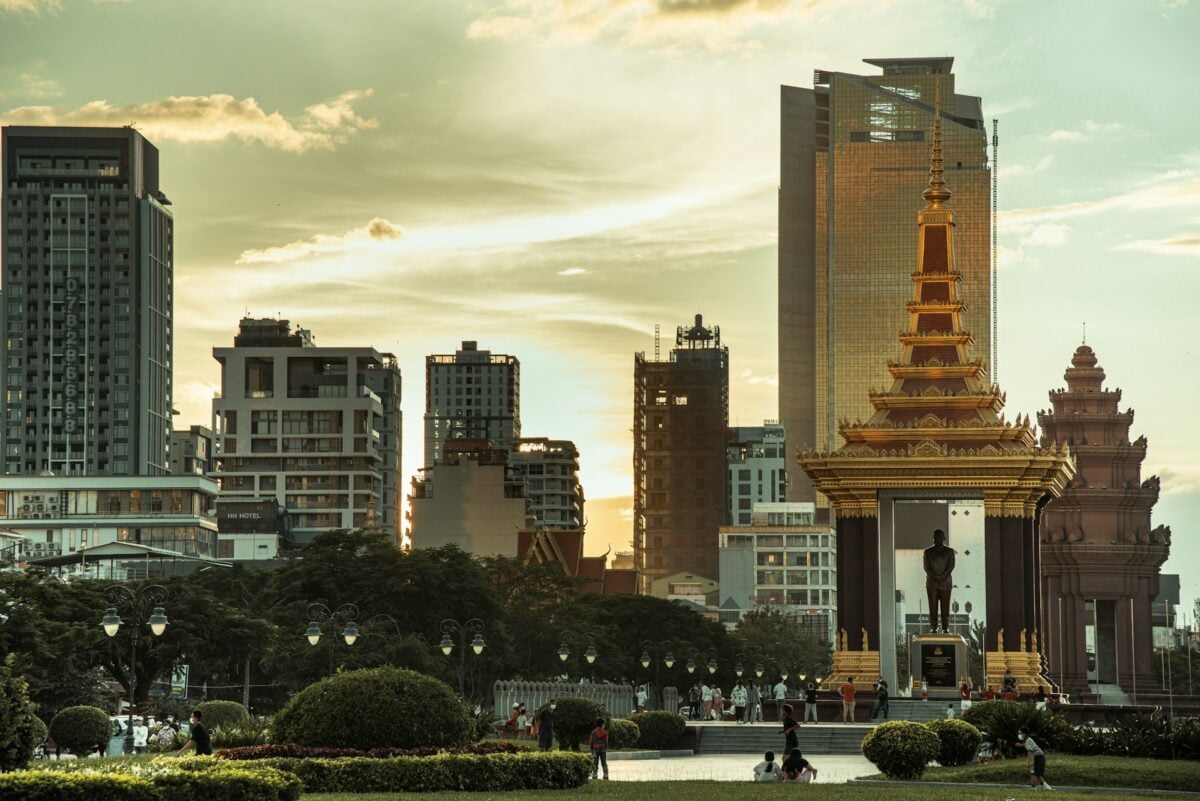
American bombing in Cambodia, conducted secretly without congressional authorization, was documented by military photographers. These photographs remained classified for decades, and comprehensive visual documentation of the campaign became accessible only after sustained declassification efforts.
The complete photographic record of environmental and human devastation remained unknown during the war.
Soviet Invasion of Hungary (1956 Photographs, Delayed Western Access)
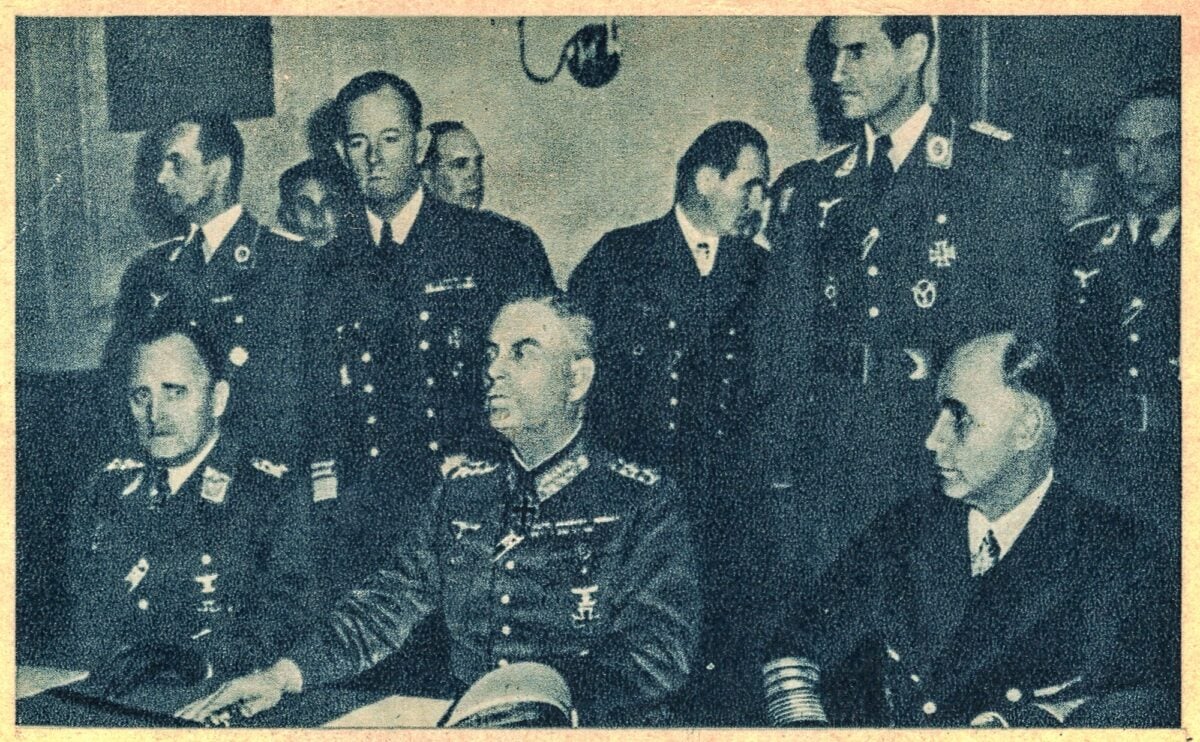
Hungarian photographers documenting the Soviet invasion in 1956 captured images of military operations and civilian resistance. These photographs remained restricted or circulated slowly in Western media during the Cold War.
Comprehensive photographic documentation of the Hungarian uprising became more widely accessible to Western audiences only decades later.
Soviet Invasion of Afghanistan (1979-1989, Restricted Soviet Photography)
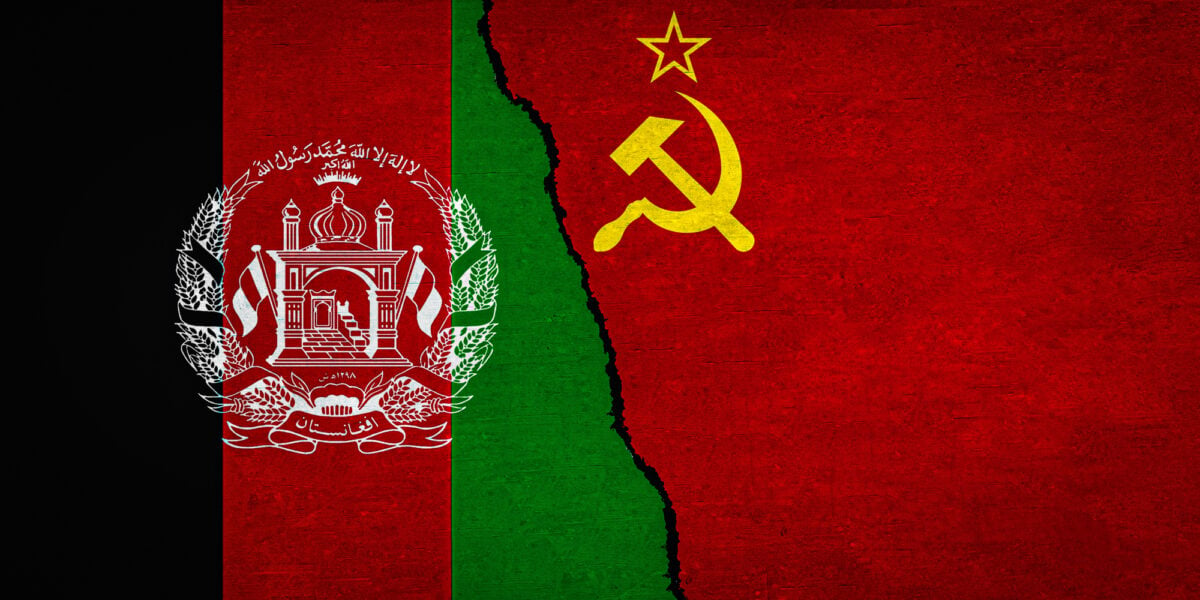
Soviet military photographers documented the invasion and occupation of Afghanistan, yet these photographs remained largely inaccessible to Western researchers during the Cold War. After the Soviet Union’s collapse, Western scholars gained access to Soviet military archives containing photographic documentation of operations.
Decades of restricted Soviet photography suddenly became available for historical study.
Lebanese Civil War Photography (Regional Conflict, Limited Western Coverage)
Photographers documenting the Lebanese Civil War (1975-1990) captured images of urban destruction and human suffering. Yet comprehensive Western coverage remained limited by access restrictions and conflict intensity.
Complete photographic documentation of the Lebanese Civil War only became more widely accessible decades after the conflict ended.
Palestinian Uprising Photographs (Intifada Documentation, Contested Narratives)
Photographers documenting the Palestinian Uprisings captured images of protest, military response, and civilian casualties. These photographs remained contested, with different parties emphasizing different frames.
Comprehensive photographic archives only became more widely accessible as institutions and researchers preserved documentation.
Falklands Conflict Photography (Limited Coverage, Paul Haley’s Archive)
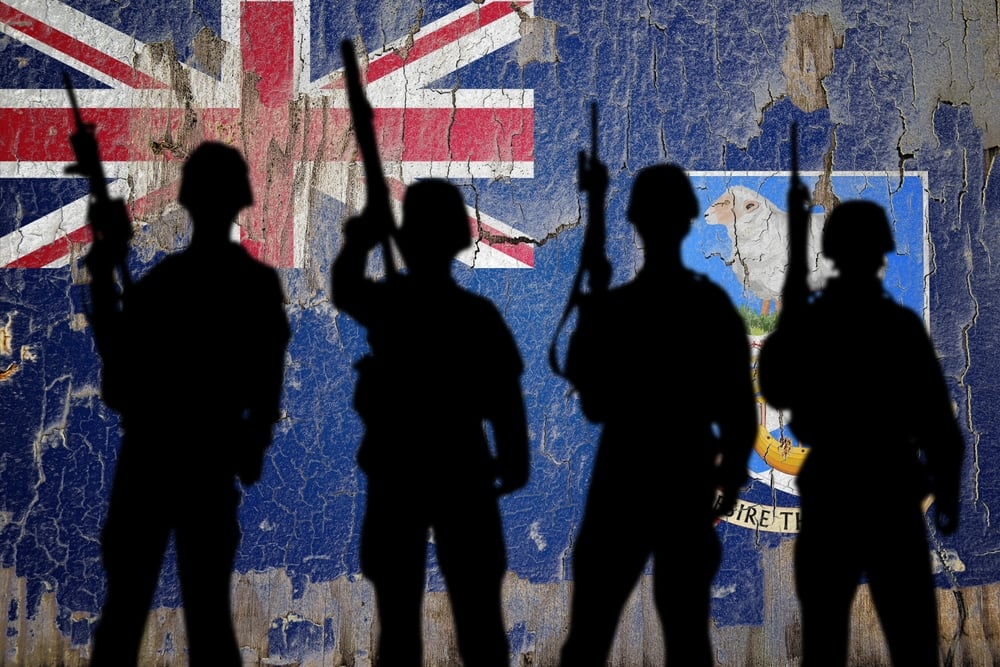
Photographer Paul Haley, embedded with the 5th Infantry Brigade during the 1982 Falklands Conflict, documented combat conditions and military operations. His complete archive of Falklands conflict photography remained partially restricted for years, with comprehensive access occurring only after decades.
Iranian Revolution Photography (1979, Varied Perspectives, Delayed Access)
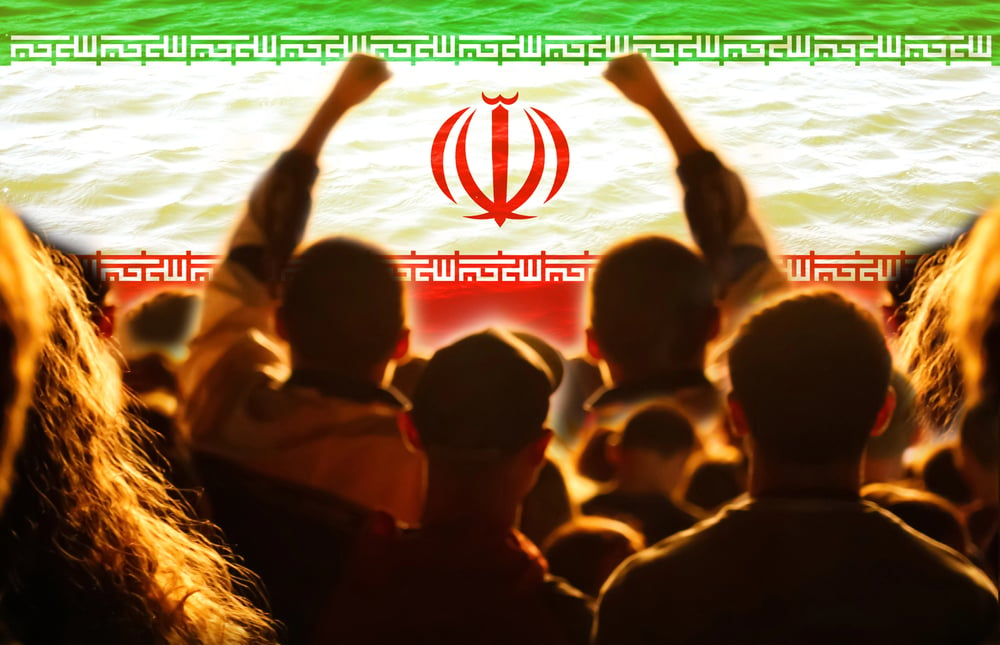
Photographers documenting the Iranian Revolution captured images of protesters, religious leadership, and military operations. These photographs remained contested and restricted, with comprehensive archival access becoming available only years after the revolution.
Western audiences gained fuller photographic documentation of the revolution’s events decades later.
The Silent Testimony

War photographers serve as witnesses, their cameras recording what official narratives often deny. Yet those same governments that send photographers to wars also decide which images the public may see.
A photograph concealed serves a purpose as clearly as one published. Only decades later—when original witnesses age, when declassification proceeds, when archives open—does the complete photographic record emerge.
The delayed publication of wartime photographs reveals not just what happened, but what those in power believed the public should not see.
More from Go2Tutors!

- The Romanov Crown Jewels and Their Tragic Fate
- 13 Historical Mysteries That Science Still Can’t Solve
- Famous Hoaxes That Fooled the World for Years
- 15 Child Stars with Tragic Adult Lives
- 16 Famous Jewelry Pieces in History
Like Go2Tutors’s content? Follow us on MSN.