Rare Pennies Hiding in Coin Jars
Most pennies are worth exactly one cent and not a fraction more. A few, though, carry a tiny mintmark, a doubled letter or the wrong metal, and those details can turn pocket change into a paycheck.
Coin jars, inherited tins and forgotten bank rolls still give up these cents every year. The trick is knowing which dates deserve a second look and which flaws only show up under a magnifying glass.
San Francisco VDB Cent From 1909
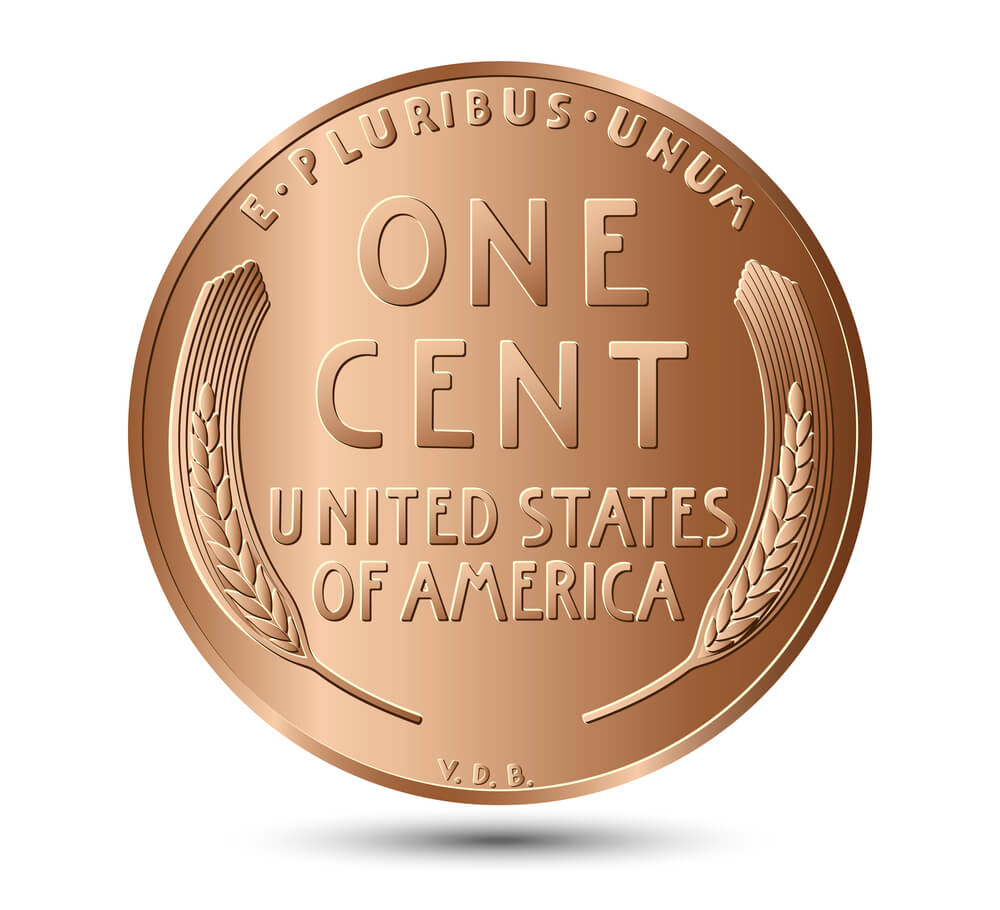
The Lincoln cent debuted in 1909 with designer Victor David Brenner’s initials, VDB, on the reverse near the rim. Complaints that the initials were too prominent led the Mint to remove them only days after release, and by then the San Francisco Mint had struck just 484,000 coins with both the S mintmark and the initials.
That small mintage turned the 1909-S VDB into the most famous key date in the series. Even heavily worn examples usually bring a few hundred dollars, while sharp uncirculated pieces with original red color bring many thousands, so dealers scrutinize the S mintmark for signs it was added later.
Last of the San Francisco Indian Heads
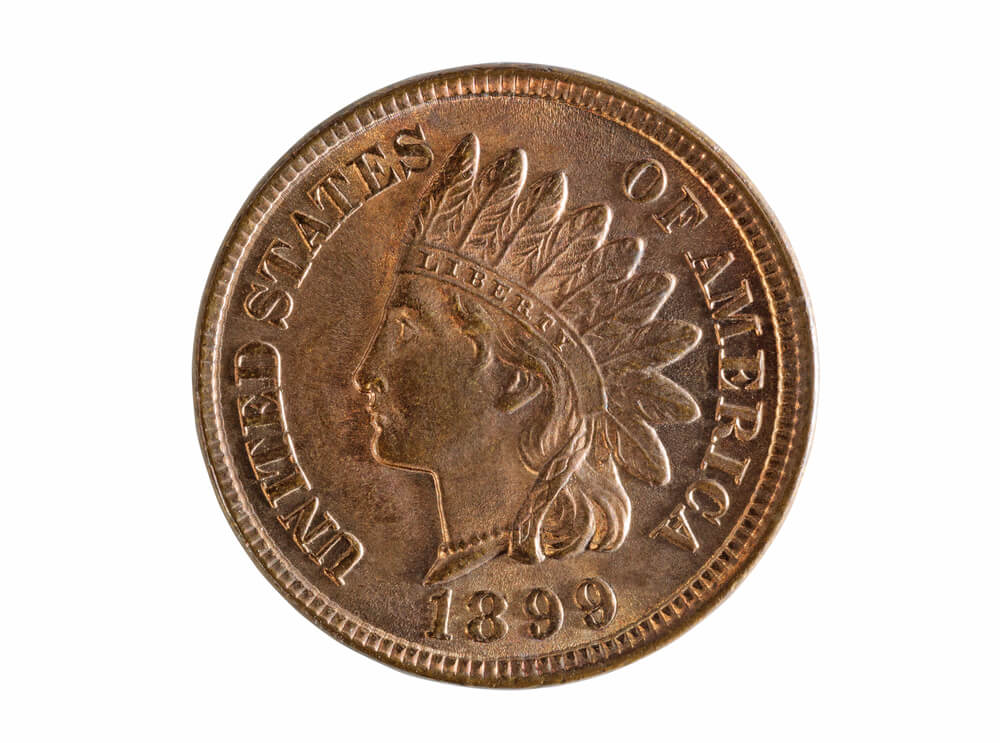
The same year that introduced Lincoln also closed out the Indian Head cent, and the San Francisco Mint produced only 309,000 of them in 1909. That makes the 1909-S the lowest-mintage coin in the entire Indian Head series, which ran from 1859.
Few people set them aside at the time, because the new Lincoln design was getting all the attention. Worn examples generally sell for a few hundred dollars, and collectors pay far more for pieces showing a full LIBERTY on the headband and crisp feather tips, since smooth, rubbed surfaces drag the price down fast.
Philadelphia Indian Head Cent of 1877
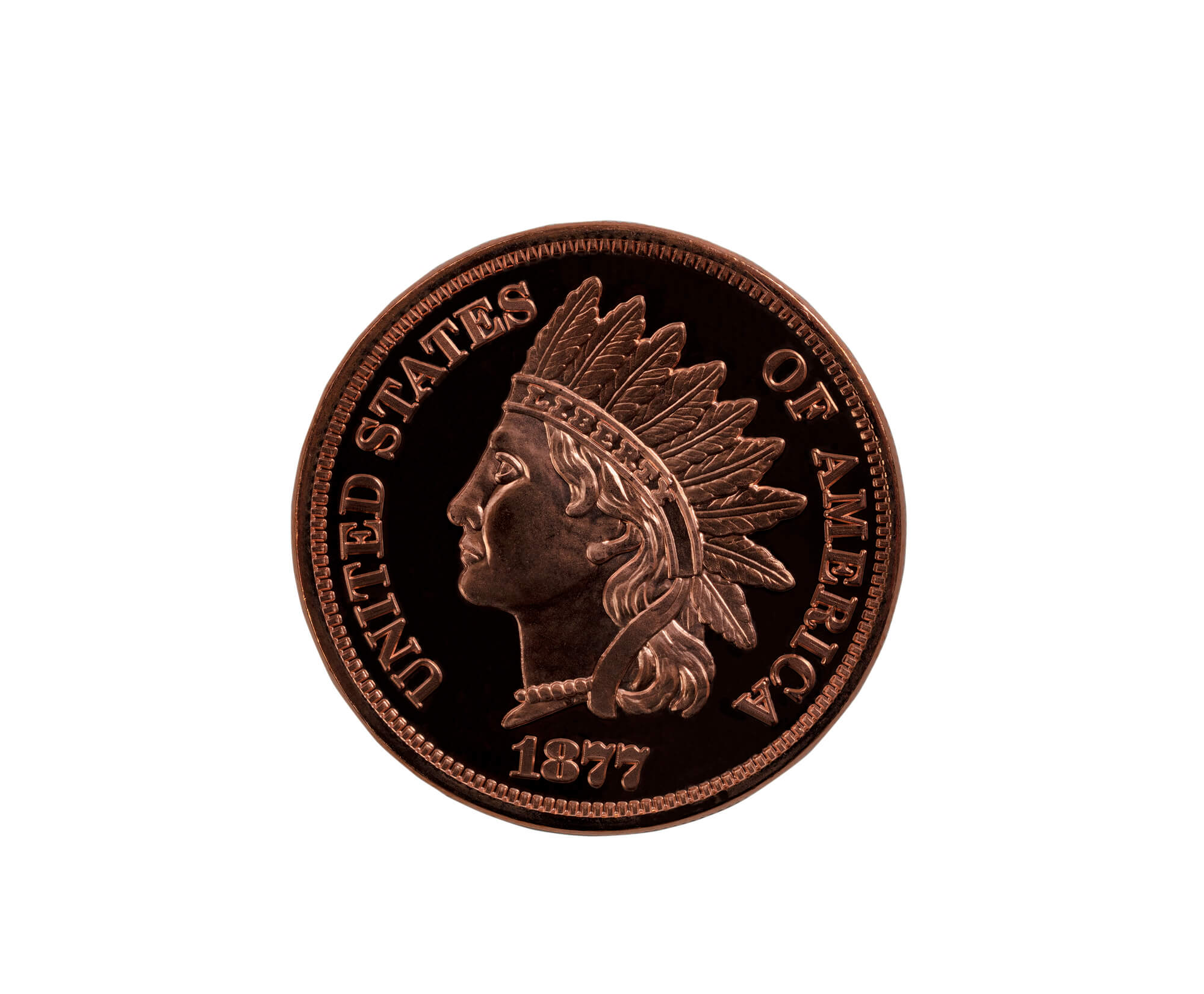
Philadelphia struck only about 852,500 Indian Head cents in 1877, a low figure often blamed on a sluggish economy and a backlog of earlier cents still in circulation. Collectors consider it the toughest regular date of the entire series.
Worn examples commonly sell for several hundred dollars, and well-struck uncirculated coins bring thousands, with eye appeal and natural brown surfaces counting for a lot. Altered dates are a known problem, so experienced buyers compare the date digits and the reverse details against authenticated examples or simply buy coins already certified by a grading service.
Denver Wheat Cent From 1914
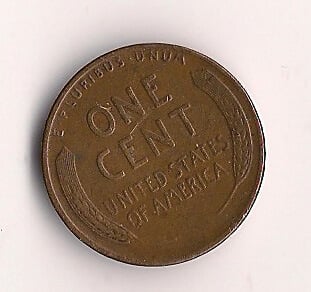
Denver produced 1,193,000 cents in 1914, a modest figure compared with typical annual runs in the tens of millions. The 1914-D became one of the most sought key dates in the Lincoln wheat series.
Counterfeiters often take a 1944-D cent and shave away the first 4 to fake one, so dealers check the shoulder for Brenner’s initials, which did not return to the cent until 1918 and therefore should not appear on a genuine 1914-D. Value climbs steeply with grade, from a couple hundred dollars in heavily worn condition to many thousands for a lustrous mint-state coin.
Hidden Doubling on the 1917 Cent
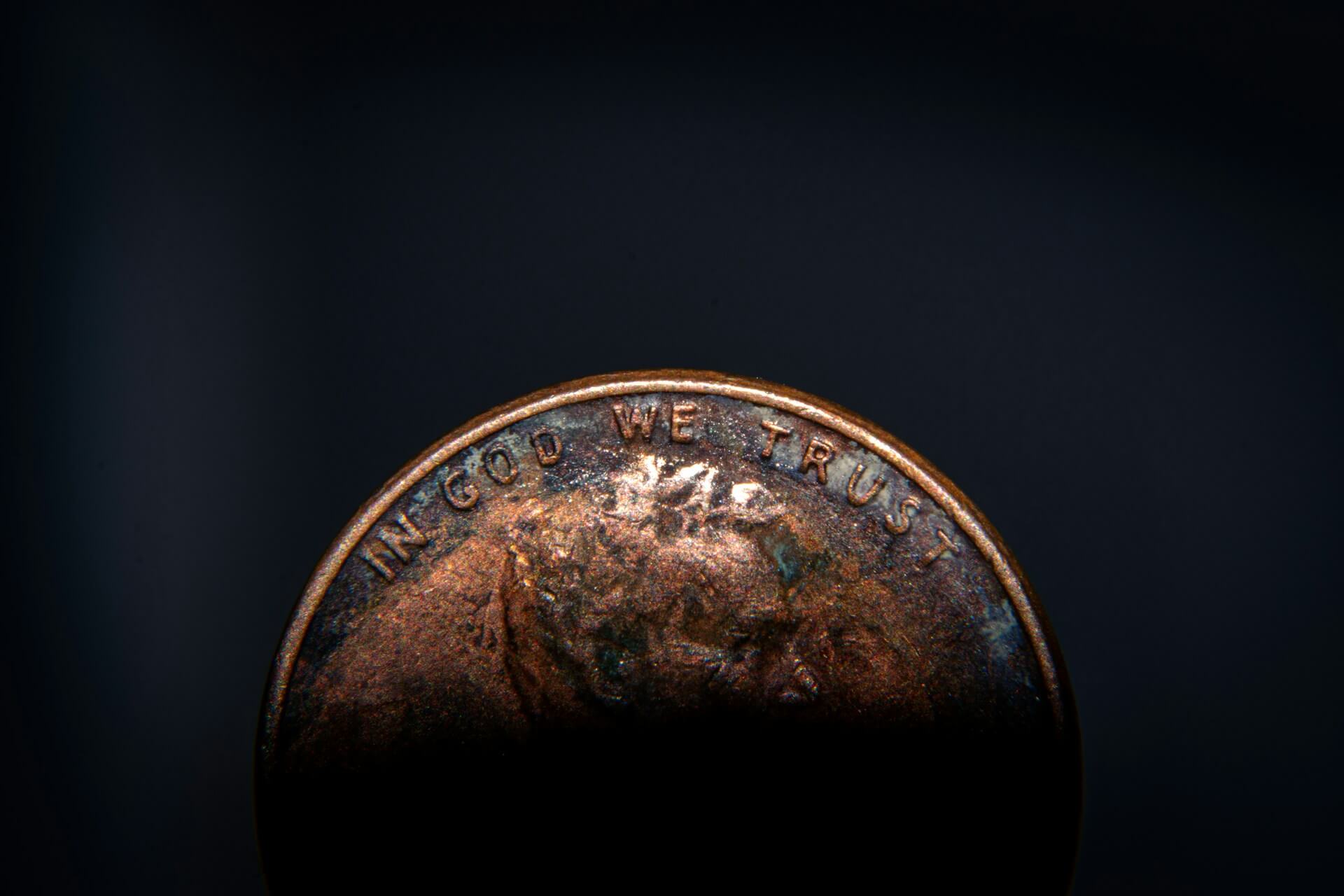
A doubled die occurs when the die that strikes coins receives two slightly misaligned impressions during its manufacture, and every coin it strikes carries the echo. On the 1917 doubled die obverse, the doubling shows on IN GOD WE TRUST and the date.
It went largely unnoticed for decades, so examples still surface in old collections and jars of wheat cents. Price depends on how strong the doubling looks and how much wear has softened it, with circulated examples typically bringing a few hundred dollars and fine uncirculated pieces reaching into the thousands.
Missing Mintmark From 1922
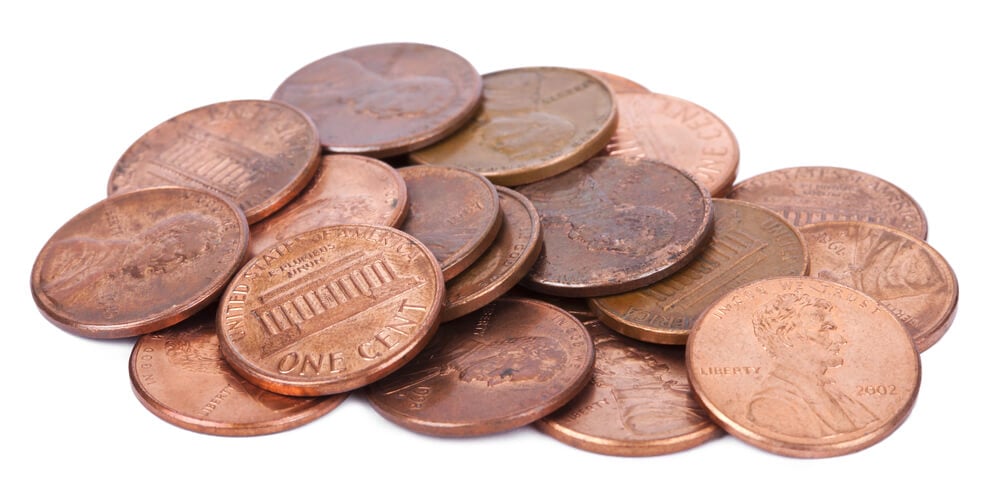
Denver struck 1922 cents with a D mintmark, and those coins should carry on. Some dies wore down or became clogged with grease, leaving coins with a faint mintmark or none at all.
Specialists divide these coins into die pairs, and the so-called strong reverse variety, which shows sharp lettering on the back despite the missing D, is the most valuable. Even worn examples of that variety typically bring several hundred dollars, while the weaker die pairs sell for less, and fakes made by scraping off a mintmark circulate widely enough that certification matters.
Depression Survivor From San Francisco, 1931
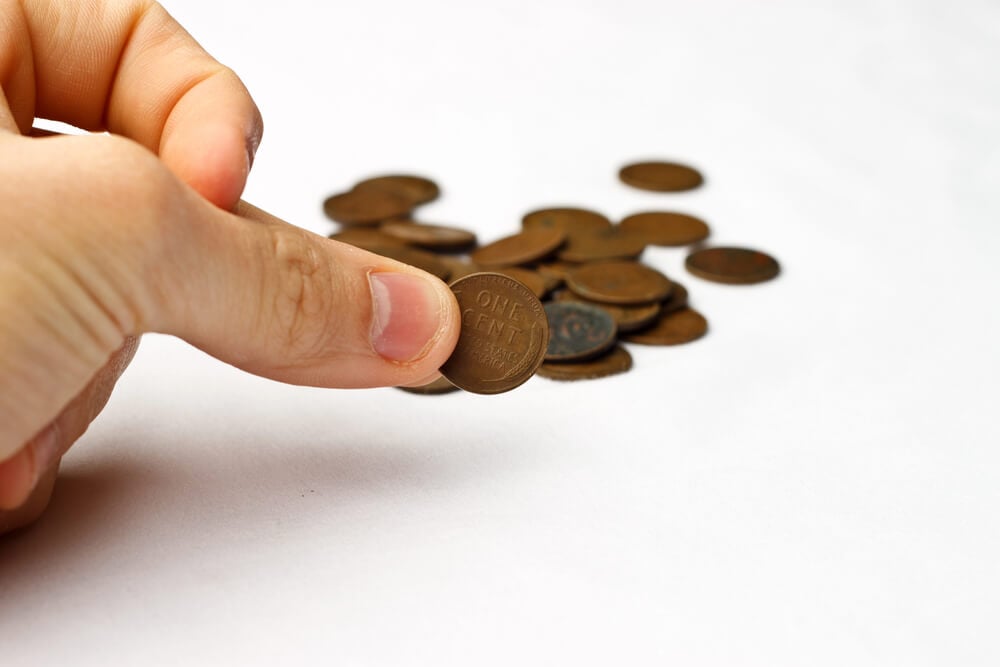
San Francisco struck only 866,000 cents in 1931, during the Depression, when demand for new coins slumped. The low mintage made the 1931-S a key date in the wheat cent series.
Unlike some other keys, many examples were saved by collectors and dealers who recognized the low figure early, so uncirculated coins are surprisingly available. Circulated examples usually bring around 100 dollars or more, and red uncirculated coins reach several hundred, with value hinging on how much original color survives and whether carbon spots have crept onto the surface.
Subtle Doubling From 1936
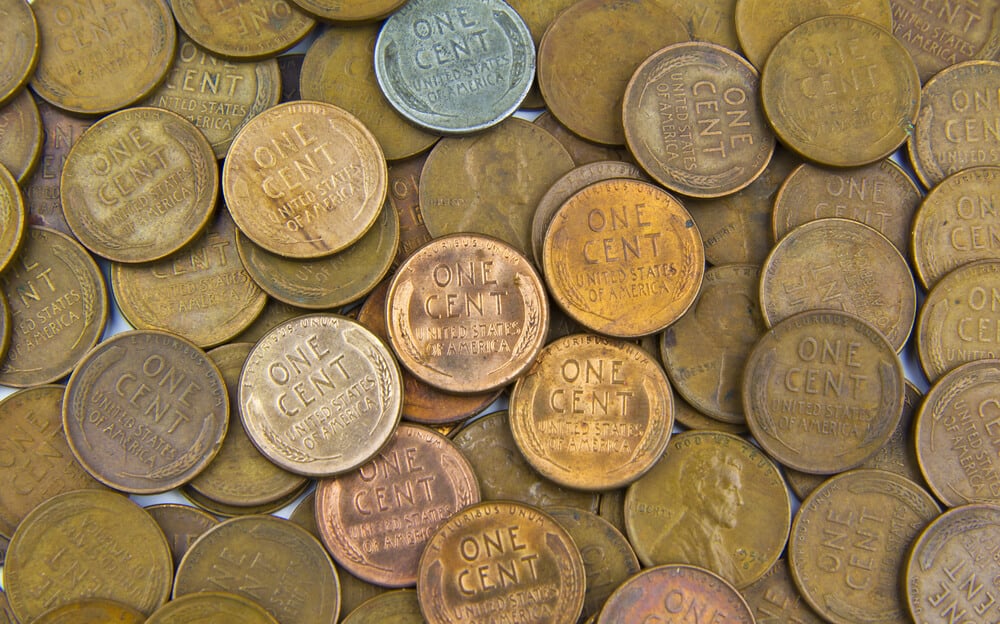
Doubling on the 1936 obverse shows on LIBERTY, the date and IN GOD WE TRUST, and several die varieties are known. The strongest displays clear separation, while others are subtle enough to require a loupe.
Because the effect is modest next to later famous errors, the 1936 variety is easy to overlook in a jar of old wheat cents. Prices range from a modest premium for minor examples to thousands for strong doubling in uncirculated grades, and the shiny proof versions struck that year form a separate, pricier category.
Bronze Cent From 1943
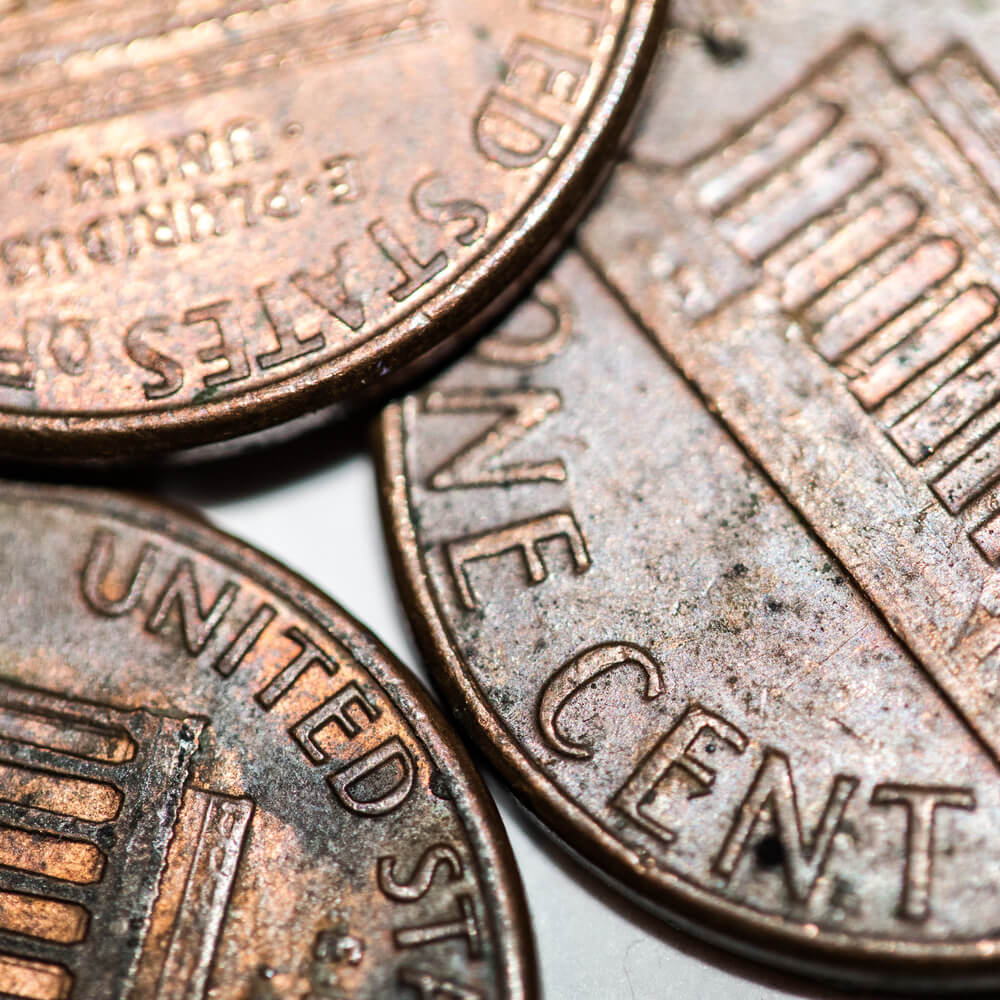
In 1943, the Mint switched to zinc-coated steel cents to save copper for the war effort, but a few leftover bronze planchets were struck by mistake. Only a handful of these bronze 1943 cents are known, and a 1943-D bronze cent sold for about 1.7 million dollars in 2010.
A simple magnet test separates them from the common steel coins, since steel sticks and bronze does not. Fakes made by copper-plating a steel cent or altering the last digit of a 1948 cent are common, so authentication by a grading service is essential.
Steel Cent From 1944
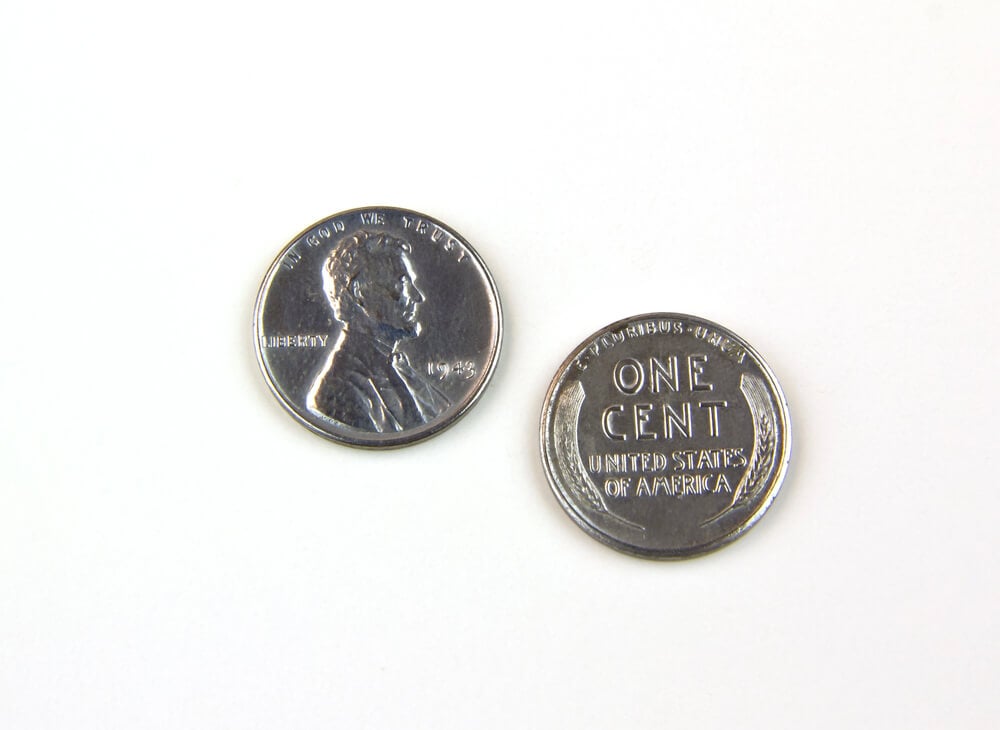
Mirror-image mistakes followed in 1944, when the Mint returned to bronze but a few leftover steel planchets still went through the presses. These 1944 steel cents are about as rare as the 1943 bronze cents, with only a few dozen known from Philadelphia and smaller numbers from Denver and San Francisco.
A magnet will stick to a genuine example, and it weighs less than a normal bronze cent. Authenticated pieces typically sell for six figures, with strike quality, rust spots and surface condition separating the top examples from the rest.
Famous Doubling of 1955
Collectors call the 1955 doubled die obverse the most famous error in the Lincoln series, with dramatic doubling on the date and lettering plain to see without any magnification. An estimated 20,000 or so were released into circulation, and many first surfaced around Boston and upstate New York.
The effect is so strong that the coin became a household name among collectors in a way few errors ever do. Circulated examples typically sell for well over 1,000 dollars, and uncirculated coins with original red color bring far more, while replicas and fakes remain common.
Small Date Cent From 1960
Midway through 1960 the Mint modified the date on Lincoln cents, creating large date and small date varieties from both Philadelphia and Denver. The Philadelphia small date is the scarcer of the two, with a much lower production.
Collectors identify it by the compact numerals and by the top of the 1 sitting level with the top of the 9, while the large date shows a taller 1. Circulated examples typically sell for a few dollars, but bright red uncirculated pieces and proof versions bring far more, especially the rare small date over large date proof varieties.
Small Date From San Francisco, 1970
Two date sizes appeared on the 1970-S cent, and the small date version is far scarcer. Specialists tell them apart by the 7, which sits level with the other digits on the small date and drops lower on the large date, and by the weaker, mushier LIBERTY on the small date variety.
Most examples come from old proof sets or mint sets, but some reached circulation. Prices range from modest sums in circulated grades to several hundred dollars for top uncirculated coins, with full red color and minimal handling marks setting the best apart.
Seized Doubled Die From 1969
A 1969-S doubled die obverse shows strong doubling on the date and lettering, and it ranks among the most valuable modern Lincoln errors. When the first examples appeared, the Secret Service seized some as suspected counterfeits, because fake doubled cents were already being made and passed at the time.
Only a small number of genuine examples are known, likely a few dozen. Authentic pieces bring tens of thousands of dollars, with grade, color and eye appeal pushing the top examples higher still, so any candidate needs certification before anyone celebrates.
Doubling on the 1972 Cent
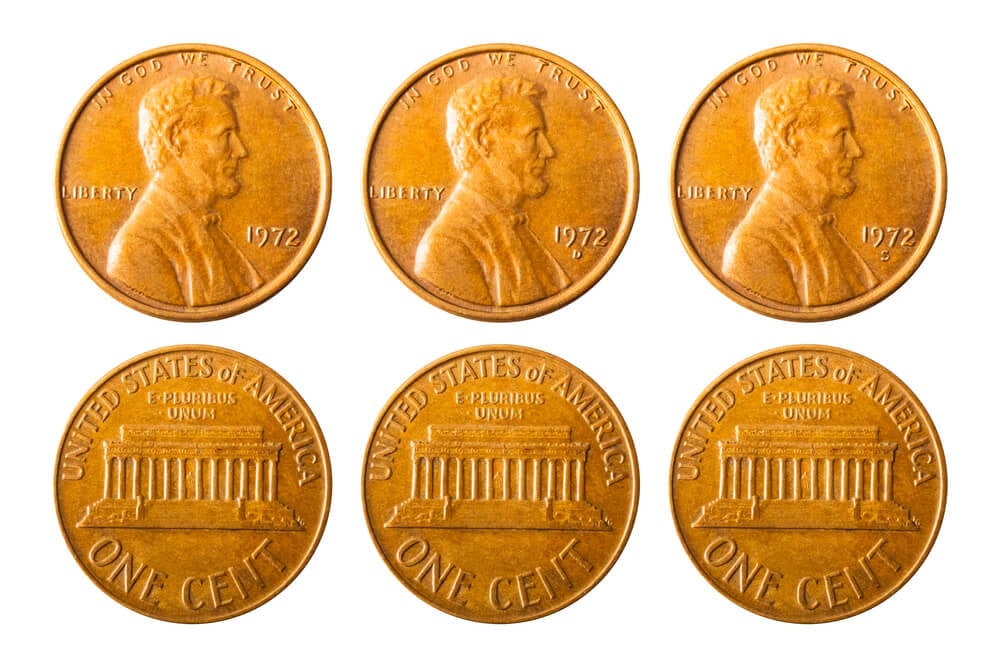
Clear doubling on the date, LIBERTY and IN GOD WE TRUST marks the 1972 doubled die obverse, visible under modest magnification and sometimes even without it. Several die varieties exist, but the strongest, known to specialists as the primary variety, is the most valuable by a wide margin.
Because the coins were released into general circulation, they still turn up in rolls and jars nearly half a century later. Circulated examples typically bring a few hundred dollars, while red uncirculated coins sell for more, depending on sharpness and any spotting.
Reverse Doubling From 1983
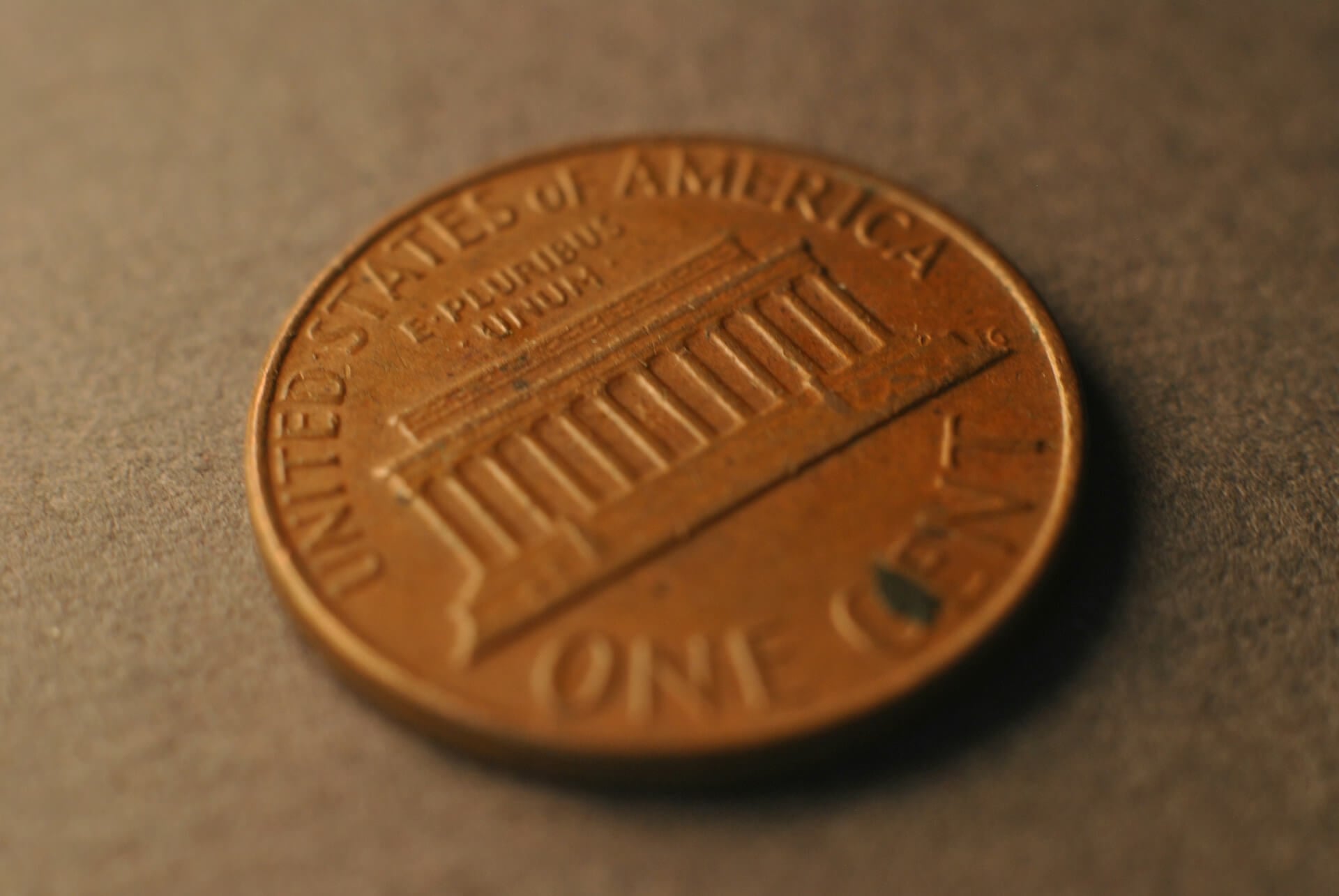
On the 1983 doubled die reverse, strong doubling shows on ONE CENT and E PLURIBUS UNUM, along with other lettering on the back of the coin. It was discovered after the coins entered circulation, so examples are still found in pocket change and rolls.
The doubling is visible with a basic loupe, making it one of the easier modern errors to confirm. Circulated examples typically bring a few hundred dollars, while red uncirculated coins sell for more, with surface condition and luster making a big difference.
Lincoln’s Doubled Ear From 1984
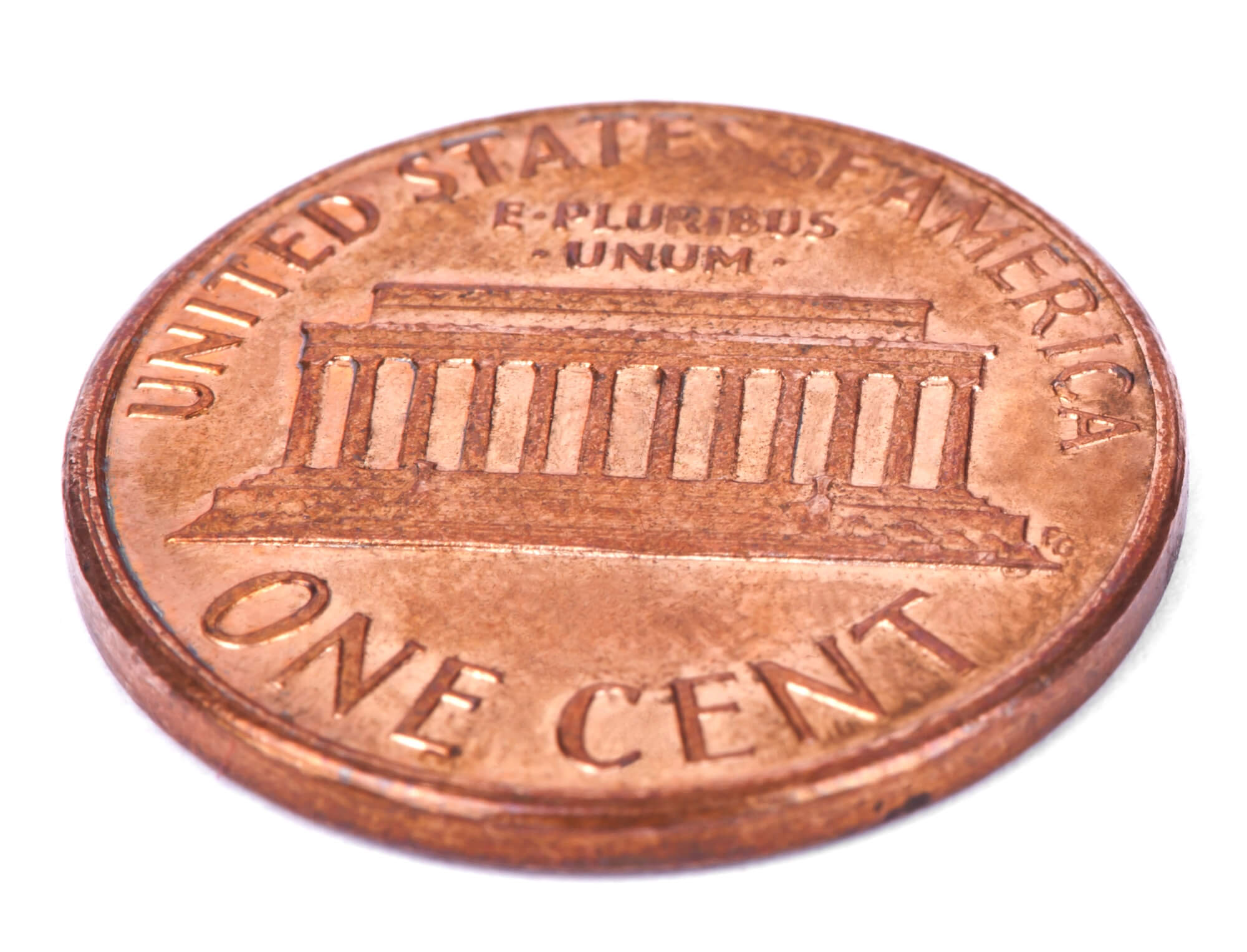
Collectors nicknamed this 1984 doubled die obverse the doubled ear because the most obvious doubling appears on Lincoln’s ear, which shows a second outline. The beard and nearby details also show signs of doubling under magnification.
The coins were released into circulation in large numbers and still surface in jars and rolls today. Prices typically run from around 100 dollars for circulated examples to several hundred or more for red uncirculated pieces, with the clarity of that second ear outline doing most of the work in setting the price.
Close AM Cent From 1992
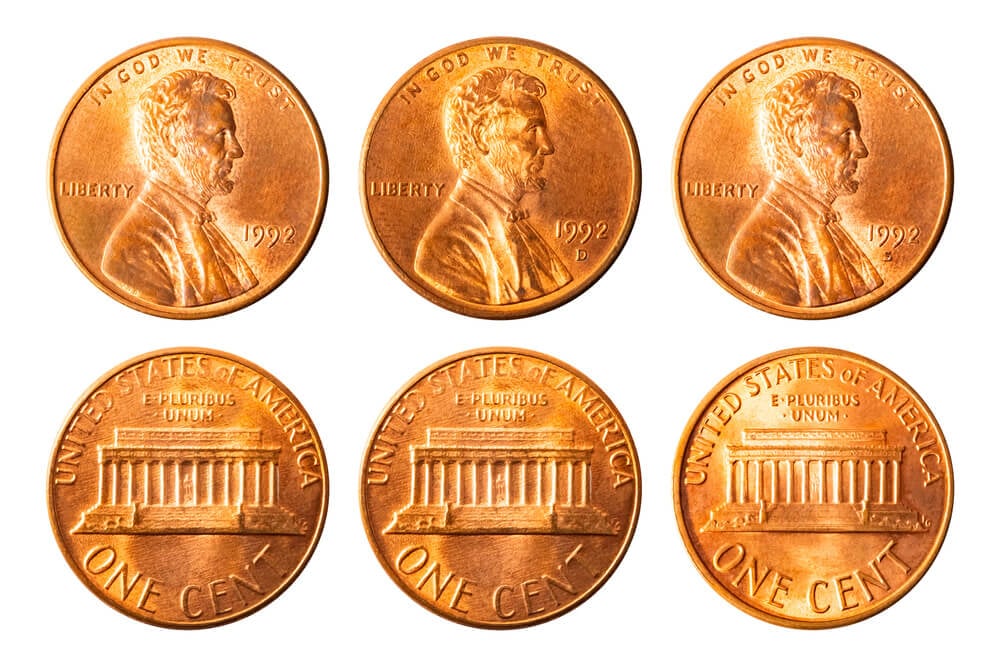
Mint engravers changed the reverse design so that the letters A and M in AMERICA nearly touched, a version not meant for circulation until 1993. A few 1992 cents were struck with this close AM reverse anyway, and they are rare from both Philadelphia and Denver.
Collectors use magnification to check the spacing between the letters, since the normal 1992 cent shows a clear gap. Authentic examples have sold for thousands of dollars, and because the difference is so small, grading services examine the designer’s initials and other reverse details too.
Wide AM Cents, 1998 to 2000
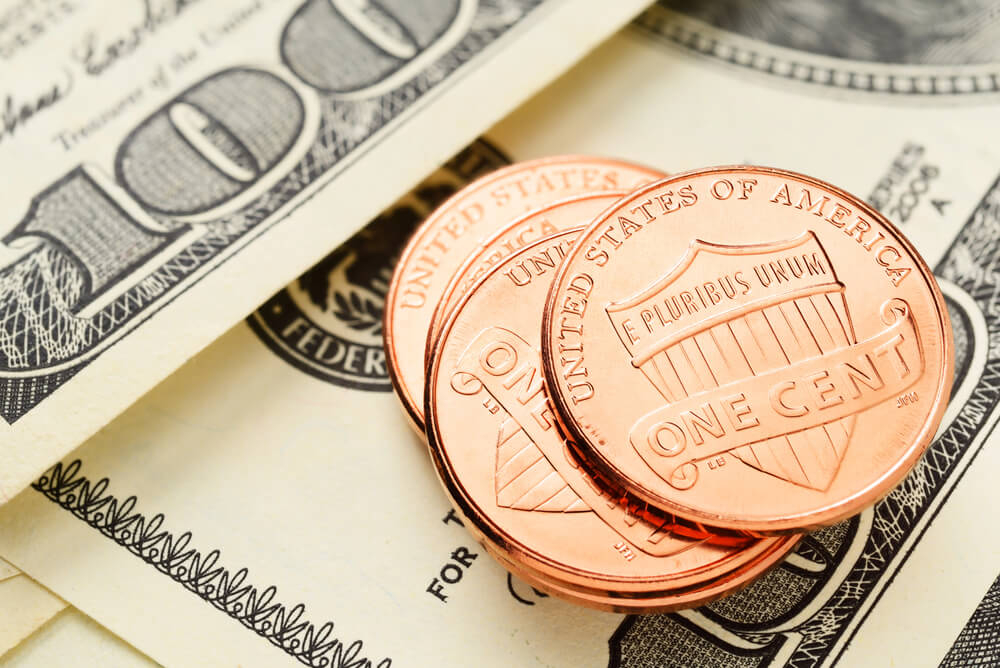
Some circulation cents from 1998 through 2000 were struck with a reverse intended for proof coins, showing a wide gap between the A and M in AMERICA. Normal circulation cents of those years have the letters nearly touching, so the wide spacing is the giveaway.
The 1999 wide AM is the scarcest of the three years and draws the strongest prices. Values range from modest sums for circulated examples to hundreds or more for red uncirculated coins, though nicks, discoloration and dull luster cut into what a buyer will pay.
LIBERTY Doubling From 1995
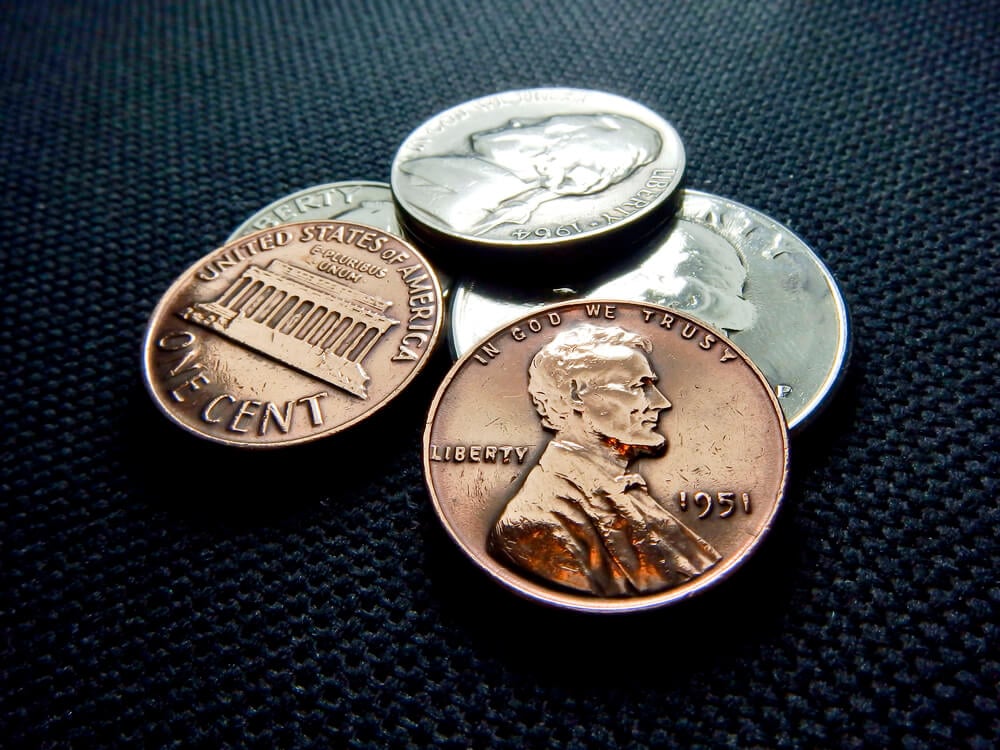
A 1995 doubled die obverse shows doubling on LIBERTY and IN GOD WE TRUST, and it became popular because people began pulling it from pocket change shortly after release. The doubling is clear under magnification but subtle compared with earlier famous errors.
Large numbers were found, which keeps prices modest and makes it one of the most realistic targets for a casual jar search. Circulated examples typically bring a small premium, while red uncirculated coins sell for more, depending on how strong the doubling looks.
Cents Struck on Dime Planchets
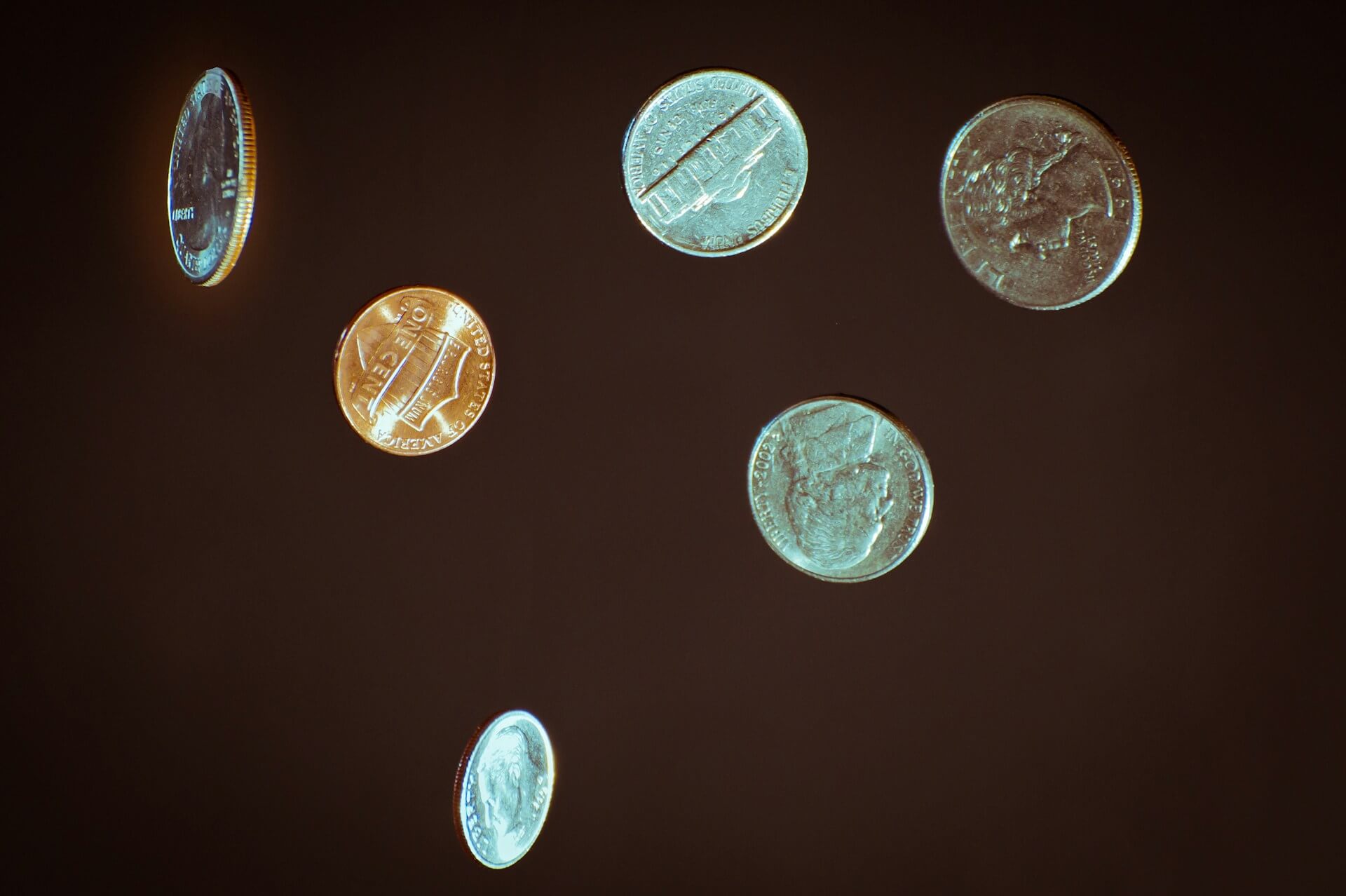
Occasionally a dime blank strayed into a press striking cents, creating a smaller, silver-colored coin with part of the Lincoln design falling off the edge. Those struck on modern clad dime blanks weigh about 2.27 grams, matching a dime instead of a cent, which makes a kitchen scale a surprisingly useful tool.
They are scarce and highly collectible as error coins. Prices vary with the year and how much of the design shows, with circulated examples typically bringing hundreds of dollars and the best-struck pieces bringing thousands.
Copper, Steel and Second Looks
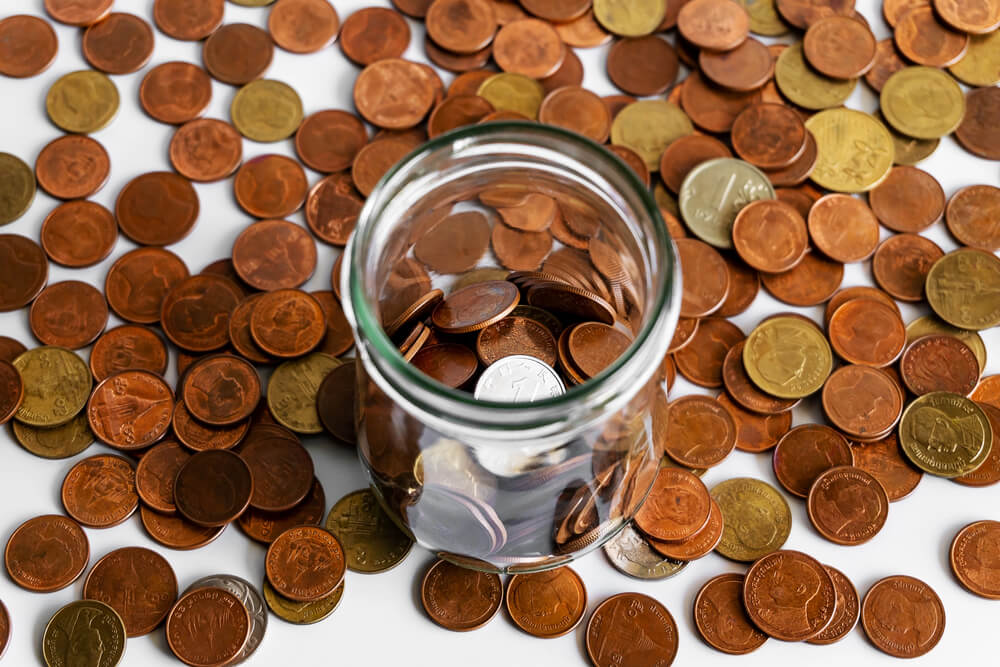
Most pennies in a jar will be worth exactly one cent. The rare ones hide in plain sight, set apart only by a mintmark, a doubled letter or a slight change in metal.
Their value comes from mistakes, shortages and redesigns that the Mint never intended anyone to notice.
A magnifying glass, a magnet and a little patience turn a jar of change into a small archive of American history. Each coin passed through dozens of hands without anyone giving it a second glance.
The next valuable penny might already be sitting at the bottom of one of those jars.
More from Go2Tutors!

- The Romanov Crown Jewels and Their Tragic Fate
- 13 Historical Mysteries That Science Still Can’t Solve
- Famous Hoaxes That Fooled the World for Years
- 15 Child Stars with Tragic Adult Lives
- 16 Famous Jewelry Pieces in History
Like Go2Tutors’s content? Follow us on MSN.