16 Natural Mirrors So Perfect They Fool Satellite Cameras
Nature has an extraordinary talent for creating optical illusions that can confuse even our most sophisticated technology. Across our planet, certain water bodies reflect the sky and surrounding landscapes with such pristine clarity that they’ve been known to baffle satellite imaging systems.
These natural mirrors create perfect reflections that can make it difficult to determine where reality ends and reflection begins. Here is a list of 16 natural mirrors around the world so perfect that they’ve actually confused satellite cameras and created stunning visual phenomena.
Salar de Uyuni
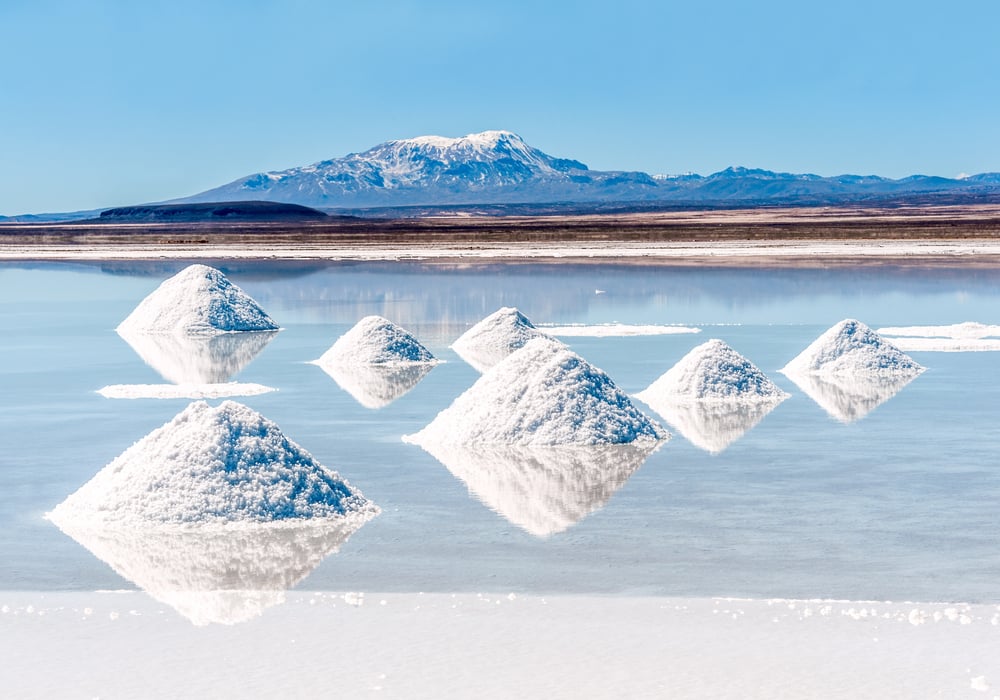
Bolivia’s Salar de Uyuni transforms into the world’s largest mirror when a thin layer of water covers its salt flat surface. During the rainy season, this 4,086-square-mile expanse creates a reflection so perfect that NASA uses it to calibrate satellite orbits and altimeters.
The seamless horizon line makes it nearly impossible for imaging systems to distinguish between the sky and its reflection, creating what appears to be an infinite expanse of sky.
Lake Matheson
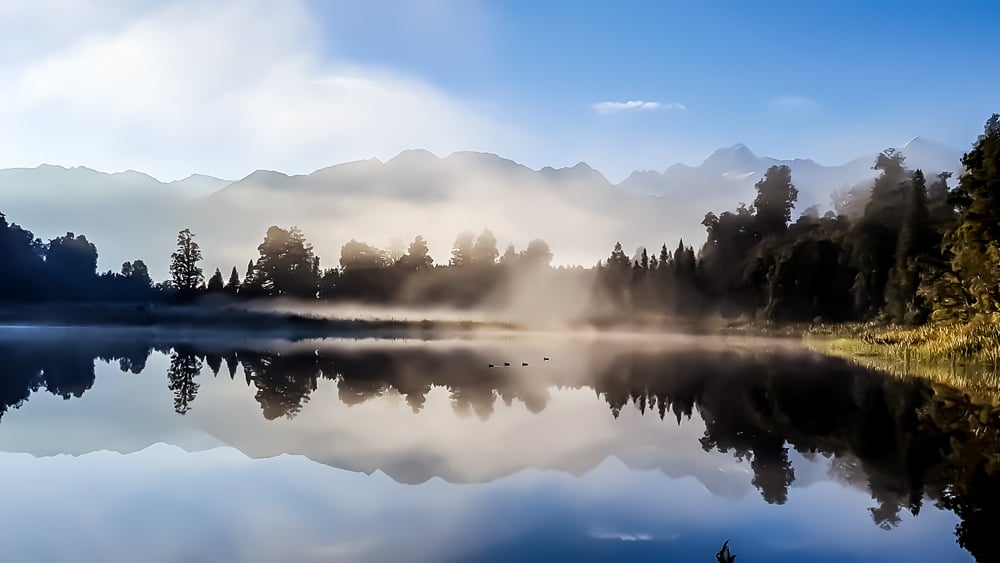
This glacial lake in New Zealand’s South Island is renowned for its mirror-like reflections of Mount Cook and Mount Tasman. The dark brown waters, stained by forest tannins, minimize ripples and create an almost glass-like surface at dawn and dusk.
Satellite images of Lake Matheson often show duplicate mountains in the frame, causing automated image recognition systems to flag these “impossible” geological formations for human review.
Bonneville Salt Flats
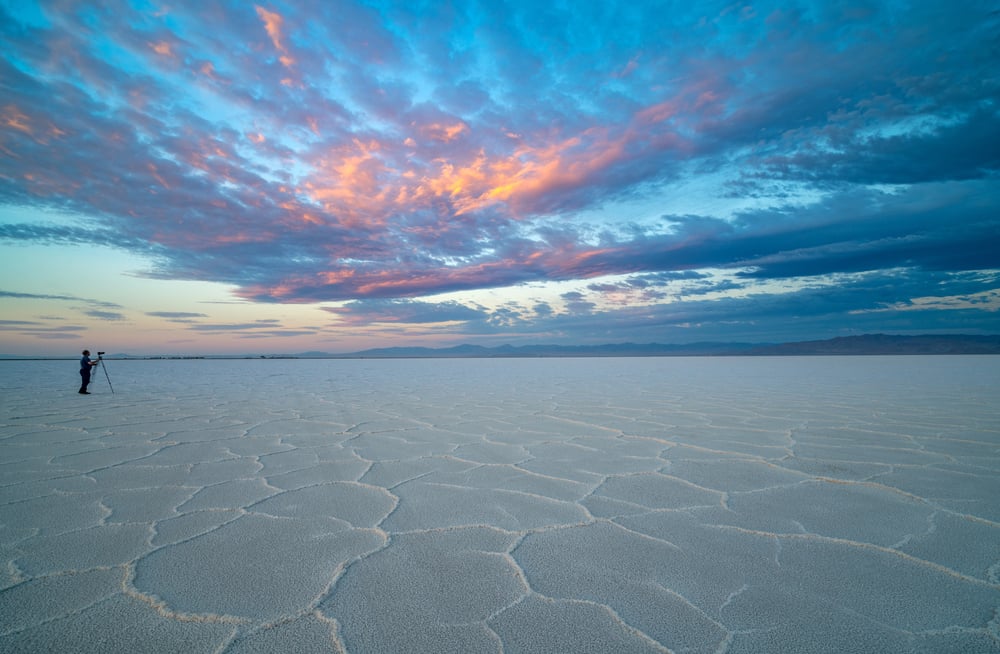
Utah’s famous salt flats become a perfect mirror when rainwater creates a shallow lake atop the salt crust. The water level can be mere millimeters deep yet produce reflections so flawless that satellite imaging systems have difficulty establishing the true horizon.
Racing enthusiasts know these flats for speed records, but photographers cherish them for creating otherworldly images where cars appear to float between two identical skies.
Lake Baikal
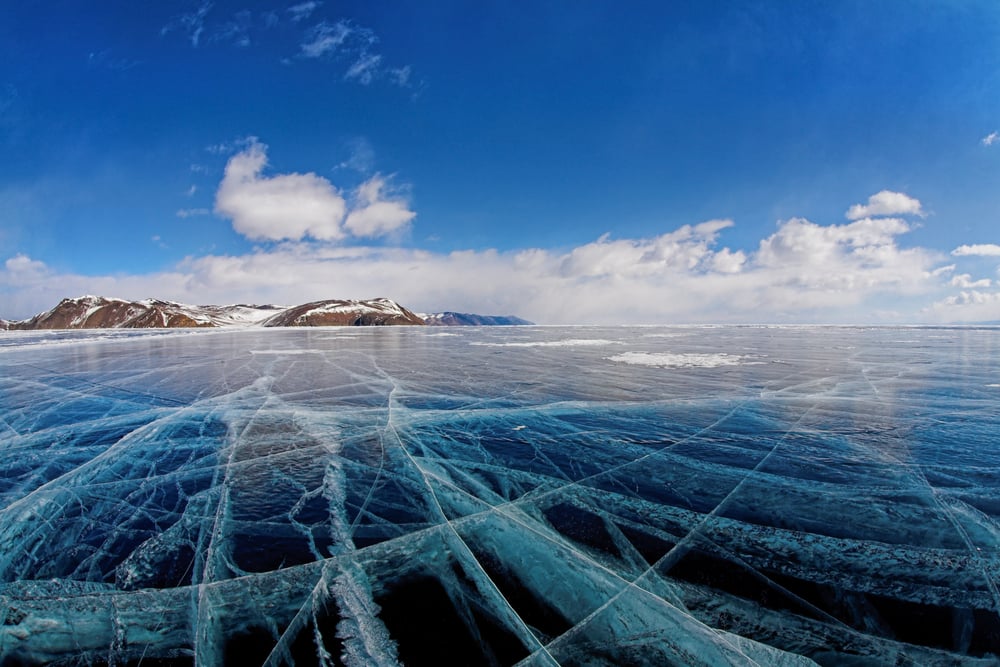
The oldest and deepest freshwater lake on Earth creates stunning mirror effects when it freezes in winter. Siberia’s Lake Baikal forms ice so clear and reflection-perfect that satellite cameras have mistakenly doubled their altitude readings.
The lake’s unique combination of extreme depth, low mineral content, and prolonged freezing periods creates ice surfaces that reflect like polished glass, confounding automated imaging algorithms.
Puerto Bertrand Lake
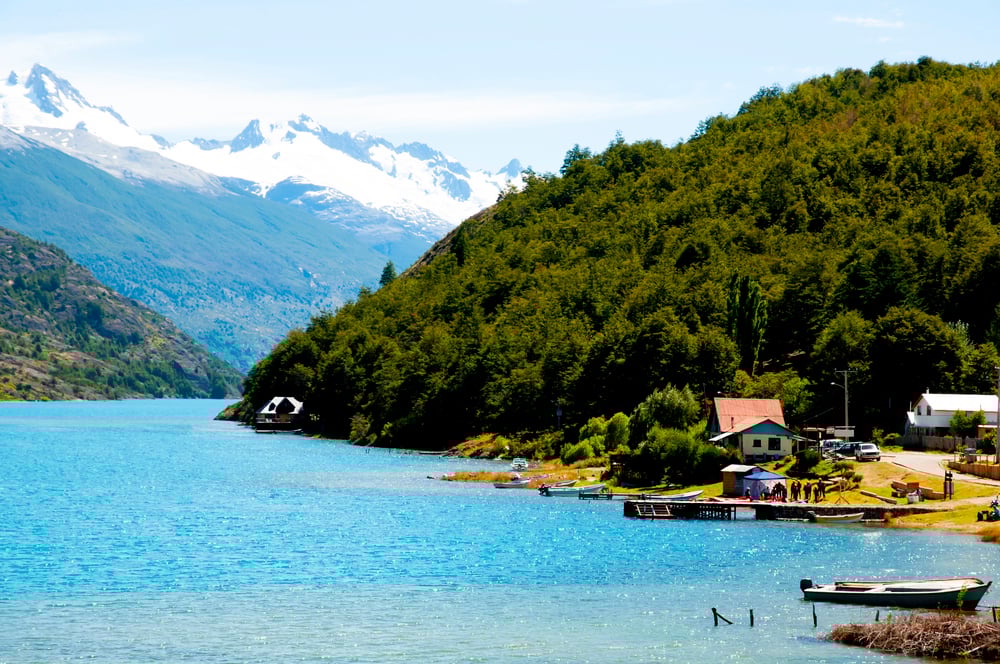
This Chilean lake nestled in Patagonia is famous among photographers for its impossibly clear turquoise waters. The lake’s unusual clarity comes from glacial minerals combined with a sheltered position that minimizes wind disturbance.
Satellite imaging systems have repeatedly flagged Puerto Bertrand as having ‘processing errors’ due to the perfect symmetry between the real mountains and their reflections.
Badwater Basin
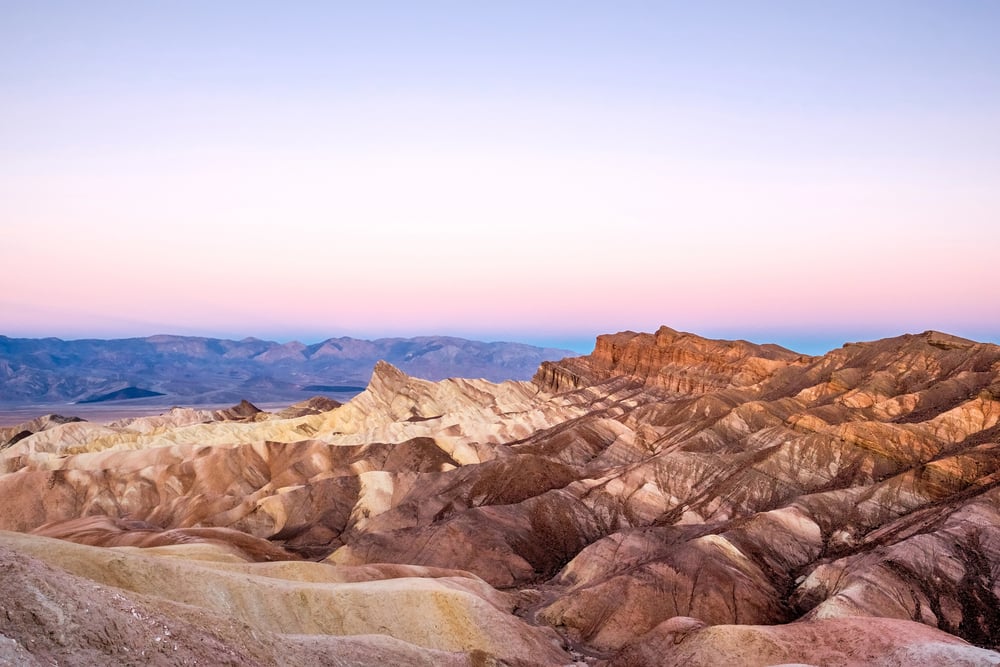
Death Valley’s Badwater Basin occasionally transforms from the lowest, driest point in North America into a surreal mirror. When rare rainstorms leave shallow water across the salt pan, the resulting reflection is so perfect that satellite cameras have misinterpreted the horizon line.
The basin’s exceptionally flat surface creates a water layer so thin and uniform that it acts like a precision-manufactured mirror.
Lake Louise
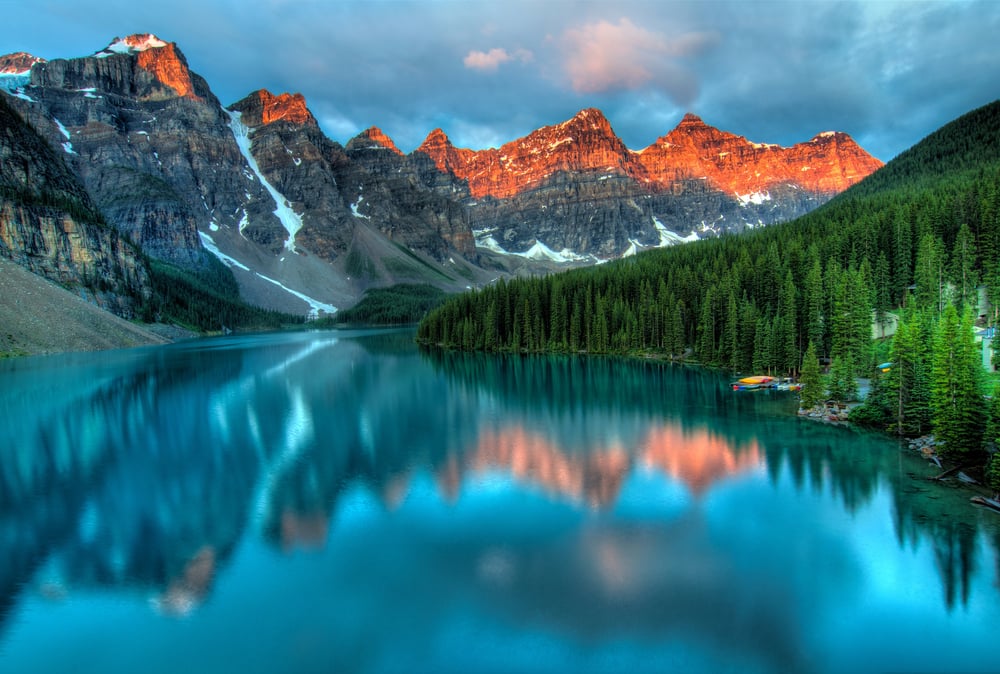
Alberta’s famous glacial lake creates mirror effects so convincing that satellite imagery sometimes shows double mountains. The lake’s position in a sheltered valley, combined with early morning calm, creates ideal conditions for perfect reflections.
Tourism photographs often showcase this mirror effect, but few realize that the same phenomenon has confused automated satellite image classification systems.
Glass Beach
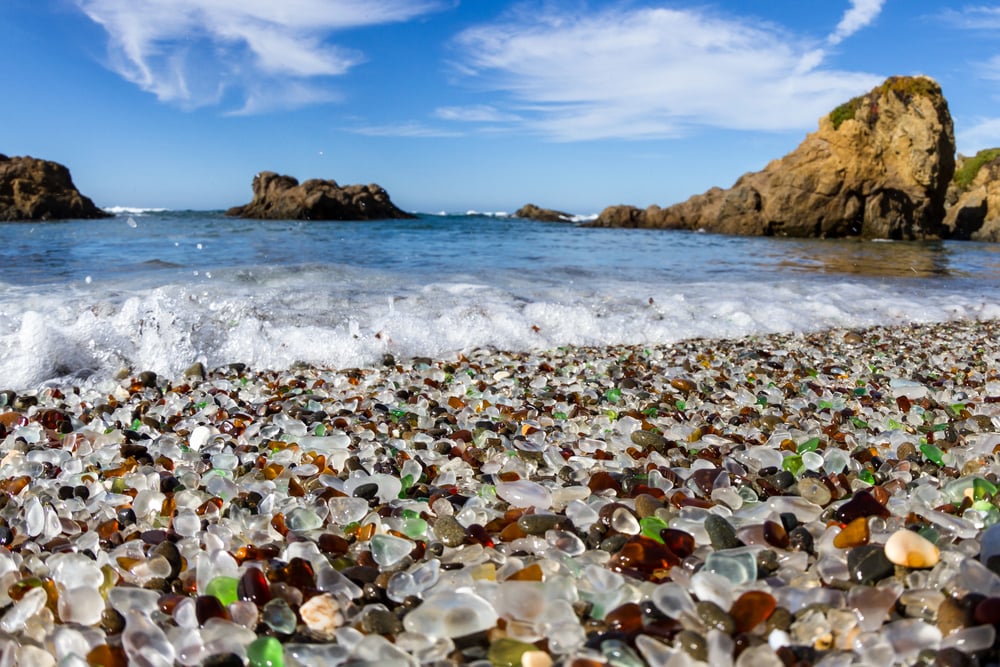
This Finnish beach phenomenon occurs when perfectly calm conditions transform the Baltic Sea into a flawless mirror. Local photographers call these rare moments ‘twin world’ events, when the distinction between sky and sea completely disappears.
Satellite cameras passing overhead during these events have produced images so symmetrically perfect that they’ve been flagged as processing errors.
Hokkaido Blue Pond
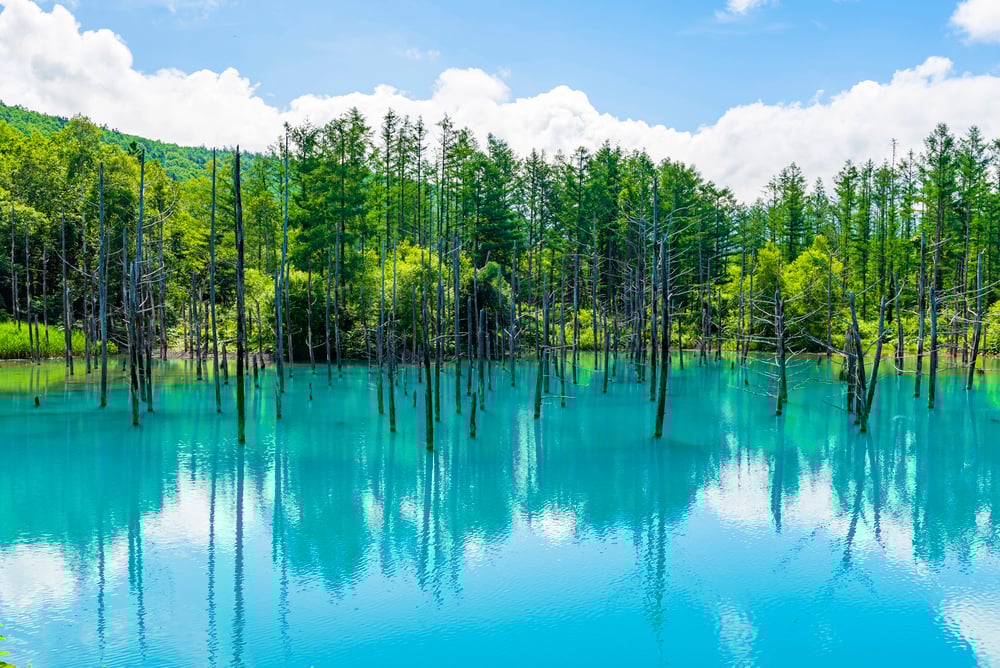
Japan’s artificially created Blue Pond has become famous for its otherworldly azure waters that perfectly reflect the surrounding landscape. The pond’s unusual minerals create both its striking color and extraordinary stillness.
Satellite imagery has occasionally shown ‘duplicate trees’ appearing to grow downward from the water surface, creating anomalies in automated image recognition systems.
Spotted Lake

This mineral-rich lake in British Columbia becomes a natural mirror during specific seasonal conditions. When water levels drop, the remaining pools form perfect circular mirrors that reflect the sky with astonishing precision.
Satellite imagery has mistakenly identified these as unusual craters or ground perforations rather than water bodies because of their perfect circular reflections.
The Boneyard

Nevada’s aircraft storage facility appears doubled in satellite imagery when rare desert rainfall creates shallow pools across the flat terrain. The temporary lakes form such perfect mirrors that satellite cameras have captured complete reflections of stored aircraft, creating the illusion of planes stacked impossibly atop one another.
Military analysts monitor these weather conditions as they temporarily compromise aerial surveillance capabilities.
Lake Eyre
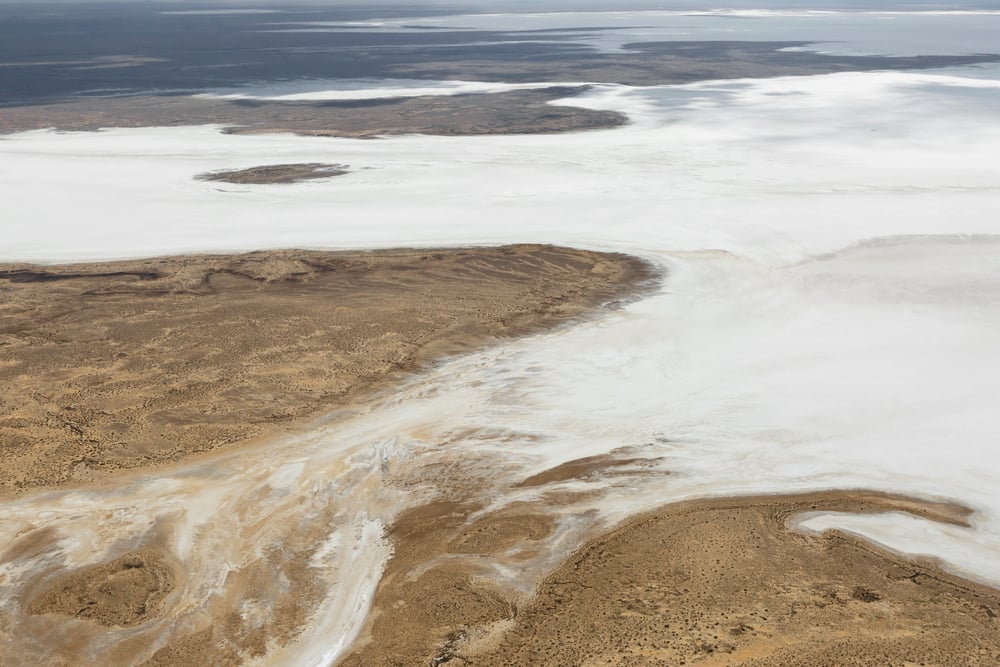
Australia’s largest salt lake creates a mirror so vast and perfect when flooded that it has actually been used to calibrate Earth observation satellites. The lake’s exceptional flatness comes from centuries of sediment settling, creating a surface that deviates vertically by less than 8 inches across its entire 3,600-square-mile expanse.
When flooded, this creates a reflection so geometrically perfect that it confuses automated horizon detection systems.
Lagoa Azul
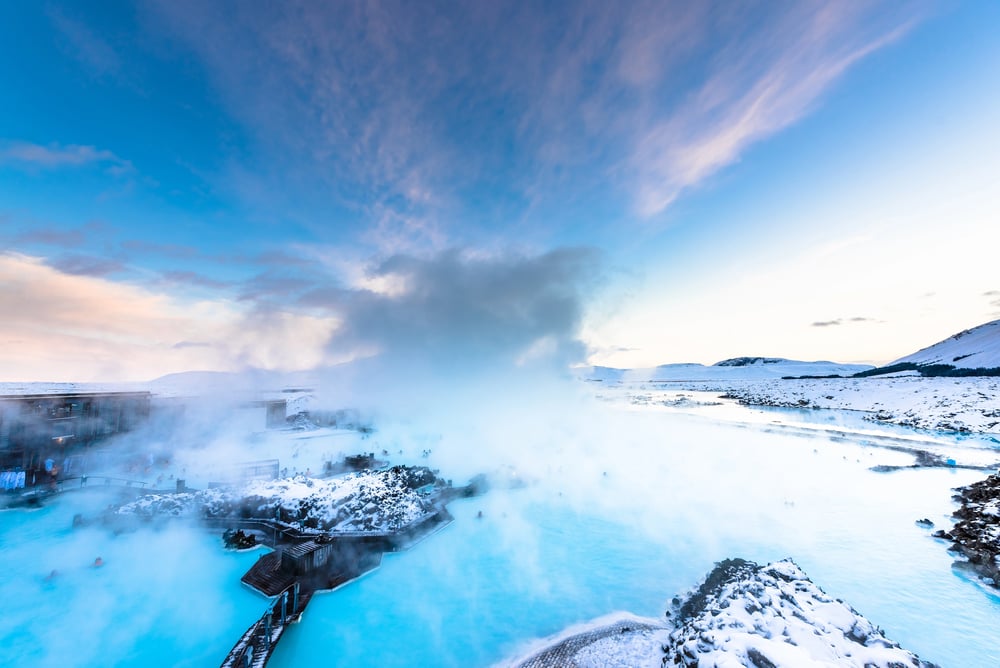
This ‘Blue Lagoon’ in Brazil’s Lençóis Maranhenses National Park creates perfect reflections thanks to fresh rainwater collected in pure white sand dunes. The contrast between turquoise water, white sand, and blue sky creates reflections so perfect that satellite imaging algorithms have erroneously identified duplicate dune systems.
The lagoon’s small size but remarkable mirroring quality makes it a particular challenge for automated image classification.
The Copper River Delta
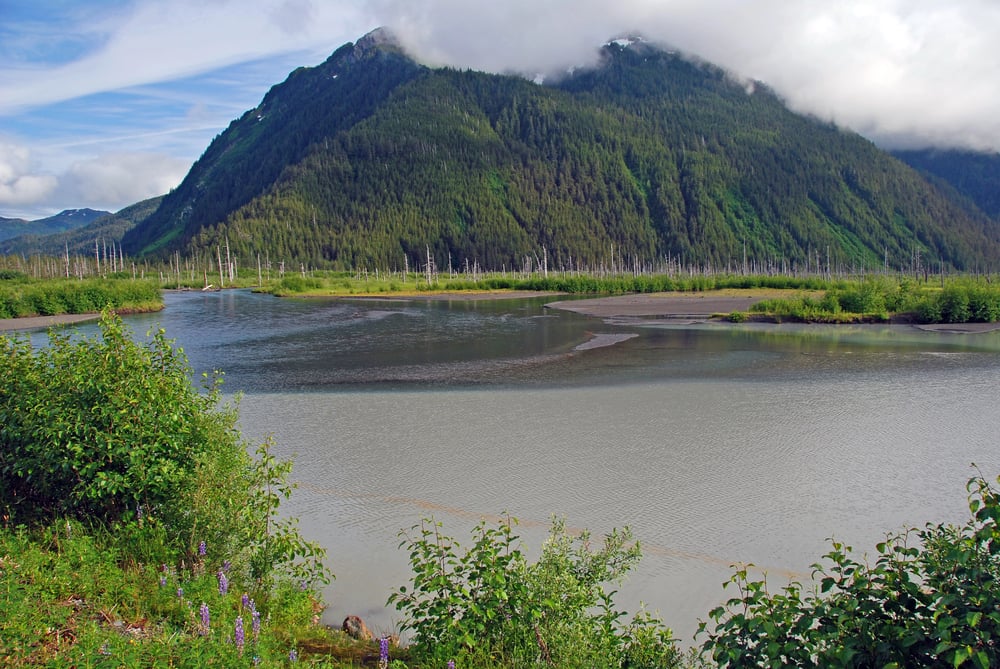
Alaska’s vast wetland system creates thousands of small, perfectly reflective pools during calm weather. The delta’s position near glacier runoff ensures extremely clean water with minimal surface disruption.
Satellite imagery has captured reflections so perfect that conservation scientists initially questioned whether their monitoring equipment was functioning correctly.
Atchafalaya Basin
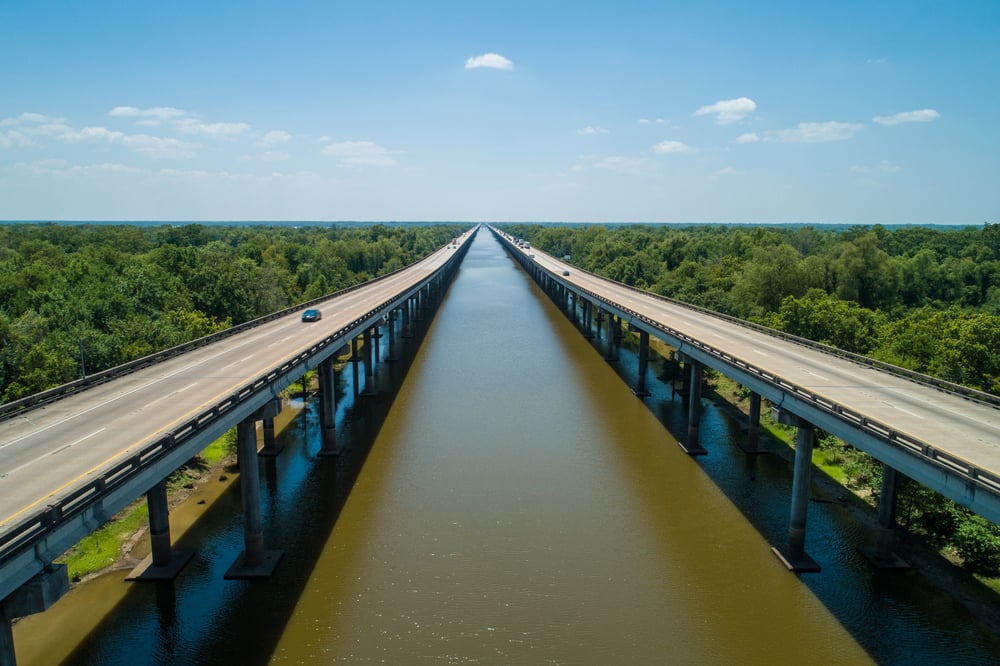
Louisiana’s massive river swamp creates mirror effects when its waters become perfectly still in the early morning hours. The basin’s tangled cypress forests appear doubled in satellite imagery, creating what analysts call ‘shadow forests’ that confuse automated mapping systems.
The water’s natural tannins reduce surface tension and create glass-like conditions that produce these extraordinary reflections.
Morning Glory Pool
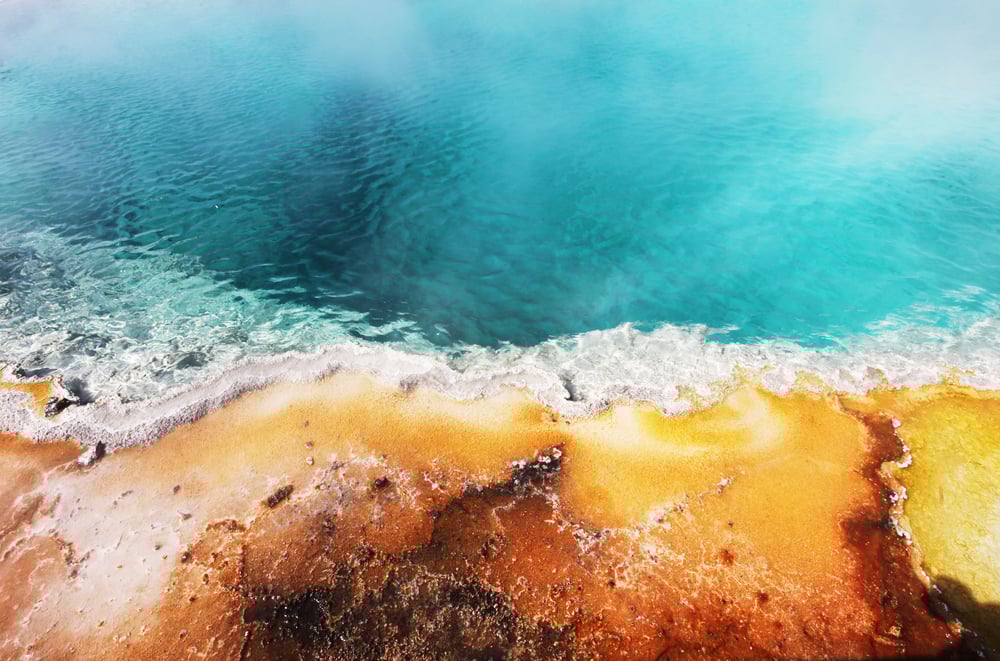
Yellowstone’s famous hot spring creates a perfect circular mirror of the sky above. The pool’s unusual thermal properties prevent ripples from forming on its surface, resulting in reflection quality comparable to manufactured mirrors.
Satellite thermal imaging has occasionally shown ‘temperature inversions’ at this location that were actually just perfect reflections of cool sky temperatures on the hot spring’s surface.
Nature’s Optical Masterpieces
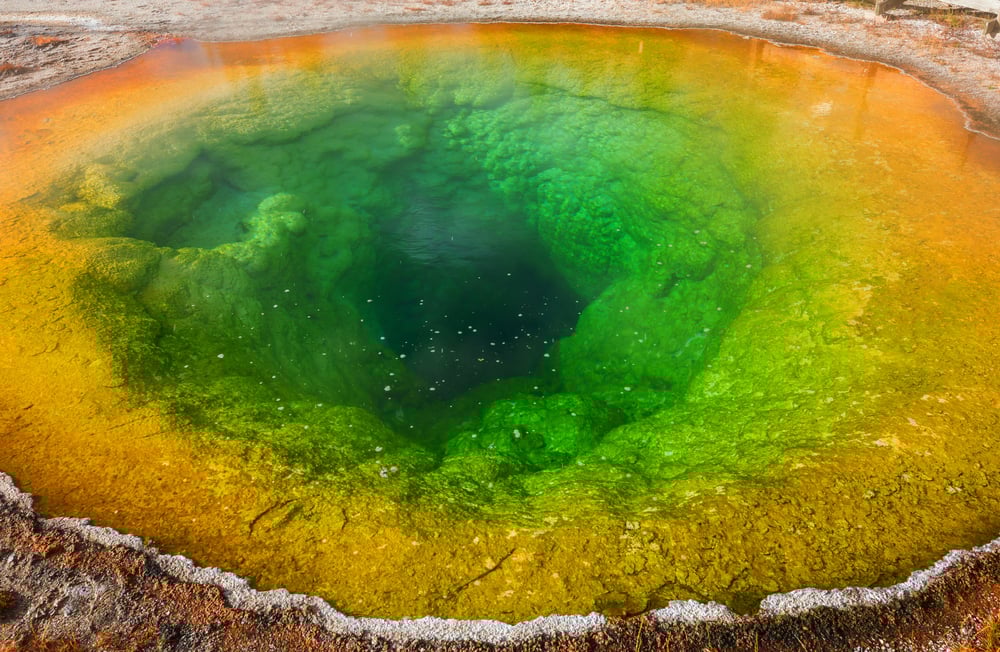
These remarkable natural mirrors remind us that our planet still holds mysteries capable of confounding our most advanced technology. What satellite cameras mistake for glitches are actually Earth’s perfectly reflective surfaces, creating doubled landscapes that seem to defy physics.
These locations offer a unique perspective on how perception can be altered by natural phenomena, blurring the line between reality and reflection in ways that continue to challenge both human and machine vision.
More from Go2Tutors!

- The Romanov Crown Jewels and Their Tragic Fate
- 13 Historical Mysteries That Science Still Can’t Solve
- Famous Hoaxes That Fooled the World for Years
- 15 Child Stars with Tragic Adult Lives
- 16 Famous Jewelry Pieces in History
Like Go2Tutors’s content? Follow us on MSN.



