Medical Inventions That Saved Millions of Lives
Some of the most powerful medical advances look almost embarrassingly simple. A sugar-and-salt drink, a rolled-up sheet of paper, and a strap across the chest have each kept enormous numbers of people alive.
Others took decades of failure, rivalry, and stubborn argument before anyone trusted them. The inventions below changed who got to grow up, survive an operation, give birth safely, or see old age.
Several were dismissed at first, and a few cost their creators dearly. All of them left the world with fewer funerals.
Ended a Disease for Good
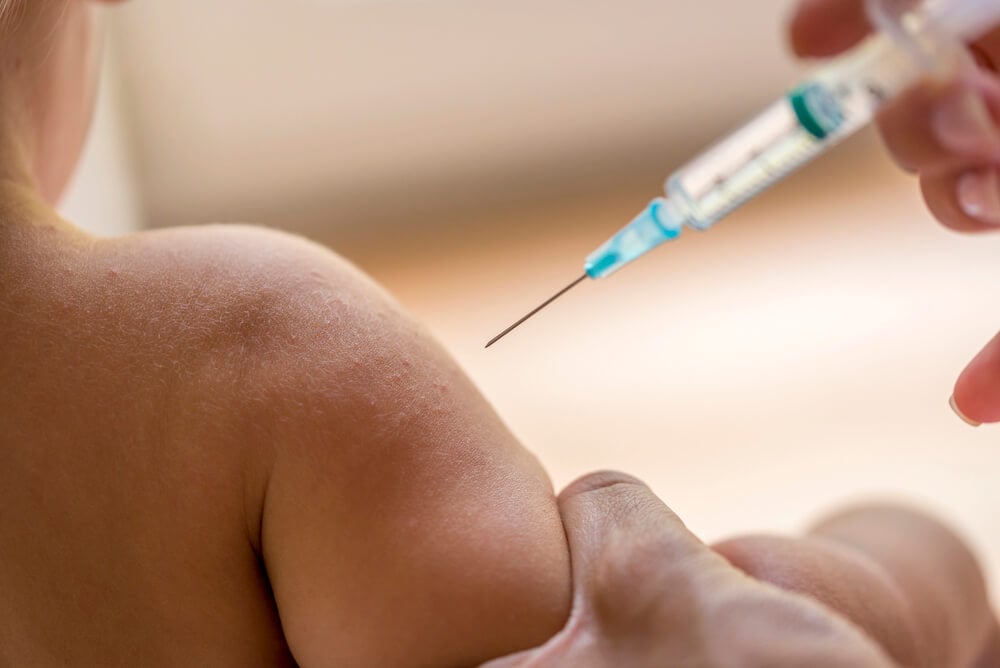
In May 1796, English physician Edward Jenner scratched cowpox material from a dairymaid named Sarah Nelmes into the arm of eight-year-old James Phipps, then later exposed the boy to smallpox without effect. The word vaccine comes from the Latin for cow, a nod to where it all began.
Almost two centuries later, the World Health Organization declared smallpox eradicated in 1980, the only human infectious disease wiped out so far. Jenner never saw that day, but his improvised experiment made it possible.
Penicillin Turned a Mold Accident Into a Cure
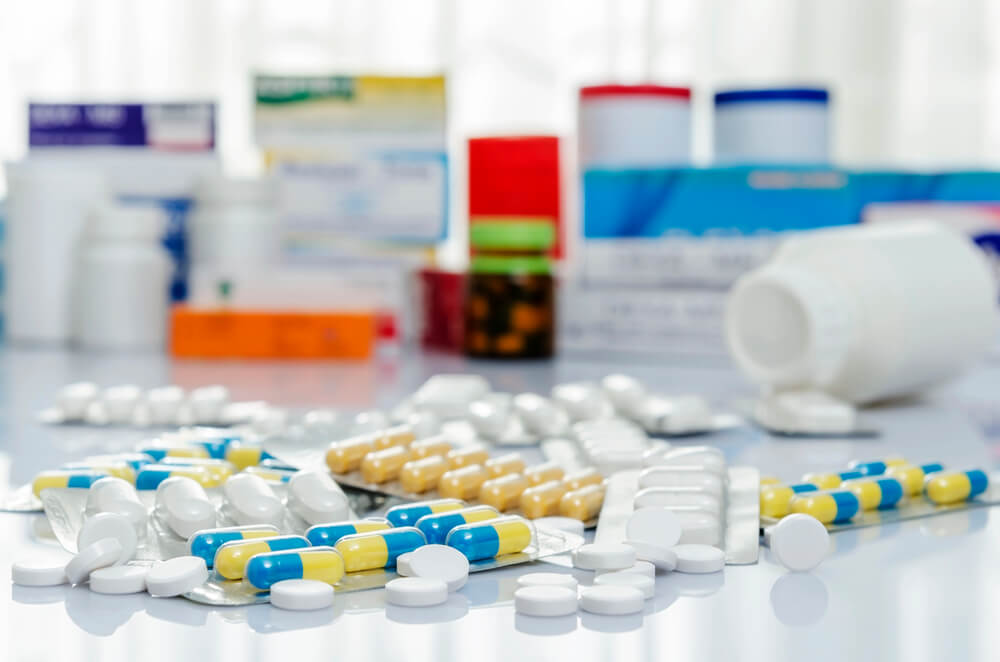
In 1928, Alexander Fleming returned to his laboratory at St Mary’s Hospital in London and noticed that a mold contaminating one of his culture plates had cleared the bacteria around it. It took Howard Florey, Ernst Chain, and Norman Heatley in Oxford to turn that observation into a usable drug.
Supplies were so scarce in the early 1940s that researchers recovered penicillin from patients’ urine so it could be given again. Fleming, Florey, and Chain shared the Nobel Prize in 1945, and antibiotics became the backbone of modern medicine.
Insulin Rescued Children From a Certain Death
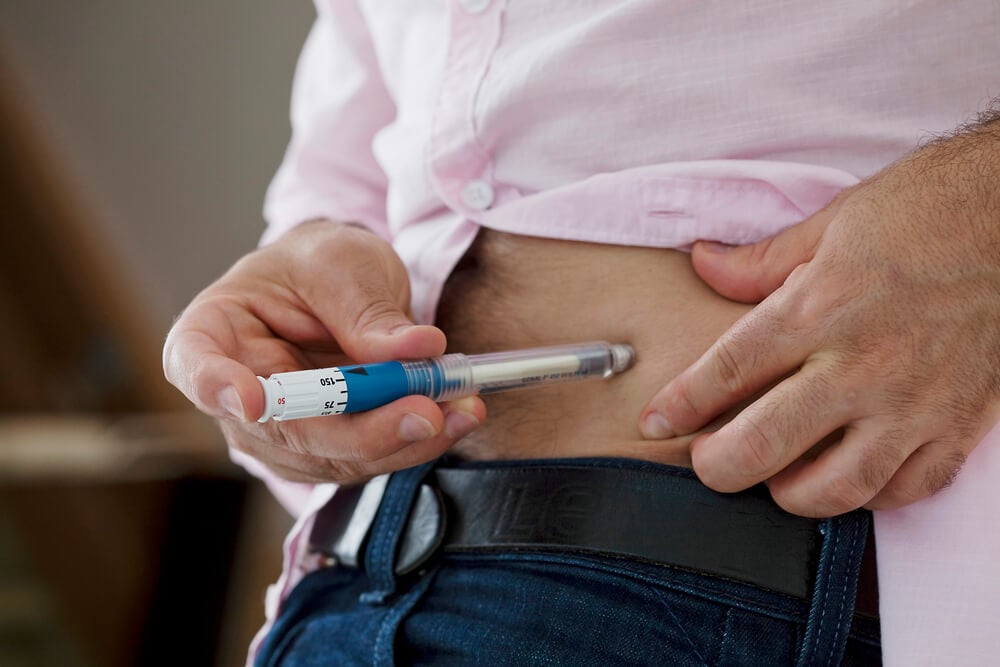
Before 1922, a child diagnosed with type 1 diabetes usually faced a short life and a starvation diet that only delayed the end. In January of that year, a 14-year-old named Leonard Thompson received an injection of pancreatic extract at Toronto General Hospital, and his blood sugar fell.
Frederick Banting, Charles Best, and J.B. Collip sold the patent to the University of Toronto for a single dollar each, hoping the treatment would stay affordable. Banting and John Macleod won the Nobel Prize in 1923, and Banting famously split his share with Best.
Oral Rehydration Therapy Fixed Dehydration With a Spoonful of Sugar
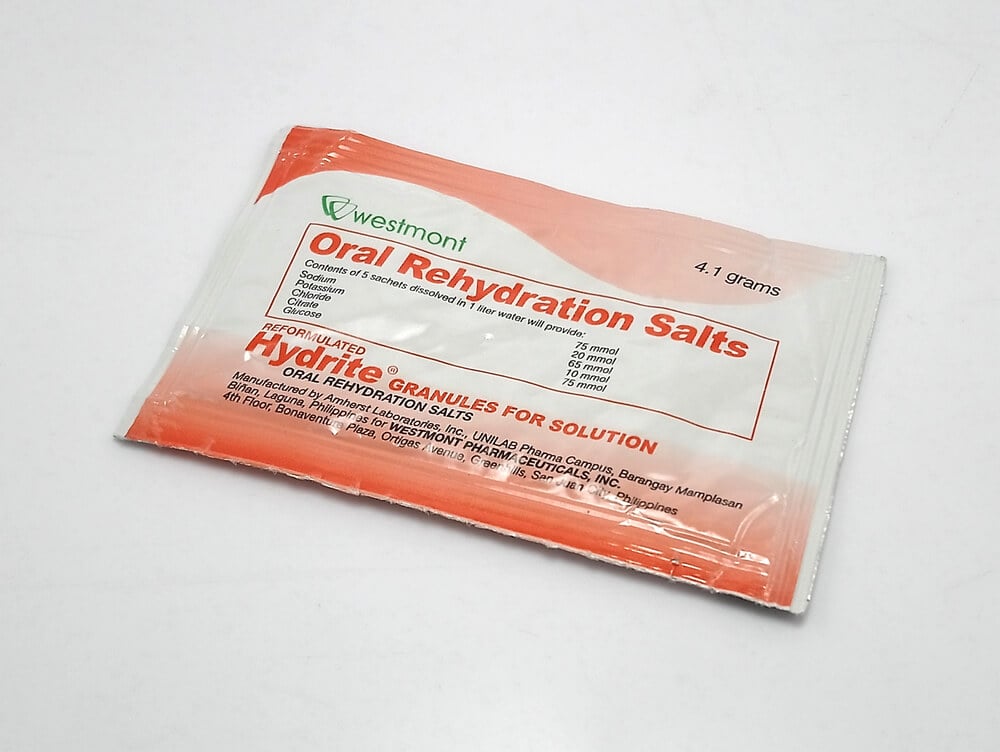
Severe diarrheal disease kills mainly by draining the body of water and salts, and for decades the only remedy was intravenous fluid, which was out of reach in poor and remote regions. Researchers working in South Asia in the 1960s, including David Nalin, showed that a carefully balanced mix of salt, sugar, and clean water could be absorbed through the gut even in the middle of an outbreak.
The Lancet later called the discovery potentially the most important medical advance of the 20th century. The solution costs only pennies per dose and has been handed to desperate parents from refugee camps to village clinics.
Handwashing Cut Deaths in a Vienna Maternity Ward

In 1847, Hungarian physician Ignaz Semmelweis noticed that women delivered by medical students at Vienna General Hospital died of fever far more often than women delivered by midwives. The students came straight from autopsies, so he ordered everyone to wash with a chlorinated lime solution before touching patients.
Deaths in his clinic dropped sharply within months. Colleagues largely rejected his explanation, and acceptance of the practice came only after his career had unraveled.
Blood Group Typing Made Transfusions Survivable
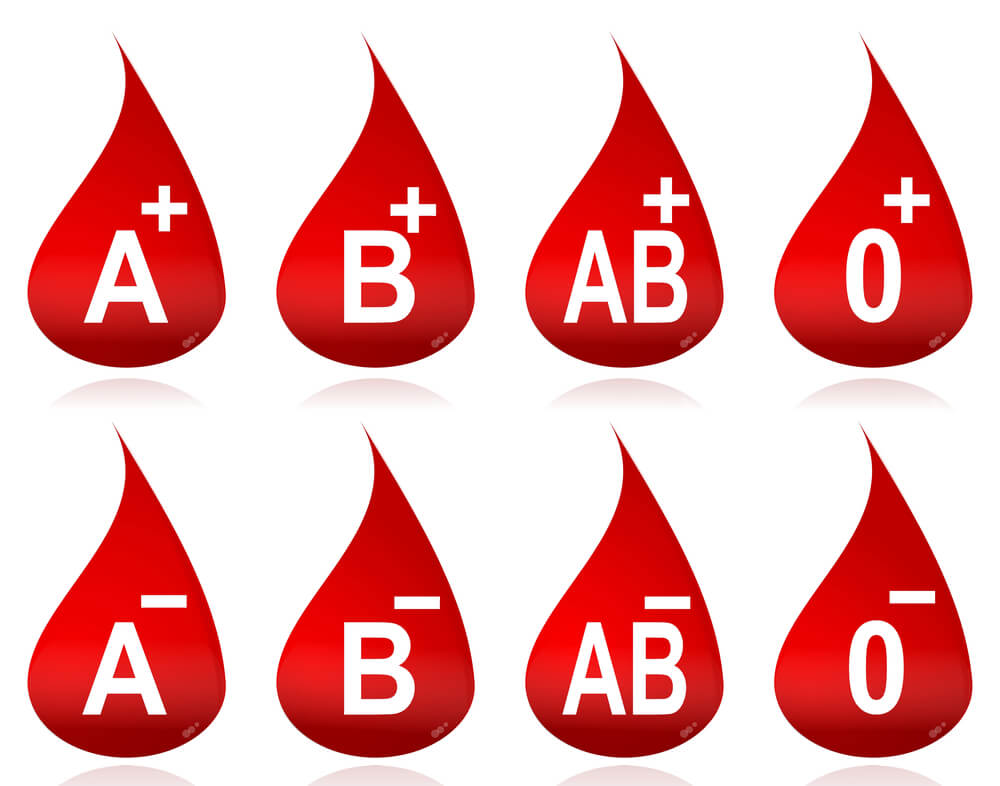
Early attempts at blood transfusion were gambles that often ended in violent reactions and death, and nobody could explain why. In 1901, Austrian scientist Karl Landsteiner showed that human blood falls into distinct groups that clump when mismatched, laying the groundwork for the ABO system.
He received the Nobel Prize in 1930, and in 1937 he helped identify the Rh factor with Alexander Wiener. Every blood bank, trauma ward, and delivery room that matches donor to patient relies on that discovery.
Ether Anesthesia Let Surgeons Work Without Screaming
On October 16, 1846, dentist William T.G. Morton administered ether to a patient named Gilbert Abbott at Massachusetts General Hospital while surgeon John Collins Warren removed a tumor from his neck. The amphitheater where it happened, now called the Ether Dome, still stands and can be visited.
Before that day, operations were races against agony, and speed mattered more than precision. Painless surgery allowed doctors to work slowly and carefully, which opened the door to the complex operations common today.
Carbolic Acid Made Surgery Less Deadly Than the Disease
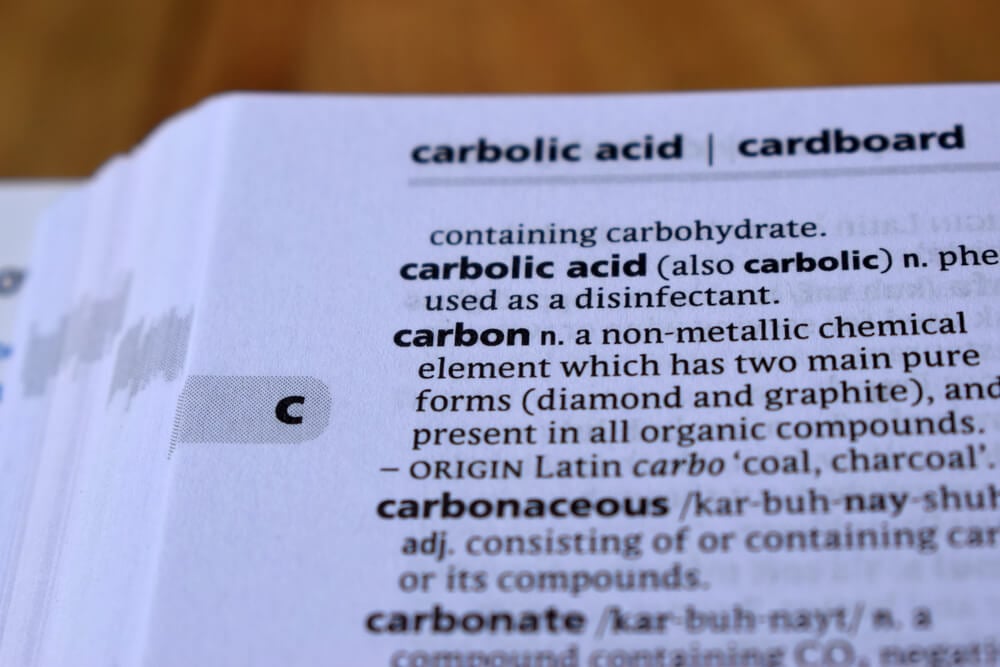
In the mid-1860s, a large share of surgical patients died of infection, even when the operation itself went well. Joseph Lister, inspired by Louis Pasteur’s work on microbes, began applying carbolic acid to wounds, instruments, and the air around the operating table.
He published his results in The Lancet in 1867, reporting that compound fractures healed without the usual festering. Carbolic acid had already been used to treat sewage in the English city of Carlisle, which is where Lister got the idea.
Koch Proved Germs Cause Disease
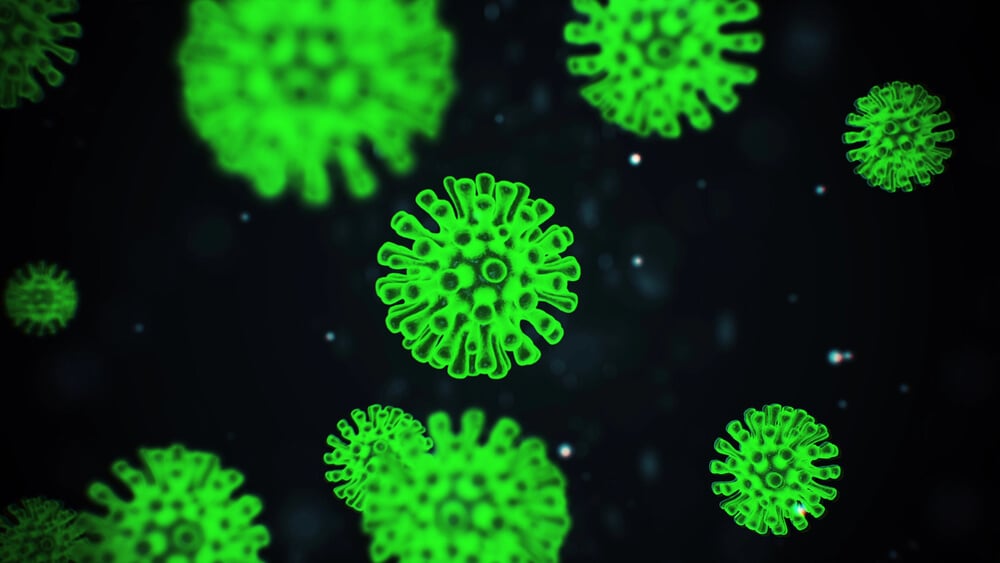
On March 24, 1882, Robert Koch told the Berlin Physiological Society that he had identified the bacterium behind tuberculosis, one of the deadliest diseases of the era. His method relied on staining tissue and growing pure cultures, and his criteria for linking a specific microbe to a specific illness became known as Koch’s postulates.
He received the Nobel Prize in 1905 for his tuberculosis work. By showing that infectious diseases had identifiable, targetable causes, he turned prevention and treatment from guesswork into science.
A Hand Map Helped Stop a Waterborne Epidemic
During a severe outbreak in London’s Soho district in 1854, physician John Snow marked the addresses of the dead on a map and saw them cluster around the water pump on Broad Street. He persuaded local officials to remove the pump handle, and the outbreak was already easing by then.
A nearby brewery with its own well saw few deaths among its workers, a detail that strengthened his argument. His mapping method became a founding example of epidemiology, the science of tracking disease through populations.
Chlorinated Water Beat Typhoid in American Cities
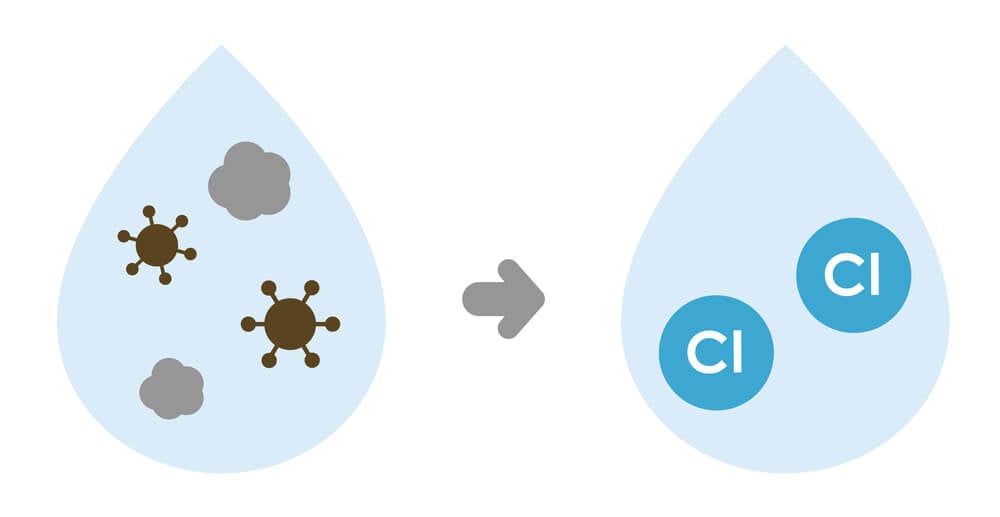
In 1908, engineer-physician John L. Leal oversaw the chlorination of the drinking water supplied to Jersey City, New Jersey, from the Boonton Reservoir. Many people were uneasy about adding a chemical associated with bleach to something they drank.
Typhoid deaths fell sharply in cities that adopted the practice over the following years, and chlorination spread across the country. Few people ever think about it when they turn on a tap, which is exactly the point.
X-Rays Let Doctors See Inside the Living Body
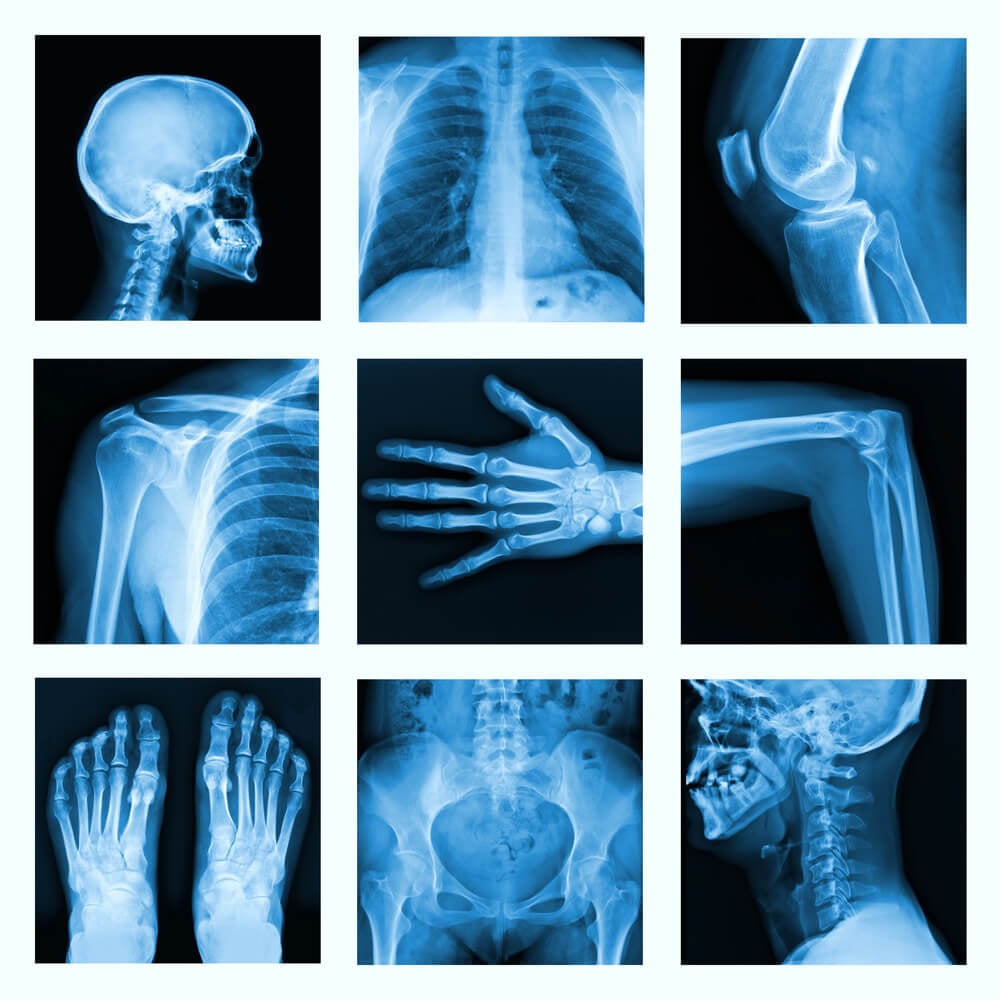
In late 1895, German physicist Wilhelm Röntgen discovered a mysterious radiation that passed through flesh but not bone. One of his earliest images showed the hand of his wife, Anna Bertha, with her wedding ring floating around the skeleton of her finger.
Hospitals began using the technology within weeks of the news, to locate bullets and diagnose fractures. Röntgen received the first Nobel Prize in Physics in 1901 and declined to patent his discovery.
The Salk Vaccine Defeated Polio Fear
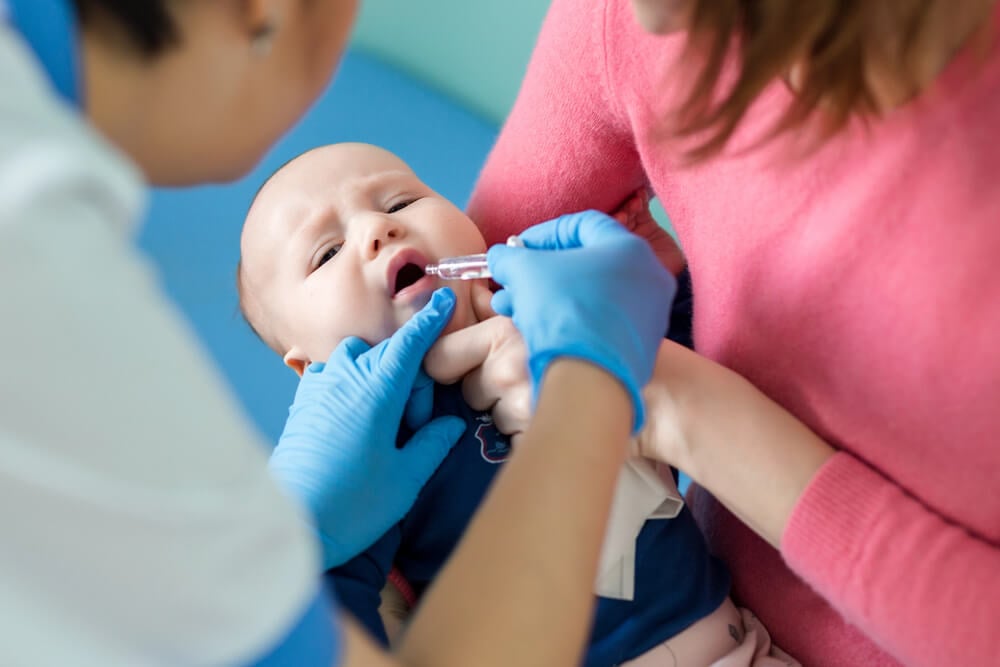
In the early 1950s, polio summers sent parents scrambling to keep children away from pools and crowds, and hospital wards filled with iron lungs. On April 12, 1955, researchers announced that Jonas Salk’s vaccine was safe and effective after a field trial involving well over a million children.
Polio, which once paralyzed thousands of American children every year, became a rarity within a few years.
The Three-Point Seat Belt Was Given Away

Volvo engineer Nils Bohlin, who had previously worked on ejection seats for aircraft, designed a seat belt that crossed both the lap and the chest and fastened with a single buckle. Volvo patented it in 1959 and then chose to let other automakers use the design freely, because the company decided safety should not be a trade secret.
It is one of the rare inventions that became standard equipment in nearly every car on earth.
A Twin’s Kidney Opened the Era of Organ Transplants
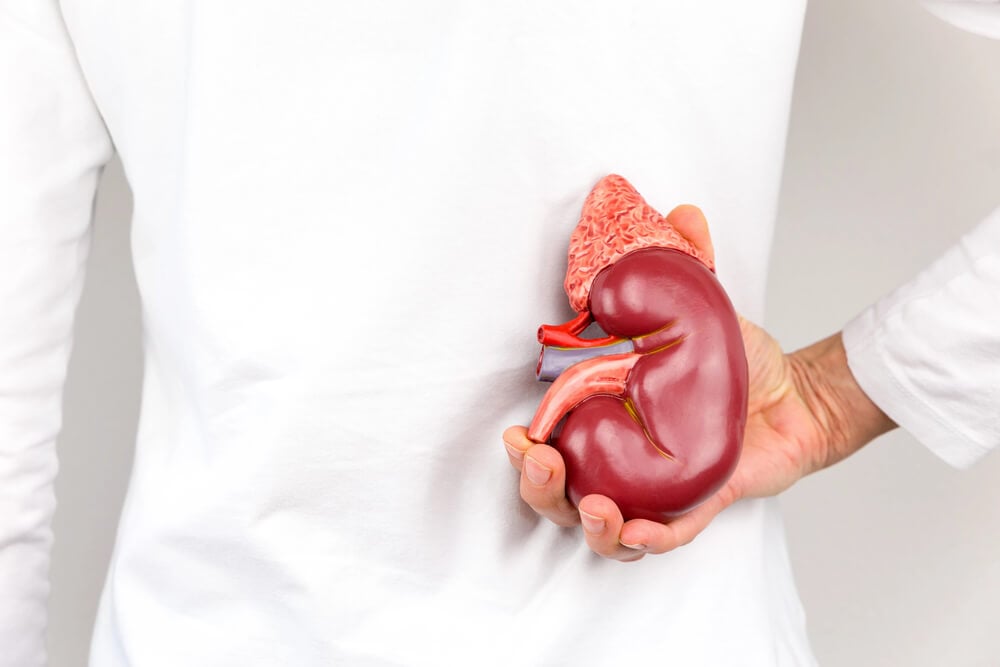
On December 23, 1954, surgeon Joseph Murray at Peter Bent Brigham Hospital in Boston transplanted a kidney from Ronald Herrick into his identical twin brother, Richard, who was dying of kidney disease. Using twins avoided the immune rejection that doomed earlier attempts.
Richard lived for roughly eight years afterward, and Murray went on to share the Nobel Prize in 1990. Today, transplants of kidneys, livers, hearts, and lungs extend the lives of countless patients every year.
The Pacemaker Kept a Failing Heart on Rhythm
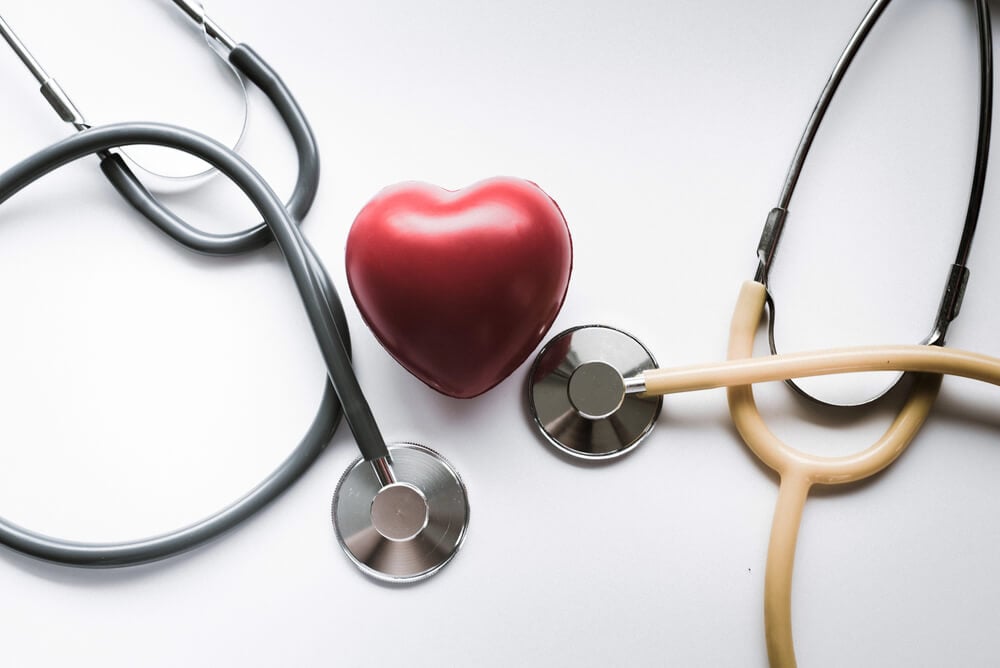
In 1958, Swedish engineer Rune Elmqvist and surgeon Åke Senning implanted the first fully internal pacemaker in Arne Larsson, a patient whose heart rhythm was failing. The first unit reportedly stopped working within hours, and a second lasted only a few days.
Larsson went on to receive many replacement devices over the years and lived for more than four decades after the operation. Modern pacemakers are tiny, long-lasting, and implanted in a routine procedure.
The Stethoscope Began as a Roll of Paper
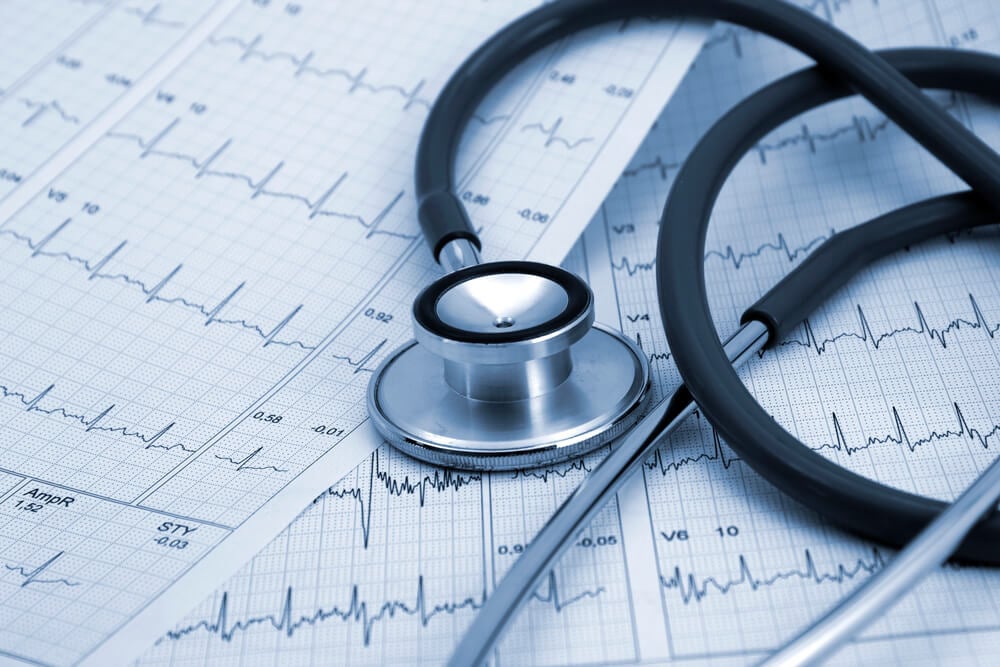
In 1816, French physician René Laennec was reluctant to press his ear against the chest of a young female patient, so he rolled a sheet of paper into a tube and held it against her. To his surprise, the heartbeat sounded clearer than it ever had with a bare ear.
He built a wooden version and called it the stethoscope, then spent years matching the sounds he heard with what he found in autopsies. It gave doctors a way to hear heart and lung disease while the patient was still alive.
Dialysis Was First Built From Sausage Casings
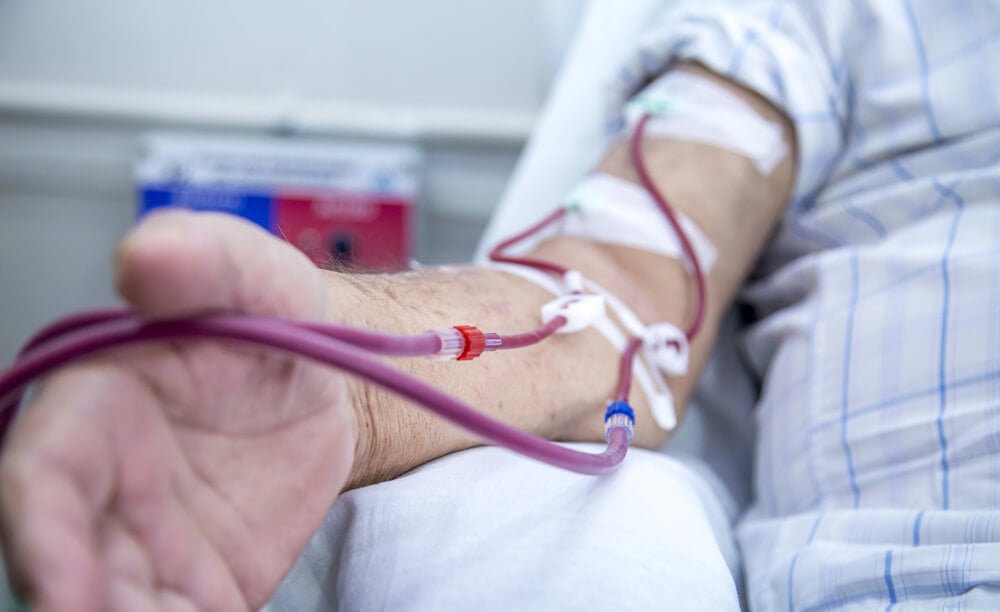
During the German occupation of the Netherlands in World War II, physician Willem Kolff built an artificial kidney using cellophane sausage casings, orange juice cans, and other scavenged parts. In 1945, a patient in a coma from kidney failure regained consciousness after treatment with his machine.
Before that, kidney failure was a death sentence with no workaround. Dialysis has since kept patients alive for years, sometimes decades, while they wait for a transplant or live with failing kidneys.
Pasteur’s Rabies Vaccine Saved a Boy From a Dog Bite
In July 1885, a nine-year-old named Joseph Meister was brought to Louis Pasteur in Paris after being badly bitten by a rabid dog. Pasteur had developed his rabies vaccine in animals but had never tried it on a person, and he gave Meister a series of injections over about ten days.
The boy survived, and word spread across Europe that rabies was no longer always fatal. Meister later became the caretaker of the Pasteur Institute, where Pasteur is buried.
Diphtheria Antitoxin Powered a Sled Dog Relay
In the 1890s, Emil von Behring and his colleagues developed an antitoxin made from the blood of immunized animals that could neutralize the toxin behind diphtheria, a disease that suffocated children. Von Behring received the first Nobel Prize in Medicine in 1901 for the work.
In January 1925, a diphtheria outbreak in Nome, Alaska, led to a relay of sled dog teams that carried antitoxin serum across more than 600 miles of frozen terrain. The famous dog Balto led the final leg into town.
Maurice Hilleman Developed More Than 40 Vaccines
Working at the pharmaceutical company Merck, microbiologist Maurice Hilleman developed or helped develop more than 40 vaccines, including those for measles, mumps, hepatitis A, hepatitis B, and chickenpox. In 1963, he cultured the mumps virus from his own young daughter’s throat, and that strain became the basis of the vaccine still used today.
He was known for working fast and speaking bluntly, and he rarely sought attention. Few scientists have prevented as many deaths while remaining so little known to the public.
Artemisinin Came From a 1,700-Year-Old Recipe
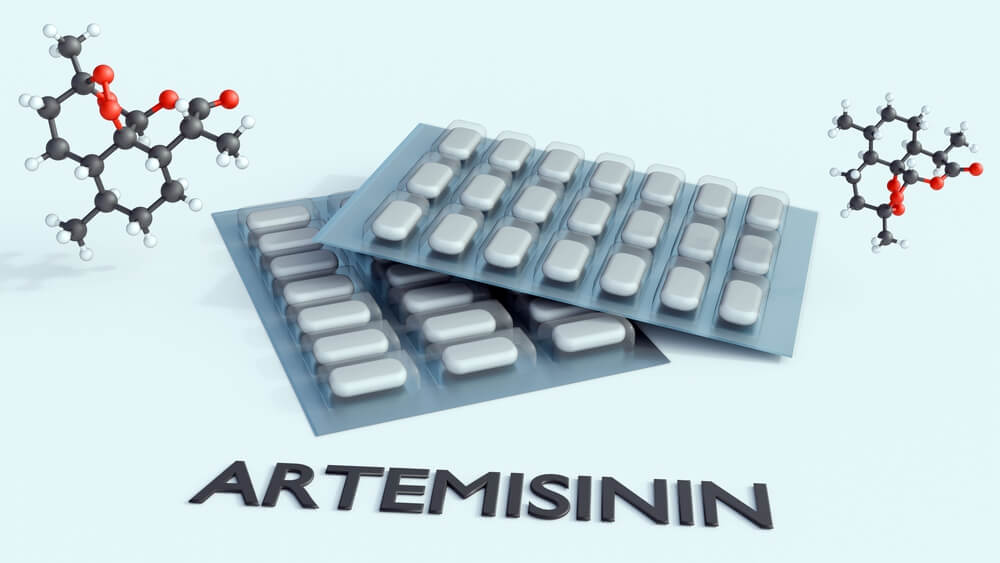
In the late 1960s and early 1970s, Chinese pharmacologist Tu Youyou led a government project searching for a malaria treatment, combing through ancient texts and testing hundreds of plant extracts. A fourth-century recipe by Ge Hong, which called for sweet wormwood soaked in cold water, led her to change her extraction method so the active compound survived.
The result was artemisinin, which became a cornerstone of malaria treatment worldwide. Tu received the Nobel Prize in Physiology or Medicine in 2015.
Sulfa Drugs Showed Chemicals Could Fight Infection
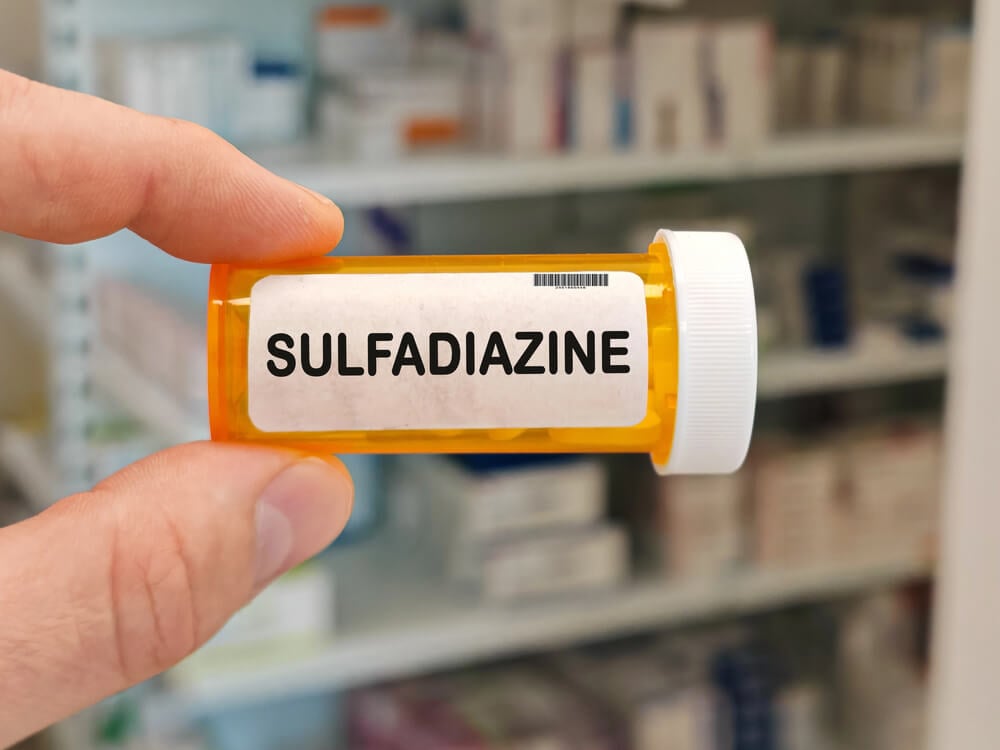
In 1932, German chemist Gerhard Domagk discovered that a red dye called Prontosil protected mice from deadly streptococcal infections. Prontosil and the sulfonamide drugs derived from it were among the first effective treatments for bacterial infections, and they were widely used before penicillin became available.
Domagk was awarded the Nobel Prize in 1939, but the Nazi government forced him to decline it. He finally received the medal in 1947.
Small Ideas Carry the Largest Consequences

The pattern running through these inventions is that scale matters more than sophistication. A rolled paper tube, a cup of salted water, a washed hand, and a patent given away freely each reached enormous numbers of people because they were cheap, repeatable, and easy to share.
The breakthroughs that seem most dramatic, such as organ transplants and artificial kidneys, depend on the same quiet foundations of clean water, safe blood, and reliable anesthesia. Nearly every one of these stories also contains a stretch of doubt.
Semmelweis was ignored, Lister was mocked, and Domagk was forbidden to accept his own prize. Medicine advances when someone keeps looking at the evidence while the room argues, and the millions of people who benefited rarely knew any of their names.
More from Go2Tutors!

- The Romanov Crown Jewels and Their Tragic Fate
- 13 Historical Mysteries That Science Still Can’t Solve
- Famous Hoaxes That Fooled the World for Years
- 15 Child Stars with Tragic Adult Lives
- 16 Famous Jewelry Pieces in History
Like Go2Tutors’s content? Follow us on MSN.