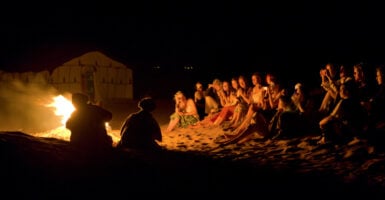
15 Summer Camp Songs and Games Kids Loved
Summer camp is where generations of children learned to sing in rounds, run through dark fields, and sit quietly around a fire. The songs and games that stuck were simple enough to teach in minutes and fun enough to survive for decades.
These 15 are among the most enduring, and several have surprisingly detailed histories.
Kumbaya Was Recorded in 1926

The first known recording of the spiritual, made by folklorist Robert Winslow Gordon in 1926, features a singer identified as H. Wylie in the Gullah dialect, near Darien, Georgia. The title is a version of the phrase Come by here. Folk singers including Pete Seeger and Joan Baez later popularized it around the world.
Land of the Silver Birch Is a Canadian Camp Favorite
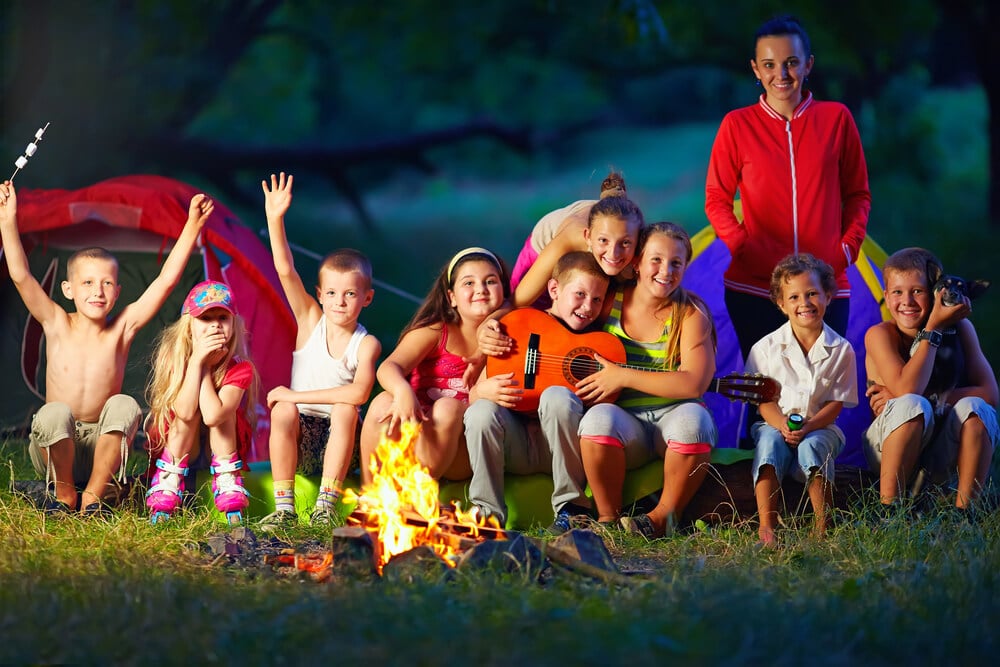
The song offers a romanticized vision of northern nature from a canoeist’s perspective, and it is sung regularly at Canadian Scout and Guide camps. Its origin is unclear, but it has been popular since the 1930s. It can be sung at the same time as My Paddle’s Keen and Bright for a layered effect.
Boom Chicka Boom Builds Confidence

The repeat-after-me song relies on nonsense words and a leader who calls out a different style for each round, such as a new voice or character. Campers repeat each line, and the leader can choose any style to continue. A camp director in California told folklorists that the song is meant to build confidence and creativity.
Camp Granada Was a Hit Single

Allan Sherman’s 1963 novelty song about a miserable camper writing home climbed the Billboard charts in August 1963. Its tune borrows from Ponchielli’s Dance of the Hours. Sherman wrote that it hit number one in Hong Kong, where no summer camps existed. In 2019, the Library of Congress selected the song for preservation in the National Recording Registry.
Kookaburra Sits in the Old Gum Tree Went to Court
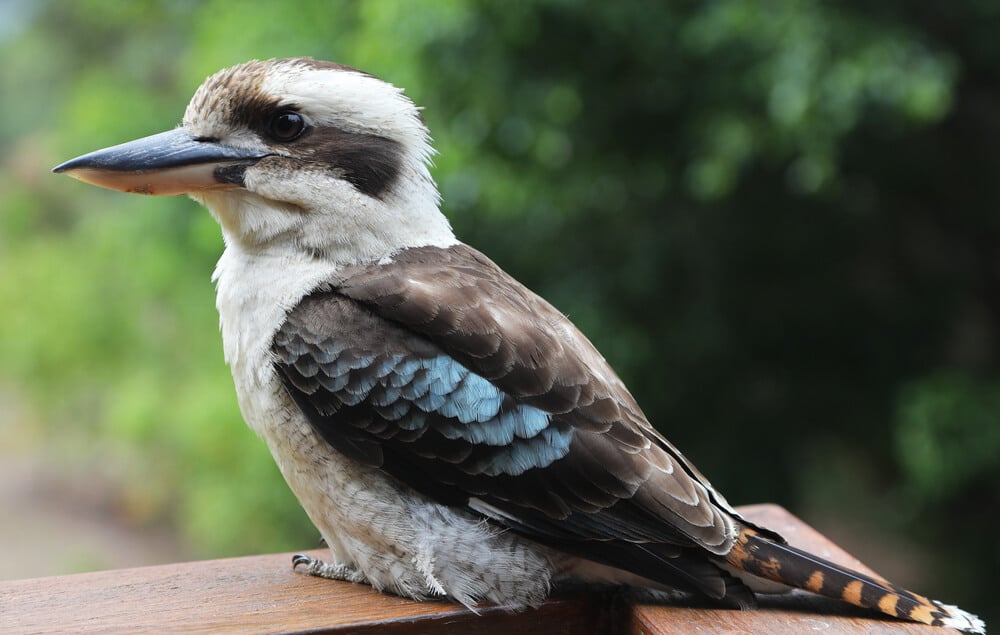
Marion Sinclair wrote the round in 1932 for a Girl Guides competition in Australia. In 2010, a federal court in Sydney ruled that the flute riff in Men at Work’s Down Under reproduced a substantial part of Sinclair’s song. Men at Work’s Colin Hay noted that Sinclair never made a claim herself.
Michael, Row the Boat Ashore Was Found for a Summer Camp
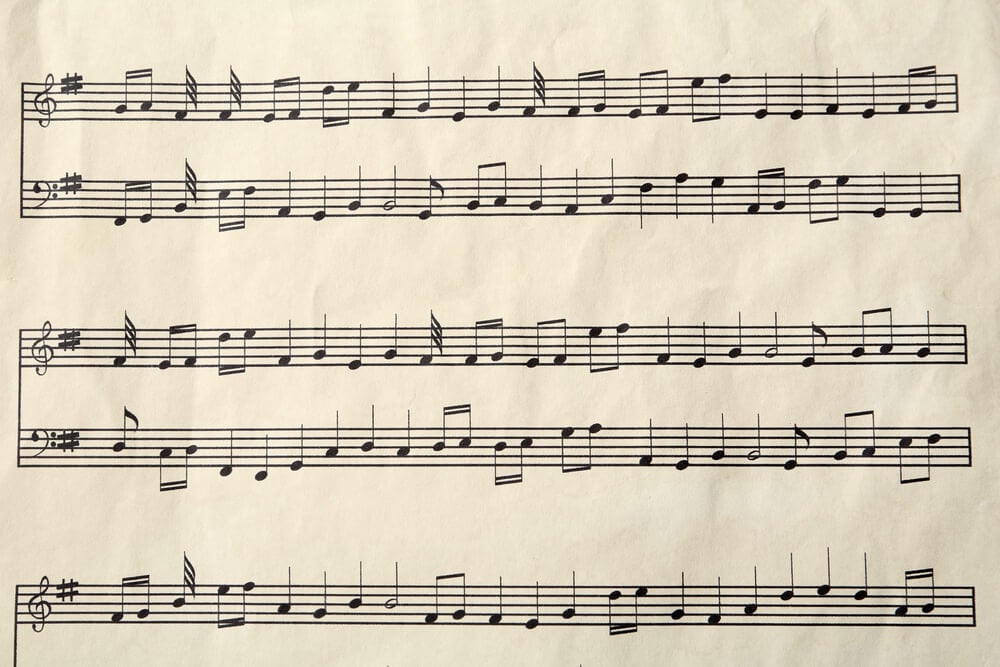
The spiritual was first published in 1867 in Slave Songs of the United States, a collection gathered from the Sea Islands of South Carolina and Georgia. Boston folksinger Tony Saletan rediscovered it in 1954 while looking for good folk song material for a summer camp he was to lead. Pete Seeger learned it from him.
Taps Ends the Day
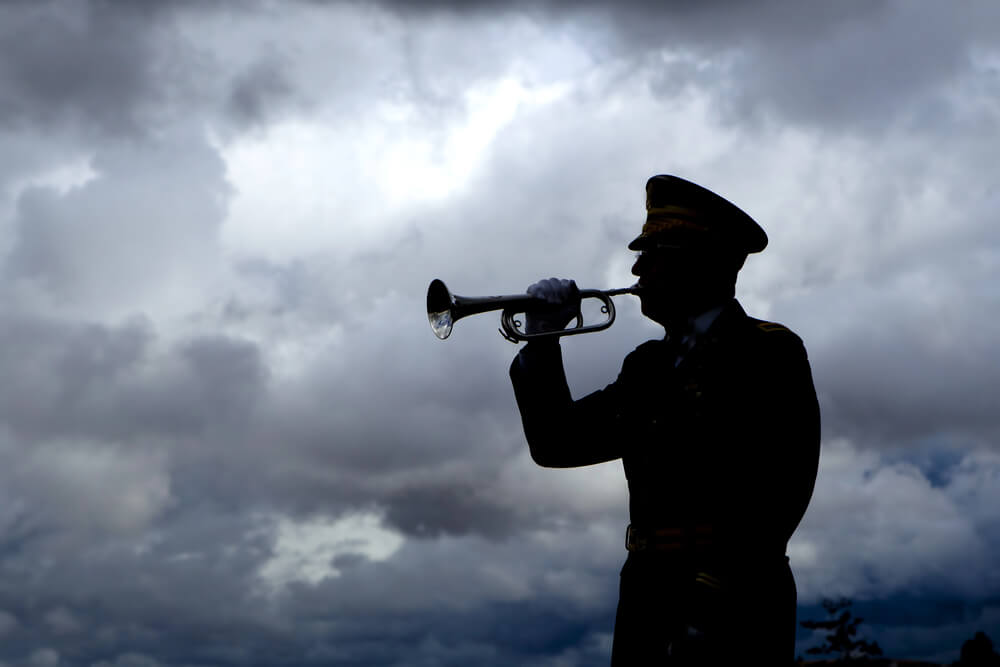
General Daniel Butterfield and his bugler, Oliver Willcox Norton, adapted the call in July 1862 at Harrison’s Landing, Virginia, replacing an earlier lights-out call. The call was officially known as Extinguish Lights until 1891. Camps adopted the melody as a nightly signal that the day was done.
Capture the Flag Is Built on a Simple Idea
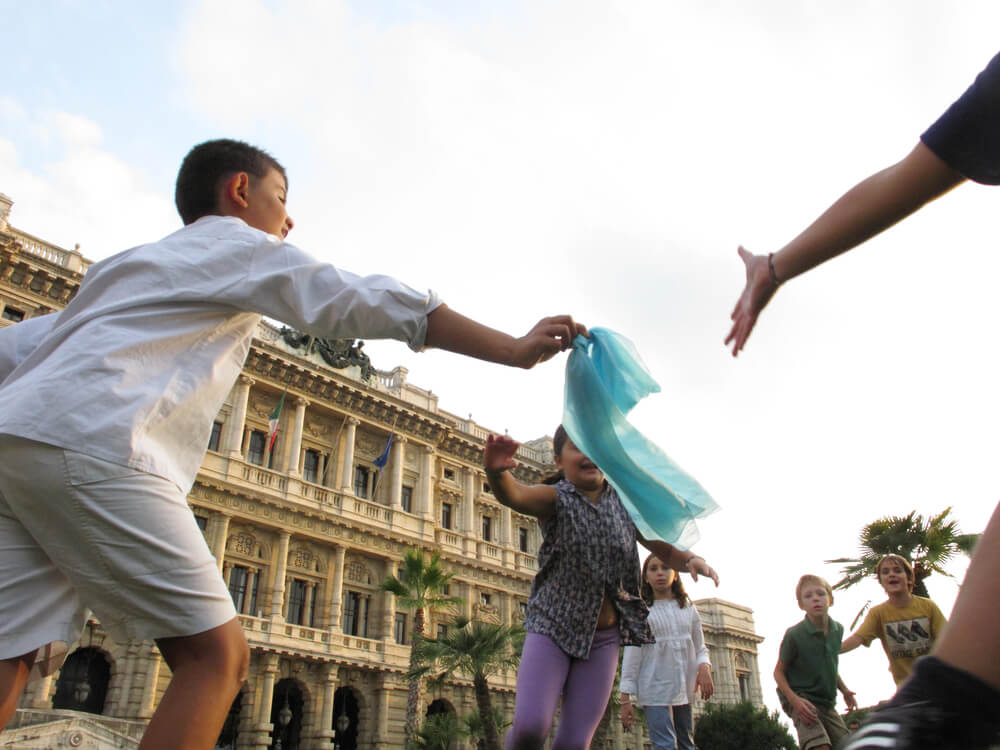
The game is rooted in the idea of defending a flag, and each side tries to take the other’s flag without being tagged. It has been around for ages and is played by clubs and schools as well as camps. Its mix of strategy, speed, and teamwork makes it a favorite night game.
Color War Splits the Camp in Two
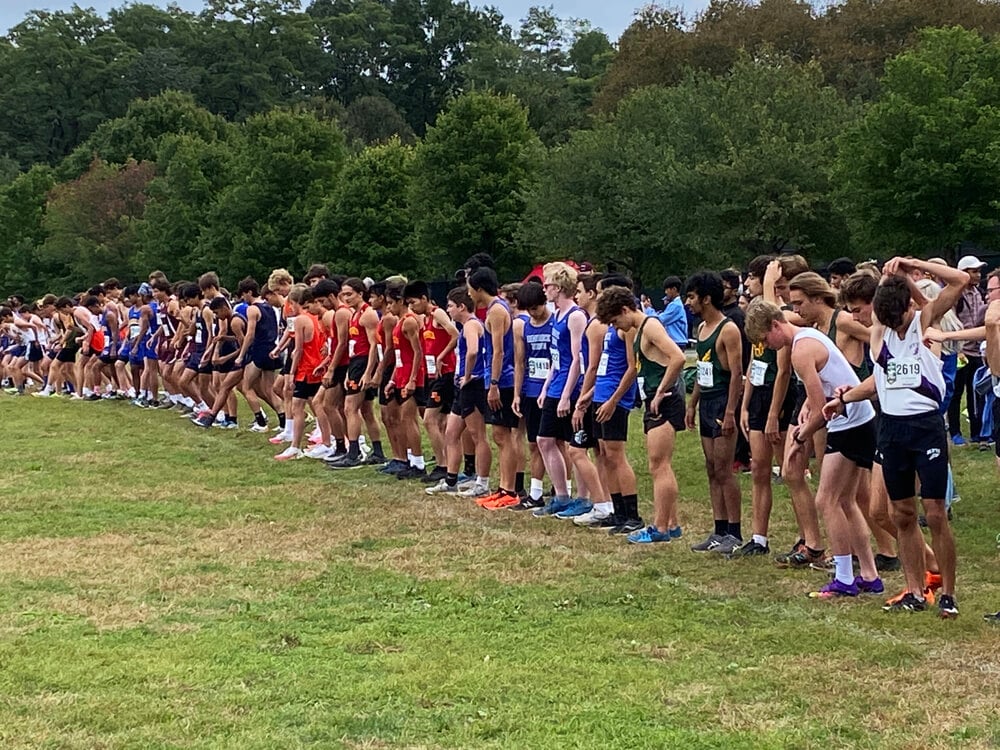
One account traces color-coded team competitions to Schroon Lake Camp in the Adirondacks, where the idea of splitting a camp into squads may have begun in 1916. The camp is divided into teams that compete in athletics, songs, and skits for days. The rivalry builds team spirit and loyalty.
Sardines Reverses Hide-and-Seek
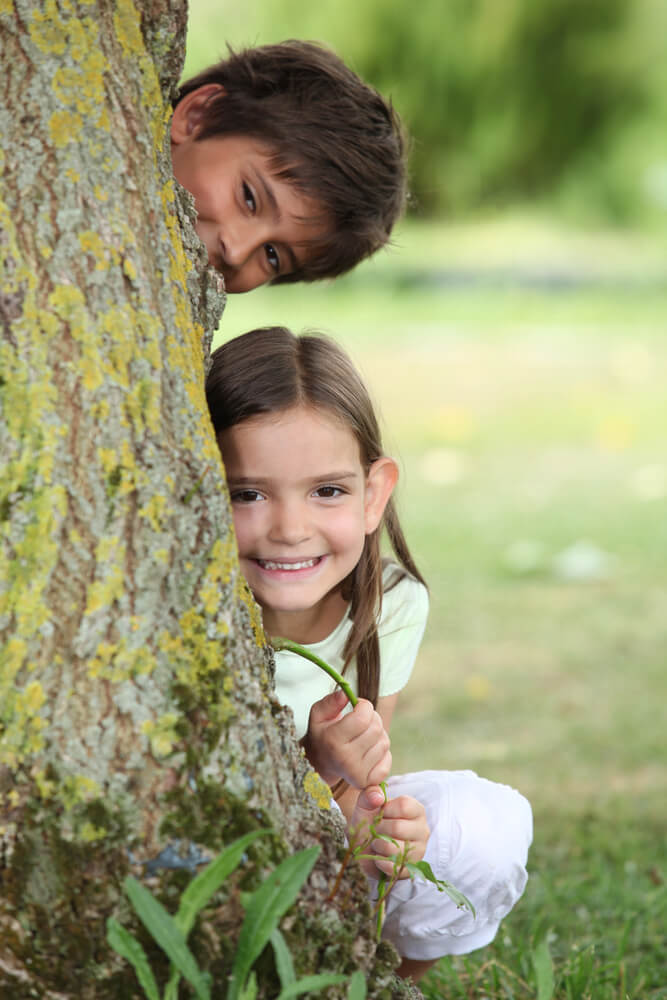
One player hides, and each seeker who finds them quietly squeezes into the same spot, until only one seeker is left searching. The last to find the group loses. It is a quiet game that turns a hiding place into a crowd.
Tug of War Was Once an Olympic Event

The team contest was part of the Olympic Games from 1900 to 1920. Two teams pull on opposite ends of a rope, trying to drag the other over a center line. It requires no equipment beyond a rope and a patch of grass.
Christmas in July Began at a Girls’ Camp

The idea of staging a make-believe Christmas celebration in the summer months began at a North Carolina girls’ camp in 1933. That precision is unusual, since many camp traditions have origins that no one can pin down.
Floating Candles Symbolize the Camp Experience
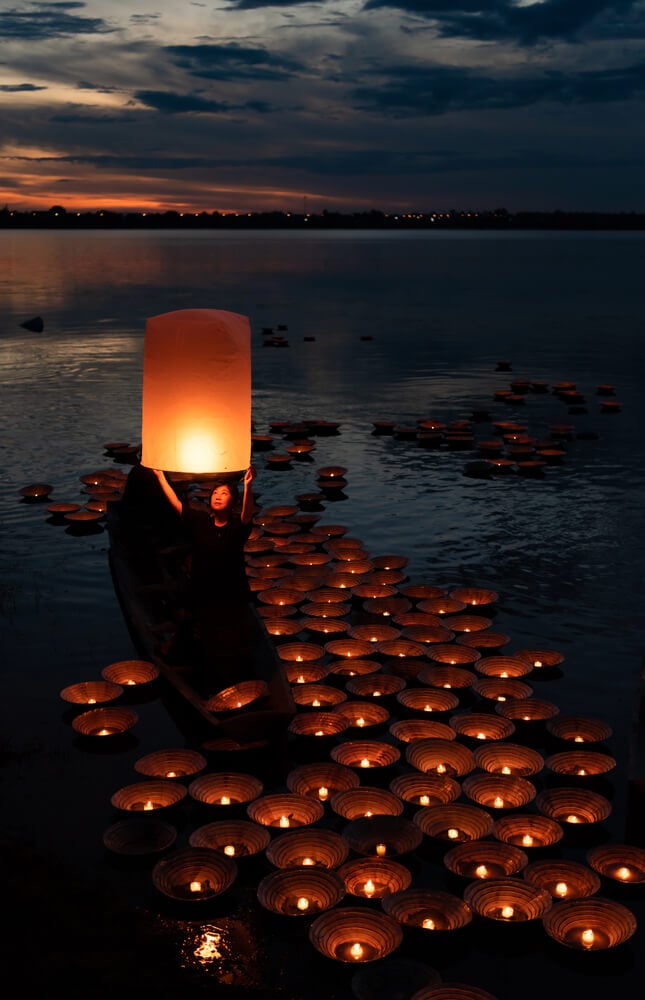
The exact origin of the ritual is unknown, but campers set candles afloat on the lake and watch them drift together to form a single glow. It is meant to symbolize how individuals arriving alone come together as a community.
The Hook Came From a Dear Abby Column
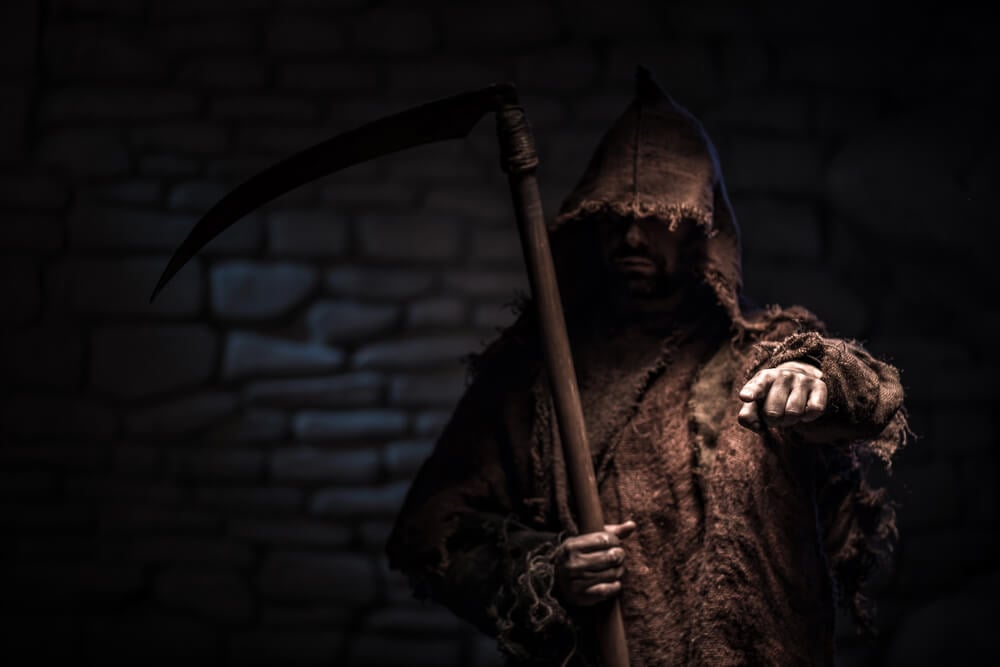
The campfire legend about a killer with a hook for a hand attacking a couple in a parked car first appeared in print on November 8, 1960, in a reader letter printed in the advice column Dear Abby. Folklorists have speculated that it may have roots in real-life lovers’ lane murders, such as the Texarkana killings of 1946. By 1959, the story had spread widely among American teenagers.
The Golden Arm Was a Mark Twain Favorite
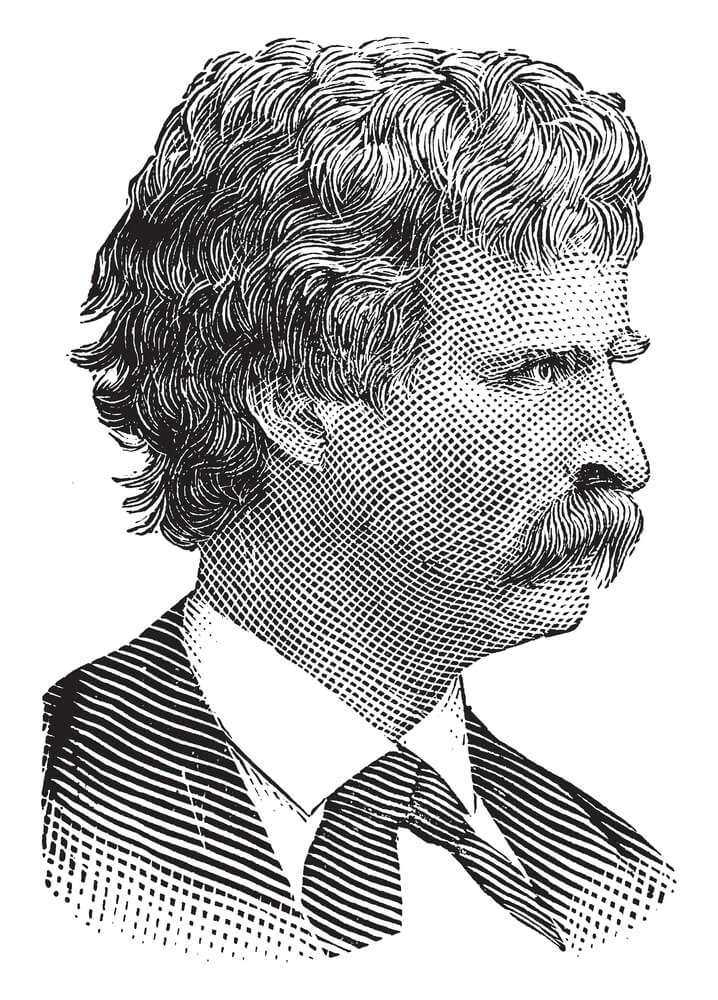
The ghost story of a man who steals his dead wife’s golden arm ends with a sudden shout that makes listeners jump. Mark Twain included it in his 1895 essay How to Tell a Story, using it to show the value of a well-timed pause. Counselors still tell it around the fire.
Fire, Songs, and Shared Fear
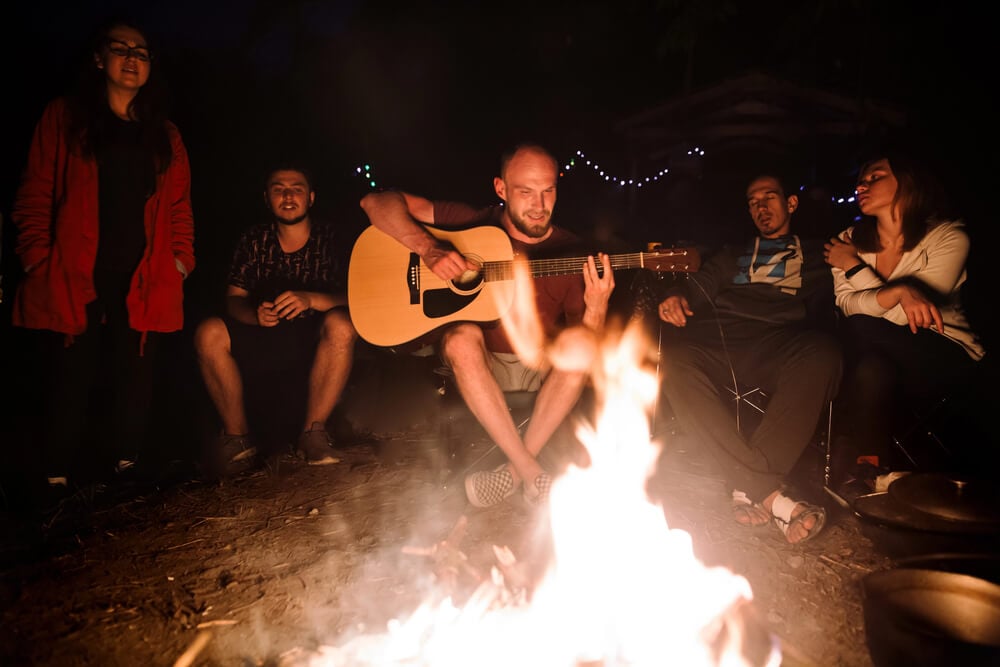
The common thread is participation. Most of these songs and games work because nobody needs equipment, talent, or a score, only a group willing to join in.
Camp also taught children to be audience and performer in the same night. A child who shouted the response in a repeat-after-me song, hid in the dark during Sardines, or told the Golden Arm story had stepped into a tradition older than any camp.
More from Go2Tutors!

- The Romanov Crown Jewels and Their Tragic Fate
- 13 Historical Mysteries That Science Still Can’t Solve
- Famous Hoaxes That Fooled the World for Years
- 15 Child Stars with Tragic Adult Lives
- 16 Famous Jewelry Pieces in History
Like Go2Tutors’s content? Follow us on MSN.