29 Kids’ Meal Toys From Fast Food Chains
A burger and fries never needed a prize. Somewhere in the 1970s, fast food chains figured out that a few cents of molded plastic could decide where a family ate dinner, and the back seat has been negotiating ever since.
Most of these toys cost almost nothing to make and were meant to be lost under a car seat within a week. A surprising number survived in shoeboxes and attics, and a few now sell for more than the meals they came with.
Burger Chef Funmeal and Its Monster Cast
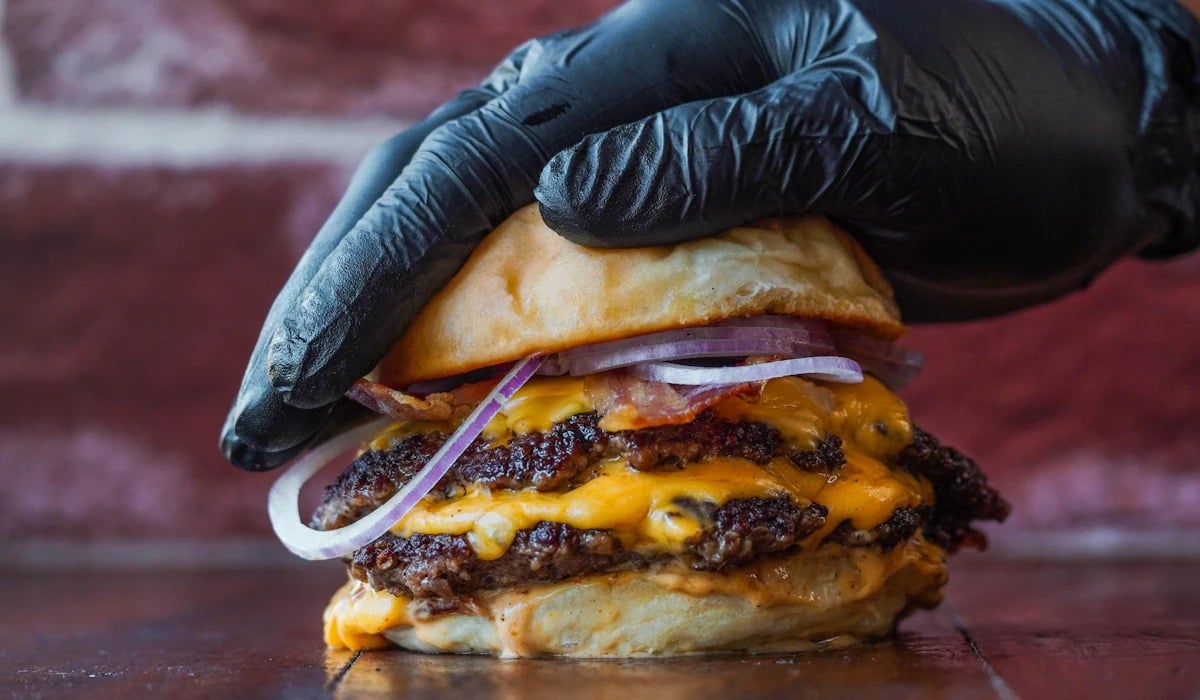
Burger Chef, the Indianapolis chain that for a time trailed only McDonald’s in number of U.S. locations, introduced the Funmeal in 1973, years before the Happy Meal existed. The packaging was the toy: a printed tray with punch-out puzzles, riddles and comic stories featuring mascots Burger Chef and Jeff alongside a vampire named Count Fangburger and a magician called Burgerini.
A 1978 run of Star Wars Funmeal trays is the piece collectors chase today, and unpunched examples often sell for 40 to 100 dollars depending on creases and fading. Burger Chef later sued over the Happy Meal’s similarity and got nowhere.
Hardee’s parent company bought the chain in 1982.
Circus Wagon Boxes That Launched the Happy Meal
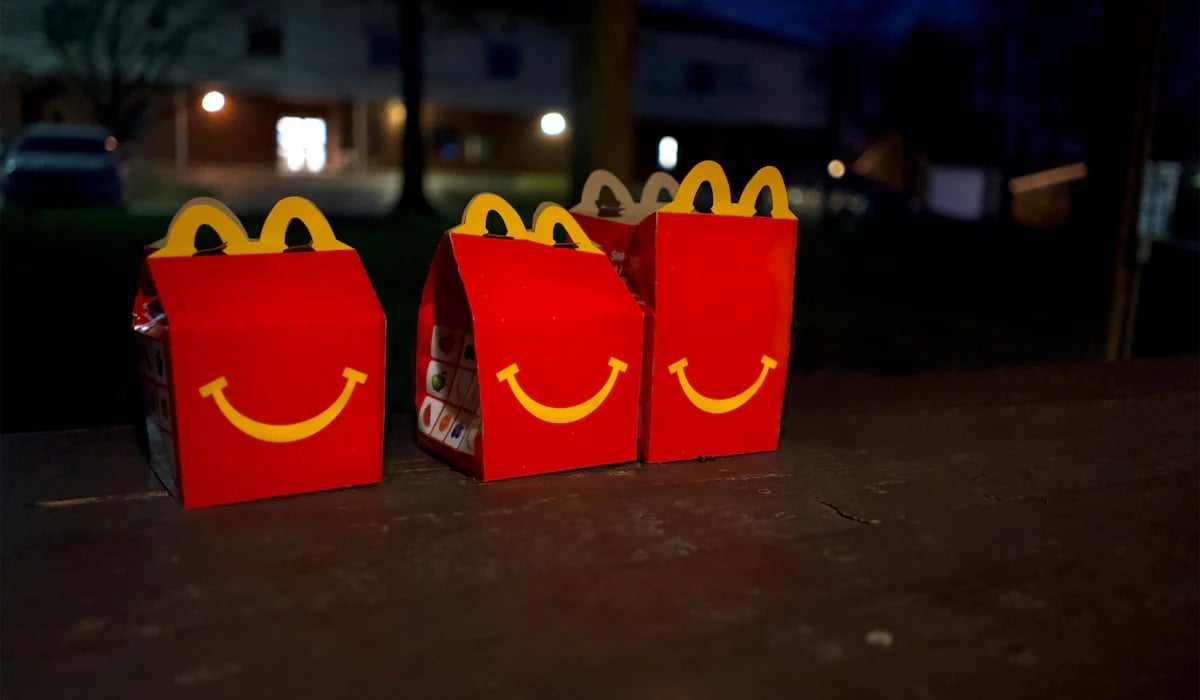
McDonald’s rolled out the Happy Meal nationally in June 1979 with a circus wagon theme, after Kansas City adman Bob Bernstein developed the boxed concept in regional tests. The boxes came in six designs, and the prizes were modest: a McDoodler stencil, a McWrist wallet, an ID bracelet, a puzzle lock, a spinning top or an eraser shaped like a McDonaldland character.
Bernstein has said the idea came from watching his son study a cereal box at breakfast. Flat, unassembled circus wagon boxes now draw more interest than the trinkets, often 30 to 80 dollars when the cardboard is clean and unfolded.
Star Trek and the First Movie Tie-In
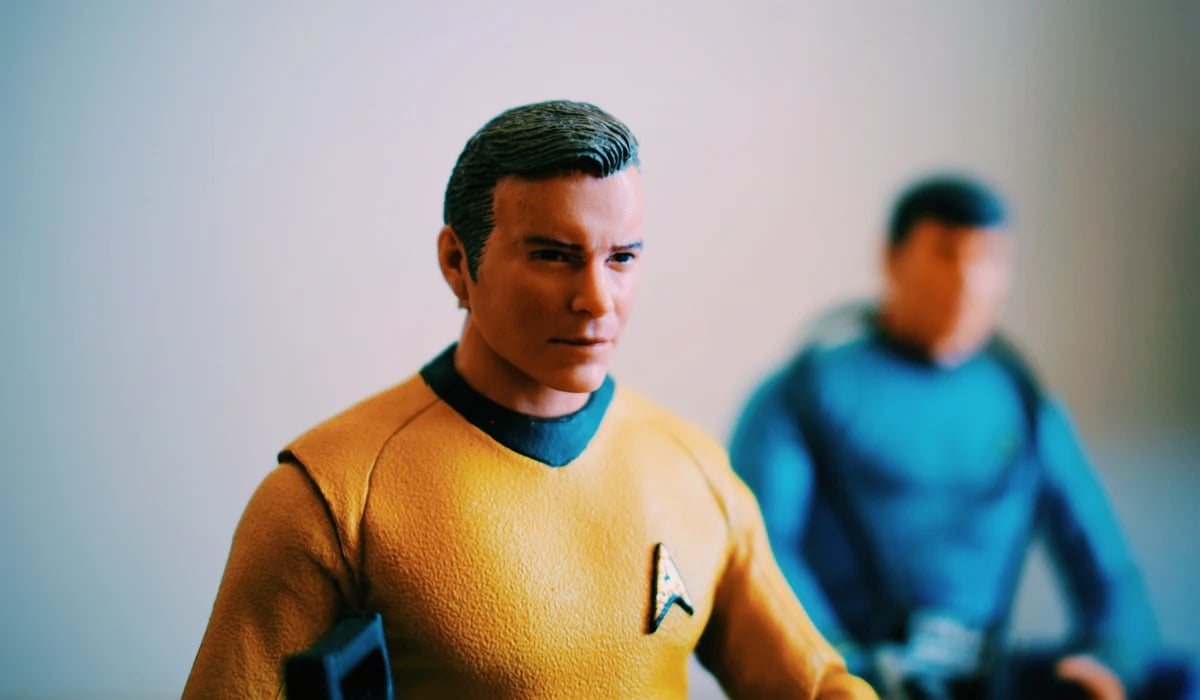
In December 1979, only months after the Happy Meal’s national debut, McDonald’s tied the box to Star Trek: The Motion Picture, widely cited as the first Happy Meal built around a film. The boxes carried comic strips and games, and the prizes included a plastic video communicator that scrolled a paper comic strip, plus rings, iron-on transfers and a small board game.
A television commercial featured a Klingon praising the meal in subtitles. The movie drew mixed reviews, but the template held for the next four decades.
Hollywood had found a second lobby.
Diener Rubber Figures in Early Happy Meals
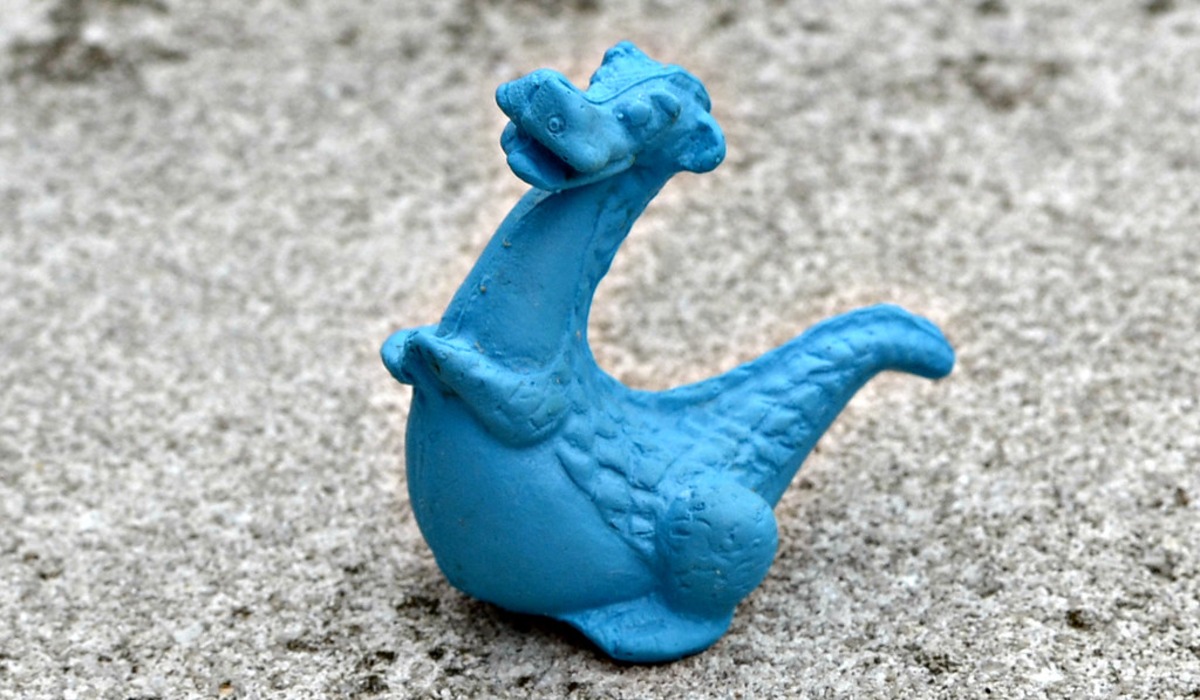
Before licensed characters took over, many early Happy Meal prizes came from Diener Industries, a California company that molded small single-color rubber figures often described as erasers. They erased poorly.
Kids kept them anyway, because the range ran from space creatures and robots to McDonaldland characters such as Grimace and the Hamburglar, each in a single bright color of soft rubber. Similar Diener figures turned up at other restaurants and in vending machines, which makes exact attribution tricky for collectors today.
Loose pieces usually trade for a few dollars each, more when the rubber has not hardened or cracked with age.
Playmobil Figures Pulled After a Safety Recall
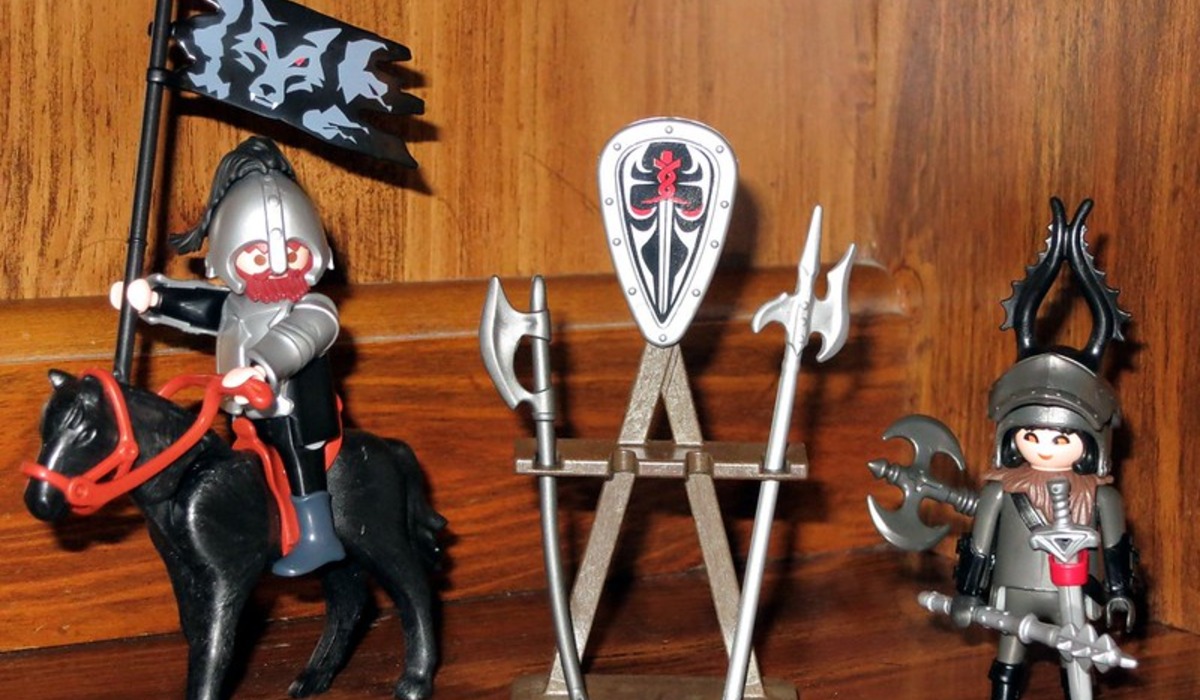
McDonald’s offered Playmobil figures in Happy Meals in the fall of 1982, beginning with a sheriff and a Native American figure, with a horse, a farmer and a girl with an umbrella planned to follow. They never did.
The chain halted the promotion on November 1 and recalled the toys after tests showed they failed the federal small-parts rule meant to protect children under three. About 10 million had already gone out.
Because the German-designed figures were sturdier than typical giveaways, plenty survived, and complete examples with every tiny accessory typically sell for 10 to 25 dollars apiece. Separate toys for toddlers soon became a fixture of kids’ meal promotions.
Lego Building Sets in a 1984 Box
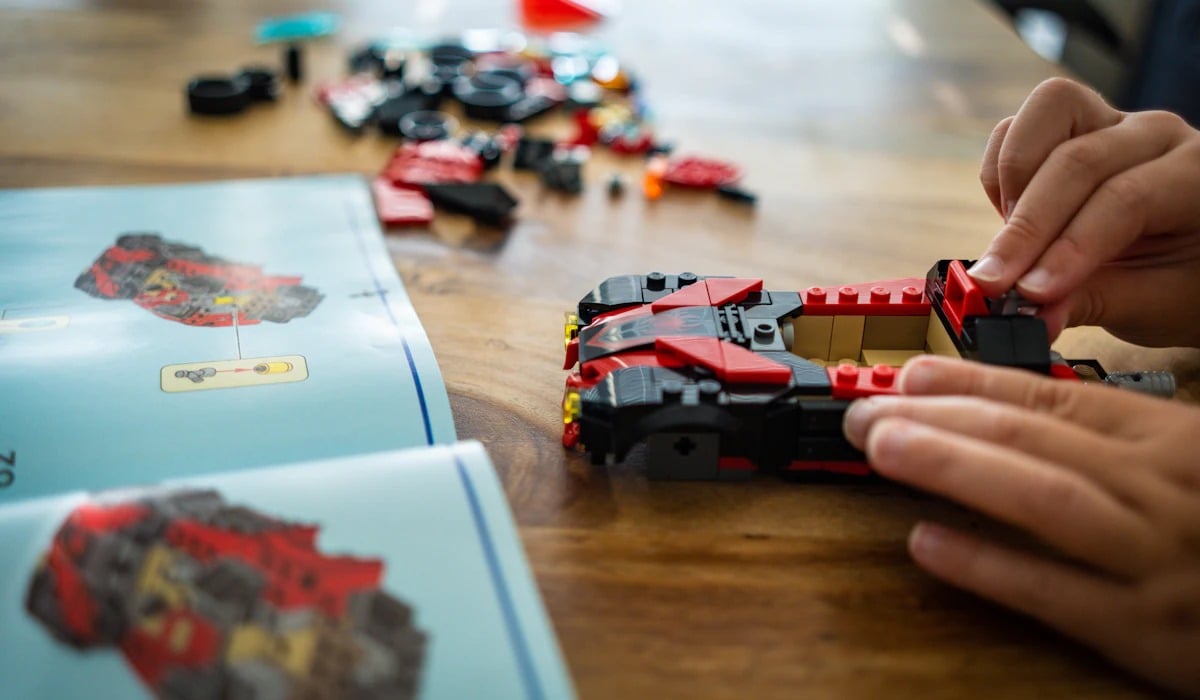
Lego arrived in Happy Meals in 1984 with four small building sets, generally listed as a wheeled vehicle, a ship, a helicopter and an airplane, each of about 20 pieces with a printed instruction sheet. Younger children received Duplo versions with larger bricks, an early example of the under-three alternative that became standard.
The sets were tiny, yet the bricks were the real thing and snapped onto any set at home. That compatibility is why so few survive intact.
Sealed bags from the 1984 run often list for 15 to 40 dollars, and opened sets missing the instruction sheet sell for far less.
Muppet Babies on Wheels
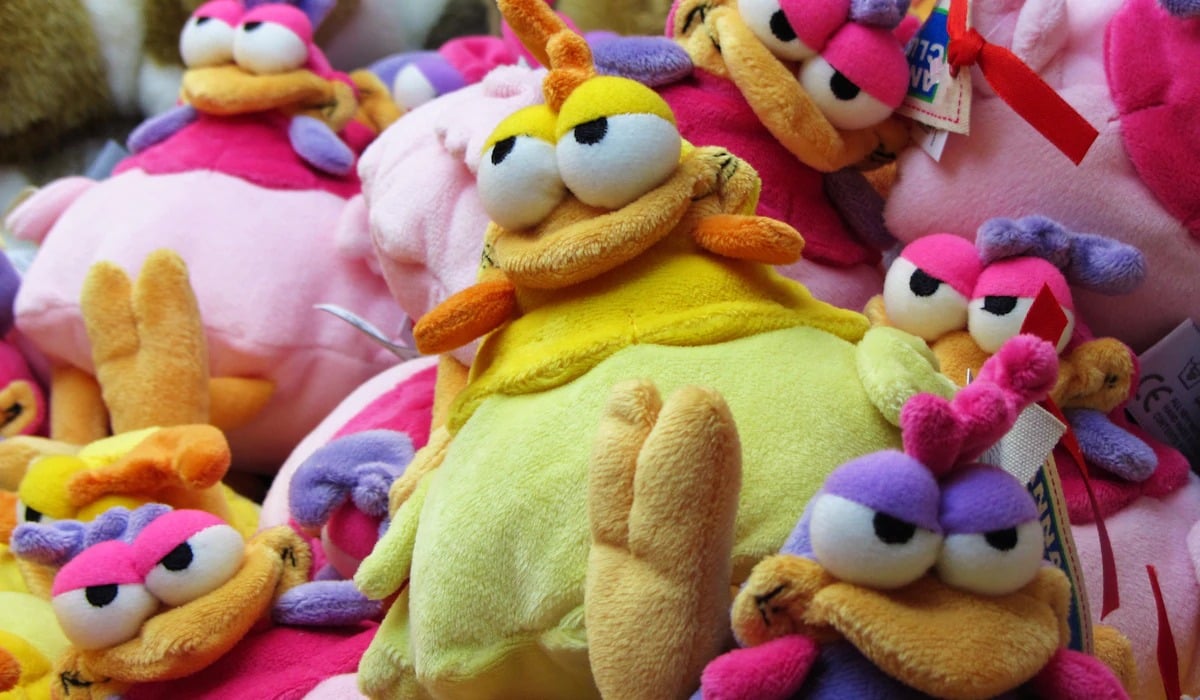
Four figures and four vehicles made up the 1987 Muppet Babies Happy Meal: Kermit on a skateboard, Miss Piggy in a pink car, Fozzie on a wheeled rocking horse and Gonzo on a tricycle. The figures lifted off and swapped rides, a small design choice that multiplied the play value at almost no extra cost.
The cartoon was a Saturday morning hit on CBS at the time, and the characters returned to the Happy Meal in later years with new designs. Loose sets are common and cheap, usually under 20 dollars for all four.
Worn paint and missing riders account for most of the discount.
Fraggle Rock Vegetable Cars
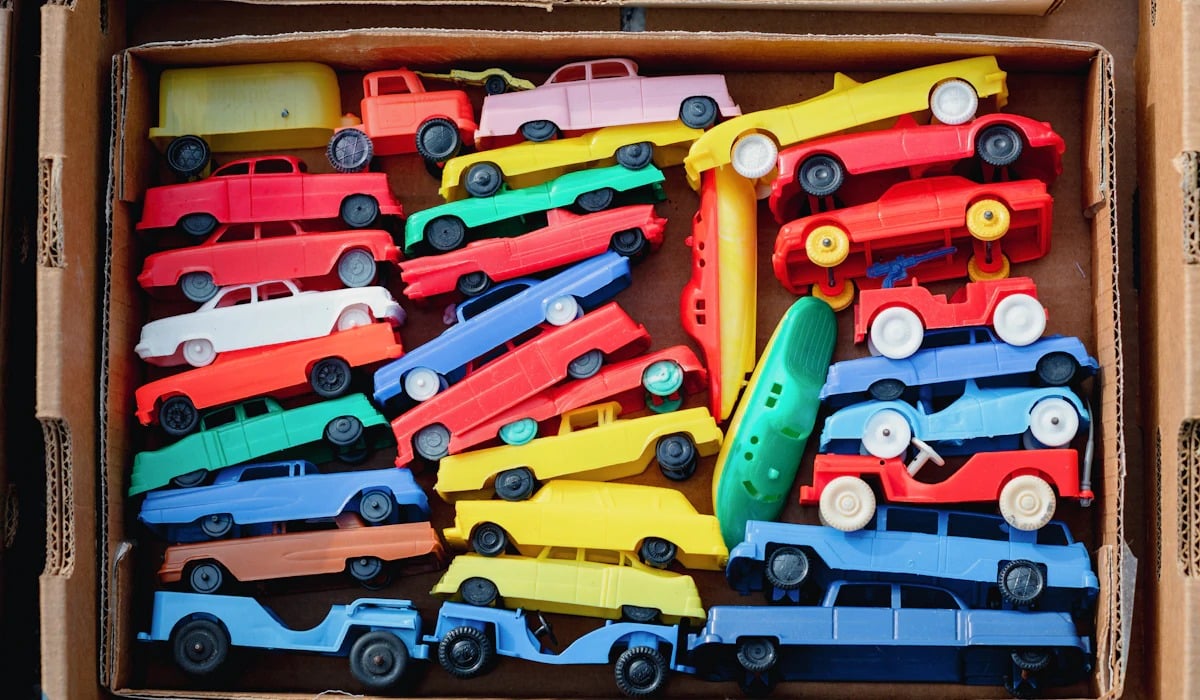
For a 1988 promotion, McDonald’s put Jim Henson’s Fraggles into cars shaped like produce. Gobo drove a carrot, Red a radish, Mokey an eggplant, and Wembley and Boober shared a pickle.
The vehicles rolled on free wheels and did nothing else, which was the charm: four odd little cars that looked as though a garden had been issued a racing license. The HBO series had ended its original run the year before, so the toys doubled as a farewell.
Complete sets with clean paint typically sell for 15 to 30 dollars, and less when the wheels wobble.
Changeables, the Food That Turned Into Robots
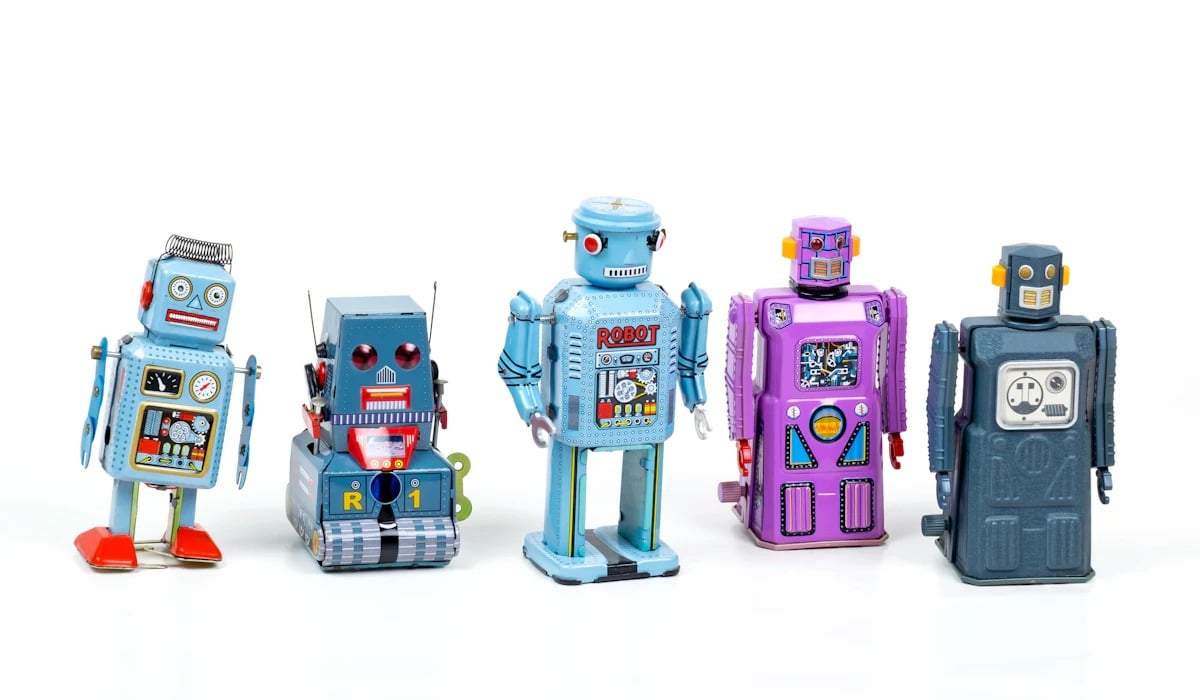
Riding the Transformers craze, McDonald’s released Changeables in 1987: menu items that unfolded into robots. A Big Mac container opened into a figure with arms and legs, a carton of fries stood up on robot feet, and a Quarter Pounder box, a shake and a McNuggets box did the same.
A second series followed in 1989, and a dinosaur version arrived around 1990 with names like Fry-ceratops. The engineering was better than it needed to be, with hinges that still click decades later.
Loose figures run a few dollars each, and stiff joints or stress marks at the hinges lower the price.
McNugget Buddies and Their Tiny Costumes
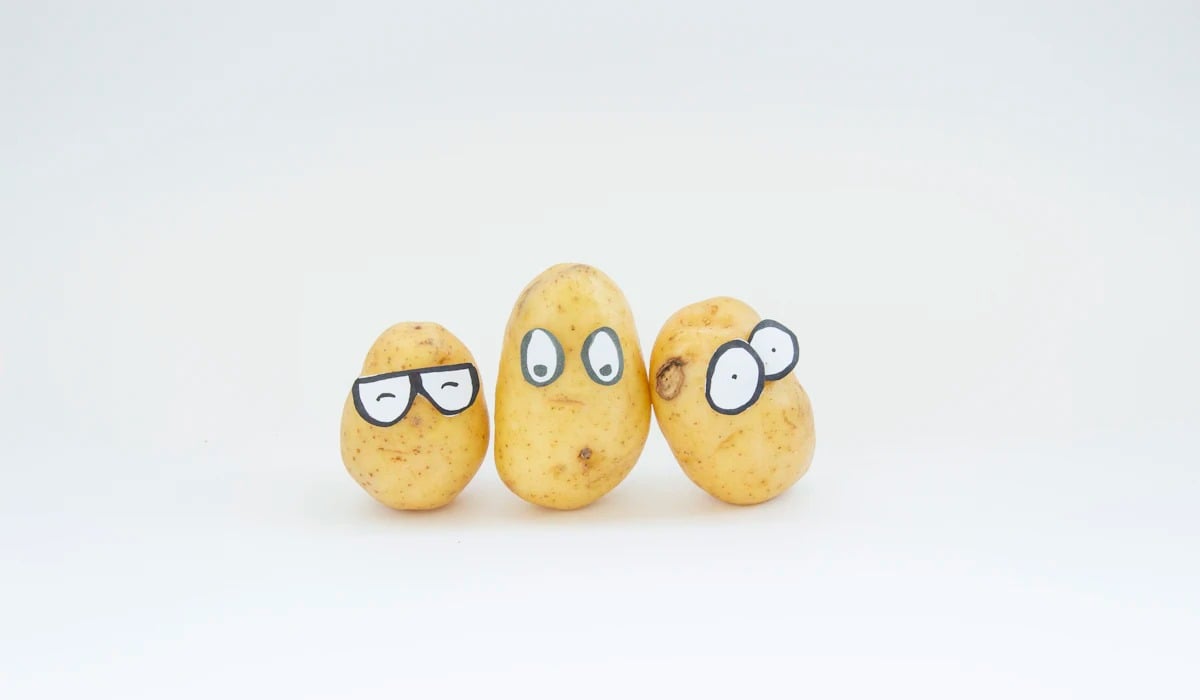
The 1988 McNugget Buddies gave personalities to a menu item that had been sold nationally for only about five years. Ten nugget-shaped figures came with removable hats and belts, under names such as Cowpoke, Sarge, Sparky, Rocker and First Class, and the accessories swapped freely among them.
Later sets dressed the nuggets as Halloween monsters, and the characters resurfaced in 2023 in an adult-aimed collector box designed with Kerwin Frost. Original 1988 figures with both accessories typically sell for 5 to 15 dollars each.
The hats, small enough to vanish into a couch, are what separate a complete Buddy from a bare one.
Halloween Pails Named McPunk’n, McBoo and McGoblin
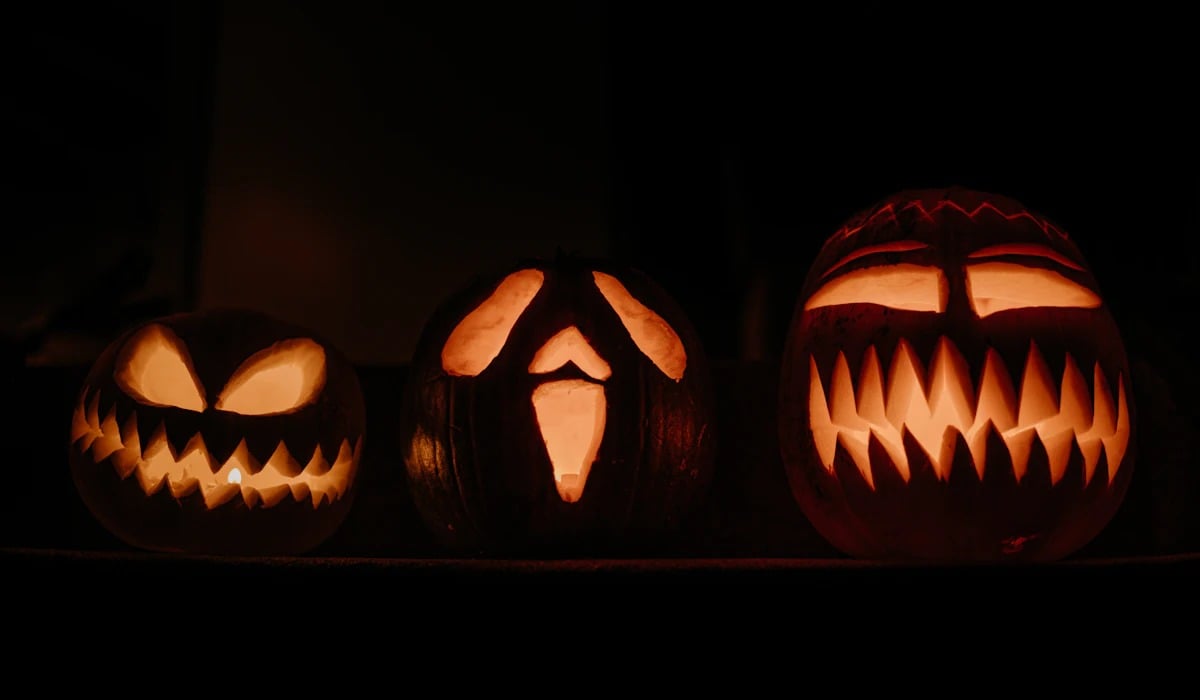
McDonald’s replaced the box with a bucket every October. After regional tests, the Halloween Pails went national in 1986 as three orange jack-o’-lantern buckets with different faces, named McPunk’n, McBoo and McGoblin.
Later years added a white ghost and a green witch, along with lids that worked as cookie cutters in some runs. The pails doubled as trick-or-treat buckets, which is why so many are scuffed inside and missing lids or handles.
When the chain brought them back in 2022, the return was pitched squarely at grown-up nostalgia. Clean 1980s pails with lids often sell for 15 to 40 dollars.
California Raisins at Hardee’s
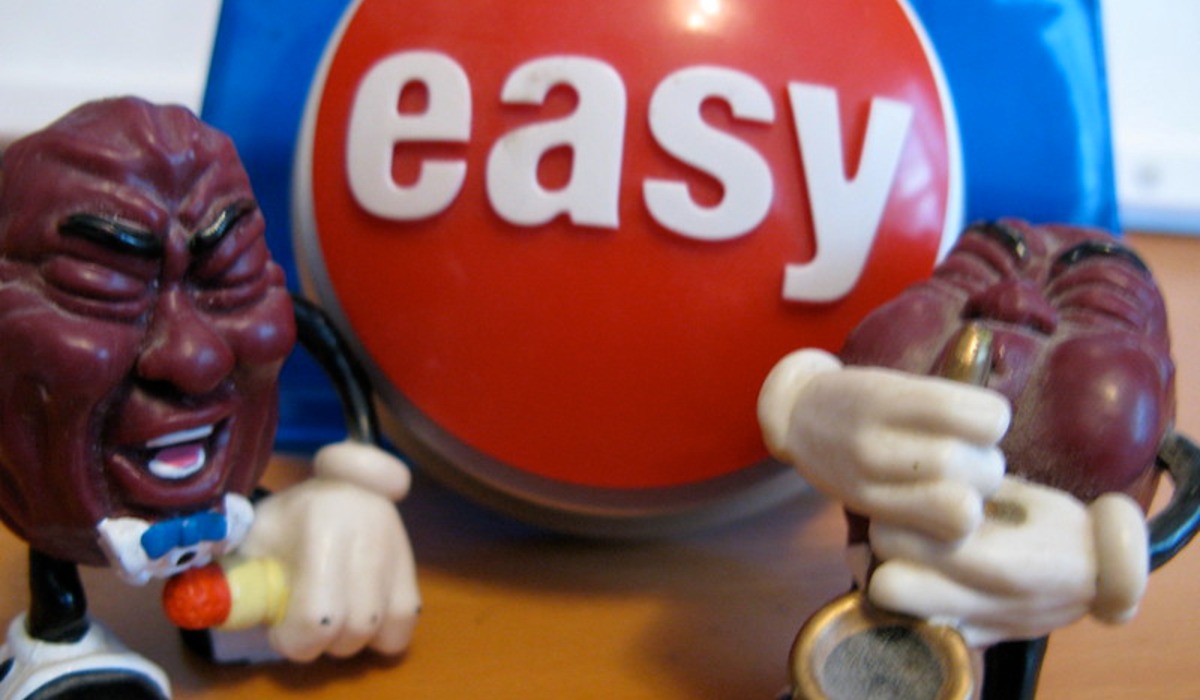
Hardee’s turned a produce commercial into a collecting craze in 1987. The California Raisins, Claymation singers created by Will Vinton’s studio for the state’s raisin board, had become stars with a 1986 ad set to a Motown classic, and Hardee’s sold small PVC figures of them cheaply with a purchase.
The tie-in promoted the chain’s cinnamon raisin biscuits. Customers bought the figures in enormous numbers, and a follow-up series arrived in 1988 with new poses.
Individual figures remain inexpensive, often 3 to 10 dollars, with rubbed paint on the sunglasses and gloves the usual flaw.
Kids Club Gang From Burger King
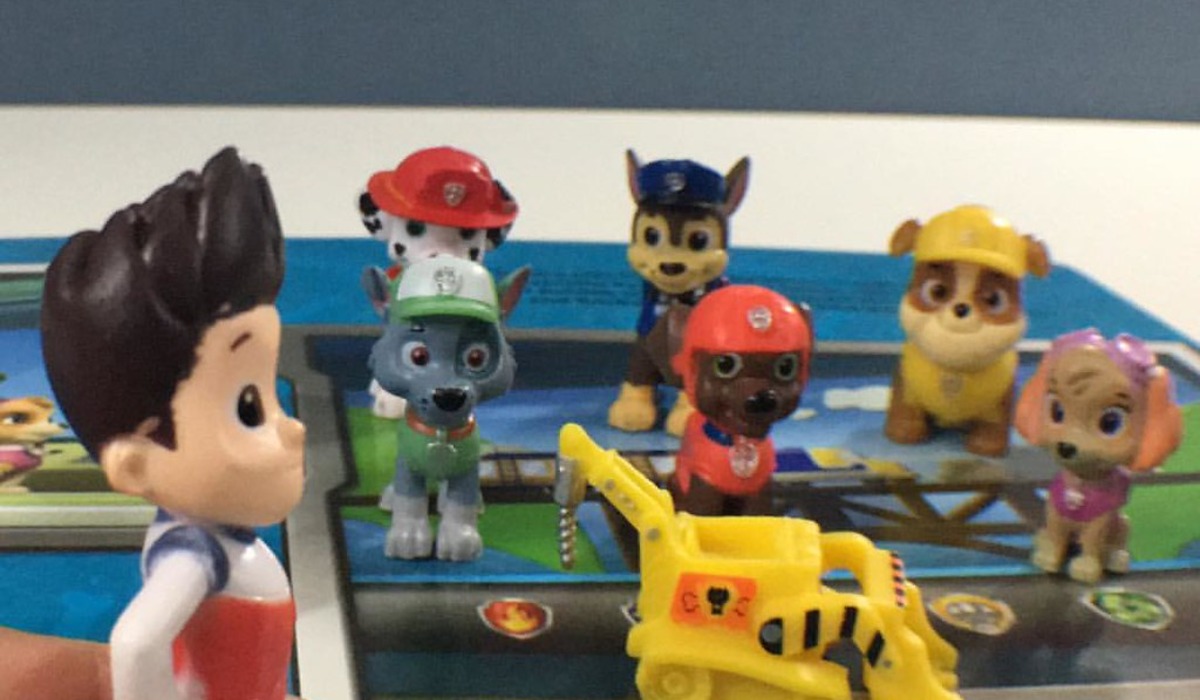
Burger King answered Ronald McDonald in 1990 with a cast of its own. The Kids Club gang included Kid Vid, the technology-loving leader, along with Boomer, Jaws, Snaps, Wheels, Lingo and a dog named J.D., each built around a hobby such as photography, sports or art.
Membership was free and came with mailings, and well over a million children reportedly signed up within the first six months. The characters appeared on bags, cups and a long run of figures and vehicles through the 1990s.
Wheels, who used a wheelchair, was an unusual inclusion for a mascot lineup of that era. Most of the toys sell for a few dollars.
Simpsons Dolls From the Show’s First Year
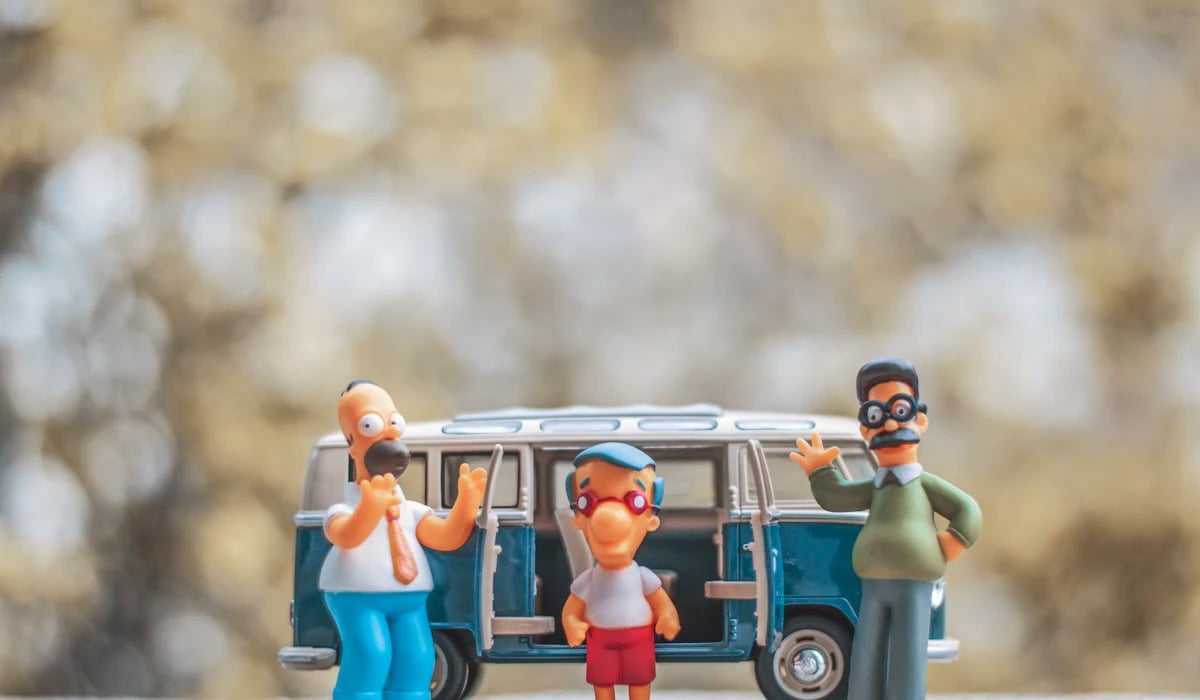
In 1990, with The Simpsons only months into its run on Fox, Burger King sold a set of five soft-bodied dolls with vinyl heads, one for each family member. They cost a few dollars with a food purchase and came with cardboard tags.
The faces look slightly off by modern standards, because the show’s own designs had not yet settled. A companion set of small camping-themed figures followed the same year.
The dolls are easy to find today, typically 5 to 15 dollars each, and an intact tag and unyellowed vinyl make most of the difference.
Super Mario Bros. 3 Action Toys
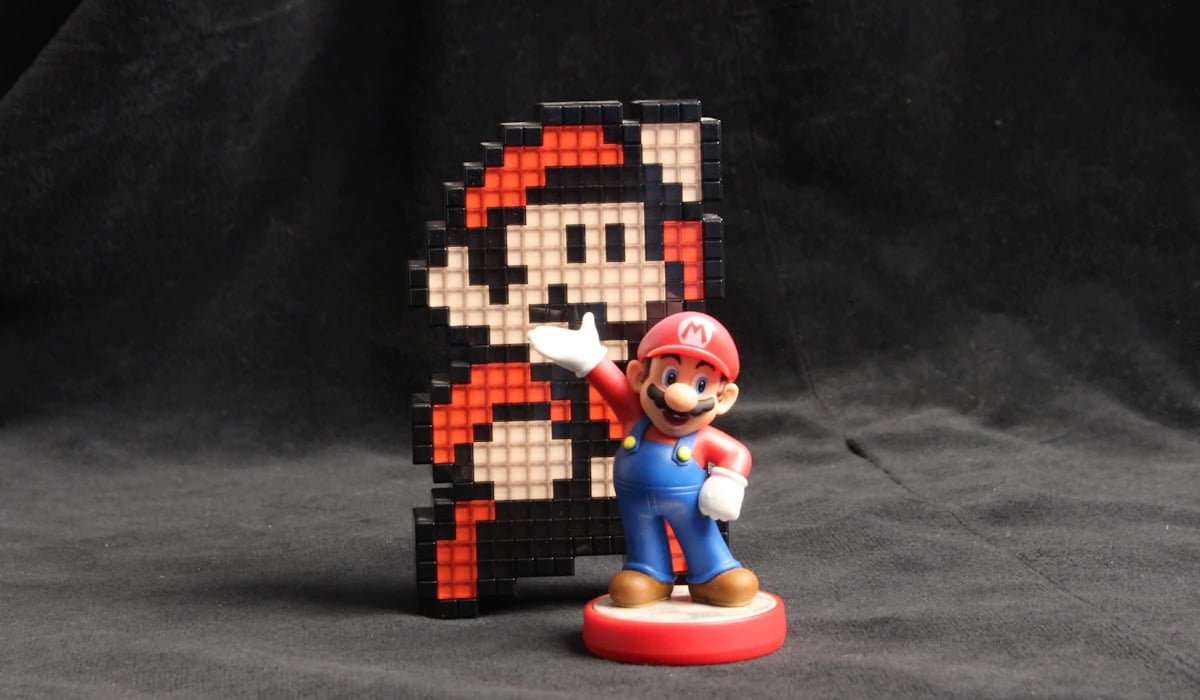
The 1990 Super Mario Bros. 3 Happy Meal arrived the same year the game reached North America, and each of the four toys moved.
Mario sprang into the air on a spring-loaded base, Luigi rolled forward on a cloud with a pull-back motor, a Goomba flipped over, and a Koopa Paratroopa hopped when a small rubber pump was squeezed. Toddlers received a one-piece Raccoon Mario instead.
The air tube on the Koopa is the weak point after three decades, and working examples are worth more than dead ones. A complete functioning set typically sells for 25 to 50 dollars.
Tiny Toon Adventures Flip Cars
Warner Bros. launched Tiny Toon Adventures in 1990, and McDonald’s followed in 1991 with a set called Flip Cars. Each of the four vehicles carried two characters, one on top and one underneath, so turning the car over produced a different driver and a different car.
Buster Bunny, Babs Bunny, Plucky Duck and Hamton were among the passengers. Eight characters from four toys was efficient design, and children noticed only that the trick was satisfying.
Loose sets are plentiful, usually 10 to 20 dollars, with sticker wear and bent axles as the common complaints.
Hot Wheels and Barbie Split the Counter
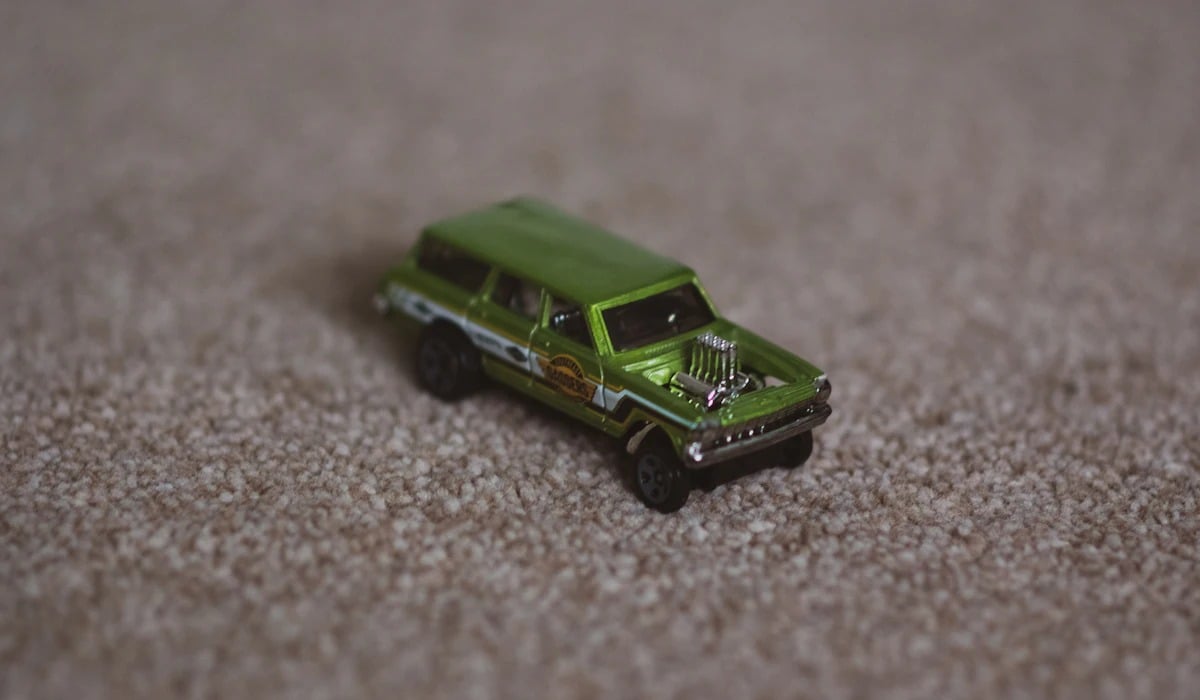
Mattel’s two biggest brands began sharing a Happy Meal in 1991, and the pairing ran in various forms for decades. The cars were genuine die-cast Hot Wheels in many years, while the Barbie side offered small figures with molded or rooted hair instead of full-size dolls.
The arrangement produced the question a generation remembers, whether the meal was for a boy or a girl, a practice McDonald’s later told employees to drop in favor of asking which toy the child wanted. Bagged cars from the early 1990s typically sell for 3 to 8 dollars.
Loose ones with chipped paint are pocket change.
Lion King Figures During Burger King’s Disney Years
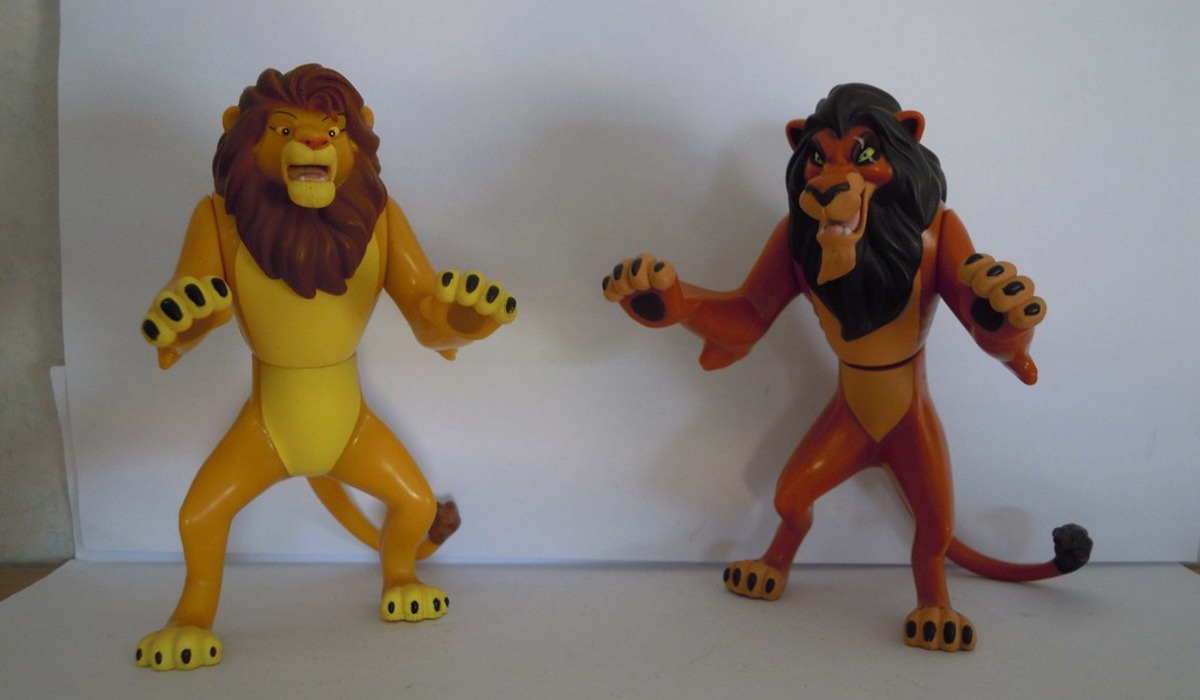
Before McDonald’s signed a ten-year exclusive with Disney in 1996, Burger King held the studio’s biggest tie-ins, and the 1994 Lion King promotion was among the largest. The set of small figures covered Simba, Nala, Mufasa, Scar, Rafiki, and Timon with Pumbaa, released as the film became one of the year’s biggest hits.
The chain had already handled Beauty and the Beast and Aladdin and would follow with Pocahontas and Toy Story. Then the deal moved across the street.
Figures are common now, often 3 to 8 dollars each, and less with scuffed paint.
Dalmatians, All 101 of Them
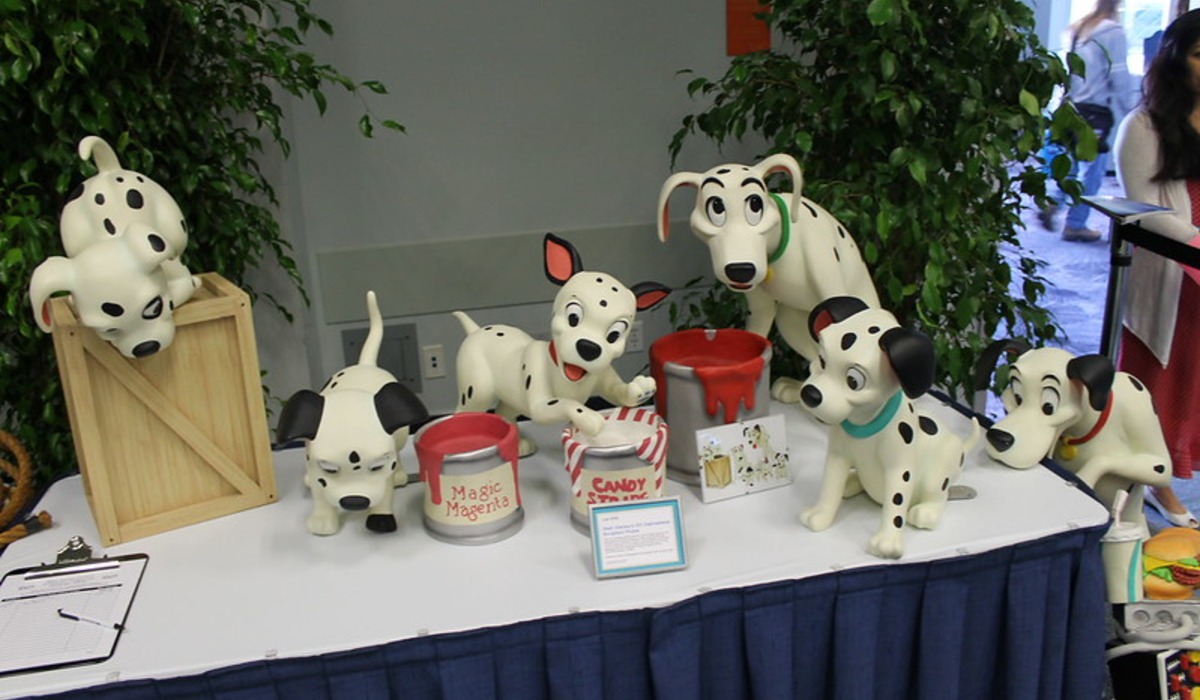
For Disney’s live-action 101 Dalmatians in late 1996, McDonald’s produced 101 different puppy figures and handed them out one meal at a time. Completing the set through meals alone was close to impossible, which was the point.
Each puppy had its own pose or prop, some with a holiday theme to suit the season. The chain also offered a boxed collector’s edition of the full set, and those complete sets typically sell for 60 to 150 dollars today when the packaging is intact.
Single loose puppies are worth about a dollar.
Teenie Beanie Babies and the 1997 Frenzy
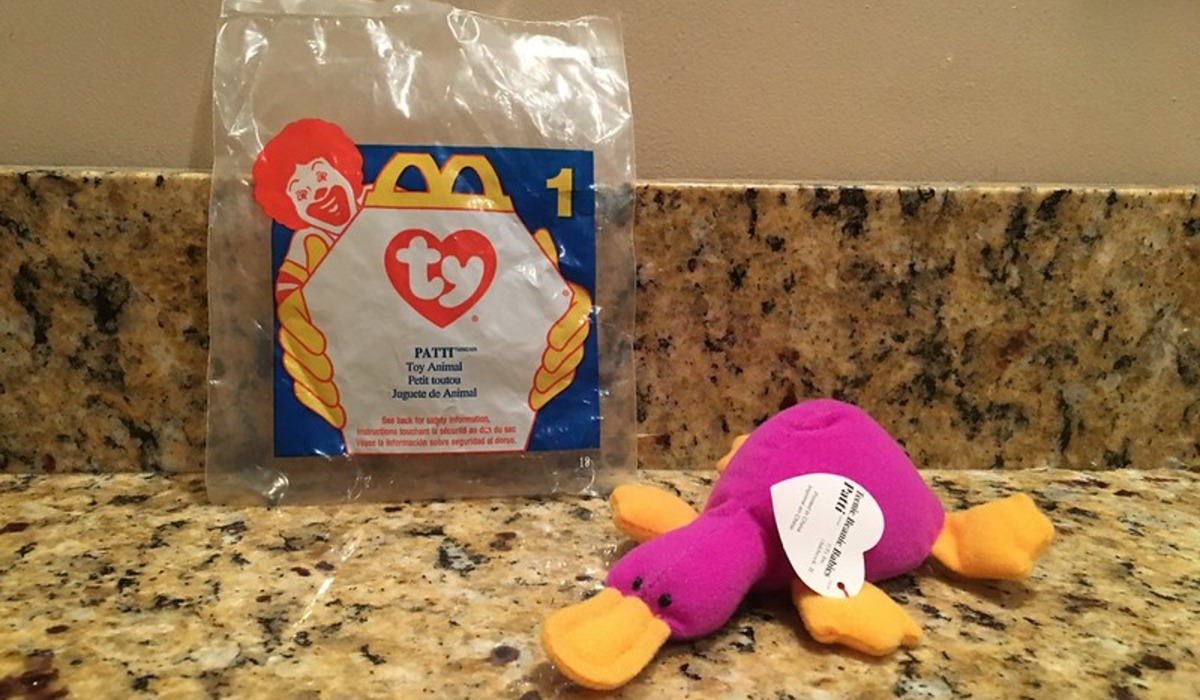
In April 1997, at the height of the Beanie Babies craze, McDonald’s offered ten miniature versions, including Patti the Platypus, Pinky the Flamingo, Chops the Lamb and Lizz the Lizard. The promotion was planned for about five weeks, and the supply, reported at roughly 100 million toys, was gone in less than two.
Adults bought meals by the dozen and left the food behind. Follow-up runs in 1998, 1999 and 2000 were even larger.
That abundance explains the modern price: most sealed Teenie Beanies sell for 2 to 5 dollars, despite hopeful online listings asking thousands.
Universal Monsters With Hidden Tricks
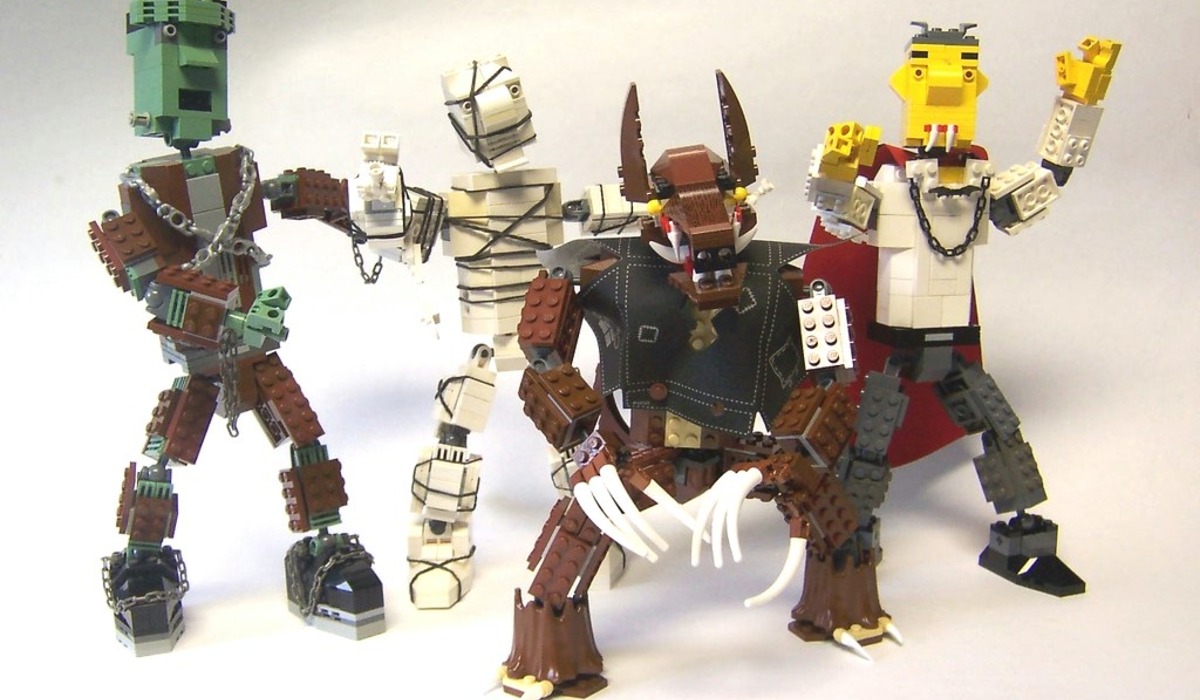
Burger King’s 1997 Universal Monsters set gave kids four classic film creatures: Frankenstein’s monster, Dracula, the Wolf Man and the Creature From the Black Lagoon. Each figure came with a gimmick: Dracula rose from his coffin at the turn of a key, the Wolf Man popped out of a crate, and a lab table lit up the head of Frankenstein’s monster.
The sculpts were detailed enough that adult monster collectors bought them, and they display well beside far pricier figures. It was an odd, welcome choice for a kids’ meal: black-and-white movies from the 1930s through the 1950s, pitched to children born in the 1990s.
Complete sets with working features typically sell for 20 to 40 dollars.
Snoopy World Tour in 28 Costumes
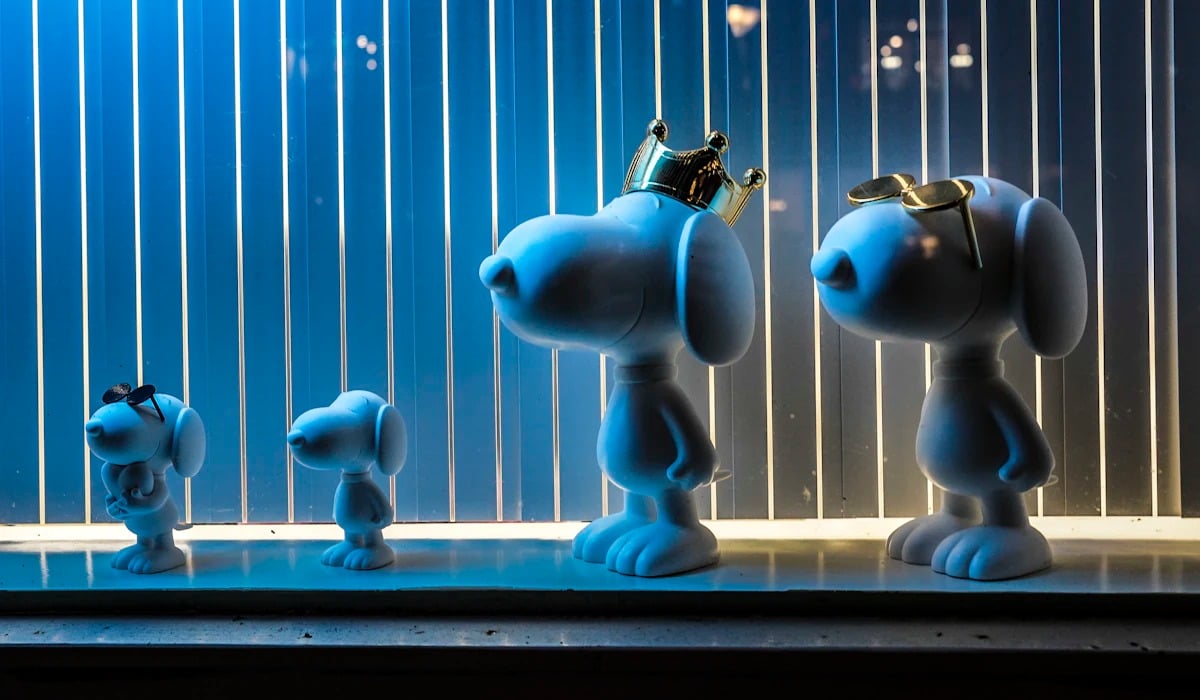
Peanuts fans got Snoopy in the traditional clothing of 28 countries and regions, one figure at a time, in a McDonald’s set called Snoopy World Tour. The promotion ran in the late 1990s in Asia and parts of Europe but never officially reached U.S. restaurants.
In Hong Kong, where it launched in September 1998 with a new figure each day, the lines grew unruly enough that police were called to some outlets. The costumes made the set a small geography lesson with ears.
Collectors wanted all 28, and few managed it through lunch alone. Full sets in their bags often sell for 80 to 200 dollars, with mixed loose lots far lower.
Furby Miniatures in Eighty Varieties
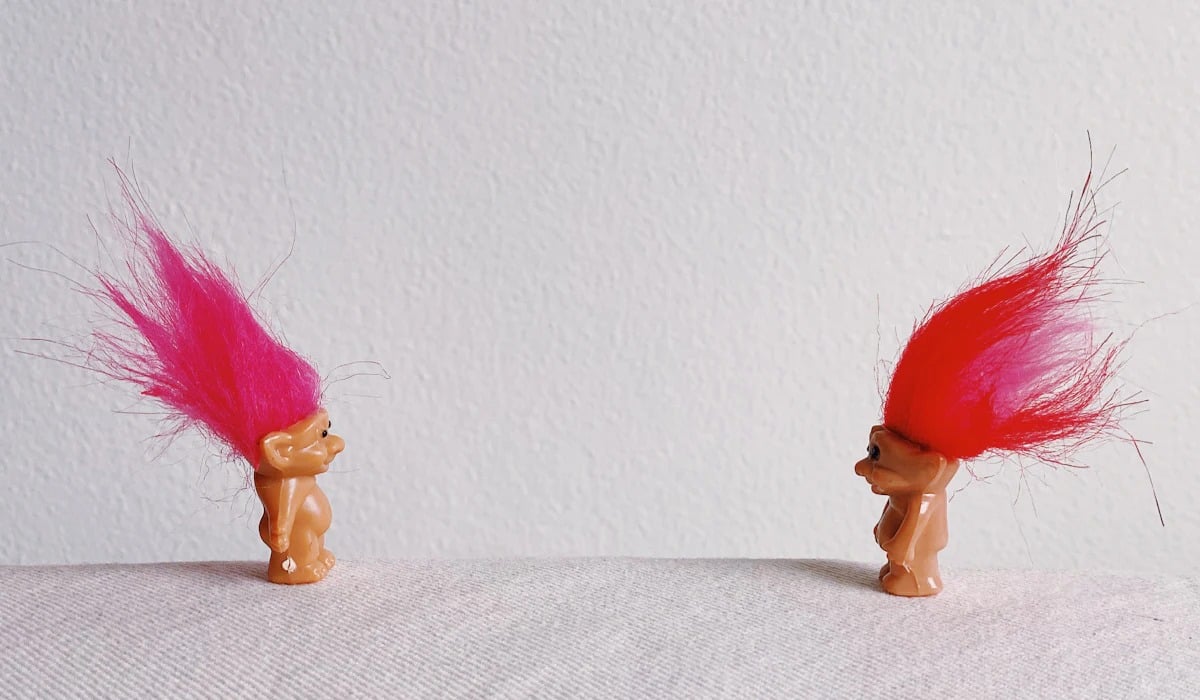
After the Furby craze of Christmas 1998, McDonald’s ran a Happy Meal promotion in 1999 that included 80 different hard plastic Furbys. They came in eight basic styles, each in ten color schemes, and each style did something different, such as wiggling its ears or moving its eyes.
None of them talked, which some parents considered the main selling point. A set of small plush clip-on Furbys followed in 2000.
Sealed singles typically go for 3 to 8 dollars today, and complete runs of all 80 in original bags are uncommon enough to bring 150 dollars or more.
Inspector Gadget, Built One Limb at a Time
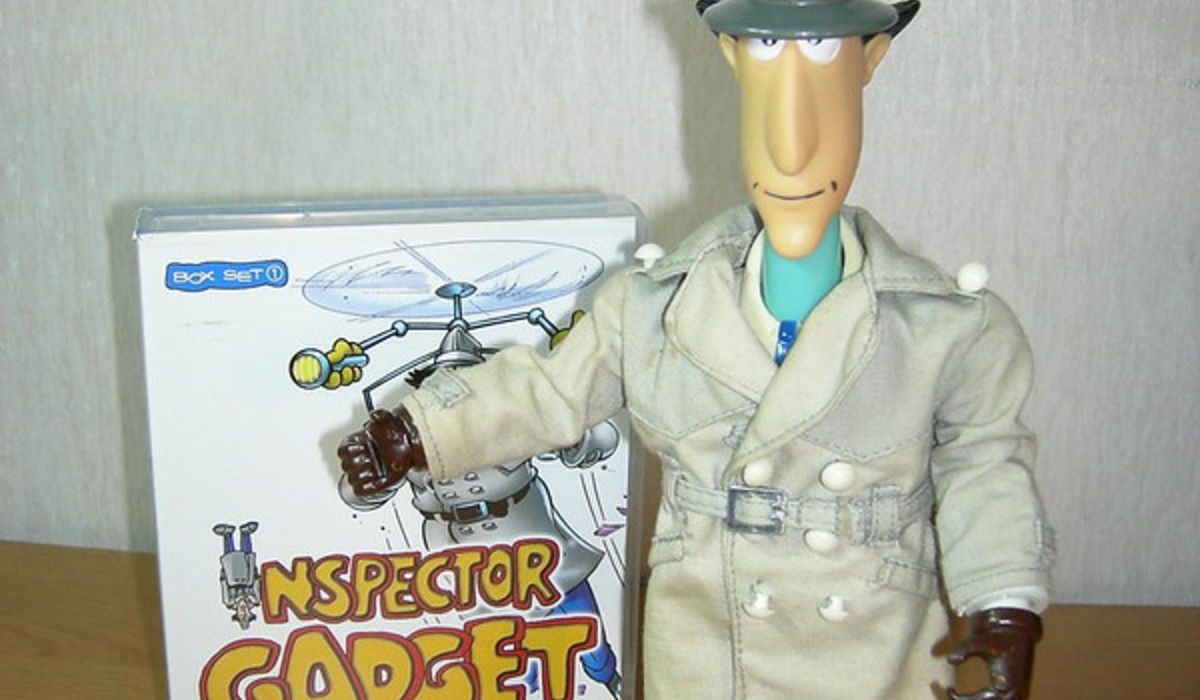
Disney’s live-action Inspector Gadget film in 1999 brought a promotion that split one large figure across eight Happy Meals. Each piece worked as a toy alone, including an arm that squirted water and a belt fitted with a watch.
Assembled, the inspector towered over the shelf of ordinary giveaways, far larger than a typical kids’ meal prize. It also meant eight visits, or a parent willing to trade in the parking lot.
Complete figures typically sell for 40 to 80 dollars, and missing limbs and a lost belt are the usual problems.
Gold-Plated Pokemon Cards and a Recall
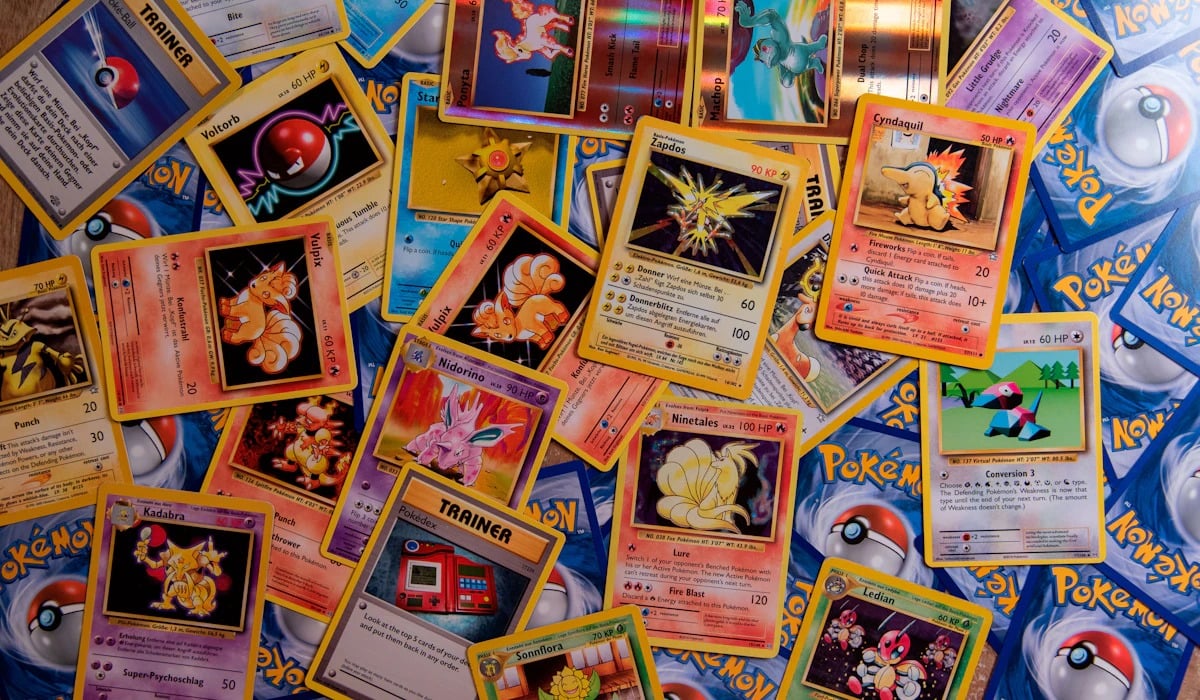
Late 1999 brought an enormous Pokemon promotion to Burger King: 57 different toys packed inside round plastic containers that pulled apart into two halves. In December, after a 13-month-old girl in California suffocated when half of a container covered her nose and mouth, the chain and federal regulators recalled roughly 25 million of the containers and offered a small order of fries for each one returned.
The toys themselves were not recalled. Sold separately for about two dollars apiece were six 23-karat gold-plated metal cards in red or blue boxes, including Pikachu and Mewtwo.
Boxed examples with the certificate often sell for 15 to 40 dollars.
Star Wars Across Three Restaurant Chains
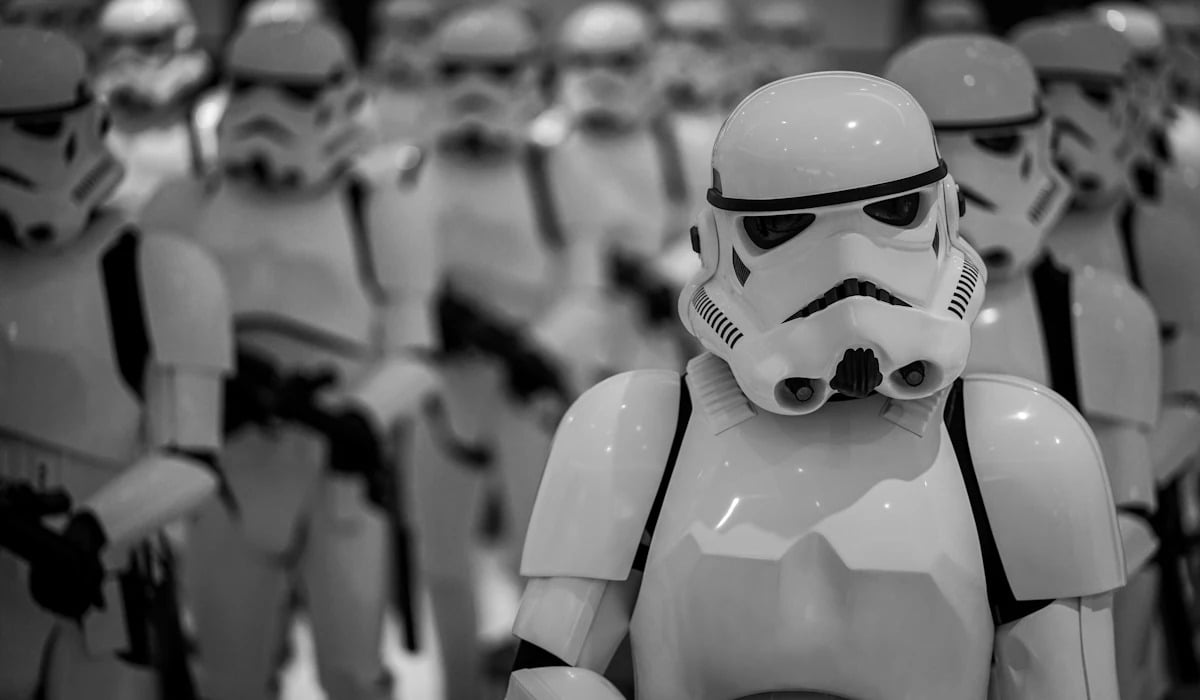
For Star Wars: Episode I in 1999, Tricon Global Restaurants split the galaxy among its three chains. Taco Bell took the desert planet Tatooine, KFC got Naboo, and Pizza Hut handled the city planet Coruscant, each with its own toys, while the commercials teamed the Colonel, the Taco Bell Chihuahua and a Pizza Hut delivery girl.
Collecting everything required eating at all three, a neat piece of corporate choreography. Taco Bell’s earlier tie-in with the Special Edition rereleases in 1997 had tested the appetite.
Most pieces remain cheap, a few dollars each sealed, because supply far outran demand.
Fellowship Figures That Formed a Ring
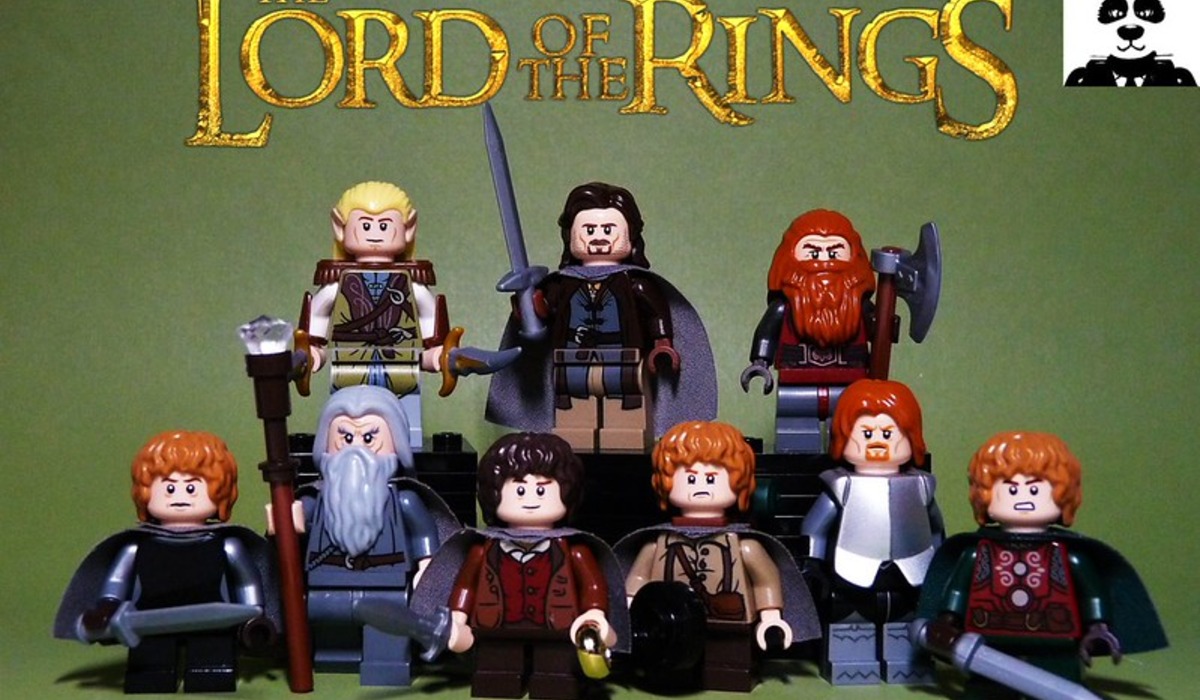
Tolkien reached the kids’ meal in 2001, when Burger King marked The Lord of the Rings: The Fellowship of the Ring with a set of 19 figures on bases that lit up or played sounds. The bases linked together in a circle around a gold-colored ring piece, turning a pile of kids’ meal toys into a display.
Frodo, Gandalf, Arwen, Pippin and Galadriel were among the characters. For a dark, three-hour fantasy film, it was an ambitious children’s promotion.
Complete circles with working electronics typically sell for 60 to 120 dollars, and corroded batteries are the main thing buyers check.
Chick-fil-A Books Instead of Toys
Chick-fil-A took a different route with its kids’ meals and for decades favored books, audio stories and educational prizes over plastic figures. Promotions included Adventures in Odyssey audio cassettes and VeggieTales programs, along with small-format children’s books from established publishers.
The chain also let children trade the unopened prize for a small ice cream cone, a policy that quietly admitted what some kids wanted more. Few of these premiums have much resale value.
The cassettes, though, still turn up in the collections of adults who can recite the stories from the back seat of a minivan.
Madame Alexander Dolls in Miniature
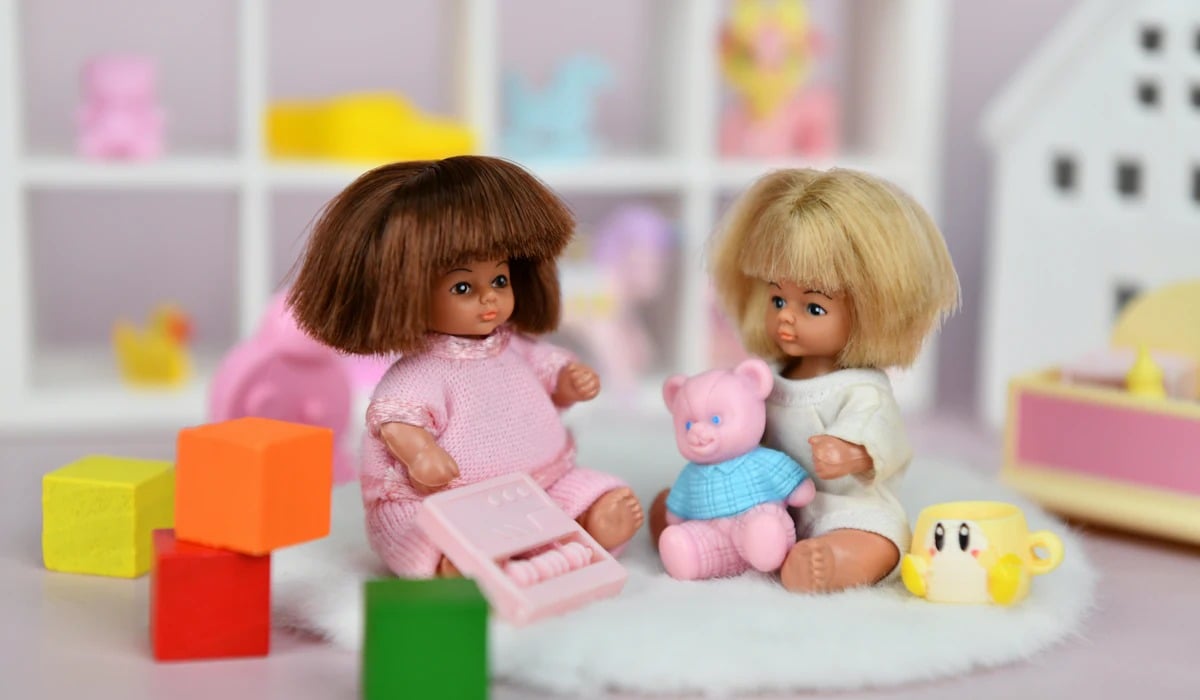
Happy Meals went upscale in 2002, when McDonald’s partnered with the Alexander Doll Company, a New York dollmaker founded in 1923, to shrink its collectible dolls to Happy Meal size. The miniatures stood just under five inches tall with sleep eyes that closed when the doll was laid down, a feature almost unheard of in a giveaway.
Themes over the years included storybook characters and a Wizard of Oz series with Dorothy, Glinda and the Wicked Witch. Grandmothers collected them as eagerly as children did.
Sealed dolls typically sell for 5 to 12 dollars, and complete series in unopened bags bring more.
Drive-Thru Prizes and the Price of a Small Surprise
None of these toys was the reason a restaurant existed, yet for long stretches they were the reason a particular restaurant got chosen. A chain could spend pennies per unit and move millions of meals, and studios learned that a movie opening without a kids’ meal was missing an advertisement in every back seat.
The toys grew more elaborate until the build-a-figure era, then shrank again as costs, safety rules and screens took over.
Most of them are worth little today, and that is fine. Their value was always in the ten minutes after the bag opened, when a child tore the plastic to see which one was inside.
The handful that now carry real prices got there by accident, saved by people who never opened the bag. Everyone else got the better deal.
MORE FROM GO2TUTORS!

- The Romanov Crown Jewels and Their Tragic Fate
- 13 Historical Mysteries That Science Still Can’t Solve
- Famous Hoaxes That Fooled the World for Years
- 15 Child Stars with Tragic Adult Lives
- 16 Famous Jewelry Pieces in History
Like Go2Tutors’s content? Follow us on MSN.